July 16, 2026
F
Filmmaker Commentary
  • Home
  • About
  • Episodes
  • Film
  • TV
  • Home
  • About
  • Episodes
  • Film
  • TV
Podcast

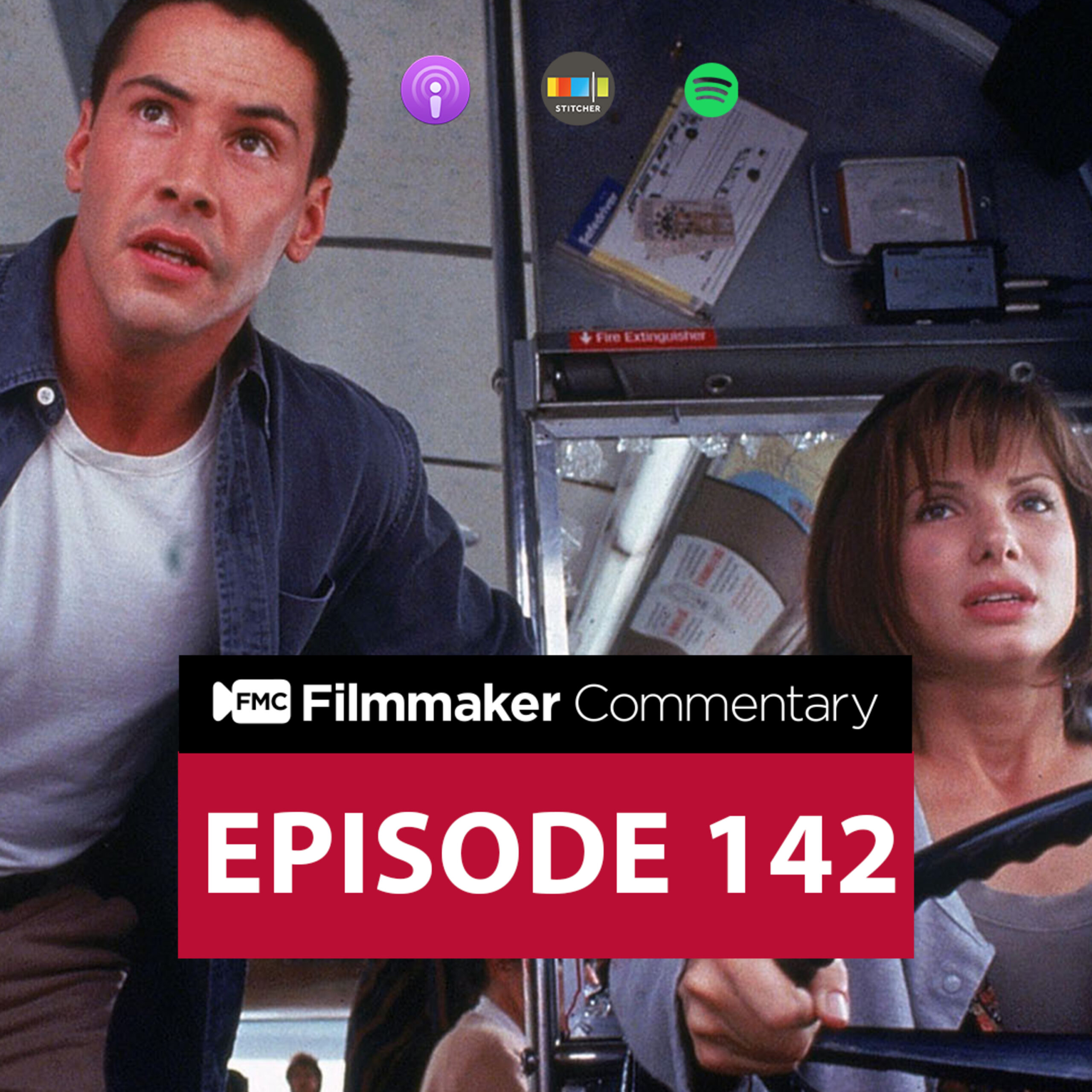
FMC 142: Speed Directed by Jan De Bont

October 4, 2022
Listen on Apple Spotify YouTube
Listen to this episode
Your browser does not support the audio element.
Also on Apple Spotify YouTube

Get ready for a high-octane dive into the 1994 action classic, “Speed,” directed by Jan De Bont. Join Reginald Titus Jr. and Casey G. Smith on Filmmaker Commentary as they dissect this adrenaline-fueled thriller that captivated audiences and critics alike. This episode unpacks the film’s surprising Academy Award wins, its massive box office success, and why it remains a benchmark for action cinema decades later.

Released in 1994, “Speed” wasn’t just a commercial hit; it was a phenomenon that launched careers and redefined the action genre. With a modest budget of $30 million, the film rocketed to an astounding $350 million worldwide, cementing its place in Hollywood history. More impressively, it defied typical Oscar expectations by snagging two Academy Awards for Best Sound Effects Editing and Best Sound, showcasing its technical prowess.

The hosts explore how “Speed” served as a pivotal moment for its stars. It was a career-defining role for Sandra Bullock, propelling her into superstardom with her portrayal of Annie Porter, the quick-witted bus passenger thrust into an impossible situation. Keanu Reeves solidified his status as an action hero, while Dennis Hopper delivered a chilling performance as the film’s relentless antagonist, Howard Payne. The discussion highlights Jan De Bont’s masterful direction, leveraging practical effects, dynamic camerawork, and an unyielding pace to create a truly immersive experience. The hosts also touch on the film’s deeper themes, examining elements of sacrifice, community, and the corrupting influence of greed that underpin its explosive narrative. Prepare for a detailed breakdown of the filmmaking craft, the on-set challenges, and the cultural impact of this beloved action movie.

What We Cover

  • A detailed analysis of Jan De Bont’s directorial vision for “Speed.”
  • The film’s phenomenal box office performance and economic impact.
  • Sandra Bullock’s career breakout role and its significance.
  • The surprising Academy Award wins for Best Sound and Sound Effects Editing.
  • Discussion of practical effects versus CGI in 90s action films.
  • Key themes including sacrifice, community, and the allure of money.

Key Moments

  • 0:54 – Unpacking “Speed’s” colossal box office success and how it defied expectations.
  • 1:37 – A look at the film’s 18 awards, including its two surprising Oscar wins.
  • 28:36 – Discussion of the film’s relentless, intense pacing and how it keeps viewers hooked.
  • 4:48 – Insights into the recent Visual Effects Society Hall of Fame inductees.

Gear & Films Mentioned

  • Anamorphic Lenses
  • Poltergeist
  • Day Shift
  • Hamilton (musical)
  • Twister
  • The Haunting
  • Die Hard
  • Thor: Love and Thunder
  • Thor: Ragnarok
  • Hulk (Eric Bana film)
  • Superman
  • Sonic the Hedgehog
  • Rescue Rangers
  • Flash (TV series)
  • 12 Years a Slave
  • Cable Guy
  • Ferris Bueller’s Day Off
  • Matrix 2
  • El Mariachi
  • Once Upon a Time in Mexico
  • Desperado
  • She-Hulk: Attorney at Law
  • Moon Knight
  • Winning Time: The Rise of the Lakers Dynasty
  • Lakers (Hulu docuseries)
  • Pam and Tommy
  • Game of Thrones
  • House of the Dragon
  • American Crime Story: Impeachment
  • Light and Sound (ILM docuseries)

Listener Questions

  • How did “Speed” manage to win Academy Awards despite its genre and release year?
  • What specific filmmaking choices did Jan De Bont make to create the film’s iconic sense of urgency?
  • What themes of responsibility and consequence are most prominent in the film’s high-stakes narrative?

Full Transcript

Read the full transcript

Full Episode Transcript
This episode of Filmmaker Commentary the high-octane 1994 action film *Speed*, directed by Jan De Bont, while also covering recent entertainment news and the hosts' latest movie and TV watch lists.

Opening Discussion and Film Overview
Reginald Titus Jr.: Filmmaker Commentary, episode 142. Welcome to Filmmaker Commentary, where we cover movies with commentaries from directors who take the time to record them on Blu-ray and DVDs. We also give our detailed insights, so look out for spoilers. We discuss the latest in showbiz news along with movies and TV shows that we've been watching. So join Reginald Titus Jr. That's me. And Casey G. Smith. That's me. Every week here on Filmmaker Commentary. Welcome to Filmmaker Commentary, I'm Reginald Titus Jr., I'm joined with Casey G. Smith. Welcome back, sir.
Casey G. Smith: Good to be back, sir.
Reginald Titus Jr.: And today we're talking about *Speed*, 1994, directed by Jan De Bont. Starring Keanu Reeves, Sandra Bullock, and Dennis Hopper. Booyah. What kind of budget and box office did this film have?
Casey G. Smith: On a $30 million budget, this made a box office total of $350 million. That's a win.
Reginald Titus Jr.: Yikes. Yeah, anything that these actors want, they could have, especially during that time in Hollywood. What do you want? What do you want? What's your next movie? Do you want to be Superman? Like, what do you want to do?
Casey G. Smith.: This shot Sandra Bullock, this shot her into, this made her a star.
Reginald Titus Jr.: Yeah, this was her breakout, breakout role as Annie. Goodness gracious, that is, wow.
Casey G. Smith: Pretty ridiculous.
Reginald Titus Jr.: That is awesome. Did it did it did this film win any awards?
Casey G. Smith: It did. It won a total of 18 awards throughout its 20 nominations. Two of which were Academy Awards, in particular.
Reginald Titus Jr.: Really?
Casey G. Smith: It won an Oscar for Best Effects, Sound Effects Editing, by Stephen Hunter Flick. It was nominated for an Oscar for Best Film Editing but did not win. But it did win Best Sound, by David McMilan, Steve Maslow, Bob Beamer, and Greg Landaker.
Reginald Titus Jr.: Wow.
Casey G. Smith: There's a litany of other awards that this film won from BAFTA Awards to BMI, to Blockbuster Entertainment, the Golden Screen, the MTV Movie Awards, multiple MTV Movie Awards.
Reginald Titus Jr.: Wow. Like a lot, like one, two, three, four, five MTV Movie Awards. Done. Well done.
Casey G. Smith: Yeah, it did all right for itself.
Reginald Titus Jr.: I had no idea it won an Academy Award. I had no idea.
Casey G. Smith: Two.
Reginald Titus Jr.: Two of those, Special Effects and well, Sound, Sound design. Yes, sound effects and sound design. Yeah, a lot of this stuff came from the sound design in the film. Okay. Man. Well done. Because when I when I think *Speed*, I don't think Oscar.
Casey G. Smith: Yeah. I mean, those visual, I mean, those effect categories, they they make it easier. I bet I didn't watch this in the theater, but I bet it sounded great.
Reginald Titus Jr.: Right.
Casey G. Smith: And I think when I watched it here at home, I don't think I watched it. I think I did have the surround sound on, but I'm so used to those things now, I didn't really like jump out at me.
Reginald Titus Jr.: Ah, yeah. I need to invest in a system at home. I, the TV sounds great. Like, TVs have come a long way. And sounds like that sounds great, but I do want to feel the rumble and the base and all that stuff.
Casey G. Smith: The subwoofer is is is worthy.
Reginald Titus Jr.: Yeah, yeah. I might have to invest in that. But before we talk further about *Speed*, let's talk about TV, news and movies watched.

Entertainment News and Recent Watches
Casey G. Smith: So in the news, according to Deadline, the Visual Effects Society has named its 2000, I believe this should be 20, Hall of Fame inductees.
Reginald Titus Jr.: Oh, really?
Casey G. Smith: Oh, really. It includes the pioneering animator, producer and director Mary Ellen Bute. The first woman to ever direct a film, Alice Guy-Blaché, the American computer scientist Grace Hopper, commercial computer animation visionary Bill Kovacs, and Hungarian-American animator, film director and producer George Pal, will be the inductees for the Visual Effects Society Hall of Fame.
Reginald Titus Jr.: I like it.
Casey G. Smith: Couple with that, I don't know if you heard about this church in Texas that did an unauthorized, credit card payment. Not quite. They did an unauthorized version of *Hamilton*.
Reginald Titus Jr.: Oh, no, I didn't hear about this.
Casey G. Smith: That they edited, it was actually in the in the Metroplex, I want to say it's a church in the Metroplex. Did an unauthorized version of *Hamilton* and according to Deadline, that they're going to have to pay unspecified damages for their altered version of *Hamilton*.
Reginald Titus Jr.: Altered? Oh my goodness, because you got to license that in order to perform it.
Casey G. Smith: Sure, but they also they made changes to it to to to make it, you know, more kind of in line with some gospel aspects of of things.
Reginald Titus Jr.: Whoa, man.
Casey G. Smith: Which, you got to respect people's property and and intellectual property at that. So.
Reginald Titus Jr.: Amen.
Casey G. Smith: No way, no way.
Reginald Titus Jr.: What else you got in the news?
Casey G. Smith: That's that's it. Those are the only two items that I that I pulled.
Reginald Titus Jr.: Were you watching any television or movies this past week? Or two weeks, because, you know, it's been a couple weeks since we've recorded.
Casey G. Smith: Well, yes, I have watched a few things. On Netflix, I watched *Day Shift* with.
Reginald Titus Jr.: Oh, I thought it was *Night Shift*.
Casey G. Smith: Day Shift, yes, sir.
Reginald Titus Jr.: Or it was *Day Shift*. That's because, yeah, go ahead. I'm with you. I watched it.
Casey G. Smith: With Jamie Foxx.
Reginald Titus Jr.: *Night Shift* is about a hotel operator or something like that. Anyhow, go ahead, do your thing.
Casey G. Smith: I yeah, I watched *Day Shift* with Jamie Foxx. Vampire film. I I enjoyed it.
Reginald Titus Jr.: Uh-huh.
Casey G.Smith: For for for what it was. I'm wondering I'm wondering if he has some kind of like contract with Netflix, kind of the way Adam Sandler did, because this is like the second movie I've seen him in that's like an action kind of flick movie that.
Reginald Titus Jr.: Oh, like a production deal? Maybe it's just his production company. Because in both movies were good.
Casey G. Smith: Yeah, and he also had his show that was on there as well, the Jamie.
Reginald Titus Jr.: Yeah, we don't talk about that one.
Casey G. Smith: But it's interesting, he's doing that's like three things he got going with Netflix. So I'm guessing he has some kind of deal with them. But *Day Shift*, if you like vampire films, it's pretty cool.
Reginald Titus Jr.: That's like three things that. It's like a nightmare. It is. I watched it with my wife and during the day. And yeah, it was entertaining. It was yeah. I I didn't expect it to be as good as it was.
Casey G. Smith: Likewise.
Reginald Titus Jr.: Yeah, I was like, well done. I was like, oh, okay, I All right. Throw in a little Megan Good. Why not?
Casey G. Smith: Yeah, that's always okay.
Reginald Titus Jr.: Ooh wee. Wow.
Casey G. Smith: Also, what else? I revisited the very first *Poltergeist* film.
Reginald Titus Jr.: Ooh, that's creepy.
Casey G. Smith: Because I've been watching again on Disney Plus the the the the docu series on like light and sound on basically the the the the birth of ILM. I saw one episode. And it's inspirational. Dude, it's good, man. Like, I I highly encourage you because as a filmmaker.
Reginald Titus Jr.: This is on Disney. *Poltergeist* is on Disney? Oh, I watched one episode so far with the George Lucas and all that. I was like, okay, I'm in.
Casey G. Smith: No, it's not. It's not. But I I I got interested in watching it because I've been watching their their docu series on like light and sound, on basically the the the the birth of ILM. I saw one episode. And it's inspirational. Dude, it's good, man. Like, I I highly encourage you because as a filmmaker, oh I watched one episode so far with the George Lucas and all that, I was like, okay, I'm in. It it's, so I'm like, maybe I think on episode four or something like that. But it it's going through their history, and they got to a point where George said, hey, don't refuse any projects from like my friends. And so, Spielberg is the is the producer on *Poltergeist*. And so ILM did the effects, and it kind of shows one of the last effects of the film, which I won't give away. But seeing kind of how they pulled it off, I was like, man, you know what, I remember as a kid, like *Poltergeist* was like terrifying. You know, you hear about it and you you remember the imagery of the little girl in front of the TV and they're here. I was like, I'm a grown man now. Let's see. And it's only, here's here's the trip, it's only rated PG. It's only a PG-rated film.
Reginald Titus Jr.: Oh, that's dark. I don't remember like a bunch of blood or anything like that. It's just it's just scary.
Casey G. Smith: There really isn't. So I watched it, and it is it's I would say it's it's frightening, but it's not like horrifying. Now, to see it now, but the mood it's it's well, it's very well done, the atmosphere is there. But I was I was I was quite entertained by it. I was like, I was like, this is this is really well done. Again, for a PG film. But I can only imagine at the time as a kid it was scary, but even if if you were a teenager or whatever watching it, it would like be so cutting edge. And yeah, but yeah, first *Poltergeist*.
Reginald Titus Jr.: Very well done.
Casey G. Smith: Yeah.
Reginald Titus Jr.: And those scary movies back then had a little bit of magic. It seemed like it just wasn't a genre piece that we're doing like they put their time and effort and heart into it. So it kind of felt magical too. Even like some of the other films like what's that one movie? The guy has the eye in his hand? Do you know what I'm talking about? Something. It was like a gateway. I think it's called *Gateway*. Is it called *Gateway*? Like a gateway to hell? Because they do like this whole, what is it called? Ouija board. Not Ouija board. Maybe it was a Ouija board. Something. It was either Ouija board or they start playing like records backwards. They played a record backwards and and when they played the record backwards, it gave instructions on how to open the gate. Then they opened the gate in their backyard and that's when all these creatures and stuff start coming up. That one was creepy. And then the eyeball on his hand and grabs glass and like stabs his hand. Yes, everybody saw that one.
Casey G. Smith: Ooh. I think I remember you bringing back memories of that one. Oh, I think I did see that.
Reginald Titus Jr.: Gross, gross. I think it I think it's called *Gateway*.
Casey G. Smith: Man, eyeballs eyeballs are quite gross. Yeah, eyeballs in hand are yeah, quite gross. There's there's one in the Jacksons music video for *Torture*.
Reginald Titus Jr.: Oh. Yeah, yeah. That's that name shouldn't be singing about that. No.
Casey G. Smith: Also, what else? I've been watching on A&E some of the biography stuff on some of the wrestlers. That that's been very entertaining. I watched the docu series on the Lakers. That's on Hulu. That's quite entertaining. It's it's.
Reginald Titus Jr.: Oh, it's money season. It's a money grab because they had the scripted version, right, on HBO.
Casey G. Smith: Exactly.
Reginald Titus Jr.: And then why not? And we talked about this before with the Pamela and Tom, Tommy Lee.
Casey G. Smith: Yeah, that double dip that's happened. It's so interesting. But it this is good because you're hearing a lot directly from Dr. Buss's kids and kind of how they got started in the business. But then, of course, it's it's interviewing so many of the players and it's it's it's interesting to juxtapose this against the *Winning Time* on HBO Max because you get to see what matches up and what doesn't. Exactly, I'm like, oh, okay, you can see where the show took some liberties. But yeah, it's and it's yeah, going through the decades and it gives a nice perspective, I'm like, okay, the Lakers were doing their thing anyway. And then of course, on Disney Plus, *She-Hulk: Attorney at Law*.
Reginald Titus Jr.: Da-da-da-da! I had to watch this with the family last Friday. All right. Thoughts?
Casey G. Smith: I actually liked it.
Reginald Titus Jr.: I was uh, kind of like what we were talking about Thor last time, when we were talking about *Thor Ragnarok* versus the new Thor. I was like, the difference is, they had a Hulk included. And so, even though this is She-Hulk, you still got to have, you know, Bruce Banner, you know.
Casey G. Smith: Of course. Hulk.
Reginald Titus Jr.: So it was like, ah, this it's like double dipping. So it was just entertaining.
Casey G. Smith: Yeah, I I really I really enjoyed it. Initially, I was like, okay, I'm I'm looking forward to it. I saw the trailers like, okay, I'm I'm pretty excited about it. And then I started hearing early reviews and I was like, all right, I'm really stoked. Then I saw it, I'm like, okay, this is this is going to be good. This is going to be good. I I I really dug the spoiler alert. Kind of the the first episode is basically kind of her her origin, how Jennifer Walters, Attorney at Law, becomes becomes the She-Hulk. She doesn't even she's not even called the She-Hulk yet. She just knows that she has become a Hulk through methods I won't I won't give away. But uh, it's it's it's nice the the kind of turn it's it's it's still very closely tied to the comic books. She gets her abilities because of a blood from from from Bruce.
Reginald Titus Jr.: In the comic book?
Casey G. Smith: Yeah, but in the comic books it's an actual blood transfusion. Like she's defending a case and gets hit by like some mob bosses or whatever because of a case that she's prosecuting and then he has to do an emergency transfusion. But in this it's slightly different, but it all ties into how the MCU is working. And uh, I just love seeing kind of the the kind of the montage of training and how, you know, just different. she's a different kind of Hulk. There is, you know, the transformations do come from a little bit of anxiety or or rage, but she is in control. And you see this jealousy that that Bruce has because she's not the same as him. The way she synthesizes the gamma, not only does it actually heals. It allows him to fully heal his arm. Which is pretty cool. But she's she can control when she changes like back and forth. And she's they're kind of hinting that she might be stronger, but I'm like, no, he's holding back. People saw the initial like, oh, she can't be stronger than him. I'm like, look, just watch, when he throws that first rock, he's literally flicking his wrist. She's putting more effort in, and then he just throws it into another atmosphere. I'm like, now, he's he's he's he's got it. But she is more athletic and graceful. And because she's got more control, but that's that's that's true in naturally. Yes. So yeah, I'm looking forward to all the crazy cameos we're going to see in this show. And just the the humor. And I I like the fourth wall breaking, her talking to to us as the viewer, which again, she was doing in the comics way back in the in the in the 90s when John Byrne was writing here. So she was doing it before Deadpool was doing it. So this is going to be a fun ride, ladies and gentlemen, if uh.
Reginald Titus Jr.: Yeah. Yeah. Right. Oh, yeah. So yeah. I like it when she looked at us, the viewer, and then Bruce Banner looked as well, like, what are you looking at?
Casey G. Smith: That that yeah, that was just the the the the way that was uh animated. And I think like as people were kind of like down on the the look of the CGI initially.
Reginald Titus Jr.: The TV show CGI is a little bit rushed and just on all the shows, smaller budget. Yeah, it's uh, you got to stretch it out. And I also wonder too with the Hulk, they kind of have those assets already kind of there, so they can just import those in. I'm assuming that. Uh, so that's already been developed. Whereas you have to develop this new She-Hulk and how much money and time can they devote to that.
Casey G. Smith: I also think this is one of the first like fully female CGI characters that we have. With the Hulk, you have within his visual appearance, you have like a nuanced look of of stubble, some of the gray hair, whereas here you have like a smoother face of of of a woman. And so the the texture is is different. But I also think that people come down kind of harder on on on the female visuals at times than than the male visuals. But they're it's it looks better than it did from the trailers. So if you're I think caught up on on the how it looks in the trailers, it looks better and it's it's far less distracting.
Reginald Titus Jr.: Yeah. But um.
Casey G. Smith: Yeah.
Reginald Titus Jr.: Hulk, I mean, when it comes to that CGI, if you look at the what was the the name of the Hulk movie with the other guy? Not the first Marvel one, but the the.
Casey G. Smith: The Incredible Hulk.
Reginald Titus Jr.: Yeah, I I get if that was it called.
Casey G. Smith: With Edward Norton?
Reginald Titus Jr.: No, not that one. It was the other guy.
Casey G. Smith: Oh, you're talking about the one with Eric Bana, *Hulk*.
Reginald Titus Jr.: Yeah.
Casey G. Smith: Oh, I I I dislike that film. Heavily.
Reginald Titus Jr.: Cuz I think about when they like CGI going wrong. Yeah.
Casey G. Smith: Yeah, that was.
Reginald Titus Jr.: They got the like dogs that turned into Hulks, I was like.
Casey G. Smith: That Ang Lee.
Reginald Titus Jr.: Lord. I blame you, Ang Lee. It's your fault.
Casey G. Smith: Yes. I I do I do not I do not speak of that film very often.
Reginald Titus Jr.: Yeah, Marvel, that's that's before Marvel had it together. They.
Casey G. Smith: They did not have it together in those days.
Reginald Titus Jr.: I was like. I was like the first rendition of Sonic the Hedgehog with the teeth. Oh, man, that that looked scary.
Casey G. Smith: Have you seen the Rescue Rangers remake on Disney Plus?
Reginald Titus Jr.: No.
Casey G. Smith: Please check. Oh dude, please check that out. That is so funny. Oh, man. All right. Um.
Reginald Titus Jr.: But I would say like, especially dealing with hair, like a lot of hair, because she has she has a lot of hair. It's hard to animate that to make it look real. It's just difficult in the world of animation. So you got to spend your time and if you don't have the time, forget about it.
Casey G. Smith: One thing I heard is that when when it comes to these budgets with these animation studios, that they often farm this work out to, is that basically, you know, they're they're bidding for the work and even if they if they come in under budget and it, you know, costs more, they have only so much time, so much manpower, and so you kind of get what you what you get, but they're trying to outbid each other to get this work. And so.
Reginald Titus Jr.: Yeah. They can put Marvel on their website. Um. Yeah, it's rough. Um, I think people can be are more forgiving with the TV stuff. Um, there on YouTube, they were showing clips of Moon Knight. Moon Knight.
Casey G. Smith: Yeah, because it's it's not the same budget as a as as the movies.
Reginald Titus Jr.: There was like a popular clip showing how the CGI looks bad. It's rough. But it's TV, so people forgive it.
Casey G. Smith: You look at like a Flash or something like that. I mean, these these special effects are shoddy. Like, you could do it in your computer at the house if you have some time.
Reginald Titus Jr.: Yeah. But you know, it's a TV show, so no one comes in as much. I think there's like hard on Marvel. I mean, they also set the standard pretty high.
Casey G. Smith: Yeah, that's uh, that is true. But nonetheless, beyond that, the show is is a lot of fun.
Reginald Titus Jr.: I like it.
Casey G. Smith: Yes. So, how about you? What else have you been watching, Reginald?
Reginald Titus Jr.: That's it, man. She-Hulk and Night Shift. That's it. That was it for me these past two weeks.
Casey G. Smith: Got you.
Reginald Titus Jr.: Or Day Shift.
Casey G. Smith: Ah, I started watching the the first episode of the new Game of Thrones. I haven't finished it yet.
Reginald Titus Jr.: There's a new Game of Thrones?
Casey G. Smith: It's a prequel. *House of the Dragons*. That's what it's called.
Reginald Titus Jr.: Sounds told at all. Yeah, I never watched one episode. Sorry, guys.
Casey G. Smith: Oh, well, then yeah, that that would make sense then.
Reginald Titus Jr.: Then I saw how everybody was upset with all the finale stuff that went down. I was like, were you were you upset with how the finale and all that stuff went down with Game of Thrones?
Casey G. Smith: No. No, I wasn't. I was like, okay. I I understand it is very hard to stick landing. So I don't I don't get my hopes up for when a show is ending. I think I it's it's about the the journey, not the destination. Because, yeah, especially because it was based on a book and they were they were working with R.R. Martin, or J.R. Martin, R.R. Martin. Whoever the writer of the book's name, Martin. All right. Mr. Mr. Martin, and in his in his books. They were they were kind of working hand in hand, but then the show got to a point, it had eclipsed the material. Yeah, it had eclipsed where he was at, and so they kind of started going their own their own route. So, you know, so it ended whatever kind of way. And it's like, yeah, this is there's a lot of lore and content here. I I thought it was fine.
Reginald Titus Jr.: Oh, I got to end prod. That sucks when you run out of material. Uh, got to do what you got to do, but if, you know, if people are still watching, you got to give them something. Yeah. Okay. Closure is good.
Casey G. Smith: Yeah, you got to keep giving them something. I thought they they did they did fine. It was it was it was a great show. And uh, yeah, some good journeys and came to an end.
Reginald Titus Jr.: Yeah. Usually, for some.
Casey G. Smith: Uh.
Reginald Titus Jr.: Anything else you've been watching?
Casey G. Smith: I did start watching on Hulu, the *American Crime Stories: The Impeachment* based on basically Monica Lewinsky. The dramatization that's like eight episodes. I'm on the third.
Reginald Titus Jr.: Oh, dear God.
Casey G. Smith: Hm.
Reginald Titus Jr.: Yeah, I guess it's good.
Casey G. Smith: It's it's fascinating.
Reginald Titus Jr.: Does that mean it's good?
Casey G. Smith: So far, yes. It's a little, you know, it's political kind of drama stuff. And they just introduced Clinton, so it's going to start to get good.
Reginald Titus Jr.: Oh. Charisma. Yeah, um, yeah, I don't know. Like I I I kind of think from when people are looking into like producing this stuff, like, what excites you? What would it be exciting about producing that? I don't know.
Casey G. Smith: It starts off with Monica walking along and and getting called by a friend to meet up to have lunch at a food court, and when they meet, boom, the FBI grabs her. And they they take her to a hotel room with her friend, who has clearly set her up. And her friend tells her, it's going to be okay, Monica, just, you know, just just tell them everything. I I I did. And Monica, and then the FBI like, get this woman out of the room. And Monica says, no, I want this lying bitch to see what she did to me.
Reginald Titus Jr.: Oh, that's interesting.
Casey G. Smith: And then it flashes back to kind of to to that that same woman and her and kind of where she starts off. And then how she meets Monica and then now, it's basically like it's.
Reginald Titus Jr.: Have they taken liberties?
Casey G. Smith: I don't know, because I didn't I I don't know much about this other than the mainstream stuff about her and the president. But it seems like this woman that she met, she was in politics and served as an assistant, and she kind of had an inflated uh thought of her position and she got basically pushed into working at the Pentagon, which is kind of like a a death sentence almost. But then Monica got sent there as well, that's where they met. But this woman before, had had a chance to to have a book written, like a kind of a tell-all about the person that she was working for, who committed suicide because of, you know, some stuff that was scandals basically. And she chose not to. And then now she wants to do that, and this other the publisher is like, oh, that that ship sailed. She was like, well, what new stuff do you have for me? But she knows this girl Monica has something with with somebody who's in in politics, and she knows that Clinton's running for office. So she's trying to kind of cozy up to her to get information. And I think that's going to tie into what happens later on. So there is some intrigue. Scandalous. Yeah, that's uh yeah, that that's what I've been watching.
Reginald Titus Jr.: Cuz all we cared about. I'll be back.
Casey G. Smith: Yeah.
Reginald Titus Jr.: Okay. Um, and today's show is sponsored by?
Casey G. Smith: *Natural Hair the Movie* by Grind Over Matter Films, available to stream on All Black TV and now for free on Tubi on demand. Check it out and leave a review.
Reginald Titus Jr.: And let's jump back into this show. Thank you for tuning in to Filmmaker Commentary. We're talking about *Speed*, 1994, directed by Jan De Bont. And let's get into the synopsis. Keanu Reeves stars as an LAPD SWAT team specialist who is sent to diffuse a bomb that a revenge-driven extortionist, played by Dennis Hopper, has planted on a city bus. But until he does, one of the passengers, Sandra Bullock, must keep the bus speeding through the streets of Los Angeles at more than 50 miles per hour, or the bomb will explode. *Speed*. And if this is your first time listening to Filmmaker Commentary, please know that there will be spoilers. You've been forewarned.

Analyzing Speed: Initial Impressions & Production
Reginald Titus Jr.: How did you watch this film? Did you go to the movie theaters and watch it? Or was this your first time watching *Speed*?
Casey G. Smith: I did not go to the movie theaters to watch *Speed*. But this was not my first time watching *Speed*. I watched it from the comfort of my own home. I think on, well, no, I know, it would have been on VHS. I think I may have still been in North Dakota because it was 94, but I may it may have been later on, may have been 95. But it was on VHS when I when I or it was on TV when I first saw it. Either VHS or, yeah, yeah, I think on VHS.
Reginald Titus Jr.: Yeah. I seen it once, um, through it was probably Blockbuster. Somebody's house. I don't remember exactly. It didn't leave a mark like that for me. Um, I knew it was in his like it was pop culture. Everybody was talking about it. I mean, everybody loved Keanu, Sandra Bullock, after that. Um, so, I mean, I remembered Keanu from Bill and Ted stuff. And yeah.
Casey G. Smith: It was uh, he was on his way to stardom.
Reginald Titus Jr.: He was. I just I just don't remember specifically. I'm pretty sure it was like a Blockbuster thing.
Casey G. Smith: I think I may have caught it on HBO even. I always say HBO, but I mean HBO was like it back in the day.
Reginald Titus Jr.: Yeah.
Casey G. Smith: But yeah, anyhow, it was one of those things like, okay, it was cool, but I wasn't crazy about it. I was like, ah, all right, cool.
Reginald Titus Jr.: *Speed*. This time around, did you did you purchase it? What what did you do this time around?
Casey G. Smith: I went I went to the movie trade company. Actually, wait, did I order this? I'm so much time has passed. I can't remember. Oh, I know. I went on Amazon this time around.
Reginald Titus Jr.: I don't know.
Casey G. Smith: I ordered it, and then it was it was supposed to come the next day. And then I get this little update. Won't be here today, but tomorrow after that.
Reginald Titus Jr.: Aha.
Casey G. Smith: And I was like, oh, this is what Casey was talking about, you know, when you when Amazon says it's going to be there the next day and then there's an update and it's not the next day. So it ended up being two days, but um, yeah, Amazon. Amazon delivered, but it was very convenient. I was like, this is uh.
Reginald Titus Jr.: And I was like, yeah, I ordered it and it shows up. And it's cheaper.
Casey G. Smith: Yes. That's the nature of the service. Just stay at home and let it come to you. Let it come. This I definitely tastes cool. Yes. I did the same thing. I ordered it on Amazon. It came through, I think it came through within the the the normal allotted amount of time. And uh, oh, you know, I do wish that it had more special features. That that was a bit of a a letdown. There are two commentaries. There's little trivia track thing you could turn on and there's some little game thing, but I didn't care about those. The commentaries of course, but not the the games or the trivia. But uh, I do wish that there was a behind-the-scenes making up. I I I would have expected that from this, but but alas, no, no.
Reginald Titus Jr.: That's true.
Casey G. Smith: Yeah.
Reginald Titus Jr.: Um, what did you like or not like, um, about *Speed*, watching this go around?
Casey G. Smith: I like that it still holds up. I was I was I was very entertained by it. I was like, wow, and it it it's all practical. I think the only thing really digital in it were the initial opening credits, which I didn't like.
Reginald Titus Jr.: Which credits are digital. I mean, in the nature of credits are digital.
Casey G. Smith: It it looked like word art. I was like, oh, the oh the look of the font. The font was is dated. Yeah, yeah, not not not.
Reginald Titus Jr.: I was thinking like Total Recall, like something like it has 90s written all over it.
Casey G. Smith: Yeah, it looked like word art for real. But um, but yeah, I like that that it it holds up very well.
Reginald Titus Jr.: Yeah. And I think there was one shot with Keanu Reeves going up the elevator or down, I can't remember in the back. I was like, yeah, that's you can see the green screen outline of his body. But, um, but the transfer is good. Like the transfer to the Blu-ray, it's not shoddy. They took some time there. Looks great. Um, and this time around, I it like you were saying, it holds up. I was like, dang, this is like really intense. I was watching it with my wife. He was like, this dude, like the pacing of this thing is like one thing after another. I was like, dang, this is this is entertainment. I could see why they got Academy Awards for this. Like I'm I'm I'm I'm there with him like, yeah, so what's happening next? Cuz I don't remember. I don't even remember I don't even remember what happened besides the bus, you know, speeding around, but I don't remember the techniques.
Casey G. Smith: Like the only slow spot in the whole film is right at the beginning. After they initially bust Dennis Hopper's character, you see them getting their awards, and then there's the bar scene.
Reginald Titus Jr.: And it's and it's actually a much needed scene because, uh, like we just got we just got to seeing someone get stabbed, you know, bomb shot up, you know, a homie got shot in the leg, like we need a break. Yeah, you get it.
Casey G. Smith: Breathe now, because it just elevates from here.
Reginald Titus Jr.: Yeah, for sure. But yeah, it's very very well done, very well paced.
Reginald Titus Jr.: I also enjoyed the, uh, the score. Um, like the tension, the suspense. I feel like that should have got an award. It was like that that keeps you like right on board the tune, you know, you relaxed, something happens and then they bring that music back because it's like and it's a different kind of suspense music because this new thing is about to happen. Um, I also like the, like the discovery because it feels like you're with these people like discovering things with them. Like you're, you know, I feel like I'm in this, I'm in the bus too with these people. Like what's about to happen next? And so we find out through the through our cop buddy or through the TV or whatever, like we're kind of finding all this stuff out, or through Keanu Reeves, like, hey, there's a gap in the highway. You know, I was like, oh, no. Uh, but like that discovery throughout, like you're you it doesn't feel like you're ahead of the story. It feels like you have to sit there with them. Uh, it reminds me of, whatever comedy, but uh, *Hangover*. Like *Hangover* is more like we have to hang out with these people to discover what's happening next. The first *Hangover*, the rest were kind of more silly, but the first one was more like a discovery like, whoa, how do we how did we get here? And we're like, who done it kind of thing where we're like, okay, let's uncover this.
Casey G. Smith: Yeah, it's like what's the the next obstacle. then it's it's imminent. Like it's just boom. After the next, okay, we we only have a couple moments to decide, what are we doing next? All right, there's there's the bus. The first bus, boom, it explodes. All right, answer the phone. All right, here are the rules. Here's what's happening. What are you going to do?
Reginald Titus Jr.: I um, I put like a bullet points of everything like, not everything, but a few things. like, all right, here's a speeding bus. All right, we got to figure it out. Driver shot. So it's like a new obstacle every time. The driver shot. So that changes everything. Driver shot. Oh, there's a gap in the highway.
Casey G. Smith: I think you got to back them and say, there's a speeding bus, how do we get on it?
Reginald Titus Jr.: Yeah. Like that was that was a whole thing. How to get on this speeding bus and tell everybody about the rules. And not getting into slow down in the process. Like first he's running alongside of it. That's its own thing. And then, then, you know, he's ex- he's a cop, dude gets shot and he's like, okay, now we got to get the guy that's shot off of the bus. How do you get permission to do that? Because it goes against the rules. All right, we got him off. Then you got to think about the people that, you know, like like stuff that you didn't expect to happen. Like, you know, Helen wanted to get off too. So and then the highway gap and then, all right, now there's leaking gas. Now there's this new thing. And his friend gets killed. So it was like all these like, dang, they keep throwing things there to like keep you on on the edge. It was well done. It was well written.
Casey G. Smith: Yeah, it it's it's a non-stop ride.
Reginald Titus Jr.: Yeah, for sure. What did you think about the commentary? Did you watch both commentaries? Because it was like a director and then what was the other commentary?
Casey G. Smith: Writer and producer. I was only I only looked at the, listened to, looked at the director's commentary. Got you. So I I was able to I watched the director's commentary a little while ago and then today I was able to take in the writer-director commentary. They were both they were both entertaining. The director commentary was was good. He shared he shared a lot of good technical information about how they pulled off different shots. The writer and producer commentary also gave some good insights to like the development of the script.
Reginald Titus Jr.: Oh, okay. Wow.
Casey G. Smith: And different iterations and changes that it it went through. And even some of the, obviously the producer and the writer, both talking about kind of the kind of the journey that the the the script took from going from one place to another, how it got shopped around, how they ended up getting Keanu, Keanu in the in the role, how it ended up at Fox. Cuz like like nobody really wanted to bite on it, really. Um, they even kind of mentioned 9/11 a little bit, because this was recorded like in 2001. And they were they were even talking about, they wonder if if a film like that can even be made right now. You know, because it kind of deals with a terrorist, you know. And it was it was interesting to hear that perspective for that that time.
Reginald Titus Jr.: That's fine. Okay. Interesting.
Casey G. Smith: So, but yeah, they were both interesting and well done.

Themes and Director's Approach
Reginald Titus Jr.: I also a thing that I do like is I like when a non-American uh directs an American film. It feels like it is like a fresh perspective to it.
Casey G. Smith: Yeah.
Reginald Titus Jr.: And this was interesting because this is also a first-time director. Because this this gentleman had actually been a director of photography. Yeah, mainly been a DP like like on *Die Hard* and a couple of other films. He's also known for *The Haunting* and *Twister*.
Casey G. Smith: Yeah.
Reginald Titus Jr.: Good old *Twister*. I've never actually seen *Twister*.
Casey G. Smith: You never seen *Twister*?
Reginald Titus Jr.: Oh, I've never seen *Twister*.
Casey G. Smith: Oh, no. Commercials? Yes. Trailers? Yes. Seeing it on TV and just flip by it.
Reginald Titus Jr.: Oh, no. You might we might have to check that one out. That's 90s, right? Game over, man. Game over.
Reginald Titus Jr.: Oh, man. So, the tone of this film, um, how do you think they developed this the tone? What was the tone of this film?
Casey G. Smith: Uh, action and thrills, man. For sure.
Reginald Titus Jr.: And I mean, you start out the movie, the first shot is in you're in the elevator. But, you know, it's it's just going showing you how like large and this elevator is, you know, just going all the way down. Like, man, it's going through the whole title sequence. We following this elevator all the way down to the bottom floor and the whole title sequence is going. It's like, all right, come on, hurry up. And then finally hits the floor, goes to the uh, door, one of the security guards come in, dude gets stuck in the ear with a screwdriver. Welcome to *Speed*. You know what I mean? It's like, whoa, okay, this is the kind of film we're in for. Oh, yeah. There is danger. And it's here.
Reginald Titus Jr.: Yeah. So yeah, to me it kind of it struck that that serious tone pretty quickly, you know, this is not a comedy.
Casey G. Smith: No. There's some banter, moments of levity just to break up the tension a little bit, but it it is there's tension. This film is full of tension.
Reginald Titus Jr.: Man, and it's kind of claustrophobic in a way, you know, you're you're stuck in an elevator, you're stuck in this building, you're stuck in this bus, you're stuck on this train.
Casey G. Smith: Yeah. Yeah, and yeah, that's yeah, that's very very very true.
Reginald Titus Jr.: What about the style? Jean de Bont, he shot with anamorphic lenses. It looks great.
Casey G. Smith: Yes, it does. A lot of camera movement as well, a lot of handheld shots and wide angles.
Reginald Titus Jr.: I also feel like it's like grounded in realism, you know, with him using miniatures and not trying to opt for CGI unless he just kind of had to do that. Because you can see, especially with the with these transfers, the Blu-ray, I mean, the CGI, you can just spot it right away. It's kind of embarrassing.
Casey G. Smith: There there are there was one. When the first bus explodes, real quick, when it once because the camera has to pan around Keanu, when it pans around and it cuts back over to the bus, you can see the truck in front of it towing it. You can see the line. Real quick. Those guys pointed it out in the second second commentary, I'm like, oh, there it is. But it's real quick. If you're not looking for it, you won't even see it, but it's there.
Reginald Titus Jr.: That's rough. But yeah, plenty of camera camera movement, great use of miniatures. And, yeah, you can say it it looks it looks great. Yeah, I agree. The uh, music was, you know, composed by Mark Mancina. And I would say well done. It definitely sets the vibe and feel and, to me, also compliments the style of what we're trying to achieve here. Um, also I like to go along with style. The director was mentioning something about how he directs actors for this type of movie, which is a little bit over the top, which wouldn't work in another film. But for the type of film that this is, you kind of have to be over the top. It was specifically in, uh, uh, the scene with the elevators when they were stuck in the elevators, and he was kind of talking about how they had to kind of like turn it up a little bit and kind of almost overact. But it make it may not on another film make sense, but for this film it does. For this. Yeah, to match that intensity of of the moment and then heighten sense of of fear, claustrophobia and tension.
Reginald Titus Jr.: Done, done, done. What kind of themes did you pull away from this film?
Casey G. Smith: Just a few themes such as sacrificing lives for your gain versus sacrificing your life for others' gain. I thought that was the dichotomy between our protagonist and antagonist.
Reginald Titus Jr.: Ooh. Um, there there's a theme of money. And on the actual bus that has the bomb on it, when they pull off the exit and they enter the airport, I caught it the second time watching it, it said, um, money isn't everything. Yeah, right. I was like. And then, um, like so that was a poster that's on the back. And then later, in the end of the film, um, Keanu's character is talking to Dennis Hopper. And then he was like, hey, hey, man, hey, Jack, in the end, it's just about the money. Just about the money, Jack. Man.
Casey G. Smith: That really is all this guy wants. He feels that he feels it is it is owed to him. It is, right?
Reginald Titus Jr.: It's just about me. It's about money. It's owed to me. Owed to me. Like, man, this guy.
Casey G. Smith: I had a theme of community. Because these people when they're on this bus all together, they they become a a community. They have to have to navigate, they have to work together. They have to trust each other. They have to trust Keanu's character as, you know, leading them as an officer. They have to trust Annie to to drive this bus. And uh, and and each other as they as they go to to to get off and even to kind of quell and calm down. But yeah, and there's there's community. Even the the officers themselves working in tandem, it's yeah, this community forms to yeah, to help to get to get through it all.
Reginald Titus Jr.: True. Yeah, they got to yeah, do the techniques. Everybody go to the left side of the bus. Oh, hey, you have any any any other themes?
Casey G. Smith: No, yeah, I'll stick to the money theme. Got you. I got one more. I said, *Speed* kills, but *Speed* saves. Because obviously the whole *Speed* kills. Because at the end, they have to speed up the train in order to survive to get to run through those ramps towards the very end. That's good writing. How about that? Throws a little irony in there.
Reginald Titus Jr.: Yes, sir. Um, I have a line, I mean, the director point of view. And there's a couple things from his point of view. Uh, I I liked he specifically said that he were uh that he wanted to put like different cultures on the bus to represent what LA would really look like, you know, instead of just and I've heard that before from uh Steve McQueen, um, he would, Steve McQueen, you know, from the UK, you know, he was here in America doing press on the slaves movie. Which one was that? *12 Years a Slave*. *12 Years a Slave*. And then it was funny because the the uh the host was like, how does it feel being like only the only black person that's here? And he was like, oh, Christ, I'm here in America. I forgot. You know, so just like he just scoffed at the question like, oh, God, I forgot I'm here in America. Um, he said, I and then he just talks about how, uh, Steve McQueen was talking about how the film should reflect how America really is versus this little systemic thing. It's like, it doesn't the movies that are here don't represent the real people that are here. And I like his this guy's point of view, when he was talking about, he purposely had different cultures on the bus and also, uh, the passengers on the bus would actually take the bus because, you know, whatever jobs or whatever circumstances, you kind of see a little bit of the reason why they would take that bus. Uh, so that, you know, from the director's point of view. Um, and I also like the fact that he kind of takes philosophy. He says, no director can do everything. You know, you have the directors that can do everything, but I'm also under the standpoint, like, this is a team sport. You know, you got to you got to hire, you know, it's a team, we got to bring this thing together. You can't do it all. You you'll be working on it forever. If you try. What are you going to you're going to act in it? You're going to write it? You're going to edit, shoot, what you going to do all that? You going to do it all? Okay. Uh, but yeah, that's all I have for like director point of view.
Casey G. Smith: Yeah. Yeah. Yeah. Right. So you said, yeah. And that's smart on him as a first-time director, having often been under other directors and kind of seeing how they operated. I think that that's super helpful for him, you know, knowing or usually kind of being confined to one role as the DP. Knowing that, okay, now I need to I need to basically specialize in um, distribution of tasks and delegation.
Reginald Titus Jr.: Uh-huh. Do you have any favorite scenes or memorable scenes, um, from this piece?
Casey G. Smith: Yes, I do. The the the very first bus explosion. Like the way that hits, it's startling. Yeah, cuz he you know, just seeing the guy that he knows, and he's on that bus, driving off, and then boom. That's rough. That's rough. That's rough.
Reginald Titus Jr.: That's rough. That's rough. That's rough. So, yeah. Yeah, yeah, yeah. How about you?
Casey G. Smith: Yeah. Yeah. Yeah.
Reginald Titus Jr.: There's, um, I'm wanting to say it's my favorite scene, but it's just like, it just stuck out. It is when Keanu Reeves, Jack, when he's on the bus, and he's on the phone with his friend, is it Harry? Henry? That, um, the guy from I don't know his name, the actor from *Dumb and Dumber*.
Casey G. Smith: Jeff Daniels.
Reginald Titus Jr.: Boom. He's talking to Jeff Daniels. Is it Harry? I want to say Harry. But Jack is on the phone with him. Harry and he's Jack's talking to Harry and Harry is guiding Jack for where to find the bomb. And so Jack, Sandra Bullock is driving the bus. And so we see her little leg out and all that stuff, because that's the shot of the camera. Um, and he goes down to like, find the little compartment where he can find the bomb or whatever. And then he looks over there and just like under her legs, and he's like, oh, it's clean. And then she looks over, she's like, huh? But I just I just I just played on that situation.
Casey G. Smith: It is Harry.
Reginald Titus Jr.: Yeah, cuz he's like, excuse me, ma'am, and he goes down there, and then he's like, oh, no, it's clean. And she's like, huh? I just I just I just think it's just good writing. I don't like it's just without saying anything like too crazy, without, you know, playing on that situation.
Casey G. Smith: Devil on Tandere. Man, it it it's well done. That's good writing.
Reginald Titus Jr.: Yeah.
Casey G. Smith: Um, when when Jack initially jumps onto the bus, because it it they show it in the in the trailer a lot. And the way that it's not a good jump. Yeah, his legs little few seconds. Oh, looks like hurts, but it's like, yeah, exactly. Wow, man, like you you had to give a little bit more than that, man, to get on that bus, but it's memorable because you see those legs. Yeah, that's that's a connic scene.
Reginald Titus Jr.: It's memorable. Very memorable scene. That's true. That is. That is a conic scene. Um, I like the I actually should be not laughing or anything, but when, uh, Helen sees the other guy get off, he's been shot. So he's got to get off for it. So he don't die. Oh. Whoa. Whoa. So, and then the highway gap, and then, all right, now there's leaking gas. Now there's this new thing. And his friend gets killed. So it was like all these like, dang, they keep throwing things there to like keep you on on the edge. It was well done. It was well written.
Casey G. Smith: Karen. No. Whoa.
Reginald Titus Jr.: No, Helen. Goodbye, Helen. That's all. Yeah. Yeah. Everybody's just traumatized after that. Everybody's sitting their ass down now. I mean business. Oh, man. Yeah, that's yeah, that's vicious, but I have in films, when you have that that person that just goes totally hysterical, I don't have I don't have a lot of sympathy for the the the totally hysterical person, like, somebody sit this person down, because they're going to get everybody messed up. Yeah. When they just lose it, like, yeah, I just, I was like, now that uh, now that uh, everybody, yeah, you just. But even that, that the officer on the other side, he was encouraging. Come on, come on. She's like, yeah. Helen, no. Helen, no. Goodbye, Helen. That's all. The crane. For Helen. Yeah, dead. Um, oh, the other the other memorable scene was the stroller. Dude, I forgot to write that one down. Yeah, man. When that you can feel yeah, go ahead. It's it's the tension on that one is big time because they're they're now on the streets, right? They've gotten off the highway. They're on the streets. And you see these two women who are on the sidewalk coming out of a store. One has a stroller, and and she's with her friend, and they they greet each other, or they don't greet. They they're saying their goodbyes, you know, kids on the cheek. And the other woman is is with a stroller's heading out like to kind of cross the street, and her stroller's out there. She's not paying attention, and this speeding bus and Annie's driving the bus, and she sees the stroller too late. And boom. And the stroller is just floating in the air. Flies in the air. And Annie freaks out. She's like, oh, my God, no. But then you see, Annie doesn't see. Cans flying everywhere. And Jack has looked back and he's like, no, it's okay. It was just just cans, just cans. But she's freaking out thinking that she's murdered a baby. Yeah. And we don't get the privilege of seeing what's in there either. So we're we're freaked out too for a second until we see the cans. The tension on that one is is great. It's it's it's yeah, you're like, oh, thank goodness. That would have been horrific, man. You're like, oh, no, they're not going to oh, no, they oh, it's just cans. Okay. Aster Roth is not directing this. But that is remember him from *Hereditary*. Oh, Lordy. He would have did it. Or or what's his name from mother, Aronofsky? Yeah. He would have did that. Darren Aronofsky? He actually did, didn't he? Yo. He did murder a baby in his movie. Not the best of memories. Memorable, but uh, disturbing. Okay. Uh, next question. Um, I was like, how the hell does this bus make a 50-foot jump with no ramp and going at 70 miles per hour? Magic. I'm like, I don't think physics work that way. Like, this is uh.
Reginald Titus Jr.: The brakes off that bus. Yeah, they probably did.
Casey G. Smith: You think it hurt? But I don't think physics work that way. Like, this is uh. But they said they said when they actually did the stunt, the bus did go off a ramp. But it actually made made the jump and like cleared uh it cleared like more than what they needed to. And even like broke some of the cameras on the other side that were meant to capture. It was like a composite like five different shots. But the bus actually did make the jump, but, you know, in the context of the film, there was no ramp. There's no there's nothing there. No, that bus is going to go. It's going to hit. It's going to hit the side, fall, didn't blow up. It's going to hit the side.
Reginald Titus Jr.: Oh, that's right. That's good writing. How about that? Throw a little irony in there. Yes, sir. Um, I have a line, I mean, the director point of view. And there's a couple things from his point of view. Uh, I I liked he specifically said that he were uh that he wanted to put like different cultures on the bus to represent what LA would really look like, you know, instead of just and I've heard that before from uh Steve McQueen, um, he would, Steve McQueen, you know, from the UK, you know, he was here in America doing press on the slaves movie. Which one was that? *12 Years a Slave*. *12 Years a Slave*. And then it was funny because the the uh the host was like, how does it feel being like only the only black person that's here? And he was like, oh, Christ, I'm here in America. I forgot. You know, so just like he just scoffed at the question like, oh, God, I forgot I'm here in America. Um, he said, I and then he just talks about how, uh, Steve McQueen was talking about how the film should reflect how America really is versus this little systemic thing. It's like, it doesn't the movies that are here don't represent the real people that are here. And I like his this guy's point of view, when he was talking about, he purposely had different cultures on the bus and also, uh, the passengers on the bus would actually take the bus because, you know, whatever jobs or whatever circumstances, you kind of see a little bit of the reason why they would take that bus. Uh, so that, you know, from the director's point of view. Um, and I also like the fact that he kind of takes philosophy. He says, no director can do everything. You know, you have the directors that can do everything, but I'm also under the standpoint, like, this is a team sport. You know, you got to you got to hire, you know, it's a team, we got to bring this thing together. You can't do it all. You you'll be working on it forever. If you try. What are you going to you're going to act in it? You're going to write it? You're going to edit, shoot, what you going to do all that? You going to do it all? Okay. Uh, but yeah, that's all I have for like director point of view.
Casey G. Smith: Yeah. Yeah. Yeah. Right. So you said, yeah. And that's smart on him as a first-time director, having often been under other directors and kind of seeing how they operated. I think that that's super helpful for him, you know, knowing or usually kind of being confined to one role as the DP. Knowing that, okay, now I need to I need to basically specialize in um, distribution of tasks and delegation.
Reginald Titus Jr.: Uh-huh. Do you have any favorite scenes or memorable scenes, um, from this piece?
Casey G. Smith: Yes, I do. The the the very first bus explosion. Like the way that hits, it's startling. Yeah, cuz he you know, just seeing the guy that he knows, and he's on that bus, driving off, and then boom. That's rough. That's rough. That's rough.
Reginald Titus Jr.: That's rough. That's rough. That's rough. So, yeah. Yeah. Yeah. How about you?
Casey G. Smith: Yeah. Yeah. Yeah.
Reginald Titus Jr.: There's, um, I'm wanting to say it's my favorite scene, but it's just like, it just stuck out. It is when Keanu Reeves, Jack, when he's on the bus, and he's on the phone with his friend, is it Harry? Henry? That, um, the guy from I don't know his name, the actor from *Dumb and Dumber*.
Casey G. Smith: Jeff Daniels.
Reginald Titus Jr.: Boom. He's talking to Jeff Daniels. Is it Harry? I want to say Harry. But Jack is on the phone with him. Harry and he's Jack's talking to Harry and Harry is guiding Jack for where to find the bomb. And so Jack, Sandra Bullock is driving the bus. And so we see her little leg out and all that stuff, because that's the shot of the camera. Um, and he goes down to like, find the little compartment where he can find the bomb or whatever. And then he looks over there and just like under her legs, and he's like, oh, it's clean. And then she looks over, she's like, huh? But I just I just I just think it's just good writing. I don't like it's just without saying anything like too crazy, without, you know, playing on that situation.
Casey G. Smith: Devil on Tandere. Man, it it it's well done. That's good writing.
Reginald Titus Jr.: Yeah.
Casey G. Smith: Um, when when Jack initially jumps onto the bus, because it it they show it in the in the trailer a lot. And the way that it's not a good jump. Yeah, his legs little few seconds. Oh, looks like hurts, but it's like, yeah, exactly. Wow, man, like you you had to give a little bit more than that, man, to get on that bus, but it's memorable because you see those legs. Yeah, that's that's a connic scene.
Reginald Titus Jr.: It's memorable. Very memorable scene. That's true. That is. That is a conic scene. Um, I like the I actually should be not laughing or anything, but when, uh, Helen sees the other guy get off, he's been shot. So he's got to get off for it. So he don't die. Oh. Whoa. Whoa. So, and then the highway gap, and then, all right, now there's leaking gas. Now there's this new thing. And his friend gets killed. So it was like all these like, dang, they keep throwing things there to like keep you on on the edge. It was well done. It was well written.
Casey G. Smith: Karen. No. Whoa.
Reginald Titus Jr.: No, Helen. Goodbye, Helen. That's all. The crane. For Helen. Yeah, dead. Um, oh, the other the other memorable scene was the stroller. Dude, I forgot to write that one down. Yeah, man. When that you can feel yeah, go ahead. It's it's the tension on that one is big time because they're they're now on the streets, right? They've gotten off the highway. They're on the streets. And you see these two women who are on the sidewalk coming out of a store. One has a stroller, and and she's with her friend, and they they greet each other, or they don't greet. They they're saying their goodbyes, you know, kids on the cheek. And the other woman is is with a stroller's heading out like to kind of cross the street, and her stroller's out there. She's not paying attention, and this speeding bus and Annie's driving the bus, and she sees the stroller too late. And boom. And the stroller is just floating in the air. Flies in the air. And Annie freaks out. She's like, oh, my God, no. But then you see, Annie doesn't see. Cans flying everywhere. And Jack has looked back and he's like, no, it's okay. It was just just cans, just cans. But she's freaking out thinking that she's murdered a baby. Yeah. And we don't get the privilege of seeing what's in there either. So we're we're freaked out too for a second until we see the cans. The tension on that one is is great. It's it's it's yeah, you're like, oh, thank goodness. That would have been horrific, man. You're like, oh, no, they're not going to oh, no, they oh, it's just cans. Okay. Aster Roth is not directing this. But that is remember him from *Hereditary*. Oh, Lordy. He would have did it. Or or what's his name from mother, Aronofsky? Yeah. He would have did that. Darren Aronofsky? He actually did, didn't he? Yo. He did murder a baby in his movie. Not the best of memories. Memorable, but uh, disturbing. Okay. Uh, next question. Um, I was like, how the hell does this bus make a 50-foot jump with no ramp and going at 70 miles per hour? Magic. I'm like, I don't think physics work that way. Like, this is uh.
Reginald Titus Jr.: The brakes off that bus. Yeah, they probably did.
Casey G. Smith: You think it hurt? But I don't think physics work that way. Like, this is uh. But they said they said when they actually did the stunt, the bus did go off a ramp. But it actually made made the jump and like cleared uh it cleared like more than what they needed to. And even like broke some of the cameras on the other side that were meant to capture. It was like a composite like five different shots. But the bus actually did make the jump, but, you know, in the context of the film, there was no ramp. There's no there's nothing there. No, that bus is going to go. It's going to hit. It's going to hit the side, fall, didn't blow up. It's going to hit the side.
Reginald Titus Jr.: Oh, that's right. That's good writing. How about that? Throw a little irony in there. Yes, sir. Um, I have a line, I mean, the director point of view. And there's a couple things from his point of view. Uh, I I liked he specifically said that he were uh that he wanted to put like different cultures on the bus to represent what LA would really look like, you know, instead of just and I've heard that before from uh Steve McQueen, um, he would, Steve McQueen, you know, from the UK, you know, he was here in America doing press on the slaves movie. Which one was that? *12 Years a Slave*. *12 Years a Slave*. And then it was funny because the the uh the host was like, how does it feel being like only the only black person that's here? And he was like, oh, Christ, I'm here in America. I forgot. You know, so just like he just scoffed at the question like, oh, God, I forgot I'm here in America. Um, he said, I and then he just talks about how, uh, Steve McQueen was talking about how the film should reflect how America really is versus this little systemic thing. It's like, it doesn't the movies that are here don't represent the real people that are here. And I like his this guy's point of view, when he was talking about, he purposely had different cultures on the bus and also, uh, the passengers on the bus would actually take the bus because, you know, whatever jobs or whatever circumstances, you kind of see a little bit of the reason why they would take that bus. Uh, so that, you know, from the director's point of view. Um, and I also like the fact that he kind of takes philosophy. He says, no director can do everything. You know, you have the directors that can do everything, but I'm also under the standpoint, like, this is a team sport. You know, you got to you got to hire, you know, it's a team, we got to bring this thing together. You can't do it all. You you'll be working on it forever. If you try. What are you going to you're going to act in it? You're going to write it? You're going to edit, shoot, what you going to do all that? You going to do it all? Okay. Uh, but yeah, that's all I have for like director point of view.
Casey G. Smith: Yeah. Yeah. Yeah. Right. So you said, yeah. And that's smart on him as a first-time director, having often been under other directors and kind of seeing how they operated. I think that that's super helpful for him, you know, knowing or usually kind of being confined to one role as the DP. Knowing that, okay, now I need to I need to basically specialize in um, distribution of tasks and delegation.
Reginald Titus Jr.: Uh-huh. Do you have any favorite scenes or memorable scenes, um, from this piece?
Casey G. Smith: Yes, I do. The the the very first bus explosion. Like the way that hits, it's startling. Yeah, cuz he you know, just seeing the guy that he knows, and he's on that bus, driving off, and then boom. That's rough. That's rough. That's rough.
Reginald Titus Jr.: That's rough. That's rough. That's rough. So, yeah. Yeah. Yeah. How about you?
Casey G. Smith: Yeah. Yeah. Yeah.
Reginald Titus Jr.: There's, um, I'm wanting to say it's my favorite scene, but it's just like, it just stuck out. It is when Keanu Reeves, Jack, when he's on the bus, and he's on the phone with his friend, is it Harry? Henry? That, um, the guy from I don't know his name, the actor from *Dumb and Dumber*.
Casey G. Smith: Jeff Daniels.
Reginald Titus Jr.: Boom. He's talking to Jeff Daniels. Is it Harry? I want to say Harry. But Jack is on the phone with him. Harry and he's Jack's talking to Harry and Harry is guiding Jack for where to find the bomb. And so Jack, Sandra Bullock is driving the bus. And so we see her little leg out and all that stuff, because that's the shot of the camera. Um, and he goes down to like, find the little compartment where he can find the bomb or whatever. And then he looks over there and just like under her legs, and he's like, oh, it's clean. And then she looks over, she's like, huh? But I just I just I just think it's just good writing. I don't like it's just without saying anything like too crazy, without, you know, playing on that situation.
Casey G. Smith: Devil on Tandere. Man, it it it's well done. That's good writing.
Reginald Titus Jr.: Yeah.
Casey G. Smith: Um, when when Jack initially jumps onto the bus, because it it they show it in the in the trailer a lot. And the way that it's not a good jump. Yeah, his legs little few seconds. Oh, looks like hurts, but it's like, yeah, exactly. Wow, man, like you you had to give a little bit more than that, man, to get on that bus, but it's memorable because you see those legs. Yeah, that's that's a connic scene.
Reginald Titus Jr.: It's memorable. Very memorable scene. That's true. That is. That is a conic scene. Um, I like the I actually should be not laughing or anything, but when, uh, Helen sees the other guy get off, he's been shot. So he's got to get off for it. So he don't die. Oh. Whoa. Whoa. So, and then the highway gap, and then, all right, now there's leaking gas. Now there's this new thing. And his friend gets killed. So it was like all these like, dang, they keep throwing things there to like keep you on on the edge. It was well done. It was well written.
Casey G. Smith: Karen. No. Whoa.
Reginald Titus Jr.: No, Helen. Goodbye, Helen. That's all. The crane. For Helen. Yeah, dead. Um, oh, the other the other memorable scene was the stroller. Dude, I forgot to write that one down. Yeah, man. When that you can feel yeah, go ahead. It's it's the tension on that one is big time because they're they're now on the streets, right? They've gotten off the highway. They're on the streets. And you see these two women who are on the sidewalk coming out of a store. One has a stroller, and and she's with her friend, and they they greet each other, or they don't greet. They they're saying their goodbyes, you know, kids on the cheek. And the other woman is is with a stroller's heading out like to kind of cross the street, and her stroller's out there. She's not paying attention, and this speeding bus and Annie's driving the bus, and she sees the stroller too late. And boom. And the stroller is just floating in the air. Flies in the air. And Annie freaks out. She's like, oh, my God, no. But then you see, Annie doesn't see. Cans flying everywhere. And Jack has looked back and he's like, no, it's okay. It was just just cans, just cans. But she's freaking out thinking that she's murdered a baby. Yeah. And we don't get the privilege of seeing what's in there either. So we're we're freaked out too for a second until we see the cans. The tension on that one is is great. It's it's it's yeah, you're like, oh, thank goodness. That would have been horrific, man. You're like, oh, no, they're not going to oh, no, they oh, it's just cans. Okay. Aster Roth is not directing this. But that is remember him from *Hereditary*. Oh, Lordy. He would have did it. Or or what's his name from mother, Aronofsky? Yeah. He would have did that. Darren Aronofsky? He actually did, didn't he? Yo. He did murder a baby in his movie. Not the best of memories. Memorable, but uh, disturbing. Okay. Uh, next question. Um, I was like, how the hell does this bus make a 50-foot jump with no ramp and going at 70 miles per hour? Magic. I'm like, I don't think physics work that way. Like, this is uh.
Reginald Titus Jr.: The brakes off that bus. Yeah, they probably did.
Casey G. Smith: You think it hurt? But I don't think physics work that way. Like, this is uh. But they said they said when they actually did the stunt, the bus did go off a ramp. But it actually made made the jump and like cleared uh it cleared like more than what they needed to. And even like broke some of the cameras on the other side that were meant to capture. It was like a composite like five different shots. But the bus actually did make the jump, but, you know, in the context of the film, there was no ramp. There's no there's nothing there. No, that bus is going to go. It's going to hit. It's going to hit the side, fall, didn't blow up. It's going to hit the side.
Reginald Titus Jr.: Oh, that's right. That's good writing. How about that? Throw a little irony in there. Yes, sir. Um, I have a line, I mean, the director point of view. And there's a couple things from his point of view. Uh, I I liked he specifically said that he were uh that he wanted to put like different cultures on the bus to represent what LA would really look like, you know, instead of just and I've heard that before from uh Steve McQueen, um, he would, Steve McQueen, you know, from the UK, you know, he was here in America doing press on the slaves movie. Which one was that? *12 Years a Slave*. *12 Years a Slave*. And then it was funny because the the uh the host was like, how does it feel being like only the only black person that's here? And he was like, oh, Christ, I'm here in America. I forgot. You know, so just like he just scoffed at the question like, oh, God, I forgot I'm here in America. Um, he said, I and then he just talks about how, uh, Steve McQueen was talking about how the film should reflect how America really is versus this little systemic thing. It's like, it doesn't the movies that are here don't represent the real people that are here. And I like his this guy's point of view, when he was talking about, he purposely had different cultures on the bus and also, uh, the passengers on the bus would actually take the bus because, you know, whatever jobs or whatever circumstances, you kind of see a little bit of the reason why they would take that bus. Uh, so that, you know, from the director's point of view. Um, and I also like the fact that he kind of takes philosophy. He says, no director can do everything. You know, you have the directors that can do everything, but I'm also under the standpoint, like, this is a team sport. You know, you got to you got to hire, you know, it's a team, we got to bring this thing together. You can't do it all. You you'll be working on it forever. If you try. What are you going to you're going to act in it? You're going to write it? You're going to edit, shoot, what you going to do all that? You going to do it all? Okay. Uh, but yeah, that's all I have for like director point of view.
Casey G. Smith: Yeah. Yeah. Yeah. Right. So you said, yeah. And that's smart on him as a first-time director, having often been under other directors and kind of seeing how they operated. I think that that's super helpful for him, you know, knowing or usually kindd of being confined to one role as the DP. Knowing that, okay, now I need to I need to basically specialize in um, distribution of tasks and delegation.
Reginald Titus Jr.: Uh-huh. Do you have any favorite scenes or memorable scenes, um, from this piece?
Casey G. Smith: Yes, I do. The the the very first bus explosion. Like the way that hits, it's startling. Yeah, cuz he you know, just seeing the guy that he knows, and he's on that bus, driving off, and then boom. That's rough. That's rough. That's rough.
Reginald Titus Jr.: That's rough. That's rough. That's rough. So, yeah. Yeah. Yeah. How about you?
Casey G. Smith: Yeah. Yeah. Yeah.
Reginald Titus Jr.: There's, um, I'm wanting to say it's my favorite scene, but it's just like, it just stuck out. It is when Keanu Reeves, Jack, when he's on the bus, and he's on the phone with his friend, is it Harry? Henry? That, um, the guy from I don't know his name, the actor from *Dumb and Dumber*.
Casey G. Smith: Jeff Daniels.
Reginald Titus Jr.: Boom. He's talking to Jeff Daniels. Is it Harry? I want to say Harry. But Jack is on the phone with him. Harry and he's Jack's talking to Harry and Harry is guiding Jack for where to find the bomb. And so Jack, Sandra Bullock is driving the bus. And so we see her little leg out and all that stuff, because that's the shot of the camera. Um, and he goes down to like, find the little compartment where he can find the bomb or whatever. And then he looks over there and just like under her legs, and he's like, oh, it's clean. And then she looks over, she's like, huh? But I just I just I just think it's just good writing. I don't like it's just without saying anything like too crazy, without, you know, playing on that situation.
Casey G. Smith: Devil on Tandere. Man, it it it's well done. That's good writing.
Reginald Titus Jr.: Yeah.
Casey G. Smith: Um, when when Jack initially jumps onto the bus, because it it they show it in the in the trailer a lot. And the way that it's not a good jump. Yeah, his legs little few seconds. Oh, looks like hurts, but it's like, yeah, exactly. Wow, man, like you you had to give a little bit more than that, man, to get on that bus, but it's memorable because you see those legs. Yeah, that's that's a connic scene.
Reginald Titus Jr.: It's memorable. Very memorable scene. That's true. That is. That is a conic scene. Um, I like the I actually should be not laughing or anything, but when, uh, Helen sees the other guy get off, he's been shot. So he's got to get off for it. So he don't die. Oh. Whoa. Whoa. So, and then the highway gap, and then, all right, now there's leaking gas. Now there's this new thing. And his friend gets killed. So it was like all these like, dang, they keep throwing things there to like keep you on on the edge. It was well done. It was well written.
Casey G. Smith: Karen. No. Whoa.
Reginald Titus Jr.: No, Helen. Goodbye, Helen. That's all. The crane. For Helen. Yeah, dead. Um, oh, the other the other memorable scene was the stroller. Dude, I forgot to write that one down. Yeah, man. When that you can feel yeah, go ahead. It's it's the tension on that one is big time because they're they're now on the streets, right? They've gotten off the highway. They're on the streets. And you see these two women who are on the sidewalk coming out of a store. One has a stroller, and and she's with her friend, and they they greet each other, or they don't greet. They they're saying their goodbyes, you know, kids on the cheek. And the other woman is is with a stroller's heading out like to kind of cross the street, and her stroller's out there. She's not paying attention, and this speeding bus and Annie's driving the bus, and she sees the stroller too late. And boom. And the stroller is just floating in the air. Flies in the air. And Annie freaks out. She's like, oh, my God, no. But then you see, Annie doesn't see. Cans flying everywhere. And Jack has looked back and he's like, no, it's okay. It was just just cans, just cans. But she's freaking out thinking that she's murdered a baby. Yeah. And we don't get the privilege of seeing what's in there either. So we're we're freaked out too for a second until we see the cans. The tension on that one is is great. It's it's it's yeah, you're like, oh, thank goodness. That would have been horrific, man. You're like, oh, no, they're not going to oh, no, they oh, it's just cans. Okay. Aster Roth is not directing this. But that is remember him from *Hereditary*. Oh, Lordy. He would have did it. Or or what's his name from mother, Aronofsky? Yeah. He would have did that. Darren Aronofsky? He actually did, didn't he? Yo. He did murder a baby in his movie. Not the best of memories. Memorable, but uh, disturbing. Okay. Uh, next question. Um, I was like, how the hell does this bus make a 50-foot jump with no ramp and going at 70 miles per hour? Magic. I'm like, I don't think physics work that way. Like, this is uh.
Reginald Titus Jr.: The brakes off that bus. Yeah, they probably did.
Casey G. Smith: You think it hurt? But I don't think physics work that way. Like, this is uh. But they said they said when they actually did the stunt, the bus did go off a ramp. But it actually made made the jump and like cleared uh it cleared like more than what they needed to. And even like broke some of the cameras on the other side that were meant to capture. It was like a composite like five different shots. But the bus actually did make the jump, but, you know, in the context of the film, there was no ramp. There's no there's nothing there. No, that bus is going to go. It's going to hit. It's going to hit the side, fall, didn't blow up. It's going to hit the side.
Reginald Titus Jr.: Oh, that's right. That's good writing. How about that? Throw a little irony in there. Yes, sir. Um, I have a line, I mean, the director point of view. And there's a couple things from his point of view. Uh, I I liked he specifically said that he were uh that he wanted to put like different cultures on the bus to represent what LA would really look like, you know, instead of just and I've heard that before from uh Steve McQueen, um, he would, Steve McQueen, you know, from the UK, you know, he was here in America doing press on the slaves movie. Which one was that? *12 Years a Slave*. *12 Years a Slave*. And then it was funny because the the uh the host was like, how does it feel being like only the only black person that's here? And he was like, oh, Christ, I'm here in America. I forgot. You know, so just like he just scoffed at the question like, oh, God, I forgot I'm here in America. Um, he said, I and then he just talks about how, uh, Steve McQueen was talking about how the film should reflect how America really is versus this little systemic thing. It's like, it doesn't the movies that are here don't represent the real people that are here. And I like his this guy's point of view, when he was talking about, he purposely had different cultures on the bus and also, uh, the passengers on the bus would actually take the bus because, you know, whatever jobs or whatever circumstances, you kind of see a little bit of the reason why they would take that bus. Uh, so that, you know, from the director's point of view. Um, and I also like the fact that he kind of takes philosophy. He says, no director can do everything. You know, you have the directors that can do everything, but I'm also under the standpoint, like, this is a team sport. You know, you got to you got to hire, you know, it's a team, we got to bring this thing together. You can't do it all. You you'll be working on it forever. If you try. What are you going to you're going to act in it? You're going to write it? You're going to edit, shoot, what you going to do all that? You going to do it all? Okay. Uh, but yeah, that's all I have for like director point of view.
Casey G. Smith: Yeah. Yeah. Yeah. Right. So you said, yeah. And that's smart on him as a first-time director, having often been under other directors and kind of seeing how they operated. I think that that's super helpful for him, you know, knowing or usually kind of being confined to one role as the DP. Knowing that, okay, now I need to I need to basically specialize in um, distribution of tasks and delegation.
Reginald Titus Jr.: Uh-huh. Do you have any favorite scenes or memorable scenes, um, from this piece?
Casey G. Smith: Yes, I do. The the the very first bus explosion. Like the way that hits, it's startling. Yeah, cuz he you know, just seeing the guy that he knows, and he's on that bus, driving off, and then boom. That's rough. That's rough. That's rough.
Reginald Titus Jr.: That's rough. That's rough. That's rough. So, yeah. Yeah. Yeah. How about you?
Casey G. Smith: Yeah. Yeah. Yeah.
Reginald Titus Jr.: There's, um, I'm wanting to say it's my favorite scene, but it's just like, it just stuck out. It is when Keanu Reeves, Jack, when he's on the bus, and he's on the phone with his friend, is it Harry? Henry? That, um, the guy from I don't know his name, the actor from *Dumb and Dumber*.
Casey G. Smith: Jeff Daniels.
Reginald Titus Jr.: Boom. He's talking to Jeff Daniels. Is it Harry? I want to say Harry. But Jack is on the phone with him. Harry and he's Jack's talking to Harry and Harry is guiding Jack for where to find the bomb. And so Jack, Sandra Bullock is driving the bus. And so we see her little leg out and all that stuff, because that's the shot of the camera. Um, and he goes down to like, find the little compartment where he can find the bomb or whatever. And then he looks over there and just like under her legs, and he's like, oh, it's clean. And then she looks over, she's like, huh? But I just I just I just think it's just good writing. I don't like it's just without saying anything like too crazy, without, you know, playing on that situation.
Casey G. Smith: Devil on Tandere. Man, it it it's well done. That's good writing.
Reginald Titus Jr.: Yeah.
Casey G. Smith: Um, when when Jack initially jumps onto the bus, because it it they show it in the in the trailer a lot. And the way that it's not a good jump. Yeah, his legs little few seconds. Oh, looks like hurts, but it's like, yeah, exactly. Wow, man, like you you had to give a little bit more than that, man, to get on that bus, but it's memorable because you see those legs. Yeah, that's that's a connic scene.
Reginald Titus Jr.: It's memorable. Very memorable scene. That's true. That is. That is a conic scene. Um, I like the I actually should be not laughing or anything, but when, uh, Helen sees the other guy get off, he's been shot. So he's got to get off for it. So he don't die. Oh. Whoa. Whoa. So, and then the highway gap, and then, all right, now there's leaking gas. Now there's this new thing. And his friend gets killed. So it was like all these like, dang, they keep throwing things there to like keep you on on the edge. It was well done. It was well written.
Casey G. Smith: Karen. No. Whoa.
Reginald Titus Jr.: No, Helen. Goodbye, Helen. That's all. The crane. For Helen. Yeah, dead. Um, oh, the other the other memorable scene was the stroller. Dude, I forgot to write that one down. Yeah, man. When that you can feel yeah, go ahead. It's it's the tension on that one is big time because they're they're now on the streets, right? They've gotten off the highway. They're on the streets. And you see these two women who are on the sidewalk coming out of a store. One has a stroller, and and she's with her friend, and they they greet each other, or they don't greet. They they're saying their goodbyes, you know, kids on the cheek. And the other woman is is with a stroller's heading out like to kind of cross the street, and her stroller's out there. She's not paying attention, and this speeding bus and Annie's driving the bus, and she sees the stroller too late. And boom. And the stroller is just floating in the air. Flies in the air. And Annie freaks out. She's like, oh, my God, no. But then you see, Annie doesn't see. Cans flying everywhere. And Jack has looked back and he's like, no, it's okay. It was just just cans, just cans. But she's freaking out thinking that she's murdered a baby. Yeah. And we don't get the privilege of seeing what's in there either. So we're we're freaked out too for a second until we see the cans. The tension on that one is is great. It's it's it's yeah, you're like, oh, thank goodness. That would have been horrific, man. You're like, oh, no, they're not going to oh, no, they oh, it's just cans. Okay. Aster Roth is not directing this. But that is remember him from *Hereditary*. Oh, Lordy. He would have did it. Or or what's his name from mother, Aronofsky? Yeah. He would have did that. Darren Aronofsky? He actually did, didn't he? Yo. He did murder a baby in his movie. Not the best of memories. Memorable, but uh, disturbing. Okay. Uh, next question. Um, I was like, how the hell does this bus make a 50-foot jump with no ramp and going at 70 miles per hour? Magic. I'm like, I don't think physics work that way. Like, this is uh.
Reginald Titus Jr.: The brakes off that bus. Yeah, they probably did.
Casey G. Smith: You think it hurt? But I don't think physics work that way. Like, this is uh. But they said they said when they actually did the stunt, the bus did go off a ramp. But it actually made made the jump and like cleared uh it cleared like more than what they needed to. And even like broke some of the cameras on the other side that were meant to capture. It was like a composite like five different shots. But the bus actually did make the jump, but, you know, in the context of the film, there was no ramp. There's no there's nothing there. No, that bus is going to go. It's going to hit. It's going to hit the side, fall, didn't blow up. It's going to hit the side.
Reginald Titus Jr.: Oh, that's right. That's good writing. How about that? Throw a little irony in there. Yes, sir. Um, I have a line, I mean, the director point of view. And there's a couple things from his point of view. Uh, I I liked he specifically said that he were uh that he wanted to put like different cultures on the bus to represent what LA would really look like, you know, instead of just and I've heard that before from uh Steve McQueen, um, he would, Steve McQueen, you know, from the UK, you know, he was here in America doing press on the slaves movie. Which one was that? *12 Years a Slave*. *12 Years a Slave*. And then it was funny because the the uh the host was like, how does it feel being like only the only black person that's here? And he was like, oh, Christ, I'm here in America. I forgot. You know, so just like he just scoffed at the question like, oh, God, I forgot I'm here in America. Um, he said, I and then he just talks about how, uh, Steve McQueen was talking about how the film should reflect how America really is versus this little systemic thing. It's like, it doesn't the movies that are here don't represent the real people that are here. And I like his this guy's point of view, when he was talking about, he purposely had different cultures on the bus and also, uh, the passengers on the bus would actually take the bus because, you know, whatever jobs or whatever circumstances, you kind of see a little bit of the reason why they would take that bus. Uh, so that, you know, from the director's point of view. Um, and I also like the fact that he kind of takes philosophy. He says, no director can do everything. You know, you have the directors that can do everything, but I'm also under the standpoint, like, this is a team sport. You know, you got to you got to hire, you know, it's a team, we got to bring this thing together. You can't do it all. You you'll be working on it forever. If you try. What are you going to you're going to act in it? You're going to write it? You're going to edit, shoot, what you going to do all that? You going to do it all? Okay. Uh, but yeah, that's all I have for like director point of view.
Casey G. Smith: Yeah. Yeah. Yeah. Right. So you said, yeah. And that's smart on him as a first-time director, having often been under other directors and kind of seeing how they operated. I think that that's super helpful for him, you know, knowing or usually kind of being confined to one role as the DP. Knowing that, okay, now I need to I need to basically specialize in um, distribution of tasks and delegation.
Reginald Titus Jr.: Uh-huh. Do you have any favorite scenes or memorable scenes, um, from this piece?
Casey G. Smith: Yes, I do. The the the very first bus explosion. Like the way that hits, it's startling. Yeah, cuz he you know, just seeing the guy that he knows, and he's on that bus, driving off, and then boom. That's rough. That's rough. That's rough.
Reginald Titus Jr.: That's rough. That's rough. That's rough. So, yeah. Yeah. Yeah. How about you?
Casey G. Smith: Yeah. Yeah. Yeah.
Reginald Titus Jr.: There's, um, I'm wanting to say it's my favorite scene, but it's just like, it just stuck out. It is when Keanu Reeves, Jack, when he's on the bus, and he's on the phone with his friend, is it Harry? Henry? That, um, the guy from I don't know his name, the actor from *Dumb and Dumber*.
Casey G. Smith: Jeff Daniels.
Reginald Titus Jr.: Boom. He's talking to Jeff Daniels. Is it Harry? I want to say Harry. But Jack is on the phone with him. Harry and he's Jack's talking to Harry and Harry is guiding Jack for where to find the bomb. And so Jack, Sandra Bullock is driving the bus. And so we see her little leg out and all that stuff, because that's the shot of the camera. Um, and he goes down to like, find the little compartment where he can find the bomb or whatever. And then he looks over there and just like under her legs, and he's like, oh, it's clean. And then she looks over, she's like, huh? But I just I just I just think it's just good writing. I don't like it's just without saying anything like too crazy, without, you know, playing on that situation.
Casey G. Smith: Devil on Tandere. Man, it it it's well done. That's good writing.
Reginald Titus Jr.: Yeah.
Casey G. Smith: Um, when when Jack initially jumps onto the bus, because it it they show it in the in the trailer a lot. And the way that it's not a good jump. Yeah, his legs little few seconds. Oh, looks like hurts, but it's like, yeah, exactly. Wow, man, like you you had to give a little bit more than that, man, to get on that bus, but it's memorable because you see those legs. Yeah, that's that's a connic scene.
Reginald Titus Jr.: It's memorable. Very memorable scene. That's true. That is. That is a conic scene. Um, I like the I actually should be not laughing or anything, but when, uh, Helen sees the other guy get off, he's been shot. So he's got to get off for it. So he don't die. Oh. Whoa. Whoa. So, and then the highway gap, and then, all right, now there's leaking gas. Now there's this new thing. And his friend gets killed. So it was like all these like, dang, they keep throwing things there to like keep you on on the edge. It was well done. It was well written.
Casey G. Smith: Karen. No. Whoa.
Reginald Titus Jr.: No, Helen. Goodbye, Helen. That's all. The crane. For Helen. Yeah, dead. Um, oh, the other the other memorable scene was the stroller. Dude, I forgot to write that one down. Yeah, man. When that you can feel yeah, go ahead. It's it's the tension on that one is big time because they're they're now on the streets, right? They've gotten off the highway. They're on the streets. And you see these two women who are on the sidewalk coming out of a store. One has a stroller, and and she's with her friend, and they they greet each other, or they don't greet. They they're saying their goodbyes, you know, kids on the cheek. And the other woman is is with a stroller's heading out like to kind of cross the street, and her stroller's out there. She's not paying attention, and this speeding bus and Annie's driving the bus, and she sees the stroller too late. And boom. And the stroller is just floating in the air. Flies in the air. And Annie freaks out. She's like, oh, my God, no. But then you see, Annie doesn't see. Cans flying everywhere. And Jack has looked back and he's like, no, it's okay. It was just just cans, just cans. But she's freaking out thinking that she's murdered a baby. Yeah. And we don't get the privilege of seeing what's in there either. So we're we're freaked out too for a second until we see the cans. The tension on that one is is great. It's it's it's yeah, you're like, oh, thank goodness. That would have been horrific, man. You're like, oh, no, they're not going to oh, no, they oh, it's just cans. Okay. Aster Roth is not directing this. But that is remember him from *Hereditary*. Oh, Lordy. He would have did it. Or or what's his name from mother, Aronofsky? Yeah. He would have did that. Darren Aronofsky? He actually did, didn't he? Yo. He did murder a baby in his movie. Not the best of memories. Memorable, but uh, disturbing. Okay. Uh, next question. Um, I was like, how the hell does this bus make a 50-foot jump with no ramp and going at 70 miles per hour? Magic. I'm like, I don't think physics work that way. Like, this is uh.
Reginald Titus Jr.: The brakes off that bus. Yeah, they probably did.
Casey G. Smith: You think it hurt? But I don't think physics work that way. Like, this is uh. But they said they said when they actually did the stunt, the bus did go off a ramp. But it actually made made the jump and like cleared uh it cleared like more than what they needed to. And even like broke some of the cameras on the other side that were meant to capture. It was like a composite like five different shots. But the bus actually did make the jump, but, you know, in the context of the film, there was no ramp. There's no there's nothing there. No, that bus is going to go. It's going to hit. It's going to hit the side, fall, didn't blow up. It's going to hit the side.
Reginald Titus Jr.: Oh, that's right. That's good writing. How about that? Throw a little irony in there. Yes, sir. Um, I have a line, I mean, the director point of view. And there's a couple things from his point of view. Uh, I I liked he specifically said that he were uh that he wanted to put like different cultures on the bus to represent what LA would really look like, you know, instead of just and I've heard that before from uh Steve McQueen, um, he would, Steve McQueen, you know, from the UK, you know, he was here in America doing press on the slaves movie. Which one was that? *12 Years a Slave*. *12 Years a Slave*. And then it was funny because the the uh the host was like, how does it feel being like only the only black person that's here? And he was like, oh, Christ, I'm here in America. I forgot. You know, so just like he just scoffed at the question like, oh, God, I forgot I'm here in America. Um, he said, I and then he just talks about how, uh, Steve McQueen was talking about how the film should reflect how America really is versus this little systemic thing. It's like, it doesn't the movies that are here don't represent the real people that are here. And I like his this guy's point of view, when he was talking about, he purposely had different cultures on the bus and also, uh, the passengers on the bus would actually take the bus because, you know, whatever jobs or whatever circumstances, you kind of see a little bit of the reason why they would take that bus. Uh, so that, you know, from the director's point of view. Um, and I also like the fact that he kind of takes philosophy. He says, no director can do everything. You know, you have the directors that can do everything, but I'm also under the standpoint, like, this is a team sport. You know, you got to you got to hire, you know, it's a team, we got to bring this thing together. You can't do it all. You you'll be working on it forever. If you try. What are you going to you're going to act in it? You're going to write it? You're going to edit, shoot, what you going to do all that? You going to do it all? Okay. Uh, but yeah, that's all I have for like director point of view.
Casey G. Smith: Yeah. Yeah. Yeah. Right. So you said, yeah. And that's smart on him as a first-time director, having often been under other directors and kind of seeing how they operated. I think that that's super helpful for him, you know, knowing or usually kind of being confined to one role as the DP. Knowing that, okay, now I need to I need to basically specialize in um, distribution of tasks and delegation.
Reginald Titus Jr.: Uh-huh. Do you have any favorite scenes or memorable scenes, um, from this piece?
Casey G. Smith: Yes, I do. The the the very first bus explosion. Like the way that hits, it's startling. Yeah, cuz he you know, just seeing the guy that he knows, and he's on that bus, driving off, and then boom. That's rough. That's rough. That's rough.
Reginald Titus Jr.: That's rough. That's rough. That's rough. So, yeah. Yeah. Yeah. How about you?
Casey G. Smith: Yeah. Yeah. Yeah.
Reginald Titus Jr.: There's, um, I'm wanting to say it's my favorite scene, but it's just like, it just stuck out. It is when Keanu Reeves, Jack, when he's on the bus, and he's on the phone with his friend, is it Harry? Henry? That, um, the guy from I don't know his name, the actor from *Dumb and Dumber*.
Casey G. Smith: Jeff Daniels.
Reginald Titus Jr.: Boom. He's talking to Jeff Daniels. Is it Harry? I want to say Harry. But Jack is on the phone with him. Harry and he's Jack's talking to Harry and Harry is guiding Jack for where to find the bomb. And so Jack, Sandra Bullock is driving the bus. And so we see her little leg out and all that stuff, because that's the shot of the camera. Um, and he goes down to like, find the little compartment where he can find the bomb or whatever. And then he looks over there and just like under her legs, and he's like, oh, it's clean. And then she looks over, she's like, huh? But I just I just I just think it's just good writing. I don't like it's just without saying anything like too crazy, without, you know, playing on that situation.
Casey G. Smith: Devil on Tandere. Man, it it it's well done. That's good writing.
Reginald Titus Jr.: Yeah.
Casey G. Smith: Um, when when Jack initially jumps onto the bus, because it it they show it in the in the trailer a lot. And the way that it's not a good jump. Yeah, his legs little few seconds. Oh, looks like hurts, but it's like, yeah, exactly. Wow, man, like you you had to give a little bit more than that, man, to get on that bus, but it's memorable because you see those legs. Yeah, that's that's a connic scene.
Reginald Titus Jr.: It's memorable. Very memorable scene. That's true. That is. That is a conic scene. Um, I like the I actually should be not laughing or anything, but when, uh, Helen sees the other guy get off, he's been shot. So he's got to get off for it. So he don't die. Oh. Whoa. Whoa. So, and then the highway gap, and then, all right, now there's leaking gas. Now there's this new thing. And his friend gets killed. So it was like all these like, dang, they keep throwing things there to like keep you on on the edge. It was well done. It was well written.
Casey G. Smith: Karen. No. Whoa.
Reginald Titus Jr.: No, Helen. Goodbye, Helen. That's all. The crane. For Helen. Yeah, dead. Um, oh, the other the other memorable scene was the stroller. Dude, I forgot to write that one down. Yeah, man. When that you can feel yeah, go ahead. It's it's the tension on that one is big time because they're they're now on the streets, right? They've gotten off the highway. They're on the streets. And you see these two women who are on the sidewalk coming out of a store. One has a stroller, and and she's with her friend, and they they greet each other, or they don't greet. They they're saying their goodbyes, you know, kids on the cheek. And the other woman is is with a stroller's heading out like to kind of cross the street, and her stroller's out there. She's not paying attention, and this speeding bus and Annie's driving the bus, and she sees the stroller too late. And boom. And the stroller is just floating in the air. Flies in the air. And Annie freaks out. She's like, oh, my God, no. But then you see, Annie doesn't see. Cans flying everywhere. And Jack has looked back and he's like, no, it's okay. It was just just cans, just cans. But she's freaking out thinking that she's murdered a baby. Yeah. And we don't get the privilege of seeing what's in there either. So we're we're freaked out too for a second until we see the cans. The tension on that one is is great. It's it's it's yeah, you're like, oh, thank goodness. That would have been horrific, man. You're like, oh, no, they're not going to oh, no, they oh, it's just cans. Okay. Aster Roth is not directing this. But that is remember him from *Hereditary*. Oh, Lordy. He would have did it. Or or what's his name from mother, Aronofsky? Yeah. He would have did that. Darren Aronofsky? He actually did, didn't he? Yo. He did murder a baby in his movie. Not the best of memories. Memorable, but uh, disturbing. Okay. Uh, next question. Um, I was like, how the hell does this bus make a 50-foot jump with no ramp and going at 70 miles per hour? Magic. I'm like, I don't think physics work that way. Like, this is uh.
Reginald Titus Jr.: The brakes off that bus. Yeah, they probably did.
Casey G. Smith: You think it hurt? But I don't think physics work that way. Like, this is uh. But they said they said when they actually did the stunt, the bus did go off a ramp. But it actually made made the jump and like cleared uh it cleared like more than what they needed to. And even like broke some of the cameras on the other side that were meant to capture. It was like a composite like five different shots. But the bus actually did make the jump, but, you know, in the context of the film, there was no ramp. There's no there's nothing there. No, that bus is going to go. It's going to hit. It's going to hit the side, fall, didn't blow up. It's going to hit the side.
Reginald Titus Jr.: Oh, that's right. That's good writing. How about that? Throw a little irony in there. Yes, sir. Um, I have a line, I mean, the director point of view. And there's a couple things from his point of view. Uh, I I liked he specifically said that he were uh that he wanted to put like different cultures on the bus to represent what LA would really look like, you know, instead of just and I've heard that before from uh Steve McQueen, um, he would, Steve McQueen, you know, from the UK, you know, he was here in America doing press on the slaves movie. Which one was that? *12 Years a Slave*. *12 Years a Slave*. And then it was funny because the the uh the host was like, how does it feel being like only the only black person that's here? And he was like, oh, Christ, I'm here in America. I forgot. You know, so just like he just scoffed at the question like, oh, God, I forgot I'm here in America. Um, he said, I and then he just talks about how, uh, Steve McQueen was talking about how the film should reflect how America really is versus this little systemic thing. It's like, it doesn't the movies that are here don't represent the real people that are here. And I like his this guy's point of view, when he was talking about, he purposely had different cultures on the bus and also, uh, the passengers on the bus would actually take the bus because, you know, whatever jobs or whatever circumstances, you kind of see a little bit of the reason why they would take that bus. Uh, so that, you know, from the director's point of view. Um, and I also like the fact that he kind of takes philosophy. He says, no director can do everything. You know, you have the directors that can do everything, but I'm also under the standpoint, like, this is a team sport. You know, you got to you got to hire, you know, it's a team, we got to bring this thing together. You can't do it all. You you'll be working on it forever. If you try. What are you going to you're going to act in it? You're going to write it? You're going to edit, shoot, what you going to do all that? You going to do it all? Okay. Uh, but yeah, that's all I have for like director point of view.
Casey G. Smith: Yeah. Yeah. Yeah. Right. So you said, yeah. And that's smart on him as a first-time director, having often been under other directors and kind of seeing how they operated. I think that that's super helpful for him, you know, knowing or usually kind of being confined to one role as the DP. Knowing that, okay, now I need to I need to basically specialize in um, distribution of tasks and delegation.
Reginald Titus Jr.: Uh-huh. Do you have any favorite scenes or memorable scenes, um, from this piece?
Casey G. Smith: Yes, I do. The the the very first bus explosion. Like the way that hits, it's startling. Yeah, cuz he you know, just seeing the guy that he knows, and he's on that bus, driving off, and then boom. That's rough. That's rough. That's rough.
Reginald Titus Jr.: That's rough. That's rough. That's rough. So, yeah. Yeah. Yeah. How about you?
Casey G. Smith: Yeah. Yeah. Yeah.
Reginald Titus Jr.: There's, um, I'm wanting to say it's my favorite scene, but it's just like, it just stuck out. It is when Keanu Reeves, Jack, when he's on the bus, and he's on the phone with his friend, is it Harry? Henry? That, um, the guy from I don't know his name, the actor from *Dumb and Dumber*.
Casey G. Smith: Jeff Daniels.
Reginald Titus Jr.: Boom. He's talking to Jeff Daniels. Is it Harry? I want to say Harry. But Jack is on the phone with him. Harry and he's Jack's talking to Harry and Harry is guiding Jack for where to find the bomb. And so Jack, Sandra Bullock is driving the bus. And so we see her little leg out and all that stuff, because that's the shot of the camera. Um, and he goes down to like, find the little compartment where he can find the bomb or whatever. And then he looks over there and just like under her legs, and he's like, oh, it's clean. And then she looks over, she's like, huh? But I just I just I just think it's just good writing. I don't like it's just without saying anything like too crazy, without, you know, playing on that situation.
Casey G. Smith: Devil on Tandere. Man, it it it's well done. That's good writing.
Reginald Titus Jr.: Yeah.
Casey G. Smith: Um, when when Jack initially jumps onto the bus, because it it they show it in the in the trailer a lot. And the way that it's not a good jump. Yeah, his legs little few seconds. Oh, looks like hurts, but it's like, yeah, exactly. Wow, man, like you you had to give a little bit more than that, man, to get on that bus, but it's memorable because you see those legs. Yeah, that's that's a connic scene.
Reginald Titus Jr.: It's memorable. Very memorable scene. That's true. That is. That is a conic scene. Um, I like the I actually should be not laughing or anything, but when, uh, Helen sees the other guy get off, he's been shot. So he's got to get off for it. So he don't die. Oh. Whoa. Whoa. So, and then the highway gap, and then, all right, now there's leaking gas. Now there's this new thing. And his friend gets killed. So it was like all these like, dang, they keep throwing things there to like keep you on on the edge. It was well done. It was well written.
Casey G. Smith: Karen. No. Whoa.
Reginald Titus Jr.: No, Helen. Goodbye, Helen. That's all. The crane. For Helen. Yeah, dead. Um, oh, the other the other memorable scene was the stroller. Dude, I forgot to write that one down. Yeah, man. When that you can feel yeah, go ahead. It's it's the tension on that one is big time because they're they're now on the streets, right? They've gotten off the highway. They're on the streets. And you see these two women who are on the sidewalk coming out of a store. One has a stroller, and and she's with her friend, and they they greet each other, or they don't greet. They they're saying their goodbyes, you know, kids on the cheek. And the other woman is is with a stroller's heading out like to kind of cross the street, and her stroller's out there. She's not paying attention, and this speeding bus and Annie's driving the bus, and she sees the stroller too late. And boom. And the stroller is just floating in the air. Flies in the air. And Annie freaks out. She's like, oh, my God, no. But then you see, Annie doesn't see. Cans flying everywhere. And Jack has looked back and he's like, no, it's okay. It was just just cans, just cans. But she's freaking out thinking that she's murdered a baby. Yeah. And we don't get the privilege of seeing what's in there either. So we're we're freaked out too for a second until we see the cans. The tension on that one is is great. It's it's it's yeah, you're like, oh, thank goodness. That would have been horrific, man. You're like, oh, no, they're not going to oh, no, they oh, it's just cans. Okay. Aster Roth is not directing this. But that is remember him from *Hereditary*. Oh, Lordy. He would have did it. Or or what's his name from mother, Aronofsky? Yeah. He would have did that. Darren Aronofsky? He actually did, didn't he? Yo. He did murder a baby in his movie. Not the best of memories. Memorable, but uh, disturbing. Okay. Uh, next question. Um, I was like, how the hell does this bus make a 50-foot jump with no ramp and going at 70 miles per hour? Magic. I'm like, I don't think physics work that way. Like, this is uh.
Reginald Titus Jr.: The brakes off that bus. Yeah, they probably did.
Casey G. Smith: You think it hurt? But I don't think physics work that way. Like, this is uh. But they said they said when they actually did the stunt, the bus did go off a ramp. But it actually made made the jump and like cleared uh it cleared like more than what they needed to. And even like broke some of the cameras on the other side that were meant to capture. It was like a composite like five different shots. But the bus actually did make the jump, but, you know, in the context of the film, there was no ramp. There's no there's nothing there. No, that bus is going to go. It's going to hit. It's going to hit the side, fall, didn't blow up. It's going to hit the side.
Reginald Titus Jr.: Oh, that's right. That's good writing. How about that? Throw a little irony in there. Yes, sir. Um, I have a line, I mean, the director point of view. And there's a couple things from his point of view. Uh, I I liked he specifically said that he were uh that he wanted to put like different cultures on the bus to represent what LA would really look like, you know, instead of just and I've heard that before from uh Steve McQueen, um, he would, Steve McQueen, you know, from the UK, you know, he was here in America doing press on the slaves movie. Which one was that? *12 Years a Slave*. *12 Years a Slave*. And then it was funny because the the uh the host was like, how does it feel being like only the only black person that's here? And he was like, oh, Christ, I'm here in America. I forgot. You know, so just like he just scoffed at the question like, oh, God, I forgot I'm here in America. Um, he said, I and then he just talks about how, uh, Steve McQueen was talking about how the film should reflect how America really is versus this little systemic thing. It's like, it doesn't the movies that are here don't represent the real people that are here. And I like his this guy's point of view, when he was talking about, he purposely had different cultures on the bus and also, uh, the passengers on the bus would actually take the bus because, you know, whatever jobs or whatever circumstances, you kind of see a little bit of the reason why they would take that bus. Uh, so that, you know, from the director's point of view. Um, and I also like the fact that he kind of takes philosophy. He says, no director can do everything. You know, you have the directors that can do everything, but I'm also under the standpoint, like, this is a team sport. You know, you got to you got to hire, you know, it's a team, we got to bring this thing together. You can't do it all. You you'll be working on it forever. If you try. What are you going to you're going to act in it? You're going to write it? You're going to edit, shoot, what you going to do all that? You going to do it all? Okay. Uh, but yeah, that's all I have for like director point of view.
Casey G. Smith: Yeah. Yeah. Yeah. Right. So you said, yeah. And that's smart on him as a first-time director, having often been under other directors and kind of seeing how they operated. I think that that's super helpful for him, you know, knowing or usually kind of being confined to one role as the DP. Knowing that, okay, now I need to I need to basically specialize in um, distribution of tasks and delegation.
Reginald Titus Jr.: Uh-huh. Do you have any favorite scenes or memorable scenes, um, from this piece?
Casey G. Smith: Yes, I do. The the the very first bus explosion. Like the way that hits, it's startling. Yeah, cuz he you know, just seeing the guy that he knows, and he's on that bus, driving off, and then boom. That's rough. That's rough. That's rough.
Reginald Titus Jr.: That's rough. That's rough. That's rough. So, yeah. Yeah. Yeah. How about you?
Casey G. Smith: Yeah. Yeah. Yeah.
Reginald Titus Jr.: There's, um, I'm wanting to say it's my favorite scene, but it's just like, it just stuck out. It is when Keanu Reeves, Jack, when he's on the bus, and he's on the phone with his friend, is it Harry? Henry? That, um, the guy from I don't know his name, the actor from *Dumb and Dumber*.
Casey G. Smith: Jeff Daniels.
Reginald Titus Jr.: Boom. He's talking to Jeff Daniels. Is it Harry? I want to say Harry. But Jack is on the phone with him. Harry and he's Jack's talking to Harry and Harry is guiding Jack for where to find the bomb. And so Jack, Sandra Bullock is driving the bus. And so we see her little leg out and all that stuff, because that's the shot of the camera. Um, and he goes down to like, find the little compartment where he can find the bomb or whatever. And then he looks over there and just like under her legs, and he's like, oh, it's clean. And then she looks over, she's like, huh? But I just I just I just think it's just good writing. I don't like it's just without saying anything like too crazy, without, you know, playing on that situation.
Casey G. Smith: Devil on Tandere. Man, it it it's well done. That's good writing.
Reginald Titus Jr.: Yeah.
Casey G. Smith: Um, when when Jack initially jumps onto the bus, because it it they show it in the in the trailer a lot. And the way that it's not a good jump. Yeah, his legs little few seconds. Oh, looks like hurts, but it's like, yeah, exactly. Wow, man, like you you had to give a little bit more than that, man, to get on that bus, but it's memorable because you see those legs. Yeah, that's that's a connic scene.
Reginald Titus Jr.: It's memorable. Very memorable scene. That's true. That is. That is a conic scene. Um, I like the I actually should be not laughing or anything, but when, uh, Helen sees the other guy get off, he's been shot. So he's got to get off for it. So he don't die. Oh. Whoa. Whoa. So, and then the highway gap, and then, all right, now there's leaking gas. Now there's this new thing. And his friend gets killed. So it was like all these like, dang, they keep throwing things there to like keep you on on the edge. It was well done. It was well written.
Casey G. Smith: Karen. No. Whoa.
Reginald Titus Jr.: No, Helen. Goodbye, Helen. That's all. The crane. For Helen. Yeah, dead. Um, oh, the other the other memorable scene was the stroller. Dude, I forgot to write that one down. Yeah, man. When that you can feel yeah, go ahead. It's it's the tension on that one is big time because they're they're now on the streets, right? They've gotten off the highway. They're on the streets. And you see these two women who are on the sidewalk coming out of a store. One has a stroller, and and she's with her friend, and they they greet each other, or they don't greet. They they're saying their goodbyes, you know, kids on the cheek. And the other woman is is with a stroller's heading out like to kind of cross the street, and her stroller's out there. She's not paying attention, and this speeding bus and Annie's driving the bus, and she sees the stroller too late. And boom. And the stroller is just floating in the air. Flies in the air. And Annie freaks out. She's like, oh, my God, no. But then you see, Annie doesn't see. Cans flying everywhere. And Jack has looked back and he's like, no, it's okay. It was just just cans, just cans. But she's freaking out thinking that she's murdered a baby. Yeah. And we don't get the privilege of seeing what's in there either. So we're we're freaked out too for a second until we see the cans. The tension on that one is is great. It's it's it's yeah, you're like, oh, thank goodness. That would have been horrific, man. You're like, oh, no, they're not going to oh, no, they oh, it's just cans. Okay. Aster Roth is not directing this. But that is remember him from *Hereditary*. Oh, Lordy. He would have did it. Or or what's his name from mother, Aronofsky? Yeah. He would have did that. Darren Aronofsky? He actually did, didn't he? Yo. He did murder a baby in his movie. Not the best of memories. Memorable, but uh, disturbing. Okay. Uh, next question. Um, I was like, how the hell does this bus make a 50-foot jump with no ramp and going at 70 miles per hour? Magic. I'm like, I don't think physics work that way. Like, this is uh.
Reginald Titus Jr.: The brakes off that bus. Yeah, they probably did.
Casey G. Smith: You think it hurt? But I don't think physics work that way. Like, this is uh. But they said they said when they actually did the stunt, the bus did go off a ramp. But it actually made made the jump and like cleared uh it cleared like more than what they needed to. And even like broke some of the cameras on the other side that were meant to capture. It was like a composite like five different shots. But the bus actually did make the jump, but, you know, in the context of the film, there was no ramp. There's no there's nothing there. No, that bus is going to go. It's going to hit. It's going to hit the side, fall, didn't blow up. It's going to hit the side.
Reginald Titus Jr.: Oh, that's right. That's good writing. How about that? Throw a little irony in there. Yes, sir. Um, I have a line, I mean, the director point of view. And there's a couple things from his point of view. Uh, I I liked he specifically said that he were uh that he wanted to put like different cultures on the bus to represent what LA would really look like, you know, instead of just and I've heard that before from uh Steve McQueen, um, he would, Steve McQueen, you know, from the UK, you know, he was here in America doing press on the slaves movie. Which one was that? *12 Years a Slave*. *12 Years a Slave*. And then it was funny because the the uh the host was like, how does it feel being like only the only black person that's here? And he was like, oh, Christ, I'm here in America. I forgot. You know, so just like he just scoffed at the question like, oh, God, I forgot I'm here in America. Um, he said, I and then he just talks about how, uh, Steve McQueen was talking about how the film should reflect how America really is versus this little systemic thing. It's like, it doesn't the movies that are here don't represent the real people that are here. And I like his this guy's point of view, when he was talking about, he purposely had different cultures on the bus and also, uh, the passengers on the bus would actually take the bus because, you know, whatever jobs or whatever circumstances, you kind of see a little bit of the reason why they would take that bus. Uh, so that, you know, from the director's point of view. Um, and I also like the fact that he kind of takes philosophy. He says, no director can do everything. You know, you have the directors that can do everything, but I'm also under the standpoint, like, this is a team sport. You know, you got to you got to hire, you know, it's a team, we got to bring this thing together. You can't do it all. You you'll be working on it forever. If you try. What are you going to you're going to act in it? You're going to write it? You're going to edit, shoot, what you going to do all that? You going to do it all? Okay. Uh, but yeah, that's all I have for like director point of view.
Casey G. Smith: Yeah. Yeah. Yeah. Right. So you said, yeah. And that's smart on him as a first-time director, having often been under other directors and kind of seeing how they operated. I think that that's super helpful for him, you know, knowing or usually kind of being confined to one role as the DP. Knowing that, okay, now I need to I need to basically specialize in um, distribution of tasks and delegation.
Reginald Titus Jr.: Uh-huh. Do you have any favorite scenes or memorable scenes, um, from this piece?
Casey G. Smith: Yes, I do. The the the very first bus explosion. Like the way that hits, it's startling. Yeah, cuz he you know, just seeing the guy that he knows, and he's on that bus, driving off, and then boom. That's rough. That's rough. That's rough.
Reginald Titus Jr.: That's rough. That's rough. That's rough. So, yeah. Yeah. Yeah. How about you?
Casey G. Smith: Yeah. Yeah. Yeah.
Reginald Titus Jr.: There's, um, I'm wanting to say it's my favorite scene, but it's just like, it just stuck out. It is when Keanu Reeves, Jack, when he's on the bus, and he's on the phone with his friend, is it Harry? Henry? That, um, the guy from I don't know his name, the actor from *Dumb and Dumber*.
Casey G. Smith: Jeff Daniels.
Reginald Titus Jr.: Boom. He's talking to Jeff Daniels. Is it Harry? I want to say Harry. But Jack is on the phone with him. Harry and he's Jack's talking to Harry and Harry is guiding Jack for where to find the bomb. And so Jack, Sandra Bullock is driving the bus. And so we see her little leg out and all that stuff, because that's the shot of the camera. Um, and he goes down to like, find the little compartment where he can find the bomb or whatever. And then he looks over there and just like under her legs, and he's like, oh, it's clean. And then she looks over, she's like, huh? But I just I just I just think it's just good writing. I don't like it's just without saying anything like too crazy, without, you know, playing on that situation.
Casey G. Smith: Devil on Tandere. Man, it it it's well done. That's good writing.
Reginald Titus Jr.: Yeah.
Casey G. Smith: Um, when when Jack initially jumps onto the bus, because it it they show it in the in the trailer a lot. And the way that it's not a good jump. Yeah, his legs little few seconds. Oh, looks like hurts, but it's like, yeah, exactly. Wow, man, like you you had to give a little bit more than that, man, to get on that bus, but it's memorable because you see those legs. Yeah, that's that's a connic scene.
Reginald Titus Jr.: It's memorable. Very memorable scene. That's true. That is. That is a conic scene. Um, I like the I actually should be not laughing or anything, but when, uh, Helen sees the other guy get off, he's been shot. So he's got to get off for it. So he don't die. Oh. Whoa. Whoa. So, and then the highway gap, and then, all right, now there's leaking gas. Now there's this new thing. And his friend gets killed. So it was like all these like, dang, they keep throwing things there to like keep you on on the edge. It was well done. It was well written.
Casey G. Smith: Karen. No. Whoa.
Reginald Titus Jr.: No, Helen. Goodbye, Helen. That's all. The crane. For Helen. Yeah, dead. Um, oh, the other the other memorable scene was the stroller. Dude, I forgot to write that one down. Yeah, man. When that you can feel yeah, go ahead. It's it's the tension on that one is big time because they're they're now on the streets, right? They've gotten off the highway. They're on the streets. And you see these two women who are on the sidewalk coming out of a store. One has a stroller, and and she's with her friend, and they they greet each other, or they don't greet. They they're saying their goodbyes, you know, kids on the cheek. And the other woman is is with a stroller's heading out like to kind of cross the street, and her stroller's out there. She's not paying attention, and this speeding bus and Annie's driving the bus, and she sees the stroller too late. And boom. And the stroller is just floating in the air. Flies in the air. And Annie freaks out. She's like, oh, my God, no. But then you see, Annie doesn't see. Cans flying everywhere. And Jack has looked back and he's like, no, it's okay. It was just just cans, just cans. But she's freaking out thinking that she's murdered a baby. Yeah. And we don't get the privilege of seeing what's in there either. So we're we're freaked out too for a second until we see the cans. The tension on that one is is great. It's it's it's yeah, you're like, oh, thank goodness. That would have been horrific, man. You're like, oh, no, they're not going to oh, no, they oh, it's just cans. Okay. Aster Roth is not directing this. But that is remember him from *Hereditary*. Oh, Lordy. He would have did it. Or or what's his name from mother, Aronofsky? Yeah. He would have did that. Darren Aronofsky? He actually did, didn't he? Yo. He did murder a baby in his movie. Not the best of memories. Memorable, but uh, disturbing. Okay. Uh, next question. Um, I was like, how the hell does this bus make a 50-foot jump with no ramp and going at 70 miles per hour? Magic. I'm like, I don't think physics work that way. Like, this is uh.
Reginald Titus Jr.: The brakes off that bus. Yeah, they probably did.
Casey G. Smith: You think it hurt? But I don't think physics work that way. Like, this is uh. But they said they said when they actually did the stunt, the bus did go off a ramp. But it actually made made the jump and like cleared uh it cleared like more than what they needed to. And even like broke some of the cameras on the other side that were meant to capture. It was like a composite like five different shots. But the bus actually did make the jump, but, you know, in the context of the film, there was no ramp. There's no there's nothing there. No, that bus is going to go. It's going to hit. It's going to hit the side, fall, didn't blow up. It's going to hit the side.
Reginald Titus Jr.: Oh, that's right. That's good writing. How about that? Throw a little irony in there. Yes, sir. Um, I have a line, I mean, the director point of view. And there's a couple things from his point of view. Uh, I I liked he specifically said that he were uh that he wanted to put like different cultures on the bus to represent what LA would really look like, you know, instead of just and I've heard that before from uh Steve McQueen, um, he would, Steve McQueen, you know, from the UK, you know, he was here in America doing press on the slaves movie. Which one was that? *12 Years a Slave*. *12 Years a Slave*. And then it was funny because the the uh the host was like, how does it feel being like only the only black person that's here? And he was like, oh, Christ, I'm here in America. I forgot. You know, so just like he just scoffed at the question like, oh, God, I forgot I'm here in America. Um, he said, I and then he just talks about how, uh, Steve McQueen was talking about how the film should reflect how America really is versus this little systemic thing. It's like, it doesn't the movies that are here don't represent the real people that are here. And I like his this guy's point of view, when he was talking about, he purposely had different cultures on the bus and also, uh, the passengers on the bus would actually take the bus because, you know, whatever jobs or whatever circumstances, you kind of see a little bit of the reason why they would take that bus. Uh, so that, you know, from the director's point of view. Um, and I also like the fact that he kind of takes philosophy. He says, no director can do everything. You know, you have the directors that can do everything, but I'm also under the standpoint, like, this is a team sport. You know, you got to you got to hire, you know, it's a team, we got to bring this thing together. You can't do it all. You you'll be working on it forever. If you try. What are you going to you're going to act in it? You're going to write it? You're going to edit, shoot, what you going to do all that? You going to do it all? Okay. Uh, but yeah, that's all I have for like director point of view.
Casey G. Smith: Yeah. Yeah. Yeah. Right. So you said, yeah. And that's smart on him as a first-time director, having often been under other directors and kind of seeing how they operated. I think that that's super helpful for him, you know, knowing or usually kind of being confined to one role as the DP. Knowing that, okay, now I need to I need to basically specialize in um, distribution of tasks and delegation.
Reginald Titus Jr.: Uh-huh. Do you have any favorite scenes or memorable scenes, um, from this piece?
Casey G. Smith: Yes, I do. The the the very first bus explosion. Like the way that hits, it's startling. Yeah, cuz he you know, just seeing the guy that he knows, and he's on that bus, driving off, and then boom. That's rough. That's rough. That's rough.
Reginald Titus Jr.: That's rough. That's rough. That's rough. So, yeah. Yeah. Yeah. How about you?
Casey G. Smith: Yeah. Yeah. Yeah.
Reginald Titus Jr.: There's, um, I'm wanting to say it's my favorite scene, but it's just like, it just stuck out. It is when Keanu Reeves, Jack, when he's on the bus, and he's on the phone with his friend, is it Harry? Henry? That, um, the guy from I don't know his name, the actor from *Dumb and Dumber*.
Casey G. Smith: Jeff Daniels.
Reginald Titus Jr.: Boom. He's talking to Jeff Daniels. Is it Harry? I want to say Harry. But Jack is on the phone with him. Harry and he's Jack's talking to Harry and Harry is guiding Jack for where to find the bomb. And so Jack, Sandra Bullock is driving the bus. And so we see her little leg out and all that stuff, because that's the shot of the camera. Um, and he goes down to like, find the little compartment where he can find the bomb or whatever. And then he looks over there and just like under her legs, and he's like, oh, it's clean. And then she looks over, she's like, huh? But I just I just I just think it's just good writing. I don't like it's just without saying anything like too crazy, without, you know, playing on that situation.
Casey G. Smith: Devil on Tandere. Man, it it it's well done. That's good writing.
Reginald Titus Jr.: Yeah.
Casey G. Smith: Um, when when Jack initially jumps onto the bus, because it it they show it in the in the trailer a lot. And the way that it's not a good jump. Yeah, his legs little few seconds. Oh, looks like hurts, but it's like, yeah, exactly. Wow, man, like you you had to give a little bit more than that, man, to get on that bus, but it's memorable because you see those legs. Yeah, that's that's a connic scene.
Reginald Titus Jr.: It's memorable. Very memorable scene. That's true. That is. That is a conic scene. Um, I like the I actually should be not laughing or anything, but when, uh, Helen sees the other guy get off, he's been shot. So he's got to get off for it. So he don't die. Oh. Whoa. Whoa. So, and then the highway gap, and then, all right, now there's leaking gas. Now there's this new thing. And his friend gets killed. So it was like all these like, dang, they keep throwing things there to like keep you on on the edge. It was well done. It was well written.
Casey G. Smith: Karen. No. Whoa.
Reginald Titus Jr.: No, Helen. Goodbye, Helen. That's all. The crane. For Helen. Yeah, dead. Um, oh, the other the other memorable scene was the stroller. Dude, I forgot to write that one down. Yeah, man. When that you can feel yeah, go ahead. It's it's the tension on that one is big time because they're they're now on the streets, right? They've gotten off the highway. They're on the streets. And you see these two women who are on the sidewalk coming out of a store. One has a stroller, and and she's with her friend, and they they greet each other, or they don't greet. They they're saying their goodbyes, you know, kids on the cheek. And the other woman is is with a stroller's heading out like to kind of cross the street, and her stroller's out there. She's not paying attention, and this speeding bus and Annie's driving the bus, and she sees the stroller too late. And boom. And the stroller is just floating in the air. Flies in the air. And Annie freaks out. She's like, oh, my God, no. But then you see, Annie doesn't see. Cans flying everywhere. And Jack has looked back and he's like, no, it's okay. It was just just cans, just cans. But she's freaking out thinking that she's murdered a baby. Yeah. And we don't get the privilege of seeing what's in there either. So we're we're freaked out too for a second until we see the cans. The tension on that one is is great. It's it's it's yeah, you're like, oh, thank goodness. That would have been horrific, man. You're like, oh, no, they're not going to oh, no, they oh, it's just cans. Okay. Aster Roth is not directing this. But that is remember him from *Hereditary*. Oh, Lordy. He would have did it. Or or what's his name from mother, Aronofsky? Yeah. He would have did that. Darren Aronofsky? He actually did, didn't he? Yo. He did murder a baby in his movie. Not the best of memories. Memorable, but uh, disturbing. Okay. Uh, next question. Um, I was like, how the hell does this bus make a 50-foot jump with no ramp and going at 70 miles per hour? Magic. I'm like, I don't think physics work that way. Like, this is uh.
Reginald Titus Jr.: The brakes off that bus. Yeah, they probably did.
Casey G. Smith: You think it hurt? But I don't think physics work that way. Like, this is uh. But they said they said when they actually did the stunt, the bus did go off a ramp. But it actually made made the jump and like cleared uh it cleared like more than what they needed to. And even like broke some of the cameras on the other side that were meant to capture. It was like a composite like five different shots. But the bus actually did make the jump, but, you know, in the context of the film, there was no ramp. There's no there's nothing there. No, that bus is going to go. It's going to hit. It's going to hit the side, fall, didn't blow up. It's going to hit the side.
Reginald Titus Jr.: Oh, that's right. That's good writing. How about that? Throw a little irony in there. Yes, sir. Um, I have a line, I mean, the director point of view. And there's a couple things from his point of view. Uh, I I liked he specifically said that he were uh that he wanted to put like different cultures on the bus to represent what LA would really look like, you know, instead of just and I've heard that before from uh Steve McQueen, um, he would, Steve McQueen, you know, from the UK, you know, he was here in America doing press on the slaves movie. Which one was that? *12 Years a Slave*. *12 Years a Slave*. And then it was funny because the the uh the host was like, how does it feel being like only the only black person that's here? And he was like, oh, Christ, I'm here in America. I forgot. You know, so just like he just scoffed at the question like, oh, God, I forgot I'm here in America. Um, he said, I and then he just talks about how, uh, Steve McQueen was talking about how the film should reflect how America really is versus this little systemic thing. It's like, it doesn't the movies that are here don't represent the real people that are here. And I like his this guy's point of view, when he was talking about, he purposely had different cultures on the bus and also, uh, the passengers on the bus would actually take the bus because, know, whatever jobs or whatever circumstances, you kind of see a little bit of the reason why they would take that bus. Uh, so that, you know, from the director's point of view. Um, and I also like the fact that he kind of takes philosophy. He says, no director can do everything. You know, you have the directors that can do everything, but I'm also under the standpoint, like, this is a team sport. You know, you got to you got to hire, you know, it's a team, we got to bring this thing together. You can't do it all. You you'll be working on it forever. If you try. What are you going to you're going to act in it? You're going to write it? You're going to edit, shoot, what you going to do all that? You going to do it all? Okay. Uh, but yeah, that's all I have for like director point of view.
Casey G. Smith: Yeah. Yeah. Yeah. Right. So you said, yeah. And that's smart on him as a first-time director, having often been under other directors and kind of seeing how they operated. I think that that's super helpful for him, you know, knowing or usually kind of being confined to one role as the DP. Knowing that, okay, now I need to I need to basically specialize in um, distribution of tasks and delegation.
Reginald Titus Jr.: Uh-huh. Do you have any favorite scenes or memorable scenes, um, from this piece?
Casey G. Smith: Yes, I do. The the the very first bus explosion. Like the way that hits, it's startling. Yeah, cuz he you know, just seeing the guy that he knows, and he's on that bus, driving off, and then boom. That's rough. That's rough. That's rough.
Reginald Titus Jr.: That's rough. That's rough. That's rough. So, yeah. Yeah. Yeah. How about you?
Casey G. Smith: Yeah. Yeah. Yeah.
Reginald Titus Jr.: There's, um, I'm wanting to say it's my favorite scene, but it's just like, it just stuck out. It is when Keanu Reeves, Jack, when he's on the bus, and he's on the phone with his friend, is it Harry? Henry? That, um, the guy from I don't know his name, the actor from *Dumb and Dumber*.
Casey G. Smith: Jeff Daniels.
Reginald Titus Jr.: Boom. He's talking to Jeff Daniels. Is it Harry? I want to say Harry. But Jack is on the phone with him. Harry and he's Jack's talking to Harry and Harry is guiding Jack for where to find the bomb. And so Jack, Sandra Bullock is driving the bus. And so we see her little leg out and all that stuff, because that's the shot of the camera. Um, and he goes down to like, find the little compartment where he can find the bomb or whatever. And then he looks over there and just like under her legs, and he's like, oh, it's clean. And then she looks over, she's like, huh? But I just I just I just think it's just good writing. I don't like it's just without saying anything like too crazy, without, you know, playing on that situation.
Casey G. Smith: Devil on Tandere. Man, it it it's well done. That's good writing.
Reginald Titus Jr.: Yeah.
Casey G. Smith: Um, when when Jack initially jumps onto the bus, because it it they show it in the in the trailer a lot. And the way that it's not a good jump. Yeah, his legs little few seconds. Oh, looks like hurts, but it's like, yeah, exactly. Wow, man, like you you had to give a little bit more than that, man, to get on that bus, but it's memorable because you see those legs. Yeah, that's that's a connic scene.
Reginald Titus Jr.: It's memorable. Very memorable scene. That's true. That is. That is a conic scene. Um, I like the I actually should be not laughing or anything, but when, uh, Helen sees the other guy get off, he's been shot. So he's got to get off for it. So he don't die. Oh. Whoa. Whoa. So, and then the highway gap, and then, all right, now there's leaking gas. Now there's this new thing. And his friend gets killed. So it was like all these like, dang, they keep throwing things there to like keep you on on the edge. It was well done. It was well written.
Casey G. Smith: Karen. No. Whoa.
Reginald Titus Jr.: No, Helen. Goodbye, Helen. That's all. The crane. For Helen. Yeah, dead. Um, oh, the other the other memorable scene was the stroller. Dude, I forgot to write that one down. Yeah, man. When that you can feel yeah, go ahead. It's it's the tension on that one is big time because they're they're now on the streets, right? They've gotten off the highway. They're on the streets. And you see these two women who are on the sidewalk coming out of a store. One has a stroller, and and she's with her friend, and they they greet each other, or they don't greet. They they're saying their goodbyes, you know, kids on the cheek. And the other woman is is with a stroller's heading out like to kind of cross the street, and her stroller's out there. She's not paying attention, and this speeding bus and Annie's driving the bus, and she sees the stroller too late. And boom. And the stroller is just floating in the air. Flies in the air. And Annie freaks out. She's like, oh, my God, no. But then you see, Annie doesn't see. Cans flying everywhere. And Jack has looked back and he's like, no, it's okay. It was just just cans, just cans. But she's freaking out thinking that she's murdered a baby. Yeah. And we don't get the privilege of seeing what's in there either. So we're we're freaked out too for a second until we see the cans. The tension on that one is is great. It's it's it's yeah, you're like, oh, thank goodness. That would have been horrific, man. You're like, oh, no, they're not going to oh, no, they oh, it's just cans. Okay. Aster Roth is not directing this. But that is remember him from *Hereditary*. Oh, Lordy. He would have did it. Or or what's his name from mother, Aronofsky? Yeah. He would have did that. Darren Aronofsky? He actually did, didn't he? Yo. He did murder a baby in his movie. Not the best of memories. Memorable, but uh, disturbing. Okay. Uh, next question. Um, I was like, how the hell does this bus make a 50-foot jump with no ramp and going at 70 miles per hour? Magic. I'm like, I don't think physics work that way. Like, this is uh.
Reginald Titus Jr.: The brakes off that bus. Yeah, they probably did.
Casey G. Smith: You think it hurt? But I don't think physics work that way. Like, this is uh. But they said they said when they actually did the stunt, the bus did go off a ramp. But it actually made made the jump and like cleared uh it cleared like more than what they needed to. And even like broke some of the cameras on the other side that were meant to capture. It was like a composite like five different shots. But the bus actually did make the jump, but, you know, in the context of the film, there was no ramp. There's no there's nothing there. No, that bus is going to go. It's going to hit. It's going to hit the side, fall, didn't blow up. It's going to hit the side.
Reginald Titus Jr.: Oh, that's right. That's good writing. How about that? Throw a little irony in there. Yes, sir. Um, I have a line, I mean, the director point of view. And there's a couple things from his point of view. Uh, I I liked he specifically said that he were uh that he wanted to put like different cultures on the bus to represent what LA would really look like, you know, instead of just and I've heard that before from uh Steve McQueen, um, he would, Steve McQueen, you know, from the UK, you know, he was here in America doing press on the slaves movie. Which one was that? *12 Years a Slave*. *12 Years a Slave*. And then it was funny because the the uh the host was like, how does it feel being like only the only black person that's here? And he was like, oh, Christ, I'm here in America. I forgot. You know, so just like he just scoffed at the question like, oh, God, I forgot I'm here in America. Um, he said, I and then he just talks about how, uh, Steve McQueen was talking about how the film should reflect how America really is versus this little systemic thing. It's like, it doesn't the movies that are here don't represent the real people that are here. And I like his this guy's point of view, when he was talking about, he purposely had different cultures on the bus and also, uh, the passengers on the bus would actually take the bus because, you know, whatever jobs or whatever circumstances, you kind of see a little bit of the reason why they would take that bus. Uh, so that, you know, from the director's point of view. Um, and I also like the fact that he kind of takes philosophy. He says, no director can do everything. You know, you have the directors that can do everything, but I'm also under the standpoint, like, this is a team sport. You know, you got to you got to hire, you know, it's a team, we got to bring this thing together. You can't do it all. You you'll be working on it forever. If you try. What are you going to you're going to act in it? You're going to write it? You're going to edit, shoot, what you going to do all that? You going to do it all? Okay. Uh, but yeah, that's all I have for like director point of view.
Casey G. Smith: Yeah. Yeah. Yeah. Right. So you said, yeah. And that's smart on him as a first-time director, having often been under other directors and kind of seeing how they operated. I think that that's super helpful for him, you know, knowing or usually kind of being confined to one role as the DP. Knowing that, okay, now I need to I need to basically specialize in um, distribution of tasks and delegation.
Reginald Titus Jr.: Uh-huh. Do you have any favorite scenes or memorable scenes, um, from this piece?
Casey G. Smith: Yes, I do. The the the very first bus explosion. Like the way that hits, it's startling. Yeah, cuz he you know, just seeing the guy that he knows, and he's on that bus, driving off, and then boom. That's rough. That's rough. That's rough.
Reginald Titus Jr.: That's rough. That's rough. That's rough. So, yeah. Yeah. Yeah. How about you?
Casey G. Smith: Yeah. Yeah. Yeah.
Reginald Titus Jr.: There's, um, I'm wanting to say it's my favorite scene, but it's just like, it just stuck out. It is when Keanu Reeves, Jack, when he's on the bus, and he's on the phone with his friend, is it Harry? Henry? That, um, the guy from I don't know his name, the actor from *Dumb and Dumber*.
Casey G. Smith: Jeff Daniels.
Reginald Titus Jr.: Boom. He's talking to Jeff Daniels. Is it Harry? I want to say Harry. But Jack is on the phone with him. Harry and he's Jack's talking to Harry and Harry is guiding Jack for where to find the bomb. And so Jack, Sandra Bullock is driving the bus. And so we see her little leg out and all that stuff, because that's the shot of the camera. Um, and he goes down to like, find the little compartment where he can find the bomb or whatever. And then he looks over there and just like under her legs, and he's like, oh, it's clean. And then she looks over, she's like, huh? But I just I just I just think it's just good writing. I don't like it's just without saying anything like too crazy, without, you know, playing on that situation.
Casey G. Smith: Devil on Tandere. Man, it it it's well done. That's good writing.
Reginald Titus Jr.: Yeah.
Casey G. Smith: Um, when when Jack initially jumps onto the bus, because it it they show it in the in the trailer a lot. And the way that it's not a good jump. Yeah, his legs little few seconds. Oh, looks like hurts, but it's like, yeah, exactly. Wow, man, like you you had to give a little bit more than that, man, to get on that bus, but it's memorable because you see those legs. Yeah, that's that's a connic scene.
Reginald Titus Jr.: It's memorable. Very memorable scene. That's true. That is. That is a conic scene. Um, I like the I actually should be not laughing or anything, but when, uh, Helen sees the other guy get off, he's been shot. So he's got to get off for it. So he don't die. Oh. Whoa. Whoa. So, and then the highway gap, and then, all right, now there's leaking gas. Now there's this new thing. And his friend gets killed. So it was like all these like, dang, they keep throwing things there to like keep you on on the edge. It was well done. It was well written.
Casey G. Smith: Karen. No. Whoa.
Reginald Titus Jr.: No, Helen. Goodbye, Helen. That's all. The crane. For Helen. Yeah, dead. Um, oh, the other the other memorable scene was the stroller. Dude, I forgot to write that one down. Yeah, man. When that you can feel yeah, go ahead. It's it's the tension on that one is big time because they're they're now on the streets, right? They've gotten off the highway. They're on the streets. And you see these two women who are on the sidewalk coming out of a store. One has a stroller, and and she's with her friend, and they they greet each other, or they don't greet. They they're saying their goodbyes, you know, kids on the cheek. And the other woman is is with a stroller's heading out like to kind of cross the street, and her stroller's out there. She's not paying attention, and this speeding bus and Annie's driving the bus, and she sees the stroller too late. And boom. And the stroller is just floating in the air. Flies in the air. And Annie freaks out. She's like, oh, my God, no. But then you see, Annie doesn't see. Cans flying everywhere. And Jack has looked back and he's like, no, it's okay. It was just just cans, just cans. But she's freaking out thinking that she's murdered a baby. Yeah. And we don't get the privilege of seeing what's in there either. So we're we're freaked out too for a second until we see the cans. The tension on that one is is great. It's it's it's yeah, you're like, oh, thank goodness. That would have been horrific, man. You're like, oh, no, they're not going to oh, no, they oh, it's just cans. Okay. Aster Roth is not directing this. But that is remember him from *Hereditary*. Oh, Lordy. He would have did it. Or or what's his name from mother, Aronofsky? Yeah. He would have did that. Darren Aronofsky? He actually did, didn't he? Yo. He did murder a baby in his movie. Not the best of memories. Memorable, but uh, disturbing. Okay. Uh, next question. Um, I was like, how the hell does this bus make a 50-foot jump with no ramp and going at 70 miles per hour? Magic. I'm like, I don't think physics work that way. Like, this is uh.
Reginald Titus Jr.: The brakes off that bus. Yeah, they probably did.
Casey G. Smith: You think it hurt? But I don't think physics work that way. Like, this is uh. But they said they said when they actually did the stunt, the bus did go off a ramp. But it actually made made the jump and like cleared uh it cleared like more than what they needed to. And even like broke some of the cameras on the other side that were meant to capture. It was like a composite like five different shots. But the bus actually did make the jump, but, you know, in the context of the film, there was no ramp. There's no there's nothing there. No, that bus is going to go. It's going to hit. It's going to hit the side, fall, didn't blow up. It's going to hit the side.
Reginald Titus Jr.: Oh, that's right. That's good writing. How about that? Throw a little irony in there. Yes, sir. Um, I have a line, I mean, the director point of view. And there's a couple things from his point of view. Uh, I I liked he specifically said that he were uh that he wanted to put like different cultures on the bus to represent what LA would really look like, you know, instead of just and I've heard that before from uh Steve McQueen, um, he would, Steve McQueen, you know, from the UK, you know, he was here in America doing press on the slaves movie. Which one was that? *12 Years a Slave*. *12 Years a Slave*. And then it was funny because the the uh the host was like, how does it feel being like only the only black person that's here? And he was like, oh, Christ, I'm here in America. I forgot. You know, so just like he just scoffed at the question like, oh, God, I forgot I'm here in America. Um, he said, I and then he just talks about how, uh, Steve McQueen was talking about how the film should reflect how America really is versus this little systemic thing. It's like, it doesn't the movies that are here don't represent the real people that are here. And I like his this guy's point of view, when he was talking about, he purposely had different cultures on the bus and also, uh, the passengers on the bus would actually take the bus because, you know, whatever jobs or whatever circumstances, you kind of see a little bit of the reason why they would take that bus. Uh, so that, you know, from the director's point of view. Um, and I also like the fact that he kind of takes philosophy. He says, no director can do everything. You know, you have the directors that can do everything, but I'm also under the standpoint, like, this is a team sport. You know, you got to you got to hire, you know, it's a team, we got to bring this thing together. You can't do it all. You you'll be working on it forever. If you try. What are you going to you're going to act in it? You're going to write it? You're going to edit, shoot, what you going to do all that? You going to do it all? Okay. Uh, but yeah, that's all I have for like director point of view.
Casey G. Smith: Yeah. Yeah. Yeah. Right. So you said, yeah. And that's smart on him as a first-time director, having often been under other directors and kind of seeing how they operated. I think that that's super helpful for him, you know, knowing or usually kind of being confined to one role as the DP. Knowing that, okay, now I need to I need to basically specialize in um, distribution of tasks and delegation.
Reginald Titus Jr.: Uh-huh. Do you have any favorite scenes or memorable scenes, um, from this piece?
Casey G. Smith: Yes, I do. The the the very first bus explosion. Like the way that hits, it's startling. Yeah, cuz he you know, just seeing the guy that he knows, and he's on that bus, driving off, and then boom. That's rough. That's rough. That's rough.
Reginald Titus Jr.: That's rough. That's rough. That's rough. So, yeah. Yeah. Yeah. How about you?
Casey G. Smith: Yeah. Yeah. Yeah.
Reginald Titus Jr.: There's, um, I'm wanting to say it's my favorite scene, but it's just like, it just stuck out. It is when Keanu Reeves, Jack, when he's on the bus, and he's on the phone with his friend, is it Harry? Henry? That, um, the guy from I don't know his name, the actor from *Dumb and Dumber*.
Casey G. Smith: Jeff Daniels.
Reginald Titus Jr.: Boom. He's talking to Jeff Daniels. Is it Harry? I want to say Harry. But Jack is on the phone with him. Harry and he's Jack's talking to Harry and Harry is guiding Jack for where to find the bomb. And so Jack, Sandra Bullock is driving the bus. And so we see her little leg out and all that stuff, because that's the shot of the camera. Um, and he goes down to like, find the little compartment where he can find the bomb or whatever. And then he looks over there and just like under her legs, and he's like, oh, it's clean. And then she looks over, she's like, huh? But I just I just I just think it's just good writing. I don't like it's just without saying anything like too crazy, without, you know, playing on that situation.
Casey G. Smith: Devil on Tandere. Man, it it it's well done. That's good writing.
Reginald Titus Jr.: Yeah.
Casey G. Smith: Um, when when Jack initially jumps onto the bus, because it it they show it in the in the trailer a lot. And the way that it's not a good jump. Yeah, his legs little few seconds. Oh, looks like hurts, but it's like, yeah, exactly. Wow, man, like you you had to give a little bit more than that, man, to get on that bus, but it's memorable because you see those legs. Yeah, that's that's a connic scene.
Reginald Titus Jr.: It's memorable. Very memorable scene. That's true. That is. That is a conic scene. Um, I like the I actually should be not laughing or anything, but when, uh, Helen sees the other guy get off, he's been shot. So he's got to get off for it. So he don't die. Oh. Whoa. Whoa. So, and then the highway gap, and then, all right, now there's leaking gas. Now there's this new thing. And his friend gets killed. So it was like all these like, dang, they keep throwing things there to like keep you on on the edge. It was well done. It was well written.
Casey G. Smith: Karen. No. Whoa.
Reginald Titus Jr.: No, Helen. Goodbye, Helen. That's all. The crane. For Helen. Yeah, dead. Um, oh, the other the other memorable scene was the stroller. Dude, I forgot to write that one down. Yeah, man. When that you can feel yeah, go ahead. It's it's the tension on that one is big time because they're they're now on the streets, right? They've gotten off the highway. They're on the streets. And you see these two women who are on the sidewalk coming out of a store. One has a stroller, and and she's with her friend, and they they greet each other, or they don't greet. They they're saying their goodbyes, you know, kids on the cheek. And the other woman is is with a stroller's heading out like to kind of cross the street, and her stroller's out there. She's not paying attention, and this speeding bus and Annie's driving the bus, and she sees the stroller too late. And boom. And the stroller is just floating in the air. Flies in the air. And Annie freaks out. She's like, oh, my God, no. But then you see, Annie doesn't see. Cans flying everywhere. And Jack has looked back and he's like, no, it's okay. It was just just cans, just cans. But she's freaking out thinking that she's murdered a baby. Yeah. And we don't get the privilege of seeing what's in there either. So we're we're freaked out too for a second until we see the cans. The tension on that one is is great. It's it's it's yeah, you're like, oh, thank goodness. That would have been horrific, man. You're like, oh, no, they're not going to oh, no, they oh, it's just cans. Okay. Aster Roth is not directing this. But that is remember him from *Hereditary*. Oh, Lordy. He would have did it. Or or what's his name from mother, Aronofsky? Yeah. He would have did that. Darren Aronofsky? He actually did, didn't he? Yo. He did murder a baby in his movie. Not the best of memories. Memorable, but uh, disturbing. Okay. Uh, next question. Um, I was like, how the hell does this bus make a 50-foot jump with no ramp and going at 70 miles per hour? Magic. I'm like, I don't think physics work that way. Like, this is uh.
Reginald Titus Jr.: The brakes off that bus. Yeah, they probably did.
Casey G. Smith: You think it hurt? But I don't think physics work that way. Like, this is uh. But they said they said when they actually did the stunt, the bus did go off a ramp. But it actually made made the jump and like cleared uh it cleared like more than what they needed to. And even like broke some of the cameras on the other side that were meant to capture. It was like a composite like five different shots. But the bus actually did make the jump, but, you know, in the context of the film, there was no ramp. There's no there's nothing there. No, that bus is going to go. It's going to hit. It's going to hit the side, fall, didn't blow up. It's going to hit the side.
Reginald Titus Jr.: Oh, that's right. That's good writing. How about that? Throw a little irony in there. Yes, sir. Um, I have a line, I mean, the director point of view. And there's a couple things from his point of view. Uh, I I liked he specifically said that he were uh that he wanted to put like different cultures on the bus to represent what LA would really look like, you know, instead of just and I've heard that before from uh Steve McQueen, um, he would, Steve McQueen, you know, from the UK, you know, he was here in America doing press on the slaves movie. Which one was that? *12 Years a Slave*. *12 Years a Slave*. And then it was funny because the the uh the host was like, how does it feel being like only the only black person that's here? And he was like, oh, Christ, I'm here in America. I forgot. You know, so just like he just scoffed at the question like, oh, God, I forgot I'm here in America. Um, he said, I and then he just talks about how, uh, Steve McQueen was talking about how the film should reflect how America really is versus this little systemic thing. It's like, it doesn't the movies that are here don't represent the real people that are here. And I like his this guy's point of view, when he was talking about, he purposely had different cultures on the bus and also, uh, the passengers on the bus would actually take the bus because, you know, whatever jobs or whatever circumstances, you kind of see a little bit of the reason why they would take that bus. Uh, so that, you know, from the director's point of view. Um, and I also like the fact that he kind of takes philosophy. He says, no director can do everything. You know, you have the directors that can do everything, but I'm also under the standpoint, like, this is a team sport. You know, you got to you got to hire, you know, it's a team, we got to bring this thing together. You can't do it all. You you'll be working on it forever. If you try. What are you going to you're going to act in it? You're going to write it? You're going to edit, shoot, what you going to do all that? You going to do it all? Okay. Uh, but yeah, that's all I have for like director point of view.
Casey G. Smith: Yeah. Yeah. Yeah. Right. So you said, yeah. And that's smart on him as a first-time director, having often been under other directors and kind of seeing how they operated. I think that that's super helpful for him, you know, knowing or usually kind of being confined to one role as the DP. Knowing that, okay, now I need to I need to basically specialize in um, distribution of tasks and delegation.
Reginald Titus Jr.: Uh-huh. Do you have any favorite scenes or memorable scenes, um, from this piece?
Casey G. Smith: Yes, I do. The the the very first bus explosion. Like the way that hits, it's startling. Yeah, cuz he you know, just seeing the guy that he knows, and he's on that bus, driving off, and then boom. That's rough. That's rough. That's rough.
Reginald Titus Jr.: That's rough. That's rough. That's rough. So, yeah. Yeah. Yeah. How about you?
Casey G. Smith: Yeah. Yeah. Yeah.
Reginald Titus Jr.: There's, um, I'm wanting to say it's my favorite scene, but it's just like, it just stuck out. It is when Keanu Reeves, Jack, when he's on the bus, and he's on the phone with his friend, is it Harry? Henry? That, um, the guy from I don't know his name, the actor from *Dumb and Dumber*.
Casey G. Smith: Jeff Daniels.
Reginald Titus Jr.: Boom. He's talking to Jeff Daniels. Is it Harry? I want to say Harry. But Jack is on the phone with him. Harry and he's Jack's talking to Harry and Harry is guiding Jack for where to find the bomb. And so Jack, Sandra Bullock is driving the bus. And so we see her little leg out and all that stuff, because that's the shot of the camera. Um, and he goes down to like, find the little compartment where he can find the bomb or whatever. And then he looks over there and just like under her legs, and he's like, oh, it's clean. And then she looks over, she's like, huh? But I just I just I just think it's just good writing. I don't like it's just without saying anything like too crazy, without, you know, playing on that situation.
Casey G. Smith: Devil on Tandere. Man, it it it's well done. That's good writing.
Reginald Titus Jr.: Yeah.
Casey G. Smith: Um, when when Jack initially jumps onto the bus, because it it they show it in the in the trailer a lot. And the way that it's not a good jump. Yeah, his legs little few seconds. Oh, looks like hurts, but it's like, yeah, exactly. Wow, man, like you you had to give a little bit more than that, man, to get on that bus, but it's memorable because you see those legs. Yeah, that's that's a connic scene.
Reginald Titus Jr.: It's memorable. Very memorable scene. That's true. That is. That is a conic scene. Um, I like the I actually should be not laughing or anything, but when, uh, Helen sees the other guy get off, he's been shot. So he's got to get off for it. So he don't die. Oh. Whoa. Whoa. So, and then the highway gap, and then, all right, now there's leaking gas. Now there's this new thing. And his friend gets killed. So it was like all these like, dang, they keep throwing things there to like keep you on on the edge. It was well done. It was well written.
Casey G. Smith: Karen. No. Whoa.
Reginald Titus Jr.: No, Helen. Goodbye, Helen. That's all. The crane. For Helen. Yeah, dead. Um, oh, the other the other memorable scene was the stroller. Dude, I forgot to write that one down. Yeah, man. When that you can feel yeah, go ahead. It's it's the tension on that one is big time because they're they're now on the streets, right? They've gotten off the highway. They're on the streets. And you see these two women who are on the sidewalk coming out of a store. One has a stroller, and and she's with her friend, and they they greet each other, or they don't greet. They they're saying their goodbyes, you know, kids on the cheek. And the other woman is is with a stroller's heading out like to kind of cross the street, and her stroller's out there. She's not paying attention, and this speeding bus and Annie's driving the bus, and she sees the stroller too late. And boom. And the stroller is just floating in the air. Flies in the air. And Annie freaks out. She's like, oh, my God, no. But then you see, Annie doesn't see. Cans flying everywhere. And Jack has looked back and he's like, no, it's okay. It was just just cans, just cans. But she's freaking out thinking that she's murdered a baby. Yeah. And we don't get the privilege of seeing what's in there either. So we're we're freaked out too for a second until we see the cans. The tension on that one is is great. It's it's it's yeah, you're like, oh, thank goodness. That would have been horrific, man. You're like, oh, no, they're not going to oh, no, they oh, it's just cans. Okay. Aster Roth is not directing this. But that is remember him from *Hereditary*. Oh, Lordy. He would have did it. Or or what's his name from mother, Aronofsky? Yeah. He would have did that. Darren Aronofsky? He actually did, didn't he? Yo. He did murder a baby in his movie. Not the best of memories. Memorable, but uh, disturbing. Okay. Uh, next question. Um, I was like, how the hell does this bus make a 50-foot jump with no ramp and going at 70 miles per hour? Magic. I'm like, I don't think physics work that way. Like, this is uh.
Reginald Titus Jr.: The brakes off that bus. Yeah, they probably did.
Casey G. Smith: You think it hurt? But I don't think physics work that way. Like, this is uh. But they said they said when they actually did the stunt, the bus did go off a ramp. But it actually made made the jump and like cleared uh it cleared like more than what they needed to. And even like broke some of the cameras on the other side that were meant to capture. It was like a composite like five different shots. But the bus actually did make the jump, but, you know, in the context of the film, there was no ramp. There's no there's nothing there. No, that bus is going to go. It's going to hit. It's going to hit the side, fall, didn't blow up. It's going to hit the side.
Reginald Titus Jr.: Oh, that's right. That's good writing. How about that? Throw a little irony in there. Yes, sir. Um, I have a line, I mean, the director point of view. And there's a couple things from his point of view. Uh, I I liked he specifically said that he were uh that he wanted to put like different cultures on the bus to represent what LA would really look like, you know, instead of just and I've heard that before from uh Steve McQueen, um, he would, Steve McQueen, you know, from the UK, you know, he was here in America doing press on the slaves movie. Which one was that? *12 Years a Slave*. *12 Years a Slave*. And then it was funny because the the uh the host was like, how does it feel being like only the only black person that's here? And he was like, oh, Christ, I'm here in America. I forgot. You know, so just like he just scoffed at the question like, oh, God, I forgot I'm here in America. Um, he said, I and then he just talks about how, uh, Steve McQueen was talking about how the film should reflect how America really is versus this little systemic thing. It's like, it doesn't the movies that are here don't represent the real people that are here. And I like his this guy's point of view, when he was talking about, he purposely had different cultures on the bus and also, uh, the passengers on the bus would actually take the bus because, you know, whatever jobs or whatever circumstances, you kind of see a little bit of the reason why they would take that bus. Uh, so that, you know, from the director's point of view. Um, and I also like the fact that he kind of takes philosophy. He says, no director can do everything. You know, you have the directors that can do everything, but I'm also under the standpoint, like, this is a team sport. You know, you got to you got to hire, you know, it's a team, we got to bring this thing together. You can't do it all. You you'll be working on it forever. If you try. What are you going to you're going to act in it? You're going to write it? You're going to edit, shoot, what you going to do all that? You going to do it all? Okay. Uh, but yeah, that's all I have for like director point of view.
Casey G. Smith: Yeah. Yeah. Yeah. Right. So you said, yeah. And that's smart on him as a first-time director, having often been under other directors and kind of seeing how they operated. I think that that's super helpful for him, you know, knowing or usually kind of being confined to one role as the DP. Knowing that, okay, now I need to I need to basically specialize in um, distribution of tasks and delegation.
Reginald Titus Jr.: Uh-huh. Do you have any favorite scenes or memorable scenes, um, from this piece?
Casey G. Smith: Yes, I do. The the the very first bus explosion. Like the way that hits, it's startling. Yeah, cuz he you know, just seeing the guy that he knows, and he's on that bus, driving off, and then boom. That's rough. That's rough. That's rough.
Reginald Titus Jr.: That's rough. That's rough. That's rough. So, yeah. Yeah. Yeah. How about you?
Casey G. Smith: Yeah. Yeah. Yeah.
Reginald Titus Jr.: There's, um, I'm wanting to say it's my favorite scene, but it's just like, it just stuck out. It is when Keanu Reeves, Jack, when he's on the bus, and he's on the phone with his friend, is it Harry? Henry? That, um, the guy from I don't know his name, the actor from *Dumb and Dumber*.
Casey G. Smith: Jeff Daniels.
Reginald Titus Jr.: Boom. He's talking to Jeff Daniels. Is it Harry? I want to say Harry. But Jack is on the phone with him. Harry and he's Jack's talking to Harry and Harry is guiding Jack for where to find the bomb. And so Jack, Sandra Bullock is driving the bus. And so we see her little leg out and all that stuff, because that's the shot of the camera. Um, and he goes down to like, find the little compartment where he can find the bomb or whatever. And then he looks over there and just like under her legs, and he's like, oh, it's clean. And then she looks over, she's like, huh? But I just I just I just think it's just good writing. I don't like it's just without saying anything like too crazy, without, you know, playing on that situation.
Casey G. Smith: Devil on Tandere. Man, it it it's well done. That's good writing.
Reginald Titus Jr.: Yeah.
Casey G. Smith: Um, when when Jack initially jumps onto the bus, because it it they show it in the in the trailer a lot. And the way that it's not a good jump. Yeah, his legs little few seconds. Oh, looks like hurts, but it's like, yeah, exactly. Wow, man, like you you had to give a little bit more than that, man, to get on that bus, but it's memorable because you see those legs. Yeah, that's that's a connic scene.
Reginald Titus Jr.: It's memorable. Very memorable scene. That's true. That is. That is a conic scene. Um, I like the I actually should be not laughing or anything, but when, uh, Helen sees the other guy get off, he's been shot. So he's got to get off for it. So he don't die. Oh. Whoa. Whoa. So, and then the highway gap, and then, all right, now there's leaking gas. Now there's this new thing. And his friend gets killed. So it was like all these like, dang, they keep throwing things there to like keep you on on the edge. It was well done. It was well written.
Casey G. Smith: Karen. No. Whoa.
Reginald Titus Jr.: No, Helen. Goodbye, Helen. That's all. The crane. For Helen. Yeah, dead. Um, oh, the other the other memorable scene was the stroller. Dude, I forgot to write that one down. Yeah, man. When that you can feel yeah, go ahead. It's it's the tension on that one is big time because they're they're now on the streets, right? They've gotten off the highway. They're on the streets. And you see these two women who are on the sidewalk coming out of a store. One has a stroller, and and she's with her friend, and they they greet each other, or they don't greet. They they're saying their goodbyes, you know, kids on the cheek. And the other woman is is with a stroller's heading out like to kind of cross the street, and her stroller's out there. She's not paying attention, and this speeding bus and Annie's driving the bus, and she sees the stroller too late. And boom. And the stroller is just floating in the air. Flies in the air. And Annie freaks out. She's like, oh, my God, no. But then you see, Annie doesn't see. Cans flying everywhere. And Jack has looked back and he's like, no, it's okay. It was just just cans, just cans. But she's freaking out thinking that she's murdered a baby. Yeah. And we don't get the privilege of seeing what's in there either. So we're we're freaked out too for a second until we see the cans. The tension on that one is is great. It's it's it's yeah, you're like, oh, thank goodness. That would have been horrific, man. You're like, oh, no, they're not going to oh, no, they oh, it's just cans. Okay. Aster Roth is not directing this. But that is remember him from *Hereditary*. Oh, Lordy. He would have did it. Or or what's his name from mother, Aronofsky? Yeah. He would have did that. Darren Aronofsky? He actually did, didn't he? Yo. He did murder a baby in his movie. Not the best of memories. Memorable, but uh, disturbing. Okay. Uh, next question. Um, I was like, how the hell does this bus make a 50-foot jump with no ramp and going at 70 miles per hour? Magic. I'm like, I don't think physics work that way. Like, this is uh.
Reginald Titus Jr.: The brakes off that bus. Yeah, they probably did.
Casey G. Smith: You think it hurt? But I don't think physics work that way. Like, this is uh. But they said they said when they actually did the stunt, the bus did go off a ramp. But it actually made made the jump and like cleared uh it cleared like more than what they needed to. And even like broke some of the cameras on the other side that were meant to capture. It was like a composite like five different shots. But the bus actually did make the jump, but, you know, in the context of the film, there was no ramp. There's no there's nothing there. No, that bus is going to go. It's going to hit. It's going to hit the side, fall, didn't blow up. It's going to hit the side.
Reginald Titus Jr.: Oh, that's right. That's good writing. How about that? Throw a little irony in there. Yes, sir. Um, I have a line, I mean, the director point of view. And there's a couple things from his point of view. Uh, I I liked he specifically said that he were uh that he wanted to put like different cultures on the bus to represent what LA would really look like, you know, instead of just and I've heard that before from uh Steve McQueen, um, he would, Steve McQueen, you know, from the UK, you know, he was here in America doing press on the slaves movie. Which one was that? *12 Years a Slave*. *12 Years a Slave*. And then it was funny because the the uh the host was like, how does it feel being like only the only black person that's here? And he was like, oh, Christ, I'm here in America. I forgot. You know, so just like he just scoffed at the question like, oh, God, I forgot I'm here in America. Um, he said, I and then he just talks about how, uh, Steve McQueen was talking about how the film should reflect how America really is versus this little systemic thing. It's like, it doesn't the movies that are here don't represent the real people that are here. And I like his this guy's point of view, when he was talking about, he purposely had different cultures on the bus and also, uh, the passengers on the bus would actually take the bus because, you know, whatever jobs or whatever circumstances, you kind of see a little bit of the reason why they would take that bus. Uh, so that, you know, from the director's point of view. Um, and I also like the fact that he kind of takes philosophy. He says, no director can do everything. You know, you have the directors that can do everything, but I'm also under the standpoint, like, this is a team sport. You know, you got to you got to hire, you know, it's a team, we got to bring this thing together. You can't do it all. You you'll be working on it forever. If you try. What are you going to you're going to act in it? You're going to write it? You're going to edit, shoot, what you going to do all that? You going to do it all? Okay. Uh, but yeah, that's all I have for like director point of view.
Casey G. Smith: Yeah. Yeah. Yeah. Right. So you said, yeah. And that's smart on him as a first-time director, having often been under other directors and kind of seeing how they operated. I think that that's super helpful for him, you know, knowing or usually kind of being confined to one role as the DP. Knowing that, okay, now I need to I need to basically specialize in um, distribution of tasks and delegation.
Reginald Titus Jr.: Uh-huh. Do you have any favorite scenes or memorable scenes, um, from this piece?
Casey G. Smith: Yes, I do. The the the very first bus explosion. Like the way that hits, it's startling. Yeah, cuz he you know, just seeing the guy that he knows, and he's on that bus, driving off, and then boom. That's rough. That's rough. That's rough.
Reginald Titus Jr.: That's rough. That's rough. That's rough. So, yeah. Yeah. Yeah. How about you?
Casey G. Smith: Yeah. Yeah. Yeah.
Reginald Titus Jr.: There's, um, I'm wanting to say it's my favorite scene, but it's just like, it just stuck out. It is when Keanu Reeves, Jack, when he's on the bus, and he's on the phone with his friend, is it Harry? Henry? That, um, the guy from I don't know his name, the actor from *Dumb and Dumber*.
Casey G. Smith: Jeff Daniels.
Reginald Titus Jr.: Boom. He's talking to Jeff Daniels. Is it Harry? I want to say Harry. But Jack is on the phone with him. Harry and he's Jack's talking to Harry and Harry is guiding Jack for where to find the bomb. And so Jack, Sandra Bullock is driving the bus. And so we see her little leg out and all that stuff, because that's the shot of the camera. Um, and he goes down to like, find the little compartment where he can find the bomb or whatever. And then he looks over there and just like under her legs, and he's like, oh, it's clean. And then she looks over, she's like, huh? But I just I just I just think it's just good writing. I don't like it's just without saying anything like too crazy, without, you know, playing on that situation.
Casey G. Smith: Devil on Tandere. Man, it it it's well done. That's good writing.
Reginald Titus Jr.: Yeah.
Casey G. Smith: Um, when when Jack initially jumps onto the bus, because it it they show it in the in the trailer a lot. And the way that it's not a good jump. Yeah, his legs little few seconds. Oh, looks like hurts, but it's like, yeah, exactly. Wow, man, like you you had to give a little bit more than that, man, to get on that bus, but it's memorable because you see those legs. Yeah, that's that's a connic scene.
Reginald Titus Jr.: It's memorable. Very memorable scene. That's true. That is. That is a conic scene. Um, I like the I actually should be not laughing or anything, but when, uh, Helen sees the other guy get off, he's been shot. So he's got to get off for it. So he don't die. Oh. Whoa. Whoa. So, and then the highway gap, and then, all right, now there's leaking gas. Now there's this new thing. And his friend gets killed. So it was like all these like, dang, they keep throwing things there to like keep you on on the edge. It was well done. It was well written.
Casey G. Smith: Karen. No. Whoa.
Reginald Titus Jr.: No, Helen. Goodbye, Helen. That's all. The crane. For Helen. Yeah, dead. Um, oh, the other the other memorable scene was the stroller. Dude, I forgot to write that one down. Yeah, man. When that you can feel yeah, go ahead. It's it's the tension on that one is big time because they're they're now on the streets, right? They've gotten off the highway. They're on the streets. And you see these two women who are on the sidewalk coming out of a store. One has a stroller, and and she's with her friend, and they they greet each other, or they don't greet. They they're saying their goodbyes, you know, kids on the cheek. And the other woman is is with a stroller's heading out like to kind of cross the street, and her stroller's out there. She's not paying attention, and this speeding bus and Annie's driving the bus, and she sees the stroller too late. And boom. And the stroller is just floating in the air. Flies in the air. And Annie freaks out. She's like, oh, my God, no. But then you see, Annie doesn't see. Cans flying everywhere. And Jack has looked back and he's like, no, it's okay. It was just just cans, just cans. But she's freaking out thinking that she's murdered a baby. Yeah. And we don't get the privilege of seeing what's in there either. So we're we're freaked out too for a second until we see the cans. The tension on that one is is great. It's it's it's yeah, you're like, oh, thank goodness. That would have been horrific, man. You're like, oh, no, they're not going to oh, no, they oh, it's just cans. Okay. Aster Roth is not directing this. But that is remember him from *Hereditary*. Oh, Lordy. He would have did it. Or or what's his name from mother, Aronofsky? Yeah. He would have did that. Darren Aronofsky? He actually did, didn't he? Yo. He did murder a baby in his movie. Not the best of memories. Memorable, but uh, disturbing. Okay. Uh, next question. Um, I was like, how the hell does this bus make a 50-foot jump with no ramp and going at 70 miles per hour? Magic. I'm like, I don't think physics work that way. Like, this is uh.
Reginald Titus Jr.: The brakes off that bus. Yeah, they probably did.
Casey G. Smith: You think it hurt? But I don't think physics work that way. Like, this is uh. But they said they said when they actually did the stunt, the bus did go off a ramp. But it actually made made the jump and like cleared uh it cleared like more than what they needed to. And even like broke some of the cameras on the other side that were meant to capture. It was like a composite like five different shots. But the bus actually did make the jump, but, you know, in the context of the film, there was no ramp. There's no there's nothing there. No, that bus is going to go. It's going to hit. It's going to hit the side, fall, didn't blow up. It's going to hit the side.
Reginald Titus Jr.: Oh, that's right. That's good writing. How about that? Throw a little irony in there. Yes, sir. Um, I have a line, I mean, the director point of view. And there's a couple things from his point of view. Uh, I I liked he specifically said that he were uh that he wanted to put like different cultures on the bus to represent what LA would really look like, you know, instead of just and I've heard that before from uh Steve McQueen, um, he would, Steve McQueen, you know, from the UK, you know, he was here in America doing press on the slaves movie. Which one was that? *12 Years a Slave*. *12 Years a Slave*. And then it was funny because the the uh the host was like, how does it feel being like only the only black person that's here? And he was like, oh, Christ, I'm here in America. I forgot. You know, so just like he just scoffed at the question like, oh, God, I forgot I'm here in America. Um, he said, I and then he just talks about how, uh, Steve McQueen was talking about how the film should reflect how America really is versus this little systemic thing. It's like, it doesn't the movies that are here don't represent the real people that are here. And I like his this guy's point of view, when he was talking about, he purposely had different cultures on the bus and also, uh, the passengers on the bus would actually take the bus because, you know, whatever jobs or whatever circumstances, you kind of see a little bit of the reason why they would take that bus. Uh, so that, you know, from the director's point of view. Um, and I also like the fact that he kind of takes philosophy. He says, no director can do everything. You know, you have the directors that can do everything, but I'm also under the standpoint, like, this is a team sport. You know, you got to you got to hire, you know, it's a team, we got to bring this thing together. You can't do it all. You you'll be working on it forever. If you try. What are you going to you're going to act in it? You're going to write it? You're going to edit, shoot, what you going to do all that? You going to do it all? Okay. Uh, but yeah, that's all I have for like director point of view.
Casey G. Smith: Yeah. Yeah. Yeah. Right. So you said, yeah. And that's smart on him as a first-time director, having often been under other directors and kind of seeing how they operated. I think that that's super helpful for him, you know, knowing or usually kind of being confined to one role as the DP. Knowing that, okay, now I need to I need to basically specialize in um, distribution of tasks and delegation.
Reginald Titus Jr.: Uh-huh. Do you have any favorite scenes or memorable scenes, um, from this piece?
Casey G. Smith: Yes, I do. The the the very first bus explosion. Like the way that hits, it's startling. Yeah, cuz he you know, just seeing the guy that he knows, and he's on that bus, driving off, and then boom. That's rough. That's rough. That's rough.
Reginald Titus Jr.: That's rough. That's rough. That's rough. So, yeah. Yeah. Yeah. How about you?
Casey G. Smith: Yeah. Yeah. Yeah.
Reginald Titus Jr.: There's, um, I'm wanting to say it's my favorite scene, but it's just like, it just stuck out. It is when Keanu Reeves, Jack, when he's on the bus, and he's on the phone with his friend, is it Harry? Henry? That, um, the guy from I don't know his name, the actor from *Dumb and Dumber*.
Casey G. Smith: Jeff Daniels.
Reginald Titus Jr.: Boom. He's talking to Jeff Daniels. Is it Harry? I want to say Harry. But Jack is on the phone with him. Harry and he's Jack's talking to Harry and Harry is guiding Jack for where to find the bomb. And so Jack, Sandra Bullock is driving the bus. And so we see her little leg out and all that stuff, because that's the shot of the camera. Um, and he goes down to like, find the little compartment where he can find the bomb or whatever. And then he looks over there and just like under her legs, and he's like, oh, it's clean. And then she looks over, she's like, huh? But I just I just I just think it's just good writing. I don't like it's just without saying anything like too crazy, without, you know, playing on that situation.
Casey G. Smith: Devil on Tandere. Man, it it it's well done. That's good writing.
Reginald Titus Jr.: Yeah.
Casey G. Smith: Um, when when Jack initially jumps onto the bus, because it it they show it in the in the trailer a lot. And the way that it's not a good jump. Yeah, his legs little few seconds. Oh, looks like hurts, but it's like, yeah, exactly. Wow, man, like you you had to give a little bit more than that, man, to get on that bus, but it's memorable because you see those legs. Yeah, that's that's a connic scene.
Reginald Titus Jr.: It's memorable. Very memorable scene. That's true. That is. That is a conic scene. Um, I like the I actually should be not laughing or anything, but when, uh, Helen sees the other guy get off, he's been shot. So he's got to get off for it. So he don't die. Oh. Whoa. Whoa. So, and then the highway gap, and then, all right, now there's leaking gas. Now there's this new thing. And his friend gets killed. So it was like all these like, dang, they keep throwing things there to like keep you on on the edge. It was well done. It was well written.
Casey G. Smith: Karen. No. Whoa.
Reginald Titus Jr.: No, Helen. Goodbye, Helen. That's all. The crane. For Helen. Yeah, dead. Um, oh, the other the other memorable scene was the stroller. Dude, I forgot to write that one down. Yeah, man. When that you can feel yeah, go ahead. It's it's the tension on that one is big time because they're they're now on the streets, right? They've gotten off the highway. They're on the streets. And you see these two women who are on the sidewalk coming out of a store. One has a stroller, and and she's with her friend, and they they greet each other, or they don't greet. They they're saying their goodbyes, you know, kids on the cheek. And the other woman is is with a stroller's heading out like to kind of cross the street, and her stroller's out there. She's not paying attention, and this speeding bus and Annie's driving the bus, and she sees the stroller too late. And boom. And the stroller is just floating in the air. Flies in the air. And Annie freaks out. She's like, oh, my God, no. But then you see, Annie doesn't see. Cans flying everywhere. And Jack has looked back and he's like, no, it's okay. It was just just cans, just cans. But she's freaking out thinking that she's murdered a baby. Yeah. And we don't get the privilege of seeing what's in there either. So we're we're freaked out too for a second until we see the cans. The tension on that one is is great. It's it's it's yeah, you're like, oh, thank goodness. That would have been horrific, man. You're like, oh, no, they're not going to oh, no, they oh, it's just cans. Okay. Aster Roth is not directing this. But that is remember him from *Hereditary*. Oh, Lordy. He would have did it. Or or what's his name from mother, Aronofsky? Yeah. He would have did that. Darren Aronofsky? He actually did, didn't he? Yo. He did murder a baby in his movie. Not the best of memories. Memorable, but uh, disturbing. Okay. Uh, next question. Um, I was like, how the hell does this bus make a 50-foot jump with no ramp and going at 70 miles per hour? Magic. I'm like, I don't think physics work that way. Like, this is uh.
Reginald Titus Jr.: The brakes off that bus. Yeah, they probably did.
Casey G. Smith: You think it hurt? But I don't think physics work that way. Like, this is uh. But they said they said when they actually did the stunt, the bus did go off a ramp. But it actually made made the jump and like cleared uh it cleared like more than what they needed to. And even like broke some of the cameras on the other side that were meant to capture. It was like a composite like five different shots. But the bus actually did make the jump, but, you know, in the context of the film, there was no ramp. There's no there's nothing there. No, that bus is going to go. It's going to hit. It's going to hit the side, fall, didn't blow up. It's going to hit the side.
Reginald Titus Jr.: Oh, that's right. That's good writing. How about that? Throw a little irony in there. Yes, sir. Um, I have a line, I mean, the director point of view. And there's a couple things from his point of view. Uh, I I liked he specifically said that he were uh that he wanted to put like different cultures on the bus to represent what LA would really look like, you know, instead of just and I've heard that before from uh Steve McQueen, um, he would, Steve McQueen, you know, from the UK, you know, he was here in America doing press on the slaves movie. Which one was that? *12 Years a Slave*. *12 Years a Slave*. And then it was funny because the the uh the host was like, how does it feel being like only the only black person that's here? And he was like, oh, Christ, I'm here in America. I forgot. You know, so just like he just scoffed at the question like, oh, God, I forgot I'm here in America. Um, he said, I and then he just talks about how, uh, Steve McQueen was talking about how the film should reflect how America really is versus this little systemic thing. It's like, it doesn't the movies that are here don't represent the real people that are here. And I like his this guy's point of view, when he was talking about, he purposely had different cultures on the bus and also, uh, the passengers on the bus would actually take the bus because, you know, whatever jobs or whatever circumstances, you kind of see a little bit of the reason why they would take that bus. Uh, so that, you know, from the director's point of view. Um, and I also like the fact that he kind of takes philosophy. He says, no director can do everything. You know, you have the directors that can do everything, but I'm also under the standpoint, like, this is a team sport. You know, you got to you got to hire, you know, it's a team, we got to bring this thing together. You can't do it all. You you'll be working on it forever. If you try. What are you going to you're going to act in it? You're going to write it? You're going to edit, shoot, what you going to do all that? You going to do it all? Okay. Uh, but yeah, that's all I have for like director point of view.
Casey G. Smith: Yeah. Yeah. Yeah. Right. So you said, yeah. And that's smart on him as a first-time director, having often been under other directors and kind of seeing how they operated. I think that that's super helpful for him, you know, knowing or usually kind of being confined to one role as the DP. Knowing that, okay, now I need to I need to basically specialize in um, distribution of tasks and delegation.
Reginald Titus Jr.: Uh-huh. Do you have any favorite scenes or memorable scenes, um, from this piece?
Casey G. Smith: Yes, I do. The the the very first bus explosion. Like the way that hits, it's startling. Yeah, cuz he you know, just seeing the guy that he knows, and he's on that bus, driving off, and then boom. That's rough. That's rough. That's rough.
Reginald Titus Jr.: That's rough. That's rough. That's rough. So, yeah. Yeah. Yeah. How about you?
Casey G. Smith: Yeah. Yeah. Yeah.
Reginald Titus Jr.: There's, um, I'm wanting to say it's my favorite scene, but it's just like, it just stuck out. It is when Keanu Reeves, Jack, when he's on the bus, and he's on the phone with his friend, is it Harry? Henry? That, um, the guy from I don't know his name, the actor from *Dumb and Dumber*.
Casey G. Smith: Jeff Daniels.
Reginald Titus Jr.: Boom. He's talking to Jeff Daniels. Is it Harry? I want to say Harry. But Jack is on the phone with him. Harry and he's Jack's talking to Harry and Harry is guiding Jack for where to find the bomb. And so Jack, Sandra Bullock is driving the bus. And so we see her little leg out and all that stuff, because that's the shot of the camera. Um, and he goes down to like, find the little compartment where he can find the bomb or whatever. And then he looks over there and just like under her legs, and he's like, oh, it's clean. And then she looks over, she's like, huh? But I just I just I just think it's just good writing. I don't like it's just without saying anything like too crazy, without, you know, playing on that situation.
Casey G. Smith: Devil on Tandere. Man, it it it's well done. That's good writing.
Reginald Titus Jr.: Yeah.
Casey G. Smith: Um, when when Jack initially jumps onto the bus, because it it they show it in the in the trailer a lot. And the way that it's not a good jump. Yeah, his legs little few seconds. Oh, looks like hurts, but it's like, yeah, exactly. Wow, man, like you you had to give a little bit more than that, man, to get on that bus, but it's memorable because you see those legs. Yeah, that's that's a connic scene.
Reginald Titus Jr.: It's memorable. Very memorable scene. That's true. That is. That is a conic scene. Um, I like the I actually should be not laughing or anything, but when, uh, Helen sees the other guy get off, he's been shot. So he's got to get off for it. So he don't die. Oh. Whoa. Whoa. So, and then the highway gap, and then, all right, now there's leaking gas. Now there's this new thing. And his friend gets killed. So it was like all these like, dang, they keep throwing things there to like keep you on on the edge. It was well done. It was well written.
Casey G. Smith: Karen. No. Whoa.
Reginald Titus Jr.: No, Helen. Goodbye, Helen. That's all. The crane. For Helen. Yeah, dead. Um, oh, the other the other memorable scene was the stroller. Dude, I forgot to write that one down. Yeah, man. When that you can feel yeah, go ahead. It's it's the tension on that one is big time because they're they're now on the streets, right? They've gotten off the highway. They're on the streets. And you see these two women who are on the sidewalk coming out of a store. One has a stroller, and and she's with her friend, and they they greet each other, or they don't greet. They they're saying their goodbyes, you know, kids on the cheek. And the other woman is is with a stroller's heading out like to kind of cross the street, and her stroller's out there. She's not paying attention, and this speeding bus and Annie's driving the bus, and she sees the stroller too late. And boom. And the stroller is just floating in the air. Flies in the air. And Annie freaks out. She's like, oh, my God, no. But then you see, Annie doesn't see. Cans flying everywhere. And Jack has looked back and he's like, no, it's okay. It was just just cans, just cans. But she's freaking out thinking that she's murdered a baby. Yeah. And we don't get the privilege of seeing what's in there either. So we're we're freaked out too for a second until we see the cans. The tension on that one is is great. It's it's it's yeah, you're like, oh, thank goodness. That would have been horrific, man. You're like, oh, no, they're not going to oh, no, they oh, it's just cans. Okay. Aster Roth is not directing this. But that is remember him from *Hereditary*. Oh, Lordy. He would have did it. Or or what's his name from mother, Aronofsky? Yeah. He would have did that. Darren Aronofsky? He actually did, didn't he? Yo. He did murder a baby in his movie. Not the best of memories. Memorable, but uh, disturbing. Okay. Uh, next question. Um, I was like, how the hell does this bus make a 50-foot jump with no ramp and going at 70 miles per hour? Magic. I'm like, I don't think physics work that way. Like, this is uh.
Reginald Titus Jr.: The brakes off that bus. Yeah, they probably did.
Casey G. Smith: You think it hurt? But I don't think physics work that way. Like, this is uh. But they said they said when they actually did the stunt, the bus did go off a ramp. But it actually made made the jump and like cleared uh it cleared like more than what they needed to. And even like broke some of the cameras on the other side that were meant to capture. It was like a composite like five different shots. But the bus actually did make the jump, but, you know, in the context of the film, there was no ramp. There's no there's nothing there. No, that bus is going to go. It's going to hit. It's going to hit the side, fall, didn't blow up. It's going to hit the side.
Reginald Titus Jr.: Oh, that's right. That's good writing. How about that? Throw a little irony in there. Yes, sir. Um, I have a line, I mean, the director point of view. And there's a couple things from his point of view. Uh, I I liked he specifically said that he were uh that he wanted to put like different cultures on the bus to represent what LA would really look like, you know, instead of just and I've heard that before from uh Steve McQueen, um, he would, Steve McQueen, you know, from the UK, you know, he was here in America doing press on the slaves movie. Which one was that? *12 Years a Slave*. *12 Years a Slave*. And then it was funny because the the uh the host was like, how does it feel being like only the only black person that's here? And he was like, oh, Christ, I'm here in America. I forgot. You know, so just like he just scoffed at the question like, oh, God, I forgot I'm here in America. Um, he said, I and then he just talks about how, uh, Steve McQueen was talking about how the film should reflect how America really is versus this little systemic thing. It's like, it doesn't the movies that are here don't represent the real people that are here. And I like his this guy's point of view, when he was talking about, he purposely had different cultures on the bus and also, uh, the passengers on the bus would actually take the bus because, you know, whatever jobs or whatever circumstances, you kind of see a little bit of the reason why they would take that bus. Uh, so that, you know, from the director's point of view. Um, and I also like the fact that he kind of takes philosophy. He says, no director can do everything. You know, you have the directors that can do everything, but I'm also under the standpoint, like, this is a team sport. You know, you got to you got to hire, you know, it's a team, we got to bring this thing together. You can't do it all. You you'll be working on it forever. If you try. What are you going to you're going to act in it? You're going to write it? You're going to edit, shoot, what you going to do all that? You going to do it all? Okay. Uh, but yeah, that's all I have for like director point of view.
Casey G. Smith: Yeah. Yeah. Yeah. Right. So you said, yeah. And that's smart on him as a first-time director, having often been under other directors and and kind of seeing how they operated. I think that that's super helpful for him, you know, knowing or usually kind of being confined to one role as the DP. Knowing that, okay, now I need to I need to basically specialize in um, distribution of tasks and delegation.
Reginald Titus Jr.: Uh-huh. Do you have any favorite scenes or memorable scenes, um, from this piece?
Casey G. Smith: Yes, I do. The the the very first bus explosion. Like the way that hits, it's startling. Yeah, cuz he you know, just seeing the guy that he knows, and he's on that bus, driving off, and then boom. That's rough. That's rough. That's rough.
Reginald Titus Jr.: That's rough. That's rough. That's rough. So, yeah. Yeah. Yeah. How about you?
Casey G. Smith: Yeah. Yeah. Yeah.
Reginald Titus Jr.: There's, um, I'm wanting to say it's my favorite scene, but it's just like, it just stuck out. It is when Keanu Reeves, Jack, when he's on the bus, and he's on the phone with his friend, is it Harry? Henry? That, um, the guy from I don't know his name, the actor from *Dumb and Dumber*.
Casey G. Smith: Jeff Daniels.
Reginald Titus Jr.: Boom. He's talking to Jeff Daniels. Is it Harry? I want to say Harry. But Jack is on the phone with him. Harry and he's Jack's talking to Harry and Harry is guiding Jack for where to find the bomb. And so Jack, Sandra Bullock is driving the bus. And so we see her little leg out and all that stuff, because that's the shot of the camera. Um, and he goes down to like, find the little compartment where he can find the bomb or whatever. And then he looks over there and just like under her legs, and he's like, oh, it's clean. And then she looks over, she's like, huh? But I just I just I just think it's just good writing. I don't like it's just without saying anything like too crazy, without, you know, playing on that situation.
Casey G. Smith: Devil on Tandere. Man, it it it's well done. That's good writing.
Reginald Titus Jr.: Yeah.
Casey G. Smith: Um, when when Jack initially jumps onto the bus, because it it they show it in the in the trailer a lot. And the way that it's not a good jump. Yeah, his legs little few seconds. Oh, looks like hurts, but it's like, yeah, exactly. Wow, man, like you you had to give a little bit more than that, man, to get on that bus, but it's memorable because you see those legs. Yeah, that's that's a connic scene.
Reginald Titus Jr.: It's memorable. Very memorable scene. That's true. That is. That is a conic scene. Um, I like the I actually should be not laughing or anything, but when, uh, Helen sees the other guy get off, he's been shot. So he's got to get off for it. So he don't die. Oh. Whoa. Whoa. So, and then the highway gap, and then, all right, now there's leaking gas. Now there's this new thing. And his friend gets killed. So it was like all these like, dang, they keep throwing things there to like keep you on on the edge. It was well done. It was well written.
Casey G. Smith: Karen. No. Whoa.
Reginald Titus Jr.: No, Helen. Goodbye, Helen. That's all. The crane. For Helen. Yeah, dead. Um, oh, the other the other memorable scene was the stroller. Dude, I forgot to write that one down. Yeah, man. When that you can feel yeah, go ahead. It's it's the tension on that one is big time because they're they're now on the streets, right? They've gotten off the highway. They're on the streets. And you see these two women who are on the sidewalk coming out of a store. One has a stroller, and and she's with her friend, and they they greet each other, or they don't greet. They they're saying their goodbyes, you know, kids on the cheek. And the other woman is is with a stroller's heading out like to kind of cross the street, and her stroller's out there. She's not paying attention, and this speeding bus and Annie's driving the bus, and she sees the stroller too late. And boom. And the stroller is just floating in the air. Flies in the air. And Annie freaks out. She's like, oh, my God, no. But then you see, Annie doesn't see. Cans flying everywhere. And Jack has looked back and he's like, no, it's okay. It was just just cans, just cans. But she's freaking out thinking that she's murdered a baby. Yeah. And we don't get the privilege of seeing what's in there either. So we're we're freaked out too for a second until we see the cans. The tension on that one is is great. It's it's it's yeah, you're like, oh, thank goodness. That would have been horrific, man. You're like, oh, no, they're not going to oh, no, they oh, it's just cans. Okay. Aster Roth is not directing this. But that is remember him from *Hereditary*. Oh, Lordy. He would have did it. Or or what's his name from mother, Aronofsky? Yeah. He would have did that. Darren Aronofsky? He actually did, didn't he? Yo. He did murder a baby in his movie. Not the best of memories. Memorable, but uh, disturbing. Okay. Uh, next question. Um, I was like, how the hell does this bus make a 50-foot jump with no ramp and going at 70 miles per hour? Magic. I'm like, I don't think physics work that way. Like, this is uh.
Reginald Titus Jr.: The brakes off that bus. Yeah, they probably did.
Casey G. Smith: You think it hurt? But I don't think physics work that way. Like, this is uh. But they said they said when they actually did the stunt, the bus did go off a ramp. But it actually made made the jump and like cleared uh it cleared like more than what they needed to. And even like broke some of the cameras on the other side that were meant to capture. It was like a composite like five different shots. But the bus actually did make the jump, but, you know, in the context of the film, there was no ramp. There's no there's nothing there. No, that bus is going to go. It's going to hit. It's going to hit the side, fall, didn't blow up. It's going to hit the side.
Reginald Titus Jr.: Oh, that's right. That's good writing. How about that? Throw a little irony in there. Yes, sir. Um, I have a line, I mean, the director point of view. And there's a couple things from his point of view. Uh, I I liked he specifically said that he were uh that he wanted to put like different cultures on the bus to represent what LA would really look like, you know, instead of just and I've heard that before from uh Steve McQueen, um, he would, Steve McQueen, you know, from the UK, you know, he was here in America doing press on the slaves movie. Which one was that? *12 Years a Slave*. *12 Years a Slave*. And then it was funny because the the uh the host was like, how does it feel being like only the only black person that's here? And he was like, oh, Christ, I'm here in America. I forgot. You know, so just like he just scoffed at the question like, oh, God, I forgot I'm here in America. Um, he said, I and then he just talks about how, uh, Steve McQueen was talking about how the film should reflect how America really is versus this little systemic thing. It's like, it doesn't the movies that are here don't represent the real people that are here. And I like his this guy's point of view, when he was talking about, he purposely had different cultures on the bus and also, uh, the passengers on the bus would actually take the bus because, you know, whatever jobs or whatever circumstances, you kind of see a little bit of the reason why they would take that bus. Uh, so that, you know, from the director's point of view. Um, and I also like the fact that he kind of takes philosophy. He says, no director can do everything. You know, you have the directors that can do everything, but I'm also under the standpoint, like, this is a team sport. You know, you got to you got to hire, you know, it's a team, we got to bring this thing together. You can't do it all. You you'll be working on it forever. If you try. What are you going to you're going to act in it? You're going to write it? You're going to edit, shoot, what you going to do all that? You going to do it all? Okay. Uh, but yeah, that's all I have for like director point of view.
Casey G. Smith: Yeah. Yeah. Yeah. Right. So you said, yeah. And that's smart on him as a first-time director, having often been under other directors and kind of seeing how they operated. I think that that's super helpful for him, you know, knowing or usually kind of being confined to one role as the DP. Knowing that, okay, now I need to I need to basically specialize in um, distribution of tasks and delegation.
Reginald Titus Jr.: Uh-huh. Do you have any favorite scenes or memorable scenes, um, from this piece?
Casey G. Smith: Yes, I do. The the the very first bus explosion. Like the way that hits, it's startling. Yeah, cuz he you know, just seeing the guy that he knows, and he's on that bus, driving off, and then boom. That's rough. That's rough. That's rough.
Reginald Titus Jr.: That's rough. That's rough. That's rough. So, yeah. Yeah. Yeah. How about you?
Casey G. Smith: Yeah. Yeah. Yeah.
Reginald Titus Jr.: There's, um, I'm wanting to say it's my favorite scene, but it's just like, it just stuck out. It is when Keanu Reeves, Jack, when he's on the bus, and he's on the phone with his friend, is it Harry? Henry? That, um, the guy from I don't know his name, the actor from *Dumb and Dumber*.
Casey G. Smith: Jeff Daniels.
Reginald Titus Jr.: Boom. He's talking to Jeff Daniels. Is it Harry? I want to say Harry. But Jack is on the phone with him. Harry and he's Jack's talking to Harry and Harry is guiding Jack for where to find the bomb. And so Jack, Sandra Bullock is driving the bus. And so we see her little leg out and all that stuff, because that's the shot of the camera. Um, and he goes down to like, find the little compartment where he can find the bomb or whatever. And then he looks over there and just like under her legs, and he's like, oh, it's clean. And then she looks over, she's like, huh? But I just I just I just think it's just good writing. I don't like it's just without saying anything like too crazy, without, you know, playing on that situation.
Casey G. Smith: Devil on Tandere. Man, it it it's well done. That's good writing.
Reginald Titus Jr.: Yeah.
Casey G. Smith: Um, when when Jack initially jumps onto the bus, because it it they show it in the in the trailer a lot. And the way that it's not a good jump. Yeah, his legs little few seconds. Oh, looks like hurts, but it's like, yeah, exactly. Wow, man, like you you had to give a little bit more than that, man, to get on that bus, but it's memorable because you see those legs. Yeah, that's that's a connic scene.
Reginald Titus Jr.: It's memorable. Very memorable scene. That's true. That is. That is a conic scene. Um, I like the I actually should be not laughing or anything, but when, uh, Helen sees the other guy get off, he's been shot. So he's got to get off for it. So he don't die. Oh. Whoa. Whoa. So, and then the highway gap, and then, all right, now there's leaking gas. Now there's this new thing. And his friend gets killed. So it was like all these like, dang, they keep throwing things there to like keep you on on the edge. It was well done. It was well written.
Casey G. Smith: Karen. No. Whoa.
Reginald Titus Jr.: No, Helen. Goodbye, Helen. That's all. The crane. For Helen. Yeah, dead. Um, oh, the other the other memorable scene was the stroller. Dude, I forgot to write that one down. Yeah, man. When that you can feel yeah, go ahead. It's it's the tension on that one is big time because they're they're now on the streets, right? They've gotten off the highway. They're on the streets. And you see these two women who are on the sidewalk coming out of a store. One has a stroller, and and she's with her friend, and they they greet each other, or they don't greet. They they're saying their goodbyes, you know, kids on the cheek. And the other woman is is with a stroller's heading out like to kind of cross the street, and her stroller's out there. She's not paying attention, and this speeding bus and Annie's driving the bus, and she sees the stroller too late. And boom. And the stroller is just floating in the air. Flies in the air. And Annie freaks out. She's like, oh, my God, no. But then you see, Annie doesn't see. Cans flying everywhere. And Jack has looked back and he's like, no, it's okay. It was just just cans, just cans. But she's freaking out thinking that she's murdered a baby. Yeah. And we don't get the privilege of seeing what's in there either. So we're we're freaked out too for a second until we see the cans. The tension on that one is is great. It's it's it's yeah, you're like, oh, thank goodness. That would have been horrific, man. You're like, oh, no, they're not going to oh, no, they oh, it's just cans. Okay. Aster Roth is not directing this. But that is remember him from *Hereditary*. Oh, Lordy. He would have did it. Or or what's his name from mother, Aronofsky? Yeah. He would have did that. Darren Aronofsky? He actually did, didn't he? Yo. He did murder a baby in his movie. Not the best of memories. Memorable, but uh, disturbing. Okay. Uh, next question. Um, I was like, how the hell does this bus make a 50-foot jump with no ramp and going at 70 miles per hour? Magic. I'm like, I don't think physics work that way. Like, this is uh.

Quotes, Questions, and Filmmaker Tips
Reginald Titus Jr.: Magic. I'm like, I don't think physics work that way. Like, this is uh. Man, I I I eyeballs eyeballs are in the hand. Quite gross. Yeah, eyeballs in the hand are yeah, quite gross. There's there's one in the Jacksons music video for *Torture*. Oh. Yeah, yeah. That's that name shouldn't be singing about that. No. Also, what else? I've been watching on A&E some of the biography stuff on some of the wrestlers. That that's been very entertaining. I watched the docu series on the Lakers. That's on Hulu. That's quite entertaining. It's it's.
Casey G. Smith: Gross, gross. Yeah, but they said they said when they actually did the stunt, the bus did go off a ramp. But it actually made made the jump and like cleared uh it cleared like more than what they needed to. And even like broke some of the cameras on the other side that were meant to capture. It was like a composite like five different shots. But the bus actually did make the jump, but, you know, in the context of the film, there was no ramp. There's no there's nothing there. No, that bus is going to go. It's going to hit. It's going to hit the side, fall, didn't blow up. It's going to hit the side.
Reginald Titus Jr.: Oh, that's right. That's good writing. How about that? Throw a little irony in there. Yes, sir. Um, I have a line, I mean, the director point of view. And there's a couple things from his point of view. Uh, I I liked he specifically said that he were uh that he wanted to put like different cultures on the bus to represent what LA would really look like, you know, instead of just and I've heard that before from uh Steve McQueen, um, he would, Steve McQueen, you know, from the UK, you know, he was here in America doing press on the slaves movie. Which one was that? *12 Years a Slave*. *12 Years a Slave*. And then it was funny because the the uh the host was like, how does it feel being like only the only black person that's here? And he was like, oh, Christ, I'm here in America. I forgot. You know, so just like he just scoffed at the question like, oh, God, I forgot I'm here in America. Um, he said, I and then he just talks about how, uh, Steve McQueen was talking about how the film should reflect how America really is versus this little systemic thing. It's like, it doesn't the movies that are here don't represent the real people that are here. And I like his this guy's point of view, when he was talking about, he purposely had different cultures on the bus and also, uh, the passengers on the bus would actually take the bus because, you know, whatever jobs or whatever circumstances, you kind of see a little bit of the reason why they would take that bus. Uh, so that, you know, from the director's point of view. Um, and I also like the fact that he kind of takes philosophy. He says, no director can do everything. You know, you have the directors that can do everything, but I'm also under the standpoint, like, this is a team sport. You know, you got to you got to hire, you know, it's a team, we got to bring this thing together. You can't do it all. You you'll be working on it forever. If you try. What are you going to you're going to act in it? You're going to write it? You're going to edit, shoot, what you going to do all that? You going to do it all? Okay. Uh, but yeah, that's all I have for like director point of view.
Casey G. Smith: Yeah. Yeah. Yeah. Right. So you said, yeah. And that's smart on him as a first-time director, having often been under other directors and kind of seeing how they operated. I think that that's super helpful for him, you know, knowing or usually kind of being confined to one role as the DP. Knowing that, okay, now I need to I need to basically specialize in um, distribution of tasks and delegation.
Reginald Titus Jr.: Uh-huh. Do you have any favorite scenes or memorable scenes, um, from this piece?
Casey G. Smith: Yes, I do. The the the very first bus explosion. Like the way that hits, it's startling. Yeah, cuz he you know, just seeing the guy that he knows, and he's on that bus, driving off, and then boom. That's rough. That's rough. That's rough.
Reginald Titus Jr.: That's rough. That's rough. That's rough. So, yeah. Yeah. Yeah. How about you?
Casey G. Smith: Yeah. Yeah. Yeah.
Reginald Titus Jr.: There's, um, I'm wanting to say it's my favorite scene, but it's just like, it just stuck out. It is when Keanu Reeves, Jack, when he's on the bus, and he's on the phone with his friend, is it Harry? Henry? That, um, the guy from I don't know his name, the actor from *Dumb and Dumber*.
Casey G. Smith: Jeff Daniels.
Reginald Titus Jr.: Boom. He's talking to Jeff Daniels. Is it Harry? I want to say Harry. But Jack is on the phone with him. Harry and he's Jack's talking to Harry and Harry is guiding Jack for where to find the bomb. And so Jack, Sandra Bullock is driving the bus. And so we see her little leg out and all that stuff, because that's the shot of the camera. Um, and he goes down to like, find the little compartment where he can find the bomb or whatever. And then he looks over there and just like under her legs, and he's like, oh, it's clean. And then she looks over, she's like, huh? But I just I just I just think it's just good writing. I don't like it's just without saying anything like too crazy, without, you know, playing on that situation.
Casey G. Smith: Devil on Tandere. Man, it it it's well done. That's good writing.
Reginald Titus Jr.: Yeah.
Casey G. Smith: Um, when when Jack initially jumps onto the bus, because it it they show it in the in the trailer a lot. And the way that it's not a good jump. Yeah, his legs little few seconds. Oh, looks like hurts, but it's like, yeah, exactly. Wow, man, like you you had to give a little bit more than that, man, to get on that bus, but it's memorable because you see those legs. Yeah, that's that's a connic scene.
Reginald Titus Jr.: It's memorable. Very memorable scene. That's true. That is. That is a conic scene. Um, I like the I actually should be not laughing or anything, but when, uh, Helen sees the other guy get off, he's been shot. So he's got to get off for it. So he don't die. Oh. Whoa. Whoa. So, and then the highway gap, and then, all right, now there's leaking gas. Now there's this new thing. And his friend gets killed. So it was like all these like, dang, they keep throwing things there to like keep you on on the edge. It was well done. It was well written.
Casey G. Smith: Karen. No. Whoa.
Reginald Titus Jr.: No, Helen. Goodbye, Helen. That's all. The crane. For Helen. Yeah, dead. Um, oh, the other the other memorable scene was the stroller. Dude, I forgot to write that one down. Yeah, man. When that you can feel yeah, go ahead. It's it's the tension on that one is big time because they're they're now on the streets, right? They've gotten off the highway. They're on the streets. And you see these two women who are on the sidewalk coming out of a store. One has a stroller, and and she's with her friend, and they they greet each other, or they don't greet. They they're saying their goodbyes, you know, kids on the cheek. And the other woman is is with a stroller's heading out like to kind of cross the street, and her stroller's out there. She's not paying attention, and this speeding bus and Annie's driving the bus, and she sees the stroller too late. And boom. And the stroller is just floating in the air. Flies in the air. And Annie freaks out. She's like, oh, my God, no. But then you see, Annie doesn't see. Cans flying everywhere. And Jack has looked back and he's like, no, it's okay. It was just just cans, just cans. But she's freaking out thinking that she's murdered a baby. Yeah. And we don't get the privilege of seeing what's in there either. So we're we're freaked out too for a second until we see the cans. The tension on that one is is great. It's it's it's yeah, you're like, oh, thank goodness. That would have been horrific, man. You're like, oh, no, they're not going to oh, no, they oh, it's just cans. Okay. Aster Roth is not directing this. But that is remember him from *Hereditary*. Oh, Lordy. He would have did it. Or or what's his name from mother, Aronofsky? Yeah. He would have did that. Darren Aronofsky? He actually did, didn't he? Yo. He did murder a baby in his movie. Not the best of memories. Memorable, but uh, disturbing. Okay. Uh, next question. Um, I was like, how the hell does this bus make a 50-foot jump with no ramp and going at 70 miles per hour? Magic. I'm like, I don't think physics work that way. Like, this is uh.

About Filmmaker Commentary

Reginald Titus Jr.

Apple Spotify YouTube Subscribe Free
Continue Listening

FMC 244 : The Karate Kid Directed by John G. Avildsen

June 20, 2026

What We’ve Been Watching Episode 008

June 12, 2026

FMC 243 : Love and Basketball Written and Directed by Gina Prince Bythewood

June 9, 2026

Leave a Response Cancel reply

This site uses Akismet to reduce spam. Learn how your comment data is processed.

Never Miss an Episode

New episodes every week — free.

Listen on Spotify Apple Podcasts

Recent Episodes

  • FMC 244 : The Karate Kid Directed by John G. Avildsen
  • What We’ve Been Watching Episode 008
  • FMC 243 : Love and Basketball Written and Directed by Gina Prince Bythewood
  • What We’ve Been Watching Episode 007

Archives

  • June 2026
  • May 2026
  • April 2026
  • March 2026
  • February 2026
  • January 2026
  • October 2022
  • August 2022
  • July 2022
  • June 2022
  • May 2022
  • April 2022
  • September 2021
  • August 2021
  • July 2021
  • March 2021
  • November 2020
  • October 2020
  • September 2020
  • August 2020
  • July 2020
  • May 2020
  • April 2020
  • March 2020
  • February 2020
  • January 2020
  • November 2019
  • October 2019
  • September 2019
  • August 2019
  • July 2019
  • June 2019
  • May 2019
  • April 2019
  • March 2019
  • February 2019
  • January 2019
  • December 2018
  • October 2018
  • September 2018
  • August 2018
  • July 2018
  • June 2018
  • May 2018
  • April 2018
  • March 2018
  • February 2018
  • January 2018
  • December 2017

Categories

  • Film
  • Podcast
  • TV
© 2026 Filmmaker Commentary. All rights reserved.
  • About
  • Episodes
  • Privacy Policy
  • Disclaimer
  • Terms of Service