July 16, 2026
F
Filmmaker Commentary
  • Home
  • About
  • Episodes
  • Film
  • TV
  • Home
  • About
  • Episodes
  • Film
  • TV
Podcast

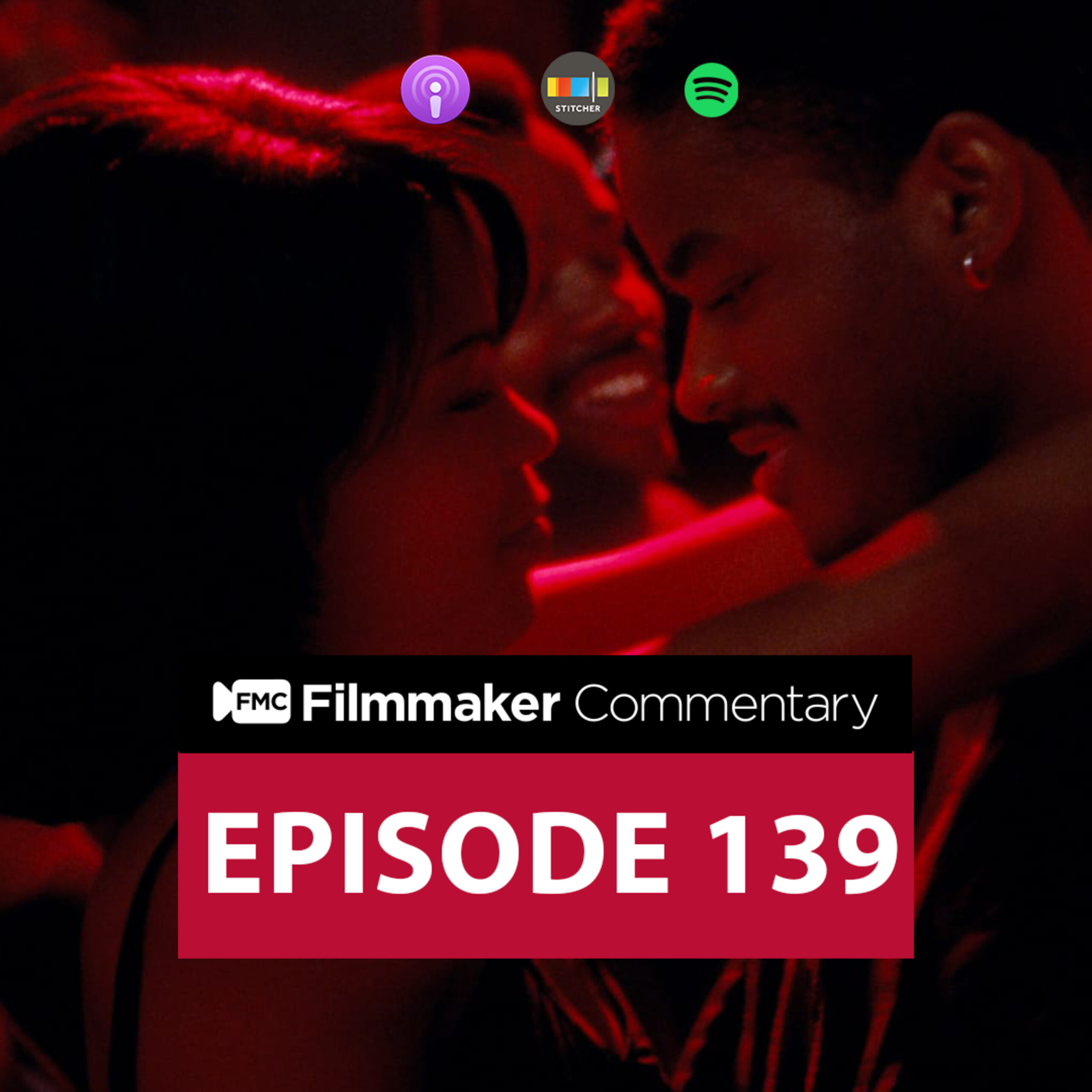
FMC 139: Love Jones Written and Directed by Theodore Witcher

August 1, 2022
Listen on Apple Spotify YouTube
Listen to this episode
Your browser does not support the audio element.
Also on Apple Spotify YouTube

This week, Reginald Titus Jr. and Casey G. Smith dive into Theodore Witcher’s 1997 film, “Love Jones.” Discover why this cult classic resonated so deeply with audiences, defying modest box office numbers to become a significant Black love story in cinema. Beyond the film, the hosts unpack major announcements from Comic-Con, explore a variety of contemporary and classic films, and offer insightful commentary on artistic integrity in filmmaking.

What We Cover

  • How “Love Jones” found its lasting cultural impact despite its initial box office performance.
  • The film’s timeless appeal and its role in challenging negative stereotypes of Black cinema in the 90s.
  • Major revelations from Comic-Con, including Marvel’s ambitious Phase 4, 5, and 6 plans, and updates on DC’s “Black Adam.”
  • A look back at iconic romantic comedies like “Overboard” and “When Harry Met Sally,” alongside reviews of Jordan Peele’s “Nope” and several new movie trailers.
  • The importance of behind-the-scenes decision-making, from directorial vision to securing proper compensation for artists.
  • Filmmaking techniques employed in “Love Jones,” such as cinematography, music, and authentic character portrayal.

Key Moments

  • [0:53] — A discussion on “Love Jones'” surprising box office vs. its significant long-term cultural impact and Criterion Collection recognition.
  • [5:16] — Unpacking the exciting Marvel and DC announcements from San Diego Comic-Con, including new phases and character reveals.
  • [1:47] — Casey G. Smith shares his deep dive into classic romantic comedies like “Overboard” and “When Harry Met Sally.”
  • [2:55] — Reginald Titus Jr. offers his initial thoughts on Jordan Peele’s latest film, “Nope,” and its thought-provoking themes.

Gear & Films Mentioned

  • Films: Love Jones, Girls Trip, Five Heartbeats, Two, Aquaman, Black Panther, Avengers: Endgame, Spider-Man: No Way Home, She-Hulk, Ant-Man and the Wasp: Quantumania, Secret Invasion, Fantastic Four, Avengers: The Kang Dynasty, Avengers: Secret Wars, Black Adam, Overboard, When Harry Met Sally, Romancing the Stone, Jewel of the Nile, Nope, Till, Mike, The Invitation, Barbarian, Halloween Ends, Oppenheimer, The Gray Man, Selma, Dirty Dancing, Loki (series), Jessica Jones (series), Luke Cage (series), Hawkeye (series), Pam & Tommy (series), Under the Banner of Heaven (series), Candy (series), Hill Street Blues (series), Justified (series), Godzilla vs. Kong, Captain America: New World Order, Medicine for Melancholy, Hair Love.
  • Platforms: Blu-ray, DVDs, HBO Max, Netflix, Hulu, All Black TV, Tubi, YouTube.
  • Other: Criterion Collection, IMDB, Deadline, Comic-Con, TVA (from Loki).

Listener Questions

  • How did “Love Jones” manage to resonate so deeply with audiences and earn its place in the Criterion Collection, despite its initial box office performance?
  • What were the biggest announcements from Comic-Con regarding the future of the Marvel Cinematic Universe and DC’s upcoming film slate?
  • How do Black filmmakers navigate studio expectations and stereotypes while striving for artistic integrity and broad appeal?

Join us on Filmmaker Commentary each week for more in-depth discussions on films with director commentaries!


Full Transcript

Read the full transcript

Full Episode Transcript
This episode of Filmmaker Commentary the 1997 film "Love Jones," written and directed by Theodore Witcher, discussing its box office performance, cultural impact, and unique qualities as a romantic drama, alongside recent news from Comic-Con and various film and TV watchlists.

Opening Discussion & Box Office Performance
Reginald Titus Jr.: Filmmaker Commentary Episode 139. Welcome to Filmmaker Commentary, where we cover movies with commentaries from directors who take the time to record them on Blu-ray and DVDs. We also give our detailed insights, so look out for spoilers. We discuss the latest in showbiz news along with movies and TV shows that we've been watching. So join Reginald Titus Jr., that's me, and Casey G. Smith, that's me, every week here on Filmmaker Commentary.
Reginald Titus Jr.: Welcome to Filmmaker Commentary. I'm Reginald Titus Jr., I'm joined with Casey G. Smith. Welcome back, sir.
Casey G. Smith.: Good to be back, sir.
Reginald Titus Jr.: And today we're talking about Love Jones, 1997, directed by Theodore Witcher. And uh, we went to the Criterion Collection.
Casey G. Smith.: Yes, we did.
Reginald Titus Jr.: For this one. What kind of box office did this have?
Casey G. Smith.: All right, so Love Jones on a $10 million budget came out with a worldwide box office of $12 million. Really? Yeah. Not exactly budget 10, made 12. Yeah, not exactly not exactly burning it up at the old.
Reginald Titus Jr.: Is that from um, what's the source for that one?
Casey G. Smith.: IMDb.
Reginald Titus Jr.: Oh. Well, I guess we can probably say that's an L.
Casey G. Smith.: Monetarily, well, box office wise, yes. I'm I'm convinced this has more than made up with soundtrack sales, home video market, and the number of times it's potentially been streamed, optioned, right? For for for streaming purposes, or rented digitally.
Reginald Titus Jr.: Facts.
Casey G. Smith.: I mean, it's enough, I guess you know, Criterion doesn't consider box office, but just quality of film for it to go to the Criterion collection speaks something to the quality of the film.
Reginald Titus Jr.: I would say this property is at least worth $100 million. Easily, which they probably made up in VHS and DVD sales.
Casey G. Smith.: It'll be it'll be fantastic to be able to get those kinds of numbers on some of these productions.
Reginald Titus Jr.: Guaranteed blockbuster at the time was on fire when this film, like people probably rented that for years.
Casey G. Smith.: Oh yeah. Like this, I think this this for for for women, you know, could have been one of those films that they would come back to, especially as a film dealing with Black love in in this kind of way. Could have been something that they kind of would would would come back to again and again and and and watch.
Reginald Titus Jr.: For sure.
Reginald Titus Jr.: Yeah, that definitely makes you think about that like, wow. They definitely yeah, I wish those numbers were just as available as a box office, but, you know.
Casey G. Smith.: Oh, yes, sir.
Reginald Titus Jr.: Companies probably like, yeah, we didn't we didn't really make any money, you know. But also, I, but also I wonder about the how it was marketed. Because we know that with with some Black films, Right. The studios sometimes don't know what to do with them. Yeah. Um, Five Heartbeats, suffered the same kind of issue and
Casey G. Smith.: Or near and dear to Black people's hearts in America.
Reginald Titus Jr.: 100%. Like it's it is it is culture. Like and and it's one of those films that honestly shows a certain degree of Black excellence. Right. Because I'm like, man, this is sure. We'll we're gonna of course, gonna dive into all this. We'll we'll save some. Save some of the flavor for you a little bit.
Casey G. Smith.: Save the flavor.
Reginald Titus Jr.: Um, yeah, because we also remember at the time though, in the 90s, um, the common theme was Black doesn't sell internationally and a lot of studios used a lot of that propaganda to kind of move their agendas as far as like what Black content did people were going to see. And so you you really did get a lot of negative images of Black people, um, but those films were successful. So it was like, see, this film was great. So just make another one like this.
Casey G. Smith.: Just make more of this. Exactly. Yeah, so you trap people in that way.
Reginald Titus Jr.: But since then, things have been proven otherwise. Yes, sir. Black films are international because Black folks are everywhere.
Casey G. Smith.: Remember, uh, was it Girls Trip? Mhm. Yeah. Came out a couple years ago, how that just blew up on the on the scene.
Reginald Titus Jr.: Yeah, and you know, the producer Will Packer is, you know, one of the pioneers in, you know, bringing Black films that can cross over. Um, yeah, has had a first look deal with one of the studios for the longest time, but he was the one to help produce them, the kind of independent underground film called Two. Right, right. You mentioned that. And since then has kind of created a formula on how to how to package, you know, a Black film.
Casey G. Smith.: Hey.

Comic-Con News & Upcoming Marvel Slate
Reginald Titus Jr.: But any rate, before we talk further about Love Jones, let's talk about news and movies watched.
Casey G. Smith.: So, in the news, according to to Deadline. Now, of course, all you know that, uh, I'm the resident nerd here. Love love some MCU and DC, uh, DC Extended Universe, whatever they might be calling these days. So this weekend was a return to form for the SDCC, the San Diego Comic-Con. Now, not to be fooled by the name, the San Diego Comic-Con is not just about comics. It really is a pop culture Mecca, all things pop culture. Mhm. Famous TV shows that you might might enjoy from The Walking Dead to let's say like Dexter back in the day, would of had a presence here. Mhm. So, of course, of course, companies like Warner Brothers and Disney are going to have their respective supernatural and superhero brands on display. And this is where big reveals happen. This is where you would often see actors like Mahershala Ali getting announced that he's going to be playing Blade in a in the MCU, which of course was the last time they were at Hall H. That was almost three years ago.
Reginald Titus Jr.: Wow. And we talked about that. We talked about that on the podcast.
Casey G. Smith.: Absolutely. So, this was the first Comic-Con that was live once again in San Diego. I I've been following it all week and, man, it was just it was just great to see, just to see people reconnecting, you know, some of my other hobbies within the the the realm of of these characters. Just seeing my people I follow on YouTube posting stuff. Just the the vibes were just awesome. So, according to Deadline, uh, Marvel, of course, had their their panel in Hall H. That's where that's where all the movie stuff happens. It's in Hall H. Big reveals. And they released, of course, future slates. So, right now, of course, Marvel has been in in Phase 4 of the MCU with various Disney Plus shows and and movies. But Phase 4, as they announced, is is going to be coming to an end. And the the last film in Phase 4, of course, is actually going to be Black Panther: Wakanda Forever. So, as as you are hearing this, you've probably already heard this news by now. And hopefully, you had a chance to see the trailer. But at Hall H, I watched some footage where they they had a uh a a group of of of African performers come out and do like this drum solo and some singing and some dancing to set the tone, and then they dropped the trailer and they brought out the cast. And it was just it was just something in the in the atmosphere, you know, Ryan Coogler was there, of course, Danai Gurira, Lupita Nyong'o, and Letitia Wright. And of course, new additions to the Black Panther cast. They're, you know, introducing new characters like Namor, the Sub-Mariner, who from a comic standpoint, he is literally one of the earliest characters introduced in Marvel. He, yeah, he's one of the first. He he predates, I won't say he predates Captain America even. Yeah. Namor Namor is OG. And so, this is the first time ever he's ever been put on screen. So, it's kind of a pretty pretty big deal that that that's happening. Um, of course, there's a lot of questions around the film itself that that will be resolved over the course of time. But I was I was pretty stoked to to see that that they're revealing Namor and Attuma, another another big character within not when he's not a big character, but he was that that he's in the film as well. It's going to be fascinating to see what happens there. And just and that this is paying off an Easter egg that was placed in Avengers: Endgame. There's a scene where Black Widow, she's in the Avengers compound. And when those video screens pop up and she's talking to Captain Marvel and War Machine and Rocket. And they're kind of all reporting into her. This is right after the five years later aspect starts. And they're giving their updates. And, uh, Okoye tells her she goes, you know, she goes, you know, about this tremor that they they that that was happening under the sea. And she has, well, well, well, we should get a team and go and check it out. And then she goes, Natalie, who was, what do you, what do you do when you have a tremor under the sea? You do nothing. You you you just leave it alone. And so that was the that Easter egg right there. When I heard it back then, I was like, yo, that's that's Atlantis. That that that's something something's happening. So, this is this is a beginning of that payoff. Anyway, so that's. Of course. And I don't I don't think they'll use the term Atlantis. I could be wrong, but I don't know that they'll use the term because both, you know, both characters in their respective universes are rulers of Atlantis. So, they might give it a different name altogether. They what's fascinating is that in this film, the the people that Namor comes from, they they seem to have like this tie in to somewhere in South America. Because even the actors that they've cast seem they're they're of Latin descent. So, I'm very interested to see what they're tying. Yeah, yeah, they're they're tying in something that's got like like uh native South American kind of vibes going. So, I'm very interested to see kind of what they pull that from. It may it may be just something in South America. So, they announced that, uh, the end Phase 4. Then they also talked about Phase 5 and Phase 6. So, you got Ant-Man and the Wasp: Quantumania, and they they brought out, of course, Paul Rudd, and they and they brought out, um, uh, Evangeline Lilly, of course, who plays the plays the Wasp. And they brought out Peyton Reed, the director. They, of course, also, um, they also brought out, oh, Jonathan Majors, of course, who who played in Loki, who played the the one who remains. But of course, now I'm interested if they're going to continue that. Loki was solid. I like out of all the Marvel stuff, like of recently, that one was that actually left a, I'm like, this was smart. Okay. So, you're gonna you're gonna love this because Jonathan Majors played the one who remains. I remember. And and again, most most comic fans knew that when they saw him and the way that he looked, and even some of the the visuals within the TVA, they were like, oh, snapped. That's Kang. Kang the Conqueror. And when they introduced him on stage, it's John Jonathan Majors playing Kang the Conqueror. He's a he's a big time villain. I mean, the guy literally as true to his name, literally travels to different time periods and he conquers them. He takes them over. He he he brings advanced weaponry and just he could be absolutely at times unbeatable. And he and as the one who remains, he was talking about all these incursions that are happening. So, it's going to get it's going to get crazy. It is going to get crazy. And so,
Reginald Titus Jr.: I would sign up for that. Like out of all the Marvel stuff, you know, even with, you know, Black Panther, that one was a hit. We went, you know, we went together, me and you and my son. Yes, sir. Check that one out. That one well done, you know what I mean. Uh, the second one, I'm, you know, it's just it's just more sad for me, you know. I'm just like, I don't even know how to feel about that. But you got to keep moving forward. Um, but Loki, that series, that was a surprise. I just like, I was skipping over it. I was like, one of these days. And did not expect to be sucked in by it and was blown away. I was like, I just they caught me off guard with that one.
Casey G. Smith.: Well, they're already filming season two of Loki, so that is definitely coming back. Uh, Kang again is going to be is going to be crucial. So, another part of Phase 5, they've mentioned some other, uh, projects that they've mentioned before like, um, uh, Secret Invasion. There we go. Secret Invasion, which is going to be big. And they brought brought out Cobie Smulders on the stage, who's played Maria Hill. Her and Sam Jackson, they've been they've been filming that right now. They maybe have already wrapped filming. That's still coming out. Ironheart is still coming out. But to end Phase 5, they're they're they're dropping an 18-part series, Daredevil: Born Again. Starring Charlie Cox, who played Daredevil in the Netflix series, which people people freaking love Charlie Cox as Daredevil. I I love him as Daredevil. It's so awesome that they're bringing him back along with William DeFoe, who we saw reprising King as well as Kingpin in the Hawkeye series. Spoiler alert, sorry if you hadn't seen that. Denafar shows up there. But he's going to be back in this 18-part series. It's like 18 parts, like for the first season. Disney Plus has been making very short shows. We're talking eight episodes.
Reginald Titus Jr.: Yeah, cuz they look so expensive. They almost look like movies each episode. I'm like, how expensive is that?
Casey G. Smith.: But to see them dedicate those resources to Daredevil, 18 freaking episodes.
Reginald Titus Jr.: They got to. Cuz I mean, the Netflix version of Daredevil was pretty solid. Yeah. I mean, even what's uh, what's the guy's name? He's made out of stone. I mean, not made out of stone, but he was like, he was indestructible, Black guy. Yeah, like that was a solid series as well. So, I'm like, uh, what do you do? Do you just continue on? Is that not owned? Like, you know, there's some things need to be talked about.
Casey G. Smith.: I mean, cuz all that's been ported over to Disney Plus. I don't know if you knew that.
Reginald Titus Jr.: Oh, I didn't know that.
Casey G. Smith.: Yeah. All the all the Netflix series, like they had a window that ran out, they brought the all over to Disney Plus. Jessica Jones.
Reginald Titus Jr.: So, they can continue. Can they continue in that world? Or would it be conflicting in stories?
Casey G. Smith.: Well, we're gonna find out how they do that. I mean, cuz they they've been like testing the waters cuz, of course, in in Spider-Man: No Way Home, we saw Matt Murdock show up, and it was Charlie Cox playing Matt Murdock. And clearly he had abilities because a brick gets gets thrown through the window and he catches it and like, how did you do that? He goes, I'm a good lawyer. Something like that. I was like, nice. And in the She-Hulk, they showed a new She-Hulk trailer. Oh, yeah, I did see that as well. And at the very end, you see a dude flipping around, and he's got yellow and like red on. And he at the very end, and he's got Billy Clubs in his, uh, on him. And that's that's that's Daredevil. That's his his original costume from 1962, '63 in the comic books. That's his OG original look. So, I think the character is being rebooted, and it's I think it's perfect. He shows up on She-Hulk: Attorney at Law, because they're both lawyers by trade. I think She-Hulk She-Hulk is going to be a cameo machine. I think we're going to see cameos from corners of the MCU that we hadn't, uh, seen yet. I think it's going to introduce a lot of folks and bring back older characters. Uh, and then, of course, they, you know, Phase 6 will also will will start off. The very beginning of Phase 6 is Fantastic Four, which was previously announced, but that's when it's dropping in 2025. Dear God. Yeah, 2025. And there's a bunch of other slates in between. Like they had a bunch of dates that they didn't fill in. Uh, and then at the end of Phase 6, two Avengers movies. Excuse me. One is Avengers: The Kang Dynasty. And the last one is yeah, Avengers: Kang Dynasty. The last one is Avengers: Secret Wars, which has been flying around rumors wise for a while. Even in the Russos in recent interviews, had been hinting at and saying that if they were to come back to Marvel, the storyline they'd want to adapt is Secret Wars, like the original 1984 comic series. But there's one that happened in the 2000s that that. So, it's going to be interesting to see what happens. But yeah, Marvel was dropping. That's what. Marvel. Drop enough of Marvel. You're gonna have to cut a check. What is going on here? This is this is this was the hottest. This is I mean, even as I'm looking at news, you know, I used to go to IMDb and like, yeah, the Marvel Studio is everywhere. And, of course, DC did their thing too, you know, uh, Dwayne Johnson showed up. They showed a new Black Adam trailer, which I'm I'm actually I'm really interested in in seeing Black Adam. Cause that was in talks forever. Right. And so that's going to be dropping. That I think it's going to be pretty good. But yeah, just it's I mean, this is a still a golden age for comic book inspired content. But it's also continuing to hopefully continuing to uh evolve as well and touch different genres of uh movies and shows. For sure. For sure. Um, did you watch any movies, any TV?

Recent Watches & Filmmaker Commentary on "Love Jones"
Casey G. Smith.: Well, yes, I did.
Reginald Titus Jr.: Okay.
Casey G. Smith.: All right, so, since we were doing Love Jones this week, I kind of started priming myself last week. I've been watching a bunch of like romantic kind of comedy films. Okay. On HBO Max, they have a, you know, of course, all being Warner Brothers, they have their their time warner classics. Yeah. And, man, there's a lot of films on there. There is a whole lot of films in that catalog. So, I watched Overboard. Oh. Which I hadn't seen in years. Yeah, Kurt Russell, along with his his wife, of course, um, Goldie Hawn. Goldie Hawn, there we go. Man, that was that was that one's still awesome. It absolutely holds up, man. It's it's it's funny, it's it's heart it's heartwarming. It's it's great. If you haven't seen Overboard, check it out on HBO Max. I I yeah, it just it brought back all the feels. It's like, dang, this is this is so good. I remember watching that with my sister. We multiple times. Just catching that. Um, so Overboard. I also watched When Harry Met Sally for the first time. I I'd heard about it for years. I mean, I know it's it's a highly acclaimed romantic. It's like it's like the temple before you had Sleepless in Seattle. Okay. Harry Met Sally was it when it came to romantic comedies and for Billy Crystal and for Meg Ryan, like huge, huge for them. It is an absolutely charming film. It's really really good. And and it it I thought it came out in the '80s. I was so sure it was an '80s film. Yeah. But you realize when you watch it, it spans time. Which cuz I I didn't know that. So, the styles change throughout the film when there is and there's times where they're wearing stuff that's very '80s. So, but yeah, When Harry Met Sally, absolutely classic, also recommend checking that out. And then lastly again, I went went back a little old school and I watched a film called Romance and the Stone with Michael Michael Douglas and Kathleen Turner and Danny DeVito. That sounds familiar. If you saw the cover of the key art, which like it's like him swinging on a vine and she's like holding on to to his back and he's reaching for this like green gem. But it's it's she's an author, she has to go to Colombia for a specific reason I won't give away. Uh, he is already there in Colombia as a he's like capturing some kind of special birds to sell or whatever. But he's a he's an adventurer. And she's a novelist that writes kind of romance novels with, you know, the heroine and the and the leading hunk hunk guy that, you know, kind of comes in and saves the day and it's all morally great. And Danny DeVito is paying playing like this thug who's chasing after them because she has a map that will lead to this special jewel. And eventually they don't like each other, but then they end up kind of, you know, falling for each other throughout the course of the film and there's people other people chasing them. It's kind of one of those chase movies and they're they're kind of in the jungles of Colombia, and there's a you know, a mudslide scene and it's it's again it's still it's what I remembered from from childhood. But I saw that film multiple times and it it spun a sequel off, uh, from Jewel of the Nile. And then there was a sequel Oh, Jewel of the Nile was a sequel. Yeah, Romance and the Stone is this film. The the sequel was Jewel of the Nile, which I didn't watch again. But that's where Billy Ocean had that song When the Going Gets Tough, the Tough Get Going. Billy Ocean. I heard that name in a while. Yes, sir. But yeah. So, some romantic comedy prep on on my end. But all that all the more gave me this this great appreciation for checking out Love Jones when we jump into that because it was Black on Black. Yes, sir. But but it was cool. The contrast. You know, there's tropes that are there, but there's a contrast. So, yeah, that's some things I've been watching. How about you, sir?
Reginald Titus Jr.: So, I've seen a few trailers. I get on those in the well, yeah, I get on those in a second. Uh, but the only film that I watched this week was Nope. By Jordan Peele. Yeah. So, on Thursday night, yes, Thursday night going into Friday. Took the wife. I was like, it's like 10:00 p.m. I said, let's go watch this. Let's sneak out and go watch this movie. So, I went to go watch the film and I think my wife fell asleep. Sure, sure. She goes she went to sleep on Tenet. She went to sleep on, uh, Once Upon a Time in Hollywood. And some of the things they have in common is they're kind of longer films. And then on top of that, they kind of make you think a little bit more. So, it was like, you know what? This is the perfect time to go to sleep.
Casey G. Smith.: Are these later later at night too when you go to see them?
Reginald Titus Jr.: Um, this one was Once Upon a Time in Hollywood was probably like 8:00 o'clock, but that was a long film. Um, and then Tenet, I mean, you have to be dialed in and kind of be a fan in a way for Tenet, like, yeah. Because there's one side of me that just wants to be entertained. I want it all surface level. Like, let's not do any deep dives, you know what I mean? Like, no under stuff, like let's just tell me man punches person they die. Like, I can get that, you know. Dead. Yeah, like the King Kong. Remember when the pandemic was happening. King Kong, Godzilla did so well. I mean, it's just two creatures punching each other. We get this. Yes, we get it. Yes. Make Make made millions of dollars.
Casey G. Smith.: They did Kong dirty in that man, Godzilla. Dang, they did. I was I was I was happy for that. I was like, man, they did Kong dirty.
Reginald Titus Jr.: Hey, man. Um, so with this film, smart. It's got that subversive kind of thing going on. Um, but I think I'm gonna have to go back and watch this one. Because it, um, now I'm not giving any spoilers or anything like that, but I want to kind I wanted to be entertained like on the surface, but on the other side, it kind of leave you some stuff to kind of come back to. Yeah, and so I'm like, man, I don't know where to put this film. You know, I don't I don't know how to rate this one yet, you know. I feel the same way with Tenet at the time and Once Upon a Once Upon a Time in Hollywood. When I watched Once Upon a Time in Hollywood, I was like, man, it's not as exciting as I was hoping it was going to be. But I said, I I think this might be a masterpiece though, you know what I mean? One of those things. So, you got to look at it different. You got to almost look look at it at as art versus just a movie popcorn movie.
Casey G. Smith.: It makes makes making you wrestle. Yeah. That's that's all right. That's all right. That that's cool. I've I've been hearing nothing but good things about Nope. So.
Reginald Titus Jr.: A lot of the people that are reviewing, like the the famous people that review it on YouTube, um, that are, you know, film critics, uh, I think a lot of them are like in the same boat and I'm like, giving a good marks, but at the same time, it's like, uh, this is kind of an artistic approach. Like, what I'm have to go back. But then, I think the like, just your average person watching it is like, nope. You know? Wait, but. You know. Did the gorilla punch the the the lizard? No. That's not happening. Okay. I'm out. Too much. And for those reasons, I'm out. Any Shark Tank fans out there. Um, but here's some trailers that played before that film. Uh, there's a film coming out, uh, it's called Till, which is the Emmett Till story. Oh, you know, uh, it's kind of told in the perspective of the mother kind of being the hero for showing his picture, which Dave Chappelle explains, you know, very thoroughly in one of his stand-up uh, specials. Not too excited to see that. Um, know the story already.
Casey G. Smith.: Who's playing the mother?
Reginald Titus Jr.: Um, it is and I don't know what country she's from, but she's from she's African. Um, which I've been noticing a lot of uh, like British Africans are kind of kind of doing the Harriet Tubmans and kind of doing some of these roles in in classically trained. Yeah, and it's it gives a different energy. You know what I mean? Versus uh, a Black American, um, just cuz, you know, genetically being here is just a different vibe, which is the reason why Tarantino hired Black Americans for Django or things like that. You just get a different energy. And so, I kind of think the same thing sometimes. So, like Dave David O'Yellow playing Martin Luther King. I haven't seen him in uh, I haven't seen him in. Oh, uh, you talking about Selma. Haven't seen I haven't seen Selma yet. Okay. Yeah. Don't know. Haven't haven't seen that one. Yeah, David O'Yellow, he's from across the pond and yeah, he played Dr. King. Yeah. Yeah. You know. Nothing there, but just different energy. You know what I mean? It's it's uh, it's interesting. Um, but, you know, did you see I didn't I didn't see Harriet either. You know, I don't. That was one of those ones that kind of got, you know, people were kind of torn with that one.
Casey G. Smith.: I heard some crazy behind the scenes like suggestions that when it was being developed, like I heard somewhere that somebody maybe at one point talking about changing her race, like making her not Black. Really? Yeah. I heard some crazy stuff. I was like, wait, what?
Reginald Titus Jr.: Yeah, you got to tell your own stories out here, folks. Uh, or your story will be jacked. Um, but any how that, you know, very serious subject matter, um, but it looks like it's going to tell a story for people that don't know that story. You know, if they want to tune in, you know, it's definitely, you know, something to check out. Uh, the trailer for Mike. This wasn't before the movie, uh, Nope, but Mike Ty the Mike Tys story on Hulu. It's called Mike. And the and the brother that played in Moonlight is playing Mike Tyson. You have to check this trailer out. Not Mahershala Ali. No. No, it was another brother. Um, I can't think of his name, though. It was not Mahershala. It was like the young brother that ended up growing up, and he was in there. Oh. Uh, but you got to check out the trailer for Mike on Hulu. Might need to take a break and and look at it. I'm like. We at We at We at. Cuz I know Jamie Foxx is is working on a Mike Tyson film as well. Yeah. So, that's the thing that kind of get that kind of got me on this. I'm like, why are there two Mike Tyson films happening at the same time? But I do remember Jamie Foxx talking about Mike, um, how he wanted to show Mike Tyson as him now, you know, kind of reflecting back. And Jamie this was probably like two or three years ago when Jamie Foxx explained this on a podcast, you know, radio station. And the way he built it out, he built up the the scene for Mike Tyson so well. That was like, I want to see this now, the way that Jamie Foxx was able to tell the story. Um, just like the first two scenes. Um, and I wonder if people when they watch people in entertainment when they watch certain things, they're like, you know what, let's get that. Let's take that. You know what I mean? So, I was like, man, how they beat him to the punch to this? Or is this part of something he created? I don't know. I don't know like the backstory for the business, but I do remember Jamie Foxx talking about it, but they kind of beat Jamie Foxx to the punch. Pun intended, uh, by dropping this series.
Casey G. Smith.: I'm gonna check this out. That picture is like one of the most iconic pictures of all time. Mike Tyson in his draws holding the tiger. Like how crazy you got to be. Mike loves animals, though. I know that he he absolutely he's he's big big on uh just loving animals. That's that's a powerful trailer. Wow. I'll tell you what, man, Hulu from a content standpoint, they have had some excellent series this year. I've watched four series on Hulu. Pam and Tommy, Under the Banner of Heaven, Candy with uh Jessica Biel, Yeah, I just added it to to my stuff. It's powerful. And the so at the beginning of that trailer, you hear the voice of who am I? So, Jamie Foxx actually explains the voice over him of Mike Tyson being knocked out on the ground and the voice over of like him kind of reflecting on his life. And then the camera like zooms into him his eyes open up and Jamie Foxx like explained it a little bit. Of course, that's different. But like the vibe of where it was going, I was like, somebody's been listening. You know what I mean? Seriously. So, I'm um I'm I'm interested in how Jamie Foxx is going to approach this because that guy is, you know, he's swole up. You know, Mike Tyson I mean, Jamie got swole up as well, but it is going to be interesting to see. It's it's always interesting in Hollywood how this happens when a when a when a story of a either a certain character or a real life person or a subject matter is is coming out and there's another one running parallel. Yeah. It happens all the time. It happened with Jungle Book. Yeah. It happened with Cinderella. Uh, we've had releases of two volcano in the 90s, two volcano movies at the same time, one called Volcano, one called Dante's Peak. It happens a lot in Hollywood. And it's one of those things. Now we got Mike and Mike. And even with Pam and Tommy coming out on Hulu as a series, but then we have this document documentary series, right, on that's through Warner Brothers. And one of the episodes deals with Pam and Tommy. Something that's just like kind of like a cultural timing, but it's very interesting that those things hit literally the same same time within weeks or months of each other. So, yeah, that was that was a heck of a trailer, man. Thanks for sharing it. That dude. Yes, sir. Dang, I want to I want to watch that again on my on my TV. I watched on my phone. I want to see it on my TV. I'm like. Then I like his like smile with the gold tooth. Like, ding. Little like fourth wall breaking. Man, got the voice down. Like, yeah. He I was like, yo. He is killing it. So, um, uh, another trailer, there's one called The Invitation. The Invitation. So, the premise is this mixed girl, um, she's talking about like her mom and things like that. Mom's Black. Um, she does like a genetic uh, a genetic, you know, research to kind of find out like who's our other side of her family. Finds a guy, turns out they're like British or something like that. While I'm looking at this, my wife is like, she looks like Meghan Markle. I said, it does look like her. Like, kind of like, what? Uh, it's not her, but it looks like her. Ah, okay. So, but you see where this is going. So, she meets up with her extended family. They invite her to come meet them, you know, across the seas and meet the rest of the family. We're we're excited to see you here, you know, come come to us. And so, you know, she goes, uh, you know, I think there's like a love interest there. Um, and so you see like, and I think it's in a castle or something like that. And but you see like this is like they're getting their influence from real life, you know, with the Meghan Markle story and all that stuff. Cuz we don't know what goes on behind the scenes, you know what I mean? The Royal Family and all that kind of stuff. We have no idea. The world doesn't know, you know. God only knows what goes on behind those closed doors. You know, she gets in, turns out these people are like vampires or doing like all this like sacrifices and things like that and she's kind of working to get away out. I was like, this is a great premise. The Invitation. Well. Um, and then there's another one called Barbarian, which is I say a a Airbnb gone bad. Woman goes to uh Airbnb and uh things hit the fan and they discover like this underground human trafficking situation going on at the house that she's Airbnb-ing at. Everything okay, brother? Just got just got to make an adjustment to the body. Yes, sir. Um, two more. Uh, Halloween Ends. Another Halloween movie. I thought we were done. But, uh, pair. It ain't over till it's over. Right. You know what? And I think it says Halloween Ends. This is like basically this is it. But how many times they going to say that, right? Until there's no more money. Man. But that kind of goes to show you, though, like, you know, be on the side of owning property. You know, have some kind of, you know, ownership in, you know, these products because you literally can make one film and kind of be good for the rest of your life. Like the ladies from Dirty Dancing, you know, that were that helped produce that film and like made some money from that. And to this day. And and don't be afraid of sacrificing short-term gains for long-term ones. If if, you know, Robert Downey Jr. famously in one of the I think the first Avengers movie, yeah, he got his he got his fee his salary, but he also got back-end points. Yo. Mhm. And Marvel wasn't really happy I get hindsight, they weren't really happy about that cuz that was the film did crazy good. But anyway, But yeah, yeah, like Reginald saying that ownership, the piece of the action. Yeah, give me a piece of the action. Another film, uh, Oppenheimer. Hopefully I'm saying that right. Uh, which is going to be Christopher Nolan's next film. And they just kind of did a teaser to that. And it's like the man that changed the world or did something, but I think it's like dealing with the nuclear bomb or something like that. You know, he's really been to like historical pieces. Oppenheimer? Oppenheimer. Yeah, with a O. Probably Oppenheimer. I think. How did I say it? Oppenheimer. Oppenheimer. Oppenheimer. Two P's. Yes, sir. So, that that's it for, uh, trailers. But yeah. So, one film I forgot to mention that I watched on Netflix. Okay. The Russos, The Gray Man. The Gray Man. Mhm. Action. Like suspense, action film. Uh, starring Ryan Gosling and Christopher Evans. Okay. Gosling is is the protagonist. Evans is the antagonist. He's the bad guy. And, of course, Anna de Armas, the lovely Anna de Armas. Uh, watched that. Pretty good. Pretty pretty pretty good. The Gray Man. Um, this isn't Is this the film where, um, uh, Evans is like this corporate guy? No. These these guys are like like covert ops. Okay. Dudes. Back to shooting, stabbing. Plenty of that. Okay. Both shooting and stabbing. That's the language I understand. Some pretty cool set pieces. Uh, It's some nice some nice a couple cameos here and there. But yeah, that's on Netflix. The Gray Man. If you like action, you'll probably dig The Gray Man. I'm with it. Uh, yeah, I remember Chris Evans. He was I don't know what film that was, but it maybe it's a series, but he's a villain and he's running this these tests on people and it's like he's the corporate he's like the corporate guy. Um, Is this an older film? This came out a little while back. This is new. This is new. Hm. Now I have to look it up. Please do. I'm I'm curious. But yeah, a lot of man, there's so much content content out there. I also since I finished Hill Street Blues, now I have to have find a new a new show during my lunch break. So I started watching uh Justified on on Hulu. My brother-in-law was a huge huge fan of that show, so Justified. Uh, Justified, who's in that one? I don't know the actor's name, but that it was a it was a season that a show that lasted several seasons. It used to come on effects. It's about a guy who's a US Marshall. And, you know, chasing down and shooting the bad guys. Okay. Not Chris Evans. Ah. Was the buddy that played Thor? Chris Hemsworth. Oh, sorry about that. Okay, I did see that trailer. I know what you're talking about. I did see that trailer. Okay. Cuz once you once you said Hemsworth, I was like, ah, okay. I did see that trailer. Okay. Cause he is playing like a I think he's playing like a scientist. It's so weird to see these guys as villains now. I like it. I do, but I love it. I love I love watch people. I can't shake it. I can't shake the image. Really? I'm like, yeah. Still heroic. Ah. I think when you see when you see Hemsworth in in The Gray Man, he he does a I think he does a real good. Good shaking it. Yeah, he does he does a good bad guy. Cuz I I I enjoyed his role in Knives Out, where he's just a douchebag. Yeah, but it seemed like it still seem like a part of Cap. You know what I mean? It's just he's still he's still a charismatic. I think so much of him is in Captain America. Captain Steve Rogers. But but yeah, and this in this role, it's he's especially with his his his mustache he's got, yeah, he's, uh, he's a bastard in this one. He is he is a he is a mean Got to shake it. Psychotic bastard in this one. Got to shake it. The Gray Man. But nothing wrong with that, you know, especially when you have a great character, you know, that you can be associated with. Yes, sir. Most people would would would would would kill for that. Dang, Hollywood. Be literally. To be to be to be known and remembered. And then people say, oh, we we, you know, we'd love for you to come back. Speaking of which, they also did announce a Captain America, the new Captain America, Sam Wilson. His film will be Captain America: New World Order. the title of the next Captain America film is part of Phase 5. I'm with it. Marvel, cut the check. Please do, cuz. Cut that check. That was a lot of promoting. I'm merely informing the people. Some of the most popular film franchises in the world. In in the history of cinema. Yes, that's pretty much. Yes, that's uh It's what happens. I mean, not not all companies just drop a bunch of announcements of of of content like this typically, so. It is it is a unique thing. Yeah, this week was was a busy week for sure. Um, but today's show is sponsored by Natural Hair the movie by Ground of Matter Films, available to stream on All Black TV, as well as for free on Tubi. Check it out, leave a review. And let's jump back into the show. Thank you for tuning in to Filmmaker Commentary, where we're talking about Love Jones. 1997, directed by Theodore Witcher. And let's jump into the synopsis. Darius, an aspiring writer, and Nina, an aspiring photographer, share an instant connection after a chance meeting at a Chicago club. The two bond over music, photography, and poetry, and eventually begin a torrid romance. However, when Nina decides to move to New York and mend her relationship with her ex-fiancé, Marvin, it leaves Darius heartbroken and the couple's future in jeopardy. Love Jones. And if this is your first time listening to Filmmaker Commentary, please know that there will be spoilers. You've been forewarned. How did you watch this film?
Casey G. Smith.: I don't know.
Reginald Titus Jr.: I'm in the same boat. I don't remember either.
Casey G. Smith.: Cuz when we decided on doing this, I was like, I don't think I've seen Love Jones. Like, literally I was like, I I don't think I've seen the movie. I remember seeing a piece of it. I thought it was on TV one day and I saw a bit of it, but I just I moved on. I have the soundtrack because in the '90s, soundtracks, especially for Black films, were just everything. And I was buying soundtracks. I had so many CDs with soundtracks, you know, from Doctor Doolittle to, you know, to this. Yeah. The Wood, like just, man, I was on soundtracks. They were great soundtracks in the '90s. True. But I did not remember watching this film. But when I watched it, I was like, I've seen this film. So, I think I don't think I saw it in the theaters. I think I just saw it at home.
Reginald Titus Jr.: A lot of people didn't see it in theaters.
Casey G. Smith.: Yeah, according to the box office, and yeah. Sorry about that. Yeah. But, um, but I really enjoyed watching it this go around, especially in light of my romance, romantic comedy binge that I've been on. This was, uh, refreshing in its in its own in its own special way. Yeah. I don't I don't remember watching it. I remember like going to people's houses and things like that and just it's floating. It's like in an atmosphere. It's like, oh, that's Love Jones. Maybe catching some scenes here and there. But I I wasn't really into like the like the rom comedy in this style. You know what I mean? Like. Got you. Over the top. Yeah, this one's more like dramatic and like the comedy is really toned down. Like, it's it's just straight dialogue. No slapstick stuff or anything really going on like that. Yeah. Uh, so that's what I was kind of into at that time. But I do remember being around. And I also remember it from my perspective, just a young kid at the time, like young teenager at the time. I'm like, this is kind of long. You know, I'm like, man, I don't know. Yeah. I don't know. Don't know. Don't know. Oh, that's girl from Friday. You know, but like. That's it. Yeah, there's recognition like, okay, more Black Black folks are doing their thing. They're doing their thing. But, yeah. Yeah, that yeah, that's about it. So, like, yeah, I was in in that zone. Um, this time around went to Movie Trading Company, saw that it was in the Criterion Collection. I'm like, now is the time. Yes. It's just time. I think, especially now as as an adult, having been through some things. Man, you know. Some relationship things. Like, this hits differently. It does. It hits differently. Going through college and having, you know, having some relationships as a, you know, leaving college, having relationship is like, oh, okay. Yes. You know, as a writer, director, you know, you got to have life experiences to really pour that stuff out. Right. What you know. Mhm. Um, what did you like or not like about the film?

Film Analysis: Style, Themes, and Performances
Casey G. Smith.: I liked, I liked, I liked the pace of the film. Yeah. It it moves pretty pretty well. Got to boom, nice start. Carries you on through. It's all pretty clear. Yeah, I think it's paced out very well. And there's a nostalgia that's there as far as as much as they tried to make it kind of timeless. You could feel the 90s vibe. Oh, for sure. Based on based on the cast alone. Cast, baggy pants, yeah. It's no tights for men in this one. No skinny jeans here. At all. Uh, I do like how the transfer in the Blu-ray on this Criterion, it is solid. Like, it it uh, my wife was talking about this, cuz we watched this together. So, we awesome. This go around, we we woke up and I was like, 4:30 in the morning. And I was like, you know what? That'll be a perfect time to watch this film. So, cuz I I'm seeing like with certain films, I have it can't be at night. I can't I have a different perspective watching the film during the day versus watching it at night. Okay. And I think the film, when we were talking about Nope earlier by Jordan Peele, I think that's a during the day film. That's not a night film for me. All right. Um, but we watched it 4:30 in the morning and it was it was good. Like, saw saw it all the way through, but it feels like it could have been shot yesterday. That's how clear the transfer is. Yeah. I think I think in the commentary, he mentioned something about about what they how they shot it and he was very particular, like, this he's got some he's this is a technical guy. He like knows his stuff. And for this being his first film, we had a he had a really strong team around him. Cuz his DP was very strong. So, yeah, it it it it transferred very well. Looks looks fantastic. Agreed. Um, I I do like how it it feels like art. You know, very few films, especially like popular films, feel like art. You know, it's like entertainment, you know, popcorn. I'm not getting really too much anything deep from a lot of the films these days. But every now and then, you have an auteur that create something that forces you to kind of think about things.
Reginald Titus Jr.: I think that specifically why this is a part of the Criterion Collection. Yeah. Why for it to hit that. I remember I'm really happy for it that it hits that that mark. And I was again, very happy to revisit this film and experience all that it had to offer. It really it feels almost like a little bit ahead of its time. As far as what it was able to portray. And I think a foundation it set for other future Black love stories in cinema. Mhm. It's Love and Basketball. True. Uh, whether it's, you know, The Best Man and and so on. I think this this really kind of set set a foundation to be built upon. Like, yeah, there is a market there. People do want to watch this. Um, I I do like the introduction to Jazz. You know, like, uh, the thing that the person creating the film, like, you see the part of their personality into it. Oh, yeah, as as a musician himself. Mhm. And seeing those interests. And then also showing Black folks from a like more positive, like intellectual, like, you know, at the time, like we were saying earlier, like Black folks in the '90s, if you're watching their movies and you're judging Black people based on what you're seeing, uh, there's not too much representation. That's not just straight hood and gang gang violence. You really if you're a person not from America come and not really been around Black folks, you would think that everybody raps, everybody's killing each other and everybody's having, you know, just doing a bunch of wild stuff. Yeah. If that's all you have to go by. Very true, very true. And yeah, this this is a the the whole cast, everybody is just everybody's different. They feel fleshed out as as people, as as characters. And, you know, they're they're living their life. And and they're they live in the city, but they have aspirations and dreams. They're, you know, professionals in their own right and they got goals. And everybody's working. It's it's it's culture, it's flavor, it's Black, but it's but it's not it's not ghetto. Mhm. And that's that's that's it's refreshing. And in that regard, it's like, okay, like, look at us doing our our thing. And it feels it feels natural and normal. Like, these these are these are real people that just show that spectrum that, you know, we're not monolithic. Right. And each and each person has their own personality, their own way of doing things. It's it's it's it's very nice. It's Black excellence. Yeah, I think it it captured I said, like, captured a mood. Um, it's kind of like the when people cry at weddings. You know what I mean? When you see two people get married and then it's like, oh, tears coming out. Where they come from? You know what I mean? It's like to me, it felt like it captured whatever that is, you know, the love or the energy of fallen in love and then what do you do about it, chasing that. It's And then finally having a resolution to that, you know, like, okay, we're gonna stay together. We're gonna get married, we're gonna whatever. I think you're saying that makes me makes me think of one of the lines that Isaiah Washington's character, uh, Savoy says, when he says, you know, it it's easy to fall in love. Yeah. But somebody tell me how to stay in love. Mhm. I think that right there might be the like the crux of the of the film. Mhm. How do you stay? How do you stay in love? How do you stay? Because the film starts off with, you know, Nia's character falling out of love, out of a relationship. In the beginning, she's falling out of relationship, falling out of love. Talks about, you know, like, being done with it, being done with love and Yeah. Not wanting to get involved. And Sure enough does and Cho goes in and get rid of the old the old closure to the old relationship. Yeah. Comes back and that kind of messes up the current relationship. Then she leaves. It's really I don't know, it's very very fascinating. It's a it's an interesting just journey. Uh, but it feels it feels like, okay, these are real things that can happen, right? You've got dude, the dude trying to traditionally play tough and not, you know, in front of his boy, act like he's not falling for this this woman, but you you know that he is. And yeah, how do you make that? And then your boy, you know, starts seeing her. Mhm. Who's already a hater to begin with. Ah. And then how how does all that work out? Then the awkwardness of them all meeting up at a party? Yeah, it's quite charming. Yeah, yeah, , well done. Like you said, it's Black excellence. And it's like a film you can kind of be proud of, you know. Like, hey, here's something that can safely represent us. I agree. So, the tone of this film, how do you feel the the vibe of this film?
Casey G. Smith.: It is it's warm, it's artsy, it's it's '90s. It's uh R&B and Neo what do we call Neo-soul? Mhm. Jazzy. Especially when for it's it's culturally Black, but but not not ghetto. Mhm. And that's that's that's it's refreshing. And in that regard, it's like, okay, like look at us doing our our thing. And it feels it feels natural and normal. Like, that these these are these are real people. They just show that spectrum that, you know, we're not monolithic. Right. And each and each person has their own personality, their own way of doing things. It's it's it's it's very nice. It's Black excellence.
Reginald Titus Jr.: Yeah, I think it it captured I said, like, captured a move, a mood. Um, it's kind of like the when people cry at weddings. You know what I mean? When you see two people get married and then it's like, oh, tears coming out. Where they come from? You know what I mean? It's like to me, it felt like it captured whatever that is, you know, the love or the energy of fallen in love and then what do you do about it, chasing that. It's And then finally having a resolution to that, you know, like, okay, we're gonna stay together. We're gonna get married, we're gonna whatever. I think you're saying that makes me makes me think of one of the lines that Isaiah Washington's character, uh, Savoy says, when he says, you know, it it's easy to fall in love. Yeah. But somebody tell me how to stay in love. Mhm. I think that right there might be the like the crux of the of the film. Mhm. How do you stay? How do you stay in love? How do you stay? Because the film starts off with, you know, Nia's character falling out of love, out of a relationship. In the beginning, she's falling out of relationship, falling out of love. Talks about, you know, like, being done with it, being done with love and Yeah. Not wanting to get involved. And Sure enough does and Cho goes in and get rid of the old the old closure to the old relationship. Yeah. Comes back and that kind of messes up the current relationship. Then she leaves. It's really I don't know, it's very very fascinating. It's a it's an interesting just journey. Uh, but it feels it feels like, okay, these are real things that can happen, right? You've got dude, the dude trying to traditionally play tough and not, you know, in front of his boy, act like he's not falling for this this woman, but you you know that he is. And yeah, how do you make that? And then your boy, you know, starts seeing her. Mhm. Who's already a hater to begin with. Ah. And then how how does all that work out? Then the awkwardness of them all meeting up at a party? Yeah, it's quite charming. Yeah, yeah, , well done. Like you said, it's Black excellence. And it's like a film you can kind of be proud of, you know. Like, hey, here's something that can safely represent us. I agree. So, the tone of this film, how do you feel the the vibe of this film?
Casey G. Smith.: It is it's warm, it's artsy, it's it's '90s. It's uh R&B and Neo what do we call Neo-soul? Mhm. Jazzy. Especially when for it's it's culturally Black, but but not not ghetto. Mhm. And that's that's that's it's refreshing. And in that regard, it's like, okay, like look at us doing our our thing. And it feels it feels natural and normal. Like, that these these are these are real people. They just show that spectrum that, you know, we're not monolithic. Right. And each and each person has their own personality, their own way of doing things. It's it's it's it's very nice. It's Black excellence.
Reginald Titus Jr.: Yeah, I think it it captured I said, like, captured a move, a mood. Um, it's kind of like the when people cry at weddings. You know what I mean? When you see two people get married and then it's like, oh, tears coming out. Where they come from? You know what I mean? It's like to me, it felt like it captured whatever that is, you know, the love or the energy of fallen in love and then what do you do about it, chasing that. It's And then finally having a resolution to that, you know, like, okay, we're gonna stay together. We're gonna get married, we're gonna whatever. I think you're saying that makes me makes me think of one of the lines that Isaiah Washington's character, uh, Savoy says, when he says, you know, it it's easy to fall in love. Yeah. But somebody tell me how to stay in love. Mhm. I think that right there might be the like the crux of the of the film. Mhm. How do you stay? How do you stay in love? How do you stay? Because the film starts off with, you know, Nia's character falling out of love, out of a relationship. In the beginning, she's falling out of relationship, falling out of love. Talks about, you know, like, being done with it, being done with love and Yeah. Not wanting to get involved. And Sure enough does and Cho goes in and get rid of the old the old closure to the old relationship. Yeah. Comes back and that kind of messes up the current relationship. Then she leaves. It's really I don't know, it's very very fascinating. It's a it's an interesting just journey. Uh, but it feels it feels like, okay, these are real things that can happen, right? You've got dude, the dude trying to traditionally play tough and not, you know, in front of his boy, act like he's not falling for this this woman, but you you know that he is. And yeah, how do you make that? And then your boy, you know, starts seeing her. Mhm. Who's already a hater to begin with. Ah. And then how how does all that work out? Then the awkwardness of them all meeting up at a party? Yeah, it's quite charming. Yeah, yeah, , well done. Like you said, it's Black excellence. And it's like a film you can kind of be proud of, you know. Like, hey, here's something that can safely represent us. I agree. So, the tone of this film, how do you feel the the vibe of this film?
Casey G. Smith.: It is it's warm, it's artsy, it's it's '90s. It's uh R&B and Neo what do we call Neo-soul? Mhm. Jazzy. Especially when for it's it's culturally Black, but but not not ghetto. Mhm. And that's that's that's it's refreshing. And in that regard, it's like, okay, like look at us doing our our thing. And it feels it feels natural and normal. Like, that these these are these are real people. They just show that spectrum that, you know, we're not monolithic. Right. And each and each person has their own personality, their own way of doing things. It's it's it's it's very nice. It's Black excellence.
Reginald Titus Jr.: Yeah, I think it it captured I said, like, captured a move, a mood. Um, it's kind of like the when people cry at weddings. You know what I mean? When you see two people get married and then it's like, oh, tears coming out. Where they come from? You know what I mean? It's like to me, it felt like it captured whatever that is, you know, the love or the energy of fallen in love and then what do you do about it, chasing that. It's And then finally having a resolution to that, you know, like, okay, we're gonna stay together. We're gonna get married, we're gonna whatever. I think you're saying that makes me makes me think of one of the lines that Isaiah Washington's character, uh, Savoy says, when he says, you know, it it's easy to fall in love. Yeah. But somebody tell me how to stay in love. Mhm. I think that right there might be the like the crux of the of the film. Mhm. How do you stay? How do you stay in love? How do you stay? Because the film starts off with, you know, Nia's character falling out of love, out of a relationship. In the beginning, she's falling out of relationship, falling out of love. Talks about, you know, like, being done with it, being done with love and Yeah. Not wanting to get involved. And Sure enough does and Cho goes in and get rid of the old the old closure to the old relationship. Yeah. Comes back and that kind of messes up the current relationship. Then she leaves. It's really I don't know, it's very very fascinating. It's a it's an interesting just journey. Uh, but it feels it feels like, okay, these are real things that can happen, right? You've got dude, the dude trying to traditionally play tough and not, you know, in front of his boy, act like he's not falling for this this woman, but you you know that he is. And yeah, how do you make that? And then your boy, you know, starts seeing her. Mhm. Who's already a hater to begin with. Ah. And then how how does all that work out? Then the awkwardness of them all meeting up at a party? Yeah, it's quite charming. Yeah, yeah, , well done. Like you said, it's Black excellence. And it's like a film you can kind of be proud of, you know. Like, hey, here's something that can safely represent us. I agree. So, the tone of this film, how do you feel the the vibe of this film?
Casey G. Smith.: It is it's warm, it's artsy, it's it's '90s. It's uh R&B and Neo what do we call Neo-soul? Mhm. Jazzy. Especially when for it's it's culturally Black, but but not not ghetto. Mhm. And that's that's that's it's refreshing. And in that regard, it's like, okay, like look at us doing our our thing. And it feels it feels natural and normal. Like, that these these are these are real people. They just show that spectrum that, you know, we're not monolithic. Right. And each and each person has their own personality, their own way of doing things. It's it's it's it's very nice. It's Black excellence.
Reginald Titus Jr.: Yeah, I think it it captured I said, like, captured a move, a mood. Um, it's kind of like the when people cry at weddings. You know what I mean? When you see two people get married and then it's like, oh, tears coming out. Where they come from? You know what I mean? It's like to me, it felt like it captured whatever that is, you know, the love or the energy of fallen in love and then what do you do about it, chasing that. It's And then finally having a resolution to that, you know, like, okay, we're gonna stay together. We're gonna get married, we're gonna whatever. I think you're saying that makes me makes me think of one of the lines that Isaiah Washington's character, uh, Savoy says, when he says, you know, it it's easy to fall in love. Yeah. But somebody tell me how to stay in love. Mhm. I think that right there might be the like the crux of the of the film. Mhm. How do you stay? How do you stay in love? How do you stay? Because the film starts off with, you know, Nia's character falling out of love, out of a relationship. In the beginning, she's falling out of relationship, falling out of love. Talks about, you know, like, being done with it, being done with love and Yeah. Not wanting to get involved. And Sure enough does and Cho goes in and get rid of the old the old closure to the old relationship. Yeah. Comes back and that kind of messes up the current relationship. Then she leaves. It's really I don't know, it's very very fascinating. It's a it's an interesting just journey. Uh, but it feels it feels like, okay, these are real things that can happen, right? You've got dude, the dude trying to traditionally play tough and not, you know, in front of his boy, act like he's not falling for this this woman, but you you know that he is. And yeah, how do you make that? And then your boy, you know, starts seeing her. Mhm. Who's already a hater to begin with. Ah. And then how how does all that work out? Then the awkwardness of them all meeting up at a party? Yeah, it's quite charming. Yeah, yeah, , well done. Like you said, it's Black excellence. And it's like a film you can kind of be proud of, you know. Like, hey, here's something that can safely represent us. I agree. So, the tone of this film, how do you feel the the vibe of this film?
Casey G. Smith.: It is it's warm, it's artsy, it's it's '90s. It's uh R&B and Neo what do we call Neo-soul? Mhm. Jazzy. Especially when for it's it's culturally Black, but but not not ghetto. Mhm. And that's that's that's it's refreshing. And in that regard, it's like, okay, like look at us doing our our thing. And it feels it feels natural and normal. Like, that these these are these are real people. They just show that spectrum that, you know, we're not monolithic. Right. And each and each person has their own personality, their own way of doing things. It's it's it's it's very nice. It's Black excellence.
Reginald Titus Jr.: Yeah, I think it it captured I said, like, captured a move, a mood. Um, it's kind of like the when people cry at weddings. You know what I mean? When you see two people get married and then it's like, oh, tears coming out. Where they come from? You know what I mean? It's like to me, it felt like it captured whatever that is, you know, the love or the energy of fallen in love and then what do you do about it, chasing that. It's And then finally having a resolution to that, you know, like, okay, we're gonna stay together. We're gonna get married, we're gonna whatever. I think you're saying that makes me makes me think of one of the lines that Isaiah Washington's character, uh, Savoy says, when he says, you know, it it's easy to fall in love. Yeah. But somebody tell me how to stay in love. Mhm. I think that right there might be the like the crux of the of the film. Mhm. How do you stay? How do you stay in love? How do you stay? Because the film starts off with, you know, Nia's character falling out of love, out of a relationship. In the beginning, she's falling out of relationship, falling out of love. Talks about, you know, like, being done with it, being done with love and Yeah. Not wanting to get involved. And Sure enough does and Cho goes in and get rid of the old the old closure to the old relationship. Yeah. Comes back and that kind of messes up the current relationship. Then she leaves. It's really I don't know, it's very very fascinating. It's a it's an interesting just journey. Uh, but it feels it feels like, okay, these are real things that can happen, right? You've got dude, the dude trying to traditionally play tough and not, you know, in front of his boy, act like he's not falling for this this woman, but you you know that he is. And yeah, how do you make that? And then your boy, you know, starts seeing her. Mhm. Who's already a hater to begin with. Ah. And then how how does all that work out? Then the awkwardness of them all meeting up at a party? Yeah, it's quite charming. Yeah, yeah, , well done. Like you said, it's Black excellence. And it's like a film you can kind of be proud of, you know. Like, hey, here's something that can safely represent us. I agree. So, the tone of this film, how do you feel the the vibe of this film?
Casey G. Smith.: It is it's warm, it's artsy, it's it's '90s. It's uh R&B and Neo what do we call Neo-soul? Mhm. Jazzy. Especially when for it's it's culturally Black, but but not not ghetto. Mhm. And that's that's that's it's refreshing. And in that regard, it's like, okay, like look at us doing our our thing. And it feels it feels natural and normal. Like, that these these are these are real people. They just show that spectrum that, you know, we're not monolithic. Right. And each and each person has their own personality, their own way of doing things. It's it's it's it's very nice. It's Black excellence.
Reginald Titus Jr.: Yeah, I think it it captured I said, like, captured a move, a mood. Um, it's kind of like the when people cry at weddings. You know what I mean? When you see two people get married and then it's like, oh, tears coming out. Where they come from? You know what I mean? It's like to me, it felt like it captured whatever that is, you know, the love or the energy of fallen in love and then what do you do about it, chasing that. It's And then finally having a resolution to that, you know, like, okay, we're gonna stay together. We're gonna get married, we're gonna whatever. I think you're saying that makes me makes me think of one of the lines that Isaiah Washington's character, uh, Savoy says, when he says, you know, it it's easy to fall in love. Yeah. But somebody tell me how to stay in love. Mhm. I think that right there might be the like the crux of the of the film. Mhm. How do you stay? How do you stay in love? How do you stay? Because the film starts off with, you know, Nia's character falling out of love, out of a relationship. In the beginning, she's falling out of relationship, falling out of love. Talks about, you know, like, being done with it, being done with love and Yeah. Not wanting to get involved. And Sure enough does and Cho goes in and get rid of the old the old closure to the old relationship. Yeah. Comes back and that kind of messes up the current relationship. Then she leaves. It's really I don't know, it's very very fascinating. It's a it's an interesting just journey. Uh, but it feels it feels like, okay, these are real things that can happen, right? You've got dude, the dude trying to traditionally play tough and not, you know, in front of his boy, act like he's not falling for this this woman, but you you know that he is. And yeah, how do you make that? And then your boy, you know, starts seeing her. Mhm. Who's already a hater to begin with. Ah. And then how how does all that work out? Then the awkwardness of them all meeting up at a party? Yeah, it's quite charming. Yeah, yeah, , well done. Like you said, it's Black excellence. And it's like a film you can kind of be proud of, you know. Like, hey, here's something that can safely represent us. I agree. So, the tone of this film, how do you feel the the vibe of this film?
Casey G. Smith.: It is it's warm, it's artsy, it's it's '90s. It's uh R&B and Neo what do we call Neo-soul? Mhm. Jazzy. Especially when for it's it's culturally Black, but but not not ghetto. Mhm. And that's that's that's it's refreshing. And in that regard, it's like, okay, like look at us doing our our thing. And it feels it feels natural and normal. Like, that these these are these are real people. They just show that spectrum that, you know, we're not monolithic. Right. And each and each person has their own personality, their own way of doing things. It's it's it's it's very nice. It's Black excellence.
Reginald Titus Jr.: Yeah, I think it it captured I said, like, captured a move, a mood. Um, it's kind of like the when people cry at weddings. You know what I mean? When you see two people get married and then it's like, oh, tears coming out. Where they come from? You know what I mean? It's like to me, it felt like it captured whatever that is, you know, the love or the energy of fallen in love and then what do you do about it, chasing that. It's And then finally having a resolution to that, you know, like, okay, we're gonna stay together. We're gonna get married, we're gonna whatever. I think you're saying that makes me makes me think of one of the lines that Isaiah Washington's character, uh, Savoy says, when he says, you know, it it's easy to fall in love. Yeah. But somebody tell me how to stay in love. Mhm. I think that right there might be the like the crux of the of the film. Mhm. How do you stay? How do you stay in love? How do you stay? Because the film starts off with, you know, Nia's character falling out of love, out of a relationship. In the beginning, she's falling out of relationship, falling out of love. Talks about, you know, like, being done with it, being done with love and Yeah. Not wanting to get involved. And Sure enough does and Cho goes in and get rid of the old the old closure to the old relationship. Yeah. Comes back and that kind of messes up the current relationship. Then she leaves. It's really I don't know, it's very very fascinating. It's a it's an interesting just journey. Uh, but it feels it feels like, okay, these are real things that can happen, right? You've got dude, the dude trying to traditionally play tough and not, you know, in front of his boy, act like he's not falling for this this woman, but you you know that he is. And yeah, how do you make that? And then your boy, you know, starts seeing her. Mhm. Who's already a hater to begin with. Ah. And then how how does all that work out? Then the awkwardness of them all meeting up at a party? Yeah, it's quite charming. Yeah, yeah, , well done. Like you said, it's Black excellence. And it's like a film you can kind of be proud of, you know. Like, hey, here's something that can safely represent us. I agree. So, the tone of this film, how do you feel the the vibe of this film?
Casey G. Smith.: It is it's warm, it's artsy, it's it's '90s. It's uh R&B and Neo what do we call Neo-soul? Mhm. Jazzy. Especially when for it's it's culturally Black, but but not not ghetto. Mhm. And that's that's that's it's refreshing. And in that regard, it's like, okay, like look at us doing our our thing. And it feels it feels natural and normal. Like, that these these are these are real people. They just show that spectrum that, you know, we're not monolithic. Right. And each and each person has their own personality, their own way of doing things. It's it's it's it's very nice. It's Black excellence.
Reginald Titus Jr.: Yeah, I think it it captured I said, like, captured a move, a mood. Um, it's kind of like the when people cry at weddings. You know what I mean? When you see two people get married and then it's like, oh, tears coming out. Where they come from? You know what I mean? It's like to me, it felt like it captured whatever that is, you know, the love or the energy of fallen in love and then what do you do about it, chasing that. It's And then finally having a resolution to that, you know, like, okay, we're gonna stay together. We're gonna get married, we're gonna whatever. I think you're saying that makes me makes me think of one of the lines that Isaiah Washington's character, uh, Savoy says, when he says, you know, it it's easy to fall in love. Yeah. But somebody tell me how to stay in love. Mhm. I think that right there might be the like the crux of the of the film. Mhm. How do you stay? How do you stay in love? How do you stay? Because the film starts off with, you know, Nia's character falling out of love, out of a relationship. In the beginning, she's falling out of relationship, falling out of love. Talks about, you know, like, being done with it, being done with love and Yeah. Not wanting to get involved. And Sure enough does and Cho goes in and get rid of the old the old closure to the old relationship. Yeah. Comes back and that kind of messes up the current relationship. Then she leaves. It's really I don't know, it's very very fascinating. It's a it's an interesting just journey. Uh, but it feels it feels like, okay, these are real things that can happen, right? You've got dude, the dude trying to traditionally play tough and not, you know, in front of his boy, act like he's not falling for this this woman, but you you know that he is. And yeah, how do you make that? And then your boy, you know, starts seeing her. Mhm. Who's already a hater to begin with. Ah. And then how how does all that work out? Then the awkwardness of them all meeting up at a party? Yeah, it's quite charming. Yeah, yeah, , well done. Like you said, it's Black excellence. And it's like a film you can kind of be proud of, you know. Like, hey, here's something that can safely represent us. I agree. So, the tone of this film, how do you feel the the vibe of this film?
Casey G. Smith.: It is it's warm, it's artsy, it's it's '90s. It's uh R&B and Neo what do we call Neo-soul? Mhm. Jazzy. Especially when for it's it's culturally Black, but but not not ghetto. Mhm. And that's that's that's it's refreshing. And in that regard, it's like, okay, like look at us doing our our thing. And it feels it feels natural and normal. Like, that these these are these are real people. They just show that spectrum that, you know, we're not monolithic. Right. And each and each person has their own personality, their own way of doing things. It's it's it's it's very nice. It's Black excellence.
Reginald Titus Jr.: Yeah, I think it it captured I said, like, captured a move, a mood. Um, it's kind of like the when people cry at weddings. You know what I mean? When you see two people get married and then it's like, oh, tears coming out. Where they come from? You know what I mean? It's like to me, it felt like it captured whatever that is, you know, the love or the energy of fallen in love and then what do you do about it, chasing that. It's And then finally having a resolution to that, you know, like, okay, we're gonna stay together. We're gonna get married, we're gonna whatever. I think you're saying that makes me makes me think of one of the lines that Isaiah Washington's character, uh, Savoy says, when he says, you know, it it's easy to fall in love. Yeah. But somebody tell me how to stay in love. Mhm. I think that right there might be the like the crux of the of the film. Mhm. How do you stay? How do you stay in love? How do you stay? Because the film starts off with, you know, Nia's character falling out of love, out of a relationship. In the beginning, she's falling out of relationship, falling out of love. Talks about, you know, like, being done with it, being done with love and Yeah. Not wanting to get involved. And Sure enough does and Cho goes in and get rid of the old the old closure to the old relationship. Yeah. Comes back and that kind of messes up the current relationship. Then she leaves. It's really I don't know, it's very very fascinating. It's a it's an interesting just journey. Uh, but it feels it feels like, okay, these are real things that can happen, right? You've got dude, the dude trying to traditionally play tough and not, you know, in front of his boy, act like he's not falling for this this woman, but you you know that he is. And yeah, how do you make that? And then your boy, you know, starts seeing her. Mhm. Who's already a hater to begin with. Ah. And then how how does all that work out? Then the awkwardness of them all meeting up at a party? Yeah, it's quite charming. Yeah, yeah, , well done. Like you said, it's Black excellence. And it's like a film you can kind of be proud of, you know. Like, hey, here's something that can safely represent us. I agree. So, the tone of this film, how do you feel the the vibe of this film?
Casey G. Smith.: It is it's warm, it's artsy, it's it's '90s. It's uh R&B and Neo what do we call Neo-soul? Mhm. Jazzy. Especially when for it's it's culturally Black, but but not not ghetto. Mhm. And that's that's that's it's refreshing. And in that regard, it's like, okay, like look at us doing our our thing. And it feels it feels natural and normal. Like, that these these are these are real people. They just show that spectrum that, you know, we're not monolithic. Right. And each and each person has their own personality, their own way of doing things. It's it's it's it's very nice. It's Black excellence.
Reginald Titus Jr.: Yeah, I think it it captured I said, like, captured a move, a mood. Um, it's kind of like the when people cry at weddings. You know what I mean? When you see two people get married and then it's like, oh, tears coming out. Where they come from? You know what I mean? It's like to me, it felt like it captured whatever that is, you know, the love or the energy of fallen in love and then what do you do about it, chasing that. It's And then finally having a resolution to that, you know, like, okay, we're gonna stay together. We're gonna get married, we're gonna whatever. I think you're saying that makes me makes me think of one of the lines that Isaiah Washington's character, uh, Savoy says, when he says, you know, it it's easy to fall in love. Yeah. But somebody tell me how to stay in love. Mhm. I think that right there might be the like the crux of the of the film. Mhm. How do you stay? How do you stay in love? How do you stay? Because the film starts off with, you know, Nia's character falling out of love, out of a relationship. In the beginning, she's falling out of relationship, falling out of love. Talks about, you know, like, being done with it, being done with love and Yeah. Not wanting to get involved. And Sure enough does and Cho goes in and get rid of the old the old closure to the old relationship. Yeah. Comes back and that kind of messes up the current relationship. Then she leaves. It's really I don't know, it's very very fascinating. It's a it's an interesting just journey. Uh, but it feels it feels like, okay, these are real things that can happen, right? You've got dude, the dude trying to traditionally play tough and not, you know, in front of his boy, act like he's not falling for this this woman, but you you know that he is. And yeah, how do you make that? And then your boy, you know, starts seeing her. Mhm. Who's already a hater to begin with. Ah. And then how how does all that work out? Then the awkwardness of them all meeting up at a party? Yeah, it's quite charming. Yeah, yeah, , well done. Like you said, it's Black excellence. And it's like a film you can kind of be proud of, you know. Like, hey, here's something that can safely represent us. I agree. So, the tone of this film, how do you feel the the vibe of this film?
Casey G. Smith.: It is it's warm, it's artsy, it's it's '90s. It's uh R&B and Neo what do we call Neo-soul? Mhm. Jazzy. Especially when for it's it's culturally Black, but but not not ghetto. Mhm. And that's that's that's it's refreshing. And in that regard, it's like, okay, like look at us doing our our thing. And it feels it feels natural and normal. Like, that these these are these are real people. They just show that spectrum that, you know, we're not monolithic. Right. And each and each person has their own personality, their own way of doing things. It's it's it's it's very nice. It's Black excellence.
Reginald Titus Jr.: Yeah, I think it it captured I said, like, captured a move, a mood. Um, it's kind of like the when people cry at weddings. You know what I mean? When you see two people get married and then it's like, oh, tears coming out. Where they come from? You know what I mean? It's like to me, it felt like it captured whatever that is, you know, the love or the energy of fallen in love and then what do you do about it, chasing that. It's And then finally having a resolution to that, you know, like, okay, we're gonna stay together. We're gonna get married, we're gonna whatever. I think you're saying that makes me makes me think of one of the lines that Isaiah Washington's character, uh, Savoy says, when he says, you know, it it's easy to fall in love. Yeah. But somebody tell me how to stay in love. Mhm. I think that right there might be the like the crux of the of the film. Mhm. How do you stay? How do you stay in love? How do you stay? Because the film starts off with, you know, Nia's character falling out of love, out of a relationship. In the beginning, she's falling out of relationship, falling out of love. Talks about, you know, like, being done with it, being done with love and Yeah. Not wanting to get involved. And Sure enough does and Cho goes in and get rid of the old the old closure to the old relationship. Yeah. Comes back and that kind of messes up the current relationship. Then she leaves. It's really I don't know, it's very very fascinating. It's a it's an interesting just journey. Uh, but it feels it feels like, okay, these are real things that can happen, right? You've got dude, the dude trying to traditionally play tough and not, you know, in front of his boy, act like he's not falling for this this woman, but you you know that he is. And yeah, how do you make that? And then your boy, you know, starts seeing her. Mhm. Who's already a hater to begin with. Ah. And then how how does all that work out? Then the awkwardness of them all meeting up at a party? Yeah, it's quite charming. Yeah, yeah, , well done. Like you said, it's Black excellence. And it's like a film you can kind of be proud of, you know. Like, hey, here's something that can safely represent us. I agree. So, the tone of this film, how do you feel the the vibe of this film?
Casey G. Smith.: It is it's warm, it's artsy, it's it's '90s. It's uh R&B and Neo what do we call Neo-soul? Mhm. Jazzy. Especially when for it's it's culturally Black, but but not not ghetto. Mhm. And that's that's that's it's refreshing. And in that regard, it's like, okay, like look at us doing our our thing. And it feels it feels natural and normal. Like, that these these are these are real people. They just show that spectrum that, you know, we're not monolithic. Right. And each and each person has their own personality, their own way of doing things. It's it's it's it's very nice. It's Black excellence.
Reginald Titus Jr.: Yeah, I think it it captured I said, like, captured a move, a mood. Um, it's kind of like the when people cry at weddings. You know what I mean? When you see two people get married and then it's like, oh, tears coming out. Where they come from? You know what I mean? It's like to me, it felt like it captured whatever that is, you know, the love or the energy of fallen in love and then what do you do about it, chasing that. It's And then finally having a resolution to that, you know, like, okay, we're gonna stay together. We're gonna get married, we're gonna whatever. I think you're saying that makes me makes me think of one of the lines that Isaiah Washington's character, uh, Savoy says, when he says, you know, it it's easy to fall in love. Yeah. But somebody tell me how to stay in love. Mhm. I think that right there might be the like the crux of the of the film. Mhm. How do you stay? How do you stay in love? How do you stay? Because the film starts off with, you know, Nia's character falling out of love, out of a relationship. In the beginning, she's falling out of relationship, falling out of love. Talks about, you know, like, being done with it, being done with love and Yeah. Not wanting to get involved. And Sure enough does and Cho goes in and get rid of the old the old closure to the old relationship. Yeah. Comes back and that kind of messes up the current relationship. Then she leaves. It's really I don't know, it's very very fascinating. It's a it's an interesting just journey. Uh, but it feels it feels like, okay, these are real things that can happen, right? You've got dude, the dude trying to traditionally play tough and not, you know, in front of his boy, act like he's not falling for this this woman, but you you know that he is. And yeah, how do you make that? And then your boy, you know, starts seeing her. Mhm. Who's already a hater to begin with. Ah. And then how how does all that work out? Then the awkwardness of them all meeting up at a party? Yeah, it's quite charming. Yeah, yeah, , well done. Like you said, it's Black excellence. And it's like a film you can kind of be proud of, you know. Like, hey, here's something that can safely represent us. I agree. So, the tone of this film, how do you feel the the vibe of this film?
Casey G. Smith.: It is it's warm, it's artsy, it's it's '90s. It's uh R&B and Neo what do we call Neo-soul? Mhm. Jazzy. Especially when for it's it's culturally Black, but but not not ghetto. Mhm. And that's that's that's it's refreshing. And in that regard, it's like, okay, like look at us doing our our thing. And it feels it feels natural and normal. Like, that these these are these are real people. They just show that spectrum that, you know, we're not monolithic. Right. And each and each person has their own personality, their own way of doing things. It's it's it's it's very nice. It's Black excellence.
Reginald Titus Jr.: Yeah, I think it it captured I said, like, captured a move, a mood. Um, it's kind of like the when people cry at weddings. You know what I mean? When you see two people get married and then it's like, oh, tears coming out. Where they come from? You know what I mean? It's like to me, it felt like it captured whatever that is, you know, the love or the energy of fallen in love and then what do you do about it, chasing that. It's And then finally having a resolution to that, you know, like, okay, we're gonna stay together. We're gonna get married, we're gonna whatever. I think you're saying that makes me makes me think of one of the lines that Isaiah Washington's character, uh, Savoy says, when he says, you know, it it's easy to fall in love. Yeah. But somebody tell me how to stay in love. Mhm. I think that right there might be the like the crux of the of the film. Mhm. How do you stay? How do you stay in love? How do you stay? Because the film starts off with, you know, Nia's character falling out of love, out of a relationship. In the beginning, she's falling out of relationship, falling out of love. Talks about, you know, like, being done with it, being done with love and Yeah. Not wanting to get involved. And Sure enough does and Cho goes in and get rid of the old the old closure to the old relationship. Yeah. Comes back and that kind of messes up the current relationship. Then she leaves. It's really I don't know, it's very very fascinating. It's a it's an interesting just journey. Uh, but it feels it feels like, okay, these are real things that can happen, right? You've got dude, the dude trying to traditionally play tough and not, you know, in front of his boy, act like he's not falling for this this woman, but you you know that he is. And yeah, how do you make that? And then your boy, you know, starts seeing her. Mhm. Who's already a hater to begin with. Ah. And then how how does all that work out? Then the awkwardness of them all meeting up at a party? Yeah, it's quite charming. Yeah, yeah, , well done. Like you said, it's Black excellence. And it's like a film you can kind of be proud of, you know. Like, hey, here's something that can safely represent us. I agree. So, the tone of this film, how do you feel the the vibe of this film?
Casey G. Smith.: It is it's warm, it's artsy, it's it's '90s. It's uh R&B and Neo what do we call Neo-soul? Mhm. Jazzy. Especially when for it's it's culturally Black, but but not not ghetto. Mhm. And that's that's that's it's refreshing. And in that regard, it's like, okay, like look at us doing our our thing. And it feels it feels natural and normal. Like, that these these are these are real people. They just show that spectrum that, you know, we're not monolithic. Right. And each and each person has their own personality, their own way of doing things. It's it's it's it's very nice. It's Black excellence.
Reginald Titus Jr.: Yeah, I think it it captured I said, like, captured a move, a mood. Um, it's kind of like the when people cry at weddings. You know what I mean? When you see two people get married and then it's like, oh, tears coming out. Where they come from? You know what I mean? It's like to me, it felt like it captured whatever that is, you know, the love or the energy of fallen in love and then what do you do about it, chasing that. It's And then finally having a resolution to that, you know, like, okay, we're gonna stay together. We're gonna get married, we're gonna whatever. I think you're saying that makes me makes me think of one of the lines that Isaiah Washington's character, uh, Savoy says, when he says, you know, it it's easy to fall in love. Yeah. But somebody tell me how to stay in love. Mhm. I think that right there might be the like the crux of the of the film. Mhm. How do you stay? How do you stay in love? How do you stay? Because the film starts off with, you know, Nia's character falling out of love, out of a relationship. In the beginning, she's falling out of relationship, falling out of love. Talks about, you know, like, being done with it, being done with love and Yeah. Not wanting to get involved. And Sure enough does and Cho goes in and get rid of the old the old closure to the old relationship. Yeah. Comes back and that kind of messes up the current relationship. Then she leaves. It's really I don't know, it's very very fascinating. It's a it's an interesting just journey. Uh, but it feels it feels like, okay, these are real things that can happen, right? You've got dude, the dude trying to traditionally play tough and not, you know, in front of his boy, act like he's not falling for this this woman, but you you know that he is. And yeah, how do you make that? And then your boy, you know, starts seeing her. Mhm. Who's already a hater to begin with. Ah. And then how how does all that work out? Then the awkwardness of them all meeting up at a party? Yeah, it's quite charming. Yeah, yeah, , well done. Like you said, it's Black excellence. And it's like a film you can kind of be proud of, you know. Like, hey, here's something that can safely represent us. I agree. So, the tone of this film, how do you feel the the vibe of this film?
Casey G. Smith.: It is it's warm, it's artsy, it's it's '90s. It's uh R&B and Neo what do we call Neo-soul? Mhm. Jazzy. Especially when for it's it's culturally Black, but but not not ghetto. Mhm. And that's that's that's it's refreshing. And in that regard, it's like, okay, like look at us doing our our thing. And it feels it feels natural and normal. Like, that these these are these are real people. They just show that spectrum that, you know, we're not monolithic. Right. And each and each person has their own personality, their own way of doing things. It's it's it's it's very nice. It's Black excellence.
Reginald Titus Jr.: Yeah, I think it it captured I said, like, captured a move, a mood. Um, it's kind of like the when people cry at weddings. You know what I mean? When you see two people get married and then it's like, oh, tears coming out. Where they come from? You know what I mean?>
Reginald Titus Jr.: Yeah, I think it it captured I said, like, captured a move, a mood. Um, it's kind of like the when people cry at weddings. You know what I mean? When you see two people get married and then it's like, oh, tears coming out. Where they come from? You know what I mean?

About Filmmaker Commentary

Reginald Titus Jr.

Apple Spotify YouTube Subscribe Free
Continue Listening

FMC 244 : The Karate Kid Directed by John G. Avildsen

June 20, 2026

What We’ve Been Watching Episode 008

June 12, 2026

FMC 243 : Love and Basketball Written and Directed by Gina Prince Bythewood

June 9, 2026

Leave a Response Cancel reply

This site uses Akismet to reduce spam. Learn how your comment data is processed.

Never Miss an Episode

New episodes every week — free.

Listen on Spotify Apple Podcasts

Recent Episodes

  • FMC 244 : The Karate Kid Directed by John G. Avildsen
  • What We’ve Been Watching Episode 008
  • FMC 243 : Love and Basketball Written and Directed by Gina Prince Bythewood
  • What We’ve Been Watching Episode 007

Archives

  • June 2026
  • May 2026
  • April 2026
  • March 2026
  • February 2026
  • January 2026
  • October 2022
  • August 2022
  • July 2022
  • June 2022
  • May 2022
  • April 2022
  • September 2021
  • August 2021
  • July 2021
  • March 2021
  • November 2020
  • October 2020
  • September 2020
  • August 2020
  • July 2020
  • May 2020
  • April 2020
  • March 2020
  • February 2020
  • January 2020
  • November 2019
  • October 2019
  • September 2019
  • August 2019
  • July 2019
  • June 2019
  • May 2019
  • April 2019
  • March 2019
  • February 2019
  • January 2019
  • December 2018
  • October 2018
  • September 2018
  • August 2018
  • July 2018
  • June 2018
  • May 2018
  • April 2018
  • March 2018
  • February 2018
  • January 2018
  • December 2017

Categories

  • Film
  • Podcast
  • TV
© 2026 Filmmaker Commentary. All rights reserved.
  • About
  • Episodes
  • Privacy Policy
  • Disclaimer
  • Terms of Service