November 13, 2026
F
Filmmaker Commentary
  • Home
  • About
  • Episodes
  • Film
  • TV
  • Home
  • About
  • Episodes
  • Film
  • TV
Podcast

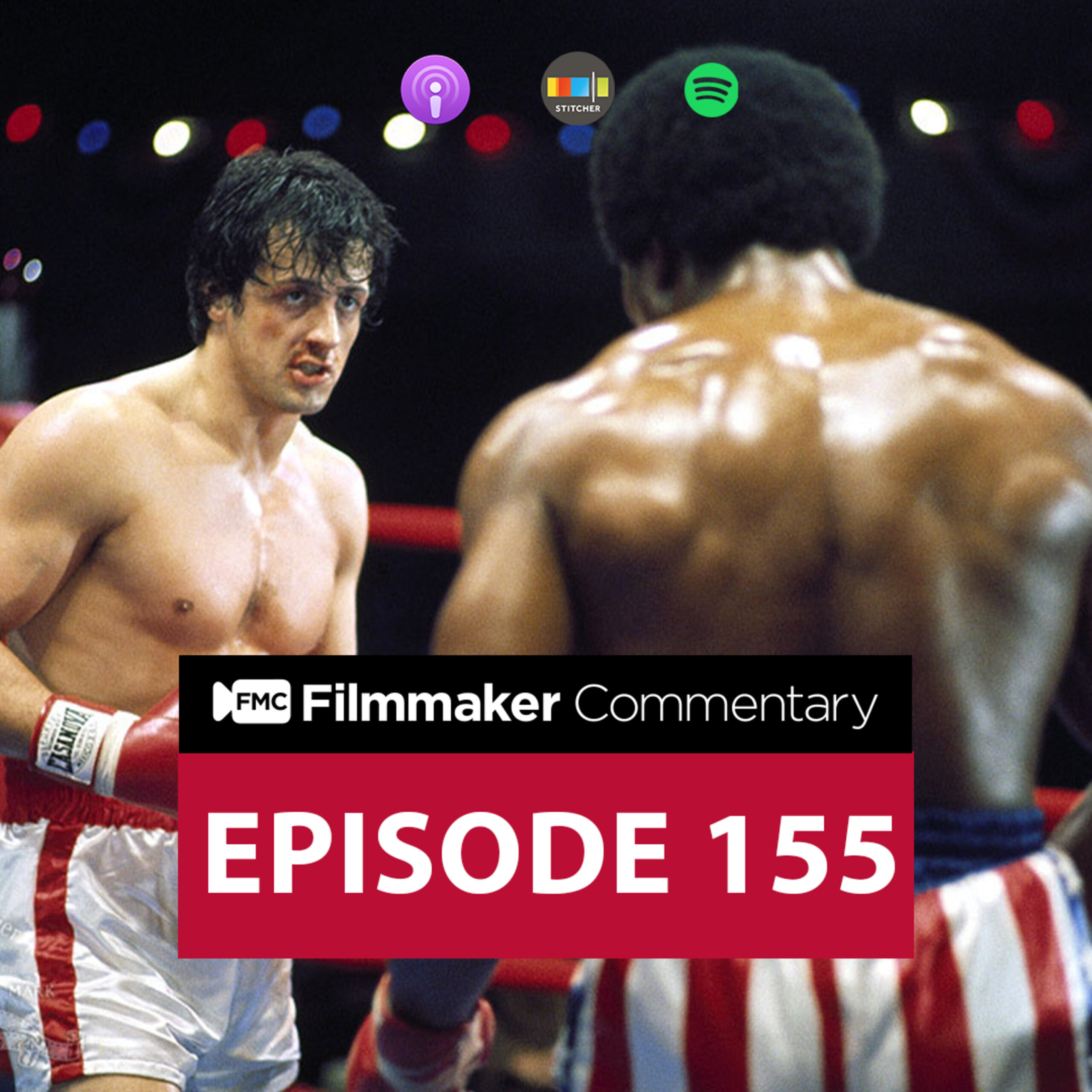
FMC 155: Rocky Directed by John G. Avildsen

November 29, 2022
Listen on Apple Spotify YouTube
Listen to this episode
Your browser does not support the audio element.
Also on Apple Spotify YouTube

This episode unpacks the enduring classic “Rocky,” directed by John G. Avildsen, exploring how a film made on a shoestring budget became a cultural phenomenon and an Academy Award winner. Reginald Titus Jr. and Casey G. Smith dive into its remarkable box office success and the incredible number of accolades it garnered, including Best Picture, Best Director, and recognition for Sylvester Stallone’s groundbreaking dual nominations for acting and writing.

The hosts explore the film’s unique position in the 1970s cinematic landscape, a time often defined by anti-heroes. “Rocky” stood out by presenting a relatable underdog with a good heart, a refreshing contrast to the morally ambiguous characters of its era. Casey recounts his first viewing experiences, while Reginald shares his initial thoughts on this iconic film. The discussion highlights Rocky Balboa’s surprising depth, his innate humanity despite his rough exterior, and the powerful love story that anchors the narrative. You’ll hear about Stallone’s initial script, the significant changes made at the suggestion of his wife, and the director’s apprehension during its first screening, which ultimately culminated in an overwhelming standing ovation. Listeners will get insights into the film’s groundbreaking cinematography, particularly the innovative use of the Steadicam, and the unforgettable, iconic musical score by Bill Conti. The conversation touches on various themes, from self-respect and ambition to the idea of escaping one’s metaphorical “cage.” The hosts also share personal favorite scenes, such as Rocky’s training montages and Paulie’s memorable outburst during Thanksgiving dinner, leading to Adrian’s powerful transformation. This deep dive offers a fresh perspective on a beloved film, revealing the magic behind its creation and its lasting impact on Hollywood and audiences worldwide. Join us on Filmmaker Commentary each week for more cinematic analysis.

What We Cover

  • Rocky’s astounding box office triumph and Academy Award sweep.
  • Sylvester Stallone’s unique dual nominations for acting and writing.
  • The film’s role as a hopeful underdog story in the era of anti-heroes.
  • The iconic musical score and groundbreaking cinematography.
  • Behind-the-scenes stories, including Stallone’s initial script and the film’s premiere reception.
  • The memorable performances and character arcs that define the film.

Key Moments

  • 0:52: The discussion of Rocky’s astounding box office performance relative to its humble budget.
  • 1:52: A breakdown of Rocky’s numerous awards and nominations, including Best Picture and Best Director at the Academy Awards.
  • 6:00: The hosts discuss Sylvester Stallone’s initial fears about the film’s reception after a test screening and the heartwarming reaction that followed.
  • 20:00: Details on the special features, highlighting the comprehensive behind-the-scenes documentaries and commentaries, including insights from the inventor of the Steadicam.

Gear & Films Mentioned

  • Steadicam (invented by Garrett Brown)
  • Taxi Driver
  • Pepsi, Where’s My Jet? (Netflix limited series)
  • Deon Cole: Charlene’s Son (Netflix comedy special)
  • Sonic the Hedgehog 2 (Amazon Prime)
  • Rocky II, Rocky III, Rocky IV, Rocky V
  • Rambo
  • Cobra
  • Network
  • Alien (Ridley Scott)
  • Happy Gilmore (Adam Sandler)
  • Billy Madison (Adam Sandler)
  • Menace II Society

Listener Questions

  • What made “Rocky” such a groundbreaking success despite its low budget and challenging production?
  • How did Sylvester Stallone’s vision for Rocky Balboa evolve from his initial script to the beloved character we know today?
  • What impact did “Rocky” have on the film industry and how does it continue to resonate with audiences decades later?
Full Transcript

Read the full transcript

Full Episode Transcript
This episode of Filmmaker Commentary dives into the iconic 1976 film "Rocky," directed by John G. Avildsen, exploring its surprising box office success, critical acclaim, and enduring legacy, alongside discussions of other film news and viewing experiences.

Opening Discussion & Awards
Reginald Titus Jr.: Filmmaker Commentary, episode 155. Welcome to Filmmaker Commentary, where we cover movies with commentaries from directors who take the time to record them on Blu-ray and DVDs. We also give our detailed insights, so look out for spoilers. We discuss the latest in showbiz news along with movies and TV shows that we've been watching. So join Reginald Titus Jr., that's me, and Casey G. Smith, that's me, every week here on Filmmaker Commentary.
Reginald Titus Jr.: Welcome to another episode of Filmmaker Commentary. I'm Reginald Titus Jr. I'm joined with...
Casey G. Smith: Casey G. Smith.
Reginald Titus Jr.: Welcome back, sir.
Casey G. Smith: Good to be back, sir.
Reginald Titus Jr.: And today we're talking about Rocky.
Casey G. Smith.: Yes.
Reginald Titus Jr.: Directed by John G. Avildsen, 1976. And uh, what was the budget and box office for this film?
Casey G. Smith: So, Rocky, on an estimated budget of $960,000, came in with a worldwide gross of 117 million.
Reginald Titus Jr.: Holy smokes.
Casey G. Smith: Dollars.
Reginald Titus Jr.: That's a win. That's a dub. That's uh, that's out of this world.
Casey G. Smith: And this is 1975, 70, no, 1976 money.
Reginald Titus Jr.: Yeah.
Casey G. Smith: So...
Reginald Titus Jr.: Same year that Taxi Driver came out?
Casey G. Smith: Yes, sir.
Reginald Titus Jr.: Wow.
Casey G. Smith: That's a that's a pretty massive win. Sometimes people talk about adjusting for like inflation, things like that, but no matter how you slice it, it's a it's a huge win. Not even spending a million but making over 117 million.
Reginald Titus Jr.: I wonder what it would be. Um, the 900 in inflation what would it be today? Maybe like 5 million or something like that. But then you also got to adjust for the box office, so that'd be like 200 million or something.
Casey G. Smith: For real.
Reginald Titus Jr.: That's a win.
Casey G. Smith: Yes, sir.
Reginald Titus Jr.: Um, what uh, did they did it win any awards this film?
Casey G. Smith: Oh, yes.
Reginald Titus Jr.: Rocky.
Casey G. Smith: So, Rocky was a media darling and clearly was a banger at the box office as well. So, um, lots of nominations, lots of wins as well. Was nominated for a Grammy also, for Best Original Score by Bill Conti.
Reginald Titus Jr.: Well done. I mean, that music is to this day, everybody recognizes it, right?
Casey G. Smith: Absolutely iconic.
Casey G. Smith: At the Academy Awards, the 1977 Academy Awards. So, the biggest win obviously was for um, well, one for Best Director by by John Avildsen. As well as, again, this this this had a lot of nominations. Let me just like list off some of the nominations. Uh, Best Leading, Best Actress in a Leading Role by Talia Shire. Best Actor in a Supporting Role by Burgess Meredith. Also Best Actor in a Supporting Role by Burt Young. So, both actors in two categories, same category, I should say. Best Musical, Music and Original Song for uh, uh, "Gonna Fly Now," that's the classic Rocky theme. Um, and as well as Best Actor in a Leading Role by Sylvester Stallone, who became the third person to be nominated for both acting and writing, along the lines of both Charlie Chaplin and Orson Welles. Pretty amazing company to be in.
Reginald Titus Jr.: Damn.
Casey G. Smith: It won for Best Editing by Scott Conrad and Richard Halsey. It also won for Best Picture. So, Robert Chertoff and Irwin Winkler got their statues, and it was also nominated for Best Sound, and also Stallone was nominated for Best Writing, a screenplay written directly for the screen, as it was at the time. Um, Directors Guild of America, it uh, won DGA Award for Outstanding Directional Achievement in Motion Pictures. Golden Globes, multiple nominations, but it did win for Best Motion Picture. It also won the New York Film Critics Circle Awards for Best Supporting Actress for Talia Shire. And uh, Los Angeles Film Critics, it won the LAFCA Award for Best Picture, and it actually tied with Network, which also was another film that won a lot of Academy Awards. So, yeah, this was a powerhouse of a film.
Reginald Titus Jr.: That's crazy. I had no idea that it did this kind of business. Um,
Casey G. Smith: You're welcome, by the way.
Reginald Titus Jr.: Yeah, thanks.

Filmmaker's Journey & Public Reception
Casey G. Smith: I mean, I've been pushing pushing Rocky for a while.
Reginald Titus Jr.: You have. Uh, when we started talking about '70s films, I was like, you know what? I guess it's time.
Casey G. Smith: I was like, yes. Yes.
Reginald Titus Jr.: Um, uh, what was that? What does that do? I wonder what it does to your ego. I mean, for Rocky, I mean, for Sylvester Stallone. You from literally nobody knows you to now you have been nominated for Best Actor and Best Writer. What happens? What happens to your psyche?
Casey G. Smith: You become one of the biggest movie stars in the world. I mean, but so, but let's be real though. It's it's one thing to to be a flash in the pan and and have it, but I mean this dude wrote this script. That's that's the thing when I found out, I'm like, huh, wait a minute, he he wrote it? But then, you know, he goes on to direct some of these films later on. I mean, this is, I mean, this is the Rocky franchise is, you know, a classic. But then you see other stuff that he goes on to make, right? Not everything's a hit, but this is, from a critical acclaim standpoint, he he he never he never reaches this height again. Like this...
Reginald Titus Jr.: Yeah, I mean, what do you do after this? You. I mean, you just enjoy your career. You can't I mean, you can't nominated for an actor and writing at the same time? That doesn't happen.
Casey G. Smith: He's he's wanted to, but just it just it just hasn't it didn't happen for him.
Reginald Titus Jr.: It's over. It's over. We saw Cobra. Cobra happened.
Casey G. Smith: Should have held right there.
Casey G. Smith: But by that time, I mean, Stallone was, I mean, he you know, you go on to Rambo, right? Or First First Blood, and then Rambo First Blood, Part 2, and and you you get Cobra, you uh, God, what are the I mean?
Reginald Titus Jr.: Yeah, I mean that was I mean, he was Rambo, you got Rocky and Rambo. I mean, That was kind of like back and forth like, yeah.
Casey G. Smith: That's the career. He became one of again, one of the biggest action stars in the world. One of the most beloved characters in the world. I mean, I don't know anybody who doesn't like like Rocky. Maybe they haven't seen it, but I'm like, it's hard to not it's hard to not root for Rocky.
Reginald Titus Jr.: Yeah, we'll we'll dive into that further in the film. What was the sentiment though at the time? The sentiment?
Casey G. Smith: So, of course in our last episode, we covered Taxi Driver. And I mentioned that during um, during the '70s, there was a a lot of films that dealt with anti-heroes, right? These these characters who the ends justified the mean, and they fulfilled, you know, vengeances or death wishes. And uh, not not the most uh, morally upright characters. And so, with Rocky, he was he came across as different on screen. When you watch the film, and you see this this down on his luck guy who who isn't initially like the most morally upright guy, but you see these these slivers of just straight humanity. He has pets, he clearly has a crush on the on the girl at the pet store. He's hired to be a leg breaker, but doesn't actually want to hurt people, even though he is a boxer and he does have a he does have a switch that we see at the beginning, but there's something about this guy like, man, this guy's down on his luck, but you don't hate the guy, you don't dislike the guy, you you you feel for him, you're like, there's something.
Reginald Titus Jr.: He's not racist.
Casey G. Smith: Yeah, yeah, he's not racist because he even gets upset at the bartender who makes a racist comment about about Apollo Creed. So there's there's something about this guy that's that's a little noble.
Reginald Titus Jr.: Yeah, good writing.
Casey G. Smith: And endearing.
Reginald Titus Jr.: I say good writing and it's written in a way where he's supposed to be liked.
Casey G. Smith: Yeah. Because Stallone mentions in the earlier screenplay, he actually was a little more less repentant, and less less likable. And his wife read it, said, oh, I don't I don't like Rocky, I don't like him. And so that was his first draft, and he he thank God made changes to it. But when this puppy dropped, like, they didn't know how it was going to be received. Stallone actually talked about how they did a screening in LA, well, I think for the Directors Guild. And it played and he was there with his mom. And like he said, he said he felt like he wasn't hitting, he said people weren't laughing at the parts that were supposed to be funny, and he was like just, oh, he was he was he was feeling like down, like, oh, this is this is not good. But then he said when everybody left the theater, and he said he was so embarrassed. He was super embarrassed and he was like, mom, I think I think I bombed. I think this is a big a big bomb. I don't know what I'm going to do next. Because he was he was barely living above poverty at the time. Like he was it was bad.
Reginald Titus Jr.: He didn't have a dollar.
Casey G. Smith: But he said when he walked down the steps coming out of the theater, he said, like, the whole crowd, the whole audience was there outside and gave him a a huge ovation. And he said that's one of the greatest moments of his life. And he told his mom, how could you ever doubt me, mom? How how could you ever doubt me? It was it was pretty funny to hear him say that. But yeah, obviously the the critical acclaim came through. The the box office numbers that came through. Not even costing a million to make, shot in 28 days, and over 100 million.
Reginald Titus Jr.: These guys you can have whatever you want. If you make the the label that amount of money. Um, what else you got? You know, that's the next question. No, what do you want to do? That's the question.
Casey G. Smith: Exactly, like write your own check. And we it's so fascinating to see the trajectory of the even the character of Rocky, when you go into two and three. Anyway, that's beside the point, but the sentiment was that this was needed. Again, even I talked about in the previous episode, kind of how America was in the mid-70s. They needed somebody to give some inspiration. That's another reason why they were able to latch onto this guy. They know what it's like to feel down and out, especially the the the working man, and everything going on. And you just need to see this underdog who gets a chance to to rise up and get a chance to potentially pursue the American, quote unquote, American dream. Um, so yeah, it was a it was beloved, and it was on time. And it's still, again, I I I I love I love uh, I love this first film.
Reginald Titus Jr.: Yeah, it's we'll talk about it.
Casey G. Smith: Let's do it.

What We're Watching & News
Reginald Titus Jr.: Um, did you, let's.
Casey G. Smith: Act like we've done this before.
Reginald Titus Jr.: I swear. I've never done this before. I've seen this a hundred times. I've never done this before.
Reginald Titus Jr.: Let's talk about TV news and movies watched.
Casey G. Smith: So in the news, we have a real quick one, uh, unfortunately a little dour on uh, according to Deadline, uh, Jason David Frank dies. He's of uh, Mighty Morphin Power Rangers, uh, the star was only 49. So, Jason David Frank, an actor and mixed martial arts star, has died at 49 years old. The cause of death was not revealed, but reports indicate it was by suicide. Uh, Frank was born in Covina, California, and was originally the Green Ranger, Tommy Oliver, in the early 1990s.
Reginald Titus Jr.: Oh, Tommy.
Casey G. Smith: Yeah.
Reginald Titus Jr.: Not Tommy.
Casey G. Smith: He then became the White Ranger. He portrayed the character in both television and film adaptations of the popular franchise. Fans mourned his passing on social media. No way. This one hurts for real. Those who know me well know that I love the love I have for Power Rangers. My favorite superheroes by far. Tommy Oliver is the most legendary Ranger of all time, always will be. Wrote Edmund Dantez on Twitter. So, just um, rest in power, um, Mr. Jason David Frank. And um, you know, we're sorry for your loss, condolences, go out to your your family, your friends and your fans.
Reginald Titus Jr.: Tommy, man. Yeah, I mean, there's a lot of stories with him, you know, in Austin and all like just these little random like side stories, like little karate stuff that would happen, so, dang, that sucks.
Casey G. Smith: Yeah, he was I mean, he was, you know, it's one of those people that you get a role and like you you kind of it just sticks with you your your whole life, but he but he seemed to enjoy. He would be at the conventions and stuff like that and always had like high energy, so that's yeah, I'm sorry to hear that. I'm really yeah, really sorry. I remember watching him as a kid on Power Rangers, when when the Green Ranger first appeared like, whoa, whoa, who's this guy? He's he's fighting all the other Rangers. Whoa, and then of course, when he comes in that clean White Ranger suit. It's pretty clean. But uh, rest in peace. But yeah, that's uh, it for news.
Reginald Titus Jr.: Okay. Uh, the only thing I've been watching, you know, um, I caught a Netflix movie, or limited series, called Pepsi, Where's My Jet?
Casey G. Smith: How was it? I've seen that on there and been thinking about checking it out.
Reginald Titus Jr.: Pretty solid. Pretty solid because I remembered the commercial. So, did you, do you remember the commercial, the Pepsi commercial?
Casey G. Smith: Like the taste test challenges?
Reginald Titus Jr.: Um, so basically it was the commercial is when Pepsi was giving away a lot of catalog products like t-shirts, like if you collect a certain amount of Pepsi points from your can, um, you can redeem them for t-shirts and different um, type of products. But um, in this specific commercial, um, it said, okay, if you get 100 points, you get a t-shirt. If you get a thousand, you can get this backpack. And then at the very end, you see this kid uh, come to his school and he's in a jet. He lands down in the front parking lot of the school. And he's cool, got the glasses, he jumps down from the jet and it said, higher jet, here, I can't I'm saying it wrong. Jet, 7 million points?
Casey G. Smith: Ooh.
Reginald Titus Jr.: And that's it. No disclaimer or anything.
Casey G. Smith: Uh-oh.
Reginald Titus Jr.: You know, so like all the other stuff that was there was like, you know, these are actual products. So, because of this, it's like, I remember this commercial, I was like, wow, you can actually get a jet? Like, in my brain, little kid brain, you know. Because there was no disclaimer there. It was just like, 7 million points. I'm like, oh, they're serious. You know, even though it was intended to be like just kind of like, no, this is a slice of. Yeah, this is we weren't serious here. But if you don't, that's the very reason why there are disclaimers, because you got to let people know that, you know, there's this is a joke or this is my have to add effects or whatever.
Casey G. Smith: This is just for show.
Reginald Titus Jr.: So, there's a kid who wanted the points and he figured out a way to get the points to get the jet, and trouble ensues.
Casey G. Smith: Hmm, great setup, great setup. I'm going to have to check that one out because Pepsi was the choice of the new generation. Back in the day, they were advertising like crazy.
Casey G. Smith: Only thing I checked out was also on Netflix, another comedy special, Deon Cole. Um, Charlene's Son is what it's called. Pretty damn funny.
Reginald Titus Jr.: Deon Cole is pretty he's hilarious. He's uh, he's in all those um commercials of Old Spice.
Casey G. Smith: Old Spice. Yeah. And I didn't realize that he was a reoccurring on Black-ish.
Reginald Titus Jr.: Ah.
Casey G. Smith: But he's in quite a few episodes. I mean, he's in every season of Black-ish. Uh, he works works at the same ad agency as Dre. So, uh, yeah.
Reginald Titus Jr.: He sure is in there. Yeah.
Casey G. Smith: Absolutely. And him and the and the the young girl, uh, the youngest youngest daughter.
Reginald Titus Jr.: Marcey.
Casey G. Smith: Yeah, they have this enmity whenever like he sees her, he's like, Diane. She's like, so and so it's just like even when she was like small, like it's like this ongoing thing. He's he's terrified of her.
Casey G. Smith: But anyway, but yeah, so that's that's uh, that's it, all I've been watching. Um, yeah. Oh, wait, one one other thing. I did I watched Sonic the Hedgehog 2 on on Amazon Prime.
Reginald Titus Jr.: With our favorite actor, Jim Carrey.
Casey G. Smith: This is one thing where it's appropriate for him to be as over the top as he is. He he he gets to go full Carrey.
Reginald Titus Jr.: Never go full Carrey.
Casey G. Smith: You never go full Carrey. Yeah, that's what he does. And it's it's appropriate in this. I I did I enjoyed it, man. I mean, the first Sonic was a surprise.
Reginald Titus Jr.: Yeah.
Casey G. Smith: And this one was also. I could tell whoever whoever makes these films, they have a love for for um, huh?
Reginald Titus Jr.: They care.
Casey G. Smith: They they care. Yeah, they they know the lore of Sonic. But they also they dig hip-hop as well. There's quite a few references there. But it's is fun. It it works. I think your kids will will will dig it. If you haven't seen it, but it's on Amazon Prime, Sonic the Hedgehog 2.
Reginald Titus Jr.: That will definitely be a family watch. We went to the theater. I think it was me and my oldest son at the time.
Casey G. Smith: Sound design is awesome. I I I watched it with surround sound, and it was like my place was shaking. I was like, yo.
Reginald Titus Jr.: Okay, I might have to do that. Uh, today's show is sponsored by?
Casey G. Smith: Natural Hair the Movie by Grind of a Matter Films, available to stream on All Black TV and on Tubi for free. Please check it out, leave a review.
Reginald Titus Jr.: Now let's jump back into the show.

Film Synopsis & Viewing Experience
Reginald Titus Jr.: Welcome to Filmmaker Commentary. We're talking about Rocky, 1976, directed by John Avildsen, 1976. And let's jump into the synopsis.
Reginald Titus Jr.: Rocky Balboa is a Philadelphia club fighter who seems to be going nowhere. But when a stroke of fate puts him in a ring with the world heavyweight champion, Rocky knows that it's his one shot at the big time. A once-in-a-lifetime opportunity to go the distance and come out a winner. Rocky. And if this is your first time listening to Filmmaker Commentary, please note that there will be spoilers. You've been forewarned. How did you watch this film, Rocky?
Casey G. Smith: So, interesting thing with Rocky is that I saw newer films before I saw the original. I saw Rocky 3 was the first Rocky that I ever saw. I I was I was really lot, I actually used to have, man, like when I was three or four years old, I actually had the Clubber Lang, Mr. T figure. And Rocky 4 drops, which is, that one's near and dear to the heart. That's a classic. Yeah, we we watched that one at uh, AFM that one, and it went by, I was like, this is like a music a music video. It goes by so fast.
Reginald Titus Jr.: Absolutely.
Casey G. Smith: I love I love the soundtrack to that. Um, and then I I hadn't I I'd seen bits and pieces of Rocky 2. Actually, it's the montage in Rocky 4 when they're playing there's no easy way out and in Rocky's driving his car. Those are my first glimpses of those earlier Rockys. And so, I I never knew like the difference between one and two.
Reginald Titus Jr.: Yeah.
Casey G. Smith: Until, I mean, man, I don't know when I watched the first one. Honestly, I don't know like the exact moment when I watched it. But it was a it it it was maybe in my 30s, I think. I finally set down, okay, let me actually see this. You know, I take it back. It was in my 20s. Because my buddy Andy, he had picked up like the whole like Rocky DVD set. And I was I was in grad school and working at the time, and it was a it was a snow day. Like it was it was crazy weather. He was like, dude, it's time. Yeah, we got to watch this Rocky. So I was like, I was supposed to be doing grad. I was like, yeah, okay, let's do it. Let's do it. And we spent the whole day just watching watching Rocky films.
Reginald Titus Jr.: Wow.
Casey G. Smith: And um, but I didn't remember all of it because it was all kind of crammed in my head at grad school. So yeah, but that was that was in 2002 or 2003.
Reginald Titus Jr.: Wow.
Casey G. Smith: We were just out of college, first first apartment. Yeah, that's when I first saw it. How about you, sir?
Reginald Titus Jr.: This was my first time watching it. Welcome. I had no I watched 4, knew about 3, Mr. T, I mean, come on. Um, and saw glimpses flashbacks to some of the other films, but I was like, yeah, that's all I needed to know about Rocky, you know?
Casey G. Smith: Okay.
Reginald Titus Jr.: I mean, Rocky 4, I mean, he does it, you know, that one does it. So, um, but yeah, I was actually surprised. You know, I was this was my first time watching it. I watched it with the family. Uh, watch the boys, I watched it with the boys, they really dug it, you know, they like all fight stuff, so they were they were down with it. Um, yeah, it was good. Yeah, I could see why it won awards and all that all that good stuff.
Casey G. Smith: I'm glad you enjoyed it.
Reginald Titus Jr.: Yeah, and I was I was looking for the commentary, looking for the DVD, didn't find it other place. Uh, but found it on Blu-ray, and the Blu-ray looks it looks good, it's a good transfer.
Casey G. Smith: I'd love to see the cover of that one. Because I mean, I I bought I bought my two-disc set that's just DVD. And it's loaded with the features. But of course, you know, it's got two discs, but I'm I'm not going to return, I'm going to, you know, keep that or whatever, but uh.
Reginald Titus Jr.: The cover of the Blu-ray that I have looks like the original DVD cover.
Casey G. Smith: I don't know what that means.
Reginald Titus Jr.: Which is him and Apollo in the ring fighting.
Casey G. Smith: Mm. Okay.
Reginald Titus Jr.: Yeah. And I don't know if it was like the original original, but maybe it's a reproduction, but it's them two in the ring fighting and it looks cheesy. This looks better.
Casey G. Smith: Got you. Okay. Cool. But I'm I'm I'm glad you finally had a chance to see it. I well, I finally, when I went and revisited it revisited it a little bit later on, I was like, yo, this is, because the first time I watched it, it didn't it didn't have that impression on me. I wasn't all this is great. But when I later on when I when I revisited, I was like, man, this is this is really good. Like I I just I noticed the nuances of the performances and in particularly like with him and Adrian, like the love story in this is is one of the best, one of the best. I'm like, this is.
Reginald Titus Jr.: It'll always have a love story.
Casey G. Smith: But her her blossoming as a woman. You get all that. But I just, man, I it Yeah, I love it. I love it.

Likes, Dislikes & Special Features
Reginald Titus Jr.: Agreed. Um, likes, dislikes. I don't know if I have any dislikes on this film, but um, I didn't realize that uh, Rocky didn't win. I didn't know that. Didn't know that about the film. So I was even at the end, I was like, why is he celebrating? I was like, what's going on?
Casey G. Smith: He he said, he goes, if I could just go the distance and at the end, if I could still be standing, then that's that's good enough for me. That's that's what he wanted to do. That was his goal. He he said, um, you definitely need to see Rocky 2.
Reginald Titus Jr.: I have to now because I'm like, what's the hoopla? He lost, you know what I mean? So, I have to see 2 and 3.
Casey G. Smith: Yes, sir. Yes, sir. Yeah, it's it's it's a it's it's it's and you got to see you got to see 5 also.
Reginald Titus Jr.: I've seen 5. I've seen from 4 on.
Casey G. Smith: Ah, okay, excellent. Well, yeah, all of it all of it, it's a there's not any for me. People were kind of hating on 5. I actually like 5.
Casey G. Smith: I didn't like 5 initially. I was like, ah, this sucks. But but I've I've come I've come around to it now. I'm like, okay, no, this is part of the journey. This this uh, yeah, I don't I'm I'm okay with it now. That happens sometimes, you know?
Reginald Titus Jr.: It does. It does what it is.
Casey G. Smith: Crossing you like Taxi Driver.
Reginald Titus Jr.: Oh my. Just kidding. Just kidding. Allegedly. I'm going to make my version of Taxi Driver. I'm going to make a racist Taxi Driver. See what happens. Just Reginald, just Reginald. That's me. Hey. Hey.
Casey G. Smith: Uh, likes about the film. Uh, I like Rocky's heart, that he has a love for animals. That's the totally opposite of a sociopath. So, he's got to love for animals. Um, I like that he gets offended at the the bartender, when he when he when he uh, talks about Creed being a clown.
Reginald Titus Jr.: Yeah.
Casey G. Smith: You know, I'm like, ooh, I like that.
Reginald Titus Jr.: Jig, did he what did he call him a jig clown or something like that?
Casey G. Smith: A joke? Maybe?
Reginald Titus Jr.: No, it was like short for jigaboo or something like that.
Casey G. Smith: Uh. Yeah. But I like that.
Reginald Titus Jr.: It was it was snuck in there, but it wasn't like overtly racist. But, yeah.
Casey G. Smith: Just uh, yeah. It was PG. That's that's a good thing about this film, it's PG. Truly. And I I like the I really like the the performances by everybody. I mean, they everybody brings it. And uh, I I love Apollo Creed, man. Apollo Creed is one of my favorite, again, I love Rocky, but I I I dig Apollo Creed and Carl Weathers, the way he plays him. And it's it's a shame that Carl Weathers wasn't in more films, period. Like the charisma that he shows in this and when you see him, like he even later on in other Rocky films, like, yo, this guy has range, he has death. Like, why is why wasn't he in more films? Like in starring roles. Not just alongside Schwarzenegger in in Predator or in, you know, he got Action Jackson. Okay, great. But.
Reginald Titus Jr.: He seems like uh, I don't know, I I think there's a story there behind that. Because he he's comes off very intelligent, you know, and uh, yeah, you know, sometimes uh, talk to a brother, you know, might not be what a Hollywood wants at the time. You know, I was like, uh, this guy can think.
Casey G. Smith: For real. But you he he he comes across when you hear him on the commentaries, he comes across very, very intelligent, obviously clearly athletic, like, yo, this guy could do it. Anyway, but that's that is a uh.
Reginald Titus Jr.: I think there's a story there.
Casey G. Smith: That's a that's a dislike that he's not in more that he didn't get more um, roles later on.
Reginald Titus Jr.: What movie was he in when he's got like the fake arm, the fake hand?
Casey G. Smith: Oh, that's a that's like Happy Gilmore or something. That's one of Adam Sandler films.
Reginald Titus Jr.: Oh, that's the one that he's in?
Casey G. Smith: Yeah, it's one of Adam Sandler films. He's got yeah, he's like missing uh the um was it yeah, it's not Waterboy. I want to say it's like.
Reginald Titus Jr.: I don't remember. I just that that image is in my head.
Casey G. Smith: Yeah, it's in one of the I want to say I think I think Happy Gilmore. Was it I think whatever the golf one is. Hay there Happy Gilmore, Billy Madison. I I've never really cared for those films, but yeah, he's in he's in one of he's in one of those.
Reginald Titus Jr.: Yeah. Yeah. There you go. There's one. What about you? What about you? What are your likes?
Reginald Titus Jr.: Likes, um, I like how they built Rocky up to be a likable anti-hero. Because somebody that's a that's working for the mob basically, you know, an enforcer that's going around. He's supposed to be that guy like in uh, remember the movie Rounders, the guy that was trying to get the money from Edward Norton's character, like how he just punched him in the punch him in the guts like, hey, next time. Like he's supposed to be an enforcer like that. Like, how are you, you know, to us is likable guy that that really does do some horrible things. But for us as audience, if we don't ever see him, because he's he's got a track record of what he's done for this guy. And so, uh, um, I I find that interesting that we found a way to like this guy. How well how it was written for him to be shown to us. So, you know, it's a guy that we're not really supposed to like this guy, but for whatever reason we do. Um, it's yeah, it's well crafted.
Casey G. Smith: He I I think multiple times we see where he he he shows he shows restraint and and when he doesn't show restraint, he is quick to to smooth things over. There's two examples in particularly. One, when when Mickey comes to ask him to manage him, and he does, after Mickey leaves, he kind of rages about it, about how he all that angry he lets that out. But then he comes out of the apartment, and he runs down Mick and still accepts the offer to have him be his manager. That's that's powerful, Mike. Because this guy treated you like trash.
Reginald Titus Jr.: Rightfully so, rightfully so. I mean, and bum is a um, a term they use all the time. He's a bum.
Casey G. Smith: Yeah.
Reginald Titus Jr.: That's funny listening to like Foy.
Casey G. Smith: He's like, yeah, he's got the talent to be great, and then he comes on like, a leg breaker for some no-bit long shock. You know, I was like, ooh, you know, and even though he thought about retiring, he's like, you should. I was like, oh, man, like, it's.
Reginald Titus Jr.: Mickey's gangster.
Casey G. Smith: Mickey, Mickey is gangster. But there's that. And then there's after he, you know, beat on the after he's you know, boxing against the the the frozen slabs of meat in the in where Paulie works, and his hands are all like kind of swollen, and Adrian's taking care of him, and she starts kissing, like, no, no fooling around. I mean it. And so she gets up to go to the kitchen, and he still gets up and and and goes over there and he's like, I'm sorry, you know, still like apologizes. Even though he he wasn't like in the wrong, and he wasn't he didn't yell. Just kind of said, you know, serious, but he still has that heart. He do doesn't want to hurt her. That's just these are these are endearing moments. He's a he's a he has a good heart at the end of the day.
Reginald Titus Jr.: I think that and also with um, when we want people that are that may not be as sharp, you know, they're not there. You know that, yeah, they may not got it all, you know. But to see them make the right decisions. I think that's like, oh, good for him.
Casey G. Smith: Bless his heart.
Reginald Titus Jr.: You know, the fool that does right, you know what I mean? It's it's interesting.
Casey G. Smith: Yeah, he's he's very very interesting. Because you don't want to call him dumb.
Reginald Titus Jr.: No. I mean, but he's he's had what, 64 fights? Was it 64 fights? It was a lot of fights leading up to him in his 30s. And so he's he's just brain damage.
Casey G. Smith: We get further on. He really gets bad.
Reginald Titus Jr.: And that's before he's got his big chance. He's already had a whole lot of damage. And so like you see this guy, he's like, he's something ain't right, you know. Even one of his even like one of his eyes is already kind of like like iffy because even like asked him about what about you? What you have so and so check it out. And then at the end of the film, I mean, I swollen shut.
Casey G. Smith: Coby Mick.
Reginald Titus Jr.: I'm like, oh. Um, it reminded this also reminds me of that exhibition fight recently. Did you see the uh, Logan Paul and Floyd Mayweather fight that was like, I think it was a summer ago.
Casey G. Smith: Just highlights.
Reginald Titus Jr.: Highlights of it. So I remember watching watching the whole thing, you know, just like every every other sucker that uh, paid their money for this show, um, this exhibition, um, but Logan Paul at the end of that um, fight, he was like, he gave Floyd Mayweather all his respect and everything. He's like, man, this is crazy. I got a chance to to fight a legend. And I'm nobody. I'm just some guy that's YouTube that came off of YouTube or, you know, what he did. He said, I'm here to show you that anything is possible.
Casey G. Smith: Yo, I I give respect to Logan Paul because he's been in WWE. He's had he's had three matches. And they've they've been his performance in these matches have been phenomenal. He just had one at in Saudi Arabia against Roman Reigns. The dude who's had the title for over 400 days. Fought him in a in front of an international audience. And put on a hell of a of a show. Like that's that is not uh, an easy defeat. I mean, was that WrestleMania? Like again, yeah, this guy is new to the business. And and all three of his matches, it's like, like he's been doing this for for years.
Reginald Titus Jr.: But it was but he's a wrestler, trained wrestler.
Casey G. Smith: But that's that's But I'm not I'm all I'm saying is that he's athletic. I mean, the fact that he was able to go uh, fight Floyd Mayweather in last, you know what I mean?
Reginald Titus Jr.: Yeah, he's he's a an anomaly. And then and his brother, Jake Paul, you know, like even a better boxer.
Casey G. Smith: Yeah. But I'm talking about this guy's doing stuff like on the top rope, jump off like through the table. He actually ended his last match. He ended up like tearing his uh, he he kind of jacked his knee up like ACL, MCL, stuff like that. But but kept but kept like, you wouldn't have known, like, it was the aftermath. You heard about it, but he finished the match and everything.
Reginald Titus Jr.: Tore it up. Um, but yeah, cuz that was like when you see the trajectory of Logan Paul, um, he used to do a whole bunch of stunts and stuff on his Vine. Back then it was Vine. Before before YouTube. Like he would do a whole bunch of crazy stuff. That's when he was still in college. So you would see athleticism back then. But uh, who would have thought? But it it that's what it reminded me. I was like, dang, okay, in real life, you see this guy? All all he's known to the, you know, public is a YouTuber. Right. You know, they don't know his history and his athlete, you know, background. They think he's just some YouTuber that came out of nowhere. But he does have this athletic background. Sure. But to everybody else, he's just a YouTuber, you know.
Casey G. Smith: That's like most success stories, right? We think, oh, they just came from nowhere. No, they've been working on their their their craft or whatever for for a long time. They just needed they just needed their shot.
Reginald Titus Jr.: Um, but yeah, that's what it reminded me of, you know, Rocky getting his shot, and then, you know, Logan Paul and that like correlation, it was just interesting. Nice. Thing there. Um, yeah, that's all I like to Or yeah, yeah. So, yeah, , I liked it. I don't I didn't really have any dislikes.
Casey G. Smith: Yeah, me neither.
Reginald Titus Jr.: Yeah, that was solid. Um, the commentary, um, I only listened to the the 25th anniversary commentary with like, it was like everybody. It was everybody but Stallone.
Casey G. Smith: Nicely nicely curated commentary as well. Like how we like it, where they had everybody separated. And actually, uh, it was our man who plays Paulie, he's kind of the narrator introducing the different people. Yeah, very well done. You get some, I think this I thought the commentary was great.
Reginald Titus Jr.: I agree. This is a good Yeah, this was done well, especially when you have like you're saying like having somebody narrating, having it cut, because it was recorded probably at different times. And and putting there. And then they all have something to bring to the commentary. They're not just there watching like, oh, I forgot about this. They're actually bringing stuff to the table.
Casey G. Smith: Talia Shire, to me, she was the highlight of the commentary, the way she spoke to how she prepared for the role and explained like that that like for the acting aspect, oh man, that was Carl Weathers as well. I I dug it. I was like, yeah.
Reginald Titus Jr.: Yeah. It was good. It was it was a good balance between the director, the DP, you know, producers, and all the actors. It was well done. I agree. This is how commentary should be done. That's top 10 for sure.
Casey G. Smith: Yeah. Heck yeah.
Reginald Titus Jr.: But that's the only one I listen to. Did you listen to any of the other commentaries?
Casey G. Smith: I listened to Stallone's commentary also. That was that was good also. Cause he was, you know, sharing a lot of his perspective and um, how he got into the film. So, yeah. And a lot of his his experience. So, it was good, especially, you know, from both the writing aspect and the performance aspect. So, yeah, it was solid as well.
Reginald Titus Jr.: Wow, okay. Um, what were some of the special features? Because I mean, there's there's a lot of releases of this film. Um, what were some of the special features? I saw quite a bit. I I didn't see it quite a bit, but when I was kind of scrolling through the menu, like, dang, there's a lot of stuff on here.
Casey G. Smith: It's It is it is loaded. Like this is this is uh, a quality quality release. So a couple of the features that are on here, there's a um, all new audio commentary with Stallone, which you just mentioned, as well as the the aforementioned um, commentary that was from a few years back. Uh, with the director, the producers and cast members. There's also a commentary with uh, two boxing legends. I didn't listen to that one. Uh, there's a three-part in-ring making of documentary that that, I mean, covers like everything you want to see about the making of Rocky. There's 10 additional uh, featurettes and documentaries. There's again, there's there's that that one is really good because we talk about it goes through like each major department of the film. You get to you get a small like, like, yeah, like, let's say 9 to 15 minute piece of them talking about their part in the film. So everything from from the director to I think maybe the producers, to the the makeup artist. That one was I thought was really fascinating. To uh, the um, the DP, who was the the gentleman who actually created the steady cam, to uh, Bill Conti, which I really enjoyed hearing him talk about how he came up with the music. So yeah, like that is it it this this is like a miniature film school. Yeah. Honestly, it's it's one of the, actually one of the best like releases of a, you know, of a DVD Blu-ray. It it uh, to me it's kind of up there with what we got like really Scott with like, with uh, with uh, Alien. Yeah. Just yeah, great uh, presentation. And and features. And there's also, you know, some of the original TV spots and appearances. And there's even one that's a uh, an actual TV appearance that Stallone makes on a show called Dina. From like the it's clearly from the '70s and it's it's right after the film has come out and is is already being seen as being successful. And he goes on the show, yeah, I mean, straight '70s. He's got huge, you know, giant collar and all that kind of stuff.
Reginald Titus Jr.: Butterfly collar.
Casey G. Smith: Oh, yeah, and he's he got the the '70s leisure suit. And he's there talking with her. And she and the this is some show. I've never heard of this lady before. But she's there interviewing him and her husband is there and he's he's talking and it's it's it's funny because.
Reginald Titus Jr.: He's talking.
Casey G. Smith: He keeps he keeps bringing up uh, Rocky Marciano, which is is is funny, but it's like weird. It's like, not talking about the real life guys. It's about anyway, but it's it's it's That was it was entertaining to to watch and hear some of the things that he shared back then, so fresh out of the film. But um, but yeah.

Themes, Style & Final Thoughts
Reginald Titus Jr.: Uh, the tone. What do you how do you feel this the tone in this film, how were they able to crack it?
Casey G. Smith: I feel it starts off, the tone is very lonely and and isolated. And kind of lost, and it feels it feels a little hopeless initially. But then it switches to something that's that's hopeful. Yeah. With the emerging possibilities of of his him fulfilling his destiny, but also finding love. Then at the end, it's it's it's it's joyful. You know, the the way that the even the music how it changes to, you know, the going to fly now or getting stronger when you hear that in the theme. And then just the, you know, at the very very end, the the shot of him embracing Adrian in the ring, that's at the end of the day like kind of all that matters to him now. But uh, but yeah, I don't know, kind of tone. I feel about that. What about you?
Reginald Titus Jr.: So I mean, the soon as the the movie starts, like these music just bam, just hits you right in the face. You're like, whoa, what what's going on? And then the the title the sequence just kind of scrolls across. It's like Rocky, like, grab your attention. Yeah, then we're jumped right into a fight. So, um, seeing basically this guy getting even though he won, he got beat up, you know, it was like this janky, you know, fight that he's at where you can get injured easily. I mean, just just holding the wall place where he's fighting at, you know, nobody sees it. Nobody knows about it. And instantly he's smoking a cigarette after the fight. Like what? Like who is this what kind of boxer are you? Still got to go to work, you know, like he's, I mean, it doesn't pay enough, so you still got to go to work. Um, so I feel like, you know, it was cold. You can feel the cold. Through what they're wearing, you know, you see the breath like, dang, it's but um, kind of like the the uh composer says, he's like, this movie has a soul, you know, it it feels like it's like the people care that are part of this film. It feels like, all right. All right, yeah, we'll follow you. We'll we'll follow you, Rocky. We'll see what's going on. Um, speaking of which the music was done by Bill Conti.
Casey G. Smith: Yes, sir.
Reginald Titus Jr.: Uh, he mentioned that the music had had to have an integrity in the middle of all the vulgarity.
Casey G. Smith: Agreed. Because it I it this the music lifts this film. It it it honestly, it it makes it makes the film the the music is iconic as the character himself. Like when you think Rocky, I think the next thing you think, is not only fighting, but you think you think music. It it this this is one of those scores that is right up there with with Star Wars, with Superman, and then it's Rocky. Where you can just drop the theme at any time and people know where it comes from.
Reginald Titus Jr.: Absolutely. Um, there's a special feature is called Staccato. I can't think of what what else was added to it, but it's Staccato something. Right. And um, that's the only feature that I watched like all the way through. Um, Gotcha. Um, but he mentioned that uh, the trumpets are used in battle. And then like the way that he used gladiators. Yeah, and so like, it's like an announcement, you know, with the with the trumpets. Where the trumpets when we used to listen to uh, watch Taxi Driver, I was going to say Cab Driver. Um, the he those trumpets were used too, but in a different way, where they're like kind of like drawing out, you know, swelling, you know. But in here, the staccato like, like, oh, what's what's happening? You know? Like chariots racing in the battle. Yeah, so I was like, oh, man, it was done well. And he he mentions like specifically, those are six trumpets that are, you know, you can't just copy and paste it these it has to be done by six people because six people can only make the certain sound. And he also talked about how they built the, when they built the montage scene of of Rocky training, how initially it started off and he was told by Avildsen that they only needed to be a minute and a half. Yeah. But then after the minute and a half, they were like, hey, can you can you add 30 seconds on to it? He's doing pushups. Uh, can you add can you add 30 more seconds on to it? And then he's like, hey, can you add some some voices in there like, you know, going to fly now or something about getting stronger? Yeah. And so Bill Conti talked to his wife who was working as a as a receptionist. He asked, hey, are there any people at your job who can sing? So yeah, there's a couple people. So he literally brings his wife and a couple of co-workers in, just a little isolated booth and they're just literally that's what he's doing is, going to fly now. So inspirational. Getting stronger. Yo, just so simple, but to hit, man. It's a hit. Gosh, I think it just makes us to Conti's his brilliance because he knew exactly what it needed. Just enough and it and it works. The fact that he was able to make the music and it and it it be cut to they were able to cut it to the to the scenes.
Reginald Titus Jr.: Yeah, the music, iconic and brilliant.
Casey G. Smith: He said, uh, these people were not a rich people or uneducated people, but they have soul and heart. And so that's what he wanted to kind of put in the music. And uh, the music is attempting to show that dignity that that they have, despite what we're looking at.
Reginald Titus Jr.: And it it it it the way it ebbs and flows, right? You've got the classic like when you see, you know, Rocky going down the street, he's he's bouncing his his little ball. When he's going kind of, you know, it's kind of panned out and he's just got his his hat and his and his jacket on, he's get the simple little the the keys that, you know, just just on the I.e. it's just little piano. Just the kind of the the solitude and loneliness. And then you progress to the film, and then it just builds up to this again, this this swell. And then you get the I mean, it's the kind of classic that. It's like this victory. It's like this yeah, this, I don't know, it's it's great, man, it's great. Love love this uh, these classic tunes. Now, classic. Yeah, absolutely. Um, do you feel like there was a style that John was trying to achieve in this film?
Casey G. Smith: Yeah, man. I mean, this was a ground groundbreaking and I think it's, you know, kind of not a shame, but it's kind of sad that he didn't get, I think, the cinematography award at the Oscars because of the revolutionary use of the steady cam. You know, shots they were able to get, you know, because of that. Um, but yeah, it you know, the scenes of going up the steps, uh, even how they shot the the fights like in the ring. Like they they rehearsed that a whole lot to give it a very specific look. So, yeah, they they definitely broke some ground. And even how they handled different shots in and in the film, and there's a lot of a lot of camera movement throughout.
Reginald Titus Jr.: I wonder who who ended up winning for for DP that year. Yeah, I remember I I looked up like the '76 like Oscars or '7 because 77, 19 no, no, 76, it was 76 Oscars, I think. And just seeing kind of because I was curious, I was like, man, who knocked them out all these categories? And I saw the network. I was like, dang, the network was cleaning up.
Reginald Titus Jr.: Yeah, looking at the steady cam stuff. It's like, you can see him getting better as he did more scenes. So, like him going up the stairs, it's kind of rocky.
Casey G. Smith: So he's like, whoa, hold on. Like he was like.
Reginald Titus Jr.: It's like, whoa, hold on here. Because, you know, you know, us, you know, people like him, the inventor, they've created it to where um, people like, you know, us with these smaller cameras, and then we have these stabilizers or stabilizers are built into the camera. Um, we just don't realize like how fortunate we have it, you know, they had these big old rigs, monstrosities. Oh, yeah, the I mean, you literally can hurt yourself if you're not in shape. Um, to these small cameras now and now we can get our little steady shots real easy. Uh, it's pretty amazing because he actually has there's actually on the um, on the DVDs/Blu-ray, on the special features, there is actual the original footage that he used to to sell it to some studios of his girlfriend running down those steps in Philadelphia and him and him recording her running down them. And then she was so excited, she turned and she ran back up and he's running back up with him. Yeah, it's like the and he used that footage to again, to to sell it. But he said he was shocked at how conservative studios were still, even after seeing the technology. Yeah. That um, they weren't quite ready. But then of course, once this Rocky came out, that of course, that helped a little bit.
Reginald Titus Jr.: Little bit. Uh, one shot with that is I remember the um, the shot when he when they were in the uh meat packing facility and they're in the refrigerator and he's kind of walking through the meat as it's swinging through. He said he had to move some of those slabs out of the way. He was getting good. He was getting good where you can use one hand to move it and then he's still moving back, have a spotter, like, okay. And it's not his wobbly. Getting his craft down. Man, he was he's got it working. Um, do you have any uh, themes from the film?
Casey G. Smith: Yes, sir. Um, so here's a theme I found a theme of mirrors and looking within. Yeah. Like I noticed a number of times. The first kind of mirror shot that we get is when Rocky he gets home and it may have been after his after his fight with Spider, or maybe after he'd done some leg breaking. I think but I think it's after his fight with Spider. He goes home, he's looking in the mirror, and he grabs a picture of himself as like in third grade or whatever. And he looks at that and he's looking back at himself. We also see later on, when he is at um, this is actually before. When he goes to the pet shop to see Adrian. It's like I'm going to say it's like earlier in the morning and he's talking to her and he's like she's like messing with the birds or whatever. And he's and he's like, you know, there's a lot of creeps out there. And the camera like then goes into you see his reflection as he's talking to her. Then later on, when when Paulie invites him over for Thanksgiving dinner, and he's going to take her out and she finally comes from behind the door and he's, you know, they're getting ready to go out and she stops and she looks at herself in the mirror. She's kind of haunting that that shot. Yeah, but it's like and it's like that's like the like what's going through her mind at the time. But yeah, once again, she's kind of looking within herself and like this this moment that's coming. And that that theme of mirrors is kind of plays throughout. You remember in Rocky 4, right? Constantly him looking in the mirror, especially as he gets ready to to fight Drago, right? He's got a news clipping of men. And then when he's ready, he's finally like, that's just down. But uh, yeah, so a theme of of mirrors in looking within.
Reginald Titus Jr.: Yes, indeed. Um, and that's kind of like a cheat too with the mirrors because um, there was another shot right before when she was like, need a roommate. Um, she's sitting down, he's standing up, but his head is cut off in the fore from. But if you look in the mirror, you can see his whole face. So it's like it's a way to kind of cheat uh, without having to do other angles. And we saw that in uh, Menace II Society, they used the mirrors in that way. Mm. There was also another shot with the mirrors. I'm trying to think that was it, but it's like where he's she's in her room. I don't know, maybe that's I don't know, maybe I'm getting confused, but that's the same shot, but he he's approaching her cuz she's on she's on the far right side of the frame. And there's a little picture of him attached to the mirror, but it's to block a light that was like kind of shining through and they had to block it. So they just put a picture of him up there, but yeah, mirrors.
Reginald Titus Jr.: Mirror, uh, I just had a theme of The Peluca Gets His Day.
Casey G. Smith: Oh, yeah, for sure. Most definitely. I had a couple of other themes of self-esteem and self-respect, taking your shot.
Reginald Titus Jr.: Yeah.
Casey G. Smith: Um, the predisposition. So, Stallone talks about this. Like, there's a whole like video essay thing. And even even in his commentary, he talks about predisposition. He mentions the fact that that Rocky had come up with the name Italian Stallion is the whole reason why he got the fight. Because when they looked through those books, Apollo sees that the Italian Stallion. Huh. Apollo Creed versus the Italian Stallion. Huh, sounds like a damn monster movie. But Stallone talks about that predisposition of having that name that he gave the name. That that's why he that's why all this even happens. So, that was that was fascinating to me. I hadn't really thought about that. Um, I put, you know, fighting for what you want. I mean, he you know, kind of fights to to get with Adrian and he he Oh, yeah, you can't quit. You got to be persistent on this one.
Reginald Titus Jr.: And fights for that that first kiss, you know, when they're in his in his apartment.
<pCasey G. Smith: Pretty creepy.
Reginald Titus Jr.: It it it is, but.
Casey G. Smith: You know, now it's like, but but when at the time, for what it was, was it to do it?
Reginald Titus Jr.: Well, I mean, she she did she she was super shy.
Casey G. Smith: Yeah.
Reginald Titus Jr.: And she wanted to be there. And hearing Talia explain it like the character, you know, like, okay, she, it sounds bad, like, she she wanted to kiss him, but she was she was just so shy, and, you know, he has to take off the glasses. And when he when he tells her that she's pretty, and she says, don't tease me. Like, that's where it gets real, because I mean, he's she's never had a guy look at her like that. And she and she had been emotionally abused by her brother. And been beat down.
Reginald Titus Jr.: She was so abused, it's like, she doesn't even know what to believe.
Casey G. Smith: But he also means he's he's, you know, going for he does he doesn't want her to to leave, and he's done his best to show her a good time. He's been showing up at the pet shop. Um, but, you know, when he kisses her, you know, she kisses him back. And her her reaction in that, she really does remind me of a bird. And kind of how her head and her neck are moving, like, she's like a little caged bird. And when that first kiss, she now is beginning to emerge and spread her wings. I yeah, it it it starts off rough, but it because it kind of becomes pretty beautiful.
Reginald Titus Jr.: It was rough. It was rough. I was like, oh, I was like, oh. They were two two odd odd coconuts. But uh, but he's like, it's like, but he has he has she's she's shooting his shot.
Casey G. Smith: You got to make it happen.
Reginald Titus Jr.: Somebody's got to do it. Uh, I mean, again, uh, theme of a love story and a theme of escaping cages.
Casey G. Smith: Oh, okay.
Reginald Titus Jr.: So, I think he escaped his cage of just being a nobody, and she escaped her cage of of thinking that she was a loser. And actually both of them escaped that cage of thinking that they were losing. The cage of the mind. Yeah. Thinking they were losers. Mickey escaping the cage of thinking that his time had passed. Paulie escaping the cage of trying to get out of that damn meat factory, and like hitching his uh, his ride to to Rocky. And even kind of, you know, kind of throwing his sister out there too, knowing that was that was the way.
Reginald Titus Jr.: Through his sister out there too. And his sister. Dear God.
Casey G. Smith: Yeah, Paulie. Uh, yeah, both of them. Uh, I got a um, the director point of view. Uh, so he talks about having like a realistic picture. He he was saying like, um, I don't know if it was one of the DPs. I think he threw one of the DPs under the bus like later on. He was like, you got all these lights out here. It's not supposed to look like that. It's supposed to, you don't need all those lights, you know, you got to make it look realistic. So, having minimal lights, and that's kind of like the way to do it. It's kind of have it to make it look, one of I think the DP later on was like, well, that makes it look like a documentary. He's like, yeah, I wanted to look realistic.
Reginald Titus Jr.: Oh, nice.
Casey G. Smith: Yeah, good tip, good tip. I just a few more trivia. Um, Sylvester's brother and father both appeared in the film. His brother is actually one of the street corner singers, Frank Stallone Jr. And then his father is actually the the bell ringing the bell for the for the fights. Okay. Keep it in the family. You got them working. You got his wife working. Let's go. I'm trying to think his mother had a role. I don't remember but maybe she maybe she did. Um, I mentioned Lloyd already. Carl Weathers said in during his actual his actual audition, he was screen reading with Stallone. Yeah. He actually said, I could do much better if I was working with a real actor. And then he actually told him, well, he is he is Rocky. This is the guy that's playing Rocky. And wrote it. Yeah. And and and Carl Weathers said that Stallone never brought that up to him that that he said that in the in the interview. And he he didn't know that once he said that, while everybody kind of started smiling and and and laughing, and he thought he had really kind of somehow like just, you know, bombed the whole process, but Stallone says later on in his video essay thing, or video commentary that when when Carl Weathers said that, he was like, this is definitely the guy to play Apollo. This this is the right energy and everything. Even said that when they were kind of sparning that, now he actually like Carl Weathers actually like walked across the head a couple of times. And makes some contact. So that's what happened to Carl Weathers' career. Stallone didn't say anything, but he's like, you'll never work in this town again. He wasn't he was all the Rocky. He was all the Rocky's. Carl Weathers. Yeah. You only beer in Rocky. Wow. Yeah. It's so dangerous. Yeah, for real. Um, um. So, Carl Weathers was actually concerned about how Apollo was going to be presented. When he came out and the whole George Washington thing crossing the Potomac. Yeah, and like a buffoon. Yeah. He didn't want it to look like something that was menstrual. And the director said, look, if once we we film it, if it doesn't look right, we'll change it. And it came and came across okay. Yeah. Um, excuse me. Um, the fight, yeah. Definitely. you know. Oh, yeah, yeah. The fights, the the rounds of the fight were actually shot in reverse. They shot the last round first. Okay. And then went backwards from there. So, the guy took more and more makeup off and readjusted it as they went through. It was well done. Uh, 15 rounds. Wouldn't it 15 rounds? I was like, yeah. That's how they did it back in the day. 15 rounds was the norm. Oh. It was over. Yeah, they were all that brain damage. I was like, hey, man, let's turn it down a little bit. People were just, everything was just slower back in the day. People just had more time. They can go elsewhere to be. Go ahead, fight, fight some more. Another round, please. Yeah. So dangerous. Yeah, for real. Um, um. Oh, yeah. Yeah, the fight was fully written out. Like Stallone actually fully wrote out the whole fight, every punch. And they they rehearsed it for for a good while. It was funny when uh, they had talked about like when during their first rehearsal, they were just like just trying trying to like just punch, punch. I'm going to do this. I'm going to do this. I'm going to do this. Then you do this. Then you do this. He's like, no, write it out. Yeah. And then we'll come shoot we'll go from there. Write it write write the actual action. I always thought that was interesting though, like how uh, screenwriters write the action, you know, and some do it better than others. Um, but I would say look at some Christopher Nolan, um, screenplays to see how he does the sci-fi with the action. Uh, even the Wachowskis surprisingly enough on the first Matrix. Like how they were how they do their sci-fi with the action. It's like spelled out. Oh, nice. Yeah. Good tip, good tip. I just a few more trivia. Um, Sylvester's brother and father both appeared in the film. His brother is actually one of the street corner singers, Frank Stallone Jr. And then his father is actually the the bell ringing the bell for the for the fights. Okay. Keep it in the family. You got them working. You got his wife working. Let's go. I'm trying to think if his mother had a role, I don't remember, but maybe she maybe she did. Um, all right, I mentioned that one already. Okay. Ah, so Garrett Brown, the inventor of the steady cam, also created the Skycam and the Divecam. Dang. Yeah. Skycam is legit. Yes, sir. Yes, sir. Uh, and then of course, Bill Conti made the music for the montage. Um, yeah, I already mentioned that one. So, yeah, that's it for trivia. Now it's time for filmmaker tips. What do you got? Starving actors are typically easier to work with. Indeed, and they were referring to Sylvester Stallone. Yo. Um, work fast. So, when Sylvester Stallone was given the opportunity to write the script, he did it in like six weeks. He was offered, you know, the situation, offered the leading role. He did the script in six the first draft was done in like six weeks. And then it took them about six months of like kind of developing massaging that. Um, to make the script what it is today. Hmm. You can balance your actors through size or making things either diminutive or bizarre. And that's what Talia Shire did with the character of Adrian. In in just position to Rocky. When you see them together. So, she made herself, you know, smaller and and kind of bizarre and more diminutive around him initially. You know, so, yeah, but it it it works. Um, the rehersing your scenes. So, I know you kind of talked about this a little earlier, but the open scene, um, with them fighting. They rehearsed that over and over again. Um, you can do that the the director used like 8 mm to kind of capture all those first like fighting scenes. But I mean, now you can do it cheaply, you know, iPhone, anything that's going to capture footage. Use that to rehearse and kind of know your blocking because you'll see like certain body parts can block another body part to hide the fakeness of a shot. Exactly. Uh, so yeah, rehearse your scenes and use an actual camera and record it. Yes, sir. It helped them see how bad they looked initially. And they were able to tighten it up. Um, make notes in your script for your character, so you can build up how they move. Um, Paulie was a character that's supposed to be scared and he he wore lots of layers, kind of like an armor to protect himself. Uh, there was a scene with um, with Apollo Creed, they're in an office, but in the like, in the back like through the window was like blown out. Normally it would just like just all white. They're like, you can't shoot that. So what they end up doing was putting a backdrop. It was a backdrop of a city. So, like, I mean, nowadays, that'll just be your window will be a green screen or something like that. And you can kind of digitally do it, but if you want to do it practically, find some backdrops and put that next to the window. And you could be in any city in America. Or in the world. I think it was like a New York backdrop that they used specifically. And they said if you look, you can kind of see because it was windy outside, you could you could see it kind of in the corner just like billowing a little bit. Really? yeah, the set designer mentioned that. Um, rewrite to save money. So, that that first date scene where they went to the roller rink. I was rink. That was actually supposed to have a bunch of extras like 300 extras and all that kind of stuff, but they couldn't afford it. So they just rerouted like, oh, it's empty and nobody's here because it's closed. they they made it work. It's almost a trope to ice skate and ring type thing. That's a good point. You know, for the date, cuz you're helping, you know, Got to be close. You got to work together. Yeah. So, yeah, but it it it works. Um, I mentioned Lloyd already. Carl Weathers said in during his actual his actual audition, he was concerned about how Apollo was going to be presented. When he came out and the whole George Washington thing crossing the Potomac. Yeah, like a buffoon. Yeah. He didn't want it to look like something that was menstrual. And the director said, look, if once we we film it, if it doesn't look right, we'll change it. And it came and came across okay. Yeah. Um, the the fight. Yeah. Definitely. you know. Oh, yeah, yeah. The fight was fully written out. Like Stallone actually fully wrote out the whole fight, every punch. And they they rehearsed it for for a good while. It was funny when uh, they had talked about like when during their first rehearsal, they were just like just trying trying to like just punch, punch. I'm going to do this. I'm going to do this. I'm going to do this. Then you do this. Then you do this. He's like, no, write it out. Yeah. And then we'll come shoot we'll go from there. Write it write write the actual action. I always thought that was interesting though, like how uh, screenwriters write the action, you know, and some do it better than others. Um, but I would say look at some Christopher Nolan, um, screenplays to see how he does the sci-fi with the action. Uh, even the Wachowskis surprisingly enough on the first Matrix. Like how they were how they do their sci-fi with the action. It's like spelled out. Oh, nice. Yeah. Good tip, good tip. I just a few more trivia. Um, Sylvester's brother and father both appeared in the film. His brother is actually one of the street corner singers, Frank Stallone Jr. And then his father is actually the the bell ringing the bell for the for the fights. Okay. Keep it in the family. You got them working. You got his wife working. Let's go. I'm trying to think if his mother had a role, I don't remember, but maybe she maybe she did. Um, all right, I mentioned that one already. Okay. Ah, so Garrett Brown, the inventor of the steady cam, also created the Skycam and the Divecam. Dang. Yeah. Skycam is legit. Yes, sir. Yes, sir. Uh, and then of course, Bill Conti made the music for the montage. Um, yeah, I already mentioned that one. So, yeah, that's it for trivia. Now it's time for filmmaker tips. What do you got? Starving actors are typically easier to work with. Indeed, and they were referring to Sylvester Stallone. Yo. Um, work fast. So, when Sylvester Stallone was given the opportunity to write the script, he did it in like six weeks. He was offered, you know, the situation, offered the leading role. He did the script in six the first draft was done in like six weeks. And then it took them about six months of like kind of developing massaging that. Um, to make the script what it is today. Hmm. You can balance your actors through size or making things either diminutive or bizarre. And that's what Talia Shire did with the character of Adrian. In in just position to Rocky. When you see them together. So, she made herself, you know, smaller and and kind of bizarre and more diminutive around him initially. You know, so, yeah, but it it it works. Um, I mentioned Lloyd already. Carl Weathers said in during his actual his actual audition, he was concerned about how Apollo was going to be presented. When he came out and the whole George Washington thing crossing the Potomac. Yeah, like a buffoon. Yeah. He didn't want it to look like something that was menstrual. And the director said, look, if once we we film it, if it doesn't look right, we'll change it. And it came and came across okay. Yeah. Um, the the fight. Yeah. Definitely. you know. Oh, yeah, yeah. The fight was fully written out. Like Stallone actually fully wrote out the whole fight, every punch. And they they rehearsed it for for a good while. It was funny when uh, they had talked about like when during their first rehearsal, they were just like just trying trying to like just punch, punch. I'm going to do this. I'm going to do this. I'm going to do this. Then you do this. Then you do this. He's like, no, write it out. Yeah. And then we'll come shoot we'll go from there. Write it write write the actual action. I always thought that was interesting though, like how uh, screenwriters write the action, you know, and some do it better than others. Um, but I would say look at some Christopher Nolan, um, screenplays to see how he does the sci-fi with the action. Uh, even the Wachowskis surprisingly enough on the first Matrix. Like how they were how they do their sci-fi with the action. It's like spelled out. Oh, nice. Yeah. Good tip, good tip. I just a few more trivia. Um, Sylvester's brother and father both appeared in the film. His brother is actually one of the street corner singers, Frank Stallone Jr. And then his father is actually the the bell ringing the bell for the for the fights. Okay. Keep it in the family. You got them working. You got his wife working. Let's go. I'm trying to think if his mother had a role, I don't remember, but maybe she maybe she did. Um, all right, I mentioned that one already. Okay. Ah, so Garrett Brown, the inventor of the steady cam, also created the Skycam and the Divecam. Dang. Yeah. Skycam is legit. Yes, sir. Yes, sir. Uh, and then of course, Bill Conti made the music for the montage. Um, yeah, I already mentioned that one. So, yeah, that's it for trivia. Now it's time for filmmaker tips. What do you got? Starving actors are typically easier to work with. Indeed, and they were referring to Sylvester Stallone. Yo. Um, work fast. So, when Sylvester Stallone was given the opportunity to write the script, he did it in like six weeks. He was offered, you know, the situation, offered the leading role. He did the script in six the first draft was done in like six weeks. And then it took them about six months of like kind of developing massaging that. Um, to make the script what it is today. Hmm. You can balance your actors through size or making things either diminutive or bizarre. And that's what Talia Shire did with the character of Adrian. In in just position to Rocky. When you see them together. So, she made herself, you know, smaller and and kind of bizarre and more diminutive around him initially. You know, so, yeah, but it it it works. Um, I mentioned Lloyd already. Carl Weathers said in during his actual his actual audition, he was concerned about how Apollo was going to be presented. When he came out and the whole George Washington thing crossing the Potomac. Yeah, like a buffoon. Yeah. He didn't want it to look like something that was menstrual. And the director said, look, if once we we film it, if it doesn't look right, we'll change it. And it came and came across okay. Yeah. Um, the the fight. Yeah. Definitely. you know. Oh, yeah, yeah. The fight was fully written out. Like Stallone actually fully wrote out the whole fight, every punch. And they they rehearsed it for for a good while. It was funny when uh, they had talked about like when during their first rehearsal, they were just like just trying trying to like just punch, punch. I'm going to do this. I'm going to do this. I'm going to do this. Then you do this. Then you do this. He's like, no, write it out. Yeah. And then we'll come shoot we'll go from there. Write it write write the actual action. I always thought that was interesting though, like how uh, screenwriters write the action, you know, and some do it better than others. Um, but I would say look at some Christopher Nolan, um, screenplays to see how he does the sci-fi with the action. Uh, even the Wachowskis surprisingly enough on the first Matrix. Like how they were how they do their sci-fi with the action. It's like spelled out. Oh, nice. Yeah. Good tip, good tip. I just a few more trivia. Um, Sylvester's brother and father both appeared in the film. His brother is actually one of the street corner singers, Frank Stallone Jr. And then his father is actually the the bell ringing the bell for the for the fights. Okay. Keep it in the family. You got them working. You got his wife working. Let's go. I'm trying to think if his mother had a role, I don't remember, but maybe she maybe she did. Um, all right, I mentioned that one already. Okay. Ah, so Garrett Brown, the inventor of the steady cam, also created the Skycam and the Divecam. Dang. Yeah. Skycam is legit. Yes, sir. Yes, sir. Uh, and then of course, Bill Conti made the music for the montage. Um, yeah, I already mentioned that one. So, yeah, that's it for trivia. Now it's time for filmmaker tips. What do you got? Starving actors are typically easier to work with. Indeed, and they were referring to Sylvester Stallone. Yo. Um, work fast. So, when Sylvester Stallone was given the opportunity to write the script, he did it in like six weeks. He was offered, you know, the situation, offered the leading role. He did the script in six the first draft was done in like six weeks. And then it took them about six months of like kind of developing massaging that. Um, to make the script what it is today. Hmm. You can balance your actors through size or making things either diminutive or bizarre. And that's what Talia Shire did with the character of Adrian. In in just position to Rocky. When you see them together. So, she made herself, you know, smaller and and kind of bizarre and more diminutive around him initially. You know, so, yeah, but it it it works. Um, I mentioned Lloyd already. Carl Weathers said in during his actual his actual audition, he was concerned about how Apollo was going to be presented. When he came out and the whole George Washington thing crossing the Potomac. Yeah, like a buffoon. Yeah. He didn't want it to look like something that was menstrual. And the director said, look, if once we we film it, if it doesn't look right, we'll change it. And it came and came across okay. Yeah. Um, the the fight. Yeah. Definitely. you know. Oh, yeah, yeah. The fight was fully written out. Like Stallone actually fully wrote out the whole fight, every punch. And they they rehearsed it for for a good while. It was funny when uh, they had talked about like when during their first rehearsal, they were just like just trying trying to like just punch, punch. I'm going to do this. I'm going to do this. I'm going to do this. Then you do this. Then you do this. He's like, no, write it out. Yeah. And then we'll come shoot we'll go from there. Write it write write the actual action. I always thought that was interesting though, like how uh, screenwriters write the action, you know, and some do it better than others. Um, but I would say look at some Christopher Nolan, um, screenplays to see how he does the sci-fi with the action. Uh, even the Wachowskis surprisingly enough on the first Matrix. Like how they were how they do their sci-fi with the action. It's like spelled out. Oh, nice. Yeah. Good tip, good tip. I just a few more trivia. Um, Sylvester's brother and father both appeared in the film. His brother is actually one of the street corner singers, Frank Stallone Jr. And then his father is actually the the bell ringing the bell for the for the fights. Okay. Keep it in the family. You got them working. You got his wife working. Let's go. I'm trying to think if his mother had a role, I don't remember, but maybe she maybe she did. Um, all right, I mentioned that one already. Okay. Ah, so Garrett Brown, the inventor of the steady cam, also created the Skycam and the Divecam. Dang. Yeah. Skycam is legit. Yes, sir. Yes, sir. Uh, and then of course, Bill Conti made the music for the montage. Um, yeah, I already mentioned that one. So, yeah, that's it for trivia. Now it's time for filmmaker tips. What do you got? Starving actors are typically easier to work with. Indeed, and they were referring to Sylvester Stallone. Yo. Um, work fast. So, when Sylvester Stallone was given the opportunity to write the script, he did it in like six weeks. He was offered, you know, the situation, offered the leading role. He did the script in six the first draft was done in like six weeks. And then it took them about six months of like kind of developing massaging that. Um, to make the script what it is today. Hmm. You can balance your actors through size or making things either diminutive or bizarre. And that's what Talia Shire did with the character of Adrian. In in just position to Rocky. When you see them together. So, she made herself, you know, smaller and and kind of bizarre and more diminutive around him initially. You know, so, yeah, but it it it works. Um, I mentioned Lloyd already. Carl Weathers said in during his actual his actual audition, he was concerned about how Apollo was going to be presented. When he came out and the whole George Washington thing crossing the Potomac. Yeah, like a buffoon. Yeah. He didn't want it to look like something that was menstrual. And the director said, look, if once we we film it, if it doesn't look right, we'll change it. And it came and came across okay. Yeah. Um, the the fight. Yeah. Definitely. you know. Oh, yeah, yeah. The fight was fully written out. Like Stallone actually fully wrote out the whole fight, every punch. And they they rehearsed it for for a good while. It was funny when uh, they had talked about like when during their first rehearsal, they were just like just trying trying to like just punch, punch. I'm going to do this. I'm going to do this. I'm going to do this. Then you do this. Then you do this. He's like, no, write it out. Yeah. And then we'll come shoot we'll go from there. Write it write write the actual action. I always thought that was interesting though, like how uh, screenwriters write the action, you know, and some do it better than others. Um, but I would say look at some Christopher Nolan, um, screenplays to see how he does the sci-fi with the action. Uh, even the Wachowskis surprisingly enough on the first Matrix. Like how they were how they do their sci-fi with the action. It's like spelled out. Oh, nice. Yeah. Good tip, good tip. I just a few more trivia. Um, Sylvester's brother and father both appeared in the film. His brother is actually one of the street corner singers, Frank Stallone Jr. And then his father is actually the the bell ringing the bell for the for the fights. Okay. Keep it in the family. You got them working. You got his wife working. Let's go. I'm trying to think if his mother had a role, I don't remember, but maybe she maybe she did. Um, all right, I mentioned that one already. Okay. Ah, so Garrett Brown, the inventor of the steady cam, also created the Skycam and the Divecam. Dang. Yeah. Skycam is legit. Yes, sir. Yes, sir. Uh, and then of course, Bill Conti made the music for the montage. Um, yeah, I already mentioned that one. So, yeah, that's it for trivia. Now it's time for filmmaker tips. What do you got? Starving actors are typically easier to work with. Indeed, and they were referring to Sylvester Stallone. Yo. Um, work fast. So, when Sylvester Stallone was given the opportunity to write the script, he did it in like six weeks. He was offered, you know, the situation, offered the leading role. He did the script in six the first draft was done in like six weeks. And then it took them about six months of like kind of developing massaging that. Um, to make the script what it is today. Hmm. You can balance your actors through size or making things either diminutive or bizarre. And that's what Talia Shire did with the character of Adrian. In in just position to Rocky. When you see them together. So, she made herself, know, smaller and and kind of bizarre and more diminutive around him initially. You know, so, yeah, but it it it works. Um, I mentioned Lloyd already. Carl Weathers said in during his actual his actual audition, he was concerned about how Apollo was going to be presented. When he came out and the whole George Washington thing crossing the Potomac. Yeah, like a buffoon. Yeah. He didn't want it to look like something that was menstrual. And the director said, look, if once we we film it, if it doesn't look right, we'll change it. And it came and came across okay. Yeah. Um, the the fight. Yeah. Definitely. you know. Oh, yeah, yeah. The fight was fully written out. Like Stallone actually fully wrote out the whole fight, every punch. And they they rehearsed it for for a good while. It was funny when uh, they had talked about like when during their first rehearsal, they were just like just trying trying to like just punch, punch. I'm going to do this. I'm going to do this. I'm going to do this. Then you do this. Then you do this. He's like, no, write it out. Yeah. And then we'll come shoot we'll go from there. Write it write write the actual action. I always thought that was interesting though, like how uh, screenwriters write the action, you know, and some do it better than others. Um, but I would say look at some Christopher Nolan, um, screenplays to see how he does the sci-fi with the action. Uh, even the Wachowskis surprisingly enough on the first Matrix. Like how they were how they do their sci-fi with the action. It's like spelled out. Oh, nice. Yeah. Good tip, good tip. I just a few more trivia. Um, Sylvester's brother and father both appeared in the film. His brother is actually one of the street corner singers, Frank Stallone Jr. And then his father is actually the the bell ringing the bell for the for the fights. Okay. Keep it in the family. You got them working. You got his wife working. Let's go. I'm trying to think if his mother had a role, I don't remember, but maybe she maybe she did. Um, all right, I mentioned that one already. Okay. Ah, so Garrett Brown, the inventor of the steady cam, also created the Skycam and the Divecam. Dang. Yeah. Skycam is legit. Yes, sir. Yes, sir. Uh, and then of course, Bill Conti made the music for the montage. Um, yeah, I already mentioned that one. So, yeah, that's it for trivia. Now it's time for filmmaker tips. What do you got? Starving actors are typically easier to work with. Indeed, and they were referring to Sylvester Stallone. Yo. Um, work fast. So, when Sylvester Stallone was given the opportunity to write the script, he did it in like six weeks. He was offered, you know, the situation, offered the leading role. He did the script in six the first draft was done in like six weeks. And then it took them about six months of like kind of developing massaging that. Um, to make the script what it is today. Hmm. You can balance your actors through size or making things either diminutive or bizarre. And that's what Talia Shire did with the character of Adrian. In in just position to Rocky. When you see them together. So, she made herself, you know, smaller and and kind of bizarre and more diminutive around him initially. You know, so, yeah, but it it it works. Um, I mentioned Lloyd already. Carl Weathers said in during his actual his actual audition, he was concerned about how Apollo was going to be presented. When he came out and the whole George Washington thing crossing the Potomac. Yeah, like a buffoon. Yeah. He didn't want it to look like something that was menstrual. And the director said, look, if once we we film it, if it doesn't look right, we'll change it. And it came and came across okay. Yeah. Um, the the fight. Yeah. Definitely. you know. Oh, yeah, yeah. The fight was fully written out. Like Stallone actually fully wrote out the whole fight, every punch. And they they rehearsed it for for a good while. It was funny when uh, they had talked about like when during their first rehearsal, they were just like just trying trying to like just punch, punch. I'm going to do this. I'm going to do this. I'm going to do this. Then you do this. Then you do this. He's like, no, write it out. Yeah. And then we'll come shoot we'll go from there. Write it write write the actual action. I always thought that was interesting though, like how uh, screenwriters write the action, you know, and some do it better than others. Um, but I would say look at some Christopher Nolan, um, screenplays to see how he does the sci-fi with the action. Uh, even the Wachowskis surprisingly enough on the first Matrix. Like how they were how they do their sci-fi with the action. It's like spelled out. Oh, nice. Yeah. Good tip, good tip. I just a few more trivia. Um, Sylvester's brother and father both appeared in the film. His brother is actually one of the street corner singers, Frank Stallone Jr. And then his father is actually the the bell ringing the bell for the for the fights. Okay. Keep it in the family. You got them working. You got his wife working. Let's go. I'm trying to think if his mother had a role, I don't remember, but maybe she maybe she did. Um, all right, I mentioned that one already. Okay. Ah, so Garrett Brown, the inventor of the steady cam, also created the Skycam and the Divecam. Dang. Yeah. Skycam is legit. Yes, sir. Yes, sir. Uh, and then of course, Bill Conti made the music for the montage. Um, yeah, I already mentioned that one. So, yeah, that's it for trivia. Now it's time for filmmaker tips. What do you got? Starving actors are typically easier to work with. Indeed, and they were referring to Sylvester Stallone. Yo. Um, work fast. So, when Sylvester Stallone was given the opportunity to write the script, he did it in like six weeks. He was offered, you know, the situation, offered the leading role. He did the script in six the first draft was done in like six weeks. And then it took them about six months of like kind of developing massaging that. Um, to make the script what it is today. Hmm. You can balance your actors through size or making things either diminutive or bizarre. And that's what Talia Shire did with the character of Adrian. In in just position to Rocky. When you see them together. So, she made herself, you know, smaller and and kind of bizarre and more diminutive around him initially. You know, so, yeah, but it it it works. Um, I mentioned Lloyd already. Carl Weathers said in during his actual his actual audition, he was concerned about how Apollo was going to be presented. When he came out and the whole George Washington thing crossing the Potomac. Yeah, like a buffoon. Yeah. He didn't want it to look like something that was menstrual. And the director said, look, if once we we film it, if it doesn't look right, we'll change it. And it came and came across okay. Yeah. Um, the the fight. Yeah. Definitely. you know. Oh, yeah, yeah. The fight was fully written out. Like Stallone actually fully wrote out the whole fight, every punch. And they they rehearsed it for for a good while. It was funny when uh, they had talked about like when during their first rehearsal, they were just like just trying trying to like just punch, punch. I'm going to do this. I'm going to do this. I'm going to do this. Then you do this. Then you do this. He's like, no, write it out. Yeah. And then we'll come shoot we'll go from there. Write it write write the actual action. I always thought that was interesting though, like how uh, screenwriters write the action, you know, and some do it better than others. Um, but I would say look at some Christopher Nolan, um, screenplays to see how he does the sci-fi with the action. Uh, even the Wachowskis surprisingly enough on the first Matrix. Like how they were how they do their sci-fi with the action. It's like spelled out. Oh, nice. Yeah. Good tip, good tip. I just a few more trivia. Um, Sylvester's brother and father both appeared in the film. His brother is actually one of the street corner singers, Frank Stallone Jr. And then his father is actually the the bell ringing the bell for the for the fights. Okay. Keep it in the family. You got them working. You got his wife working. Let's go. I'm trying to think if his mother had a role, I don't remember, but maybe she maybe she did. Um, all right, I mentioned that one already. Okay. Ah, so Garrett Brown, the inventor of the steady cam, also created the Skycam and the Divecam. Dang. Yeah. Skycam is legit. Yes, sir. Yes, sir. Uh, and then of course, Bill Conti made the music for the montage. Um, yeah, I already mentioned that one. So, yeah, that's it for trivia. Now it's time for filmmaker tips. What do you got? Starving actors are typically easier to work with. Indeed, and they were referring to Sylvester Stallone. Yo. Um, work fast. So, when Sylvester Stallone was given the opportunity to write the script, he did it in like six weeks. He was offered, you know, the situation, offered the leading role. He did the script in six the first draft was done in like six weeks. And then it took them about six months of like kind of developing massaging that. Um, to make the script what it is today. Hmm. You can balance your actors through size or making things either diminutive or bizarre. And that's what Talia Shire did with the character of Adrian. In in just position to Rocky. When you see them together. So, she made herself, you know, smaller and and kind of bizarre and more diminutive around him initially. You know, so, yeah, but it it it works. Um, I mentioned Lloyd already. Carl Weathers said in during his actual his actual audition, he was concerned about how Apollo was going to be presented. When he came out and the whole George Washington thing crossing the Potomac. Yeah, like a buffoon. Yeah. He didn't want it to look like something that was menstrual. And the director said, look, if once we we film it, if it doesn't look right, we'll change it. And it came and came across okay. Yeah. Um, the the fight. Yeah. Definitely. you know. Oh, yeah, yeah. The fight was fully written out. Like Stallone actually fully wrote out the whole fight, every punch. And they they rehearsed it for for a good while. It was funny when uh, they had talked about like when during their first rehearsal, they were just like just trying trying to like just punch, punch. I'm going to do this. I'm going to do this. I'm going to do this. Then you do this. Then you do this. He's like, no, write it out. Yeah. And then we'll come shoot we'll go from there. Write it write write the actual action. I always thought that was interesting though, like how uh, screenwriters write the action, you know, and some do it better than others. Um, but I would say look at some Christopher Nolan, um, screenplays to see how he does the sci-fi with the action. Uh, even the Wachowskis surprisingly enough on the first Matrix. Like how they were how they do their sci-fi with the action. It's like spelled out. Oh, nice. Yeah. Good tip, good tip. I just a few more trivia. Um, Sylvester's brother and father both appeared in the film. His brother is actually one of the street corner singers, Frank Stallone Jr. And then his father is actually the the bell ringing the bell for the for the fights. Okay. Keep it in the family. You got them working. You got his wife working. Let's go. I'm trying to think if his mother had a role, I don't remember, but maybe she maybe she did. Um, all right, I mentioned that one already. Okay. Ah, so Garrett Brown, the inventor of the steady cam, also created the Skycam and the Divecam. Dang. Yeah. Skycam is legit. Yes, sir. Yes, sir. Uh, and then of course, Bill Conti made the music for the montage. Um, yeah, I already mentioned that one. So, yeah, that's it for trivia. Now it's time for filmmaker tips. What do you got? Starving actors are typically easier to work with. Indeed, and they were referring to Sylvester Stallone. Yo. Um, work fast. So, when Sylvester Stallone was given the opportunity to write the script, he did it in like six weeks. He was offered, you know, the situation, offered the leading role. He did the script in six the first draft was done in like six weeks. And then it took them about six months of like kind of developing massaging that. Um, to make the script what it is today. Hmm. You can balance your actors through size or making things either diminutive or bizarre. And that's what Talia Shire did with the character of Adrian. In in just position to Rocky. When you see them together. So, she made herself, you know, smaller and and kind of bizarre and more diminutive around him initially. You know, so, yeah, but it it it works. Um, I mentioned Lloyd already. Carl Weathers said in during his actual his actual audition, he was concerned about how Apollo was going to be presented. When he came out and the whole George Washington thing crossing the Potomac. Yeah, like a buffoon. Yeah. He didn't want it to look like something that was menstrual. And the director said, look, if once we we film it, if it doesn't look right, we'll change it. And it came and came across okay. Yeah. Um, the the fight. Yeah. Definitely. you know. Oh, yeah, yeah. The fight was fully written out. Like Stallone actually fully wrote out the whole fight, every punch. And they they rehearsed it for for a good while. It was funny when uh, they had talked about like when during their first rehearsal, they were just like just trying trying to like just punch, punch. I'm going to do this. I'm going to do this. I'm going to do this. Then you do this. Then you do this. He's like, no, write it out. Yeah. And then we'll come shoot we'll go from there. Write it write write the actual action. I always thought that was interesting though, like how uh, screenwriters write the action, you know, and some do it better than others. Um, but I would say look at some Christopher Nolan, um, screenplays to see how he does the sci-fi with the action. Uh, even the Wachowskis surprisingly enough on the first Matrix. Like how they were how they do their sci-fi with the action. It's like spelled out. Oh, nice. Yeah. Good tip, good tip. I just a few more trivia. Um, Sylvester's brother and father both appeared in the film. His brother is actually one of the street corner singers, Frank Stallone Jr. And then his father is actually the the bell ringing the bell for the for the fights. Okay. Keep it in the family. You got them working. You got his wife working. Let's go. I'm trying to think if his mother had a role, I don't remember, but maybe she maybe she did. Um, all right, I mentioned that one already. Okay. Ah, so Garrett Brown, the inventor of the steady cam, also created the Skycam and the Divecam. Dang. Yeah. Skycam is legit. Yes, sir. Yes, sir. Uh, and then of course, Bill Conti made the music for the montage. Um, yeah, I already mentioned that one. So, yeah, that's it for trivia. Now it's time for filmmaker tips. What do you got? Starving actors are typically easier to work with. Indeed, and they were referring to Sylvester Stallone. Yo. Um, work fast. So, when Sylvester Stallone was given the opportunity to write the script, he did it in like six weeks. He was offered, you know, the situation, offered the leading role. He did the script in six the first draft was done in like six weeks. And then it took them about six months of like kind of developing massaging that. Um, to make the script what it is today. Hmm. You can balance your actors through size or making things either diminutive or bizarre. And that's what Talia Shire did with the character of Adrian. In in just position to Rocky. When you see them together. So, she made herself, you know, smaller and and kind of bizarre and more diminutive around him initially. You know, so, yeah, but it it it works. Um, I mentioned Lloyd already. Carl Weathers said in during his actual his actual audition, he was concerned about how Apollo was going to be presented. When he came out and the whole George Washington thing crossing the Potomac. Yeah, like a buffoon. Yeah. He didn't want it to look like something that was menstrual. And the director said, look, if once we we film it, if it doesn't look right, we'll change it. And it came and came across okay. Yeah. Um, the the fight. Yeah. Definitely. you know. Oh, yeah, yeah. The fight was fully written out. Like Stallone actually fully wrote out the whole fight, every punch. And they they rehearsed it for for a good while. It was funny when uh, they had talked about like when during their first rehearsal, they were just like just trying trying to like just punch, punch. I'm going to do this. I'm going to do this. I'm going to do this. Then you do this. Then you do this. He's like, no, write it out. Yeah. And then we'll come shoot we'll go from there. Write it write write the actual action. I always thought that was interesting though, like how uh, screenwriters write the action, you know, and some do it better than others. Um, but I would say look at some Christopher Nolan, um, screenplays to see how he does the sci-fi with the action. Uh, even the Wachowskis surprisingly enough on the first Matrix. Like how they were how they do their sci-fi with the action. It's like spelled out. Oh, nice. Yeah. Good tip, good tip. I just a few more trivia. Um, Sylvester's brother and father both appeared in the film. His brother is actually one of the street corner singers, Frank Stallone Jr. And then his father is actually the the bell ringing the bell for the for the fights. Okay. Keep it in the family. You got them working. You got his wife working. Let's go. I'm trying to think if his mother had a role, I don't remember, but maybe she maybe she did. Um, all right, I mentioned that one already. Okay. Ah, so Garrett Brown, the inventor of the steady cam, also created the Skycam and the Divecam. Dang. Yeah. Skycam is legit. Yes, sir. Yes, sir. Uh, and then of course, Bill Conti made the music for the montage. Um, yeah, I already mentioned that one. So, yeah, that's it for trivia. Now it's time for filmmaker tips. What do you got? Starving actors are typically easier to work with. Indeed, and they were referring to Sylvester Stallone. Yo. Um, work fast. So, when Sylvester Stallone was given the opportunity to write the script, he did it in like six weeks. He was offered, you know, the situation, offered the leading role. He did the script in six the first draft was done in like six weeks. And then it took them about six months of like kind of developing massaging that. Um, to make the script what it is today. Hmm. You can balance your actors through size or making things either diminutive or bizarre. And that's what Talia Shire did with the character of Adrian. In in just position to Rocky. When you see them together. So, she made herself, you know, smaller and and kind of bizarre and more diminutive around him initially. You know, so, yeah, but it it it works. Um, I mentioned Lloyd already. Carl Weathers said in during his actual his actual audition, he was concerned about how Apollo was going to be presented. When he came out and the whole George Washington thing crossing the Potomac. Yeah, like a buffoon. Yeah. He didn't want it to look like something that was menstrual. And the director said, look, if once we we film it, if it doesn't look right, we'll change it. And it came and came across okay. Yeah. Um, the the fight. Yeah. Definitely. you know. Oh, yeah, yeah. The fight was fully written out. Like Stallone actually fully wrote out the whole fight, every punch. And they they rehearsed it for for a good while. It was funny when uh, they had talked about like when during their first rehearsal, they were just like just trying trying to like just punch, punch. I'm going to do this. I'm going to do this. I'm going to do this. Then you do this. Then you do this. He's like, no, write it out. Yeah. And then we'll come shoot we'll go from there. Write it write write the actual action. I always thought that was interesting though, like how uh, screenwriters write the action, you know, and some do it better than others. Um, but I would say look at some Christopher Nolan, um, screenplays to see how he does the sci-fi with the action. Uh, even the Wachowskis surprisingly enough on the first Matrix. Like how they were how they do their sci-fi with the action. It's like spelled out. Oh, nice. Yeah. Good tip, good tip. I just a few more trivia. Um, Sylvester's brother and father both appeared in the film. His brother is actually one of the street corner singers, Frank Stallone Jr. And then his father is actually the the bell ringing the bell for the for the fights. Okay. Keep it in the family. You got them working. You got his wife working. Let's go. I'm trying to think if his mother had a role, I don't remember, but maybe she maybe she did. Um, all right, I mentioned that one already. Okay. Ah, so Garrett Brown, the inventor of the steady cam, also created the Skycam and the Divecam. Dang. Yeah. Skycam is legit. Yes, sir. Yes, sir. Uh, and then of course, Bill Conti made the music for the montage. Um, yeah, I already mentioned that one. So, yeah, that's it for trivia. Now it's time for filmmaker tips. What do you got? Starving actors are typically easier to work with. Indeed, and they were referring to Sylvester Stallone. Yo. Um, work fast. So, when Sylvester Stallone was given the opportunity to write the script, he did it in like six weeks. He was offered, you know, the situation, offered the leading role. He did the script in six the first draft was done in like six weeks. And then it took them about six months of like kind of developing massaging that. Um, to make the script what it is today. Hmm. You can balance your actors through size or making things either diminutive or bizarre. And that's what Talia Shire did with the character of Adrian. In in just position to Rocky. When you see them together. So, she made herself, you know, smaller and and kind of bizarre and more diminutive around him initially. You know, so, yeah, but it it it works. Um, I mentioned Lloyd already. Carl Weathers said in during his actual his actual audition, he was concerned about how Apollo was going to be presented. When he came out and the whole George Washington thing crossing the Potomac. Yeah, like a buffoon. Yeah. He didn't want it to look like something that was menstrual. And the director said, look, if once we we film it, if it doesn't look right, we'll change it. And it came and came across okay. Yeah. Um, the the fight. Yeah. Definitely. you know. Oh, yeah, yeah. The fight was fully written out. Like Stallone actually fully wrote out the whole fight, every punch. And they they rehearsed it for for a good while. It was funny when uh, they had talked about like when during their first rehearsal, they were just like just trying trying to like just punch, punch. I'm going to do this. I'm going to do this. I'm going to do this. Then you do this. Then you do this. He's like, no, write it out. Yeah. And then we'll come shoot we'll go from there. Write it write write the actual action. I always thought that was interesting though, like how uh, screenwriters write the action, you know, and some do it better than others. Um, but I would say look at some Christopher Nolan, um, screenplays to see how he does the sci-fi with the action. Uh, even the Wachowskis surprisingly enough on the first Matrix. Like how they were how they do their sci-fi with the action. It's like spelled out. Oh, nice. Yeah. Good tip, good tip. I just a few more trivia. Um, Sylvester's brother and father both appeared in the film. His brother is actually one of the street corner singers, Frank Stallone Jr. And then his father is actually the the bell ringing the bell for the for the fights. Okay. Keep it in the family. You got them working. You got his wife working. Let's go. I'm trying to think if his mother had a role, I don't remember, but maybe she maybe she did. Um, all right, I mentioned that one already. Okay. Ah, so Garrett Brown, the inventor of the steady cam, also created the Skycam and the Divecam. Dang. Yeah. Skycam is legit. Yes, sir. Yes, sir. Uh, and then of course, Bill Conti made the music for the montage. Um, yeah, I already mentioned that one. So, yeah, that's it for trivia. Now it's time for filmmaker tips. What do you got? Starving actors are typically easier to work with. Indeed, and they were referring to Sylvester Stallone. Yo. Um, work fast. So, when Sylvester Stallone was given the opportunity to write the script, he did it in like six weeks. He was offered, you know, the situation, offered the leading role. He did the script in six the first draft was done in like six weeks. And then it took them about six months of like kind of developing massaging that. Um, to make the script what it is today. Hmm. You can balance your actors through size or making things either diminutive or bizarre. And that's what Talia Shire did with the character of Adrian. In in just position to Rocky. When you see them together. So, she made herself, you know, smaller and and kind of bizarre and more diminutive around him initially. You know, so, yeah, but it it it works. Um, I mentioned Lloyd already. Carl Weathers said in during his actual his actual audition, he was concerned about how Apollo was going to be presented. When he came out and the whole George Washington thing crossing the Potomac. Yeah, like a buffoon. Yeah. He didn't want it to look like something that was menstrual. And the director said, look, if once we we film it, if it doesn't look right, we'll change it. And it came and came across okay. Yeah. Um, the the fight. Yeah. Definitely. you know. Oh, yeah, yeah. The fight was fully written out. Like Stallone actually fully wrote out the whole fight, every punch. And they they rehearsed it for for a good while. It was funny when uh, they had talked about like when during their first rehearsal, they were just like just trying trying to like just punch, punch. I'm going to do this. I'm going to do this. I'm going to do this. Then you do this. Then you do this. He's like, no, write it out. Yeah. And then we'll come shoot we'll go from there. Write it write write the actual action. I always thought that was interesting though, like how uh, screenwriters write the action, you know, and some do it better than others. Um, but I would say look at some Christopher Nolan, um, screenplays to see how he does the sci-fi with the action. Uh, even the Wachowskis surprisingly enough on the first Matrix. Like how they were how they do their sci-fi with the action. It's like spelled out. Oh, nice. Yeah. Good tip, good tip. I just a few more trivia. Um, Sylvester's brother and father both appeared in the film. His brother is actually one of the street corner singers, Frank Stallone Jr. And then his father is actually the the bell ringing the bell for the for the fights. Okay. Keep it in the family. You got them working. You got his wife working. Let's go. I'm trying to think if his mother had a role, I don't remember, but maybe she maybe she did. Um, all right, I mentioned that one already. Okay. Ah, so Garrett Brown, the inventor of the steady cam, also created the Skycam and the Divecam. Dang. Yeah. Skycam is legit. Yes, sir. Yes, sir. Uh, and then of course, Bill Conti made the music for the montage. Um, yeah, I already mentioned that one. So, yeah, that's it for trivia. Now it's time for filmmaker tips. What do you got? Starving actors are typically easier to work with. Indeed, and they were referring to Sylvester Stallone. Yo. Um, work fast. So, when Sylvester Stallone was given the opportunity to write the script, he did it in like six weeks. He was offered, you know, the situation, offered the leading role. He did the script in six the first draft was done in like six weeks. And then it took them about six months of like kind of developing massaging that. Um, to make the script what it is today. Hmm. You can balance your actors through size or making things either diminutive or bizarre. And that's what Talia Shire did with the character of Adrian. In in just position to Rocky. When you see them together. So, she made herself, you know, smaller and and kind of bizarre and more diminutive around him initially. You know, so, yeah, but it it it works. Um, I mentioned Lloyd already. Carl Weathers said in during his actual his actual audition, he was concerned about how Apollo was going to be presented. When he came out and the whole George Washington thing crossing the Potomac. Yeah, like a buffoon. Yeah. He didn't want it to look like something that was menstrual. And the director said, look, if once we we film it, if it doesn't look right, we'll change it. And it came and came across okay. Yeah. Um, the the fight. Yeah. Definitely. you know. Oh, yeah, yeah. The fight was fully written out. Like Stallone actually fully wrote out the whole fight, every punch. And they they rehearsed it for for a good while. It was funny when uh, they had talked about like when during their first rehearsal, they were just like just trying trying to like just punch, punch. I'm going to do this. I'm going to do this. I'm going to do this. Then you do this. Then you do this. He's like, no, write it out. Yeah. And then we'll come shoot we'll go from there. Write it write write the actual action. I always thought that was interesting though, like how uh, screenwriters write the action, you know, and some do it better than others. Um, but I would say look at some Christopher Nolan, um, screenplays to see how he does the sci-fi with the action. Uh, even the Wachowskis surprisingly enough on the first Matrix. Like how they were how they do their sci-fi with the action. It's like spelled out. Oh, nice. Yeah. Good tip, good tip. I just a few more trivia. Um, Sylvester's brother and father both appeared in the film. His brother is actually one of the street corner singers, Frank Stallone Jr. And then his father is actually the the bell ringing the bell for the for the fights. Okay. Keep it in the family. You got them working. You got his wife working. Let's go. I'm trying to think if his mother had a role, I don't remember, but maybe she maybe she did. Um, all right, I mentioned that one already. Okay. Ah, so Garrett Brown, the inventor of the steady cam, also created the Skycam and the Divecam. Dang. Yeah. Skycam is legit. Yes, sir. Yes, sir. Uh, and then of course, Bill Conti made the music for the montage. Um, yeah, I already mentioned that one. So, yeah, that's it for trivia. Now it's time for filmmaker tips. What do you got? Starving actors are typically easier to work with. Indeed, and they were referring to Sylvester Stallone. Yo. Um, work fast. So, when Sylvester Stallone was given the opportunity to write the script, he did it in like six weeks. He was offered, you know, the situation, offered the leading role. He did the script in six the first draft was done in like six weeks. And then it took them about six months of like kind of developing massaging that. Um, to make the script what it is today. Hmm. You can balance your actors through size or making things either diminutive or bizarre. And that's what Talia Shire did with the character of Adrian. In in just position to Rocky. When you see them together. So, she made herself, you know, smaller and and kind of bizarre and more diminutive around him initially. You know, so, yeah, but it it it works. Um, I mentioned Lloyd already. Carl Weathers said in during his actual his actual audition, he was concerned about how Apollo was going to be presented. When he came out and the whole George Washington thing crossing the Potomac. Yeah, like a buffoon. Yeah. He didn't want it to look like something that was menstrual. And the director said, look, if once we we film it, if it doesn't look right, we'll change it. And it came and came across okay. Yeah. Um, the the fight. Yeah. Definitely. you know. Oh, yeah, yeah. The fight was fully written out. Like Stallone actually fully wrote out the whole fight, every punch. And they they rehearsed it for for a good while. It was funny when uh, they had talked about like when during their first rehearsal, they were just like just trying trying to like just punch, punch. I'm going to do this. I'm going to do this. I'm going to do this. Then you do this. Then you do this. He's like, no, write it out. Yeah. And then we'll come shoot we'll go from there. Write it write write the actual action. I always thought that was interesting though, like how uh, screenwriters write the action, you know, and some do it better than others. Um, but I would say look at some Christopher Nolan, um, screenplays to see how he does the sci-fi with the action. Uh, even the Wachowskis surprisingly enough on the first Matrix. Like how they were how they do their sci-fi with the action. It's like spelled out. Oh, nice. Yeah. Good tip, good tip. I just a few more trivia. Um, Sylvester's brother and father both appeared in the film. His brother is actually one of the street corner singers, Frank Stallone Jr. And then his father is actually the the bell ringing the bell for the for the fights. Okay. Keep it in the family. You got them working. You got his wife working. Let's go. I'm trying to think if his mother had a role, I don't remember, but maybe she maybe she did. Um, all right, I mentioned that one already. Okay. Ah, so Garrett Brown, the inventor of the steady cam, also created the Skycam and the Divecam. Dang. Yeah. Skycam is legit. Yes, sir. Yes, sir. Uh, and then of course, Bill Conti made the music for the montage. Um, yeah, I already mentioned that one. So, yeah, that's it for trivia. Now it's time for filmmaker tips. What do you got? Starving actors are typically easier to work with. Indeed, and they were referring to Sylvester Stallone. Yo. Um, work fast. So, when Sylvester Stallone was given the opportunity to write the script, he did it in like six weeks. He was offered, you know, the situation, offered the leading role. He did the script in six the first draft was done in like six weeks. And then it took them about six months of like kind of developing massaging that. Um, to make the script what it is today. Hmm. You can balance your actors through size or making things either diminutive or bizarre. And that's what Talia Shire did with the character of Adrian. In in just position to Rocky. When you see them together. So, she made herself, you know, smaller and and kind of bizarre and more diminutive around him initially. You know, so, yeah, but it it it works. Um, I mentioned Lloyd already. Carl Weathers said in during his actual his actual audition, he was concerned about how Apollo was going to be presented. When he came out and the whole George Washington thing crossing the Potomac. Yeah, like a buffoon. Yeah. He didn't want it to look like something that was menstrual. And the director said, look, if once we we film it, if it doesn't look right, we'll change it. And it came and came across okay. Yeah. Um, the the fight. Yeah. Definitely. you know. Oh, yeah, yeah. The fight was fully written out. Like Stallone actually fully wrote out the whole fight, every punch. And they they rehearsed it for for a good while. It was funny when uh, they had talked about like when during their first rehearsal, they were just like just trying trying to like just punch, punch. I'm going to do this. I'm going to do this. I'm going to do this. Then you do this. Then you do this. He's like, no, write it out. Yeah. And then we'll come shoot we'll go from there. Write it write write the actual action. I always thought that was interesting though, like how uh, screenwriters write the action, you know, and some do it better than others. Um, but I would say look at some Christopher Nolan, um, screenplays to see how he does the sci-fi with the action. Uh, even the Wachowskis surprisingly enough on the first Matrix. Like how they were how they do their sci-fi with the action. It's like spelled out. Oh, nice. Yeah. Good tip, good tip. I just a few more trivia. Um, Sylvester's brother and father both appeared in the film. His brother is actually one of the street corner singers, Frank Stallone Jr. And then his father is actually the the bell ringing the bell for the for the fights. Okay. Keep it in the family. You got them working. You got his wife working. Let's go. I'm trying to think if his mother had a role, I don't remember, but maybe she maybe she did. Um, all right, I mentioned that one already. Okay. Ah, so Garrett Brown, the inventor of the steady cam, also created the Skycam and the Divecam. Dang. Yeah. Skycam is legit. Yes, sir. Yes, sir. Uh, and then of course, Bill Conti made the music for the montage. Um, yeah, I already mentioned that one. So, yeah, that's it for trivia. Now it's time for filmmaker tips. What do you got? Starving actors are typically easier to work with. Indeed, and they were referring to Sylvester Stallone. Yo. Um, work fast. So, when Sylvester Stallone was given the opportunity to write the script, he did it in like six weeks. He was offered, you know, the situation, offered the leading role. He did the script in six the first draft was done in like six weeks. And then it took them about six months of like kind of developing massaging that. Um, to make the script what it is today. Hmm. You can balance your actors through size or making things either diminutive or bizarre. And that's what Talia Shire did with the character of Adrian. In in just position to Rocky. When you see them together. So, she made herself, you know, smaller and and kind of bizarre and more diminutive around him initially. You know, so, yeah, but it it it works. Um, I mentioned Lloyd already. Carl Weathers said in during his actual his actual audition, he was concerned about how Apollo was going to be presented. When he came out and the whole George Washington thing crossing the Potomac. Yeah, like a buffoon. Yeah. He didn't want it to look like something that was menstrual. And the director said, look, if once we we film it, if it doesn't look right, we'll change it. And it came and came across okay. Yeah. Um, the the fight. Yeah. Definitely. you know. Oh, yeah, yeah. The fight was fully written out. Like Stallone actually fully wrote out the whole fight, every punch. And they they rehearsed it for for a good while. It was funny when uh, they had talked about like when during their first rehearsal, they were just like just trying trying to like just punch, punch. I'm going to do this. I'm going to do this. I'm going to do this. Then you do this. Then you do this. He's like, no, write it out. Yeah. And then we'll come shoot we'll go from there. Write it write write the actual action. I always thought that was interesting though, like how uh, screenwriters write the action, you know, and some do it better than others. Um, but I would say look at some Christopher Nolan, um, screenplays to see how he does the sci-fi with the action. Uh, even the Wachowskis surprisingly enough on the first Matrix. Like how they were how they do their sci-fi with the action. It's like spelled out. Oh, nice. Yeah. Good tip, good tip. I just a few more trivia. Um, Sylvester's brother and father both appeared in the film. His brother is actually one of the street corner singers, Frank Stallone Jr. And then his father is actually the the bell ringing the bell for the for the fights. Okay. Keep it in the family. You got them working. You got his wife working. Let's go. I'm trying to think if his mother had a role, I don't remember, but maybe she maybe she did. Um, all right, I mentioned that one already. Okay. Ah, so Garrett Brown, the inventor of the steady cam, also created the Skycam and the Divecam. Dang. Yeah. Skycam is legit. Yes, sir. Yes, sir. Uh, and then of course, Bill Conti made the music for the montage. Um, yeah, I already mentioned that one. So, yeah, that's it for trivia. Now it's time for filmmaker tips. What do you got? Starving actors are typically easier to work with. Indeed, and they were referring to Sylvester Stallone. Yo. Um, work fast. So, when Sylvester Stallone was given the opportunity to write the script, he did it in like six weeks. He was offered, you know, the situation, offered the leading role. He did the script in six the first draft was done in like six weeks. And then it took them about six months of like kind of developing massaging that. Um, to make the script what it is today. Hmm. You can balance your actors through size or making things either diminutive or bizarre. And that's what Talia Shire did with the character of Adrian. In in just position to Rocky. When you see them together. So, she made herself, you know, smaller and and kind of bizarre and more diminutive around him initially. You know, so, yeah, but it it it works. Um, I mentioned Lloyd already. Carl Weathers said in during his actual his actual audition, he was concerned about how Apollo was going to be presented. When he came out and the whole George Washington thing crossing the Potomac. Yeah, like a buffoon. Yeah. He didn't want it to look like something that was menstrual. And the director said, look, if once we we film it, if it doesn't look right, we'll change it. And it came and came across okay. Yeah. Um, the the fight. Yeah. Definitely. you know. Oh, yeah, yeah. The fight was fully written out. Like Stallone actually fully wrote out the whole fight, every punch. And they they rehearsed it for for a good while. It was funny when uh, they had talked about like when during their first rehearsal, they were just like just trying trying to like just punch, punch. I'm going to do this. I'm going to do this. I'm going to do this. Then you do this. Then you do this. He's like, no, write it out. Yeah. And then we'll come shoot we'll go from there. Write it write write the actual action. I always thought that was interesting though, like how uh, screenwriters write the action, you know, and some do it better than others. Um, but I would say look at some Christopher Nolan, um, screenplays to see how he does the sci-fi with the action. Uh, even the Wachowskis surprisingly enough on the first Matrix. Like how they were how they do their sci-fi with the action. It's like spelled out. Oh, nice. Yeah. Good tip, good tip. I just a few more trivia. Um, Sylvester's brother and father both appeared in the film. His brother is actually one of the street corner singers, Frank Stallone Jr. And then his father is actually the the bell ringing the bell for the for the fights. Okay. Keep it in the family. You got them working. You got his wife working. Let's go. I'm trying to think if his mother had a role, I don't remember, but maybe she maybe she did. Um, all right, I mentioned that one already. Okay. Ah, so Garrett Brown, the inventor of the steady cam, also created the Skycam and the Divecam. Dang. Yeah. Skycam is legit. Yes, sir. Yes, sir. Uh, and then of course, Bill Conti made the music for the montage. Um, yeah, I already mentioned that one. So, yeah, that's it for trivia. Now it's time for filmmaker tips. What do you got? Starving actors are typically easier to work with. Indeed, and they were referring to Sylvester Stallone. Yo. Um, work fast. So, when Sylvester Stallone was given the opportunity to write the script, he did it in like six weeks. He was offered, you know, the situation, offered the leading role. He did the script in six the first draft was done in like six weeks. And then it took them about six months of like kind of developing massaging that. Um, to make the script what it is today. Hmm. You can balance your actors through size or making things either diminutive or bizarre. And that's what Talia Shire did with the character of Adrian. In in just position to Rocky. When you see them together. So, she made herself, you know, smaller and and kind of bizarre and more diminutive around him initially. You know, so, yeah, but it it it works. Um, I mentioned Lloyd already. Carl Weathers said in during his actual his actual audition, he was concerned about how Apollo was going to be presented. When he came out and the whole George Washington thing crossing the Potomac. Yeah, like a buffoon. Yeah. He didn't want it to look like something that was menstrual. And the director said, look, if once we we film it, if it doesn't look right, we'll change it. And it came and came across okay. Yeah. Um, the the fight. Yeah. Definitely. you know. Oh, yeah, yeah. The fight was fully written out. Like Stallone actually fully wrote out the whole fight, every punch. And they they rehearsed it for for a good while. It was funny when uh, they had talked about like when during their first rehearsal, they were just like just trying trying to like just punch, punch. I'm going to do this. I'm going to do this. I'm going to do this. Then you do this. Then you do this. He's like, no, write it out. Yeah. And then we'll come shoot we'll go from there. Write it write write the actual action. I always thought that was interesting though, like how uh, screenwriters write the action, you know, and some do it better than others. Um, but I would say look at some Christopher Nolan, um, screenplays to see how he does the sci-fi with the action. Uh, even the Wachowskis surprisingly enough on the first Matrix. Like how they were how they do their sci-fi with the action. It's like spelled out. Oh, nice. Yeah. Good tip, good tip. I just a few more trivia. Um, Sylvester's brother and father both appeared in the film. His brother is actually one of the street corner singers, Frank Stallone Jr. And then his father is actually the the bell ringing the bell for the for the fights. Okay. Keep it in the family. You got them working. You got his wife working. Let's go. I'm trying to think if his mother had a role, I don't remember, but maybe she maybe she did. Um, all right, I mentioned that one already. Okay. Ah, so Garrett Brown, the inventor of the steady cam, also created the Skycam and the Divecam. Dang. Yeah. Skycam is legit. Yes, sir. Yes, sir. Uh, and then of course, Bill Conti made the music for the montage. Um, yeah, I already mentioned that one. So, yeah, that's it for trivia. Now it's time for filmmaker tips. What do you got? Starving actors are typically easier to work with. Indeed, and they were referring to Sylvester Stallone. Yo. Um, work fast. So, when Sylvester Stallone was given the opportunity to write the script, he did it in like six weeks. He was offered, you know, the situation, offered the leading role. He did the script in six the first draft was done in like six weeks. And then it took them about six months of like kind of developing massaging that. Um, to make the script what it is today. Hmm. You can balance your actors through size or making things either diminutive or bizarre. And that's what Talia Shire did with the character of Adrian. In in just position to Rocky. When you see them together. So, she made herself, you know, smaller and and kind of bizarre and more diminutive around him initially. You know, so, yeah, but it it it works. Um, I mentioned Lloyd already. Carl Weathers said in during his actual his actual audition, he was concerned about how Apollo was going to be presented. When he came out and the whole George Washington thing crossing the Potomac. Yeah, like a buffoon. Yeah. He didn't want it to look like something that was menstrual. And the director said, look, if once we we film it, if it doesn't look right, we'll change it. And it came and came across okay. Yeah. Um, the the fight. Yeah. Definitely. you know. Oh, yeah, yeah. The fight was fully written out. Like Stallone actually fully wrote out the whole fight, every punch. And they they rehearsed it for for a good while. It was funny when uh, they had talked about like when during their first rehearsal, they were just like just trying trying to like just punch, punch. I'm going to do this. I'm going to do this. I'm going to do this. Then you do this. Then you do this. He's like, no, write it out. Yeah. And then we'll come shoot we'll go from there. Write it write write the actual action. I always thought that was interesting though, like how uh, screenwriters write the action, you know, and some do it better than others. Um, but I would say look at some Christopher Nolan, um, screenplays to see how he does the sci-fi with the action. Uh, even the Wachowskis surprisingly enough on the first Matrix. Like how they were how they do their sci-fi with the action. It's like spelled out. Oh, nice. Yeah. Good tip, good tip. I just a few more trivia. Um, Sylvester's brother and father both appeared in the film. His brother is actually one of the street corner singers, Frank Stallone Jr. And then his father is actually the the bell ringing the bell for the for the fights. Okay. Keep it in the family. You got them working. You got his wife working. Let's go. I'm trying to think if his mother had a role, I don't remember, but maybe she maybe she did. Um, all right, I mentioned that one already. Okay. Ah, so Garrett Brown, the inventor of the steady cam, also created the Skycam and the Divecam. Dang. Yeah. Skycam is legit. Yes, sir. Yes, sir. Uh, and then of course, Bill Conti made the music for the montage. Um, yeah, I already mentioned that one. So, yeah, that's it for trivia. Now it's time for filmmaker tips. What do you got? Starving actors are typically easier to work with. Indeed, and they were referring to Sylvester Stallone. Yo. Um, work fast. So, when Sylvester Stallone was given the opportunity to write the script, he did it in like six weeks. He was offered, you know, the situation, offered the leading role. He did the script in six the first draft was done in like six weeks. And then it took them about six months of like kind of developing massaging that. Um, to make the script what it is today. Hmm. You can balance your actors through size or making things either diminutive or bizarre. And that's what Talia Shire did with the character of Adrian. In in just position to Rocky. When you see them together. So, she made herself, you know, smaller and and kind of bizarre and more diminutive around him initially. You know, so, yeah, but it it it works. Um, I mentioned Lloyd already. Carl Weathers said in during his actual his actual audition, he was concerned about how Apollo was going to be presented. When he came out and the whole George Washington thing crossing the Potomac. Yeah, like a buffoon. Yeah. He didn't want it to look like something that was menstrual. And the director said, look, if once we we film it, if it doesn't look right, we'll change it. And it came and came across okay. Yeah. Um, the the fight. Yeah. Definitely. you know. Oh, yeah, yeah. The fight was fully written out. Like Stallone actually fully wrote out the whole fight, every punch. And they they rehearsed it for for a good while. It was funny when uh, they had talked about like when during their first rehearsal, they were just like just trying trying to like just punch, punch. I'm going to do this. I'm going to do this. I'm going to do this. Then you do this. Then you do this. He's like, no, write it out. Yeah. And then we'll come shoot we'll go from there. Write it write write the actual action. I always thought that was interesting though, like how uh, screenwriters write the action, you know, and some do it better than others. Um, but I would say look at some Christopher Nolan, um, screenplays to see how he does the sci-fi with the action. Uh, even the Wachowskis surprisingly enough on the first Matrix. Like how they were how they do their sci-fi with the action. It's like spelled out. Oh, nice. Yeah. Good tip, good tip. I just a few more trivia. Um, Sylvester's brother and father both appeared in the film. His brother is actually one of the street corner singers, Frank Stallone Jr. And then his father is actually the the bell ringing the bell for the for the fights. Okay. Keep it in the family. You got them working. You got his wife working. Let's go. I'm trying to think if his mother had a role, I don't remember, but maybe she maybe she did. Um, all right, I mentioned that one already. Okay. Ah, so Garrett Brown, the inventor of the steady cam, also created the Skycam and the Divecam. Dang. Yeah. Skycam is legit. Yes, sir. Yes, sir. Uh, and then of course, Bill Conti made the music for the montage. Um, yeah, I already mentioned that one. So, yeah, that's it for trivia. Now it's time for filmmaker tips. What do you got? Starving actors are typically easier to work with. Indeed, and they were referring to Sylvester Stallone. Yo. Um, work fast. So, when Sylvester Stallone was given the opportunity to write the script, he did it in like six weeks. He was offered, you know, the situation, offered the leading role. He did the script in six the first draft was done in like six weeks. And then it took them about six months of like kind of developing massaging that. Um, to make the script what it is today. Hmm. You can balance your actors through size or making things either diminutive or bizarre. And that's what Talia Shire did with the character of Adrian. In in just position to Rocky. When you see them together. So, she made herself, you know, smaller and and kind of bizarre and more diminutive around him initially. You know, so, yeah, but it it it works. Um, I mentioned Lloyd already. Carl Weathers said in during his actual his actual audition, he was concerned about how Apollo was going to be presented. When he came out and the whole George Washington thing crossing the Potomac. Yeah, like a buffoon. Yeah. He didn't want it to look like something that was menstrual. And the director said, look, if once we we film it, if it doesn't look right, we'll change it. And it came and came across okay. Yeah. Um, the the fight. Yeah. Definitely. you know. Oh, yeah, yeah. The fight was fully written out. Like Stallone actually fully wrote out the whole fight, every punch. And they they rehearsed it for for a good while. It was funny when uh, they had talked about like when during their first rehearsal, they were just like just trying trying to like just punch, punch. I'm going to do this. I'm going to do this. I'm going to do this. Then you do this. Then you do this. He's like, no, write it out. Yeah. And then we'll come shoot we'll go from there. Write it write write the actual action. I always thought that was interesting though, like how uh, screenwriters write the action, you know, and some do it better than others. Um, but I would say look at some Christopher Nolan, um, screenplays to see how he does the sci-fi with the action. Uh, even the Wachowskis surprisingly enough on the first Matrix. Like how they were how they do their sci-fi with the action. It's like spelled out. Oh, nice. Yeah. Good tip, good tip. I just a few more trivia. Um, Sylvester's brother and father both appeared in the film. His brother is actually one of the street corner singers, Frank Stallone Jr. And then his father is actually the the bell ringing the bell for the for the fights. Okay. Keep it in the family. You got them working. You got his wife working. Let's go. I'm trying to think if his mother had a role, I don't remember, but maybe she maybe she did. Um, all right, I mentioned that one already. Okay. Ah, so Garrett Brown, the inventor of the steady cam, also created the Skycam and the Divecam. Dang. Yeah. Skycam is legit. Yes, sir. Yes, sir. Uh, and then of course, Bill Conti made the music for the montage. Um, yeah, I already mentioned that one. So, yeah, that's it for trivia. Now it's time for filmmaker tips. What do you got? Starving actors are typically easier to work with. Indeed, and they were referring to Sylvester Stallone. Yo. Um, work fast. So, when Sylvester Stallone was given the opportunity to write the script, he did it in like six weeks. He was offered, you know, the situation, offered the leading role. He did the script in six the first draft was done in like six weeks. And then it took them about six months of like kind of developing massaging that. Um, to make the script what it is today. Hmm. You can balance your actors through size or making things either diminutive or bizarre. And that's what Talia Shire did with the character of Adrian. In in just position to Rocky. When you see them together. So, she made herself, you know, smaller and and kind of bizarre and more diminutive around him initially. You know, so, yeah, but it it it works. Um, I mentioned Lloyd already. Carl Weathers said in during his actual his actual audition, he was concerned about how Apollo was going to be presented. When he came out and the whole George Washington thing crossing the Potomac. Yeah, like a buffoon. Yeah. He didn't want it to look like something that was menstrual. And the director said, look, if once we we film it, if it doesn't look right, we'll change it. And it came and came across okay. Yeah. Um, the the fight. Yeah. Definitely. you know. Oh, yeah, yeah. The fight was fully written out. Like Stallone actually fully wrote out the whole fight, every punch. And they they rehearsed it for for a good while. It was funny when uh, they had talked about like when during their first rehearsal, they were just like just trying trying to like just punch, punch. I'm going to do this. I'm going to do this. I'm going to do this. Then you do this. Then you do this. He's like, no, write it out. Yeah. And then we'll come shoot we'll go from there. Write it write write the actual action. I always thought that was interesting though, like how uh, screenwriters write the action, you know, and some do it better than others. Um, but I would say look at some Christopher Nolan, um, screenplays to see how he does the sci-fi with the action. Uh, even the Wachowskis surprisingly enough on the first Matrix. Like how they were how they do their sci-fi with the action. It's like spelled out. Oh, nice. Yeah. Good tip, good tip. I just a few more trivia. Um, Sylvester's brother and father both appeared in the film. His brother is actually one of the street corner singers, Frank Stallone Jr. And then his father is actually the the bell ringing the bell for the for the fights. Okay. Keep it in the family. You got them working. You got his wife working. Let's go. I'm trying to think if his mother had a role, I don't remember, but maybe she maybe she did. Um, all right, I mentioned that one already. Okay. Ah, so Garrett Brown, the inventor of the steady cam, also created the Skycam and the Divecam. Dang. Yeah. Skycam is legit. Yes, sir. Yes, sir. Uh, and then of course, Bill Conti made the music for the montage. Um, yeah, I already mentioned that one. So, yeah, that's it for trivia. Now it's time for filmmaker tips. What do you got? Starving actors are typically easier to work with. Indeed, and they were referring to Sylvester Stallone. Yo. Um, work fast. So, when Sylvester Stallone was given the opportunity to write the script, he did it in like six weeks. He was offered, you know, the situation, offered the leading role. He did the script in six the first draft was done in like six weeks. And then it took them about six months of like kind of developing massaging that. Um, to make the script what it is today. Hmm. You can balance your actors through size or making things either diminutive or bizarre. And that's what Talia Shire did with the character of Adrian. In in just position to Rocky. When you see them together. So, she made herself, you know, smaller and and kind of bizarre and more diminutive around him initially. You know, so, yeah, but it it it works. Um, I mentioned Lloyd already. Carl Weathers said in during his actual his actual audition, he was concerned about how Apollo was going to be presented. When he came out and the whole George Washington thing crossing the Potomac. Yeah, like a buffoon. Yeah. He didn't want it to look like something that was menstrual. And the director said, look, if once we we film it, if it doesn't look right, we'll change it. And it came and came across okay. Yeah. Um, the the fight. Yeah. Definitely. you know. Oh, yeah, yeah. The fight was fully written out. Like Stallone actually fully wrote out the whole fight, every punch. And they they rehearsed it for for a good while. It was funny when uh, they had talked about like when during their first rehearsal, they were just like just trying trying to like just punch, punch. I'm going to do this. I'm going to do this. I'm going to do this. Then you do this. Then you do this. He's like, no, write it out. Yeah. And then we'll come shoot we'll go from there. Write it write write the actual action. I always thought that was interesting though, like how uh, screenwriters write the action, you know, and some do it better than others. Um, but I would say look at some Christopher Nolan, um, screenplays to see how he does the sci-fi with the action. Uh, even the Wachowskis surprisingly enough on the first Matrix. Like how they were how they do their sci-fi with the action. It's like spelled out. Oh, nice. Yeah. Good tip, good tip. I just a few more trivia. Um, Sylvester's brother and father both appeared in the film. His brother is actually one of the street corner singers, Frank Stallone Jr. And then his father is actually the the bell ringing the bell for the for the fights. Okay. Keep it in the family. You got them working. You got his wife working. Let's go. I'm trying to think if his mother had a role, I don't remember, but maybe she maybe she did. Um, all right, I mentioned that one already. Okay. Ah, so Garrett Brown, the inventor of the steady cam, also created the Skycam and the Divecam. Dang. Yeah. Skycam is legit. Yes, sir. Yes, sir. Uh, and then of course, Bill Conti made the music for the montage. Um, yeah, I already mentioned that one. So, yeah, that's it for trivia. Now it's time for filmmaker tips. What do you got? Starving actors are typically easier to work with. Indeed, and they were referring to Sylvester Stallone. Yo. Um, work fast. So, when Sylvester Stallone was given the opportunity to write the script, he did it in like six weeks. He was offered, you know, the situation, offered the leading role. He did the script in six the first draft was done in like six weeks. And then it took them about six months of like kind of developing massaging that. Um, to make the script what it is today. Hmm. You can balance your actors through size or making things either diminutive or bizarre. And that's what Talia Shire did with the character of Adrian. In in just position to Rocky. When you see them together. So, she made herself, you know, smaller and and kind of bizarre and more diminutive around him initially. You know, so, yeah, but it it it works. Um, I mentioned Lloyd already. Carl Weathers said in during his actual his actual audition, he was concerned about how Apollo was going to be presented. When he came out and the whole George Washington thing crossing the Potomac. Yeah, like a buffoon. Yeah. He didn't want it to look like something that was menstrual. And the director said, look, if once we we film it, if it doesn't look right, we'll change it. And it came and came across okay. Yeah. Um, the the fight. Yeah. Definitely. you know. Oh, yeah, yeah. The fight was fully written out. Like Stallone actually fully wrote out the whole fight, every punch. And they they rehearsed it for for a good while. It was funny when uh, they had talked about like when during their first rehearsal, they were just like just trying trying to like just punch, punch. I'm going to do this. I'm going to do this. I'm going to do this. Then you do this. Then you do this. He's like, no, write it out. Yeah. And then we'll come shoot we'll go from there. Write it write write the actual action. I always thought that was interesting though, like how uh, screenwriters write the action, you know, and some do it better than others. Um, but I would say look at some Christopher Nolan, um, screenplays to see how he does the sci-fi with the action. Uh, even the Wachowskis surprisingly enough on the first Matrix. Like how they were how they do their sci-fi with the action. It's like spelled out. Oh, nice. Yeah. Good tip, good tip. I just a few more trivia. Um, Sylvester's brother and father both appeared in the film. His brother is actually one of the street corner singers, Frank Stallone Jr. And then his father is actually the the bell ringing the bell for the for the fights. Okay. Keep it in the family. You got them working. You got his wife working. Let's go. I'm trying to think if his mother had a role, I don't remember, but maybe she maybe she did. Um, all right, I mentioned that one already. Okay. Ah, so Garrett Brown, the inventor of the steady cam, also created the Skycam and the Divecam. Dang. Yeah. Skycam is legit. Yes, sir. Yes, sir. Uh, and then of course, Bill Conti made the music for the montage. Um, yeah, I already mentioned that one. So, yeah, that's it for trivia. Now it's time for filmmaker tips. What do you got? Starving actors are typically easier to work with. Indeed, and they were referring to Sylvester Stallone. Yo. Um, work fast. So, when Sylvester Stallone was given the opportunity to write the script, he did it in like six weeks. He was offered, you know, the situation, offered the leading role. He did the script in six the first draft was done in like six weeks. And then it took them about six months of like kind of developing massaging that. Um, to make the script what it is today. Hmm. You can balance your actors through size or making things either diminutive or bizarre. And that's what Talia Shire did with the character of Adrian. In in just position to Rocky. When you see them together. So, she made herself, you know, smaller and and kind of bizarre and more diminutive around him initially. You know, so, yeah, but it it it works. Um, I mentioned Lloyd already. Carl Weathers said in during his actual his actual audition, he was concerned about how Apollo was going to be presented. When he came out and the whole George Washington thing crossing the Potomac. Yeah, like a buffoon. Yeah. He didn't want it to look like something that was menstrual. And the director said, look, if once we we film it, if it doesn't look right, we'll change it. And it came and came across okay. Yeah. Um, the the fight. Yeah. Definitely. you know. Oh, yeah, yeah. The fight was fully written out. Like Stallone actually fully wrote out the whole fight, every punch. And they they rehearsed it for for a good while. It was funny when uh, they had talked about like when during their first rehearsal, they were just like just trying trying to like just punch, punch. I'm going to do this. I'm going to do this. I'm going to do this. Then you do this. Then you do this. He's like, no, write it out. Yeah. And then we'll come shoot we'll go from there. Write it write write the actual action. I always thought that was interesting though, like how uh, screenwriters write the action, you know, and some do it better than others. Um, but I would say look at some Christopher Nolan, um, screenplays to see how he does the sci-fi with the action. Uh, even the Wachowskis surprisingly enough on the first Matrix. Like how they were how they do their sci-fi with the action. It's like spelled out. Oh, nice. Yeah. Good tip, good tip. I just a few more trivia. Um, Sylvester's brother and father both appeared in the film. His brother is actually one of the street corner singers, Frank Stallone Jr. And then his father is actually the the bell ringing the bell for the for the fights. Okay. Keep it in the family. You got them working. You got his wife working. Let's go. I'm trying to think if his mother had a role, I don't remember, but maybe she maybe she did. Um, all right, I mentioned that one already. Okay. Ah, so Garrett Brown, the inventor of the steady cam, also created the Skycam and the Divecam. Dang. Yeah. Skycam is legit. Yes, sir. Yes, sir. Uh, and then of course, Bill Conti made the music for the montage. Um, yeah, I already mentioned that one. So, yeah, that's it for trivia. Now it's time for filmmaker tips. What do you got? Starving actors are typically easier to work with. Indeed, and they were referring to Sylvester Stallone. Yo. Um, work fast. So, when Sylvester Stallone was given the opportunity to write the script, he did it in like six weeks. He was offered, you know, the situation, offered the leading role. He did the script in six the first draft was done in like six weeks. And then it took them about six months of like kind of developing massaging that. Um, to make the script what it is today. Hmm. You can balance your actors through size or making things either diminutive or bizarre. And that's what Talia Shire did with the character of Adrian. In in just position to Rocky. When you see them together. So, she made herself, you know, smaller and and kind of bizarre and more diminutive around him initially. You know, so, yeah, but it it it works. Um, I mentioned Lloyd already. Carl Weathers said in during his actual his actual audition, he was concerned about how Apollo was going to be presented. When he came out and the whole George Washington thing crossing the Potomac. Yeah, like a buffoon. Yeah. He didn't want it to look like something that was menstrual. And the director said, look, if once we we film it, if it doesn't look right, we'll change it. And it came and came across okay. Yeah. Um, the the fight. Yeah. Definitely. you know. Oh, yeah, yeah. The fight was fully written out. Like Stallone actually fully wrote out the whole fight, every punch. And they they rehearsed it for for a good while. It was funny when uh, they had talked about like when during their first rehearsal, they were just like just trying trying to like just punch, punch. I'm going to do this. I'm going to do this. I'm going to do this. Then you do this. Then you do this. He's like, no, write it out. Yeah. And then we'll come shoot we'll go from there. Write it write write the actual action. I always thought that was interesting though, like how uh, screenwriters write the action, you know, and some do it better than others. Um, but I would say look at some Christopher Nolan, um, screenplays to see how he does the sci-fi with the action. Uh, even the Wachowskis surprisingly enough on the first Matrix. Like how they were how they do their sci-fi with the action. It's like spelled out. Oh, nice. Yeah. Good tip, good tip. I just a few more trivia. Um, Sylvester's brother and father both appeared in the film. His brother is actually one of the street corner singers, Frank Stallone Jr. And then his father is actually the the bell ringing the bell for the for the fights. Okay. Keep it in the family. You got them working. You got his wife working. Let's go. I'm trying to think if his mother had a role, I don't remember, but maybe she maybe she did. Um, all right, I mentioned that one already. Okay. Ah, so Garrett Brown, the inventor of the steady cam, also created the Skycam and the Divecam. Dang. Yeah. Skycam is legit. Yes, sir. Yes, sir. Uh, and then of course, Bill Conti made the music for the montage. Um, yeah, I already mentioned that one. So, yeah, that's it for trivia. Now it's time for filmmaker tips. What do you got? Starving actors are typically easier to work with. Indeed, and they were referring to Sylvester Stallone. Yo. Um, work fast. So, when Sylvester Stallone was given the opportunity to write the script, he did it in like six weeks. He was offered, you know, the situation, offered the leading role. He did the script in six the first draft was done in like six weeks. And then it took them about six months of like kind of developing massaging that. Um, to make the script what it is today. Hmm. You can balance your actors through size or making things either diminutive or bizarre. And that's what Talia Shire did with the character of Adrian. In in just position to Rocky. When you see them together. So, she made herself, you know, smaller and and kind of bizarre and more diminutive around him initially. You know, so, yeah, but it it it works. Um, I mentioned Lloyd already. Carl Weathers said in during his actual his actual audition, he was concerned about how Apollo was going to be presented. When he came out and the whole George Washington thing crossing the Potomac. Yeah, like a buffoon. Yeah. He didn't want it to look like something that was menstrual. And the director said, look, if once we we film it, if it doesn't look right, we'll change it. And it came and came across okay. Yeah. Um, the the fight. Yeah. Definitely. you know. Oh, yeah, yeah. The fight was fully written out. Like Stallone actually fully wrote out the whole fight, every punch. And they they rehearsed it for for a good while. It was funny when uh, they had talked about like when during their first rehearsal, they were just like just trying trying to like just punch, punch. I'm going to do this. I'm going to do this. I'm going to do this. Then you do this. Then you do this. He's like, no, write it out. Yeah. And then we'll come shoot we'll go from there. Write it write write the actual action. I always thought that was interesting though, like how uh, screenwriters write the action, you know, and some do it better than others. Um, but I would say look at some Christopher Nolan, um, screenplays to see how he does the sci-fi with the action. Uh, even the Wachowskis surprisingly enough on the first Matrix. Like how they were how they do their sci-fi with the action. It's like spelled out. Oh, nice. Yeah. Good tip, good tip. I just a few more trivia. Um, Sylvester's brother and father both appeared in the film. His brother is actually one of the street corner singers, Frank Stallone Jr. And then his father is actually the the bell ringing the bell for the for the fights. Okay. Keep it in the family. You got them working. You got his wife working. Let's go. I'm trying to think if his mother had a role, I don't remember, but maybe she maybe she did. Um, all right, I mentioned that one already. Okay. Ah, so Garrett Brown, the inventor of the steady cam, also created the Skycam and the Divecam. Dang. Yeah. Skycam is legit. Yes, sir. Yes, sir. Uh, and then of course, Bill Conti made the music for the montage. Um, yeah, I already mentioned that one. So, yeah, that's it for trivia. Now it's time for filmmaker tips. What do you got? Starving actors are typically easier to work with. Indeed, and they were referring to Sylvester Stallone. Yo. Um, work fast. So, when Sylvester Stallone was given the opportunity to write the script, he did it in like six weeks. He was offered, you know, the situation, offered the leading role. He did the script in six the first draft was done in like six weeks. And then it took them about six months of like kind of developing massaging that. Um, to make the script what it is today. Hmm. You can balance your actors through size or making things either diminutive or bizarre. And that's what Talia Shire did with the character of Adrian. In in just position to Rocky. When you see them together. So, she made herself, you know, smaller and and kind of bizarre and more diminutive around him initially. You know, so, yeah, but it it it works. Um, I mentioned Lloyd already. Carl Weathers said in during his actual his actual audition, he was concerned about how Apollo was going to be presented. When he came out and the whole George Washington thing crossing the Potomac. Yeah, like a buffoon. Yeah. He didn't want it to look like something that was menstrual. And the director said, look, if once we we film it, if it doesn't look right, we'll change it. And it came and came across okay. Yeah. Um, the the fight. Yeah. Definitely. you know. Oh, yeah, yeah. The fight was fully written out. Like Stallone actually fully wrote out the whole fight, every punch. And they they rehearsed it for for a good while. It was funny when uh, they had talked about like when during their first rehearsal, they were just like just trying trying to like just punch, punch. I'm going to do this. I'm going to do this. I'm going to do this. Then you do this. Then you do this. He's like, no, write it out. Yeah. And then we'll come shoot we'll go from there. Write it write write the actual action. I always thought that was interesting though, like how uh, screenwriters write the action, you know, and some do it better than others. Um, but I would say look at some Christopher Nolan, um, screenplays to see how he does the sci-fi with the action. Uh, even the Wachowskis surprisingly enough on the first Matrix. Like how they were how they do their sci-fi with the action. It's like spelled out. Oh, nice. Yeah. Good tip, good tip. I just a few more trivia. Um, Sylvester's brother and father both appeared in the film. His brother is actually one of the street corner singers, Frank Stallone Jr. And then his father is actually the the bell ringing the bell for the for the fights. Okay. Keep it in the family. You got them working. You got his wife working. Let's go. I'm trying to think if his mother had a role, I don't remember, but maybe she maybe she did. Um, all right, I mentioned that one already. Okay. Ah, so Garrett Brown, the inventor of the steady cam, also created the Skycam and the Divecam. Dang. Yeah. Skycam is legit. Yes, sir. Yes, sir. Uh, and then of course, Bill Conti made the music for the montage. Um, yeah, I already mentioned that one. So, yeah, that's it for trivia. Now it's time for filmmaker tips. What do you got? Starving actors are typically easier to work with. Indeed, and they were referring to Sylvester Stallone. Yo. Um, work fast. So, when Sylvester Stallone was given the opportunity to write the script, he did it in like six weeks. He was offered, you know, the situation, offered the leading role. He did the script in six the first draft was done in like six weeks. And then it took them about six months of like kind of developing massaging that. Um, to make the script what it is today. Hmm. You can balance your actors through size or making things either diminutive or bizarre. And that's what Talia Shire did with the character of Adrian. In in just position to Rocky. When you see them together. So, she made herself, you know, smaller and and kind of bizarre and more diminutive around him initially. You know, so, yeah, but it it it works. Um, I mentioned Lloyd already. Carl Weathers said in during his actual his actual audition, he was concerned about how Apollo was going to be presented. When he came out and the whole George Washington thing crossing the Potomac. Yeah, like a buffoon. Yeah. He didn't want it to look like something that was menstrual. And the director said, look, if once we we film it, if it doesn't look right, we'll change it. And it came and came across okay. Yeah. Um, the the fight. Yeah. Definitely. you know. Oh, yeah, yeah. The fight was fully written out. Like Stallone actually fully wrote out the whole fight, every punch. And they they rehearsed it for for a good while. It was funny when uh, they had talked about like when during their first rehearsal, they were just like just trying trying to like just punch, punch. I'm going to do this. I'm going to do this. I'm going to do this. Then you do this. Then you do this. He's like, no, write it out. Yeah. And then we'll come shoot we'll go from there. Write it write write the actual action. I always thought that was interesting though, like how uh, screenwriters write the action, you know, and some do it better than others. Um, but I would say look at some Christopher Nolan, um, screenplays to see how he does the sci-fi with the action. Uh, even the Wachowskis surprisingly enough on the first Matrix. Like how they were how they do their sci-fi with the action. It's like spelled out. Oh, nice. Yeah. Good tip, good tip. I just a few more trivia. Um, Sylvester's brother and father both appeared in the film. His brother is actually one of the street corner singers, Frank Stallone Jr. And then his father is actually the the bell ringing the bell for the for the fights. Okay. Keep it in the family. You got them working. You got his wife working. Let's go. I'm trying to think if his mother had a role, I don't remember, but maybe she maybe she did. Um, all right, I mentioned that one already. Okay. Ah, so Garrett Brown, the inventor of the steady cam, also created the Skycam and the Divecam. Dang. Yeah. Skycam is legit. Yes, sir. Yes, sir. Uh, and then of course, Bill Conti made the music for the montage. Um, yeah, I already mentioned that one. So, yeah, that's it for trivia. Now it's time for filmmaker tips. What do you got? Starving actors are typically easier to work with. Indeed, and they were referring to Sylvester Stallone. Yo. Um, work fast. So, when Sylvester Stallone was given the opportunity to write the script, he did it in like six weeks. He was offered, you know, the situation, offered the leading role. He did the script in six the first draft was done in like six weeks. And then it took them about six months of like kind of developing massaging that. Um, to make the script what it is today. Hmm. You can balance your actors through size or making things either diminutive or bizarre. And that's what Talia Shire did with the character of Adrian. In in just position to Rocky. When you see them together. So, she made herself, you know, smaller and and kind of bizarre and more diminutive around him initially. You know, so, yeah, but it it it works. Um, I mentioned Lloyd already. Carl Weathers said in during his actual his actual audition, he was concerned about how Apollo was going to be presented. When he came out and the whole George Washington thing crossing the Potomac. Yeah, like a buffoon. Yeah. He didn't want it to look like something that was menstrual. And the director said, look, if once we we film it, if it doesn't look right, we'll change it. And it came and came across okay. Yeah. Um, the the fight. Yeah. Definitely. you know. Oh, yeah, yeah. The fight was fully written out. Like Stallone actually fully wrote out the whole fight, every punch. And they they rehearsed it for for a good while. It was funny when uh, they had talked about like when during their first rehearsal, they were just like just trying trying to like just punch, punch. I'm going to do this. I'm going to do this. I'm going to do this. Then you do this. Then you do this. He's like, no, write it out. Yeah. And then we'll come shoot we'll go from there. Write it write write the actual action. I always thought that was interesting though, like how uh, screenwriters write the action, you know, and some do it better than others. Um, but I would say look at some Christopher Nolan, um, screenplays to see how he does the sci-fi with the action. Uh, even the Wachowskis surprisingly enough on the first Matrix. Like how they were how they do their sci-fi with the action. It's like spelled out. Oh, nice. Yeah. Good tip, good tip. I just a few more trivia. Um, Sylvester's brother and father both appeared in the film. His brother is actually one of the street corner singers, Frank Stallone Jr. And then his father is actually the the bell ringing the bell for the for the fights. Okay. Keep it in the family. You got them working. You got his wife working. Let's go. I'm trying to think if his mother had a role, I don't remember, but maybe she maybe she did. Um, all right, I mentioned that one already. Okay. Ah, so Garrett Brown, the inventor of the steady cam, also created the Skycam and the Divecam. Dang. Yeah. Skycam is legit. Yes, sir. Yes, sir. Uh, and then of course, Bill Conti made the music for the montage. Um, yeah, I already mentioned that one. So, yeah, that's it for trivia. Now it's time for filmmaker tips. What do you got? Starving actors are typically easier to work with. Indeed, and they were referring to Sylvester Stallone. Yo. Um, work fast. So, when Sylvester Stallone was given the opportunity to write the script, he did it in like six weeks. He was offered, you know, the situation, offered the leading role. He did the script in six the first draft was done in like six weeks. And then it took them about six months of like kind of developing massaging that. Um, to make the script what it is today. Hmm. You can balance your actors through size or making things either diminutive or bizarre. And that's what Talia Shire did with the character of Adrian. In in just position to Rocky. When you see them together. So, she made herself, you know, smaller and and kind of bizarre and more diminutive around him initially. You know, so, yeah, but it it it works. Um, I mentioned Lloyd already. Carl Weathers said in during his actual his actual audition, he was concerned about how Apollo was going to be presented. When he came out and the whole George Washington thing crossing the Potomac. Yeah, like a buffoon. Yeah. He didn't want it to look like something that was menstrual. And the director said, look, if once we we film it, if it doesn't look right, we'll change it. And it came and came across okay. Yeah. Um, the the fight. Yeah. Definitely. you know. Oh, yeah, yeah. The fight was fully written out. Like Stallone actually fully wrote out the whole fight, every punch. And they they rehearsed it for for a good while. It was funny when uh, they had talked about like when during their first rehearsal, they were just like just trying trying to like just punch, punch. I'm going to do this. I'm going to do this. I'm going to do this. Then you do this. Then you do this. He's like, no, write it out. Yeah. And then we'll come shoot we'll go from there. Write it write write the actual action. I always thought that was interesting though, like how uh, screenwriters write the action, you know, and some do it better than others. Um, but I would say look at some Christopher Nolan, um, screenplays to see how he does the sci-fi with the action. Uh, even the Wachowskis surprisingly enough on the first Matrix. Like how they were how they do their sci-fi with the action. It's like spelled out. Oh, nice. Yeah. Good tip, good tip. I just a few more trivia. Um, Sylvester's brother and father both appeared in the film. His brother is actually one of the street corner singers, Frank Stallone Jr. And then his father is actually the the bell ringing the bell for the for the fights. Okay. Keep it in the family. You got them working. You got his wife working. Let's go. I'm trying to think if his mother had a role, I don't remember, but maybe she maybe she did. Um, all right, I mentioned that one already. Okay. Ah, so Garrett Brown, the inventor of the steady cam, also created the Skycam and the Divecam. Dang. Yeah. Skycam is legit. Yes, sir. Yes, sir. Uh, and then of course, Bill Conti made the music for the montage. Um, yeah, I already mentioned that one. So, yeah, that's it for trivia. Now it's time for filmmaker tips. What do you got? Starving actors are typically easier to work with. Indeed, and they were referring to Sylvester Stallone. Yo. Um, work fast. So, when Sylvester Stallone was given the opportunity to write the script, he did it in like six weeks. He was offered, you know, the situation, offered the leading role. He did the script in six the first draft was done in like six weeks. And then it took them about six months of like kind of developing massaging that. Um, to make the script what it is today. Hmm. You can balance your actors through size or making things either diminutive or bizarre. And that's what Talia Shire did with the character of Adrian. In in just position to Rocky. When you see them together. So, she made herself, you know, smaller and and kind of bizarre and more diminutive around him initially. You know, so, yeah, but it it it works. Um, I mentioned Lloyd already. Carl Weathers said in during his actual his actual audition, he was concerned about how Apollo was going to be presented. When he came out and the whole George Washington thing crossing the Potomac. Yeah, like a buffoon. Yeah. He didn't want it to look like something that was menstrual. And the director said, look, if once we we film it, if it doesn't look right, we'll change it. And it came and came across okay. Yeah. Um, the the fight. Yeah. Definitely. you know. Oh, yeah, yeah. The fight was fully written out. Like Stallone actually fully wrote out the whole fight, every punch. And they they rehearsed it for for a good while. It was funny when uh, they had talked about like when during their first rehearsal, they were just like just trying trying to like just punch, punch. I'm going to do this. I'm going to do this. I'm going to do this. Then you do this. Then you do this. He's like, no, write it out. Yeah. And then we'll come shoot we'll go from there. Write it write write the actual action. I always thought that was interesting though, like how uh, screenwriters write the action, you know, and some do it better than others. Um, but I would say look at some Christopher Nolan, um, screenplays to see how he does the sci-fi with the action. Uh, even the Wachowskis surprisingly enough on the first Matrix. Like how they were how they do their sci-fi with the action. It's like spelled out. Oh, nice. Yeah. Good tip, good tip. I just a few more trivia. Um, Sylvester's brother and father both appeared in the film. His brother is actually one of the street corner singers, Frank Stallone Jr. And then his father is actually the the bell ringing the bell for the for the fights. Okay. Keep it in the family. You got them working. You got his wife working. Let's go. I'm trying to think if his mother had a role, I don't remember, but maybe she maybe she did. Um, all right, I mentioned that one already. Okay. Ah, so Garrett Brown, the inventor of the steady cam, also created the Skycam and the Divecam. Dang. Yeah. Skycam is legit. Yes, sir. Yes, sir. Uh, and then of course, Bill Conti made the music for the montage. Um, yeah, I already mentioned that one. So, yeah, that's it for trivia. Now it's time for filmmaker tips. What do you got? Starving actors are typically easier to work with. Indeed, and they were referring to Sylvester Stallone. Yo. Um, work fast. So, when Sylvester Stallone was given the opportunity to write the script, he did it in like six weeks. He was offered, you know, the situation, offered the leading role. He did the script in six the first draft was done in like six weeks. And then it took them about six months of like kind of developing massaging that. Um, to make the script what it is today. Hmm. You can balance your actors through size or making things either diminutive or bizarre. And that's what Talia Shire did with the character of Adrian. In in just position to Rocky. When you see them together. So, she made herself, you know, smaller and and kind of bizarre and more diminutive around him initially. You know, so, yeah, but it it it works. Um, I mentioned Lloyd already. Carl Weathers said in during his actual his actual audition, he was concerned about how Apollo was going to be presented. When he came out and the whole George Washington thing crossing the Potomac. Yeah, like a buffoon. Yeah. He didn't want it to look like something that was menstrual. And the director said, look, if once we we film it, if it doesn't look right, we'll change it. And it came and came across okay. Yeah. Um, the the fight. Yeah. Definitely. you know. Oh, yeah, yeah. The fight was fully written out. Like Stallone actually fully wrote out the whole fight, every punch. And they they rehearsed it for for a good while. It was funny when uh, they had talked about like when during their first rehearsal, they were just like just trying trying to like just punch, punch. I'm going to do this. I'm going to do this. I'm going to do this. Then you do this. Then you do this. He's like, no, write it out. Yeah. And then we'll come shoot we'll go from there. Write it write write the actual action. I always thought that was interesting though, like how uh, screenwriters write the action, you know, and some do it better than others. Um, but I would say look at some Christopher Nolan, um, screenplays to see how he does the sci-fi with the action. Uh, even the Wachowskis surprisingly enough on the first Matrix. Like how they were how they do their sci-fi with the action. It's like spelled out. Oh, nice. Yeah. Good tip, good tip. I just a few more trivia. Um, Sylvester's brother and father both appeared in the film. His brother is actually one of the street corner singers, Frank Stallone Jr. And then his father is actually the the bell ringing the bell for the for the fights. Okay. Keep it in the family. You got them working. You got his wife working. Let's go. I'm trying to think if his mother had a role, I don't remember, but maybe she maybe she did. Um, all right, I mentioned that one already. Okay. Ah, so Garrett Brown, the inventor of the steady cam, also created the Skycam and the Divecam. Dang. Yeah. Skycam is legit. Yes, sir. Yes, sir. Uh, and then of course, Bill Conti made the music for the montage. Um, yeah, I already mentioned that one. So, yeah, that's it for trivia. Now it's time for filmmaker tips. What do you got? Starving actors are typically easier to work with. Indeed, and they were referring to Sylvester Stallone. Yo. Um, work fast. So, when Sylvester Stallone was given the opportunity to write the script, he did it in like six weeks. He was offered, you know, the situation, offered the leading role. He did the script in six the first draft was done in like six weeks. And then it took them about six months of like kind of developing massaging that. Um, to make the script what it is today. Hmm. You can balance your actors through size or making things either diminutive or bizarre. And that's what Talia Shire did with the character of Adrian. In in just position to Rocky. When you see them together. So, she made herself, you know, smaller and and kind of bizarre and more diminutive around him initially. You know, so, yeah, but it it it works. Um, I mentioned Lloyd already. Carl Weathers said in during his actual his actual audition, he was concerned about how Apollo was going to be presented. When he came out and the whole George Washington thing crossing the Potomac. Yeah, like a buffoon. Yeah. He didn't want it to look like something that was menstrual. And the director said, look, if once we we film it, if it doesn't look right, we'll change it. And it came and came across okay. Yeah. Um, the the fight. Yeah. Definitely. you know. Oh, yeah, yeah. The fight was fully written out. Like Stallone actually fully wrote out the whole fight, every punch. And they they rehearsed it for for a good while. It was funny when uh, they had talked about like when during their first rehearsal, they were just like just trying trying to like just punch, punch. I'm going to do this. I'm going to do this. I'm going to do this. Then you do this. Then you do this. He's like, no, write it out. Yeah. And then we'll come shoot we'll go from there. Write it write write the actual action. I always thought that was interesting though, like how uh, screenwriters write the action, you know, and some do it better than others. Um, but I would say look at some Christopher Nolan, um, screenplays to see how he does the sci-fi with the action. Uh, even the Wachowskis surprisingly enough on the first Matrix. Like how they were how they do their sci-fi with the action. It's like spelled out. Oh, nice. Yeah. Good tip, good tip. I just a few more trivia. Um, Sylvester's brother and father both appeared in the film. His brother is actually one of the street corner singers, Frank Stallone Jr. And then his father is actually the the bell ringing the bell for the for the fights. Okay. Keep it in the family. You got them working. You got his wife working. Let's go. I'm trying to think if his mother had a role, I don't remember, but maybe she maybe she did. Um, all right, I mentioned that one already. Okay. Ah, so Garrett Brown, the inventor of the steady cam, also created the Skycam and the Divecam. Dang. Yeah. Skycam is legit. Yes, sir. Yes, sir. Uh, and then of course, Bill Conti made the music for the montage. Um, yeah, I already mentioned that one. So, yeah, that's it for trivia. Now it's time for filmmaker tips. What do you got? Starving actors are typically easier to work with. Indeed, and they were referring to Sylvester Stallone. Yo. Um, work fast. So, when Sylvester Stallone was given the opportunity to write the script, he did it in like six weeks. He was offered, you know, the situation, offered the leading role. He did the script in six the first draft was done in like six weeks. And then it took them about six months of like kind of developing massaging that. Um, to make the script what it is today. Hmm. You can balance your actors through size or making things either diminutive or bizarre. And that's what Talia Shire did with the character of Adrian. In in just position to Rocky. When you see them together. So, she made herself, you know, smaller and and kind of bizarre and more diminutive around him initially. You know, so, yeah, but it it it works. Um, I mentioned Lloyd already. Carl Weathers said in during his actual his actual audition, he was concerned about how Apollo was going to be presented. When he came out and the whole George Washington thing crossing the Potomac. Yeah, like a buffoon. Yeah. He didn't want it to look like something that was menstrual. And the director said, look, if once we we film it, if it doesn't look right, we'll change it. And it came and came across okay. Yeah. Um, the the fight. Yeah. Definitely. you know. Oh, yeah, yeah. The fight was fully written out. Like Stallone actually fully wrote out the whole fight, every punch. And they they rehearsed it for for a good while. It was funny when uh, they had talked about like when during their first rehearsal, they were just like just trying trying to like just punch, punch. I'm going to do this. I'm going to do this. I'm going to do this. Then you do this. Then you do this. He's like, no, write it out. Yeah. And then we'll come shoot we'll go from there. Write it write write the actual action. I always thought that was interesting though, like how uh, screenwriters write the action, you know, and some do it better than others. Um, but I would say look at some Christopher Nolan, um, screenplays to see how he does the sci-fi with the action. Uh, even the Wachowskis surprisingly enough on the first Matrix. Like how they were how they do their sci-fi with the action. It's like spelled out. Oh, nice. Yeah. Good tip, good tip. I just a few more trivia. Um, Sylvester's brother and father both appeared in the film. His brother is actually one of the street corner singers, Frank Stallone Jr. And then his father is actually the the bell ringing the bell for the for the fights. Okay. Keep it in the family. You got them working. You got his wife working. Let's go. I'm trying to think if his mother had a role, I don't remember, but maybe she maybe she did. Um, all right, I mentioned that one already. Okay. Ah, so Garrett Brown, the inventor of the steady cam, also created the Skycam and the Divecam. Dang. Yeah. Skycam is legit. Yes, sir. Yes, sir. Uh, and then of course, Bill Conti made the music for the montage. Um, yeah, I already mentioned that one. So, yeah, that's it for trivia. Now it's time for filmmaker tips. What do you got? Starving actors are typically easier to work with. Indeed, and they were referring to Sylvester Stallone. Yo. Um, work fast. So, when Sylvester Stallone was given the opportunity to write the script, he did it in like six weeks. He was offered, you know, the situation, offered the leading role. He did the script in six the first draft was done in like six weeks. And then it took them about six months of like kind of developing massaging that. Um, to make the script what it is today. Hmm. You can balance your actors through size or making things either diminutive or bizarre. And that's what Talia Shire did with the character of Adrian. In in just position to Rocky. When you see them together. So, she made herself, you know, smaller and and kind of bizarre and more diminutive around him initially. You know, so, yeah, but it it it works. Um, I mentioned Lloyd already. Carl Weathers said in during his actual his actual audition, he was concerned about how Apollo was going to be presented. When he came out and the whole George Washington thing crossing the Potomac. Yeah, like a buffoon. Yeah. He didn't want it to look like something that was menstrual. And the director said, look, if once we we film it, if it doesn't look right, we'll change it. And it came and came across okay. Yeah. Um, the the fight. Yeah. Definitely. you know. Oh, yeah, yeah. The fight was fully written out. Like Stallone actually fully wrote out the whole fight, every punch. And they they rehearsed it for for a good while. It was funny when uh, they had talked about like when during their first rehearsal, they were just like just trying trying to like just punch, punch. I'm going to do this. I'm going to do this. I'm going to do this. Then you do this. Then you do this. He's like, no, write it out. Yeah. And then we'll come shoot we'll go from there. Write it write write the actual action. I always thought that was interesting though, like how uh, screenwriters write the action, you know, and some do it better than others. Um, but I would say look at some Christopher Nolan, um, screenplays to see how he does the sci-fi with the action. Uh, even the Wachowskis surprisingly enough on the first Matrix. Like how they were how they do their sci-fi with the action. It's like spelled out. Oh, nice. Yeah. Good tip, good tip. I just a few more trivia. Um, Sylvester's brother and father both appeared in the film. His brother is actually one of the street corner singers, Frank Stallone Jr. And then his father is actually the the bell ringing the bell for the for the fights. Okay. Keep it in the family. You got them working. You got his wife working. Let's go. I'm trying to think if his mother had a role, I don't remember, but maybe she maybe she did. Um, all right, I mentioned that one already. Okay. Ah, so Garrett Brown, the inventor of the steady cam, also created the Skycam and the Divecam. Dang. Yeah. Skycam is legit. Yes, sir. Yes, sir. Uh, and then of course, Bill Conti made the music for the montage. Um, yeah, I already mentioned that one. So, yeah, that's it for trivia. Now it's time for filmmaker tips. What do you got? Starving actors are typically easier to work with. Indeed, and they were referring to Sylvester Stallone. Yo. Um, work fast. So, when Sylvester Stallone was given the opportunity to write the script, he did it in like six weeks. He was offered, you know, the situation, offered the leading role. He did the script in six the first draft was done in like six weeks. And then it took them about six months of like kind of developing massaging that. Um, to make the script what it is today. Hmm. You can balance your actors through size or making things either diminutive or bizarre. And that's what Talia Shire did with the character of Adrian. In in just position to Rocky. When you see them together. So, she made herself, you know, smaller and and kind of bizarre and more diminutive around him initially. You know, so, yeah, but it it it works. Um, I mentioned Lloyd already. Carl Weathers said in during his actual his actual audition, he was concerned about how Apollo was going to be presented. When he came out and the whole George Washington thing crossing the Potomac. Yeah, like a buffoon. Yeah. He didn't want it to look like something that was menstrual. And the director said, look, if once we we film it, if it doesn't look right, we'll change it. And it came and came across okay. Yeah. Um, the the fight. Yeah. Definitely. you know. Oh, yeah, yeah. The fight was fully written out. Like Stallone actually fully wrote out the whole fight, every punch. And they they rehearsed it for for a good while. It was funny when uh, they had talked about like when during their first rehearsal, they were just like just trying trying to like just punch, punch. I'm going to do this. I'm going to do this. I'm going to do this. Then you do this. Then you do this. He's like, no, write it out. Yeah. And then we'll come shoot we'll go from there. Write it write write the actual action. I always thought that was interesting though, like how uh, screenwriters write the action, you know, and some do it better than others. Um, but I would say look at some Christopher Nolan, um, screenplays to see how he does the sci-fi with the action. Uh, even the Wachowskis surprisingly enough on the first Matrix. Like how they were how they do their sci-fi with the action. It's like spelled out. Oh, nice. Yeah. Good tip, good tip. I just a few more trivia. Um, Sylvester's brother and father both appeared in the film. His brother is actually one of the street corner singers, Frank Stallone Jr. And then his father is actually the the bell ringing the bell for the for the fights. Okay. Keep it in the family. You got them working. You got his wife working. Let's go. I'm trying to think if his mother had a role, I don't remember, but maybe she maybe she did. Um, all right, I mentioned that one already. Okay. Ah, so Garrett Brown, the inventor of the steady cam, also created the Skycam and the Divecam. Dang. Yeah. Skycam is legit. Yes, sir. Yes, sir. Uh, and then of course, Bill Conti made the music for the montage. Um, yeah, I already mentioned that one. So, yeah, that's it for trivia. Now it's time for filmmaker tips. What do you got? Starving actors are typically easier to work with. Indeed, and they were referring to Sylvester Stallone. Yo. Um, work fast. So, when Sylvester Stallone was given the opportunity to write the script, he did it in like six weeks. He was offered, you know, the situation, offered the leading role. He did the script in six the first draft was done in like six weeks. And then it took them about six months of like kind of developing massaging that. Um, to make the script what it is today. Hmm. You can balance your actors through size or making things either diminutive or bizarre. And that's what Talia Shire did with the character of Adrian. In in just position to Rocky. When you see them together. So, she made herself, you know, smaller and and kind of bizarre and more diminutive around him initially. You know, so, yeah, but it it it works. Um, I mentioned Lloyd already. Carl Weathers said in during his actual his actual audition, he was concerned about how Apollo was going to be presented. When he came out and the whole George Washington thing crossing the Potomac. Yeah, like a buffoon. Yeah. He didn't want it to look like something that was menstrual. And the director said, look, if once we we film it, if it doesn't look right, we'll change it. And it came and came across okay. Yeah. Um, the the fight. Yeah. Definitely. you know. Oh, yeah, yeah. The fight was fully written out. Like Stallone actually fully wrote out the whole fight, every punch. And they they rehearsed it for for a good while. It was funny when uh, they had talked about like when during their first rehearsal, they were just like just trying trying to like just punch, punch. I'm going to do this. I'm going to do this. I'm going to do this. Then you do this. Then you do this. He's like, no, write it out. Yeah. And then we'll come shoot we'll go from there. Write it write write the actual action. I always thought that was interesting though, like how uh, screenwriters write the action, you know, and some do it better than others. Um, but I would say look at some Christopher Nolan, um, screenplays to see how he does the sci-fi with the action. Uh, even the Wachowskis surprisingly enough on the first Matrix. Like how they were how they do their sci-fi with the action. It's like spelled out. Oh, nice. Yeah. Good tip, good tip. I just a few more trivia. Um, Sylvester's brother and father both appeared in the film. His brother is actually one of the street corner singers, Frank Stallone Jr. And then his father is actually the the bell ringing the bell for the for the fights. Okay. Keep it in the family. You got them working. You got his wife working. Let's go. I'm trying to think if his mother had a role, I don't remember, but maybe she maybe she did. Um, all right, I mentioned that one already. Okay. Ah, so Garrett Brown, the inventor of the steady cam, also created the Skycam and the Divecam. Dang. Yeah. Skycam is legit. Yes, sir. Yes, sir. Uh, and then of course, Bill Conti made the music for the montage. Um, yeah, I already mentioned that one. So, yeah, that's it for trivia. Now it's time for filmmaker tips. What do you got? Starving actors are typically easier to work with. Indeed, and they were referring to Sylvester Stallone. Yo. Um, work fast. So, when Sylvester Stallone was given the opportunity to write the script, he did it in like six weeks. He was offered, you know, the situation, offered the leading role. He did the script in six the first draft was done in like six weeks. And then it took them about six months of like kind of developing massaging that. Um, to make the script what it is today. Hmm. You can balance your actors through size or making things either diminutive or bizarre. And that's what Talia Shire did with the character of Adrian. In in just position to Rocky. When you see them together. So, she made herself, you know, smaller and and kind of bizarre and more diminutive around him initially. You know, so, yeah, but it it it works. Um, I mentioned Lloyd already. Carl Weathers said in during his actual his actual audition, he was concerned about how Apollo was going to be presented. When he came out and the whole George Washington thing crossing the Potomac. Yeah, like a buffoon. Yeah. He didn't want it to look like something that was menstrual. And the director said, look, if once we we film it, if it doesn't look right, we'll change it. And it came and came across okay. Yeah. Um, the the fight. Yeah. Definitely. you know. Oh, yeah, yeah. The fight was fully written out. Like Stallone actually fully wrote out the whole fight, every punch. And they they rehearsed it for for a good while. It was funny when uh, they had talked about like when during their first rehearsal, they were just like just trying trying to like just punch, punch. I'm going to do this. I'm going to do this. I'm going to do this. Then you do this. Then you do this. He's like, no, write it out. Yeah. And then we'll come shoot we'll go from there. Write it write write the actual action. I always thought that was interesting though, like how uh, screenwriters write the action, you know, and some do it better than others. Um, but I would say look at some Christopher Nolan, um, screenplays to see how he does the sci-fi with the action. Uh, even the Wachowskis surprisingly enough on the first Matrix. Like how they were how they do their sci-fi with the action. It's like spelled out. Oh, nice. Yeah. Good tip, good tip. I just a few more trivia. Um, Sylvester's brother and father both appeared in the film. His brother is actually one of the street corner singers, Frank Stallone Jr. And then his father is actually the the bell ringing the bell for the for the fights. Okay. Keep it in the family. You got them working. You got his wife working. Let's go. I'm trying to think if his mother had a role, I don't remember, but maybe she maybe she did. Um, all right, I mentioned that one already. Okay. Ah, so Garrett Brown, the inventor of the steady cam, also created the Skycam and the Divecam. Dang. Yeah. Skycam is legit. Yes, sir. Yes, sir. Uh, and then of course, Bill Conti made the music for the montage. Um, yeah, I already mentioned that one. So, yeah, that's it for trivia. Now it's time for filmmaker tips. What do you got? Starving actors are typically easier to work with. Indeed, and they were referring to Sylvester Stallone. Yo. Um, work fast. So, when Sylvester Stallone was given the opportunity to write the script, he did it in like six weeks. He was offered, you know, the situation, offered the leading role. He did the script in six the first draft was done in like six weeks. And then it took them about six months of like kind of developing massaging that. Um, to make the script what it is today. Hmm. You can balance your actors through size or making things either diminutive or bizarre. And that's what Talia Shire did with the character of Adrian. In in just position to Rocky. When you see them together. So, she made herself, you know, smaller and and kind of bizarre and more diminutive around him initially. You know, so, yeah, but it it it works. Um, I mentioned Lloyd already. Carl Weathers said in during his actual his actual audition, he was concerned about how Apollo was going to be presented. When he came out and the whole George Washington thing crossing the Potomac. Yeah, like a buffoon. Yeah. He didn't want it to look like something that was menstrual. And the director said, look, if once we we film it, if it doesn't look right, we'll change it. And it came and came across okay. Yeah. Um, the the fight. Yeah. Definitely. you know. Oh, yeah, yeah. The fight was fully written out. Like Stallone actually fully wrote out the whole fight, every punch. And they they rehearsed it for for a good while. It was funny when uh, they had talked about like when during their first rehearsal, they were just like just trying trying to like just punch, punch. I'm going to do this. I'm going to do this. I'm going to do this. Then you do this. Then you do this. He's like, no, write it out. Yeah. And then we'll come shoot we'll go from there. Write it write write the actual action. I always thought that was interesting though, like how uh, screenwriters write the action, you know, and some do it better than others. Um, but I would say look at some Christopher Nolan, um, screenplays to see how he does the sci-fi with the action. Uh, even the Wachowskis surprisingly enough on the first Matrix. Like how they were how they do their sci-fi with the action. It's like spelled out. Oh, nice. Yeah. Good tip, good tip. I just a few more trivia. Um, Sylvester's brother and father both appeared in the film. His brother is actually one of the street corner singers, Frank Stallone Jr. And then his father is actually the the bell ringing the bell for the for the fights. Okay. Keep it in the family. You got them working. You got his wife working. Let's go. I'm trying to think if his mother had a role, I don't remember, but maybe she maybe she did. Um, all right, I mentioned that one already. Okay. Ah, so Garrett Brown, the inventor of the steady cam, also created the Skycam and the Divecam. Dang. Yeah. Skycam is legit. Yes, sir. Yes, sir. Uh, and then of course, Bill Conti made the music for the montage. Um, yeah, I already mentioned that one. So, yeah, that's it for trivia. Now it's time for filmmaker tips. What do you got? Starving actors are typically easier to work with. Indeed, and they were referring to Sylvester Stallone. Yo. Um, work fast. So, when Sylvester Stallone was given the opportunity to write the script, he did it in like six weeks. He was offered, you know, the situation, offered the leading role. He did the script in six the first draft was done in like six weeks. And then it took them about six months of like kind of developing massaging that. Um, to make the script what it is today. Hmm. You can balance your actors through size or making things either diminutive or bizarre. And that's what Talia Shire did with the character of Adrian. In in just position to Rocky. When you see them together. So, she made herself, you know, smaller and and kind of bizarre and more diminutive around him initially. You know, so, yeah, but it it it works. Um, I mentioned Lloyd already. Carl Weathers said in during his actual his actual audition, he was concerned about how Apollo was going to be presented. When he came out and the whole George Washington thing crossing the Potomac. Yeah, like a buffoon. Yeah. He didn't want it to look like something that was menstrual. And the director said, look, if once we we film it, if it doesn't look right, we'll change it. And it came and came across okay. Yeah. Um, the the fight. Yeah. Definitely. you know. Oh, yeah, yeah. The fight was fully written out. Like Stallone actually fully wrote out the whole fight, every punch. And they they rehearsed it for for a good while. It was funny when uh, they had talked about like when during their first rehearsal, they were just like just trying trying to like just punch, punch. I'm going to do this. I'm going to do this. I'm going to do this. Then you do this. Then you do this. He's like, no, write it out. Yeah. And then we'll come shoot we'll go from there. Write it write write the actual action. I always thought that was interesting though, like how uh, screenwriters write the action, you know, and some do it better than others. Um, but I would say look at some Christopher Nolan, um, screenplays to see how he does the sci-fi with the action. Uh, even the Wachowskis surprisingly enough on the first Matrix. Like how they were how they do their sci-fi with the action. It's like spelled out. Oh, nice. Yeah. Good tip, good tip. I just a few more trivia. Um, Sylvester's brother and father both appeared in the film. His brother is actually one of the street corner singers, Frank Stallone Jr. And then his father is actually the the bell ringing the bell for the for the fights. Okay. Keep it in the family. You got them working. You got his wife working. Let's go. I'm trying to think if his mother had a role, I don't remember, but maybe she maybe she did. Um, all right, I mentioned that one already. Okay. Ah, so Garrett Brown, the inventor of the steady cam, also created the Skycam and the Divecam. Dang. Yeah. Skycam is legit. Yes, sir. Yes, sir. Uh, and then of course, Bill Conti made the music for the montage. Um, yeah, I already mentioned that one. So, yeah, that's it for trivia. Now it's time for filmmaker tips. What do you got? Starving actors are typically easier to work with. Indeed, and they were referring to Sylvester Stallone. Yo. Um, work fast. So, when Sylvester Stallone was given the opportunity to write the script, he did it in like six weeks. He was offered, you know, the situation, offered the leading role. He did the script in six the first draft was done in like six weeks. And then it took them about six months of like kind of developing massaging that. Um, to make the script what it is today. Hmm. You can balance your actors through size or making things either diminutive or bizarre. And that's what Talia Shire did with the character of Adrian. In in just position to Rocky. When you see them together. So, she made herself, you know, smaller and and kind of bizarre and more diminutive around him initially. You know, so, yeah, but it it it works. Um, I mentioned Lloyd already. Carl Weathers said in during his actual his actual audition, he was concerned about how Apollo was going to be presented. When he came out and the whole George Washington thing crossing the Potomac. Yeah, like a buffoon. Yeah. He didn't want it to look like something that was menstrual. And the director said, look, if once we we film it, if it doesn't look right, we'll change it. And it came and came across okay. Yeah. Um, the the fight. Yeah. Definitely. you know. Oh, yeah, yeah. The fight was fully written out. Like Stallone actually fully wrote out the whole fight, every punch. And they they rehearsed it for for a good while. It was funny when uh, they had talked about like when during their first rehearsal, they were just like just trying trying to like just punch, punch. I'm going to do this. I'm going to do this. I'm going to do this. Then you do this. Then you do this. He's like, no, write it out. Yeah. And then we'll come shoot we'll go from there. Write it write write the actual action. I always thought that was interesting though, like how uh, screenwriters write the action, you know, and some do it better than others. Um, but I would say look at some Christopher Nolan, um, screenplays to see how he does the sci-fi with the action. Uh, even the Wachowskis surprisingly enough on the first Matrix. Like how they were how they do their sci-fi with the action. It's like spelled out. Oh, nice. Yeah. Good tip, good tip. I just a few more trivia. Um, Sylvester's brother and father both appeared in the film. His brother is actually one of the street corner singers, Frank Stallone Jr. And then his father is actually the the bell ringing the bell for the for the fights. Okay. Keep it in the family. You got them working. You got his wife working. Let's go. I'm trying to think if his mother had a role, I don't remember, but maybe she maybe she did. Um, all right, I mentioned that one already. Okay. Ah, so Garrett Brown, the inventor of the steady cam, also created the Skycam and the Divecam. Dang. Yeah. Skycam is legit. Yes, sir. Yes, sir. Uh, and then of course, Bill Conti made the music for the montage. Um, yeah, I already mentioned that one. So, yeah, that's it for trivia. Now it's time for filmmaker tips. What do you got? Starving actors are typically easier to work with. Indeed, and they were referring to Sylvester Stallone. Yo. Um, work fast. So, when Sylvester Stallone was given the opportunity to write the script, he did it in like six weeks. He was offered, you know, the situation, offered the leading role. He did the script in six the first draft was done in like six weeks. And then it took them about six months of like kind of developing massaging that. Um, to make the script what it is today. Hmm. You can balance your actors through size or making things either diminutive or bizarre. And that's what Talia Shire did with the character of Adrian. In in just position to Rocky. When you see them together. So, she made herself, you know, smaller and and kind of bizarre and more diminutive around him initially. You know, so, yeah, but it it it works. Um, I mentioned Lloyd already. Carl Weathers said in during his actual his actual audition, he was concerned about how Apollo was going to be presented. When he came out and the whole George Washington thing crossing the Potomac. Yeah, like a buffoon. Yeah. He didn't want it to look like something that was menstrual. And the director said, look, if once we we film it, if it doesn't look right, we'll change it. And it came and came across okay. Yeah. Um, the the fight. Yeah. Definitely. you know. Oh, yeah, yeah. The fight was fully written out. Like Stallone actually fully wrote out the whole fight, every punch. And they they rehearsed it for for a good while. It was funny when uh, they had talked about like when during their first rehearsal, they were just like just trying trying to like just punch, punch. I'm going to do this. I'm going to do this. I'm going to do this. Then you do this. Then you do this. He's like, no, write it out. Yeah. And then we'll come shoot we'll go from there. Write it write write the actual action. I always thought that was interesting though, like how uh, screenwriters write the action, you know, and some do it better than others. Um, but I would say look at some Christopher Nolan, um, screenplays to see how he does the sci-fi with the action. Uh, even the Wachowskis surprisingly enough on the first Matrix. Like how they were how they do their sci-fi with the action. It's like spelled out. Oh, nice. Yeah. Good tip, good tip. I just a few more trivia. Um, Sylvester's brother and father both appeared in the film. His brother is actually one of the street corner singers, Frank Stallone Jr. And then his father is actually the the bell ringing the bell for the for the fights. Okay. Keep it in the family. You got them working. You got his wife working. Let's go. I'm trying to think if his mother had a role, I don't remember, but maybe she maybe she did. Um, all right, I mentioned that one already. Okay. Ah, so Garrett Brown, the inventor of the steady cam, also created the Skycam and the Divecam. Dang. Yeah. Skycam is legit. Yes, sir. Yes, sir. Uh, and then of course, Bill Conti made the music for the montage. Um, yeah, I already mentioned that one. So, yeah, that's it for trivia. Now it's time for filmmaker tips. What do you got? Starving actors are typically easier to work with. Indeed, and they were referring to Sylvester Stallone. Yo. Um, work fast. So, when Sylvester Stallone was given the opportunity to write the script, he did it in like six weeks. He was offered, you know, the situation, offered the leading role. He did the script in six the first draft was done in like six weeks. And then it took them about six months of like kind of developing massaging that. Um, to make the script what it is today. Hmm. You can balance your actors through size or making things either diminutive or bizarre. And that's what Talia Shire did with the character of Adrian. In in just position to Rocky. When you see them together. So, she made herself, you know, smaller and and kind of bizarre and more diminutive around him initially. You know, so, yeah, but it it it works. Um, I mentioned Lloyd already. Carl Weathers said in during his actual his actual audition, he was concerned about how Apollo was going to be presented. When he came out and the whole George Washington thing crossing the Potomac. Yeah, like a buffoon. Yeah. He didn't want it to look like something that was menstrual. And the director said, look, if once we we film it, if it doesn't look right, we'll change it. And it came and came across okay. Yeah. Um, the the fight. Yeah. Definitely. you know. Oh, yeah, yeah. The fight was fully written out. Like Stallone actually fully wrote out the whole fight, every punch. And they they rehearsed it for for a good while. It was funny when uh, they had talked about like when during their first rehearsal, they were just like just trying trying to like just punch, punch. I'm going to do this. I'm going to do this. I'm going to do this. Then you do this. Then you do this. He's like, no, write it out. Yeah. And then we'll come shoot we'll go from there. Write it write write the actual action. I always thought that was interesting though, like how uh, screenwriters write the action, you know, and some do it better than others. Um, but I would say look at some Christopher Nolan, um, screenplays to see how he does the sci-fi with the action. Uh, even the Wachowskis surprisingly enough on the first Matrix. Like how they were how they do their sci-fi with the action. It's like spelled out. Oh, nice. Yeah. Good tip, good tip. I just a few more trivia. Um, Sylvester's brother and father both appeared in the film. His brother is actually one of the street corner singers, Frank Stallone Jr. And then his father is actually the the bell ringing the bell for the for the fights. Okay. Keep it in the family. You got them working. You got his wife working. Let's go. I'm trying to think if his mother had a role, I don't remember, but maybe she maybe she did. Um, all right, I mentioned that one already. Okay. Ah, so Garrett Brown, the inventor of the steady cam, also created the Skycam and the Divecam. Dang. Yeah. Skycam is legit. Yes, sir. Yes, sir. Uh, and then of course, Bill Conti made the music for the montage. Um, yeah, I already mentioned that one. So, yeah, that's it for trivia. Now it's time for filmmaker tips. What do you got? Starving actors are typically easier to work with. Indeed, and they were referring to Sylvester Stallone. Yo. Um, work fast. So, when Sylvester Stallone was given the opportunity to write the script, he did it in like six weeks. He was offered, you know, the situation, offered the leading role. He did the script in six the first draft was done in like six weeks. And then it took them about six months of like kind of developing massaging that. Um, to make the script what it is today. Hmm. You can balance your actors through size or making things either diminutive or bizarre. And that's what Talia Shire did with the character of Adrian. In in just position to Rocky. When you see them together. So, she made herself, you know, smaller and and kind of bizarre and more diminutive around him initially. You know, so, yeah, but it it it works. Um, I mentioned Lloyd already. Carl Weathers said in during his actual his actual audition, he was concerned about how Apollo was going to be presented. When he came out and the whole George Washington thing crossing the Potomac. Yeah, like a buffoon. Yeah. He didn't want it to look like something that was menstrual. And the director said, look, if once we we film it, if it doesn't look right, we'll change it. And it came and came across okay. Yeah. Um, the the fight. Yeah. Definitely. you know. Oh, yeah, yeah. The fight was fully written out. Like Stallone actually fully wrote out the whole fight, every punch. And they they rehearsed it for for a good while. It was funny when uh, they had talked about like when during their first rehearsal, they were just like just trying trying to like just punch, punch. I'm going to do this. I'm going to do this. I'm going to do this. Then you do this. Then you do this. He's like, no, write it out. Yeah. And then we'll come shoot we'll go from there. Write it write write the actual action. I always thought that was interesting though, like how uh, screenwriters write the action, you know, and some do it better than others. Um, but I would say look at some Christopher Nolan, um, screenplays to see how he does the sci-fi with the action. Uh, even the Wachowskis surprisingly enough on the first Matrix. Like how they were how they do their sci-fi with the action. It's like spelled out. Oh, nice. Yeah. Good tip, good tip. I just a few more trivia. Um, Sylvester's brother and father both appeared in the film. His brother is actually one of the street corner singers, Frank Stallone Jr. And then his father is actually the the bell ringing the bell for the for the fights. Okay. Keep it in the family. You got them working. You got his wife working. Let's go. I'm trying to think if his mother had a role, I don't remember, but maybe she maybe she did. Um, all right, I mentioned that one already. Okay. Ah, so Garrett Brown, the inventor of the steady cam, also created the Skycam and the Divecam. Dang. Yeah. Skycam is legit. Yes, sir. Yes, sir. Uh, and then of course, Bill Conti made the music for the montage. Um, yeah, I already mentioned that one. So, yeah, that's it for trivia. Now it's time for filmmaker tips. What do you got? Starving actors are typically easier to work with. Indeed, and they were referring to Sylvester Stallone. Yo. Um, work fast. So, when Sylvester Stallone was given the opportunity to write the script, he did it in like six weeks. He was offered, you know, the situation, offered the leading role. He did the script in six the first draft was done in like six weeks. And then it took them about six months of like kind of developing massaging that. Um, to make the script what it is today. Hmm. You can balance your actors through size or making things either diminutive or bizarre. And that's what Talia Shire did with the character of Adrian. In in just position to Rocky. When you see them together. So, she made herself, you know, smaller and and kind of bizarre and more diminutive around him initially. You know, so, yeah, but it it it works. Um, I mentioned Lloyd already. Carl Weathers said in during his actual his actual audition, he was concerned about how Apollo was going to be presented. When he came out and the whole George Washington thing crossing the Potomac. Yeah, like a buffoon. Yeah. He didn't want it to look like something that was menstrual. And the director said, look, if once we we film it, if it doesn't look right, we'll change it. And it came and came across okay. Yeah. Um, the the fight. Yeah. Definitely. you know. Oh, yeah, yeah. The fight was fully written out. Like Stallone actually fully wrote out the whole fight, every punch. And they they rehearsed it for for a good while. It was funny when uh, they had talked about like when during their first rehearsal, they were just like just trying trying to like just punch, punch. I'm going to do this. I'm going to do this. I'm going to do this. Then you do this. Then you do this. He's like, no, write it out. Yeah. And then we'll come shoot we'll go from there. Write it write write the actual action. I always thought that was interesting though, like how uh, screenwriters write the action, you know, and some do it better than others. Um, but I would say look at some Christopher Nolan, um, screenplays to see how he does the sci-fi with the action. Uh, even the Wachowskis surprisingly enough on the first Matrix. Like how they were how they do their sci-fi with the action. It's like spelled out. Oh, nice. Yeah. Good tip, good tip. I just a few more trivia. Um, Sylvester's brother and father both appeared in the film. His brother is actually one of the street corner singers, Frank Stallone Jr. And then his father is actually the the bell ringing the bell for the for the fights. Okay. Keep it in the family. You got them working. You got his wife working. Let's go. I'm trying to think if his mother had a role, I don't remember, but maybe she maybe she did. Um, all right, I mentioned that one already. Okay. Ah, so Garrett Brown, the inventor of the steady cam, also created the Skycam and the Divecam. Dang. Yeah. Skycam is legit. Yes, sir. Yes, sir. Uh, and then of course, Bill Conti made the music for the montage. Um, yeah, I already mentioned that one. So, yeah, that's it for trivia. Now it's time for filmmaker tips. What do you got? Starving actors are typically easier to work with. Indeed, and they were referring to Sylvester Stallone. Yo. Um, work fast. So, when Sylvester Stallone was given the opportunity to write the script, he did it in like six weeks. He was offered, you know, the situation, offered the leading role. He did the script in six the first draft was done in like six weeks. And then it took them about six months of like kind of developing massaging that. Um, to make the script what it is today. Hmm. You can balance your actors through size or making things either diminutive or bizarre. And that's what Talia Shire did with the character of Adrian. In in just position to Rocky. When you see them together. So, she made herself, you know, smaller and and kind of bizarre and more diminutive around him initially. You know, so, yeah, but it it it works. Um, I mentioned Lloyd already. Carl Weathers said in during his actual his actual audition, he was concerned about how Apollo was going to be presented. When he came out and the whole George Washington thing crossing the Potomac. Yeah, like a buffoon. Yeah. He didn't want it to look like something that was menstrual. And the director said, look, if once we we film it, if it doesn't look right, we'll change it. And it came and came across okay. Yeah. Um, the the fight. Yeah. Definitely. you know. Oh, yeah, yeah. The fight was fully written out. Like Stallone actually fully wrote out the whole fight, every punch. And they they rehearsed it for for a good while. It was funny when uh, they had talked about like when during their first rehearsal, they were just like just trying trying to like just punch, punch. I'm going to do this. I'm going to do this. I'm going to do this. Then you do this. Then you do this. He's like, no, write it out. Yeah. And then we'll come shoot we'll go from there. Write it write write the actual action. I always thought that was interesting though, like how uh, screenwriters write the action, you know, and some do it better than others. Um, but I would say look at some Christopher Nolan, um, screenplays to see how he does the sci-fi with the action. Uh, even the Wachowskis surprisingly enough on the first Matrix. Like how they were how they do their sci-fi with the action. It's like spelled out. Oh, nice. Yeah. Good tip, good tip. I just a few more trivia. Um, Sylvester's brother and father both appeared in the film. His brother is actually one of the street corner singers, Frank Stallone Jr. And then his father is actually the the bell ringing the bell for the for the fights. Okay. Keep it in the family. You got them working. You got his wife working. Let's go. I'm trying to think if his mother had a role, I don't remember, but maybe she maybe she did. Um, all right, I mentioned that one already. Okay. Ah, so Garrett Brown, the inventor of the steady cam, also created the Skycam and the Divecam. Dang. Yeah. Skycam is legit. Yes, sir. Yes, sir. Uh, and then of course, Bill Conti made the music for the montage. Um, yeah, I already mentioned that one. So, yeah, that's it for trivia. Now it's time for filmmaker tips. What do you got? Starving actors are typically easier to work with. Indeed, and they were referring to Sylvester Stallone. Yo. Um, work fast. So, when Sylvester Stallone was given the opportunity to write the script, he did it in like six weeks. He was offered, you know, the situation, offered the leading role. He did the script in six the first draft was done in like six weeks. And then it took them about six months of like kind of developing massaging that. Um, to make the script what it is today. Hmm. You can balance your actors through size or making things either diminutive or bizarre. And that's what Talia Shire did with the character of Adrian. In in just position to Rocky. When you see them together. So, she made herself, you know, smaller and and kind of bizarre and more diminutive around him initially. You know, so, yeah, but it it it works. Um, I mentioned Lloyd already. Carl Weathers said in during his actual his actual audition, he was concerned about how Apollo was going to be presented. When he came out and the whole George Washington thing crossing the Potomac. Yeah, like a buffoon. Yeah. He didn't want it to look like something that was menstrual. And the director said, look, if once we we film it, if it doesn't look right, we'll change it. And it came and came across okay. Yeah. Um, the the fight. Yeah. Definitely. you know. Oh, yeah, yeah. The fight was fully written out. Like Stallone actually fully wrote out the whole fight, every punch. And they they rehearsed it for for a good while. It was funny when uh, they had talked about like when during their first rehearsal, they were just like just trying trying to like just punch, punch. I'm going to do this. I'm going to do this. I'm going to do this. Then you do this. Then you do this. He's like, no, write it out. Yeah. And then we'll come shoot we'll go from there. Write it write write the actual action. I always thought that was interesting though, like how uh, screenwriters write the action, you know, and some do it better than others. Um, but I would say look at some Christopher Nolan, um, screenplays to see how he does the sci-fi with the action. Uh, even the Wachowskis surprisingly enough on the first Matrix. Like how they were how they do their sci-fi with the action. It's like spelled out. Oh, nice. Yeah. Good tip, good tip. I just a few more trivia. Um, Sylvester's brother and father both appeared in the film. His brother is actually one of the street corner singers, Frank Stallone Jr. And then his father is actually the the bell ringing the bell for the for the fights. Okay. Keep it in the family. You got them working. You got his wife working. Let's go. I'm trying to think if his mother had a role, I don't remember, but maybe she maybe she did. Um, all right, I mentioned that one already. Okay. Ah, so Garrett Brown, the inventor of the steady cam, also created the Skycam and the Divecam. Dang. Yeah. Skycam is legit. Yes, sir. Yes, sir. Uh, and then of course, Bill Conti made the music for the montage. Um, yeah, I already mentioned that one. So, yeah, that's it for trivia. Now it's time for filmmaker tips. What do you got? Starving actors are typically easier to work with. Indeed, and they were referring to Sylvester Stallone. Yo. Um, work fast. So, when Sylvester Stallone was given the opportunity to write the script, he did it in like six weeks. He was offered, you know, the situation, offered the leading role. He did the script in six the first draft was done in like six weeks. And then it took them about six months of like kind of developing massaging that. Um, to make the script what it is today. Hmm. You can balance your actors through size or making things either diminutive or bizarre. And that's what Talia Shire did with the character of Adrian. In in just position to Rocky. When you see them together. So, she made herself, you know, smaller and and kind of bizarre and more diminutive around him initially. You know, so, yeah, but it it it works. Um, I mentioned Lloyd already. Carl Weathers said in during his actual his actual audition, he was concerned about how Apollo was going to be presented. When he came out and the whole George Washington thing crossing the Potomac. Yeah, like a buffoon. Yeah. He didn't want it to look like something that was menstrual. And the director said, look, if once we we film it, if it doesn't look right, we'll change it. And it came and came across okay. Yeah. Um, the the fight. Yeah. Definitely. you know. Oh, yeah, yeah. The fight was fully written out. Like Stallone actually fully wrote out the whole fight, every punch. And they they rehearsed it for for a good while. It was funny when uh, they had talked about like when during their first rehearsal, they were just like just trying trying to like just punch, punch. I'm going to do this. I'm going to do this. I'm going to do this. Then you do this. Then you do this. He's like, no, write it out. Yeah. And then we'll come shoot we'll go from there. Write it write write the actual action. I always thought that was interesting though, like how uh, screenwriters write the action, you know, and some do it better than others. Um, but I would say look at some Christopher Nolan, um, screenplays to see how he does the sci-fi with the action. Uh, even the Wachowskis surprisingly enough on the first Matrix. Like how they were how they do their sci-fi with the action. It's like spelled out. Oh, nice. Yeah. Good tip, good tip. I just a few more trivia. Um, Sylvester's brother and father both appeared in the film. His brother is actually one of the street corner singers, Frank Stallone Jr. And then his father is actually the the bell ringing the bell for the for the fights. Okay. Keep it in the family. You got them working. You got his wife working. Let's go. I'm trying to think if his mother had a role, I don't remember, but maybe she maybe she did. Um, all right, I mentioned that one already. Okay. Ah, so Garrett Brown, the inventor of the steady cam, also created the Skycam and the Divecam. Dang. Yeah. Skycam is legit. Yes, sir. Yes, sir. Uh, and then of course, Bill Conti made the music for the montage. Um, yeah, I already mentioned that one. So, yeah, that's it for trivia. Now it's time for filmmaker tips. What do you got? Starving actors are typically easier to work with. Indeed, and they were referring to Sylvester Stallone. Yo. Um, work fast. So, when Sylvester Stallone was given the opportunity to write the script, he did it in like six weeks. He was offered, you know, the situation, offered the leading role. He did the script in six the first draft was done in like six weeks. And then it took them about six months of like kind of developing massaging that. Um, to make the script what it is today. Hmm. You can balance your actors through size or making things either diminutive or bizarre. And that's what Talia Shire did with the character of Adrian. In in just position to Rocky. When you see them together. So, she made herself, you know, smaller and and kind of bizarre and more diminutive around him initially. You know, so, yeah, but it it it works. Um, I mentioned Lloyd already. Carl Weathers said in during his actual his actual audition, he was concerned about how Apollo was going to be presented. When he came out and the whole George Washington thing crossing the Potomac. Yeah, like a buffoon. Yeah. He didn't want it to look like something that was menstrual. And the director said, look, if once we we film it, if it doesn't look right, we'll change it. And it came and came across okay. Yeah. Um, the the fight. Yeah. Definitely. you know. Oh, yeah, yeah. The fight was fully written out. Like Stallone actually fully wrote out the whole fight, every punch. And they they rehearsed it for for a good while. It was funny when uh, they had talked about like when during their first rehearsal, they were just like just trying trying to like just punch, punch. I'm going to do this. I'm going to do this. I'm going to do this. Then you do this. Then you do this. He's like, no, write it out. Yeah. And then we'll come shoot we'll go from there. Write it write write the actual action. I always thought that was interesting though, like how uh, screenwriters write the action, you know, and some do it better than others. Um, but I would say look at some Christopher Nolan, um, screenplays to see how he does the sci-fi with the action. Uh, even the Wachowskis surprisingly enough on the first Matrix. Like how they were how they do their sci-fi with the action. It's like spelled out. Oh, nice. Yeah. Good tip, good tip. I just a few more trivia. Um, Sylvester's brother and father both appeared in the film. His brother is actually one of the street corner singers, Frank Stallone Jr. And then his father is actually the the bell ringing the bell for the for the fights. Okay. Keep it in the family. You got them working. You got his wife working. Let's go. I'm trying to think if his mother had a role, I don't remember, but maybe she maybe she did. Um, all right, I mentioned that one already. Okay. Ah, so Garrett Brown, the inventor of the steady cam, also created the Skycam and the Divecam. Dang. Yeah. Skycam is legit. Yes, sir. Yes, sir. Uh, and then of course, Bill Conti made the music for the montage. Um, yeah, I already mentioned that one. So, yeah, that's it for trivia. Now it's time for filmmaker tips. What do you got? Starving actors are typically easier to work with. Indeed, and they were referring to Sylvester Stallone. Yo. Um, work fast. So, when Sylvester Stallone was given the opportunity to write the script, he did it in like six weeks. He was offered, you know, the situation, offered the leading role. He did the script in six the first draft was done in like six weeks. And then it took them about six months of like kind of developing massaging that. Um, to make the script what it is today. Hmm. You can balance your actors through size or making things either diminutive or bizarre. And that's what Talia Shire did with the character of Adrian. In in just position to Rocky. When you see them together. So, she made herself, you know, smaller and and kind of bizarre and more diminutive around him initially. You know, so, yeah, but it it it works. Um, I mentioned Lloyd already. Carl Weathers said in during his actual his actual audition, he was concerned about how Apollo was going to be presented. When he came out and the whole George Washington thing crossing the Potomac. Yeah, like a buffoon. Yeah. He didn't want it to look like something that was menstrual. And the director said, look, if once we we film it, if it doesn't look right, we'll change it. And it came and came across okay. Yeah. Um, the the fight. Yeah. Definitely. you know. Oh, yeah, yeah. The fight was fully written out. Like Stallone actually fully wrote out the whole fight, every punch. And they they rehearsed it for for a good while. It was funny when uh, they had talked about like when during their first rehearsal, they were just like just trying trying to like just punch, punch. I'm going to do this. I'm going to do this. I'm going to do this. Then you do this. Then you do this. He's like, no, write it out. Yeah. And then we'll come shoot we'll go from there. Write it write write the actual action. I always thought that was interesting though, like how uh, screenwriters write the action, you know, and some do it better than others. Um, but I would say look at some Christopher Nolan, um, screenplays to see how he does the sci-fi with the action. Uh, even the Wachowskis surprisingly enough on the first Matrix. Like how they were how they do their sci-fi with the action. It's like spelled out. Oh, nice. Yeah. Good tip, good tip. I just a few more trivia. Um, Sylvester's brother and father both appeared in the film. His brother is actually one of the street corner singers, Frank Stallone Jr. And then his father is actually the the bell ringing the bell for the for the fights. Okay. Keep it in the family. You got them working. You got his wife working. Let's go. I'm trying to think if his mother had a role, I don't remember, but maybe she maybe she did. Um, all right, I mentioned that one already. Okay. Ah, so Garrett Brown, the inventor of the steady cam, also created the Skycam and the Divecam. Dang. Yeah. Skycam is legit. Yes, sir. Yes, sir. Uh, and then of course, Bill Conti made the music for the montage. Um, yeah, I already mentioned that one. So, yeah, that's it for trivia. Now it's time for filmmaker tips. What do you got? Starving actors are typically easier to work with. Indeed, and they were referring to Sylvester Stallone. Yo. Um, work fast. So, when Sylvester Stallone was given the opportunity to write the script, he did it in like six weeks. He was offered, you know, the situation, offered the leading role. He did the script in six the first draft was done in like six weeks. And then it took them about six months of like kind of developing massaging that. Um, to make the script what it is today. Hmm. You can balance your actors through size or making things either diminutive or bizarre. And that's what Talia Shire did with the character of Adrian. In in just position to Rocky. When you see them together. So, she made herself, you know, smaller and and kind of bizarre and more diminutive around him initially. You know, so, yeah, but it it it works. Um, I mentioned Lloyd already. Carl Weathers said in during his actual his actual audition, he was concerned about how Apollo was going to be presented. When he came out and the whole George Washington thing crossing the Potomac. Yeah, like a buffoon. Yeah. He didn't want it to look like something that was menstrual. And the director said, look, if once we we film it, if it doesn't look right, we'll change it. And it came and came across okay. Yeah. Um, the the fight. Yeah. Definitely. you know. Oh, yeah, yeah. The fight was fully written out. Like Stallone actually fully wrote out the whole fight, every punch. And they they rehearsed it for for a good while. It was funny when uh, they had talked about like when during their first rehearsal, they were just like just trying trying to like just punch, punch. I'm going to do this. I'm going to do this. I'm going to do this. Then you do this. Then you do this. He's like, no, write it out. Yeah. And then we'll come shoot we'll go from there. Write it write write the actual action. I always thought that was interesting though, like how uh, screenwriters write the action, you know, and some do it better than others. Um, but I would say look at some Christopher Nolan, um, screenplays to see how he does the sci-fi with the action. Uh, even the Wachowskis surprisingly enough on the first Matrix. Like how they were how they do their sci-fi with the action. It's like spelled out. Oh, nice. Yeah. Good tip, good tip. I just a few more trivia. Um, Sylvester's brother and father both appeared in the film. His brother is actually one of the street corner singers, Frank Stallone Jr. And then his father is actually the the bell ringing the bell for the for the fights. Okay. Keep it in the family. You got them working. You got his wife working. Let's go. I'm trying to think if his mother had a role, I don't remember, but maybe she maybe she did. Um, all right, I mentioned that one already. Okay. Ah, so Garrett Brown, the inventor of the steady cam, also created the Skycam and the Divecam. Dang. Yeah. Skycam is legit. Yes, sir. Yes, sir. Uh, and then of course, Bill Conti made the music for the montage. Um, yeah, I already mentioned that one. So, yeah, that's it for trivia. Now it's time for filmmaker tips. What do you got? Starving actors are typically easier to work with. Indeed, and they were referring to Sylvester Stallone. Yo. Um, work fast. So, when Sylvester Stallone was given the opportunity to write the script, he did it in like six weeks. He was offered, you know, the situation, offered the leading role. He did the script in six the first draft was done in like six weeks. And then it took them about six months of like kind of developing massaging that. Um, to make the script what it is today. Hmm. You can balance your actors through size or making things either diminutive or bizarre. And that's what Talia Shire did with the character of Adrian. In in just position to Rocky. When you see them together. So, she made herself, you know, smaller and and kind of bizarre and more diminutive around him initially. You know, so, yeah, but it it it works. Um, I mentioned Lloyd already. Carl Weathers said in during his actual his actual audition, he was concerned about how Apollo was going to be presented. When he came out and the whole George Washington thing crossing the Potomac. Yeah, like a buffoon. Yeah. He didn't want it to look like something that was menstrual. And the director said, look, if once we we film it, if it doesn't look right, we'll change it. And it came and came across okay. Yeah. Um, the the fight. Yeah. Definitely. you know. Oh, yeah, yeah. The fight was fully written out. Like Stallone actually fully wrote out the whole fight, every punch. And they they rehearsed it for for a good while. It was funny when uh, they had talked about like when during their first rehearsal, they were just like just trying trying to like just punch, punch. I'm going to do this. I'm going to do this. I'm going to do this. Then you do this. Then you do this. He's like, no, write it out. Yeah. And then we'll come shoot we'll go from there. Write it write write the actual action. I always thought that was interesting though, like how uh, screenwriters write the action, you know, and some do it better than others. Um, but I would say look at some Christopher Nolan, um, screenplays to see how he does the sci-fi with the action. Uh, even the Wachowskis surprisingly enough on the first Matrix. Like how they were how they do their sci-fi with the action. It's like spelled out. Oh, nice. Yeah. Good tip, good tip. I just a few more trivia. Um, Sylvester's brother and father both appeared in the film. His brother is actually one of the street corner singers, Frank Stallone Jr. And then his father is actually the the bell ringing the bell for the for the fights. Okay. Keep it in the family. You got them working. You got his wife working. Let's go. I'm trying to think if his mother had a role, I don't remember, but maybe she maybe she did. Um, all right, I mentioned that one already. Okay. Ah, so Garrett Brown, the inventor of the steady cam, also created the Skycam and the Divecam. Dang. Yeah. Skycam is legit. Yes, sir. Yes, sir. Uh, and then of course, Bill Conti made the music for the montage. Um, yeah, I already mentioned that one. So, yeah, that's it for trivia. Now it's time for filmmaker tips. What do you got? Starving actors are typically easier to work with. Indeed, and they were referring to Sylvester Stallone. Yo. Um, work fast. So, when Sylvester Stallone was given the opportunity to write the script, he did it in like six weeks. He was offered, you know, the situation, offered the leading role. He did the script in six the first draft was done in like six weeks. And then it took them about six months of like kind of developing massaging that. Um, to make the script what it is today. Hmm. You can balance your actors through size or making things either diminutive or bizarre. And that's what Talia Shire did with the character of Adrian. In in just position to Rocky. When you see them together. So, she made herself, you know, smaller and and kind of bizarre and more diminutive around him initially. You know, so, yeah, but it it it works. Um, I mentioned Lloyd already. Carl Weathers said in during his actual his actual audition, he was concerned about how Apollo was going to be presented. When he came out and the whole George Washington thing crossing the Potomac. Yeah, like a buffoon. Yeah. He didn't want it to look like something that was menstrual. And the director said, look, if once we we film it, if it doesn't look right, we'll change it. And it came and came across okay. Yeah. Um, the the fight. Yeah. Definitely. you know. Oh, yeah, yeah. The fight was fully written out. Like Stallone actually fully wrote out the whole fight, every punch. And they they rehearsed it for for a good while. It was funny when uh, they had talked about like when during their first rehearsal, they were just like just trying trying to like just punch, punch. I'm going to do this. I'm going to do this. I'm going to do this. Then you do this. Then you do this. He's like, no, write it out. Yeah. And then we'll come shoot we'll go from there. Write it write write the actual action. I always thought that was interesting though, like how uh, screenwriters write the action, you know, and some do it better than others. Um, but I would say look at some Christopher Nolan, um, screenplays to see how he does the sci-fi with the action. Uh, even the Wachowskis surprisingly enough on the first Matrix. Like how they were how they do their sci-fi with the action. It's like spelled out. Oh, nice. Yeah. Good tip, good tip. I just a few more trivia. Um, Sylvester's brother and father both appeared in the film. His brother is actually one of the street corner singers, Frank Stallone Jr. And then his father is actually the the bell ringing the bell for the for the fights. Okay. Keep it in the family. You got them working. You got his wife working. Let's go. I'm trying to think if his mother had a role, I don't remember, but maybe she maybe she did. Um, all right, I mentioned that one already. Okay. Ah, so Garrett Brown, the inventor of the steady cam, also created the Skycam and the Divecam. Dang. Yeah. Skycam is legit. Yes, sir. Yes, sir. Uh, and then of course, Bill Conti made the music for the montage. Um, yeah, I already mentioned that one. So, yeah, that's it for trivia. Now it's time for filmmaker tips. What do you got? Starving actors are typically easier to work with. Indeed, and they were referring to Sylvester Stallone. Yo. Um, work fast. So, when Sylvester Stallone was given the opportunity to write the script, he did it in like six weeks. He was offered, you know, the situation, offered the leading role. He did the script in six the first draft was done in like six weeks. And then it took them about six months of like kind of developing massaging that. Um, to make the script what it is today. Hmm. You can balance your actors through size or making things either diminutive or bizarre. And that's what Talia Shire did with the character of Adrian. In in just position to Rocky. When you see them together. So, she made herself, you know, smaller and and kind of bizarre and more diminutive around him initially. You know, so, yeah, but it it it works. Um, I mentioned Lloyd already. Carl Weathers said in during his actual his actual audition, he was concerned about how Apollo was going to be presented. When he came out and the whole George Washington thing crossing the Potomac. Yeah, like a buffoon. Yeah. He didn't want it to look like something that was menstrual. And the director said, look, if once we we film it, if it doesn't look right, we'll change it. And it came and came across okay. Yeah. Um, the the fight. Yeah. Definitely. you know. Oh, yeah, yeah. The fight was fully written out. Like Stallone actually fully wrote out the whole fight, every punch. And they they rehearsed it for for a good while. It was funny when uh, they had talked about like when during their first rehearsal, they were just like just trying trying to like just punch, punch. I'm going to do this. I'm going to do this. I'm going to do this. Then you do this. Then you do this. He's like, no, write it out. Yeah. And then we'll come shoot we'll go from there. Write it write write the actual action. I always thought that was interesting though, like how uh, screenwriters write the action, you know, and some do it better than others. Um, but I would say look at some Christopher Nolan, um, screenplays to see how he does the sci-fi with the action. Uh, even the Wachowskis surprisingly enough on the first Matrix. Like how they were how they do their sci-fi with the action. It's like spelled out. Oh, nice. Yeah. Good tip, good tip. I just a few more trivia. Um, Sylvester's brother and father both appeared in the film. His brother is actually one of the street corner singers, Frank Stallone Jr. And then his father is actually the the bell ringing the bell for the for the fights. Okay. Keep it in the family. You got them working. You got his wife working. Let's go. I'm trying to think if his mother had a role, I don't remember, but maybe she maybe she did. Um, all right, I mentioned that one already. Okay. Ah, so Garrett Brown, the inventor of the steady cam, also created the Skycam and the Divecam. Dang. Yeah. Skycam is legit. Yes, sir. Yes, sir. Uh, and then of course, Bill Conti made the music for the montage. Um, yeah, I already mentioned that one. So, yeah, that's it for trivia. Now it's time for filmmaker tips. What do you got? Starving actors are typically easier to work with. Indeed, and they were referring to Sylvester Stallone. Yo. Um, work fast. So, when Sylvester Stallone was given the opportunity to write the script, he did it in like six weeks. He was offered, you know, the situation, offered the leading role. He did the script in six the first draft was done in like six weeks. And then it took them about six months of like kind of developing massaging that. Um, to make the script what it is today. Hmm. You can balance your actors through size or making things either diminutive or bizarre. And that's what Talia Shire did with the character of Adrian. In in just position to Rocky. When you see them together. So, she made herself, you know, smaller and and kind of bizarre and more diminutive around him initially. You know, so, yeah, but it it it works. Um, I mentioned Lloyd already. Carl Weathers said in during his actual his actual audition, he was concerned about how Apollo was going to be presented. When he came out and the whole George Washington thing crossing the Potomac. Yeah, like a buffoon. Yeah. He didn't want it to look like something that was menstrual. And the director said, look, if once we we film it, if it doesn't look right, we'll change it. And it came and came across okay. Yeah. Um, the the fight. Yeah. Definitely. you know. Oh, yeah, yeah. The fight was fully written out. Like Stallone actually fully wrote out the whole fight, every punch. And they they rehearsed it for for a good while. It was funny when uh, they had talked about like when during their first rehearsal, they were just like just trying trying to like just punch, punch. I'm going to do this. I'm going to do this. I'm going to do this. Then you do this. Then you do this. He's like, no, write it out. Yeah. And then we'll come shoot we'll go from there. Write it write write the actual action. I always thought that was interesting though, like how uh, screenwriters write the action, you know, and some do it better than others. Um, but I would say look at some Christopher Nolan, um, screenplays to see how he does the sci-fi with the action. Uh, even the Wachowskis surprisingly enough on the first Matrix. Like how they were how they do their sci-fi with the action. It's like spelled out. Oh, nice. Yeah. Good tip, good tip. I just a few more trivia. Um, Sylvester's brother and father both appeared in the film. His brother is actually one of the street corner singers, Frank Stallone Jr. And then his father is actually the the bell ringing the bell for the for the fights. Okay. Keep it in the family. You got them working. You got his wife working. Let's go. I'm trying to think if his mother had a role, I don't remember, but maybe she maybe she did. Um, all right, I mentioned that one already. Okay. Ah, so Garrett Brown, the inventor of the steady cam, also created the Skycam and the Divecam. Dang. Yeah. Skycam is legit. Yes, sir. Yes, sir. Uh, and then of course, Bill Conti made the music for the montage. Um, yeah, I already mentioned that one. So, yeah, that's it for trivia. Now it's time for filmmaker tips. What do you got? Starving actors are typically easier to work with. Indeed, and they were referring to Sylvester Stallone. Yo. Um, work fast. So, when Sylvester Stallone was given the opportunity to write the script, he did it in like six weeks. He was offered, you know, the situation, offered the leading role. He did the script in six the first draft was done in like six weeks. And then it took them about six months of like kind of developing massaging that. Um, to make the script what it is today. Hmm. You can balance your actors through size or making things either diminutive or bizarre. And that's what Talia Shire did with the character of Adrian. In in just position to Rocky. When you see them together. So, she made herself, you know, smaller and and kind of bizarre and more diminutive around him initially. You know, so, yeah, but it it it works. Um, I mentioned Lloyd already. Carl Weathers said in during his actual his actual audition, he was concerned about how Apollo was going to be presented. When he came out and the whole George Washington thing crossing the Potomac. Yeah, like a buffoon. Yeah. He didn't want it to look like something that was menstrual. And the director said, look, if once we we film it, if it doesn't look right, we'll change it. And it came and came across okay. Yeah. Um, the the fight. Yeah. Definitely. you know. Oh, yeah, yeah. The fight was fully written out. Like Stallone actually fully wrote out the whole fight, every punch. And they they rehearsed it for for a good while. It was funny when uh, they had talked about like when during their first rehearsal, they were just like just trying trying to like just punch, punch. I'm going to do this. I'm going to do this. I'm going to do this. Then you do this. Then you do this. He's like, no, write it out. Yeah. And then we'll come shoot we'll go from there. Write it write write the actual action. I always thought that was interesting though, like how uh, screenwriters write the action, you know, and some do it better than others. Um, but I would say look at some Christopher Nolan, um, screenplays to see how he does the sci-fi with the action. Uh, even the Wachowskis surprisingly enough on the first Matrix. Like how they were how they do their sci-fi with the action. It's like spelled out. Oh, nice. Yeah. Good tip, good tip. I just a few more trivia. Um, Sylvester's brother and father both appeared in the film. His brother is actually one of the street corner singers, Frank Stallone Jr. And then his father is actually the the bell ringing the bell for the for the fights. Okay. Keep it in the family. You got them working. You got his wife working. Let's go. I'm trying to think if his mother had a role, I don't remember, but maybe she maybe she did. Um, all right, I mentioned that one already. Okay. Ah, so Garrett Brown, the inventor of the steady cam, also created the Skycam and the Divecam. Dang. Yeah. Skycam is legit. Yes, sir. Yes, sir. Uh, and then of course, Bill Conti made the music for the montage. Um, yeah, I already mentioned that one. So, yeah, that's it for trivia. Now it's time for filmmaker tips. What do you got? Starving actors are typically easier to work with. Indeed, and they were referring to Sylvester Stallone. Yo. Um, work fast. So, when Sylvester Stallone was given the opportunity to write the script, he did it in like six weeks. He was offered, you know, the situation, offered the leading role. He did the script in six the first draft was done in like six weeks. And then it took them about six months of like kind of developing massaging that. Um, to make the script what it is today. Hmm. You can balance your actors through size or making things either diminutive or bizarre. And that's what Talia Shire did with the character of Adrian. In in just position to Rocky. When you see them together. So, she made herself, you know, smaller and and kind of bizarre and more diminutive around him initially. You know, so, yeah, but it it it works. Um, I mentioned Lloyd already. Carl Weathers said in during his actual his actual audition, he was concerned about how Apollo was going to be presented. When he came out and the whole George Washington thing crossing the Potomac. Yeah, like a buffoon. Yeah. He didn't want it to look like something that was menstrual. And the director said, look, if once we we film it, if it doesn't look right, we'll change it. And it came and came across okay. Yeah. Um, the the fight. Yeah. Definitely. you know. Oh, yeah, yeah. The fight was fully written out. Like Stallone actually fully wrote out the whole fight, every punch. And they they rehearsed it for for a good while. It was funny when uh, they had talked about like when during their first rehearsal, they were just like just trying trying to like just punch, punch. I'm going to do this. I'm going to do this. I'm going to do this. Then you do this. Then you do this. He's like, no, write it out. Yeah. And then we'll come shoot we'll go from there. Write it write write the actual action. I always thought that was interesting though, like how uh, screenwriters write the action, you know, and some do it better than others. Um, but I would say look at some Christopher Nolan, um, screenplays to see how he does the sci-fi with the action. Uh, even the Wachowskis surprisingly enough on the first Matrix. Like how they were how they do their sci-fi with the action. It's like spelled out. Oh, nice. Yeah. Good tip, good tip. I just a few more trivia. Um, Sylvester's brother and father both appeared in the film. His brother is actually one of the street corner singers, Frank Stallone Jr. And then his father is actually the the bell ringing the bell for the for the fights. Okay. Keep it in the family. You got them working. You got his wife working. Let's go. I'm trying to think if his mother had a role, I don't remember, but maybe she maybe she did. Um, all right, I mentioned that one already. Okay. Ah, so Garrett Brown, the inventor of the steady cam, also created the Skycam and the Divecam. Dang. Yeah. Skycam is legit. Yes, sir. Yes, sir. Uh, and then of course, Bill Conti made the music for the montage. Um, yeah, I already mentioned that one. So, yeah, that's it for trivia. Now it's time for filmmaker tips. What do you got? Starving actors are typically easier to work with. Indeed, and they were referring to Sylvester Stallone. Yo. Um, work fast. So, when Sylvester Stallone was given the opportunity to write the script, he did it in like six weeks. He was offered, you know, the situation, offered the leading role. He did the script in six the first draft was done in like six weeks. And then it took them about six months of like kind of developing massaging that. Um, to make the script what it is today. Hmm. You can balance your actors through size or making things either diminutive or bizarre. And that's what Talia Shire did with the character of Adrian. In in just position to Rocky. When you see them together. So, she made herself, you know, smaller and and kind of bizarre and more diminutive around him initially. You know, so, yeah, but it it it works. Um, I mentioned Lloyd already. Carl Weathers said in during his actual his actual audition, he was concerned about how Apollo was going to be presented. When he came out and the whole George Washington thing crossing the Potomac. Yeah, like a buffoon. Yeah. He didn't want it to look like something that was menstrual. And the director said, look, if once we we film it, if it doesn't look right, we'll change it. And it came and came across okay. Yeah. Um, the the fight. Yeah. Definitely. you know. Oh, yeah, yeah. The fight was fully written out. Like Stallone actually fully wrote out the whole fight, every punch. And they they rehearsed it for for a good while. It was funny when uh, they had talked about like when during their first rehearsal, they were just like just trying trying to like just punch, punch. I'm going to do this. I'm going to do this. I'm going to do this. Then you do this. Then you do this. He's like, no, write it out. Yeah. And then we'll come shoot we'll go from there. Write it write write the actual action. I always thought that was interesting though, like how uh, screenwriters write the action, you know, and some do it better than others. Um, but I would say look at some Christopher Nolan, um, screenplays to see how he does the sci-fi with the action. Uh, even the Wachowskis surprisingly enough on the first Matrix. Like how they were how they do their sci-fi with the action.

About Filmmaker Commentary

Reginald Titus Jr.

Apple Spotify YouTube Subscribe Free
Continue Listening

FMC 253 : It Follows Directed by David Robert Mitchell

November 7, 2026

FMC 252 : Talk to Me Directed by Danny Philippou and Michael Philippou

October 25, 2026

FMC 251 : Weapons Directed by Zachary Michael Cregger

October 24, 2026

Leave a Response Cancel reply

Never Miss an Episode

New episodes every week — free.

Listen on Spotify Apple Podcasts

Recent Episodes

  • FMC 253 : It Follows Directed by David Robert Mitchell
  • FMC 252 : Talk to Me Directed by Danny Philippou and Michael Philippou
  • FMC 251 : Weapons Directed by Zachary Michael Cregger
  • FMC 250 : Obsession Written and Directed by Curry Barker

Archives

  • November 2026
  • October 2026
  • September 2026
  • June 2026
  • May 2026
  • April 2026
  • March 2026
  • February 2026
  • January 2026
  • November 2025
  • September 2025
  • January 2024
  • December 2023
  • November 2023
  • October 2023
  • September 2023
  • August 2023
  • July 2023
  • June 2023
  • May 2023
  • April 2023
  • March 2023
  • February 2023
  • January 2023
  • December 2022
  • November 2022
  • October 2022
  • August 2022
  • July 2022
  • June 2022
  • May 2022
  • April 2022
  • September 2021
  • August 2021
  • July 2021
  • March 2021
  • November 2020
  • October 2020
  • September 2020
  • August 2020
  • July 2020
  • May 2020
  • April 2020
  • March 2020
  • February 2020
  • January 2020
  • November 2019
  • October 2019
  • September 2019
  • August 2019
  • July 2019
  • June 2019
  • May 2019
  • April 2019
  • March 2019
  • February 2019
  • January 2019
  • December 2018
  • October 2018
  • September 2018
  • August 2018
  • July 2018
  • June 2018
  • May 2018
  • April 2018
  • March 2018
  • February 2018
  • January 2018
  • December 2017

Categories

  • Film
  • Podcast
  • TV
© 2026 Filmmaker Commentary. All rights reserved.
  • About
  • Episodes
  • Privacy Policy
  • Disclaimer
  • Terms of Service