November 12, 2026
F
Filmmaker Commentary
  • Home
  • About
  • Episodes
  • Film
  • TV
  • Home
  • About
  • Episodes
  • Film
  • TV
Podcast

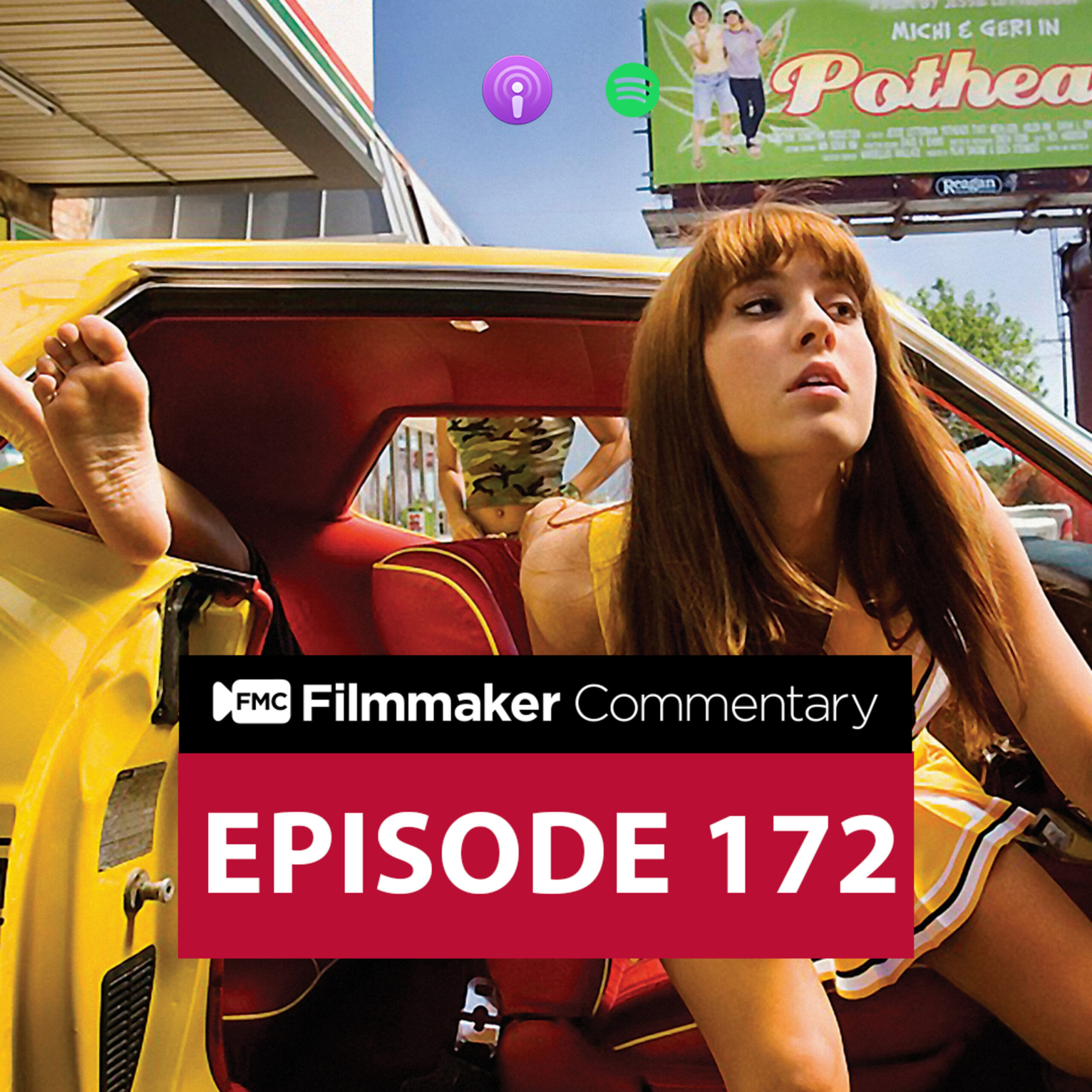
FMC 172: Death Proof Written and Directed by Quentin Tarantino

July 6, 2023
Listen on Apple Spotify YouTube
Listen to this episode
Your browser does not support the audio element.
Also on Apple Spotify YouTube

This week on Filmmaker Commentary, Reginald Titus Jr. and Casey G. Smith dive deep into Quentin Tarantino’s 2007 cult classic, “Death Proof.” Join us on Filmmaker Commentary as we explore the film’s gritty grindhouse origins, its unique release challenges, and the masterful stunt work that makes it a standout slasher. Get ready for a candid look at Tarantino’s signature style, memorable characters, and the film’s unexpected journey from double feature to standalone success.

What We Cover

  • The original Grindhouse double feature release strategy and its impact.
  • Tarantino’s distinct directing style and how “Death Proof” embodies the slasher genre.
  • Behind-the-scenes insights into the film’s practical stunts and unique cinematography.
  • Discussion of the film’s critical reception, box office performance, and awards recognition.
  • In-depth character analysis of Stuntman Mike and the resilient women he targets.
  • Tarantino’s creative process and the film’s place within his broader filmography.

Key Moments

  • 0:47 The surprising financial details and release challenges of “Death Proof” due to the Grindhouse format.
  • 5:17 Casey G. Smith raves about the film’s “best vehicular chase scenes” he’s seen.
  • 10:12 Reginald shares an interesting observation about two different TV series (“Love & Death” and “Candy”) covering the exact same true crime story.
  • 16:55 The hosts discuss a little-known fact from the “Willy Wonka” book about Oompa Loompas and Charlie Bucket’s original intended race.
  • 23:10 A deep dive into Tarantino’s “rape metaphor” for the car in “Death Proof,” adding a layer of thematic complexity.
  • 24:15 The shocking and graphic head-on collision sequence that redefined cinematic car crashes.
  • 26:00 The hosts dissect the brutal, yet satisfying, final confrontation with Stuntman Mike.
  • 27:30 Filmmaker tip: Insights into Tarantino’s rigorous research process and why he chose the slasher genre for “Death Proof.”

Gear & Films Mentioned

  • Films: Death Proof (2007), Planet Terror (2007), Kill Bill Vol. 1 (2003), Kill Bill Vol. 2 (2004), Ghost in the Shell (2017), Hook (1991), Peter and Wendy (2023), Willy Wonka and the Chocolate Factory (1971), Snow White and the Seven Dwarfs (1937), Zombieland (2009), Inglourious Basterds (2009).
  • TV Shows: Dallas, Night Court, GI Joe Renegade, Love & Death, Candy, Severance, Physical, Parks and Recreation.
  • Books: Rebel Without a Crew by Robert Rodriguez, Willy Wonka and the Chocolate Factory.
  • Music: “Chick Habit” by April March, “The Last Race” by Jack Nitzsche, “Down in Mexico” by The Coasters.
  • Platforms: HBO Max/Max, Hulu, Disney+, Tubi, Freevee, Apple TV+.

Listener Questions

  • How did the unique double feature release strategy for “Death Proof” impact its initial reception?
  • What makes Quentin Tarantino’s approach to the slasher genre distinctive in this film?
  • What specific details about the film’s stunts and cinematography reflect its grindhouse inspiration?
  • Are there any unexpected thematic layers or metaphors in “Death Proof” beyond its surface-level thrills?
Full Transcript

Read the full transcript

Full Episode Transcript
This episode of Filmmaker Commentary Quentin Tarantino's 2007 film "Death Proof," discussing its unique Grindhouse release, box office performance, critical reception, and its distinctive stylistic elements, alongside current entertainment news and personal viewing recommendations.

Opening Discussion: Death Proof's Release and Reception
Reginald Titus Jr.: Filmmaker Commentary, episode 172. Welcome to Filmmaker Commentary, where we cover movies with commentaries from directors who take the time to record them on Blu-ray and DVDs. We also give our detailed insights, so look out for spoilers. We discuss the latest in showbiz news along with movies and TV shows that we've been watching. So join Reginald Titus Jr., that's me, and KCG Smith, that's me, every week here on Filmmaker Commentary.
Reginald Titus Jr.: Yo, yo, yo, welcome to another episode of Filmmaker Commentary. I'm Reginald Titus Jr. I'm joined with...
Casey G. Smith: KCG Smith.
Reginald Titus Jr.: Welcome back, sir.
Casey G. Smith.: Good to be back, sir.
Reginald Titus Jr.: And today we're talking about Death Proof, 2007, written and directed by Quentin Tarantino. Um, what was the budget and box office on this film?
Casey G. Smith.: So, Death Proof comes in on an estimated $67 million budget.
Reginald Titus Jr.: What?
Casey G. Smith.: And looks like it came out with about $50 million at the box office and about $36 million through the home market. And that is according to the numbers.
Reginald Titus Jr.: Interesting.
Casey G. Smith.: What, do you have something different?
Reginald Titus Jr.: No, I didn't look it up at all. I, um, I assumed that it was like put together with Planet Terror. Like they shared the budget.
Casey G. Smith.: Yeah, that, that could be both combined for, for that one.
Reginald Titus Jr.: That, yeah, that's what I thought, because I didn't, yeah. Now, did they play these separately or were they back-to-back like they were trying to do the Grindhouse thing?
Casey G. Smith.: So initially they started off doing the Grindhouse thing where Planet Terror played first, but most people didn't understand the concept of a double feature. So they were, they were leaving after Planet Terror. And so the people at the theater said, no, there's another film that's going to play. And people like, oh, but even sometimes they still left anyway because they were just, they were just ready to go.
Reginald Titus Jr.: It's a long time.
Casey G. Smith.: So then after that kind of wasn't successful, then what they did, they started to, they separated the films and started just like the international office box office in particular said, nope, nope, we're going to just have them as two separate films. And so then they, they, they released uh, separately. I want to say they released Planet Terror first, or maybe it was Death Proof first, and then they, then they released Planet Terror for its like own separate run. And they also expanded some of the scenes, especially in Death Proof, some of the, uh, the dialogue in those scenes was, it was cut down pretty short in the, in the Grindhouse version. It's more expanded in the, in the separate release.
Reginald Titus Jr.: Oh, I see.
Casey G. Smith.: Yeah, it's, uh,
Reginald Titus Jr.: Yeah, that was interesting. That one, that one, that's kind of a fail, but like both films are, are good. Um, I just think the market, the, the market wasn't really educated, um, on that. I like, yeah, we'll talk about it when we get, when we get to it on, uh, you know, how we watched it and everything. But yeah, that one, that's unfortunate, because both could have been like kind of semi-hits.
Casey G. Smith.: Yeah, and it's, it's, it's difficult to get the numbers because again, that, that $67 million, that would be a, a combination of both films.
Reginald Titus Jr.: Okay.
Casey G. Smith.: But the box office again, at one, one source tells me it's $50 million worldwide global box office, but then another source tells me it's only $25 million. So it's, uh, it's not quite clear quite what this, what this film made.
Reginald Titus Jr.: Yeah, they just stuffed some money in some pockets and they moved on about their business. Now then to see here.
Casey G. Smith.: Yeah.
Reginald Titus Jr.: Because $67 for one, was like, okay, where did it go? I can, I can kind of see that. But the fact that it's been split up between two, um, they've been on DVD, Blu-ray, key art, books, like I've seen, especially Planet Terror stuff, like everywhere. Um, I know on the home entertainment market, like it won, had to.
Casey G. Smith.: $36 million.
Reginald Titus Jr.: Yeah.
Casey G. Smith.: The home entertainment market.
Reginald Titus Jr.: Yeah, that's how I was introduced to it, through the home entertainment. So, okay, well, that's unfortunate. It's unfortunate that it's not clear, but maybe somebody is, uh, laughing to the bank. Uh, did this film win any awards?
Casey G. Smith.: So, the, um, Death Proof itself didn't really knock out any major awards. Uh, there's some
Reginald Titus Jr.: I did notice that on the DVD, they do have the fact that it was an official selection at the Cannes Festival.
Casey G. Smith.: Ah, Cannes Festival. Very nice.
Reginald Titus Jr.: Yeah.
Casey G. Smith.: Yeah, it was, yeah, and it was nominated for the Palm D'Or. Once again, Tarantino being nominated for that. Uh, it also, it did win, you talked about the home market, it did win, uh, the IGN Summer Movie Awards. It was nominated for Best Movie Blu-ray.
Reginald Titus Jr.: Oh, okay. Yeah.
Casey G. Smith.: Now, that's for the, well, actually that was to be clear, that was part of the, uh, the, the double X eight film Quentin Tarantino collection.
Reginald Titus Jr.: Oh, okay. So. What was, uh, the climate at the time? Like what was the vibe? This is 07, just a year after, uh, Kill Bill, or or a few years, no, it was a couple, it was a few years after Kill Bill, wasn't it?
Casey G. Smith.: Yeah, because Kill Bill was like
Reginald Titus Jr.: That was 03, 04, 05, something like that.
Casey G. Smith.: Yeah, 03. Yeah, 03. Yeah. 03 for, uh, Volume 2 of Kill Bill. Um, so again, people, so, again, as a combination as the Grindhouse feature, that didn't really work, but each film individually was fairly well received. Uh, it's, again, going back and revisiting the film, I'm like, man, this is, wow. It's, it's, it's, uh, it's fascinating, especially, especially thinking about what we covered in with X and just kind of the revisiting of the, the, kind of the slasher genre. Uh, this, this one definitely has, has like all those vibes and those tropes present. And again, I still haven't seen Planet Terror for myself, but Death Proof itself, it's, I mean, I think it's got some of the best vehicular chase scenes I've, I've seen in a, in a, in a film. Like it's pretty, it's pretty wild.
Reginald Titus Jr.: Yeah. I agree.
Casey G. Smith.: So,
Reginald Titus Jr.: 100%.
Casey G. Smith.: Yeah, but maybe just a little bit, a little bit of mixed messaging in the marketing, but, um,
Reginald Titus Jr.: Yeah.
Casey G. Smith.: Uh,
Reginald Titus Jr.: Um, but before we talk further about Quentin Tarantino's Death Proof, let's talk about TV, news and movies watched.

TV, News & Movies Watched
Casey G. Smith.: So according to the New York Times, Harry Belafonte, at 96, dies. Barrier-breaking singer, actor and activist.
Reginald Titus Jr.: RIP.
Casey G. Smith.: All right, RIP. Harry Belafonte was, no, Harry Belafonte who stormed the pop charts and smashed racial barriers in the 1950s with a highly personal brand of folk music, and who went on to become a dynamic force in the civil rights movement, died on Tuesday at his home on the Upper West Side of Manhattan. He was 96. The cause was congestive heart failure, said Ken Sunshine, his longtime spokesman. Rest in peace, Harry Belafonte. That is a, uh, that's a big loss. His, uh, his impact is very profound. A different kind of impact, uh, and loss, uh, according to the Los Angeles Times, is one, uh, Jerry Springer, who kept his aggressive cancer a family secret in his final months.
Reginald Titus Jr.: Jerry, Jerry.
Casey G. Smith.: Syndicated talk show host Jerry Springer died Thursday of pancreatic cancer, according to his longtime friend and family spokesperson. While the family knew the diagnosis, he preferred the larger public not know until his passing, said Jean Galvin, Springer's friend since 1970, said the, said Friday in a statement to the Los Angeles Times.
Reginald Titus Jr.: Yeah, man, Jerry was in our homes for a while, man. Um, seemed like a friend, too, like, uh, you got his sensational, uh, television versus like a Maury Povich, however you say his name. Um, but Jerry kind of seemed like, wow, he's, he's just a regular person. He kind of had his, his, his kind of thought of the day at the end. It was always something kind of, kind of uplifting or positive or kind of understanding. Kind of understanding and acceptance. So it's like, you know, despite the craziness you at times you could see on the show, there was a pure entertainment. Yeah. There was like a almost like a little groundedness at the end. They make you feel maybe not so guilty for watching it.
Casey G. Smith.: He kind of had his, his, his kind of thought of the day at the end. It was always something kind of, kind of uplifting or positive or kind of understanding. Kind of understanding and acceptance. So it's like, you know, despite the craziness you at times you could see on the show, there was a pure entertainment. Yeah. There was like a almost like a little groundedness at the end. They make you feel maybe not so guilty for watching it.
Reginald Titus Jr.: You like, he's like, you snap out of the spell once he starts talking. Okay, appreciate that, Jerry.
Casey G. Smith.: All right. Back to, back to, back to, back to real life.
Reginald Titus Jr.: Yeah, he's like, this is just television, folks. Um, but. But like watching his stuff versus like the Maury Povich, like on Maury is more like, you're not the father! Then they start dancing and stuff. I'm like, man, this is kind of destructive to the black community. Um, what do I feel about this? I don't know how I should feel. Man, it's rough. But anyhow, RIP Jerry Springer.
Casey G. Smith.: And it's all running during the daytime. Man, what demographic are they targeting? And Harry Belafonte. Two, um, pioneers in their own right.
Reginald Titus Jr.: Facts. Facts. Um, what have you been watching?
Casey G. Smith.: Ooh, what have I been watching? Uh, so I have been watching, uh, I got a couple of new things that I added this week that I watched, well, yesterday. One was called, it was the first episode of a HBO Max series, soon to be just Max. You heard about that? That, um, Warner Brothers/Discovery, they're, they're combining their Discovery Plus and HBO Max all into, all into one, one subscription channel. And it's just going to be called Max. So they're dropping the HBO name, which for me is like, I was like, like, wait, what?
Reginald Titus Jr.: I'm not a fan.
Casey G. Smith.: I'm not a fan of that either, because I, I mean, I'm nostalgic for HBO. Like I grew up on that as a kid and and just the like that's that's got feelings for me. So for them to drop the, drop the name HBO, like that's that's a brand, man. Anyway, but so, with that being said, on HBO Max, for now, I watched an episode what's called Love and Death, starring, um, one Scarlet Witch, uh, of Scarlet Witch fame, uh, Miss Elizabeth Olsen.
Reginald Titus Jr.: Oh, yeah, she be killing it.
Casey G. Smith.: She, man, she's, she's a powerful performer. So here's what's interesting. It's the telling of, of the story that I, that I saw before, I don't remember last year, I watched a, a docu, not a docu series, but a series called Candy on Hulu. And it was, and it was set in the late 70s, early 80s. It was about a, a woman who had an affair, basically. She was a churchgoing woman, had an affair with somebody else in the choir of the church, and, and in the end, she ends up, spoiler alert, ends up, ends up killing that guy's, uh, his wife. They get into an altercation. I think she actually ends up getting away with it.
Reginald Titus Jr.: I was going to watch that. I was just kidding.
Casey G. Smith.: Yeah, but but it's, it's a show that I, that, that I watched on, on Hulu and it was, and it had a Jessica Biel playing Candy. Justin Timberlake, uh, he helped produce the, the film as well. Even he had, he had, he, he also had a role in the film as well. But it's, it was a good show.
Reginald Titus Jr.: Oh, you know what? I've been seeing this because I've been on IMDb and I kept seeing that poster like the poster makes you want to click on it.
Casey G. Smith.: Yeah, happened to me too.
Reginald Titus Jr.: Really?
Casey G. Smith.: Yeah, her Elizabeth Olsen's face is like, it's like so engaging. You know, she tells she's like, she's like in the shower, the hair is wet and slicked back and it's just a close-up of, of her face and her eyes, like, what's going on here? But it's the same story. It just took place like in Wylie, Texas, again, 78, 79, 1980, and, uh, yeah, so it's the same story. And again, her name, Candy. They, they called her Candy. I'm like, oh, wait. So, it's, um, yeah, so I watched the first episode and I'm like, it's got a good cast in it. Kristen Ritter.
Reginald Titus Jr.: She's got bloody knuckles, what? So, who was the, the one that you watched the last time? What was it called?
Casey G. Smith.: That was just called Candy. This one's called Love and Death, but it's the same story.
Reginald Titus Jr.: Still starring the same character.
Casey G. Smith.: Same people. Yeah, so it's based on a real life, it's a real life thing. It's a real thing that happened. Based on a true story.
Reginald Titus Jr.: Wow.
Casey G. Smith.: So I'm like, wow, why is it? It's interesting that, I mean, we know this happens sometimes. Stories get told, uh, twice, different interpretations. But, uh, yeah, so now it's, now it's on, it's, there's a version of it on Hulu and then there's a version that's happening right now on HBO Max.
Reginald Titus Jr.: Yikes. And Elizabeth Olsen is playing the same character.
Casey G. Smith.: Yeah, she's playing Candy.
Reginald Titus Jr.: Hmm. I need more information.
Casey G. Smith.: It's, it's, it's very interesting, but so far the takes are different. The, the stylistically different, but it's set in that time period. So, you know, that period piece, which kind of, again, I was born in 79, so when I see the, the decor and all, like, I don't know, again, I get nostalgic for that. I, like, kind of like seeing, uh, that setting. Seeing those big, the big CRT TVs that set on the ground. Like, yeah, it's, it's got, it's got those, all those vibes. But, yeah, based on a real story. So, I watched the first episode of that. Uh, and then I also watched on Disney Plus, I watched, uh, Peter and Wendy.
Reginald Titus Jr.: Peter and Wendy.
Casey G. Smith.: Peter Pan and Wendy, to be specific. So, I haven't watched like the original Peter Pan animated or cartoon in, I don't know, a long time. Long, long time.
Reginald Titus Jr.: There we go. Wow.
Casey G. Smith.: But I was in, I was interested because I remember hearing some pushback for, yeah, Hera, Yara, uh, Shahidi playing Tinkerbell in the role. Which it has, it literally has no bearing on the film whatsoever. Like Tinkerbell's race like doesn't, it doesn't impact the film one way or another.
Reginald Titus Jr.: Because of her color, I'm assuming. America.
Casey G. Smith.: But it was great to see, yeah, her Shahidi do, do her thing.
Reginald Titus Jr.: Hmm. It's always, it's always a problem when it's a black character, but if you make the person white, it's never a problem.
Casey G. Smith.: Right. And, well, you know, you can ask Scarlett, Scarlett Johansson, when she did, uh, Ghost in the Shell, it was a little bit of, a little bit of a problem.
Reginald Titus Jr.: Yeah, that was a huge problem, just because that was that was a complete whitewash.
Casey G. Smith.: Not a, not a good look.
Reginald Titus Jr.: Not a good, like, they should have known better. Like that's disrespectful. You being disrespectful to what you doing.
Casey G. Smith.: Yeah. Yeah, not a good look. But, uh, but, uh, it was, it was actually, it was pretty entertaining. Again, I wouldn't call myself a huge Peter Pan fan, but every now and then some aspects of the lore stick out. I remember there used to be a, a cartoon show back in the 90s, uh, a Peter Pan cartoon used to come on. And I used to, I used to like Captain Hook in that cartoon. It was the way the, uh, I think Tim Curry actually voiced, uh, Hook in that. And then even the, the movie Hook, you know, with, uh, one, um, famous, uh, Robin Williams, you know, Like, like, okay, you know, that's Manchild. But this, this one, yeah, was interesting because it goes, it, it goes deeper into the lore and, and gives some cool reveals. I was like, wait, what? I, I didn't, I didn't, I didn't know. Maybe some of these things are known in Peter Pan lore, but I think these are new reveals in regards to, in particular, Peter and Captain Hook.
Reginald Titus Jr.: You being disrespectful to what you doing. Pan, Pan, Pan, Pan, Pan.
Casey G. Smith.: Yeah. So anyway, but, uh, but yeah, it was, it was, it was, it was well done. It was, it was, it was entertaining.
Reginald Titus Jr.: Huh. Yeah.
Casey G. Smith.: Yeah. So anyway, but, uh, but yeah, it was, it was, it was, it was well done. It was, it was, it was entertaining.
Reginald Titus Jr.: Feature film or a series?
Casey G. Smith.: Feature film.
Reginald Titus Jr.: Okay.
Casey G. Smith.: Yeah, but I was like, huh, look at this. And and, uh, yeah, so Peter and, Peter Pan and Wendy on Disney Plus, uh, nice little watch. Uh, yeah, and, uh, so yeah, I enjoyed that. And, uh,
Reginald Titus Jr.: Hmm. And, and, uh, yeah, so Peter and, Peter Pan and Wendy on Disney Plus, uh, nice little watch. Uh, yeah, and, uh, so yeah, I enjoyed that. And, uh,
Casey G. Smith.: Speaking of lore,
Reginald Titus Jr.: Um, online just perusing through Instagram, and apparently, um, I never did read the book Willy Wonka and the Chocolate Factory. Did you ever read the book, the actual book?
Casey G. Smith.: Uh-huh.
Reginald Titus Jr.: I did not. So, uh, as we talk about race, um, the color of people being casted. Um, the workers at the Willy Wonka Factory were actually black pygmies.
Casey G. Smith.: Oh.
Reginald Titus Jr.: Which are like the small people, uh, in Africa. Yeah. And, and so in the book, yeah, that's, that's who, that's who was running the factory. I was like, whoa, and so they, they just kind of showing all these things like where this stuff comes from and just kind of being knowledgeable about this. I had no idea. And, uh, what's his name? Who's the, uh, uh, Mr. Wonka, right?
Casey G. Smith.: Gene Wilder?
Reginald Titus Jr.: Uh, well, just, uh, the chara, uh, the actual character. Willy Wonka. What did I call him?
Casey G. Smith.: Willy Wonka.
Reginald Titus Jr.: Mr. Wonka. Yeah, Willy Wonka. Okay. Um, Willy, Willy! Um, he breaks down like, yeah, I, I found these people in Africa and, he's like, break it down where, where he, he convinced them to work for like cocoa or something like that.
Casey G. Smith.: Willy, Willy. Oh, wow.
Reginald Titus Jr.: What they make chocolate out of. And cocaine. Yeah, so he convinced, he went to Africa and convinced them to come work in his factory in exchange for the cocoa.
Casey G. Smith.: What do you want? Wow. And, and there, I, I remember I've heard / read about in, in one version of the book, possibly in the, either, maybe in the original draft. I don't know, I don't know, I don't remember if it's if it is the case in the book itself, but that that that the boy, yeah, that he's supposed to be black. Uh, again, again, I don't, I don't, I don't know if that's the case in the book, but I think maybe in one version when the author was working on it, that he had considered making Charlie.
Reginald Titus Jr.: Charlie, yeah, he's supposed to be black. Yeah.
Casey G. Smith.: Yeah. Uh, again, again, I don't, I don't, I don't know if that's the case in the book, but I think maybe in one version when the author was working on it, that he had considered making Charlie.
Reginald Titus Jr.: Yeah, he was supposed to be black and then in the movie, they made sure that he wasn't because they wanted to appeal to optics.
Casey G. Smith.: Wow. Yeah, that's very specific. So it's very specific. Yeah. Uh, again, just like again, the killer creeping and stalking his prey. Uh, drunk girls in a, in a slasher film. Uh, the blonde dies first. Oh, wow. Rose McGowan. Yep. Uh, the, the same sheriff, you know, from Yeah. Kill Bill, from Dust Til Dawn, and now, you know, here in. And in Planet Terror as well. So there, yeah, he's in, because they, they keep visiting that hospital. Ah. Okay. Yeah. And so, and she's, she's like, yeah, me, uh, Kim, she's going to be driving. And then the, the guy's like, who's Kim? She the color, she the colored girl. And then, and then, yeah. And then, uh, this that pause, the women of color. Uh, you know. I don't know. It was about to go down. Right. And they, they survived. And they're like, okay, we're going to go and and get him. And they're going to say, okay, you know, you got to get out. We're going to, we'll come back for you. And she's like, no, she goes, let's kill that MF. Yeah. He's like, oh. Like they've, they've just turned up. And again, earlier had, had told them, he goes, whenever y'all want to do something fun, y'all always say that it's, it's too, whatever, because I because I've got a kid. So we get that small but explicit that she's a mom. Oh. Um. That's right. She did say, you're a mom. You're a mom. Yeah. Mom. But this, this, this mom is ready to kill. Wow. And she delivers the for sure, the Kill. I didn't even catch that part. But I did catch it when Zoe said, yeah, but you're you're standing here because you're a mom. I didn't get why she was saying that. I thought that that she was acting mom like. I didn't know that she was actually a mother. I think she actually says, either because of my mom, or she says because I have a kid. Um, one of the other, but she, but she, uh, states that she is a mother. Which actually makes sense why they would want them to stay behind, want her to stay behind. Like you don't get into this gangster stuff. Um, there's a scene with, um, Rosario Dawson, uh, what's her name? Abernathy is trying to convince this Tennessee backwoods guy who they're she's trying to convince him to let them borrow the Dodge Challenger and that their friend, I forgot their name. Lee, she's going to stay behind. She's got a little cheerleader outfit on. She's going to stay behind as, uh, surety that, you know, we'll be back with your vehicle when our vehicle is here as well. And so she's, so she's like, yeah, mean, uh, Kim, she's going to be driving. And then the, the guy's like, who's Kim? She the color, she the colored girl. And then, and then, yeah. And then, uh, this that pause, Abernathy does a pause. The woman of color. Uh, you know, it's Kim, yes. He says like, uh, like it's I would correct him and under normal circumstances, but like right now, let's just let's just I've got an agenda. Yes. So. Yeah. The color girl. She said the color girl. She said the color girl. She said the color girl. She said the color girl. She said the color girl. She said the color girl. She said the color girl. She said the color girl. She said the color girl. She said the color girl. She said the color girl. She said the color girl. She said the color girl. She said the color girl. She said the color girl. She said the color girl. She said the color girl. She said the color girl. She said the color girl. She said the color girl. She said the color girl. She said the color girl. She said the color girl. She said the color girl. She said the color girl. She said the color girl. She said the color girl. She said the color girl. She said the color girl. She said the color girl. She said the color girl. She said the color girl. She said the color girl. She said the color girl. She said the color girl. She said the color girl. She said the color girl. She said the color girl. She said the color girl. She said the color girl. She said the color girl. She said the color girl. She said the color girl. She said the color girl. She said the color girl. She said the color girl. She said the color girl. She said the color girl. She said the color girl. She said the color girl. She said the color girl. She said the color girl. She said the color girl. She said the color girl. She said the color girl. She said the color girl. She said the color girl. She said the color girl. She said the color girl. She said the color girl. She said the color girl. She said the color girl. She said the color girl. She said the color girl. She said the color girl. She said the color girl. She said the color girl. She said the color girl. She said the color girl. She said the color girl. She said the color girl. She said the color girl. She said the color girl. She said the color girl. She said the color girl. She said the color girl. She said the color girl. She said the color girl. She said the color girl. She said the color girl. She said the color girl. She said the color girl. She said the color girl. She said the color girl. She said the color girl. She said the color girl. She said the color girl. She said the color girl. She said the color girl. She said the color girl. She said the color girl. She said the color girl. She said the color girl. She said the color girl. She said the color girl. She said the color girl. She said the color girl. She said the color girl. She said the color girl. She said the color girl. She said the color girl. She said the color girl. She said the color girl. She said the color girl. She said the color girl. She said the color girl. She said the color girl. She said the color girl. She said the color girl. She said the color girl. She said the color girl. She said the color girl. She said the color girl. She said the color girl. She said the color girl. She said the color girl. She said the color girl. She said the color girl. She said the color girl. She said the color girl. She said the color girl. She said the color girl. She said the color girl. She said the color girl. She said the color girl. She said the color girl. She said the color girl. She said the color girl. She said the color girl. She said the color girl. She said the color girl. She said the color girl. She said the color girl. She said the color girl. She said the color girl. She said the color girl. She said the color girl. She said the color girl. She said the color girl. She said the color girl. She said the color girl. She said the color girl. She said the color girl. She said the color girl. She said the color girl. She said the color girl. She said the color girl. She said the color girl. She said the color girl. She said the color girl. She said the color girl. She said the color girl. She said the color girl. She said the color girl. She said the color girl. She said the color girl. She said the color girl. She said the color girl. She said the color girl. She said the color girl. She said the color girl. She said the color girl. She said the color girl. She said the color girl. She said the color girl. She said the color girl. She said the color girl. She said the color girl. She said the color girl. She said the color girl. She said the color girl. She said the color girl. She said the color girl. She said the color girl. She said the color girl. She said the color girl. She said the color girl. She said the color girl. She said the color girl. She said the color girl. She said the color girl. She said the color girl. She said the color girl. She said the color girl. She said the color girl. She said the color girl. She said the color girl. She said the color girl. She said the color girl. She said the color girl. She said the color girl. She said the color girl. She said the color girl. She said the color girl. She said the color girl. She said the color girl. She said the color girl. She said the color girl. She said the color girl. She said the color girl. She said the color girl. She said the color girl. She said the color girl. She said the color girl. She said the color girl. She said the color girl. She said the color girl. She said the color girl. She said the color girl. She said the color girl. She said the color girl. She said the color girl. She said the color girl. She said the color girl. She said the color girl. She said the color girl. She said the color girl. She said the color girl. She said the color girl. She said the color girl. She said the color girl. She said the color girl. She said the color girl. She said the color girl. She said the color girl. She said the color girl. She said the color girl. She said the color girl. She said the color girl. She said the color girl. She said the color girl. She said the color girl. She said the color girl. She said the color girl. She said the color girl. She said the color girl. She said the color girl. She said the color girl. She said the color girl. She said the color girl. She said the color girl. She said the color girl. She said the color girl. She said the color girl. She said the color girl. She said the color girl. She said the color girl. She said the color girl. She said the color girl. She said the color girl. She said the color girl. She said the color girl. She said the color girl. She said the color girl. She said the color girl. She said the color girl. She said the color girl. She said the color girl. She said the color girl. She said the color girl. She said the color girl. She said the color girl. She said the color girl. She said the color girl. She said the color girl. She said the color girl. She said the color girl. She said the color girl. She said the color girl. She said the color girl. She said the color girl. She said the color girl. She said the color girl. She said the color girl. She said the color girl. She said the color girl. She said the color girl. She said the color girl. She said the color girl. She said the color girl. She said the color girl. She said the color girl. She said the color girl. She said the color girl. She said the color girl. She said the color girl. She said the color girl. She said the color girl. She said the color girl. She said the color girl. She said the color girl. She said the color girl. She said the color girl. She said the color girl. She said the color girl. She said the color girl. She said the color girl. She said the color girl. She said the color girl. She said the color girl. She said the color girl. She said the color girl. She said the color girl. She said the color girl. She said the color girl. She said the color girl. She said the color girl. She said the color girl. She said the color girl. She said the color girl. She said the color girl. She said the color girl. She said the color girl. She said the color girl. She said the color girl. She said the color girl. She said the color girl. She said the color girl. She said the color girl. She said the color girl. She said the color girl. She said the color girl. She said the color girl. She said the color girl. She said the color girl. She said the color girl. She said the color girl. She said the color girl. She said the color girl. She said the color girl. She said the color girl. She said the color girl. She said the color girl. She said the color girl. She said the color girl. She said the color girl. She said the color girl. She said the color girl. She said the color girl. She said the color girl. She said the color girl. She said the color girl. She said the color girl. She said the color girl. She said the color girl. She said the color girl. She said the color girl. She said the color girl. She said the color girl. She said the color girl. She said the color girl. She said the color girl. She said the color girl. She said the color girl. She said the color girl. She said the color girl. She said the color girl. She said the color girl. She said the color girl. She said the color girl. She said the color girl. She said the color girl. She said the color girl. She said the color girl. She said the color girl. She said the color girl. She said the color girl. She said the color girl. She said the color girl. She said the color girl. She said the color girl. She said the color girl. She said the color girl. She said the color girl. She said the color girl. She said the color girl. She said the color girl. She said the color girl. She said the color girl. She said the color girl. She said the color girl. She said the color girl. She said the color girl. She said the color girl. She said the color girl. She said the color girl. She said the color girl. She said the color girl. She said the color girl. She said the color girl. She said the color girl. She said the color girl. She said the color girl. She said the color girl. She said the color girl. She said the color girl. She said the color girl. She said the color girl. She said the color girl. She said the color girl. She said the color girl. She said the color girl. She said the color girl. She said the color girl. She said the color girl. She said the color girl. She said the color girl. She said the color girl. She said the color girl. She said the color girl. She said the color girl. She said the color girl. She said the color girl. She said the color girl. She said the color girl. She said the color girl. She said the color girl. She said the color girl. She said the color girl. She said the color girl. She said the color girl. She said the color girl. She said the color girl. She said the color girl. She said the color girl. She said the color girl. She said the color girl. She said the color girl. She said the color girl. She said the color girl. She said the color girl. She said the color girl. She said the color girl. She said the color girl. She said the color girl. She said the color girl. She said the color girl. She said the color girl. She said the color girl. She said the color girl. She said the color girl. She said the color girl. She said the color girl. She said the color girl. She said the color girl. She said the color girl. She said the color girl. He said the movie The Thing, which we covered here on Film, making commentary John Carpenter is The Thing. That was like the impetus for him to get into filmmaking. Yeah. So Kurt Russell's one of his heroes and so he felt, uh, strange acting in a slasher film. Yeah. And with Kurt Russell, but then having to diss Kurt Russell. Hey. Follow along Time Machine. But Kurt was a good sport about it. Even even laughed at some of the stuff that he was saying. Uh, now it's time for filmmaker tips. What do you got? Cast and teach. As I mentioned before, Quentin made sure that Chrissy Weatherby was, uh, was taught on set and prepared for not only this role, but her next role as a stunt woman. Makes me think just, uh, remember what Ava DuVernay, you know, when she was talking on her film, what was the film that she was on, which they were like kind of promoting as like the biggest film for an African-American woman to be over, like $100 million. A Wrinkle in Time. Um, she, she wanted specifically black women on certain departments. And then one of the, the white guy she was talking to, she was just like, man, there's no one. They're like, I've looked everywhere. I can't find anybody. And then so she's like, we're we're going to have to bring some people on. We're going to have to teach them this skill set. If they don't exist and nobody's ever going to get the opportunity. You know. If they don't ever exist, it's just white guys the whole time taking these positions. Then nobody else is ever going to get to learn this craft. And so she kind of made it a thing to make sure that people with her non-profit array are being brought on, you know, with some of these big projects to learn some of the craft of like, you know, the digital animation and all other stuff. Awesome. Most awesome. Um, I mentioned that a couple of times. Uh, collaborate. Tarantino worked with Vanessa Ferlito to choreograph the, the lap dance. Lap dance. Excuse me, with uh, on on Kurt Russell. Make, if you make the stunt driver your star, then it's like kind of like a shortcut and you get to get the better shots because we've seen Zoe Bell in Kill Bill, playing Uma Thurman. I mean, different body type than Uma Thurman. You can kind of tell when they cut to the stunt person. But you always see the back of Zoe Bell's head whenever she's playing in Uma Thurman, she's like, okay, you can't really get the front shot of the actress because we all know that it's not her. Uh, however, when the stunt person is the actual actress, then you can get all the million dollar shots. So when you see the close-up of her on the Challenger and her face is almost finna hit the concrete, we zoomed in close, we're going 100 miles an hour. It's like, dang, you can't replicate that. Man, they slowly, this may be a little bit of trivia, but actually I'll give you the tips. So if you, if you're going to do high-speed chases and use actual real cars and and practical effects, what you can do is slowly build up, right? Shoot, shoot the, the scenes at a, at a lower speed and then slowly build up the speed higher, higher, higher. That's what they did with, uh, with some of the stunt drivers to to get them more comfortable to get the shots that they wanted. Indeed. Know your genre. As I talked earlier about how Tarantino prepared, um, for the slasher film, by he was studying the genre and like within the genre, there's sub-genres in the genre, uh, studying all that and putting it down. Uh, actually created allowed him to create a slasher film, but kind of put his own spin to it. No doubt. No doubt. That's all I got for tips. That's all I have as well, my friend. What are we diving into next time? Next time, we are going to take a look into World War II and Quentin Tarantino's Inglourious Basterds. That's going to be a good one. Um, and they can catch us where? facebook.com/filmmakercommentary. We're also on iTunes, SoundCloud, Stitcher Radio and Spotify. Check us out on Twitter. He is at Reggie Titus. I am at KCGS Smith 32. We're also on the gram @filmakercommentary. He can be found at Reggie Titus Jr. that's JR and I'm at KCGS Smith 32. Until next time, peace, respect.

About Filmmaker Commentary

Reginald Titus Jr.

Apple Spotify YouTube Subscribe Free
Continue Listening

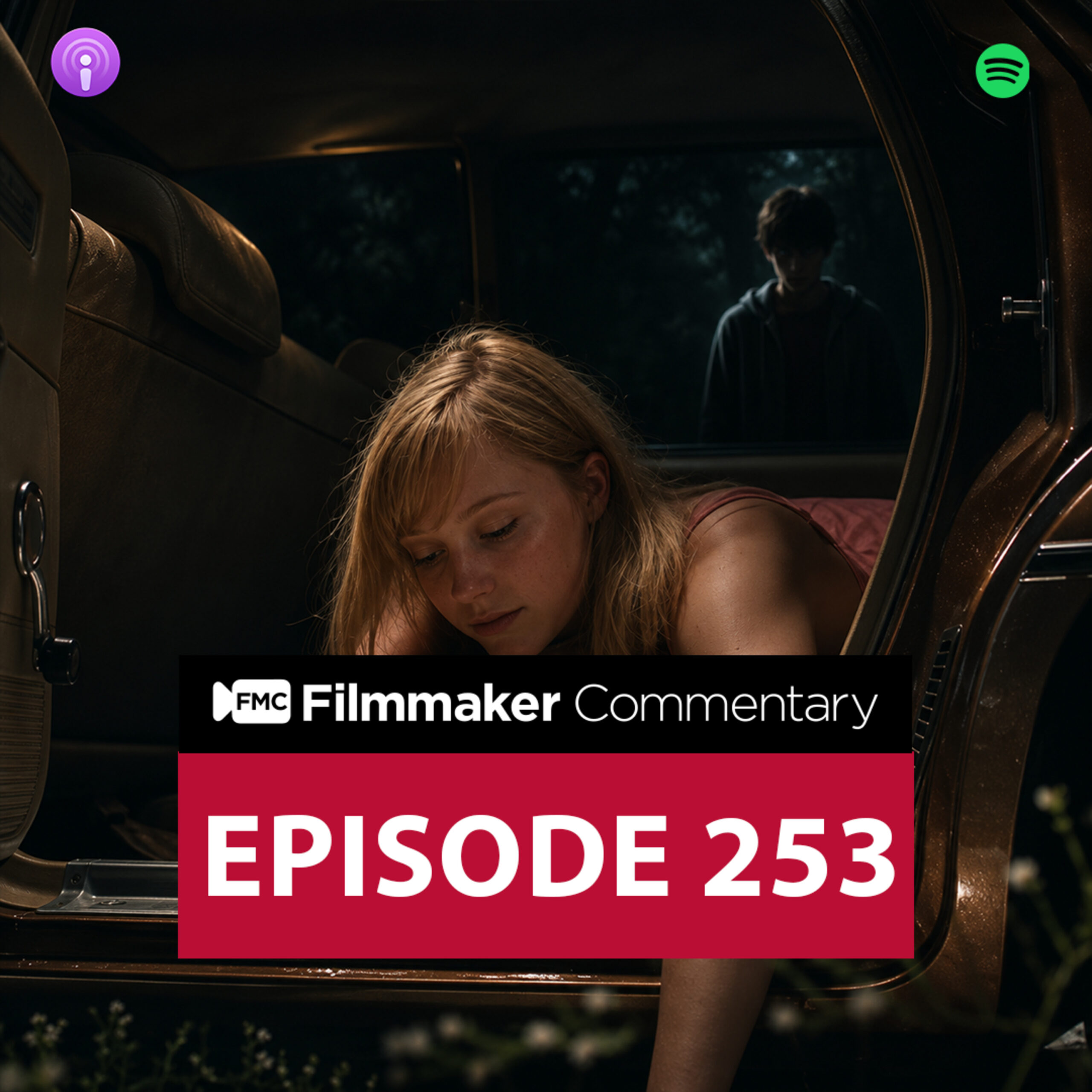
FMC 253 : It Follows Directed by David Robert Mitchell

November 7, 2026

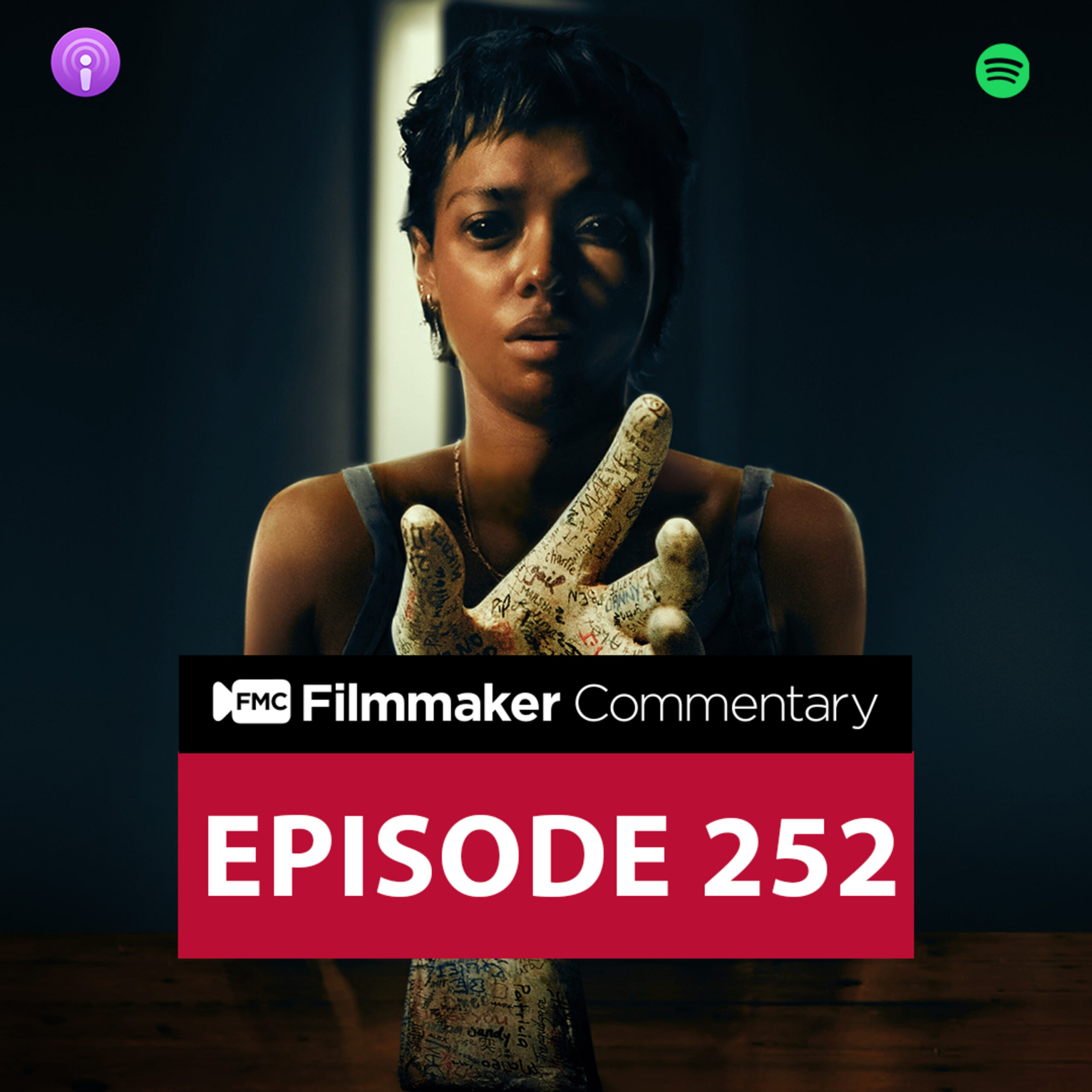
FMC 252 : Talk to Me Directed by Danny Philippou and Michael Philippou

October 25, 2026

FMC 251 : Weapons Directed by Zachary Michael Cregger

October 24, 2026

Leave a Response Cancel reply

Never Miss an Episode

New episodes every week — free.

Listen on Spotify Apple Podcasts

Recent Episodes

  • FMC 253 : It Follows Directed by David Robert Mitchell
  • FMC 252 : Talk to Me Directed by Danny Philippou and Michael Philippou
  • FMC 251 : Weapons Directed by Zachary Michael Cregger
  • FMC 250 : Obsession Written and Directed by Curry Barker

Archives

  • November 2026
  • October 2026
  • September 2026
  • June 2026
  • May 2026
  • April 2026
  • March 2026
  • February 2026
  • January 2026
  • November 2025
  • September 2025
  • October 2023
  • September 2023
  • August 2023
  • July 2023
  • June 2023
  • May 2023
  • April 2023
  • March 2023
  • February 2023
  • January 2023
  • December 2022
  • November 2022
  • October 2022
  • August 2022
  • July 2022
  • June 2022
  • May 2022
  • April 2022
  • September 2021
  • August 2021
  • July 2021
  • March 2021
  • November 2020
  • October 2020
  • September 2020
  • August 2020
  • July 2020
  • May 2020
  • April 2020
  • March 2020
  • February 2020
  • January 2020
  • November 2019
  • October 2019
  • September 2019
  • August 2019
  • July 2019
  • June 2019
  • May 2019
  • April 2019
  • March 2019
  • February 2019
  • January 2019
  • December 2018
  • October 2018
  • September 2018
  • August 2018
  • July 2018
  • June 2018
  • May 2018
  • April 2018
  • March 2018
  • February 2018
  • January 2018
  • December 2017

Categories

  • Film
  • Podcast
  • TV
© 2026 Filmmaker Commentary. All rights reserved.
  • About
  • Episodes
  • Privacy Policy
  • Disclaimer
  • Terms of Service