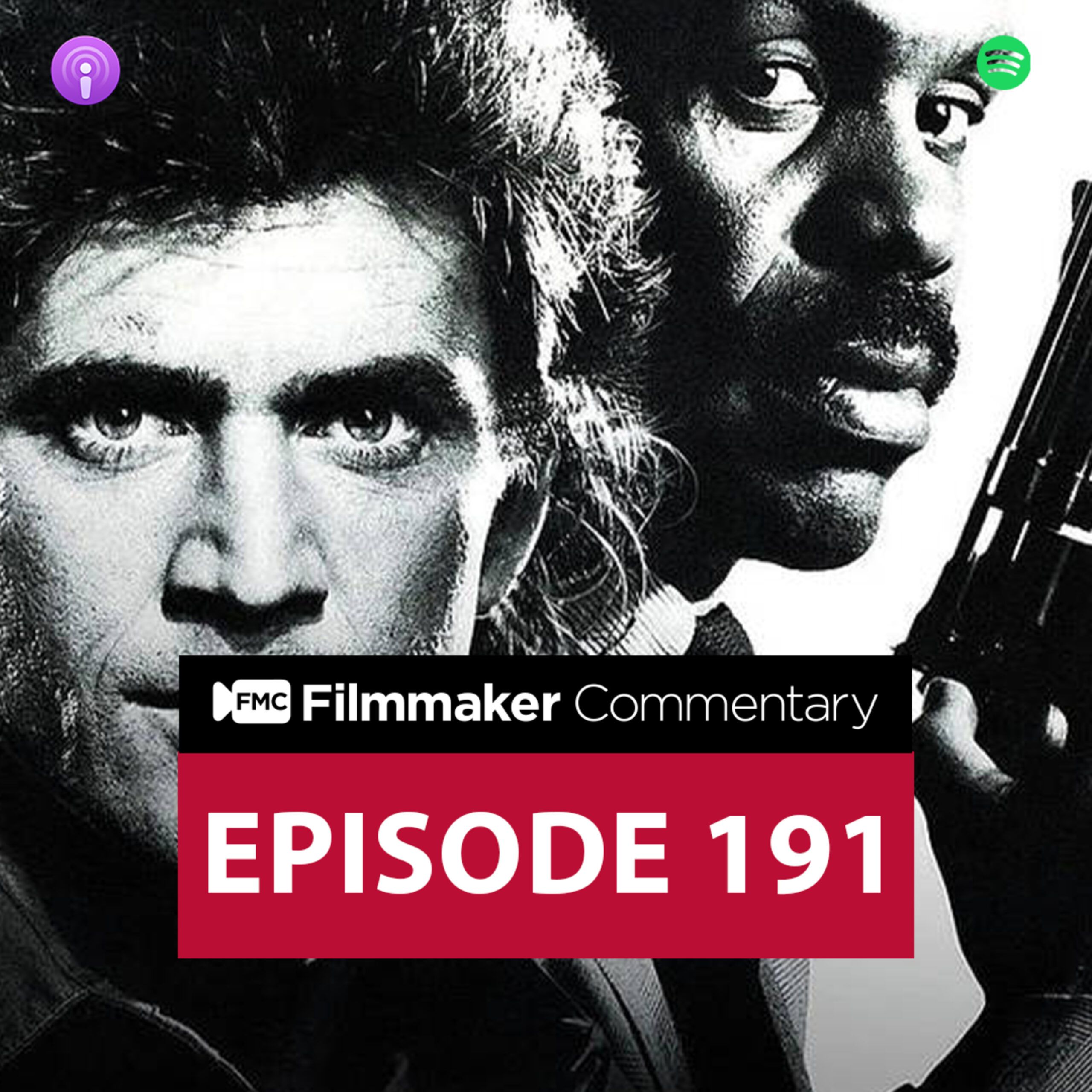
Dive into the explosive world of “Lethal Weapon” (1987) with Reginald Titus Jr. and Casey G. Smith on Filmmaker Commentary. This episode delivers a deep dive into the Richard Donner-directed classic, dissecting its groundbreaking buddy cop dynamics, surprisingly modest budget against massive box office returns, and lasting cultural impact. Uncover the behind-the-scenes stories, critical acclaim, and how this iconic action film not only defined a genre but also launched the legendary careers of its stars.
What We Cover
- The Shocking Success Story: Explore how “Lethal Weapon” achieved a staggering $120 million worldwide gross on just a $15 million budget, and the initial critical praise it received, including an Academy Award nomination for Best Sound and multiple NAACP Image Awards.
- Marketing & Misdirection: Unpack the film’s global release strategy, comparing the contrasting US (black and white, featuring a menacing Mel Gibson) and international posters (vibrant color, more intriguing poses). The hosts discuss how the initial marketing subtly led audiences to believe Mel Gibson was the primary lead, despite Danny Glover’s character, Murtaugh, being introduced first and anchoring the narrative.
- Unforgettable Character Chemistry: A deep dive into the undeniable on-screen rapport between Mel Gibson’s volatile Riggs and Danny Glover’s grounded Murtaugh. This section highlights how their contrasting personalities and eventual bond fueled the film’s success and became a blueprint for future buddy cop movies.
- Themes of Life and Loss: Beyond the high-octane action, the episode explores the film’s surprisingly rich thematic layers, including Riggs’ profound grief and suicidal ideation following his wife’s death, and Murtaugh’s journey of accepting aging and mortality.
- Defining 80s Action: Analyze how “Lethal Weapon” set new standards for the 1980s action genre with its well-executed stunts, explosive practical effects, and a unique blend of humor and gritty realism.
- The Christmas Movie Debate: A fun discussion on the film’s consistent, yet often overlooked, Christmas setting. The hosts ponder how this festive backdrop subtly enhances the narrative’s emotional beats and contrasts with the film’s darker elements.
Key Moments
- 01:05: The hosts marvel at “Lethal Weapon’s” commercial triumph, detailing its impressive budget-to-gross ratio and the significant critical recognition it earned, including an Oscar nod for Best Sound and major wins at the NAACP Image Awards for its acting and picture quality.
- 03:00: An intriguing segment dissecting the film’s global release and the stark differences between its US and international promotional posters. The hosts delve into how the US poster’s focus on Mel Gibson, despite Danny Glover’s earlier character introduction, created a unique marketing dynamic.
- 46:00: Reginald and Casey share their personal viewing experiences, emphasizing the raw, tangible energy of the film’s practical stunts and the palpable chemistry between Gibson and Glover that grounded the high-stakes action sequences.
- 50:50: A closer look at the recurring Christmas motif throughout the film. The hosts examine how this festive backdrop is deliberately woven into the narrative, providing a poignant contrast to the intense violence and personal struggles faced by the protagonists.
Gear & Films Mentioned
- Wonka
- Night Swim
- The Deer Hunter
- Dreamer (Dave Chappelle comedy special)
- Heart to Heart (Kevin Hart series)
- The Decades (HBO Max documentary series)
- Kengan Ashura
- You Are What You Eat: A Twin Experiment
- Natural Hair (film by Grindhouse Cinema Films)
- Die Hard
- 48 Hrs.
- Beverly Hills Cop
- Cobra
- Moonlighting
- Blind Date
- Super Size Me
- Single White Female
- Rambo
- Batman (1989)
- Pulp Fiction
Listener Questions
- How did “Lethal Weapon” achieve such massive success with a relatively small budget?
- What makes the chemistry between Mel Gibson and Danny Glover so memorable and genre-defining for the Filmmaker Commentary audience?
- How did the film’s marketing strategies, particularly its poster, influence audience perception and expectations?