April 2, 2026
F
Filmmaker Commentary
  • Home
  • Film
  • TV
Podcast

FMC 014: Scott Pilgrim vs The World Directed by Edgar Wright

April 2, 2026
Listen on Apple Spotify YouTube
Listen to this episode
Your browser does not support the audio element.
Also on Apple Spotify YouTube

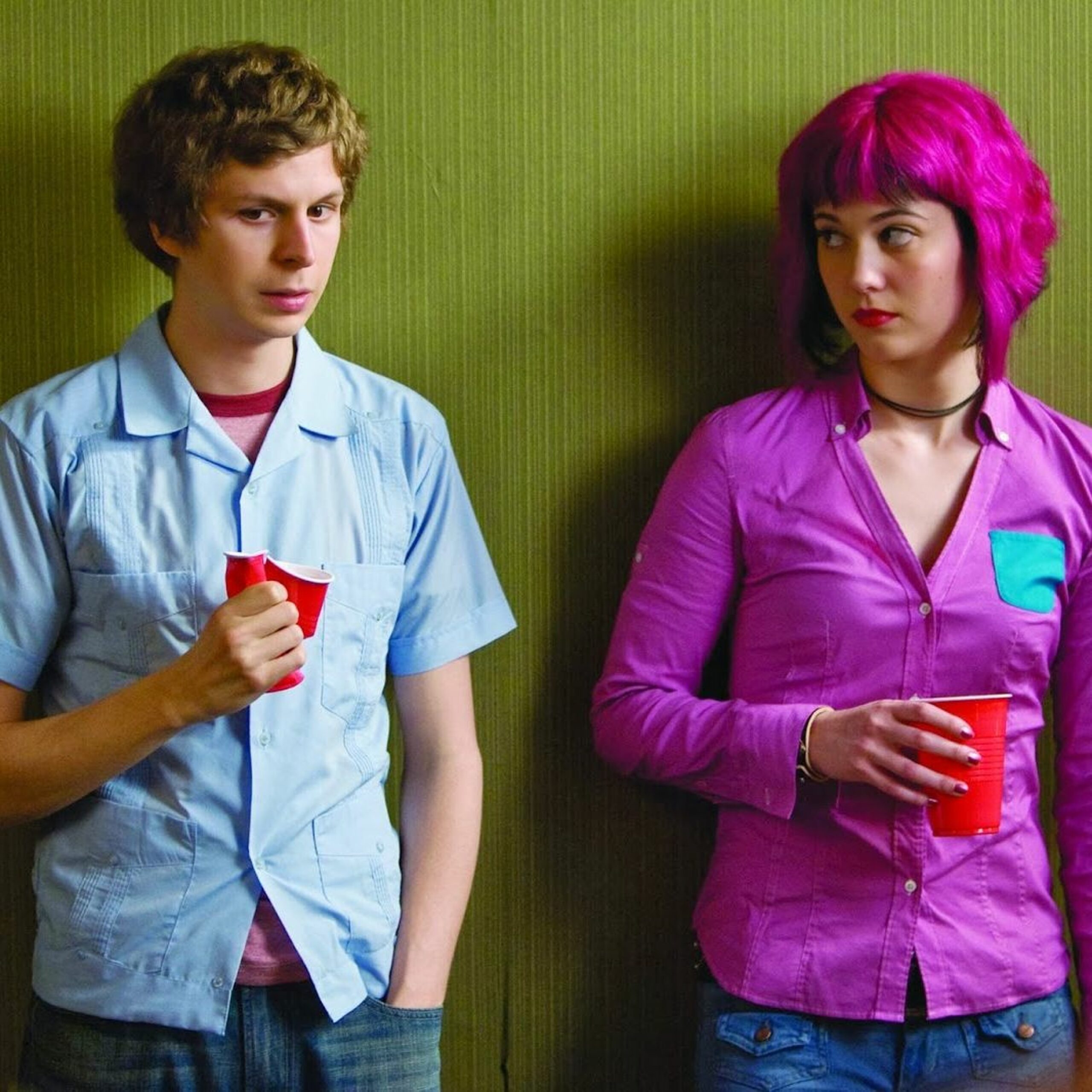
Filmmaker Commentary Episode 14 offers a comprehensive deep dive into Edgar Wright’s cult classic, Scott Pilgrim vs. The World. This episode is packed with invaluable insights for aspiring and seasoned filmmakers, dissecting the precise craftsmanship behind the film’s energetic pace and unique visual style.

Join host Reginald Titus Jr. and guest Casey G. Smith as they peel back the layers of this pop culture phenomenon, revealing why a film that underperformed at the box office went on to capture the hearts of millions. They highlight Edgar Wright’s distinctive approach, which he famously described as a “comedy with a heightened sense of reality with music.” The discussion covers the film’s unrelenting, frenetic pacing, its rich of symbolism, and the seamless integration of visual effects, practical effects, and witty dialogue that necessitates multiple viewings to fully appreciate.

For filmmakers, this episode offers a practical blueprint for studying such a complex work. You’ll hear actionable advice on how to break down the film’s numerous quick cuts and innovative transitions, even suggesting that you rip the Blu-ray to digital to analyze individual sequences. The conversation further explores the treasure trove of special features available on the film’s Blu-ray, particularly focusing on the “technical commentary” featuring Edgar Wright and cinematographer Bill Pope. This commentary is a goldmine, providing behind-the-scenes details on everything from the subtle jump cut used for Scott’s instantaneous shirt change to the intricate practical effects, like the elaborate moving set that transitioned Scott from a bathroom to a hallway in one fluid shot.

The hosts also extract crucial filmmaking lessons from the commentary tracks. They discuss the importance of legal clearances for every visual element, from Sharpie logos on T-shirts to album covers in a record store, emphasizing the meticulousness required for large-scale productions. The strategic use of color to define character arcs and emotional shifts—such as Ramona Flowers’ appearance introducing vibrant hues into an otherwise muted world—is also a key topic. Listeners will gain a deeper understanding of how Wright cultivated the film’s distinct comic book style through non-matching quick cuts and the pivotal role of “crash zooms” and “whip pans” in conveying character reactions and comedic timing.

Beyond the technical aspects, the episode applauds the dedication of the cast, many of whom were on the cusp of stardom. Actors like Mark Webber learned guitar, and Allison Pill learned drums specifically for their roles in Sex Bob-omb, adding an authentic layer to their performances. The discussion touches on the casting strategy of choosing actors with naturally expressive eyes, perfectly suited for the film’s manga-influenced reaction shots. A fascinating segment reveals why the original ending, where Scott ends up with Knives, was changed to better serve Knives’ character arc and address the on-screen age difference. The hosts underline that Edgar Wright’s confidence stems from extensive pre-visualization and storyboarding, allowing him to visualize every edit before a single frame is shot. From its genuinely funny moments to its nuanced portrayal of flawed characters, this episode is a testament to Scott Pilgrim vs. The World as modern filmmaking.

What We Cover

  • The film’s initial box office struggle versus its enduring cult status and pop culture influence.
  • Edgar Wright’s distinct filmmaking approach: frenetic pacing, comic book-inspired transitions, and blending practical and visual effects.
  • Deep dives into the Blu-ray’s wealth of special features, including multiple commentary tracks and behind-the-scenes documentaries.
  • Lessons on visual storytelling, such as using color to highlight character arcs and the importance of reaction shots in conveying emotion and humor.
  • The unique casting choices and how actors prepared for their roles, including learning instruments and specific fighting styles.
  • The meticulous pre-production, including extensive storyboarding, multi-camera setups, and shooting sequences in chronological order.

Key Moments

  • 0:01:23 – How filmmakers can meticulously study Scott Pilgrim‘s rapid-fire editing and complex transitions.

  • 0:06:14 – The discovery of the “technical commentary” and why it’s a goldmine for understanding the film’s craft.

  • 0:11:58 – Exploring the film’s vast symbolism, from hidden “X” figures to character arcs subtly hinted at through visual cues.

  • 0:20:21 – A deep dive into the dedication of the cast, who learned instruments and underwent extensive stunt training for their roles.

Gear & Films Mentioned

  • **Films:**
    • The Walking Dead
    • Casino
    • Kill Bill
    • Arrested Development
    • Superman Returns
    • Fantastic Four
    • The Losers
    • Snowpiercer
    • Parks and Recreation
    • Legion
    • Short Term 12
    • Room
    • Captain Marvel
    • Pitch Perfect
    • Twilight
    • Mo’ Better Blues
    • The Good Son
    • Home Alone
    • Crouching Tiger, Hidden Dragon
    • Zodiac (next episode)
  • **Gaming:**
    • Scott Pilgrim vs The World: The Game (Xbox Live)
    • Double Dragon
    • River City Ransom
  • **Cameras:**
    • Panavision
  • **Software:**
    • Editing software
    • Pre-visualization software

Listener Questions

  • How did Edgar Wright achieve Scott Pilgrim‘s iconic comic book aesthetic and fast-paced editing?
  • What specific insights can filmmakers gain from the Blu-ray’s special features and technical commentaries?
  • How did the cast prepare for their roles, and what unique challenges did they face during production?

Full Transcript

Read the full transcript

Full Episode Transcript
This episode of Filmmaker Commentary Edgar Wright's "Scott Pilgrim vs. The World," discussing its unique visual style, production insights, and how filmmakers can study its innovative techniques.

Opening Discussion and Film Context
Reginald Titus Jr.: Filmmaker Commentary, episode 14. Welcome to Filmmaker Commentary, where we give you insights from our favorite filmmaking commentaries. These commentaries can be heard on your DVD and Blu-rays of your favorite movies. We'll show you how you can use these commentaries and apply them to improve your video production and filmmaking techniques. All of this here on Filmmaker Commentary. I'm your host, Reginald Titus Jr.
Welcome to Filmmaker Commentary, I'm your host, Reginald Titus Jr. I'm here with Casey G. Smith.
Casey G. Smith: Welcome back, sir.
Reginald Titus Jr.: Good to be back.
Reginald Titus Jr.: So today we are going to be talking about the commentary of Scott Pilgrim vs. The World.
Casey G. Smith: Woohoo!
Reginald Titus Jr.: And this, uh, this movie at the box office, according to Box Office Mojo, was about 60 million. That was the budget, the budget was 60 million. And box office worldwide was about 47 million. So not really, didn't really make its money at the theatrical.
Casey G. Smith: Not theatrical, no.
Reginald Titus Jr.: Um, but did it find its audience? I think it found its audience, you know, after the fact, right?
Casey G. Smith: People that I've known who have seen it usually have, you know, tend to have pretty good things to say about it. If you're, if you're into pop culture, if, if you're a nerd, if you're a gamer, if you're into manga, you need to see this film. It is all those things rolled into one and it is fantastic. Excellent.
Reginald Titus Jr.: Uh, Edgar Wright, he calls this a comedy with a heightened sense of reality with music. Um, I think if you're a filmmaker, the way you should study this film, Casey, you introduced me to this film like years ago. I think I saw the trailer and I was like, you know, I wasn't really moved about it, but word of mouth, you told me about it and when I popped it in, I was blown away. But I think filmmakers out there, the way you should study this film is, you know, watch it, um, rip whatever version that you have, if like a Blu-ray, rip it down to a digital version, and then study it, put it on your editing software and just study the different sequences in the film because there are so many cuts going on, so many interesting transitions in certain sequences that you have to break this down, rewind it and really study to understand what Edgar Wright was doing with his transitions.

Filmmaker Study, Visuals, and Personal Experience
Casey G. Smith: That makes a whole lot of sense because this movie does move at such a frenetic pace. I mean, once, once it starts, it's, it's nonstop. There really, I mean, there's not like a dull moment in the film. It just goes, goes, goes. One scene to the next, uh, filled with all kinds of symbolism, filled with amazing transitions, amazing visual effects, amazing music, witty and and catchy dialogue where it, it even warrants multiple showings, uh, repeat showings. I was fortunate enough to see this in the theater. Wow. And, yeah. That would have been a treat.
Reginald Titus Jr.: Wow.
Casey G. Smith: Oh man. I literally, this was, this was the first movie I think that I saw and just from a visual perspective, like, like when I say jaw-dropping, like, I'm, I'm pretty sure I I slobbered on myself because my jaw was just open for so long watching this film. I was just like, "Wow. Wow. Wow."
Reginald Titus Jr.: Did you know about the the graphic novel beforehand? Did you know anything about it? Did you read it or anything?
Casey G. Smith: I did not, no. I I've never read any any of the graphic novel, any of Brian O'Malley's. I think I I looked into it like like kind of flipped through one, uh, after, uh, I saw the film. Um, I did play some of the, uh, the video game that they released. It's got a, they got they have a a side scroller beat 'em up that came up, uh, that came out, uh, maybe like the same year or so. It plays very much so, yeah, plays like a Double Dragon slash, uh, River City Ransom, which was one of my favorite games growing up as a kid on the NES. River City Ransom, if you don't know, yeah, drop that on YouTube and check that out. But it's, it's a, it's a, it's a fun little game. It's a four-player beat 'em up. It's, uh, it was fun. Anyway, back to the film.
Reginald Titus Jr.: Was it like a downloadable, like Xbox, PlayStation?
Casey G. Smith: Yeah, Xbox, yeah. Xbox, uh, Xbox Live, uh, you could you could find it. I think I actually played a demo of it. I don't think I actually bought it. I think I I found the demo of it, so, uh, but yeah, it was it was, uh, it was enjoyable. But seeing it in the theater was the biggest treat. I wish I had seen it, man, like IMAX or something like that. But just seeing it in the theater with that sound on the big screen, it really pops. If they ever rereleased it in the theater, I'd go and watch it again.
Reginald Titus Jr.: Yeah, so how did you watch it this time? Did you rewatch it, you know, you watched it, you know, years ago? Oh, what year did this come out?
Casey G. Smith: This came out in 2010.
Reginald Titus Jr.: Okay, 2010. So you saw it at the theater. So watching the commentary and everything, did you rewatch the film? Did you just dive into the commentary? What'd you do?
Casey G. Smith: Well, since it had been a couple of years, uh, maybe like maybe like two years since I had I watched the film again, yeah, I definitely I popped it in. I was actually pretty excited about it. I'm like, yeah, I get to watch Scott Pilgrim vs. The World again, because I just, if you can't tell by now, I I adore this film. There are certain films that you watch and it's just like, it's just like, I don't know, like candy. You know, it's just it's so sweet and it's just yeah, it's just wonderful. And I love the music. I have I have this soundtrack on my iPhone that I purchased after I saw the film in the theaters. So I it just it just immerses me on every level. So I I watched the whole film again, uh, yesterday and then I revisited the the commentary. One, the two commentary tracks that are on this film. Um, I I watched the, I I watched and listened to the first commentary today and then I dove back into some of the special features, which I had seen before, but this this Blu-ray, guys, this Blu-ray is loaded with features.
Reginald Titus Jr.: It is. It is for sure.
Casey G. Smith: How about you? How did you ingest Scott Pilgrim?
Reginald Titus Jr.: I watched it again. I wanted to revisit because the only thing that I remember from the film were the visual effects. I remember the coins flying in the air and the fight sequences and the, uh, Kim was that the drummer Kim when she would just do the clack clack clack and then you see like, "We are Sex Bob-Omb! One, two, three, four!" Right? And then you see like the visual effects of you going clack clack clack. And so like all that little those little intricacies, that's what I remember, but I kind of like forgot about the story. Sure. It was cool to go back and just re just digest the story and just have fun, you know, looking at it again. And then right after that, I dove right into the commentary. And listened to the commentary with Edgar Wright. It was the writer, two of the writers, right? Writer, producer.

Memorable Moments and Commentary Insights (Part 1)
Casey G. Smith: Yeah. Edgar Wright and Michael Bacall, they are the co-writers and then they had the actual creator of the Scott Pilgrim comic book, Brian O'Malley on the first commentary.
Reginald Titus Jr.: And I watched that one and I didn't know that there were, uh, another commentary. I didn't know there was another commentary on the Blu-ray specifically talking about technical stuff, because that's kind of my thing, right? That's the whole point of this is to help y'all become better filmmakers to study. And in the commentary I listened to, it seemed like a lot of rambling, like they were, you know, I was like, ah, kind of disappointed, you know, you know, this is a two-hour film. I don't want to, you know, Yeah, you don't want to waste two hours like that.
Casey G. Smith: Yeah, I I when I when I first popped it in, I was like, hm, I should have I should have gone with my instincts, right? Trust your instincts. I should have gone with my instincts and and taken a step back just to glance at the other commentary. Um, but it wasn't until after I like yourself, I I listened all the way through the first one, which you know, it was it was fine, but for the sake of of this podcast, you do want more of the technical stuff. And that's when I saw the second one. I was like, it says Edgar Wright's name there. And I think he did it in tandem with the, uh, cinematographer Bill Pope, who's done he's done some pretty incredible films in and of themself. And I sent you a text and I was like, hey, what's commentary did you watch? I was like, cuz I just found the second one that's literally called the technical commentary. We're both like, so it's like our fault. It's our fault on this one. Uh, no fault to what they did on this because, you know, I did get to listen to portions of the technical commentary and it's already like awesome. So, um, yeah, I would advise y'all to get the Blu-ray, go through the special features because they have like what, like a visual effects, uh, documentary, they have like an actual documentary and then they have three or four commentaries, technical, the filmmaker, and then like the cast and crew commentary as well. So, it's loaded.
Reginald Titus Jr.: Yeah.
Casey G. Smith: It is absolutely loaded. There are some, uh, obviously you have your gag reels, you have behind the scenes, you have different edits of of different scenes. There's a whole section of that where there's where different scenes were edited, uh, differently. Some are small tweaks and that's that's not including the deleted scenes themselves. Uh, you have again a whole visual effects feature where they're going through and breaking down how they made the effects, you know, the green screen versus the blue screen. Um, you also have, uh, again if you're a fan of the of the of some of the performances, you actually have music videos of of four of the the songs from Sex Bob-Omb where they play through the songs and even with the Metric song, Black Black Sheep. That one is you know, fully plays out.
Reginald Titus Jr.: And I remember him saying on the commentary like if if it was a dude like a director's cut, it would be with the full music playing the whole way instead of it kind of being interrupted.
Casey G. Smith: Oh yeah. And it's it's cut it's kind of cut in that kind of way, especially when you see the the Black Sheep song, they it's cutting away where it's actually cutting to different parts of the of the film as well. Like almost like he's kind of reflecting on his relationships from seeing from seeing her, uh, on stage and kind of makes him think and really think about his, uh, his situation and and, you know, the women he's been involved with.
Reginald Titus Jr.: When I first put, uh, put the movie in, the first shot that you see is the Universal logo and it's in eight-bit and it's the Universal theme, the music, and then they're playing it in like the NES Nintendo kind of. Yeah, I was like, oh, what is this?
Casey G. Smith: Yep. Yeah, that grabs you. That immediately grabs you. You know you're in for you're in for a ride.
Reginald Titus Jr.: So, what like what are some of like your favorite favorite shots from the film?
Casey G. Smith: Oh man, okay. Um, favorite shots from the film. So one one of my favorites, and I mentioned this before before we before we went on, uh, and on live is that I I love the base battle. That that scene as a whole with with Brandon Routh and, you know, you know, because he's vegan, he's just better than better than you. Um, when the base battle starts though, you know, he's knocked him through a wall and like they're kind of walking and all of a sudden you like, oh man, they're showing the like the letters, the the letter the D coming out. I'm like, oh man, um, just that that whole that whole scene from even the time when when when Scott tells him, you will pay for your crimes against humanity! And he goes to punch him and all of a sudden like his, you know, Brandon Routh's his eyes light up and his hair's kind of, you know, lifting. He's like, he's using his telekinetic abilities to just like hold Scott in the air. There's, you know, a lot of small quick gags and quick cuts. So I love when Knives comes to see Scott and he's he's trying to avoid her because he's just started seeing Ramona and and his, uh, his roommate answers the door and and she's like, is Scott here? And he's like, no, and you literally hear the footsteps and he he jumps he jumps out the window. Um, he's like, she's like, are you sure? And he's like, yeah, and you see him, you know, reach back in and grab his coat. Oh man, I died. I died laughing when I first saw that one. Um, when he fights the first boyfriend, um, Matthew Patel, when they fight during the the the Battle of the of the Bands, the first Battle of the Bands, uh, I I enjoy that fight scene. I enjoy I enjoy the performances like musically when they're when when Sex Bob-Omb, when they're performing, I love it. Whether it's "Garbage Truck," whether it's "Threshold," whether it's "Summertime," I love love the performances. So, uh, it's tough to choose just one. I like I like a lot of it. How about you, man?
Reginald Titus Jr.: The scene that was, uh, during that vegan scene and, uh, I forgot the the lead singer, the lady that's the lead singer of that group. And, played by Brie Larson, she tells the the vegan guy something because, uh, Knives says, "We kissed the same lips," or something like that. And then he punches her. And the dude's like, "You punched the highlights out of her hair."
Casey G. Smith: Oh yeah. That's what actually let got that guy the roll the way he delivered that line. "He punched the highlights out of her hair!"
Reginald Titus Jr.: He was like all serious about it. I was like, oh, that had me dying.
Casey G. Smith: So, one thing in in the commentary that that was valuable that I'd never noticed before is that you can see the the blue highlight, uh, on the boy's turned back to liquid.
Reginald Titus Jr.: Even when he punched her, like it's in the air. It's
Casey G. Smith: Oh man.
Reginald Titus Jr.: It's like, "I don't care about punching, I'm not afraid to punch girls."
Casey G. Smith: Man, dude, yeah, that's that's why you lost your vegan abilities and the vegan police came after you. Oh man. What else? What else stood out to you?
Reginald Titus Jr.: Um, the reaction shots. So like, they killed me with those reaction shots. So when like, I think it was Ramona that was talking to Scott Pilgrim and he was like, "So what so what happened with you and Kim?" He's like, "Me and Kim are cool." Then he cuts to Kim and she's like giving the death stare. Yeah, yeah. Or or when, uh, there was a band that goes up to play before the Sex Bob-Omb goes up to play and they were like, "There's a girl drummer!" And this this little Asian girl that's drumming. Yeah, yeah, yeah. And then when Sex Bob-Omb goes on to play, they got a girl drummer as well, Kim, and they're playing, and he cuts to the little Asian girl and she's like mean mugging. I was like, these reaction shots like just sell everything. I was like, I really like those little transition, those cutaway shots, they they really they're awesome.
Casey G. Smith: Yes, yes, yes.
Reginald Titus Jr.: So there's a couple things that stood out to me. We're going to jump right into the the commentary. So I have a few bullet points from the commentary with Edgar Wright and the writers, not too many. I got four bullet points here, but one, don't give the address of your film location to the public. No. So, uh, I guess in another film, they actually gave the address out and people were showing up to these people's houses, like fans of the movie were showing up to these people's houses forever. Because, Yes. You know, when you see a movie, you want to know the location, you want to see where they shot it at. Uh, I had a friend, um, he's a fan of The Walking Dead, and one of the I guess locations are in Georgia or whatever, right? And so he's such a fan, he actually went to go visit some of the locations that they shot at and, you know, as a fan you want to, you want to see that stuff. Sure. So in this one in particular, they did not give the address out to the house.

Commentary Insights (Part 2) and Production Details
Casey G. Smith: And that was important because with the the the creator of Scott Pilgrim, Brian O'Malley, um, you know, most of the film, well, some of the film is shot actually in Toronto, Canada. He's, you know, he's he's Canadian. And so there are a lot of elements of Scott Pilgrim that are that are, uh, autobiographical for him. Things that he lived through, things that some of his family members have been through, uh, some of the places they visit are places that are, you know, close to maybe where he's been before. And so, yeah, they they definitely want to make sure they didn't give away an address to potentially disrupt some people's lives. So, yeah, definitely definitely learn from those kinds of mistakes.
Reginald Titus Jr.: I also learned, um, point number two, you know, having a legal department to do all your clearances for you. They had, like, for example, like the shirt that had Sharpie on it. Like, that had to be cleared with the legal department.
Casey G. Smith: It did. Uh, another one was with, uh, with Brandon Routh's character, um, when how the band, I'm trying to remember the band's name. The something at the demon something. It's a band that he's in. I should know I should know the name by now, so many times they mentioned it in the commentaries, but when that band is on stage playing, he has he has a modified version of the Punisher, Marvel's Punisher, of that logo on his shirt. But they actually had to contact Marvel and get their permission to create a modified version of the Punisher logo. Normally the Punisher logo, the, you know, obviously it's a skull. And the eyes are, you know, normally, you know, circular or look like regular eye sockets. But Brandon Routh's character's version of it has the eyes are they're like almost like squinted. Yeah, but they had to get clearances from Marvel, so they again they they took those extra steps, uh, to do exactly that.
Reginald Titus Jr.: There's a scene with, uh, Scott Pilgrim and he's back, you know, he's living with his roommate and he and it's like they're playing like the Seinfeld, I think it's like a Seinfeld, I don't know, it's like a sitcom. It's like a little sitcom vibe, they have like a laugh track and everything like that.
Casey G. Smith: Straight up Seinfeld.
Reginald Titus Jr.: And he goes into, he's saying whatever to his roommate, um, but he goes into his room into the bathroom to change shirts, um, quickly. There's the camera is over the shoulder, the left shoulder of his roommate, pointed at the, um, bathroom door. Scott Pilgrim walks in, then like half a second, walks out with a new t-shirt. And so how they were able to do that, if you look closely, there's a slight jump cut in in the actual, uh, over the shoulder from the guy that's playing his roommate. Really? And it's real it's real subtle. So basically all they did was, you know, just keep you just keep the guy there, you go in, he actually changed his shirt, and you come back out. And you know, it's a little jump cut, but it happened so quickly, you really won't catch it. That's one of those things you have to go slow down and pause it and in order to catch that.
Casey G. Smith: And they do a really good job of of blending the the edits with the visual effects, with the practical effects. Because you have that opening shot at the the the opening credits of the film. Um, when they're performing and Knives is there on the couch, like they built that set so that they could put the track the the couch on the track and that the wall that was behind the couch could be removed so they could then slide the couch back and and just get this extended, this awesome extended shot of of the band playing as the credits begin to roll. Likewise, um, when Scott goes from being in his he he goes in the bathroom, uh, his pee-meter his pee-meter is is full and then it it drains down. And then he comes he washes his hands and he goes to the door and he opens it and now he's in he's in his hallway. Right? And, you know, seeing he sees Ramona, but that was actually a practical effect. Like when he went in the bathroom and closed the door, you know, behind the door, they're moving the scene and moving that hallway into place so he could come out. But it's one of those things where if that hadn't been explained to me, I thought it would have just I thought it would have been maybe an edit, a cut or, uh, or a visual effect, but it's practical. And they do such a good job of blending it all together. You're just like, wow.
Reginald Titus Jr.: And I was thinking in my brain, how did they do that? With that first shot that you're talking about where it was elongated. I was like, how did they do this? How would you do this? And because some of the first shots it's, um, I guess it's on the set. I mean, on the, um, a stage, um, how they built it. But if you follow like the camera angles and everything like that, the of course, the room isn't that large or whatever. Um, so how the like you were saying, they extended it, had a long rug that pulled all the way out. And so the actual set is built like an L. The reason it's built like an L is because on the L, the bottom of the L part, there's a something called a Techno-crane to do so that it extends out and pulls back kind of revealing like the couch. Even though the couch, I think, was digitally put in. Um, but it was able to pull out like that while they were doing the credit sequence. That was a lot of thought put into that title sequence.
Casey G. Smith: From listening to more and more of these commentaries, you hear this this phrase come up from some of the other, uh, cast members, especially from different producers. They'll say that, you know, the director can already has in mind how he wants a shot to be edited. Yeah. And when you can shoot with that in mind, then that I think just gives you even, um, more confidence in in terms of what you're doing. So we heard the same thing with Scorsese. I mean, I I heard it in one of the, uh, documentaries for the film that a lot of the scenes Edgar already knew how he wanted it to be edited. Uh, but he's not afraid to do multiple takes. This film has they did a lot of takes for a lot of scenes and a lot of slates. Like we're talking like 2500 slates.
Reginald Titus Jr.: That's ridiculous. And it's, um, I don't know if they were doing multiple cameras or if they were using one main camera, but I did see on the back behind the scenes that they had a Panavision camera. So they were shooting on film and that's, uh, that can be expensive.
Casey G. Smith: I wondered the same thing. I was like, dude, is this all being shot on film? And I saw I saw some of the cameras. I was like, nah, that's that's the camera that shoots film. And they, I mean, it was a long shoot like at least three months, like a three-month shoot. And Michael Cera is in pretty much every scene of the of the film. He's not in every frame, but he's in every scene.
Reginald Titus Jr.: A lot of detail put into this, man. Um, another one of the last points for this commentary was, um, changing the ending. So when the when the film ended, I forgot how it ended. Um, but, you know, you're watching the film, he's like in a love triangle. You don't know which woman he's going to go with or if he's even going to be with anybody at the end. So he's leaving out with Knives, I'm like, "So does he end up with Knives?" You know, Makes you wonder initially.

Commentary Insights (Part 3) and Character Arcs
Casey G. Smith: After they defeat the the final boss, and he has to then fight Negascott, which I I love the twist on that. I I love the twist in the fact that they they it's all a callback to the game that they're he and Knives are first playing at the beginning of the film. And then all of a sudden, you know, for one, for the audience, you've seen so many awesome fights and you might, you know, maybe a little you might be a little fatigued at this point. Like, oh man, it's going to be another fight. But instead, you see these two walk out of the building together. And you're like, that would make sense. Like, why wouldn't you be cool with yourself? Even if it's a like a negative version of yourself, it's still, "We've been on coming." Yeah. He's a pretty cool guy, you know, we're going to we're going to do some brunch like next week sometime. Um, but then you see kind of him and Knives talking and then you see Ramona begin to to walk away. Like, okay, you know, they're they've kind of reconciled. And so she's off to do her whole solo thing and start a new life. But then he goes up to her and and stops her. And they end up kind of doing their thing and and Knives delivers a great line to Scott where she says, you know, go go after her. And she says, you know, I'm and he's like, well, what about you? And he says, you know, I'm I'm I'm too cool for you. But she says it with this level of sincerity. Now, that wasn't the original ending of the film. Originally, Scott actually ends up with Knives. Uh, and there's even a, uh, I think maybe in the the deleted scenes, there's a scene of, well, the original ending. You could watch the original ending on the special features. And you see them like they're they're playing their their their game again and all that kind of stuff. But after kind of testing it and and talking about it, they they thought that it was a little bit of an injustice to Knives' character and to her arc if she ended up with Scott, because she had kind of grown into her own throughout the course of the film. She actually like knows some stuff. And there's even a deleted scene where it's at the concert when he runs into her during the second round of the Battle of the Bands. After they beat the two, uh, the two twins. And he's on his way to try to stop Ramona with, um, with Dan. And he runs into Knives and he's like, "You look different." Well, there's a a deleted line that's not in the film, but what she says, "Well, you know, I kind of know stuff now." And it's like this, yeah, I thought it was a great line. I wish they had left it in. But it's kind of her speaking to her her growth. So, nonetheless, they ended up not going with that original ending, which I think is better for Knives' character. And it it just and for all the chasing and fighting, I mean, this dude fought seven evil exes. That's true. For this woman. Yes, we could say, oh yeah, he he fought for himself. He learned that along the way. I kind of learned stuff. But, he and Ramona, they they have been good. That that's a satisfying ending. So, what'd you think about that?
Reginald Titus Jr.: I like this version better because I was like, maybe, but then you have the age thing that that's kind of playing out throughout the film. So it was like that's, uh, that's not right, you know, it's, so I was like, how are you going to address this? You know, you can't just skate over this. So the fact that, you know, I was like, all right, I feel better about this.
Casey G. Smith: Maybe things are different in Canada. Maybe, I don't know.
Reginald Titus Jr.: It could be. Yeah.
Casey G. Smith: Five years, you know, five years difference, it's not a big deal when they're 21 and you're, you know, 26. But for whatever reason, yeah, when, you know, 17 and 22.
Reginald Titus Jr.: It's just that weird it's just that weird year when somebody is still in high school.
Casey G. Smith: That's true. And there's a lot there's a lot of growth between 17 and 22.
Reginald Titus Jr.: Yeah, for sure.
Casey G. Smith: Like, I don't know about you guys, but I I changed a lot from 17 to 22. I'm, you know, from boy to man.
Reginald Titus Jr.: You're a young man, you know. Yeah, even the 22 version of myself, yeah, I was not settling down at 22. Dear God. That had been bad.
Casey G. Smith: Yeah.
Reginald Titus Jr.: So I'm going to go right into the technical commentary. So this is the commentary I should have watched all the way through.
Casey G. Smith: We we both should have watched. Right.
Reginald Titus Jr.: So, but we do I do have like five points from it and this is also dealing with the the legal department, um, again. There's a scene where they're in the record store. Every single album on the wall has been cleared by a legal department.

Technical Commentary, Themes, and Final Thoughts
Casey G. Smith: Yes. That's that's thoroughness to that's foresight. So, okay, we're going to use I so I wonder if they if they went through the albums that they wanted to have on there, was that on at a set or was it at an actual store?
Reginald Titus Jr.: I don't know. I don't know if it was it looked like an actual store, like the vibe of it, but it could very easily been a set.
Casey G. Smith: The set design in this film is yeah, is pretty good because places that look like, you know, real dive bars or whatever, were sets. And even some people actually comment that, you know, they were at certain places. They said one set was so good that like during one of the, uh, scenes with the bands playing at at a bar, one guy actually pissed in the fake toilet.
Reginald Titus Jr.: It seemed so real. I just I thought I could go. No, no. Sir, sir, that's a prop.
Casey G. Smith: But, But yeah, I wonder if they selected the albums in advance, uh, if it if it was a set, uh, versus, uh, if it was a real store, if they went through and said, okay, let's keep these on the wall, let's take some down because they also tried to streamline the look and keep things kind of simple, which is part of the transition from graphic novel comic book to to film.
Reginald Titus Jr.: Thoroughness, and that's the whole point of having, you know, multi-million dollar budget, right? Be able to do stuff like that. But I was looking at the shot and it's not even that long. And those albums are out of focus. They're not even in focus. You can't tell what it maybe the maybe some people can tell, but off top you can't read 'em, you don't know what they are. But I was like, wow. Money. Money, money, money. Okay.
Casey G. Smith: You just never know with the kind of I guess coverage that they may have had where they may have shot and then didn't use or that's a point. Yeah. Yeah, so I I I thought about that. Just as a producer, just like, dear God.
Reginald Titus Jr.: You do have a point.
Reginald Titus Jr.: Point number two, you know, using color to tell a story. So like the first part of the movie, like the colors are muted out, they're kind of dialed down, desaturated a little bit. But then once we are introduced to Ramona, they're turned up and her hair is pink and it's popping. So it's the first time you see like colors pop for the first time.
Casey G. Smith: So, question for you, Reginald. So Ramona wears her hair in several different colors throughout the film. Which one was your favorite?
Reginald Titus Jr.: Probably the pink. I was digging the blue. I don't know. I like them all, but maybe the pink. It's hard to tell.
Casey G. Smith: I think I'm a fan of the pink. Every time I see her with the pink, maybe because it's the first look, but there's something about the pink that just that just for me I feels I feel works the best. I like the I I'm I'm I'm I'm Team Pink. Yeah, I go with the pink.
Reginald Titus Jr.: And it could be because it was, you know, this is the first thing, this is the first time being introduced to her and it just pops. And so it was like introducing then blue gives off a different vibe, kind of like more mellow, and then I think it was green later that she wore. So, yeah, point number three. How do you create like a style? So the style that he was going for was like more of a comic comic style. And how he was able to do that was just using these transitions and these quick cuts. And every shot that he went to, he wanted to make sure that it was it wasn't matching up, it was a different shot that he was going to every time he cut. Almost like a comic book. You're going to the next frame, it's different. Yeah, next panel. It it's totally different and that's the style that he was going for which made this thing unique.
Casey G. Smith: It is, it is to me this is this film is like the epitome of of a pop culture film. And they actually, uh, screened it at the San Diego Comic-Con, uh, one of the years that I was there, actually Cameron, he actually he actually saw it at the Comic-Con. Um, I was like, oh man. And they had the billboards and posters up everywhere. But, you know, again, you have the, you have the graphic novel influence clearly because it comes from a graphic novel. You also have that strong, um, anime/manga influences and and definitely in the fight scenes and the reactions and it even how, you know, some of the sound effects that are used, makeup, yeah, all all of those elements. And then, of course, you have the actual video game elements that run throughout. And I love how they they how the the writer, Brian O'Malley, talks about, you know, a lot of times when we watch musicals, throughout a musical, people when when the energy and the emotion reach a certain point, people break into song, right? That's that's kind of how it goes. When the situation is whatever it is and things get and build to a head, then now it's time for a song. But in Scott Pilgrim, when emotions and things build to a head, you break into a fight. And the a fight a fight happens. Yeah, and and I he said something that was really interesting that, you know, a lot of times in in different ways, people can watch things like they can they can jump onto a flight simulator and put in so many hours, uh, with a lot of pilots, you know, they they sit and they work with flight simulators, which in essence, it's like a video game. You know, it has controls and all that kind of stuff. And so when they when they show Scott and Knives at the beginning, doing the the the video game at the arcade and the fact that it's not a video game you do with your hands, but actually physical motion and they're they're working in tandem, the the goal was to show that, okay, they've put in hours. Yeah. On this simulator, a fighting simulator. Yeah, so why wouldn't that maybe transition into being able to fight? It showed they had some kind of prowess. And I was like, it does work. It pulled off once they were on the same team fighting. Oh boy, so. Yeah, they definitely pull that one off.
Reginald Titus Jr.: True.
Casey G. Smith: But just in general, all the other fights, like, okay, this guy's done some battling. Now, of course, boys and girls, in real life, doing a a fight simulation or a dance dance revolution fighting thing, it probably isn't going to save you from getting your your teeth kicked in, you know, in a real life brawl.
Reginald Titus Jr.: And this isn't based in reality. It's a heightened sense of reality. You know, I don't even know if he's sleep or what is he doing, you know, daydreaming or what because like, it seems like one second he's sleeping and the next second he's up and people are like in his dream and coming into reality. It's kind of cool how they did those transitions because sometimes you can, I don't know if you played things like while you're asleep, like you have music playing or a movie playing in the background like that movie like gets into your actual dream.
Casey G. Smith: Yeah, yeah, I know, absolutely. Like the last thing that you may like see or or experience then yeah, then it's got this, uh, subconscious or, uh, osmosis-like influence into your into your mind. I'm I'm real bad if I'm talking with somebody and I'm trying to type something. Yeah. And they say something to me, then I'll start like typing like what they're saying. Oh man, delete, delete, delete. So, I I get that. Yeah, so many, um, influences and what was the point that we were on? I'm I'm
Reginald Titus Jr.: We were just talking about the cut. Yeah, we were just talking about the comic book style. Yeah, the styling. The styling. like yeah, he pulled it off. And it was, you know, for he he mentioned like fast readers, comic book readers that that can read quickly. And so I guess it was kind of like a homage to the people that are reading this novel. And they said that, you know, go back, you know, watch it through the first time. But they said go back again. And the second time you watch it, like slow down the action. Like you would like what you were saying, Reginald, go down and slow down the action and the visual effects to take it in because there's so much going on. Um, and speaking of so much going on, uh, the commentary really kind of opened my eyes to all the symbolism that takes place in the film. Um, the fact that you there they said the film is filled with, uh, the letter X. And numbers for one and the letter X. And they said they wanted to have the movie kind of have a Sesame Street feel to it. Uh, and they said, uh, you know, it's kind of numbers obsessed, especially when you start talking about the seven evil exes. Right. So each ex has has the number kind of represented in some in some form or fashion. Uh, even when you get to the when you get to the fourth X. And again, it's not evil ex-boyfriends, it's evil exes. And with number four, we find out why. And even as they go into the the little club, you can see, uh, kind of the sign. There's a four at the top of the at the club as they walk in. I'm like, oh, and it's just I mean, the numbers are everywhere. And there's even before she when when he when Scott Pilgrim first encounters her, is her name Rose? I forget what her name is. But when he encounters that X, oh yeah. He's walking on the on the street and there's a there's a there's a a shot where there's, um, there's there's literally like seven X's around him. There's like, I think five above him and there's two to his left and his right. That's right. That's right. Two of those X's are in white and the other ones above him are all in yellow. And somebody they asked in the commentary, you know why those are the two X's on the side are are in white. And they said because those are the two that he's he's already defeated. So I'm like, oh man, it's like a countdown. So it's like just continually throwing things at you. And so speaking of X's, I have to just I told this to you Reginald earlier. I need Edgar Wright to direct an Uncanny X-Men movie. After revisiting this film, I'm like, dude, this guy would crush an Uncanny X-Men. And I'm talking like classic, like Cyclops, Colossus, Wolverine, my boy Nightcrawler, Storm, maybe Kitty Pryde, kind of thrown in. Like that that core members. Some of you sweeties, you know what I'm talking about. But I need Edgar Wright on that ASAP. If this thing goes through with Fox and Disney, then yeah, Edgar Wright, Uncanny X-Men.
Reginald Titus Jr.: Nice. Point number four, no, you know, the difference between crash zooms and whip pans, know your jargon. So in here, there's a there's a sequence where Knives, she kisses Scott for the first time when they go to perform with the Battle of the of the Bands. But he's also trying to impress Ramona. You know, they've already had their situation, so they're kind of dating. And so it's awkward. And the way that they show the awkwardness is they do these crash zooms. So you see someone's reaction, and then you zoom out, and then you see the other person's reaction. And then they look somewhere else, then you zoom into that person, you see their reaction, then they zoom out, and you see it and, uh, Scott Pilgrim is kind of looking, and he's like, uh, I got to go. I got to pee.
Casey G. Smith: This guy's a pee, that's his excuse for everything. I got to pee.
Reginald Titus Jr.: And then and also, uh, mixing the crash zooms with the, uh, the the the pans, the whip pans. And if y'all remember Casino with the whip pans going from the different transitions. So that's how you can kind of incorporate these different things into your story to kind of to show these reactions of everybody. Real quickly, show what's going on.
Casey G. Smith: One of the things also with with the cast, um, the actors that were chosen, um, they said in one of the commentaries that these actually have really big eyes, um, which helps with the reactions, especially with something that is feels like a a manga/anime. Um, it really helps to have those eyes for those reactions. Yeah, and a lot of these actors, they do have big expressive expressive eyes, which all the more helps with the crash zooms and the whip pans as well.
Reginald Titus Jr.: Yeah, I like that. I actually like their it's their little weird relationship.
Casey G. Smith: It is, it is yes, it is, it is weird and and quirky and and Scott Pilgrim is is a douche, you know, let's be up front. He is a douche. Uh, though he sees himself as the hero of his own world. He's that guy. He is that guy. He was in a movie called Snowpiercer, which is also based on a graphic novel. Um, that's that's a pretty good watch as well. Then we have, uh, Aubrey Plaza. She plays kind of that emo, that emo chick so well. And this was she did this she shot this before she did Parks and Rec, which is where she really gained her notoriety. And of course, she would go on to, uh, be on the the TV show Legion, which she does a breakout performance in Legion. Really. Yeah, definitely, that series was a breakthrough. But also comic book-based. And then, of course, we also have Brie Larson. Now, I've seen this film again multiple times, but I did not realize that was Brie Brie Larson. Um, and I've seen her in in multiple films from Short Term 12 to did she win an Oscar for her performance in The Room? I think she may have won at least a nomination for sure. Yeah, at least a nomination. Um, but, she's in this and I really dig her performance there because she normally she plays like, usually like fairly like humble. Um, you know, kind of humble, kind of sweet. But in this, you know, she's like just, hey, I'm a I'm a rockstar now. Who are you? She's good. Yeah, I'm like, you got Anna Patrick, is that Anna Patrick? She played Scott Pilgrim's sister. Yeah. Anna Kendrick plays her sister. Yeah, Anna Kendrick, who, um, again, she has become the Anna Kendrick. Now, uh, and and has just really taken off. But but yeah, this is just a a wonderfully talented Yeah, cast. And I don't know if did you see the the music, uh, the music feature at how?
Reginald Titus Jr.: That's all good.
Reginald Titus Jr.: No, I haven't. I haven't seen that one.
Casey G. Smith: So, they actually learned how to play instruments. So, Mark Webber, who who plays the lead, uh, in Sex Bob-Omb, he learned how to play guitar. Wow. For the role. Uh, and then behind and the in that music feature at, you see him learning learning. That's important to do because when you're cutting away, especially musicians, people that are like that's their thing, that's what they do, they're going to be looking at that stuff like, what would you play in?
Reginald Titus Jr.: That's important to do because when you're cutting away, especially musicians, people that are like that's their thing, that's what they do, they're going to be looking at that stuff like, what would you play in?
Casey G. Smith: Act absolutely. You know, I I used to play alto sax. Whenever I when I watched Mo' Better Blues, I was watching Wesley, I'm like, okay. You know, these keys, all right, that's a G. All right, no, okay, High G. All right, I see it. All right, C-sharp. Okay, I got you. I got you. I see it. I see you, Wesley. But, but yeah, so even like, uh, Allison Pill, who who plays Kim on the drums, she had to learn to play drums for for the film. And you see them like they've got like blisters on their hands. Uh, and and Allison, uh, Pill would say that when she was get ready to start a song, and she's like, you know, sitting there waiting for her cue. She's like, oh wait, no, that's me. I've got to count this in. We are Sex Bob-Omb! One, two, three, four! So it's it's pretty amazing to see. And then Michael Cera, he already knew how to play bass. So he's legitimately jamming out on the bass. Brandon Routh had to learn how to play bass. Brie Larson, they said, had had in her early early years, had actually been a pop, uh, a pop singer. So, she kind of knew how to get out there and perform and and sing. So, Nice. Yeah. I mean, just a dedicated cast. In addition to the months of training they did in advance with this amazing team. Oh man. An amazing team of stunt coordinators, acrobats, um, who who trained them. And you could you and it shows in the film like getting in the right kind of shape to do your own stunts makes such a difference. And you can see so many shots where it is Michael Cera, where it is Mary Elizabeth Winstead, where it is, oh man, who's the other young lady who plays the, uh, the the the evil ex, uh, who says, you know, "You're by curious, where I'm by furious." Oh man, that line. In Culkin. Culkin. We left him out. The the roommate. I can't think of his first name. But you see him in other stuff before, right? Oh, snap. Oh, wow. He was in, wait a minute. Wow. That is him. From, uh, I forgot what else he played in but he was, you know, of course, they were really young. Oh man. He's a Culkin. He's not the one, that's a different kid. I was almost thinking of, um, uh, the kid that's in, um, Shyamalan's film. But that's not a Culkin kid. Which, uh, which film? Uh, I see dead people. The, uh, Oh, no, no, it's not. No, no. That's a totally different kid. Yeah, is he in the movie The Good Son, this Culkin kid. Maybe. There's a film called The Good Son. I remember that one was that was messed up. He had one of the Culkins in it. That was messed up. Yeah, Macaulay Culkin was the main one the the bad the bad the bad, whatever. He was the bad influence in that film. Yeah, any how, I was I was starting thinking about your guy from, um, Shyamalan's film. Uh, what movie did he recently play in? He was in Entourage. The Entourage movie. Huh. He was he's in got little, uh, got chubby, you know, he's, uh, interesting guy now. All right, so I want to dive into like the special features. So I'm going to run through these real quick.
Reginald Titus Jr.: You doing homework. That's right. That's right. I see you, Wesley.
Casey G. Smith: That is his brother.
Reginald Titus Jr.: Oh, snap.
Casey G. Smith: Oh, man. Wow.
Reginald Titus Jr.: Is it? Oh, no. No, no, it's not. No, no, it's not. I see dead people.
Casey G. Smith: Oh, no, it's not. No, no. That's a totally different kid. Yeah. Is he in the movie The Good Son, this Culkin kid? Maybe. There's a film called The Good Son.
Reginald Titus Jr.: I remember that one. That was messed up. That was messed up. Yeah.
Casey G. Smith: All right. All right. So I'm going to dive into like the special features. So I'm going to run through these real quick. All right.
Reginald Titus Jr.: Did you confirm that it was you were looking?
Casey G. Smith: Yeah, yeah. I was I was looking at some of the other other other things that, uh, he may have been involved in. Apparently he had a role in Home Alone as well.
Reginald Titus Jr.: Was he the youngest brother in there? In Home Alone?
Casey G. Smith: Uh huh. Uh, he was one he was he had his name by A. Role. Um, he's he's kept that face. He he still has that same look.
Reginald Titus Jr.: Oh, no, that's not. No, no. He was in Entourage. The Entourage movie. Huh. He was he's in got little, uh, got chubby, you know, he's, uh, interesting guy now. All right, so I want to dive into like the special features. So I'm going to run through these real quick. All right.
Reginald Titus Jr.: But yeah, but the way he was, uh, the way he the way his character was was hilarious and how he was coming on to Scott Pilgrim's, uh, sister's boyfriend. And like pulled him like, what?
Casey G. Smith: Scott, again?
Reginald Titus Jr.: And then again with the reaction shots, you see Culkin looking at that guy and the guy's like, then looks back at the girl he's supposed to be dating. Like. So in the in the special features, uh, we talk about how Edgar he wanted to collaborate with the writer and brought the writer on like throughout the whole thing and, you know, made it like a real team effort, you know, partnership. A lot of time, that's important because a lot of times writers may not be on set sometimes, or they'll kind of be, well, they're on set, but they don't go ask them questions. You just ask me questions, you know, they're kind of just put the side. They'll they'll come to the writer whenever we need something rewritten or something like that. And so it's it's cool and important to collaborate with your writer, especially, you know, the creator of this world to be like a crucial part of the team.
Casey G. Smith: They wanted O'Malley to be the keeper, the gatekeeper of all things Scott Pilgrim. Now, once again, I've never read any of the graphic novels, but there are certain parts of the graphic novel that they stay very faithful to. And there's some elements where they where they kind of veer off. And the and the writer was okay with that because he does want the film to be its own thing at the end of the day. It's a different medium. Um, sorry, comic book and graphic novel purists. Film is a different medium. They're going to be and they have to be certain changes. Yeah. You have sound. We have moving pictures like, come on. Yeah. Yeah. We have reactions and interactions and and yeah, you get it. So, I I know what a movie is. We're going to talk about the cut. You know, you know. But it's different from a a graphic novel. Um, and again, I I get it. We have passion for certain characters and we want to see them treated right, you know, stay true to the to the spirit of the character. And the writer, he he felt that that happened in this film. And he wanted to be involved. And they said Edgar Wright was contacting him a lot. Um, whereas, you know, even I think he was, you know, was on set a few times as well, but some writers don't want to be on set like, uh, Pelagia with, uh, with the Scorsese film. He's like, there's a lot of standing around. A lot of standing around just to shoot for 15 minutes and then like you're done. But, you know, O'Malley was he was in the mix. He was helping design like t-shirts. And he was still working on the series while the film was being made. There you go. So there came a point in the commentary where they said, you know, there's certain things where they were like, man, I don't know if I came up with this first or or did, you know, Edgar and his team come up with it first because they're things that he borrowed that he then used in in future, um, issues of Scott Pilgrim. Smart. So, yeah. And I like the way how Edgar, um, and the special features, he uses, he prepares a lot. And, uh, with people that are on a higher level, like we were talking about the real Scorseses, you know, doing storyboards, uh, David Fincher, he does previsualization quite a bit. So much so that he'll previsualize a whole movie. And a previsualization is basically like animation, animatronics, or some kind of software that's like a moving storyboard. He'll do that for the whole film. And it's basically once he he's done all this preparation, so by the time that he actually is shooting, he's already seen the movie hundreds of times. Sure. Already decided like what lens, what focal length he's going to do, what shots he's going to cut away to. And Edgar Edgar Wright does the same thing. And, um, I think that's why he can be more confident in the choices that he's making. And I think, man, how are you keeping like the these transitions and everything is happened so much like, how are you keeping track with this? And but it makes sense that he does a lot of previsualization and storyboarding going into it. Sure. All right. And then, uh, you know, O'Malley was he was in the mix. He was helping design like t-shirts. And he was still working on the series while the film was being made. There you go. So there came a point in the commentary where they said, you know, there are certain things where they were like, man, I don't know if I came up with this first or or did, you know, Edgar and his team come up with it first because they're things that he borrowed that he then used in in future, um, issues of Scott Pilgrim. Smart. So, yeah. And I like the way how Edgar, um, and the special features, he uses, he prepares a lot. And, uh, with people that are on a higher level, like we were talking about the real Scorseses, you know, doing storyboards, uh, David Fincher, he does previsualization quite a bit. So much so that he'll previsualize a whole movie. And a previsualization is basically like animation, animatronics, or some kind of software that's like a moving storyboard. He'll do that for the whole film. And it's basically once he he's done all this preparation, so by the time that he actually is shooting, he's already seen the movie hundreds of times. Sure. Already decided like what lens, what focal length he's going to do, what shots he's going to cut away to. And Edgar Edgar Wright does the same thing. And, um, I think that's why he can be more confident in the choices that he's making. And I think, man, how are you keeping like the these transitions and everything is happened so much like, how are you keeping track with this? And but it makes sense that he does a lot of previsualization and storyboarding going into it.
Reginald Titus Jr.: Smart. Smart. Yeah. Collaborating. And I like the way how Edgar, um, in the special features, he uses, he prepares a lot. And, uh, with people that are on a higher level, like we were talking about the real Scorseses, you know, doing storyboards, uh, David Fincher, he does previsualization quite a bit. So much so that he'll previsualize a whole movie. And a previsualization is basically like animation, animatronics, or some kind of software that's like a moving storyboard. He'll do that for the whole film. And it's basically once he he's done all this preparation, so by the time that he actually is shooting, he's already seen the movie hundreds of times. Sure. Already decided like what lens, what focal length he's going to do, what shots he's going to cut away to. And Edgar Edgar Wright does the same thing. And, um, I think that's why he can be more confident in the choices that he's making. And I think, man, how are you keeping like the these transitions and everything is happened so much like, how are you keeping track with this? And but it makes sense that he does a lot of previsualization and storyboarding going into it.
Casey G. Smith: I wonder like when you get that level when you're doing these previsualizations, are you also have you already brought in your cinematographer to show them those things as well? Uh, and then with that, how much like space do you give to your cinematographer or maybe even your second unit to to have some flexibility within that for maybe additional coverage because maybe maybe I'm sure there are instances where the previsualization shot seems to, you know, look good, work good, but for whatever reason, maybe on the set, or maybe with the lighting, or maybe, you know, time of day, maybe other things look look better. So, I'd be curious to see how much, uh, deviation happens from, uh, from the previsualization, but I think it I think it's key, especially a movie at this scope, at this level, man, you've you've got to be extremely, extremely organized. Um, especially as long as this this shoot ran. And and the is one of the things that also kind of impressed me is that they said primarily they tried to shoot in in in sequential order, which normally you don't see a lot of, but they said it was helpful in helping the actors learn their parts. It was different from a Western style of shooting. They really tried to embrace more of a kind of Hong Kong style. And even in some of the fighting, especially with Scott Pilgrim, they tried to have him fight more like Jackie Chan versus Bruce Lee. Bruce Lee with Jackie Chan's style is more defensive in nature versus Bruce Lee is, you know, offensive. I can't think of the guy's name that's the lead stunt coordinator, um, over everything. I actually seen him in a fight sequence with Jackie Chan and he is talented. That guy. He can't act for nothing. But, his choreography and all that is beautiful. And he he's definitely on point with that. I I like how Edgar he gives, um, clear direction. So that's very important. One of the directions that he gave, um, Ramona, Mary, the actress who's playing Ramona, was, play a broken version of yourself. Someone that's tired of it all, kind of jaded. And she played it, you know, when you see her character, she's like, she's just kind of going through the motions like she's been through this before. She played that well. But that was based on, you know, that direction that he gave her.
Reginald Titus Jr.: That's true.
Reginald Titus Jr.: Yeah, like like very little phases her. Again, even when when Scott first approached her, she's like, "Yeah, okay, whatever." Like, I'm over it. I'm I'm just over it. I'm here to try to start a new life and, yeah, whatever.
Casey G. Smith: But we've heard this before with other athletes like, uh, football players. You hear about them taking ballet. And there's something about about, uh, about dance, about being able to to learn choreography, uh, as is and to and to move and to be able to, uh, depending on the style, be able to to kick or or thrash, uh, to have a strong core, that that sounds like it would relate and translate well into into fight choreography. Again, even in I mean, to a degree, even in pro wrestling, you know, a good wrestling match is it's it's like a dance and it is telling a story. And people have to, you know, be able to go back and forth and be ready to do it. I mean, it it definitely is a dance. I think a good fight scene.
Reginald Titus Jr.: It's exactly what it is. Yeah, especially if you see things like what was that, Flying Crouching Tiger, Flying, what was the name of the movie?
Casey G. Smith.: Crouching Tiger, Hidden Dragon. Yes.
Reginald Titus Jr.: That, like the fight sequences was just like beautiful. Um, and I was kind of just going to hit back on what you were talking about, like the Hong Kong and the Western difference of doing things. In Kill Bill, they did the same thing. They used that Western approach to choreography, whereas on the Hong Kong side of things, you know, you're staying on that first part of the choreography and you're shooting all around that, all around. And then, yeah, you're just doing it sequentially. And Edgar Wright was saying that it's it's more ambitious to do this, but it's, like you were saying, it's more helpful for the actors to actually learn the choreography when you're doing it this way. So, if y'all are into boxing, there's this guy, uh, hopefully I'm saying his name right, he's a Ukraine fighter, his name is Vasyl Lomachenko. Uh, he's like one of the great fighters of his our kind of generation. They call him the Matrix fighter because of how he he moves. Yeah, and he actually, you know, it's kind of like Mayweather as far as like when he started fighting, like four years old or whatever. Um, his dad took him out of boxing when he was like a teenager for like three or four years, had him in ballet lessons in order to work on his footwork. Sure. And so now that he's like this gold medalist, like next, he's the next boxer like on the rise, that footwork is what all the commentators talk about, his footwork, because he moves like like a millisecond before you can hit him. And that Mary, this Mary actress, she's, you know, having that background, it translates very well. But we've heard this before with other athletes like, uh, football players. You hear about them taking ballet. And there's something about about, uh, about dance, about being able to to learn choreography, uh, as is and to and to move and to be able to, uh, depending on the style, be able to to kick or or thrash, uh, to have a strong core, that that sounds like it would relate and translate well into into fight choreography. Again, even in I mean, to a degree, even in pro wrestling, you know, a good wrestling match is it's it's like a dance and it is telling a story. And people have to, you know, be able to go back and forth and be ready to do it. I mean, it it definitely is a dance. I think a good fight scene. It's exactly what it is. Yeah, especially if you see things like what was that, Flying Crouching Tiger, Flying, what was the name of the movie?
Reginald Titus Jr.: Crouching Tiger, Hidden Dragon. Yes. That like the fight sequences was just like beautiful. Um, and I was kind of just going to hit back on what you were talking about, like the Hong Kong and the Western difference of doing things. In Kill Bill, they did the same thing. They used that Western approach to choreography, whereas on the Hong Kong side of things, you know, you're staying on that first part of the choreography and you're shooting all around that, all around. And then, yeah, you're just doing it sequentially. And Edgar Wright was saying that it's it's more ambitious to do this, but it's, like you were saying, it's more helpful for the actors to actually learn the choreography when you're doing it this way. But you could only imagine, like, even hearing the actors in some of the documentaries behind the scenes, they were they were tired. Yeah, they were tired. Again, this was a long shoot, but they, you know, and they had like, you know, different cuts. And again, some of them, again, Michael Cera. Dude was playing bass and doing fight scenes. And sometimes you have, you know, safe as his team was, you know, yet there were a couple of, you know, small accidents that happened here and there. I think at one point they said he got kicked in the throat during the scene with, um, with Michael Patel. I think that Knives, Chiles' character, uh, in her scene towards the end of the movie where she's fighting Ramona, like one of her sides, or one of her blades grazed, uh, Ramona's face. Uh, she had to go to the hospital for that. So, you know, there's always a little bit of danger that can happen. But, yeah, these characters went all in. These actors, they went all in. And once again, it it definitely shows. All right. If I would say, um, if you're thinking about, you know, watch this movie, definitely, there's a lot to uncover here. From an editing standpoint, there's a lot of transitions you can dig up here. Edgar Wright, you can tell that he's real passionate about what he's doing as a filmmaker by giving so many commentaries, even doing the behind the scenes stuff. That can become a drag by itself because you have a full production you worry about, but then you have a smaller production, shooting the behind the scenes stuff to keep track with. And he would do stuff like take a picture of like the whole crew, on the first day and then on the very last day. See who's left and see how they feel. So, like doing stuff like that, that's somebody that that's passionate about what they do and they're really, really into it. And people are attracted to people that are into what they like to do. So, thank you for listening. Stay tuned. Next week, we're going to be going into Zodiac by David Fincher.
Casey G. Smith: Yeah, this is it. Oh, okay. You can go ahead. You can go ahead. Again, just want to reiterate, pick up this pick up this Blu-ray. If you're if you're a fan of film, pick up this Blu-ray. Some some Blu-rays just have so many features. In and of that alone, it's worthwhile picking up. And if you're a fan of the film, yeah, yeah, you cannot go wrong with it.
Reginald Titus Jr.: Thank y'all for listening. Tune in next time. Peace.
Casey G. Smith: Peace.

About Filmmaker Commentary

Reginald Titus Jr.

Apple Spotify YouTube Subscribe Free
Continue Listening

FMC 013: Get Out Directed and Written by Jordan Peele

April 2, 2026

FMC 012: The Movie Casino directed by Martin Scorsese

April 1, 2026

FMC 011: GoodFellas Directed by Martin Scorsese

March 30, 2026

Leave a Response Cancel reply

Never Miss an Episode

New episodes every week — free.

Listen on Spotify Apple Podcasts

Recent Episodes

  • FMC 013: Get Out Directed and Written by Jordan Peele
  • FMC 012: The Movie Casino directed by Martin Scorsese
  • FMC 011: GoodFellas Directed by Martin Scorsese
  • FMC 010: Alien Covenant by Ridley Scott

Archives

  • April 2026
  • March 2026
  • January 2026

Categories

  • Film
  • Podcast
  • TV
© 2026 Filmmaker Commentary. All rights reserved.
  • Privacy Policy
  • Disclaimer
  • Terms of Service