June 11, 2026
F
Filmmaker Commentary
  • Home
  • About
  • Episodes
  • Film
  • TV
  • Home
  • About
  • Episodes
  • Film
  • TV
Podcast

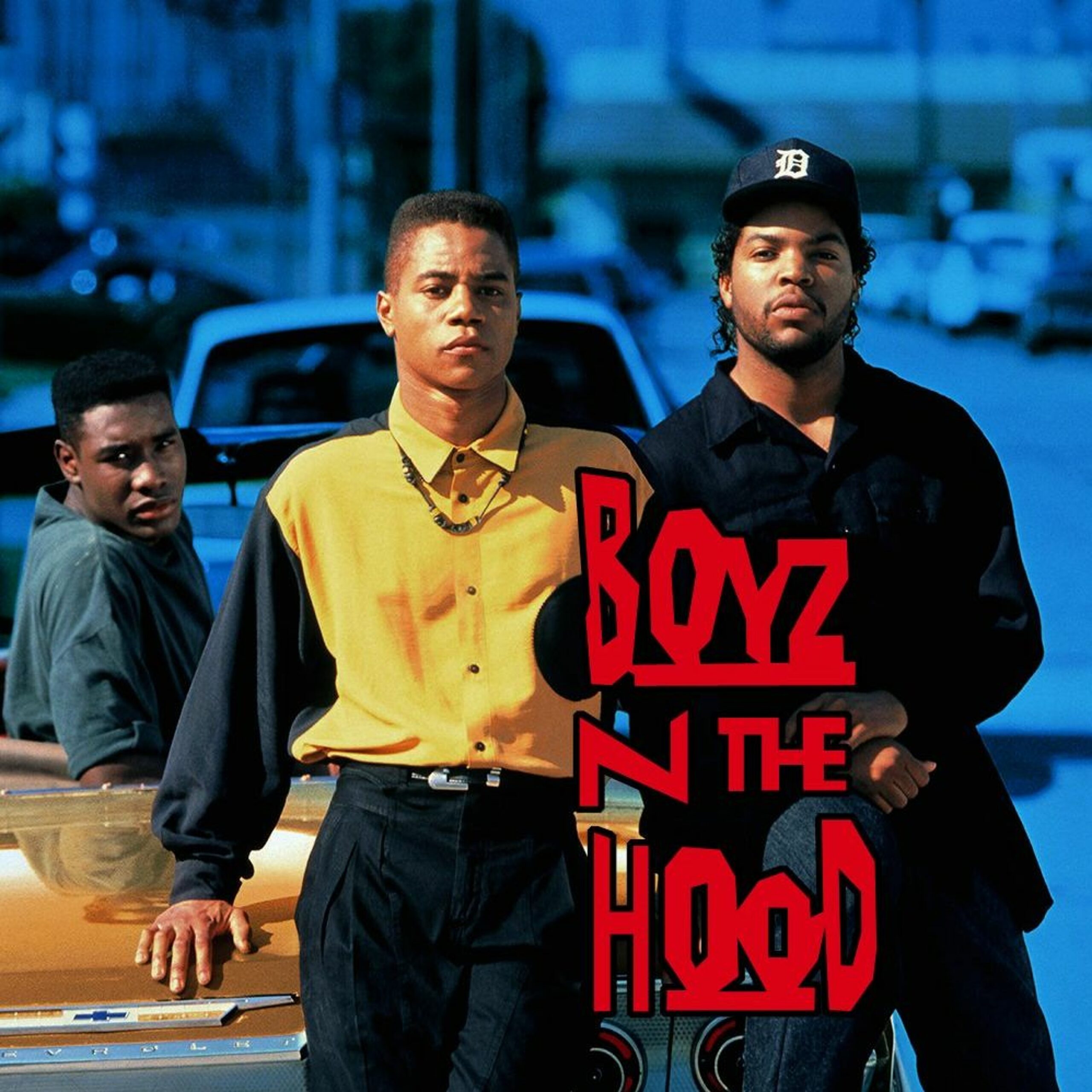
FMC 033: Boyz N The Hood Written and Directed by John Singleton at age 24

May 18, 2026
Listen on Apple Spotify YouTube
Listen to this episode
Your browser does not support the audio element.
Also on Apple Spotify YouTube

This week on Filmmaker Commentary, join us for an insightful look into John Singleton’s groundbreaking film, Boyz N The Hood. Discover the incredible feat of a 24-year-old writing and directing a movie that earned him an Academy Award nomination, making him the youngest and first Black director to achieve this distinction. This changed his life. This episode unpacks his commentary, offering valuable filmmaking lessons and reflections on a film that remains unfortunately and profoundly relevant today.

What We Cover

  • John Singleton’s remarkable achievement: directing Boyz N The Hood at just 24, becoming the youngest and first Black director nominated for an Oscar.
  • The film’s impressive budget-to-gross ratio, marking a significant win for the studio.
  • The enduring relevance of Boyz N The Hood, particularly its discussion of gentrification and social environments.
  • Filmmaking techniques and advice from Singleton’s commentary, including the importance of writing what you know and using specific shot types like hinge and tracking shots.
  • Discussions on directing child actors, working with non-actors from specific communities, and the challenges of managing creative personalities on set.
  • The significance of physical media and curated selections in local video stores, contrasting with modern streaming options.
  • Insights into other films and TV shows watched by us, including Crazy Rich Asians, Snowfall, The Wolfman, and Les Misérables.

Key Moments

  • 0:44 – Discussing John Singleton’s age (22 when he wrote it, 24 when he directed) and the budget-to-box office success.
  • 2:47 – Highlighting Singleton’s record as the youngest and first Black director to be nominated for an Academy Award.
  • 1:255 – The hosts reflect on how themes like gentrification in Boyz N The Hood are still incredibly pertinent decades later.
  • 32:10 – An in-depth look at Singleton’s filmmaking techniques, specifically tracking shots popularized by Spielberg and the “hinge shot.”

Gear & Films Mentioned

  • Boyz N The Hood
  • Black Panther
  • Crazy Rich Asians
  • Snowfall* (TV Series)
  • The Last Blockbuster (documentary)
  • Les Misérables
  • The Wolfman
  • Scanner Darkly
  • Don’t Be a Menace to South Central While Drinking Your Juice in the Hood
  • Hustle & Flow
  • Dear White People
  • DVDs & Blu-rays
  • Movie Trading Company

Listener Questions

  • What made John Singleton’s directorial debut with Boyz N The Hood a landmark achievement in film history?
  • How does the film’s commentary reveal Singleton’s growth as a filmmaker and the film’s timeless socio-political messages?
  • What specific filmmaking techniques, from sound design to directing actors, can aspiring filmmakers learn from this episode?

Full Transcript

Read the full transcript

Full Episode Transcript
This episode of Filmmaker Commentary revisits John Singleton's seminal film *Boyz N The Hood*, exploring its production, impact, and the director's insightful commentary.

Introduction and Initial Impressions
Reginald Titus Jr.: Filmmaker Commentary episode 33. Welcome to Filmmaker Commentary, where we give you insights from our favorite filmmaking commentaries. These commentaries can be heard on your DVD and Blu-rays of your favorite movies. We'll show you how you can use these commentaries and apply them to improve your video production and filmmaking techniques. All of this here on Filmmaker Commentary. I'm your host, Reginald Titus Jr.
Reginald Titus Jr.: Welcome to another episode of Filmmaker Commentary. I'm Reginald Titus Jr. I'm here with...
Casey G. Smith: Casey G. Smith. Welcome back, sir.
Reginald Titus Jr.: Good to be back, sir.
Reginald Titus Jr.: And today we are going to go over the film *Boyz N The Hood*, 1991, directed and written by John Singleton at the age of 22.
Casey G. Smith: Young. Young blood.
Reginald Titus Jr.: So if this is your first time listening to Filmmaker Commentary, what we do here is we look at some of our favorite DVDs and Blu-rays. We listen to the commentary. We take out tips from those commentaries and deliver them to you, so you don't have to listen to them.
Reginald Titus Jr.: So this film had a budget of 6.5 million dollars.
Casey G. Smith: Hmm.
Reginald Titus Jr.: And uh, grossed 5, 57.5 million. Was that right? Is that right?
Casey G. Smith: Yeah, that's the same thing I have.
Reginald Titus Jr.: All right. That's a win.
Casey G. Smith: That is an absolute win.
Reginald Titus Jr.: After that, you're like, all right, John Singleton, young man, what do you want to do next?
Casey G. Smith: Right. He had the keys.
Reginald Titus Jr.: Right.
Casey G. Smith: He just put them in the gates and it opened the kingdom up to you.
Reginald Titus Jr.: Now, people kind of talk about like uh Ryan Coogler. How old was he when he did *Black Panther*?
Casey G. Smith: Ooh. 27, 26, something around there?
Reginald Titus Jr.: Yeah, he's slightly under 30. Slightly under 30.
Casey G. Smith: Yes, yes. Yeah, when he did, okay, I was thinking when he did his first, I was thinking *Fruitvale*, but when he did *Black Panther*... Yeah, he's probably mid to late twenties now. He even mentioned on the commentary, I think, how old he was when he when he did that.
Reginald Titus Jr.: Yeah, I just totally forgot his age.
Casey G. Smith: Yeah.
Reginald Titus Jr.: But I know that was like a big deal. Your age used to be a story, but um the more podcasts I've been listening to, like no film school and things like that, people kind of discovered like that's not really a story anymore. Unless it's just something just astronomical, crazy. You win an Oscar and you're like 15 years old or something like that.
Casey G. Smith: Right.
Reginald Titus Jr.: Uh, but it's still a feat within itself because you have to have some, feels like you have to be uh like a head of your time to do a movie well. You know, you have to have some kind of experience for you to be able to communicate with people, for you to have some kind of life experience to give to hand over.
Casey G. Smith: I think it's also a matter of of uh of study as well, because as we'll dive into this, I mean, he's he's a fan and I I love some of the correlations and callbacks that he makes to other films. But at the time, when this came out, he became the the youngest director to be nominated for an Academy Award, which I didn't realize that. And and the first Black director, if I'm not mistaken.
Reginald Titus Jr.: The youngest director to be nominated for an Academy Award. Let that be known.
Casey G. Smith: Yeah. That's amazing. And directing his first first film. Did he said he had done some small small things in college but like not a feature.
Reginald Titus Jr.: And screenplay too because he's got the screenplay, so.
Casey G. Smith: Hats off.
Reginald Titus Jr.: That's things like, you know, more people should know about, you know. We we know of John Singleton but we don't we don't really think about that, like how significant that is.
Casey G. Smith: Well, I mean, I think even like with uh when we did Schultz, talked about Michael Schultz from the last dragon, all the things that he had done, but seldomly uh is is his his name dropped or or or or mentioned. Now maybe deep within the annals of of the circles of of Hollywood, maybe there's a reverence there, but from a mainstream consciousness, yeah, kind of forgotten.
Reginald Titus Jr.: Yeah, yeah. So yeah, let that let that be known.

Viewing Experience and Discoveries
Reginald Titus Jr.: This time around, how did you watch this film? Did you have to purchase it? Did you watch it all the way through and then watch the commentary? How did you approach it?
Casey G. Smith: Yeah, so it had been years since I'd seen *Boyz N The Hood*. I'm trying to remember whether I, I think I actually saw it in the theaters with uh maybe with my with my family, with my parents maybe. This time around, I went ahead, purchased it and uh got it on Blu-ray. And it was definitely a worthwhile purchase, worthwhile to to revisit and take in the commentary. So I watched the movie all the way through because it had been so long. Yeah, these these characters are layered and when you see the cast, this is a cast that would would go on to major, major stardom. A lot of a lot of careers launched out of *Boyz N The Hood*. And you didn't realize at the time, but these were up-and-coming stars. Ice Cube's first first featured role. So anyway, I did that and then after that, then I watched the I watched the commentary. And well, I watched the special features first and then I watched the commentary. I kind of I kind of broke up my commentary viewing. I did half one day and then I did the other half the next. And uh yeah, I really enjoyed it. How about you?
Reginald Titus Jr.: Man, this was in my collection, but uh I don't know what happened. So I had to go again. I was my goal was to find the Blu-ray, but uh the location that I was looking for, they did not have it. And I didn't have time to order it, you know, online. So I went to uh Movie Trading Company here in Dallas and uh found the two-disc anniversary edition.
Casey G. Smith: Oh, wow. I see you.
Reginald Titus Jr.: It's all gold and gleaming.
Casey G. Smith: I see it, with your with your gold foiled edition of *Boyz N The Hood*.
Reginald Titus Jr.: I was like, it looks nice. $7.99. I was like, let me go ahead and get that.
Casey G. Smith: Yeah, that's that's about about how much I paid for my for my Blu-ray.
Reginald Titus Jr.: I did want the Blu-ray though. I did want the Blu-ray. Was yours used or new, the Blu-ray?
Casey G. Smith: Uh, it was used.
Reginald Titus Jr.: It was used. Yeah, Blu-ray is the way to go. But I tried to go there first, but they didn't. So, found this in the urban section.
Casey G. Smith: Oh, they have an oh, wow.
Reginald Titus Jr.: The urban section. I'm trying to see if there's anything. It's like segregated, like straight up. It's funny.
Casey G. Smith: For when it was just in the just just used Blu-rays, but uh apparently um yeah.
Reginald Titus Jr.: Okay. Yeah, and then the section for Blu-rays, it says urban blue.
Casey G. Smith: Hmm.
Reginald Titus Jr.: Urban is coded for black.
Casey G. Smith: Because because black and blue would just sound weird.
Reginald Titus Jr.: Yeah. Let's let's call it urban blue. Sounds like a nineties clothing store.
Casey G. Smith: Yeah, for real.
Reginald Titus Jr.: Yeah, so I had to kind of track this one down. But I actually enjoyed going to the to the um the local retailer to purchase.
Casey G. Smith: All right.
Reginald Titus Jr.: Yeah, I like discovering new movies and things like that.
Casey G. Smith: Did you purchase anything else while you were on this outing?
Reginald Titus Jr.: I was looking for a film called *Scanner Darkly*. This is a film that was requested from a listener, uh featuring Keanu Reeves and Winona Ryder again. And um I saw the version, they had a DVD version of *Scanner Darkly*. They had like three of them, but *Scanner Darkly* is one of those films you got to get it on Blu-ray. You got to go you got to get it on Blu-ray.
Casey G. Smith: Who's it directed by?
Reginald Titus Jr.: Uh Rick Linklater, Richard Linklater. Am I saying his name right?
Casey G. Smith: Linklater. Is it Linklater?
Reginald Titus Jr.: Linklater.
Casey G. Smith: From uh *Boyhood* fame. Yeah. Okay, Richard Linklater.
Reginald Titus Jr.: Richard Linklater. We need a body bag. We got a murdered name over here. So, uh I've seen that film a while ago, but um definitely got to get this on Blu-ray. So only they only had like one location that had it on Blu-ray. But they did have the DVDs. So I'm like, I'm going to hold out on the DVD and get the Blu-ray next time.
Casey G. Smith: Okay. Well, then I'll I'll have to seek out the the Blu-ray of of that. I've never I've never seen the film before. Uh I also, when I scooped up my copy of *Boyz N The Hood*, also scooped up *Les Mis* as you know I'm a fan of musicals and I absolutely love *Les Mis*, the uh version with Hugh Jackman and of course, uh also with I'm drawing a blank on the name. Um she played Catwoman and Anne Hathaway. There we go. She won an Academy Award for her performance in *Les Mis*.
Reginald Titus Jr.: Wait, when you say Catwoman was it Halle Berry?
Casey G. Smith: No. Michelle Pfeiffer.
Reginald Titus Jr.: How do you forget that?
Casey G. Smith: No, but that version of *Les Mis*, I love that. And then I also I picked up uh *The Wolfman*, uh with uh Benicio Del Toro. Yeah, on Blu-ray. And Anthony Hopkins, and I didn't realize it, but Emily Blunt also is in the film. Uh and it was shot by uh Joe Johnson or Johnson or Johnson.
Reginald Titus Jr.: Brian Johnson?
Casey G. Smith: Uh Joe. He he directed the the first *Captain America*, *Captain America: The First Avenger*. He also directed that.
Reginald Titus Jr.: Um does *Wolfman* have commentary?
Casey G. Smith: It does not. Oh, well, yeah, I know.
Reginald Titus Jr.: I won't be picking that up.
Casey G. Smith: Well, yeah, I was I was I was disappointed. It had a lot it has a lot of extra features on it, but no commentary. Which is like, huh.
Reginald Titus Jr.: *Boyz N The Hood*, I um what I did was I watched the movie. I'm initially what I was going to do was just play the commentary because for just for time saving sake, I was like, I remember this movie. I'll just listen to the commentary. But I um I'm glad I did not do that and just played it because there's a lot I missed.
Casey G. Smith: Right.
Reginald Titus Jr.: The whole first, I didn't realize how long that first um
Casey G. Smith: Words. The first act.
Reginald Titus Jr.: There you go.
Casey G. Smith: Of him as a kid and
Reginald Titus Jr.: I didn't realize how long that was.
Casey G. Smith: Yeah, I mean I forgot how long it was. I remember it being there once I saw. I'm like, oh yeah. I'm like, oh wow, this this this goes along but it it's important.
Reginald Titus Jr.: Is very important and it establishes, you know, the Trey character and why, you know, how he's acting, where he gets the attitude from and you know how he can kind of fit into, you know, his environment, you know, the way he has to be. But yeah, and and my wife hasn't seen the film, so.
Casey G. Smith: Oh, she had never seen it before.
Reginald Titus Jr.: So I was like, you gotta watch this. Yeah.
Casey G. Smith: Hmm.
Reginald Titus Jr.: My mom wouldn't let us watch rated R movies. So there's a lot of movies she missed out on. So I was like, I got to reintroduce her.
Casey G. Smith: That's just introduction.
Reginald Titus Jr.: I know right. just a straight introduction. Hello, welcome to *Boyz N The Hood*.
Casey G. Smith: Yes. So I'm curious how she's seen the other kind of movies that spun and and were able to be spawned from after *Boyz N The Hood*, whether it's *Menace II Society* or *Juice*.
Reginald Titus Jr.: No. Okay.
Casey G. Smith: That would be a big no.
Reginald Titus Jr.: All right. So, what does she think?
Reginald Titus Jr.: She loves it. Yeah. Cried. Tear jerker movie. Dear God. No doubt.
Casey G. Smith: Like, whoa. Trying to hold the tears back. I'm a man.
Reginald Titus Jr.: You know. Hey, you know.
Casey G. Smith: Hey, Cuba, he got no shame, man. Cuba, man. That that dude, man, drop of a dime. That dude can bring can bring the waterworks.
Reginald Titus Jr.: Yeah, and just man. Crying in different ways. Got the leaning. The tears leaning to the side. It's like, man, he's like the fear cry. Yeah. He's got the. You know, rage tears. And uh the you know, my homeboy, oh, okay, before I I jump into that, there will be spoilers, ladies and gentlemen. As always. There will be spoilers. Yes, indeed. Yes, indeed. So.
Reginald Titus Jr.: Yeah, so tear jerkers, dude, like my God. So we watched the whole film and then I just backdoored just go right into the commentary. Just watch, you know, I was like, let me go ahead and play this. I didn't mind watching it twice.
Casey G. Smith: Yeah. Did you 1.5 it or just like regular?
Reginald Titus Jr.: Regular.
Casey G. Smith: Regular. I'll take a commentary regular please.
Reginald Titus Jr.: Give us commentary some respect.
Casey G. Smith: Well, since I I'd watched the special features and that that gave me some, I'm like, okay, I can 1.5 it. And I find that most people when they're doing their commentaries, you even though they speak quick, it's it's still enough where you can understand them and and and and get it. And I find it just it just works it just works for me. It really does work for me.
Reginald Titus Jr.: Yeah, so that's how I did it. As as a child, this was one of the films that was in the collection and it was one of those films where you're learning something from it. And uh Cuba, T'Challa's dad in this film, just remind me of my dad so much. Even my wife's like, he reminds me of your dad just because like just everything about this guy. Just like, your dad's a little bit like. Hit a little close to home. Yeah. He used to cut my hair, you know, give you the chili bowls and all, you know, give you the bad haircut.
Casey G. Smith: My dad used to cut my hair too.
Reginald Titus Jr.: Give you the bad haircut to send you on your way. So yeah, it was one of the films that were in was in the collection and, you know, I didn't watch it over and over again, but, you know, like you revisit every now and then.
Casey G. Smith: I again, I hadn't I don't remember the last time I saw this film. I mean, maybe I'd catch a, you know, clip of it on in I don't know, somewhere on some channel, but I hadn't sat down and watched *Boyz N The Hood* in a very, very long time. From just start to finish, at least a decade plus. So it was, yeah, it was nice to to come back to it and, yeah, looking forward to diving in some more.
Reginald Titus Jr.: Yeah, that's uh yeah, that's a film you watch once a decade. We revisit that.
Casey G. Smith: But one of the things that that surprised me, and I know we'll we'll dive in deeper, but how it still feels very relevant today.
Reginald Titus Jr.: Even more, even more so. It's sad.
Casey G. Smith: There's some things that are mentioned like when you mentioned the gentrification. I'm like, whoa. They were talking about gentrification back then. I thought it was a fairly recent thing. I thought it was like a 2000 kind of thing, but nah, man, like they were spitting game. I'm like, wow, this is
Reginald Titus Jr.: It's pretty amazing. It's timeless.
Casey G. Smith: Yeah. You know, when we kind of talk about like just like the whole Chicago thing and like you dropped this right then and there and the people are younger.
Reginald Titus Jr.: Yeah.
Casey G. Smith: That are dying, you know, they're, you know, not juniors and seniors and like junior high kids. I mean, you can go up to also, I mean, place like Milwaukee. You know, I I was at a high school there for my for my full-time job a couple years back and the teacher asked me before I came to the school, she asked me if I had heard of their school before and said it had the their zip code had the highest murder rate in the country.
Reginald Titus Jr.: What?
Casey G. Smith: And I said, uh no. I hadn't seen the documentary about us? I'm like, uh no. I I haven't. But it's uh, yeah, it's pretty well. Did you go?
Reginald Titus Jr.: Yeah, I still went.
Casey G. Smith: Because.
Reginald Titus Jr.: Hey, glad. Uh.
Casey G. Smith: Going in with my hands up. I'm like, I come in peace. I come in peace. It was it was it was it was one of the wildest classes I've ever been in in my in my life. Yeah. It really was. Like these man, uh kids were, I mean, like literally cursing themselves cursing other kids out. Uh I saw kids get taken out of class, which I've seen that happen before. But, you know, I'm I'm professional and I've, you know, talked with with this this demographic all the time as far as, you know, high schoolers and, you know, just getting them engaged, just getting them to to think. And if I can get them just for a moment to stop and think of more, then that's good. But I mean, there were literally kids having conversations with the teacher, uh about, you know, how how's it going taking care of your family. As in, like, they parents aren't in the scene, and they're taking care of their brother and sister and, you know, they're they're happy they were able to find a job so they could go home and and and cook and prepare meals for their siblings. Uh like situations like that. Just man, yeah, it was it was it was something else. So, um but yeah, so you know, I've I've got I've got to go. Because if I don't go, who will? Right? Who who will let them know at least about the opportunities that are out there beyond what they're immediately at because for for some that may be the only way out. I mean, like kind of like what we saw at the, you know, end of this film, like there's a way out. So, but yeah.
Reginald Titus Jr.: Facts. So, let's give a synopsis on this film.

Synopsis and Other Media Consumed
Reginald Titus Jr.: Trey is sent to live with his father, Furious Styles, in tough South Central Los Angeles. Although his hard-nosed father instills proper values and respect in him, and his devout girlfriend Brandy teaches him about faith, Trey's friends Doughboy and Ricky don't have the same kind of support and are drawn into the neighborhood's booming drug and gang culture, which increasingly has tragic results. *Boyz N The Hood*.
Casey G. Smith: Yeah, it's always fascinating when you hear these synopsis uh when they're dealt out. There is uh where did yours come from?
Reginald Titus Jr.: Um, this one might have either been Wikipedia and I read the synopsis the one off IMDb and I was like, let me.
Casey G. Smith: How did you really feel about that?
Reginald Titus Jr.: It's like, who wrote this? Because some people, you know, people are, you know, throwing their or creating these synopses, you know.
Casey G. Smith: True.
Reginald Titus Jr.: If the studio didn't do it, or typed it on IMDb, somebody else will do it.
Casey G. Smith: Okay. Yeah, that one was it was accurate. Yeah. Acceptable.
Reginald Titus Jr.: Now how I felt, but, you know, you got to package it up so, hey, it is what it is.
Casey G. Smith: That's true.
Reginald Titus Jr.: So, before we dive further into *Boyz N The Hood*, let's talk about movies watched. All right. So what movies did you watch this past week?
Casey G. Smith: Uh so I had a chance to to finally go out and see for myself *Crazy Rich Asians* directed by director Jon M. Chu. Um of course, it's been crushing at the box office, you know, for at least two weeks in a row. It was number one. And it is a it is a romantic comedy. And obviously, it's a predominantly all Asian cast, which is great. And it's it is fun, it is lovely, it is charming, and I really enjoyed it. I really did. I walked away and I was like, man, and at the end, cuz I I was sitting next to two two uh two ladies and, you know, they had their Kleenex out there. And I gave one of the ladies one of my napkins cuz they were, you know, had a little waterworks going. It was very it was very touching, you know, romantic comedy. It's it's got the the things that you would expect to see. Yeah, but it is but it's it's funny, it's charming. The the all the characters uh are are are are wonderful. And uh I I definitely would go and see a sequel of this. And I don't I don't do too many romantic comedies. I don't have I'm not against them, but it's not my first choice when I think of what I want to go and see. But um with the success of *Black Panther* and all kinds of people came to that because regardless of of of the setting and all that, it was still it was still a human story behind it. *Crazy Rich Asians* is similar in that vein. It's still a very human story. The characters just happen to be Asian and it just happens to be in another country for a good chunk of the film, but it is a very human story about two people falling in love and, you know, one comes from a place with money and one not so much. But it does get into some specific cultural things uh within the Asian community that I'm sure even other communities can can relate to. But yeah, I dug it, man. *Crazy Rich Asians*.
Reginald Titus Jr.: As as a person of color, we're kind of forced to digest everything. So it's not like a big deal. But it seems like for when something is uh um like culturally um specific films, like, oh, this is not for me. So I'm not going to go watch it, you know, it seems like maybe some people feel that way. Oh, that's a black movie. I'm not going to go watch it or that's just for them, just for Asian, so I'm not going to go watch it.
Casey G. Smith: That that's a really fascinating point because I mean even I think of from say a Asian to black as far as like culture wise, you know, on when we think about groups like say like the Wu-Tang Clan. You know, clearly, you know, they saw a lot of, you know, Asian films, you know, growing up, you know, with the with the kung fu movies and in in the the 70s, you know, 60s and 70s, um and Bruce Lee films and things of that nature. But then, you know, I look at uh, you know, like the Korean B-Boys uh and the clear influence of that. And let me tell you, within the film, there is a lot of black music influence from from jazz to to hip-hop to um a lot of covers of songs. Um that were originally done by black artists, now being done by Asian artists, which is cool. But it's it's that's that that that play between the two cultures is very fascinating to to I just noted that in the in the film. And so that was the movie that I saw. From a TV standpoint, uh I've I've recently started watching *Snowfall* on FX. Uh it's about the introduction of of of cocaine and and and crack into the into the Los Angeles area in the 80s. Yeah, finished the first season of that. Yeah, I'm looking forward to the second season. Very, very well done. A nice range of of characters. It's it it reminds me a little bit of of of *Breaking Bad* and *Narcos* uh and you can after watching *Boyz N The Hood* again and hearing about John Singleton, John Singleton's upbringing, you can see some elements of that kind of rolled rolled into the the show as well and in in the main character. Um but yeah, *Snowfall* man, that's it's no holds barred. It's amazing what they can do on cable television these days. Even from just a sexual.
Reginald Titus Jr.: It's amazing what they're getting away with.
Casey G. Smith: Oh, seriously. It really is. I was like.
Reginald Titus Jr.: Where do y'all?
Casey G. Smith: This show contains violence, ex extreme death. You know, it's just.
Reginald Titus Jr.: Extreme death.
Casey G. Smith: Extreme death. But yeah, so it's it's yeah, very interesting. But good show, *Snowfall*.
Reginald Titus Jr.: *Snowfall*.
Casey G. Smith: *Snowfall*.
Reginald Titus Jr.: Directed by John directed and produced or?
Casey G. Smith: Uh he directs a couple of episodes. He he he directed the season finale, but he's an executive producer on the show. So I'm sure he's he's got notes and inputs because again, he's talking about, you know, where where he came from and what he grew up in. I mean, he he grew up in this time and era.
Reginald Titus Jr.: Hmm.
Casey G. Smith: How about you? What did you see, Reginald?
Reginald Titus Jr.: What did I watch? Um, didn't get a chance to watch any films, well, any featured films. But I did watch this uh little short doc called *What the Last Blockbuster Has That Netflix Doesn't*. So in Bend, Oregon, there is well, the last Blockbuster. I think I talked about this before about like the location it was at. It's in Bend, Oregon. It is the last Blockbuster.
Casey G. Smith: Not *The Last Dragon*, *The Last Blockbuster*.
Reginald Titus Jr.: *The Last Blockbuster*. I think I put that title in. It's not called *The Last Blockbuster*. I was like, it just sounds more epic.
Casey G. Smith: It does. *The Last Blockbuster*.
Reginald Titus Jr.: It's about like a ten minute, like a little ten minute um kind of like a news story, you know, uh kind of like how Vice does their stories. Um it's by The Verge. So if you just go to YouTube, type in, you know, black last Blockbuster, this will pop up. But, you know, just kind of going in and kind of seeing like why in this particular city, there's still a Blockbuster. Um but it turns out that um the owner of this store he the he had a movie company there, but Blockbuster was coming in and kind of like kind of gave him a deal he couldn't refuse. He was like, either accept this offer or, you know, we're going to build two Blockbusters around it anyway. So.
Casey G. Smith: You can't beat us, so join us.
Reginald Titus Jr.: And that's what he did. So, and that's why it's still, you know, Blockbuster there. But in that in in that city, it's also very eclectic, artsy, got the Bend the Bend Film Festival, so they really support the arts. And um it's just a place that it makes sense to have there.
Casey G. Smith: You know, one thing one of the things that I find, and, you know, we we we sit in doing this in doing this this podcast is that still the the lore of going into a physical location. There's something nice about being able to go kind of up and down the aisles and kind of just to be able to discover. And don't get me wrong, I I enjoy searching for things online and making those transactions uh as well that could be super easy. And with something like Amazon Prime, you can have something within a day or two. Well, there's something about just just going in.
Reginald Titus Jr.: It's not the same. It's a different experience. Like when you're looking for something to watch online, it's like, I want to watch something. Like I'm not here to search, right? Like it feels like you're actually shopping, you know, and you can take your time when you're at the store and you're flipping things and something might catch your eye, you're like, man, what is this?
Casey G. Smith: And that's a nice feeling. It's a nice feeling to be surprised because when you when you're searching for things, you're going through like different categories and it's a different feeling.
Reginald Titus Jr.: It's frustrating.
Casey G. Smith: And there's and there's also you might run into somebody and might have a conversation and you just never know. It's it's it's it's it's partly communal and it's nice to see other people out because when I go to to Movie Trading Co, there are always people in there. Now, they're trying to stay afloat and they've got they've really getting the pop culture stuff and and they got comic books in one section and they got toys and they got video games. So it's a it's a one-stop shop kind of place. And they got posters.
Reginald Titus Jr.: It's you're right. There's always people there's always people in it.
Casey G. Smith: Always. And you can buy or you can, if it's a DVD, you can rent it for a couple of days. So they give you some nice some nice options and um and, you know, you can find new and used.
Reginald Titus Jr.: Yeah, I I definitely enjoy the experience. They then then like there's a section where it's curated where they have staff picks or whatever. So uh I was like, what are all, who's picking these? Because again, I'm in I'm in the Movie Trading Company that there's an urban section in, so you know what city I'm in. Cuz I know in other Movie Trading Company, you know, and their other um cities, they don't have that those sections.
Casey G. Smith: Yeah, I I didn't see the one I went to, I didn't I didn't I didn't see the urban section. Next time I go, I'm going to ask, is there an urban section?
Reginald Titus Jr.: Where's the urban section? Your Dallas location has it.
Casey G. Smith: Oh, okay.
Reginald Titus Jr.: Start segregating these movies. But that's fascinating though. I I'd almost be curious to to ask.
Casey G. Smith: It's actually awesome though.
Reginald Titus Jr.: Ask management. I'm like, so what was the decision behind specifically having that?
Casey G. Smith: We in the black neighborhood.
Reginald Titus Jr.: Oh, okay. That'll suffice. And that's basically what it is because um the customer base there, they're they're going there for Like for example, when I asked the lady about *Boyz N The Hood*, she was saying like black classic films go quickly.
Casey G. Smith: Hmm.
Reginald Titus Jr.: Cuz I was looking for the Blu-ray. She's like, yeah, classic films, they they're gone.
Casey G. Smith: Wow. I mean, I almost thought I wouldn't be able to find the Blu-ray at Movie Trading Co. And it just so happens like they it was the only one there that I saw. And they somebody I had had somebody help me find it. And it wasn't an urban section. It was just it was just hidden amongst everything else kind of like there. And uh they helped me find it and I was like, oh, thank goodness. But.
Reginald Titus Jr.: Man. Yeah.
Casey G. Smith: And I was shocked. I figured I was like, it's been out for a long time. But.
Reginald Titus Jr.: So yeah, so they had like this little curated section. So they got stuff on there like *Tusk* and all these other films. Like, who's first I asked the guy, who's picking this? Who's picking these films? Cuz it's totally different. I don't see anybody here going to go buy these some of these films that you'll have picked out. Um, but it's awesome to have, you know, someone curating and kind of giving suggestions and things like that. Um so I find that like they still there's still a personality in the store.
Casey G. Smith: I agree. I've uh I've I've had very good experiences with Movie Trading Co. especially when you're trying to find something, they'll happy to look and check out the locations. Cuz we we've been on hunts before trying to find some of these films that we've covered before like, uh where's where's okay, which location? Oh, Allen. Uh. Well, um is there commentary on that? Can you double check that?
Reginald Titus Jr.: For real.
Casey G. Smith: And and the cool is funny because like film fans work at these places. So the guy's like, oh sure, let's let's let's find out. Remember *The Panic Room* situation? That was in the Arlington location for that. He's like, well, the difference between this DVD and that DVD and the Blu-ray is, but this DVD is cheaper, higher bitrate, but there's no commentary. I was like, what's the point? What are you doing?
Reginald Titus Jr.: Ha.
Casey G. Smith: I had a similar situation when I was trying to find that uh that Dr. Dr. Jekyll and Mr. Hyde, the old 1930s version, which was so tough to find. And and literally they they directed me to the Duncanville location. And and they but they they looked and they couldn't find it multiple times. And then they they searched a different way and finally it popped up. I was like, yeah, that's a win. It feels so good. Is that Willa What street is that one, the Duncanville location?
Reginald Titus Jr.: Either Camp Wisdom.
Casey G. Smith: Yeah, yeah, okay. I know that that was considered Duncanville.
Reginald Titus Jr.: Hmm. What? Yes, sir.
Casey G. Smith: Cuz behind this is Redbird Mall. Yeah, Duncanville. No. Well, there you go. Geography. Because the church is like, you can see the church from right there, but their address is a Dallas location. It's a Dallas address. Hmm. Um, zoning. Message. Okay. So, speaking speaking of that, I have to I have to mention this. So, after watching *Boyz N The Hood*, uh I recently like with my uh cable deal with through the whole Spectrum Choice, which is perfect.
Reginald Titus Jr.: Yeah.
Casey G. Smith: It's perfect.
Reginald Titus Jr.: Okay.
Casey G. Smith: Like what you like what you want, like $21. I get all my local channels. I get ten channels that I choose from a list of of channels, the channels that I know I'm going to watch. And I was able to add on some premiums. So I got Stars, Stars Encore. So, don't be a menace in the hood while drinking your juice in South Central.
Reginald Titus Jr.: Was that Stars?
Casey G. Smith: Yeah, I started I started watching it uh yesterday or the day before. Oh, man. I'm about about about a maybe a quarter of the way in. And man, it is spoofing on *Boyz N The Hood*. I knew it I remember it did. It's been a long time, but I mean, I mean, just like dot dot dot dot dot like scene for scene, man. And I even I even think one of the actresses, um the one when when Trey is telling the story about, you know, losing his his virginity, I think it's actually the.
Reginald Titus Jr.: Famous Fox.
Casey G. Smith: I think it's the same, I think it's the same actress. She was in there. She had the IMDb credit. I was like, she's still around, too. That's wild. She's got like blonde hair now. Really? She's famous Fox. Was that like what she goes by now? Yeah, Famous Fox. Anyway, but yeah, that's it's really funny to to see, especially after just watching *Boyz N The Hood*. I mean, it's the beats are just That's wild. It's very, very wild.
Reginald Titus Jr.: Do we have a brother?
Reginald Titus Jr.: Then John Singleton making his cameo.
Casey G. Smith: Oh, I have a I haven't.
Reginald Titus Jr.: He was the mailman.
Casey G. Smith: Oh, in the yes, in this.
Reginald Titus Jr.: Oh, yeah. Oh, not not in that movie.
Casey G. Smith: Yeah, in this. Yeah, he said, yeah, my my Hitchcock Hitchcock style. I'm like, I see you, John.
Reginald Titus Jr.: I would have never caught that one.
Casey G. Smith: No, I didn't. I didn't catch it either. Man, he said that, I was like, huh. So that makes it even funnier that then Keenan, um when he first is up when Keenan Ivory Wayans, when he first appears in *Don't Be a Menace*, he's a mailman. And it's the first time he says message. I'm like, ha, this is deep, man.
Reginald Titus Jr.: Did he direct that one, Keenan?
Casey G. Smith: I don't know.
Reginald Titus Jr.: *Don't Be a Menace*. What is it? *Don't Be a Menace in South Central While You're Drinking Your Juice in the Hood*. Nonetheless, I'm sorry, where were we at? Tangenting. That's where we are.
Reginald Titus Jr.: Movies watched. Well, *The Last Blockbuster* brought us around to all that.
Casey G. Smith: Paris Barcley?
Reginald Titus Jr.: Yeah. Don't know.
Casey G. Smith: Yeah, Paris Barcley. Okay. Directed.
Reginald Titus Jr.: So, so yeah, so I watched that. It's like a ten-minute, you know, short, kind of like news clip thing. Uh mini-doc, *The Last Blockbuster*. And um yeah. Maybe you want to go out and go go check out a retail section. And when you go to these these movie stores, it's um you you do find stuff that you're like, I would I don't know where on earth where I would go to find this stuff. Because even like like the big retails like Walmart, Best Buy and stuff. A lot of times it's just what's popular at the time. And if it's not popular, it's going to be like in their little clearance bin. And that's it. But it's definitely Walmart and these places are not definitely, they're not curating anything. They're just there just to give you what's hot. That's it.
Casey G. Smith: That's true. That is true. That that personal that personal touch, that boutique kind of style level of of of of service is what you could definitely find. So.
Reginald Titus Jr.: Yeah. And that's and that's basically what they're saying is the whole message of that mini-doc is that's the importance of having these retailers because they have they are curating and they'll they'll have actually more titles than like a Netflix because Netflix has more, you know, they're kind of getting away from that and doing more of their original stuff.
Casey G. Smith: That's true. That's true. If if you if you're going with the just the streaming aspect of it, uh if you still have, you know, the Netflix with the the Blu-ray and DVD uh service option, which I I did for for quite a while. And man, I watched I watched a lot of movies through through that and was able to find stuff, especially like foreign films and all kinds of stuff through through that service. That's uh that's not a bad option if you're looking for some other things, too.
Reginald Titus Jr.: Heck yeah. Um, TV watched, um on the OWN Network, there's this series called *Greenleaf*. And it's kind of talking about like the church and kind of like the hypocrisy with the church and kind of what goes on. It's not, you know, a documentary or anything like that. It's just a bunch of characters and it's some drama, some drama.
Casey G. Smith: I just saw that on the on demand because I added the OWN Network as one of my channels and I was I was going through the on demand to see what they had and I I saw that there and I was like, hmm, it looked it looked interesting.
Reginald Titus Jr.: It will suck you in.
Casey G. Smith: Oh, uh oh.
Reginald Titus Jr.: Yeah. It's real. The first season starts out very real.
Casey G. Smith: It's they're on what like season three now?
Reginald Titus Jr.: Yeah, season three. So yeah, some enjoyable stuff. A lot of drama, though. That is it for movies watched. Let's jump right back into *Boyz N The Hood*.

Analyzing the Commentary
Reginald Titus Jr.: All right. So the actual commentary. He mentioned like it was, man, it's like more of a retrospective, you know, commentary. He does an intro.
Casey G. Smith: Good etiquette. Yes, yes.
Reginald Titus Jr.: Uh and this was recorded in 1999. Of course, the movie came out 1991, 1999. And um he's he's giving us some some background on the history of, you know, his development as a director from when he did this film to where he is now, but at now at that time was 1999. And he kind of talking about like, you know, he would change he's developed. So he would change certain things in, you know, probably tweak some things, but I think everybody try, you know, wish they can kind of go back and change their first film.
Casey G. Smith: And he like you said, he he grew a lot during the development of this of this film. Uh and he makes mention of that multiple times. And again, all things considered, he made a heck of a movie.
Reginald Titus Jr.: Yeah.
Casey G. Smith: Uh and the fact that this film only had one producer, which is very rare in Hollywood. Um yeah, just just one producer.
Reginald Titus Jr.: Is that Stephanie?
Casey G. Smith: Uh, that was Steve uh Nicolaytis.
Reginald Titus Jr.: Oh, okay. Okay. And then um, I'm not sure what they uh Stephanie uh Elaine.
Reginald Titus Jr.: Yeah.
Casey G. Smith: Cuz she was a she was a studio exec. She had just been promoted like to a studio exec. And she's on there really kind of got John into the door.
Reginald Titus Jr.: Yeah, she's she's definitely a pillar because I remember on *Hustle & Flow*, she was a producer on that one. Of course, John Singleton was an executive producer over that film. And it was a white director writing about black people. And it was funny kind of getting the reverse kind of racism in Hollywood where he's a white guy writing this black story and they're like, well, we would do it but can we get like a black director or something? Cuz they didn't when they they didn't want to do that. So anyhow, John Singleton and them, they had to raise their own money for that film. And then I think they sold it to MTV Films.
Casey G. Smith: Oh, wow.
Reginald Titus Jr.: But yeah, there's a whole story with that. But um and also she encouraged Justin Simien on *Dear White People* to get that completed. I don't know if she was a producer on it, but she definitely was in the mix.
Casey G. Smith: I'd like to meet her.
Reginald Titus Jr.: Yes. I don't like to see her. I don't like to see her. Definitely on the list. Definitely for sure. So yeah, this commentary , A plus.
Casey G. Smith: Ha ha. This is a really good if you're a fan of of commentaries, this is a really good commentary. Good etiquette. It's in-depth, it's technical, as well as personal. And it's done with a nice amount of of hindsight. It's far enough where removed um not 20 years removed, but literally about eight to nine years um removed. And at the time, he was uh four films into his career. And yeah, very, very enjoyable commentary.
Reginald Titus Jr.: It was surprising and it might go with the fact that he was the writer/director. And we talked about that too, you know, if you're a writer/director, how much can you remember or pull back? Um, you know, he's remembering ADR sessions, you know, from the film, like, whoa, you know, you're working on your like your your fourth film. How are you pulling this from the first film? But that's it kind of goes to show you, you know, he was he was on top of his stuff, man. He knew his stuff. He knows his stuff.
Casey G. Smith: Yeah, he I was really impressed with his his his knowledge and how he he worked it in and talked about the sound design and being so intentional about that. Yeah, he he points out some nice fine details within the filmmaking and his, you know, people that influenced him.
Reginald Titus Jr.: Indeed. So let's go into some tips. One of John Singleton's I think I've heard him say he's like one of his mantras is, the cheapest way to make a film is to write one.
Casey G. Smith: Yes. Yes, yes, yes. And he started working on this script uh while he was at USC.
Reginald Titus Jr.: What that translate to me, the first time I heard him say that, I think it was like on a Charlie Rose Show or something like that. And basically, you can do whatever you want, you know, paper is relatively cheap. And you can get it printed out and you can do whatever you want to do on that on that paper. It's once you start producing it, that's when it starts getting expensive. But, you know, that's the cheapest way to make a film. It's not wait for a script or wait for somebody to give you something. You know, you you make your film. You create a product by writing it.
Casey G. Smith: That's true. I mean, there are so many scripts now in in in the Hollywood system that are um in development or on hold or being tweaked, but they're but they're out there. Somebody took the the time to to submit it. As and that is a product. That is the first step. If it ain't on the page, it ain't on the stage.
Reginald Titus Jr.: There you go.
Casey G. Smith: You can't, you know, you can't read it then, you can't see it.
Reginald Titus Jr.: Nope. Uh another tip that he kind of talked about is that when uh of course, he was what, 22 when he did this, that he thinks that being naive and not really knowing too much served him well in the film. You know, he was well prepared. He was early, you know, he had a shot list, you know, he was he was on on point. And that's because he didn't know really what to expect. I think as you get more experience, you're you're aware of like some of the risks. There's a scene where I see uh when Ice Cube is pulling off when the gunshots are going off.
Casey G. Smith: Almost ran over a guy's leg. Dude, did you see that?
Reginald Titus Jr.: Yeah, you saw that?
Casey G. Smith: I did. I saw that. I was like, wait a minute, that guy almost lost a leg trying to scramble out of the way in the street. Cuz that was a one-shot take.
Reginald Titus Jr.: I think he was overacting too, man, cuz he like fell three times. Was that uh Morris Chestnut that was running? Was that Morris Chestnut that running?
Casey G. Smith: It was another guy who was behind him. I think that I that that that was the one that almost got almost lost the leg when when when Ice Cube was pulling out. It was real close. I was like, oh, man.
Reginald Titus Jr.: Oh, man. I think Angel came down and like blocked that. For real.
Casey G. Smith: Uh yeah, yeah, that was that was scary. That could have been yeah, it could have been bad.
Reginald Titus Jr.: That would have been nasty. Um, another tip is uh depending on where you're shooting, you can get non-actors who are part of the environment that you're shooting in to be part of your movie and give good performances. I mention *Hustle & Flow* before. And that was if I'm not mistaken, in Memphis, Tennessee. Um a lot of that where that was taking place. And in they brought in a lot of locals, you know, from that area because the people that looked like how they look, I mean, they're, you know, got the gold teeth, got the perms and all that stuff. I mean, where else are you going to find that? You can't cast for that.
Casey G. Smith: It adds the authenticity. We saw the same thing in *Spring Breakers* as well, you know, being in the Daytona area or the St. St. Paul or I'm not St. Paul. Whatever area *Spring Breakers* was at in in Florida, they they they use some local people just to bring that flavor.
Reginald Titus Jr.: Uh I wanted to do the rap. I forgot the lyrics. Hanging with them Doughboys. Looking at all my stuff. Dang. Look at all my stuff. Now lists. Ask your actor. Another tip is if, you know, ask your actor, ask your actor who they would like to work with. You know, we saw that in *Dracula* with when Winona Ryder. Um, make sure you have some rapport with them. John Singleton, you know, asked Laurence, you know, who who would you like to work with? He mentions Angela Bassett and Tyra Ferrell.
Casey G. Smith: Yes. Who were originally was going out for the role of Trey's mother. And once uh they got Angela, they decided to put her in. And Tyra was kind of pissed about that.
Reginald Titus Jr.: Oh, really?
Casey G. Smith: Yeah. So maybe that added some extra fuel to her performance because she goes from zero to 100 real quick.
Reginald Titus Jr.: I didn't know that. I missed I didn't hear that part.
Casey G. Smith: Yeah, that may have been in some behind behind the scenes stuff. I don't know if you had a chance to watch any any of that, but yeah, maybe that I think that was on there when he when he talked about that. Yeah, but she was not she wasn't happy about that originally. But she came she came around.
Reginald Titus Jr.: She did. Perfect, man. From Houston, Texas.
Casey G. Smith: Really? H-Town. Texas in the house.
Reginald Titus Jr.: Yeah, he had that southern feels. He feels like somebody's auntie. Like, you know, you know who this woman is. Oh man, it was yeah, it was I'm like, uhm, yeah, yep. You just know that that that that woman that you know, just you know, be nice and you know, one moment, but then just that quick and flip the script. And then you see that when the recruiter shows up. The way she plays that, it's beautiful, you know. You know, she's like, oh, hey, well, you know, welcome. And she turns. You know, she snaps she snapping her finger like, yeah, get out of here. Another tip, which as filmmakers, producers, you should already be doing. And this is also the point of this podcast. Watch a lot of films. Now, uh John Singleton, you know, before this, he only shot like a couple short films or whatever in film school. And a lot of film people a lot of film school people will tell you this that, you know, they don't really get a chance to get their hands on and get to shoot a whole lot. You know, I'm I think it's different now uh with the digital and everything. But, you know, shooting on back then, you know, shooting on film, they I know some people like, we didn't get to touch a camera till the following year or the following semester or whatever. Um, so he didn't really just have a whole bunch of uh films kind of worked out. But one thing he could do was watch films. Watch films, study directors, and kind of figure out, you know, how they're doing their shots. And he he mentions the Spielberg tracking shots. And that's something that Spielberg is known for, is his long takes and how he's able to block a lot of people in a one-shot situation while it's tracking. So the film like the the screen is tracking along the actors and the actors are kind of hitting their marks along like it's real difficult to do. And Spielberg's kind of mastered that.
Casey G. Smith: Right. And he also works the uh the hinge shot he talks about where you start from one direction and then you you almost intercut with something else and then like they're going like another direction or something to that effect. But there's there's various kinds of of techniques that he talks about using. So if you're if you're interested in learning more about different angles, different kinds of shots, John does a really good job of of breaking that down and giving giving credit to again, from Spielberg to Hitchcock to even our man who did who did *Dracula*, Coppola. You know, Francis Ford Coppola. He's he's just constantly giving O's and even talking about influences of the past, like Westerns. And and and really talks about this film. You know, there are moments it's like it's like a Western. And I was like, you're totally right. You know, you're totally right. And it's it's fascinating when people can sometimes talk and say, oh, you know, it's all this gang violence. Oh, but it's okay if it's John Wayne. You know, or or if it's Clint Eastwood because those were gangs in gang violence and extreme, you know, people getting shot up. It's not any different. There were towns. These people are in neighborhoods. Same thing.
Reginald Titus Jr.: To an example of the hinge shot, I had to think about it. Is the shot when Cuba Gooding's he's got the plate of barbecue walking back home from the party. He's walking kind of towards us um left of the frame and the camera. And then he stops and he looks off to the left. The camera's still on him, but it slowly rotates to the left. You can see the little And you see the little girl. You see the little baby in the street and you see a car approaching. And it's all in the same shot. So that's a hinge shot. That was my first time learning about this shot on here. So like, learn something, learn something. Message.
Casey G. Smith: But to do that, God only knows how many takes you took because in order for that to work, you you see Cuba coming. You see his facial reaction like, what is he reacting to? Then the camera shows what he's reacting to. And then now the car and the baby have to react, you know, for however they're doing their thing. Like, I want to know how many takes it took to get that right.
Reginald Titus Jr.: That's a good question.
Casey G. Smith: That's a real good question.
Reginald Titus Jr.: Me, I would have cut. I would have. Just just cut just cut. Just cut. It it it's um it's very yeah, very interesting that he would again incorporate some of these things that he said he actually practiced some of these things when he was shooting with uh like a handheld or whatever. And in film school, yeah, he was he was he was testing out some of these some of these theories. So even if your technology isn't great, you can you can practice some of these different shots with you know, with your phone. Just just to kind of get the feel of the technique down. And nowadays with our phones, you could still make something pretty awesome. Technology is way better now. No comparison. No comparison. It really is. There's no excuse, how about that.
Casey G. Smith: But technique, right? Technology changes, but and techniques can develop, but there are still so many classical techniques that can be used and incorporated to to great effect.
Reginald Titus Jr.: The one thing I did know about this film that he's not using like a bunch of trickery in his shots. Is a lot of times it's just a master shot. And he even says, you know, just tell the story.
Casey G. Smith: Yes. Shoot the story.
Reginald Titus Jr.: Shoot the story. You just having, who was he talking to? It was Cuba and uh Nia Long and they're arguing. And he could have very easily just switched shoulders and cut away. He just kept it going. Just kept them flowing. While he's doing like the montage uh scene. And uh even with that hinge shot, like soon as Cuba comes up, that's basically that transition is the cut. Cuz if somebody else did, you could just cut there, rotate it. It's the same thing. The only thing that doesn't happen is you see the rotation. So, but willing to do that, you know, having the energy like, you know what, let's try this. Kind of moving along. Oh, but before moving along, he talks about how we tend to view things like kind of with a television language. Did he mention that?
Casey G. Smith: Yes, yes, yes. That was that was really good.
Reginald Titus Jr.: You have to instead use like a a cinematic language. And that's what he wanted to get across um in his film. Even though he, you know, just doing a lot of times just doing master shots over the shoulder shots. Um and getting the story and just letting his actors do his thing. Directing kids is tough.
Casey G. Smith: Yes, yes. And he he mentioned that, you know, with some of the boys uh that were that were on set, that, you know, sometimes it'd get long, other times that they they they wouldn't and the attention spans were short. And you have to work with them for a limited amounts of time because some have to, excuse me, have to go to school or go to to lessons, whatever that looks like. So you have to be you have to be ready. Uh but he also said, you know, he said kids and animals. He was like, woo. Like, you can tell even now that it was still something that uh you could tell kind of grated him a little bit because he was he had uh yeah, he recognized it was a challenge.
Reginald Titus Jr.: Yeah, he was mentioning how um the lead, the guy that was playing Trey, the younger kid that was playing the younger Trey, how he kind of had like a little ego, you know, cuz he'd been in a lot of stuff before. So he kind of had that swag like, yeah, I've done this before.
Casey G. Smith: Uh, okay. Just make sure you hit your lines and your marks. Okay.
Reginald Titus Jr.: Yeah, right, right. So. And then he said I think he also said that um cuz he was like, you know, he like he like video games. I think he had a game gear at at the time. And he was he was like a Lynx system. I totally forgot about that one. Yeah. The Lynx, man. I remember the Game Gear. The Lynx was a Atari, Atari Lynx. Yeah, Atari's handheld. Uh but he was like having to like balance and keep them like away from his games or something like that. I even saying, that's funny. Where's my Game Gear? Where's my Game Gear? My pocket mother. Oh, you think you're grown now. He's method. I like a tip, uh one of the tips he had is like when the characters are coming into the scene, the characters are moving the camera. Yeah. How you know, the camera's a master shot, but when a character kind of enters the frame, you know, we kind of follow them. And one of the shots he used was the booty the booty that jumps into the frame at the barbecue. Lady in black shorts, big booty jumped to the frame. We start following the booty, then we cut left and then we reveal Doughboy. So he's like, find a way to grab your attention, move the camera. And it's like, okay, it's just the big introduction of Doughboy.
Casey G. Smith: It's fascinating how how he can use and and describe that that particular shot. Um and even when he talked about that scene, particularly, and where they're doing that, the whole house party and the welcoming back of of of Doughboy. How it said it was kind of hard to to focus, you know, even when you hear from some of the other actors and some of the behind the scenes stuff like they were they were they they shot that scene. It originally was only supposed to like take like two days to shoot, but it took like four days. So people are there, they're partying, they're eating, and just they were having a good time. The actors were definitely they were they were having a good time with that. And and and John was having a trying to stay focused. I can only imagine though, you know, single 22. Yeah, fresh. I got six million dollars. I'm the director, you know, like, hey. I'm the director, you know. Yeah, you got to be careful. Yeah. What movie is that? He's like, yeah, I run all this, you know. Five Heartbeats. That was a Five Heartbeats. Oh, choir boy. Choir boy. I wrote I wrote all the songs. I put the music together, everything, you know. I I put it all together. Anthony Stone. But you can call me Rock. Oh, man. But, you know, kudos to to John for handling with that kind of maturity because that would be, I mean, that would be pretty tough cuz now you're also you're coming back home, right? I mean, he's he's always stated in the area, but coming back to the neighborhood and you're a big time director and you've got all this, but saying, oh, no, I got I got I got to focus and take care of business. And to not get caught up.
Reginald Titus Jr.: Yeah.
Casey G. Smith: Because we see the fruits of the labor of a lot of people who have gotten caught up in and in in Hollywood. So.
Reginald Titus Jr.: Have actors that are just as committed to their craft as you are. And he talks about how Cuba Gooding, I don't know, I guess everybody was around close to the same age around this time. So how he was talking about how Cuba was like, he's goofy and stuff off camera, but he was real serious about his character, his role, his career and all that stuff. And um when you have people like that around you, you know, it makes you feel good and makes you step up your game up as well. Because like they're being serious, cuz, you know, I've been in stuff where it's like, man, some of these people just focus as much as I would focus on my stuff, cuz I I look at my stuff every day, you know, looking up techniques, you know, practicing or just thinking about the business in general. You know, like how how better off would they be, you know? If you focus if you're serious, you know, serious about that. So it's it was cool to and it comes off, you know, when again, the man could bring the waterworks, drop of a dime. Now, again, not to say we see the finished product, you know, who knows it may take him a couple takes to get there, but but he seemed like he's emotionally accessible. But he got there. He did. He got there. And just, I mean, from fear to elation to even when he's lying to his dad, again, telling that telling that story. And because he changed up, you could you can tell that it's out of character. You know, now that I'm I'm old enough, I'm like, oh, he's totally lying, you know. I didn't know when I saw it when I first saw, I didn't know it was a lie. But now you look at it, you're like, even how he's fantasizing and imagining himself. Even how he's dressed. I'm like, you don't even dress like that normally. This is this is a fantasy in your mind. It's fascinating how well done that was, though. Just to dive into that. Again, this is this is such a human story. Like, you literally you have this you have this this young man having to lie to his dad. It was elaborated too. The lie was like detailed. Yeah. And I like the voice-over. He's got the voice-over, but the characters are mouthing the words he's saying. Yeah. Yeah. That was that was smart. Kudos to to John for having written that. You know, written it that way and had that kind of foresight. I mean, now we're going to we're going to have a flashback within within the film. Yeah. That's it. It was funny how like the guys are like, while she the ladies coming around the car, like all the guys are like following that like they seeing like some super. It's like over-exaggerated. Yeah, just this heightened sense of of reality. You know how to drive a stick. Oh man. But yeah, but Cuba, Cuba, I mean, his his range of emotions. Yeah. His his dedication. But also the whole cast being able to come to to Laurence Fishburne, who served as a mentor in in in a father figure to these other actors. And and something that that Fishburne said in in in both the behind the scenes things that he didn't realize that he would become to a to a to like almost a whole generation a father figure to so many because of the role he played in this film. Real talk.
Casey G. Smith: Yeah, he talks about after one of the screenings, a young man came up to him and was so moved by the film that he literally could not express the words of of what he felt from the movie as a whole and and Laurence Fishburne's performance as a father. And and actually, it was a pretty powerful thing. Even looking back now, it makes me smile. It makes me think of my my dad and it makes me grateful when you see just how much he's trying to to guide his son, to steer his son and what he tries to instill early on. And even how he foreshadows that look, I'm going to teach you these things and it'll be of value. But your other friends you will will see how they turn out. Yeah, you're going to see how they turn out. And it's it's it's it's prophetic and it's and it's and it's and it's true. And while there are no guarantees, uh it it it was just wonderful to see a father literally fighting for his son to set those foundations.
Reginald Titus Jr.: Man, seeing the like change, cuz my dad was like, in a way, like, he would bring in like other, you know, kids in the neighborhood, like, hey, you coming, you know, hang out with us or whatever, cuz he knows like what I don't know, you know, he knows like maybe there's some problems at home and stuff like that. So we had like some guys that would come over and just kind of hang out and stuff like that. But it was funny in the scene where he was trying to give the kids like, hey, if you if you rake up the leaves, I'll give you $5. And then the kid, that ain't, right. And you can see Laurence like Fishburne like kind of laugh a little bit when because like it was perfect the way the kid delivered it. Oh, yeah. Oh, yeah. I get more money than that doing nothing. Right? Man, your daddy mean. Yeah. Raked up every last leaf. Man, that kid was working. I saw the, you know, the the dissolve shots. I was like, this poor kid, man, he's he's working. I know I would have oh, man. My dad used to have me use to have me do you know, lawn work. I hated it. Hated it. Hate cutting grass to this day. Yeah, but rake and leaves like that, oh, man, I don't know. It's it's scary. It's funny because like how he was talking to his son and it reminds me now how I talk to my son. Like, pick that up, pick that up. I don't want to see no trash anywhere. That's weird. Yeah, it's it's But it it's um and it's very yeah, very interesting that he would again incorporate some of these things that he said he actually practiced some of these things when he was shooting with uh like a handheld or whatever. And in film school, yeah, he was he was he was testing out some of these some of these theories. So even if your technology isn't great, you can you can practice some of these different shots with you know, with your phone. Just just to kind of get the feel of the technique down. And nowadays with our phones, you could still make something pretty awesome. Technology is way better now. No comparison. No comparison. It really is. There's no excuse, how about that.

Themes and Takeaways
Casey G. Smith: But technique, right? Technology changes, but and techniques can develop, but there are still so many classical techniques that can be used and incorporated to to great effect.
Reginald Titus Jr.: The one thing I did know about this film that he's not using like a bunch of trickery in his shots. Is a lot of times it's just a master shot. And he even says, you know, just tell the story.
Casey G. Smith: Yes. Shoot the story.
Reginald Titus Jr.: Shoot the story. You just having, who was he talking to? It was Cuba and uh Nia Long and they're arguing. And he could have very easily just switched shoulders and cut away. He just kept it going. Just kept them flowing. While he's doing like the montage uh scene. And uh even with that hinge shot, like soon as Cuba comes up, that's basically that transition is the cut. Cuz if somebody else did, you could just cut there, rotate it. It's the same thing. The only thing that doesn't happen is you see the rotation. So, but willing to do that, you know, having the energy like, you know what, let's try this. Kind of moving along. Oh, but before moving along, he talks about how we tend to view things like kind of with a television language. Did he mention that?
Casey G. Smith: Yes, yes, yes. That was that was really good.
Reginald Titus Jr.: You have to instead use like a a cinematic language. And that's what he wanted to get across um in his film. Even though he, you know, just doing a lot of times just doing master shots over the shoulder shots. Um and getting the story and just letting his actors do his thing. Directing kids is tough.
Casey G. Smith: Yes, yes. And he he mentioned that, you know, with some of the boys uh that were that were on set, that, you know, sometimes it'd get long, other times that they they they wouldn't and the attention spans were short. And you have to work with them for a limited amounts of time because some have to, excuse me, have to go to school or go to to lessons, whatever that looks like. So you have to be you have to be ready. Uh but he also said, you know, he said kids and animals. He was like, woo. Like, you can tell even now that it was still something that uh you could tell kind of grated him a little bit because he was he had uh yeah, he recognized it was a challenge.
Reginald Titus Jr.: Yeah, he was mentioning how um the lead, the guy that was playing Trey, the younger kid that was playing the younger Trey, how he kind of had like a little ego, you know, cuz he'd been in a lot of stuff before. So he kind of had that swag like, yeah, I've done this before.
Casey G. Smith: Uh, okay. Just make sure you hit your lines and your marks. Okay.
Reginald Titus Jr.: Yeah, right, right. So. And then he said I think he also said that um cuz he was like, you know, he like he like video games. I think he had a game gear at at the time. And he was he was like a Lynx system. I totally forgot about that one. Yeah. The Lynx, man. I remember the Game Gear. The Lynx was a Atari, Atari Lynx. Yeah, Atari's handheld. Uh but he was like having to like balance and keep them like away from his games or something like that. I even saying, that's funny. Where's my Game Gear? Where's my Game Gear? My pocket mother. Oh, you think you're grown now. He's method. I like a tip, uh one of the tips he had is like when the characters are coming into the scene, the characters are moving the camera. Yeah. How you know, the camera's a master shot, but when a character kind of enters the frame, you know, we kind of follow them. And one of the shots he used was the booty the booty that jumps into the frame at the barbecue. Lady in black shorts, big booty jumped to the frame. We start following the booty, then we cut left and then we reveal Doughboy. So he's like, find a way to grab your attention, move the camera. And it's like, okay, it's just the big introduction of Doughboy.
Casey G. Smith: It's fascinating how how he can use and and describe that that particular shot. Um and even when he talked about that scene, particularly, and where they're doing that, the whole house party and the welcoming back of of of Doughboy. How it said it was kind of hard to to focus, you know, even when you hear from some of the other actors and some of the behind the scenes stuff like they were they were they they shot that scene. It originally was only supposed to like take like two days to shoot, but it took like four days. So people are there, they're partying, they're eating, and just they were having a good time. The actors were definitely they were they were having a good time with that. And and and John was having a trying to stay focused. I can only imagine though, you know, single 22. Yeah, fresh. I got six million dollars. I'm the director, you know, like, hey. I'm the director, you know. Yeah, you got to be careful. Yeah. What movie is that? He's like, yeah, I run all this, you know. Five Heartbeats. That was a Five Heartbeats. Oh, choir boy. Choir boy. I wrote I wrote all the songs. I put the music together, everything, you know. I I put it all together. Anthony Stone. But you can call me Rock. Oh, man. But, you know, kudos to to John for handling with that kind of maturity because that would be, I mean, that would be pretty tough cuz now you're also you're coming back home, right? I mean, he's he's always stated in the area, but coming back to the neighborhood and you're a big time director and you've got all this, but saying, oh, no, I got I got I got to focus and take care of business. And to not get caught up.
Reginald Titus Jr.: Yeah.
Casey G. Smith: Because we see the fruits of the labor of a lot of people who have gotten caught up in and in in Hollywood. So.
Reginald Titus Jr.: Have actors that are just as committed to their craft as you are. And he talks about how Cuba Gooding, I don't know, I guess everybody was around close to the same age around this time. So how he was talking about how Cuba was like, he's goofy and stuff off camera, but he was real serious about his character, his role, his career and all that stuff. And um when you have people like that around you, you know, it makes you feel good and makes you step up your game up as well. Because like they're being serious, cuz, you know, I've been in stuff where it's like, man, some of these people just focus as much as I would focus on my stuff, cuz I I look at my stuff every day, you know, looking up techniques, you know, practicing or just thinking about the business in general. You know, like how how better off would they be, you know? If you focus if you're serious, you know, serious about that. So it's it was cool to and it comes off, you know, when again, the man could bring the waterworks, drop of a dime. Now, again, not to say we see the finished product, you know, who knows it may take him a couple takes to get there, but but he seemed like he's emotionally accessible. But he got there. He did. He got there. And just, I mean, from fear to elation to even when he's lying to his dad, again, telling that telling that story. And because he changed up, you could you can tell that it's out of character. You know, now that I'm I'm old enough, I'm like, oh, he's totally lying, you know. I didn't know when I saw it when I first saw, I didn't know it was a lie. But now you look at it, you're like, even how he's fantasizing and imagining himself. Even how he's dressed. I'm like, you don't even dress like that normally. This is this is a fantasy in your mind. It's fascinating how well done that was, though. Just to dive into that. Again, this is this is such a human story. Like, you literally you have this you have this this young man having to lie to his dad. It was elaborated too. The lie was like detailed. Yeah. And I like the voice-over. He's got the voice-over, but the characters are mouthing the words he's saying. Yeah. Yeah. That was that was smart. Kudos to to John for having written that. You know, written it that way and had that kind of foresight. I mean, now we're going to we're going to have a flashback within within the film. Yeah. That's it. It was funny how like the guys are like, while she the ladies coming around the car, like all the guys are like following that like they seeing like some super. It's like over-exaggerated. Yeah, just this heightened sense of of reality. You know how to drive a stick. Oh man. But yeah, but Cuba, Cuba, I mean, his his range of emotions. Yeah. His his dedication. But also the whole cast being able to come to to Laurence Fishburne, who served as a mentor in in in a father figure to these other actors. And and something that that Fishburne said in in in both the behind the scenes things that he didn't realize that he would become to a to a to like almost a whole generation a father figure to so many because of the role he played in this film. Real talk.
Casey G. Smith: Yeah, he talks about after one of the screenings, a young man came up to him and was so moved by the film that he literally could not express the words of of what he felt from the movie as a whole and and Laurence Fishburne's performance as a father. And and actually, it was a pretty powerful thing. Even looking back now, it makes me smile. It makes me think of my my dad and it makes me grateful when you see just how much he's trying to to guide his son, to steer his son and what he tries to instill early on. And even how he foreshadows that look, I'm going to teach you these things and it'll be of value. But your other friends you will will see how they turn out. Yeah, you're going to see how they turn out. And it's it's it's it's prophetic and it's and it's and it's and it's true. And while there are no guarantees, uh it it it was just wonderful to see a father literally fighting for his son to set those foundations.
Reginald Titus Jr.: Man, seeing the like change, cuz my dad was like, in a way, like, he would bring in like other, you know, kids in the neighborhood, like, hey, you coming, you know, hang out with us or whatever, cuz he knows like what I don't know, you know, he knows like maybe there's some problems at home and stuff like that. So we had like some guys that would come over and just kind of hang out and stuff like that. But it was funny in the scene where he was trying to give the kids like, hey, if you if you rake up the leaves, I'll give you $5. And then the kid, that ain't, right. And you can see Laurence like Fishburne like kind of laugh a little bit when because like it was perfect the way the kid delivered it. Oh, yeah. Oh, yeah. I get more money than that doing nothing. Right? Man, your daddy mean. Yeah. Raked up every last leaf. Man, that kid was working. I saw the, you know, the the dissolve shots. I was like, this poor kid, man, he's he's working. I know I would have oh, man. My dad used to have me use to have me do you know, lawn work. I hated it. Hated it. Hate cutting grass to this day. Yeah, but rake and leaves like that, oh, man, I don't know. It's it's scary. It's funny because like how he was talking to his son and it reminds me now how I talk to my son. Like, pick that up, pick that up. I don't want to see no trash anywhere. That's weird. Yeah, it's it's But it it's um and it's very yeah, very interesting that he would again incorporate some of these things that he said he actually practiced some of these things when he was shooting with uh like a handheld or whatever. And in film school, yeah, he was he was he was testing out some of these some of these theories. So even if your technology isn't great, you can you can practice some of these different shots with you know, with your phone. Just just to kind of get the feel of the technique down. And nowadays with our phones, you could still make something pretty awesome. Technology is way better now. No comparison. No comparison. It really is. There's no excuse, how about that.
Casey G. Smith: But technique, right? Technology changes, but and techniques can develop, but there are still so many classical techniques that can be used and incorporated to to great effect.
Reginald Titus Jr.: The one thing I did know about this film that he's not using like a bunch of trickery in his shots. Is a lot of times it's just a master shot. And he even says, you know, just tell the story.
Casey G. Smith: Yes. Shoot the story.
Reginald Titus Jr.: Shoot the story. You just having, who was he talking to? It was Cuba and uh Nia Long and they're arguing. And he could have very easily just switched shoulders and cut away. He just kept it going. Just kept them flowing. While he's doing like the montage uh scene. And uh even with that hinge shot, like soon as Cuba comes up, that's basically that transition is the cut. Cuz if somebody else did, you could just cut there, rotate it. It's the same thing. The only thing that doesn't happen is you see the rotation. So, but willing to do that, you know, having the energy like, you know what, let's try this. Kind of moving along. Oh, but before moving along, he talks about how we tend to view things like kind of with a television language. Did he mention that?
Casey G. Smith: Yes, yes, yes. That was that was really good.
Reginald Titus Jr.: You have to instead use like a a cinematic language. And that's what he wanted to get across um in his film. Even though he, you know, just doing a lot of times just doing master shots over the shoulder shots. Um and getting the story and just letting his actors do his thing. Directing kids is tough.
Casey G. Smith: Yes, yes. And he he mentioned that, you know, with some of the boys uh that were that were on set, that, you know, sometimes it'd get long, other times that they they they wouldn't and the attention spans were short. And you have to work with them for a limited amounts of time because some have to, excuse me, have to go to school or go to to lessons, whatever that looks like. So you have to be you have to be ready. Uh but he also said, you know, he said kids and animals. He was like, woo. Like, you can tell even now that it was still something that uh you could tell kind of grated him a little bit because he was he had uh yeah, he recognized it was a challenge.
Reginald Titus Jr.: Yeah, he was mentioning how um the lead, the guy that was playing Trey, the younger kid that was playing the younger Trey, how he kind of had like a little ego, you know, cuz he'd been in a lot of stuff before. So he kind of had that swag like, yeah, I've done this before.
Casey G. Smith: Uh, okay. Just make sure you hit your lines and your marks. Okay.
Reginald Titus Jr.: Yeah, right, right. So. And then he said I think he also said that um cuz he was like, you know, he like he like video games. I think he had a game gear at at the time. And he was he was like a Lynx system. I totally forgot about that one. Yeah. The Lynx, man. I remember the Game Gear. The Lynx was a Atari, Atari Lynx. Yeah, Atari's handheld. Uh but he was like having to like balance and keep them like away from his games or something like that. I even saying, that's funny. Where's my Game Gear? Where's my Game Gear? My pocket mother. Oh, you think you're grown now. He's method. I like a tip, uh one of the tips he had is like when the characters are coming into the scene, the characters are moving the camera. Yeah. How you know, the camera's a master shot, but when a character kind of enters the frame, you know, we kind of follow them. And one of the shots he used was the booty the booty that jumps into the frame at the barbecue. Lady in black shorts, big booty jumped to the frame. We start following the booty, then we cut left and then we reveal Doughboy. So he's like, find a way to grab your attention, move the camera. And it's like, okay, it's just the big introduction of Doughboy.
Casey G. Smith: It's fascinating how how he can use and and describe that that particular shot. Um and even when he talked about that scene, particularly, and where they're doing that, the whole house party and the welcoming back of of of Doughboy. How it said it was kind of hard to to focus, you know, even when you hear from some of the other actors and some of the behind the scenes stuff like they were they were they they shot that scene. It originally was only supposed to like take like two days to shoot, but it took like four days. So people are there, they're partying, they're eating, and just they were having a good time. The actors were definitely they were they were having a good time with that. And and and John was having a trying to stay focused. I can only imagine though, you know, single 22. Yeah, fresh. I got six million dollars. I'm the director, you know, like, hey. I'm the director, you know. Yeah, you got to be careful. Yeah. What movie is that? He's like, yeah, I run all this, you know. Five Heartbeats. That was a Five Heartbeats. Oh, choir boy. Choir boy. I wrote I wrote all the songs. I put the music together, everything, you know. I I put it all together. Anthony Stone. But you can call me Rock. Oh, man. But, you know, kudos to to John for handling with that kind of maturity because that would be, I mean, that would be pretty tough cuz now you're also you're coming back home, right? I mean, he's he's always stated in the area, but coming back to the neighborhood and you're a big time director and you've got all this, but saying, oh, no, I got I got I got to focus and take care of business. And to not get caught up.
Reginald Titus Jr.: Yeah.
Casey G. Smith: Because we see the fruits of the labor of a lot of people who have gotten caught up in and in in Hollywood. So.
Reginald Titus Jr.: Have actors that are just as committed to their craft as you are. And he talks about how Cuba Gooding, I don't know, I guess everybody was around close to the same age around this time. So how he was talking about how Cuba was like, he's goofy and stuff off camera, but he was real serious about his character, his role, his career and all that stuff. And um when you have people like that around you, you know, it makes you feel good and makes you step up your game up as well. Because like they're being serious, cuz, you know, I've been in stuff where it's like, man, some of these people just focus as much as I would focus on my stuff, cuz I I look at my stuff every day, you know, looking up techniques, you know, practicing or just thinking about the business in general. You know, like how how better off would they be, you know? If you focus if you're serious, you know, serious about that. So it's it was cool to and it comes off, you know, when again, the man could bring the waterworks, drop of a dime. Now, again, not to say we see the finished product, you know, who knows it may take him a couple takes to get there, but but he seemed like he's emotionally accessible. But he got there. He did. He got there. And just, I mean, from fear to elation to even when he's lying to his dad, again, telling that telling that story. And because he changed up, you could you can tell that it's out of character. You know, now that I'm I'm old enough, I'm like, oh, he's totally lying, you know. I didn't know when I saw it when I first saw, I didn't know it was a lie. But now you look at it, you're like, even how he's fantasizing and imagining himself. Even how he's dressed. I'm like, you don't even dress like that normally. This is this is a fantasy in your mind. It's fascinating how well done that was, though. Just to dive into that. Again, this is this is such a human story. Like, you literally you have this you have this this young man having to lie to his dad. It was elaborated too. The lie was like detailed. Yeah. And I like the voice-over. He's got the voice-over, but the characters are mouthing the words he's saying. Yeah. Yeah. That was that was smart. Kudos to to John for having written that. You know, written it that way and had that kind of foresight. I mean, now we're going to we're going to have a flashback within within the film. Yeah. That's it. It was funny how like the guys are like, while she the ladies coming around the car, like all the guys are like following that like they seeing like some super. It's like over-exaggerated. Yeah, just this heightened sense of of reality. You know how to drive a stick. Oh man. But yeah, but Cuba, Cuba, I mean, his his range of emotions. Yeah. His his dedication. But also the whole cast being able to come to to Laurence Fishburne, who served as a mentor in in in a father figure to these other actors. And and something that that Fishburne said in in in both the behind the scenes things that he didn't realize that he would become to a to a to like almost a whole generation a father figure to so many because of the role he played in this film. Real talk.
Casey G. Smith: Yeah, he talks about after one of the screenings, a young man came up to him and was so moved by the film that he literally could not express the words of of what he felt from the movie as a whole and and Laurence Fishburne's performance as a father. And and actually, it was a pretty powerful thing. Even looking back now, it makes me smile. It makes me think of my my dad and it makes me grateful when you see just how much he's trying to to guide his son, to steer his son and what he tries to instill early on. And even how he foreshadows that look, I'm going to teach you these things and it'll be of value. But your other friends you will will see how they turn out. Yeah, you're going to see how they turn out. And it's it's it's it's prophetic and it's and it's and it's and it's true. And while there are no guarantees, uh it it it was just wonderful to see a father literally fighting for his son to set those foundations.
Reginald Titus Jr.: Man, seeing the like change, cuz my dad was like, in a way, like, he would bring in like other, you know, kids in the neighborhood, like, hey, you coming, you know, hang out with us or whatever, cuz he knows like what I don't know, you know, he knows like maybe there's some problems at home and stuff like that. So we had like some guys that would come over and just kind of hang out and stuff like that. But it was funny in the scene where he was trying to give the kids like, hey, if you if you rake up the leaves, I'll give you $5. And then the kid, that ain't, right. And you can see Laurence like Fishburne like kind of laugh a little bit when because like it was perfect the way the kid delivered it. Oh, yeah. Oh, yeah. I get more money than that doing nothing. Right? Man, your daddy mean. Yeah. Raked up every last leaf. Man, that kid was working. I saw the, you know, the the dissolve shots. I was like, this poor kid, man, he's he's working. I know I would have oh, man. My dad used to have me use to have me do you know, lawn work. I hated it. Hated it. Hate cutting grass to this day. Yeah, but rake and leaves like that, oh, man, I don't know. It's it's scary. It's funny because like how he was talking to his son and it reminds me now how I talk to my son. Like, pick that up, pick that up. I don't want to see no trash anywhere. That's weird. Yeah, it's it's But it it's um and it's very yeah, very interesting that he would again incorporate some of these things that he said he actually practiced some of these things when he was shooting with uh like a handheld or whatever. And in film school, yeah, he was he was he was testing out some of these some of these theories. So even if your technology isn't great, you can you can practice some of these different shots with you know, with your phone. Just just to kind to get the feel of the technique down. And nowadays with our phones, you could still make something pretty awesome. Technology is way better now. No comparison. No comparison. It really is. There's no excuse, how about that.
Casey G. Smith: But technique, right? Technology changes, but and techniques can develop, but there are still so many classical techniques that can be used and incorporated to to great effect.
Reginald Titus Jr.: The one thing I did know about this film that he's not using like a bunch of trickery in his shots. Is a lot of times it's just a master shot. And he even says, you know, just tell the story.
Casey G. Smith: Yes. Shoot the story.
Reginald Titus Jr.: Shoot the story. You just having, who was he talking to? It was Cuba and uh Nia Long and they're arguing. And he could have very easily just switched shoulders and cut away. He just kept it going. Just kept them flowing. While he's doing like the montage uh scene. And uh even with that hinge shot, like soon as Cuba comes up, that's basically that transition is the cut. Cuz if somebody else did, you could just cut there, rotate it. It's the same thing. The only thing that doesn't happen is you see the rotation. So, but willing to do that, you know, having the energy like, you know what, let's try this. Kind of moving along. Oh, but before moving along, he talks about how we tend to view things like kind of with a television language. Did he mention that?
Casey G. Smith: Yes, yes, yes. That was that was really good.
Reginald Titus Jr.: You have to instead use like a a cinematic language. And that's what he wanted to get across um in his film. Even though he, you know, just doing a lot of times just doing master shots over the shoulder shots. Um and getting the story and just letting his actors do his thing. Directing kids is tough.
Casey G. Smith: Yes, yes. And he he mentioned that, you know, with some of the boys uh that were that were on set, that, you know, sometimes it'd get long, other times that they they they wouldn't and the attention spans were short. And you have to work with them for a limited amounts of time because some have to, excuse me, have to go to school or go to to lessons, whatever that looks like. So you have to be you have to be ready. Uh but he also said, you know, he said kids and animals. He was like, woo. Like, you can tell even now that it was still something that uh you could tell kind of grated him a little bit because he was he had uh yeah, he recognized it was a challenge.
Reginald Titus Jr.: Yeah, he was mentioning how um the lead, the guy that was playing Trey, the younger kid that was playing the younger Trey, how he kind of had like a little ego, you know, cuz he'd been in a lot of stuff before. So he kind of had that swag like, yeah, I've done this before.
Casey G. Smith: Uh, okay. Just make sure you hit your lines and your marks. Okay.
Reginald Titus Jr.: Yeah, right, right. So. And then he said I think he also said that um cuz he was like, you know, he like he like video games. I think he had a game gear at at the time. And he was he was like a Lynx system. I totally forgot about that one. Yeah. The Lynx, man. I remember the Game Gear. The Lynx was a Atari, Atari Lynx. Yeah, Atari's handheld. Uh but he was like having to like balance and keep them like away from his games or something like that. I even saying, that's funny. Where's my Game Gear? Where's my Game Gear? My pocket mother. Oh, you think you're grown now. He's method. I like a tip, uh one of the tips he had is like when the characters are coming into the scene, the characters are moving the camera. Yeah. How you know, the camera's a master shot, but when a character kind of enters the frame, you know, we kind of follow them. And one of the shots he used was the booty the booty that jumps into the frame at the barbecue. Lady in black shorts, big booty jumped to the frame. We start following the booty, then we cut left and then we reveal Doughboy. So he's like, find a way to grab your attention, move the camera. And it's like, okay, it's just the big introduction of Doughboy.
Casey G. Smith: It's fascinating how how he can use and and describe that that particular shot. Um and even when he talked about that scene, particularly, and where they're doing that, the whole house party and the welcoming back of of of Doughboy. How it said it was kind of hard to to focus, you know, even when you hear from some of the other actors and some of the behind the scenes stuff like they were they were they they shot that scene. It originally was only supposed to like take like two days to shoot, but it took like four days. So people are there, they're partying, they're eating, and just they were having a good time. The actors were definitely they were they were having a good time with that. And and and John was having a trying to stay focused. I can only imagine though, you know, single 22. Yeah, fresh. I got six million dollars. I'm the director, you know, like, hey. I'm the director, you know. Yeah, you got to be careful. Yeah. What movie is that? He's like, yeah, I run all this, you know. Five Heartbeats. That was a Five Heartbeats. Oh, choir boy. Choir boy. I wrote I wrote all the songs. I put the music together, everything, you know. I I put it all together. Anthony Stone. But you can call me Rock. Oh, man. But, you know, kudos to to John for handling with that kind of maturity because that would be, I mean, that would be pretty tough cuz now you're also you're coming back home, right? I mean, he's he's always stated in the area, but coming back to the neighborhood and you're a big time director and you've got all this, but saying, oh, no, I got I got I got to focus and take care of business. And to not get caught up.
Reginald Titus Jr.: Yeah.
Casey G. Smith: Because we see the fruits of the labor of a lot of people who have gotten caught up in and in in Hollywood. So.
Reginald Titus Jr.: Have actors that are just as committed to their craft as you are. And he talks about how Cuba Gooding, I don't know, I guess everybody was around close to the same age around this time. So how he was talking about how Cuba was like, he's goofy and stuff off camera, but he was real serious about his character, his role, his career and all that stuff. And um when you have people like that around you, you know, it makes you feel good and makes you step up your game up as well. Because like they're being serious, cuz, you know, I've been in stuff where it's like, man, some of these people just focus as much as I would focus on my stuff, cuz I I look at my stuff every day, you know, looking up techniques, you know, practicing or just thinking about the business in general. You know, like how how better off would they be, you know? If you focus if you're serious, you know, serious about that. So it's it was cool to and it comes off, you know, when again, the man could bring the waterworks, drop of a dime. Now, again, not to say we see the finished product, you know, who knows it may take him a couple takes to get there, but but he seemed like he's emotionally accessible. But he got there. He did. He got there. And just, I mean, from fear to elation to even when he's lying to his dad, again, telling that telling that story. And because he changed up, you could you can tell that it's out of character. You know, now that I'm I'm old enough, I'm like, oh, he's totally lying, you know. I didn't know when I saw it when I first saw, I didn't know it was a lie. But now you look at it, you're like, even how he's fantasizing and imagining himself. Even how he's dressed. I'm like, you don't even dress like that normally. This is this is a fantasy in your mind. It's fascinating how well done that was, though. Just to dive into that. Again, this is this is such a human story. Like, you literally you have this you have this this young man having to lie to his dad. It was elaborated too. The lie was like detailed. Yeah. And I like the voice-over. He's got the voice-over, but the characters are mouthing the words he's saying. Yeah. Yeah. That was that was smart. Kudos to to John for having written that. You know, written it that way and had that kind of foresight. I mean, now we're going to we're going to have a flashback within within the film. Yeah. That's it. It was funny how like the guys are like, while she the ladies coming around the car, like all the guys are like following that like they seeing like some super. It's like over-exaggerated. Yeah, just this heightened sense of of reality. You know how to drive a stick. Oh man. But yeah, but Cuba, Cuba, I mean, his his range of emotions. Yeah. His his dedication. But also the whole cast being able to come to to Laurence Fishburne, who served as a mentor in in in a father figure to these other actors. And and something that that Fishburne said in in in both the behind the scenes things that he didn't realize that he would become to a to a to like almost a whole generation a father figure to so many because of the role he played in this film. Real talk.
Casey G. Smith: Yeah, he talks about after one of the screenings, a young man came up to him and was so moved by the film that he literally could not express the words of of what he felt from the movie as a whole and and Laurence Fishburne's performance as a father. And and actually, it was a pretty powerful thing. Even looking back now, it makes me smile. It makes me think of my my dad and it makes me grateful when you see just how much he's trying to to guide his son, to steer his son and what he tries to instill early on. And even how he foreshadows that look, I'm going to teach you these things and it'll be of value. But your other friends you will will see how they turn out. Yeah, you're going to see how they turn out. And it's it's it's it's prophetic and it's and it's and it's and it's true. And while there are no guarantees, uh it it it was just wonderful to see a father literally fighting for his son to set those foundations.
Reginald Titus Jr.: Man, seeing the like change, cuz my dad was like, in a way, like, he would bring in like other, you know, kids in the neighborhood, like, hey, you coming, you know, hang out with us or whatever, cuz he knows like what I don't know, you know, he knows like maybe there's some problems at home and stuff like that. So we had like some guys that would come over and just kind of hang out and stuff like that. But it was funny in the scene where he was trying to give the kids like, hey, if you if you rake up the leaves, I'll give you $5. And then the kid, that ain't, right. And you can see Laurence like Fishburne like kind of laugh a little bit when because like it was perfect the way the kid delivered it. Oh, yeah. Oh, yeah. I get more money than that doing nothing. Right? Man, your daddy mean. Yeah. Raked up every last leaf. Man, that kid was working. I saw the, you know, the the dissolve shots. I was like, this poor kid, man, he's he's working. I know I would have oh, man. My dad used to have me use to have me do you know, lawn work. I hated it. Hated it. Hate cutting grass to this day. Yeah, but rake and leaves like that, oh, man, I don't know. It's it's scary. It's funny because like how he was talking to his son and it reminds me now how I talk to my son. Like, pick that up, pick that up. I don't want to see no trash anywhere. That's weird. Yeah, it's it's But it it's um and it's very yeah, very interesting that he would again incorporate some of these things that he said he actually practiced some of these things when he was shooting with uh like a handheld or whatever. And in film school, yeah, he was he was he was testing out some of these some of these theories. So even if your technology isn't great, you can you can practice some of these different shots with you know, with your phone. Just just to kind of get the feel of the technique down. And nowadays with our phones, you could still make something pretty awesome. Technology is way better now. No comparison. No comparison. It really is. There's no excuse, how about that.
Casey G. Smith: But technique, right? Technology changes, but and techniques can develop, but there are still so many classical techniques that can be used and incorporated to to great effect.
Reginald Titus Jr.: The one thing I did know about this film that he's not using like a bunch of trickery in his shots. Is a lot of times it's just a master shot. And he even says, you know, just tell the story.
Casey G. Smith: Yes. Shoot the story.
Reginald Titus Jr.: Shoot the story. You just having, who was he talking to? It was Cuba and uh Nia Long and they're arguing. And he could have very easily just switched shoulders and cut away. He just kept it going. Just kept them flowing. While he's doing like the montage uh scene. And uh even with that hinge shot, like soon as Cuba comes up, that's basically that transition is the cut. Cuz if somebody else did, you could just cut there, rotate it. It's the same thing. The only thing that doesn't happen is you see the rotation. So, but willing to do that, you know, having the energy like, you know what, let's try this. Kind of moving along. Oh, but before moving along, he talks about how we tend to view things like kind of with a television language. Did he mention that?
Casey G. Smith: Yes, yes, yes. That was that was really good.
Reginald Titus Jr.: You have to instead use like a a cinematic language. And that's what he wanted to get across um in his film. Even though he, you know, just doing a lot of times just doing master shots over the shoulder shots. Um and getting the story and just letting his actors do his thing. Directing kids is tough.
Casey G. Smith: Yes, yes. And he he mentioned that, you know, with some of the boys uh that were that were on set, that, you know, sometimes it'd get long, other times that they they they wouldn't and the attention spans were short. And you have to work with them for a limited amounts of time because some have to, excuse me, have to go to school or go to to lessons, whatever that looks like. So you have to be you have to be ready. Uh but he also said, you know, he said kids and animals. He was like, woo. Like, you can tell even now that it was still something that uh you could tell kind of grated him a little bit because he was he had uh yeah, he recognized it was a challenge.
Reginald Titus Jr.: Yeah, he was mentioning how um the lead, the guy that was playing Trey, the younger kid that was playing the younger Trey, how he kind kind of had like a little ego, you know, cuz he'd been in a lot of stuff before. So he kind of had that swag like, yeah, I've done this before.
Casey G. Smith: Uh, okay. Just make sure you hit your lines and your marks. Okay.
Reginald Titus Jr.: Yeah, right, right. So. And then he said I think he also said that um cuz he was like, you know, he like he like video games. I think he had a game gear at at the time. And he was he was like a Lynx system. I totally forgot about that one. Yeah. The Lynx, man. I remember the Game Gear. The Lynx was a Atari, Atari Lynx. Yeah, Atari's handheld. Uh but he was like having to like balance and keep them like away from his games or something like that. I even saying, that's funny. Where's my Game Gear? Where's my Game Gear? My pocket mother. Oh, you think you're grown now. He's method. I like a tip, uh one of the tips he had is like when the characters are coming into the scene, the characters are moving the camera. Yeah. How you know, the camera's a master shot, but when a character kind of enters the frame, you know, we kind of follow them. And one of the shots he used was the booty the booty that jumps into the frame at the barbecue. Lady in black shorts, big booty jumped to the frame. We start following the booty, then we cut left and then we reveal Doughboy. So he's like, find a way to grab your attention, move the camera. And it's like, okay, it's just the big introduction of Doughboy.
Casey G. Smith: It's fascinating how how he can use and and describe that that particular shot. Um and even when he talked about that scene, particularly, and where they're doing that, the whole house party and the welcoming back of of of Doughboy. How it said it was kind of hard to to focus, you know, even when you hear from some of the other actors and some of the behind the scenes stuff like they were they were they they shot that scene. It originally was only supposed to like take like two days to shoot, but it took like four days. So people are there, they're partying, they're eating, and just they were having a good time. The actors were definitely they were they were having a good time with that. And and and John was having a trying to stay focused. I can only imagine though, you know, single 22. Yeah, fresh. I got six million dollars. I'm the director, you know, like, hey. I'm the director, you know. Yeah, you got to be careful. Yeah. What movie is that? He's like, yeah, I run all this, you know. Five Heartbeats. That was a Five Heartbeats. Oh, choir boy. Choir boy. I wrote I wrote all the songs. I put the music together, everything, you know. I I put it all together. Anthony Stone. But you can call me Rock. Oh, man. But, you know, kudos to to John for handling with that kind of maturity because that would be, I mean, that would be pretty tough cuz now you're also you're coming back home, right? I mean, he's he's always stated in the area, but coming back to the neighborhood and you're a big time director and you've got all this, but saying, oh, no, I got I got I got to focus and take care of business. And to not get caught up.
Reginald Titus Jr.: Yeah.
Casey G. Smith: Because we see the fruits of the labor of a lot of people who have gotten caught up in and in in Hollywood. So.
Reginald Titus Jr.: Have actors that are just as committed to their craft as you are. And he talks about how Cuba Gooding, I don't know, I guess everybody was around close to the same age around this time. So how he was talking about how Cuba was like, he's goofy and stuff off camera, but he was real serious about his character, his role, his career and all that stuff. And um when you have people like that around you, you know, it makes you feel good and makes you step up your game up as well. Because like they're being serious, cuz, you know, I've been in stuff where it's like, man, some of these people just focus as much as I would focus on my stuff, cuz I I look at my stuff every day, you know, looking up techniques, you know, practicing or just thinking about the business in general. You know, like how how better off would they be, you know? If you focus if you're serious, you know, serious about that. So it's it was cool to and it comes off, you know, when again, the man could bring the waterworks, drop of a dime. Now, again, not to say we see the finished product, you know, who knows it may take him a couple takes to get there, but but he seemed like he's emotionally accessible. But he got there. He did. He got there. And just, I mean, from fear to elation to even when he's lying to his dad, again, telling that telling that story. And because he changed up, you could you can tell that it's out of character. You know, now that I'm I'm old enough, I'm like, oh, he's totally lying, you know. I didn't know when I saw it when I first saw, I didn't know it was a lie. But now you look at it, you're like, even how he's fantasizing and imagining himself. Even how he's dressed. I'm like, you don't even dress like that normally. This is this is a fantasy in your mind. It's fascinating how well done that was, though. Just to dive into that. Again, this is this is such a human story. Like, you literally you have this you have this this young man having to lie to his dad. It was elaborated too. The lie was like detailed. Yeah. And I like the voice-over. He's got the voice-over, but the characters are mouthing the words he's saying. Yeah. Yeah. That was that was smart. Kudos to to John for having written that. You know, written it that way and had that kind of foresight. I mean, now we're going to we're going to have a flashback within within the film. Yeah. That's it. It was funny how like the guys are like, while she the ladies coming around the car, like all the guys are like following that like they seeing like some super. It's like over-exaggerated. Yeah, just this heightened sense of of reality. You know how to drive a stick. Oh man. But yeah, but Cuba, Cuba, I mean, his his range of emotions. Yeah. His his dedication. But also the whole cast being able to come to to Laurence Fishburne, who served as a mentor in in in a father figure to these other actors. And and something that that Fishburne said in in in both the behind the scenes things that he didn't realize that he would become to a to a to like almost a whole generation a father figure to so many because of the role he played in this film. Real talk.
Casey G. Smith: Yeah, he talks about after one of the screenings, a young man came up to him and was so moved by the film that he literally could not express the words of of what he felt from the movie as a whole and and Laurence Fishburne's performance as a father. And and actually, it was a pretty powerful thing. Even looking back now, it makes me smile. It makes me think of my my dad and it makes me grateful when you see just how much he's trying to to guide his son, to steer his son and what he tries to instill early on. And even how he foreshadows that look, I'm going to teach you these things and it'll be of value. But your other friends you will will see how they turn out. Yeah, you're going to see how they turn out. And it's it's it's it's prophetic and it's and it's and it's and it's true. And while there are no guarantees, uh it it it was just wonderful to see a father literally fighting for his son to set those foundations.
Reginald Titus Jr.: Man, seeing the like change, cuz my dad was like, in a way, like, he would bring in like other, you know, kids in the neighborhood, like, hey, you coming, you know, hang out with us or whatever, cuz he knows like what I don't know, you know, he knows like maybe there's some problems at home and stuff like that. So we had like some guys that would come over and just kind of hang out and stuff like that. But it was funny in the scene where he was trying to give the kids like, hey, if you if you rake up the leaves, I'll give you $5. And then the kid, that ain't, right. And you can see Laurence like Fishburne like kind of laugh a little bit when because like it was perfect the way the kid delivered it. Oh, yeah. Oh, yeah. I get more money than that doing nothing. Right? Man, your daddy mean. Yeah. Raked up every last leaf. Man, that kid was working. I saw the, you know, the the dissolve shots. I was like, this poor kid, man, he's he's working. I know I would have oh, man. My dad used to have me use to have me do you know, lawn work. I hated it. Hated it. Hate cutting grass to this day. Yeah, but rake and leaves like that, oh, man, I don't know. It's it's scary. It's funny because like how he was talking to his son and it reminds me now how I talk to my son. Like, pick that up, pick that up. I don't want to see no trash anywhere. That's weird. Yeah, it's it's But it it's um and it's very yeah, very interesting that he would again incorporate some of these things that he said he actually practiced some of these things when he was shooting with uh like a handheld or whatever. And in film school, yeah, he was he was he was testing out some of these some of these theories. So even if your technology isn't great, you can you can practice some of these different shots with you know, with your phone. Just just to kind of get the feel of the technique down. And nowadays with our phones, you could still make something pretty awesome. Technology is way better now. No comparison. No comparison. It really is. There's no excuse, how about that.
Casey G. Smith: But technique, right? Technology changes, but and techniques can develop, but there are still so many classical techniques that can be used and incorporated to to great effect.
Reginald Titus Jr.: The one thing I did know about this film that he's not using like a bunch of trickery in his shots. Is a lot of times it's just a master shot. And he even says, you know, just tell the story.
Casey G. Smith: Yes. Shoot the story.
Reginald Titus Jr.: Shoot the story. You just having, who was he talking to? It was Cuba and uh Nia Long and they're arguing. And he could have very easily just switched shoulders and cut away. He just kept it going. Just kept them flowing. While he's doing like the montage uh scene. And uh even with that hinge shot, like soon as Cuba comes up, that's basically that transition is the cut. Cuz if somebody else did, you could just cut there, rotate it. It's the same thing. The only thing that doesn't happen is you see the rotation. So, but willing to do that, you know, having the energy like, you know what, let's try this. Kind of moving along. Oh, but before moving along, he talks about how we tend to view things like kind of with a television language. Did he mention that?
Casey G. Smith: Yes, yes, yes. That was that was really good.
Reginald Titus Jr.: You have to instead use like a a cinematic language. And that's what he wanted to get across um in his film. Even though he, you know, just doing a lot of times just doing master shots over the shoulder shots. Um and getting the story and just letting his actors do his thing. Directing kids is tough.
Casey G. Smith: Yes, yes. And he he mentioned that, you know, with some of the boys uh that were that were on set, that, you know, sometimes it'd get long, other times that they they they wouldn't and the attention spans were short. And you have to work with them for a limited amounts of time because some have to, excuse me, have to go to school or go to to lessons, whatever that looks like. So you have to be you have to be ready. Uh but he also said, you know, he said kids and animals. He was like, woo. Like, you can tell even now that it was still something that uh you could tell kind of grated him a little bit because he was he had uh yeah, he recognized it was a challenge.
Reginald Titus Jr.: Yeah, he was mentioning how um the lead, the guy that was playing Trey, the younger kid that was playing the younger Trey, how he kind of had like a little ego, you know, cuz he'd been in a lot of stuff before. So he kind of had that swag like, yeah, I've done this before.
Casey G. Smith: Uh, okay. Just make sure you hit your lines and your marks. Okay.
Reginald Titus Jr.: Yeah, right, right. So. And then he said I think he also said that um cuz he was like, you know, he like he like video games. I think he had a game gear at at the time. And he was he was like a Lynx system. I totally forgot about that one. Yeah. The Lynx, man. I remember the Game Gear. The Lynx was a Atari, Atari Lynx. Yeah, Atari's handheld. Uh but he was like having to like balance and keep them like away from his games or something like that. I even saying, that's funny. Where's my Game Gear? Where's my Game Gear? My pocket mother. Oh, you think you're grown now. He's method. I like a tip, uh one of the tips he had is like when the characters are coming into the scene, the characters are moving the camera. Yeah. How you know, the camera's a master shot, but when a character kind of enters the frame, you know, we kind of follow them. And one of the shots he used was the booty the booty that jumps into the frame at the barbecue. Lady in black shorts, big booty jumped to the frame. We start following the booty, then we cut left and then we reveal Doughboy. So he's like, find a way to grab your attention, move the camera. And it's like, okay, it's just the big introduction of Doughboy.
Casey G. Smith: It's fascinating how how he can use and and describe that that particular shot. Um and even when he talked about that scene, particularly, and where they're doing that, the whole house party and the welcoming back of of of Doughboy. How it said it was kind of hard to to focus, you know, even when you hear from some of the other actors and some of the behind the scenes stuff like they were they were they they shot that scene. It originally was only supposed to like take like two days to shoot, but it took like four days. So people are there, they're partying, they're eating, and just they were having a good time. The actors were definitely they were they were having a good time with that. And and and John was having a trying to stay focused. I can only imagine though, you know, single 22. Yeah, fresh. I got six million dollars. I'm the director, you know, like, hey. I'm the director, you know. Yeah, you got to be careful. Yeah. What movie is that? He's like, yeah, I run all this, you know. Five Heartbeats. That was a Five Heartbeats. Oh, choir boy. Choir boy. I wrote I wrote all the songs. I put the music together, everything, you know. I I put it all together. Anthony Stone. But you can call me Rock. Oh, man. But, you know, kudos to to John for handling with that kind of maturity because that would be, I mean, that would be pretty tough cuz now you're also you're coming back home, right? I mean, he's he's always stated in the area, but coming back to the neighborhood and you're a big time director and you've got all this, but saying, oh, no, I got I got I got to focus and take care of business. And to not get caught up.
Reginald Titus Jr.: Yeah.
Casey G. Smith: Because we see the fruits of the labor of a lot of people who have gotten caught up in and in in Hollywood. So.
Reginald Titus Jr.: Have actors that are just as committed to their craft as you are. And he talks about how Cuba Gooding, I don't know, I guess everybody was around close to the same age around this time. So how he was talking about how Cuba was like, he's goofy and stuff off camera, but he was real serious about his character, his role, his career and all that stuff. And um when you have people like that around you, you know, it makes you feel good and makes you step up your game up as well. Because like they're being serious, cuz, you know, I've been in stuff where it's like, man, some of these people just focus as much as I would focus on my stuff, cuz I I look at my stuff every day, you know, looking up techniques, you know, practicing or just thinking about the business in general. You know, like how how better off would they be, you know? If you focus if you're serious, you know, serious about that. So it's it was cool to and it comes off, you know, when again, the man could bring the waterworks, drop of a dime. Now, again, not to say we see the finished product, you know, who knows it may take him a couple takes to get there, but but he seemed like he's emotionally accessible. But he got there. He did. He got there. And just, I mean, from fear to elation to even when he's lying to his dad, again, telling that telling that story. And because he changed up, you could you can tell that it's out of character. You know, now that I'm I'm old enough, I'm like, oh, he's totally lying, you know. I didn't know when I saw it when I first saw, I didn't know it was a lie. But now you look at it, you're like, even how he's fantasizing and imagining himself. Even how he's dressed. I'm like, you don't even dress like that normally. This is this is a fantasy in your mind. It's fascinating how well done that was, though. Just to dive into that. Again, this is this is such a human story. Like, you literally you have this you have this this young man having to lie to his dad. It was elaborated too. The lie was like detailed. Yeah. And I like the voice-over. He's got the voice-over, but the characters are mouthing the words he's saying. Yeah. Yeah. That was that was smart. Kudos to to John for having written that. You know, written it that way and had that kind of foresight. I mean, now we're going to we're going to have a flashback within within the film. Yeah. That's it. It was funny how like the guys are like, while she the ladies coming around the car, like all the guys are like following that like they seeing like some super. It's like over-exaggerated. Yeah, just this heightened sense of of reality. You know how to drive a stick. Oh man. But yeah, but Cuba, Cuba, I mean, his his range of emotions. Yeah. His his dedication. But also the whole cast being able to come to to Laurence Fishburne, who served as a mentor in in in a father figure to these other actors. And and something that that Fishburne said in in in both the behind the scenes things that he didn't realize that he would become to a to a to like almost a whole generation a father figure to so many because of the role he played in this film. Real talk.
Casey G. Smith: Yeah, he talks about after one of the screenings, a young man came up to him and was so moved by the film that he literally could not express the words of of what he felt from the movie as a whole and and Laurence Fishburne's performance as a father. And and actually, it was a pretty powerful thing. Even looking back now, it makes me smile. It makes me think of my my dad and it makes me grateful when you see just how much he's trying to to guide his son, to steer his son and what he tries to instill early on. And even how he foreshadows that look, I'm going to teach you these things and it'll be of value. But your other friends you will will see how they turn out. Yeah, you're going to see how they turn out. And it's it's it's it's prophetic and it's and it's and it's and it's true. And while there are no guarantees, uh it it it was just wonderful to see a father literally fighting for his son to set those foundations.
Reginald Titus Jr.: Man, seeing the like change, cuz my dad was like, in a way, like, he would bring in like other, you know, kids in the neighborhood, like, hey, you coming, you know, hang out with us or whatever, cuz he knows like what I don't know, you know, he knows like maybe there's some problems at home and stuff like that. So we had like some guys that would come over and just kind of hang out and stuff like that. But it was funny in the scene where he was trying to give the kids like, hey, if you if you rake up the leaves, I'll give you $5. And then the kid, that ain't, right. And you can see Laurence like Fishburne like kind of laugh a little bit when because like it was perfect the way the kid delivered it. Oh, yeah. Oh, yeah. I get more money than that doing nothing. Right? Man, your daddy mean. Yeah. Raked up every last leaf. Man, that kid was working. I saw the, you know, the the dissolve shots. I was like, this poor kid, man, he's he's working. I know I would have oh, man. My dad used to have me use to have me do you know, lawn work. I hated it. Hated it. Hate cutting grass to this day. Yeah, but rake and leaves like that, oh, man, I don't know. It's it's scary. It's funny because like how he was talking to his son and it reminds me now how I talk to my son. Like, pick that up, pick that up. I don't want to see no trash anywhere. That's weird. Yeah, it's it's But it it's um and it's very yeah, very interesting that he would again incorporate some of these things that he said he actually practiced some of these things when he was shooting with uh like a handheld or whatever. And in film school, yeah, he was he was he was testing out some of these some of these theories. So even if your technology isn't great, you can you can practice some of these different shots with you know, with your phone. Just just to kind of get the feel of the technique down. And nowadays with our phones, you could still make something pretty awesome. Technology is way better now. No comparison. No comparison. It really is. There's no excuse, how about that.
Casey G. Smith: But technique, right? Technology changes, but and techniques can develop, but there are still so many classical techniques that can be used and incorporated to to great effect.
Reginald Titus Jr.: The one thing I did know about this film that he's not using like a bunch of trickery in his shots. Is a lot of times it's just a master shot. And he even says, you know, just tell the story.
Casey G. Smith: Yes. Shoot the story.
Reginald Titus Jr.: Shoot the story. You just having, who was he talking to? It was Cuba and uh Nia Long and they're arguing. And he could have very easily just switched shoulders and cut away. He just kept it going. Just kept them flowing. While he's doing like the montage uh scene. And uh even with that hinge shot, like soon as Cuba comes up, that's basically that transition is the cut. Cuz if somebody else did, you could just cut there, rotate it. It's the same thing. The only thing that doesn't happen is you see the rotation. So, but willing to do that, you know, having the energy like, you know what, let's try this. Kind of moving along. Oh, but before moving along, he talks about how we tend to view things like kind of with a television language. Did he mention that?
Casey G. Smith: Yes, yes, yes. That was that was really good.
Reginald Titus Jr.: You have to instead use like a a cinematic language. And that's what he wanted to get across um in his film. Even though he, you know, just doing a lot of times just doing master shots over the shoulder shots. Um and getting the story and just letting his actors do his thing. Directing kids is tough.
Casey G. Smith: Yes, yes. And he he mentioned that, you know, with some of the boys uh that were that were on set, that, you know, sometimes it'd get long, other times that they they they wouldn't and the attention spans were short. And you have to work with them for a limited amounts of time because some have to, excuse me, have to go to school or go to to lessons, whatever that looks like. So you have to be you have to be ready. Uh but he also said, you know, he said kids and animals. He was like, woo. Like, you can tell even now that it was still something that uh you could tell kind of grated him a little bit because he was he had uh yeah, he recognized it was a challenge.
Reginald Titus Jr.: Yeah, he was mentioning how um the lead, the guy that was playing Trey, the younger kid that was playing the younger Trey, how he kind of had like a little ego, you know, cuz he'd been in a lot of stuff before. So he kind of had that swag like, yeah, I've done this before.
Casey G. Smith: Uh, okay. Just make sure you hit your lines and your marks. Okay.
Reginald Titus Jr.: Yeah, right, right. So. And then he said I think he also said that um cuz he was like, you know, he like he like video games. I think he had a game gear at at the time. And he was he was like a Lynx system. I totally forgot about that one. Yeah. The Lynx, man. I remember the Game Gear. The Lynx was a Atari, Atari Lynx. Yeah, Atari's handheld. Uh but he was like having to like balance and keep them like away from his games or something like that. I even saying, that's funny. Where's my Game Gear? Where's my Game Gear? My pocket mother. Oh, you think you're grown now. He's method. I like a tip, uh one of the tips he had is like when the characters are coming into the scene, the characters are moving the camera. Yeah. How you know, the camera's a master shot, but when a character kind of enters the frame, you know, we kind of follow them. And one of the shots he used was the booty the booty that jumps into the frame at the barbecue. Lady in black shorts, big booty jumped to the frame. We start following the booty, then we cut left and then we reveal Doughboy. So he's like, find a way to grab your attention, move the camera. And it's like, okay, it's just the big introduction of Doughboy.
Casey G. Smith: It's fascinating how how he can use and and describe that that particular shot. Um and even when he talked about that scene, particularly, and where they're doing that, the whole house party and the welcoming back of of of Doughboy. How it said it was kind of hard to to focus, you know, even when you hear from some of the other actors and some of the behind the scenes stuff like they were they were they they shot that scene. It originally was only supposed to like take like two days to shoot, but it took like four days. So people are there, they're partying, they're eating, and just they were having a good time. The actors were definitely they were they were having a good time with that. And and and John was having a trying to stay focused. I can only imagine though, you know, single 22. Yeah, fresh. I got six million dollars. I'm the director, you know, like, hey. I'm the director, you know. Yeah, you got to be careful. Yeah. What movie is that? He's like, yeah, I run all this, you know. Five Heartbeats. That was a Five Heartbeats. Oh, choir boy. Choir boy. I wrote I wrote all the songs. I put the music together, everything, you know. I I put it all together. Anthony Stone. But you can call me Rock. Oh, man. But, you know, kudos to to John for handling with that kind of maturity because that would be, I mean, that would be pretty tough cuz now you're also you're coming back home, right? I mean, he's he's always stated in the area, but coming back to the neighborhood and you're a big time director and you've got all this, but saying, oh, no, I got I got I got to focus and take care of business. And to not get caught up.
Reginald Titus Jr.: Yeah.
Casey G. Smith: Because we see the fruits of the labor of a lot of people who have gotten caught up in and in in Hollywood. So.
Reginald Titus Jr.: Have actors that are just as committed to their craft as you are. And he talks about how Cuba Gooding, I don't know, I guess everybody was around close to the same age around this time. So how he was talking about how Cuba was like, he's goofy and stuff off camera, but he was real serious about his character, his role, his career and all that stuff. And um when you have people like that around you, you know, it makes you feel good and makes you step up your game up as well. Because like they're being serious, cuz, you know, I've been in stuff where it's like, man, some of these people just focus as much as I would focus on my stuff, cuz I I look at my stuff every day, you know, looking up techniques, you know, practicing or just thinking about the business in general. You know, like how how better off would they be, you know? If you focus if you're serious, you know, serious about that. So it's it was cool to and it comes off, you know, when again, the man could bring the waterworks, drop of a dime. Now, again, not to say we see the finished product, you know, who knows it may take him a couple takes to get there, but but he seemed like he's emotionally accessible. But he got there. He did. He got there. And just, I mean, from fear to elation to even when he's lying to his dad, again, telling that telling that story. And because he changed up, you could you can tell that it's out of character. You know, now that I'm I'm old enough, I'm like, oh, he's totally lying, you know. I didn't know when I saw it when I first saw, I didn't know it was a lie. But now you look at it, you're like, even how he's fantasizing and imagining himself. Even how he's dressed. I'm like, you don't even dress like that normally. This is this is a fantasy in your mind. It's fascinating how well done that was, though. Just to dive into that. Again, this is this is such a human story. Like, you literally you have this you have this this young man having to lie to his dad. It was elaborated too. The lie was like detailed. Yeah. And I like the voice-over. He's got the voice-over, but the characters are mouthing the words he's saying. Yeah. Yeah. That was that was smart. Kudos to to John for having written that. You know, written it that way and had that kind of foresight. I mean, now we're going to we're going to have a flashback within within the film. Yeah. That's it. It was funny how like the guys are like, while she the ladies coming around the car, like all the guys are like following that like they seeing like some super. It's like over-exaggerated. Yeah, just this heightened sense of of reality. You know how to drive a stick. Oh man. But yeah, but Cuba, Cuba, I mean, his his range of emotions. Yeah. His his dedication. But also the whole cast being able to come to to Laurence Fishburne, who served as a mentor in in in a father figure to these other actors. And and something that that Fishburne said in in in both the behind the scenes things that he didn't realize that he would become to a to a to like almost a whole generation a father figure to so many because of the role he played in this film. Real talk.
Casey G. Smith: Yeah, he talks about after one of the screenings, a young man came up to him and was so moved by the film that he literally could not express the words of of what he felt from the movie as a whole and and Laurence Fishburne's performance as a father. And and actually, it was a pretty powerful thing. Even looking back now, it makes me smile. It makes me think of my my dad and it makes me grateful when you see just how much he's trying to to guide his son, to steer his son and what he tries to instill early on. And even how he foreshadows that look, I'm going to teach you these things and it'll be of value. But your other friends you will will see how they turn out. Yeah, you're going to see how they turn out. And it's it's it's it's prophetic and it's and it's and it's and it's true. And while there are no guarantees, uh it it it was just wonderful to see a father literally fighting for his son to set those foundations.
Reginald Titus Jr.: Man, seeing the like change, cuz my dad was like, in a way, like, he would bring in like other, you know, kids in the neighborhood, like, hey, you coming, you know, hang out with us or whatever, cuz he knows like what I don't know, you know, he knows like maybe there's some problems at home and stuff like that. So we had like some guys that would come over and just kind of hang out and stuff like that. But it was funny in the scene where he was trying to give the kids like, hey, if you if you rake up the leaves, I'll give you $5. And then the kid, that ain't, right. And you can see Laurence like Fishburne like kind of laugh a little bit when because like it was perfect the way the kid delivered it. Oh, yeah. Oh, yeah. I get more money than that doing nothing. Right? Man, your daddy mean. Yeah. Raked up every last leaf. Man, that kid was working. I saw the, you know, the the dissolve shots. I was like, this poor kid, man, he's he's working. I know I would have oh, man. My dad used to have me use to have me do you know, lawn work. I hated it. Hated it. Hate cutting grass to this day. Yeah, but rake and leaves like that, oh, man, I don't know. It's it's scary. It's funny because like how he was talking to his son and it reminds me now how I talk to my son. Like, pick that up, pick that up. I don't want to see no trash anywhere. That's weird. Yeah, it's it's But it it's um and it's very yeah, very interesting that he would again incorporate some of these things that he said he actually practiced some of these things when he was shooting with uh like a handheld or whatever. And in film school, yeah, he was he was he was testing out some of these some of these theories. So even if your technology isn't great, you can you can practice some of these different shots with you know, with your phone. Just just to kind of get the feel of the technique down. And nowadays with our phones, you could still make something pretty awesome. Technology is way better now. No comparison. No comparison. It really is. There's no excuse, how about that.
Casey G. Smith: But technique, right? Technology changes, but and techniques can develop, but there are still so many classical techniques that can be used and incorporated to to great effect.
Reginald Titus Jr.: The one thing I did know about this film that he's not using like a bunch of trickery in his shots. Is a lot of times it's just a master shot. And he even says, you know, just tell the story.
Casey G. Smith: Yes. Shoot the story.
Reginald Titus Jr.: Shoot the story. You just having, who was he talking to? It was Cuba and uh Nia Long and they're arguing. And he could have very easily just switched shoulders and cut away. He just kept it going. Just kept them flowing. While he's doing like the montage uh scene. And uh even with that hinge shot, like soon as Cuba comes up, that's basically that transition is the cut. Cuz if somebody else did, you could just cut there, rotate it. It's the same thing. The only thing that doesn't happen is you see the rotation. So, but willing to do that, you know, having the energy like, you know what, let's try this. Kind of moving along. Oh, but before moving along, he talks about how we tend to view things like kind of with a television language. Did he mention that?
Casey G. Smith: Yes, yes, yes. That was that was really good.
Reginald Titus Jr.: You have to instead use like a a cinematic language. And that's what he wanted to get across um in his film. Even though he, you know, just doing a lot of times just doing master shots over the shoulder shots. Um and getting the story and just letting his actors do his thing. Directing kids is tough.
Casey G. Smith: Yes, yes. And he he mentioned that, you know, with some of the boys uh that were that were on set, that, you know, sometimes it'd get long, other times that they they they wouldn't and the attention spans were short. And you have to work with them for a limited amounts of time because some have to, excuse me, have to go to school or go to to lessons, whatever that looks like. So you have to be you have to be ready. Uh but he also said, you know, he said kids and animals. He was like, woo. Like, you can tell even now that it was still something that uh you could tell kind of grated him a little bit because he was he had uh yeah, he recognized it was a challenge.
Reginald Titus Jr.: Yeah, he was mentioning how um the lead, the guy that was playing Trey, the younger kid that was playing the younger Trey, how he kind of had like a little ego, you know, cuz he'd been in a lot of stuff before. So he kind of had that swag like, yeah, I've done this before.
Casey G. Smith: Uh, okay. Just make sure you hit your lines and your marks. Okay.
Reginald Titus Jr.: Yeah, right, right. So. And then he said I think he also said that um cuz he was like, you know, he like he like video games. I think he had a game gear at at the time. And he was he was like a Lynx system. I totally forgot about that one. Yeah. The Lynx, man. I remember the Game Gear. The Lynx was a Atari, Atari Lynx. Yeah, Atari's handheld. Uh but he was like having to like balance and keep them like away from his games or something like that. I even saying, that's funny. Where's my Game Gear? Where's my Game Gear? My pocket mother. Oh, you think you're grown now. He's method. I like a tip, uh one of the tips he had is like when the characters are coming into the scene, the characters are moving the camera. Yeah. How you know, the camera's a master shot, but when a character kind of enters the frame, you know, we kind of follow them. And one of the shots he used was the booty the booty that jumps into the frame at the barbecue. Lady in black shorts, big booty jumped to the frame. We start following the booty, then we cut left and then we reveal Doughboy. So he's like, find a way to grab your attention, move the camera. And it's like, okay, it's just the big introduction of Doughboy.
Casey G. Smith: It's fascinating how how he can use and and describe that that particular shot. Um and even when he talked about that scene, particularly, and where they're doing that, the whole house party and the welcoming back of of of Doughboy. How it said it was kind of hard to to focus, you know, even when you hear from some of the other actors and some of the behind the scenes stuff like they were they were they they shot that scene. It originally was only supposed to like take like two days to shoot, but it took like four days. So people are there, they're partying, they're eating, and just they were having a good time. The actors were definitely they were they were having a good time with that. And and and John was having a trying to stay focused. I can only imagine though, you know, single 22. Yeah, fresh. I got six million dollars. I'm the director, you know, like, hey. I'm the director, you know. Yeah, you got to be careful. Yeah. What movie is that? He's like, yeah, I run all this, you know. Five Heartbeats. That was a Five Heartbeats. Oh, choir boy. Choir boy. I wrote I wrote all the songs. I put the music together, everything, you know. I I put it all together. Anthony Stone. But you can call me Rock. Oh, man. But, you know, kudos to to John for handling with that kind of maturity because that would be, I mean, that would be pretty tough cuz now you're also you're coming back home, right? I mean, he's he's always stated in the area, but coming back to the neighborhood and you're a big time director and you've got all this, but saying, oh, no, I got I got I got to focus and take care of business. And to not get caught up.
Reginald Titus Jr.: Yeah.
Casey G. Smith: Because we see the fruits of the labor of a lot of people who have gotten caught up in and in in Hollywood. So.
Reginald Titus Jr.: Have actors that are just as committed to their craft as you are. And he talks about how Cuba Gooding, I don't know, I guess everybody was around close to the same age around this time. So how he was talking about how Cuba was like, he's goofy and stuff off camera, but he was real serious about his character, his role, his career and all that stuff. And um when you have people like that around you, you know, it makes you feel good and makes you step up your game up as well. Because like they're being serious, cuz, you know, I've been in stuff where it's like, man, some of these people just focus as much as I would focus on my stuff, cuz I I look at my stuff every day, you know, looking up techniques, you know, practicing or just thinking about the business in general. You know, like how how better off would they be, you know? If you focus if you're serious, you know, serious about that. So it's it was cool to and it comes off, you know, when again, the man could bring the waterworks, drop of a dime. Now, again, not to say we see the finished product, you know, who knows it may take him a couple takes to get there, but but he seemed like he's emotionally accessible. But he got there. He did. He got there. And just, I mean, from fear to elation to even when he's lying to his dad, again, telling that telling that story. And because he changed up, you could you can tell that it's out of character. You know, now that I'm I'm old enough, I'm like, oh, he's totally lying, you know. I didn't know when I saw it when I first saw, I didn't know it was a lie. But now you look at it, you're like, even how he's fantasizing and imagining himself. Even how he's dressed. I'm like, you don't even dress like that normally. This is this is a fantasy in your mind. It's fascinating how well done that was, though. Just to dive into that. Again, this is this is such a human story. Like, you literally you have this you have this this young man having to lie to his dad. It was elaborated too. The lie was like detailed. Yeah. And I like the voice-over. He's got the voice-over, but the characters are mouthing the words he's saying. Yeah. Yeah. That was that was smart. Kudos to to John for having written that. You know, written it that way and had that kind of foresight. I mean, now we're going to we're going to have a flashback within within the film. Yeah. That's it. It was funny how like the guys are like, while she the ladies coming around the car, like all the guys are like following that like they seeing like some super. It's like over-exaggerated. Yeah, just this heightened sense of of reality. You know how to drive a stick. Oh man. But yeah, but Cuba, Cuba, I mean, his his range of emotions. Yeah. His his dedication. But also the whole cast being able to come to to Laurence Fishburne, who served as a mentor in in in a father figure to these other actors. And and something that that Fishburne said in in in both the behind the scenes things that he didn't realize that he would become to a to a to like almost a whole generation a father figure to so many because of the role he played in this film. Real talk.
Casey G. Smith: Yeah, he talks about after one of the screenings, a young man came up to him and was so moved by the film that he literally could not express the words of of what he felt from the movie as a whole and and Laurence Fishburne's performance as a father. And and actually, it was a pretty powerful thing. Even looking back now, it makes me smile. It makes me think of my my dad and it makes me grateful when you see just how much he's trying to to guide his son, to steer his son and what he tries to instill early on. And even how he foreshadows that look, I'm going to teach you these things and it'll be of value. But your other friends you will will see how they turn out. Yeah, you're going to see how they turn out. And it's it's it's it's prophetic and it's and it's and it's and it's true. And while there are no guarantees, uh it it it was just wonderful to see a father literally fighting for his son to set those foundations.
Reginald Titus Jr.: Man, seeing the like change, cuz my dad was like, in a way, like, he would bring in like other, you know, kids in the neighborhood, like, hey, you coming, you know, hang out with us or whatever, cuz he knows like what I don't know, you know, he knows like maybe there's some problems at home and stuff like that. So we had like some guys that would come over and just kind of hang out and stuff like that. But it was funny in the scene where he was trying to give the kids like, hey, if you if you rake up the leaves, I'll give you $5. And then the kid, that ain't, right. And you can see Laurence like Fishburne like kind of laugh a little bit when because like it was perfect the way the kid delivered it. Oh, yeah. Oh, yeah. I get more money than that doing nothing. Right? Man, your daddy mean. Yeah. Raked up every last leaf. Man, that kid was working. I saw the, you know, the the dissolve shots. I was like, this poor kid, man, he's he's working. I know I would have oh, man. My dad used to have me use to have me do you know, lawn work. I hated it. Hated it. Hate cutting grass to this day. Yeah, but rake and leaves like that, oh, man, I don't know. It's it's scary. It's funny because like how he was talking to his son and it reminds me now how I talk to my son. Like, pick that up, pick that up. I don't want to see no trash anywhere. That's weird. Yeah, it's it's But it it's um and it's very yeah, very interesting that he would again incorporate some of these things that he said he actually practiced some of these things when he was shooting with uh like a handheld or whatever. And in film school, yeah, he was he was he was testing out some of these some of these theories. So even if your technology isn't great, you can you can practice some of these different shots with you know, with your phone. Just just to kind of get the feel of the technique down. And nowadays with our phones, you could still make something pretty awesome. Technology is way better now. No comparison. No comparison. It really is. There's no excuse, how about that.
Casey G. Smith: But technique, right? Technology changes, but and techniques can develop, but there are still so many classical techniques that can be used and incorporated to to great effect.
Reginald Titus Jr.: The one thing I did know about this film that he's not using like a bunch of trickery in his shots. Is a lot of times it's just a master shot. And he even says, you know, just tell the story.
Casey G. Smith: Yes. Shoot the story.
Reginald Titus Jr.: Shoot the story. You just having, who was he talking to? It was Cuba and uh Nia Long and they're arguing. And he could have very easily just switched shoulders and cut away. He just kept it going. Just kept them flowing. While he's doing like the montage uh scene. And uh even with that hinge shot, like soon as Cuba comes up, that's basically that transition is the cut. Cuz if somebody else did, you could just cut there, rotate it. It's the same thing. The only thing that doesn't happen is you see the rotation. So, but willing to do that, you know, having the energy like, you know what, let's try this. Kind of moving along. Oh, but before moving along, he talks about how we tend to view things like kind of with a television language. Did he mention that?
Casey G. Smith: Yes, yes, yes. That was that was really good.
Reginald Titus Jr.: You have to instead use like a a cinematic language. And that's what he wanted to get across um in his film. Even though he, you know, just doing a lot of times just doing master shots over the shoulder shots. Um and getting the story and just letting his actors do his thing. Directing kids is tough.
Casey G. Smith: Yes, yes. And he he mentioned that, you know, with some of the boys uh that were that were on set, that, you know, sometimes it'd get long, other times that they they they wouldn't and the attention spans were short. And you have to work with them for a limited amounts of time because some have to, excuse me, have to go to school or go to to lessons, whatever that looks like. So you have to be you have to be ready. Uh but he also said, you know, he said kids and animals. He was like, woo. Like, you can tell even now that it was still something that uh you could tell kind of grated him a little bit because he was he had uh yeah, he recognized it was a challenge.
Reginald Titus Jr.: Yeah, he was mentioning how um the lead, the guy that was playing Trey, the younger kid that was playing the younger Trey, how he kind of had like a little ego, you know, cuz he'd been in a lot of stuff before. So he kind kind of had like that swag like, yeah, I've done this before.
Casey G. Smith: Uh, okay. Just make sure you hit your lines and your marks. Okay.
Reginald Titus Jr.: Yeah, right, right. So. And then he said I think he also said that um cuz he was like, you know, he like he like video games. I think he had a game gear at at the time. And he was he was like a Lynx system. I totally forgot about that one. Yeah. The Lynx, man. I remember the Game Gear. The Lynx was a Atari, Atari Lynx. Yeah, Atari's handheld. Uh but he was like having to like balance and keep them like away from his games or something like that. I even saying, that's funny. Where's my Game Gear? Where's my Game Gear? My pocket mother. Oh, you think you're grown now. He's method. I like a tip, uh one of the tips he had is like when the characters are coming into the scene, the characters are moving the camera. Yeah. How you know, the camera's a master shot, but when a character kind of enters the frame, you know, we kind of follow them. And one of the shots he used was the booty the booty that jumps into the frame at the barbecue. Lady in black shorts, big booty jumped to the frame. We start following the booty, then we cut left and then we reveal Doughboy. So he's like, find a way to grab your attention, move the camera. And it's like, okay, it's just the big introduction of Doughboy.
Casey G. Smith: It's fascinating how how he can use and and describe that that particular shot. Um and even when he talked about that scene, particularly, and where they're doing that, the whole house party and the welcoming back of of of Doughboy. How it said it was kind of hard to to focus, you know, even when you hear from some of the other actors and some of the behind the scenes stuff like they were they were they they shot that scene. It originally was only supposed to like take like two days to shoot, but it took like four days. So people are there, they're partying, they're eating, and just they were having a good time. The actors were definitely they were they were having a good time with that. And and and John was having a trying to stay focused. I can only imagine though, you know, single 22. Yeah, fresh. I got six million dollars. I'm the director, you know, like, hey. I'm the director, you know. Yeah, you got to be careful. Yeah. What movie is that? He's like, yeah, I run all this, you know. Five Heartbeats. That was a Five Heartbeats. Oh, choir boy. Choir boy. I wrote I wrote all the songs. I put the music together, everything, you know. I I put it all together. Anthony Stone. But you can call me Rock. Oh, man. But, you know, kudos to to John for handling with that kind of maturity because that would be, I mean, that would be pretty tough cuz now you're also you're coming back home, right? I mean, he's he's always stated in the area, but coming back to the neighborhood and you're a big time director and you've got all this, but saying, oh, no, I got I got I got to focus and take care of business. And to not get caught up.
Reginald Titus Jr.: Yeah.
Casey G. Smith: Because we see the fruits of the labor of a lot of people who have gotten caught up in and in in Hollywood. So.
Reginald Titus Jr.: Have actors that are just as committed to their craft as you are. And he talks about how Cuba Gooding, I don't know, I guess everybody was around close to the same age around this time. So how he was talking about how Cuba was like, he's goofy and stuff off camera, but he was real serious about his character, his role, his career and all that stuff. And um when you have people like that around you, you know, it makes you feel good and makes you step up your game up as well. Because like they're being serious, cuz, you know, I've been in stuff where it's like, man, some of these people just focus as much as I would focus on my stuff, cuz I I look at my stuff every day, you know, looking up techniques, you know, practicing or just thinking about the business in general. You know, like how how better off would they be, you know? If you focus if you're serious, you know, serious about that. So it's it was cool to and it comes off, you know, when again, the man could bring the waterworks, drop of a dime. Now, again, not to say we see the finished product, you know, who knows it may take him a couple takes to get there, but but he seemed like he's emotionally accessible. But he got there. He did. He got there. And just, I mean, from fear to elation to even when he's lying to his dad, again, telling that telling that story. And because he changed up, you could you can tell that it's out of character. You know, now that I'm I'm old enough, I'm like, oh, he's totally lying, you know. I didn't know when I saw it when I first saw, I didn't know it was a lie. But now you look at it, you're like, even how he's fantasizing and imagining himself. Even how he's dressed. I'm like, you don't even dress like that normally. This is this is a fantasy in your mind. It's fascinating how well done that was, though. Just to dive into that. Again, this is this is such a human story. Like, you literally you have this you have this this young man having to lie to his dad. It was elaborated too. The lie was like detailed. Yeah. And I like the voice-over. He's got the voice-over, but the characters are mouthing the words he's saying. Yeah. Yeah. That was that was smart. Kudos to to John for having written that. You know, written it that way and had that kind of foresight. I mean, now we're going to we're going to have a flashback within within the film. Yeah. That's it. It was funny how like the guys are like, while she the ladies coming around the car, like all the guys are like following that like they seeing like some super. It's like over-exaggerated. Yeah, just this heightened sense of of reality. You know how to drive a stick. Oh man. But yeah, but Cuba, Cuba, I mean, his his range of emotions. Yeah. His his dedication. But also the whole cast being able to come to to Laurence Fishburne, who served as a mentor in in in a father figure to these other actors. And and something that that Fishburne said in in in both the behind the scenes things that he didn't realize that he would become to a to a to like almost a whole generation a father figure to so many because of the role he played in this film. Real talk.
Casey G. Smith: Yeah, he talks about after one of the screenings, a young man came up to him and was so moved by the film that he literally could not express the words of of what he felt from the movie as a whole and and Laurence Fishburne's performance as a father. And and actually, it was a pretty powerful thing. Even looking back now, it makes me smile. It makes me think of my my dad and it makes me grateful when you see just how much he's trying to to guide his son, to steer his son and what he tries to instill early on. And even how he foreshadows that look, I'm going to teach you these things and it'll be of value. But your other friends you will will see how they turn out. Yeah, you're going to see how they turn out. And it's it's it's it's prophetic and it's and it's and it's and it's true. And while there are no guarantees, uh it it it was just wonderful to see a father literally fighting for his son to set those foundations.
Reginald Titus Jr.: Man, seeing the like change, cuz my dad was like, in a way, like, he would bring in like other, you know, kids in the neighborhood, like, hey, you coming, you know, hang out with us or whatever, cuz he knows like what I don't know, you know, he knows like maybe there's some problems at home and stuff like that. So we had like some guys that would come over and just kind of hang out and stuff like that. But it was funny in the scene where he was trying to give the kids like, hey, if you if you rake up the leaves, I'll give you $5. And then the kid, that ain't, right. And you can see Laurence like Fishburne like kind of laugh a little bit when because like it was perfect the way the kid delivered it. Oh, yeah. Oh, yeah. I get more money than that doing nothing. Right? Man, your daddy mean. Yeah. Raked up every last leaf. Man, that kid was working. I saw the, you know, the the dissolve shots. I was like, this poor kid, man, he's he's working. I know I would have oh, man. My dad used to have me use to have me do you know, lawn work. I hated it. Hated it. Hate cutting grass to this day. Yeah, but rake and leaves like that, oh, man, I don't know. It's it's scary. It's funny because like how he was talking to his son and it reminds me now how I talk to my son. Like, pick that up, pick that up. I don't want to see no trash anywhere. That's weird. Yeah, it's it's But it it's um and it's very yeah, very interesting that he would again incorporate some of these things that he said he actually practiced some of these things when he was shooting with uh like a handheld or whatever. And in film school, yeah, he was he was he was testing out some of these some of these theories. So even if your technology isn't great, you can you can practice some of these different shots with you know, with your phone. Just just to kind of get the feel of the technique down. And nowadays with our phones, you could still make something pretty awesome. Technology is way better now. No comparison. No comparison. It really is. There's no excuse, how about that.
Casey G. Smith: But technique, right? Technology changes, but and techniques can develop, but there are still so many classical techniques that can be used and incorporated to to great effect.
Reginald Titus Jr.: The one thing I did know about this film that he's not using like a bunch of trickery in his shots. Is a lot of times it's just a master shot. And he even says, you know, just tell the story.
Casey G. Smith: Yes. Shoot the story.
Reginald Titus Jr.: Shoot the story. You just having, who was he talking to? It was Cuba and uh Nia Long and they're arguing. And he could have very easily just switched shoulders and cut away. He just kept it going. Just kept them flowing. While he's doing like the montage uh scene. And uh even with that hinge shot, like soon as Cuba comes up, that's basically that transition is the cut. Cuz if somebody else did, you could just cut there, rotate it. It's the same thing. The only thing that doesn't happen is you see the rotation. So, but willing to do that, you know, having the energy like, you know what, let's try this. Kind of moving along. Oh, but before moving along, he talks about how we tend to view things like kind of with a television language. Did he mention that?
Casey G. Smith: Yes, yes, yes. That was that was really good.
Reginald Titus Jr.: You have to instead use like a a cinematic language. And that's what he wanted to get across um in his film. Even though he, you know, just doing a lot of times just doing master shots over the shoulder shots. Um and getting the story and just letting his actors do his thing. Directing kids is tough.
Casey G. Smith: Yes, yes. And he he mentioned that, you know, with some of the boys uh that were that were on set, that, you know, sometimes it'd get long, other times that they they they wouldn't and the attention spans were short. And you have to work with them for a limited amounts of time because some have to, excuse me, have to go to school or go to to lessons, whatever that looks like. So you have to be you have to be ready. Uh but he also said, you know, he said kids and animals. He was like, woo. Like, you can tell even now that it was still something that uh you could tell kind of grated him a little bit because he was he had uh yeah, he recognized it was a challenge.
Reginald Titus Jr.: Yeah, he was mentioning how um the lead, the guy that was playing Trey, the younger kid that was playing the younger Trey, how he kind of had like a little ego, you know, cuz he'd been in a lot of stuff before. So he kind of had that swag like, yeah, I've done this before.
Casey G. Smith: Uh, okay. Just make sure you hit your lines and your marks. Okay.
Reginald Titus Jr.: Yeah, right, right. So. And then he said I think he also said that um cuz he was like, you know, he like he like video games. I think he had a game gear at at the time. And he was he was like a Lynx system. I totally forgot about that one. Yeah. The Lynx, man. I remember the Game Gear. The Lynx was a Atari, Atari Lynx. Yeah, Atari's handheld. Uh but he was like having to like balance and keep them like away from his games or something like that. I even saying, that's funny. Where's my Game Gear? Where's my Game Gear? My pocket mother. Oh, you think you're grown now. He's method. I like a tip, uh one of the tips he had is like when the characters are coming into the scene, the characters are moving the camera. Yeah. How you know, the camera's a master shot, but when a character kind of enters the frame, you know, we kind of follow them. And one of the shots he used was the booty the booty that jumps into the frame at the barbecue. Lady in black shorts, big booty jumped to the frame. We start following the booty, then we cut left and then we reveal Doughboy. So he's like, find a way to grab your attention, move the camera. And it's like, okay, it's just the big introduction of Doughboy.
Casey G. Smith: It's fascinating how how he can use and and describe that that particular shot. Um and even when he talked about that scene, particularly, and where they're doing that, the whole house party and the welcoming back of of of Doughboy. How it said it was kind of hard to to focus, you know, even when you hear from some of the other actors and some of the behind the scenes stuff like they were they were they they shot that scene. It originally was only supposed to like take like two days to shoot, but it took like four days. So people are there, they're partying, they're eating, and just they were having a good time. The actors were definitely they were they were having a good time with that. And and and John was having a trying to stay focused. I can only imagine though, you know, single 22. Yeah, fresh. I got six million dollars. I'm the director, you know, like, hey. I'm the director, you know. Yeah, you got to be careful. Yeah. What movie is that? He's like, yeah, I run all this, you know. Five Heartbeats. That was a Five Heartbeats. Oh, choir boy. Choir boy. I wrote I wrote all the songs. I put the music together, everything, you know. I I put it all together. Anthony Stone. But you can call me Rock. Oh, man. But, you know, kudos to to John for handling with that kind of maturity because that would be, I mean, that would be pretty tough cuz now you're also you're coming back home, right? I mean, he's he's always stated in the area, but coming back to the neighborhood and you're a big time director and you've got all this, but saying, oh, no, I got I got I got to focus and take care of business. And to not get caught up.
Reginald Titus Jr.: Yeah.
Casey G. Smith: Because we see the fruits of the labor of a lot of people who have gotten caught up in and in in Hollywood. So.
Reginald Titus Jr.: Have actors that are just as committed to their craft as you are. And he talks about how Cuba Gooding, I don't know, I guess everybody was around close to the same age around this time. So how he was talking about how Cuba was like, he's goofy and stuff off camera, but he was real serious about his character, his role, his career and all that stuff. And um when you have people like that around you, you know, it makes you feel good and makes you step up your game up as well. Because like they're being serious, cuz, you know, I've been in stuff where it's like, man, some of these people just focus as much as I would focus on my stuff, cuz I I look at my stuff every day, you know, looking up techniques, you know, practicing or just thinking about the business in general. You know, like how how better off would they be, you know? If you focus if you're serious, you know, serious about that. So it's it was cool to and it comes off, you know, when again, the man could bring the waterworks, drop of a dime. Now, again, not to say we see the finished product, you know, who knows it may take him a couple takes to get there, but but he seemed like he's emotionally accessible. But he got there. He did. He got there. And just, I mean, from fear to elation to even when he's lying to his dad, again, telling that telling that story. And because he changed up, you could you can tell that it's out of character. You know, now that I'm I'm old enough, I'm like, oh, he's totally lying, you know. I didn't know when I saw it when I first saw, I didn't know it was a lie. But now you look at it, you're like, even how he's fantasizing and imagining himself. Even how he's dressed. I'm like, you don't even dress like that normally. This is this is a fantasy in your mind. It's fascinating how well done that was, though. Just to dive into that. Again, this is this is such a human story. Like, you literally you have this you have this this young man having to lie to his dad. It was elaborated too. The lie was like detailed. Yeah. And I like the voice-over. He's got the voice-over, but the characters are mouthing the words he's saying. Yeah. Yeah. That was that was smart. Kudos to to John for having written that. You know, written it that way and had that kind of foresight. I mean, now we're going to we're going to have a flashback within within the film. Yeah. That's it. It was funny how like the guys are like, while she the ladies coming around the car, like all the guys are like following that like they seeing like some super. It's like over-exaggerated. Yeah, just this heightened sense of of reality. You know how to drive a stick. Oh man. But yeah, but Cuba, Cuba, I mean, his his range of emotions. Yeah. His his dedication. But also the whole cast being able to come to to Laurence Fishburne, who served as a mentor in in in a father figure to these other actors. And and something that that Fishburne said in in in both the behind the scenes things that he didn't realize that he would become to a to a to like almost a whole generation a father figure to so many because of the role he played in this film. Real talk.
Casey G. Smith: Yeah, he talks about after one of the screenings, a young man came up to him and was so moved by the film that he literally could not express the words of of what he felt from the movie as a whole and and Laurence Fishburne's performance as a father. And and actually, it was a pretty powerful thing. Even looking back now, it makes me smile. It makes me think of my my dad and it makes me grateful when you see just how much he's trying to to guide his son, to steer his son and what he tries to instill early on. And even how he foreshadows that look, I'm going to teach you these things and it'll be of value. But your other friends you will will see how they turn out. Yeah, you're going to see how they turn out. And it's it's it's it's prophetic and it's and it's and it's and it's true. And while there are no guarantees, uh it it it was just wonderful to see a father literally fighting for his son to set those foundations.
Reginald Titus Jr.: Man, seeing the like change, cuz my dad was like, in a way, like, he would bring in like other, you know, kids in the neighborhood, like, hey, you coming, you know, hang out with us or whatever, cuz he knows like what I don't know, you know, he knows like maybe there's some problems at home and stuff like that. So we had like some guys that would come over and just kind of hang out and stuff like that. But it was funny in the scene where he was trying to give the kids like, hey, if you if you rake up the leaves, I'll give you $5. And then the kid, that ain't, right. And you can see Laurence like Fishburne like kind of laugh a little bit when because like it was perfect the way the kid delivered it. Oh, yeah. Oh, yeah. I get more money than that doing nothing. Right? Man, your daddy mean. Yeah. Raked up every last leaf. Man, that kid was working. I saw the, you know, the the dissolve shots. I was like, this poor kid, man, he's he's working. I know I would have oh, man. My dad used to have me use to have me do you know, lawn work. I hated it. Hated it. Hate cutting grass to this day. Yeah, but rake and leaves like that, oh, man, I don't know. It's it's scary. It's funny because like how he was talking to his son and it reminds me now how I talk to my son. Like, pick that up, pick that up. I don't want to see no trash anywhere. That's weird. Yeah, it's it's But it it's um and it's very yeah, very interesting that he would again incorporate some of these things that he said he actually practiced some of these things when he was shooting with uh like a handheld or whatever. And in film school, yeah, he was he was he was testing out some of these some of these theories. So even if your technology isn't great, you can you can practice some of these different shots with you know, with your phone. Just just to kind of get the feel of the technique down. And nowadays with our phones, you could still make something pretty awesome. Technology is way better now. No comparison. No comparison. It really is. There's no excuse, how about that.
Casey G. Smith: But technique, right? Technology changes, but and techniques can develop, but there are still so many classical techniques that can be used and incorporated to to great effect.
Reginald Titus Jr.: The one thing I did know about this film that he's not using like a bunch of trickery in his shots. Is a lot of times it's just a master shot. And he even says, you know, just tell the story.
Casey G. Smith: Yes. Shoot the story.
Reginald Titus Jr.: Shoot the story. You just having, who was he talking to? It was Cuba and uh Nia Long and they're arguing. And he could have very easily just switched shoulders and cut away. He just kept it going. Just kept them flowing. While he's doing like the montage uh scene. And uh even with that hinge shot, like soon as Cuba comes up, that's basically that transition is the cut. Cuz if somebody else did, you could just cut there, rotate it. It's the same thing. The only thing that doesn't happen is you see the rotation. So, but willing to do that, you know, having the energy like, you know what, let's try this. Kind kind of moving along. Oh, but before moving along, he talks about how we tend to view things like kind of with a television language. Did he mention that?
Casey G. Smith: Yes, yes, yes. That was that was really good.
Reginald Titus Jr.: You have to instead use like a a cinematic language. And that's what he wanted to get across um in his film. Even though he, you know, just doing a lot of times just doing master shots over the shoulder shots. Um and getting the story and just letting his actors do his thing. Directing kids is tough.
Casey G. Smith: Yes, yes. And he he mentioned that, you know, with some of the boys uh that were that were on set, that, you know, sometimes it'd get long, other times that they they they wouldn't and the attention spans were short. And you have to work with them for a limited amounts of time because some have to, excuse me, have to go to school or go to to lessons, whatever that looks like. So you have to be you have to be ready. Uh but he also said, you know, he said kids and animals. He was like, woo. Like, you can tell even now that it was still something that uh you could tell kind of grated him a little bit because he was he had uh yeah, he recognized it was a challenge.
Reginald Titus Jr.: Yeah, he was mentioning how um the lead, the guy that was playing Trey, the younger kid that was playing the younger Trey, how he kind of had like a little ego, you know, cuz he'd been in a lot of stuff before. So he kind of had that swag like, yeah, I've done this before.
Casey G. Smith: Uh, okay. Just make sure you hit your lines and your marks. Okay.
Reginald Titus Jr.: Yeah, right, right. So. And then he said I think he also said that um cuz he was like, you know, he like he like video games. I think he had a game gear at at the time. And he was he was like a Lynx system. I totally forgot about that one. Yeah. The Lynx, man. I remember the Game Gear. The Lynx was a Atari, Atari Lynx. Yeah, Atari's handheld. Uh but he was like having to like balance and keep them like away from his games or something like that. I even saying, that's funny. Where's my Game Gear? Where's my Game Gear? My pocket mother. Oh, you think you're grown now. He's method. I like a tip, uh one of the tips he had is like when the characters are coming into the scene, the characters are moving the camera. Yeah. How you know, the camera's a master shot, but when a character kind of enters the frame, you know, we kind of follow them. And one of the shots he used was the booty the booty that jumps into the frame at the barbecue. Lady in black shorts, big booty jumped to the frame. We start following the booty, then we cut left and then we reveal Doughboy. So he's like, find a way to grab your attention, move the camera. And it's like, okay, it's just the big introduction of Doughboy.
Casey G. Smith: It's fascinating how how he can use and and describe that that particular shot. Um and even when he talked about that scene, particularly, and where they're doing that, the whole house party and the welcoming back of of of Doughboy. How it said it was kind of hard to to focus, you know, even when you hear from some of the other actors and some of the behind the scenes stuff like they were they were they they shot that scene. It originally was only supposed to like take like two days to shoot, but it took like four days. So people are there, they're partying, they're eating, and just they were having a good time. The actors were definitely they were they were having a good time with that. And and and John was having a trying to stay focused. I can only imagine though, you know, single 22. Yeah, fresh. I got six million dollars. I'm the director, you know, like, hey. I'm the director, you know. Yeah, you got to be careful. Yeah. What movie is that? He's like, yeah, I run all this, you know. Five Heartbeats. That was a Five Heartbeats. Oh, choir boy. Choir boy. I wrote I wrote all the songs. I put the music together, everything, you know. I I put it all together. Anthony Stone. But you can call me Rock. Oh, man. But, you know, kudos to to John for handling with that kind of maturity because that would be, I mean, that would be pretty tough cuz now you're also you're coming back home, right? I mean, he's he's always stated in the area, but coming back to the neighborhood and you're a big time director and you've got all this, but saying, oh, no, I got I got I got to focus and take care of business. And to not get caught up.
Reginald Titus Jr.: Yeah.
Casey G. Smith: Because we see the fruits of the labor of a lot of people who have gotten caught up in and in in Hollywood. So.
Reginald Titus Jr.: Have actors that are just as committed to their craft as you are. And he talks about how Cuba Gooding, I don't know, I guess everybody was around close to the same age around this time. So how he was talking about how Cuba was like, he's goofy and stuff off camera, but he was real serious about his character, his role, his career and all that stuff. And um when you have people like that around you, you know, it makes you feel good and makes you step up your game up as well. Because like they're being serious, cuz, you know, I've been in stuff where it's like, man, some of these people just focus as much as I would focus on my stuff, cuz I I look at my stuff every day, you know, looking up techniques, you know, practicing or just thinking about the business in general. You know, like how how better off would they be, you know? If you focus if you're serious, you know, serious about that. So it's it was cool to and it comes off, you know, when again, the man could bring the waterworks, drop of a dime. Now, again, not to say we see the finished product, you know, who knows it may take him a couple takes to get there, but but he seemed like he's emotionally accessible. But he got there. He did. He got there. And just, I mean, from fear to elation to even when he's lying to his dad, again, telling that telling that story. And because he changed up, you could you can tell that it's out of character. You know, now that I'm I'm old enough, I'm like, oh, he's totally lying, you know. I didn't know when I saw it when I first saw, I didn't know it was a lie. But now you look at it, you're like, even how he's fantasizing and imagining himself. Even how he's dressed. I'm like, you don't even dress like that normally. This is this is a fantasy in your mind. It's fascinating how well done that was, though. Just to dive into that. Again, this is this is such a human story. Like, you literally you have this you have this this young man having to lie to his dad. It was elaborated too. The lie was like detailed. Yeah. And I like the voice-over. He's got the voice-over, but the characters are mouthing the words he's saying. Yeah. Yeah. That was that was smart. Kudos to to John for having written that. You know, written it that way and had that kind of foresight. I mean, now we're going to we're going to have a flashback within within the film. Yeah. That's it. It was funny how like the guys are like, while she the ladies coming around the car, like all the guys are like following that like they seeing like some super. It's like over-exaggerated. Yeah, just this heightened sense of of reality. You know how to drive a stick. Oh man. But yeah, but Cuba, Cuba, I mean, his his range of emotions. Yeah. His his dedication. But also the whole cast being able to come to to Laurence Fishburne, who served as a mentor in in in a father figure to these other actors. And and something that that Fishburne said in in in both the behind the scenes things that he didn't realize that he would become to a to a to like almost a whole generation a father figure to so many because of the role he played in this film. Real talk.
Casey G. Smith: Yeah, he talks about after one of the screenings, a young man came up to him and was so moved by the film that he literally could not express the words of of what he felt from the movie as a whole and and Laurence Fishburne's performance as a father. And and actually, it was a pretty powerful thing. Even looking back now, it makes me smile. It makes me think of my my dad and it makes me grateful when you see just how much he's trying to to guide his son, to steer his son and what he tries to instill early on. And even how he foreshadows that look, I'm going to teach you these things and it'll be of value. But your other friends you will will see how they turn out. Yeah, you're going to see how they turn out. And it's it's it's it's prophetic and it's and it's and it's and it's true. And while there are no guarantees, uh it it it was just wonderful to see a father literally fighting for his son to set those foundations.
Reginald Titus Jr.: Man, seeing the like change, cuz my dad was like, in a way, like, he would bring in like other, you know, kids in the neighborhood, like, hey, you coming, you know, hang out with us or whatever, cuz he knows like what I don't know, you know, he knows like maybe there's some problems at home and stuff like that. So we had like some guys that would come over and just kind of hang out and stuff like that. But it was funny in the scene where he was trying to give the kids like, hey, if you if you rake up the leaves, I'll give you $5. And then the kid, that ain't, right. And you can see Laurence like Fishburne like kind of laugh a little bit when because like it was perfect the way the kid delivered it. Oh, yeah. Oh, yeah. I get more money than that doing nothing. Right? Man, your daddy mean. Yeah. Raked up every last leaf. Man, that kid was working. I saw the, you know, the the dissolve shots. I was like, this poor kid, man, he's he's working. I know I would have oh, man. My dad used to have me use to have me do you know, lawn work. I hated it. Hated it. Hate cutting grass to this day. Yeah, but rake and leaves like that, oh, man, I don't know. It's it's scary. It's funny because like how he was talking to his son and it reminds me now how I talk to my son. Like, pick that up, pick that up. I don't want to see no trash anywhere. That's weird. Yeah, it's it's But it it's um and it's very yeah, very interesting that he would again incorporate some of these things that he said he actually practiced some of these things when he was shooting with uh like a handheld or whatever. And in film school, yeah, he was he was he was testing out some of these some of these theories. So even if your technology isn't great, you can you can practice some of these different shots with you know, with your phone. Just just to kind of get the feel of the technique down. And nowadays with our phones, you could still make something pretty awesome. Technology is way better now. No comparison. No comparison. It really is. There's no excuse, how about that.
Casey G. Smith: But technique, right? Technology changes, but and techniques can develop, but there are still so many classical techniques that can be used and incorporated to to great effect.
Reginald Titus Jr.: The one thing I did know about this film that he's not using like a bunch of trickery in his shots. Is a lot of times it's just a master shot. And he even says, you know, just tell the story.
Casey G. Smith: Yes. Shoot the story.
Reginald Titus Jr.: Shoot the story. You just having, who was he talking to? It was Cuba and uh Nia Long and they're arguing. And he could have very easily just switched shoulders and cut away. He just kept it going. Just kept them flowing. While he's doing like the montage uh scene. And uh even with that hinge shot, like soon as Cuba comes up, that's basically that transition is the cut. Cuz if somebody else did, you could just cut there, rotate it. It's the same thing. The only thing that doesn't happen is you see the rotation. So, but willing to do that, you know, having the energy like, you know what, let's try this. Kind of moving along. Oh, but before moving along, he talks about how we tend to view things like kind of with a television language. Did he mention that?
Casey G. Smith: Yes, yes, yes. That was that was really good.
Reginald Titus Jr.: You have to instead use like a a cinematic language. And that's what he wanted to get across um in his film. Even though he, you know, just doing a lot of times just doing master shots over the shoulder shots. Um and getting the story and just letting his actors do his thing. Directing kids is tough.
Casey G. Smith: Yes, yes. And he he mentioned that, you know, with some of the boys uh that were that were on set, that, you know, sometimes it'd get long, other times that they they they wouldn't and the attention spans were short. And you have to work with them for a limited amounts of time because some have to, excuse me, have to go to school or go to to lessons, whatever that looks like. So you have to be you have to be ready. Uh but he also said, you know, he said kids and animals. He was like, woo. Like, you can tell even now that it was still something that uh you could tell kind of grated him a little bit because he was he had uh yeah, he recognized it was a challenge.
Reginald Titus Jr.: Yeah, he was mentioning how um the lead, the guy that was playing Trey, the younger kid that was playing the younger Trey, how he kind of had like a little ego, you know, cuz he'd been in a lot of stuff before. So he kind of had that swag like, yeah, I've done this before.
Casey G. Smith: Uh, okay. Just make sure you hit your lines and your marks. Okay.
Reginald Titus Jr.: Yeah, right, right. So. And then he said I think he also said that um cuz he was like, you know, he like he like video games. I think he had a game gear at at the time. And he was he was like a Lynx system. I totally forgot about that one. Yeah. The Lynx, man. I remember the Game Gear. The Lynx was a Atari, Atari Lynx. Yeah, Atari's handheld. Uh but he was like having to like balance and keep them like away from his games or something like that. I even saying, that's funny. Where's my Game Gear? Where's my Game Gear? My pocket mother. Oh, you think you're grown now. He's method. I like a tip, uh one of the tips he had is like when the characters are coming into the scene, the characters are moving the camera. Yeah. How you know, the camera's a master shot, but when a character kind of enters the frame, you know, we kind of follow them. And one of the shots he used was the booty the booty that jumps into the frame at the barbecue. Lady in black shorts, big booty jumped to the frame. We start following the booty, then we cut left and then we reveal Doughboy. So he's like, find a way to grab your attention, move the camera. And it's like, okay, it's just the big introduction of Doughboy.
Casey G. Smith: It's fascinating how how he can use and and describe that that particular shot. Um and even when he talked about that scene, particularly, and where they're doing that, the whole house party and the welcoming back of of of Doughboy. How it said it was kind of hard to to focus, you know, even when you hear from some of the other actors and some of the behind the scenes stuff like they were they were they they shot that scene. It originally was only supposed to like take like two days to shoot, but it took like four days. So people are there, they're partying, they're eating, and just they were having a good time. The actors were definitely they were they were having a good time with that. And and and John was having a trying to stay focused. I can only imagine though, you know, single 22. Yeah, fresh. I got six million dollars. I'm the director, you know, like, hey. I'm the director, you know. Yeah, you got to be careful. Yeah. What movie is that? He's like, yeah, I run all this, you know. Five Heartbeats. That was a Five Heartbeats. Oh, choir boy. Choir boy. I wrote I wrote all the songs. I put the music together, everything, you know. I I put it all together. Anthony Stone. But you can call me Rock. Oh, man. But, you know, kudos to to John for handling with that kind of maturity because that would be, I mean, that would be pretty tough cuz now you're also you're coming back home, right? I mean, he's he's always stated in the area, but coming back to the neighborhood and you're a big time director and you've got all this, but saying, oh, no, I got I got I got to focus and take care of business. And to not get caught up.
Reginald Titus Jr.: Yeah.
Casey G. Smith: Because we see the fruits of the labor of a lot of people who have gotten caught up in and in in Hollywood. So.
Reginald Titus Jr.: Have actors that are just as committed to their craft as you are. And he talks about how Cuba Gooding, I don't know, I guess everybody was around close to the same age around this time. So how he was talking about how Cuba was like, he's goofy and stuff off camera, but he was real serious about his character, his role, his career and all that stuff. And um when you have people like that around you, you know, it makes you feel good and makes you step up your game up as well. Because like they're being serious, cuz, you know, I've been in stuff where it's like, man, some of these people just focus as much as I would focus on my stuff, cuz I I look at my stuff every day, you know, looking up techniques, you know, practicing or just thinking about the business in general. You know, like how how better off would they be, you know? If you focus if you're serious, you know, serious about that. So it's it was cool to and it comes off, you know, when again, the man could bring the waterworks, drop of a dime. Now, again, not to say we see the finished product, you know, who knows it may take him a couple takes to get there, but but he seemed like he's emotionally accessible. But he got there. He did. He got there. And just, I mean, from fear to elation to even when he's lying to his dad, again, telling that telling that story. And because he changed up, you could you can tell that it's out of character. You know, now that I'm I'm old enough, I'm like, oh, he's totally lying, you know. I didn't know when I saw it when I first saw, I didn't know it was a lie. But now you look at it, you're like, even how he's fantasizing and imagining himself. Even how he's dressed. I'm like, you don't even dress like that normally. This is this is a fantasy in your mind. It's fascinating how well done that was, though. Just to dive into that. Again, this is this is such a human story. Like, you literally you have this you have this this young man having to lie to his dad. It was elaborated too. The lie was like detailed. Yeah. And I like the voice-over. He's got the voice-over, but the characters are mouthing the words he's saying. Yeah. Yeah. That was that was smart. Kudos to to John for having written that. You know, written it that way and had that kind of foresight. I mean, now we're going to we're going to have a flashback within within the film. Yeah. That's it. It was funny how like the guys are like, while she the ladies coming around the car, like all the guys are like following that like they seeing like some super. It's like over-exaggerated. Yeah, just this heightened sense of of reality. You know how to drive a stick. Oh man. But yeah, but Cuba, Cuba, I mean, his his range of emotions. Yeah. His his dedication. But also the whole cast being able to come to to Laurence Fishburne, who served as a mentor in in in a father figure to these other actors. And and something that that Fishburne said in in in both the behind the scenes things that he didn't realize that he would become to a to a to like almost a whole generation a father figure to so many because of the role he played in this film. Real talk.
Casey G. Smith: Yeah, he talks about after one of the screenings, a young man came up to him and was so moved by the film that he literally could not express the words of of what he felt from the movie as a whole and and Laurence Fishburne's performance as a father. And and actually, it was a pretty powerful thing. Even looking back now, it makes me smile. It makes me think of my my dad and it makes me grateful when you see just how much he's trying to to guide his son, to steer his son and what he tries to instill early on. And even how he foreshadows that look, I'm going to teach you these things and it'll be of value. But your other friends you will will see how they turn out. Yeah, you're going to see how they turn out. And it's it's it's it's prophetic and it's and it's and it's and it's true. And while there are no guarantees, uh it it it was just wonderful to see a father literally fighting for his son to set those foundations.
Reginald Titus Jr.: Man, seeing the like change, cuz my dad was like, in a way, like, he would bring in like other, you know, kids in the neighborhood, like, hey, you coming, you know, hang out with us or whatever, cuz he knows like what I don't know, you know, he knows like maybe there's some problems at home and stuff like that. So we had like some guys that would come over and just kind of hang out and stuff like that. But it was funny in the scene where he was trying to give the kids like, hey, if you if you rake up the leaves, I'll give you $5. And then the kid, that ain't, right. And you can see Laurence like Fishburne like kind of laugh a little bit when because like it was perfect the way the kid delivered it. Oh, yeah. Oh, yeah. I get more money than that doing nothing. Right? Man, your daddy mean. Yeah. Raked up every last leaf. Man, that kid was working. I saw the, you know, the the dissolve shots. I was like, this poor kid, man, he's he's working. I know I would have oh, man. My dad used to have me use to have me do you know, lawn work. I hated it. Hated it. Hate cutting grass to this day. Yeah, but rake and leaves like that, oh, man, I don't know. It's it's scary. It's funny because like how he was talking to his son and it reminds me now how I talk to my son. Like, pick that up, pick that up. I don't want to see no trash anywhere. That's weird. Yeah, it's it's But it it's um and it's very yeah, very interesting that he would again incorporate some of these things that he said he actually practiced some of these things when he was shooting with uh like a handheld or whatever. And in film school, yeah, he was he was he was testing out some of these some of these theories. So even if your technology isn't great, you can you can practice some of these different shots with you know, with your phone. Just just to kind of get the feel of the technique down. And nowadays with our phones, you could still make something pretty awesome. Technology is way better now. No comparison. No comparison. It really is. There's no excuse, how about that.
Casey G. Smith: But technique, right? Technology changes, but and techniques can develop, but there are still so many classical techniques that can be used and incorporated to to great effect.
Reginald Titus Jr.: The one thing I did know about this film that he's not using like a bunch of trickery in his shots. Is a lot of times it's just a master shot. And he even says, you know, just tell the story.
Casey G. Smith: Yes. Shoot the story.
Reginald Titus Jr.: Shoot the story. You just having, who was he talking to? It was Cuba and uh Nia Long and they're arguing. And he could have very easily just switched shoulders and cut away. He just kept it going. Just kept them flowing. While he's doing like the montage uh scene. And uh even with that hinge shot, like soon as Cuba comes up, that's basically that transition is the cut. Cuz if somebody else did, you could just cut there, rotate it. It's the same thing. The only thing that doesn't happen is you see the rotation. So, but willing to do that, you know, having the energy like, you know what, let's try this. Kind of moving along. Oh, but before moving along, he talks about how we tend to view things like kind of with a television language. Did he mention that?
Casey G. Smith: Yes, yes, yes. That was that was really good.
Reginald Titus Jr.: You have to instead use like a a cinematic language. And that's what he wanted to get across um in his film. Even though he, you know, just doing a lot of times just doing master shots over the shoulder shots. Um and getting the story and just letting his actors do his thing. Directing kids is tough.
Casey G. Smith: Yes, yes. And he he mentioned that, you know, with some of the boys uh that were that were on set, that, you know, sometimes it'd get long, other times that they they they wouldn't and the attention spans were short. And you have to work with them for a limited amounts of time because some have to, excuse me, have to go to school or go to to lessons, whatever that looks like. So you have to be you have to be ready. Uh but he also said, you know, he said kids and animals. He was like, woo. Like, you can tell even now that it was still something that uh you could tell kind of grated him a little bit because he was he had uh yeah, he recognized it was a challenge.
Reginald Titus Jr.: Yeah, he was mentioning how um the lead, the guy that was playing Trey, the younger kid that was playing the younger Trey, how he kind of had like a little ego, you know, cuz he'd been in a lot of stuff before. So he kind of had that swag like, yeah, I've done this before.
Casey G. Smith: Uh, okay. Just make sure you hit your lines and your marks. Okay.
Reginald Titus Jr.: Yeah, right, right. So. And then he said I think he also said that um cuz he was like, you know, he like he like video games. I think he had a game gear at at the time. And he was he was like a Lynx system. I totally forgot about that one. Yeah. The Lynx, man. I remember the Game Gear. The Lynx was a Atari, Atari Lynx. Yeah, Atari's handheld. Uh but he was like having to like balance and keep them like away from his games or something like that. I even saying, that's funny. Where's my Game Gear? Where's my Game Gear? My pocket mother. Oh, you think you're grown now. He's method. I like a tip, uh one of the tips he had is like when the characters are coming into the scene, the characters are moving the camera. Yeah. How you know, the camera's a master shot, but when a character kind of enters the frame, you know, we kind of follow them. And one of the shots he used was the booty the booty that jumps into the frame at the barbecue. Lady in black shorts, big booty jumped to the frame. We start following the booty, then we cut left and then we reveal Doughboy. So he's like, find a way to grab your attention, move the camera. And it's like, okay, it's just the big introduction of Doughboy.
Casey G. Smith: It's fascinating how how he can use and and describe that that particular shot. Um and even when he talked about that scene, particularly, and where they're doing that, the whole house party and the welcoming back of of of Doughboy. How it said it was kind of hard to to focus, you know, even when you hear from some of the other actors and some of the behind the scenes stuff like they were they were they they shot that scene. It originally was only supposed to like take like two days to shoot, but it took like four days. So people are there, they're partying, they're eating, and just they were having a good time. The actors were definitely they were they were having a good time with that. And and and John was having a trying to stay focused. I can only imagine though, you know, single 22. Yeah, fresh. I got six million dollars. I'm the director, you know, like, hey. I'm the director, you know. Yeah, you got to be careful. Yeah. What movie is that? He's like, yeah, I run all this, you know. Five Heartbeats. That was a Five Heartbeats. Oh, choir boy. Choir boy. I wrote I wrote all the songs. I put the music together, everything, you know. I I put it all together. Anthony Stone. But you can call me Rock. Oh, man. But, you know, kudos to to John for handling with that kind of maturity because that would be, I mean, that would be pretty tough cuz now you're also you're coming back home, right? I mean, he's he's always stated in the area, but coming back to the neighborhood and you're a big time director and you've got all this, but saying, oh, no, I got I got I got to focus and take care of business. And to not get caught up.
Reginald Titus Jr.: Yeah.
Casey G. Smith: Because we see the fruits of the labor of a lot of people who have gotten caught up in and in in Hollywood. So.
Reginald Titus Jr.: Have actors that are just as committed to their craft as you are. And he talks about how Cuba Gooding, I don't know, I guess everybody was around close to the same age around this time. So how he was talking about how Cuba was like, he's goofy and stuff off camera, but he was real serious about his character, his role, his career and all that stuff. And um when you have people like that around you, you know, it makes you feel good and makes you step up your game up as well. Because like they're being serious, cuz, you know, I've been in stuff where it's like, man, some of these people just focus as much as I would focus on my stuff, cuz I I look at my stuff every day, you know, looking up techniques, you know, practicing or just thinking about the business in general. You know, like how how better off would they be, you know? If you focus if you're serious, you know, serious about that. So it's it was cool to and it comes off, you know, when again, the man could bring the waterworks, drop of a dime. Now, again, not to say we see the finished product, you know, who knows it may take him a couple takes to get there, but but he seemed like he's emotionally accessible. But he got there. He did. He got there. And just, I mean, from fear to elation to even when he's lying to his dad, again, telling that telling that story. And because he changed up, you could you can tell that it's out of character. You know, now that I'm I'm old enough, I'm like, oh, he's totally lying, you know. I didn't know when I saw it when I first saw, I didn't know it was a lie. But now you look at it, you're like, even how he's fantasizing and imagining himself. Even how he's dressed. I'm like, you don't even dress like that normally. This is this is a fantasy in your mind. It's fascinating how well done that was, though. Just to dive into that. Again, this is this is such a human story. Like, you literally you have this you have this this young man having to lie to his dad. It was elaborated too. The lie was like detailed. Yeah. And I like the voice-over. He's got the voice-over, but the characters are mouthing the words he's saying. Yeah. Yeah. That was that was smart. Kudos to to John for having written that. You know, written it that way and had that kind of foresight. I mean, now we're going to we're going to have a flashback within within the film. Yeah. That's it. It was funny how like the guys are like, while she the ladies coming around the car, like all the guys are like following that like they seeing like some super. It's like over-exaggerated. Yeah, just this heightened sense of of reality. You know how to drive a stick. Oh man. But yeah, but Cuba, Cuba, I mean, his his range of emotions. Yeah. His his dedication. But also the whole cast being able to come to to Laurence Fishburne, who served as a mentor in in in a father figure to these other actors. And and something that that Fishburne said in in in both the behind the scenes things that he didn't realize that he would become to a to a to like almost a whole generation a father figure to so many because of the role he played in this film. Real talk.
Casey G. Smith: Yeah, he talks about after one of the screenings, a young man came up to him and was so moved by the film that he literally could not express the words of of what he felt from the movie as a whole and and Laurence Fishburne's performance as a father. And and actually, it was a pretty powerful thing. Even looking back now, it makes me smile. It makes me think of my my dad and it makes me grateful when you see just how much he's trying to to guide his son, to steer his son and what he tries to instill early on. And even how he foreshadows that look, I'm going to teach you these things and it'll be of value. But your other friends you will will see how they turn out. Yeah, you're going to see how they turn out. And it's it's it's it's prophetic and it's and it's and it's and it's true. And while there are no guarantees, uh it it it was just wonderful to see a father literally fighting for his son to set those foundations.
Reginald Titus Jr.: Man, seeing the like change, cuz my dad was like, in a way, like, he would bring in like other, you know, kids in the neighborhood, like, hey, you coming, you know, hang out with us or whatever, cuz he knows like what I don't know, you know, he knows like maybe there's some problems at home and stuff like that. So we had like some guys that would come over and just kind of hang out and stuff like that. But it was funny in the scene where he was trying to give the kids like, hey, if you if you rake up the leaves, I'll give you $5. And then the kid, that ain't, right. And you can see Laurence like Fishburne like kind of laugh a little bit when because like it was perfect the way the kid delivered it. Oh, yeah. Oh, yeah. I get more money than that doing nothing. Right? Man, your daddy mean. Yeah. Raked up every last leaf. Man, that kid was working. I saw the, you know, the the dissolve shots. I was like, this poor kid, man, he's he's working. I know I would have oh, man. My dad used to have me use to have me do you know, lawn work. I hated it. Hated it. Hate cutting grass to this day. Yeah, but rake and leaves like that, oh, man, I don't know. It's it's scary. It's funny because like how he was talking to his son and it reminds me now how I talk to my son. Like, pick that up, pick that up. I don't want to see no trash anywhere. That's weird. Yeah, it's it's But it it's um and it's very yeah, very interesting that he would again incorporate some of these things that he said he actually practiced some of these things when he was shooting with uh like a handheld or whatever. And in film school, yeah, he was he was he was testing out some of these some of these theories. So even if your technology isn't great, you can you can practice some of these different shots with you know, with your phone. Just just to kind of get the feel of the technique down. And nowadays with our phones, you could still make something pretty awesome. Technology is way better now. No comparison. No comparison. It really is. There's no excuse, how about that.
Casey G. Smith: But technique, right? Technology changes, but and techniques can develop, but there are still so many classical techniques that can be used and incorporated to to great effect.
Reginald Titus Jr.: The one thing I did know about this film that he's not using like a bunch of trickery in his shots. Is a lot of times it's just a master shot. And he even says, you know, just tell the story.
Casey G. Smith: Yes. Shoot the story.
Reginald Titus Jr.: Shoot the story. You just having, who was he talking to? It was Cuba and uh Nia Long and they're arguing. And he could have very easily just switched shoulders and cut away. He just kept it going. Just kept them flowing. While he's doing like the montage uh scene. And uh even with that hinge shot, like soon as Cuba comes up, that's basically that transition is the cut. Cuz if somebody else did, you could just cut there, rotate it. It's the same thing. The only thing that doesn't happen is you see the rotation. So, but willing to do that, you know, having the energy like, you know what, let's try this. Kind of moving along. Oh, but before moving along, he talks about how we tend to view things like kind of with a television language. Did he mention that?
Casey G. Smith: Yes, yes, yes. That was that was really good.
Reginald Titus Jr.: You have to instead use like a a cinematic language. And that's what he wanted to get across um in his film. Even though he, you know, just doing a lot of times just doing master shots over the shoulder shots. Um and getting the story and just letting his actors do his thing. Directing kids is tough.
Casey G. Smith: Yes, yes. And he he mentioned that, you know, with some of the boys uh that were that were on set, that, you know, sometimes it'd get long, other times that they they they wouldn't and the attention spans were short. And you have to work with them for a limited amounts of time because some have to, excuse me, have to go to school or go to to lessons, whatever that looks like. So you have to be you have to be ready. Uh but he also said, you know, he said kids and animals. He was like, woo. Like, you can tell even now that it was still something that uh you could tell kind of grated him a little bit because he was he had uh yeah, he recognized it was a challenge.
Reginald Titus Jr.: Yeah, he was mentioning how um the lead, the guy that was playing Trey, the younger kid that was playing the younger Trey, how he kind of had like a little ego, you know, cuz he'd been in a lot of stuff before. So he kind of had that swag like, yeah, I've done this before.
Casey G. Smith: Uh, okay. Just make sure you hit your lines and your marks. Okay.
Reginald Titus Jr.: Yeah, right, right. So. And then he said I think he also said that um cuz he was like, you know, he like he like video games. I think he had a game gear at at the time. And he was he was like a Lynx system. I totally forgot about that one. Yeah. The Lynx, man. I remember the Game Gear. The Lynx was a Atari, Atari Lynx. Yeah, Atari's handheld. Uh but he was like having to like balance and keep them like away from his games or something like that. I even saying, that's funny. Where's my Game Gear? Where's my Game Gear? My pocket mother. Oh, you think you're grown now. He's method. I like a tip, uh one of the tips he had is like when the characters are coming into the scene, the characters are moving the camera. Yeah. How you know, the camera's a master shot, but when a character kind of enters the frame, you know, we kind of follow them. And one of the shots he used was the booty the booty that jumps into the frame at the barbecue. Lady in black shorts, big booty jumped to the frame. We start following the booty, then we cut left and then we reveal Doughboy. So he's like, find a way to grab your attention, move the camera. And it's like, okay, it's just the big introduction of Doughboy.
Casey G. Smith: It's fascinating how how he can use and and describe that that particular shot. Um and even when he talked about that scene, particularly, and where they're doing that, the whole house party and the welcoming back of of of Doughboy. How it said it was kind of hard to to focus, you know, even when you hear from some of the other actors and some of the behind the scenes stuff like they were they were they they shot that scene. It originally was only supposed to like take like two days to shoot, but it took like four days. So people are there, they're partying, they're eating, and just they were having a good time. The actors were definitely they were they were having a good time with that. And and and John was having a trying to stay focused. I can only imagine though, you know, single 22. Yeah, fresh. I got six million dollars. I'm the director, you know, like, hey. I'm the director, you know. Yeah, you got to be careful. Yeah. What movie is that? He's like, yeah, I run all this, you know. Five Heartbeats. That was a Five Heartbeats. Oh, choir boy. Choir boy. I wrote I wrote all the songs. I put the music together, everything, you know. I I put it all together. Anthony Stone. But you can call me Rock. Oh, man. But, you know, kudos to to John for handling with that kind of maturity because that would be, I mean, that would be pretty tough cuz now you're also you're coming back home, right? I mean, he's he's always stated in the area, but coming back to the neighborhood and you're a big time director and you've got all this, but saying, oh, no, I got I got I got to focus and take care of business. And to not get caught up.
Reginald Titus Jr.: Yeah.
Casey G. Smith: Because we see the fruits of the labor of a lot of people who have gotten caught up in and in in Hollywood. So.
Reginald Titus Jr.: Have actors that are just as committed to their craft as you are. And he talks about how Cuba Gooding, I don't know, I guess everybody was around close to the same age around this time. So how he was talking about how Cuba was like, he's goofy and stuff off camera, but he was real serious about his character, his role, his career and all that stuff. And um when you have people like that around you, you know, it makes you feel good and makes you step up your game up as well. Because like they're being serious, cuz, you know, I've been in stuff where it's like, man, some of these people just focus as much as I would focus on my stuff, cuz I I look at my stuff every day, you know, looking up techniques, you know, practicing or just thinking about the business in general. You know, like how how better off would they be, you know? If you focus if you're serious, you know, serious about that. So it's it was cool to and it comes off, you know, when again, the man could bring the waterworks, drop of a dime. Now, again, not to say we see the finished product, you know, who knows it may take him a couple takes to get there, but but he seemed like he's emotionally accessible. But he got there. He did. He got there. And just, I mean, from fear to elation to even when he's lying to his dad, again, telling that telling that story. And because he changed up, you could you can tell that it's out of character. You know, now that I'm I'm old enough, I'm like, oh, he's totally lying, you know. I didn't know when I saw it when I first saw, I didn't know it was a lie. But now you look at it, you're like, even how he's fantasizing and imagining himself. Even how he's dressed. I'm like, you don't even dress like that normally. This is this is a fantasy in your mind. It's fascinating how well done that was, though. Just to dive into that. Again, this is this is such a human story. Like, you literally you have this you have this this young man having to lie to his dad. It was elaborated too. The lie was like detailed. Yeah. And I like the voice-over. He's got the voice-over, but the characters are mouthing the words he's saying. Yeah. Yeah. That was that was smart. Kudos to to John for having written that. You know, written it that way and had that kind of foresight. I mean, now we're going to we're going to have a flashback within within the film. Yeah. That's it. It was funny how like the guys are like, while she the ladies coming around the car, like all the guys are like following that like they seeing like some super. It's like over-exaggerated. Yeah, just this heightened sense of of reality. You know how to drive a stick. Oh man. But yeah, but Cuba, Cuba, I mean, his his range of emotions. Yeah. His his dedication. But also the whole cast being able to come to to Laurence Fishburne, who served as a mentor in in in a father figure to these other actors. And and something that that Fishburne said in in in both the behind the scenes things that he didn't realize that he would become to a to a to like almost a whole generation a father figure to so many because of the role he played in this film. Real talk.
Casey G. Smith: Yeah, he talks about after one of the screenings, a young man came up to him and was so moved by the film that he literally could not express the words of of what he felt from the movie as a whole and and Laurence Fishburne's performance as a father. And and actually, it was a pretty powerful thing. Even looking back now, it makes me smile. It makes me think of my my dad and it makes me grateful when you see just how much he's trying to to guide his son, to steer his son and what he tries to instill early on. And even how he foreshadows that look, I'm going to teach you these things and it'll be of value. But your other friends you will will see how they turn out. Yeah, you're going to see how they turn out. And it's it's it's it's prophetic and it's and it's and it's and it's true. And while there are no guarantees, uh it it it was just wonderful to see a father literally fighting for his son to set those foundations.
Reginald Titus Jr.: Man, seeing the like change, cuz my dad was like, in a way, like, he would bring in like other, you know, kids in the neighborhood, like, hey, you coming, you know, hang out with us or whatever, cuz he knows like what I don't know, you know, he knows like maybe there's some problems at home and stuff like that. So we had like some guys that would come over and just kind of hang out and stuff like that. But it was funny in the scene where he was trying to give the kids like, hey, if you if you rake up the leaves, I'll give you $5. And then the kid, that ain't, right. And you can see Laurence like Fishburne like kind of laugh a little bit when because like it was perfect the way the kid delivered it. Oh, yeah. Oh, yeah. I get more money than that doing nothing. Right? Man, your daddy mean. Yeah. Raked up every last leaf. Man, that kid was working. I saw the, you know, the the dissolve shots. I was like, this poor kid, man, he's he's working. I know I would have oh, man. My dad used to have me use to have me do you know, lawn work. I hated it. Hated it. Hate cutting grass to this day. Yeah, but rake and leaves like that, oh, man, I don't know. It's it's scary. It's funny because like how he was talking to his son and it reminds me now how I talk to my son. Like, pick that up, pick that up. I don't want to see no trash anywhere. That's weird. Yeah, it's it's But it it's um and it's very yeah, very interesting that he would again incorporate some of these things that he said he actually practiced some of these things when he was shooting with uh like a handheld or whatever. And in film school, yeah, he was he was he was testing out some of these some of these theories. So even if your technology isn't great, you can you can practice some of these different shots with you know, with your phone. Just just to kind of get the feel of the technique down. And nowadays with our phones, you could still make something pretty awesome. Technology is way better now. No comparison. No comparison. It really is. There's no excuse, how about that.
Casey G. Smith: But technique, right? Technology changes, but and techniques can develop, but there are still so many classical techniques that can be used and incorporated to to great effect.
Reginald Titus Jr.: The one thing I did know about this film that he's not using like a bunch of trickery in his shots. Is a lot of times it's just a master shot. And he even says, you know, just tell the story.
Casey G. Smith: Yes. Shoot the story.
Reginald Titus Jr.: Shoot the story. You just having, who was he talking to? It was Cuba and uh Nia Long and they're arguing. And he could have very easily just switched shoulders and cut away. He just kept it going. Just kept them flowing. While he's doing like the montage uh scene. And uh even with that hinge shot, like soon as Cuba comes up, that's basically that transition is the cut. Cuz if somebody else did, you could just cut there, rotate it. It's the same thing. The only thing that doesn't happen is you see the rotation. So, but willing to do that, you know, having the energy like, you know what, let's try this. Kind of moving along. Oh, but before moving along, he talks about how we tend to view things like kind of with a television language. Did he mention that?
Casey G. Smith: Yes, yes, yes. That was that was really good.
Reginald Titus Jr.: You have to instead use like a a cinematic language. And that's what he wanted to get across um in his film. Even though he, you know, just doing a lot of times just doing master shots over the shoulder shots. Um and getting the story and just letting his actors do his thing. Directing kids is tough.
Casey G. Smith: Yes, yes. And he he mentioned that, you know, with some of the boys uh that were that were on set, that, you know, sometimes it'd get long, other times that they they they wouldn't and the attention spans were short. And you have to work with them for a limited amounts of time because some have to, excuse me, have to go to school or go to to lessons, whatever that looks like. So you have to be you have to be ready. Uh but he also said, you know, he said kids and animals. He was like, woo. Like, you can tell even now that it was still something that uh you could tell kind of grated him a little bit because he was he had uh yeah, he recognized it was a challenge.
Reginald Titus Jr.: Yeah, he was mentioning how um the lead, the guy that was playing Trey, the younger kid that was playing the younger Trey, how he kind of had like a little ego, you know, cuz he'd been in a lot of stuff before. So he kind of had that swag like, yeah, I've done this before.
Casey G. Smith: Uh, okay. Just make sure you hit your lines and your marks. Okay.
Reginald Titus Jr.: Yeah, right, right. So. And then he said I think he also said that um cuz he was like, you know, he like he like video games. I think he had a game gear at at the time. And he was he was like a Lynx system. I totally forgot about that one. Yeah. The Lynx, man. I remember the Game Gear. The Lynx was a Atari, Atari Lynx. Yeah, Atari's handheld. Uh but he was like having to like balance and keep them like away from his games or something like that. I even saying, that's funny. Where's my Game Gear? Where's my Game Gear? My pocket mother. Oh, you think you're grown now. He's method. I like a tip, uh one of the tips he had is like when the characters are coming into the scene, the characters are moving the camera. Yeah. How you know, the camera's a master shot, but when a character kind of enters the frame, you know, we kind of follow them. And one of the shots he used was the booty the booty that jumps into the frame at the barbecue. Lady in black shorts, big booty jumped to the frame. We start following the booty, then we cut left and then we reveal Doughboy. So he's like, find a way to grab your attention, move the camera. And it's like, okay, it's just the big introduction of Doughboy.
Casey G. Smith: It's fascinating how how he can use and and describe that that particular shot. Um and even when he talked about that scene, particularly, and where they're doing that, the whole house party and the welcoming back of of of Doughboy. How it said it was kind of hard to to focus, you know, even when you hear from some of the other actors and some of the behind the scenes stuff like they were they were they they shot that scene. It originally was only supposed to like take like two days to shoot, but it took like four days. So people are there, they're partying, they're eating, and just they were having a good time. The actors were definitely they were they were having a good time with that. And and and John was having a trying to stay focused. I can only imagine though, you know, single 22. Yeah, fresh. I got six million dollars. I'm the director, you know, like, hey. I'm the director, you know. Yeah, you got to be careful. Yeah. What movie is that? He's like, yeah, I run all this, you know. Five Heartbeats. That was a Five Heartbeats. Oh, choir boy. Choir boy. I wrote I wrote all the songs. I put the music together, everything, you know. I I put it all together. Anthony Stone. But you can call me Rock. Oh, man. But, you know, kudos to to John for handling with that kind of maturity because that would be, I mean, that would be pretty tough cuz now you're also you're coming back home, right? I mean, he's he's always stated in the area, but coming back to the neighborhood and you're a big time director and you've got all this, but saying, oh, no, I got I got I got to focus and take care of business. And to not get caught up.
Reginald Titus Jr.: Yeah.
Casey G. Smith: Because we see the fruits of the labor of a lot of people who have gotten caught up in and in in Hollywood. So.
Reginald Titus Jr.: Have actors that are just as committed to their craft as you are. And he talks about how Cuba Gooding, I don't know, I guess everybody was around close to the same age around this time. So how he was talking about how Cuba was like, he's goofy and stuff off camera, but he was real serious about his character, his role, his career and all that stuff. And um when you have people like that around you, you know, it makes you feel good and makes you step up your game up as well. Because like they're being serious, cuz, you know, I've been in stuff where it's like, man, some of these people just focus as much as I would focus on my stuff, cuz I I look at my stuff every day, you know, looking up techniques, you know, practicing or just thinking about the business in general. You know, like how how better off would they be, you know? If you focus if you're serious, you know, serious about that. So it's it was cool to and it comes off, you know, when again, the man could bring the waterworks, drop of a dime. Now, again, not to say we see the finished product, you know, who knows it may take him a couple takes to get there, but but he seemed like he's emotionally accessible. But he got there. He did. He got there. And just, I mean, from fear to elation to even when he's lying to his dad, again, telling that telling that story. And because he changed up, you could you can tell that it's out of character. You know, now that I'm I'm old enough, I'm like, oh, he's totally lying, you know. I didn't know when I saw it when I first saw, I didn't know it was a lie. But now you look at it, you're like, even how he's fantasizing and imagining himself. Even how he's dressed. I'm like, you don't even dress like that normally. This is this is a fantasy in your mind. It's fascinating how well done that was, though. Just to dive into that. Again, this is this is such a human story. Like, you literally you have this you have this this young man having to lie to his dad. It was elaborated too. The lie was like detailed. Yeah. And I like the voice-over. He's got the voice-over, but the characters are mouthing the words he's saying. Yeah. Yeah. That was that was smart. Kudos to to John for having written that. You know, written it that way and had that kind of foresight. I mean, now we're going to we're going to have a flashback within within the film. Yeah. That's it. It was funny how like the guys are like, while she the ladies coming around the car, like all the guys are like following that like they seeing like some super. It's like over-exaggerated. Yeah, just this heightened sense of of reality. You know how to drive a stick. Oh man. But yeah, but Cuba, Cuba, I mean, his his range of emotions. Yeah. His his dedication. But also the whole cast being able to come to to Laurence Fishburne, who served as a mentor in in in a father figure to these other actors. And and something that that Fishburne said in in in both the behind the scenes things that he didn't realize that he would become to a to a to like almost a whole generation a father figure to so many because of the role he played in this film. Real talk.
Casey G. Smith: Yeah, he talks about after one of the screenings, a young man came up to him and was so moved by the film that he literally could not express the words of of what he felt from the movie as a whole and and Laurence Fishburne's performance as a father. And and actually, it was a pretty powerful thing. Even looking back now, it makes me smile. It makes me think of my my dad and it makes me grateful when you see just how much he's trying to to guide his son, to steer his son and what he tries to instill early on. And even how he foreshadows that look, I'm going to teach you these things and it'll be of value. But your other friends you will will see how they turn out. Yeah, you're going to see how they turn out. And it's it's it's it's prophetic and it's and it's and it's and it's true. And while there are no guarantees, uh it it it was just wonderful to see a father literally fighting for his son to set those foundations.
Reginald Titus Jr.: Man, seeing the like change, cuz my dad was like, in a way, like, he would bring in like other, you know, kids in the neighborhood, like, hey, you coming, you know, hang out with us or whatever, cuz he knows like what I don't know, you know, he knows like maybe there's some problems at home and stuff like that. So we had like some guys that would come over and just kind of hang out and stuff like that. But it was funny in the scene where he was trying to give the kids like, hey, if you if you rake up the leaves, I'll give you $5. And then the kid, that ain't, right. And you can see Laurence like Fishburne like kind of laugh a little bit when because like it was perfect the way the kid delivered it. Oh, yeah. Oh, yeah. I get more money than that doing nothing. Right? Man, your daddy mean. Yeah. Raked up every last leaf. Man, that kid was working. I saw the, you know, the the dissolve shots. I was like, this poor kid, man, he's he's working. I know I would have oh, man. My dad used to have me use to have me do you know, lawn work. I hated it. Hated it. Hate cutting grass to this day. Yeah, but rake and leaves like that, oh, man, I don't know. It's it's scary. It's funny because like how he was talking to his son and it reminds me now how I talk to my son. Like, pick that up, pick that up. I don't want to see no trash anywhere. That's weird. Yeah, it's it's But it it's um and it's very yeah, very interesting that he would again incorporate some of these things that he said he actually practiced some of these things when he was shooting with uh like a handheld or whatever. And in film school, yeah, he was he was he was testing out some of these some of these theories. So even if your technology isn't great, you can you can practice some of these different shots with you know, with your phone. Just just to kind of get the feel of the technique down. And nowadays with our phones, you could still make something pretty awesome. Technology is way better now. No comparison. No comparison. It really is. There's no excuse, how about that.
Casey G. Smith: But technique, right? Technology changes, but and techniques can develop, but there are still so many classical techniques that can be used and incorporated to to great effect.
Reginald Titus Jr.: The one thing I did know about this film that he's not using like a bunch of trickery in his shots. Is a lot of times it's just a master shot. And he even says, you know, just tell the story.
Casey G. Smith: Yes. Shoot the story.
Reginald Titus Jr.: Shoot the story. You just having, who was he talking to? It was Cuba and uh Nia Long and they're arguing. And he could have very easily just switched shoulders and cut away. He just kept it going. Just kept them flowing. While he's doing like the montage uh scene. And uh even with that hinge shot, like soon as Cuba comes up, that's basically that transition is the cut. Cuz if somebody else did, you could just cut there, rotate it. It's the same thing. The only thing that doesn't happen is you see the rotation. So, but willing to do that, you know, having the energy like, you know what, let's try this. Kind of moving along. Oh, but before moving along, he talks about how we tend to view things like kind of with a television language. Did he mention that?
Casey G. Smith: Yes, yes, yes. That was that was really good.
Reginald Titus Jr.: You have to instead use like a a cinematic language. And that's what he wanted to get across um in his film. Even though he, you know, just doing a lot of times just doing master shots over the shoulder shots. Um and getting the story and just letting his actors do his thing. Directing kids is tough.
Casey G. Smith: Yes, yes. And he he mentioned that, you know, with some of the boys uh that were that were on set, that, you know, sometimes it'd get long, other times that they they they wouldn't and the attention spans were short. And you have to work with them for a limited amounts of time because some have to, excuse me, have to go to school or go to to lessons, whatever that looks like. So you have to be you have to be ready. Uh but he also said, you know, he said kids and animals. He was like, woo. Like, you can tell even now that it was still something that uh you could tell kind of grated him a little bit because he was he had uh yeah, he recognized it was a challenge.
Reginald Titus Jr.: Yeah, he was mentioning how um the lead, the guy that was playing Trey, the younger kid that was playing the younger Trey, how he kind of had like a little ego, you know, cuz he'd been in a lot of stuff before. So he kind of had that swag like, yeah, I've done this before.
Casey G. Smith: Uh, okay. Just make sure you hit your lines and your marks. Okay.
Reginald Titus Jr.: Yeah, right, right. So. And then he said I think he also said that um cuz he was like, you know, he like he like video games. I think he had a game gear at at the time. And he was he was like a Lynx system. I totally forgot about that one. Yeah. The Lynx, man. I remember the Game Gear. The Lynx was a Atari, Atari Lynx. Yeah, Atari's handheld. Uh but he was like having to like balance and keep them like away from his games or something like that. I even saying, that's funny. Where's my Game Gear? Where's my Game Gear? My pocket mother. Oh, you think you're grown now. He's method. I like a tip, uh one of the tips he had is like when the characters are coming into the scene, the characters are moving the camera. Yeah. How you know, the camera's a master shot, but when a character kind of enters the frame, you know, we kind of follow them. And one of the shots he used was the booty the booty that jumps into the frame at the barbecue. Lady in black shorts, big booty jumped to the frame. We start following the booty, then we cut left and then we reveal Doughboy. So he's like, find a way to grab your attention, move the camera. And it's like, okay, it's just the big introduction of Doughboy.
Casey G. Smith: It's fascinating how how he can use and and describe that that particular shot. Um and even when he talked about that scene, particularly, and where they're doing that, the whole house party and the welcoming back of of of Doughboy. How it said it was kind of hard to to focus, you know, even when you hear from some of the other actors and some of the behind the scenes stuff like they were they were they they shot that scene. It originally was only supposed to like take like two days to shoot, but it took like four days. So people are there, they're partying, they're eating, and just they were having a good time. The actors were definitely they were they were having a good time with that. And and and John was having a trying to stay focused. I can only imagine though, you know, single 22. Yeah, fresh. I got six million dollars. I'm the director, you know, like, hey. I'm the director, you know. Yeah, you got to be careful. Yeah. What movie is that? He's like, yeah, I run all this, you know. Five Heartbeats. That was a Five Heartbeats. Oh, choir boy. Choir boy. I wrote I wrote all the songs. I put the music together, everything, you know. I I put it all together. Anthony Stone. But you can call me Rock. Oh, man. But, you know, kudos to to John for handling with that kind of maturity because that would be, I mean, that would be pretty tough cuz now you're also you're coming back home, right? I mean, he's he's always stated in the area, but coming back to the neighborhood and you're a big time director and you've got all this, but saying, oh, no, I got I got I got to focus and take care of business. And to not get caught up.
Reginald Titus Jr.: Yeah.
Casey G. Smith: Because we see the fruits of the labor of a lot of people who have gotten caught up in and in in Hollywood. So.
Reginald Titus Jr.: Have actors that are just as committed to their craft as you are. And he talks about how Cuba Gooding, I don't know, I guess everybody was around close to the same age around this time. So how he was talking about how Cuba was like, he's goofy and stuff off camera, but he was real serious about his character, his role, his career and all that stuff. And um when you have people like that around you, you know, it makes you feel good and makes you step up your game up as well. Because like they're being serious, cuz, you know, I've been in stuff where it's like, man, some of these people just focus as much as I would focus on my stuff, cuz I I look at my stuff every day, you know, looking up techniques, you know, practicing or just thinking about the business in general. You know, like how how better off would they be, you know? If you focus if you're serious, you know, serious about that. So it's it was cool to and it comes off, you know, when again, the man could bring the waterworks, drop of a dime. Now, again, not to say we see the finished product, you know, who knows it may take him a couple takes to get there, but but he seemed like he's emotionally accessible. But he got there. He did. He got there. And just, I mean, from fear to elation to even when he's lying to his dad, again, telling that telling that story. And because he changed up, you could you can tell that it's out of character. You know, now that I'm I'm old enough, I'm like, oh, he's totally lying, you know. I didn't know when I saw it when I first saw, I didn't know it was a lie. But now you look at it, you're like, even how he's fantasizing and imagining himself. Even how he's dressed. I'm like, you don't even dress like that normally. This is this is a fantasy in your mind. It's fascinating how well done that was, though. Just to dive into that. Again, this is this is such a human story. Like, you literally you have this you have this this young man having to lie to his dad. It was elaborated too. The lie was like detailed. Yeah. And I like the voice-over. He's got the voice-over, but the characters are mouthing the words he's saying. Yeah. Yeah. That was that was smart. Kudos to to John for having written that. You know, written it that way and had that kind of foresight. I mean, now we're going to we're going to have a flashback within within the film. Yeah. That's it. It was funny how like the guys are like, while she the ladies coming around the car, like all the guys are like following that like they seeing like some super. It's like over-exaggerated. Yeah, just this heightened sense of of reality. You know how to drive a stick. Oh man. But yeah, but Cuba, Cuba, I mean, his his range of emotions. Yeah. His his dedication. But also the whole cast being able to come to to Laurence Fishburne, who served as a mentor in in in a father figure to these other actors. And and something that that Fishburne said in in in both the behind the scenes things that he didn't realize that he would become to a to a to like almost a whole generation a father figure to so many because of the role he played in this film. Real talk.
Casey G. Smith: Yeah, he talks about after one of the screenings, a young man came up to him and was so moved by the film that he literally could not express the words of of what he felt from the movie as a whole and and Laurence Fishburne's performance as a father. And and actually, it was a pretty powerful thing. Even looking back now, it makes me smile. It makes me think of my my dad and it makes me grateful when you see just how much he's trying to to guide his son, to steer his son and what he tries to instill early on. And even how he foreshadows that look, I'm going to teach you these things and it'll be of value. But your other friends you will will see how they turn out. Yeah, you're going to see how they turn out. And it's it's it's it's prophetic and it's and it's and it's and it's true. And while there are no guarantees, uh it it it was just wonderful to see a father literally fighting for his son to set those foundations.
Reginald Titus Jr.: Man, seeing the like change, cuz my dad was like, in a way, like, he would bring in like other, you know, kids in the neighborhood, like, hey, you coming, you know, hang out with us or whatever, cuz he knows like what I don't know, you know, he knows like maybe there's some problems at home and stuff like that. So we had like some guys that would come over and just kind of hang out and stuff like that. But it was funny in the scene where he was trying to give the kids like,

About Filmmaker Commentary

Reginald Titus Jr.

Apple Spotify YouTube Subscribe Free
Continue Listening

FMC 035: Running Scared Written and Directed by Wayne Kramer

May 18, 2026

FMC 034: A Scanner Darkly Written and Directed by Richard Linklater

May 18, 2026

FMC 032: The Lost Boys Directed by Joel Schumacher

May 18, 2026

Leave a Response Cancel reply

This site uses Akismet to reduce spam. Learn how your comment data is processed.

Never Miss an Episode

New episodes every week — free.

Listen on Spotify Apple Podcasts

Recent Episodes

  • FMC 035: Running Scared Written and Directed by Wayne Kramer
  • FMC 034: A Scanner Darkly Written and Directed by Richard Linklater
  • FMC 032: The Lost Boys Directed by Joel Schumacher
  • FMC 031: Spring Breakers Directed and Written by Harmony Korine

Archives

  • May 2026
  • April 2026
  • March 2026
  • January 2026

Categories

  • Film
  • Podcast
  • TV
© 2026 Filmmaker Commentary. All rights reserved.
  • About
  • Episodes
  • Privacy Policy
  • Disclaimer
  • Terms of Service