July 1, 2026
F
Filmmaker Commentary
  • Home
  • About
  • Episodes
  • Film
  • TV
  • Home
  • About
  • Episodes
  • Film
  • TV
Podcast

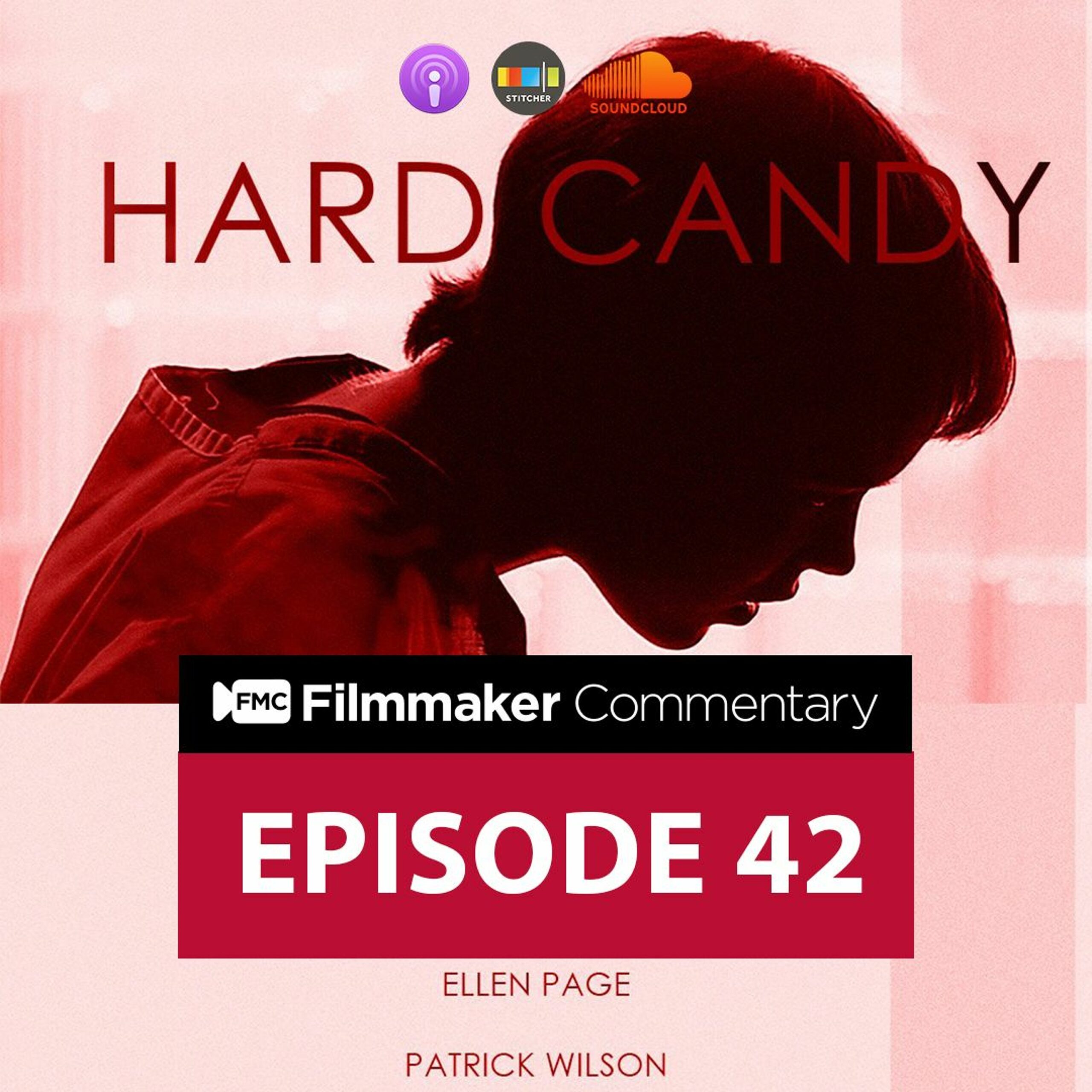
FMC 042: Hard Candy Directed by David Slade

January 1, 2019
Listen on Apple Spotify YouTube
Listen to this episode
Your browser does not support the audio element.
Also on Apple Spotify YouTube

Step into the intense psychological thriller, “Hard Candy,” directed by David Slade, with Reginald Titus Jr. and Casey G. Smith on Filmmaker Commentary. This episode dissects a film that garnered surprising box office success despite its controversial and “heavy” subject matter, exploring its powerful performances, unique visual style, and the lasting discomfort it evokes.

Join us as we revisit the dark turns of Haley and Jeff’s encounter, examining the film’s nuanced acting, its unexpectedly clever use of cinematography, and how it continues to resonate with audiences years after its release. This deep dive offers filmmakers and enthusiasts alike a compelling look at a project that dared to push boundaries.

What We Cover

  • The surprising box office success of “Hard Candy” despite its challenging content.
  • The breakout performance of Ellen Page (now Elliot Page) at a young age.
  • The psychological impact and uncomfortable themes explored in the film.
  • The unique visual style and how it makes the film age surprisingly well.
  • Behind-the-scenes insights from the special features, including David Slade’s approach to direction and technical choices.
  • The contrasting themes of ulterior motives, control, and the revelation of true identities.

Key Moments

  • 0:40 – Discussion on “Hard Candy’s” unexpected box office success despite a low budget and challenging themes.
  • 3:51 – The hosts recount their initial reactions to the film’s shocking central premise and its visceral impact.
  • 7:23 – Analysis of the film’s opening sequence, from the somber title cards to the intriguing cake scene, and how it sets the tone.
  • 39:23 – Exploration of the core themes of altered motives, control, and the unsettling revelation of characters’ true selves.

Gear & Films Mentioned

  • DC Universe App
  • Titans (TV Series)
  • Juno
  • Inception
  • Les Misérables (2012 film)
  • Spider-Man: Into the Spider-Verse
  • Avengers: Infinity War
  • Black Panther
  • Tales from the Tour Bus (TV Series)
  • Green Arrow: Longbow Hunter (Comic Book)
  • Young Justice Season 3 (TV Series)
  • Harley Quinn (TV Series)
  • Swamp Thing (TV Series)
  • X-Men: The Gift (TV Series)
  • Aquaman
  • Avengers: Endgame
  • Captain Marvel
  • Spider-Man: Far From Home
  • Venom
  • Fight Club
  • Green Book
  • Sorry to Bother You

Listener Questions

  • How did “Hard Candy” achieve financial success despite its dark and unconventional narrative?
  • What makes Ellen Page’s performance in “Hard Candy” so compelling, especially given her age at the time of filming?
  • What specific filmmaking techniques were employed to create the film’s unique visual style and maintain audience engagement?
  • How do the themes of vigilantism and psychological manipulation play out, and does the film offer a clear stance on them?

Full Transcript

Read the full transcript

Full Episode Transcript
This episode of Filmmaker Commentary David Slade's 2005 psychological thriller "Hard Candy," discussing its impact, performances, unique visual style, and broader film industry topics including current movies and trailers.

Opening Discussion and Film Overview
Reginald Titus Jr.: Filmmaker Commentary, episode 42. Welcome to Filmmaker Commentary, where we give you insights from our favorite filmmaking commentaries. These commentaries can be heard on your DVD and Blu-rays of your favorite movies. We'll show you how you can use these commentaries and apply them to improve your video production and filmmaking techniques. All this here on Filmmaker Commentary. I'm your host, Reginald Titus Jr.
Reginald Titus Jr.: Welcome to Filmmaker Commentary. I'm Reginald Titus Jr. I'm joined with Casey G. Smith.
Casey G. Smith: Welcome back, sir.
Reginald Titus Jr.: Good to be back, sir.
Reginald Titus Jr.: Today we are going to cover Hard Candy, directed by David Slade. What year did this come out?
Casey G. Smith: 2005.
Reginald Titus Jr.: According to IMDb Pro, this had a budget of $950,000, and at the box office US was around a million dollars, and worldwide it was about, or foreign, was $7 million, so about worldwide about $8 million, right? Somewhere around there.
Casey G. Smith: Right. Yeah.
Reginald Titus Jr.: All right. That's a win.
Casey G. Smith: That is a win. Yeah. I was surprised.
Reginald Titus Jr.: Really? Yeah.
Casey G. Smith: I was like, huh, okay, this did all right for itself.
Reginald Titus Jr.: Did it make its money back?
Casey G. Smith: Yeah, because I mean, this is a heavy, this is a heavy, it's a heavy film.
Reginald Titus Jr.: The US didn't support this. It was I didn't know it was even that in theaters. I didn't hear about it.
Casey G. Smith: It was not on my radar. Yeah, no, not on, not on mine either. And this was before, you know, Ellen Page blew up. You know, this was on, on, on the way. Juno came after, after this.
Reginald Titus Jr.: Yeah, she literally was, I, I listened to an interview she did. She was, she was around like, she shot this when she was 16 or 17.
Casey G. Smith: Oh, wow. So she was really young. Yeah.
Reginald Titus Jr.: She seemed a little bit older though. She like, her look, it's her amazing acting, isn't it?
Casey G. Smith: Dude, she, she just looked a little bit older. Did she grow up in California?
Reginald Titus Jr.: No, she's Canadian. Hm.
Casey G. Smith: Yeah, she, she's, she's Canadian. Yes. Uh, she actually started, she started acting fairly, fairly young, but had been with a group there and she had actually, I think, recently just left home to come to California. I want to think that transition had just happened, but she had been acting a while in Canada, so she had practice and, and obviously talent and she had just played in a movie where she had to cut off all of her hair and shaved her head, which they, you know, they talked about that.
Casey G. Smith: But before we go any further, this is your first time listening to Filmmaker Commentary. We want to let you know that there will be spoilers. You've been forewarned.
Reginald Titus Jr.: And before we go into that, let's talk about the synopsis. A smart, charming teenage girl, Hayley, probably shouldn't be going to a local coffee shop to meet Jeff, a 30-something fashion photographer, she met on the internet. But before she knows it, she's mixing drinks at Jeff's place and stripping for an impromptu photoshoot. It's Jeff's lucky night. But Hayley isn't as innocent as she looks, and the night takes a turn when she begins to impose a hard-hitting investigation on Jeff in an attempt to reveal his possibly scandalous past. Hard Candy. Rated R.
Reginald Titus Jr.: When did you first watch this film and what are your thoughts, you know, after watching it again?
Casey G. Smith: So I first watched Hard Candy back in 2013, recommended to us. Didn't know what to expect. Had never heard of it before. Like yourself, wasn't, wasn't on my radar. I saw it was Ellen Page. I was like, what, when did she make this? And watched it. The first time I watched it, I was just absolutely glued to the screen because, I mean, once, once, once it, it starts to get real, you're like, oh my goodness, like, every, whoa, my goodness. Like every guy, you're like, no way. No way. No way. Oh, man. It's, the one thing you don't want to happen to you as a guy, maybe the second thing. Anyway, nobody, yeah, you figure nobody would want that to happen, you know, castration. But the way that it is, it is, is played out is amazing. So anyway, uh, I was, I was uncomfortable, but I was so impressed with the performances. You know, I had, obviously, I'd known Ellen Page by that time from her work in Juno and Inception had already, I believe it had already come out. Um, and yeah, so but I was, I was, I was impressed. Obviously, she was younger. I was like, man, she had clearly had talent even back then. But then Patrick Wilson, you know, he's a, he's a great character actor as well. I enjoyed him in Watchmen and other features that he's, that he's been in that I'm, kind of blanking on right now, but yeah, you can see him pop up in a lot of different things. It was great to see it then and then it was, it was, it was cool to revisit because I'd forgotten a lot of the finer details, especially with the dialogue and just again, the nuance of the performance and how things are, are led into. It's a beautifully shot film, I think. I, I, I, I was really impressed with that and, and, and not realizing that this was shot all the way back in '05. I'm like, man, it, listen to the commentary, I'm like, oh wow, this is an older film. Uh, yeah, the commentary really dates it, but when you watch the, when you watch the movie, I mean, aside from the flip phones that you see, it would be almost kind of hard to tell, um, yeah.
Reginald Titus Jr.: It aged well. Yeah. Yeah, it does.
Casey G. Smith: So, um, yeah, I was happy to see it again. It's a weird thing to say, but I was, I was pleasantly surprised that it still holds up and, and, and, but the tension isn't as there the same way, because you, you know, you know that he's, that he's okay, but it's still, it still is, um, the performances are still gripping. How about you, man?
Reginald Titus Jr.: So I watched it back in 2013, you know, doing research for a previous film or, no, a film, yeah, something.
Casey G. Smith: Project.
Reginald Titus Jr.: Um, but I remember seeing the DVD cover in Walmart all the time. And I was, it would always be this one. It's the one where she's in the Red Riding Hood joint with the, and she's sitting on like a bear trap. You don't see her face. So I used to see it all the time. I'm like, what is that? Nah. Uh, but they have a different version of the DVD cover. They have one where you actually see Ellen Page's face and you see Patrick Wilson's face.
Casey G. Smith: Really?
Reginald Titus Jr.: Uh-huh. So I, I actually have both of those. So it made me think, I wonder if they got more sales once Ellen Page became, you know, popular?
Casey G. Smith: Known.
Reginald Titus Jr.: Yeah, and they just start putting their faces because it's, makes you want to look at it, but not really. It's like, what's that? Next.
Casey G. Smith: Yeah, intriguing, but, but, but it doesn't necessarily sell you.
Reginald Titus Jr.: Not enough. And I don't know what they mean by Hard Candy.
Casey G. Smith: Yeah, you don't get, yeah, but yeah, you don't get the name until after it's all said and done, it makes sense. You're like, okay, that kind of, I see why they, why they went with that.
Reginald Titus Jr.: Yeah, so like this time around, oh man, but you know, the first time around watching it, I was like blown away. And, um, this time around, I was, I was thinking about just watching the commentary. I was like, you know what, let me go ahead and just watch the whole thing again and then watch the commentary. And I'm glad I did because I wouldn't have caught a lot of the stuff that...
Casey G. Smith: Exact same way. I almost thought about just going to the commentary and I'm, I'm glad I, that I rewatched it.
Reginald Titus Jr.: So yeah, it was, um, yeah, I was ready to talk about it. You know, we took a couple weeks off, but after watching this, it was about a week and a half, two weeks, something like that. Yeah, yeah. Um, but yeah, I was ready to talk about. I was like, oh man, it was fresh. But yeah, uh, the title sequence, it sets the tone right away. Just a little somber melody played on a sad piano, and then you get the close-up right after that of the like the text messages. It kind of brings us in as like voyeurs, you know, then seeing the text message going back and forth, and you're like, oh, what's this? What's going on? And then you cut to the cake, you know, after that, it's like the cake when she's cutting into, uh, is it like a, is it a cake or is it?
Casey G. Smith: It's a cake. It's a cake.
Reginald Titus Jr.: It's a cake. And then Ellen Page, she takes a bite and then she's moaning. You're like, all this stuff is happening. She's like, mmm, mm-hmm. Yeah.
Casey G. Smith: You know, like super, like, kind of seductive. Yeah.
Reginald Titus Jr.: It's uh, is it called innuendo? What is it called when they? Yeah. So it's like, she's like, this is so good. I want more. And then, then that like kind of sets the tone for what we're about to get into.
Casey G. Smith: Yes. Something, something sweet and enticing.

Recent Media Consumption: Movies, TV, and Comics
Reginald Titus Jr.: Before we dive deeper into this film, we're going to talk about movies watched. So, what movies or media did you consume this past couple of weeks?
Casey G. Smith: Watched a couple of different things. Of course, I, I stay on top of my, my Titans on the DC Universe app. Been really enjoying that. It was an episode called Hawk and Dove that, man, they dove into some things psychologically with these two characters that are, I mean, like C-level characters at best. Most, most people, even a lot of comic book fans, like don't really know who Hawk and Dove are unless you're just really, really hardcore DC. But there was a wonderful episode with Minka Kelly and I forget the other lead actor's name. Uh, really well done. I was, I was, I was very impressed. They, they deal with some things, some heavy, heavy stuff. But yeah, uh, Titans on the DC Universe app, not for kids at all, but hitting some heavy things, like from a, yeah, they, they, they, they were hitting on some heavy topics and it's, it's been fascinating going on this journey and next, next week is the, is the finale of this first season. And one of the cool things about having a show like this on, you know, a DC app is that...
Reginald Titus Jr.: Is it animated or is it?
Casey G. Smith: No, it's live action. Oh, really? Yeah, it's live action. So it's Robin, Starfire, Raven, Beast Boy. But they're all just, you know, they're all, they're not, they're all have, you know, their abilities and things like that, but they're all still kind of new to it. Robin's the one who's been in the mix for the longest and he's, he's kind of rejecting being Robin. He's trying to figure out who, who he is. He can't continue to be Robin because he was too violent under Batman. He was, he's, he's like, he was losing control. And so he's been trying to get away from it. Anyway. But Titans, DC Universe.
Reginald Titus Jr.: I was kidding. Yeah. That's kidding.
Casey G. Smith: Yeah. So Titans DC app has been, has been, has been great. I'm looking forward to the finale. Um...
Reginald Titus Jr.: Is that expensive or how much is this subscription?
Casey G. Smith: I'm gonna say $7.99. Really? Yeah, $7.99 a month. Plus it gives you access to like, you know, it's not only that, that's their first original show. It also gives you access to older DC movies, animated shows, uh, different series. So you can watch like, Justice League, you can watch the old Batman animated series on there. Super Friends animated series and a bunch of and comic books too. They got comic books on there as well. So you can read DC comic books, which is cool because they never had that before. Uh, so there are certain things that I, I read on there also. You just got to again, you have kids, you got to, I think, really just monitor their content.
Reginald Titus Jr.: Big time, right?
Casey G. Smith: Because they've got, yeah, like I, I read a series on there, Green Arrow Longbow Hunter, definitely not for kids. So, yeah, just got to, regulate it. But for the price, not bad. And they got more original content coming out into the new year like, uh, Young Justice season 3. They brought that back specifically on the app. That series was, was canceled a couple years ago. They were able to bring it back on their app, which is cool. Harley Quinn has a series coming, Swamp Thing. Actually, you know, James, James Wan actually is, is, is handling the new Swamp Thing series that's coming.
Reginald Titus Jr.: James Wan. I'm becoming a fan of James Wan.
Casey G. Smith: He's doing his thing. So aside from that, of course, I stay up on my, um, my X-Men show, uh, the Gift, they had their, uh, season finale like two weeks ago. Again, that's been solid. From a movie standpoint, uh, I watched, uh, I rewatched a film that I own, uh, Les Mis or Les Misérables. Uh, the classic French, um, play that was adapted, uh, into a feature film with Hugh Jackman and, and Hathaway, nominated for multiple Oscars and Golden Globes, and Hathaway actually won for, I believe, Best Supporting Actress. Uh, and she is phenomenal in the film. And so, so is Hugh. Um, yeah, so it, it was great to revisit that. I've, I've literally have the, the soundtrack on my, on my phone. Enjoy listening to it every, every now and then, some, some good, good songs there. But Spider-Man: Into the Spider-Verse. Uh, I had a chance to see that Friday, Friday night, uh, 11:00 p.m. showing. Uh, just all kind of buzz and, and, and rave reviews that have been coming out, which has been awesome because I've been a Miles Morales fan for, um, for, for a couple of years now. Um, and had, had, you know, especially of late, I've been reading his different series and, uh, his, his solo series as well as him being part of this group called The Champions and him with the Avengers and all that kind of stuff. And I've really come to really love Miles Morales.
Reginald Titus Jr.: Does the, does the animation, does it look like the comic book character?
Casey G. Smith: His hair is not grown out like it is in the animated features. It's clean cut. Um, but yeah, they're, basically, so Spider-Man Homecoming, Peter Parker's best friend in that, the guy they call Ned. Spider-Man Homecoming, the, the, the, the Filipino actor that plays Ned.
Reginald Titus Jr.: Oh, yeah. Got, got, got.
Casey G. Smith: So that kid...
Reginald Titus Jr.: I was thinking of the old Spider-Man.
Casey G. Smith: So that, that, that, that kid Ned, in Miles Morales's world, that's his best friend and his name is Ganke. So they, so it's interesting that Marvel, the Cinematic Universe, pulled Ganke from the Miles Morales world, pulled him and made him Peter Parker's best friend. I thought that was really interesting that they, that they made that and then changed his name. I'm like, that's Miles Morales's buddy Ganke. Because he's, he's, he's there with Miles throughout his whole journey. He encourages Miles to become Spider-Man and, um, yeah, but other than that, a lot, most of the elements were all the same. He's Afro-Latino character. Mom's Puerto Rican, his dad, dad is black. His dad's not a police officer though in the, in the, in the comic books. Uh, he's actually a, uh, Shield, a former Shield agent in the, in the comics. Um, but we watch his, you know, his journey as he, as he grows. And he does, he does see the Spider-Man of his universe, the Ultimate Universe. He sees him die and all that kind of stuff. But this film, man, I, I, I keep thinking about it. Honestly, it, it, it stuck with me. I again, I can't wait to see it again. I don't know if I think it's the same level as the Avengers Infinity War as far as my favorite superhero movie of the year. I need to watch it again because there's a lot, a lot going on within it. Uh, again...
Reginald Titus Jr.: Black Panther, Black Panther.
Casey G. Smith: Of course. Something's wrong with my throat. Of course, Black Panther is definitely, definitely, definitely up there in my, in my... They're all, you know, those Avengers Infinity War, Black Panther, of course, they're all right, right there. And Spider-Man: Into the Spider-Verse, man, uh, it's, it's funny. I think it's, I think it's smart. The animation is next level. They're doing some, I mean, literally, doing brand new things. It was painstaking for them to create this and to make it feel like a comic book come to life. I love the use of, of, of thought bubbles and things like that that they did along the way. I love the performances. Uh, yeah, you even talk about, I'm like, I got to go see this thing again.
Reginald Titus Jr.: Yeah. I saw, you know, chiming in a little bit. I got a chance to see it on Saturday, went to a Saturday morning matinée, yeah, got a little matinée with my son. He's 10, 10 years old. So, he's like, you're going to see somebody of color on the screen. And Spider-Man's already his favorite character anyway. So I was like, all right, we got to go see this. So like, he loved it, you know, he was, his eyes were just glued to it. So...
Casey G. Smith: Oh, I can only imagine. And then father and son, and you have that dynamic on screen, so I'm just like...
Reginald Titus Jr.: Then you just got the, you know, the tear-jerker moments in there. It's like, man, it got everything in this. It's powerful. Yeah. Like, and I thought about that afterwards, you said that the father-son, I'm like, man, there's not enough movies, especially with, with, with men and, and, and boys of, of color with that father-son dynamic, that, that encouragement, that love and that's powerful. And that's not a spoiler because you can see him in, in, even in the trailer, you know, Miles's dad, you know, doing the whole thing, he's in the cop car, you know, and saying, yep, say I love you, you know, I love you, Dad. That's like, I know, it's like, oh man.
Casey G. Smith: Yeah. My son's kind of going through that process now where he's, he's not a teenager, of course, but, um, doesn't want to be walked to the bus stop.
Reginald Titus Jr.: But his younger brother was like, come on, walk me to the bus stop. And my son's like, you don't have to walk me, cuz he got a little girl that's there, you know. You don't have to walk me. Kind of showing his independence a little bit. You got this.
Casey G. Smith: You know what I'm saying? You got this. Pops, I got this. Yeah.
Reginald Titus Jr.: So, he's kind of at that stage where he's trying to like, hey, I just want a little bit more freedom, you know, trying to be more independent.
Casey G. Smith: Nice, nice. But yes, Into the Spider-Verse, go see it.
Reginald Titus Jr.: What I did notice is, uh, um, it looks, it's, uh, on the, what's those little dots that are on the, uh, comic books?
Casey G. Smith: Um, I know, I know what you mean, but yeah, you see those. Yeah.
Reginald Titus Jr.: Yeah, those are on like animation. It's like, it's like a last thing they put over, they laid it over it.
Casey G. Smith: Like a print. Yeah, like a print, you know, like when you read older, when you read older printed comic books like on newspaper print, you would see those, um, there's a name for it. I, I graphic designer, he knows the name of what it's called.
Reginald Titus Jr.: Yeah, they're not pixels. No. Um...
Casey G. Smith: Cuz you can like shade with them and all that stuff. Yeah, I'm forgetting the name of them too. But, uh, so I noticed that. So it's almost, it's like almost like a perfect film because you get to explore in a way that you can't do with live action. And you can see the different angles, you can go into the mind at the same time. You can do a lot with it. It's like a living comic book basically.
Reginald Titus Jr.: And that's what they were, they were aiming for. And I think what, with what they've done and I hope this movie just does gangbusters because what this thing can do, cuz I thought about this before, I'm like, you know what? It's great. I, obviously, it's great that we have live action films. Right. And, and DC, they do a good job. They, they have some, some really good animated movies that come directly to home. The level of animation isn't, isn't like this though. It's, it isn't like a Pixar. This doing well could open up the doors for some amazing adaptations, um, of comic book source material. Done at a, at a whole another level. It's expensive too.
Casey G. Smith: Like, I don't know what the budget was for this, but it looks expensive because, yeah, it does. It's, um, the art direction, it was on point, man. They like, they, they stuck with the art style. This is how we're going to approach it, whereas, you know, the more traditional stuff like the Pixar, the Incredibles, and all that stuff. Um, it does have its own style, but they're kind of sticking in the style of traditional animation. This is like, they're pushing the envelope. And the fact that you had so many, you know, the different characters. You can see from the trailers, you know, these other, other, other spider people from their respective universes. Their all their styles are different as well. So, uh, I like Film Noir. Spider-Man Noir.
Reginald Titus Jr.: Spider-Man Noir.
Casey G. Smith: Man, and I was like, I know that voice. I know that voice. Old Nick Cage. Man. He killed it. Yeah. Yeah, it was fun. It was like, you, I, I wanted almost more. I, I wanted them to like, hang out more, have, have more of an adventure. It kind of like, comes, goes like, oh, oh man, oh, oh, it's done. I'm like, oh, oh, okay. All right. But yeah, man, I was, I was very, very pleased with, um, Spider-Man Into the Spider-Verse. Can't wait to see it again, man. So what else did you see, man?
Reginald Titus Jr.: I watched some more episodes of Tales from the Tour Bus. Showtime, right? Or is it Cinemax?
Casey G. Smith: Cinemax. But you, you said it with gusto.
Reginald Titus Jr.: That's right. I thought it was right. So I watched the James Brown version. Oh my God. Like, I'm not going to give any parts away, but man, it's hilarious. Like, the first season of Tales from the Tour Bus. I don't know if I said that on the previous episode, but you're kind of dealing with like country singers, doing the first season, you know, kind of country, people you kind of off the path that you may not know about, troubled souls. But you go into season two and it's all soul singers. You know, they cover, you know, Bootsy Collins, James Brown, uh, George Clinton, Morris Day. And like, the way that they animate these guys, it is hilarious. And you know that these stories are real because they're coming from like the band members, like, stories you would have never heard of. Like how, how Morris Day came up with the mirror, you know, looking at the mirror, he's primping himself, like all that stuff. It was like, man, this is great. So, I'm, I'm really enjoying. I'm telling you, man, the WWE, they were, they, they, they do that on their, on their network. Yeah. And they, they've got a couple seasons of of this show, Tales, it's like, it's like, something like on the road, Tales from the Road or something like that, where literally, because they drive to their next venues, and they've got these little, but they're small. These are small like, five, 10 minute stories within like a, you know, 20 minute period. They do a, boom, boom, just several small shorts. But it's them talking about these stories and all the crazy that happened on the road, going to different places. I love it. I'm like, that's fascinating.
Casey G. Smith: Yeah. The animation just takes it to another level. Yeah, they're animated. I, I definitely want to check that out. Tales from the Road. Mm-hmm.
Reginald Titus Jr.: Tales from the Tour Bus. From the Tour Bus. Yeah, I think it's what it's called. There's some clips like on YouTube and things like that. Um, but yeah, I'm totally enjoying that right now. So that's pretty much it. That's all I really had time for, you know, some football here and there, but yeah, that's primarily it. Um, any news?

Recent Film News and Industry Trends
Casey G. Smith: Um, so right now, Aquaman is doing quite well at the, um, China box office. It hasn't opened up here yet in the states, but it is doing some pretty big numbers overseas in China. Currently, it looks like, so far, it's done $261 million overseas.
Reginald Titus Jr.: Okay. Shout out to James Wan.
Casey G. Smith: Indeed, indeed, holding it down.
Reginald Titus Jr.: I was unsure about this Aquaman movie.
Casey G. Smith: Yeah, you know, a lot, a lot of people were. You know, DC's track record, um, you know, it's, it's been, it's been, it's been a little, little shaky as far as like with just like guaranteed hits. Um, you know, Wonder Woman's been like the only as far as within the worlds of DC, um, it's been the only like guaranteed, guaranteed hit that didn't have like, you know, kind of like controversy or, or controversy around it. But, uh, looks like Aquaman might be that kind of step they're taking to a kind of a brighter, lighter kind of DC and embracing the adventure and things like that. Fascinating to see that now in contrast to what we're seeing with like Avengers, uh, Endgame trailer kind of going, going darker. Like this almost like they, people think they switched places. Like, yeah, well, you know, Marvel is, this is a story timeline thing that's going towards the end of this era. So...
Reginald Titus Jr.: Right. Other news, um, the movie Green Book. I'm going to kind of go into this real quick. The movie Green Book. So apparently, you know, the movie's in the theaters and everything like that. It hasn't really been the family isn't happy about like how they portray the character in there. They're basically, when you see the trailer, you see this, you know, you see this, you see this black guy, you see this white guy, and there's, you know, it's placed in what, the 50s, 60s, you know, of course, there's racism in America. Sure. And they're developing this relation, this friendship. But apparently, according to the family, that was never the case. These guys were not friends at all. You know, he was, it was an employee, employer relationship, you know, and if anybody knows, like they say, if you really know the guy that's, the pianist, a lot of people couldn't wouldn't last longer than two months as his chauffeur. Just because how meticulous he was, how much of a perfectionist he was. That's why he was on, you know, on top of what he did. Um, the guy wouldn't even last that long. So little things like that. Were there some things you heard about Green Book?
Casey G. Smith: Uh, I heard, there was one, um, reviewer I heard her mention something along the lines that he was upset that after he saw the movie, even though the movie's been getting a lot of rave reviews coming out of some of the different film festivals, uh, one, one, um, pundit, he was kind of taken back by the film because he felt that it, it was showing this, this kind of an accomplished black pianist played by Mahershala Ali almost having to be taught or shown about black culture, you know, by, uh, uh, Hugo Mortenson's character. Um, which again, for, for, for him, and I believe this was an occasion, uh, pundit, um, but he just think, he thought that was, it just didn't, didn't make sense and it seemed to kind of just pander to making, instead of being historically accurate, more so to make audiences feel good. Right. You know, about, especially given the time period that the, the film is based on and, and located in. So, uh, that's something that I'd heard. But I haven't seen the movie for myself nor personally dive, dove into the, the, the history behind the character. But I was interested in, and I'm still interested in seeing the film.
Reginald Titus Jr.: Yeah, I saw the trailer. I'm just, you don't like fried chicken. I think you don't like fried chicken. Or whatever. I was like, what? You know, I was like, ah, they could left that part out.
Casey G. Smith: Got to hook him.
Reginald Titus Jr.: Yeah, somebody, whoever's going to pay. But it's, um, the family was also mentioning about that too, that this guy was, you know, marched with Martin Luther King, you know, was part of the Civil Rights. It was very well, he was aware of what was going on around him. But he had to play the role, you know, he had to play the part in order to, you know, act submissive, whatever he had to do to, you know, that's career. Yeah, pretty much. Um, it is what it is, but he was aware of what he was doing. And you can see, if you can, you type up his name and, um, documentary, you can kind of see who he really, you know, was, um, on this little short documentary, you know, he's a little, he's, he's outgoing, he's flamboyant, uh, he has the charisma, but he's, he speaks his mind as well.
Casey G. Smith: Not afraid to speak his mind.
Reginald Titus Jr.: At all. Have you seen any good trailers?
Casey G. Smith: Man, so, um, hey, you know, Avengers Endgame. That, that trailer dropped last, man, was that this, it was last Friday. Okay. It's been a week. God, grief. Quick week. It dropped last Friday. Um, and it was setting like the internet on fire. Like people were just going nuts because they, because they expected it to drop that, that Thursday during the, potentially during the, the, uh, video game awards. And it didn't, and people were pissed because the Russo Brothers were there at the video game awards and they were just there to give an award and people were like pissed.
Reginald Titus Jr.: Why? Like, just why today?
Casey G. Smith: Well, they didn't know it was coming out. They didn't know when it was coming out. So it was expecting it.
Reginald Titus Jr.: Yeah, they were anticipating it. But they assumed that since they were there, that for whatever reason.
Casey G. Smith: Yeah. The Russo Brothers are busy editing this, editing a film. So they were like, okay, if they're taking the time to come out and, and show up at the video game awards, there's got to be a, a big reason behind it. They're, because those awards are known for, for big trailers dropping for upcoming games, big things. But they they didn't.
Reginald Titus Jr.: Yeah. But they they didn't. Why are you even here?
Casey G. Smith: That's how I felt. I was like, you can get back to the editing room, guys. Make sure this, this film is great. But, um, or they thought they were going to...
Reginald Titus Jr.: You better with your time.
Casey G. Smith: Or they thought they were going to announce the Avengers, uh, or give an update or show a trailer for the upcoming Avengers game, which is, was announced like two years ago by Square Enix. And nobody's seen any footage since. And so people are chomping at the bit for that. Nonetheless, Friday morning, out of the blue, this thing drops early Friday morning, like 7:00 a.m.
Reginald Titus Jr.: Oh, okay. Hit him with a left right.
Casey G. Smith: It was like, what? So it created all that buzz. Everybody was pissed and then they get their...
Reginald Titus Jr.: And then it comes in the morning. Yeah.
Casey G. Smith: And you must wait for it, young child. Indeed. So, yeah, that dropped again, now, you know, a week and some change, but all week long, it's just been people just, just speculating and their theories and breaking down the trailers, because you got to be careful with some of the Marvel trailers because, you know, Avengers Infinity War, those trailers are misdirects. There are scenes shown in those that do not happen in Infinity War. You know, that, that big shot of everybody kind of running...
Reginald Titus Jr.: Running together. Yeah.
Casey G. Smith: Yeah, cuz you got Hulk in there. And that doesn't happen. That doesn't happen in the movie.
Reginald Titus Jr.: Oh, yeah. That was messed up. Except for the beginning when he gets whooped. So, yeah. They lied to us. Are they allowed to do this?
Casey G. Smith: Yes, they are. Okay. Yes, they are. Yeah. So, and that, you know, we get, we always get trailers that have scenes that are not actually in the film. Which you know what? I'm glad that they do that because the trend with trailers is they give the whole movie away.
Reginald Titus Jr.: They give the whole movie away. I'm like, I don't even need to watch the movie anymore.
Casey G. Smith: Yeah. When you've shown me all three acts, like, why? And you've shown me like, you know, how, how the main person is off. Like, why would you do that? Like, just, the art of the tease, it still works, okay? It still works. But, um...
Reginald Titus Jr.: Even if you got to create a trailer with things that never happened. Yeah.
Casey G. Smith: Just get me in the theater, right? Just get me there. I want to be surprised. At the end of the day, when I go, I want to be surprised. I don't mind that, I don't mind if it's not in there because you want to get me there and you don't want me to be spoiled. I don't want things spoiled. So, I'd rather have you give me something fake to get me in. I'm already invested. I'm, I'm showing up. Honestly, I don't need to see another trailer for Infinity, for Endgame. I don't. I don't need, I don't need to see the trailer in, in general.
Reginald Titus Jr.: People are saying that. You can just give me the date. Just tell me when to show up. I'll be there because I saw the first one. People had joked about, you know what, what if Disney just didn't do a trailer for, for, for Avengers Endgame? They know so many people are going to show up just because of how Infinity War ended, like everybody, I need closure. You know, I need a whole year walking around feeling dusty. What happened? Feeling dusty. I need to know what happened. Do you all know what happened? Yeah. So that was a, that was a big one. Um, and yeah, I'm, I'm, I'm, I'm glad we got it. I'm glad we got it. Uh, um, there's all kind of fan theories out there. You can find those and speculate. Uh, good Lord. Yeah. Yeah, I, I don't know how this thing is going to end. There's so much speculation on who's going to live, who's going to die. Um, Yeah. I don't even want to know. I just want to go to the theater. Just tell me, do they know the date yet?
Casey G. Smith: Uh, it is, they actually moved it up. They moved it up a week. It was supposed to drop in, uh, April. Oh. They may have moved it up to...
Reginald Titus Jr.: Why am I trying to get this? I got technology. I have the internet. Yes. But, uh, yeah, it's coming out either, um...
Casey G. Smith: is, um, what's the other movie? Uh, Captain Marvel?
Reginald Titus Jr.: Yeah. Her trailer dropped that Monday. Dropped on that Monday, Monday Night Football. Okay. Captain Marvel. April 26th.
Casey G. Smith: April, April. Yeah. Okay.
Reginald Titus Jr.: And then when does Captain Marvel come out?
Casey G. Smith: So Captain Marvel, she's going to come out in March. It is. So she's in March. March 8th. Infinity War is in April. So they give her some breathing room. That's nice. Get some anticipation, get some new trailers in between then. Um, is there any other Marvel stuff coming in in January, February?
Reginald Titus Jr.: So then we'll get Spider-Man: Far From Home, which is supposed to take place directly after the events of Avengers Endgame. They've said that for, for a while now.
Casey G. Smith: Oh, after? It's after? Oh, okay. Mm-hmm. So clearly, Spidey's coming back. Um, and obviously, Black Panther, you know, will be back. But people don't know like, are these going to be still the same versions of these characters? Will they come from another dimension possibly? Fun stuff. Yeah. Because they showed a trailer for Spider-Man: Far From Home at a convention in Brazil on Saturday. Because people were, they were all kind of buzzed. That trailer was going to drop. But it didn't drop in the States. It only dropped in Brazil and Tom Hardy was there and Jake Gyllenhaal, who's in it, playing Mysterio, he was there. And some people described the trailer and it seemed like everybody was like really happy-go-lucky. Like, it wasn't addressing kind of any of the things that had taken place in Avengers or in Endgame. So people are really curious like, what, how, how could people not be kind of, uh, concerned or whatever?
Reginald Titus Jr.: Yeah.
Casey G. Smith: Because you know, the, the, the Avengers, Endgame trailer showed a lot of, you know, people sad and sulking and showing images of people who, who had, who had, you know, been decimated, you know, had been part of the Decimation event and you see, yeah, all kinds of folk, including Spider-Man. So, I don't know. It's going to be fascinating to see how that ends and...
Reginald Titus Jr.: So Spider-Man comes out what, February, March? Oh, shoot. I, I, I...
Casey G. Smith: January, February. Um, no, that's going to be, um, Spider-Man's going to be after Avengers Endgame. So he's going to be like in the summer. Oh, okay. Yeah.
Reginald Titus Jr.: So, but is there any other Marvel stuff in January, February?
Casey G. Smith: All you have this year is Captain Marvel in, in, in March. Yeah, Avengers Infinity War in April and then Spider-Man, which is, you know, Sony, it's a Sony movie, but, you know, he's, Spidey's a part of the, he's a part of the MCU.
Reginald Titus Jr.: Oh, okay. And then, yeah.
Casey G. Smith: So the Homecoming, that was Sony, Sony did that?
Reginald Titus Jr.: Mm-hmm.
Casey G. Smith: So what Sony did a couple years back is that they, they struck up a partnership with Marvel because Sony owns the movie rights to Spider-Man and, and many Spider-Man related characters. Um, obviously, Disney, they want to get all their people back. They, they love to own it all, have it all under the mouse house. But, um...
Reginald Titus Jr.: Mouse House.
Casey G. Smith: So, But they, but Sony was in a bad way. They, they'd been hurting, you know, really up until this year, this has been one of their better years, uh, cinematically. But they had been hurting and so they're able to strike a deal with Disney where Spider-Man could come out and play in the MCU, which is where you, that's what, that's why he appeared in Civil War. And the, the Russos had, the Russos had come up with those ideas and had Marcus and McFeely, who, who write a lot of their scripts, have Spider-Man in the movie even before the deal was finished. That's what, that's what they said, that they had actually written him in and they got fortunate enough that they were able to strike the deal and keep him in. Wow. And so that was a big, that was a really big deal, man.
Reginald Titus Jr.: I liked it. You know, I liked it with him in there.
Casey G. Smith: Yeah, he was, yeah, Tom Holland, man, he, I, I love him as Peter Parker. I love Spider-Man Homecoming. It gives that, that, it feels like a Spider-Man movie.
Reginald Titus Jr.: Yeah, it feels lighter. It's, it's good. Yeah.
Casey G. Smith: So, all that to say that, um, yeah, but his, his, uh, Far From Home, excuse me, Homecoming and Far From Home, those are Sony films, uh, with the Marvel brand. And it allows MCU characters to be able to cameo in.
Reginald Titus Jr.: They are ringing that dry that Spider. They got the animation that came out. They got, okay, like Sony, what is it, Sony Pictures or Sony Films Animation Studio or something like that?
Casey G. Smith: Well then you have Venom, man. You have Venom doing as well as it has done. That's Sony too? Yeah, Venom is Sony. He's part of Spider-Man, the, you know, Spider-Man universe. And the fact that they did that movie without Spider-Man in it and it's done over 800 million worldwide, uh, that it, it's actually close to maybe catching Spider-Man Homecoming, which would be insane. So, yeah, like I said, this...
Reginald Titus Jr.: I saw Venom, I saw the trailer, I'm just like, I don't know. It's not yet. It's a, it was a fun film. I did not, I did not expect to like it. I went in expecting to be like, you know, Spider-Man here. Show me something. I, I left. I was like, that gum. You know what? I had a good time.
Casey G. Smith: Oh, was it really? You feel like a 90s comic book movie, just kind of just go in, have fun. Um, seeing the dynamic between Venom and Eddie Brock, the kind of the voice in the head thing. That totally works. Okay. So, I have to figure it out.
Reginald Titus Jr.: Yeah.
Casey G. Smith: A good rental. Okay, yeah, rental, rental piece.

Analysis of Hard Candy: Themes and Direction
Reginald Titus Jr.: All right, let's head back to the show. All right, so if you tuned in, we have been talking about Hard Candy, directed by David Slade, 2005. This DVD is packed or Blu-ray, it's packed with some good special features. You know, you got the commentary with Director Slade and writer Brian Nelson. You got commentary with the actors Patrick Wilson and Ellen Page. You got deleted and extended scenes. You have a documentary that's the making of Hard Candy. And, um, there's also like some mini featurettes in there. Um, you have a production notebook and, uh, that's it. I really enjoyed some of the special features, especially the making of documentary there for filmmakers out there. That is a good featurette to check out because they give insights in there that they don't necessarily give inside the, the commentary just because they're, I don't know what David Slade's on, but he, he is just blabbering. Uh, so, how did you really feel about the commentary? Blabbering David Slade. So, yeah, man, uh, what do you think about the commentary? So, because there was two commentaries. There was one with the writer, director. And, one with the actors.
Casey G. Smith: Which one did you decide to go with? I went with the writer, writer, director. I always going to go with that, with that first. Um, yeah, I thought, I thought that early the beginning of it, it started kind of slow and they were trying to kind of figure out their, their rhythm. They were, they were talking over each other quite a bit. Interupting each other. One would have a point, the other would say, let me just get this in real quick. Say something and then come back to it. So it was disjointed. It was kind of disjointed. There was still some good information there, I found, but it was, it was disjointed. And they're trying to figure out how to do this commentary thing. But it's also, it made the film feel really dated. Some of the references they were making, what was going on, I was like, wow, this is, this is old. Because, you know, it's, yeah, you know, the Bush administration was, was, was still in, in effect. Because they, they talked about, they made a, they made a comment about torture. And so, oh, we now have a president who's kind of, uh, kind of showing us about, you know, all the different kinds of torture and what's acceptable and what's not. I'm like, oh man, they're talking about Bush, like waterboarding and stuff like that. I'm like, man, okay. Um, but it just that reference alone made me say, oh man, how old is this thing? And that's how I looked at the date. I was like, oh wow, okay. Um, but yeah, I, I thought the commentary got better, um, as, as, as you went along. And they, they dropped some pretty good tidbits. Did enjoy some of the, the features. I, I watched most of kind of the behind the scenes. Uh, I think some of the features, some of, some of the features kind of double over. There were some interviews that I had watched earlier.
Reginald Titus Jr.: Yeah. I think I rewatched some or, or they were the same pieces part of a whole.
Casey G. Smith: Yeah, some, it was, yeah, something was off a little bit about it. Seemed like they were taking, they like recorded everything at the same like location and then use parts of that into another feature it. Well, they do a lot. They do a lot of that with, with, with a lot of special features, which makes it easy when one company is producing it all. It's like, okay, let's take this, cut it up, use this for this to kind of expand some of the, uh, the features, which I, I'm okay with. But yeah, I, I'd be interested in actually listening to the commentary, uh, with Ellen Page and Patrick Wilson because they're, I mean, they're really good actors and they're both, they're both well spoken. I'd be, I'd be interested in hearing them talk about what they, what they experienced with each other. I mean, cuz I mean, they're just, it's just, I mean, it's just them. You know, it's true. It's just. Yeah. But it pulled it off.
Reginald Titus Jr.: Yeah. What did you think about the commentary?
Casey G. Smith: Yeah. I was like, man, when is this going to be over with? Like, man, um, I think David Slade has a lot to say and the writer has a lot to say. They should have probably had their own separate commentaries.
Reginald Titus Jr.: Sure. You got an American perspective and I'm like, where's David Slade from? Based on his accent. Pres, I don't know.
Casey G. Smith: I think, oh, that would be my assumption.
Reginald Titus Jr.: Yeah, because, um, uh, David Slade does work with Ridley Scott and, you know, with commercials and things like that. So he kind of has that Ridley Scott vibe, you know, doing the storyboards and all that stuff. So, you know, he's like, kind of over it. He has an attitude where he's over it. Let's get this done. Let's, let's hurry up. Let's quit playing around. Let's, you know what I mean? So, uh, their, their, their personalities didn't really mesh well. There was no chemistry. It was almost like, this is the commentary, like, what are you doing here, writer? Like, you wrote it and we made it. Yeah, yeah, they just, yeah, they, they, they talked over each other, like I said, quite, quite a bit. One will make a point, the other will make a point. It was very cordial. But they got along well enough. Yeah, they did. But just hadn't done this before. They have not. Which again, it's, it's They went out of their way how they were coming off. And, you know, I think at the, at the time too, commentaries were still, you know, was becoming a thing more and more people are doing. But they're very polite though. I will give them that. Like, like David Slade apologizes multiple times, like saying certain things, and be like, oh, I don't want to, you know, offend anybody, but, you know, just, I was like, huh, it's interesting that it's being so polite about certain things if they've offended anybody. I'm like, okay, let's just keep moving on. Let's move on. That's So, yeah, I, I didn't get much from the commentary. I was just kind of like, all right, all right. Come on. Come on. All right. Yeah. So, commentary, I wouldn't really, from my perspective, I wouldn't really recommend it. I'd probably recommend more of the special features, but I still plow through it. What about some themes? What themes did you pull from the film?
Casey G. Smith: All right. In the land of themes. Um, I had a one a theme of just ulterior motives, or, or maybe just motives, I guess, in, in, in general, like not, not really knowing what someone's intentions are. Clearly, you think you know, uh, Jeff's motives. You think you may know, Hayley's motives. But her motives turn out to be something totally different. But then how often, you know, did Jeff meet with other young girls who, who had one motive and then his motives were, were something totally different. So motives in that tying into also just the the revelation of the real you. Because as, as we go throughout, we, you know, see Hayley's pulling back these layers of who she, she, she said she was, and there's a quote I'll bring up a little bit later on when we talk about quotable quotes. Um, but then also, Jeff's character literally gets to a place in the film after he's freed himself from the hanging rope. And he grabs a knife and he and he, and he after he kind of stabs the picture a couple times, then he's like, oh, thank you. Thank you for showing me who I really am. Like, he literally says that. I'm like, oh, wow, okay. And I think that actually in the commentary, they talk about like, they noticed on set like a, uh, a physical change, uh, in, in, in Patrick Wilson when he, he, he did that. Like, it was like, there was like, there was a transformation within him. They, they tried to shoot the majority of the film chronologically. Right. So I'm sure after being tied up for all that time, he was like, zoned in and like, and like, ready. Uh, so, yeah, revealing the real you, control. Control. But yeah, this element of, of control that, obviously, through, throughout the majority of it, number one, Jeff's character is used to being in control. He's used to being in control when he's behind the camera and giving direction to his subjects that he's, that he's shooting. And then whatever progresses from there, he's used to being in control. And you see that come out when a couple of drinks in, you know, she's, you know, uh, Hayley's character starts kind of dancing and, and take off her clothes and he's trying to capture pictures and he wants her to be, quote-unquote, real or authentic. And he gets upset and he actually yells at her. And then, of course, throughout the rest of it, once he's drugged, she takes control. And then she's in control, and he's just trying to get it back, but slowly, she's just taking more and more away. Until he even tells him not to say the words don't. That, that, like, that's forbidden. That's basically saying that you have no control anymore. Wow. I have taken it all away and you can't even tell me what you, what you want to do. It, it does not matter. And then I think, there's an interesting theme of just trying to, again, it's kind of goes back to revealing who you really are, but it's trying to figure out what, what Hayley's backstory really is. Because we don't find out. They kind of leave it up to us to guess, which also, also leads to the end of the movie where we're left wondering the audience is, is kind of left to decide the, the merits of, of vigilantism. You know, do the ends justify the means? Different audiences have had, you know, different, different reactions at different times to, you know, what Jeff experiences because Patrick Wilson does such a good job of, of portraying him as a human who's done monstrous things, terrible things, but as a human, he's not always top and, and continually in denial of, you know, he constantly defends himself, you know, and, and tries to hold on to some semblance of morality. So, yeah, those were a couple themes that I, that I pulled out of Hard Candy. How about you, man?
Reginald Titus Jr.: Um, I got a couple of them. Observation and Discovery. So, for observation, um, visually, they were like at the beginning of the film, will be like close-ups, like extreme close-ups of like Ellen Page's lips, food. Um, why they're sitting down, you see the missing girl in the background. You'll see Jeff, he's like, evaluating Ellen Page and really trying to figure out who she is. Because he mentioned, like, you look older than, you look older and certainly act older than you are. So, he's like observing her and then him being a photographer, observation, taking pictures, things like that. On the flip side, you know, she's doing the discovery. So, even though she has him and she's doing all the stuff to him, she's still trying to figure out like, how messed up he is. Does she have the right guy? You know, and I need to find out, you know, I need to find out how sick this person really is. So, yeah, observation and discovery. Um, do you have any favorite scenes or scenes that kind of just jump out?
Casey G. Smith: I mean, obviously, the biggest one is, is the castration scene. That is so well done and again, going back to that, what you don't see is more powerful at times than what you could see. The fact that they didn't have to, she, obviously, she doesn't really do it, but the fact that...
Reginald Titus Jr.: They didn't have to get graphic at all.
Casey G. Smith: No. They, they, they did not. And, and, and just the again, the the use of, of, of Foley. The the camera angle of, of, again, just showing his, his reactions of him having to just sit there and listen and the camera staying on him and watching him just go through these emotions and reactions from absolute terror and fear and pleading to come to a place of being resigned of saying, almost in his face saying, I'm, I'm screwed, it doesn't matter. I'm not going to have any more balls. You know, like, there, there, there's a moment where he kind of goes there and his head's on the table and he's kind of like, like he's given up.
Reginald Titus Jr.: Yeah, I had wrote that down in like films like this, you know, dealing with rape or, you know, whatever. It's, uh, like the all is lost moment. And then you see the character like, let's just get this over with. Kind of thing.
Casey G. Smith: Yeah. The resigned to their fate. Yeah. They just kind of zone out, they go somewhere else as the abuse happens, they try to come back. So you see that on his face. Yeah. Again, I cannot say enough about both of these actors' performances. Ellen Page, my goodness, like, I hate that time. Oh, man. And again, set, like, 17, 16, 17 when she, when she shot this. And times when the camera is close up on her, just the the nuances in her expressions and the changes and shifts from, from, kind of, you know, trying to be innocent, flirty girl to like sociopath vigilante and coming at you. And, and her whole goal not being to kill him, but to push him to the edge to, to take his own life. Yeah. Which is haunting and, and genius at the same time. Um, so, uh, as far as any other favorite scenes or scenes that, that stood out to me, uh, when, so, when he does get free from, from, you know, the hanging and he cuts himself free and goes, goes up to the shower to, to find her, pulls back the curtain and she's not there. And all of a sudden, she's got the taser on him. Oh, my God. I'm like, oh, man. That's just, I don't know, that's just, that's just brutal, man. After, after everything you've been through and you all, you all, you're almost, you know, I don't know, trying to get free. And it's weird because, again, it's weird that, you know, I'm like, I guess I'm not rooting for him, but it's like, you're like, I don't know. I don't know, I don't know how to describe what, what I'm feeling. Yeah. Like, conflicted. No, this dude's been like, he's taken all of this. And he gets this moment. It's like watching a wrestling match. It's like watching a tag team wrestling match when you see that one person just like taking all the abuse and like, and they're, they're trying to get across the corner. Yeah. They're reaching out. Going to make the tag. And now suddenly, they just grab his leg and they pull him back. And beat him up some more. That's what it kind of felt like. And like, always make the tag. But this dude just, I mean, constantly. Oh, and one last, one last one that stood out to me. Again, is when the neighbor comes to the door. And, and, again, Ellen or Hayley's character opens up the door and you can kind of hear Jeff in the background yelling. And the neighbor initially seems like she's going along with it, but then more and more, she kind of asks, begins to ask tougher questions. And you begin to see Hayley's defenses begin to kind of fall down and she begins to get nervous. And again, Ellen Page just plays it brilliantly. Her, her eyes are darting real quick and she just looks like she's frazzled a little bit. And that little bit of vulnerability, uh, just helps with the tension of the scene. So, the, when I saw that scene, man, that really, that really stuck out to me. The writer talks about that like how, I don't know if it was the producer or the, but the notes that he got back was like, how can you get her off her game? Like, find a way to get her off her game. Yes. I think it's important to it. So, how about you, man? Scenes that stood out, uh, favorite scenes?
Reginald Titus Jr.: Um, the scene to me, I mean, there was a lot of great scenes, but the, uh, when Ellen Page is on the roof, just randomly like the lady's cutting the roses. And she's, and Ellen Page is just on the roof. Like, there's like a little comic relief right there. But then, you know, it was like foreshadowing too because you got the, the scissors, snip. It's like, snipping. So it was like kind of like foreshadowing the castration stuff because I forgot why Ellen Page was on the roof. But then she goes back to handling her business.
Casey G. Smith: I think she was maybe looking to, maybe, I don't know, maybe she was a, looking to see kind of if the neighbors were not around, like she had hoped. I don't know. Or maybe she was setting up the, the part where he kills himself. Yeah. Maybe she was trying to see how far, how, how far the, the drop might be. Yeah, it was, it was funny though, just to see her little body on top of the roof, just looking around like, hmm, where am I going? And again, going back to what you said about those, those notes that they received, originally, the person making those, uh, um, trims to the landscape was supposed to just be a gardener. But then when they got the notes about, okay, finding out how to throw her game, that's when they turned that gardener into, into the neighbor. Little foreshadowing, little comic relief, and then it gives the neighbor a reason to go next door. And, uh, you mentioned that, you know, the snip, snip, that being foreshadowing. That was originally one of the earlier titles of the film, uh, was snip, snip.
Reginald Titus Jr.: Hmm. Yeah. I, I started thinking about it because in, uh, with Hard Candy, you don't know what's going to happen. With snip, snip, you can kind of put it together. You give it away if you do the snip, snip. But they could have called it something else. Hard Candy, I'm not a, not a fan of that title.
Casey G. Smith: It was an, uh, it was, it was one other one after snip, snip.
Reginald Titus Jr.: Oh, man. Oh, man.
Casey G. Smith: Everywhere. Come around that corner. Snip, snip. Oh, man. Um, yeah. Uh, any quotable lines?
Reginald Titus Jr.: Yes. Uh, there is a quotable line that I actually, I wanted to pull up to. So, it's an exchange between the two. Okay. He says, God, who are you? She says, it's hard to say for sure. Maybe not a Calabasas girl. Maybe not the daughter of a med school professor. And Jeff finishes her sentence saying, maybe not even a friend of Donna Bauer. And then Hayley responds, maybe not even named Hayley. And then Jeff responds, who the hell are you? And then Hayley responds, I am every little girl you ever watched, touched, hurt, screwed, killed. Oh. Thanks.
Casey G. Smith: Yeah. And that's like, the movie in a nutshell right there. Like, that's, that's it. I got you.
Reginald Titus Jr.: Uh, quotable lines, it's, um, uh, Jeff is being, he's tied up, he's in the pink room and she's going, is it the pink room? No, it's, it, the little, um, the rock, the little rock safe thing. Is that in the pink room or is it in the living room? It's in the living room.
Casey G. Smith: Okay, yeah, that's the living room. Yeah, that's a center piece kind of deal.
Reginald Titus Jr.: So, it's in, okay, so it's not in the pink room, it's in the living room. And she's going through the rocks and she's just like, this is what they make those federal laws for, Jeff. Like, just the way that she delivers the line is just like, cuz you as a viewer, you don't see any of this stuff. So you can only go by her voice. Yeah, she's already got the safe open and she's going through. She's going through it. And then she makes, then she says that line, that's what they make those federal laws for, Jeff. I'm like, ooh, what is in there? Yeah, you know it's, uh, important. And then, then he has a line, does your mother know you cut men's balls off?
Casey G. Smith: Oh, man. Oh, man. Oh, man. Or, or when she puts him down, supposedly, puts him down, she says, oh, I guess they weren't made of brass. I was like, wow. But those, but those are times that you, you needed some of those lines like that after, you know, yeah, the perception of, you're like, oh my God. I mean, again, the first time watching it, when you don't know that what's going down hasn't really gone down, like you're, as a guy, you're mortified. Like, I don't, I don't know if I can finish this film. I'm feeling kind of ill. They even, the, the, they said in the commentary that, you know, when that scene is playing out, it's like, you, you begin to see guys like, begin to kind of cross their legs and shift in their seats because they get instantly uncomfortable. Yeah. Rightfully so. Yeah. And then there's another one. He's like, please don't do this. Like, he's been calm the whole time, kind of like trying to control it. And then he's like, please don't do this. Um, but it reminds me of the scene, exact scene in Fight Club. And, uh, Ed Norton, he's on the table and the guys that are part of, what was the name of the gang they were part of? Terror. Is it, was it Terror? Oh, man. Project Mayhem. They were part of Project Mayhem and they got him on the, uh, table. And they're police officers. He's in the police room. And he's like, Tyler, you know, I'm, you know, I'm proud of you. You're doing this. He said, if, if anybody tries to stop Project Mayhem, we got to cut off their balls. And then Ed Norton's like, please don't do this. You're police officer. So, like, same moment. I was like, man. Oh, man. That would be just, that would be great. That would be great. Oh, man. Yeah, because it's so, I mean, it's fantasy, right? And so, yeah, it's, it's fun from a fantasy standpoint. The suspension of disbelief. But knowing that there are lines you don't want to cross in, in the real world. Yes. But this makes me, man, this one makes me like question even, even when people have, you know, committed the most heinous of crimes, I still would prefer law enforcement to, uh, the justice system to hopefully handle it. But a lot of times, though, you know, they don't have maybe the resources or the ambition to go after it. Agreed. Um, some closed cases are closed. Yes. I, yeah. I, unfortunately. Even if you know what really happened, you still have to prove that. Yeah. Innocent, innocent until proven guilty. Yeah. Which is a double, double-edged sword, but I, I'd rather have it that way than, you know, guilty until proven innocent. Dear God. Yeah. Yeah, but it's, it's a fascinating conversation and, uh, and something like this, which again, so, cuz it's fascinating at the very end of the film, you know, again, he's been so adamant about, you know, seeing himself as a good guy still and, you know, saying he had nothing to do with the murder of this girl. And then him finally confessing that he didn't kill her, but he was there, but he could point her to who did kill her. And then she says, I already found him. And he said that you were the one. It's like, what? And there's a question that kind of hangs out like, what's the real story? Exactly. What's the real story? Is he telling the truth? What is, what is Hayley's connection in all of this? It's dark stuff. But I'm glad that they made this film and that they addressed this, this topic and they had this, this kind of, this fantasy outlet kind of release. And I'm glad that Patrick Wilson played the character because, you know, it's always difficult. Yeah, you can't, you can't stereotype how a pedophile looks or whatever. That's not at all, man. You know. Nobody in Hollywood wouldn't touch this. It's like, I'm too close to home. Shots fired. Shots fired. Shots fired. That's the real reason they didn't want to put that out. Man. That's why I did well foreign and not here. Clues. Uh, so, trivia. There was a subliminal shot. Did you catch the subliminal shot? Man, he was talking about kind of the range, where within it falls, where it's, right as she's standing on the table and begin to dance and take off her clothes, I was like, okay, no, I didn't catch it. What, what?

Behind the Scenes and Filmmaking Insights
Reginald Titus Jr.: So, when he, uh, when Patrick Wilson, when he yells, like, did he say, stop it? Or, yeah. What did he say? Right. Stop it. Or, be still. Whatever he says. He says it super loud. So, in that part, when he says, stop, sit down, and she's like, scared, they, if you pause it, his mouth is like exaggerated. It's almost like he's a wolf. So, his mouth is like open wide, like a wolf. Like, I'm going to blow your house down. It's like stretched wide. And then he has like a tooth that sticks out, like a fang.
Casey G. Smith: Really?
Reginald Titus Jr.: Yeah. And they did it digitally. Interesting. Yeah. So it was like, that's like, that's not really his mouth, the way it looks. It's like for a split second.
Casey G. Smith: Oh. See it. Nice, good catch. Yeah. So it was like, like the wolf and red riding hood, you know. So it was like...
Reginald Titus Jr.: It's fascinating. Also, they only have nine minutes of music in the whole film. So, a lot of the scenes that, that intensify, like times where he breaks free, uh, and he's chasing after her, instead of like music playing, it's, it's just you hear them, their breathing. You know, you hear their breathing, panting and then trying to, trying to in pursuit. Not a lot of...
Casey G. Smith: Good way to keep the budget down, too.
Reginald Titus Jr.: Oh, yeah. Yeah. Not, not a lot of music in this film. Oh, yeah. Not, not a lot of music in this film. Okay. Good to know. But, but it works. And, and even knowing like where they cut certain scenes, like, when he first tries to escape, or maybe after he's initially drugged and like falls, no, I think it's when he first tries to escape and she kind of gets away and then she's able to to to to knock him out or whatever she does to get him on the ground again and then she kind of, she kind of starts freaking out, you know, and starts to kind of like yell and scream. And as she's going into this tantrum. Then cut away real quick. Oh, when she's like banging herself against the wall? Yeah, yeah, yeah, yeah. And they, and they cut it. It was longer, it was a longer scene they, they cut it. But it works. I'm like, uh, that's nice. So, and again, we talked about showing vulnerability, uh, knowing how much Foley to use. Obviously, again, sound design plays a pretty big role in this film, especially during the castration scene. Uh, and then just knowing kind of where where to put those those sounds in and when to kind of pull back and so, yeah, those were some of the tips that I pulled from, from the commentary.
Casey G. Smith: So, there apparently there's a writer, uh, writer guild low budget agreement. Kind of like you have the same agreement with Screen Actors Guild. There's a low budget and same thing with the Directors Guild. And the writer wrote under the low budget agreement because I get, this film will probably fall under. I think if if I'm not mistaken, you look this up, but you know, under like two or three million dollars, if you, if your movie is like under that threshold, then you can hire people and it won't be like these high rates. It'll be under this low budget rate. Sounds about right. But the writer was like, it allowed more creative opportunities for him because, you know, normally a writer wouldn't be in the casting process or anything like that. Usually, the writer is the writer and, hey, if we need you, we'll holler at you. Yeah, let you know. Yeah. You got your money, right? Okay. You know. If we need some rewrites or something like that, then we'll holler at you. Um, but if it, if it's a big studio film, you'll probably have the writer on, on set because we need to rewrite something real quick. Right. So, let that be a concern when you're talking to producers and things like that, talk about the story. You know, how does, how does that story make you feel? Yes. Yes. And that way you can have your own point of view. Right, that, the, your, your real is there to show the visual possibilities. How's it going to connect with the audiences, you know, how are you going to bring forth, you know, the story for people to connect to at the, at the end of the day. Uh, tips, tips from the special features. Also, another one, um, have a network. So, apparently there's a producer's rep, uh, that he reached out to and she had 10 people that were possibly going to finance the film. They got six yeses out of 10. And they went with the company that would allow them the most freedom as long as they kept the budget under a million dollars in order to do that. So that's why the budget was $950,000. Start building that network of producers reps. Nice, nice. So, a couple of tips that I had, um, the importance of clearance. So, even, uh, with the, you know, the names of characters in your films, you've got to, if you're shooting, whatever city you're shooting in, um, you have departments that are, you know, there within your, hopefully production company or one of your producers, maybe work with the legal team to make sure that any names of characters are cleared within the town that you're shooting in. If there is a, another, um, you know, like Ellen Page's character, Hayley Stark, there's, there's a Hayley Stark in the city that your production is taking place in, you have to make sure you have their permission to use that name. Uh, because it's, you know, especially if you're a, uh, a Jeff Culver, uh, there's a Jeff Culver in a film that where he's a pedophile, well then, real life Jeff Culvers got to be okay with that or, you know, your other options, you can change the name. Which they actually did. They modified this. I think they even the spelling of, of, of Jeff to kind of help with that kind of clearance. Uh, that also goes with your, your, your products. You know, if you don't have like paid product placement. So, in the scenes where she sprays, uh, Jeff with bleach, you know, they made sure the bottle was, was turned around. So, you can have the bottles look like a, a another brand, but you got to hide that, hide that name if you don't have that clearance or product placement. Also, when you're shooting a smaller film, especially in, in, in a film like this where you have two main leads that carry the whole movie, smaller, uh, the film, then the better performers, uh, that you're going to need. And they had a little bit of time to rehearse, but I mean, these two just, again, if you're listening to this, you've watched the movie, you know how amazing they both were. So, um, yeah, you need better performances for smaller films. Um, one thing you can try and do is if from a technical standpoint that they did, they they brought down the brightness of the, the walls and in, and in other backgrounds within, uh, within the main stage that they shot on. And then they had somebody like frame by frame go in and, and, and kind of punch, um, kind of bring certain brightness back in to the faces of the characters to really make them kind of pop and stand out. Oh my God. That is painstaking. That's like, uh, rotoscoping color correction. Yeah. Or color grading. They said it had never been done in, in a film before. And, and the guy who did it, uh, told, um, Slade, he said, it'll never be done again. Like, it was just so, so much work. But it does give this film again a very unique. So, they did that for the whole film, the whole time. Um, maybe, maybe in certain rooms. Okay, because people do that in color grading. But for the, for the whole film, that would be kind of ridiculous. Uh, there was early experimentation with, with jump cuts. And, and David mentions that a couple of times. And when he says that, he makes it sound like this revolutionary thing. But now, jump cuts are used all the time. He said like, you know, this is breaking the rules of film. You know, you never do this. But it worked in the scene. Yeah, it was kind of dramatic about it. I'm like, uh, it's nothing. Yeah, now they're saying it's like, oh, we, we can see jump cuts all the time now. So, if this was the early, you know, early go at it, then it, it caught on. So, yeah, it's, uh, because you got music videos and things like that. So, you're kind of used to it. But, you know, with independent films, um, they didn't get enough coverage. So, that's the reason why they had to jump in. He was just like, they didn't get enough coverage. So, whenever you're cutting in between scenes and you don't have anything to cut to, he's like, well, the only thing I have is to go into the super close-up that you have to keep the momentum going. Right. So, it works. And even knowing like where they cut certain scenes, like when he first tries to escape, or maybe after he's initially drugged and like falls, no, I think it's when he first tries to escape and she kind of gets away and then she's able to to to to knock him out or whatever she does to get him on the ground again and then she kind of, she kind of starts freaking out, you know, and starts to kind of like yell and scream. And as she's going into this tantrum. Then cut away real quick. Oh, when she's like banging herself against the wall? Yeah, yeah, yeah, yeah. And they, and they cut it. It was longer, it was a longer scene they, they cut it. But it works. I'm like, uh, that's nice. So, and again, we talked about showing vulnerability, uh, knowing how much Foley to use. Obviously, again, sound design plays a pretty big role in this film, especially during the castration scene. Uh, and then just knowing kind of where where to put those those sounds in and when to kind of pull back and so, yeah, those were some of the tips that I pulled from, from the commentary. So, there apparently there's a writer, uh, writer guild low budget agreement. Kind of like you have the same agreement with Screen Actors Guild. There's a low budget and same thing with the Directors Guild. And the writer wrote under the low budget agreement because I get, this film will probably fall under. I think if if I'm not mistaken, you look this up, but you know, under like two or three million dollars, if you, if your movie is like under that threshold, then you can hire people and it won't be like these high rates. It'll be under this low budget rate. Sounds about right. But the writer was like, it allowed more creative opportunities for him because, you know, normally a writer wouldn't be in the casting process or anything like that. Usually, the writer is the writer and, hey, if we need you, we'll holler at you. Yeah, let you know. Yeah. You got your money, right? Okay. You know. If we need some rewrites or something like that, then we'll holler at you. Um, but if it, if it's a big studio film, you'll probably have the writer on, on set because we need to rewrite something real quick. Right. So, let that be a concern when you're talking to producers and things like that, talk about the story. You know, how does, how does that story make you feel? Yes. Yes. And that way you can have your own point of view. Right, that, the, your, your real is there to show the visual possibilities. How's it going to connect with the audiences, you know, how are you going to bring forth, you know, the story for people to connect to at the, at the end of the day. Uh, tips, tips from the special features. Also, another one, um, have a network. So, apparently there's a producer's rep, uh, that he reached out to and she had 10 people that were possibly going to finance the film. They got six yeses out of 10. And they went with the company that would allow them the most freedom as long as they kept the budget under a million dollars in order to do that. So that's why the budget was $950,000. Start building that network of producers reps. Nice, nice. So, a couple of tips that I had, um, the importance of clearance. So, even, uh, with the, you know, the names of characters in your films, you've got to, if you're shooting, whatever city you're shooting in, um, you have departments that are, you know, there within your, hopefully production company or one of your producers, maybe work with the legal team to make sure that any names of characters are cleared within the town that you're shooting in. If there is a, another, um, you know, like Ellen Page's character, Hayley Stark, there's, there's a Hayley Stark in the city that your production is taking place in, you have to make sure you have their permission to use that name. Uh, because it's, you know, especially if you're a, uh, a Jeff Culver, uh, there's a Jeff Culver in a film that where he's a pedophile, well then, real life Jeff Culvers got to be okay with that or, you know, your other options, you can change the name. Which they actually did. They modified this. I think they even the spelling of, of, of Jeff to kind of help with that kind of clearance. Uh, that also goes with your, your, your products. You know, if you don't have like paid product placement. So, in the scenes where she sprays, uh, Jeff with bleach, you know, they made sure the bottle was, was turned around. So, you can have the bottles look like a, a another brand, but you got to hide that, hide that name if you don't have that clearance or product placement. Also, when you're shooting a smaller film, especially in, in, in a film like this where you have two main leads that carry the whole movie, smaller, uh, the film, then the better performers, uh, that you're going to need. And they had a little bit of time to rehearse, but I mean, these two just, again, if you're listening to this, you've watched the movie, you know how amazing they both were. So, um, yeah, you need better performances for smaller films. Um, one thing you can try and do is if from a technical standpoint that they did, they they brought down the brightness of the, the walls and in, and in other backgrounds within, uh, within the main stage that they shot on. And then they had somebody like frame by frame go in and, and, and kind of punch, um, kind of bring certain brightness back in to the faces of the characters to really make them kind of pop and stand out. Oh my God. That is painstaking. That's like, uh, rotoscoping color correction. Yeah. Or color grading. They said it had never been done in, in a film before. And, and the guy who did it, uh, told, um, Slade, he said, it'll never be done again. Like, it was just so, so much work. But it does give this film again a very unique. So, they did that for the whole film, the whole time. Um, maybe, maybe in certain rooms. Okay, because people do that in color grading. But for the, for the whole film, that would be kind of ridiculous. Uh, there was early experimentation with, with jump cuts. And, and David mentions that a couple of times. And when he says that, he makes it sound like this revolutionary thing. But now, jump cuts are used all the time. He said like, you know, this is breaking the rules of film. You know, you never do this. But it worked in the scene. Yeah, it was kind of dramatic about it. I'm like, uh, it's nothing. Yeah, now they're saying it's like, oh, we, we can see jump cuts all the time now. So, if this was the early, you know, early go at it, then it, it caught on. So, yeah, it's, uh, because you got music videos and things like that. So, you're kind of used to it. But, you know, with independent films, um, they didn't get enough coverage. So, that's the reason why they had to jump in. He was just like, they didn't get enough coverage. So, whenever you're cutting in between scenes and you don't have anything to cut to, he's like, well, the only thing I have is to go into the super close-up that you have to keep the momentum going. Right. So, it works. And even knowing like where they cut certain scenes, like when he first tries to escape, or maybe after he's initially drugged and like falls, no, I think it's when he first tries to escape and she kind of gets away and then she's able to to to to knock him out or whatever she does to get him on the ground again and then she kind of, she kind of starts freaking out, you know, and starts to kind of like yell and scream. And as she's going into this tantrum. Then cut away real quick. Oh, when she's like banging herself against the wall? Yeah, yeah, yeah, yeah. And they, and they cut it. It was longer, it was a longer scene they, they cut it. But it works. I'm like, uh, that's nice. So, and again, we talked about showing vulnerability, uh, knowing how much Foley to use. Obviously, again, sound design plays a pretty big role in this film, especially during the castration scene. Uh, and then just knowing kind of where where to put those those sounds in and when to kind of pull back and so, yeah, those were some of the tips that I pulled from, from the commentary. So, there apparently there's a writer, uh, writer guild low budget agreement. Kind of like you have the same agreement with Screen Actors Guild. There's a low budget and same thing with the Directors Guild. And the writer wrote under the low budget agreement because I get, this film will probably fall under. I think if if I'm not mistaken, you look this up, but you know, under like two or three million dollars, if you, if your movie is like under that threshold, then you can hire people and it won't be like these high rates. It'll be under this low budget rate. Sounds about right. But the writer was like, it allowed more creative opportunities for him because, you know, normally a writer wouldn't be in the casting process or anything like that. Usually, the writer is the writer and, hey, if we need you, we'll holler at you. Yeah, let you know. Yeah. You got your money, right? Okay. You know. If we need some rewrites or something like that, then we'll holler at you. Um, but if it, if it's a big studio film, you'll probably have the writer on, on set because we need to rewrite something real quick. Right. So, let that be a concern when you're talking to producers and things like that, talk about the story. You know, how does, how does that story make you feel? Yes. Yes. And that way you can have your own point of view. Right, that, the, your, your real is there to show the visual possibilities. How's it going to connect with the audiences, you know, how are you going to bring forth, you know, the story for people to connect to at the, at the end of the day. Uh, tips, tips from the special features. Also, another one, um, have a network. So, apparently there's a producer's rep, uh, that he reached out to and she had 10 people that were possibly going to finance the film. They got six yeses out of 10. And they went with the company that would allow them the most freedom as long as they kept the budget under a million dollars in order to do that. So that's why the budget was $950,000. Start building that network of producers reps. Nice, nice. So, a couple of tips that I had, um, the importance of clearance. So, even, uh, with the, you know, the names of characters in your films, you've got to, if you're shooting, whatever city you're shooting in, um, you have departments that are, you know, there within your, hopefully production company or one of your producers, maybe work with the legal team to make sure that any names of characters are cleared within the town that you're shooting in. If there is a, another, um, you know, like Ellen Page's character, Hayley Stark, there's, there's a Hayley Stark in the city that your production is taking place in, you have to make sure you have their permission to use that name. Uh, because it's, you know, especially if you're a, uh, a Jeff Culver, uh, there's a Jeff Culver in a film that where he's a pedophile, well then, real life Jeff Culvers got to be okay with that or, you know, your other options, you can change the name. Which they actually did. They modified this. I think they even the spelling of, of, of Jeff to kind of help with that kind of clearance. Uh, that also goes with your, your, your products. You know, if you don't have like paid product placement. So, in the scenes where she sprays, uh, Jeff with bleach, you know, they made sure the bottle was, was turned around. So, you can have the bottles look like a, a another brand, but you got to hide that, hide that name if you don't have that clearance or product placement. Also, when you're shooting a smaller film, especially in, in, in a film like this where you have two main leads that carry the whole movie, smaller, uh, the film, then the better performers, uh, that you're going to need. And they had a little bit of time to rehearse, but I mean, these two just, again, if you're listening to this, you've watched the movie, you know how amazing they both were. So, um, yeah, you need better performances for smaller films. Um, one thing you can try and do is if from a technical standpoint that they did, they they brought down the brightness of the, the walls and in, and in other backgrounds within, uh, within the main stage that they shot on. And then they had somebody like frame by frame go in and, and, and kind of punch, um, kind of bring certain brightness back in to the faces of the characters to really make them kind of pop and stand out. Oh my God. That is painstaking. That's like, uh, rotoscoping color correction. Yeah. Or color grading. They said it had never been done in, in a film before. And, and the guy who did it, uh, told, um, Slade, he said, it'll never be done again. Like, it was just so, so much work. But it does give this film again a very unique. So, they did that for the whole film, the whole time. Um, maybe, maybe in certain rooms. Okay, because people do that in color grading. But for the, for the whole film, that would be kind of ridiculous. Uh, there was early experimentation with, with jump cuts. And, and David mentions that a couple of times. And when he says that, he makes it sound like this revolutionary thing. But now, jump cuts are used all the time. He said like, you know, this is breaking the rules of film. You know, you never do this. But it worked in the scene. Yeah, it was kind of dramatic about it. I'm like, uh, it's nothing. Yeah, now they're saying it's like, oh, we, we can see jump cuts all the time now. So, if this was the early, you know, early go at it, then it, it caught on. So, yeah, it's, uh, because you got music videos and things like that. So, you're kind of used to it. But, you know, with independent films, um, they didn't get enough coverage. So, that's the reason why they had to jump in. He was just like, they didn't get enough coverage. So, whenever you're cutting in between scenes and you don't have anything to cut to, he's like, well, the only thing I have is to go into the super close-up that you have to keep the momentum going. Right. So, it works. And even knowing like where they cut certain scenes, like when he first tries to escape, or maybe after he's initially drugged and like falls, no, I think it's when he first tries to escape and she kind of gets away and then she's able to to to to knock him out or whatever she does to get him on the ground again and then she kinds of, she kinds of starts freaking out, you know, and starts to kind of like yell and scream. And as she's going into this tantrum. Then cut away real quick. Oh, when she's like banging herself against the wall? Yeah, yeah, yeah, yeah. And they, and they cut it. It was longer, it was a longer scene they, they cut it. But it works. I'm like, uh, that's nice. So, and again, we talked about showing vulnerability, uh, knowing how much Foley to use. Obviously, again, sound design plays a pretty big role in this film, especially during the castration scene. Uh, and then just knowing kind of where where to put those those sounds in and when to kind of pull back and so, yeah, those were some of the tips that I pulled from, from the commentary. So, there apparently there's a writer, uh, writer guild low budget agreement. Kind of like you have the same agreement with Screen Actors Guild. There's a low budget and same thing with the Directors Guild. And the writer wrote under the low budget agreement because I get, this film will probably fall under. I think if if I'm not mistaken, you look this up, but you know, under like two or three million dollars, if you, if your movie is like under that threshold, then you can hire people and it won't be like these high rates. It'll be under this low budget rate. Sounds about right. But the writer was like, it allowed more creative opportunities for him because, you know, normally a writer wouldn't be in the casting process or anything like that. Usually, the writer is the writer and, hey, if we need you, we'll holler at you. Yeah, let you know. Yeah. You got your money, right? Okay. You know. If we need some rewrites or something like that, then we'll holler at you. Um, but if it, if it's a big studio film, you'll probably have the writer on, on set because we need to rewrite something real quick. Right. So, let that be a concern when you're talking to producers and things like that, talk about the story. You know, how does, how does that story make you feel? Yes. Yes. And that way you can have your own point of view. Right, that, the, your, your real is there to show the visual possibilities. How's it going to connect with the audiences, you know, how are you going to bring forth, you know, the story for people to connect to at the, at the end of the day. Uh, tips, tips from the special features. Also, another one, um, have a network. So, apparently there's a producer's rep, uh, that he reached out to and she had 10 people that were possibly going to finance the film. They got six yeses out of 10. And they went with the company that would allow them the most freedom as long as they kept the budget under a million dollars in order to do that. So that's why the budget was $950,000. Start building that network of producers reps. Nice, nice. So, a couple of tips that I had, um, the importance of clearance. So, even, uh, with the, you know, the names of characters in your films, you've got to, if you're shooting, whatever city you're shooting in, um, you have departments that are, you know, there within your, hopefully production company or one of your producers, maybe work with the legal team to make sure that any names of characters are cleared within the town that you're shooting in. If there is a, another, um, you know, like Ellen Page's character, Hayley Stark, there's, there's a Hayley Stark in the city that your production is taking place in, you have to make sure you have their permission to use that name. Uh, because it's, you know, especially if you're a, uh, a Jeff Culver, uh, there's a Jeff Culver in a film that where he's a pedophile, well then, real life Jeff Culvers got to be okay with that or, you know, your other options, you can change the name. Which they actually did. They modified this. I think they even the spelling of, of, of Jeff to kind of help with that kind of clearance. Uh, that also goes with your, your, your products. You know, if you don't have like paid product placement. So, in the scenes where she sprays, uh, Jeff with bleach, you know, they made sure the bottle was, was turned around. So, you can have the bottles look like a, a another brand, but you got to hide that, hide that name if you don't have that clearance or product placement. Also, when you're shooting a smaller film, especially in, in, in a film like this where you have two main leads that carry the whole movie, smaller, uh, the film, then the better performers, uh, that you're going to need. And they had a little bit of time to rehearse, but I mean, these two just, again, if you're listening to this, you've watched the movie, you know how amazing they both were. So, um, yeah, you need better performances for smaller films. Um, one thing you can try and do is if from a technical standpoint that they did, they they brought down the brightness of the, the walls and in, and in other backgrounds within, uh, within the main stage that they shot on. And then they had somebody like frame by frame go in and, and, and kind of punch, um, kind of bring certain brightness back in to the faces of the characters to really make them kind of pop and stand out. Oh my God. That is painstaking. That's like, uh, rotoscoping color correction. Yeah. Or color grading. They said it had never been done in, in a film before. And, and the guy who did it, uh, told, um, Slade, he said, it'll never be done again. Like, it was just so, so much work. But it does give this film again a very unique. So, they did that for the whole film, the whole time. Um, maybe, maybe in certain rooms. Okay, because people do that in color grading. But for the, for the whole film, that would be kind of ridiculous. Uh, there was early experimentation with, with jump cuts. And, and David mentions that a couple of times. And when he says that, he makes it sound like this revolutionary thing. But now, jump cuts are used all the time. He said like, you know, this is breaking the rules of film. You know, you never do this. But it worked in the scene. Yeah, it was kind of dramatic about it. I'm like, uh, it's nothing. Yeah, now they're saying it's like, oh, we, we can see jump cuts all the time now. So, if this was the early, you know, early go at it, then it, it caught on. So, yeah, it's, uh, because you got music videos and things like that. So, you're kind of used to it. But, you know, with independent films, um, they didn't get enough coverage. So, that's the reason why they had to jump in. He was just like, they didn't get enough coverage. So, whenever you're cutting in between scenes and you don't have anything to cut to, he's like, well, the only thing I have is to go into the super close-up that you have to keep the momentum going. Right. So, it works. And even knowing like where they cut certain scenes, like when he first tries to escape, or maybe after he's initially drugged and like falls, no, I think it's when he first tries to escape and she kind of gets away and then she's able to to to to knock him out or whatever she does to get him on the ground again and then she kinds of, she kinds of starts freaking out, you know, and starts to kind of like yell and scream. And as she's going into this tantrum. Then cut away real quick. Oh, when she's like banging herself against the wall? Yeah, yeah, yeah, yeah. And they, and they cut it. It was longer, it was a longer scene they, they cut it. But it works. I'm like, uh, that's nice. So, and again, we talked about showing vulnerability, uh, knowing how much Foley to use. Obviously, again, sound design plays a pretty big role in this film, especially during the castration scene. Uh, and then just knowing kinds of where where to put those those sounds in and when to kind of pull back and so, yeah, those were some of the tips that I pulled from, from the commentary. So, there apparently there's a writer, uh, writer guild low budget agreement. Kind of like you have the same agreement with Screen Actors Guild. There's a low budget and same thing with the Directors Guild. And the writer wrote under the low budget agreement because I get, this film will probably fall under. I think if if I'm not mistaken, you look this up, but you know, under like two or three million dollars, if you, if your movie is like under that threshold, then you can hire people and it won't be like these high rates. It'll be under this low budget rate. Sounds about right. But the writer was like, it allowed more creative opportunities for him because, you know, normally a writer wouldn't be in the casting process or anything like that. Usually, the writer is the writer and, hey, if we need you, we'll holler at you. Yeah, let you know. Yeah. You got your money, right? Okay. You know. If we need some rewrites or something like that, then we'll holler at you. Um, but if it, if it's a big studio film, you'll probably have the writer on, on set because we need to rewrite something real quick. Right. So, let that be a concern when you're talking to producers and things like that, talk about the story. You know, how does, how does that story make you feel? Yes. Yes. And that way you can have your own point of view. Right, that, the, your, your real is there to show the visual possibilities. How's it going to connect with the audiences, you know, how are you going to bring forth, you know, the story for people to connect to at the, at the end of the day. Uh, tips, tips from the special features. Also, another one, um, have a network. So, apparently there's a producer's rep, uh, that he reached out to and she had 10 people that were possibly going to finance the film. They got six yeses out of 10. And they went with the company that would allow them the most freedom as long as they kept the budget under a million dollars in order to do that. So that's why the budget was $950,000. Start building that network of producers reps. Nice, nice. So, a couple of tips that I had, um, the importance of clearance. So, even, uh, with the, you know, the names of characters in your films, you've got to, if you're shooting, whatever city you're shooting in, um, you have departments that are, you know, there within your, hopefully production company or one of your producers, maybe work with the legal team to make sure that any names of characters are cleared within the town that you're shooting in. If there is a, another, um, you know, like Ellen Page's character, Hayley Stark, there's, there's a Hayley Stark in the city that your production is taking place in, you have to make sure you have their permission to use that name. Uh, because it's, you know, especially if you're a, uh, a Jeff Culver, uh, there's a Jeff Culver in a film that where he's a pedophile, well then, real life Jeff Culvers got to be okay with that or, you know, your other options, you can change the name. Which they actually did. They modified this. I think they even the spelling of, of, of Jeff to kind of help with that kind of clearance. Uh, that also goes with your, your, your products. You know, if you don't have like paid product placement. So, in the scenes where she sprays, uh, Jeff with bleach, you know, they made sure the bottle was, was turned around. So, you can have the bottles look like a, a another brand, but you got to hide that, hide that name if you don't have that clearance or product placement. Also, when you're shooting a smaller film, especially in, in, in a film like this where you have two main leads that carry the whole movie, smaller, uh, the film, then the better performers, uh, that you're going to need. And they had a little bit of time to rehearse, but I mean, these two just, again, if you're listening to this, you've watched the movie, you know how amazing they both were. So, um, yeah, you need better performances for smaller films. Um, one thing you can try and do is if from a technical standpoint that they did, they they brought down the brightness of the, the walls and in, and in other backgrounds within, uh, within the main stage that they shot on. And then they had somebody like frame by frame go in and, and, and kind of punch, um, kind of bring certain brightness back in to the faces of the characters to really make them kind of pop and stand out. Oh my God. That is painstaking. That's like, uh, rotoscoping color correction. Yeah. Or color grading. They said it had never been done in, in a film before. And, and the guy who did it, uh, told, um, Slade, he said, it'll never be done again. Like, it was just so, so much work. But it does give this film again a very unique. So, they did that for the whole film, the whole time. Um, maybe, maybe in certain rooms. Okay, because people do that in color grading. But for the, for the whole film, that would be kind of ridiculous. Uh, there was early experimentation with, with jump cuts. And, and David mentions that a couple of times. And when he says that, he makes it sound like this revolutionary thing. But now, jump cuts are used all the time. He said like, you know, this is breaking the rules of film. You know, you never do this. But it worked in the scene. Yeah, it was kind of dramatic about it. I'm like, uh, it's nothing. Yeah, now they're saying it's like, oh, we, we can see jump cuts all the time now. So, if this was the early, you know, early go at it, then it, it caught on. So, yeah, it's, uh, because you got music videos and things like that. So, you're kind of used to it. But, you know, with independent films, um, they didn't get enough coverage. So, that's the reason why they had to jump in. He was just like, they didn't get enough coverage. So, whenever you're cutting in between scenes and you don't have anything to cut to, he's like, well, the only thing I have is to go into the super close-up that you have to keep the momentum going. Right. So, it works. And even knowing like where they cut certain scenes, like when he first tries to escape, or maybe after he's initially drugged and like falls, no, I think it's when he first tries to escape and she kind of gets away and then she's able to to to to knock him out or whatever she does to get him on the ground again and then she kinda, she kinda starts freaking out, you know, and starts to kind of like yell and scream. And as she's going into this tantrum. Then cut away real quick. Oh, when she's like banging herself against the wall? Yeah, yeah, yeah, yeah. And they, and they cut it. It was longer, it was a longer scene they, they cut it. But it works. I'm like, uh, that's nice. So, and again, we talked about showing vulnerability, uh, knowing how much Foley to use. Obviously, again, sound design plays a pretty big role in this film, especially during the castration scene. Uh, and then just knowing kind of where where to put those those sounds in and when to kind of pull back and so, yeah, those were some of the tips that I pulled from, from the commentary. So, there apparently there's a writer, uh, writer guild low budget agreement. Kind of like you have the same agreement with Screen Actors Guild. There's a low budget and same thing with the Directors Guild. And the writer wrote under the low budget agreement because I get, this film will probably fall under. I think if if I'm not mistaken, you look this up, but you know, under like two or three million dollars, if you, if your movie is like under that threshold, then you can hire people and it won't be like these high rates. It'll be under this low budget rate. Sounds about right. But the writer was like, it allowed more creative opportunities for him because, you know, normally a writer wouldn't be in the casting process or anything like that. Usually, the writer is the writer and, hey, if we need you, we'll holler at you. Yeah, let you know. Yeah. You got your money, right? Okay. You know. If we need some rewrites or something like that, then we'll holler at you. Um, but if it, if it's a big studio film, you'll probably have the writer on, on set because we need to rewrite something real quick. Right. So, let that be a concern when you're talking to producers and things like that, talk about the story. You know, how does, how does that story make you feel? Yes. Yes. And that way you can have your own point of view. Right, that, the, your, your real is there to show the visual possibilities. How's it going to connect with the audiences, you know, how are you going to bring forth, you know, the story for people to connect to at the, at the end of the day. Uh, tips, tips from the special features. Also, another one, um, have a network. So, apparently there's a producer's rep, uh, that he reached out to and she had 10 people that were possibly going to finance the film. They got six yeses out of 10. And they went with the company that would allow them the most freedom as long as they kept the budget under a million dollars in order to do that. So that's why the budget was $950,000. Start building that network of producers reps. Nice, nice. So, a couple of tips that I had, um, the importance of clearance. So, even, uh, with the, you know, the names of characters in your films, you've got to, if you're shooting, whatever city you're shooting in, um, you have departments that are, you know, there within your, hopefully production company or one of your producers, maybe work with the legal team to make sure that any names of characters are cleared within the town that you're shooting in. If there is a, another, um, you know, like Ellen Page's character, Hayley Stark, there's, there's a Hayley Stark in the city that your production is taking place in, you have to make sure you have their permission to use that name. Uh, because it's, you know, especially if you're a, uh, a Jeff Culver, uh, there's a Jeff Culver in a film that where he's a pedophile, well then, real life Jeff Culvers got to be okay with that or, you know, your other options, you can change the name. Which they actually did. They modified this. I think they even the spelling of, of, of Jeff to kind of help with that kind of clearance. Uh, that also goes with your, your, your products. You know, if you don't have like paid product placement. So, in the scenes where she sprays, uh, Jeff with bleach, you know, they made sure the bottle was, was turned around. So, you can have the bottles look like a, a another brand, but you got to hide that, hide that name if you don't have that clearance or product placement. Also, when you're shooting a smaller film, especially in, in, in a film like this where you have two main leads that carry the whole movie, smaller, uh, the film, then the better performers, uh, that you're going to need. And they had a little bit of time to rehearse, but I mean, these two just, again, if you're listening to this, you've watched the movie, you know how amazing they both were. So, um, yeah, you need better performances for smaller films. Um, one thing you can try and do is if from a technical standpoint that they did, they they brought down the brightness of the, the walls and in, and in other backgrounds within, uh, within the main stage that they shot on. And then they had somebody like frame by frame go in and, and, and kind of punch, um, kind of bring certain brightness back in to the faces of the characters to really make them kind of pop and stand out. Oh my God. That is painstaking. That's like, uh, rotoscoping color correction. Yeah. Or color grading. They said it had never been done in, in a film before. And, and the guy who did it, uh, told, um, Slade, he said, it'll never be done again. Like, it was just so, so much work. But it does give this film again a very unique. So, they did that for the whole film, the whole time. Um, maybe, maybe in certain rooms. Okay, because people do that in color grading. But for the, for the whole film, that would be kind of ridiculous. Uh, there was early experimentation with, with jump cuts. And, and David mentions that a couple of times. And when he says that, he makes it sound like this revolutionary thing. But now, jump cuts are used all the time. He said like, you know, this is breaking the rules of film. You know, you never do this. But it worked in the scene. Yeah, it was kind of dramatic about it. I'm like, uh, it's nothing. Yeah, now they're saying it's like, oh, we, we can see jump cuts all the time now. So, if this was the early, you know, early go at it, then it, it caught on. So, yeah, it's, uh, because you got music videos and things like that. So, you're kind of used to it. But, you know, with independent films, um, they didn't get enough coverage. So, that's the reason why they had to jump in. He was just like, they didn't get enough coverage. So, whenever you're cutting in between scenes and you don't have anything to cut to, he's like, well, the only thing I have is to go into the super close-up that you have to keep the momentum going. Right. So, it works. And even knowing like where they cut certain scenes, like when he first tries to escape, or maybe after he's initially drugged and like falls, no, I think it's when he first tries to escape and she kind of gets away and then she's able to to to to knock him out or whatever she does to get him on the ground again and then she kinda, she kinda starts freaking out, you know, and starts to kind of like yell and scream. And as she's going into this tantrum. Then cut away real quick. Oh, when she's like banging herself against the wall? Yeah, yeah, yeah, yeah. And they, and they cut it. It was longer, it was a longer scene they, they cut it. But it works. I'm like, uh, that's nice. So, and again, we talked about showing vulnerability, uh, knowing how much Foley to use. Obviously, again, sound design plays a pretty big role in this film, especially during the castration scene. Uh, and then just knowing kind of where where to put those those sounds in and when to kind of pull back and so, yeah, those were some of the tips that I pulled from, from the commentary. So, there apparently there's a writer, uh, writer guild low budget agreement. Kind of like you have the same agreement with Screen Actors Guild. There's a low budget and same thing with the Directors Guild. And the writer wrote under the low budget agreement because I get, this film will probably fall under. I think if if I'm not mistaken, you look this up, but you know, under like two or three million dollars, if you, if your movie is like under that threshold, then you can hire people and it won't be like these high rates. It'll be under this low budget rate. Sounds about right. But the writer was like, it allowed more creative opportunities for him because, you know, normally a writer wouldn't be in the casting process or anything like that. Usually, the writer is the writer and, hey, if we need you, we'll holler at you. Yeah, let you know. Yeah. You got your money, right? Okay. You know. If we need some rewrites or something like that, then we'll holler at you. Um, but if it, if it's a big studio film, you'll probably have the writer on, on set because we need to rewrite something real quick. Right. So, let that be a concern when you're talking to producers and things like that, talk about the story. You know, how does, how does that story make you feel? Yes. Yes. And that way you can have your own point of view. Right, that, the, your, your real is there to show the visual possibilities. How's it going to connect with the audiences, you know, how are you going to bring forth, you know, the story for people to connect to at the, at the end of the day. Uh, tips, tips from the special features. Also, another one, um, have a network. So, apparently there's a producer's rep, uh, that he reached out to and she had 10 people that were possibly going to finance the film. They got six yeses out of 10. And they went with the company that would allow them the most freedom as long as they kept the budget under a million dollars in order to do that. So that's why the budget was $950,000. Start building that network of producers reps. Nice, nice. So, a couple of tips that I had, um, the importance of clearance. So, even, uh, with the, you know, the names of characters in your films, you've got to, if you're shooting, whatever city you're shooting in, um, you have departments that are, you know, there within your, hopefully production company or one of your producers, maybe work with the legal team to make sure that any names of characters are cleared within the town that you're shooting in. If there is a, another, um, you know, like Ellen Page's character, Hayley Stark, there's, there's a Hayley Stark in the city that your production is taking place in, you have to make sure you have their permission to use that name. Uh, because it's, you know, especially if you're a, uh, a Jeff Culver, uh, there's a Jeff Culver in a film that where he's a pedophile, well then, real life Jeff Culvers got to be okay with that or, you know, your other options, you can change the name. Which they actually did. They modified this. I think they even the spelling of, of, of Jeff to kind of help with that kind of clearance. Uh, that also goes with your, your, your products. You know, if you don't have like paid product placement. So, in the scenes where she sprays, uh, Jeff with bleach, you know, they made sure the bottle was, was turned around. So, you can have the bottles look like a, a another brand, but you got to hide that, hide that name if you don't have that clearance or product placement. Also, when you're shooting a smaller film, especially in, in, in a film like this where you have two main leads that carry the whole movie, smaller, uh, the film, then the better performers, uh, that you're going to need. And they had a little bit of time to rehearse, but I mean, these two just, again, if you're listening to this, you've watched the movie, you know how amazing they both were. So, um, yeah, you need better performances for smaller films. Um, one thing you can try and do is if from a technical standpoint that they did, they they brought down the brightness of the, the walls and in, and in other backgrounds within, uh, within the main stage that they shot on. And then they had somebody like frame by frame go in and, and, and kind of punch, um, kind of bring certain brightness back in to the faces of the characters to really make them kind of pop and stand out. Oh my God. That is painstaking. That's like, uh, rotoscoping color correction. Yeah. Or color grading. They said it had never been done in, in a film before. And, and the guy who did it, uh, told, um, Slade, he said, it'll never be done again. Like, it was just so, so much work. But it does give this film again a very unique. So, they did that for the whole film, the whole time. Um, maybe, maybe in certain rooms. Okay, because people do that in color grading. But for the, for the whole film, that would be kind of ridiculous. Uh, there was early experimentation with, with jump cuts. And, and David mentions that a couple of times. And when he says that, he makes it sound like this revolutionary thing. But now, jump cuts are used all the time. He said like, you know, this is breaking the rules of film. You know, you never do this. But it worked in the scene. Yeah, it was kind of dramatic about it. I'm like, uh, it's nothing. Yeah, now they're saying it's like, oh, we, we can see jump cuts all the time now. So, if this was the early, you know, early go at it, then it, it caught on. So, yeah, it's, uh, because you got music videos and things like that. So, you're kind of used to it. But, you know, with independent films, um, they didn't get enough coverage. So, that's the reason why they had to jump in. He was just like, they didn't get enough coverage. So, whenever you're cutting in between scenes and you don't have anything to cut to, he's like, well, the only thing I have is to go into the super close-up that you have to keep the momentum going. Right. So, it works. And even knowing like where they cut certain scenes, like when he first tries to escape, or maybe after he's initially drugged and like falls, no, I think it's when he first tries to escape and she kind of gets away and then she's able to to to to knock him out or whatever she does to get him on the ground again and then she kinda, she kinda starts freaking out, you know, and starts to kind of like yell and scream. And as she's going into this tantrum. Then cut away real quick. Oh, when she's like banging herself against the wall? Yeah, yeah, yeah, yeah. And they, and they cut it. It was longer, it was a longer scene they, they cut it. But it works. I'm like, uh, that's nice. So, and again, we talked about showing vulnerability, uh, knowing how much Foley to use. Obviously, again, sound design plays a pretty big role in this film, especially during the castration scene. Uh, and then just knowing kind of where where to put those those sounds in and when to kind of pull back and so, yeah, those were some of the tips that I pulled from, from the commentary. So, there apparently there's a writer, uh, writer guild low budget agreement. Kind of like you have the same agreement with Screen Actors Guild. There's a low budget and same thing with the Directors Guild. And the writer wrote under the low budget agreement because I get, this film will probably fall under. I think if if I'm not mistaken, you look this up, but you know, under like two or three million dollars, if you, if your movie is like under that threshold, then you can hire people and it won't be like these high rates. It'll be under this low budget rate. Sounds about right. But the writer was like, it allowed more creative opportunities for him because, you know, normally a writer wouldn't be in the casting process or anything like that. Usually, the writer is the writer and, hey, if we need you, we'll holler at you. Yeah, let you know. Yeah. You got your money, right? Okay. You know. If we need some rewrites or something like that, then we'll holler at you. Um, but if it, if it's a big studio film, you'll probably have the writer on, on set because we need to rewrite something real quick. Right. So, let that be a concern when you're talking to producers and things like that, talk about the story. You know, how does, how does that story make you feel? Yes. Yes. And that way you can have your own point of view. Right, that, the, your, your real is there to show the visual possibilities. How's it going to connect with the audiences, you know, how are you going to bring forth, you know, the story for people to connect to at the, at the end of the day. Uh, tips, tips from the special features. Also, another one, um, have a network. So, apparently there's a producer's rep, uh, that he reached out to and she had 10 people that were possibly going to finance the film. They got six yeses out of 10. And they went with the company that would allow them the most freedom as long as they kept the budget under a million dollars in order to do that. So that's why the budget was $950,000. Start building that network of producers reps. Nice, nice. So, a couple of tips that I had, um, the importance of clearance. So, even, uh, with the, you know, the names of characters in your films, you've got to, if you're shooting, whatever city you're shooting in, um, you have departments that are, you know, there within your, hopefully production company or one of your producers, maybe work with the legal team to make sure that any names of characters are cleared within the town that you're shooting in. If there is a, another, um, you know, like Ellen Page's character, Hayley Stark, there's, there's a Hayley Stark in the city that your production is taking place in, you have to make sure you have their permission to use that name. Uh, because it's, you know, especially if you're a, uh, a Jeff Culver, uh, there's a Jeff Culver in a film that where he's a pedophile, well then, real life Jeff Culvers got to be okay with that or, you know, your other options, you can change the name. Which they actually did. They modified this. I think they even the spelling of, of, of Jeff to kind of help with that kind of clearance. Uh, that also goes with your, your, your products. You know, if you don't have like paid product placement. So, in the scenes where she sprays, uh, Jeff with bleach, you know, they made sure the bottle was, was turned around. So, you can have the bottles look like a, a another brand, but you got to hide that, hide that name if you don't have that clearance or product placement. Also, when you're shooting a smaller film, especially in, in, in a film like this where you have two main leads that carry the whole movie, smaller, uh, the film, then the better performers, uh, that you're going to need. And they had a little bit of time to rehearse, but I mean, these two just, again, if you're listening to this, you've watched the movie, you know how amazing they both were. So, um, yeah, you need better performances for smaller films. Um, one thing you can try and do is if from a technical standpoint that they did, they they brought down the brightness of the, the walls and in, and in other backgrounds within, uh, within the main stage that they shot on. And then they had somebody like frame by frame go in and, and, and kind of punch, um, kind of bring certain brightness back in to the faces of the characters to really make them kind of pop and stand out. Oh my God. That is painstaking. That's like, uh, rotoscoping color correction. Yeah. Or color grading. They said it had never been done in, in a film before. And, and the guy who did it, uh, told, um, Slade, he said, it'll never be done again. Like, it was just so, so much work. But it does give this film again a very unique. So, they did that for the whole film, the whole time. Um, maybe, maybe in certain rooms. Okay, because people do that in color grading. But for the, for the whole film, that would be kind of ridiculous. Uh, there was early experimentation with, with jump cuts. And, and David mentions that a couple of times. And when he says that, he makes it sound like this revolutionary thing. But now, jump cuts are used all the time. He said like, you know, this is breaking the rules of film. You know, you never do this. But it worked in the scene. Yeah, it was kind of dramatic about it. I'm like, uh, it's nothing. Yeah, now they're saying it's like, oh, we, we can see jump cuts all the time now. So, if this was the early, you know, early go at it, then it, it caught on. So, yeah, it's, uh, because you got music videos and things like that. So, you're kind of used to it. But, you know, with independent films, um, they didn't get enough coverage. So, that's the reason why they had to jump in. He was just like, they didn't get enough coverage. So, whenever you're cutting in between scenes and you don't have anything to cut to, he's like, well, the only thing I have is to go into the super close-up that you have to keep the momentum going. Right. So, it works. And even knowing like where they cut certain scenes, like when he first tries to escape, or maybe after he's initially drugged and like falls, no, I think it's when he first tries to escape and she kind of gets away and then she's able to to to to knock him out or whatever she does to get him on the ground again and then she kinda, she kinda starts freaking out, you know, and starts to kind of like yell and scream. And as she's going into this tantrum. Then cut away real quick. Oh, when she's like banging herself against the wall? Yeah, yeah, yeah, yeah. And they, and they cut it. It was longer, it was a longer scene they, they cut it. But it works. I'm like, uh, that's nice. So, and again, we talked about showing vulnerability, uh, knowing how much Foley to use. Obviously, again, sound design plays a pretty big role in this film, especially during the castration scene. Uh, and then just knowing kind of where where to put those those sounds in and when to kind of pull back and so, yeah, those were some of the tips that I pulled from, from the commentary. So, there apparently there's a writer, uh, writer guild low budget agreement. Kind of like you have the same agreement with Screen Actors Guild. There's a low budget and same thing with the Directors Guild. And the writer wrote under the low budget agreement because I get, this film will probably fall under. I think if if I'm not mistaken, you look this up, but you know, under like two or three million dollars, if you, if your movie is like under that threshold, then you can hire people and it won't be like these high rates. It'll be under this low budget rate. Sounds about right. But the writer was like, it allowed more creative opportunities for him because, you know, normally a writer wouldn't be in the casting process or anything like that. Usually, the writer is the writer and, hey, if we need you, we'll holler at you. Yeah, let you know. Yeah. You got your money, right? Okay. You know. If we need some rewrites or something like that, then we'll holler at you. Um, but if it, if it's a big studio film, you'll probably have the writer on, on set because we need to rewrite something real quick. Right. So, let that be a concern when you're talking to producers and things like that, talk about the story. You know, how does, how does that story make you feel? Yes. Yes. And that way you can have your own point of view. Right, that, the, your, your real is there to show the visual possibilities. How's it going to connect with the audiences, you know, how are you going to bring forth, you know, the story for people to connect to at the, at the end of the day. Uh, tips, tips from the special features. Also, another one, um, have a network. So, apparently there's a producer's rep, uh, that he reached out to and she had 10 people that were possibly going to finance the film. They got six yeses out of 10. And they went with the company that would allow them the most freedom as long as they kept the budget under a million dollars in order to do that. So that's why the budget was $950,000. Start building that network of producers reps. Nice, nice. So, a couple of tips that I had, um, the importance of clearance. So, even, uh, with the, you know, the names of characters in your films, you've got to, if you're shooting, whatever city you're shooting in, um, you have departments that are, you know, there within your, hopefully production company or one of your producers, maybe work with the legal team to make sure that any names of characters are cleared within the town that you're shooting in. If there is a, another, um, you know, like Ellen Page's character, Hayley Stark, there's, there's a Hayley Stark in the city that your production is taking place in, you have to make sure you have their permission to use that name. Uh, because it's, you know, especially if you're a, uh, a Jeff Culver, uh, there's a Jeff Culver in a film that where he's a pedophile, well then, real life Jeff Culvers got to be okay with that or, you know, your other options, you can change the name. Which they actually did. They modified this. I think they even the spelling of, of, of Jeff to kind of help with that kind of clearance. Uh, that also goes with your, your, your products. You know, if you don't have like paid product placement. So, in the scenes where she sprays, uh, Jeff with bleach, you know, they made sure the bottle was, was turned around. So, you can have the bottles look like a, a another brand, but you got to hide that, hide that name if you don't have that clearance or product placement. Also, when you're shooting a smaller film, especially in, in, in a film like this where you have two main leads that carry the whole movie, smaller, uh, the film, then the better performers, uh, that you're going to need. And they had a little bit of time to rehearse, but I mean, these two just, again, if you're listening to this, you've watched the movie, you know how amazing they both were. So, um, yeah, you need better performances for smaller films. Um, one thing you can try and do is if from a technical standpoint that they did, they they brought down the brightness of the, the walls and in, and in other backgrounds within, uh, within the main stage that they shot on. And then they had somebody like frame by frame go in and, and, and kind of punch, um, kind of bring certain brightness back in to the faces of the characters to really make them kind of pop and stand out. Oh my God. That is painstaking. That's like, uh, rotoscoping color correction. Yeah. Or color grading. They said it had never been done in, in a film before. And, and the guy who did it, uh, told, um, Slade, he said, it'll never be done again. Like, it was just so, so much work. But it does give this film again a very unique. So, they did that for the whole film, the whole time. Um, maybe, maybe in certain rooms. Okay, because people do that in color grading. But for the, for the whole film, that would be kind of ridiculous. Uh, there was early experimentation with, with jump cuts. And, and David mentions that a couple of times. And when he says that, he makes it sound like this revolutionary thing. But now, jump cuts are used all the time. He said like, you know, this is breaking the rules of film. You know, you never do this. But it worked in the scene. Yeah, it was kind of dramatic about it. I'm like, uh, it's nothing. Yeah, now they're saying it's like, oh, we, we can see jump cuts all the time now. So, if this was the early, you know, early go at it, then it, it caught on. So, yeah, it's, uh, because you got music videos and things like that. So, you're kind of used to it. But, you know, with independent films, um, they didn't get enough coverage. So, that's the reason why they had to jump in. He was just like, they didn't get enough coverage. So, whenever you're cutting in between scenes and you don't have anything to cut to, he's like, well, the only thing I have is to go into the super close-up that you have to keep the momentum going. Right. So, it works. And even knowing like where they cut certain scenes, like when he first tries to escape, or maybe after he's initially drugged and like falls, no, I think it's when he first tries to escape and she kinds of gets away and then she's able to to to to knock him out or whatever she does to get him on the ground again and then she kinds of, she kinds of starts freaking out, you know, and starts to kind of like yell and scream. And as she's going into this tantrum. Then cut away real quick. Oh, when she's like banging herself against the wall? Yeah, yeah, yeah, yeah. And they, and they cut it. It was longer, it was a longer scene they, they cut it. But it works. I'm like, uh, that's nice. So, and again, we talked about showing vulnerability, uh, knowing how much Foley to use. Obviously, again, sound design plays a pretty big role in this film, especially during the castration scene. Uh, and then just knowing kinds of where where to put those those sounds in and when to kind of pull back and so, yeah, those were some of the tips that I pulled from, from the commentary. So, there apparently there's a writer, uh, writer guild low budget agreement. Kind of like you have the same agreement with Screen Actors Guild. There's a low budget and same thing with the Directors Guild. And the writer wrote under the low budget agreement because I get, this film will probably fall under. I think if if I'm not mistaken, you look this up, but you know, under like two or three million dollars, if you, if your movie is like under that threshold, then you can hire people and it won't be like these high rates. It'll be under this low budget rate. Sounds about right. But the writer was like, it allowed more creative opportunities for him because, you know, normally a writer wouldn't be in the casting process or anything like that. Usually, the writer is the writer and, hey, if we need you, we'll holler at you. Yeah, let you know. Yeah. You got your money, right? Okay. You know. If we need some rewrites or something like that, then we'll holler at you. Um, but if it, if it's a big studio film, you'll probably have the writer on, on set because we need to rewrite something real quick. Right. So, let that be a concern when you're talking to producers and things like that, talk about the story. You know, how does, how does that story make you feel? Yes. Yes. And that way you can have your own point of view. Right, that, the, your, your real is there to show the visual possibilities. How's it going to connect with the audiences, you know, how are you going to bring forth, you know, the story for people to connect to at the, at the end of the day. Uh, tips, tips from the special features. Also, another one, um, have a network. So, apparently there's a producer's rep, uh, that he reached out to and she had 10 people that were possibly going to finance the film. They got six yeses out of 10. And they went with the company that would allow them the most freedom as long as they kept the budget under a million dollars in order to do that. So that's why the budget was $950,000. Start building that network of producers reps. Nice, nice. So, a couple of tips that I had, um, the importance of clearance. So, even, uh, with the, you know, the names of characters in your films, you've got to, if you're shooting, whatever city you're shooting in, um, you have departments that are, you know, there within your, hopefully production company or one of your producers, maybe work with the legal team to make sure that any names of characters are cleared within the town that you're shooting in. If there is a, another, um, you know, like Ellen Page's character, Hayley Stark, there's, there's a Hayley Stark in the city that your production is taking place in, you have to make sure you have their permission to use that name. Uh, because it's, you know, especially if you're a, uh, a Jeff Culver, uh, there's a Jeff Culver in a film that where he's a pedophile, well then, real life Jeff Culvers got to be okay with that or, you know, your other options, you can change the name. Which they actually did. They modified this. I think they even the spelling of, of, of Jeff to kind of help with that kind of clearance. Uh, that also goes with your, your, your products. You know, if you don't have like paid product placement. So, in the scenes where she sprays, uh, Jeff with bleach, you know, they made sure the bottle was, was turned around. So, you can have the bottles look like a, a another brand, but you got to hide that, hide that name if you don't have that clearance or product placement. Also, when you're shooting a smaller film, especially in, in, in a film like this where you have two main leads that carry the whole movie, smaller, uh, the film, then the better performers, uh, that you're going to need. And they had a little bit of time to rehearse, but I mean, these two just, again, if you're listening to this, you've watched the movie, you know how amazing they both were. So, um, yeah, you need better performances for smaller films. Um, one thing you can try and do is if from a technical standpoint that they did, they they brought down the brightness of the, the walls and in, and in other backgrounds within, uh, within the main stage that they shot on. And then they had somebody like frame by frame go in and, and, and kind of punch, um, kind of bring certain brightness back in to the faces of the characters to really make them kind of pop and stand out. Oh my God. That is painstaking. That's like, uh, rotoscoping color correction. Yeah. Or color grading. They said it had never been done in, in a film before. And, and the guy who did it, uh, told, um, Slade, he said, it'll never be done again. Like, it was just so, so much work. But it does give this film again a very unique. So, they did that for the whole film, the whole time. Um, maybe, maybe in certain rooms. Okay, because people do that in color grading. But for the, for the whole film, that would be kind of ridiculous. Uh, there was early experimentation with, with jump cuts. And, and David mentions that a couple of times. And when he says that, he makes it sound like this revolutionary thing. But now, jump cuts are used all the time. He said like, you know, this is breaking the rules of film. You know, you never do this. But it worked in the scene. Yeah, it was kind of dramatic about it. I'm like, uh, it's nothing. Yeah, now they're saying it's like, oh, we, we can see jump cuts all the time now. So, if this was the early, you know, early go at it, then it, it caught on. So, yeah, it's, uh, because you got music videos and things like that. So, you're kind of used to it. But, you know, with independent films, um, they didn't get enough coverage. So, that's the reason why they had to jump in. He was just like, they didn't get enough coverage. So, whenever you're cutting in between scenes and you don't have anything to cut to, he's like, well, the only thing I have is to go into the super close-up that you have to keep the momentum going. Right. So, it works. And even knowing like where they cut certain scenes, like when he first tries to escape, or maybe after he's initially drugged and like falls, no, I think it's when he first tries to escape and she kind of gets away and then she's able to to to to knock him out or whatever she does to get him on the ground again and then she kinda, she kinda starts freaking out, you know, and starts to kind of like yell and scream. And as she's going into this tantrum. Then cut away real quick. Oh, when she's like banging herself against the wall? Yeah, yeah, yeah, yeah. And they, and they cut it. It was longer, it was a longer scene they, they cut it. But it works. I'm like, uh, that's nice. So, and again, we talked about showing vulnerability, uh, knowing how much Foley to use. Obviously, again, sound design plays a pretty big role in this film, especially during the castration scene. Uh, and then just knowing kind of where where to put those those sounds in and when to kind of pull back and so, yeah, those were some of the tips that I pulled from, from the commentary. So, there apparently there's a writer, uh, writer guild low budget agreement. Kind like you have the same agreement with Screen Actors Guild. There's a low budget and same thing with the Directors Guild. And the writer wrote under the low budget agreement because I get, this film will probably fall under. I think if if I'm not mistaken, you look this up, but you know, under like two or three million dollars, if you, if your movie is like under that threshold, then you can hire people and it won't be like these high rates. It'll be under this low budget rate. Sounds about right. But the writer was like, it allowed more creative opportunities for him because, you know, normally a writer wouldn't be in the casting process or anything like that. Usually, the writer is the writer and, hey, if we need you, we'll holler at you. Yeah, let you know. Yeah. You got your money, right? Okay. You know. If we need some rewrites or something like that, then we'll holler at you. Um, but if it, if it's a big studio film, you'll probably have the writer on, on set because we need to rewrite something real quick. Right. So, let that be a concern when you're talking to producers and things like that, talk about the story. You know, how does, how does that story make you feel? Yes. Yes. And that way you can have your own point of view. Right, that, the, your, your real is there to show the visual possibilities. How's it going to connect with the audiences, you know, how are you going to bring forth, you know, the story for people to connect to at the, at the end of the day. Uh, tips, tips from the special features. Also, another one, um, have a network. So, apparently there's a producer's rep, uh, that he reached out to and she had 10 people that were possibly going to finance the film. They got six yeses out of 10. And they went with the company that would allow them the most freedom as long as they kept the budget under a million dollars in order to do that. So that's why the budget was $950,000. Start building that network of producers reps. Nice, nice. So, a couple of tips that I had, um, the importance of clearance. So, even, uh, with the, you know, the names of characters in your films, you've got to, if you're shooting, whatever city you're shooting in, um, you have departments that are, you know, there within your, hopefully production company or one of your producers, maybe work with the legal team to make sure that any names of characters are cleared within the town that you're shooting in. If there is a, another, um, you know, like Ellen Page's character, Hayley Stark, there's, there's a Hayley Stark in the city that your production is taking place in, you have to make sure you have their permission to use that name. Uh, because it's, you know, especially if you're a, uh, a Jeff Culver, uh, there's a Jeff Culver in a film that where he's a pedophile, well then, real life Jeff Culvers got to be okay with that or, you know, your other options, you can change the name. Which they actually did. They modified this. I think they even the spelling of, of, of Jeff to kind of help with that kind of clearance. Uh, that also goes with your, your, your products. You know, if you don't have like paid product placement. So, in the scenes where she sprays, uh, Jeff with bleach, you know, they made sure the bottle was, was turned around. So, you can have the bottles look like a, a another brand, but you got to hide that, hide that name if you don't have that clearance or product placement. Also, when you're shooting a smaller film, especially in, in, in a film like this where you have two main leads that carry the whole movie, smaller, uh, the film, then the better performers, uh, that you're going to need. And they had a little bit of time to rehearse, but I mean, these two just, again, if you're listening to this, you've watched the movie, you know how amazing they both were. So, um, yeah, you need better performances for smaller films. Um, one thing you can try and do is if from a technical standpoint that they did, they they brought down the brightness of the, the walls and in, and in other backgrounds within, uh, within the main stage that they shot on. And then they had somebody like frame by frame go in and, and, and kind of punch, um, kind of bring certain brightness back in to the faces of the characters to really make them kind of pop and stand out. Oh my God. That is painstaking. That's like, uh, rotoscoping color correction. Yeah. Or color grading. They said it had never been done in, in a film before. And, and the guy who did it, uh, told, um, Slade, he said, it'll never be done again. Like, it was just so, so much work. But it does give this film again a very unique. So, they did that for the whole film, the whole time. Um, maybe, maybe in certain rooms. Okay, because people do that in color grading. But for the, for the whole film, that would be kind of ridiculous. Uh, there was early experimentation with, with jump cuts. And, and David mentions that a couple of times. And when he says that, he makes it sound like this revolutionary thing. But now, jump cuts are used all the time. He said like, you know, this is breaking the rules of film. You know, you never do this. But it worked in the scene. Yeah, it was kind of dramatic about it. I'm like, uh, it's nothing. Yeah, now they're saying it's like, oh, we, we can see jump cuts all the time now. So, if this was the early, you know, early go at it, then it, it caught on. So, yeah, it's, uh, because you got music videos and things like that. So, you're kind of used to it. But, you know, with independent films, um, they didn't get enough coverage. So, that's the reason why they had to jump in. He was just like, they didn't get enough coverage. So, whenever you're cutting in between scenes and you don't have anything to cut to, he's like, well, the only thing I have is to go into the super close-up that you have to keep the momentum going. Right. So, it works. And even knowing like where they cut certain scenes, like when he first tries to escape, or maybe after he's initially drugged and like falls, no, I think it's when he first tries to escape and she kind of gets away and then she's able to to to to knock him out or whatever she does to get him on the ground again and then she kinda, she kinda starts freaking out, you know, and starts to kind of like yell and scream. And as she's going into this tantrum. Then cut away real quick. Oh, when she's like banging herself against the wall? Yeah, yeah, yeah, yeah. And they, and they cut it. It was longer, it was a longer scene they, they cut it. But it works. I'm like, uh, that's nice. So, and again, we talked about showing vulnerability, uh, knowing how much Foley to use. Obviously, again, sound design plays a pretty big role in this film, especially during the castration scene. Uh, and then just knowing kind of where where to put those those sounds in and when to kind of pull back and so, yeah, those were some of the tips that I pulled from, from the commentary. So, there apparently there's a writer, uh, writer guild low budget agreement. Kind of like you have the same agreement with Screen Actors Guild. There's a low budget and same thing with the Directors Guild. And the writer wrote under the low budget agreement because I get, this film will probably fall under. I think if if I'm not mistaken, you look this up, but you know, under like two or three million dollars, if you, if your movie is like under that threshold, then you can hire people and it won't be like these high rates. It'll be under this low budget rate. Sounds about right. But the writer was like, it allowed more creative opportunities for him because, you know, normally a writer wouldn't be in the casting process or anything like that. Usually, the writer is the writer and, hey, if we need you, we'll holler at you. Yeah, let you know. Yeah. You got your money, right? Okay. You know. If we need some rewrites or something like that, then we'll holler at you. Um, but if it, if it's a big studio film, you'll probably have the writer on, on set because we need to rewrite something real quick. Right. So, let that be a concern when you're talking to producers and things like that, talk about the story. You know, how does, how does that story make you feel? Yes. Yes. And that way you can have your own point of view. Right, that, the, your, your real is there to show the visual possibilities. How's it going to connect with the audiences, you know, how are you going to bring forth, you know, the story for people to connect to at the, at the end of the day. Uh, tips, tips from the special features. Also, another one, um, have a network. So, apparently there's a producer's rep, uh, that he reached out to and she had 10 people that were possibly going to finance the film. They got six yeses out of 10. And they went with the company that would allow them the most freedom as long as they kept the budget under a million dollars in order to do that. So that's why the budget was $950,000. Start building that network of producers reps. Nice, nice. So, a couple of tips that I had, um, the importance of clearance. So, even, uh, with the, you know, the names of characters in your films, you've got to, if you're shooting, whatever city you're shooting in, um, you have departments that are, you know, there within your, hopefully production company or one of your producers, maybe work with the legal team to make sure that any names of characters are cleared within the town that you're shooting in. If there is a, another, um, you know, like Ellen Page's character, Hayley Stark, there's, there's a Hayley Stark in the city that your production is taking place in, you have to make sure you have their permission to use that name. Uh, because it's, you know, especially if you're a, uh, a Jeff Culver, uh, there's a Jeff Culver in a film that where he's a pedophile, well then, real life Jeff Culvers got to be okay with that or, you know, your other options, you can change the name. Which they actually did. They modified this. I think they even the spelling of, of, of Jeff to kind of help with that kind of clearance. Uh, that also goes with your, your, your products. You know, if you don't have like paid product placement. So, in the scenes where she sprays, uh, Jeff with bleach, you know, they made sure the bottle was, was turned around. So, you can have the bottles look like a, a another brand, but you got to hide that, hide that name if you don't have that clearance or product placement. Also, when you're shooting a smaller film, especially in, in, in a film like this where you have two main leads that carry the whole movie, smaller, uh, the film, then the better performers, uh, that you're going to need. And they had a little bit of time to rehearse, but I mean, these two just, again, if you're listening to this, you've watched the movie, you know how amazing they both were. So, um, yeah, you need better performances for smaller films. Um, one thing you can try and do is if from a technical standpoint that they did, they they brought down the brightness of the, the walls and in, and in other backgrounds within, uh, within the main stage that they shot on. And then they had somebody like frame by frame go in and, and, and kind of punch, um, kindd of bring certain brightness back in to the faces of the characters to really make them kind of pop and stand out. Oh my God. That is painstaking. That's like, uh, rotoscoping color correction. Yeah. Or color grading. They said it had never been done in, in a film before. And, and the guy who did it, uh, told, um, Slade, he said, it'll never be done again. Like, it was just so, so much work. But it does give this film again a very unique. So, they did that for the whole film, the whole time. Um, maybe, maybe in certain rooms. Okay, because people do that in color grading. But for the, for the whole film, that would be kind of ridiculous. Uh, there was early experimentation with, with jump cuts. And, and David mentions that a couple of times. And when he says that, he makes it sound like this revolutionary thing. But now, jump cuts are used all the time. He said like, you know, this is breaking the rules of film. You know, you never do this. But it worked in the scene. Yeah, it was kind of dramatic about it. I'm like, uh, it's nothing. Yeah, now they're saying it's like, oh, we, we can see jump cuts all the time now. So, if this was the early, you know, early go at it, then it, it caught on. So, yeah, it's, uh, because you got music videos and things like that. So, you're kind of used to it. But, you know, with independent films, um, they didn't get enough coverage. So, that's the reason why they had to jump in. He was just like, they didn't get enough coverage. So, whenever you're cutting in between scenes and you don't have anything to cut to, he's like, well, the only thing I have is to go into the super close-up that you have to keep the momentum going. Right. So, it works. And even knowing like where they cut certain scenes, like when he first tries to escape, or maybe after he's initially drugged and like falls, no, I think it's when he first tries to escape and she kind of gets away and then she's able to to to to knock him out or whatever she does to get him on the ground again and then she kinda, she kinda starts freaking out, you know, and starts to kind of like yell and scream. And as she's going into this tantrum. Then cut away real quick. Oh, when she's like banging herself against the wall? Yeah, yeah, yeah, yeah. And they, and they cut it. It was longer, it was a longer scene they, they cut it. But it works. I'm like, uh, that's nice. So, and again, we talked about showing vulnerability, uh, knowing how much Foley to use. Obviously, again, sound design plays a pretty big role in this film, especially during the castration scene. Uh, and then just knowing kind of where where to put those those sounds in and when to kind of pull back and so, yeah, those were some of the tips that I pulled from, from the commentary. So, there apparently there's a writer, uh, writer guild low budget agreement. Kind of like you have the same agreement with Screen Actors Guild. There's a low budget and same thing with the Directors Guild. And the writer wrote under the low budget agreement because I get, this film will probably fall under. I think if if I'm not mistaken, you look this up, but you know, under like two or three million dollars, if you, if your movie is like under that threshold, then you can hire people and it won't be like these high rates. It'll be under this low budget rate. Sounds about right. But the writer was like, it allowed more creative opportunities for him because, you know, normally a writer wouldn't be in the casting process or anything like that. Usually, the writer is the writer and, hey, if we need you, we'll holler at you. Yeah, let you know. Yeah. You got your money, right? Okay. You know. If we need some rewrites or something like that, then we'll holler at you. Um, but if it, if it's a big studio film, you'll probably have the writer on, on set because we need to rewrite something real quick. Right. So, let that be a concern when you're talking to producers and things like that, talk about the story. You know, how does, how does that story make you feel? Yes. Yes. And that way you can have your own point of view. Right, that, the, your, your real is there to show the visual possibilities. How's it going to connect with the audiences, you know, how are you going to bring forth, you know, the story for people to connect to at the, at the end of the day. Uh, tips, tips from the special features. Also, another one, um, have a network. So, apparently there's a producer's rep, uh, that he reached out to and she had 10 people that were possibly going to finance the film. They got six yeses out of 10. And they went with the company that would allow them the most freedom as long as they kept the budget under a million dollars in order to do that. So that's why the budget was $950,000. Start building that network of producers reps. Nice, nice. So, a couple of tips that I had, um, the importance of clearance. So, even, uh, with the, you know, the names of characters in your films, you've got to, if you're shooting, whatever city you're shooting in, um, you have departments that are, you know, there within your, hopefully production company or one of your producers, maybe work with the legal team to make sure that any names of characters are cleared within the town that you're shooting in. If there is a, another, um, you know, like Ellen Page's character, Hayley Stark, there's, there's a Hayley Stark in the city that your production is taking place in, you have to make sure you have their permission to use that name. Uh, because it's, you know, especially if you're a, uh, a Jeff Culver, uh, there's a Jeff Culver in a film that where he's a pedophile, well then, real life Jeff Culvers got to be okay with that or, you know, your other options, you can change the name. Which they actually did. They modified this. I think they even the spelling of, of, of Jeff to kind of help with that kind of clearance. Uh, that also goes with your, your, your products. You know, if you don't have like paid product placement. So, in the scenes where she sprays, uh, Jeff with bleach, you know, they made sure the bottle was, was turned around. So, you can have the bottles look like a, a another brand, but you got to hide that, hide that name if you don't have that clearance or product placement. Also, when you're shooting a smaller film, especially in, in, in a film like this where you have two main leads that carry the whole movie, smaller, uh, the film, then the better performers, uh, that you're going to need. And they had a little bit of time to rehearse, but I mean, these two just, again, if you're listening to this, you've watched the movie, you know how amazing they both were. So, um, yeah, you need better performances for smaller films. Um, one thing you can try and do is if from a technical standpoint that they did, they they brought down the brightness of the, the walls and in, and in other backgrounds within, uh, within the main stage that they shot on. And then they had somebody like frame by frame go in and, and, and kind of punch, um, kind of bring certain brightness back in to the faces of the characters to really make them kind of pop and stand out. Oh my God. That is painstaking. That's like, uh, rotoscoping color correction. Yeah. Or color grading. They said it had never been done in, in a film before. And, and the guy who did it, uh, told, um, Slade, he said, it'll never be done again. Like, it was just so, so much work. But it does give this film again a very unique. So, they did that for the whole film, the whole time. Um, maybe, maybe in certain rooms. Okay, because people do that in color grading. But for the, for the whole film, that would be kind of ridiculous. Uh, there was early experimentation with, with jump cuts. And, and David mentions that a couple of times. And when he says that, he makes it sound like this revolutionary thing. But now, jump cuts are used all the time. He said like, you know, this is breaking the rules of film. You know, you never do this. But it worked in the scene. Yeah, it was kind of dramatic about it. I'm like, uh, it's nothing. Yeah, now they're saying it's like, oh, we, we can see jump cuts all the time now. So, if this was the early, you know, early go at it, then it, it caught on. So, yeah, it's, uh, because you got music videos and things like that. So, you're kind of used to it. But, you know, with independent films, um, they didn't get enough coverage. So, that's the reason why they had to jump in. He was just like, they didn't get enough coverage. So, whenever you're cutting in between scenes and you don't have anything to cut to, he's like, well, the only thing I have is to go into the super close-up that you have to keep the momentum going. Right. So, it works. And even knowing like where they cut certain scenes, like when he first tries to escape, or maybe after he's initially drugged and like falls, no, I think it's when he first tries to escape and she kind of gets away and then she's able to to to to knock him out or whatever she does to get him on the ground again and then she kinda, she kinda starts freaking out, you know, and starts to kind of like yell and scream. And as she's going into this tantrum. Then cut away real quick. Oh, when she's like banging herself against the wall? Yeah, yeah, yeah, yeah. And they, and they cut it. It was longer, it was a longer scene they, they cut it. But it works. I'm like, uh, that's nice. So, and again, we talked about showing vulnerability, uh, knowing how much Foley to use. Obviously, again, sound design plays a pretty big role in this film, especially during the castration scene. Uh, and then just knowing kind of where where to put those those sounds in and when to kind of pull back and so, yeah, those were some of the tips that I pulled from, from the commentary. So, there apparently there's a writer, uh, writer guild low budget agreement. Kind of like you have the same agreement with Screen Actors Guild. There's a low budget and same thing with the Directors Guild. And the writer wrote under the low budget agreement because I get, this film will probably fall under. I think if if I'm not mistaken, you look this up, but you know, under like two or three million dollars, if you, if your movie is like under that threshold, then you can hire people and it won't be like these high rates. It'll be under this low budget rate. Sounds about right. But the writer was like, it allowed more creative opportunities for him because, you know, normally a writer wouldn't be in the casting process or anything like that. Usually, the writer is the writer and, hey, if we need you, we'll holler at you. Yeah, let you know. Yeah. You got your money, right? Okay. You know. If we need some rewrites or something like that, then we'll holler at you. Um, but if it, if it's a big studio film, you'll probably have the writer on, on set because we need to rewrite something real quick. Right. So, let that be a concern when you're talking to producers and things like that, talk about the story. You know, how does, how does that story make you feel? Yes. Yes. And that way you can have your own point of view. Right, that, the, your, your real is there to show the visual possibilities. How's it going to connect with the audiences, you know, how are you going to bring forth, you know, the story for people to connect to at the, at the end of the day. Uh, tips, tips from the special features. Also, another one, um, have a network. So, apparently there's a producer's rep, uh, that he reached out to and she had 10 people that were possibly going to finance the film. They got six yeses out of 10. And they went with the company that would allow them the most freedom as long as they kept the budget under a million dollars in order to do that. So that's why the budget was $950,000. Start building that network of producers reps. Nice, nice. So, a couple of tips that I had, um, the importance of clearance. So, even, uh, with the, you know, the names of characters in your films, you've got to, if you're shooting, whatever city you're shooting in, um, you have departments that are, you know, there within your, hopefully production company or one of your producers, maybe work with the legal team to make sure that any names of characters are cleared within the town that you're shooting in. If there is a, another, um, you know, like Ellen Page's character, Hayley Stark, there's, there's a Hayley Stark in the city that your production is taking place in, you have to make sure you have their permission to use that name. Uh, because it's, you know, especially if you're a, uh, a Jeff Culver, uh, there's a Jeff Culver in a film that where he's a pedophile, well then, real life Jeff Culvers got to be okay with that or, you know, your other options, you can change the name. Which they actually did. They modified this. I think they even the spelling of, of, of Jeff to kind of help with that kind of clearance. Uh, that also goes with your, your, your products. You know, if you don't have like paid product placement. So, in the scenes where she sprays, uh, Jeff with bleach, you know, they made sure the bottle was, was turned around. So, you can have the bottles look like a, a another brand, but you got to hide that, hide that name if you don't have that clearance or product placement. Also, when you're shooting a smaller film, especially in, in, in a film like this where you have two main leads that carry the whole movie, smaller, uh, the film, then the better performers, uh, that you're going to need. And they had a little bit of time to rehearse, but I mean, these two just, again, if you're listening to this, you've watched the movie, you know how amazing they both were. So, um, yeah, you need better performances for smaller films. Um, one thing you can try and do is if from a technical standpoint that they did, they they brought down the brightness of the, the walls and in, and in other backgrounds within, uh, within the main stage that they shot on. And then they had somebody like frame by frame go in and, and, and kind of punch, um, kind of bring certain brightness back in to the faces of the characters to really make them kind of pop and stand out. Oh my God. That is painstaking. That's like, uh, rotoscoping color correction. Yeah. Or color grading. They said it had never been done in, in a film before. And, and the guy who did it, uh, told, um, Slade, he said, it'll never be done again. Like, it was just so, so much work. But it does give this film again a very unique. So, they did that for the whole film, the whole time. Um, maybe, maybe in certain rooms. Okay, because people do that in color grading. But for the, for the whole film, that would be kind of ridiculous. Uh, there was early experimentation with, with jump cuts. And, and David mentions that a couple of times. And when he says that, he makes it sound like this revolutionary thing. But now, jump cuts are used all the time. He said like, you know, this is breaking the rules of film. You know, you never do this. But it worked in the scene. Yeah, it was kind of dramatic about it. I'm like, uh, it's nothing. Yeah, now they're saying it's like, oh, we, we can see jump cuts all the time now. So, if this was the early, you know, early go at it, then it, it caught on. So, yeah, it's, uh, because you got music videos and things like that. So, you're kind of used to it. But, you know, with independent films, um, they didn't get enough coverage. So, that's the reason why they had to jump in. He was just like, they didn't get enough coverage. So, whenever you're cutting in between scenes and you don't have anything to cut to, he's like, well, the only thing I have is to go into the super close-up that you have to keep the momentum going. Right. So, it works. And even knowing like where they cut certain scenes, like when he first tries to escape, or maybe after he's initially drugged and like falls, no, I think it's when he first tries to escape and she kind of gets away and then she's able to to to to knock him out or whatever she does to get him on the ground again and then she kinda, she kinda starts freaking out, you know, and starts to kind of like yell and scream. And as she's going into this tantrum. Then cut away real quick. Oh, when she's like banging herself against the wall? Yeah, yeah, yeah, yeah. And they, and they cut it. It was longer, it was a longer scene they, they cut it. But it works. I'm like, uh, that's nice. So, and again, we talked about showing vulnerability, uh, knowing how much Foley to use. Obviously, again, sound design plays a pretty big role in this film, especially during the castration scene. Uh, and then just knowing kind of where where to put those those sounds in and when to kind of pull back and so, yeah, those were some of the tips that I pulled from, from the commentary. So, there apparently there's a writer, uh, writer guild low budget agreement. Kind of like you have the same agreement with Screen Actors Guild. There's a low budget and same thing with the Directors Guild. And the writer wrote under the low budget agreement because I get, this film will probably fall under. I think if if I'm not mistaken, you look this up, but you know, under like two or three million dollars, if you, if your movie is like under that threshold, then you can hire people and it won't be like these high rates. It'll be under this low budget rate. Sounds about right. But the writer was like, it allowed more creative opportunities for him because, you know, normally a writer wouldn't be in the casting process or anything like that. Usually, the writer is the writer and, hey, if we need you, we'll holler at you. Yeah, let you know. Yeah. You got your money, right? Okay. You know. If we need some rewrites or something like that, then we'll holler at you. Um, but if it, if it's a big studio film, you'll probably have the writer on, on set because we need to rewrite something real quick. Right. So, let that be a concern when you're talking to producers and things like that, talk about the story. You know, how does, how does that story make you feel? Yes. Yes. And that way you can have your own point of view. Right, that, the, your, your real is there to show the visual possibilities. How's it going to connect with the audiences, you know, how are you going to bring forth, you know, the story for people to connect to at the, at the end of the day. Uh, tips, tips from the special features. Also, another one, um, have a network. So, apparently there's a producer's rep, uh, that he reached out to and she had 10 people that were possibly going to finance the film. They got six yeses out of 10. And they went with the company that would allow them the most freedom as long as they kept the budget under a million dollars in order to do that. So that's why the budget was $950,000. Start building that network of producers reps. Nice, nice. So, a couple of tips that I had, um, the importance of clearance. So, even, uh, with the, you know, the names of characters in your films, you've got to, if you're shooting, whatever city you're shooting in, um, you have departments that are, you know, there within your, hopefully production company or one of your producers, maybe work with the legal team to make sure that any names of characters are cleared within the town that you're shooting in. If there is a, another, um, you know, like Ellen Page's character, Hayley Stark, there's, there's a Hayley Stark in the city that your production is taking place in, you have to make sure you have their permission to use that name. Uh, because it's, you know, especially if you're a, uh, a Jeff Culver, uh, there's a Jeff Culver in a film that where he's a pedophile, well then, real life Jeff Culvers got to be okay with that or, you know, your other options, you can change the name. Which they actually did. They modified this. I think they even the spelling of, of, of Jeff to kind of help with that kind of clearance. Uh, that also goes with your, your, your products. You know, if you don't have like paid product placement. So, in the scenes where she sprays, uh, Jeff with bleach, you know, they made sure the bottle was, was turned around. So, you can have the bottles look like a, a another brand, but you got to hide that, hide that name if you don't have that clearance or product placement. Also, when you're shooting a smaller film, especially in, in, in a film like this where you have two main leads that carry the whole movie, smaller, uh, the film, then the better performers, uh, that you're going to need. And they had a little bit of time to rehearse, but I mean, these two just, again, if you're listening to this, you've watched the movie, you know how amazing they both were. So, um, yeah, you need better performances for smaller films. Um, one thing you can try and do is if from a technical standpoint that they did, they they brought down the brightness of the, the walls and in, and in other backgrounds within, uh, within the main stage that they shot on. And then they had somebody like frame by frame go in and, and, and kind of punch, um, kind of bring certain brightness back in to the faces of the characters to really make them kind of pop and stand out. Oh my God. That is painstaking. That's like, uh, rotoscoping color correction. Yeah. Or color grading. They said it had never been done in, in a film before. And, and the guy who did it, uh, told, um, Slade, he said, it'll never be done again. Like, it was just so, so much work. But it does give this film again a very unique. So, they did that for the whole film, the whole time. Um, maybe, maybe in certain rooms. Okay, because people do that in color grading. But for the, for the whole film, that would be kind of ridiculous. Uh, there was early experimentation with, with jump cuts. And, and David mentions that a couple of times. And when he says that, he makes it sound like this revolutionary thing. But now, jump cuts are used all the time. He said like, you know, this is breaking the rules of film. You know, you never do this. But it worked in the scene. Yeah, it was kind of dramatic about it. I'm like, uh, it's nothing. Yeah, now they're saying it's like, oh, we, we can see jump cuts all the time now. So, if this was the early, you know, early go at it, then it, it caught on. So, yeah, it's, uh, because you got music videos and things like that. So, you're kind of used to it. But, you know, with independent films, um, they didn't get enough coverage. So, that's the reason why they had to jump in. He was just like, they didn't get enough coverage. So, whenever you're cutting in between scenes and you don't have anything to cut to, he's like, well, the only thing I have is to go into the super close-up that you have to keep the momentum going. Right. So, it works. And even knowing like where they cut certain scenes, like when he first tries to escape, or maybe after he's initially drugged and like falls, no, I think it's when he first tries to escape and she kind of gets away and then she's able to to to to knock him out or whatever she does to get him on the ground again and then she kinda, she kinda starts freaking out, you know, and starts to kind of like yell and scream. And as she's going into this tantrum. Then cut away real quick. Oh, when she's like banging herself against the wall? Yeah, yeah, yeah, yeah. And they, and they cut it. It was longer, it was a longer scene they, they cut it. But it works. I'm like, uh, that's nice. So, and again, we talked about showing vulnerability, uh, knowing how much Foley to use. Obviously, again, sound design plays a pretty big role in this film, especially during the castration scene. Uh, and then just knowing kind of where where to put those those sounds in and when to kind of pull back and so, yeah, those were some of the tips that I pulled from, from the commentary. So, there apparently there's a writer, uh, writer guild low budget agreement. Kind of like you have the same agreement with Screen Actors Guild. There's a low budget and same thing with the Directors Guild. And the writer wrote under the low budget agreement because I get, this film will probably fall under. I think if if I'm not mistaken, you look this up, but you know, under like two or three million dollars, if you, if your movie is like under that threshold, then you can hire people and it won't be like these high rates. It'll be under this low budget rate. Sounds about right. But the writer was like, it allowed more creative opportunities for him because, you know, normally a writer wouldn't be in the casting process or anything like that. Usually, the writer is the writer and, hey, if we need you, we'll holler at you. Yeah, let you know. Yeah. You got your money, right? Okay. You know. If we need some rewrites or something like that, then we'll holler at you. Um, but if it, if it's a big studio film, you'll probably have the writer on, on set because we need to rewrite something real quick. Right. So, let that be a concern when you're talking to producers and things like that, talk about the story. You know, how does, how does that story make you feel? Yes. Yes. And that way you can have your own point of view. Right, that, the, your, your real is there to show the visual possibilities. How's it going to connect with the audiences, you know, how are you going to bring forth, you know, the story for people to connect to at the, at the end of the day. Uh, tips, tips from the special features. Also, another one, um, have a network. So, apparently there's a producer's rep, uh, that he reached out to and she had 10 people that were possibly going to finance the film. They got six yeses out of 10. And they went with the company that would allow them the most freedom as long as they kept the budget under a million dollars in order to do that. So that's why the budget was $950,000. Start building that network of producers reps. Nice, nice. So, a couple of tips that I had, um, the importance of clearance. So, even, uh, with the, you know, the names of characters in your films, you've got to, if you're shooting, whatever city you're shooting in, um, you have departments that are, you know, there within your, hopefully production company or one of your producers, maybe work with the legal team to make sure that any names of characters are cleared within the town that you're shooting in. If there is a, another, um, you know, like Ellen Page's character, Hayley Stark, there's, there's a Hayley Stark in the city that your production is taking place in, you have to make sure you have their permission to use that name. Uh, because it's, you know, especially if you're a, uh, a Jeff Culver, uh, there's a Jeff Culver in a film that where he's a pedophile, well then, real life Jeff Culvers got to be okay with that or, you know, your other options, you can change the name. Which they actually did. They modified this. I think they even the spelling of, of, of Jeff to kind of help with that kind of clearance. Uh, that also goes with your, your, your products. You know, if you don't have like paid product placement. So, in the scenes where she sprays, uh, Jeff with bleach, you know, they made sure the bottle was, was turned around. So, you can have the bottles look like a, a another brand, but you got to hide that, hide that name if you don't have that clearance or product placement. Also, when you're shooting a smaller film, especially in, in, in a film like this where you have two main leads that carry the whole movie, smaller, uh, the film, then the better performers, uh, that you're going to need. And they had a little bit of time to rehearse, but I mean, these two just, again, if you're listening to this, you've watched the movie, you know how amazing they both were. So, um, yeah, you need better performances for smaller films. Um, one thing you can try and do is if from a technical standpoint that they did, they they brought down the brightness of the, the walls and in, and in other backgrounds within, uh, within the main stage that they shot on. And then they had somebody like frame by frame go in and, and, and kind of punch, um, kind of bring certain brightness back in to the faces of the characters to really make them kind of pop and stand out. Oh my God. That is painstaking. That's like, uh, rotoscoping color correction. Yeah. Or color grading. They said it had never been done in, in a film before. And, and the guy who did it, uh, told, um, Slade, he said, it'll never be done again. Like, it was just so, so much work. But it does give this film again a very unique. So, they did that for the whole film, the whole time. Um, maybe, maybe in certain rooms. Okay, because people do that in color grading. But for the, for the whole film, that would be kind of ridiculous. Uh, there was early experimentation with, with jump cuts. And, and David mentions that a couple of times. And when he says that, he makes it sound like this revolutionary thing. But now, jump cuts are used all the time. He said like, you know, this is breaking the rules of film. You know, you never do this. But it worked in the scene. Yeah, it was kind of dramatic about it. I'm like, uh, it's nothing. Yeah, now they're saying it's like, oh, we, we can see jump cuts all the time now. So, if this was the early, you know, early go at it, then it, it caught on. So, yeah, it's, uh, because you got music videos and things like that. So, you're kind of used to it. But, you know, with independent films, um, they didn't get enough coverage. So, that's the reason why they had to jump in. He was just like, they didn't get enough coverage. So, whenever you're cutting in between scenes and you don't have anything to cut to, he's like, well, the only thing I have is to go into the super close-up that you have to keep the momentum going. Right. So, it works. And even knowing like where they cut certain scenes, like when he first tries to escape, or maybe after he's initially drugged and like falls, no, I think it's when he first tries to escape and she kind of gets away and then she's able to to to to knock him out or whatever she does to get him on the ground again and then she kinda, she kinda starts freaking out, you know, and starts to kind of like yell and scream. And as she's going into this tantrum. Then cut away real quick. Oh, when she's like banging herself against the wall? Yeah, yeah, yeah, yeah. And they, and they cut it. It was longer, it was a longer scene they, they cut it. But it works. I'm like, uh, that's nice. So, and again, we talked about showing vulnerability, uh, knowing how much Foley to use. Obviously, again, sound design plays a pretty big role in this film, especially during the castration scene. Uh, and then just knowing kind of where where to put those those sounds in and when to kind of pull back and so, yeah, those were some of the tips that I pulled from, from the commentary. So, there apparently there's a writer, uh, writer guild low budget agreement. Kind of like you have the same agreement with Screen Actors Guild. There's a low budget and same thing with the Directors Guild. And the writer wrote under the low budget agreement because I get, this film will probably fall under. I think if if I'm not mistaken, you look this up, but you know, under like two or three million dollars, if you, if your movie is like under that threshold, then you can hire people and it won't be like these high rates. It'll be under this low budget rate. Sounds about right. But the writer was like, it allowed more creative opportunities for him because, you know, normally a writer wouldn't be in the casting process or anything like that. Usually, the writer is the writer and, hey, if we need you, we'll holler at you. Yeah, let you know. Yeah. You got your money, right? Okay. You know. If we need some rewrites or something like that, then we'll holler at you. Um, but if it, if it's a big studio film, you'll probably have the writer on, on set because we need to rewrite something real quick. Right. So, let that be a concern when you're talking to producers and things like that, talk about the story. You know, how does, how does that story make you feel? Yes. Yes. And that way you can have your own point of view. Right, that, the, your, your real is there to show the visual possibilities. How's it going to connect with the audiences, you know, how are you going to bring forth, you know, the story for people to connect to at the, at the end of the day. Uh, tips, tips from the special features. Also, another one, um, have a network. So, apparently there's a producer's rep, uh, that he reached out to and she had 10 people that were possibly going to finance the film. They got six yeses out of 10. And they went with the company that would allow them the most freedom as long as they kept the budget under a million dollars in order to do that. So that's why the budget was $950,000. Start building that network of producers reps. Nice, nice. So, a couple of tips that I had, um, the importance of clearance. So, even, uh, with the, you know, the names of characters in your films, you've got to, if you're shooting, whatever city you're shooting in, um, you have departments that are, you know, there within your, hopefully production company or one of your producers, maybe work with the legal team to make sure that any names of characters are cleared within the town that you're shooting in. If there is a, another, um, you know, like Ellen Page's character, Hayley Stark, there's, there's a Hayley Stark in the city that your production is taking place in, you have to make sure you have their permission to use that name. Uh, because it's, you know, especially if you're a, uh, a Jeff Culver, uh, there's a Jeff Culver in a film that where he's a pedophile, well then, real life Jeff Culvers got to be okay with that or, you know, your other options, you can change the name. Which they actually did. They modified this. I think they even the spelling of, of, of Jeff to kind of help with that kind of clearance. Uh, that also goes with your, your, your products. You know, if you don't have like paid product placement. So, in the scenes where she sprays, uh, Jeff with bleach, you know, they made sure the bottle was, was turned around. So, you can have the bottles look like a, a another brand, but you got to hide that, hide that name if you don't have that clearance or product placement. Also, when you're shooting a smaller film, especially in, in, in a film like this where you have two main leads that carry the whole movie, smaller, uh, the film, then the better performers, uh, that you're going to need. And they had a little bit of time to rehearse, but I mean, these two just, again, if you're listening to this, you've watched the movie, you know how amazing they both were. So, um, yeah, you need better performances for smaller films. Um, one thing you can try and do is if from a technical standpoint that they did, they they brought down the brightness of the, the walls and in, and in other backgrounds within, uh, within the main stage that they shot on. And then they had somebody like frame by frame go in and, and, and kind of punch, um, kind of bring certain brightness back in to the faces of the characters to really make them kind of pop and stand out. Oh my God. That is painstaking. That's like, uh, rotoscoping color correction. Yeah. Or color grading. They said it had never been done in, in a film before. And, and the guy who did it, uh, told, um, Slade, he said, it'll never be done again. Like, it was just so, so much work. But it does give this film again a very unique. So, they did that for the whole film, the whole time. Um, maybe, maybe in certain rooms. Okay, because people do that in color grading. But for the, for the whole film, that would be kind of ridiculous. Uh, there was early experimentation with, with jump cuts. And, and David mentions that a couple of times. And when he says that, he makes it sound like this revolutionary thing. But now, jump cuts are used all the time. He said like, you know, this is breaking the rules of film. You know, you never do this. But it worked in the scene. Yeah, it was kind of dramatic about it. I'm like, uh, it's nothing. Yeah, now they're saying it's like, oh, we, we can see jump cuts all the time now. So, if this was the early, you know, early go at it, then it, it caught on. So, yeah, it's, uh, because you got music videos and things like that. So, you're kind of used to it. But, you know, with independent films, um, they didn't get enough coverage. So, that's the reason why they had to jump in. He was just like, they didn't get enough coverage. So, whenever you're cutting in between scenes and you don't have anything to cut to, he's like, well, the only thing I have is to go into the super close-up that you have to keep the momentum going. Right. So, it works. And even knowing like where they cut certain scenes, like when he first tries to escape, or maybe after he's initially drugged and like falls, no, I think it's when he first tries to escape and she kind of gets away and then she's able to to to to knock him out or whatever she does to get him on the ground again and then she kinda, she kinda starts freaking out, you know, and starts to kind of like yell and scream. And as she's going into this tantrum. Then cut away real quick. Oh, when she's like banging herself against the wall? Yeah, yeah, yeah, yeah. And they, and they cut it. It was longer, it was a longer scene they, they cut it. But it works. I'm like, uh, that's nice. So, and again, we talked about showing vulnerability, uh, knowing how much Foley to use. Obviously, again, sound design plays a pretty big role in this film, especially during the castration scene. Uh, and then just knowing kind of where where to put those those sounds in and when to kind of pull back and so, yeah, those were some of the tips that I pulled from, from the commentary. So, there apparently there's a writer, uh, writer guild low budget agreement. Kind of like you have the same agreement with Screen Actors Guild. There's a low budget and same thing with the Directors Guild. And the writer wrote under the low budget agreement because I get, this film will probably fall under. I think if if I'm not mistaken, you look this up, but you know, under like two or three million dollars, if you, if your movie is like under that threshold, then you can hire people and it won't be like these high rates. It'll be under this low budget rate. Sounds about right. But the writer was like, it allowed more creative opportunities for him because, you know, normally a writer wouldn't be in the casting process or anything like that. Usually, the writer is the writer and, hey, if we need you, we'll holler at you. Yeah, let you know. Yeah. You got your money, right? Okay. You know. If we need some rewrites or something like that, then we'll holler at you. Um, but if it, if it's a big studio film, you'll probably have the writer on, on set because we need to rewrite something real quick. Right. So, let that be a concern when you're talking to producers and things like that, talk about the story. You know, how does, how does that story make you feel? Yes. Yes. And that way you can have your own point of view. Right, that, the, your, your real is there to show the visual possibilities. How's it going to connect with the audiences, you know, how are you going to bring forth, you know, the story for people to connect to at the, at the end of the day. Uh, tips, tips from the special features. Also, another one, um, have a network. So, apparently there's a producer's rep, uh, that he reached out to and she had 10 people that were possibly going to finance the film. They got six yeses out of 10. And they went with the company that would allow them the most freedom as long as they kept the budget under a million dollars in order to do that. So that's why the budget was $950,000. Start building that network of producers reps. Nice, nice. So, a couple of tips that I had, um, the importance of clearance. So, even, uh, with the, you know, the names of characters in your films, you've got to, if you're shooting, whatever city you're shooting in, um, you have departments that are, you know, there within your, hopefully production company or one of your producers, maybe work with the legal team to make sure that any names of characters are cleared within the town that you're shooting in. If there is a, another, um, you know, like Ellen Page's character, Hayley Stark, there's, there's a Hayley Stark in the city that your production is taking place in, you have to make sure you have their permission to use that name. Uh, because it's, you know, especially if you're a, uh, a Jeff Culver, uh, there's a Jeff Culver in a film that where he's a pedophile, well then, real life Jeff Culvers got to be okay with that or, you know, your other options, you can change the name. Which they actually did. They modified this. I think they even the spelling of, of, of Jeff to kind of help with that kind of clearance. Uh, that also goes with your, your, your products. You know, if you don't have like paid product placement. So, in the scenes where she sprays, uh, Jeff with bleach, you know, they made sure the bottle was, was turned around. So, you can have the bottles look like a, a another brand, but you got to hide that, hide that name if you don't have that clearance or product placement. Also, when you're shooting a smaller film, especially in, in, in a film like this where you have two main leads that carry the whole movie, smaller, uh, the film, then the better performers, uh, that you're going to need. And they had a little bit of time to rehearse, but I mean, these two just, again, if you're listening to this, you've watched the movie, you know how amazing they both were. So, um, yeah, you need better performances for smaller films. Um, one thing you can try and do is if from a technical standpoint that they did, they they brought down the brightness of the, the walls and in, and in other backgrounds within, uh, within the main stage that they shot on. And then they had somebody like frame by frame go in and, and, and kind of punch, um, kind of bring certain brightness back in to the faces of the characters to really make them kind of pop and stand out. Oh my God. That is painstaking. That's like, uh, rotoscoping color correction. Yeah. Or color grading. They said it had never been done in, in a film before. And, and the guy who did it, uh, told, um, Slade, he said, it'll never be done again. Like, it was just so, so much work. But it does give this film again a very unique. So, they did that for the whole film, the whole time. Um, maybe, maybe in certain rooms. Okay, because people do that in color grading. But for the, for the whole film, that would be kind of ridiculous. Uh, there was early experimentation with, with jump cuts. And, and David mentions that a couple of times. And when he says that, he makes it sound like this revolutionary thing. But now, jump cuts are used all the time. He said like, you know, this is breaking the rules of film. You know, you never do this. But it worked in the scene. Yeah, it was kind of dramatic about it. I'm like, uh, it's nothing. Yeah, now they're saying it's like, oh, we, we can see jump cuts all the time now. So, if this was the early, you know, early go at it, then it, it caught on. So, yeah, it's, uh, because you got music videos and things like that. So, you're kind of used to it. But, you know, with independent films, um, they didn't get enough coverage. So, that's the reason why they had to jump in. He was just like, they didn't get enough coverage. So, whenever you're cutting in between scenes and you don't have anything to cut to, he's like, well, the only thing I have is to go into the super close-up that you have to keep the momentum going. Right. So, it works. And even knowing like where they cut certain scenes, like when he first tries to escape, or maybe after he's initially drugged and like falls, no, I think it's when he first tries to escape and she kind of gets away and then she's able to to to to knock him out or whatever she does to get him on the ground again and then she kinda, she kinda starts freaking out, you know, and starts to kind of like yell and scream. And as she's going into this tantrum. Then cut away real quick. Oh, when she's like banging herself against the wall? Yeah, yeah, yeah, yeah. And they, and they cut it. It was longer, it was a longer scene they, they cut it. But it works. I'm like, uh, that's nice. So, and again, we talked about showing vulnerability, uh, knowing how much Foley to use. Obviously, again, sound design plays a pretty big role in this film, especially during the castration scene. Uh, and then just knowing kind of where where to put those those sounds in and when to kind of pull back and so, yeah, those were some of the tips that I pulled from, from the commentary. So, there apparently there's a writer, uh, writer guild low budget agreement. Kind of like you have the same agreement with Screen Actors Guild. There's a low budget and same thing with the Directors Guild. And the writer wrote under the low budget agreement because I get, this film will probably fall under. I think if if I'm not mistaken, you look this up, but you know, under like two or three million dollars, if you, if your movie is like under that threshold, then you can hire people and it won't be like these high rates. It'll be under this low budget rate. Sounds about right. But the writer was like, it allowed more creative opportunities for him because, you know, normally a writer wouldn't be in the casting process or anything like that. Usually, the writer is the writer and, hey, if we need you, we'll holler at you. Yeah, let you know. Yeah. You got your money, right? Okay. You know. If we need some rewrites or something like that, then we'll holler at you. Um, but if it, if it's a big studio film, you'll probably have the writer on, on set because we need to rewrite something real quick. Right. So, let that be a concern when you're talking to producers and things like that, talk about the story. You know, how does, how does that story make you feel? Yes. Yes. And that way you can have your own point of view. Right, that, the, your, your real is there to show the visual possibilities. How's it going to connect with the audiences, you know, how are you going to bring forth, you know, the story for people to connect to at the, at the end of the day. Uh, tips, tips from the special features. Also, another one, um, have a network. So, apparently there's a producer's rep, uh, that he reached out to and she had 10 people that were possibly going to finance the film. They got six yeses out of 10. And they went with the company that would allow them the most freedom as long as they kept the budget under a million dollars in order to do that. So that's why the budget was $950,000. Start building that network of producers reps. Nice, nice. So, a couple of tips that I had, um, the importance of clearance. So, even, uh, with the, you know, the names of characters in your films, you've got to, if you're shooting, whatever city you're shooting in, um, you have departments that are, you know, there within your, hopefully production company or one of your producers, maybe work with the legal team to make sure that any names of characters are cleared within the town that you're shooting in. If there is a, another, um, you know, like Ellen Page's character, Hayley Stark, there's, there's a Hayley Stark in the city that your production is taking place in, you have to make sure you have their permission to use that name. Uh, because it's, you know, especially if you're a, uh, a Jeff Culver, uh, there's a Jeff Culver in a film that where he's a pedophile, well then, real life Jeff Culvers got to be okay with that or, you know, your other options, you can change the name. Which they actually did. They modified this. I think they even the spelling of, of, of Jeff to kind of help with that kind of clearance. Uh, that also goes with your, your, your products. You know, if you don't have like paid product placement. So, in the scenes where she sprays, uh, Jeff with bleach, you know, they made sure the bottle was, was turned around. So, you can have the bottles look like a, a another brand, but you got to hide that, hide that name if you don't have that clearance or product placement. Also, when you're shooting a smaller film, especially in, in, in a film like this where you have two main leads that carry the whole movie, smaller, uh, the film, then the better performers, uh, that you're going to need. And they had a little bit of time to rehearse, but I mean, these two just, again, if you're listening to this, you've watched the movie, you know how amazing they both were. So, um, yeah, you need better performances for smaller films. Um, one thing you can try and do is if from a technical standpoint that they did, they they brought down the brightness of the, the walls and in, and in other backgrounds within, uh, within the main stage that they shot on. And then they had somebody like frame by frame go in and, and, and kind of punch, um, kind of bring certain brightness back in to the faces of the characters to really make them kind of pop and stand out. Oh my God. That is painstaking. That's like, uh, rotoscoping color correction. Yeah. Or color grading. They said it had never been done in, in a film before. And, and the guy who did it, uh, told, um, Slade, he said, it'll never be done again. Like, it was just so, so much work. But it does give this film again a very unique. So, they did that for the whole film, the whole time. Um, maybe, maybe in certain rooms. Okay, because people do that in color grading. But for the, for the whole film, that would be kind of ridiculous. Uh, there was early experimentation with, with jump cuts. And, and David mentions that a couple of times. And when he says that, he makes it sound like this revolutionary thing. But now, jump cuts are used all the time. He said like, you know, this is breaking the rules of film. You know, you never do this. But it worked in the scene. Yeah, it was kind of dramatic about it. I'm like, uh, it's nothing. Yeah, now they're saying it's like, oh, we, we can see jump cuts all the time now. So, if this was the early, you know, early go at it, then it, it caught on. So, yeah, it's, uh, because you got music videos and things like that. So, you're kind of used to it. But, you know, with independent films, um, they didn't get enough coverage. So, that's the reason why they had to jump in. He was just like, they didn't get enough coverage. So, whenever you're cutting in between scenes and you don't have anything to cut to, he's like, well, the only thing I have is to go into the super close-up that you have to keep the momentum going. Right. So, it works. And even knowing like where they cut certain scenes, like when he first tries to escape, or maybe after he's initially drugged and like falls, no, I think it's when he first tries to escape and she kind of gets away and then she's able to to to to knock him out or whatever she does to get him on the ground again and then she kinda, she kinda starts freaking out, you know, and starts to kind of like yell and scream. And as she's going into this tantrum. Then cut away real quick. Oh, when she's like banging herself against the wall? Yeah, yeah, yeah, yeah. And they, and they cut it. It was longer, it was a longer scene they, they cut it. But it works. I'm like, uh, that's nice. So, and again, we talked about showing vulnerability, uh, knowing how much Foley to use. Obviously, again, sound design plays a pretty big role in this film, especially during the castration scene. Uh, and then just knowing kind of where where to put those those sounds in and when to kind of pull back and so, yeah, those were some of the tips that I pulled from, from the commentary. So, there apparently there's a writer, uh, writer guild low budget agreement. Kind of like you have the same agreement with Screen Actors Guild. There's a low budget and same thing with the Directors Guild. And the writer wrote under the low budget agreement because I get, this film will probably fall under. I think if if I'm not mistaken, you look this up, but you know, under like two or three million dollars, if you, if your movie is like under that threshold, then you can hire people and it won't be like these high rates. It'll be under this low budget rate. Sounds about right. But the writer was like, it allowed more creative opportunities for him because, you know, normally a writer wouldn't be in the casting process or anything like that. Usually, the writer is the writer and, hey, if we need you, we'll holler at you. Yeah, let you know. Yeah. You got your money, right? Okay. You know. If we need some rewrites or something like that, then we'll holler at you. Um, but if it, if it's a big studio film, you'll probably have the writer on, on set because we need to rewrite something real quick. Right. So, let that be a concern when you're talking to producers and things like that, talk about the story. You know, how does, how does that story make you feel? Yes. Yes. And that way you can have your own point of view. Right, that, the, your, your real is there to show the visual possibilities. How's it going to connect with the audiences, you know, how are you going to bring forth, you know, the story for people to connect to at the, at the end of the day. Uh, tips, tips from the special features. Also, another one, um, have a network. So, apparently there's a producer's rep, uh, that he reached out to and she had 10 people that were possibly going to finance the film. They got six yeses out of 10. And they went with the company that would allow them the most freedom as long as they kept the budget under a million dollars in order to do that. So that's why the budget was $950,000. Start building that network of producers reps. Nice, nice. So, a couple of tips that I had, um, the importance of clearance. So, even, uh, with the, you know, the names of characters in your films, you've got to, if you're shooting, whatever city you're shooting in, um, you have departments that are, you know, there within your, hopefully production company or one of your producers, maybe work with the legal team to make sure that any names of characters are cleared within the town that you're shooting in. If there is a, another, um, you know, like Ellen Page's character, Hayley Stark, there's, there's a Hayley Stark in the city that your production is taking place in, you have to make sure you have their permission to use that name. Uh, because it's, you know, especially if you're a, uh, a Jeff Culver, uh, there's a Jeff Culver in a film that where he's a pedophile, well then, real life Jeff Culvers got to be okay with that or, you know, your other options, you can change the name. Which they actually did. They modified this. I think they even the spelling of, of, of Jeff to kind of help with that kind of clearance. Uh, that also goes with your, your, your products. You know, if you don't have like paid product placement. So, in the scenes where she sprays, uh, Jeff with bleach, you know, they made sure the bottle was, was turned around. So, you can have the bottles look like a, a another brand, but you got to hide that, hide that name if you don't have that clearance or product placement. Also, when you're shooting a smaller film, especially in, in, in a film like this where you have two main leads that carry the whole movie, smaller, uh, the film, then the better performers, uh, that you're going to need. And they had a little bit of time to rehearse, but I mean, these two just, again, if you're listening to this, you've watched the movie, you know how amazing they both were. So, um, yeah, you need better performances for smaller films. Um, one thing you can try and do is if from a technical standpoint that they did, they they brought down the brightness of the, the walls and in, and in other backgrounds within, uh, within the main stage that they shot on. And then they had somebody like frame by frame go in and, and, and kind of punch, um, kind of bring certain brightness back in to the faces of the characters to really make them kind of pop and stand out. Oh my God. That is painstaking. That's like, uh, rotoscoping color correction. Yeah. Or color grading. They said it had never been done in, in a film before. And, and the guy who did it, uh, told, um, Slade, he said, it'll never be done again. Like, it was just so, so much work. But it does give this film again a very unique. So, they did that for the whole film, the whole time. Um, maybe, maybe in certain rooms. Okay, because people do that in color grading. But for the, for the whole film, that would be kind of ridiculous. Uh, there was early experimentation with, with jump cuts. And, and David mentions that a couple of times. And when he says that, he makes it sound like this revolutionary thing. But now, jump cuts are used all the time. He said like, you know, this is breaking the rules of film. You know, you never do this. But it worked in the scene. Yeah, it was kind of dramatic about it. I'm like, uh, it's nothing. Yeah, now they're saying it's like, oh, we, we can see jump cuts all the time now. So, if this was the early, you know, early go at it, then it, it caught on. So, yeah, it's, uh, because you got music videos and things like that. So, you're kind of used to it. But, you know, with independent films, um, they didn't get enough coverage. So, that's the reason why they had to jump in. He was just like, they didn't get enough coverage. So, whenever you're cutting in between scenes and you don't have anything to cut to, he's like, well, the only thing I have is to go into the super close-up that you have to keep the momentum going. Right. So, it works. And even knowing like where they cut certain scenes, like when he first tries to escape, or maybe after he's initially drugged and like falls, no, I think it's when he first tries to escape and she kind of gets away and then she's able to to to to knock him out or whatever she does to get him on the ground again and then she kinda, she kinda starts freaking out, you know, and starts to kind of like yell and scream. And as she's going into this tantrum. Then cut away real quick. Oh, when she's like banging herself against the wall? Yeah, yeah, yeah, yeah. And they, and they cut it. It was longer, it was a longer scene they, they cut it. But it works. I'm like, uh, that's nice. So, and again, we talked about showing vulnerability, uh, knowing how much Foley to use. Obviously, again, sound design plays a pretty big role in this film, especially during the castration scene. Uh, and then just knowing kind of where where to put those those sounds in and when to kind of pull back and so, yeah, those were some of the tips that I pulled from, from the commentary. So, there apparently there's a writer, uh, writer guild low budget agreement. Kind of like you have the same agreement with Screen Actors Guild. There's a low budget and same thing with the Directors Guild. And the writer wrote under the low budget agreement because I get, this film will probably fall under. I think if if I'm not mistaken, you look this up, but you know, under like two or three million dollars, if you, if your movie is like under that threshold, then you can hire people and it won't be like these high rates. It'll be under this low budget rate. Sounds about right. But the writer was like, it allowed more creative opportunities for him because, you know, normally a writer wouldn't be in the casting process or anything like that. Usually, the writer is the writer and, hey, if we need you, we'll holler at you. Yeah, let you know. Yeah. You got your money, right? Okay. You know. If we need some rewrites or something like that, then we'll holler at you. Um, but if it, if it's a big studio film, you'll probably have the writer on, on set because we need to rewrite something real quick. Right. So, let that be a concern when you're talking to producers and things like that, talk about the story. You know, how does, how does that story make you feel? Yes. Yes. And that way you can have your own point of view. Right, that, the, your, your real is there to show the visual possibilities. How's it going to connect with the audiences, you know, how are you going to bring forth, you know, the story for people to connect to at the, at the end of the day. Uh, tips, tips from the special features. Also, another one, um, have a network. So, apparently there's a producer's rep, uh, that he reached out to and she had 10 people that were possibly going to finance the film. They got six yeses out of 10. And they went with the company that would allow them the most freedom as long as they kept the budget under a million dollars in order to do that. So that's why the budget was $950,000. Start building that network of producers reps. Nice, nice. So, a couple of tips that I had, um, the importance of clearance. So, even, uh, with the, you know, the names of characters in your films, you've got to, if you're shooting, whatever city you're shooting in, um, you have departments that are, you know, there within your, hopefully production company or one of your producers, maybe work with the legal team to make sure that any names of characters are cleared within the town that you're shooting in. If there is a, another, um, you know, like Ellen Page's character, Hayley Stark, there's, there's a Hayley Stark in the city that your production is taking place in, you have to make sure you have their permission to use that name. Uh, because it's, you know, especially if you're a, uh, a Jeff Culver, uh, there's a Jeff Culver in a film that where he's a pedophile, well then, real life Jeff Culvers got to be okay with that or, you know, your other options, you can change the name. Which they actually did. They modified this. I think they even the spelling of, of, of Jeff to kind of help with that kind of clearance. Uh, that also goes with your, your, your products. You know, if you don't have like paid product placement. So, in the scenes where she sprays, uh, Jeff with bleach, you know, they made sure the bottle was, was turned around. So, you can have the bottles look like a, a another brand, but you got to hide that, hide that name if you don't have that clearance or product placement. Also, when you're shooting a smaller film, especially in, in, in a film like this where you have two main leads that carry the whole movie, smaller, uh, the film, then the better performers, uh, that you're going to need. And they had a little bit of time to rehearse, but I mean, these two just, again, if you're listening to this, you've watched the movie, you know how amazing they both were. So, um, yeah, you need better performances for smaller films. Um, one thing you can try and do is if from a technical standpoint that they did, they they brought down the brightness of the, the walls and in, and in other backgrounds within, uh, within the main stage that they shot on. And then they had somebody like frame by frame go in and, and, and kind of punch, um, kind of bring certain brightness back in to the faces of the characters to really make them kind of pop and stand out. Oh my God. That is painstaking. That's like, uh, rotoscoping color correction. Yeah. Or color grading. They said it had never been done in, in a film before. And, and the guy who did it, uh, told, um, Slade, he said, it'll never be done again. Like, it was just so, so much work. But it does give this film again a very unique. So, they did that for the whole film, the whole time. Um, maybe, maybe in certain rooms. Okay, because people do that in color grading. But for the, for the whole film, that would be kind of ridiculous. Uh, there was early experimentation with, with jump cuts. And, and David mentions that a couple of times. And when he says that, he makes it sound like this revolutionary thing. But now, jump cuts are used all the time. He said like, you know, this is breaking the rules of film. You know, you never do this. But it worked in the scene. Yeah, it was kind of dramatic about it. I'm like, uh, it's nothing. Yeah, now they're saying it's like, oh, we, we can see jump cuts all the time now. So, if this was the early, you know, early go at it, then it, it caught on. So, yeah, it's, uh, because you got music videos and things like that. So, you're kind of used to it. But, you know, with independent films, um, they didn't get enough coverage. So, that's the reason why they had to jump in. He was just like, they didn't get enough coverage. So, whenever you're cutting in between scenes and you don't have anything to cut to, he's like, well, the only thing I have is to go into the super close-up that you have to keep the momentum going. Right. So, it works. And even knowing like where they cut certain scenes, like when he first tries to escape, or maybe after he's initially drugged and like falls, no, I think it's when he first tries to escape and she kind of gets away and then she's able to to to to knock him out or whatever she does to get him on the ground again and then she kinda, she kinda starts freaking out, you know, and starts to kind of like yell and scream. And as she's going into this tantrum. Then cut away real quick. Oh, when she's like banging herself against the wall? Yeah, yeah, yeah, yeah. And they, and they cut it. It was longer, it was a longer scene they, they cut it. But it works. I'm like, uh, that's nice. So, and again, we talked about showing vulnerability, uh, knowing how much Foley to use. Obviously, again, sound design plays a pretty big role in this film, especially during the castration scene. Uh, and then just knowing kind of where where to put those those sounds in and when to kind of pull back and so, yeah, those were some of the tips that I pulled from, from the commentary. So, there apparently there's a writer, uh, writer guild low budget agreement. Kind of like you have the same agreement with Screen Actors Guild. There's a low budget and same thing with the Directors Guild. And the writer wrote under the low budget agreement because I get, this film will probably fall under. I think if if I'm not mistaken, you look this up, but you know, under like two or three million dollars, if you, if your movie is like under that threshold, then you can hire people and it won't be like these high rates. It'll be under this low budget rate. Sounds about right. But the writer was like, it allowed more creative opportunities for him because, you know, normally a writer wouldn't be in the casting process or anything like that. Usually, the writer is the writer and, hey, if we need you, we'll holler at you. Yeah, let you know. Yeah. You got your money, right? Okay. You know. If we need some rewrites or something like that, then we'll holler at you. Um, but if it, if it's a big studio film, you'll probably have the writer on, on set because we need to rewrite something real quick. Right. So, let that be a concern when you're talking to producers and things like that, talk about the story. You know, how does, how does that story make you feel? Yes. Yes. And that way you can have your own point of view. Right, that, the, your, your real is there to show the visual possibilities. How's it going to connect with the audiences, you know, how are you going to bring forth, you know, the story for people to connect to at the, at the end of the day. Uh, tips, tips from the special features. Also, another one, um, have a network. So, apparently there's a producer's rep, uh, that he reached out to and she had 10 people that were possibly going to finance the film. They got six yeses out of 10. And they went with the company that would allow them the most freedom as long as they kept the budget under a million dollars in order to do that. So that's why the budget was $950,000. Start building that network of producers reps. Nice, nice. So, a couple of tips that I had, um, the importance of clearance. So, even, uh, with the, you know, the names of characters in your films, you've got to, if you're shooting, whatever city you're shooting in, um, you have departments that are, you know, there within your, hopefully production company or one of your producers, maybe work with the legal team to make sure that any names of characters are cleared within the town that you're shooting in. If there is a, another, um, you know, like Ellen Page's character, Hayley Stark, there's, there's a Hayley Stark in the city that your production is taking place in, you have to make sure you have their permission to use that name. Uh, because it's, you know, especially if you're a, uh, a Jeff Culver, uh, there's a Jeff Culver in a film that where he's a pedophile, well then, real life Jeff Culvers got to be okay with that or, you know, your other options, you can change the name. Which they actually did. They modified this. I think they even the spelling of, of, of Jeff to kind of help with that kind of clearance. Uh, that also goes with your, your, your products. You know, if you don't have like paid product placement. So, in the scenes where she sprays, uh, Jeff with bleach, you know, they made sure the bottle was, was turned around. So, you can have the bottles look like a, a another brand, but you got to hide that, hide that name if you don't have that clearance or product placement. Also, when you're shooting a smaller film, especially in, in, in a film like this where you have two main leads that carry the whole movie, smaller, uh, the film, then the better performers, uh, that you're going to need. And they had a little bit of time to rehearse, but I mean, these two just, again, if you're listening to this, you've watched the movie, you know how amazing they both were. So, um, yeah, you need better performances for smaller films. Um, one thing you can try and do is if from a technical standpoint that they did, they they brought down the brightness of the, the walls and in, and in other backgrounds within, uh, within the main stage that they shot on. And then they had somebody like frame by frame go in and, and, and kind of punch, um, kind of bring certain brightness back in to the faces of the characters to really make them kind of pop and stand out. Oh my God. That is painstaking. That's like, uh, rotoscoping color correction. Yeah. Or color grading. They said it had never been done in, in a film before. And, and the guy who did it, uh, told, um, Slade, he said, it'll never be done again. Like, it was just so, so much work. But it does give this film again a very unique. So, they did that for the whole film, the whole time. Um, maybe, maybe in certain rooms. Okay, because people do that in color grading. But for the, for the whole film, that would be kind of ridiculous. Uh, there was early experimentation with, with jump cuts. And, and David mentions that a couple of times. And when he says that, he makes it sound like this revolutionary thing. But now, jump cuts are used all the time. He said like, you know, this is breaking the rules of film. You know, you never do this. But it worked in the scene. Yeah, it was kind of dramatic about it. I'm like, uh, it's nothing. Yeah, now they're saying it's like, oh, we, we can see jump cuts all the time now. So, if this was the early, you know, early go at it, then it, it caught on. So, yeah, it's, uh, because you got music videos and things like that. So, you're kind of used to it. But, you know, with independent films, um, they didn't get enough coverage. So, that's the reason why they had to jump in. He was just like, they didn't get enough coverage. So, whenever you're cutting in between scenes and you don't have anything to cut to, he's like, well, the only thing I have is to go into the super close-up that you have to keep the momentum going. Right. So, it works. And even knowing like where they cut certain scenes, like when he first tries to escape, or maybe after he's initially drugged and like falls, no, I think it's when he first tries to escape and she kind of gets away and then she's able to to to to knock him out or whatever she does to get him on the ground again and then she kinda, she kinda starts freaking out, you know, and starts to kind of like yell and scream. And as she's going into this tantrum. Then cut away real quick. Oh, when she's like banging herself against the wall? Yeah, yeah, yeah, yeah. And they, and they cut it. It was longer, it was a longer scene they, they cut it. But it works. I'm like, uh, that's nice. So, and again, we talked about showing vulnerability, uh, knowing how much Foley to use. Obviously, again, sound design plays a pretty big role in this film, especially during the castration scene. Uh, and then just knowing kind of where where to put those those sounds in and when to kind of pull back and so, yeah, those were some of the tips that I pulled from, from the commentary. So, there apparently there's a writer, uh, writer guild low budget agreement. Kind of like you have the same agreement with Screen Actors Guild. There's a low budget and same thing with the Directors Guild. And the writer wrote under the low budget agreement because I get, this film will probably fall under. I think if if I'm not mistaken, you look this up, but you know, under like two or three million dollars, if you, if your movie is like under that threshold, then you can hire people and it won't be like these high rates. It'll be under this low budget rate. Sounds about right. But the writer was like, it allowed more creative opportunities for him because, you know, normally a writer wouldn't be in the casting process or anything like that. Usually, the writer is the writer and, hey, if we need you, we'll holler at you. Yeah, let you know. Yeah. You got your money, right? Okay. You know. If we need some rewrites or something like that, then we'll holler at you. Um, but if it, if it's a big studio film, you'll probably have the writer on, on set because we need to rewrite something real quick. Right. So, let that be a concern when you're talking to producers and things like that, talk about the story. You know, how does, how does that story make you feel? Yes. Yes. And that way you can have your own point of view. Right, that, the, your, your real is there to show the visual possibilities. How's it going to connect with the audiences, you know, how are you going to bring forth, you know, the story for people to connect to at the, at the end of the day. Uh, tips, tips from the special features. Also, another one, um, have a network. So, apparently there's a producer's rep, uh, that he reached out to and she had 10 people that were possibly going to finance the film. They got six yeses out of 10. And they went with the company that would allow them the most freedom as long as they kept the budget under a million dollars in order to do that. So that's why the budget was $950,000. Start building that network of producers reps. Nice, nice. So, a couple of tips that I had, um, the importance of clearance. So, even, uh, with the, you know, the names of characters in your films, you've got to, if you're shooting, whatever city you're shooting in, um, you have departments that are, you know, there within your, hopefully production company or one of your producers, maybe work with the legal team to make sure that any names of characters are cleared within the town that you're shooting in. If there is a, another, um, you know, like Ellen Page's character, Hayley Stark, there's, there's a Hayley Stark in the city that your production is taking place in, you have to make sure you have their permission to use that name. Uh, because it's, you know, especially if you're a, uh, a Jeff Culver, uh, there's a Jeff Culver in a film that where he's a pedophile, well then, real life Jeff Culvers got to be okay with that or, you know, your other options, you can change the name. Which they actually did. They modified this. I think they even the spelling of, of, of Jeff to kind of help with that kind of clearance. Uh, that also goes with your, your, your products. You know, if you don't have like paid product placement. So, in the scenes where she sprays, uh, Jeff with bleach, you know, they made sure the bottle was, was turned around. So, you can have the bottles look like a, a another brand, but you got to hide that, hide that name if you don't have that clearance or product placement. Also, when you're shooting a smaller film, especially in, in, in a film like this where you have two main leads that carry the whole movie, smaller, uh, the film, then the better performers, uh, that you're going to need. And they had a little bit of time to rehearse, but I mean, these two just, again, if you're listening to this, you've watched the movie, you know how amazing they both were. So, um, yeah, you need better performances for smaller films. Um, one thing you can try and do is if from a technical standpoint that they did, they they brought down the brightness of the, the walls and in, and in other backgrounds within, uh, within the main stage that they shot on. And then they had somebody like frame by frame go in and, and, and kind of punch, um, kind of bring certain brightness back in to the faces of the characters to really make them kind of pop and stand out. Oh my God. That is painstaking. That's like, uh, rotoscoping color correction. Yeah. Or color grading. They said it had never been done in, in a film before. And, and the guy who did it, uh, told, um, Slade, he said, it'll never be done again. Like, it was just so, so much work. But it does give this film again a very unique. So, they did that for the whole film, the whole time. Um, maybe, maybe in certain rooms. Okay, because people do that in color grading. But for the, for the whole film, that would be kind of ridiculous. Uh, there was early experimentation with, with jump cuts. And, and David mentions that a couple of times. And when he says that, he makes it sound like this revolutionary thing. But now, jump cuts are used all the time. He said like, you know, this is breaking the rules of film. You know, you never do this. But it worked in the scene. Yeah, it was kind of dramatic about it. I'm like, uh, it's nothing. Yeah, now they're saying it's like, oh, we, we can see jump cuts all the time now. So, if this was the early, you know, early go at it, then it, it caught on. So, yeah, it's, uh, because you got music videos and things like that. So, you're kind of used to it. But, you know, with independent films, um, they didn't get enough coverage. So, that's the reason why they had to jump in. He was just like, they didn't get enough coverage. So, whenever you're cutting in between scenes and you don't have anything to cut to, he's like, well, the only thing I have is to go into the super close-up that you have to keep the momentum going. Right. So, it works. And even knowing like where they cut certain scenes, like when he first tries to escape, or maybe after he's initially drugged and like falls, no, I think it's when he first tries to escape and she kind of gets away and then she's able to to to to knock him out or whatever she does to get him on the ground again and then she kinda, she kinda starts freaking out, you know, and starts to kind of like yell and scream. And as she's going into this tantrum. Then cut away real quick. Oh, when she's like banging herself against the wall? Yeah, yeah, yeah, yeah. And they, and they cut it. It was longer, it was a longer scene they, they cut it. But it works. I'm like, uh, that's nice. So, and again, we talked about showing vulnerability, uh, knowing how much Foley to use. Obviously, again, sound design plays a pretty big role in this film, especially during the castration scene. Uh, and then just knowing kind of where where to put those those sounds in and when to kind of pull back and so, yeah, those were some of the tips that I pulled from, from the commentary. So, there apparently there's a writer, uh, writer guild low budget agreement. Kind of like you have the same agreement with Screen Actors Guild. There's a low budget and same thing with the Directors Guild. And the writer wrote under the low budget agreement because I get, this film will probably fall under. I think if if I'm not mistaken, you look this up, but you know, under like two or three million dollars, if you, if your movie is like under that threshold, then you can hire people and it won't be like these high rates. It'll be under this low budget rate. Sounds about right. But the writer was like, it allowed more creative opportunities for him because, you know, normally a writer wouldn't be in the casting process or anything like that. Usually, the writer is the writer and, hey, if we need you, we'll holler at you. Yeah, let you know. Yeah. You got your money, right? Okay. You know. If we need some rewrites or something like that, then we'll holler at you. Um, but if it, if it's a big studio film, you'll probably have the writer on, on set because we need to rewrite something real quick. Right. So, let that be a concern when you're talking to producers and things like that, talk about the story. You know, how does, how does that story make you feel? Yes. Yes. And that way you can have your own point of view. Right, that, the, your, your real is there to show the visual possibilities. How's it going to connect with the audiences, you know, how are you going to bring forth, you know, the story for people to connect to at the, at the end of the day. Uh, tips, tips from the special features. Also, another one, um, have a network. So, apparently there's a producer's rep, uh, that he reached out to and she had 10 people that were possibly going to finance the film. They got six yeses out of 10. And they went with the company that would allow them the most freedom as long as they kept the budget under a million dollars in order to do that. So that's why the budget was $950,000. Start building that network of producers reps. Nice, nice. So, a couple of tips that I had, um, the importance of clearance. So, even, uh, with the, you know, the names of characters in your films, you've got to, if you're shooting, whatever city you're shooting in, um, you have departments that are, you know, there within your, hopefully production company or one of your producers, maybe work with the legal team to make sure that any names of characters are cleared within the town that you're shooting in. If there is a, another, um, you know, like Ellen Page's character, Hayley Stark, there's, there's a Hayley Stark in the city that your production is taking place in, you have to make sure you have their permission to use that name. Uh, because it's, you know, especially if you're a, uh, a Jeff Culver, uh, there's a Jeff Culver in a film that where he's a pedophile, well then, real life Jeff Culvers got to be okay with that or, you know, your other options, you can change the name. Which they actually did. They modified this. I think they even the spelling of, of, of Jeff to kind of help with that kind of clearance. Uh, that also goes with your, your, your products. You know, if you don't have like paid product placement. So, in the scenes where she sprays, uh, Jeff with bleach, you know, they made sure the bottle was, was turned around. So, you can have the bottles look like a, a another brand, but you got to hide that, hide that name if you don't have that clearance or product placement. Also, when you're shooting a smaller film, especially in, in, in a film like this where you have two main leads that carry the whole movie, smaller, uh, the film, then the better performers, uh, that you're going to need. And they had a little bit of time to rehearse, but I mean, these two just, again, if you're listening to this, you've watched the movie, you know how amazing they both were. So, um, yeah, you need better performances for smaller films. Um, one thing you can try and do is if from a technical standpoint that they did, they they brought down the brightness of the, the walls and in, and in other backgrounds within, uh, within the main stage that they shot on. And then they had somebody like frame by frame go in and, and, and kind of punch, um, kind of bring certain brightness back in to the faces of the characters to really make them kind of pop and stand out. Oh my God. That is painstaking. That's like, uh, rotoscoping color correction. Yeah. Or color grading. They said it had never been done in, in a film before. And, and the guy who did it, uh, told, um, Slade, he said, it'll never be done again. Like, it was just so, so much work. But it does give this film again a very unique. So, they did that for the whole film, the whole time. Um, maybe, maybe in certain rooms. Okay, because people do that in color grading. But for the, for the whole film, that would be kind of ridiculous. Uh, there was early experimentation with, with jump cuts. And, and David mentions that a couple of times. And when he says that, he makes it sound like this revolutionary thing. But now, jump cuts are used all the time. He said like, you know, this is breaking the rules of film. You know, you never do this. But it worked in the scene. Yeah, it was kind of dramatic about it. I'm like, uh, it's nothing. Yeah, now they're saying it's like, oh, we, we can see jump cuts all the time now. So, if this was the early, you know, early go at it, then it, it caught on. So, yeah, it's, uh, because you got music videos and things like that. So, you're kind of used to it. But, you know, with independent films, um, they didn't get enough coverage. So, that's the reason why they had to jump in. He was just like, they didn't get enough coverage. So, whenever you're cutting in between scenes and you don't have anything to cut to, he's like, well, the only thing I have is to go into the super close-up that you have to keep the momentum going. Right. So, it works. And even knowing like where they cut certain scenes, like when he first tries to escape, or maybe after he's initially drugged and like falls, no, I think it's when he first tries to escape and she kind of gets away and then she's able to to to to knock him out or whatever she does to get him on the ground again and then she kinda, she kinda starts freaking out, you know, and starts to kind of like yell and scream. And as she's going into this tantrum. Then cut away real quick. Oh, when she's like banging herself against the wall? Yeah, yeah, yeah, yeah. And they, and they cut it. It was longer, it was a longer scene they, they cut it. But it works. I'm like, uh, that's nice. So, and again, we talked about showing vulnerability, uh, knowing how much Foley to use. Obviously, again, sound design plays a pretty big role in this film, especially during the castration scene. Uh, and then just knowing kind of where where to put those those sounds in and when to kind of pull back and so, yeah, those were some of the tips that I pulled from, from the commentary. So, there apparently there's a writer, uh, writer guild low budget agreement. Kind of like you have the same agreement with Screen Actors Guild. There's a low budget and same thing with the Directors Guild. And the writer wrote under the low budget agreement because I get, this film will probably fall under. I think if if I'm not mistaken, you look this up, but you know, under like two or three million dollars, if you, if your movie is like under that threshold, then you can hire people and it won't be like these high rates. It'll be under this low budget rate. Sounds about right. But the writer was like, it allowed more creative opportunities for him because, you know, normally a writer wouldn't be in the casting process or anything like that. Usually, the writer is the writer and, hey, if we need you, we'll holler at you. Yeah, let you know. Yeah. You got your money, right? Okay. You know. If we need some rewrites or something like that, then we'll holler at you. Um, but if it, if it's a big studio film, you'll probably have the writer on, on set because we need to rewrite something real quick. Right. So, let that be a concern when you're talking to producers and things like that, talk about the story. You know, how does, how does that story make you feel? Yes. Yes. And that way you can have your own point of view. Right, that, the, your, your real is there to show the visual possibilities. How's it going to connect with the audiences, you know, how are you going to bring forth, you know, the story for people to connect to at the, at the end of the day. Uh, tips, tips from the special features. Also, another one, um, have a network. So, apparently there's a producer's rep, uh, that he reached out to and she had 10 people that were possibly going to finance the film. They got six yeses out of 10. And they went with the company that would allow them the most freedom as long as they kept the budget under a million dollars in order to do that. So that's why the budget was $950,000. Start building that network of producers reps. Nice, nice. So, a couple of tips that I had, um, the importance of clearance. So, even, uh, with the, you know, the names of characters in your films, you've got to, if you're shooting, whatever city you're shooting in, um, you have departments that are, you know, there within your, hopefully production company or one of your producers, maybe work with the legal team to make sure that any names of characters are cleared within the town that you're shooting in. If there is a, another, um, you know, like Ellen Page's character, Hayley Stark, there's, there's a Hayley Stark in the city that your production is taking place in, you have to make sure you have their permission to use that name. Uh, because it's, you know, especially if you're a, uh, a Jeff Culver, uh, there's a Jeff Culver in a film that where he's a pedophile, well then, real life Jeff Culvers got to be okay with that or, you know, your other options, you can change the name. Which they actually did. They modified this. I think they even the spelling of, of, of Jeff to kind of help with that kind of clearance. Uh, that also goes with your, your, your products. You know, if you don't have like paid product placement. So, in the scenes where she sprays, uh, Jeff with bleach, you know, they made sure the bottle was, was turned around. So, you can have the bottles look like a, a another brand, but you got to hide that, hide that name if you don't have that clearance or product placement. Also, when you're shooting a smaller film, especially in, in, in a film like this where you have two main leads that carry the whole movie, smaller, uh, the film, then the better performers, uh, that you're going to need. And they had a little bit of time to rehearse, but I mean, these two just, again, if you're listening to this, you've watched the movie, you know how amazing they both were. So, um, yeah, you need better performances for smaller films. Um, one thing you can try and do is if from a technical standpoint that they did, they they brought down the brightness of the, the walls and in, and in other backgrounds within, uh, within the main stage that they shot on. And then they had somebody like frame by frame go in and, and, and kind of punch, um, kind of bring certain brightness back in to the faces of the characters to really make them kind of pop and stand out. Oh my God. That is painstaking. That's like, uh, rotoscoping color correction. Yeah. Or color grading. They said it had never been done in, in a film before. And, and the guy who did it, uh, told, um, Slade, he said, it'll never be done again. Like, it was just so, so much work. But it does give this film again a very unique. So, they did that for the whole film, the whole time. Um, maybe, maybe in certain rooms. Okay, because people do that in color grading. But for the, for the whole film, that would be kind of ridiculous. Uh, there was early experimentation with, with jump cuts. And, and David mentions that a couple of times. And when he says that, he makes it sound like this revolutionary thing. But now, jump cuts are used all the time. He said like, you know, this is breaking the rules of film. You know, you never do this. But it worked in the scene. Yeah, it was kind of dramatic about it. I'm like, uh, it's nothing. Yeah, now they're saying it's like, oh, we, we can see jump cuts all the time now. So, if this was the early, you know, early go at it, then it, it caught on. So, yeah, it's, uh, because you got music videos and things like that. So, you're kind of used to it. But, you know, with independent films, um, they didn't get enough coverage. So, that's the reason why they had to jump in. He was just like, they didn't get enough coverage. So, whenever you're cutting in between scenes and you don't have anything to cut to, he's like, well, the only thing I have is to go into the super close-up that you have to keep the momentum going. Right. So, it works. And even knowing like where they cut certain scenes, like when he first tries to escape, or maybe after he's initially drugged and like falls, no, I think it's when he first tries to escape and she kind of gets away and then she's able to to to to knock him out or whatever she does to get him on the ground again and then she kinda, she kinda starts freaking out, you know, and starts to kind of like yell and scream. And as she's going into this tantrum. Then cut away real quick. Oh, when she's like banging herself against the wall? Yeah, yeah, yeah, yeah. And they, and they cut it. It was longer, it was a longer scene they, they cut it. But it works. I'm like, uh, that's nice. So, and again, we talked about showing vulnerability, uh, knowing how much Foley to use. Obviously, again, sound design plays a pretty big role in this film, especially during the castration scene. Uh, and then just knowing kind of where where to put those those sounds in and when to kind of pull back and so, yeah, those were some of the tips that I pulled from, from the commentary. So, there apparently there's a writer, uh, writer guild low budget agreement. Kind of like you have the same agreement with Screen Actors Guild. There's a low budget and same thing with the Directors Guild. And the writer wrote under the low budget agreement because I get, this film will probably fall under. I think if if I'm not mistaken, you look this up, but you know, under like two or three million dollars, if you, if your movie is like under that threshold, then you can hire people and it won't be like these high rates. It'll be under this low budget rate. Sounds about right. But the writer was like, it allowed more creative opportunities for him because, you know, normally a writer wouldn't be in the casting process or anything like that. Usually, the writer is the writer and, hey, if we need you, we'll holler at you. Yeah, let you know. Yeah. You got your money, right? Okay. You know. If we need some rewrites or something like that, then we'll holler at you. Um, but if it, if it's a big studio film, you'll probably have the writer on, on set because we need to rewrite something real quick. Right. So, let that be a concern when you're talking to producers and things like that, talk about the story. You know, how does, how does that story make you feel? Yes. Yes. And that way you can have your own point of view. Right, that, the, your, your real is there to show the visual possibilities. How's it going to connect with the audiences, you know, how are you going to bring forth, you know, the story for people to connect to at the, at the end of the day. Uh, tips, tips from the special features. Also, another one, um, have a network. So, apparently there's a producer's rep, uh, that he reached out to and she had 10 people that were possibly going to finance the film. They got six yeses out of 10. And they went with the company that would allow them the most freedom as long as they kept the budget under a million dollars in order to do that. So that's why the budget was $950,000. Start building that network of producers reps. Nice, nice. So, a couple of tips that I had, um, the importance of clearance. So, even, uh, with the, you know, the names of characters in your films, you've got to, if you're shooting, whatever city you're shooting in, um, you have departments that are, you know, there within your, hopefully production company or one of your producers, maybe work with the legal team to make sure that any names of characters are cleared within the town that you're shooting in. If there is a, another, um, you know, like Ellen Page's character, Hayley Stark, there's, there's a Hayley Stark in the city that your production is taking place in, you have to make sure you have their permission to use that name. Uh, because it's, you know, especially if you're a, uh, a Jeff Culver, uh, there's a Jeff Culver in a film that where he's a pedophile, well then, real life Jeff Culvers got to be okay with that or, you know, your other options, you can change the name. Which they actually did. They modified this. I think they even the spelling of, of, of Jeff to kind of help with that kind of clearance. Uh, that also goes with your, your, your products. You know, if you don't have like paid product placement. So, in the scenes where she sprays, uh, Jeff with bleach, you know, they made sure the bottle was, was turned around. So, you can have the bottles look like a, a another brand, but you got to hide that, hide that name if you don't have that clearance or product placement. Also, when you're shooting a smaller film, especially in, in, in a film like this where you have two main leads that carry the whole movie, smaller, uh, the film, then the better performers, uh, that you're going to need. And they had a little bit of time to rehearse, but I mean, these two just, again, if you're listening to this, you've watched the movie, you know how amazing they both were. So, um, yeah, you need better performances for smaller films. Um, one thing you can try and do is if from a technical standpoint that they did, they they brought down the brightness of the, the walls and in, and in other backgrounds within, uh, within the main stage that they shot on. And then they had somebody like frame by frame go in and, and, and kind of punch, um, kind of bring certain brightness back in to the faces of the characters to really make them kind of pop and stand out. Oh my God. That is painstaking. That's like, uh, rotoscoping color correction. Yeah. Or color grading. They said it had never been done in, in a film before. And, and the guy who did it, uh, told, um, Slade, he said, it'll never be done again. Like, it was just so, so much work. But it does give this film again a very unique. So, they did that for the whole film, the whole time. Um, maybe, maybe in certain rooms. Okay, because people do that in color grading. But for the, for the whole film, that would be kind of ridiculous. Uh, there was early experimentation with, with jump cuts. And, and David mentions that a couple of times. And when he says that, he makes it sound like this revolutionary thing. But now, jump cuts are used all the time. He said like, you know, this is breaking the rules of film. You know, you never do this. But it worked in the scene. Yeah, it was kind of dramatic about it. I'm like, uh, it's nothing. Yeah, now they're saying it's like, oh, we, we can see jump cuts all the time now. So, if this was the early, you know, early go at it, then it, it caught on. So, yeah,

About Filmmaker Commentary

Reginald Titus Jr.

Apple Spotify YouTube Subscribe Free
Continue Listening

FMC 244 : The Karate Kid Directed by John G. Avildsen

June 20, 2026

What We’ve Been Watching Episode 008

June 12, 2026

FMC 243 : Love and Basketball Written and Directed by Gina Prince Bythewood

June 9, 2026

Leave a Response Cancel reply

This site uses Akismet to reduce spam. Learn how your comment data is processed.

Never Miss an Episode

New episodes every week — free.

Listen on Spotify Apple Podcasts

Recent Episodes

  • FMC 244 : The Karate Kid Directed by John G. Avildsen
  • What We’ve Been Watching Episode 008
  • FMC 243 : Love and Basketball Written and Directed by Gina Prince Bythewood
  • What We’ve Been Watching Episode 007

Archives

  • June 2026
  • May 2026
  • April 2026
  • March 2026
  • February 2026
  • January 2026
  • September 2019
  • August 2019
  • July 2019
  • June 2019
  • May 2019
  • April 2019
  • March 2019
  • February 2019
  • January 2019
  • December 2018
  • October 2018
  • September 2018
  • August 2018
  • July 2018
  • June 2018
  • May 2018
  • April 2018
  • March 2018
  • February 2018
  • January 2018
  • December 2017

Categories

  • Film
  • Podcast
  • TV
© 2026 Filmmaker Commentary. All rights reserved.
  • About
  • Episodes
  • Privacy Policy
  • Disclaimer
  • Terms of Service