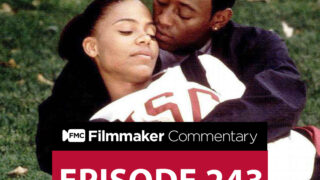
Step into the vivid, often chaotic world of Paul Thomas Anderson’s 1997 masterpiece, “Boogie Nights,” with hosts Reginald Titus Jr. and Casey G. Smith. This episode dives into the film’s bold narrative, exploring its groundbreaking portrayal of the 1970s San Fernando Valley adult film industry and its lasting impact as both a potent social commentary and a cinematic achievement.
What We Cover
- The film’s daring and empathetic depiction of the adult film business.
- Insights into Paul Thomas Anderson’s meticulous directorial choices, including economic character introductions and distinctive long takes.
- The nuanced discussions surrounding the film’s R-rating and how it handles explicit content without feeling exploitative.
- Exploration of core themes such as chosen family, the pursuit of identity, and the relentless march of industry change.
- Character journeys, from Dirk Diggler’s ascent and fall to Julianne Moore’s profound maternal role, and the ensemble’s collective struggle for belonging.
- Behind-the-scenes perspectives from Paul Thomas Anderson’s commentary, revealing his raw honesty and creative process.
Key Moments
- 1:59 — The Academy Awards’ ongoing struggle with televising technical categories and the industry backlash.
- 26:42 — How Paul Thomas Anderson economically introduces every main character in a single, sweeping tracking shot.
- 49:59 — Don Cheadle’s character faces heartbreaking rejection while trying to secure a loan for his business.
- 1:06:00 — The powerful “Just another kid looking for his mother” theme, beautifully weaving through the characters’ stories.
Gear & Films Mentioned
- Boogie Nights (1997)
- Eighth Grade
- Happy Death Day
- Happy Death Day 2U
- BlackKklansman
- Bohemian Rhapsody
- True Detective Season 3
- The Umbrella Academy (Netflix)
- Doom Patrol (DC Universe)
- Trigger Warning (Killer Mike)
- Reservoir Dogs
- Re-Animator
- Pulp Fiction
- Lionheart
- Save the Cat (Book by Blake Snyder)
- Anamorphic lenses/shots
- Steadycam shots
Listener Questions
- How does “Boogie Nights” manage its explicit content to deliver a powerful story rather than simple shock value?
- What specific filmmaking techniques, like the opening tracking shot, can independent filmmakers adapt from Paul Thomas Anderson’s work?
- How do the film’s underlying themes of family, personal talent, and industry evolution remain relevant today?
Join us on Filmmaker Commentary each week for more insights into your favorite films.