July 1, 2026
F
Filmmaker Commentary
  • Home
  • About
  • Episodes
  • Film
  • TV
  • Home
  • About
  • Episodes
  • Film
  • TV
Podcast

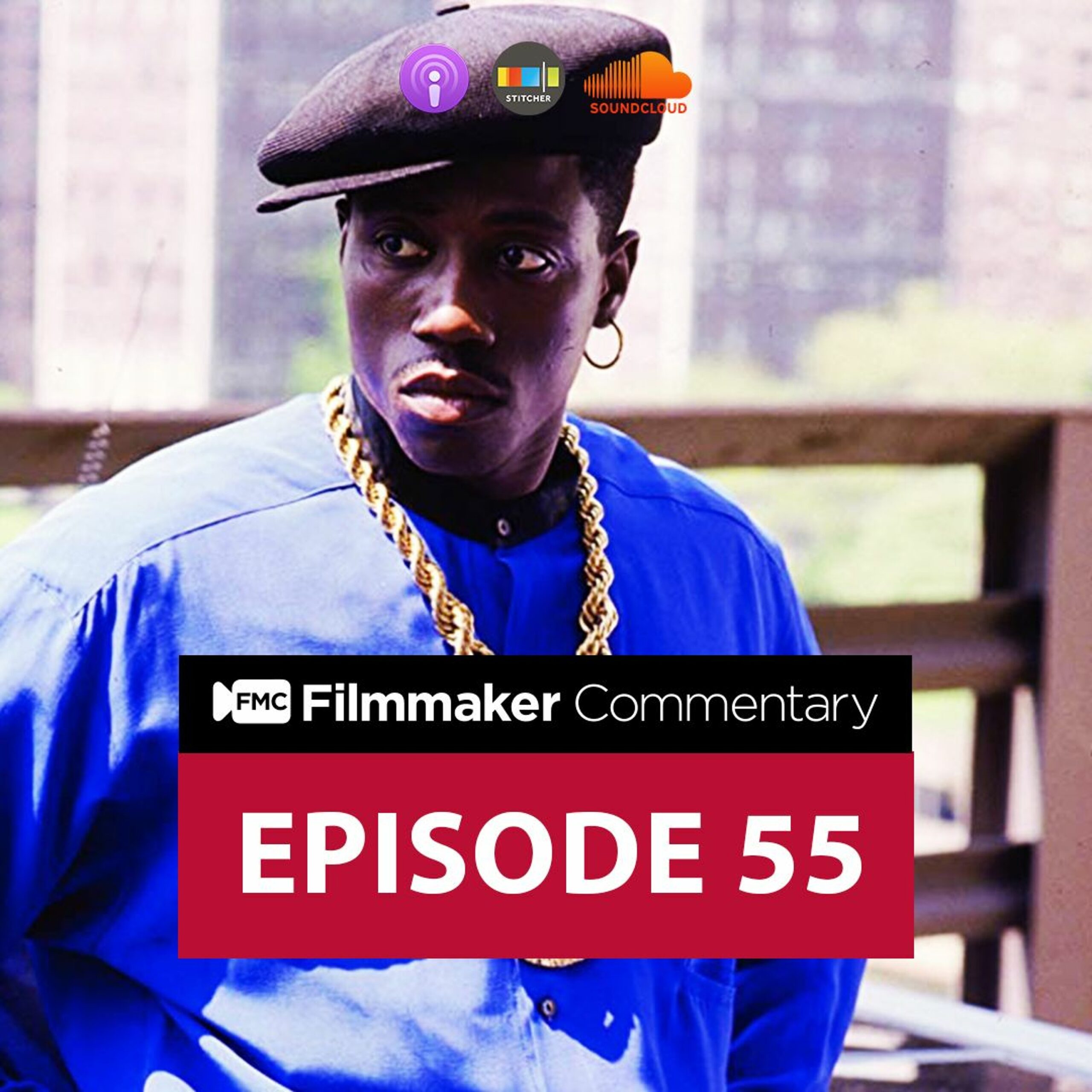
FMC 055: New Jack City Directed by Mario Van Peebles

May 8, 2019
Listen on Apple Spotify YouTube
Listen to this episode
Your browser does not support the audio element.
Also on Apple Spotify YouTube

This episode celebrates Mario Van Peebles’ directorial debut, “New Jack City,” a landmark 1991 film that defined a generation. Join Reginald Titus Jr. and Casey G. Smith as they dive into the movie’s cultural impact, its powerful soundtrack, and the brilliant filmmaking techniques that made it a box office success and a lasting part of film history.

Reginald Titus Jr. and Casey G. Smith take on the 1991 crime classic “New Jack City,” Mario Van Peebles’ directorial debut that transcended its $8.5 million budget to rake in $47.6 million domestically and launch numerous careers. They kick things off by highlighting the film’s undeniable ’90s vibe and its chart-topping soundtrack, which featured hits like Christopher Williams’ “I’m Dreaming” and the collaborative “For the Love of Money/Living for the City.”

The hosts also touch on current events in film, including Donald Glover’s surprise movie “Guava Island” and the ongoing controversy surrounding the “Leaving Neverland” documentary. They discuss how international journalists have been rigorously questioning the documentary’s creators, demanding a balanced perspective—a contrast to the domestic media’s approach. Reginald and Casey emphasize the importance of presenting all sides in potentially controversial stories, citing Ava DuVernay’s “13th” as a positive example.

Later, they share their recent watches, with Casey praising Zachary Levi’s performance in “Shazam!” and the delightful Japanese anime “Aggretsuko.” He also Wesley Snipes’ lesser-known fantasy novel, “God’s Talon,” and fondly recalls “White Men Can’t Jump.” Reginald, meanwhile, re-evaluated Jordan Peele’s “Us” for its rewatchability and complex conspiracy theories, alongside a revisit to “Chappelle’s Show” and the unexpected appeal of “Infinity War.” The trailer for “Joker” also sparked excitement for its unique, standalone character study approach.

Returning to “New Jack City,” Reginald and Casey discuss the film’s enduring cultural influence and its indelible mark on pop culture, including iconic quotes and its powerful soundtrack. They explore the film’s themes, from the rise of crack culture in the late ’80s, presented as a stark business opportunity, to the pervasive concept of idolatry, often with tragic consequences. The discussion the biblical reference of “Am I my brother’s keeper,” examining the inherent hypocrisy within the “Cash Money Brothers” crew.

Mario Van Peebles’ directorial prowess is a major focus, with the hosts praising his ability to infuse the film with social commentary, technical sophistication, and an infectious enthusiasm. They note his effective use of “Dutch shots,” contrasting color palettes, and cinematic compositions, all contributing to a cohesive and impactful visual language. The film’s bold opening sequence, transitioning from a seemingly celebratory helicopter shot to a man being thrown off a bridge, immediately sets a chilling tone. For more insights into filmmaking and industry analysis, join us on Filmmaker Commentary each week.

What We Cover

  • The cultural impact and enduring legacy of “New Jack City.”
  • Mario Van Peebles’ exceptional directorial debut and technical skills.
  • The socio-economic themes of the crack epidemic and systemic issues.
  • The soundtrack’s role in defining the film’s era.
  • Insights into current film news, including surprise releases and documentary controversies.
  • The importance of balanced storytelling in documentary filmmaking.

Key Moments

  • 0:40 Budget and box office success of “New Jack City.”
  • 5:44 Statement from the Jackson Estate regarding “Leaving Neverland.”
  • 11:13 Review of “Shazam!” and “Us.”
  • 45:11 Discussion of “New Jack City’s” iconic opening scene and powerful symbolism.

Gear & Films Mentioned

  • Guava Island
  • Leaving Neverland
  • 13th (documentary)
  • Doom Patrol
  • Shazam!
  • Aggretsuko
  • Irresponsible (Kevin Hart special)
  • God’s Talon (novel)
  • White Men Can’t Jump
  • Friday Night Lights
  • Us
  • Chappelle Show
  • Comedians in Cars Getting Coffee
  • Infinity War
  • Joker (trailer)
  • Casino
  • Boyz n the Hood
  • Beverly Hills Cop
  • Diva
  • French Connection
  • She’s Gotta Have It
  • Mo’ Better Blues
  • Baadasssss!
  • I’m Gonna Get You Sucka
  • The Godfather Part II

Listener Questions

  • How did the crack epidemic influence the thematic core of “New Jack City”?
  • What cinematic techniques did Mario Van Peebles employ to create the film’s distinct visual style?
  • How does the film address the concept of “Am I my brother’s keeper” within its narrative?

Full Transcript

Read the full transcript

Full Episode Transcript
This episode of Filmmaker Commentary Mario Van Peebles' 1991 film "New Jack City," exploring its cultural impact, thematic depth, and technical filmmaking choices, alongside current film news and personal viewing experiences.

Opening Discussion and Film Overview
Reginald Titus Jr.: Filmmaker Commentary, episode 55. Welcome to Filmmaker Commentary, where we give you insights from our favorite filmmaking commentaries. These commentaries can be heard on your DVD and Blu-rays of your favorite movies. We'll show you how you can use these commentaries and apply them to improve your video production and filmmaking techniques. All of this here on Filmmaker Commentary. I'm your host, Reginald Titus Jr.
Welcome to Filmmaker Commentary. I'm Reginald Titus Jr. I am joined with...
Casey G. Smith: Casey G. Smith. Welcome back, sir.
Reginald Titus Jr.: Good to be back, sir.
Casey G. Smith: And today, we are talking about New Jack City, 1991, directed by Mario Van Peebles.
Reginald Titus Jr.: We have a budget of 8.5 million and a box office of 47.6 million. And this is domestically. At the time, there was this thing where black films didn't travel well, you know, that was kind of. And also, too, some movies might have shared internationally, but they didn't share the figures. But this is a win.
Casey G. Smith: Absolutely. A really, really big win and a film that launched a lot of careers.
Reginald Titus Jr.: Yes, for sure. Also, along with the film, you had a soundtrack that reached number one on the US Billboard Top R&B and Hip-Hop charts. And it was charting like for eight weeks, and it was number two on the Billboard 200. It had the single, "I'm Dreaming," performed by Christopher Williams, and "For the Love of Money, Living for the City," performed by Troop, Levert, and Queen Latifah. And that reached number one and number 12 on the Billboard Hot R&B Hip-Hop Songs chart respectively.
Casey G. Smith: What about "I Wanna Sex You Up" by Color Me Badd?
Reginald Titus Jr.: Oh, because that's that's that's a huge. That was already a hit. That film that song was already a hit. That that blew up Color Me Badd.
Casey G. Smith: Yeah, because that's that that was a big one to have to even have that one in there. I'm like, uh huh. Yeah, "I Don't Stop."
Reginald Titus Jr.: Yeah, this film screams 90s. This is 90s.
Casey G. Smith: And it's like a like nostalgia. You know, you look like, man, welcome back. It's like, oh, I forgot about all this. You really appreciate it when you go back.
Reginald Titus Jr.: Oh yeah. Before we dive deeper into New Jack City, let's talk about News and Movies Watch.

News and Movies Watched
Reginald Titus Jr.: All right, in news, we have, I don't know if y'all know, but Donald Glover dropped a movie over this past week. He had like a performance at Coachella. And while doing, I don't know how he's able to keep this stuff secret, but him and Rihanna, they shot a movie secretly, nobody knew about, and just dropped it over the weekend. So people could like watch it quickly and then there was like a special link where people could watch it, and then after that link was up, it became available on Amazon Prime.
Casey G. Smith: I love that. That's kind of reminds me of what Beyoncé did, you know, just to have the project, have everything ready to go under wraps and you just drop it. Something they did with Netflix with after the Super Bowl last year or the year before, where they dropped the, um, Bright. No, that wasn't Bright, they were they were dropping mad commercials for that.
Reginald Titus Jr.: Yeah, it was, um, oh man, I forgot. I can't I can't even think of the name of the movie, but it was it was it was a play off like Cloverfield Cloverfield something. It was a play off the Cloverfield franchise and they they just dropped it like on Netflix just like, boom, right after the Super Bowl, it was just there. So I I like that. I like when artists do that. Can keep it can keep it secret and just, hey, enjoy.
Casey G. Smith: Very smart marketing because it keeps keeps you going afterward. After all the Coachella stuff, Coachella, all that's gone, you can just live on after that. You get the real boost and then people are still kind of searching and looking for you after the fact.
Reginald Titus Jr.: And it's inexpensive.
Casey G. Smith: Because you haven't you haven't done a whole campaign leading up to it. You're just taking advantage of the moment and all the eyes and ears that time, hey, while you're here, this. Enjoy.
Reginald Titus Jr.: I like it. And I started watching like a little bit of it, like the first seven minutes, and uh, Hiro, I hopefully I'm saying this name right, um, the director that did um, "This is America" and all that and also episodes of Atlanta. Still has that kind of nostalgic filmic look. It's got the square box, so it has a, you know, it has the film vibe to it, like 16 millimeter. Um, and like the the like the titles and everything, it has like a cartoon it's it's a cartoon. It has a I can't even think. There's a movie called Mannequin that came out in the 80s. You know the cartoon sequence? And it so it has like a little cartoon sequence like that as a title, uh, as the titles are rolling. So I'm like, oh man, you got me.
Casey G. Smith: Oh yeah! I love Mannequin.
Reginald Titus Jr.: Gonna have to check it out for sure. Yeah. So, yeah, check that out. It's, uh, what's the name of that movie? It's, uh, is Guava Island, right? Am I saying that right? Okay, yeah, Guava Island. Also in news, uh, Oprah's starting to get a little bit of backlash over the Leaving Neverland documentary. She recently deleted some tweets and she had spoke about it on the Trevor Noah show. So just basically she was saying she's getting a lot of hateration about it and things like that. So, you know, the independent media in America starting to kind of question a lot of things that that documentary uh, address or didn't address and kind of forcing people to to stand up to what they're saying, especially if people are lying about it. Um, recently, uh, Dan Reed, who was the director of that film, along with James Safechuck and Wade Robson, uh, they've had journalists internationally, you know, French journalists and also a journalist named Victoria Derbyshire from BBC, she was just going in on them like, just from a journalistic standpoint, not like accusing them or anything, just like, hey, why didn't you include this, this and that? Why didn't you interview this person? Why And they just look guilty and the director, he just kind of smiling, just kind of looking blankly as she's like stating because they have no answers for what she's saying.
Casey G. Smith: Fascinating.
Reginald Titus Jr.: We'll drop a quick uh, note of what she said now.
You will know that the Jackson Estate have put out a statement in response to your film, denying your claims. I'm going to read it in full.
Michael Jackson is our brother and our son. We are furious that the media, who without a shred of proof or a single piece of physical evidence chose to believe the word of two admitted liars over the word of hundreds of family and friends around the world he spent time with Michael, many at Neverland, and experienced his legendary kindness and global generosity.
We are proud of what Michael Jackson stands for.
People have always loved to go after Michael. He was an easy target because he was unique. But he was subjected to a thorough investigation which included a surprise raid of Neverland and other properties, as well as a jury trial where Michael was found to be completely innocent, and that's in capital letters.
There has never been one piece of proof of anything. Yet the media is eager to believe these lies. Michael always turned the other cheek and we have always turned the other cheek when people have gone after members of our family. That's the Jackson way. But we cannot just stand by whilst this public lynching goes on and the vulture tweeters and others who never met Michael go after him.
Michael is not here to defend himself. Otherwise, these allegations would not have been made. The creators of this film were not interested in the truth. They never interviewed a single solitary soul who knew Michael, except the two perjurers and their families. That's not journalism and it's not fair. Yet the media are perpetuating these stories. But the truth is on our side. Go do your research about these opportunists. The facts don't lie. People do. Michael Jackson was and always will be 100% innocent of these false allegations.
Wade, you defended Michael Jackson twice, uh, in 1993 when you were 11, and then again in court in 2005 when he was acquitted of sexual abuse charges. Why did you tell the world then that he had done nothing to you?
Reginald Titus Jr.: That's been very interesting to say the least.
Casey G. Smith: This is fascinating, no doubt that the documentary has been, um, you know, it's been a hot topic and uh, it's it's it's always I think important with anything to to try to get especially when the documentary get the breadth and width of of both both sides, you know. Um, give us information and let us know. Again, it's one of the reasons why I enjoyed Ava DuVernay's documentary 13th because even though she had some people with opposing sides, they still had a voice in the documentary, whether you agree with them or not. So, I think that's that's key for anything that's going to be uh potentially controversial uh and and, you know, maybe really, really damning as well. Not taking a side but just, you know, I want I want as much fact as possible from multiple sides.
Reginald Titus Jr.: Especially if it's it's you're accusing somebody of something and it's going to be damaging to, you know, their legacy and everything like that, especially a dead person, which isn't bad taste anyway. You definitely want to get both sides of other people that were at these events that were happening. So, that's been very interesting how from an international standpoint, America hasn't really grilled these guys, but the international journalists have really been grilling these guys and I remember we talked about how Michael Jackson, he said uh, whatever album that was, I can't think of the album where he said, in America, this my album isn't number one, but everywhere in the world, this same album is number one.
Casey G. Smith: That was the Invincible album.
Reginald Titus Jr.: The Invincible album. No, that would have been 2000. I think that dropped that dropped Yeah, I was in I was in college when that when that dropped. So like we're talking like 99, 2000, 2001, somewhere within that within that range, I think is when the Invincible album dropped. And then not too long after that, he had the the uh Madison Square Garden like 20th anniversary deal tour, you know, where you know, where Whitney came out and Britney came out and he performed with his brothers.
Casey G. Smith: That was a long time ago.
Reginald Titus Jr.: Oh, yeah. And all that. So, that was that was somewhere around that around that time.
Casey G. Smith: Wow. So, yeah, so he spoke about just how America in general and the media, how his album is kind of purposely being held down here, but everywhere in the world, it's number one. So, he kind of spoke about a conspiracy while he was alive in regards to, you know, his legacy.
Reginald Titus Jr.: But anyhow, I haven't seen the uh, I haven't seen the documentary yet. I wasn't really interested in seeing it. Um, but, you know, this is starting to take traction, so it'll be interesting to see how they respond, how they react to this going further.
Casey G. Smith: Yeah, I'm waiting to see if there's any kind of counter and then then I I'd want to then then take it all in and watch watch that and whatever kind of counter there may be. So we shall see.
Reginald Titus Jr.: Yeah. Uh according to Brandy Jackson, her his niece, she said, it's boring. She was like, it's Yeah, yeah, it's not even but they do use according to what they were saying is that they use a lot of um, uh music and like emotional things because, you know, what they're tying in is like the sexual abuse. And that's what Oprah was talking about a little bit is like she wanted to kind of focus on sexual abuse, you know, towards children and things like that. But, um, if, you know, the documentary isn't correct, then you got a problem on your hands.
Casey G. Smith: Again, I haven't seen it, so I can't Yeah. Yeah, just don't just don't know, but Don't know. We shall see.
Reginald Titus Jr.: What what's the movies you watched, man, over this past It's been a couple weeks, so what have you seen over these past two weeks?
Casey G. Smith: So I've been diving in. So, um, I have, I always try to watch, you know, a little bit of Doom Patrol on the DC Universe app. Uh I I also saw speaking of DC properties, I saw Shazam in the theaters, David F. Sandberg's Shazam.
Reginald Titus Jr.: Was it good?
Casey G. Smith: It was good. Very, very enjoyable. Uh, it's it's PG-13. It it it it earns that rating. There's there are a couple of scenes with the main bad guy that are that are pretty strong, like, oh, wow, that's really. Yeah, pretty strong. Not where you don't see blood, but some people get jacked up. You're like, oh, wow. So I think for parents, you know, just be be aware of that. But , man, uh, Zachary Levi playing this role, uh, he just he crushes it. He's just made made for this role and the supporting cast, it's it's it's it's wonderful, a lot of fun. So enjoyed Shazam. Uh, I also watched on on Netflix a couple of things. Uh, I watched this this anime, the first season of this anime show called, uh, uh, Aggretsuko, or Aggretsuko. I was the main character named Retsuko. She works, she's almost like in the vein of like a Hello Kitty. Real cutesy kind of character. She works in as an accountant in this firm and she works a job and she tries to be as nice and sweet as possible, but she she gets her release by listening to by by doing karaoke to death metal. And it is delightful. Absolutely delightful. Definitely, it has its place within like Japanese lore and and culture, even like working culture. You could tell like it it's set in Japan, but it's all in English. It's not dubbed over. It's all all excuse me, it is dubbed over, all all in English, but very, very, uh, enjoyable. And it it was cute. I I got sucked in. I was like, huh, wow. Uh, I also watched Kevin Hart's new comedy special, Irresponsible. Enjoyed it more than I thought I would. Some of his last couple specials have been okay. This one, he came out. He's he's in London and uh, yeah, he's talking a lot about about his family and his kids. And when he talks about his kids, I I I get I always get a kick out of that. Uh and yeah, he's I I really enjoyed it. Yeah. I I enjoyed it. I think it's worth I haven't dove into that one yet. Yeah. Yeah, I think it's worth checking out. He's got he's got he's got a couple of some some pretty good jokes within it.
Reginald Titus Jr.: Like graphic.
Casey G. Smith: Really?
Reginald Titus Jr.: Yeah, he's he's no longer jumping.
Casey G. Smith: Sure, I think I think he's trying to grow and expand. And even in the in the special itself, he addressed some some things. Like I feel he tries to be transparent like he's like, you know, sharing things. It's like like a lot of comedians do, right? They kind of make their living off kind of like burying their soul and the the good and the bad. And so yeah, it was enjoyable. Also because of having watched New Jack City, it made me nostalgic for my man Wesley. I'm like, oh yeah, this dude is a beast.
Reginald Titus Jr.: I noticed him changing a little bit. Um, he just was recently on the Joe Rogan podcast and just , it seems like he's no longer when he's doing podcasts or interviews, uh, he's no longer being like, hey, guys, I'm this guy, you know, he's not that person it seems like anymore. He's like seems more mature.
Casey G. Smith: He's the truth.
Reginald Titus Jr.: So I found myself like actually like YouTubing and and finding like different things that uh, just kind of see what he was up to. I'm like, man, what's Wesley up to? Um, he actually wrote a book. A fantasy a fantasy novel a couple years ago. Um, called, uh, I think it's called God's Talon. God's Talon? Something I'm I'm I'm messing up the name, but it's it's it's got a a African-American protagonist and selected for this specific task and it's kind of spiritual at the same time. But uh, but yeah, he he wrote that along. He had a he had a writing partner as well. But I watched a couple of interviews of him talking about the book.
Casey G. Smith: What?
Reginald Titus Jr.: Is a graphic novel?
Casey G. Smith: Uh, not a graphic novel, but it's it's it's it's a fantasy like a novel, like a written written novel. Written piece by by Brother Snipes.
Reginald Titus Jr.: Oh, I see.
Casey G. Smith: Okay. Uh, but I also watched White Men Can't Jump.
Reginald Titus Jr.: Hey, it's a classic.
Casey G. Smith: Hey, yes, it is. And that was, man, he's so Wesley is so freaking good, man. He is so good. And this the the yeah, the swag that he he brings, his timing. Yeah, Wesley is he's he's the man. Uh, we we need Wesley in more things, honestly. And then, of course, also been watching, uh, Friday Night Lights as well. On Amazon Prime, one of my favorite TV shows. Been kind of just going back through. I'm on the second season and working my way through and digging it. How about you, Reginald? What have you been watching?
Reginald Titus Jr.: Fearless.
Casey G. Smith: Oh, yeah. Okay.
Reginald Titus Jr.: Yes. Oh, you saw Us, too. Remember last time we talked on I was like, oh, yes, I did. Yes, I did. You saw Us and I we didn't really talk about it too much on on when the way you watched it. Appreciate that. And then, uh, come back to it. So that is one thing you have seen differently most recently since our last podcast.
Casey G. Smith: This is true. This is true.
Reginald Titus Jr.: Initial thoughts?
Casey G. Smith: Uh, initial thoughts, well-crafted, brilliantly acted. Man, um, Lupita, Lupita. Girl, you are crushing it.
Reginald Titus Jr.: So many levels.
Casey G. Smith: Yeah. And you know, no spoilers, but if you haven't seen Us, go and watch it and just pay attention. I'll say that. But yeah, it's nice a nice, uh, this is more of a kind of a straight-forward, yeah, uh, horror movie and it and it I think it takes like a lot of different tropes like from like, uh, 80s slashers kind of like horror horror films and it plays with some of those tropes. But I enjoyed the performances. Like the the whole cast, Winston Duke, the the two kids, uh, what's her? Oh, man, I'm blanking on her name from, uh, Handmaid's Tale and from Mad Men. Ah, I can see her face. I can't I can't think of her name. I'm so sorry. So sorry. But but yeah, I I enjoyed it. What about you?
Reginald Titus Jr.: Uh, I enjoyed it. Not as much as I liked Get Out in the theater. You know, I enjoy Get Out more. But I plan on rewatching it just because there's so many like, like, I'm missing out on, you know, like, what's going on? I gotta go back and and watch it again just because I was expecting a different viewing experience. Uh, after watching it like, all right, we gotta go back. You know, it has that rewatchability to it. Uh, so I definitely enjoyed it. Was kind of creeped out and all that stuff. So, I want to go see it a second time and, you know, that that one's been killing it at the box office. A lot of conspiracy theories online, a lot of like YouTubers and things have been talking about the conspiracy theories and all these things, different timelines, a lot of stuff. So, that's been enjoyable. And his movies have that effect where people will go down conspiracy theory lanes for weeks and weeks and weeks, which I'm sure is pretty good for marketing for the movie.
Casey G. Smith: Oh, yeah. Getting people to think.
Reginald Titus Jr.: Yes, indeed. So out, um, watched, uh, The Chappelle Show. My wife hasn't, she never seen The Chappelle Show. So, I was like, well, this is what we're going to do. We're going to watch season one and we watched all season one and then we watched about halfway of season two. Uh, season one, like going back to look at it, it's like, the joke's only that funny. But, you know, but like kind of, uh, you can see the change in production value from season one to season two dramatically. Because I remember him talking about, you know, during season one, they didn't know what they had, what kind of show they had. Sure. And, uh, and the budget was low. Like, here's a spot we can shoot. Let's shoot. Oh, man. Like that's how rough it was. And so, when it blew up, he basically became like, kind of like an overnight sensation. You know, once it once it aired, people all of a sudden everybody knew who Dave Chappelle was and it became a real deal money maker. And, uh, and you can see that going from season one to season two, the jokes hold. Some of the, um, it's kind of sad that the R. Kelly, uh, skits kind of hold up to this day.
Casey G. Smith: Oh.
Reginald Titus Jr.: It's kind of sad. Um, but yeah, it it it definitely was enjoyable, but you can definitely see the the production value increase, uh, going into the second season. So, still enjoyable. Watched an episode of Comedians in Cars Getting Coffee. Uh, Who's on the episode? That was Am I saying his name right? George, the the the comedian, the brother that's in Las Vegas. Is it George Benson? George? I can't think of the brother's name. Heavy heavy-set brother.
Casey G. Smith: Wallace.
Reginald Titus Jr.: George Benson? George Wallace? George Wallace. Yeah, so the one out for a long time.
Casey G. Smith: Been around for a long time.
Reginald Titus Jr.: Real long time. When I we when we went to Las Vegas, which was years ago, he was still he was playing in Las Vegas at the time.
Casey G. Smith: He's a bigger guy. wears a lot wears hats. Um, kind of talks like this, uh uh uh uh uh.
Reginald Titus Jr.: Yeah, he remind me of somebody in my family, uh, how he talks. It's hilarious. Like, man, he talked just like this person. Uh, but yeah, George Wallace, and they've been friends for a long time. I think Jerry came up and do a little bit of a set, right? I remember I watched that one. And was not killing it. It was Feel less. Yeah, man. I was like, man, but but I enjoy comedians because even if you gotta push through, even if the if the crowd isn't messing with you or like feeling what you're doing, you still gotta get through it. You know, you gotta you gotta sit there and just eat the crap, you know, until it's over. But yeah, so I do enjoy the comedian thing. Uh, and I think that's, oh, yesterday I ended up accidentally watching Infinity War. So, you know, the son was watching so, hey, y'all go and watch Infinity War. And I'm just getting sucked in right along with him.
Casey G. Smith: You gotta read them and.
Reginald Titus Jr.: Snap of the finger. Yeah. My attention span was dusted. Yeah. I was like I was like, how did I get sucked into this? Impossible. Like, I usually don't watch, you know, those movies over and over like that. Usually I watch them once and I'm good. For whatever reason, this one is that one and Thor, man, it has that rewatchability to it. I I almost I almost I was every time I scroll through it, it's like every time I see that, I'm like, maybe. I'm like. Because it's almost like you're getting like eight films in one kind of thing, you know? So I'm like, man, they got a magic spell on that movie.
Casey G. Smith: Yes.
Reginald Titus Jr.: You seen on on Twitter, the Russos have been doing, um, I follow them on Twitter. They've been doing a a a marathon countdown leading up to. So like each day, like they're highlighting a different film. Like, yeah, it's pretty cool. Like they, boom, they're dropping it leading them right up to it.
Casey G. Smith: Yeah, this film was dusted.
Reginald Titus Jr.: They know what they're doing. They do.
Casey G. Smith: Any trailers? Have you seen any trailers?
Reginald Titus Jr.: Again, the the Star Wars one and I feel like there was another one, but I can't think of.
Casey G. Smith: The trailer I've seen is called Joker. I think it's the name of the film. Is it called Joker? Yes, that's yeah. Yeah, just simply called Joker. What? I've seen that film. I mean, saw the trailer, I'm like, I gotta watch this.
Reginald Titus Jr.: What?
Casey G. Smith: Yeah. So, that was a DC project. So what what what DC is moving towards now is is not having everything connected. So they're kind of going the opposite instead of a big shared universe like what Marvel is doing. Some of DC's stuff won't be connected. Joker will not be connected to anything. It's going to be its own standalone thing and it's it's kind of serving as origin stories. More like a like a character study. And so that's why they're like Scorsese is a producer on the project. Initially people thought that he was going to direct it. Um, but he's a producer on the project and they're just really kind of diving in. I don't I don't even know like what particular like source material they're they're even potentially pulling from. Uh, some some might say The Killing Joke, but the way he looks, it doesn't even look like look like it's even pulling from that per se. But it just looks it looks enthralling. I'm like, when to see the the the descent into the madness.
Reginald Titus Jr.: Okay.
Casey G. Smith: Wow.
Reginald Titus Jr.: He's like dancing like creepily on these on these steps. I'm like, he's nuts, he's insane. He's officially insane in this shot.
Casey G. Smith: And apparently there's talk that like they're like kind of playing with the timeline where Bruce might still be like a a little kid even like, or he might not even be born yet. Like they're like they're this this movie in essence, for all intents and purposes, is not going to have Batman in it at all. Like this is this is just a a Joker kind of again, a character study. From what I understand.
Reginald Titus Jr.: Wow. So, yeah, I like I saw that, I was like, okay, I'm, yeah, you won, you got it. That's going to be a hit.
Casey G. Smith: Take my money.
Reginald Titus Jr.: Yes, indeed. That's it for News and Movies Watch. Let's get back to the show.

New Jack City: Initial Impressions and Themes
Reginald Titus Jr.: Welcome back to Filmmaker Commentary. We're talking about New Jack City, 1991, starring Wesley Snipes. It's a hit. Let's, uh, I'm going to get into the synopsis.
Drug kingpin Nino Brown, played by Wesley Snipes, and his minions, known collectively as the Cash Money Brothers, have rapidly risen to the top of the New York City narcotic street. Under Nino's heartless leadership, the drug operation has grown into a multi-million dollar empire. Scotty, played by Ice-T, and Nick, played by Judd Nelson, two police officers who know their way around the streets of Harlem, aim to bring Nino and his co-horts down. To do so, they'll have to play by Nino's rules and go undercover. New Jack City. What were your initial thoughts? How did you watch this film? And then this is a '91, so coming back to watch this, what do you think?
Casey G. Smith: So, I initially saw this film when I was a kid. Um, I'm trying to remember whether we rented, I think we may have rented it when we were in North Dakota. I think I think we, yeah, I think we rented the film. I don't I don't think we saw it in theater. I think we rented it probably in like '92 or so. Remember we we we watched it collectively like the whole family was there. We watched it. Yeah, we're just like, oh, you know, like, wow. Remember seeing, you know, I knew who Ice-T was at that time. Wesley was fairly new. We may have seen this a little bit later. I may have seen White Men Can't Jump first and then seen this. I'm I'm not sure on it, but but it just kind of it stands out. I remember I remember the soundtrack and I definitely remember, you know, "If I'm Dreaming" by Chris Walker. Yeah, I actually love that song, man. And so, you know, seeing him actually in the film acting is is is one thing. And, uh, to to come back to it, I hadn't watched it since then. I literally have not watched the film since then. But okay, the one thing that always stood out to me was that, am I my brother's keeper? You know that line, you know? And it kind of how how it how it ends, the the drama between the bad guys like like stands out to you. To some extent, it almost seems like Wesley almost comes across almost like a like a protagonist almost. Almost at times like almost like two protagonists throughout the the film. But they say a good villain should feel layered and complex and have goals and all that kind of stuff. But to come back to it, I was pleasantly surprised. I'm like, whoa. And just realizing the cultural influence of this film. It's it yeah, has a lot of impact. And even some of those interviews I watched on YouTube with Wesley, they were asking him, hey, what what are some of the lines? Cause there's a lot of lines and quotes from this film that have that are used.
Reginald Titus Jr.: Williams. Christopher Williams. Yeah. Williams.
Casey G. Smith: In pop culture, big time. Oh, yeah. You know, when I think about in high school or really early college, when you had, you know, the uh, you know, C.M.B., you know, like, you know. I mean, there's a whole record label named after the Cash Money Records. Yeah, I'm like, hey, uh, you know, you see those connections. So, I, um, I enjoyed coming back to to New Jack City. And I always, whenever I hear New Jack and and especially seeing Guy actually perform, I'm like, this is where okay, Teddy Riley, the whole, you know, New Jack sound. It's all coming out of this, man. It all it's all related and connected. And, uh, you know, Mario Van Peebles in the in the 90s, he was, you know, trying to, you know, doing his thing. I was I was a a fan of his acting-wise and even directing. So, uh, yeah, this makes me want to dive into more of his stuff.
Reginald Titus Jr.: Yeah. Uh huh.
Casey G. Smith: Right.
Reginald Titus Jr.: How about you, man?
Casey G. Smith: Likewise, I don't even remember how I didn't I was really young when this came out, so and what I really wasn't watching too many Rated R films at the time. Uh, but I did from a music standpoint, I was affected by the music at the time, you know, this was this was in the air, you know, playing all the time. I remember that's always being on the radio. I think I probably ended up watching this probably like five or six years later after it came out because at the, you know, at the time, these movies lived forever. They'll be at the theater for almost a year, half a year. And then once they've get to cable, you know, they're hanging around cable for a year. And then once they're on VHS or whatever, you know, the forever. And they're always in people's archive in their library, their personal library at home. So it it felt like back in the day, even if a movie was five or six years old, it didn't really matter, you know, you just pipe it in and like it was new. So, I was affected by the film from a home entertainment standpoint, going to friend's house and watching these films, like watching the Rated R films, like, uh, look at that. So that that I do remember just like watching, you know, Rated R films just because, but not really being affected because, um, we grew up more suburban, you know, not necessarily in the city where like crack was, you know, so there was like a disconnect there. Um, but the, um, but seeing black folks on TV, I was affected by that. You know, but, you know, when you start seeing, you know, people killing each other and not being able to relate to that, it's like, man, what the heck? You know, kind of asking yourself questions.
Reginald Titus Jr.: Shelf life was very different.
Casey G. Smith: It was all over the place, every day.
Reginald Titus Jr.: One thing that stood out to me big time was was Chris Rock. I all that that scene of him saying, you know, God, he help me. I'm you know, I'm going to die. Yeah. That always stood out to me. Like I was like, I remember being like fearful for that character. Like, oh my God, like this dude is done. Like there's no, you know. So that that stood out to me. And that was my first exposure to to Chris Rock, was as a dramatic actor.
Casey G. Smith: We cared about him.
Reginald Titus Jr.: I remember seeing Chris Rock, I don't know if New Jack City came first or I'm Gonna Get You Sucka came first. The people I were familiar with, I was familiar with Ice-T, Chris for Williams, couldn't really act in this film. Just saying. Just saying, bro. Sorry. But you know what I'm saying? I saw the film. And, uh, so Chris Williams from the music videos because he was always on video soul with his song. Um, so I remember Chris for Williams, uh, Ice-T. Ice-T was a true from colors and all that stuff.
Casey G. Smith: So wrapped.
Reginald Titus Jr.: I'm gonna get you, came out in '88.
Casey G. Smith: So, I I'm familiar with Chris Rock from I'm Gonna Get You Sucka cause like, have my foot here.
Reginald Titus Jr.: Oh, he's putting barbecue sauce on his finger like, lick up.
Casey G. Smith: Yeah, I remember that.
Reginald Titus Jr.: So, I was familiar with him that. So like, when he's doing stuff like doing like, he's doing jumping jacks while he's high on crack and there, it's like, it's just hilarious. But but so skinny, too, man.
Casey G. Smith: He was frail.
Reginald Titus Jr.: Yeah, so that was my, you know, home entertainment, you know, that's how I was exposed to it. But going back, after getting some real world experience out here in real life as a grown person, I'm like, oh, okay, this is like, this is some real, some real stuff, you know. And, uh, definitely can appreciate it now, even older now, looking back on it, I can really appreciate it for what it was. And the statement, uh, Mario Van Peebles was trying to make with it because it can very easily just be an exploitation film like some of the shooter up gangster films were. Um, at the time, but, you know, being able to to show some positive characters, show like the downfall of the bad characters and what are the results of being involved in something like this and kind of indirectly guiding people away from it.
Casey G. Smith: But at the same time, also showing a very intelligent. Like not just like these these weren't just gang bangers. Right. This was like Black Mafia.
Reginald Titus Jr.: They had a purpose, yeah.
Casey G. Smith: They built themselves up and while they were destroying people with drugs, they were still very.
Reginald Titus Jr.: They had an enterprise.
Casey G. Smith: Yeah. Very much so. And so that's that's it's so fascinating to see that the juxtaposition of of some will watch this and they'll do like some of Scarface and they'll, you know, kind of they'll they'll be a little bit of worship there. And I look at Nino, when you say Nino Brown. Yeah, come on. I mean, that name sticks still. Like even to this day, like even though it had been over, I mean, God, almost 20 years since I've seen this film, you say Nino Brown, even then I'd be like, oh, yeah, that's that's Wesley in New Jack City. The name the name alone sticks. That's crazy. Um, what are what are some themes that you pulled out of the film? I only have one personally, but, uh, what are any themes you came up with?
Reginald Titus Jr.: Oh, man.
Casey G. Smith: Drug culture. There is a, you know, the what where, you know, the film, even though it it released in the in the early 90s, it's set chronologically in the late 80s, as crack is hitting the streets.
Reginald Titus Jr.: Yeah, it was like 1986, 87, like the title they had.
Casey G. Smith: Yeah. So, as crack is hitting the streets and I mean, and because of that, that's how they're able to obviously capitalize and and and make the money that they're making.
Reginald Titus Jr.: And we're being exposed in the film to crack, the same time they are, you know, as it's being propositioned as a business opportunity.
Casey G. Smith: Right. And then we actually go with, you know, uh, Mario Van Peebles talks about, you know, going with Pookie's character of seeing someone before crack, on crack and then off of crack. And literally going through their rehab, right? Watching them go through rehab and like the risk of putting that in the film, but all the more makes us connected to him for what happens later on. And by the way, if this is your first time listening to Filmmaker Commentary, please know that there will be spoilers. You've been mid-warned. But, uh, so drug culture, um, I I I put idolatry. That constantly pops up. There is this there's a theme of idolatry, and there's a lot of uh, biblical quotes and from the get-go, you constantly hear, literally you hear the term idolatry. Sometimes when things are playing in the background or somebody's like, you know, something on the radio, but you hear idolatry, where, you know, Nino Brown as he in in his rise, he becomes an an idol. Some some kind of worship him. And he worships, you know, some worship the money that they're they're after, and some worship the drugs. But there's a lot of like idols with with um, with within it. And even, of course, when he meets his demise, it's a it's a man who is, you know, bringing a biblical quote, you know. Yeah, yeah. That's right. You know, like, so there's there's definitely talk of idolatry. I put uh, identity with those that don't identify. Okay, identify with those that don't have. The the film puts us in a place, you know, both both you and I grew up in in in more like kind of suburban, uh, environments. And so, but it puts you in the heart of inner city, you know, in Harlem, you know, and then we're we're we're introduced to a place where people, you know, who are not just suffering, but literally like almost turning into zombies. Yeah. Because of the building that they totally take over. And and they're just cracked out. Um, but it kind of helps us to again, to identify with where they're coming from. I think the music again, itself is like a a a theme, how much it plays into this time period. It is indicative and just caps off the time, man. Again, seeing Guy and Keith Sweat and, uh, you know, Levert. Yeah, Levert, man. Uh, and they they're doing a cover of of, you know, their their parents, the O'Jays. Crazy, that's going to be awesome. seeing Troop, you know, seeing Troop out there. I'm like, wow, Troop, and jamming. 90s, man. Jamming.
Reginald Titus Jr.: Oh, yeah.
Casey G. Smith: There's a rip.
Reginald Titus Jr.: Uh, my theme only had one. Uh, you reap what you sow. And that can that just, you know, plays, you know, throughout. And, you know, they're saying these it's crazy because the characters are actually saying these themes throughout the film, you know, you reap what you sow, and my my brother's keeper, you know. And what does that mean? Uh, can you kind of shed some light on being your brother's keeper?
Casey G. Smith: Yeah, yeah. You heard him.
Reginald Titus Jr.: Uh huh. Biblical, like from a biblical standpoint, what exactly are they saying when he's saying, I'm am I my brother's keeper, you know? Can you kind of shed some light on that a little bit?
Casey G. Smith: Sure. So that obviously comes from Cain and Abel. Uh, comes from that from that story. Um, once once Cain has has slain Abel because God didn't accept, you know, Cain's sacrifice, but accepted Abel's and and and God said, you know, if you if you don't do what's right, you know, when when when I accept your sacrifice. And once he asks, he asked Cain, where is your brother? And, you know, Cain's response, am I am I my brother's keeper? Like is he my responsibility to watch out to watch out for? So whenever they ask that question, am I am I responsible to look out for my brother? Which is it's it's an oxymoron in the first place, based on the nature of their business. Yeah. I guess the question is, who is my brother? You know? Who is my brother? Which again, that could take you into another biblical direction with that question. There's there's a lot of like biblical quotes even even your theme, you reap what you sow. Yeah. You know, that's cultural and biblical at the same time.
Reginald Titus Jr.: Because, uh, while, uh, Ice-T is taking out old man out back, you know, he says it, you know, you're going to reap what you sow. You know, so they're dropping this stuff. But, yeah, but with my my brother's keeper, it's like, you know, you're making that choice. Am I, you know, and am I doing what I'm supposed to be doing, you know, by selling the drugs to my fellow brothers and sisters, you know, am I holding that up, you know, even though you say that you are your brother's keeper?
Casey G. Smith: But here's the thing, their whole name of their group is Cash Money Brothers. So the the those who are in it for the for the cash and the money, those are the ones who, um, they're their brothers that they're trying to be the keepers of.
Reginald Titus Jr.: Uh huh. That's crazy. So, and, uh, it's the same thing that ultimately kind of separates them, you know.
Casey G. Smith: Yes, it is.
Reginald Titus Jr.: And he's always having to look out for his brother for the mistakes that Alan Payne, who's I can't think of the brother's name he's playing, but, uh, Allen Payne.
Casey G. Smith: G-Money. My daddy's always he's always like whenever he would like make make fun of people like going like real hard. He'll like, oh, what's going on, G-Money, dog? That was his his mocking hip-hop voice. I hear that in my in my mind. I was like, oh, Pop used to he used to throw that out. What's up, G-Money, dog?
Reginald Titus Jr.: G-Money. Yeah. Yeah. So, you know, Wesley, you know, constantly having to Nino Brown having to clean up his brother's mess. Some very like costly mistakes where in the streets, he should have been dead. You know, some of the mistakes that he's making. You bring a cop in, you bring an informant in, you're killing us. Yeah, man. Makes the the business getting you're getting high on your own supply. You're killing us, G-Money.
Casey G. Smith: You know, what's going on?
Reginald Titus Jr.: Cardinal cardinal sins. Yeah. But yet, it's his brainchild to bring in to recognize the business opportunity. But yet unable to. I mean, honestly, it's not too different from from Pookie. Yeah. You know, given opportunity, brought in and yet, you know, couldn't resist the temptation to get high off the supply and it ultimately destroys.
Casey G. Smith: It's called Pookie.
Reginald Titus Jr.: Because of me. Man, that line right there.
Casey G. Smith: Yeah, he called me, man. He called me, man. He called me. God. And you know, man, props to Ice-T. Like, for a dramatic standpoint, he was going he was really got like kind of going for it. Like when when Pookie's going through and like, you know, in withdrawal and like, he's trying to like kind of reach out and he's like, you know, cause you know, T comes across as yeah, yeah, he's he's he's legit. Ice-T. He says grenades in the alleys. But he has he can he can, you know, make himself kind of vulnerable and and and, uh, available. And he's he's going for it. And, uh, I I I appreciated that about his performance.
Reginald Titus Jr.: So hard. Yeah. He's he's he's legit.
Casey G. Smith: No, that's what it meant.
Reginald Titus Jr.: Also, in, uh, uh, Ice-T going back to Dave Chappelle's, uh, skits. Uh, he was on the, uh, the player haters. Hate, hate, hate, hate, hate, hate, hate. And then he was saying a speech and somebody interrupted interrupted him. He say, next, next nigga say something, it's getting shot. Yeah, man. Oh, man. That was amazing. Ice-T. Yeah, he's hilarious, too. You know, how he can play hard comedy. Whatever you need, he's got it.
Casey G. Smith: You heard me. I just said I just said I just said I said.
Reginald Titus Jr.: He can do, you know, uh, remember that groovy head called Body Count. There goes the neighborhood. Da da da da da da da da da da. There goes our neighborhood. I was like, what? What's going on? Ice-T, hardcore rock head banging, head banging. He was head banging. You remember that? Dang. It's a black and white video. I deleted that in my brain. There goes the neighborhood. Body Count. Body Count. Body Count. Yeah, man. So, a lot of biblical themes and things to really, uh, reflect on.
Casey G. Smith: That's it.
Reginald Titus Jr.: Um, com the commentary from director Mario Van Peebles. I really enjoyed this one, man. The way that he just came in, just spitting knowledge, had the social commentary. Technical, had the technical stuff going and seemed excited about it. Like he was just like, just delivering the goods all the way through. I was like, he might be like, he reached probably the top of my list as far as like director commentaries where he's bringing the charisma, but at the same time like, you know, educating you about how he was able to shoot it. I was like, top of the list.
Casey G. Smith: Yeah. Yes.
Reginald Titus Jr.: Yeah, this this, ladies and gentlemen, this is what you want out of a commentary. Yeah, Mario Van Peebles is like Reginald said, he is he's excited. He is energetic. He's being technical, throwing out terms like Dutch shots and and earth tones and natural light. But at the same time, he's also in the film and talks about the role that that he played. He he plays the role of he's kind of like the mentor. Uh, throughout, you know, he's helping, you know, mentor Ice Cube characters and and and, um, is it Jud Nelson? Uh, the other director, I mean, the other yeah, you got it, Jud Nelson. Yeah, and Jud Nelson's character. Which I mean when I saw him when I saw Jud Nelson on the screen, whenever I watch him, I always always thought, man, this guy looks so familiar. Didn't realize it's the dude from The Breakfast Club. He looks so different with his haircut. I'm like, ah. Different vibes, too, you know, just a different swag.
Casey G. Smith: Yeah. Yeah.
Reginald Titus Jr.: Totally different vibes. Still renegade, you know, but a different kind. But he's, you know, the fact that they knew each other from school, which is awesome. But, yeah, Mario Van Peebles crushes this commentary. He is dropping knowledge bombs left and right. It's it's it's a commentary with with a is a consciousness to it. There is, uh, just, man, just details and yeah, I I was super impressed. Super impressed. And this is his first major feature as well. Yeah, uh, he did a lot of TV show directing. Was it 21 Jump Street? It wouldn't it was 21 Jump Street. So he did several episodes from other TV and I think it was Clinton Eastwood that kind of brought him into the mix. Um, for for filmmaking. He was able to come in and just like like all the tricks that he's been finding out. Let me just apply to this film. Uh, definitely, it shows right away. When the movie opens up, you're like, all right, this is the movie. Yeah. Um, style. What do you think about the style of the film? Man, it it it I think I think the style itself holds up. Uh, again, he talks a lot. He mentions he mentions Dutch shots several times. I am no cinematographer, so I had to like. We'll get into our filmmaking tips. Okay, fantastic. Um, the use of different kinds of of colors. one here's one thing I really enjoyed that that he said and it's it's a scene where Wesley is, uh, with the his his brother's girl that he that he stole. He gets the the phone call.
Casey G. Smith: We never know.
Reginald Titus Jr.: Tracy Camilla Jones.
Casey G. Smith: Yes, with Tracy Camilla Jones. And Mario Van Peebles is talking about how they lit both of them. Right. And how this the the the skin, you know, it it it pops. It looks great. You know, I'm like, yes, properly lighting black actors, uh, and with all shades and tones. And they do, they really look great. And I I appreciated that. You know, there's a lot of he talks about like the warm the warm earth tones and, um, and kind of contrasting that sometimes with like the bold blue colors in the film. Uh, and then his compositions are very cinematic throughout the film. And when the film comes on, you're like, you know what, we're dealing with an a filmmaker. Uh, just because you can just tell by how the composition of the shots are, how it's being played out, and how it transitions from one frame to to the next, from one sequence to the next sequence. Some of the transitions like, okay, we're dealing with a filmmaker here, not just somebody just like, this is put it on wide and let's do some gangster stuff, you know, it's like there a lot of thoughts are a lot of thought was put into some of these shots. So, I I feel like there's a cinematic language, um, in the film.
Reginald Titus Jr.: Yeah. Yeah.
Casey G. Smith: Uh huh.
Reginald Titus Jr.: Uh huh.
Casey G. Smith: Uh huh.
Reginald Titus Jr.: Yeah.
Casey G. Smith: And he also talks about at times doing things with uh, having a heightened sense of reality, especially towards the the end of the film when the when the drug bust goes bad. Some of the different colors that he's that he's using. Um, some of the reds and blues there to help add that heightened sense of of reality.
Reginald Titus Jr.: Yes, sir. Do you have any favorite scenes in the film?
Casey G. Smith: Again, definitely hard to call it a favorite, but the one that stands out, again, Pookie right before, you know, he when he's when he's talks to his belt camera saying, you know, he's going to die. That always stands out. One of the most disturbing scenes is at the at the at the wedding when he's getting shot at and he goes and he grabs a little girl and uses her as a shield.
Reginald Titus Jr.: It just said a lot about his character.
Casey G. Smith: Yeah, says everything. And some things I've been reading of late, you know, talking about story when you're dealing with a visual medium, you don't want to just explain everything or have everything explained through dialogue. Right. Show it. And in that one act of him using the girl as a shield and Ice-T running and grabbing the girl and rescuing her, that kind of says everything about, you know, the difference between these these two.
Reginald Titus Jr.: What comes to my mind, you know, using the kid as a shield versus in one of the Marvel films, seeing Captain America when, uh, what's his name, throws a grenade and he jumps on top of the grenade. Yeah. They think it's going to blow up. Yeah. So it think it's going to blow up. Everybody want So like, from that, that tells them to see, you know, who's going to be the Captain America or the super soldier. Um, yeah, visually just kind of that popped in my head when I saw that.
Casey G. Smith: He jumped on top of the grenade.
Reginald Titus Jr.: No, don't.
Casey G. Smith: Nice, nice. Yeah. And and and initially, when he goes and he grabs the girl, for a split second, it looks like Nino was going to be heroic. Save her. Yeah. But then once he hoists her as, you're like, oh, this dirty. I think Van Peebles even said that in the theater, like people were like, uh-uh, you know, like just that their reactions of of people in the theater. Even if they had been like, maybe cheering for him during that scene, they were like, uh-uh, no. This guy's trash. Um, man, other other favorite scenes.
Reginald Titus Jr.: He's a third-bag.
Casey G. Smith: My favorite scene is the opening shot. Comes in, the music's playing, like, oh, snap. You hear Queen Latifah kind of like doing her thing at the beginning of the song. And then, uh, "For the Love of the Money." It's kind of like setting the theme and everything up for what this movie is about. You know, you just kind of on a helicopter shot, just going into this bridge. You know, you think it was like, it's beautiful. I was like, man, this is pretty cool. It's about to be a cinematic. No, it's a guy dangling from the bridge. It's like, and then the girl like, no, don't drop him. You like, oh, this is horrific. Okay. Um, but it's, uh, the open shot kind of just let you know what this thing what this whole movie is about. Like, we ain't playing no games. We dropping people off bridges.
Reginald Titus Jr.: Oh, snap.
Casey G. Smith: Over money.
Reginald Titus Jr.: Yes, over money. And while this is going on, you have like the radio station playing on like the the murder rate that's going on in the city. You know, some of the stuff that, you know, people dying and this this all the drugs and all the stuff. You hear all this like through the radio banter that's going on. And you're like, oh, wow, okay, this is like a jungle. And then cut to Nino Brown jumping out with his shoes shining, coming out of the car, delivering his lines. Dropping over with the bridge in slow motion and to the title sequence. I'm like, this is beautiful. Oh, yeah. Uh, so yeah, so that's my favorite shot. For more from a technical standpoint, just how he set up the movie.

Technical Commentary and Final Thoughts
Reginald Titus Jr.: I like the the chase scene. Yeah. How, you know, and then they did I like the chase scene and how they did that to be smart like, and even from a budget standpoint. So they having two vehicles, hey, have a guy on a bike and, you know, running them down and, uh, and chasing them down. I was like, you know, that's smart to do a different a different, uh, a different take on it and then be economical about it.
Casey G. Smith: True. Uh, any quotable lines?
Reginald Titus Jr.: Oh, man, there's quite a few. There are quite a few. Only got a couple, though. Just to save us. So I've got to, again, one of the very beginning when when Nino pops out, you know, see you and I wouldn't want to be you. Yes, indeed.
Casey G. Smith: Which he he says also in White Men Can't Jump. Just a couple years later. It's over. See ya. Wouldn't want to be ya. I'm like, okay, all right, Wesley dropping the lines on them, all right? Bringing it back. Um, again, uh, Pookie, you know, say, help me. I'm going to die. Help me, Scotty. I'm going to die. Yeah. Okay, and of course, yeah, you know, it'd be calling me, it'd be calling me, man. I was I was I was looking at my notes. I was like, what? Oh, can't give me calling me. What did I type in my cell? It'd be calling me. Um, when, um, when Pookie's explaining to to Scotty like how things work inside the building. Yeah. And they talk about people going to the replace called the Enterprise. So they get their drugs. They go to a place called the Enterprise. Yeah, he's like, you know, beam me up, Scotty. He's like, they're going to another world. I'm like, oh, man, that's that's wild. That's that it stood out to me. Of course, I'm am I my brother's keeper? And then, of course, um, the line that kind of starts the whole dissension is when Nino starts saying, the world is mine. Yeah. The world is mine. Wow. And then, uh, of course, you know, lastly, on on the old guy, you know, y'all soul is required in hell.
Reginald Titus Jr.: Yeah. Beam him up.
Casey G. Smith: It's sad, but true.
Reginald Titus Jr.: Knocked him out. Um, my quotable lines, of course, you don't want to be you. Um, but there's a scene where, um, Wesley Snipes and his girlfriend, I don't know the actress's name. Um, they're arguing because it's right after, uh, G-Money and Tracy Camilla Jones, you know, they're kind of talking about how she's fertile and can have the kids for Wesley Snipes and Wesley Snipes is kind of dogging his girlfriend because she can't have kids. Yeah. So it's like, that's what Ice-T discovers that he actually shot his mother. And then Ice-T is keeping his composure while he's saying this. And, uh, but he's like, you know, it's not personal, though, you know, it's not personal, right? Then what's that like, you know, it's always business, it's never personal. Always business. Never personal. And then we contrast that when Ice-T at the end of the film is beating the brakes off of Wesley Snipes. This ain't business. This is personal. Pow. I'm like, oh, man, just brought it right back around full circle. So you can really appreciate those lines later on. So, yeah, that was my quotable lines. There's also like when, um, when he was on an interview, people were they asked him like what are some of the lines that that come back? Like when he, um, when he's getting rid of his of his girlfriend, you know, and he's pouring the champagne on. You know, cancel this. You know. I'm like, man. I'm a buy another one. Yeah, yeah, he said that. He said he hears people they quote that to him a lot. Um, yeah, my God. Um, or when he when he tells G-Money, man, sit your five dollars down before I made change. I was like, yo. Man. Rock and roll, baby. Uh, any trivia?
Casey G. Smith: Y'all sold us required in hell.
Reginald Titus Jr.: Wesley Snipes. Yeah. Okay. Michael, Michelle. Michael, Michelle.
Casey G. Smith: Uh, trivia, trivia. Okay, okay. Um, this was shot within 36 days.
Reginald Titus Jr.: Boom. I had I just had one and and it's a lady that's playing G-Money's girlfriend. I was like, why does she look familiar? I came to put my finger on it. But she played she's a the actress, her name is Tracy Camilla Jones and she played in Spike Lee, she was a lead and she's got to have it. But she had like a natural haircut, like her hair was like short and natural and it was like kind of like a high top in, uh, she's got to have it. Um, and I was like, that's, I knew she looked familiar. Of course, that's her. So Mario Van Peebles recruiting her from Spike Lee's joint. That was like 1986 or '87 somewhere around there.
Casey G. Smith: Uh huh.
Reginald Titus Jr.: Yeah. Well, because, you know, him and, um, apparently, um, Wesley had done Mo' Better Blues with Spike also, uh, before before this. And yeah, from what I'm saying, he had he had mentioned he had he had actually did Mo' Better Blues before working with him, working obviously with Denzel. He said he wants to work more with Denzel, actually. Uh, one a bit of trivia is that, uh, in the scene where we we kind of, I think this is where we first get introduced to G-Money, where he's like shooting like shots.
Casey G. Smith: Yeah, from what I'm saying, he had he had mentioned he had he had actually did Mo' Better Blues before working with him, working obviously with Denzel. He said he wants to work more with Denzel, actually. Uh, one a bit of trivia is that, uh, in the scene where we we kind of, I think this is where we first get introduced to G-Money, where he's like shooting like shots.
Reginald Titus Jr.: For money.
Casey G. Smith: Yeah. Yeah, that's how that's when we get introduced to him first. Yeah, he actually was like knocking down shots. Like he's just playing some ball, knocking down shots. Uh, and the area that they shot in in in Harlem, where they had closed off those areas for shooting, it literally like helped the neighborhood. Like the area was like like fairly drug-free during the time that they were there shooting during those like 36 days. And, uh, they were kind of sad to go because they know things will probably change after the fact. That's heavy.
Reginald Titus Jr.: Oh, yeah.
Casey G. Smith: That's heavy. Anything else?
Reginald Titus Jr.: That's all. And now it's time for filmmaker tips. So, if you're a filmmaker or producer, um, of course, a whole purpose of, you know, diving in these commentaries is to take, uh, filmmaking tips from, uh, the directors, producers, writers that can, um, we take tips from them so that we can put, you know, pass it along to you and, uh, hopefully you can use them for your own projects. So, filmmaker tips, there are quite a bit. So, hey, you know, Mario Van Peebles really came through on this one. So, we have a quite a few tips for you, just so you know. Um, but here's a tip that I have, um, put a face on the victim. So, usually in cinema you're you're forced you're forced to identify with like the gangster emotionally. He used the example of, I believe, it was Godfather that he used as far as like, all right, it's a gangster that, you know, he really cares about his family. He just kills people every now and then. Um, but in this case, he wanted us to to identify with the victim. So, he, you know, you put that early on in the film, you know, where the guy is like, you know, gangster, you know, trying to rob somebody else. And then you see how he turns, you know, into like a crack addict, you know, when when drug hits and we follow him to where, you know, he gets hooked on that stuff, getting off of it. And then it's, you know, eventually killed by it. So, we emotionally get attached to that character.

Filmmaker Tips and Closing
Casey G. Smith: Yeah, he's got like a full arc. You know. And it's brilliant how they're able to pull it off, considering like how many people are involved in this movie.
Reginald Titus Jr.: Yeah, and again, just the risk that Mario would take to slow things down to to show his him going through rehab. Yeah. That was that was a risk. In the middle of this this this Like, just montage randomly. Yeah, and we just bam, we go to it. But it it it it works. The pacing of it works. It it does, it connects us to Pookie's character. And then we see him at the end, you know, going from being reluctant to sharing to, you know, now kind of being friendly with the group and excited to get out and wanting to then help out. Like to make a difference. Like he's found this this hope and he's grateful to Scotty for helping him. Uh, that's a nice little arc and then, man, to see that that that that struggle, man. When you see him in that, um, American flag shirt and he's got the pipe, you know, that that that again, you talk about the look of the film, those scenes right there, it's like it the way it's lit, it's just it's powerful, man. And remember as a kid, like that it creeped me out. I'm like, oh man, what's what's wrong with him? Like you you just know something is is really wrong. And you know that he's being pulled. He's being pulled.
Casey G. Smith: And it's like this this like this montage randomly. Yeah, and we just bam, we go to it. But it it it it works. The pacing of it works. It it does, it connects us to Pookie's character. And then we see him at the end, you know, going from being reluctant to sharing to, you know, now kind of being friendly with the group and excited to get out and wanting to then help out. Like to make a difference. Like he's found this this hope and he's grateful to Scotty for helping him. Uh, that's a nice little arc and then, man, to see that that that that struggle, man. When you see him in that, um, American flag shirt and he's got the pipe, you know, that that that again, you talk about the look of the film, those scenes right there, it's like it the way it's lit, it's just it's powerful, man. And remember as a kid, like that it creeped me out. I'm like, oh man, what's what's wrong with him? Like you you just know something is is really wrong. And you know that he's being pulled. He's being pulled.
Reginald Titus Jr.: Yeah.
Casey G. Smith: That's horrible.
Reginald Titus Jr.: Tip, another tip, don't eat up the budget. So, like you said earlier, you were talking about the bike chase. Originally it was supposed to be a car chase. And he talks about how, um, Beverly Hills Cop had came out and kind of just really did a good job with the with the car chase sequence. So like, why are we, you know, let's save some money. So, he used references of a film called, uh, Diva and another film called French Connection. And, um,
Casey G. Smith: French Connection.
Reginald Titus Jr.: He said, and just use, you know, those two references and add a little bit of hood element to it. And then let's do it on the on the bike chase, you know. So, he's basically saying, you know, use your weakness and make it a strength. And it's called The Zen of Filmmaking. I had a tip of, um, have humor with gangsters. Yeah. So, even once once we we see, uh, Nino and G-Money and, uh, is it Dudda Man? Yeah. Dudda Man. Dudda Man. Yeah. Um, which I didn't know what they were saying for I I had to see the credits to finally figure out, oh, okay, they're working off his his stutter. I was like, what are they saying? What is he called? Um, but like when they are all sitting in the in that Jeep and they're riding along and, you know, you know, they're cracking on each other kind of like brothers would. Uh huh. And it it it it it endears you to them to a degree. And then you also through through humor, uh, but then also you see there there the ambition and like the planning that they're wanting to do more and, uh, and again, there's like these hopeful like black entrepreneurs. Yes, sir. But criminals. Yeah. And, uh, Mario talking about that, uh, he talks about, you know, when you're dealing with black folks in cinema, you know, like people like to crack jokes and have a good time because they deal with so much in society, you know, needing that release. So, it's something that, you know, it's common around, you know, African-Americans. So, adding that humor in a in a real environment. Yeah, and it's it's like, yeah, okay, that's that's that's how it would go down. Another tip, um, if you don't have the production budget for a lot of eye candy, um, he he mentioned using the Dutch angles, which you were talking about earlier. And when you use a Dutch angle, it causes tension. I looked up Dutch angle and here's the definition. Uh, the Dutch angle, also known as Dutch tilt, canted angle, or oblique angle, is a type of camera shot which involves setting the camera at an angle on its roll axis so the shot is composed with vertical lines at an angle to the side of the frame or so that the horizon line of the shot is not parallel with the bottom of the camera frame. So, this produces a viewpoint that's kind of like tilting one's head to the side. So, when you like kind of see a dog go, that's that's that, uh, Dutch angle. It does give it like that RT kind of look. And you can see that with, uh, when Chris Rock when he's jumping off the side when when the bike when the end of the bike trail ends on the train track, and, uh, you see the bicycle like kind of twirling in the foreground and then you see the, uh, train coming in the other side of the frame. And you can kind of see it tilted to the side a little bit. And he used it quite a bit in the film. Yeah, it's a great effect. Also, I had a tip of, um, speaking of, I I just want to give a shout-out to, uh, the actress who is, uh, Vanessa Williams who plays Keesha. Uh, I just like this this strong, just brutal like enforcer character. Like take no crap. Like that that it's it's it's cool to see. Uh, it's cool to see in a movie, like how she was just like, you know what? You know, let me cancel this whole. He's all like, I'm like, man. Believable too. Yeah. So it's like she's got herself together. But she will cap you in a minute. Yeah, she's definitely proven that she's part of this game. Oh, yeah. Um, use interesting transitions. So, um, we've talked about this type of transition before in Casino, uh, but it's called the whip pan. So, when you see Alan Payne when he's doing the jump shots for the money, uh, he does a jump shot and then he, Alan Payne, turns to his right. Um, because the Jeep pulls up, you know, Wesley Snipes and the Dudda Man, they they pull up. So, uh, G-Money looks to his right, and then the camera turns like it it pans quickly to the right. And then while it's moving to the right, you see G-Money jumping into the shot of the the Jeep and it whips into that scene. So it's like, it causes movement. It's it's pretty cool. Uh, transition. Cause literally when he looks, the next shot is him jumping into the Jeep. Yeah, you're right. You're totally right, man. Whip pan, whip pan, use it.
Casey G. Smith: Mmm.
Reginald Titus Jr.: Yeah. Okay. I'm like, what is he saying?
Casey G. Smith: Yep, she's bloodthirsty. Yeah.
Reginald Titus Jr.: Whip pan. Uh, another tip is to be able to adapt and overcome and improvise. Yeah. So, there's a scene where where the CMB group they were they are giving out turkeys during during Thanksgiving. Uh, originally that scene was supposed to be shot actually inside and then with like, uh, hours before they were going to use the space. One of the producers or one of the scouts came up to Mario Van Peebles and said, hey, we we don't we don't have the space anymore. He said, you know what? That's fine. We're going to we're just going to make we're going to do it outside. We'll make it work. That's exactly what they what they did. Pulled it off. And we, you know, we we wouldn't have been any any any wiser without him saying that. Right. And you just thought, oh, this is what they had planned all along. Just you know, the audience won't know unless he tell them. So have that backup plan. Use slow motion to emphasize the connection between like a good guy and the bad guy, um, in your film. So, we are introduced, well, not necessarily introduced, but we see Ice-T and Wesley Snipes in the same vicinity for the first time, which is the the club. That's when, um, uh, we first get introduced to Christopher Williams' character, you know, kind of helping him out from a corporate standpoint. And in the club, we see Ice-T looking at slow motion at Wesley Snipes' character, and we see, you know, Wesley Snipes with his G-Money brother and they're just kind of, you know, hanging out, having a good time. But they're both of those shots are in slow motion, but we're seeing the connection between, you know, our strong Alpha males. That's the scene where Flava Flav's on there and Guy performs. Speaking of which, from a trivia standpoint, there's a lot of cameos, a lot of a lot of a lot of folks who were in this heyday were were big names. So, if you can find people who are, you know, culturally relevant to your film, that's a good thing because you have you have cameos from people like Nick Ashford of of of, you know, he's the preacher, you know, a fame of of Ashford and Simpson, uh, fame. Keith Sweat again singing at the wedding. Obviously Flava Flav. Um, Fab Five, uh, Guy. Uh, I noticed that when when when Guy was playing on stage, that was Jimmy Jam and Terry Lewis. Who were playing with him. Jimmy Jimmy Jam, I think was on the the like the piano. And then I think Terry Lewis was on the drums. Same producers, Jimmy Jam and Terry Lewis. I recognized those guys. They're they're 90s staples, dudes. Uh, so yeah, if you can use people who are culturally relevant to your film, then by all means. Use a mirror as a reverse shot. There is a shot where Wesley Snipes and his girlfriend, I don't know the actress's name, um, they're arguing because it's right after, uh, G-Money and Tracy Camilla Jones, you know, they're kind of talking about how she's fertile and can have the kids for Wesley Snipes and Wesley Snipes is kind of dogging his girlfriend because she can't have kids.
Casey G. Smith: Yeah.
Reginald Titus Jr.: Oh, I see. Okay.
Casey G. Smith: Oh, I see. Okay.
Reginald Titus Jr.: Mom. Michaela Michelle, or Michael Michelle, is her name? Or or or or Michaela. Okay. Michaela Michelle. Michaela Michelle. She's, um,
Casey G. Smith: I don't know if you're watching that.
Reginald Titus Jr.: She's, uh, right after that shot, uh, Wesley Snipes and Michaela Michelle, they're having an argument and it and right behind them is a mirror. And usually, you like to cut back and forth, showing the reverse shot, showing the reactions and things like that. But when you have the mirror in the background, you can kind of see the reverse shot, you can see how the other actor is reacting. And in this film, Mario Van Peebles was setting his shots up and he was really prepared because he was like, he knew what he wanted to get out of the, uh, scene and wanted to shoot economically. So he's saying, without, you don't have to use the reverse shot. He called it, was it the money woners, I got it somewhere. What did he call it? Sexy woners. When you just doing the whole scene and you don't have to cut away. You can just keep it wide and keep it and he calls it the sexy woners where, you know, they're reacting. They're blocked well. And then she comes up to the foreground of the scene. He pushes in, cut. So yeah, so use a mirror as a reverse shot. Wesley's reaction in that in that particular scene like when she's like, he's like, you ever touch me again. Something like that. He makes, I'm like, I'm like, yo, Wesley's just on fire in this film. He is on fire in this film. He just owning every every bit of it, even down to his haircut. Yeah. Which me makes me think of like he's like a shark. Like he's like he's like he's like he's a he's a he's a truly an alpha predator, you know, ready to consume anything in his path. Um, I'll put down a note of when things are slowing down, put people you care about in danger. Yeah. Again, we reference the scene multiple times, or the the the arc multiple times of when they slow things down with Pookie's rehab. And then we turn around and we we put him in peril. Yeah. Uh, immediately. So, I mean the pacing of this film is perfect. Yeah, there's no like even again, even showing his rehab that it again, we we initially go to then this heightened sense of of danger. So we're kind of pulled right back right back in. True. And he said it keeps the audience leaning forward. As soon as it's about to get boring, like, oh, wait a second.
Casey G. Smith: Okay.
Reginald Titus Jr.: Oh, no.
Casey G. Smith: Okay, go ahead. Yeah. Yeah, he had just kinda. I think it might be Michael.
Reginald Titus Jr.: Don't go over there, Pookie. Don't go over there.
Casey G. Smith: Oh, yeah.
Reginald Titus Jr.: Um, I have a tip, uh, hold the baby. So, Mario Van Peebles, you know, he has a little kid in his arm, you know, while he's rocking along the beach with the guys explaining whatever they're going to do next in a case. And Mario Van Peebles is going to explain that, um, in European films, they don't have to explain everything. Uh, but, of course, in American films, we have to explain the plot, you know.
Casey G. Smith: Exposition.
Reginald Titus Jr.: Yeah. And, um, hey, you're dealing with real people. Sometimes the stuff happens. But, you know, he just had a baby in his hand, didn't have to explain because normally you'd probably have I.C. like, why you got a baby in your hands, you know, or something like that. But, this was my daughter. She's so many months old. And my yeah, go ahead. Yeah. But it but I I noticed that specifically and just watching, I'm like, oh, cool, he has a kid and they're not explaining it. I'm like, that's fine. No explanation needed. Yeah. It's visual storytelling. Why wouldn't he be married and have and have a kid? He's not going to randomly just carry around somebody else's kid. Famous baby by the trash can. I just yeah. And I'm like, because the way but just by the body language, the way he's holding her and carrying her, like that's his kid. Yeah. Enough said. You know, he he's he's he's, you know, he's fleshing out the character a little bit more, just through the visuals. Throw out the script sometimes. So, I think in the script, Ice-T character was supposed to be like Cuban or something like that. Um, but, uh, Mario Van Peebles saying, you know, why not let, you know, let the brother play himself, you know, just be who he needs to be. Instead of him acting like, you know, a Cuban having this accent, why not just, you know, just be yourself. Sometimes you gotta disregard certain things that are in the script in order for the guys to to be able to play the characters more truly. Even with, um, uh, uh, uh, Alan Payne, Wesley Snipes at the end, you know, they they adjusted the script for that scene. And Mario Van Peebles is the type of director that's like, you know, let's see what we got here. And he's also an actor, too. Mario Van Peebles is an actor, so he can appreciate, you know, what they're trying to do from an acting standpoint. So he's like, go ahead and try it, you know. Some people, some directors will be like, no, what's on say what's on the page. Yeah. Yeah.
Casey G. Smith: They didn't ask that. Yeah. They didn't ask that.
Reginald Titus Jr.: Yeah. Yeah.
Casey G. Smith: But he didn't have to say that.
Reginald Titus Jr.: He'll let him, you know, let let him play. And this is recognize the caliber of the of the talent that you have because I mean, again, Alan Payne is a is a damn fine actor, you know. And Wesley is great. So letting those brothers just just do their thing. Yeah, man. Like, let them go and like again, Wesley, you know, bringing the bringing the tears. Yeah, just like on like now, fall. Tears fall. That that because that's powerful. I mean, how huh, fascinating. And just just thinking about it now, it made me think of, um, hmm, it made me think of the Godfather two. Yes, you'll you'll need you'll need to see that. Very curious to see what you think once once you see Godfather two. But, um, but just that moment of, you know, him him having those those those tears and and, uh, answering the question in the affirmative, but yeah, still giving the answer. So, I'm like, man, do you think that the answer to the question of saying that that in this moment being his keeper, the best thing to do is to kill him. Apparently, apparently. Sad, but true.
Casey G. Smith: Yeah, let them let them play. And this is recognize the caliber of the of the talent that you have because I mean, again, Alan Payne is a is a damn fine actor, you know. And Wesley is great. So letting those brothers just just do their thing. Yeah, man. Like, let them go and like again, Wesley, you know, bringing the bringing the tears. Yeah, just like on like now, fall. Tears fall. That that because that's powerful. I mean, how huh, fascinating. And just just thinking about it now, it made me think of, um, hmm, it made me think of the Godfather two. Yes, you'll you'll need you'll need to see that. Very curious to see what you think once once you see Godfather two. But, um, but just that moment of, you know, him him having those those those tears and and, uh, answering the question in the affirmative, but yeah, still giving the answer. So, I'm like, man, do you think that the answer to the question of saying that that in this moment being his keeper, the best thing to do is to kill him. Apparently, apparently. Sad, but true.
Reginald Titus Jr.: Yeah. Yes. I don't have that reference yet.
Casey G. Smith: Yeah.
Reginald Titus Jr.: Cook only what you want. So, again, we're talking about the sexy woners. Mario Van Peebles talking about like just really knowing your craft. And when this was his first feature film, so he wanted to really come out on top and and know his stuff and some of the things some of the cinematic, um, shots he wanted to pull off. He he had to research and really be prepared for. And so, in all in order to pull out, you know, do these sexy woners, uh, every shot was like purposeful. You know, he studied it. And when he says, cook only what you want, meaning we're not going to shoot a bunch of fluff, you know, hoping to get something. We're going to shoot exactly what we want and we're going to move on to keep it economical. And, you know, it being on the budget as tight as it was, you had to be smart about how to shoot this thing.
Casey G. Smith: Oh, yeah. Um, I had a tip of, um, rehearse your lead actors separate, especially between your protagonist and main antagonist. And then let that action play out on screen. And this is not an uncommon thing. In quite a few films, I've I've heard directors say, oh, you know, we we kept we kept them separate. So then they could kind of build up a little bit of tension. So then when they get on screen together, then you you can really kind of feel it. And so with with Ice-T and Wesley, they they, uh, they did that.
Reginald Titus Jr.: Uh huh.
Casey G. Smith: Uh huh.
Reginald Titus Jr.: Um, another tip is, you know, show leadership, you know, in the directing in the director position, you have to be you're the leader, you know, you're directing, you're driving the boat. So, um, not I I like this philosophy. I'm I agree with him on this philosophy, you know, don't ask someone to do something that you wouldn't be willing to do yourself. And that's them in the swimming pool. You had Wesley Snipes and Ice-T in the swimming pool and it was freezing. Yeah. So, Mario Van Peebles, he he jumped in the pool with them, you know. Cold. You can tell it was cold when Wesley Snipes does a flip into the, uh, little floating device. You can tell he's cold. He's just like. But since one of those things that if he hadn't have said it, like they weren't looking for it. Yeah. Like when he said that, I was like, really? Like I would I I No clue. Yeah, no clue at all. But once you once you get the information, then you see it differently. Like, you know, you're looking like, okay, who's shaking? Who's shaking? You know, who's shivering? Um, I had another tip of used diversity and let life surprise you. So, in the script, the, uh, defense attorney, uh, no, the prosecutor that, uh, comes alongside Stone to, um, obviously to prosecute Nino, uh, is played by, uh, Philis, Yvonne, Stickney. Which did she play in a different world? Was she in it? sitcom? No, yeah. Was she in it? Sitcom, a different world? Her face looks very familiar. It does. Uh, she was in Malcolm X. She's been in she's been in a couple things. Cause her face is her face she has that familiar face. I've seen her in a couple different things. But originally that role was was written for, uh, for a man. And Mario just said, you know, well, let's let's let's let's go with somebody else. Let's go let's go with the sister. And it works perfectly fine. So, use diversity, let life surprise you. And again, there there are a couple like again, strong female pro and antagonists within within the film, which I did. And it doesn't seem too dated because like even to this day, you know, fast forward to today, it's like, it's normal. Yeah. Yeah, it doesn't it doesn't it doesn't feel forced. Nothing feels forced. Even them going up against like the the Italian mob. Yeah. You know, ballsy. But it doesn't feel forced. It's like, you know, if you if you're at this height of, you know, the crack epidemic, okay.
Casey G. Smith: He's cold.
Reginald Titus Jr.: Yeah.
Casey G. Smith: Yeah. Yeah.
Reginald Titus Jr.: True. Ice-T made a reference to Mario Van Peebles, you know, you can make a movie about how it is or how you would like it to be. They just made it about how it is. So, which is interesting, you know, when you put your own kind of this feels grounded in reality in a way, like a heightened reality. Um, because, you know, at the end they say, you know, there's a lot of Nino Browns, you know, around America or whatever. And it feels like it could be grounding like, you know, on the rise, like just how much death toll just adds up doing this stuff. Um, or you can like put a a different spin on it to make it more abstract and creative. You know, ideally this is how I would like things to be. Um, Ice-T being from the streets. Um, I watched a feature called, uh, The Road to New Jack City, which is like on YouTube. You can just type it in and Google it. And I I just wanted to know more about the film. I was like, man, I wanted more features. Dude. So I I wanted more features. He didn't drop like a a 30th anniversary of this thing. Maybe that's what it came from. It might have came from something like that. But it's just a it's a 30-minute feature talking about how they got to that. And it's years later. And they're just kind of reflecting back on it. And Ice-T, Ice-T was, um, was talking about how he wasn't necessarily like a co-director, but he was more of a consultant because he's like, none of these other guys are from the streets. You know, I'm, you know, I was there. So, I had to like kind of consult them on like, no, this is what we're really happening in a situation like this. And, um, getting some real things out of it. Nice, nice. Uh, I also put down a tip, um, you can actually split you can split a, uh, a scene, uh, to shoot for a scene, especially when you're dealing with a larger crowd. Uh, if you only have them for a certain amount of time. So the the the court scene, they shot all the people who were who were in the crowd, you know, not not, you know, on the defense or the prosecution or the side with the with the judge and the jury. They shot all the other people who were perspective spectators. They shot all of them together at once while they had everybody there. Cause all those extras, people, you know, have schedules and all that kind of stuff. But that way you could you you get them all in, you can save money by doing them all within a day. Let them go. And then shoot the other angle of everybody in the in the in the courtroom. I'm like, that's really smart, you know, instead of having all those people there waiting around. It's not necessary, right? This is in the movies, right? You can you can stitch all that together. So, again, man, Mario Van Peebles, such a smart filmmaker. Yeah, man. And just always thinking about the economics on shooting, you know, putting on the producer hat. You know, looking, man, we're going to have these people all day. It's New York City. Y'all know it's kind of expensive. And doing like this, the close-up shots to whoever's on the stand and there's probably nobody in the, you know, that he's reacting to. We would never know. That's pretty much all the tips. I have just a couple tips from the feature I was telling you about, The Road to New Jack City. Uh, again, type it in YouTube. There's some there's some cool stuff. I'll check that out. It's pretty good. I'm totally checking that out. Uh, Wesley, he talks about how he actually hung out with some gangsters, some friends of some friends that did some things. Hung out with them. And that's how he was able to get that swag and kind of like, he said, it's research. That's how you got his research. Hang around some gangsters in the in the hood. Wesley is a fascinating interview. And he's not afraid to speak his mind. Yeah. He Wesley's not afraid to speak his mind, man. You if you get to find some interviews he did for his his his book, cause it's a couple years back. Uh huh. But uh, yeah, Dr. Snipes is not a not afraid. He got an honorary doctorate from some place. They were they were he was on Sway in the Morning and they were call him Dr. Dr. Snipes. Dr. Snipes. Um, another bullet point, uh, Chris Rock was talking about how, uh, Wesley Snipes was the least person, the least famous person on the set. You know, you got Ice-T, who's this guy? You got Chris Rock who's been some things, a comic on the rise. Ice-T noticed, uh, Wesley Snipes, you know, he came to the, you know, he's got he's got the script, he's got these folders, he's got notes. Ice-T's like, should I have some notes? And then, uh, Chris Rock said, during the first reading, uh, that's when they knew he's like, whoa, when they heard Wesley Snipes starting to read, like, okay, we got a hit. You know, like, he said, Barry Bonds is here. Hey, that's what he said. Yeah. So he he was just like, you know, look to the right, look down, look left, you know, bring. So, he's actually giving like coaching advice on how to act at that time and taking out the audio and just only specifically only dramatic scenes, you know, just to get that performance from him. And then Chris Rock goes on to say that he uses a lot of stuff that Mario Van Peebles taught him when he's on stage doing his comedy stuff. Nice. Movies we like, we tend to go in a little bit more. As we should. Yeah, , man, really enjoyed this. This was like a happy surprise. I'm I have to agree, man. I'm like, man, this is it's not just a a cultural touchstone. This is a this is a this is a well-done film. Yeah. Well-done film with a an amazing director that needs more opportunities, frankly. Because I don't I don't I don't I mean, yes, this was a hit, was a success. Yeah. But Mario Van Peebles should be directing more like major major titles. Uh, Academy like either Academy, uh, level stuff and or or Blockbusters because this guy knows his stuff. No, for sure. And he stays busy, though. The thing is he's does a lot of TV. Um, he's also he also acts in a lot of things, too. So it's, you know, he has that interesting, um, career where he's acting in things, directing television shows, every now and then dropping a movie here and there. So, it's, uh, he it seems like he can he can just do what he wants. I just want more. I want more Mario. Yeah, we do. Give us more. Mario. You were possy back in the day. Of course. Yeah, man. Mario was, uh, I appreciate him because he was showing wanted to show brothers in a more empowering, uh, position. Uh, without him, you know, there's there's some things we don't get. Real talk. Next time on Filmmaker Commentary, we are going to watch, uh, another film by Mario Van Peebles, uh, an homage to one of his, uh, father's films, uh, and his his acting debut. Uh, we'll be covering the film Baadasssss! Yes, indeed. And if you're trying to tune in and check us out, you can catch us where?
Casey G. Smith: Yep. Yeah.
Reginald Titus Jr.: Yeah. Yeah.
Casey G. Smith: But he mentions it.
Reginald Titus Jr.: Yeah.
Casey G. Smith: Yeah, that's what he said.
Reginald Titus Jr.: Hey, that's what he said.
Casey G. Smith: That's it.
Reginald Titus Jr.: That's it.
Casey G. Smith: On facebook.com/filmakercommentary. You can also like, subscribe, and listen on iTunes. You can find Reginald on Twitter at ReggieTitus, and also, of course, you can find, uh, him on Instagram at ReginaldTitusJr. You can also find, uh, filmmaker commentary on Instagram, uh, simply at filmmaker commentary. We try to post, uh, every week. And then, of course, you can also find me, uh, simply at CaseyGSmith32 at both Twitter and Instagram.
Reginald Titus Jr.: And if you're tuned in to iTunes, Apple Podcast, SoundCloud, Stitcher, whatever, please leave us a review. And if you want us to check out a film, make sure it has commentary and we'll be sure to do that. Until next time. Peace.
Casey G. Smith: Peace.

About Filmmaker Commentary

Reginald Titus Jr.

Apple Spotify YouTube Subscribe Free
Continue Listening

FMC 244 : The Karate Kid Directed by John G. Avildsen

June 20, 2026

What We’ve Been Watching Episode 008

June 12, 2026

FMC 243 : Love and Basketball Written and Directed by Gina Prince Bythewood

June 9, 2026

Leave a Response Cancel reply

This site uses Akismet to reduce spam. Learn how your comment data is processed.

Never Miss an Episode

New episodes every week — free.

Listen on Spotify Apple Podcasts

Recent Episodes

  • FMC 244 : The Karate Kid Directed by John G. Avildsen
  • What We’ve Been Watching Episode 008
  • FMC 243 : Love and Basketball Written and Directed by Gina Prince Bythewood
  • What We’ve Been Watching Episode 007

Archives

  • June 2026
  • May 2026
  • April 2026
  • March 2026
  • February 2026
  • January 2026
  • September 2019
  • August 2019
  • July 2019
  • June 2019
  • May 2019
  • April 2019
  • March 2019
  • February 2019
  • January 2019
  • December 2018
  • October 2018
  • September 2018
  • August 2018
  • July 2018
  • June 2018
  • May 2018
  • April 2018
  • March 2018
  • February 2018
  • January 2018
  • December 2017

Categories

  • Film
  • Podcast
  • TV
© 2026 Filmmaker Commentary. All rights reserved.
  • About
  • Episodes
  • Privacy Policy
  • Disclaimer
  • Terms of Service