July 1, 2026
F
Filmmaker Commentary
  • Home
  • About
  • Episodes
  • Film
  • TV
  • Home
  • About
  • Episodes
  • Film
  • TV
Podcast

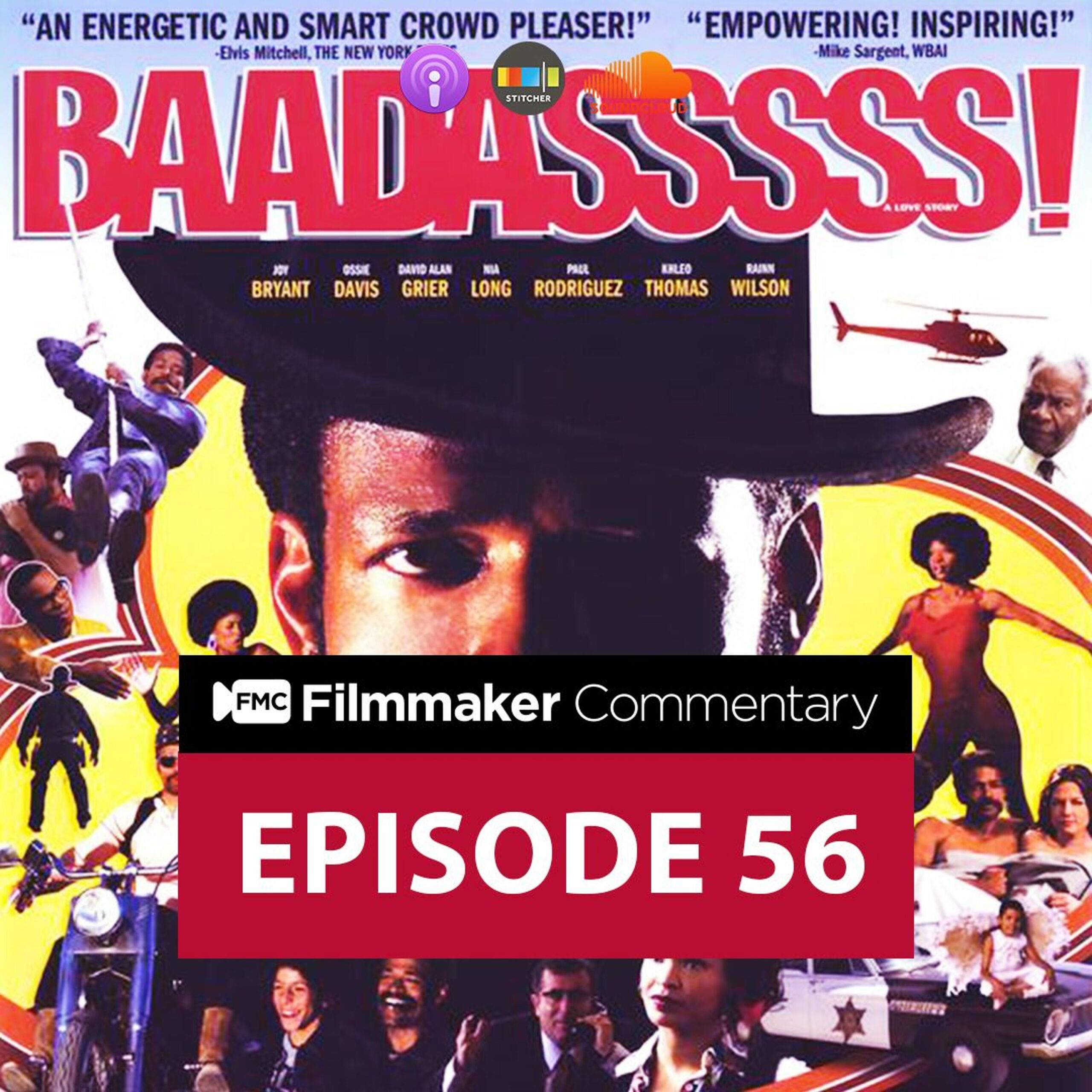
FMC 056: Baadasssss! Written and Directed by Mario Van Peebles

May 11, 2019
Listen on Apple Spotify YouTube
Listen to this episode
Your browser does not support the audio element.
Also on Apple Spotify YouTube

Tune into this engaging episode of Filmmaker Commentary as Reggie and Casey G. Smith dive deep into Mario Van Peebles’ “Baadasssss!”. Discover how this 2004 film chronicles his father Melvin Van Peebles’ defiant journey to create Sweet Sweetback’s Baadasssss Song, offering a raw and often hilarious look at independent filmmaking against Hollywood’s odds. You’ll gain insights into the real-life struggles of securing funding, the challenges of working with a skeleton crew, and the enduring legacy of a true cinema pioneer.

What We Cover

  • The journey of independent filmmaking against industry and financial constraints.
  • The dynamic between Mario Van Peebles and his father, Melvin, and how it informs the film’s narrative.
  • Insights into diverse filmmaking experiences and confronting systemic inequalities in Hollywood.
  • Analysis of the evolving landscape of streaming services, digital revenue, and media ownership.
  • Specific filmmaking techniques used in “Baadasssss!” and a look at Melvin Van Peebles’ creative legacy.
  • Discussions on film ratings for streaming platforms and the importance of parental guidance.

Key Moments

  • 0:43 The hosts discuss “Baadasssss!”‘s surprisingly low budget and box office performance, questioning its intended release strategy and impact of early streaming deals.
  • 2:51 A strong recommendation to watch Sweet Sweetback’s Baadasssss Song and read Melvin Van Peebles’ book, “The True Confessions of Sweet Sweetback,” to appreciate the film’s historical context.
  • 34:00 Mario Van Peebles’ commitment to embodying his father’s single-minded focus during “Baadasssss!”‘s intense production, highlighting the deep personal connection to the story.
  • 52:13 A detailed breakdown of an ingenious mirror shot technique, revealing how the film cleverly created the illusion of Hollywood behind a simple set.

Gear & Films Mentioned

  • Sweet Sweetback’s Baadasssss Song
  • Love, Death & Robots
  • Weird Science
  • Game of Thrones
  • Marvel Rising (animated series)
  • Vice
  • Venom
  • Drop Dead Fred
  • El Mariachi
  • Road Racers
  • Boogie Nights
  • Antwone Fisher
  • Parenthood
  • The Bill Cosby Show
  • Panther

Listener Questions

  • How did the film portray the financial and logistical hurdles of making an independent film in the 70s?
  • What insights does the film offer into the unique dynamics of a father-son filmmaking collaboration?
  • What current trends in streaming and content ownership are shaping the future of filmmaking, and what are their potential pitfalls?

Full Transcript

Read the full transcript

Full Episode Transcript
This episode of Filmmaker Commentary reviews "Baadasssss!", the 2004 film written and directed by Mario Van Peebles, which chronicles his father Melvin Van Peebles' struggles to produce his groundbreaking film "Sweet Sweetback's Baadasssss Song".

Introduction to Baadasssss! & Initial Impressions
Reginald Titus Jr.: Filmmaker Commentary, episode 56. Welcome to Filmmaker Commentary, where we give you insights from our favorite filmmaking commentaries. These commentaries can be heard on your DVD and Blu-rays of your favorite movies. We'll show you how you can use these commentaries and apply them to improve your video production and filmmaking techniques. All of this here on Filmmaker Commentary. I'm your host, Reginald Titus Jr.
Reginald Titus Jr.: Hello, welcome to Filmmaker Commentary. I'm Reginald Titus Jr. and I am joined with Casey G. Smith. Welcome back, sir.
Casey G. Smith: Good to be back, sir.
Reginald Titus Jr.: And today we are talking about Baadasssss! Produced and directed and written by Mario Van Peebles, 2004. We have a budget of a million dollars. They mentioned the budget in the actual commentary, but it's not actually published anywhere.
Casey G. Smith: Right, very true.
Reginald Titus Jr.: And we have a box office of $365,727. No go, no win.
Casey G. Smith: It's rough. It's rough.
Reginald Titus Jr.: Yeah, it's a rough one. It had a had a very limited release. I think at the most it was like 20-something theaters. And as I'm looking at the people that, you know, released it, you got Showtime Independent Films, MVP Films, which is I think it's his company, his production company. So, I don't know if it was like a situation where it's more like kind of made for television. You know, I know it did go to like Sundance and the Berlin Film Festival, Toronto Film Festival, and it won the Philadelphia International Film Festival. So,
Casey G. Smith: Whenever whenever I see an actual like HBO films or Showtime or Stars affiliated with a film that I'm thinking, okay, this is within its release window, it's going to see probably a good majority of its life, you know, on that platform, at least for a given period of time. So I always wonder how that affects your numbers because you know, box office then, now we're just talking box office, which doesn't necessarily equate to total revenue.
Reginald Titus Jr.: Yeah. over like time.
Casey G. Smith: True.
Reginald Titus Jr.: And I wish more they would release more of that information because they always boast about theatrical and what we made at the box office. But, you know, Avengers makes a billion dollars, but what happened on digital, streaming and DVD, Blu-ray? I know they crushed it, man.
Casey G. Smith: Especially on the digital side of things as we, you know, continue this transition, those are those are definitely still cleaning up.
Reginald Titus Jr.: Yes, indeed. So, yeah, and like, you know, it being for Showtime, you know, was it just a film that was like, it's important enough to be in the festival circuit, you know, so we can kind of raise the brand and the awareness of it, but, you know, it's for Showtime. Maybe that's the reason why the budget was so low on it.
Casey G. Smith: Possibly.
Reginald Titus Jr.: We would never know. And of course this is based on Melvin Van Peebles, Mario Van Peebles' father. It was also executive produced by Michael Mann, which is interesting, you know.
Casey G. Smith: It is. Yeah. It's very fascinating to hear his his inputs.
Reginald Titus Jr.: Yes, and I definitely I highly recommend this version of the film to any like current filmmakers, especially filmmakers of color that are, you know, maybe experiencing some obstacles. And then possibly watch the original film, and then read the book. If you're not going to if if I was to, you know, make a suggestion, reading the book by Melvin Van Peebles or watching his movie, I would say read the book, that he is a manifesto for independent filmmakers, for independent filmmakers, is a manifesto about guerrilla filmmaking. I would say read that book, you will appreciate him, know his background, then check out the film, his original film, which is Sweet Sweetback's Baadasssss Song. And, but it's raw, you know, it's a raw movie.
Casey G. Smith: Yes, unrated.
Reginald Titus Jr.: Yeah, so that yeah, I would say it's definitely a raw film. So, but definitely worth just for like, for historical purposes and knowing independent filmmaking in America, especially for people of color, it's a definitely important film.
Reginald Titus Jr.: And if this is your first time listening to Filmmaker Commentary, we want you to know in advance that there will be spoilers. You've been forewarned.
Reginald Titus Jr.: Yes, indeed. But before we continue about Baadasssss, we are going to go into news and movies watched.

Streaming News & Recent Watches
Reginald Titus Jr.: I don't know if this is news per se, but people are kind of speculating that the DC streaming service may or may not continue. Have you heard anything about that? And the reason they were saying is because like the Swamp Thing, the episodic series is going to be coming out. I think it went from 13 episodes and they cut it down to 10 episodes or something like that. And there's been some changes and I don't know, what have you heard?
Casey G. Smith: So, I had I had heard that as well. I heard that dropped uh sometime along this week and then but then DC put out a image on their their Twitter feed. Kind of saying like everything is like, okay, it's kind of like doing damage control. So, you know, when something is in development, especially for a streaming service, I'm like there's so much time. They have quite a bit of control. On the DC Universe app, they've I think they they did they did pretty well with the Titan series. It's got it's got a share of controversy, which is fine because they're unapologetic with how raw they are. The Doom Patrol is is got pretty nice critical success. And the Young Justice, man, Young Justice is lovely. I can't wait till the second half of that drops. And they've got several other shows that are in development. I think that I think the big thing will be once they get their act together to be able to release it on a more global scale. I was right. I think it's it's more right now mainly based in the US. So so yeah, a lot of fans around the world aren't getting to enjoy the DC Universe app. And if they start doing that, they'll just see some some pretty nice gains.
Reginald Titus Jr.: Is DC owned by a bigger conglomerate?
Casey G. Smith: Warner Brothers. Yeah, Warner Brothers has owned DC since since the I want to say since the 70s. Yeah, that's why any any DC movie that's come out that you've ever seen, it's always been produced by Warner Brothers, distributed by Warner Brothers.
Reginald Titus Jr.: Makes sense.
Casey G. Smith: And actually, a quick correction, one of the episodes that we we talked about James Gunn coming back on to do Guardians of the Galaxy 3 with Disney. I had made a a slip of the tongue where I said that Warner Brothers and and Disney when I meant to say is Warner Brothers and DC are still working with James Gunn to produce The Suicide Squad. Just wanted to to make that that that correction. But yeah, I think the DC Universe app I don't know how many subscribers they have. I I think they'll be okay because
Reginald Titus Jr.: Warner Brothers publicly traded.
Casey G. Smith: I'm sure I don't see why they yes, because they they still do, you know, they have their their meetings with their shareholders and all that kind of stuff. So
Reginald Titus Jr.: Okay, maybe we'll come back to, we can check that out, you know, maybe something we can come back on the next episode and dive into some of the numbers a little bit. Yeah.
Casey G. Smith: And I think and they also are working to have their own their own streaming service eventually as well.
Reginald Titus Jr.: Warner Brothers. I mean everybody's going to get into it.
Casey G. Smith: It's a race to the stream. Yeah, and Netflix and Amazon has got they're light years ahead of everybody right now.
Reginald Titus Jr.: So speaking of that, I don't know if we I don't think we talked about this last time. Maybe we did, but the Disney Plus, do we mention it last last last episode?
Reginald Titus Jr.: Maybe we didn't. Maybe we did.
Casey G. Smith.: So Disney Plus made their official like not official announcement but they but they actually announced the the pricing for Disney the Disney Plus service, which when it comes out, it's going to be I believe $6.99 like for the first year. $6.99 per month for the first year and it is dropping it's going to launch November 12th. Excuse me, November 12th of 2019. So still this year, but, you know, a couple of, you know, a good amount of months away, but there's going to be a lot of original content that's going to be dropping. They're taking a lot of their MCU properties, and they're, you know, Loki's going to have his own show. Falcon and
Reginald Titus Jr.: With the same actor that's playing Loki?
Casey G. Smith: Oh, yeah, Tom Hiddleston. Yeah.
Reginald Titus Jr.: Okay.
Casey G. Smith: So Anthony Mackie as the Falcon teamed up with Sebastian Stan as as the Winter Soldier, they're going to have a show. Vision and Scarlet Witch is going to be a is going to be a show. On the Star Wars side, Jon Favreau is is directing a show called The Mandalorian. Wow. Yeah, they're they're dropping some stuff, man. Disney's coming out. They're going to come out swinging. And again, this is the whole Disney Vault that's finally being unlocked, which is
Reginald Titus Jr.: I see this being I see this being the big three. It's like basically maybe three more because what we have like six studios, right? So that is where the studios are going. You know, how much do you have in your archive? What does your catalog look like?
Casey G. Smith: Yeah, which is why Disney wanted Fox. Yeah.
Reginald Titus Jr.: Cause now they got all those Fox films.
Casey G. Smith: Alien, Predator, Avatar, you know, The Simpsons. The Simpsons themselves is going to be their own their own like wing of the of the Disney Plus. Oh, man.
Reginald Titus Jr.: That's all under there.
Casey G. Smith: Because they're currently on Netflix, right? Or am I thinking about what's the Stewie show? Family Guy, I think Family Guy is on there. Yes, Disney owns that now too? Oh, Netflix is going to be naked.
Reginald Titus Jr.: Naked.
Casey G. Smith: Netflix, what?
Reginald Titus Jr.: Netflix.
Casey G. Smith: That's why that's why Netflix, they knew this was coming. That's why they started really ramping up their own internal stuff. That's why they also canceled all those, you know, those different Marvel independent shows as well. So it's all kinds of dynamics going on, man. It's super fascinating.
Reginald Titus Jr.: IP is important.
Casey G. Smith: Yes, it is.
Reginald Titus Jr.: Yikes. But anyhow, so they kind of put that out there, you know, because they had to change up those episodes for Swamp Thing and they kind of cut it. They said, well, we had to rewrite the ending and. It's like, so people are looking like, is this thing sustainable? And I've I've heard one guy, on YouTube, I can't think of his name. I'm going to drop his name next time. Kind of like in the same vein as like Collider, you know, kind of like nerdy guys, got all the stuff in the background. Sure. But he was just like, I can't I like the platform, but I can't recommend it for my kids. And I have kids and I I cannot recommend this because, you know, he's he was talking about Doom Patrol. He said, the guy got somebody bent over on the first episode and then there was another another one that was kind of raw. And he was like, yeah.
Casey G. Smith: Titans.
Reginald Titus Jr.: It was Titans. So he's like, dude, he's like, they have to I think they have an identity crisis because they got to decide who they want to be because and I thought the same thing. I was like, I would this would be something I would I would purchase for my kids. But then when I heard what you had to say about it and then I heard this guy talking about it, I was like, I'm staying away.
Casey G. Smith: What they what they have to what they what they should do is to do what Netflix does. When you log in to Netflix, and you got the profile accounts, you've got a portion that's just for kids. Because there's there's content on there that definitely could be just for kids, right? You got the little Batman animated series, you've got Teen Titans, you've got some stuff that that could be like just for kids. You got some different shows could be great for that. They need to have that that designation when you log on. They also need some kind of self-governed rating system. That's that I've mentioned this before. Like when you go on to Titans, there's nothing, nothing that indicates the kind of content you're going to see. I totally agree. I'm like, how could you not being bold and all that, it's fine. I don't have an issue with your content. I have an issue with you not giving parents or any viewers a heads up as far as what kind of content they're going to experience. That's that's that's irresponsible. and and yeah. So, you got to let 'em know at least.
Reginald Titus Jr.: Because like on Netflix, like you know, we'll log in, but it's under the normal one, but then, you know, we're watching the Flash series. I kind of know what I'm getting with the Flash series and so I was like, okay. Don't do anything else, just stay on that one. You know, and there's there's a couple of TV shows that aren't necessarily on the Kids app, they're on the regular Netflix app. You know, we're going there, Boss Baby and some more things. And yeah, and I can appreciate those ratings there. It's like it makes sense. But anyhow, so that's the reason why people are kind of like speculating that there may be issues with this platform.
Casey G. Smith: And to me, I'm like, those are quick fixes you could make, you know, those are some some internal, you know, user experience, user interface things that you could you could easily do. Why they've resisted that or haven't didn't do it from the jump. I'm like, how could you I don't know. That's it's weird to me. That's
Reginald Titus Jr.: Yeah.
Casey G. Smith: It's kind of dumb. I'll be honest, I'll be frank. It's dumb. Come on. You know people are going to go and have their kids there.
Reginald Titus Jr.: Yeah.
Casey G. Smith: And they they should know. You have a responsibility to let them know what's what's going down. So,
Reginald Titus Jr.: Shame, shame. Shame, shame.
Reginald Titus Jr.: Yeah, we'll dive a little bit more to DC streaming if they're reading through their 10K in their annual report. But movies watched, any movies watched this past week?
Casey G. Smith: Yeah, man, so I mean, some of you may have heard me listeners, I apologize last episode I was sound a little rough, little gruff. I was dealing with a little a little bit of illness, little uh bit of crazy weather here down where we are located. Still getting over some of it now as well. But so I was I was home all the week watching content. So a couple of the things that I checked out. Uh one series on Netflix that I I checked out and dug, man. I think you'll dig it too. Definitely not for kids is Love, Death and Robots.
Reginald Titus Jr.: Oh, the David Fincher and based on Heavy Metal?
Casey G. Smith: Yes. See, I wouldn't say it's based on Heavy Metal. I guess it's going to have some of that influence. It was yeah.
Reginald Titus Jr.: Yeah, that's still heavy metal franchise. We talked about it briefly on one of our past episodes.
Casey G. Smith: Okay. I know you had brought it up. Yeah, I watched it. I watched it all. I was like, yeah. It is it's like, you know, it's got it's got some some some episodes have like a Aeon Flux vibe to 'em. It's it's pulling from like multiple like oh, but it's it's all so well done, man. It's beautiful.
Reginald Titus Jr.: I'll put that on the listing. I was like, I'll come back to that.
Casey G. Smith: Dude, yeah. But make sure the kiddies are in bed because it's raw. It is raw. It's it's like yeah.
Reginald Titus Jr.: C-17?
Casey G. Smith: Oh, yeah. Yeah. Straight up. Yeah. Straight straight up like TV TVMA. Like no hold no holds barred, but it's it's it's pretty amazing. Um, I checked out one of your one of your favorites also. I watched this on Saturday, I believe. Uh Weird Science. Ah yeah, it's on it's on uh Amazon Prime.
Reginald Titus Jr.: Was your first time seeing this?
Casey G. Smith: Heck no. Okay, just checking.
Reginald Titus Jr.: And you checking you.
Casey G. Smith: I should I should I revisited.
Reginald Titus Jr.: Oh, there we go.
Casey G. Smith: Yeah, yeah. Weird Science. Yeah, no. As a kid, man, I I I dug Weird Science.
Reginald Titus Jr.: He didn't even got a license, Lisa. Robert Downey is a beast in there, huh?
Casey G. Smith: Oh, man. So this movie is so 80s, man. It is so 80s. It's so fascinating as you know as you grow and as as things change, like there's some things that I just like just so dated like, nope, that wouldn't fly. That wouldn't fly. That wouldn't fly today.
Reginald Titus Jr.: Examples.
Casey G. Smith: Man, so like man, like the sheer level of bullying these dudes face. Like the very opening scene, you know, spoiler alert for this, you know, 30-something-year-old movie. Opening scene where they're watching the girls in in the gym. They're kind of just, you know, they're two, you know, geeks just kind of talking to each other how they'd have this great night and have these two girls fall in love with them. And then, you know, RDJ and the other guy come up behind them and literally like pull their pants, their gym shorts down. And say, hey, check us out and they and they run off and these guys are standing there with their, you know, shorts down around their ankles. There's just multiple like just like some heavy heavy like bullying that happens to to these guys. But at the same time, they literally make a, you know, in the Frankenstein's monster trope, they literally make a a a a a a a doll into a a a cosmic genie, if you will, that's literally to be like they're kind of like not slave, but like they they originally made her so they could ask her advice. So, their intentions were were okay. And they don't they don't ever here's the thing I I will give credit for, they don't ever take advantage of her. You know, she's trying to like push them to make them better, but they never take advantage of her. They never sleep with her or or or or anything like that, which is super fascinating that they took that that turn. And she literally is there to help them like gain their confidence. So, there's some interesting tropes taking place, but man, let me say, that Kelly LeBrock, hey. She should have been in more movies because she's she is fantastic.
Reginald Titus Jr.: Charming, all of it.
Casey G. Smith: Oh, man, she is fantastic in this movie, man. Like I I would have loved to have seen her in more comedies or whatever because she just eats up the screen. I mean, obviously she is gorgeous. She is, you know, she's a model and she's gorgeous, but her personality. Like if she had like a talk show, I would watch it, man. Like give me more Kelly LeBrock. So Weird Science was was was was fun to to revisit. Saw the Game of Thrones premiere last week. Oh, my lord.
Reginald Titus Jr.: The whole world's talking about it.
Casey G. Smith: Bring it. You know, it's it's really cool to see something that's been around for so long and you see these threads just tying up.
Reginald Titus Jr.: It's been like 10 years, right? Almost?
Casey G. Smith: Yeah. Yeah. That's a long time.
Reginald Titus Jr.: That's an investment.
Casey G. Smith: Like eight. I think eight. It's this is obviously the eighth season, but like when you think about how long the actors have been involved with it for them, it's it's closer to like nine to 10 years for them. And literally, you know, literally there are people who have grown up into adulthood. But seeing these threads beginning to tie up, actors who you haven't seen interact since the first season. Oh, wow. Like literally meeting again. You're like, what? Anyway, so that's been awesome. Um, for those with with with with kids, with children, I watched, and you can actually find this online right now on on YouTube, Marvel has a website called Marvel HQ, where they have a lot of their animated series and animated shows. I I didn't I didn't think that was an official Marvel sponsored channel until recently I figured out, oh, it actually is run by Marvel. So I'm like, okay, cool. I don't feel bad watching it. Uh but they have a series that they started this year or in the last year called Marvel Rising, where they have a lot of their like newer characters. So like, um Kamala Khan, aka the current Ms. Marvel, who's a a a Muslim American character who's just beloved and fantastic. Uh Squirrel Girl, Patriot, Daisy from from Shield, who's actually the got her and, you know, she's she's a a regular character in the MCU as well. Um, America Chavez, aka Miss America, and um, you know, Gwen Stacy, aka Spider-Gwen. Like they're they're in this in this series. It's it's fun, it's and it's it's it's kooky. Uh but it's good times. There's like three, there were three kind of like movies, if you will, that they had. And so I watched watched those, you know, a lot of time on my hands. Um, also I watched I watched uh I watched Vice yesterday.
Reginald Titus Jr.: Oh, okay.
Casey G. Smith: Adam McKay.
Reginald Titus Jr.: When I think when you say Vice, I'm thinking of the TV episodic series. I'm just like,
Casey G. Smith: I watched the movie Vice, a movie. And then there's a movie called Vice, right? Yeah. Yeah. Okay. Christian Bale. He's the truth, right? Absolutely 100% true. And I am torn. I am torn, Reginald.
Reginald Titus Jr.: Now that you've seen the movie and then Oscars,
Casey G. Smith: I'm torn. Like, cuz I've seen both. I've seen Bohemian Rhapsody and I've seen Vice. And when I to to to compare Rami Malek's performance as Freddie Mercury and Christian Bale's performance as Dick Cheney, they are both incredible. I mean, the the performances are amazing and it's it's it's it's it's a toss-up, man. But I'll tell you what, man, Christian Bale as Cheney is Like I he you you don't think you don't think about Christian Bale at all. You don't think about it. You like literally I'm watching the movie the whole time. I'm like, this is not Christian Bale. You know, even if I want to see Christian Bale in him, I can't see him. I just see I just see Dick Cheney. Wow. And like the the the breathing and the nuance, it is it is phenomenal, man. It it is phenomenal. Like Christian Bale, you are one of the greatest of all time, man. One of the greatest. And and and kudos to um, Amy, Adams? No, that's not right. Um, I I got I got to give my girl props. Yeah. Sporting actress.
Reginald Titus Jr.: Yeah. One of those days, one of those weeks.
Casey G. Smith: We all know her. We all know who she is.
Reginald Titus Jr.: I didn't see the movie.
Casey G. Smith: It is Amy Adams. I'm right. I'm second guessing myself. Amy Adams, who plays his wife. Um, she's she's good in everything. I've never seen her I've never I've always seen her have a good performance. I never I've never seen her not have a a good or or great performance. And once again, she she prevails. She really, really prevails. And Adam McKay, kudos to him to how he set this story up. I won't go into any spoilers, but it's you know, he always has his own sensibilities that he throws in. He always has he he's a big Fantastic Four fan. So he always finds a way to throw in something Fantastic Four related in his movies. And he has a nice nod to a to a character in that in that side of the world. But yeah, the movie was was good as a whole.
Reginald Titus Jr.: Right.
Casey G. Smith: But Bale's performance just wow. Would you watch it on again?
Reginald Titus Jr.: Man.
Casey G. Smith: Uh, I rented it through uh through Spectrum.
Reginald Titus Jr.: Okay. Yeah. You know what? Cause I I almost rented it physically from Movie Trading Co. And I said, you know what, let me just I said I'm home like it's going to be probably the same price and I don't have to get up off my butt and return it. So, let me just do it at home. So, but yeah, it was it was nice.
Reginald Titus Jr.: Interesting. Uh, when you rent it that way, did it have like any special features or anything like that when you rent them?
Casey G. Smith: Nah, it was just straight. Yeah, it was just yeah. I maybe if I if I had gone, no, yeah, when you rent, you don't get special features. You have to buy. You have to access special features. In in most of my experiences. I know there's some I know Vudu sometimes will let you sometimes access special features. But uh, yeah, we yeah, most places you got to buy it to get that. And of course, I I I did watch um Sweet Sweetback's Baadasssss Song. What did you think? It's it was it it was it was a rough watch. I'm not going to lie. I I appreciate it having the context of what it means. I I appreciate it of its impact.
Reginald Titus Jr.: Were you counting the time like, how long is this movie?
Casey G. Smith: Yeah, it's it's it's it's so different. It's a product of its time. And and and of the gorilla filmmaking that had to take place to pull it off. And uh, some of some of it is it's it's it's very striking. There are there are moments in it that are very, very striking when you deal with some of the some of the topics and the points that it's trying to make. Uh, yeah, it's just there's there's a lot of you know, running, you know, and a lot a lot of scenes of scenery as as the main character as Sweetback as he's running. And that's that along with the with the, you know, hey, I love Earth, Wind & Fire now. But like with the way that soundtrack was done then it it's it's that late 60s, early 70s. Plus he wrote the music. Yeah, that that that part that part was tough for me. I'm just being frank. That part was was tough. The last hour or so of the film. It's it's yeah, it's hard.
Reginald Titus Jr.: But yeah, that's yes. Sorry.
Casey G. Smith: Hey, I'm glad I watched it though. At the end of the day. Yeah, it's it's important history in film history. I've only seen it once, you know, it's seared in your brain once you watch it, it's seared there forever. You don't have to come back.
Reginald Titus Jr.: It's nowhere. Yeah, not even.
Casey G. Smith: It's not really entertaining, it's there just, you know, as reference. As I mentioned, when we were talking offline, I would I would definitely I would get this DVD or Blu-ray for for any kind of additional features, behind the scenes stuff. That that to me would would carry more value at this point. Now that I've actually seen the film itself. So if you're thinking about watching it, I would say stream it, which is what I did. I streamed it. Yeah. I'm I'm glad I did.
Reginald Titus Jr.: That's all I got to say about that.
Casey G. Smith: That's all I got to say about that.
Reginald Titus Jr.: Um, for me, I watched the movie Venom.
Casey G. Smith: Okay. Yeah.
Reginald Titus Jr.: With uh, what's Tom Hardy? Yeah. Michelle Williams. It was entertaining. Riz Ahmed. It was entertaining. It's an action. It's one of those films where it's not too much thinking required. Just put your feet up and be like, oh, that would never happen. But uh, you know what I mean? Like this is not going to happen ever. But uh, I can enjoy it for what it is. Um, Tom Hardy's I think he's a good actor. Close to being great. The first part of the film, him being just a pushover, physicality wise, I don't see it. You know, I just no. But he pulls it off, but it's he should have toned it down, lost some weight or something because he's his physical presence is just too big to see him as such a pushover. Um, more of a loser, he plays a loser vibe very well. But just being like a pushover, nah, from a physical standpoint, I didn't see it. Um that's only kind of problem I had with like his character and stuff. I was like trying to kind of going into their world to believing this, you know, believing his character.
Casey G. Smith: I'm very curious, what are your thoughts on um Michelle Williams' character in the movie? She had the blonde hair, his girlfriend, right? His fiancée. Hmm. Do you feel they had chemistry at all?
Reginald Titus Jr.: I mean I'm I'm going back now. Maybe they didn't. I don't think we had enough time with them. Now I think about it. We didn't have enough time hanging out with Tom Hardy and Michelle Williams.
Casey G. Smith: Yeah, I didn't I didn't believe their relationship. I didn't I didn't believe their chemistry. I I I was I was not I was not I thought she was
Reginald Titus Jr.: Cause I never I didn't even think about it. I didn't even think about it. Yeah, when I started watching it, I was like, I don't know. No, I didn't believe it. And and then that's what I'm saying. They both did well for what they could have done. Uh but I think that maybe it was like improperly cast.
Casey G. Smith: Yeah, I think I think she was I think she was miscast. I really do. And she's a she's a she's a great actress.
Reginald Titus Jr.: They both are. That's why I'm saying like with him like kind of being that loser guy and being like, I don't know. Like I maybe somebody a little bit more frail, you know, or if he was willing to like lose a lot of weight to kind of be the frail guy and I don't know. I don't know if they were, you know, that commitment, you know.
Casey G. Smith: I I'll tell you what I thought was fascinating that they that they the fact that they pulled off doing a Venom movie without Spider-Man in it, without any any origin to Spider-Man. For me was uh that was my biggest concern going in, but they they managed to do it. And I I enjoyed mostly the uh the inner dialogue that talked between Venom and Tom Hardy. That to me made the movie. That was that was fun.
Reginald Titus Jr.: I didn't enjoy that.
Casey G. Smith: That was that was fun.
Reginald Titus Jr.: Once uh he became Venom or once they became one or partnership, whatever you want to call it. I enjoyed the movie then, you know, and how he was kind of overcoming, you know, being a loser and standing up and doing things that are right. I appreciated that. And the how he would react, you know, to this, what would you do that? And how he just his physical, his physical comedy uh what he was doing, eating all this weird stuff and that I I enjoyed that part of it. But the first part of the film, the first 25%, nah.
Casey G. Smith: Totally, the movie is is tonally a little bit weird too. It's kind of all over the place a little bit sometimes because you don't know if it's going to be more kind of on the horror side of things, you know, superhero side of things or, you know, comedy. It's kind of and within superhero movies you have some of those elements. You have, you know, you're going to have your stakes and you're going to have some levity. But it it's a little uneven, I think. But still, again, some people say it feels like a 90s superhero kind of film. Kind of the way it it plays out.
Reginald Titus Jr.: Yeah, I kind of just vegged out and just, I'm not going to take this one too serious. Vegged out, watched it. Um, the guy that played the villain is a Riz Ahmed. Riz Ahmed. Riz Ahmed. I was like, where do I know this guy from? I said, I know this face. Uh Nightcrawler. You know, I was like, this guy is good. Uh he pulled off being a jerk. He he can pull off being a lovable guy like like he's got some range there.
Casey G. Smith: Oh, man, his most people will say his his best performance is his HBO limited series uh show, Deadgum. Um, I have to look it up. But it was like literally like six or seven episodes. And he is amazing. He's accused of a crime and and gets and basically gets sent to to jail. And the series about, you know, trying to prove his innocence. He's he's a college kid. And and him uh adapting and changing. It is it's powerful and he is he is he's impressive, very impressive in that.
Reginald Titus Jr.: Okay. Yeah. Most people are like, my brother about told me about it. And I was like, yo, Riz Ahmed. Okay. Yeah. You know, everybody's kind of holding their own. But the chemistry, kind of answer your question. I don't think the chemistry was there. I don't think we spent enough time with them for them to develop correctly. Therefore no chemistry, and we didn't really care about their relationship.
Casey G. Smith: I did not. I I didn't I didn't I didn't care for her character as a whole. I I didn't I did not like her character in the film. I was like, yeah.
Reginald Titus Jr.: Something's wrong with it. Yeah. It did not it did not sit well. And again, she's a fine performer, but I did not I didn't I didn't I didn't care for her character uh in the in the film. Like at all. It did not work for me.
Reginald Titus Jr.: Too bad. And then just the whole alien invasion thing. I'm like, we've seen this before. How many times are we going to get this crap?
Casey G. Smith: And having to having the villain that is the little like like almost the same as you. Like that that that same trope. I'm finding someone who's who's just like me, but a little bit stronger. You know, it's supposed to be the opposite of me, but they really they're just like me and they're just stronger. I got to overcome.
Reginald Titus Jr.: That's why I didn't take it too serious because I was just like, you know what, I'm just going to watch it. Just and just be entertained.
Casey G. Smith: Yeah. I went into the theater with like no I I I was not excited to see the film. My buddy wanted to see it and I was like, yeah, there's no Spider-Man in this. And that then, you know, I was kind of a chip on my shoulder. So I was I was surprised with what I got. I was like, oh, okay. But it wasn't Spider-Man 3 though, right? Oh yeah. Yes. Yes.
Reginald Titus Jr.: Some of the CGI was kind of iffy, but um hey, there you go. Uh Venom. Also another film, I watched this in the past, Drop Dead Fred. This is like in the 90s with Phoebe, what's Phoebe's last name? Phoebe Cates. Yeah, Phoebe Cates. Fast Times at Ridgemont High. Yes. That was a film just like me and my sister growing up. We would just watch this film over and over again. So it was just one of those nostalgic things. It was just like, let me, oh, it's on Stars. Let me stream it real quick. All right. So, yeah, it was just cool kind of going back. It's a nostalgic thing.
Casey G. Smith: I saw that on Stars and I was like, remember as a kid, I was like, no. So, I saw that on Stars. I was like, as a kid, no, no.
Reginald Titus Jr.: As a kid.
Casey G. Smith: Yeah, I've got a certain threshold with like certain like like silliness stuff. Like I've got I've got certain thresholds. Sometimes I'm like, that's too silly.
Reginald Titus Jr.: Yeah, it it was, it is. Like going back, I'm like, how did I But and I remember like, we must have watched this thing probably 50 times because even now playing that was like, I catch myself saying the lines. I still know the lines. Was that me? Was that me? But Phoebe plays a total pushover. She's like in her 30s. Her husband is just cheating on her, like treating her like trash. She just looks like all barren and
Casey G. Smith: She's got a really bad haircut in the
Reginald Titus Jr.: Yeah, she they did she's they did her dirty in this film. Like shit. And so her thing is like, so, you know, people have when they have traumatic things that happen to them, they create characters to defend themselves. We've seen that trope before. And so that's where Drop Dead Fred comes from. But anyhow, it's it's one of those fun movies from the 90s.
Casey G. Smith: From the 90s.
Reginald Titus Jr.: Yeah. So anyhow, that was it. Only watched those two joints. And now, we're going to jump back into the show.

Analyzing Baadasssss! – Story, Themes, and Performances
Reginald Titus Jr.: Welcome back to Filmmaker Commentary. We're talking about Baadasssss! produced, directed and written by Mario Van Peebles. 2004. And let's jump into the synopsis. Determined to make a film that matters, Melvin, played by son Mario, deals with two-faced backers, a rag-tag crew, threatening creditors and various shades of Hollywood hypocrisy. Obsessed and with everything on the line, including his failing eyesight and family, his only choice is to stick to his guns and do whatever it takes to get his Neo-Blaxploitation epic, Sweet Sweetback's Baadasssss Song, to the audience for which it was envisioned. The real-life father and son dynamic brings intimacy to this inspiring and often hilarious tribute to the father of Black cinema. The result is a seamless layering of entertaining drama and poignant documentary that mirrors itself from every angle and never loses its edge. Baadasssss! There we go. So man, how did you watch this film? Did you have you seen this film before? How did you watch it this time around? How did you go find it?
Casey G. Smith: Quite the synopsis.
Reginald Titus Jr.: There we go.
Casey G. Smith: Um, so I found this. Hmm. Well, I first heard of the actual film as far as um Sweetback, I'll just call it Sweetback, the original film, for short.
Reginald Titus Jr.: There we go.
Casey G. Smith: Sweetback. I got I saw an article in a Vibe magazine. Again, years ago. Um, and maybe, you know what, maybe that article I saw in there was maybe based upon this film being made. Actually, you know, I I think it is. I think this film was getting set to come out and it may have been a review of this film and I may have been home during college or something like that and and saw the actual article and read it then. That may be the whole reason why it even showed up. Okay. But I I beyond that, I didn't know anything about it. So this is my first time watching it was was this weekend. And uh yeah, I was I was I was engrossed with it and I I I, you know, enjoyed Mario Van Peebles as a as an as an actor as well as as a director. And uh I didn't know what to expect. But yeah, this this this film is, you know, fairly fairly raw and and and um him taking on this role, because he's he's typically a pretty like nice guy. Comes across as a as a nice guy. He can be, you know, hard ass, but like this in this, he's, you know, playing playing his father, he's like, you know, so focused and just like, this is what it is. And uh I appreciated that. And the fact that, you know, I always have extra respect when you are starring in and directing something. And producing.
Reginald Titus Jr.: And he had to write it.
Casey G. Smith: Yeah. So he's wearing all of these hats. And uh, but he but he got it done. And so uh yeah, man, I I I dug it as a I dug it as a as a whole. How about you?
Reginald Titus Jr.: Um, I remember seeing like a few trailers like back in the day when this was being like, you know, marketed and everything like that, but didn't really have that connection with it. You know, to me it felt like more like an exploitation type 70s thing. And I was like, nah, I like Mario, but uh I just wasn't that wasn't me at the time. Um, but after um around 2007, 2008, it's when I really started getting serious about filmmaking and studying and research and that's when I understood, okay, Mario comes from a family of filmmakers, you know, Melvin Van Peebles kind of leading the way. And I could appreciate Melvin more for what he's done, putting his basically, you know, putting his son in a different position. And, you know, I grew up, you know, looking at some of Mario's films and seeing him in different films. So, I could appreciate it more. And, um still didn't watch this film, but I did watch his dad's um original Sweet Sweetback back probably like 2012, 13, around that time. Bought it on DVD. This is the same DVD I have now. And yeah, it was raw. Uh, but this film right here, I um, this is my first time watching it. I I had to go online to find this film. Like I just bought it from eBay, found a dealer on eBay. I didn't see a Blu-ray for it. So I was like, I had to buy a DVD.
Casey G. Smith: Yeah, I couldn't find it on Blu-ray either. I I went to Movie Trading Co. Um and just and there were there were two copies there. Oh, really? Yeah, there were two copies there. And I made sure I got the special edition or whatever copy in there in the back. And that's what the one that have the commentary.
Reginald Titus Jr.: Yep. I didn't take it. I got the one that didn't but I took it. Um.
Casey G. Smith: Majoring twice, cut once.
Reginald Titus Jr.: How much you have to pay for yours?
Casey G. Smith: Uh, what did I pay for mine? I, uh.
Reginald Titus Jr.: Was it used? Was yours used?
Casey G. Smith: No, I think mine was new. Really?
Reginald Titus Jr.: Yeah, I remember I had to like actually get the I think mine was like $9.99.
Casey G. Smith: Yeah, somewhere around there. Yeah, $7.99. I think mine might have been $7.99.
Reginald Titus Jr.: Fair enough. Fair, fair. So yeah, just purchased online. Had it sent to me. Had the special features on it. And, you know, like we were talking earlier that since it was a Showtime independent film, maybe it was just a film specifically for Showtime. So it did what it had to do, you know, for that platform.
Casey G. Smith: Yeah, I'm thinking I'm thinking so. Yeah. especially again, you know, if we get to get into the look of it, it it looks like a early digital. Yeah, it does. It has a TV kind of vibe to it. Oh, yeah, yeah. I'm like, this is like a, you know, late 90s, early 2000s digital.
Reginald Titus Jr.: That feature.
Casey G. Smith: And when you're doing a film that they know is for um a network like that, it's almost like a TV movie in a way. And I remember Rodriguez, his second, Robert Rodriguez who did El Mariachi. His second film was called Road Racers. A lot of people don't know about that film. Um was about hot rods and stuff like that. Low-budget film. It was specifically supposed to be of I think I want to say HBO or something like that. It was like a a series of like five films. Like five different directors. You do this film, you do this film, you do this film. But they liked his film so much that it was like, oh my god. This needs to be out in the theater, you know, and all that stuff. So um that's the kind of vibe that I got from this film was like, okay, this is for TV. We have a few million bucks to mess around. Let's just get it done quickly, as quickly as we can. Because it's for the platform, you know, this probably won't be theatrical or anything like that. But so we we can kind of get away with more things.
Casey G. Smith: Right.
Reginald Titus Jr.: Yeah, because when I think about again, stuff I've seen on on HBO before like whether it's uh like early early episodes of like Curb Your Enthusiasm and things of that nature. Like when you look at how kind of how they were shot and how they look, this has those this has those elements to it of that that period.
Casey G. Smith: Yeah.
Reginald Titus Jr.: Get that wide angle. That's what we're rocking with.
Casey G. Smith: Mhm.
Reginald Titus Jr.: After watching this film, I actually enjoyed it. Even though it had that kind of vibe to it, it's like, it's enjoyable, digestible version of Sweet Sweetback.
Casey G. Smith: Yeah.
Reginald Titus Jr.: You know, I I so speaking of that, I I like how he intercuts pieces of the original film of Sweetback into the movie itself. That that that's I think it's pretty effective. It's effective use of that of that footage. It's kind of crazy. Uh Melvin, him saying that, you know, this is business, son. You got to license my footage. That's cold blooded. That's cold blooded.
Casey G. Smith: Yeah, yeah.
Reginald Titus Jr.: Look here, young blood. This is business, man. This is business.
Casey G. Smith: Hey, so so I say when the commentary starts off, you have you have like there's an awkward silence. Like cuz like that gets brought up immediately. Like when they start and he's like, yo, you know, you know, maybe pay for, you know, this, this, this. He's like, this is business, son. It's just business. And like, there was like this pause for a moment like and then it got I'm like, oh man, I got awkward for a second. You know, it was like it's still kind of tender about that. Like Mario still kind of like tender like, come on, Dad, really? He's because he's like, he's like, hey, this is this is publicity. Publicity for your film. And he's like, business, son. This is business. Oh, man. I gave you a good deal. Did not did not? Oh, man. That ain't playing. It's like, hey.
Reginald Titus Jr.: True.
Casey G. Smith: That ain't playing.
Reginald Titus Jr.: Hey, man, no games.
Casey G. Smith: I taught you better than that, boy.
Reginald Titus Jr.: Should've raised the budget. Hey. So, um what are some of the themes from the film did you pull from this one?
Casey G. Smith: Uh, couple themes that I had. I had one of uh fighting self-doubt. Yeah. Uh, because you know, we we see um the the other Melvin that that that shows up and they have a conversation with. And Mario says in the book that he does a really good job of of of of having those distinct voices of the different Melvin or different Melvins and might be more than more than two. Uh so I thought I thought that was interesting. You know, obviously battling uh battling inequality with diversity. Um, they they mentioned a couple times that like the Panthers, Black Panthers Black Panthers had a quote of saying, you can't battle racism with racism. Yeah. So I thought I thought it was so cool that he didn't just want to have an all black crew. He didn't just want to have an all like multicolor crew. He wanted something that was reflective of of of the world, those who were, you know, not so much represented. And that that that didn't mean that they, you know, weren't going to be white people there because there are white people who come from different backgrounds who aren't represented because they they they're not a part of any kind of nepotism or things of that nature. So I just I just I I dug how he built the crew that way. So battling that. Um, also another theme of walking in your father's footsteps. Yeah. When you hear about the parallels between Melvin and Mario and Mario even making this film. So the things that he faced, budget constraints, uh, you know, having a diverse crew. Having to cut down the production time. This thing was done within 18 days. He shot this in a 18-day shoot. Yeah, literally revisiting the same places that his father visited. That's something else. Um, and then I put I put a theme of changing the narrative. And I think at the at the end of the day, that's what the, you know, what he was trying to do with this, you know, with with with his film is just, you know, how things are talked about, how people are are viewed. Uh, so yeah, those are a couple themes that I had. How about you?

Filmmaking Techniques, Trivia, and Commentary Insights
Reginald Titus Jr.: Don't quit, which kind of goes with, you know, what you said. Believe in yourself and then the reunion of father and son, you know, just kind of coming back. And, you know, we see um Mario who's playing Melvin, him going to his dad, you know, who's got him raking leaves, just a hard guy. He's just, hey, hard work, buddy. You know, this is how you're going to get it done. And then him, you know, bringing his father back on set with him, you know, is just truly interesting. So that reunion of father and son. And I think, I don't know who said that. Somebody actually said that if it was either in the commentary or I read it. Um, but they had mentioned reunion of father and son. So I was like, okay. And I think that's why I can I appreciate the film because, you know, it's like showing appreciation for the fathers, you know, not always like a straight-up villain. You know, a lot of times you see African-American males in a different light, you know, not someone that has a family. You know, it's just just demonized person that, oh my god, we should be scared or something like that. He's like, hey, man, he's got a family. He's just trying to make ends meet. You know, he's trying to make it happen.
Casey G. Smith: Absolutely.
Reginald Titus Jr.: Yeah, so I I those are the themes that I had on that one.
Casey G. Smith: Nice. It is it is good to see a film where the father is is working hard to to not only accomplish something, but, you know, still cares and is building a relationship with his with his with his family, you know, you know that the I we'll get back to the we'll get to the family scenes in a in a little bit. But yeah, it's it's nice to see a a a legacy of fathers. You know, cuz we always get grandfathers. True. So yeah, that was nice to see.
Reginald Titus Jr.: The commentary, what were your thoughts of the commentary?
Casey G. Smith: commentary. I thought it was I thought it was good. I I I like hearing Melvin talk and I even watched the behind the scenes where he's at an actual Q&A session. Really I I I enjoy hearing this guy talk, man. He is he is quite prolific. And even though he's he's older, he's still sharp. Like he he has a moment where he's pausing and he's gathering his thoughts. And he think he might, you know, you don't know, but he but his answers are always just on it. I'm like, man, I appreciate this dude. And I initially when it when I heard it was going to be like him and and Mario. I was like, okay, it's going to kind of branch off and a lot of stories. And there are stories in the commentary, but it still seems to work. They're still able to Mario's able to kind of steer it at times back in when something's like really prevalent, he wants to hit on. He makes sure he hits that. He still talks about different shots. And he I I think they they do a pretty good job in tandem of of of commenting on on what it took to pull off this production. And it's and it's got this extra level of um extra level of uh of being kind of meta. You know, because he's playing his dad, talking about a scene that his dad lived through and that he had to act through and direct through. It's like of a character that his dad then would play. It's like, it's pretty freaking meta, right? You know, Melvin is plays Sweetback and then Mario is playing his dad playing Sweetback. He was directing.
Reginald Titus Jr.: Yeah.
Casey G. Smith: Yeah, he's directing. Yeah. Like, yeah.
Reginald Titus Jr.: Oh, man.
Casey G. Smith: My brain.
Reginald Titus Jr.: Yeah, and if you wanted to really go hard, he could uh uh Mario could have put his son to play him from that. That would have been even like a next level.
Casey G. Smith: Man, for real.
Reginald Titus Jr.: Yeah, that's what I'm talking about. I know it.
Casey G. Smith: I know it.
Reginald Titus Jr.: I might have heard it once like years ago. I totally forgot. I never heard it before, man. That's that's pretty wild. Mo Tisa. Mo Tisa. Mo Tisa tribe. Like, wow. That's that's crazy.
Casey G. Smith: Yeah. Find somebody that get you in. There's like a lot of rules and regulations when you're trying to get into unions and all these rules, but at the end of the day, you got to have find somebody that can get you in and have some work. And it was Clint Eastwood and and Sydney Poitier that got in um Melvin, I believe.
Reginald Titus Jr.: Or Marvin. No. Mario.
Casey G. Smith: Mario. Melvin, do you think God came down and gave him. Oh, man. All right, uh, have actors who can always react even when they're not being directly addressed in the scene. David Alan Grier is is great at this throughout any scene that he's in. He is he is constantly just reacting and and and moving and just just expressions going on. He's can tell me he's he's a trained professional. He's yeah, he's yeah, he's he's he's he's he's the real deal. But he is he is he's constantly on it and and and reacting. Rain Wilson was the was the was the same way in scenes that he's in. Um, but yeah, you want people to do that that add that believability and just keeps the immersion going. That's true. That was so like he was telling them to like to always be present and really understand what they meant. And then now, you know, watching all these films. I kind of understand what he mean just like, even if you're not the focus of the shot, you still have to be in character all the way into cut, you know, you just if you're in the and I noticed him like when they were um when Mario was in the foreground in the background they're messing with cameras and things, you know, putting things together. You still have to be that character, even though we're not focused on you, you still have to be that character doing the thing. We have to believe you're fixing this camera or whatever it is that you're doing. Yes. And you can tell when people are playing it a little over the top or doing too much. And sometimes you can see when extras. Extras are extra. And sometimes they'll look into the camera sometimes when they're in the background. Like, come on, man. I noticed a couple times when I watched uh Sweetback. I I noticed um Melvin spoke in the camera a couple times. But as a director, you know, you might also be checking stuff stuff out or whatever. And so I'm like, okay, I can see where that would happen. And plus you get you got you on that you're on that that that schedule he was on. So I'm like, all right, I can. Plus you from the editing standpoint, it's like, you know what, we're just going to leave that one in. Mhm. probably weren't too many to to pull from, you know, Mario talks about communicating without lines. How two characters maybe giving each other some kind of look. And this actually is visually moving the story forward without actually using dialogue to explain it. Mhm. Communicate with outlines. You can shoot that. You have an example when when uh maybe the scene where I want to say it could either be the one when they're in the theater looking at the at the screen, but I don't think if that was the actual scene he was referring to. Um, are you thinking on that? Um, find ways to to keep the pressure on when it comes to stakes. So, throughout throughout the film, Michael Man had had given Mario the suggestion that, you know, as the as the film progressed, they had these moments of like, oh, okay, this is happening, this is happening, this is happening. Like these small little victories, Michael Man said, well, you know, instead of letting them have these small victories, keep the pressure on. And even up to the point of where so like something good will happen and all of a sudden, oh, but this is this is happening. Oh, you know, we've got we've got the crew together, but oh, the financing is not coming through. Oh, okay, we we we we've we've got financing, but now this this actress can't do this role. Or this person's going to leave. Oh, okay. Oh, we got the film done now, but oh, okay, how are we going to get distribution? Okay, we can do distribution, but oh, it's only in two cities. Okay, we're in this city, but oh, only two people showed up to the actual first screening. And so it's just constantly keeping that pressure up. Really up until the the the end of the film. And then giving that moment to let it all set in. That's true. Michael Man calling it pseudo victories. Yeah. I can kind of see that. Yeah, because I feel like, oh, man, we got it. You know, we got it. We're watching it. We're good. Because that's the vibe that they that they kind of had. But, uh, no, don't do that too early without like you're saying, keeping that tension up. Now, I'm trying to figure out what uh scene it was when they were talking about communicate with outlines cuz it was before the scene that you're talking about about keeping the tension. Cuz in in the uh keeping up the tension when they were talking about that, that's when Melvin finds the editor, he's introduced to the editor cuz they're done shooting. Everybody's done. You shot the scene where the car is on fire. He's had the big talk with Big T. He's had to borrow more money. He had to do with one of the kids in there. I want to say, but the example, I guess I can use this example, uh communicate visually without using lines. And we see the crowd is looking at the white guy again, that um the hippie. Bill. Bill. Um the crowd's looking at, hey, man, don't tell us what we should be doing or whatever. Don't tell us what to do or how where to be. And then all of a sudden we see them look up and then go back. We see the big Terry Cruz. And nothing needs to really be said. Yeah, they're all back up based on the look that he's giving them. He does nothing needs to be said. And then we see him kind of give the cord to the audio recorder. You know, he's like on board now. And we can kind of see that through him physically. But I'm not I'm not sure if then he also gives yeah, he also gives he he he says, you know, ready boss. Ready boss. He also gives a look. You know, and Mario says that's like the the soldier giving the lieutenant the that he's on, you know, on board and ready to go. And then I think there's another there's a scene. It has to deal with either the uh the young actress is playing his daughter. And I just can't think of the scene. And yeah, I'm think I was thinking the same thing also. Like when when you mentioned it, I I kept thinking of them being at the windshield of the police car. But that's so But they had dialogue in it. So I can't it's not the rope scene, is it? The look that she gives him. No, cuz he says please. You know, it could be because it could be an example of it because we see the kids that are reacting to each other. Like my dad can do it too, but they're not actually saying it. Actually, when he's looking he's looking down at them. You know, and it's kind of going their different expressions. Yeah, cuz everybody has a look in that moment. The, you know, the white dad has a look, the the mom has a look. She's like, you know, kind of, you know, and and his daughter is like, you know, kind of excited, or happy for him that her dad is is doing that. So yeah, so I don't know if that was the actual scene, but I remember, but these are examples of people communicating and telling us something without actually having to say dialogue, the plot or whatever. Working that non-verbal. So communicate without lines. Sorry, I couldn't give you the exact scene, but we gave you some examples of people communicating without using dialogue. More than you bargain for.

Final Takes and Outro
Reginald Titus Jr.: There you have it. Uh any more tips?
Casey G. Smith: Um, use the soundtrack and merch to sell tickets. Boom. Yeah. Um, it's kind of pioneer using the soundtrack on the forefront and obviously naming one of the themes after your movie when when uh Marvin Melvin went around selling or trying to get, you know, radio stations to to play the soundtrack, you know, Sweet Sweetback's theme was one was one of them. So that was then, you know, staying the name of the of the film. And then he had, you know, the t-shirts made as well. So, yeah, he got real creative. Uh kudos to him for you have to, man. Yeah, doing what he had to. Listening to all these other filmmakers, Spike Lee early on, using soundtrack to kind of push his movies to the next level, selling t-shirts, hats, pins, socks, you know, to get awareness of these films. And in in the book they talk about how Melvin is just like a straight-up he said they they said he can con anybody. You know, he's a con man, but at the same time, he's a straight-up marketing guy, like a marketing genius, promo guy. Just pushing that film always. Shrewd businessman. Yeah. Gotta be what you got to be. And um, it's funny, kind of going back to what you were saying is that, you know, him even in retrospect, people like, you're you're a financial genius. You're an economic genius. Like, nah, nobody wanted to partner with me. That is not that was not the intention. Yeah. That was not the intention. But, you know, it's a happy situation. And this guy he got it done, man. Like, he risked everything, even health. And tell me about it. Guys, it's uh Fading going out and you the scene where his son's coming in while he's editing, just like I can just relate just like son, kids are just coming in. I'm editing just like, but not to see if I'm okay. Like, can I have some food? Can I have uh, uh, just like, Katie just took a dump in the middle of the floor. Later. Thanks, son. Update. Can anybody edit? Oh, man.
Reginald Titus Jr.: Oh, man.
Casey G. Smith: Oh, man.
Reginald Titus Jr.: Oh, man.
Casey G. Smith: Partners.
Reginald Titus Jr.: Got to love it. Thank y'all for tuning this time. Don't forget to subscribe. What are we watching next time?
Casey G. Smith: Next time, we will be checking out Spike Lee's Inside Man. And you can catch us where?
Reginald Titus Jr.: Facebook.com/filmmakercommentary. You can also listen, like, and subscribe on iTunes. If you want to follow Reginald, you can find him on Twitter @ReggieTitus, as well as on Instagram @ReginaldTitusJr. That's JR. You can also follow Filmmaker Commentary @Instagram. And if you want to follow me, I'm simply @CaseyGSmith32 on both Twitter and Instagram. Until next time, peace.
Casey G. Smith: Boss.

About Filmmaker Commentary

Reginald Titus Jr.

Apple Spotify YouTube Subscribe Free
Continue Listening

FMC 244 : The Karate Kid Directed by John G. Avildsen

June 20, 2026

What We’ve Been Watching Episode 008

June 12, 2026

FMC 243 : Love and Basketball Written and Directed by Gina Prince Bythewood

June 9, 2026

Leave a Response Cancel reply

This site uses Akismet to reduce spam. Learn how your comment data is processed.

Never Miss an Episode

New episodes every week — free.

Listen on Spotify Apple Podcasts

Recent Episodes

  • FMC 244 : The Karate Kid Directed by John G. Avildsen
  • What We’ve Been Watching Episode 008
  • FMC 243 : Love and Basketball Written and Directed by Gina Prince Bythewood
  • What We’ve Been Watching Episode 007

Archives

  • June 2026
  • May 2026
  • April 2026
  • March 2026
  • February 2026
  • January 2026
  • September 2019
  • August 2019
  • July 2019
  • June 2019
  • May 2019
  • April 2019
  • March 2019
  • February 2019
  • January 2019
  • December 2018
  • October 2018
  • September 2018
  • August 2018
  • July 2018
  • June 2018
  • May 2018
  • April 2018
  • March 2018
  • February 2018
  • January 2018
  • December 2017

Categories

  • Film
  • Podcast
  • TV
© 2026 Filmmaker Commentary. All rights reserved.
  • About
  • Episodes
  • Privacy Policy
  • Disclaimer
  • Terms of Service