June 29, 2026
F
Filmmaker Commentary
  • Home
  • About
  • Episodes
  • Film
  • TV
  • Home
  • About
  • Episodes
  • Film
  • TV
Podcast

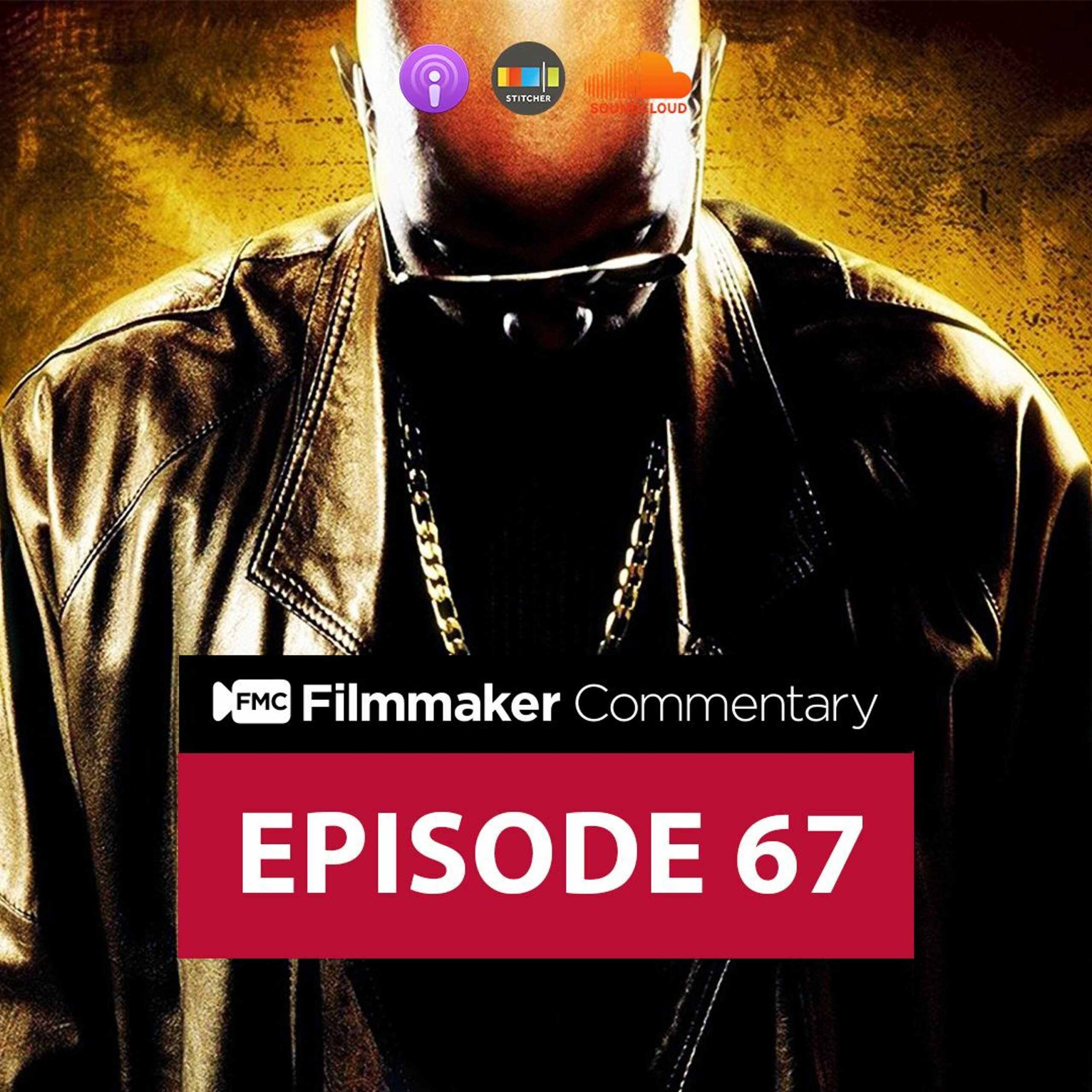
FMC 067: Never Die Alone Directed by Ernest Dickerson

August 6, 2019
Listen on Apple Spotify YouTube
Listen to this episode
Your browser does not support the audio element.
Also on Apple Spotify YouTube

Dive into the raw, gritty world of “Never Die Alone,” where hosts Reginald Titus Jr. and Casey G. Smith unpack Ernest Dickerson’s directorial work on this DMX-led crime drama. Get unique insights into indie filmmaking on a budget, powerful character portrayals, and the unexpected humor and challenges DMX brought to the commentary track. This episode offers a fascinating look at a film you might have overlooked, revealing its cinematic techniques and a surprisingly solid story.

What We Cover

  • Ernest Dickerson’s “gorilla style” filmmaking on a modest budget, showcasing how to maximize resources and achieve a distinct look.
  • The raw and unfiltered commentary featuring DMX, providing an entertaining and often bewildering listening experience. Join us each week on Filmmaker Commentary for more unique perspectives!
  • The film’s visual style, including its grainy 16mm aesthetic, unique camera angles, and deliberate blue/green color palette.
  • Discussions on literary influences like Donald Goines and Iceberg Slim, highlighting their impact on underworld narratives.
  • Key acting performances, particularly from DMX and Reagan Gomez-Preston, and their powerful character arcs.
  • Marvel Cinematic Universe Phase 4 updates and new trailers, including the announcement of Mahershala Ali as Blade.

Key Moments

  • 0:25 – Hosts Reginald Titus Jr. and Casey G. Smith introduce “Never Die Alone” and discuss DMX’s initial reluctance towards the film.
  • 26:12 – The hosts discuss the unforgettable experience of listening to DMX’s uninhibited commentary for the first time, including his freestyle raps.
  • 31:21 – Casey shares a hilarious moment from the commentary where DMX exclaims, “Oh shit! My ass is out! My wife’s gonna kill me!” during a sex scene review.
  • 49:39 – Reginald explains how Ernest Dickerson masterfully re-created an iconic underwater gun scene, similar to “The Good, the Bad and the Ugly,” revealing practical filmmaking tricks.

Gear & Films Mentioned

  • Films:
    • Belly (1998)
    • Juice (1992)
    • Black Swan (2010)
    • Requiem for a Dream (2000)
    • Django Unchained (2012)
    • Black Panther (2018)
    • It Chapter Two (2019)
    • Cats (2019)
    • The Good, the Bad and the Ugly (1966)
    • Dracula (1992)
    • Training Day (2001)
  • TV Shows:
    • Young Justice: Outsiders
    • Swamp Thing
    • Stranger Things Season 3
    • The Falcon and the Winter Soldier
    • WandaVision
    • Loki
    • What If…?
  • Books/Comics:
    • Donald Goines books
    • Iceberg Slim books
    • Marvel’s Hawkeye comic series by Matt Fraction
  • Other:
    • Netflix
    • Disney+
    • Mike Epps: Only One Mike (Stand-up special)
    • San Diego Comic-Con
    • Marvel Phase 4 slate
    • IMDb

Listener Questions

  • What cinematic techniques can filmmakers use to achieve a strong visual style on a limited budget?
  • How do directorial choices and an actor’s personal energy influence the tone and impact of a film, especially in a commentary track?
  • What lessons can be learned about adaptation when transforming a gritty street novel into a compelling screenplay?

Full Transcript

Read the full transcript

Full Episode Transcript
This episode of Filmmaker Commentary Ernest Dickerson's 2004 crime thriller "Never Die Alone," starring DMX, exploring its production, visual style, and impact, alongside discussions on recent pop culture news and filmmaking techniques.

Episode Introduction & Film Overview
Reginald Titus Jr.: Filmmaker Commentary episode 67. Welcome to Filmmaker Commentary, where we give you insights from our favorite filmmaker commentaries. These commentaries can be heard on your DVD and Blu-rays of your favorite movies. We'll show you how you can use these commentaries and apply them to improve your video production and filmmaking techniques. All of this here on Filmmaker Commentary. I'm your host, Reginald Titus Jr.
Reginald Titus Jr.: Welcome to Filmmaker Commentary. I'm Reginald Titus Jr. I'm joined with...
Casey G. Smith: Casey G. Smith.
Reginald Titus Jr.: Welcome back, sir.
Casey G. Smith: Good to be back, sir.
Reginald Titus Jr.: And today we are going over *Never Die Alone*, directed by Ernest Dickerson, written by James Gibson, based on the Holloway House book by Donald Goines. This is starring DMX, and this was released March 26, 2004. Donald Goines is like considered a legend as a author, kind of going with, um, what's our guy that wrote *Pimp*, the *Pimp*...
Casey G. Smith: Iceberg Slim.
Reginald Titus Jr.: Iceberg Slim. Oh my God. I never really got into Donald Goines' books. Always knew about his books, but I had read more of the Iceberg Slim, you know, all his stuff.
Casey G. Smith: Uh-huh.
Reginald Titus Jr.: Not all of it, but three of his books, *Pimp* being the one that everybody knows about.
Casey G. Smith: Yes, sir.
Reginald Titus Jr.: Did we have a budget for this film?
Casey G. Smith: According to IMDb, a budget of $3 million.
Reginald Titus Jr.: And we had a box office of 5.6 million domestically, 277,000 foreign, for worldwide 5.9 million. No, I don't know if this was a win.
Casey G. Smith: It depends on the P&A, you know, what the marketing was like for this. I mean, I think I think at minimum they broke even.
Reginald Titus Jr.: From a theatrical standpoint. I wish Hollywood, you know, how they love to throw budgets and throw theatrical numbers. I wish they would share their VOD numbers, like just like they boast about this other stuff, to have a little bit more transparency about what are we really, what are you really making, you know, outside of that? Because we all know they're making money outside of the theaters because all these movies, as many movies are made every year, they all can't go to the theater.
Casey G. Smith: That's very true. Yeah, I'd be very curious to see what this did on, um, in terms of DVD sales.
Reginald Titus Jr.: Yes, because this film, I didn't go to the theater and see it like that. And at the time, the thing, people I was hanging around stuff like that, I'd go to their house and this movie would always be on like DVD on somebody's shelf. I would always see it or somebody would always be playing it. I would just remember that being in the background of my memory around that year.
Casey G. Smith: When I mentioned this to my buddy, uh, my buddy Jason, he was like, "Yeah, I've seen that." I was like, "Really?" He's like, "Yeah, it was it was it wasn't bad." 'Cause I I told him I was kind of like, I was like, "I don't know. I don't know, man."
Reginald Titus Jr.: I don't know, fam.
Casey G. Smith: "I'm iffy about this one."
Reginald Titus Jr..: What made you iffy about it?
Casey G. Smith: It's DMX in it. You know, acting, I'm like, I was I was pre-judg- I yes, I was pre-judging. I was like, "Ah, I don't know."
Reginald Titus Jr.: You profiled him.
Casey G. Smith: I'm saying rapper, you know, acting in in in a movie who's not, you know, always acting. Yeah, I wasn't, uh, too excited. And again, this wasn't a big film.
Reginald Titus Jr.: Sure.
Casey G. Smith: So, it's like, we shall see. We'll dive more into that.
Reginald Titus Jr.: Yeah, but we'll dive more into that. Yeah, and, um, and the reason that didn't bother me as much, um, at that time because, you know, you had *Belly* that had came out, directed by Hype Williams, which...
Casey G. Smith: I've never watched *Belly*.
Reginald Titus Jr.: Everybody know, just pretend Casey didn't say that. No, it's good.
Casey G. Smith: I have not watched. I I'll stand by what I haven't watched yet. I just haven't watched it yet. I'll get around to it.
Reginald Titus Jr.: No, I'll get around to it. Yeah, yeah, yeah.
Casey G. Smith: Is that have commentary?
Reginald Titus Jr.: Uh, you know what? I don't know.
Casey G. Smith: We might have to check into that.
Reginald Titus Jr.: I, yeah. But, you know, Hype Williams being, you know, a director's director, of course, music videos. Everybody knows him from the music videos. So, um, that movie is very flashy. But DMX was in it. And...
Casey G. Smith: I remember that much. Him and Nas.
Reginald Titus Jr.: Mm-hmm. And DMX really did steal the show in that film. And so when when this movie came around, it wasn't really a surprise for me.
Casey G. Smith: Sure.
Reginald Titus Jr.: However, I still haven't I still didn't haven't seen the movie all the way through until, you know, recently. And shout out to a listener, Cory Rashad Bowens. Thanks for referring this film. You know, he was the one who told us about it.
Casey G. Smith: Which, uh, um...
Reginald Titus Jr.: He's on the Canopy podcast on Facebook.
Casey G. Smith: Okay, we appreciate that, sir.
Reginald Titus Jr.: Yes, indeed. But before we dive further into *Never Die Alone*, let's talk about news and movies watched.
Reginald Titus Jr.: News and movies watched. Do we have any news?

Pop Culture News & Recent Watches
Casey G. Smith: We do. So recently, uh, this weekend, the San Diego Comic-Con, the the mecca, the end all be all of pop culture, uh, culminates every year in lands in San Diego. Uh, not only do you have things happening with with comic books and video games and toys, but it's a become a hotbed for, um, for media, for major, uh, conglomerates, uh, for for TV shows and for movies. A lot of big releases, a lot of trailers are shown off. Marvel, which had actually skipped the Comic- the San Diego Comic-Con the past two years, um, were there in force. And but Sony and Warner Brothers did not attend this year. So Marvel took this time to, uh, announce Phase 4. So I'm just going to quickly give you guys, uh, if you haven't seen it already, we're going to give you guys, uh, their slate for Phase 4, which I'm I'm getting off of, uh, CNET.com. So May of 2020, we can expect expect the *Black Widow* film. Fall 2020, we can expect the actual TV show on Disney Plus, *Falcon and the Winter Soldier*. November of 2020, we can expect the movie *The Eternals*. They also, uh, revealed the cast of *The Eternals*. We have some heavy hitters, um, like Salma Hayek, as well as Angelina Jolie. We're also going to be getting our very first, uh, deaf female superhero, uh, in the MCU. Super exciting. Wonderfully diverse cast going on there.
Reginald Titus Jr.: Is Ava DuVernay directing that one?
Casey G. Smith: Uh, no, she's not. She will be doing, uh, *New Gods* with, uh, with DC/Warner Brothers. That's what she's aiming for. February 12th, 2021, we are getting *Shang-Chi and the Legend of the Ten Rings*. That's going to be a big deal because a lot of people were upset by the portrayal of the Mandarin in *Iron Man 3*. Um, but in this film, the Mandarin is going to be the main villain. If you and if you saw the the, um, Marvel like spin-off, remember on their their DVDs and Blu-rays they used to do these small little one-shots. Um, they did it on several of their of their Blu-rays and DVDs in the early goings of the MCU. Well, one of them is called *Hail to the King*. Um, and it's on the, I want to say *Thor: The Dark World*, uh, DVD/Blu-ray, where you go back and you revisit the guy who's playing who who was imitating impersonating the Mandarin. He's in prison. He's a rockstar. Everybody's loving him. And then all of a sudden, he gets visited by an organization that says, "The real Mandarin would like to have words with you." And he ends up getting kidnapped. We hadn't heard anything about the Mandarin since, but when you talk Ten Rings...
Reginald Titus Jr.: Wow.
Casey G. Smith: That's the Mandarin's thing. He has 10 rings of power and he was a arch-nemesis of Iron Man, but he'll be facing *Shang-Chi*. And, uh, Marvel's, you know, first full-on, uh, Asian-led superhero film. Super exciting.
Reginald Titus Jr.: That's cool.
Casey G. Smith: Oh yeah. Also on Disney Plus, we can expect *WandaVision*, um, in Spring of 2021. In the theaters, we can expect on May 7th of 2021, *Doctor Strange in the Multiverse of Madness*, which Wanda, aka the Scarlet Witch, is going to play a big role in that.
Reginald Titus Jr.: Um, I like *Doctor Strange*, so.
Casey G. Smith: Oh yeah. I was I was surprised too. They they they did *Doctor Strange* right. They've the MCU's done a good job of taking characters that, um, may have seemed more obscure and and finding a way to to make them just likeable. Even villains.
Reginald Titus Jr.: Yeah, he's a jerk, but he's still like the movie is good.
Casey G. Smith: Right. He he really Yeah, I know some people Yeah. Um, Spring of 2021, once again on Disney Plus, there is the *Loki* series. That's going to be coming out, following his exploits. Spoiler alert, from the events of *Avengers: Endgame* when he gets the Tesseract.
Reginald Titus Jr.: Oh, it's following?
Casey G. Smith: Mm-hmm. All this is, uh, pretty much all this is post Okay. It's post *Avengers: Endgame*.
Reginald Titus Jr.: Got it.
Casey G. Smith: Um, and and the the a lot of the fallout that comes from that.
Reginald Titus Jr.: Got it.
Casey G. Smith: Um, that'd be fun.
Reginald Titus Jr.: Oh yeah.
Casey G. Smith: Uh, in Summer of 2021, one the the show that I may be most excited about is...
Reginald Titus Jr.: Oh, so long away.
Casey G. Smith: Man, this this this time like is sometimes before you know it, it's it's.
Reginald Titus Jr.: 10 years, man. I was just looking at the Robert Downey stuff and just kind of just clicking through the trailers again like this was pretty solid, man. Just going back the the excitement, the excitement of watching *Iron Man* for the first time in the theater. And then him just being just a show-off. And I was like, man, this is good. Uh, anyhow.
Casey G. Smith: Oh yeah. We've been on a we've been on some amazing journeys.
Reginald Titus Jr.: So long. Right.
Casey G. Smith: Oh yeah.
Reginald Titus Jr.: But it it happened seems like it happens so fast though.
Casey G. Smith: And and that's the yeah, what what what Marvel is doing is just it's just unheard of, man. And and to the consistency of quality is the big thing. And with this slate, let me hit up the last three on here. So...
Reginald Titus Jr.: Okay. Yes. Sorry. I had to reminisce.
Casey G. Smith: Hey, it's all good, man. Um, Summer of 2021, the show I'm most excited for is called *What If*. This is going to be on Disney Plus. This is an animated series, where they're going to be invoking and using a lot of the actual MCU actors coming back to reprise the voices of characters. For those who aren't familiar with *What If*, uh, this was a comic book series that as a kid, I absolutely loved. And it's basically saying, literally, it's asking the question, what if certain events turned out differently? So, um...
Reginald Titus Jr.: Oh. Yeah. I think I remember you mentioning this. I don't remember what episode, but I remember you bringing this up. This is interesting.
Casey G. Smith: Oh yeah. But it's going to be animated so, you know, they can they can go wherever from a budget standpoint. Exactly. So, you know, I think there might be something like what if Peggy Carter, you know, became Captain America? What if she had taken the Super Soldier serum? So all these kind of different alternate realities that can take place and stories we can explore with these characters. A lot of fun, I think, is going to be had with with that series. Then Fall of 2021, we are getting a *Hawkeye* series on Disney Plus. Now, here's the thing for those of you guys who have slept on Hawkeye. First, let me say, he hasn't yeah.
Reginald Titus Jr.: Seriously?
Casey G. Smith: Hey there. So, for those of who have only known Hawkeye in the MCU. Hawkeye is a long-standing member of the Avengers. He's actually within the fifth episode of fifth issue, no, excuse me. Sixth or seventh issue of the Avengers, he joins the Avengers along with Scarlet Witch and Quicksilver. Uh, the the main core leave and Captain America's left with these former villains. Like all three of them were former villains. But Hawkeye's been a mainstay of the Avengers. He helped kick off the West Coast Avengers. He's a he's a mainstay and he's a he's can be a badass in his own right. But he had a a series that came out 2012, um, that's highly acclaimed, um, simply called *Hawkeye*. And it's written by a guy named Matt Fraction. And this...
Reginald Titus Jr.: You're saying the comic?
Casey G. Smith: Yeah, in the comic, yeah, in the comic. So, um, if you want to see why Hawkeye is is is hailed and praised so much and why he's getting his own series, it's because of that comic book. When you see the the the hope of of Hawkeye being awesome. And within it, he is dealing with he has a protégé. Her name is Kate Bishop. She's also goes by the name of Hawkeye, uh, because during the period of time where Hawkeye was going as Ronin, she had become Hawkeye. And then he came back and took up the mantle. So we're going to see kind of some of those dynamics. So everybody's excited to see Kate Bishop, but that should be a lot of fun. And then lastly, on the Phase 4 slate, November 5th of 2021, we are getting *Thor 4: Love and Thunder*. What they did at Hall H is that they brought out not only, uh, Chris Hemsworth, not only Tessa Thompson.
Reginald Titus Jr.: Hello, Tessa.
Casey G. Smith: Yes, yes. But they also brought out Natalie Portman, who has played, obviously, Jane Foster. Those who are familiar in the comic books, there's a period where Jane Foster actually became the new Thor.
Reginald Titus Jr.: That's going to be cool.
Casey G. Smith: And so, that's what's, uh, looking to go down. So notice that this slate runs from 2020 to 2021, Phase 4. This is Marvel's shortest slate, but we're also getting this amazing blend of not only movies, but they are seamlessly integrating the series with the Disney Plus. So, and then and then they're going to lead into each other, which is brilliant. The last thing that happened at Hall H...
Reginald Titus Jr.: Yes. Tell us about it.
Casey G. Smith: Was a man by the name of Mahershala Ali.
Reginald Titus Jr.: Yeah, I think I've heard of him.
Casey G. Smith: You may have you may have heard of him.
Reginald Titus Jr.: I think so. He's an actor, right?
Casey G. Smith: Yeah, he's a two-time Academy Award-winning actor. Oh, yes. Bad dude. Came out on stage, did not say a word, but simply put on a hat that had the name *Blade* on it. Ladies and gentlemen, Mahershala Ali will be your new Blade. And when you see it, you're like, everybody's like, "Oh yeah!" It just makes it's one of those castings you're like, "Yeah, okay. Yes."
Reginald Titus Jr.: Yeah. Because at first, you know, there were some people like, "Nah, Blade." You know, because older people just kind of can be stuck in their ways. Me, originally, I was just like, how does Wesley fit into this? You know, it's like, how do you do this without Wesley? Even if he's not, quote unquote, Blade, you know, just because, he has to be in there some kind of way.
Casey G. Smith: Homage. Yeah.
Reginald Titus Jr.: Come on, man. But, of course he can pull it off. Of course, Mahershala can, without a doubt, pull it off. But what I want to know is how are they going to approach the physicality? Uh, because I don't know if Mahershala Ali is a martial artist, you know, just by his skill set. Would it be more of a situation kind of like Keanu Reeves where he's going to train up to do that? Or if even the martial arts is going to be a big part of the Blade character?
Casey G. Smith: That'll be fascinating. I mean, there's there's time because they didn't give any kind of window or release date or anything like that. They just they just literally, he came out, he put on the hat, and then like, apparently, it it just went all black. They they literally Marvel pulled a fade to black. Yes. And and Kevin Feige at the end said, oh, we don't we don't even have time to talk about the Fantastic Four or the Mutants. And then he was like, we have one more thing. And that's when he came out, put on the hat, fade to black, mic drop.
Reginald Titus Jr.: Damn.
Casey G. Smith: Yo.
Reginald Titus Jr.: So they didn't even drop a a date on that one.
Casey G. Smith: No. No. And and so this is fascinating because there's no mention of any Avengers movies during this phase. This is going to be Marvel's shortest phase. Again, 2020 to 2021. They're packing a quite a bit in within those two years. Um, no Avengers, which I think is cool. They kind of have that that breathing space and they are building to just yeah, because it's going to build a a bigger world when you do this.
Reginald Titus Jr.: Yeah, because it's going to build a a bigger world when you do this.
Casey G. Smith: Oh yeah. And we get to flush out some more characters. I love that that *Falcon and the Winter Soldier* are going to get flushed out. I love that Wanda the *WandaVision* show is going to flush out some things. That *Doctor Strange* is getting his shine. So yeah, that that went longer than I expected. Sorry, ladies and gents, but but yeah, Hall H, man, like that that place, people literally sleep overnight outside to get into Hall H. Yeah, just to get in there.
Reginald Titus Jr.: Well, I I could see that though, 'cause I mean, that's just this is about the experience when you when you're doing that. That's all that it's about.
Casey G. Smith: Yes, sir.
Reginald Titus Jr.: Like to brag that you slept out there in order to get in. Like that's bragging rights that I probably won't have. Yeah. I don't think I have the energy now. I was like, can I buy my way in? Like that's me now.
Casey G. Smith: Press, gonna be press. Filmmaker Commentary.
Reginald Titus Jr.: Hello, hello. We will be there.
Casey G. Smith: Haha. We're here live.
Reginald Titus Jr.: Yes. Phase 15.
Casey G. Smith: Oh, I know, right?
Reginald Titus Jr.: Of the MCU.
Casey G. Smith: What else? Any uh, any other news?
Casey G. Smith: So real quick, um, if you haven't seen the trailer for *Cats*...
Reginald Titus Jr.: Oh.
Casey G. Smith: If you haven't seen the trailer for *Cats*, ladies and gentlemen, that's also dropped. Uh, along with the trailer for *It Chapter Two*, the latest trailer.
Reginald Titus Jr.: Oh, yeah. I'm a fan of *It*. Oh, man. I told you that was dark when we saw that one.
Casey G. Smith: Yes, sir. Yeah, man. No, uh, check them both out. And, uh, we'd love to to hear your reactions to both respectively.
Reginald Titus Jr.: Um, the, uh, yikes.
Casey G. Smith: Both are a little scary.
Reginald Titus Jr.: *Cats* should be a horror film. Number one.
Casey G. Smith: Oh man. Man.
Reginald Titus Jr.: I just watched that. You just told me, well, you told you text me and told me about it. And I just I still didn't watch it because I don't know, stuff was going on and it just hit me, you know, we just got through, uh, covering a musical. So that's probably the reason why you were telling me about *Cats*.
Casey G. Smith: We we the chagrin, I was like, man, I'm just, you know, trying to hype this musical stuff up and this thing drops looking looking how it's looking.
Reginald Titus Jr.: Exactly. So I just literally just seen it. You showed it to me and, uh, horrified, petrified.
Casey G. Smith: Man.
Reginald Titus Jr.: It's bad because it's, um, I see the potential there. Like the choreography looks spot-on. Um, the music, there's nothing wrong with the music. And none of that stuff. The biggest problem is the faces. The CGI looks like it's not matching with the faces. And then also when you when you're trying to blend, it doesn't look like a costume, looks like they are cats with a person face. And so it's, uh,
Casey G. Smith: Creepy.
Reginald Titus Jr.: Your brain doesn't know how to interpret that as a human. It's like, I don't know what to think. I don't know if I should be like it's usually sexy when you see in the ballet, ballerina doing their thing and it's artistic and all of that. And so you can really appreciate it. But this, it's like, is this bestiality? You know what I'm saying?
Casey G. Smith: Something's wrong.
Reginald Titus Jr.: That's all you know something. It ain't right. It ain't right. I can't put my finger on it, but it has to do with that face. Then you got, uh, Jennifer Hudson, like her nose is running a little bit on one of the shots. It was just her nose like in the air. I like I don't know what's going on. But, uh,
Casey G. Smith: Man.
Reginald Titus Jr.: They better get this work they better get it together 'cause this looks expensive.
Casey G. Smith: Yeah. Yeah. So, yeah, check it out for yourself and let us know what you think, um, about both the *Cats* trailer and the *It Chapter Two* trailer. Uh, what have you been watching, Reginald?
Reginald Titus Jr.: Uh, the only thing I watched in the this past week was, uh, Mike Epps stand-up on Netflix called *Only One Mike*. , pretty good.
Casey G. Smith: Okay.
Reginald Titus Jr.: , pretty good. If you like if you're a fan of Mike Epps, he won't let you down in this one. So, definitely. Um, yeah, that's all I got to say. Check it out.
Casey G. Smith: Okay. Um, yeah, haven't really made it to the theater to see any movies this week, but, um, I did catch up on, um, a show I like to follow on the DC Universe app, *Young Justice: Outsiders*. That's been really nice, kind of seeing where they're taking that and and and who the Outsiders are within that within that show and what they're doing. Uh, also the the *Swamp Thing*, uh, show, again, procedural horror. Uh, those episodes, man, are so dark. Man, DC the DC Universe app, they do not play. They do not hold back. Um, and then *Stranger Things*, man, Season 3.
Reginald Titus Jr.: You finally finished?
Casey G. Smith: No, I haven't finished yet. Um, but I am enjoying it. I I really am enjoying it.
Reginald Titus Jr.: What episode are you on? Chapter, I mean.
Casey G. Smith: Um, I think I just finished the, um, fourth episode. So by the time we talk next time, hopefully I've gotten through the the fifth.
Reginald Titus Jr.: What happens in that episode?
Casey G. Smith: Um, spoiler alert. Um, so they have the kids or the kids are working together and they figured out that Billy is, um, has been taken over by the the I forget the name of the creature. The something Flo, whatever, whatever it is. And so they they they lock him in the sauna. Uh, yeah, they lock him in the sauna and turn up the heat. So, uh, and then, of course, the kids are the other the other kids, the two that work at the chips, the the the the ice cream shop and and the other kid with the with the curly hair and the little the sister with the attitude. Uh, they've infiltrated the secret organization underneath the mall. Um, so yeah, you know, you got these three parties all doing different things but now all the connections are starting to come together. So yeah, that's where I'm at. I, you know, I'm I'm surprised how much I'm I'm I'm digging it. I like I like *Stranger Things*, but this third season is really, uh, I feel it's been been really just strong action and and all that. So I like the character development as well and digging it.
Reginald Titus Jr.: I felt like with the with the second season, I was like, there's really no need to come back. We're done.
Casey G. Smith: I thought the same thing, man. I was like, where are they going to go? People tend to fall off with these with these episodic things.
Reginald Titus Jr.: Had the same energy and just kind of rock and I don't know how they were able to pull this one off. They they they're so.
Casey G. Smith: It feels like a resurgence. I'm like, man, it it Season 3 is so far has been very, very strong. So I'm looking forward to uh, finishing the season. But yeah, that's all I got though.

Analyzing "Never Die Alone"
Reginald Titus Jr.: Okay. Um, we are going to jump back into the show. Here, listen to Filmmaker Commentary and today we're talking about *Never Die Alone*, directed by Ernest Dickerson and starring DMX, 2004. And let's jump into the synopsis. A film noir centering around a hard-boiled, stylish kingpin drug dealer called King David, who returns to his hometown seeking redemption, but ends up only finding violent death. King David's final moments are spent with Paul, an aspiring journalist who knew him for just a few minutes. Yet King David would forevermore have an impact on Paul's life. Half preacher, half Satan, and all street smarts, King David had recorded the story of his exploits on audio tape, leaving behind an often poetic sermon on villainy and its consequences. The tapes reveal that the cycle of violence and retribution, which his actions have spawned, has come back to him full circle, and he suspected they might have all along. That synopsis was written by Suji Barma. And that is *Never Die Alone*. What do you think about this film?
Casey G. Smith: All right, so I went in kind of pre-judging it. Didn't think it would be all that good. Yeah. Just keeping it 100.
Reginald Titus Jr.: Got to.
Casey G. Smith: But I have to say, I was I I enjoyed it. I enjoyed it more so even the the second time around. Um, I appreciated it even even more. Um, you can tell it was done done on a budget, but, um, they made the most of their resources and, you know, it's it's Shakespearean, uh, um, and yeah, there's there's some some nice tropes going on. Look forward to diving into some of those. And and the performances were were were solid around as well. Again, DMX, uh, impressed me, uh, with the, uh, with his with his acting. So, uh, and, uh, as well as, um, Mr. Dickerson with his with his direction.
Reginald Titus Jr.: Yeah. He also did *Juice*, don't forget that.
Casey G. Smith: Hey!
Reginald Titus Jr.: Um, but yeah, uh, this is my first time seeing this film all the way through. Like I've always seen parts of it through other people's, you know, other people's houses and things like that. But this is my first time like sitting down, watching it purposely all the way through. And I was like, yeah, I was surprised. You could tell it was a budget there.
Casey G. Smith: Sure, sure.
Reginald Titus Jr.: You could tell I don't know if I don't know if it was 3 million, man. It might be been a mill or half. But, uh, you can tell that Ernest, coming from NYU, knowing how to get that gorilla style going and rocking and rolling with what you have. So I could appreciate that. And when Cory, um, when he mentioned this film, like this is the one we should check out, and I didn't know Ernest had did this until he brought that to my attention. So that was a little bit more excited to watch it, knowing that. So I was like, okay, there's a filmmaker behind this. This just isn't isn't some random director. You know, this is a filmmaker who's been doing this as a DP, now switching over as DP director. I think he did I don't know if he played as DP as well on this one, but he has a DPI.
Casey G. Smith: Uh-huh.
Reginald Titus Jr.: Yeah.
Casey G. Smith: He's got a cinematographer on it, uh, Matthew Libatique.
Reginald Titus Jr.: Libatique. Oh. I wonder if he worked on Did he work on some of Spike Lee's stuff?
Casey G. Smith: Mr. Libatique, uh, he worked on *Black Swan*, *Requiem for a Dream*.
Reginald Titus Jr.: Oh, Aronofsky.
Casey G. Smith: Yeah, he's worked on some things.
Reginald Titus Jr.: So yeah, watch this film. Actually enjoyed it. There's some stuff in there was like, I don't know about that acting. But, uh, but that's few and far between.
Casey G. Smith: Mm-hmm. The story is the story is solid. Uh, the story is is very solid.
Reginald Titus Jr.: Yeah, and that's, you know, big attributes to Donald Goines, you know, the the the original author of the books. And I would recommend people reading some of those pulp tales of Donald Goines. And also, um, Iceberg Slim, his stuff is so vivid. These guys are like geniuses when it comes to underworld writing. Like when you read it, you feel like you're transported into that world. That's what it feels like.
Casey G. Smith: Nice. Didn't they meet in in uh, in prison?
Reginald Titus Jr.: I don't know. I don't know. I think I think they may have mentioned that in the commentary. They actually met I think actually in in prison while incarcerated. And that he he that Iceberg Slim had an influence on Goines.
Casey G. Smith: Makes sense.
Reginald Titus Jr.: Makes perfect sense. Visual style. What did you think about the visual style of the film?
Casey G. Smith: Simple, a lot a lot of handheld shots. I mean, it's not the whole thing seems like it it's it's handheld. I'm sure some is not. Initially, when I saw it, I thought maybe this is like, is this like early digital? I was wondering. And then but they finally said that they shot this on 16 mm. Actually, I looked in IMDb. First time I've actually really done that, look went and looked into details. And you can see that they shot it on 16 mm. As soon as I looked it up, I kid you not, I was looking up on my phone, as soon as I did, he literally mentioned it in the commentary just where I was at. I was like, that's crazy. serendipity.
Reginald Titus Jr.: That's crazy.
Casey G. Smith: It felt like it. It's creepy, man. It's trippy, man. It's trippy, man. And then they blew it up to 35 mm. Um,
Reginald Titus Jr.: Uh, yeah, makes sense.
Casey G. Smith: Yeah. So, how about you, man? What do you think of this? Look, the style?
Reginald Titus Jr.: Yeah, it was same. You know, handheld, it was grainy 'cause it's, uh, the 16 mm. I don't know if they did Super 16, but 16 mm, very grainy, dingy, high contrast, and the the angles. Like when, uh, uh, when we first are introduced to DMX's character, King David, comes out the car and for whatever reason the camera just, boom, it's like a vertical shot. And we he calls it the what did he say? The GQ shot or something like that. And he's in his suit. And it's like, dang, you just flipped the whole camera over and where it's like a vertical shot like that? I'm like, that's trippy. You don't see that too often. It's kind of jarring at first, but I kind of got used to it after a while. He did it several times in there.
Casey G. Smith: Right, right.
Reginald Titus Jr.: Um, and then, of course, he had like some of the green bluish tones in there.
Casey G. Smith: I was going to say the same thing. Yeah, he uses those at at different parts to kind of, you know, give a certain feel to certain scenes. Changing the lighting and intensifying it.
Reginald Titus Jr.: But definitely you can tell that there that he was going for a look. And this film definitely has a texture and a look to it.
Casey G. Smith: Agreed.

Themes, Commentary & Trivia
Reginald Titus Jr.: Themes. I only got one. Karma.
Casey G. Smith: Yeah. I said I I simply put what goes around comes around. Use it as karma. That that is the definition. Um, yeah, that's it.
Reginald Titus Jr.: Um, the commentary features Ernest Dickerson, James Gibson, who wrote the screenplay based on the book, and then, of course, DMX. And the commentary literally starts out with DMX doing an a capella just rapping. I'm like, what's going on here?
Casey G. Smith: Yeah. Okay.
Reginald Titus Jr.: I'm like, what's going on here? DMX is hyped. Like, there are so many stories about DMX in this, especially in the late '90s, early 2000s. He was so wired and just like ego and then like he's just a charismatic guy and there's so many stories dealing with DMX that they was a full-time job just to kind of keep him from killing himself. You know what I mean? From just like some of the wild stuff that he was doing. Like putting himself in danger just like, what?
Casey G. Smith: What? So, clearly this is it seems like this is his first commentary. Um, this It sets the tone for sure with just the a cappella rap. He's rapping and you can tell like Ernest and uh James like, "Okay."
Reginald Titus Jr.: It sets the tone for sure with just the a cappella rap. He's rapping and you can tell like Ernest and uh James like, "Okay."
Casey G. Smith: Yeah. Uh, so, yeah, when it breaks into him rapping, I'm like, "Mm, okay. Fine. Okay, I get it. You're a rapper, DMX. I appreciate your skills." And then like halfway through the commentary, he does another rap. I'm like, "Okay. All right." And then at the end, there's another there's three raps. And by the time the third rap, I was kind of I was like, I was like, "Come on, man." Like, cuz he had he had kind of left for a while. Then he had come, I'm like, okay, I think DMX had to do something or whatever.
Reginald Titus Jr.: He was done. It's funny when they don't like mention anything, people just disappear off the tape. Yeah, he just kind of went away. But.
Casey G. Smith: Yeah, he just kind of went away. But.
Reginald Titus Jr.: I had a feeling like, go ahead.
Casey G. Smith: To me, I'm like, this must be his first comment because like they literally in the middle of the commentary, they explained to him that he's doing a commentary. Yeah, yeah. It was like, "Are we just we're just talking over the movie?" They were like, "No, people who are watching it, they can go back and turn this track on and they'll be able to listen to us talk about this movie."
Reginald Titus Jr.: It was great cuz midway, uh, DMX, they can hear us? Yes. Yes, Mr. X, we can.
Casey G. Smith: Yes. Yes, Mr. X, we can.
Reginald Titus Jr.: They can hear us? They can hear us. Oh, man, it's great. Because it's, yeah, he was you can tell he was unclear that this was going to be played later on on the on the device. Yeah, he was not this was not told to him or he just didn't comprehend how this was going to happen. He said, "We're watching a lot of this movie."
Casey G. Smith: This is being recorded. I missed him saying it.
Reginald Titus Jr.: Yeah. He said it a couple of times. We're watching a lot. Like.
Casey G. Smith: And then he answered the phone at one point. Oh, I know, right?
Reginald Titus Jr.: Oh, I know, right?
Casey G. K. Smith: Now, you know, I'm not a fan of people answering the phone in the theaters, but I'm really not a fan of you answering the phone during commentary. He just didn't know. Like, just he just did not know. Nobody nobody he may have been prepped and just didn't forgot or whatever, but he was just like, and he answered the phone. I was like, So when so when he went away for a while, I was okay with that.
Reginald Titus Jr.: You were okay with that. I was okay with that.
Casey G. Smith: I was okay with that.
Reginald Titus Jr.: I like when he would come in and he'd be like, "Man, this is sick. This is bananas."
Casey G. Smith: This is a really good movie.
Reginald Titus Jr.: This is a really good movie.
Casey G. Smith: But you know, he had a not to you know, okay. He had a couple of good moments where he he he threw in some some nice comments here and here and there. Um, but yeah, it it it was entertaining. I'll put it that way. His his his his, uh, his contribution to the commentary was definitely entertaining. I hadn't heard anybody rap three times on the commentary or answer a phone.
Reginald Titus Jr.: Yeah. His excitement though, his excitement is contagious. Energy is there.
Casey G. Smith: Energy is there.
Reginald Titus Jr.: And then when he's like, "Man, this shot is effing bananas." And he's talking about the shot when, uh, uh, what's our guy with the scar on the face?
Casey G. Smith: Uh, Mike, Michael Ealy.
Reginald Titus Jr.: Michael Ealy. He jumps on there and shoots, uh, through the windshield and hits the guy. And DMX just explained, "Yeah, man, I wonder all the time." I would see this all the time 'cause that's a trope. So I want, you know, guys always jumping on the windshield and they get slung off into the street. That's usually what happens and or ran over or whatever. Uh, but he said, "I always wondered that. Why do you just don't take out the gun and shoot the motherf-"
Casey G. Smith: I, you know, that was that was actually a really good insight. I'm like, you got a point there, X. You got a point. That that totally makes sense. I won't I I likewise I I like that shot as well.
Reginald Titus Jr.: So, anyhow, the commentary is entertaining.
Casey G. Smith: Entertainment. Yeah, I've got I've got a quote I wrote down from him from the commentary, we get into quotes.
Reginald Titus Jr.: Uh-huh. Uh, let's talk about this, uh, let's talk about quotes, man.
Casey G. Smith: Okay. So, one of my quotes, again, actually from from him as King David when he's talking about his feelings for, uh, Juanita. And when she, oh wait, actually, let me let me let me say this. I didn't say this, I usually do. This is your first time listening to Filmmaker Commentary. Please know that there will be spoilers. You've been mid-warned. So, uh, when he's talking about, uh, you know, Juanita after she's, you know, told him that he's small time and all that kind of stuff. And he's, you know, in his flashback and in his mind and it says he hated. I was like, I hated the feelings that I had for her. I was like, man, that's powerful. Even though he's he's fallen in love with this woman and he hates the fact that he feels that he he wants to be needed by her. Uh, yet he feels that he needs her. That feeling of of helplessness. Like he's just doesn't like it. Mm-hmm. That's one of the quotes that I had.
Reginald Titus Jr.: Mm-hmm. That's one of the quotes that I had.
Casey G. Smith: Uh, there's a scene where, uh, Michael Ealy's character, he has a gun and he's trying to find some transportation. He sees a cab, hits on the cab with the gun. And it's like, what do you say? "I need a ride" or what I don't remember what he said. "I need a ride." And then the guy's like, "Get in!" It's like, it's got a little bit of comedy to it 'cause it's like, what else is he going to say?
Reginald Titus Jr.: Yeah.
Casey G. Smith: Nice. So, this quote is specifically from it's from DMX during the commentary. Uh, it's after he's gotten into California and he's, you know, he meets, uh, the Caucasian female. And, uh, you know, they're going at it in the bed and he's like, "Oh shit, my ass is out. My wife's going to kill me." That had me dying. He thought it was covered. They were like, they were like, "No, man, you said you were you were you were so it was cool." And DMX is like, "You said it was cool."
Reginald Titus Jr.: All the way all the way out.
Casey G. Smith: Yeah. My wife's going to kill me. Like, you see this this you know, this tough rapper like worried about his butt out on and and worried about what his wife was going to say. Just that that cracked me up. And the fact that again, he didn't know he was that at that point, still didn't know he was being recorded when he said it.
Reginald Titus Jr.: Yeah. He's just tough character but out of all the toughness, like you the only person you care about is like, hey, my wife going to kill me. Yeah. Which it's also a little bit endearing. Like, oh, this guy, you know, like, you know, cares that that, you know, his wife might see that. I'm like, I kind of respect that. Uh, you had you had any other quotes?
Casey G. Smith: Yeah. Which it's also a little bit endearing. Like, oh, this guy, you know, like, you know, cares that that, you know, his wife might see that. I'm like, I kind of respect that. Uh, you had you had any other quotes?
Reginald Titus Jr.: Reagan, Gomez, Pierce. No. Reagan. I know it's Reagan Gomez from Parenthood.
Casey G. Smith: Reagan Gomez Preston.
Reginald Titus Jr.: Preston. You were close.
Casey G. Smith: You were close.
Reginald Titus Jr.: Um, the actress, Reagan Gomez Preston, like I remember her from the Parenthood. Like, people my age, just like, guys had a crush on her just because she was just fly for the longest. But, uh, remember her I remember her being in this movie like, oh, man, she's still acting. Had no idea that she was still in the game. And her like, just paying like this bad, you know, just willing to do anything character was like just a just a change for her, uh, for her character from what we were used to seeing her. But in the scene, um, she's going back to DM, uh, to King David to his apartment because he didn't he spiked her drugs with with heroin instead of just regular cocaine. And so now she's totally addicted to this new drug. And then, um, she's knocking on the door. Uh, King David let her in. He's like, so what seems to be the problem? Like, like, like it's nothing. Like. And she's like, you know that well, what the problem is you did this to me. This is the way that she hit that line was like, you could feel it. Like she like, you could feel like the anger and at the same time that she needed what he had. It was bad.
Casey G. Smith: Yeah, and that's where again, I I props to the to to the the writing, uh, and the screenplay. Again, that that the story element is so powerful. And along those lines, when he actually is putting the drugs, putting the heroin into her little vial and he said, you know, he's spied to, you know, spied you with the heroin. He's like, "But I didn't have the heart to tell her." I'm like, Yeah.
Reginald Titus Jr.: Yeah. He's like, he manipulates himself into doing certain things.
Casey G. Smith: Actually, you know what, that line actually, I think, comes from earlier when he when he does it to, uh, the first actress. Yeah.
Reginald Titus Jr.: The actress playing an actress in the movie.
Casey G. Smith: Meta. Yeah, I I'm remiss, uh, uh, to to to grab her name. But, yeah, he's like, "I I didn't have the heart to tell her." I'm like, man, that is this dude is cold-blooded.
Reginald Titus Jr.: Cold-blooded.
Casey G. Smith: But then also towards the towards the end. This is a line that he says twice. And in both accounts when he, um, when when he's basically there to kill both women. Yeah. And when they open the door and he says, "Uncle, let me in." I'm like, wow. Like déjà vu. He even says it déjà vu. I'm like, yeah, this dude is this dude is evil. Dirt bag.
Reginald Titus Jr.: Dirt bag. But yeah, like when he, um, the way that he manipulates himself to get them to doing certain things, like, you know, us small timers, you know, cuz she was talking about 250, 250,000 is nothing. That's nothing, uh, David. It is what it is. So he felt a certain he felt hurt. He was really hurt by this. And so for him to manipulate himself, he got to put himself back in that position of control.
Casey G. Smith: Power and control. Yeah.
Reginald Titus Jr.: Ah, man. So the the way his sarcasm, DMX is already has that comedy, that timing down and certain things that he says anyway. So him putting it into this character of King David, it's like, wow, this is funny but like horrific and terrible at the same time.
Casey G. Smith: Trivia.
Reginald Titus Jr.: Trivia.
Casey G. Smith: All right, uh, one thing I have that this was shot in 18 days. So just a little over two weeks. That is rough. Yeah.
Reginald Titus Jr.: That is rough. Yeah. With film. Oh man. Mhm. Can you look at your own work afterwards? So a lot of artists may have a problem, uh, looking at themselves. I remember Johnny Depp saying he doesn't like watching himself on the screen. Some people love it like, uh, Samuel L Jackson. Sam yeah. Love it.
Casey G. Smith: Samuel loves it. Loves to see himself on the screen.
Reginald Titus Jr.: So I think Ernest was, uh, the director, didn't he say he doesn't like watching the film because he always sees something like kind of wrong or he doesn't like looking back at his older films. And DMX said he did like it.
Casey G. Smith: I think he said he didn't like it. I think he he always sees how he could have done have done different things better. So he he didn't really like to see himself either.
Reginald Titus Jr.: Me personally, I like to go back and look at my own work, uh, to see and I feel I feel him like, oh, we could have done this better, do this. But that's just the nature of growing, as an artist.
Casey G. Smith: Right. You know, to know where you're trying to go.
Reginald Titus Jr.: And you can appreciate it too. Cause you can see what you were trying to do.
Casey G. Smith: Uh-huh. Uh, another bit of trivia, that the blinkers on the DMX's vehicle did not work. So when you have that scene of David Arquette, um, sitting, I guess, at the light or at the street and it's like, uh, you know, the blinkers keep going, you know, what, you know, the right blinker and the left blinker. Those those had to be like digitally, I think, added in because they weren't working on. This nice nice vehicle, blinkers were totally out.
Reginald Titus Jr.: Yeah.
Casey G. Smith: Nice nice vehicle, blinkers were totally out.
Reginald Titus Jr.: And, uh, another thing, using the rear projection again, you know, we, um, he calls it, uh, Ernest Dickerson calls it the poor man's process. Uh, and that's just using a handheld, uh, handheld with master lighting, basically. To make it look like they're in a car, a vehicle.
Casey G. Smith: Uh, and also that, uh, during the the funeral scene when DMX is in the coffin, like he was actually like freaked out by that. Even his his extra was freaked out by it and they DMX himself was actually like really really like drugged up. He had actually been kind of like carried in almost. Um, but even his extra and his extra was in the coffin for a while. After a while, he got like freaked out and they had to like pull him out of it. It's just that's that's fascinating to, you know, have to have to do that. Um, and that when you actually get cremated, they actually put you in a and move you into a wooden box. I thought they were just doing that just to screw him over. That's what I thought. Yeah, like, oh, let's just put this black guy in this box in a wooden box, you know. And but but it makes sense.
Reginald Titus Jr.: That's what I thought.
Casey G. Smith: And but but it makes sense.
Reginald Titus Jr.: It was cardboard box. It was a cardboard. Wasn't it?
Casey G. Smith: Cardboard. Maybe it was cardboard. Yeah, I think it actually was cardboard. Uh-huh. Uh-huh. But they put him in that. They say they they do that because it burns quicker when they're when you're going to be cremated.
Reginald Titus Jr.: Damn.
Casey G. Smith: I'm like, oh. And it it's so funny. He's like, you know, the voice was like, oh, I wonder what awaits me on the other side, you know, and even the direction's like, you know, yeah, uh, uh, a cardboard box, you know, in hell or something like that. Yeah. What was your favorite scene in this film?
Reginald Titus Jr.: Yeah. What was your favorite scene in this film?
Casey G. Smith: Man, uh, I had three that stood out to me. Um, one was I it's dark, but it's basically when Michael Ealy's sister, when she gets shot, the shotgun. The way she flies back. Just that impact.
Reginald Titus Jr.: Yeah, I would say the same thing too. Yeah, that was a trip.
Casey G. Smith: Yeah. Just the you don't always, I think, see this the impact of that a shotgun would have, especially on a person that light. It's that's going to it's going to knock you back, especially someone that small. Uh, so I thought it was very effectively done. Again, I mentioned this earlier, when when when King David is when he's called small by Juanita, just his reaction. His whole reaction to that. Um, that really sets off a chain of events where that literally that moment could have her reaction had been different, could have changed his life. It may have, who knows? He may have gone straight and gotten out of the game. Like he wanted to get away. And she tore him down and in essence, he, you know, literally healthwise tore her down, broke her down. Um, and then when she shows up, you know, three months later when she does show up at that door. Yeah. And just the contrast of how she looks. Man, I'm like, whoa. That maybe it may be jump out. I'm like, wow. That was that had an impact. had a had a very, very strong impact. Uh, her just, you know, kudos to to the, you know, the makeup team and the the lighting and the running nose. Yeah. And just even like the hallway. Like, I think it was kind of like light green in the background or something like that. But whatever the contrast of that, it just all added to this very sickly, unhealthy look. Yeah. Yeah. I don't I don't trying to think of favorite scenes. I couldn't pull any out. It just seemed like, oh, I couldn't get I couldn't find one. Outside of the ones that stood out, like like you were saying, you know, her being shot. Um, and then we already mentioned the him jumping on the window and shooting. I think that was a nice little twist. Tropes. Do you have any tropes?
Reginald Titus Jr.: Yeah. Yeah. I don't I don't trying to think of favorite scenes. I couldn't pull any out. It just seemed like, oh, I couldn't get I couldn't find one. Outside of the ones that stood out, like like you were saying, you know, her being shot. Um, and then we already mentioned the him jumping on the window and shooting. I think that was a nice little twist. Tropes. Do you have any tropes?
Casey G. Smith: A couple of tropes. The thug or the bad guy getting his just dues, which again, ties back into the the theme of karma. That, you know, all the stuff this guy was doing, eventually, you knew as the audience you want the payoff of, okay, this guy has to get it. But we saw it in reverse. You know, he got it and then we saw the justification of why he got it. And we we discovered that through David Arquette's eyes and and his his, you know, listening of the of the tapes. I had another trope of, um, kind of a Greek/Shakespearean, uh, because, you know, like this David, he's a he's a he's a tragic character at the same time. Uh, and and the director even even referred to this of being almost like an Odyssey. And it really was like he was on an Odyssey. He he goes away to another land, right? Literally goes to what we assume is the other side of the country because we never quite know what city they're in. They never make that clear. Um, could be New York, could be Detroit, could be Chicago, could be Philly. Who knows, but, um, he goes to the other side of the country. He goes from the East Coast to the West Coast and goes on this journey to get away. He's got the money, he's got the means, but yet still he ends up screwing things up in that, I don't know, it was like a what a two-year period or so, two or three-year period. And then he ends up on the run for like eight years. Cuz he's gone for a total of 10 years, I think. So I think it's two years in Cali and then eight years on the run. And then he finally comes back.
Reginald Titus Jr.: Dang. This generation. Yeah.
Casey G. Smith: Yeah. So, um, but he's just a tragic character. And the fact that the reason why he left in the first place is because he got upset and...
Reginald Titus Jr.: Screwed, uh, what's his name over? I can't think of the guy's name, right?
Casey G. Smith: Yeah, Michael Ealy's mom. Uh, uh, Ella, or yeah, Ella. Ella is her name. Cuz that was tattooed on on on Mike Ealy's back. And Ella. Um, kills her the same way with freaking putting battery acid. I'm like, what? That just that just tripped me out, man. Um, I crack me up. He had to get my battery cleaned and then saw, you know, the corrosion or, you know, or around that. And somebody taking that and putting the vial in somebody and taking that and shooting that up. Yeah.
Reginald Titus Jr.: I think, uh, now I'm jogging my memory back home. Going back to favorite scene, um, maybe the confrontation for for seeing King David for the first time from Michael Ealy's character and his guy that's going, he's like, man, he's so like pissed. He's slapping his sister and telling him, you know, I like, you got to stay back while I handle this thing with King David. But King David is still such a jerk. Even though he's trying to make things right the best that he can. He's still such a jerk and still such a gangster that it's like, he even he even actually motivated the guy that wasn't going to kill him. "Are you sure you just want to kill this guy again?" You know, just like, literally he screws up his own redemption. He he sabotages himself at every turn. Every fresh start, every opportunity as a for a fresh start that he has, he finds a way to to screw it up. Yeah. We, you know, going out to Cali, fresh start, could have been good. Nope, screws it up. Goes on the run, you know, because he screwed up. Finally gets back, ready to pay off his debts, and has to mouth off to the guy that he's given the money to and tell them how to do things. "Well, he's counting your car, you know," and calling him grizzly atom looking, you know, "Dude." You're attempting fate, my friend. Yeah, man. And so them, you know, going ahead and trying to knock him off but ends up backfiring. The whole situation backfiring and, uh, just being just like a true tragic situation, especially for Michael Ealy's character. My God. Seriously. His mother dies, sister dies, and then his dad. He kills his dad. Yeah. Cuz he almost had forgotten that he's the one that stabbed him in the beginning.
Casey G. Smith: Literally he screws up his own redemption. He he sabotages himself at every turn. Every fresh start, every opportunity as a for a fresh start that he has, he finds a way to to screw it up. Yeah. We, you know, going out to Cali, fresh start, could have been good. Nope, screws it up. Goes on the run, you know, because he screwed up. Finally gets back, ready to pay off his debts, and has to mouth off to the guy that he's given the money to and tell them how to do things. "Well, he's counting your car, you know," and calling him grizzly atom looking, you know, "Dude." You're attempting fate, my friend. Yeah, man. And so them, you know, going ahead and trying to knock him off but ends up backfiring. The whole situation backfiring and, uh, just being just like a true tragic situation, especially for Michael Ealy's character. My God. Seriously. His mother dies, sister dies, and then his dad. He kills his dad. Yeah. Cuz he almost had forgotten that he's the one that stabbed him in the beginning.
Reginald Titus Jr.: Yeah, I did too. I thought it was this other guy. Yeah, I forgot about that.
Casey G. Smith: I'm like, "Oh, yeah. Because when when when King David stabs his, uh, shooter guy with the ice pick. Yeah, with the ice pick, it's just like. That sticks out so much and then breaks like. Yeah. Like, "Ooh." That is. "You dead." "You dead." Yeah. "You dead." Yeah, that's going to leave a mark. On your brain. He's doing bad. Yeah. Uh, but it was pretty sad to see his sister get shot like that. That was, uh, that was brutal. Man. Yeah. Uh, any more tropes?
Reginald Titus Jr.: On your brain. He's doing bad. Yeah. Uh, but it was pretty sad to see his sister get shot like that. That was, uh, that was brutal. Man. Yeah. Uh, any more tropes?
Casey G. Smith: I said that's all I had for tropes.

Filmmaker Tips & Outro
Reginald Titus Jr.: Now it's time for Filmmaker Tips! Did I miss a tip?
Casey G. Smith: You got sound effects. You got sound effects.
Reginald Titus Jr.: Both, uh, so Michael Ealy didn't interact much with with DMX beforehand. They both wanted to stay separate. Even if they talked to each other, they'd kind of be cordial, but they wanted to be very method and have like this this real, you know, animosity once they got on set. Uh, to help kind of just keep it fuel. They really didn't interact until they actually rehearsed right before they shot the scene. And so, yeah. But afterwards they were cool. Cool enough. Interesting. It's it's, uh, interesting to see actors do that to put themselves in that zone. And it seems to be a technique that consistently works. Heard that about, uh, with *Django Unchained* with, uh, Jamie Foxx and Leonardo DiCaprio doing that whole thing.
Casey G. Smith: Make sense. Same with, um, with Michael B. Jordan and with, um, T'Challa, aka our man. Oh, yeah. *Black Panther*. Yeah, Chadwick Boseman. Like they both, you know, stayed separate from each other until it was time for like their first big confrontation, just to let it build up. So, let your actors, you know, bring their techniques, you know, to the table. If they're method, let them work their technique.
Reginald Titus Jr.: It says something about like a no table reading. Was did he didn't want to be at the table reading? Is that what it was, Michael Ealy?
Casey G. Smith: Maybe. Okay. Maybe that was it.
Reginald Titus Jr.: So, from you know, hopefully I'm not quoting it wrong, but basically he didn't want to be at the table reading and kind of avoided certain situations. And this is some directors could be like, no, you need to be there. We hired you to be there. And so, but, uh, Ernest had the freedom to be like, you know, letting his actors make a choice, you know, making that choice and what's better for the character. And that to me it seemed to have worked brilliantly because Michael Ealy seemed pissed through through the majority of this. Uh, usually you used to seeing kind of Michael Ealy in like the more drama or more of the romantic, uh, hard hard throb guy. Uh, so he was able he pulled this off.
Casey G. Smith: And it's like he doesn't age, man. He looks the exact same. I'm like, what year I literally had to look at the year. I was like, what year did this come out? 04? This cat looks the same. That's almost 20 years ago. This dude looks the same.
Reginald Titus Jr.: Him and Lorenz Tate are drinking the same juice.
Casey G. Smith: The Unicorn blood. Yeah, man, like they, uh, what's other cat? Shemar Moore? Oh, yeah. Shemar Moore. Yeah, Shemar Moore. Him and the guy from *Five Heartbeats*. What's his name? Doug, uh, Duck, the guy that played Duck. Not not Duck. Dresser? Not Dresser. No. Uh, that played Robert Townsend's brother. Oh, Leon? Yeah. Dude looks the same. Really. He looks the same look in every thing I've seen him in. But anyway. So, uh, more than others. A good tip, man. Uh, find locations that are close together. And that's how you can shoot multiple things on the same day, especially when you have a tight schedule.
Reginald Titus Jr.: Yeah. Him and the guy from *Five Heartbeats*. What's his name? Doug, uh, Duck, the guy that played Duck. Not not Duck. Dresser? Not Dresser. No. Uh, that played Robert Townsend's brother. Oh, Leon? Yeah. Dude looks the same. Really. He looks the same look in every thing I've seen him in. But anyway. So, uh, more than others. A good tip, man. Uh, find locations that are close together. And that's how you can shoot multiple things on the same day, especially when you have a tight schedule.
Casey G. Smith: Agreed. Uh, and a couple with that, you you can, you know, work to maximize sets through what you emphasize and what you deemphasize. Like they used this, uh, this particular restaurant in several different ways. They just literally deemphasize certain things through through lighting and backdrops, deemphasize other things. We're able to use the same restaurant for multiple shoots.
Reginald Titus Jr.: Pretty cool, man.
Casey G. Smith: Oh yeah. Yeah, don't answer your phone, uh, during commentary. There you go. Um, and and know what a commentary is before doing one.
Reginald Titus Jr.: And if and don't assume people know what a commentary is. Yeah. So just keep the communication open, you know, if you're going to bring in any any additional talent, if you're directing something, you're going to bring any additional talent to the comment, clearly explain what it is so they they know coming in. Make sure it's for. Just podcast. What, they can hear us? They can hear us? They cut us off. Hey, hey, I got a freestyle for you. Oh, man. You got any other tips, Reginald?
Casey G. Smith: Yeah. So just keep the communication open, you know, if you're going to bring in any any additional talent, if you're directing something, you're going to bring any additional talent to the comment, clearly explain what it is so they they know coming in. Make sure it's for. Just podcast. What, they can hear us? They can hear us? They cut us off. Hey, hey, I got a freestyle for you. Oh, man. You got any other tips, Reginald?
Reginald Titus Jr.: Uh, the shot that I said that I liked was my favorite scene, which was the gory scene getting the eye pick. That was shot in reverse. That was shot in reverse and it reminded me of Francis Ford Coppola and *Dracula*, when she was getting into the casket and how, um, and he said there was like a hidden dissolve, so it was like a little small, little cross dissolve in that shot. But it's so quick that you won't pick it up. But it was shot in reverse.
Casey G. Smith: Oh. Yeah. Well, that's good to research. Yeah, cuz that would be just equally tragic. You can't do everything you've seen in the movies, guys. Do your research. Oh, man. So, with that, I also want to give a shout-out to the actor Clifton Powell, uh, who who plays Moon. Um, you know, he he's one of those character actors you see in so many different things. And he always always a villain. He kind of kind of is. He just he has a look about him, though, where he could he can play a pastor or he can play a gangster or he can play a dad. He just he's just, you know, he's he's he's got that that look. He's a character actor, you know, who he just he can take on whatever role. He can play somebody that's, you know, here today and in in in in the current year to somebody back in the '40s or '50s. He's got that look and way about him. Um, facts. Yeah. Uh, one last tip that I had was, uh, portrayal is not necessarily glorification. So, even though this is a fictional piece and they're portraying things are taking place on the street, they're just trying to keep it real and raw and be true to what these characters are doing. Even in their their treatment of women and things of that nature. But that's not portraying what these characters would do is not a glorification of, you know, violence against women or or things like that. And I thought it was it was a it was a pretty profound thing for the director to say that this is this is merely, you know, a portrayal, but not a glorification.
Reginald Titus Jr.: That makes sense. That's fair. Okay. Very cool. I I totally missed that.
Casey G. Smith: Oh, man. So, with that, I also want to give a shout-out to the actor Clifton Powell, uh, who who plays Moon. Um, you know, he he's one of those character actors you see in so many different things. And he always always a villain. He kind of kind of is. He just he has a look about him, though, where he could he can play a pastor or he can play a gangster or he can play a dad. He just he's just, you know, he's he's he's got that that look. He's a character actor, you know, who he just he can take on whatever role. He can play somebody that's, you know, here today and in in in in the current year to somebody back in the '40s or '50s. He's got that look and way about him. Um, facts. Yeah. Uh, one last tip that I had was, uh, portrayal is not necessarily glorification. So, even though this is a fictional piece and they're portraying things are taking place on the street, they're just trying to keep it real and raw and be true to what these characters are doing. Even in their their treatment of women and things of that nature. But that's not portraying what these characters would do is not a glorification of, you know, violence against women or or things like that. And I thought it was it was a it was a pretty profound thing for the director to say that this is this is merely, you know, a portrayal, but not a glorification.
Reginald Titus Jr.: There you have it. *Never Die Alone*.
Casey G. Smith: The title by itself is rough. Yeah.
Reginald Titus Jr.: Well, you can catch us where?
Casey G. Smith: You can find us on the internet. Simply check us out at facebook.com/filmmakercommentary. You can also like, subscribe, share, and review us on iTunes. We're also on SoundCloud. We are also on Stitcher Radio as well. Uh, you can follow Reginald Titus on Twitter @ReggieTitus. Also on Instagram @ReginaldTitusJr. You can also leave your comments and follow us on Instagram simply at Filmmaker Commentary. You can also follow me on both Twitter and Instagram simply at @CaseyGSmith32. If there is a film you would like us to review and discuss and talk about, please make sure it has commentary and hit us up on those different platforms.
Reginald Titus Jr.: Um, and next time we are going to be going over the film *Training Day*. Yes, indeed. Until next time, peace.
Casey G. Smith: Respect.

About Filmmaker Commentary

Reginald Titus Jr.

Apple Spotify YouTube Subscribe Free
Continue Listening

FMC 244 : The Karate Kid Directed by John G. Avildsen

June 20, 2026

What We’ve Been Watching Episode 008

June 12, 2026

FMC 243 : Love and Basketball Written and Directed by Gina Prince Bythewood

June 9, 2026

Leave a Response Cancel reply

This site uses Akismet to reduce spam. Learn how your comment data is processed.

Never Miss an Episode

New episodes every week — free.

Listen on Spotify Apple Podcasts

Recent Episodes

  • FMC 244 : The Karate Kid Directed by John G. Avildsen
  • What We’ve Been Watching Episode 008
  • FMC 243 : Love and Basketball Written and Directed by Gina Prince Bythewood
  • What We’ve Been Watching Episode 007

Archives

  • June 2026
  • May 2026
  • April 2026
  • March 2026
  • February 2026
  • January 2026
  • September 2019
  • August 2019
  • July 2019
  • June 2019
  • May 2019
  • April 2019
  • March 2019
  • February 2019
  • January 2019
  • December 2018
  • October 2018
  • September 2018
  • August 2018
  • July 2018
  • June 2018
  • May 2018
  • April 2018
  • March 2018
  • February 2018
  • January 2018
  • December 2017

Categories

  • Film
  • Podcast
  • TV
© 2026 Filmmaker Commentary. All rights reserved.
  • About
  • Episodes
  • Privacy Policy
  • Disclaimer
  • Terms of Service