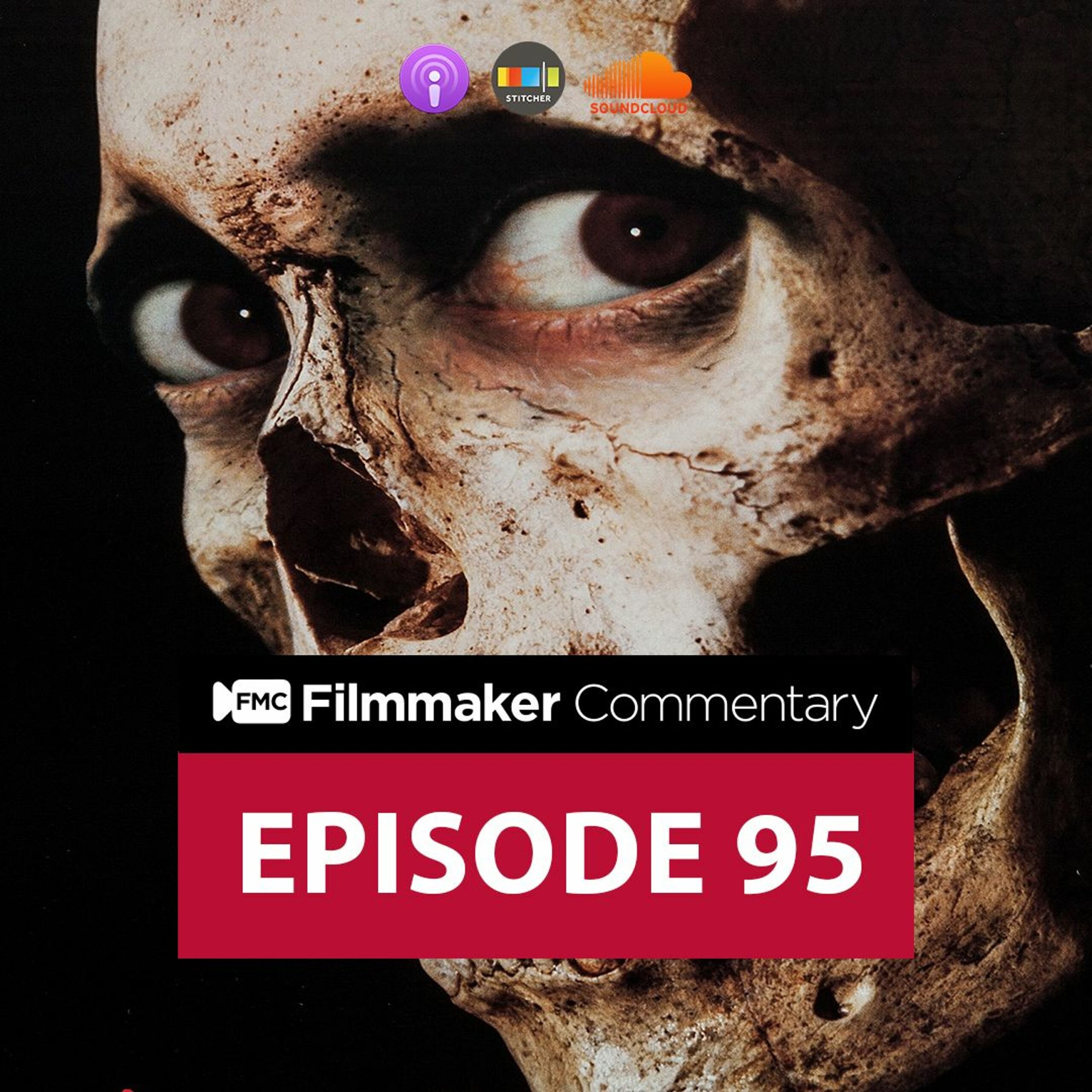
Reginald Titus Jr. and Casey G. Smith dive into the chaotic, hilarious, and utterly unique world of Evil Dead 2, co-written and directed by Sam Raimi. This cult classic from 1987 is more than just a horror sequel; it’s blending intense scares with Three Stooges-esque slapstick. The hosts unpack the film’s surprising financial backstory, its release challenges, and the unique title choice that sets it apart from its predecessor, The Evil Dead.
Listeners will discover how Sam Raimi and his team, including co-writer Scott Spiegel, creatively pushed boundaries on a modest budget. A significant focus is placed on Bruce Campbell’s incredible physical performance, which anchors the film’s over-the-top antics and makes his character, Ash Williams, an enduring icon.
Beyond the film itself, this episode offers a glimpse into the broader filmmaking landscape of the late 80s, touching on the difficulties independent filmmakers faced and the burgeoning influence of cable television like HBO. The conversation also extends to contemporary challenges in the film industry, with Regal and Cineworld cinema chains facing closures and studios delaying major blockbusters.
Aspiring filmmakers will find value in the discussion about leveraging alternative distribution channels like streaming platforms, a timely lesson as the industry adapts to new realities. The hosts highly recommend diving into Evil Dead 2’s special features for invaluable technical insights, especially regarding practical effects and creative problem-solving on set. This episode celebrates the ingenuity behind a film that continues to influence horror and comedy genres, prompting listeners to join the discussion on Filmmaker Commentary.
What We Cover
- The evolution of Sam Raimi’s filmmaking style, from The Evil Dead to its sequel, showcasing his unique vision.
- Bruce Campbell’s remarkable physical performance, highlighted as a key element of the film’s success and comedic timing.
- The distinctive blend of horror and slapstick comedy that defines Evil Dead 2 and its influence on the genre.
- How the production navigated budget constraints and rating requirements using inventive practical effects and clever storytelling.
- The surprising financial journey of Evil Dead 2 and its unexpected connections to the film industry’s history and challenges.
- The invaluable technical insights and creative lessons available within the film’s special features, serving as a practical guide for independent filmmakers.
Key Moments
- 0:45 – Initial thoughts on Evil Dead 2’s unique title and genre, setting the stage for the film’s distinctiveness.
- 2:25 – Discussion on the widespread impact of global cinema closures and the accelerating shift towards streaming platforms.
- 2:26:00 – An in-depth appreciation of Bruce Campbell’s incredible physical acting, emphasizing its central role in the film’s appeal.
- 3:28:00 – The fascinating backstory of Evil Dead 2 being a direct continuation, not a remake, and the intricate challenges of securing film rights.
Gear & Films Mentioned
- The Evil Dead (1981)
- Evil Dead 2 (1987)
- Army of Darkness (1992)
- Beetlejuice (1988)
- Drag Me to Hell (2009)
- Dune (2021)
- No Time to Die (2021)
- The Nightmare Before Christmas (1993)
- Rick and Morty (TV Series)
- Tenet (2020)
- New Mutants (2020)
- Time-lapse photography techniques (Intervallometer)
- Green screen technology
- Projectors for visual effects
- Practical effects (make-up, props, puppetry)
- Unfired ceramics for props
Listener Questions
- How did Sam Raimi effectively develop his distinct horror-comedy style, particularly in Evil Dead 2?
- What specific elements make Bruce Campbell’s performance in Evil Dead 2 so memorable and influential?
- What strategies did filmmakers in the 80s and 90s employ to break into the industry, especially when major studios controlled theatrical releases?