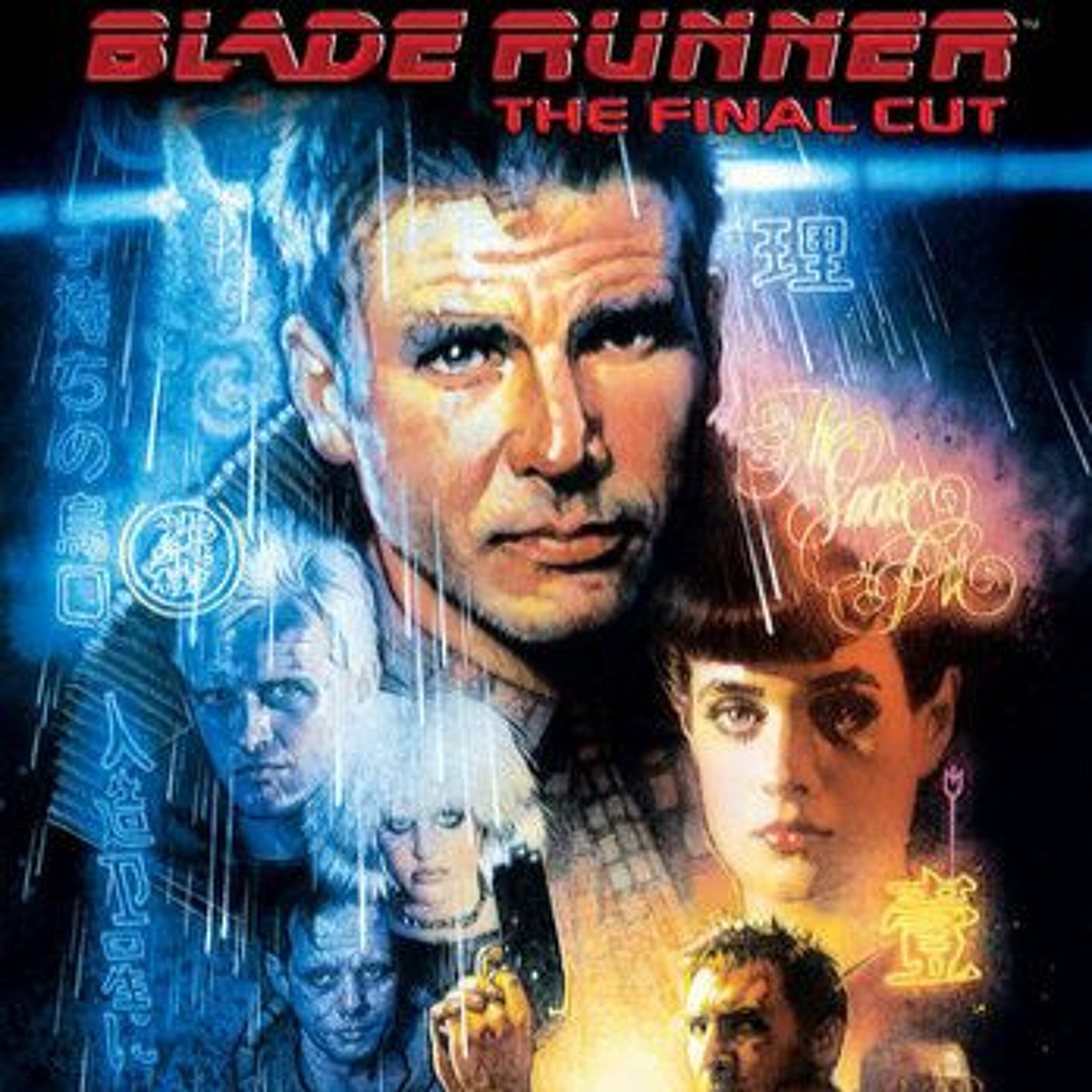
This episode of Filmmaker Commentary offers a deep dive into Ridley Scott’s seminal sci-fi noir, Blade Runner: The Final Cut, providing invaluable insights for any aspiring or working filmmaker. Host Reginald Titus Jr. dissects the director’s commentary, revealing the practical filmmaking techniques and artistic philosophies that shaped this enduring cinematic masterpiece.
What We Cover
- The enduring visual quality of Blade Runner and how its gritty aesthetic was achieved through cinematography and production design.
- Ridley Scott’s directorial philosophy on composition, budgeting, and the strategic use of production design to create believable worlds.
- How budget limitations necessitated creative solutions like backlot shooting and ingenious practical effects, including the innovative technique for the replicant eye glow.
- The director’s approach to action and intimacy, emphasizing narrative justification over gratuitous spectacle.
- An exploration of anamorphic cinematography and its impact on framing and visual storytelling, especially in creating a wide, detailed frame.
- Lessons in crafting compelling character motivations and meaningful conflict within genre filmmaking, ensuring every action serves the story.
Key Moments
- 01:50 – The Necessity of the Backlot: Discover how budgetary constraints led to a creative reliance on backlot sets, and how Ridley Scott overcame its limitations through strategic framing and clever design.
- 05:40 – Practical Effects for Replicant Eyes: Learn the ingenious technique Ridley Scott used to create the iconic red-flickering replicant eyes without modern CGI, employing a light-splitting lens and a mirror.
- 07:40 – Understanding Anamorphic Cinematography: A clear explanation of what anamorphic lenses do, how they differ from spherical lenses, and why Ridley Scott embraced this technique for Blade Runner‘s distinct visual expanse.
- 11:18 – Crafting Purposeful Action Sequences: Explore Ridley Scott’s philosophy on designing fight scenes and character movements, ensuring they serve the story rather than merely providing spectacle.
Gear & Films Mentioned
- 35mm film
- Anamorphic lenses
- Light-splitting lens
- Blade Runner 2049
- Bright (2017)
- Suicide Squad
- Alien (1979)
- Black Mirror (specifically “Black Museum” episode)
- All the Money in the World
- Alien: Covenant
- Battle of Britain (upcoming)
Listener Questions
- How did Ridley Scott achieve Blade Runner‘s timeless look despite 1982 technology and budgetary constraints?
- What creative solutions can filmmakers employ when faced with significant budget restrictions on set?
- How does a director’s background, such as experience in advertising, influence their approach to feature film production and storytelling?