April 1, 2026
F
Filmmaker Commentary
  • Home
  • Film
  • TV
Podcast

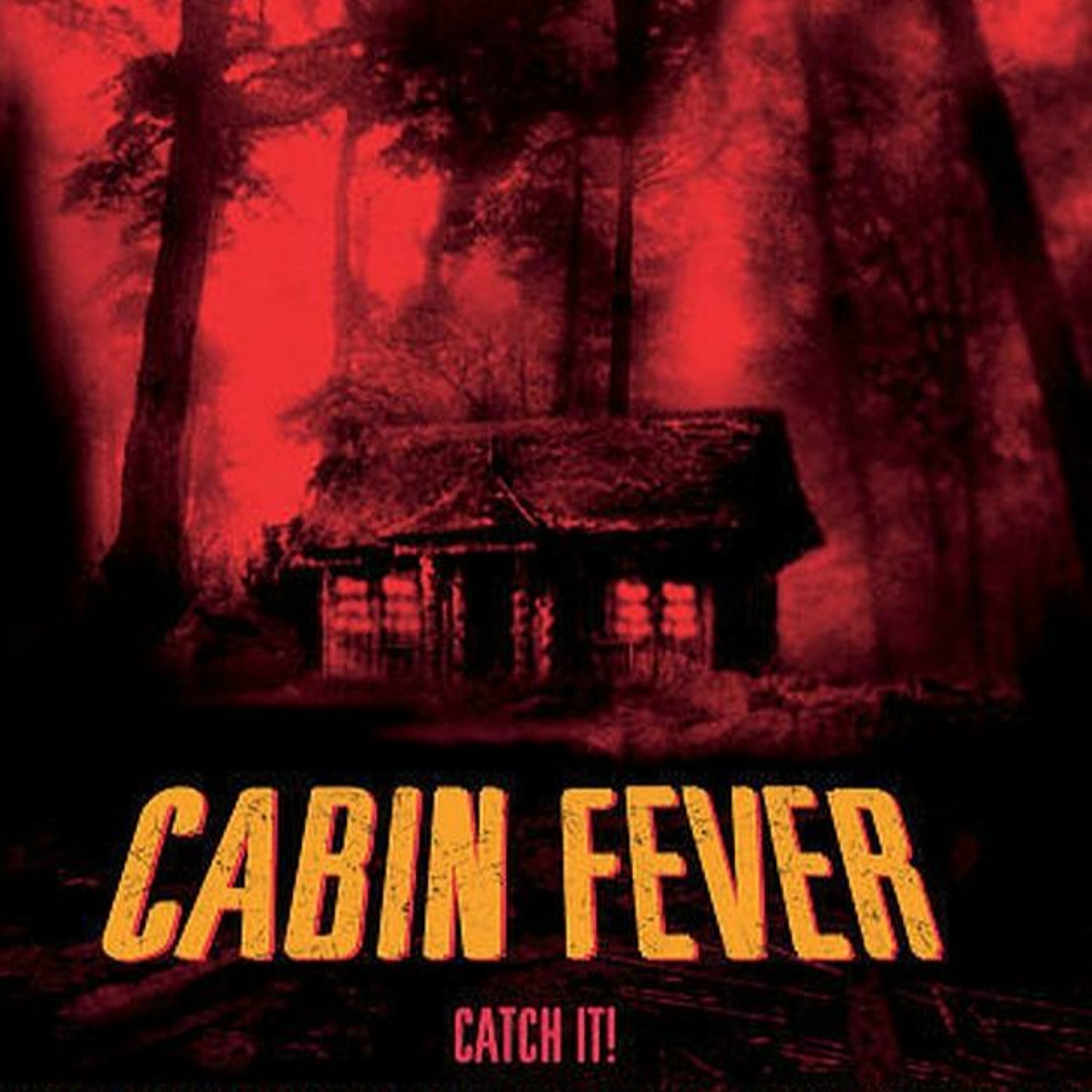
FMC 005: Cabin Fever with Guest Casey G. Smith

March 27, 2026
Listen on Apple Spotify YouTube
Listen to this episode
Your browser does not support the audio element.
Also on Apple Spotify YouTube

This episode offers a fascinating dissection of Eli Roth’s directorial debut, “Cabin Fever,” providing invaluable insights into indie filmmaking and the horror genre. Host Reginald Titus Jr. and guest Casey G. Smith critically analyze Roth’s approach, drawing from multiple commentary tracks to explore the film’s gritty aesthetic, its struggles in Hollywood, and Roth’s unconventional journey as a filmmaker. Listeners gain a unique perspective on the intersection of artistic vision, industry pragmatism, and the sheer perseverance required to bring a horror film to fruition.

Delving into the production of “Cabin Fever,” the discussion highlights Eli Roth’s deliberate return to the visceral horror of 1970s and 80s cinema, with visual inspirations ranging from Francis Bacon paintings to classics like “The Evil Dead” and “The Texas Chainsaw Massacre.” The podcast reveals how Roth’s personal experience with a skin disease became the horrifying genesis for the film’s plot, demonstrating the intimate connection between a filmmaker’s life and their craft. The hosts emphasize Roth’s philosophy of making a film you genuinely want to watch, given the immense time commitment involved, and his practical advice on slowly building character development before inevitable on-screen demises—a crucial element for audience emotional investment.

The episode further unpacks Roth’s early career, detailing his film school background at NYU and his advocacy for such institutions as “safe places to fail.” Working as a production assistant and stand-in on various sets, including Howard Stern’s “Private Parts,” proved instrumental in his learning process, offering firsthand exposure to industry practices and emergency management. The hosts discuss the challenges Roth faced pitching “Cabin Fever” in a period when studios declared horror “dead,” forcing him to meticulously refine his script over years. This extended development period, Roth attests, was ultimately beneficial, sharpening the film’s narrative and ensuring its distinct vision. The conversation also touches on clever technical details, such as the film’s evolving color palette that transitions from lighter tones to a progressively darker, more ominous look, achieved by adjusting film stock and contrast. Lastly, the hosts explore Roth’s resourceful use of tools like IMDb for marketing and securing distributor interest, alongside his conviction that a strong score, much like in “Psycho” or “Jaws,” is paramount to intensifying a horror film’s impact.

What We Cover

  • Eli Roth’s directorial approach to “Cabin Fever” and its influences from 70s/80s horror.
  • The unique insights gleaned from multiple “Cabin Fever” commentary tracks and Eli Roth’s filmmaking philosophy.
  • The journey of independent filmmaking, from pitching ideas to navigating studio demands.
  • The role of film school, production assistant work, and the importance of perseverance in a director’s career.
  • The strategic use of film elements like score, character development, and evolving visual aesthetics.
  • Hollywood’s changing perceptions of the horror genre and the challenges faced by new filmmakers.

Key Moments

  • 0:11:00 – Eli Roth’s personal skin disease revelation, the “genesis” of Cabin Fever.
  • 0:24:45 – Eli Roth’s advice: “If you have a vision and a script, it is amazing what people will do for you.”
  • 1:17:00 – Discussion of the film’s evolving visual tone, from lighter to darker, through unique film stock and contrast adjustments.
  • 1:42:00 – Revelation about Jordan Ladd’s financial contribution to keep “Cabin Fever” in production.

Gear & Films Mentioned

  • Films: Cabin Fever, Green Inferno, Inglourious Basterds, Death Proof, The Toxic Avenger, Roger Corman’s Fantastic Four (90s), Super, Slither, Flatliners (new), Little Shop of Horrors, The Evil Dead, The Texas Chainsaw Massacre, John Carpenter’s The Thing, Last House on the Left, Private Parts, The Sixth Sense, Psycho, Jaws, Watchmen, 300, Dawn of the Dead, Red State (upcoming episode).
  • Cameras: Super 8 Camera, Mini DV Camcorder
  • Software/Tools: IMDb

Listener Questions

  • How can aspiring filmmakers navigate the challenges of pitching a horror film to resistant studios?
  • What role does perseverance play in a director’s career, and what practical steps can be taken to gain experience in the film industry?
  • How can filmmakers strategically use elements like score, character development, and visual techniques to enhance the impact of their stories?

Full Transcript

Read the full transcript

Full Episode Transcript
This episode of Filmmaker Commentary explores Eli Roth's horror film "Cabin Fever," featuring host Reginald Titus Jr. and guest Casey G. Smith. They discuss Roth's filmmaking journey, the film's production, its influences, and insights into the industry.

Introduction and Filmmaker Influences
Reginald Titus Jr.: Filmmaker Commentary episode five. Welcome to Filmmaker Commentary, where we give you insights from our favorite filmmaking commentaries. These commentaries can be heard on your DVD and Blu-rays of your favorite movies. We'll show you how you can use these commentaries and apply them to improve your video production and filmmaking techniques, all of this here on Filmmaker Commentary. I'm your host, Reginald Titus Jr.
Welcome to Filmmaker Commentary episode five. Today we'll be talking about Cabin Fever, directed and produced by Eli Roth. We have a special guest, Casey G. Smith. We will, this is a longer episode. This is our first time having a guest on the episode and we're we're live, we're together, we're in person, and we're just kind of vibing. So there will be no new stories today or anything like that. Also, if you have little kids with you, just know later on in the episode, we cut to an interview with Howard Stern and there are a few cuss words in there just to give you a heads up on that. Stay tuned because we're going to be launching on iTunes and Stitcher in the next couple of weeks. We appreciate any kind of support, any kind of feedback. Please plug that into the SoundCloud. And then we'll be launching into iTunes. So if you're out there, thank you for listening. And also, in the next month, we'll be launching filmmakercommentary.com where the show notes and any kind of links or any extra tidbits will be put into the webpage. So stay tuned for that as we grow. And now the episode.
Welcome to Filmmaker Commentary. I'm here with special guest, Casey G. Smith.
Casey G. Smith: Hey, hey, greetings and salutations.
Reginald Titus Jr.: Casey G. Smith is a producer, actor, voice-over man, and businessman.
Casey G. Smith: Yeah, yeah.
Reginald Titus Jr.: And friend, and friend.
Casey G. Smith.: Absolutely, absolutely. It's a pleasure to be on the show, Reginald. Definitely a fan of Filmmaker Commentary, so thanks for bringing me on.
Reginald Titus Jr.: So today, of course, we're talking about Cabin Fever, directed and produced by Eli Roth. Do you know anything or do you have any background on Eli Roth or have you seen any of his films before?
Casey G. Smith: Actually, I I have. I actually saw Let me actually get the name of the film right. It's the Green The Green Inferno. Green Inferno. Almost said Green Room, that's another that's another horror horror film that I saw earlier last year. But yes, Green Inferno when they're in the the rainforest and dealing with the dealing with the cannibals. Yes.
Reginald Titus Jr.: That was your first film that you saw of his?
Casey G. Smith: It was. I heard so many things about it and that it was kind of unique and I was like, I got to see this. So yeah, I did see Green Inferno last year. It was last year sometime. And of course, I've seen him in a couple of roles in Inglourious Basterds. Um, as well as he had another role in another film.
Reginald Titus Jr.: What film was he in?
Casey G. Smith: He was oh, he had a role in he had a he had a role in Death Proof as well.
Reginald Titus Jr.: He sure did. He sure did. I forgot about that. That's right, friends with Tarantino. How can I forget? My first experience with knowing about Eli Roth is through a director called Lloyd Kaufman. Are you familiar with Lloyd Kaufman from Troma Studios? He the what is it? The Toxic Avenger out based out of New York. James Gunn got his start there. A lot of filmmakers got their start with Lloyd Kaufman. He's like one of the true like last independent studios. You know, like blacklisted from Hollywood. But he Lloyd Kaufman came out with a series called Make Your Own Damn Movie. Make Your Own Damn Movie. And he has another one called Produce Your Own Damn Movie. All that stuff. And he just he walks around with his mini DV camcorder shooting different filmmakers cuz they respect him. He's kind of like what's our guy from Marvel, Stan Lee. He's kind of like the Stan Lee of like the independent studios because a lot of people get their, you know, they get their experience through him. And so they they pay homage to him. So even like James Gunn in his films, they have cameos of Lloyd Kaufman. So a lot of horror films will have cameos of Lloyd Kaufman in them and they'll just kill him off or something.
Casey G. Smith: Huh. That's that's very very similar to Marvel and Stan Lee. Obviously they don't kill Stan Lee off.
Reginald Titus Jr.: Paying homage.
Reginald Titus Jr.: So in I was working in hotels and one of my associates, he's like a like straight up horror fan. That's just his thing. And I told him that I was going to make movies and things like that. He said, "Hey man, you might want to check out this Lloyd Kaufman thing." And he gave me it was like a set of like 11 DVDs and I just ran through all of them. But in that DVD set, this is back 2009. In that DVD set, Lloyd Kaufman is interviewing Eli Roth. And Eli Roth, if y'all don't know, he's real energetic, real passionate about just about filmmaking and horror films specifically. And he was just giving a lot of information. Like more than like a your typical filmmaker. Most people that are established for the most part, they don't share a whole lot. He was just like, I'm like, man, who is this guy? He's real excited. He's like, man, these guys will screw you. They'll do this, they'll do that. Watch out for these guys. And then that's when I was introduced to Eli Roth. So it was through his commentary about making movies that I was kind of, I was okay, let me try, let me listen to some of his stuff. Or look at some of his films, and that's how I got introduced to Cabin Fever.
Casey G. Smith: So you mentioned Kaufman, like when you mentioned his name, I was like, why does he sound so familiar? I'm also I'm watching a halfway through a documentary on Amazon Prime on the The Roger Corman Fantastic Four movie from the 90s. And Kaufman had a big role in kind of beginning to he he had a he had a role in in that because they they mentioned him by name a couple of times cuz they mentioned him obviously the Toxic Avenger. But when you mentioned him, I'm like, okay, I've heard his name recently, but yeah, watching that, he's a had a had a hand in in in that. But anyway.
Reginald Titus Jr.: Have you seen that Fantastic Four anyway? That looked pretty cheesy.
Casey G. Smith: Well, it's it's fascinating because you know, we see it so many years after after the fact. But I'll be honest, even when I was a kid looking at Wizard Magazine and they would show images and stills from the the set, I was like, it it the costumes are faithful. And but even watching the documentary, like they really like, I mean, they they were doing it like with B-level horror budget. But they were it seemed like they were trying to do the best they could with short time, short money. But there's a lot of controversy on whether or not it was actually ever going to be released like mainstream. The actors and the production team thought so, but it seems like maybe that never was the case all along and there's kind of kind of controversy with that. So.
Reginald Titus Jr.: Interesting. Yes.
Reginald Titus Jr.: Um, so yeah, so that's, you know, Lloyd Kaufman, so that's how I was introduced to that. And I just started becoming more fascinated about the people that come through like the Troma Studios. I started seeing a little bit of James Gunn. There might be another person that I start setting a little bit more.
Casey G. Smith: Indeed.
Reginald Titus Jr.: Cuz cuz, you know, he started out as a writer, you know, just writing all these crazy scripts for Lloyd Kaufman. And then when he started directing, I'm just like, this is he has like some of that weird dark humor and a lot of his early work and I think it seeps into his commercial work. You can probably talk about that a little bit more. His Guardians of the Galaxy and all that stuff.
Casey G. Smith: Oh, absolutely. Um, he even with um Super.
Reginald Titus Jr.: Yeah. Oh god.
Casey G. Smith: Yes. Oh god, indeed. He yeah, he had dark dark comedy, definitely a dark sense of humor. Even with is it Slither? Yeah. that it's it's a it's a it's a horror but there are these moments, you know, where he slides in the the humor with Elizabeth Banks and Nathan Fillion, it's like, huh. Okay. That's a weird place for a joke, but that's that's the nature of how Gunn likes to roll. But I mean, I'm glad he had a chance to break through with Guardians and Guardians 2 because it it he found a way to make it work. So more more power to him.

Behind "Cabin Fever": Inspiration and Production
Reginald Titus Jr.: All right. Wait for this airplane to pass.
Okay, so, going right into Cabin Fever, I listen to the commentary it off the DVD and it has four four different commentaries. There's a director's commentary, there's a commentary with the guys, there's a commentary with the girls, and then there's a commentary with the filmmakers. And so the commentary I listened to was the one the director's commentary. Uh which one tells about like the version that you that you watched.
Casey G. Smith: So the version of the commentary that I listened to was from the director's cut Blu-ray. And it is a commentary that has Eli Roth along with the cast members. Um, it was it's with uh four out of the five cast members. So, um, you have Rider Strong, Jordan Ladd, Serena Vincent, and Joey Kern all in the commentary. But uh James DeBello wasn't able to to make it. But you have those four along with Eli.
Reginald Titus Jr.: And how he sets up the tone in the one that I watched, he was just like, "This is a new BS, no BS interruption from other filmmakers or producers or camera people or actors or everyone trying to get their little story in and their little jokes." He kind of just kind of started going off. Uh he said, "Every everybody else can just stay there." If y'all know Eli Roth, listen to his stuff, he cusses a lot. "Y'all can just stay the off, stay the F off of this." Uh, so this kind of sets the tone for the whole commentary.
Casey G. Smith: Okay. Well, this the commentary I listened to took place later because he because he references having, you know, made Inglourious Basterds. So yeah, this one is taking place a while later and everybody seems to be doing okay and are in a very very nostalgic and very kind of like it's like a reunion. It feels very much so like a reunion like they've been maybe away from each other for a while and they're happy to be in each other's presence again and it's like a a looking back kind of uh
Reginald Titus Jr.: That's interesting. I always I'm always fascinated on like what part of the process of the film they are in when they do the commentary, cuz I've listened to some commentaries where they don't know how the film is going to pan out and they're just like they're nervous. They're like, oh, tomorrow if this doesn't work, then uh I'll be doing something else. Um, this commentary uh Eli Roth was 30 years old when he did the commentary. So it was like, it was after the deal, but it wasn't that much after the deal had went through with Lionsgate. And so he's kind of kind of riding that wave of and he's in a good place because the deal went through and he finally got paid because he talks about how, you know, he was like $15,000 or something in debt from using credit cards and he was just being a broke, you know, filmmaker. You know, everybody else has their jobs and, you know, houses and all that stuff, and he doesn't have any money and it's just kind of a weird place to be. So this is very interesting. Um, okay.
Reginald Titus Jr.: So let's let's let's dive right into it.
Casey G. Smith: Sure. Well, one of the things obviously is when the the actual film was created. They said they shot it in 2001. Then that it premiered at the Toronto Film Festival around 2002 and then once it got picked up, had a theatrical release around 2003. With listening to to Eli again, I've only seen, you know, just Green Inferno as far as his work had went. But he mentioned that with with Cabin Fever, he wanted to really go back to the the grittiness of the horror films of the 70s and 80s. Uh so definitely there are call backs to movies like Evil Dead, the Texas Chainsaw Massacre. Uh even his uh his DP uh Scott Scott Kevin uh or Kivan, hope I'm pronouncing his his name correctly. He even talked about how they looked at at Francis Bacon paintings and how they spent, I want to say two weeks in in pre-production in a cabin just kind of really getting in the the mindset of uh of of preparing this this film. Uh and one of the things that Eli mentioned that stood out uh that really was the genesis for the story is that he said when he was a when he was a a younger man, while working, maybe it was in in in Iceland. He was somewhere and he was he was he was working like for the for the summer and he contracted a skin disease. And he actually while he was shaving, actually shaved off layers of skin off of his face. Looking at the guy, you couldn't tell, but I'm like, wow, that's that's pretty intense. But that stuck with him and and clearly is is is a big part of of Cabin Fever.
Reginald Titus Jr.: I also like the fact that, um, at 11 years old he had the support of his mom and dad making gross films, you know, them being like, you know, educators basically. Well, his mom was an educator, right?
Casey G. Smith: Yeah, and his dad's like a psychologist, something like that. He was like psychoanalyzing people on on on set and look at the the the blood and and gore. It's almost like the just like the skin's coming apart. So there their friendships and their relationships.
Reginald Titus Jr.: Interesting. So I thought that was pretty cool, just the fact that he had the support because a lot of people don't get the support in the arts, you know, coming up it's like, hey, you know, doctor, this, this and that, but if you want to be an artist, usually you don't school isn't really geared towards that. So I thought that was actually pretty cool the fact that he knew that's what he wanted to do at a young age and they provided, you know, they they bought Super 8 cameras for him and kind of, you know, harnessed this thing for him. So I thought that was pretty interesting to see that.
Casey G. Smith: It's definitely a powerful thing to to have that that support of your parents. And again, there were times where they were on set. He mentioned multiple times when when his dad was on set or times when his mom was on set. So obviously that support carried over in just, you know, the moral support and actually being there, which is which is pretty amazing. And it seemed like with even with the other actors, uh there there are certain scenes where they have siblings who who are involved. Uh and if I heard it right on one of the uh in the commentary, Rider Strong, I think he may have been in college initially while uh this the the pre-production was happening. I think he may have stepped away from college to fulfill the role, um, which is like, wow, that's that's something, you know, that's a risk that's a risk but um but yeah, one statement kind of going in and tying back into just the support that Eli got, he mentioned this he made this one quote, he said, "If you have a vision and a script, it is amazing what people will do for you." And that seems to be the kind of the the theme of of Cabin Fever when you see just how many people came together to pull it off.

Crafting the Horror: Cinematography and Storytelling
Reginald Titus Jr.: In the commentary that I, you know, I went through, you know, it's he said it specifically for filmmakers. And he talks about why he did the film. Um some directors kind of go in their in their commentary shot by shot, like, hey, this is a 50 millimeter and this is why I shot. Um he chose not to do that because he felt that it would be more boring. And he approached the commentary more just telling stories because this guy has the gift of gab and he'll just keep talking and talking. One thing I do like about him is that if you go through a lot of his interviews, he'll reveal certain things that he might not have revealed on certain commentaries or interviews and he always has, I don't know how he does it, but he always has like new material from from the same movie. Like you were saying the inspirations for the film, you know, The Evil Dead, Texas Chainsaw Massacre, John Carpenter's The Thing. They were like heavy influences on the film. He said you'll actually hear music from Wes Craven's film, The Last House on the Left. One of the points that I have is, why would you shoot a movie that you wouldn't want to watch yourself? And so basically he's saying, you're going to be spending a lot of time with this film. You might as well shoot something that you like and you would watch because you're going to spend a long time with this thing, you got to live with it, so you might as well shoot something that you enjoy.
Casey G. Smith: That's that makes sense. It's a tough point to to argue against. Um yeah, especially when you start thinking about again, all three phases, right? From the pre-production to production, which may be the shortest point to to that that lovely time in post, right?
Reginald Titus Jr.: We know about that all too well. Another point he said uh, start your film off slowly and kind of slowly build and when you do that, you'll get to know your characters a little bit more before you kill them off. Um I've just recently seen, not spoil alert, um Flatliners. And the new one and, uh, one of the problems that I had watching the film is that you don't, you're not really connected to the characters. And yeah, you don't really get to spend that much time with them. So there there is that payoff when you like feel like you get to know the nuances of these characters. Um so when they do get killed off, you're like, oh, you actually felt like you lost somebody.
Casey G. Smith: Absolutely. Absolutely. You know, going along those same lines, one of my favorite films, it's a I guess a horror musical is is Little Shop of Horrors. Love that film. Uh and I've I've got a hold of the director's cut. And the scene from Frank Frank Oz, where where the plant, just like the original play and the in the original uh actually Roger Corman uh film, where the plant in the end wins and and and the Frank Oz version, it doesn't just eat Seymour and and Audrey, it then proceeds to take over the the world. And when when they tested that with audiences, they were pissed. Which is why they cut it because they had fallen in love with the characters, the development and growth of these two characters. They were like, no, you can't just axe them off. So that character development can yeah, it's it's huge.
Reginald Titus Jr.: He talked about working as a PA on set. Um a little bit of his background. He went to NYU and that's where, you know, he went to study film because he already knew from a young age this is what he wanted to do. So he went to NYU to study film. And there's always a debate, you know, should you go to film school? Should you not? Of course, he's going to be an advocate for film school because he says it's a it's a safe place where you can fail. And you get to meet other people that are, you know, going to be getting into the industry and you can develop those relationships, of course. Uh so he's definitely an advocate for film school. But coming out of film school, it's interesting because out of his class, I think it's only him and another person that that this is what they do full-time. Everybody else kind of veered off and did other things. Part of that is coming out of school and not acting like you're better than other people and you deserve this for whatever reason. So he was willing to work on different sets as a production assistant. And by doing that, um he he highly recommends this because you get to learn what not to do. You get to see how other directors direct because a lot of times with directors you don't get to see how how to do the job. You know, it's kind of a lonely thing. Actors, they get to feed off each other because they're going from set to set to set. Um but the directors are kind of stuck with one project for a long period of time.
Casey G. Smith: I think that's a great point you mentioned Reginald. I think with with anybody coming out of you know, school, period, is that a lot of times school will guess definitely help you get the knowledge base, get the degree, which can help open up doors. It but it doesn't guarantee things for you. And that often a degree is to help prepare you for an entry-level position. Uh and it's also be based on your your your previous experience, your drive, all those things. So I I I love hearing that Eli had the right mindset to come in, keep his head down and say, okay, let me roll up my sleeves, let me grind and and still say, okay, I've got degree, but I I still there's still a lot I need to learn and being able to be that that person where it, you know, it's not all on you, like being being a second shooter at a at a wedding, you can you can learn and have some room to, you know, if you miss something here or there, okay, it's not the end of the world because it's not all on you just yet.
Reginald Titus Jr.: He mentioned he he wrote this film back in 1995. And of course, he was pitching it to studios and things like that. And they kept passing on it because they were saying horror is dead. Like horror has is like stigma to it. Um if it's a successful film, they call it a thriller. I.E. The Sixth Sense, you know. Eli he said, that's a horror film. But they he's like, no, no, they said the studio was like, no, no, it's a thriller. While he's working as a PA, he also he worked as a stand-in. A stand-in is a person that while the actor is getting their makeup done, but the director needs to block the scenes, the stand-in is paid a, you know, a little weekly salary to just stand in place of the actor. And so they can block the shots.
Casey G. Smith: Not a bad gig.
Reginald Titus Jr.: Not at all. While, you know, he's doing all these gigs, he's also he's trying to pitch Cabin Fever to people, to different studios, but they're all passing on it. Um he mentions that um this allowed him to keep tweaking the script. Because in my opinion out of all the films that I've seen of Eli Roth, this is in my opinion, like one of his better pieces of work. And that's because probably he spent a lot of time tweaking it, working on it, tweaking it, coming back to it. In one of Eli Roth's interviews with Howard Stern, Eli Roth worked as a stand-in on Howard Stern's film Private Parts. And while he was working there, Howard Stern remembered Eli Roth outside of his um hotel room writing his script. You like, "What you doing there? What you doing, sir?" I'm just working on my script. And Howard Stern remembered that. He's like, "Man, look at this college kid or whatever just, you know, working away. All right, go have at it, kid."
Casey G. Smith: Being diligent.
Reginald Titus Jr.: We'll cut to that interview now.
Casey G. Smith (interview clip): That sounds pretty cool. I wish you luck, man. I'm very very I'm very happy for you. It's very exciting to know someone who was sitting there scribbling outside my door making a success of himself. And I I got to say, you know, even though you call me an a-hole behind your back, you're always so nice to me. And and every every other movie, no, every other movie people are like, oh, you worked with Howard Stern. I'm like, guys, honestly, I worked on probably 150 different movies. I worked at Meow Mix. I got all these different films. Nobody nobody was as nice as Howard was. And it was the most fun working on Private Parts.
Howard Stern (interview clip): I was actually kind of fascinated by Eli. I thought it was kind of really cool that I didn't call him an a-hole. I was really kind of taken that he was using his time.
Female voice (interview clip): While he sat there instead of just sitting there.
Howard Stern (interview clip): And the guy would stay up all night writing this movie. And I was like, you know, that's admirable. Most people would just sit in the f'ing chair and sleep.
Male voice (interview clip): Here comes the bullshit. He's successful now.
Eli Roth (interview clip): No, no, no, he was. He was really cool. Howard always asked me how the writing was going. We talked about it every day.
Female voice (interview clip): You never told this story before.
Eli Roth (interview clip): You can't win with this group. I, you know.
Howard Stern (interview clip): Eli Roth's Hostel 2 opening Friday in theaters everywhere.
Reginald Titus Jr.: Eli Roth also talks about, he said, thank God that it took him so long to make the film because had he uh gotten the film done like straight coming out of out of NYU, it wouldn't be that good and it probably wouldn't be successful. By working as a PA, he was put in situations where he saw people reacting when there's an emergency on the set. He got to see, oh, that's what you would do. You know, have an ambulance ready, have this person ready because if something happens you can react quickly. I think there was an instance in Cabin Fever where one of the glass bulbs popped in one of the actor's eyes.
Casey G. Smith: Yes.
Reginald Titus Jr.: He mentioned that?
Casey G. Smith: Yes, that was that was Joey Kern. Actually, he actually had his eye or eyes, uh damaged several times during the film. They talked about that in the in the in the commentary on the Blu-ray, on the director's cut. Uh not only do you have glass that went into his eye, like multiple levels and layers of his eye, then another during another scene, he ended up getting uh a black eye. Um and so like actually when you when you when you watch it, you can see a couple scenes where he he's turned enough to kind of hide it. I want to say it's on his his his right eye. He's turned enough to kind of hide it, but there's a a scene or two where you can see it kind of, you know, the shiner peeks out just a little bit. But yeah, there was two to three instances where he uh he damaged his his eyes for the sake of the the film. But I'm sure Eli had the the proper uh, you know, staff and and uh medical attention on on hand to
Reginald Titus Jr.: Didn't freak out. So they knew like, hey, having an ambulance on standby ready to rock and roll just in case somebody happened. But he said, you know, if he had he been younger, then he probably would have just freaked out. Like, oh my god. So um, what which character was that that uh Frank you said Frank uh
Casey G. Smith: Uh that was uh Joey Kern. He played Jeff. He was the guy who had kept kept the handkerchief up to his face.
Reginald Titus Jr.: Oh, the guy's hilarious.
Casey G. Smith: Yes. Yes.
Reginald Titus Jr.: Um, I don't know what it wasn't in this commentary. I don't know where I heard this before, but Eli Roth was talking and I don't know what actor he was talking about. Um, he talked about like there was an actor who would perform a certain way when it was a wide shot and the performance sucked. But as soon as he would zoom in and the actor knew that it was a close-up shot, the actor bought the best performance ever. And so when they're editing, they could only use this actor's close-up shots. And then Eli was like, "This guy screwed us."
Casey G. Smith: There are some actors who are savvy and they they know how to either play to the camera or how to steal a scene. Um there is a uh one of the old Dr. Jekyll and Mr. Hyde uh films. One of the co-stars of that, she was notorious for doing exactly that. She could she could steal a scene. So that guy, that actor, he'll running game. Ready for their close-up.

Industry Challenges and Creative Choices
Reginald Titus Jr.: Uh another point that uh Eli Roth talks about is that uh being a director, it's much more than talent. It's uh perseverance. That's probably the thing that allowed him to work, you know, a lot of people quit before they make it. Another point is never show anybody anything before it's finished. I'm talking about the finished product, your finished film. Don't show it to anybody. They had to show it when they were at the was it Toronto Film Festival? When they were uh cuz it was like a bidding war uh when when the when they premiered the movie. But they had to show some of the the studio the distributors, they had to show some of the distributors some something. They had to give them something. So they showed like a 10 minute kind of like teaser for the film. But they but he said just use it, you know, do it sparingly because uh you want to make sure that your your film is finished and ready to rock and roll. But and the reason they did that is because this particular distributor was writing a check.
Casey G. Smith: That makes sense. They're ready to write a check, then exceptions can be made.
Reginald Titus Jr.: Exactly. Uh he said, thank God, he had a sales agent. He had a sales agent there helping out because he was overwhelmed. You know, this is the first time. He doesn't know what's going on. And the sales agent was able to kind of give him the game and say, hey, this person is trying to do. That's why they're leaving. You know, they'll watch a few minutes of the film and then walk out. He's like, why are these people walking out? They're walking out because they're negotiating in the back like, oh, this is going to be a hit. So the sales agent's trying to like trying to find the best deal for him.
Casey G. Smith: One of the things that stood out to me was that after after the fact, once Eli got the the deal with with Lionsgate is that he talks about how he had to had to learn, he had to learn how to deal with with the studios. That once they you know, they they made the deal and they're trying to make those decisions to leave out different things in the film. And when you watch the director's cut, which is the only version I've seen, so I haven't seen the original theatrical version, but uh in the commentary, he points out the pieces that were left out and it makes certain things make a little more sense in in continuity and it lets scenes breathe a little bit more and helps certain payoffs. But at the time working with Lionsgate, he would get so upset. He would get angry like, no, you can't take that out. And he was, you know, he says now, knowing what he knows now, he he wouldn't have been quite quite as aggressive if you will uh as as far as with the things that they left out because he was still happy with the with the theatrical release, but he was really fighting tooth and nail for every little bit of um of what was what was left out.
Reginald Titus Jr.: Uh did he point out what parts uh specifically that was there in the director's cut. Also, was it more was it more gruesome? Like did he mention there was more graphic, more blood?
Casey G. Smith: Well, again, having having not my introduction to the film being the director's cut, uh I'd have to I have to go back and watch the the theatrical version. But there again, there are certain uh certain scenes where again it it just lets it breathe a little bit more. Um I want to say when um when Joey Kern's character Jeff, when he's when he finally comes back to the cabin, because of course, you know, he leaves for a hot minute once he, "You guys can all get sick if you want to," you know, and he just leaves with the beer and his handkerchief, right? And he's he's
Reginald Titus Jr.: That walk off when he did the walk off was hilarious.
Casey G. Smith: Oh yeah. It is hilarious. So finally when he comes back and he's surveying the the the cabin, I think even how that's done, uh that's allowed to to breathe a little bit more. And I think actually when uh when Rider's character Paul, when he throws the um one of the three men from the the store that come at the end, he he throws one of them down the steps of the cabin into the cellar. He throws him in there and he tells him he tells him, "Look, you know," he he basically kind of um tells him that, "Look, you know, we weren't, we we aren't we aren't killers, you know, this this is something wrong with your town or whatever that's why like we're you know, all getting sick," you know, and he he tries to kind of absolve the rest of his of his friends. But you know, then at the end when those when the agents show up, you know, they they come in and they're pulling out the bodies and they burn the bodies and they go into the cabin and they find that guy there, you know, there's one more and they just pop him, they just they just shoot him. And then they throw a match down and light him on fire. Actually, Eli's in that in that in that shot as well. And they just light that guy on fire to burn to burn the cabin down. Uh and I don't know that if that's in the theatrical version. But those those two things tie together. Uh that guy gets thrown in and it's it's a guy with the longer hair. Uh he gets thrown in the cellar and then the guys at the end, they actually burn down the cabin. And he mentioned that that's actually not in the theatrical version because he really wanted there and when when the actors are watching it with him, they're like, oh, I know that makes sense, you know, so.
Reginald Titus Jr.: I knew it. I knew I was right.
Casey G. Smith: So that was a there's a couple of uh of of definitely tidbits that kind of make help things breathe a little bit more. Uh and even at the very beginning, when uh when Jordan Ladd's character Karen, when she's talking to the the boy out front of the of the convenience store, the one who likes to bite people. Pancakes.
Reginald Titus Jr.: Pancakes.
Casey G. Smith: Pancakes and and his father. And she she says something to the father uh kind of in relation to like him like holding the son by his neck and all that. And so when she walks into the convenience store, she's kind of conveying to Paul that, you know, the guy had been pulling the kid's hair back. But apparently that's you just see her walking into the store kind of doing that motion and you you don't know what she's Yeah, what's what what what is she what is she talking about. But it comes from the conversation she had outside moments prior.
Reginald Titus Jr.: There's another point is learn to shimp. Uh shimping is when you can't get an actor uh to do the role, I'm not do the role. When you can't get an actor to to like redo a shot or whatever. But you're the one that's covered in blood, so you just play like the body double. And this is coined by Sam Raimi, am I saying his name right? Sam Raimi.
Casey G. Smith: Raimi. Yeah, Raimi.
Reginald Titus Jr.: And Bruce Campbell from The Evil Dead films. Um they they coined this frame from uh the Three Stooges uh because one of shimp died um and but they still had to shoot around him. Even though he had passed away, they had to shoot so they just got a body double. So they coined the phrase shimping.
Casey G. Smith: By the way, Sam Raimi, he loves the Three Stooges.
Reginald Titus Jr.: Okay.
Casey G. Smith: He's a he's a yeah, he's a hardcore fan of the Three Stooges. That's why you often find so much so much comedy in his in his horror movies and some of the physical stuff. Yeah, he's a huge fan of the Three Stooges.
Reginald Titus Jr.: Um another point is get over it. Um he mentioned a story about uh what's the what's the guy from uh Boy Meets World? What's his name?
Casey G. Smith: That's uh Rider Strong who plays Paul.
Reginald Titus Jr.: Rider Strong. So I guess him and Rider Strong, they were kind of getting into it towards the end of the film. This kind of having these little fights and or whatever. And he said that's normal when you're shooting a film because you you're with these people for a long time. Y'all just get tired of each other. Um but after the end of the day, you know, when breakfast came around, everything was fine. And he said, you know, just get over it.
Casey G. Smith: That's that's that's so fascinating cuz again, the the version I listened to, it's it's clearly years later and so everybody's just all chummy and and and buddy-buddy and they they look back with kind of rose-tinted glasses. Um and they don't they didn't talk about there being kind of like tension and things like that. Uh they talk about certain scenes where, you know, where he's when he's covered in blood and how it was so cold outside that the blood was basically had soaked through Rider's clothing onto his skin. So then when he was trying to take it off later on, it was like like, you know, like getting his chest waxed, you know, it was just not a pleasant experience. But that was more so just the conditions of the set, but he didn't really they didn't they didn't mention they had gotten, you know, had personal conflict. But again, that's kind of I guess time healing healing all wounds and and I guess truly getting over it.
Reginald Titus Jr.: And it was and that was specific, he mentioned it specifically in the shot when he's running out into the street to kind of stop the trucks and you can see his breath like Yeah. Yeah.
Casey G. Smith: Yeah, they they mentioned how cold it was on uh those nights and and shooting those scenes. That those were the those were the the toughest ones.
Reginald Titus Jr.: It was it paid off because it looks well. It looks good.
Casey G. Smith: It does. Even the scene where he I I think one of the most like tension-filled scenes for me was when he is trying to to to find the the first guy that that that showed up at the camp in in the water. And he he sees he sees the body and he's trying to like get closer.
Reginald Titus Jr.: Oh my god.
Casey G. Smith: And he yeah, everybody's wondering, oh man, is he going to fall in? Don't fall in. Don't get sick cuz you know, the water's bad and sure enough, he just falls straight in. You're like, oh, man. He tries to climb out and then the rod breaks. He's saw that. So you're like, oh, this guy's screwed.
Reginald Titus Jr.: This guy is screwed.
Reginald Titus Jr.: That is gross. Like this film, it's it's nasty. Like the the scene, it starts out with the guy that's poking his dog, the dog that's in the middle of the woods and he opens the leg of the dog and like the blood just squirts in his face. I'm like, come on. Like
Casey G. Smith: Yeah, that's There's a lot of there's a lot of blood squirting. And and that's, you know, to your point earlier, Reginald, when uh they talk about, you know, them passing on the movie and and horror not being at the time. One of the things that he talks about is that in in 2003 with the release of of this film and there were several others that came out in 2003. Uh maybe Rob Zombie may may have had a film. Um Freddy versus Jason may have been somewhere around that time. There were like
Reginald Titus Jr.: Was it a Thousand Corpses maybe, or
Casey G. Smith: I think maybe that. Um
Reginald Titus Jr.: Rob Zombie, his stuff is Yeah, it's that.
Casey G. Smith: But there were multiple movies that came out around that time that seemed to kind of bring horror back and specifically from what Eli, what he likes, obviously the blood. Uh and even some of the nudity is kind of, you know, the you know, that's the kind of stuff you'd see a lot in the 70s and 80s. But some of that some of those things coming back. But 2003, there seem to be a lot of uh a lot of that. And so this movie was kind of a part of that uh rebirth of of kind of that throwback horror.
Reginald Titus Jr.: Um, he another point is the score makes or breaks a movie. Um he used examples like Psycho, Texas Chainsaw Massacre, Jaws and Psycho again. Uh he said Jaws and Psycho are like the easiest examples of that.
Casey G. Smith: Absolutely.
Reginald Titus Jr.: Um, it makes the the movie more terrifying because he talks about like in one of the scenes. I'm trying to remember which scene it was. That there's like little stabs that his composer um created. And he had watched the film, you know, hundreds of times before that. But when that music is in there, he said he got it scares him like every time it gets him.
Casey G. Smith: Also, uh uh with that, on the uh the Blu-ray, there's a a portion when they're they're they have a, you know, a documentary, the making of, and his uh one of his composers uh Angelo um Badalamenti. He he composed a piece for when uh when the two are in bed when when uh when Paul and Karen are are in bed, and he's trying to comfort her and uh, you know, begins to to to reach his hands down yonder and you think that he's doing one thing. He thinks his fingers are in one spot. And then when he when he pulls them up and you see the blood on his fingers and he flips. Like when that that composer, when when uh Angelo uh put that together, he kind of, you know, plays that that that that that part out uh to go from delight to disaster quickly.
Reginald Titus Jr.: So gross.
Casey G. Smith: Yes.
Reginald Titus Jr.: Eli Roth mentions IMDb. He says it's like one of the more valuable tools for a filmmaker. He said it's uh it's almost like people take it as fact. He said, "IMDb isn't paying me to say this, but when he was trying to sell this film to the distributors and things like that, people were ask were asking about the film and they started looking him up. So he started adding stills from like behind the scenes of the actual movie and putting it on his page. And that that gave him, you know, some validity and they would ask for more information. So he was it gained the interest of distributors. So he said, that's that's one uh that's a tool that you can definitely use for that if you're a filmmaker.

Character Arcs and Thematic Subversion
Casey G. Smith: He's he's pretty savvy. I think even from a marketing standpoint. One of the things that he mentioned in the commentary, uh was that uh when different people, uh people in the industry liked his film after Cabin Fever came out, he would ask them for quotes. And uh one of those people was was Peter Jackson, who at the time was obviously working on the The Lord of the Rings trilogy. Uh he loved Cabin Fever and he gave him several quotes. He said, "You can use these how how however you want."
Reginald Titus Jr.: Wow. That's that's pretty powerful. That is cool.
Casey G. Smith: So leveraging knows.
Casey G. Smith: One of the things that uh Reginald that that stood out to me when you're talking about the development of the film and the look of the film. Uh his his DP uh mentioned that when they were working on the look of it, that they did some uh some unique techniques that throughout the film, it actually starts out lighter, . And transitions into being darker. Like they they adjust the contrast throughout the film. And that they even said as as they shot, they they used difference amount different amounts of silver in the film stock. That it actually increases over the course of the film to help add that effect. And even at the at the end when they when they get into the hospital, they didn't adjust the lights inside because it gave a green tint which helped towards uh showing off Paul's sickness and just the sickness of the hospital itself. Yeah. So it was fascinating to hear them use those techniques. I'm like, wow, that's that's in depth. I'm not a uh a camera guy, but uh in watching it, yeah, the the film transitions from lighter to to darker. So.
Reginald Titus Jr.: Wow, that works cuz I I just recently just re I didn't rewatch the film, but I've rewatched the commentary with it and just visually looking at it, it does look jacked up in that in the hospital. Like a complete it looks like a place you don't want to visit. It's just looks terrible.
Casey G. Smith: They mentioned that one thing they tried to do. Even though as much as they wanted to kind of build the homages to to older horror films, they they tried to kind of switch it up a little bit by they they they set up archetypes. You know, um, you've got your your potential hero. You've got your your your kind of, you know, semi-innocent good girl when you initially see uh Karen's character, you know, strawberry blonde, oh, you know, she's the good girl. Then you've got, you know, you've got the, you know, the hot chick, uh as well, um in in Marcy and you know, and you have you have you have you have the couple that's going to go and and and have sex, you know, which of course, Marcy and Jeff do immediately once they get to the cabin, right? Not even waiting a a moment with a moment's hesitation. But then like there are things that happen that kind of flip these these these archetypes. So you even have with um with Bert, uh played by James DeBello uh DeBello. He gets upset once he finds out that Karen is sick. And he's like yelling at her, you know, and and calling her all kinds of names. And then, you know, eventually they take her and they put her, you know, in in in a shed. They put her in a shed, you know, and she's like, "F you guys," you know, she's like, pissed. But then then you see Bert's character sitting outside, you know, guarding her. Almost like he felt bad for what he said earlier. And so you kind of don't expect the kind of the the the knucklehead, if you will, character to kind of show that kind of nobility, but he does. Then you have then you have Paul's character, who's, you know, supposed to be kind of like the good guy, all of a sudden, you know, he's hooking up with Marcy. You know, you're like, what? You're the you're supposed to be the good guy. So you you get these things taking place and it's like, wow, that's taking these archetypes and definitely switching them around and and them not playing to convention. Uh so it was fascinating that they that they did that. And also they mentioned even killing characters out of out of order. I was like, huh, that's I guess that's true because
Reginald Titus Jr.: I guess it's true because the jerk dies last, right?
Casey G. Smith: Yeah. Yeah, the jerk dies last. Uh the, you know, um Bert's character. I think he's the first. No, wait. I remember trying to remember the the order. The girl, right? Is she the one to to go? Uh the one Rider's hooking up with, his girlfriend, is she the one that dies first? She is almost dead. But it's it's it's it's uh Marcy's character when she's in the when she's in the tub shaving her her legs, right? And she she sees all the blood there. And then she gets up and she goes out with a towel and her bloody legs. And the dog sees her and the dog gets her while she's trying to get into the shack that that uh Karen is in. She gets, you know, mutilated and and torn to pieces. And then when Paul shows back up, he sees um he sees all the carnage and then he goes inside and he sees uh Karen being the dog's like eating her stomach. Um and and attacks him and he he kills the dog. But I'm I'm trying to remember now if if all that happens after um DeBello's character, uh, dies inside. Because his character dies inside the cabin. Like his head gets his head gets blown off. But that's after That's after they they go back to town. I think I think the girls, I guess the girls die first and then the guys from the town come to the cabin.
Reginald Titus Jr.: Okay.
Casey G. Smith: And he's he's like close to dying anyway. So he has the rifle in his hand.
Reginald Titus Jr.: Right. Cuz he sparks the whole reason why they even come there because he tries to go and get help initially, which is why he's not guarding guarding the the shack. Okay, yeah, so yeah, the girls die first. So it is Marcy first, then it's Karen, then it's Bert, then it's Jeff and I guess Paul is the Didn't they show him what was the last No, he he he's dead at the end. He's he's alive. Like that last slide because his body's laying there when the kids are going to get the water to put into their lemonade.
Reginald Titus Jr.: That was gross.
Casey G. Smith: But he's um, I think he dies before the jerk dies because the sheriff, the little sheriff is actually carrying Rider to the location, but Rider wasn't there to shoot. So you just see the scene with the sheriff at nighttime talking to somebody, but you don't know who he's talking to.
Reginald Titus Jr.: Hmm.
Reginald Titus Jr.: I think that's So it's like from the hospital scene, cut to the sheriff riding like, oh, we got you. Huh. Okay.
Casey G. Smith: So maybe that's when they die. And then when they cut to you said Jeff, that character. Sure, because that's back like in the in the daytime again, when he when he goes back in and he sees all the carnage. I guess that's them checking out Paul's claims.
Reginald Titus Jr.: I guess it was out of order.
Casey G. Smith: Yeah. Well, you can assessment may be a little a little out of order but um but yeah, so they they they tried to be purposeful in terms of, you know, how the characters uh died died off. And I I like some of the unconventional things that they that that they do in the um in the film. So and they use of practical effects. I love it. Yeah, man. The gore is When she's shaving her legs and you can see those the sores and the
Reginald Titus Jr.: Yeah, that was I think they didn't didn't get the effect exactly how he wanted it because he wanted to when they when she was shaving, he wanted to see the actual skin like curling while while it was going.
Casey G. Smith: Like banana. Yeah. And it does it does to work. Man, yeah, if they had actually had it like flaying, like her flaying herself.
Reginald Titus Jr.: Yikes.
Casey G. Smith: Man, oh man, that would have been something. It makes me curious to to watch the remake to see how they how they handle that. That should be uh fascinating to to see.
Reginald Titus Jr.: That's the thing I pull away from this film. It was just real gruesome and it it was cool to see those effects and and after all this time, it's still just a gross film and kind of fun it's fun to watch.

Final Reflections and Next Episode Preview
Casey G. Smith: It is. Uh, two last things that I just wanted to throw out there that uh that stood out to me from the commentary. Uh one is that uh Eli mentioned that once he started meeting other people in Hollywood after he made the film and I maybe some had had heard some of the maybe the commentaries and just how kind of just, you know, how well he got along with the cast, you know, the the guys and and the girls. Like somebody asked him point blank, "So you know, which one of your cast members, which one of the girls in your cast did you sleep with?" Like point blank. And he mentions this in the commentary, you know, with with again, the cast with him and they were they were just as shocked as I was to to hear that. Uh and you know, at the at the time of recording of of this podcast, you know, right now there is a lot of shakeup happening in Hollywood. You have the Me Too movement and and Times Up. And just to hear him speak to being asked that question by other people in the business, other guys in the business, just man, speaks to the the the culture that was, which uh I'm glad that it's, you know, switching up. Um but yeah, that kind of shocked me.
Reginald Titus Jr.: Interesting. Indeed.
Casey G. Smith: It is. And uh the last thing that um stood out to me was when they were shooting in, I believe it was in North Carolina. And they got to a point where there was the the they said the union shut them shut them down. And one of the actresses, uh again, uh Jordan Ladd, she actually went into her own savings and put money into the film so they could so they could keep going because she believed in the project. And I was like, okay. That's amazing. Again, that just brings me back to uh the point that Eli said that if you have a vision and a script, it is amazing what people will do for you. And um yeah, that's a a a part of the the legacy of uh uh of Cabin Fever coming to fruition and carrying on with sequels and, you know, even a recent remake.
Reginald Titus Jr.: When was that remake done, by the way? I I wanna say 2014 or 2015. Oh, that's pretty recent. Okay. Yeah, it's it's it's very recent. Let's see. And did he direct it or did he produce this that one?
Casey G. Smith: He has producing credits on it. Uh 2016. Wow. Yeah, it's very
Reginald Titus Jr.: I'm like, what can you do different? I'm curious to see.
Casey G. Smith: It's directed by Travis Zarnowski. Or Travis as as Travis Z. uh how his credits will show in the in the film itself. Have you seen any of the sequels?
Reginald Titus Jr.: No. If Eli Roth isn't directing it, I usually uh I haven't really And and really I I like more than his directing, I like again his commentary and the things that he produced and how he sells the film. Like I do I like different filmmakers for different reason. Um for him, it's not necessarily the technical or his style. Sure. It's just his love for horror films, the love for films, and his passion for it. That's why I really that's why I enjoy him as a filmmaker.
Casey G. Smith: Honestly, when you first got me into starting to listen to uh the commentaries and um I'm buying all these all these Blu-rays and uh and I'm always looking, does it have commentary? Yeah. No. I don't think I need it. You know, but no, when Reginald when you got me into the commentaries, Eli Roth was one of the first people that you that you mentioned, uh because you mentioned he's pretty consistent with with with having those on there. So I'm always looking for looking for uh the commentaries, uh whether it's, you know, people like Ridley Scott or um, you know, I wish we would get more from from Tarantino. That would be that would be great. Yes, right. Um, but but definitely, uh honestly for me, Zack Zack Snyder is one of my one of my favorites, uh because he he loves to give a lot of information uh in his different features, you know, Watchmen, you know, 300, uh Batman v Superman. He he loves to break it down and and give a lot of uh information. He's very generous that way.
Reginald Titus Jr.: What was his first uh film that he directed? First major film for Zack. Uh before 300, I think he did um, I don't think it was Shaun of the Dead. It was uh Dawn of the Dead. That was his first one. That was done pretty well. Yeah, 2004. Dawn of the Dead. That was done pretty well. Yep. So I I honestly, I haven't I haven't seen his his uh his version of of Dawn of the Dead. I think that was the one when they're like stuck in the mall and um is what's our guy, the brother from um Pulp Fiction. Yeah, Ving Rhames is in there. Yeah, get your start, you know, doing some action, doing some horror. And then they give you some money, then you can have more special effects. Yeah, the computers. So I think this is it. To wrap, I appreciate it, man.
Casey G. Smith: Hey, my pleasure. Thanks for having me on, Reginald.
Reginald Titus Jr.: Yes, sir. Uh next time we're going to dive into Red State with Kevin Smith. Out of all the films that Kevin Smith has done, this is not a diss to him, but this is like surprisingly done very well. And he even admits that in a lot of, he's like, it's almost like I didn't shoot it. That's what he says.
Casey G. Smith: I'd have done myself.
Reginald Titus Jr.: I don't even recognize it.
Reginald Titus Jr.: Um, so anyhow, so yeah, next week, Red State by Kevin Smith. Um it's that one's an interesting one because he decided to distribute it himself. So until next time, catch you later.

About Filmmaker Commentary

Reginald Titus Jr.

Apple Spotify YouTube Subscribe Free
Continue Listening

FMC 012: The Movie Casino directed by Martin Scorsese

April 1, 2026

FMC 011: GoodFellas Directed by Martin Scorsese

March 30, 2026

FMC 010: Alien Covenant by Ridley Scott

March 29, 2026

Leave a Response Cancel reply

Never Miss an Episode

New episodes every week — free.

Listen on Spotify Apple Podcasts

Recent Episodes

  • FMC 012: The Movie Casino directed by Martin Scorsese
  • FMC 011: GoodFellas Directed by Martin Scorsese
  • FMC 010: Alien Covenant by Ridley Scott
  • FMC 009: Prometheus by Ridley Scott with guest co-host Casey G. Smith

Archives

  • April 2026
  • March 2026
  • January 2026

Categories

  • Film
  • Podcast
  • TV
© 2026 Filmmaker Commentary. All rights reserved.
  • Privacy Policy
  • Disclaimer
  • Terms of Service