April 1, 2026
F
Filmmaker Commentary
  • Home
  • Film
  • TV
Podcast

FMC 007: Alien by Ridley Scott with guest Casey G. Smith

March 27, 2026
Listen on Apple Spotify YouTube
Listen to this episode
Your browser does not support the audio element.
Also on Apple Spotify YouTube

This episode offers a precise, analytical deep dive into Ridley Scott’s seminal sci-fi horror film, Alien, featuring guest film scholar Casey G. Smith. Listeners will gain a heightened appreciation for Scott’s formidable craft, from his meticulous adherence to practical effects and immersive set design to his insightful casting choices that profoundly influenced cinematic history. The hosts meticulously examine the film’s enduring impact, tracing the genesis of its claustrophobic atmosphere and the ingenious, often budget-driven, techniques employed during its groundbreaking production. This discussion illuminates how Scott’s commercial background and artistic sensibility converged to create a work of unparalleled tension and visual texture, solidifying his status as a visionary director.

The conversation explores Scott’s extensive pre-production process, noting his illustrator’s eye for storyboarding that allowed for a clear, structured visual narrative. The hosts delve into the film’s masterful build-up of suspense, comparing its methodical pacing and “less-is-more” approach to the dread cultivated by directors like Alfred Hitchcock and the film Jaws. A significant segment is dedicated to the strategic casting, particularly the decision-making behind Sigourney Weaver’s pivotal role as Ripley, a performance that defied genre conventions and was shaped partly by her background in Broadway. The discussion also highlights the remarkable resourcefulness demonstrated by the production team, utilizing repurposed aircraft junk for the spacecraft’s corridors and employing innovative scale tricks, such as placing children in miniature suits, to achieve convincing visual fidelity. Further analysis is given to Jerry Goldsmith’s evocative musical score, whose nuanced compositions contribute to the film’s thematic depth, particularly in the iconic cryo-sleep awakening sequence. The episode underscores Alien‘s lasting legacy, not merely as a horror triumph but as a testament to strategic filmmaking that leverages craft, character, and calculated visual design.

What We Cover

  • Ridley Scott’s meticulous pre-production and visual artistry, including his use of storyboarding and practical effects.
  • The film’s groundbreaking approach to suspense and atmosphere, drawing parallels to Hitchcockian and “Jaws” techniques.
  • Insights into the casting process, particularly Sigourney Weaver’s initial reluctance and eventual iconic portrayal of Ripley.
  • The ingenious resourcefulness in creating the film’s claustrophobic sets and believable extraterrestrial environments under budget constraints.
  • A critical examination of Alien‘s influence on genre filmmaking and its lasting cultural legacy, including the hosts’ personal re-evaluations.
  • Discussion of the film’s musical score by Jerry Goldsmith and its contribution to the narrative’s themes of birth and rebirth.

Key Moments

  • 08:02 – The hosts discuss Ridley Scott’s dedication to practical sets and miniatures, highlighting how these physical elements contribute to the film’s enduring realism.
  • 09:07 – Ridley Scott’s strategic casting methods are explored, emphasizing his belief that strong actors minimize production issues, exemplified by Sigourney Weaver’s powerful performance.
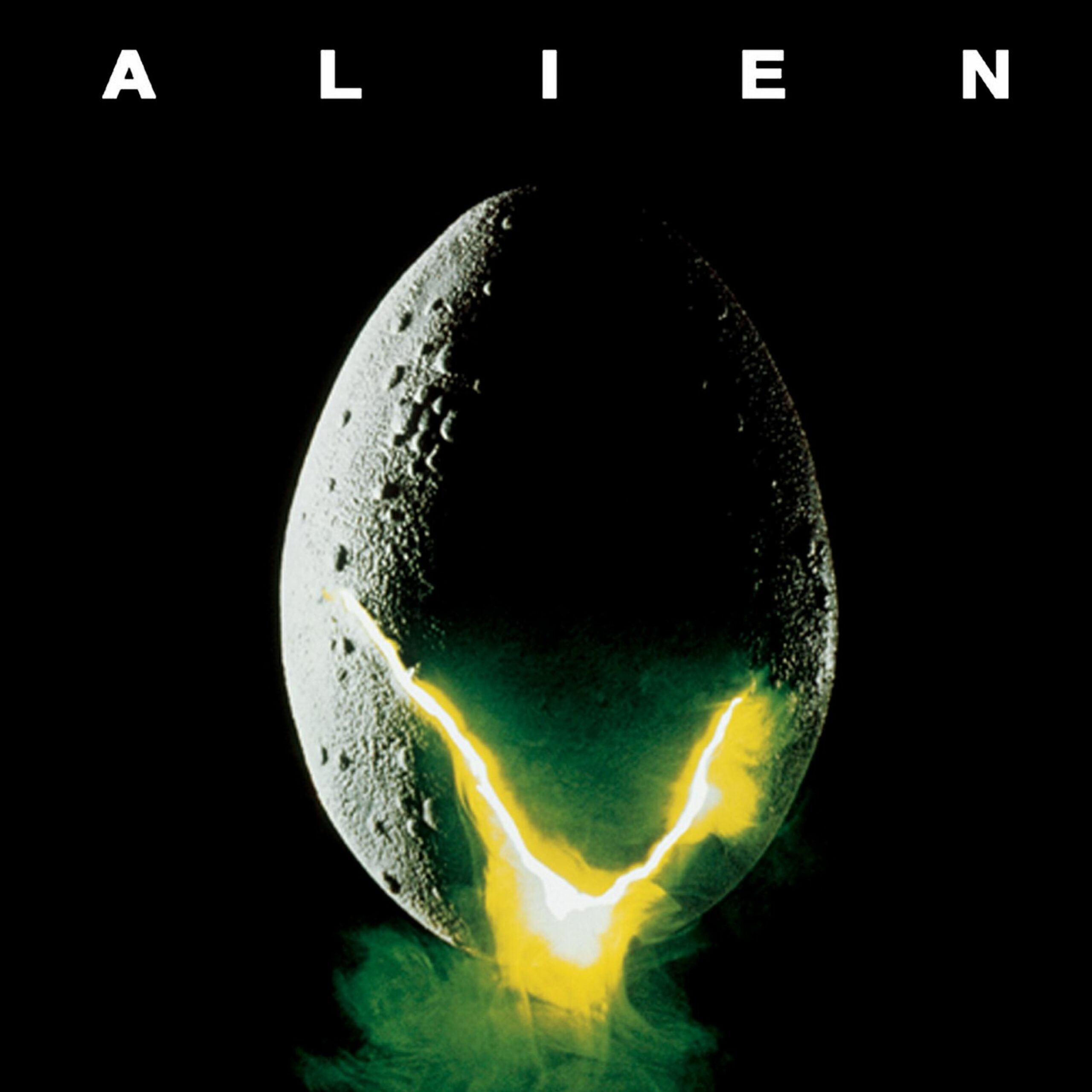
  • 10:11 – Insights into Ridley Scott’s marketing savvy and the intentional design choices, such as the Alien logo and Egyptian motifs, that influenced the film’s aesthetic.
  • 22:48 – The conversation turns to Ridley Scott’s unyielding resolve in realizing his artistic vision, including his battles with executives over production schedules and his early experimentation with “shaky cam” techniques.

Gear & Films Mentioned

  • Cameras: Camcorder (for specific practical effects)
  • Films:
    • Alien (1979)
    • Aliens (1986)
    • All the Money in the World (2017)
    • American Gangster (2007)
    • Blade Runner (1982)
    • Blade Runner 2049 (2017)
    • Black Hawk Down (2001)
    • Gladiator (2000)
    • Jaws (1975)
    • Prometheus (2012)
    • Psycho (1960)
    • Raging Bull (1980)
    • Star Wars: Episode IV – A New Hope (1977)
    • Texas Chainsaw Massacre (1974)
    • The Duellists (1977)
    • The Matrix (1999)
    • The Princess Bride (1987)
    • Thelma & Louise (1991)
    • 2001: A Space Odyssey (1968)

Listener Questions

  • How did Ridley Scott’s background as an illustrator influence the visual style and meticulous planning of Alien?
  • What specific production challenges did the filmmakers overcome, and how did these constraints lead to innovative solutions in set design and visual effects?
  • In what ways did Alien break conventions in sci-fi and horror filmmaking, particularly concerning character development and narrative structure, and how has its legacy impacted subsequent films?


Full Transcript

Read the full transcript

Full Episode Transcript
This episode of Filmmaker Commentary Ridley Scott's 1979 sci-fi horror masterpiece *Alien*, with host Reginald Titus Jr. and guest Casey G. Smith discussing its production, visual style, thematic elements, and enduring influence on cinema.

Episode Introduction and Director's Vision
Reginald Titus Jr.: Filmmaker Commentary, episode 7. Welcome to Filmmaker Commentary, where we give you insights from our favorite filmmaking commentaries. These commentaries can be heard on your DVD and Blu-rays of your favorite movies. We'll show you how you can use these commentaries and apply them to improve your video production and filmmaking techniques. All of this here on Filmmaker Commentary. I'm your host, Reginald Titus Jr.
Welcome to Filmmaker Commentary, episode 7. We have special guest Casey G. Smith with us today. And we won't have any new segments today. We are going to dive right into the movie Alien.
Let's dig right in. All right, everybody, welcome to another episode of Filmmaker Commentary. I'm here again with our special guest Casey G. Smith. Welcome to the show, man.
Casey G. Smith: Hello, hello. Thank you for having me again, Reginald. It's always a pleasure.
Reginald Titus Jr.: Yes, indeed. So, today we're going to be talking about Alien. Alien for y'all that may or may not know, it was directed by Ridley Scott. It was released May 25th, 1979 in the United States, with a budget, um, online it says 11 million, it depends on who you ask, they say 8.6, 10, whatever. At the box office, they have it at 100 million to 200 million. VHS sales and the rentals uh were about 40 million, and so basically, this movie is a cash cow and that's the reason why so many sequels and prequels are made for this franchise.
Director, Ridley Scott, this dude's 80 years old right now.
Casey G. Smith: Yes. Which means he would have been closer to in his 40s when he actually shot this film, which it was shot in '78. And uh he had a strong background coming from shooting commercials. And he had just finished his first film, The Duellists, when he was approached about Alien.
Reginald Titus Jr.: Ridley, he's becoming one of my favorite directors, producers. I've kind of slept on him a little bit, you know, I've seen some of his um some of his work, but he has a career that I look forward to having. He's like, you know, 80 years old, still sharp, still doing his thing, and active because most recently, uh the movie that's out right now is All the Money in the World. That's the movie that he just recently uh reshot and of course he had to reshoot Kevin Spacey's scenes in this movie. And the reshoots cost 10 million dollars.
Casey G. Smith: Yes, they did.
Reginald Titus Jr.: Which is basically the budget of Alien.
Casey G. Smith: That's the atmosphere that that Ridley's working in. But you're right, Reginald, when you look at the the filmography of Ridley Scott, you have everything from Alien to Thelma & Louise, uh to American Gangster.
Reginald Titus Jr.: Yeah, that's one of his favorite ones.
Casey G. Smith: Right, to to Gladiator, Blade Runner obviously is is a classic for him. And uh Black Hawk Down uh as well. Yeah, I was looking at his, I'm like, I didn't realize. I didn't realize, Ridley, I'm sorry, I didn't realize.
Reginald Titus Jr.: I slept on him too. I was just like, okay, now I'm actually going through his catalog and like, okay, let me just revisit because he also gives a lot, and I like the fact that what allows him, I think, to produce so much is because he produces the films and then also he's not necessarily writing the films. He's taking scripts that he likes, purchasing them, whatever, through his production company, and he's just shooting them. So, it allows him to to get to market quickly, kind of like David Fincher, they can just knock films out versus if he was like a writer-director, then it'll take a lot longer.
Casey G. Smith: That's true. And he's he's so, he's so involved in that pre-production, though. I mean, we, you know, we know even from from Alien that he he's an artist, yeah, himself. And he will get in and roll up his sleeves and storyboard and get behind the camera, which we'll hear more about.
Reginald Titus Jr.: That's, yeah, I like that about him.

Initial Reactions and Production Design
Reginald Titus Jr.: Um growing up, uh I knew about Alien, but I was really too young to appreciate it. I wasn't even born when it came out. Um but I do remember a scene from the sequel in which they performed the knife trick. Uh was that Aliens or was that part two, part three?
Casey G. Smith: Aliens, mhm.
Reginald Titus Jr.: Saw my mom and dad watching the scene and once things got weird, I was out. You know, I was pretty sensitive kid. I, you know, anything supernatural, scary, weird, I'm out. Uh what about you growing up? What was your experience with Alien?
Casey G. Smith: So, Alien literally came out the same year that I was born. I was born in '79 in the in the month of December. But I didn't realize it at the time when I was when I was younger, but I saw Aliens when I was maybe in anywhere between third, fourth, or fifth grade, somewhere around there. But I I also remember, I remember buying one of the toys. I actually had an Alien Queen like the toy of it. And you could you could press the back of the head, it was like a little air thing, and the of course that extra mouth would would extend out. And it had, you know, the the clawed hands and it had a tail attachment because they couldn't just fit the tail on there, so you'd have to take it and attach it on yourself and then and you could press the side of the hip and it had a little whiplash action to knock down the other figures. But yeah, they were, you know, Aliens was such a uh action movie that they they wanted to capitalize on some on some toys, even though I think it was rated R. My my intro was to Aliens and I didn't actually I didn't realize I I hadn't seen I didn't see Alien the full movie until maybe about four years ago. I I rented it through uh Netflix and was really blown away uh by its methodical pacing and the kind of Jaws motif where the kind of less is more and the kind of Hitchcockian style of if you can imagine the the horror, then that makes it scarier.
Reginald Titus Jr.: I wonder why they uh is there a reason why the first one's Alien, the second one's Aliens, and or whatever did they talk about that at all?
Casey G. Smith: Well, I didn't hear anything in in in the current commentary, but I I think with uh with James Cameron when when when Aliens was made because I I listened to part of that commentary. It was it's been a it's been a a couple of years now, but he had a specific reason and maybe it was something on the lines that, I don't know, sometimes putting a a number or before or after something sometimes just seems kind of silly maybe sometimes and so they wanted to maybe keep it grounded a certain way.
Reginald Titus Jr.: Yeah, I wonder if they were just capitalizing off the name, because I know Robert Rodriguez later on did a follow-up to Predator, you know, did Predators. So, I don't know if it's like something that has to do, I don't know if it's like a legal thing, a business thing, to keep the franchise, I don't know.
Casey G. Smith: I think Rodriguez may have may have partially done that in a little bit of homage to Aliens. Again, I've been I've been scooping up a lot of 80s Blu-rays and DVDs. I've got I have Predator one and two on Blu-ray with commentaries. So, I I need to go back through and and check that out, but I think I'm I might have heard him mention something like that. They might might be a little bit of homage to what Cameron did.
Reginald Titus Jr.: The commentary that I listened to, it was the one with the cast and crew, um and also with Ridley Scott. Which commentary did you check out?
Casey G. Smith: So, first, I checked out the the 1999 commentary with with just Ridley by himself. And and then I I listened to the 2003 commentary that has Ridley and the cast and crew. So, yeah, I've been taking in a lot of Alien knowledge.
Reginald Titus Jr.: After watching it again, what what did you think?
Casey G. Smith: I love this movie. Like real talk. Yeah. I love this movie. And it was really after I had watched it the first time all the way through, and then then watched Aliens, now as an adult, I I have this just profound appreciation for it. And I mean, I I own this this Blu-ray set, uh the Alien Quadrilogy and it has six discs, and it has more content than any other set that I own. There are things on I still haven't seen yet. And um so, yeah, I love mining through it. Uh I love the Alien lore. I love I love Prometheus. I liked Alien Covenant, you may not have. That's on you, not me. Uh and I I need to scoop that up on Blu-ray too. Collector's edition. What?
Reginald Titus Jr.: After watching like the first time I tried uh watching Alien, I was like, it's moving too slow. I'm like, I'm it was late at night. I'm like, I can't do this. But watched it earlier today and actually was blown away. This stands up. I like the fact that they use sets, you know, having the sets, that makes a big difference.
Casey G. Smith: Ridley is big on saying, if you can do it physically, then do it physically. Because, you know, certain certain things, sure, will will look will look dated here and there, but there are certain elements and certain effects in this film that hold up. Uh and you know, from the atmosphere that Ridley creates to the use of of of smoke and carbon dioxide everywhere, to the miniatures. Man, the miniatures that they used in the 80s. I'm I'm very impressed with how some of them still hold up. And if they hadn't told me, oh, that was a miniature model, I I I wouldn't I wouldn't have known. It it looks big-time blockbuster with the ship. Yeah, just multiple aspects where it it holds up.
Reginald Titus Jr.: And I appreciated that suspense. I know like these days, everything is cut quickly, but I like the fact that you hang out with these characters for a long periods of time or whenever they're doing a close-up, you're you get a chance to kind of hang out with the character and feel the suspense along with the character. So, I I appreciated the longer cut of it.
Casey G. Smith: I I agree also, Reginald. And and that was one of the strategies of of Ridley, he took quite a bit of time with the casting and actually, you know, Sigourney Weaver was one of the last pieces to be to be added. But he felt that if you cast correctly and if you have really good actors, then that's that cuts down on at least 50% of the problems you'd have to deal with on set. And and Ridley was so focused on making this film look and feel so unique that he knew he had to have a great cast and it it really does pay off. The spending time with these characters, even though we don't know a whole lot about them, we get a very, you know, a couple of their quirks, but their acting just just comes through. Even in the the the slightest of movements and and just looks and and facial expressions. And like you said, the the suspense lingering on certain moments, and sometimes just cutting away and leaving something seemingly unresolved and just moving on and just letting your mind wonder like, what's happening to that person, you know?
Reginald Titus Jr.: I didn't realize how tall Sigourney Weaver was. She's like 5'11", like, oh, she's almost 6 foot tall.
Casey G. Smith: She's been known for her height. She's almost like a Amazon.

Filming Techniques and Thematic Depth
Reginald Titus Jr.: Thinking about marketing. I like the fact that uh Ridley Scott, he was thinking about marketing early on. He knew that the release was coming in May. And so when they began um designing the posters and they came up with the logo, he wanted to use that logo Alien in the titles. And he asked for it to be put in the title sequence. So, I like that he's always thinking about marketing and he he had it to where he wanted to look like hieroglyphics. And throughout the movie and in and how it's designed, you will see certain things that resemble Egypt.
Casey G. Smith: Yes, that seems to be a motif. Even the logo for the the the organization with those those those wings, you see it branded on on multiple devices and computers, and it definitely has an an Egyptian uh feel and influence to it.
Reginald Titus Jr.: Be resourceful. Um a lot of the corridors in the actual spacecraft, they were created by junk taken away from aircraft graveyards. They assembled it like a sculpture, they painted it, and then joined them together by door architraves. They didn't really have enough money to build a lot of things from scratch, so they had to be resourceful when building the actual set.
Casey G. Smith.: Definitely. There was a a lot of resourcefulness that that took place and just little tricks that would be used. Um there was one scene when they're when they're heading towards the the derelict ship, where to to make the scale and scope look larger, they they put uh two of Ridley Ridley's kids and another production person's kids inside the suits as they're moving towards it to to, you know, make the miniatures look bigger uh in terms of scope and scale. The ship itself was just one level. So, even scenes where it seems like Ridley or anybody is climbing up or out of the ladder, they literally would start off laying down and then kind of just kind of snake their way up and pull themselves up and out. And that's kind of maybe why you have kind of an extra base that comes out of the ground when you have a a ladder, so somebody can kind of hide down there curled up and then, you know, look like they're ascending out of it.
Reginald Titus Jr.: One thing I did notice was the the people had normal bodies. You know, that was just like my own observation as they're coming up through the what was it, the cryogenic scene when they're waking up from hanging out for two years. Um people with the that got the hair on the chest, they're just these weird underwear that everybody's in. Um I did notice like if it was if this movie if they shot the same movie today, most of the actors and actresses will be probably working out to like if their body's going to be seen, they want it to be sculpted and shaped.
Casey G. Smith: The uh aesthetics of how people would and could appear uh has definitely changed today. But one of the things that they were aiming for even when when O'Bannon wrote the the script, one of the themes uh when O'Bannon came up with the with with the Alien script, him and uh what was his his writing partner's name, uh Shusett, uh Ronald Shusett, is that kind of thing was almost like truckers, like truckers in space. Uh and
Reginald Titus Jr.: They definitely have that vibe.
Casey G. Smith: Yeah, and this cast and the crew of the ship, they are they're miners. You know, like they're that ship that they're on is for mining minerals and and ores. They're blue-collar workers in space. And even within the ship politics, there is even clearly a a hierarchy, you know. You hear Parker complaining about pay and trying to like, you know, trying to get get more for for him uh and and his buddy. And it's it's it's so fascinating to to see that they they do look like regular people. They're they're sweaty, they're they're dirty.
Reginald Titus Jr.: It's funny when Parker was asking, we're going to get the money? Then his friend is like trying to shush him. He's like, I'm like, nah, where are we going to get paid? We're going to get paid.
Reginald Titus Jr.: Even the it's not sleek at all. It the the whole spaceship just looks old and dirty and dusty. Definitely not Star Trek.
Casey G. Smith: Part of that influence did come from Star Wars. Obviously that had a big influence on on on Ridley because he wasn't he wasn't interested in particularly doing sci-fi. He even says that. He didn't believe in sci-fi. He had made The Duellists, which is a period piece as his first film. He was already looking at another period piece and then Star Wars came out and he was like, what am I doing? I need to step up my game and and see what else is out there. And he got that script for from from Alien and, you know, obviously got a got a vision for it. But, yeah, he they wanted that ship to look like it was like it was lived in.
Reginald Titus Jr.: Another thing is the score can help you drive a point across. Um in the cryogenic scene, uh you know, how do you wake people up? You know, they've been asleep for two years. How do you let the viewer know that time a lot of time is passing while they're waking up? And the way that he did that was using the score. And then also if you notice like between cuts, it's like instead of it being like a straight cut, they're like dissolves, like slow dissolves going from each cut as they're waking up. When you listen to it, the score does kind of, I don't know, it has an interesting vibe to it versus the rest of the film in that particular scene.
Casey G. Smith: Uh uh Jerry Goldsmith uh who who scored the the film just it it's it stands out and it it pulls on you. And I I love the themes in Alien of birth, then rebirth and and and and coming to life. It's just kind of just prominent throughout. And even again when when when the cryopods open up and everything is just so white and clean and and pure and it literally is like they're they're they're they're coming coming back to life, you know, coming coming out of this this hibernation. And yeah, the musical cues uh that were were put in place by Goldsmith just continue to highlight that.
Reginald Titus Jr.: Free the nipple! In the cryogenic scene, that was just another observation. The women had to wear surgical tape on their nipples because if they did not, they probably would have lost five countries for distribution, according to the actress Veronica Cartwright, who is the actress who had the blood that was Lambert, yeah, had the blood sprayed on her. And also another thing like the banter back and forth with the cast and crew is interesting because, you know, of course, this is before, you know, this is pre-Me Too. And so they're really open about like sexuality. You know, you have one of the actors is like, all I was thinking about was vagina. And he didn't use that word.
Casey G. Smith: Yeah. You can figure out the other word that he used.
Casey G. Smith: Yeah, they were, they were, yeah, all kinds of sly, not even sly. They were like, yeah, different like kind of sexual innuendos and some and some overtones um amongst uh amongst the cast and crew that may just be a a comfort and a a camaraderie from through throughout the the years and the and the time. And they even mentioned in in one of the features I had watched that, you know, from a direction standpoint, you know, Ridley was really focused on the look and the feel of the film. And so the crew, they, the the actors, they spend a lot of time together. They really did bond over the course of the making of the film. Even in the commentaries, I think that's still tends to to come through.
Reginald Titus Jr.: We're like an environment where things are PC, so when we hear other adults talking like this and they're not in character, they're just being themselves, it's like, it's kind of shocking in a way. It's like, can I say that? You know, in your brain, you're thinking that, but it's it's kind of cool to see adults just be adults. Um as you alluded to earlier, um casting is crucial. You know, if like you said earlier, if you cast right, you know, 50% of your job is is done. And Ridley Ridley takes his time when he's going through that casting process.
Casey G. Smith: And when you see the pedigree of actors that he brought on, you see different projects they they went on to. You know, a couple of a couple of these actors have have passed on, like John Hurt and uh recently, if I'm not mistaken, Harry Dean Stanton.
Reginald Titus Jr.: Which one, which one is he?
Casey G. Smith: Uh he is the gentleman who played he was Brett. He was Parker's Parker's buddy.
Reginald Titus Jr.: Okay.
Casey G. Smith: Uh he he actually just passed away. He just passed away last year. Uh so, yeah, it's fairly recently, but uh but John Hurt, I mean, he's a storied actor, strong strong career. Uh likewise, Ian Holm, strong career, stage, uh even Sigourney Weaver herself. I mean, this is her first starring role. And she came from an acting and in Broadway background. And she also wasn't really interested in doing the film uh initially, and she was the last uh cast member that um that Ridley brought on. And she had accidentally during the process to audition, she had accidentally gone to the wrong hotel. And and she was wearing a what she calls her hooker her hooker boots. And uh once she arrived at the at the the hotel and the Ridley and his his uh production partners couldn't could hear somebody outside kind of quickly walking up and then stopping to compose themselves. And then she kind of when she came into the room, they just noticed her presence. And they obviously noticed her height, uh as you mentioned earlier, Reginald, she's 5'11". So, with those boots on, she probably was 6'6", 6'1", maybe. Uh so, a a towering presence. Um, you know, she's got a obviously a good look a good look to her and made an impression. And they they knew, okay, we're going we're going to have a a female lead, who also is going to be the hero, then yeah, they they knew I figured they had found her, but they still had her do some test screenings. And they actually had her do test screenings in the actual set that Ridley was still building. Uh which was really cool for uh Sigourney because she got a chance to to she she learned a lot, obviously, but she got a chance to kind of break in and and get her her feet wet by by doing those scenes. And then they showed them to some of the women who worked at Fox just to get their reactions to her. Some said, oh, she kind of looks like Jane Fonda. And there were some other complimentary things that were said, uh that really helped them say, okay, yeah, we've we've we've we've got the right person.
Reginald Titus Jr.: I know she mentioned that she um she needed that that environment of being actually on set and it helped her out a lot and she actually when she was scared, she wanted to actually really be scared. And so, that that's kind of cool how you can see how actors need that environment where some actors they can just be dialed and they've been doing it for so long, they just can do it on cue where other ones they need to be in that space.
Casey G. Smith: True, true.
Reginald Titus Jr.: Know your why. Um there's a shot when a spaceship is coming down on the planet and you see like the vapor coming out. And Ridley says, you know, the experts will say, there's no atmosphere in space. But Scott was like, in this film it is. And the reason that he said that is because his models didn't look too good without that vapor. So, he knew why he was doing what he was doing.
Casey G. Smith: Yeah, the Nostromo was um actually a four-foot model. Only a four-foot model when you would see it from a distance. Obviously then they they built the sets for the the close-ups and and the interior and it was largely influenced by the look of um of Kubrick's uh 2001 Space Odyssey. That had a big big influence on that. But yeah, plenty of smoke and and carbon dioxide and dry ice all throughout this film.
Reginald Titus Jr.: Even in Blade Runner, you know, and with the models that he used in Blade Runner, he had a lot of vapor, you know, in in his scenes to sell it as a real location. Um another point, nobody respects you later for being a nice guy and giving up. You have to get exactly what you want. And one of the examples he used was uh the part where they the actors were in the spaceship chairs and they had a guy just moving it real fast and it was pissing everybody off and they were kind of protesting a little bit. Um he said, you'll be unpopular, but I'll be forgiven, you know, when you pull it off later.
Casey G. Smith: And it's so fascinating, Reginald, when when you when you bring that up because Ridley did have to fight for for for multiple things on this film. Uh even when it came time to starting production, there were there were days, there were times where they were just setting up the shots. And there were executives who had come and flown over to England. And while Ridley would be there and getting the set set up, the the set ready, and, you know, getting the cinematography ready. And the execs are standing around saying, what's taking him so long? Why isn't he shooting anything? And and other production team members and even the writers were like, what are you talking about? He has to shoot, you know, do so many setups within a day and you're, you know, riding him in. Like they said, at one point Ridley got so frustrated that he literally like punched a hole through like one of the ceilings of a one of the pieces of the set just out of sheer frustration. Um but he continually fought for what he felt was needed on set. And when you talk about those seats shaking, even the cameras, like he in one of the commentaries he mentioned that it's almost like the introduction of shaky cam. Like that wasn't something that you you did. And so him moving the camera back and forth to emulate the motion and and all that kind of stuff and having people say shake the seats was uh was groundbreaking.
Reginald Titus Jr.: Some of the scenes every now and then will be slightly out of focus or on the outer edges, they'll be slightly out of focus. And that might be due to like the anamorphic lenses, but specifically like certain shots are they're out of focus, but maybe the performance was was done well, he just kept it.
Casey G. Smith: He mentioned that. He mentioned that um with the with the anamorphic lenses that those were some of the challenges you have because of the amount of something with the amount the amount of glass. I'm not a cinematographer, so for me, but But I can listen.
Casey G. Smith: But he was he was mentioning some of the challenges that they had with that and mentioning that there are at times you might get some some some focusing issues or or problems, but uh it also gives you the opportunity to have like different lens flares uh show up uh out of out of different scenes and from different lighting sources. Uh but he did mention that that sometimes you would have some out-of-focus uh shots that would come from that.
Reginald Titus Jr.: Oh, good good catch. Yeah, and I and I noticed, I knew it was anamorphic just because of whenever I see the the lens flare, it'll be like kind of like the Michael Bay lines and that's that lets you know that it's anamorphic. Um unless now digitally you can put that stuff in, but Ridley is a master of atmosphere. Um in my opinion, I believe that every director has his her own like superpower. And Ridley he's he's got that thing with texture, mood, he has that subtle feeling. And without it, it'll probably be a lesser picture.

Casting, Performances, and Creature Design
Casey G. Smith: As we mentioned earlier, the people feel real. The environment feels all authentic. Though it's though it's foreign and though it was set in the future and though even uh with the time we live in now, you know, almost 40 years later, it's still set in the future, but it seems so plausible and feasible that again, these are people who are just doing the work that needs to be done, you know, people who are again, blue-collar and people who maybe don't get along all the time, like at times coworkers, you know, can, people who you know want to make sure they're getting their cut. People who will say, what the hell are we doing going down to a planet to check things out? We're we're not qualified for this. We're trying to get back home and to be in a in a in a set that's that's also meant to feel claustrophobic. You know, and that you know, you make a turn and the the hallways seem tight and and snug. Uh areas of the ship seem dark, creepy, damp, moist. Yuk. So, uh yeah, man. And then, of course, you put all that with the music and then you add in a facehugger, a chestburster, and a xenomorph, yeah, man. Audiences were freaking out in the theaters. You know, we have this almost disadvantage that we've been exposed to Alien and Alien culture for pretty much all of our lives. Multiple sequels and now prequels. But can you imagine, can you imagine being in the theater and watching this thing in the dark with no other kind of precursor of this kind of uh atmosphere and all that kind of stuff um prior?
Reginald Titus Jr.: It would have been it called me a couple of times, especially during the last act, you know, I'm chilling, like, all right, you know, it's the movie's about to be over and then this dude, the hand just comes out and they got the little sound effect. I'm like, really? They got me. They got me on that one.
Casey G. Smith: Oh, yeah. That's it still gets me. And when I was watching it today, you know, I was like, that gum it. That gum it.
Reginald Titus Jr.: That jump one and then there's another one when Dallas is in the corridor in the little air ducts or whatever he was at, and they cut to the alien, he's like, surprise!
Casey G. Smith: The jazz hands. Hey. I was like, oh, man.
Casey G. Smith: But you you know, you talk about the look of the alien, right? Giger's design, but then, I mean, you know, it it takes a village, right, to pull off a film, and it takes luck uh as well to find the right people. And we talked about some of the cast, but we we hadn't mentioned the the actor who plays the Alien, uh Bolaji Badejo. He was found by uh someone who runs a studio who saw him at a pub, and they knew that they were looking for somebody to fit into the Alien costume, and they knew it had to be somebody who was tall, but also very skinny. And so they had looked at some different models and so they found this guy, he was actually a graphic designer, um and they they brought him in. He's an African guy. Maybe he might be Nigerian, I'm I'm not sure. But anyway, uh I mean, the guy's arms are just something freakishly long, almost like the kind of arms that they almost go down to your knees just while he's standing. And so uh I watched some of the test shots of of him just in the with the Alien head on and just in some trunks, just creeping around the ship. And just when he's in the shadows, you're like, uh. Like, dude looks creepy, man.
Reginald Titus Jr.: I can't imagine like being an actor going against that, like that's crazy.
Casey G. Smith: Dude, yeah, so they had him take some mime classes and um some Tai Chi classes so he could get that kind of the slow, methodical movements. And yeah, when you just watch those those those test shots, it's legit creepy. Even like, it's just a guy with a head, you're like, ooh, this this is creepy, but that that adds to the to the atmosphere, to the tension, and the yeah, the design of the costume.
Reginald Titus Jr.: So, in that last scene, the alien's just chilling. Like, is it injured or what's going on there? Because he's just like chilling, like sleep over here.
Casey G. Smith: So, one of the things about uh uh the Xenomorph and the Aliens is that they are highly intelligent and they're tactical and they they know. And and throughout the franchise we we continually see that there is always this this this strange connection between Ripley and these Xenomorphs. And obviously that that progresses through. And they even mentioned that there was almost going to be a scene at the end that they actually wanted to shoot that was almost like, you know, kind of pseudo-sexual where the alien was going to kind of look at at Ripley, maybe while she was in the cryo chamber and kind of notice her her her soft flesh and its kind of hard exterior and kind of be maybe turned on by that, but they the executive was like, no. Yeah, so they didn't go that far. But I think the Alien knew that that that ship was going to be destroyed and that it needed to infiltrate. Because when the the Alien host, when the facehugger attaches to whatever host it chooses and it impregnates it and puts its seed in, whatever comes out of that is going to be a hybrid of that race along with the Xenomorph. So, it taking over human hosts, which is humans, you know, we're an intelligent species, you're going to have then that I assume that kind of intelligence passed on. And you have the rapid growth. I mean, that thing becomes, you know, from the little chestburster to adult Alien in what, hours? So, this is a highly evolving species. So, who knows what the how we would rate its intelligence. So, it it just knew to be there and was going to chill. And and it it is susceptible to cold. Uh the Aliens are susceptible to cold. So, maybe being there in space, maybe that was um yeah, enough to keep it kind of bundled up. And she hit it with cold, you know, blasted a couple of times to get it to to come out before, you know, jettisoning it into space.
Reginald Titus Jr.: In that scene, like, why is Sigourney Weaver wearing like the smallest panties in America?
Casey G. Smith: That with the, yeah.
Reginald Titus Jr.: They were in because they were in these big old boxes and stuff earlier, right? And then like, what? I don't know, that's just random.
Casey G. Smith: I think that's also again, uh thing of the times because even like kind of how bikinis were done uh back then. If you look at, you know, just look at bikinis back in the day, like that's yeah, again it's kind of how some of those
Reginald Titus Jr.: That was the style.
Casey G. Smith: Yeah, I think that that definitely is a style thing. And also when it comes to the cryogenic chambers, again like earlier, Ridley even his even in his original sketches, he he wanted them to be like, he figured if you were in cryogenic freeze, you would be totally totally naked. And so, you know, he's obviously has her stripping down. But yeah, but yeah, the panties, I think that's just a a style.
Reginald Titus Jr.: Necessity is the mother of invention. There was a part when they were on the uh planet, whatever that planet was, that they landed the spaceship on. And they got a regular camcorder from somebody's home and they started taking shots of the of the ship. And I think because the model didn't look well if they were to shot it with the regular film camera. Is that what it was? The model looked fine of the spaceship as long as the the film was the film camera was stationary and it was like a wide shot. But once they started moving around, it it made the um you can kind of tell it was a model. But they got the camcorder and they were just kind of moving have one of the actors, I guess, move around with the camcorder or was it the actor or the DP? I don't know. Somebody had the camcorder and they were just moving around with it. And so they broadcast that signal to the robot Ash. And they kind of had the signal go in and out.
Casey G. Smith: Ridley did that.
Reginald Titus Jr.: Ridley? Oh, Ridley was shooting with the camcorder.
Casey G. Smith: Yeah, Ridley shot with an older camera because he he actually wanted also the effect of again, bringing that that tension and suspense and atmosphere. The audience like, we can't see what's really going on. Hey, what wait, wait, why can't we why can't we see? It's all fuzzy. And then he would, yeah, send it back to the monitors and yeah, like kind of running it almost through filters to make it look bad and unreliable and just to increase the the tension of of the audience that we couldn't really know what was going on.

Breaking Rules and The Franchise's Impact
Reginald Titus Jr.: Knowing how to design gives you a competitive advantage. Ridley, he liked the script and he began storyboarding the whole movie. If you know Ridley, he's trained as an illustrator. His scene, to me his compositions are like real nice and structured. And so I wonder if by storyboarding your movie out, does it give you like more insight on exactly how you're going to shoot. Did he mention anything about that the director's commentary?
Casey G. Smith: He did, actually. He mentioned that is that is the reason why he likes to do his own storyboards because he said it it forces you to think about how you're going to shoot. Uh it pushes you to think about again all the elements of, you know, of of your lighting, your different kinds of set setups. Um but yeah, it starts it it gets him thinking about, okay, how am I going to shoot this scene? Yeah. So, that's a big reason why Ridley handles his own storyboards and will even develop all kinds of concept art. You get it? I mean, in Prometheus, I mean, wow, there's full-blown paintings that he created just to dive back into into that world.
Reginald Titus Jr.: This inspired me, you know, to begin illustrating again. You know, I used to read comic books when I was in elementary school and middle school. And not necessarily for like the stories, but because of the illustrations. I would have, you know, I would admire the art and see if I could copy, you know, what the illustration. I'm trying to draw my own version of that. Me and a group of friends, and I remember in elementary school, we would um write like our own comic books, you know, comic strips. We'll do it like in, you know, one period and like make fun of the teacher or like in some of my stuff was like kind of violent too. It was kind of interesting like our our stuff was violent. Yeah, Ridley Scott, he he ignited my interest back into looking through comic books and illustrations and he's got me motivated, inspired. I wanted to start drawing again. Today, I started looking, there was this artist, there was this um African American guy, his name is Stephen Hughes. And he passed away 2000, 2001 around that time, but I was reading uh some of his comic books in '90 '95, '96, and he has a um character called Evil Ernie.
Casey G. Smith: Oh.
Reginald Titus Jr.: And Lady Death. Lady Death is hot.
Casey G. Smith: She's got she's the one in all white. My my pops used to collect some of her comic. I think I probably still have some uh yeah, she's all white, all white hair, red lipstick.
Reginald Titus Jr.: Yeah, she got yeah, the white hair, her eyes are all white. And she just has like this bikini and this black bikini.
Casey G. Smith: It's the 90s. That is the 90s. 90s comics right there.
Reginald Titus Jr.: But man, the way that this guy drew it, I was like just attracted to his art just because of the amount of detail that he had in his illustrations. I'm really like drawn to black and white illustrations. But of course, they, you know, they had a colorist, they colored his stuff and inked it in, but I liked his illustrations. It was just a lot of details before the colorist got to it. Um and I was and I was really drawn to that. So, yeah, look him up, Steven Hughes, like right now on eBay, you can look up his illustrations and they're selling for like thousands of dollars. Him being African American, looking, I was like, okay, I can do it.
Casey G. Smith: Hey, inspiration and and and motivation, you know.
Casey G. Smith: You know, when you when you mention the impact of of of the artwork and seeing what Ridley is doing, it's it's really fascinating with this project. Even with the the the writer uh Ed O'Bannon, he actually talks about how when when they brought uh H.R. Giger on. I hope I'm saying his name right. Giger, Geiger, Giger. Okay, Giger. All right, we're going to call you Giger. All right. Well, when they brought H.R. Giger on and uh they they wanted him to start working on the facehugger. And so he came up with some initial sketches and sent them back over to Ed. And then Ed was talking with Ripley and what Ed did is that he then took uh Giger's design and began to to modify it and and make a version of it showing it actually wrapped around somebody's head. And then he actually asked the other production designer uh Ron Cobb, who is just a master at at figuring out the details and functionality in in the artwork. He I think designed the the the ship and things of that nature. He's just he has an eye for that. And so he figured out how the the fingers, if you will, of the facehugger would look and the knuckles and how it would wrap up. And so Ed O'Bannon played a big part in designing the facehugger. Though he's a, you know, by trade, you'd almost say, oh, he's a he's a writer, yet he's even involved in the design process. So, uh I think we can, you know, both take a cue of just looking into ways to to be able to design and communicate your ideas. And I think that gives Ridley such a huge heads up. Even when you look at other projects, again, I've referenced Prometheus multiple times because there's so much work he did to communicate his ideas. And that means he also can communicate with any department on set. No, this is what I really want. And and he could go ahead and and and and give you a an idea, a starting point. Or he can finish it himself, say, okay, make it look more like this or go this way or that way. Uh and you know, Ridley is pretty demanding. And because he knows his stuff, you're not going to just get by and slack off. He'll he'll he'll catch you.
Reginald Titus Jr.: I like the fact that he that he is storyboarding and it made me think of a correlation because Robert Rodriguez, he is trained as an artist as well. And he had a comic book strip when he was at the University of Texas in Austin. He would draw a lot of his some of his stories he would draw them out. For example, like Four Rooms, he did like a whole comic book strip. There's got to be something to, you know, storyboarding and being able to communicate visually um what's going on. So much so that originally, the budget for the film was about 4.6 million. And then after showing the executives his storyboards, they were able to bump that up to about nine-ish. You know, they're kind of fuzzy with these numbers, you know, they throw, you know, it's not they're not going to ever tell you they made a profit or they're not going to be exact about it, but they he said about nine-ish.
Casey G. Smith: Yeah, that they practically doubled the budget after seeing Ridley's storyboarding. And and and to your your point, uh a few moments ago, Reginald, with some of these different uh directors being trained uh in in the arts in different ways. You know, you can even look to uh the Joss Whedons and the J.J. Abrams of the world, they've had runs on comic books, you know. Joss Whedon did a a run on Astonishing X-Men uh years ago. Uh likewise, J.J. Abrams did uh the mini-series uh Ultimate Hulk versus Wolverine. Now he didn't illustrate it, but he did the writing. But who knows, maybe he he did some drawings as well. So, uh I think definitely there is a a correlation there.
Reginald Titus Jr.: How to get a cat to react?
Casey G. Smith: You can talk about, you know, how they they did to do that.
Casey G. Smith: Sure. So, obviously there is the the the cat that is on set. And is it it's not Charlie. What is that cat's name? Um
Reginald Titus Jr.: Yeah, I forget. Is it a small little cat that that's that's on set? Like a Garfield looking cat.
Casey G. Smith: Yeah, I want to call him Charlie for whatever reason, but that that's not quite right. But, um, so this little cat is is is on set. And the scene where Harry Dean Stanton's character is getting ready to die and you know, you know, he's about to die. He he goes off by himself. He he walks into into the room where one of the giant legs of um uh of the ship is located and there's chains and and condensation coming down and he's like
Reginald Titus Jr.: One thing, one thing, one thing about that scene, water coming out of nowhere, just coming down and he's putting his face in it. Like I didn't think about it at first, but then in the commentary, like, you know, where's water coming from? But he's like, and then Ridley's like, I wanted to be.
Casey G. Smith: Well, he's like, it's condensation. And, you know, if you're on a ship and you've got things working and and and and functioning, yeah, or or maybe something is not functioning again. It's an older ship. That I guess that for me, it's always the answer. It's an older ship. You know, it's it's older. Something is not working right.
Reginald Titus Jr.: It does look better though. Having water makes everything look better. Same for music videos, having the water there, it's always better, but
Casey G. Smith: Yeah, there was a lot of there's a lot of um, you know, people looking shiny and sweaty and a lot of it is is glycerin, aka, apparently, the KY jelly. There's a lot of KY KY jelly used uh throughout the throughout the film. It reminded me of a of one of the stories they they mentioned, uh, when they talked up they talked about like the the Alien on set and and, you know, it's always just dripping stuff. And then they mentioned Yeah, and what did they say? Well, it's always like, you know, you know, dripping and and so it was it was it were constantly having to apply more like KY jelly on and they mentioned there was one of the one of the guys who handled like wardrobe and and like, they'd be like, oh, we need to put more KY jelly on. He'd be like, I'll do it. You know, and it was like just like more than happy to apply the KY jelly on the on the Alien. Anyway, um so, during the scene where Harry Dean Stanton's character uh Brett is is trying to find the cat. Again, I'm going to call him Charlie, all right? I mean, I I don't have it right, but I'm going to call him Charlie for now. When he's trying to find Charlie, um, you know, as as Brett's character is is is looking for him and then and then finds him, you know, that cat is there and, you know, looking kind of innocent and he's reaching for him. And then all of a sudden the cat hisses like And the way Ridley Scott got the cat to react, because they were having troubles getting it to react, is that they they brought a German Shepherd on set and they just kept a they kept it on a leash. Okay, the cat didn't get hurt during the the filming. Uh but they kept the German Shepherd on a leash and this they kept it behind this like a board. And they would just when they needed to get the cat to react, they would remove the board and the cat would see the German Shepherd and, you know, freak out. And uh and that's how they got the the cat to react. So, I guess you got to do what you what you got to do. So, as I said, you know, the uh necessity is the the mother of uh of of, I guess, invention and uh ingenuity.
Reginald Titus Jr.: So, Sigourney Weaver, her character goes and finds this cat. Would you go back to save this cat? You know, it's I don't get. Me personally, I don't know. Like I I don't think that's the most important thing.
Casey G. Smith: Not even a question. Not even a question. I absolutely would not go back for a cat. Nah, nah, I'm sorry. Like, there there are people who have passed away. And, okay, so this actually makes me think of of of another point. I hadn't really thought about it. And I guess we see the later act the actual later on in Aliens, but so after Dallas dies and Sigourney is now the she's now the the leader and she's she's hell-bent on following through with with Dallas's plan. Instead of just getting them all off the ship and having them just leave. And when you think about it, her plan actually fails because yeah. Her peeps die.
Reginald Titus Jr.: Everybody's dead.
Casey G. Smith: Yeah. And it's like, man, you know. I know she's probably kind of in shock by the time she gets on the ship and, you know, you know, you have the fourth act. But, uh, but when you get to Aliens, you do see more she she kind of decompresses from that and is and is she feels more the effects, but I'm like, yeah, a cat and maybe maybe that she felt like if anybody could save, maybe it's this it's this cat because everybody else is gone. So,
Reginald Titus Jr.: And there was another jump cut, because she's looking for the cat and then bam, like the seat pops out of nowhere and then the cat jumps out and like, come on.
Casey G. Smith: Yeah, yeah. And they do that also earlier when they're trying to when the facehugger uh leaves Kane's body and they're trying to figure out where it's at. She bumps into something or something like that. you know, you go, Yeah, that was a cheap one. Yeah, that was a cheap one. It worked though.
Reginald Titus Jr.: Putting you on edge, right?
Casey G. Smith: Atmosphere.
Reginald Titus Jr.: So, Ridley said, yeah, I would go back and get my cat or whatever. I was like, come on, man.
Casey G. Smith: He said his uh dogs. Was it the dogs? Okay, he's like two dogs.
Reginald Titus Jr.: I can't. Well, with the dog, there's something about a dog. You know, if you're a cat person, you're super sympathetic to cats, sure, they make great YouTube videos. But, yeah, there's some dogs, you know, they they make some kind of weird sound, the little, you know, kind of high whistly sound they make sometimes. I'm like, ah.
Reginald Titus Jr.: Xenomorph. Got to go. Got to go. Got to go, go. Oh, man.
Reginald Titus Jr.: Do your homework. Ridley wanted the movie to look like 2001 Space Odyssey by Stanley Kubrick, but he wanted the rhythm of the classic scare movies like Texas Chainsaw Massacre. So, he, the producer, DP, they rented like all the scary movies at the time and watched them like like being in school. He didn't want the movie to be like a pretentious, you know, I wouldn't say Star Wars, but space opera movie. Um he wanted it to be straightforward like Psycho in space.
Casey G. Smith: Yes, and he he felt that uh if he could make the film as kind of as raw as he could, that it would it would uh it would come across more terrifying. Um and it would be it would it would be it would be scarier. And you know, like Reginald said, you know, kind of having a bit of the look of 2001 Space Odyssey, but again, some of the the beats and push some of the boundaries like Texas Chainsaw Massacre. Have you have you seen Texas Chainsaw Massacre, the original?
Reginald Titus Jr.: Mm-mm. I saw the remake.
Casey G. Smith: Oh, yeah? I I I think I may I saw a part of the remake one day. And I think I started to watch the original maybe a year or so ago and then I I stopped. I got busy or something like that. But I I I do want to see it just because it's it's like kind of a staple, you know.
Reginald Titus Jr.: Right. You got to get back to that one. Even the remake was just creepy. It's like, oh, man.
Reginald Titus Jr.: Because you can see that happening. You know, you're going to the you're driving and you're just on the you're driving.
Casey G. Smith: It's based on a true story, though. Is it?
Reginald Titus Jr.: Is it? Oh. I didn't know that. Yeah. No, that's that's even more scary.
Casey G. Smith: Yeah, in in in Texas.
Reginald Titus Jr.: That's a sad shame. Like, you can you can just you can feel that when you go through these random, you know, you're driving, you're on the road, road trip or whatever, and you go through these small towns, you're like, what are these people doing? Like, they have a lot of time to do nothing.

Retrospective and Final Commentary
Reginald Titus Jr.: Another point, break the rules. Uh there's a fourth act in the movie and yeah, it's a part when Sigourney Weaver, she's, you know, basically the movie's pretty much done. You know, she she escaped, she's on the little ship and, you know, she's get to decompress, she's about to get ready for the cryogenic uh little area.
Casey G. Smith: With the cat.
Reginald Titus Jr.: That's right, she does have the cat. Um and out of nowhere, the the freaking Xenomorph Xenomorph, am I saying this right?
Casey G. Smith: Xenomorph, yes, sir.
Reginald Titus Jr.: The Xenomorph is chilling right there. I'm just like, really? And the hand just comes out. I'm like, come on, like,
Casey G. Smith: You know that some people probably pissed their pants during that scene cuz you've gone through all this tension and you're like, oh, thank goodness, it's finally over. And, you know, everything's gets subtle and calm. And they they talk about that being a um, oh, man, what an obscure is it an obscure, ooh, obscure effect is where you is where you don't realize what you're looking at initially.
Reginald Titus Jr.: Oh, okay.
Casey G. Smith: And then all of a sudden, it either comes into focus or something happens and you realize it's been there the whole time.
Reginald Titus Jr.: Yeah, they got me on that one because I was I rewound it and looked at it and I was like, it's there. It's there the whole time. You don't, he's that's why I'm saying, the thing's just chilling there. Like, why he just kill her? Like, why doesn't he just jump out and kill her right then and there?
Casey G. Smith: You know, again, with these creatures being highly intelligent, if it kills her, where does it go next? If if she's dead and the autopilot isn't isn't set or or whatever. You do have a point. Then where is it going to go next? If this thing has the right kind of survival instincts and intelligence, then its best bet probably is to just stay there. And so maybe it reaching out was maybe part defense mechanism because she didn't know if it was going to if she was going to attack it. Yeah, if it wants to survive, then it it it kind of needs to just kind of stay there and and chill. And even, you know, we get glimpses of when it comes to uh Alien 3. When that movie opens up, you know, apparently one of the facehuggers has, you know, got onto the ship and uh and the ship crashes and the little girl is is dead and then whoever else had survived is also dead. And then, of course, you have Ripley, but then apparently, you know, she's been impregnated, you know, with with with an Alien. But, um, yeah, I think that um, the Alien was just trying to survive. So, he was just going to chill there. And also that's a it's a testament to uh Giger's design. And even on the ship before, this thing is so kind of biomechanical that it in those dark settings and with when you have tubes and all that kind of stuff with that kind of interior design, it it blends in so well.
Reginald Titus Jr.: So, yeah, so she jumps back and I'm just like, man, this thing isn't over yet. So, this is the fourth act, you know, her, you know, defending herself. And and it actually works because once she finally defeats the thing and gets it kicked in space, you can kind of get that relief again. It's like, okay, we're good now. You know, you can close you can close the curtain now. And um Ridley he pitched this idea and I think at the time the budget was like 8.6 or something like that. And he pitched the idea in order to shoot that last uh that last act.
Casey G. Smith: Yes, yes, he did. It took him what? Like I think four days or something like that. I think to to shoot that last bit. And it it it really does work. And of course, since then we we would see so many movies go on to have a fourth and a fifth act. Oh, no, we're not done yet, not done yet. But it really works in this film. I know when I first watched it, I was yeah, I didn't I didn't know Xenomorph was chilling in the cut. Yeah, that hand just pops out and you're like, So, going back to Ash, the character Ash, the robot. I didn't know it was a robot. I saw the other films before. It's like I saw Covenant, I saw Prometheus. So, I just assumed that they would have a robot on the because that's kind of like the person that knows everything. While you're doing your cryogenic stuff, the person that knows what's going on. Was Ash in the cryogenic? Was he in that area?
Casey G. Smith: He was.
Reginald Titus Jr.: Interesting. Because like in Prometheus and everything, the Android is operating the ship and waking everybody up.
Casey G. Smith: That's true. So, here's an interesting thing, right? Because that's a a prequel and I don't know exactly how much time has passed in between. I think that one of the one of the things that they worked at doing was making the models even more human. Uh even pulling more humanity into them. So, maybe maybe the newer models, right? As opposed to David's model, would have a need to sleep uh or to slumber. Or maybe that would be for the safety of the crew or kind of the trust in them a little bit a little bit more, perhaps. Um when I first watched it, I didn't know that Ash was a uh a replicant, perhaps. Right. Which Ridley actually refers to a to him as a replicant in in in the commentary. But I didn't know that he was a cyborg, humanoid, uh a robot. But I had seen Aliens and Bishop's character. And when he gets spoiler alert, you know, ripped in half and kind of the the white blood and and in in in in gunk. And so Ash caught me off guard. He just seemed like kind of a little weird science dude. But he was more.
Reginald Titus Jr.: So, yeah, I thought it was gross, having the white blood and I he said that was water and like water that's got a tint to it or what was it ink or what did they they colored it? It was water that was colored white.
Casey G. Smith: Yeah, they said it was colored colored water. They couldn't use milk because it would turn bad and and and sour. They use it I think after they had his block gets knocked off.
Reginald Titus Jr.: Which practical effect-wise, it works. It's shocking. Every time I see it, I'm like, oh.
Casey G. Smith: It works.
Reginald Titus Jr.: Because that dude like took a swing and just knocked it. It was like he's like doing the he's doing the robot. Yeah.
Casey G. Smith: The dangerous robot. Uh but yeah, I mean, you know, there's that one scene towards the end where Pachy had lost all that weight. You see that that's at the very end. He shows up, he's got a little fish here going, and he's I'm like, I got to see it again because I remember De Niro, he gained a lot of weight, right? Being an out-of-shape boxer. Yeah, it's a scene towards the towards the end. He shows up. He's got a little fish here going, and he's I'm like, I got to check that out. Wow. That's Pachy. I I I almost couldn't recognize him. It was His kind it's kind of creepy. I'm like. They went all out for that film, dude. Those actors were next level. Oh, yeah. That was behind. Something about boxing movies, where people were really willing to like really transform their bodies. Uh obviously, most times to get in shape, but uh guys like Christian Bale, man. Next level. Man. Like the Machinist. He's crazy. Yeah. He's actually crazy. And he went from the Machinist then to Batman. So, to go from being that thin and gaunt to like bulking up. He he actually got too big and they're and they had he had to slim down some. Yeah, overly bulked up for for Nolan's Batman for Batman Begins. I was like, wow. But the the technology is being used to like get rid of wrinkles and things like that, but they don't disclose that to people. So, they're already using it to make people look younger anyway. But to to do it, like your whole face, you know, 20 years ago or 30 years ago, something like that. It's it's a different look. I know David Fincher, he's pretty good at at doing that stuff. He did it with Benjamin Button. But you can you can still a little bit. Your brain picks it up. It's you can tell a little bit, but
Casey G. Smith: Sure, sure. And sometimes, you know, I mean, again, it's film, so there's always the the suspension of belief. Um or suspension of disbelief. Um where you'll, you know, buy in and and and go for the ride. But, yeah, um even like in the first Captain America, where, you know, you got the skinny Steve Rogers. Um before he becomes Cap. Oh, yeah, yeah, yeah. Yeah. Uh and, you know, again, Yeah, that was done well. That was done well. Yeah. I think if you go back and look at it now, I think that's it's going to not look quite as well as it as it as it did. You're going to see see some of the, I don't know, chinks in the armor, or whatever. But, the Apes movies, man, the Planet of the Apes. Yeah, like I'm they've got it down. Oh, man. They've got it down. Yeah, it it the I mean, they're they're the hair. They got to do all the individual hairs and the expressions. That's expensive, man. It is. That is that's next level because you see that and imagine matching up the shadows and everything. And that does that looks that looks flawless. And that and that but you can see through the movies. If you see like the first one and all that like you can see the like the technology get better. Yes. The first one is like, this is a cartoon. But now you just like You can't tell. It's now they they've got it down. But they're oh, man. You seen the third one? The War for the Planet. It's good. Yeah. And and this little ape called Bad Ape is hilarious. But the journey of of Caesar is uh that's uh it's it's super fascinating. But, yeah, the the visual effects in that one, it's yeah, you you you you cannot tell. You watch it, you're like, oh, wow, look at these trained, you know, uh these trained apes acting. That's literally what it looks like. But that but it's also it's also you got I got to get mad kudos to Andy Serkis. I mean, his the performance that he puts in because they're, you know, matching that performance, like frame by frame. Mhm. Yeah. I like that. The only thing is just everything has to be immersive. Like, that's going to be the next level of entertainment. It just I want to be in the movie. Yeah, it'll be ready player one / the Matrix, you know, that uh singularity. Have you done anything with VR? Have you like tried any of the VR headsets, anything like that? No. Not yet. Yeah, I haven't haven't done anything yet. I want I want to sample it, kind of. I want to try like a scary like a scary movie kind of situation, but I I don't. I do and I don't. Just because I've been in like an arcade where you you sit down and the thing you close the curtain and you're doing the thing and there's the seat shaking and you're shooting and then the the speakers are all around you. That's scary within the self. But if you're like in an actual you could see the actual environment, you feel like you're in it and it feels real. Like I want to experience it, but I really don't. Yeah, cuz So I know that would get me every time. The scary movies in and there we go.
Casey G. Smith: Yeah, I played a sample of a game a couple of years back on my PS4 and uh, man, it was first-person. It wasn't even it wasn't VR. It was just first-person, kind of walk around, and that That's enough. Now you want to be in it? You want to be like you're really there? Yeah, I played a sample of a game a couple of years back on my PS4 and uh, man, it was first-person. It wasn't even it wasn't VR. It was just first-person, kind of walk around, and that That's enough. Now you want to be in it? You want to be like you're really there?
Casey G. Smith: I get I never forget seeing this one guy again on uh IGN, they were filming a couple of their people trying out VR and they were playing this one game and he had he had to he was using the the joysticks, the the the special joysticks and he had to pick up a flashlight and put batteries in it. Picked up the flashlight, had the batteries in his hand, you know, all virtually and dropped the batteries. And so he goes to kneel down and pick up the batteries and there's a table next to him. He tries to lean on the table, the digital table, the virtual table and almost falls like, oh, it's not really there. I I forgot. He was just got that immersed in that moment. I was like, whoa. If you die in the Matrix, does your brain know the difference?
Reginald Titus Jr.: So, speaking of what Ridley said on commentary. This this really stuck out to me on the on the 1999 commentary for Alien. He had mentioned then, and he mentioned it in 2003 when he's talking with Sigourney Weaver about going back and exploring where the Aliens came from. So, I'm saying even back in '99, he had mentioned wanting to go back and explore the space jockey, uh go back and explore the origin of the Aliens and talking about them even then as biological weapons. Which if you've seen Prometheus, uh if you've seen Alien Covenant, it dives into that. So, he had this like pretty clear idea of where he wanted to go back. And he was even starts talking about who the who they're, you know, these inventors would be, that they would, yeah, they they would be an interesting kind of creator and all that kind of stuff. I'm like, dude, he had this in his mind. I mean, back in '99, that's just that shocks me, man. I'm like, man, this dude he he he knew. But he kept saying that, oh, I don't know if I want to do another horror movie again. I'm just I haven't, you know, found anything that inspires me, but, you know, obviously he he may have started pre-production on Prometheus, what it came out in 2012, uh I think. So, he would have started pre-production on that probably maybe like 2010 or so because it took them a while to to make Prometheus. They put in time. They put in time and big money into that one. But anyway, I just wanted to to mention that. Yeah, man. I think they I think he mentioned it. They're he's a replicant. And the debate, but maybe maybe that didn't the new Blade Runner is better. I'm looking forward to watching it uh watching it again. I really I really did enjoy that film. Yeah. And then I can appreciate it, you know, Harrison Ford being in the second one and I'm glad I don't think he has like any like facial work like some of these older actors like get like surgery and stuff. I can appreciate people that just leave their faces alone and just age gracefully. So, it's cool to see, hey, you know, him as an older person, it's pretty cool. I agree. It's cool to see actors be able to take older roles and it and that it's organic because, okay, this is this is who you are now. And that should be a a privilege to say, okay, now I I can take on this kind of role. I can, you know, look like a a a dad or a grandparent or a retiree or whatever. That's great. I think there's time and season for all kinds of roles. Now, as we get closer to crossing the uncanny valley, um, you know, you've got Scorsese right now working on the uh the Irishman, uh for Netflix, where he's got Pesci, De Niro, and Pacino, all in it. But they're all using that de-aging technology. Oh, Lord. And um, yeah, I don't I don't like it. It's going to be fascinating to see how that turns out. But that's that's Scorsese and he's a master. So, I think he's going to, you know, make sure they get it right. I think the whole movie they're going to be like that.
Casey G. Smith: I think a good chunk of it, yeah, it's going to be kind of like flashback like that. And for him to go that route, he's got to know something. You know, he has to know something. And they had to really cuz Pachi didn't want to do it. Pachi, like, he didn't want to do any more films. I think he's I guess he's kind of semi-retired or whatever. And but they just kind of just I think they backed up a dump truck of money to his door or something, but they they got him to come on. So, uh I I think there a lot of proof is going to be in the first trailer. Man. But I think again, it's Scorsese, man. You ever seen Raging Bull? Yes. Yeah. Wow, it's crazy. He's actually crazy. Yeah. I I watched it a couple years back. Um and yeah, I mean, you know, there's that one scene towards the end where Pachi had lost all that weight. You see that that's at the very end. He shows up, he's got a little fish here going, and he's I'm like, I got to check that out. Wow. That's Pachi. I I I almost couldn't recognize him. It was His kind it's kind of creepy. I'm like. They went all out for that film, dude. Those actors were next level. Oh, yeah. That was behind. Something about boxing movies, where people were really willing to like really transform their bodies. Uh obviously, most times to get in shape, but uh guys like Christian Bale, man. Next level. Man. Like the Machinist. He's crazy. Yeah. He's actually crazy. And he went from the Machinist then to Batman. So, to go from being that thin and gaunt to like bulking up. He he actually got too big and they're and they had he had to slim down some. Yeah, overly bulked up for for Nolan's Batman for Batman Begins. I was like, wow. But the the technology is being used to like get rid of wrinkles and things like that, but they don't disclose that to people. So, they're already using it to make people look younger anyway. But to to do it, like your whole face, you know, 20 years ago or 30 years ago, something like that. It's it's a different look. I know David Fincher, he's pretty good at at doing that stuff. He did it with Benjamin Button. But you can you can still a little bit. Your brain picks it up. It's you can tell a little bit, but
Casey G. Smith: Sure, sure. And sometimes, you know, I mean, again, it's film, so there's always the the suspension of belief. Um or suspension of disbelief. Um where you'll, you know, buy in and and and go for the ride. But, yeah, um even like in the first Captain America, where, you know, you got the skinny Steve Rogers. Um before he becomes Cap. Oh, yeah, yeah, yeah. Yeah. Uh and, you know, again, Yeah, that was done well. That was done well. Yeah. I think if you go back and look at it now, I think that's it's going to not look quite as well as it as it as it did. You're going to see see some of the, I don't know, chinks in the armor, or whatever. But, the Apes movies, man, the Planet of the Apes. Yeah, like I'm they've got it down. Oh, man. They've got it down. Yeah, it it the I mean, they're they're the hair. They got to do all the individual hairs and the expressions. That's expensive, man. It is. That is that's next level because you see that and imagine matching up the shadows and everything. And that does that looks that looks flawless. And that and that but you can see through the movies. If you see like the first one and all that like you can see the like the technology get better. Yes. The first one is like, this is a cartoon. But now you just like You can't tell. It's now they they've got it down. But they're oh, man. You seen the third one? The War for the Planet. It's good. Yeah. And and this little ape called Bad Ape is hilarious. But the journey of of Caesar is uh that's uh it's it's super fascinating. But, yeah, the the visual effects in that one, it's yeah, you you you you cannot tell. You watch it, you're like, oh, wow, look at these trained, you know, uh these trained apes acting. That's literally what it looks like. But that but it's also it's also you got I got to get mad kudos to Andy Serkis. I mean, his the performance that he puts in because they're, you know, matching that performance, like frame by frame. Mhm. Yeah. I like that. The only thing is just everything has to be immersive. Like, that's going to be the next level of entertainment. It just I want to be in the movie. Yeah, it'll be ready player one / the Matrix, you know, that uh singularity. Have you done anything with VR? Have you like tried any of the VR headsets, anything like that? No. Not yet. Yeah, I haven't haven't done anything yet. I want I want to sample it, kind of. I want to try like a scary like a scary movie kind of situation, but I I don't. I do and I don't. Just because I've been in like an arcade where you you sit down and the thing you close the curtain and you're doing the thing and there's the seat shaking and you're shooting and then the the speakers are all around you. That's scary within the self. But if you're like in an actual you could see the actual environment, you feel like you're in it and it feels real. Like I want to experience it, but I really don't. Yeah, cuz So I know that would get me every time. The scary movies in and there we go.
Reginald Titus Jr.: I played a sample of a game a couple years back on my PS4 and uh, man, it was first-person. It wasn't even it wasn't VR. It was just first-person, kind of walk around, and that That's enough. Now you want to be in it? You want to be like you're really there?
Reginald Titus Jr.: So, speaking of what Ridley said on commentary. This this really stuck out to me on the on the 1999 commentary for Alien. He had mentioned then, and he mentioned it in 2003 when he's talking with Sigourney Weaver about going back and exploring where the Aliens came from. So, I'm saying even back in '99, he had mentioned wanting to go back and explore the space jockey, uh go back and explore the origin of the Aliens and talking about them even then as biological weapons. Which if you've seen Prometheus, uh if you've seen Alien Covenant, it dives into that. So, he had this like pretty clear idea of where he wanted to go back. And he was even starts talking about who the who they're, you know, these inventors would be, that they would, yeah, they they would be an interesting kind of creator and all that kind of stuff. I'm like, dude, he had this in his mind. I mean, back in '99, that's just that shocks me, man. I'm like, man, this dude he he he knew. But he kept saying that, oh, I don't know if I want to do another horror movie again. I'm just I haven't, you know, found anything that inspires me, but, you know, obviously he he may have started pre-production on Prometheus, what it came out in 2012, uh I think. So, he would have started pre-production on that probably maybe like 2010 or so because it took them a while to to make Prometheus. They put in time. They put in time and big money into that one. But anyway, I just wanted to to mention that. Yeah, man. I think they I think he mentioned it. They're he's a replicant. And the debate, but maybe maybe that didn't the new Blade Runner is better. I'm looking forward to watching it uh watching it again. I really I really did enjoy that film. Yeah. And then I can appreciate it, you know, Harrison Ford being in the second one and I'm glad I don't think he has like any like facial work like some of these older actors like get like surgery and stuff. I can appreciate people that just leave their faces alone and just age gracefully. So, it's cool to see, hey, you know, him as an older person, it's pretty cool. I agree. It's cool to see actors be able to take older roles and it and that it's organic because, okay, this is this is who you are now. And that should be a a privilege to say, okay, now I I can take on this kind of role. I can, you know, look like a a a dad or a grandparent or a retiree or whatever. That's great. I think there's time and season for all kinds of roles. Now, as we get closer to crossing the uncanny valley, um, you know, you've got Scorsese right now working on the uh the Irishman, uh for Netflix, where he's got Pesci, De Niro, and Pacino, all in it. But they're all using that de-aging technology. Oh, Lord. And um, yeah, I don't I don't like it. It's going to be fascinating to see how that turns out. But that's that's Scorsese and he's a master. So, I think he's going to, you know, make sure they get it right. I think the whole movie they're going to be like that.

About Filmmaker Commentary

Reginald Titus Jr.

Apple Spotify YouTube Subscribe Free
Continue Listening

FMC 012: The Movie Casino directed by Martin Scorsese

April 1, 2026

FMC 011: GoodFellas Directed by Martin Scorsese

March 30, 2026

FMC 010: Alien Covenant by Ridley Scott

March 29, 2026

Leave a Response Cancel reply

Never Miss an Episode

New episodes every week — free.

Listen on Spotify Apple Podcasts

Recent Episodes

  • FMC 012: The Movie Casino directed by Martin Scorsese
  • FMC 011: GoodFellas Directed by Martin Scorsese
  • FMC 010: Alien Covenant by Ridley Scott
  • FMC 009: Prometheus by Ridley Scott with guest co-host Casey G. Smith

Archives

  • April 2026
  • March 2026
  • January 2026

Categories

  • Film
  • Podcast
  • TV
© 2026 Filmmaker Commentary. All rights reserved.
  • Privacy Policy
  • Disclaimer
  • Terms of Service