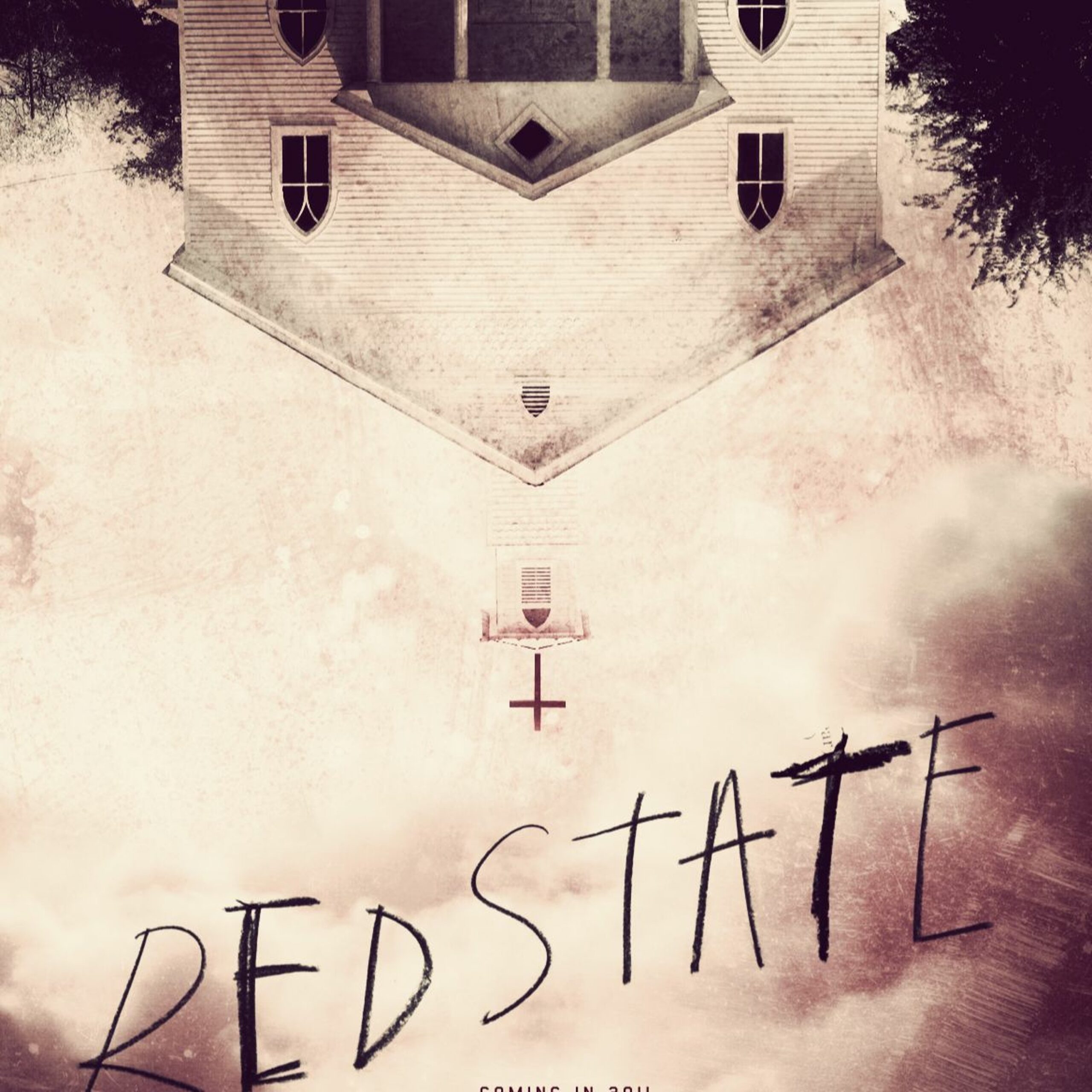
Episode 008 of Filmmaker Commentary offers a deep analysis of Kevin Smith’s groundbreaking, independent filmmaking strategies, focusing on his 2011 horror film, Red State. This installment dissects Smith’s audacious production and distribution methodology, largely derived from his accompanying “State of the Union” podcast commentary. Smith’s approach fundamentally challenges conventional Hollywood models, emphasizing direct-to-audience engagement and resourcefulness over large studio budgets and extensive marketing campaigns.
The discussion highlights Smith’s commitment to producing films economically, notably with Red State’s modest $4 million budget. This contrasts starkly with the often exorbitant marketing expenditures of traditional distributors like Harvey Weinstein, which could double a film’s production cost. Smith argues that a deep understanding of one’s audience negates the need for vast promotional spending, empowering creators to retain ownership and control by distributing directly to their dedicated fanbase. This independent ethos is further supported by the evolving landscape of filmmaking technology.
The episode also explores the rise of smartphone cinematography, referencing Steven Soderbergh’s Unsane and Sean Baker’s critically acclaimed Tangerine, both shot entirely on iPhones. This democratized access to production tools permits a focus on directorial vision and compelling storytelling, rather than dependence on high-end equipment. Furthermore, the podcast examines how adversity can be transformed into strategic advantage. Kevin Smith’s infamous Southwest Airlines incident, which garnered negative media attention, is presented as a pivotal moment. This personal setback spurred Smith to innovate, leading to a touring model where he screened films directly, followed by Q&A sessions and live podcast recordings, turning bad press into a powerful marketing tool.
The episode unpacks Smith’s unique “cutting while you work” methodology, where he views himself primarily as an editor who directs. This hands-on, iterative process allows for rapid prototyping and refinement during production, demonstrating an efficient workflow that diverges from traditional post-production timelines. Smith’s directorial style prioritizes raw performance, trusting experienced actors like John Goodman to elevate even expositional dialogue, thus streamlining the creative process and maximizing impact. Ultimately, the episode champions a filmmaking paradigm where authenticity, audience connection, and adaptive innovation drive success, rather than adherence to industry norms.
What We Cover
- Kevin Smith’s innovative direct-to-audience distribution model for Red State, challenging traditional studio marketing.
- The evolving landscape of filmmaking technology, exemplified by acclaimed films shot entirely on iPhones.
- The profound impact of strong acting on dialogue delivery and narrative depth, illustrated through John Goodman’s performances.
- Strategies for re-framing negative press into new opportunities for audience connection and project funding.
- Kevin Smith’s unique “cutting while you work” editing philosophy and his self-identification as an editor who directs.
- How prioritizing passion and audience connection can lead to organic monetization, as seen with the SModcast network.
Key Moments
- [01:05] The transformative power of iPhone filmmaking, discussing Steven Soderbergh’s Unsane and Sean Baker’s Tangerine.
- [08:10] Kevin Smith details his subversion of traditional marketing for Red State, focusing on direct audience sales.
- [10:05] How Kevin Smith converted a personal negative experience (Southwest Airlines incident) into a groundbreaking direct-to-fan tour model.
- [12:07] Insight into Kevin Smith’s “cutting while you work” editing philosophy, where he views directing primarily as an extension of the editorial process.
Gear & Films Mentioned
- Films: Red State, Black Panther, Unsane, Tangerine, Isle of Dogs, Prometheus, Blade Runner 2049, Anne, Alias Grace, Travelers, Frontier.
- Gear: iPhone, iPhone 5S.
Listener Questions
- How does a director’s understanding of their audience influence their budgeting and marketing decisions?
- What innovative distribution strategies can independent filmmakers employ to reach their audience directly?
- In what ways can a director optimize their production workflow by integrating editing throughout the shooting process?