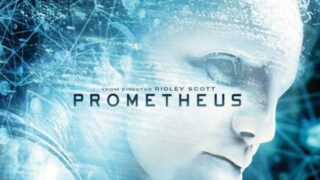
Filmmaker Commentary dives into Ridley Scott’s return to his iconic sci-fi universe with Alien Covenant, offering a deep look into the director’s unique vision and meticulous craft. This episode illuminates how Scott orchestrates a symphony of unsettling visuals, philosophical inquiry, and visceral horror, making it essential listening for anyone passionate about cinematic world-building.
The hosts dissect Scott’s directorial prowess, immediately drawing attention to his signature visual trademarks, such as the recurring “eye motif” that subtly links Alien Covenant to past works like Blade Runner. They explore the film’s rich thematic discussion, especially the profound struggle between creation and creator, personified through the complex androids David and Walter. Listeners gain insight into how Scott uses these characters not merely as plot devices, but as conduits for deeper questions about intelligence, arrogance, and sentience, juxtaposing David’s burgeoning narcissism with Walter’s subdued obedience.
Beyond the narrative, the discussion unpacks Scott’s practical filmmaking philosophy. The episode reveals his dedication to providing actors with thorough character backstories, ensuring authentic performances even in the face of abstract threats. This attention to detail extends to his crew management, highlighting the long-standing relationships with key personnel, like the engineer behind the spaceship’s dynamic shocks, showcasing the importance of trust and collaborative synergy in a high-stakes production environment.
The conversation further navigates the film’s strategic pacing, demonstrating how Scott modulates tension and information delivery. From moments of existential dread to bursts of frenetic action, the episode breaks down how each beat contributes to the immersive experience. A fascinating segment explores Scott’s grounding of speculative fiction in scientific reality, drawing parallels between the Xenomorph’s rapid evolution and real-world phenomena like Ebola and Anthrax. This scientific rigor amplifies the horror, making the alien threat feel disturbingly plausible.
Finally, the hosts touch upon the business acumen required to sustain a beloved franchise, noting Scott’s knack for operating within budget constraints while consistently delivering profitable ventures. They also debate the unique demands of film versus theater as mediums, emphasizing the director’s enduring influence across all stages of cinematic production. This commentary provides not just an analysis of Alien Covenant, but a broader lesson in the art and science of impactful filmmaking.
What We Cover
- Ridley Scott’s distinctive visual style and thematic recurring motifs (e.g., the eye motif in Alien Covenant and Blade Runner).
- The philosophical themes of creation versus creator, intelligence, and arrogance embodied by the androids David and Walter.
- Practical filmmaking approaches, including actor motivation, crew management, and the importance of multidisciplinary skills (math, science, art).
- The film’s pacing, narrative structure (especially the prologue and its relation to Prometheus), and the terrifying evolution of the Xenomorph.
- Ridley Scott’s preference for practical effects and his unique approach to visual storytelling in sci-fi horror.
- The business side of filmmaking, including budget management and marketing strategies for a major franchise.
Key Moments
- 0:24: Initial reactions to Alien Covenant and how it builds on Prometheus.
- 6:01: Discussion of Ridley Scott’s character exposition, contrasting the androids David and Walter.
- 10:55: Insights into providing actors with detailed character backstories for deeper performances.
- 19:06: Exploring how real-world biology, like Ebola and Anthrax, informs the terrifying realism of the Xenomorph’s design.
Gear & Films Mentioned
- Alien Covenant
- Prometheus
- Alien
- Blade Runner
- Goodfellas
- Collateral
- Sin City
- Justice League
- Guardians of the Galaxy
- Gladiator
Listener Questions
- What recurring visual motifs does Ridley Scott use to connect his films, and how do they function in Alien Covenant?
- How does Alien Covenant explore the complex relationship between creator and creation, particularly through its android characters?
- What practical filmmaking lessons can be learned from Ridley Scott’s approach to pacing and blending genres in Alien Covenant?