April 1, 2026
F
Filmmaker Commentary
  • Home
  • Film
  • TV
Podcast

FMC 011: GoodFellas Directed by Martin Scorsese

March 30, 2026
Listen on Apple Spotify YouTube
Listen to this episode
Your browser does not support the audio element.
Also on Apple Spotify YouTube

This episode dives deep into Martin Scorsese’s crime epic, GoodFellas, exploring its lasting impact on cinema and the true stories that inspired its gritty realism. Hosts Reginald Titus Jr. and Casey G Smith offer unique perspectives on the film’s influential style, intense violence, and unforgettable performances, revealing how filmmaking techniques bring this dark narrative to life.

What We Cover

  • We begin by reflecting on the enduring influence of GoodFellas, a film that captivated audiences and left an indelible mark on popular culture, inspiring subsequent crime dramas such as Casino and The Sopranos. Hosts Reginald Titus Jr. and Casey G Smith share their initial experiences with the film; Casey, a recent first-time viewer, was struck by its raw power, while Reginald recalls its prominent presence in hip-hop culture as a symbol of aspiration and coded living. This foundational discussion sets the stage for understanding the film’s deep-rooted impact beyond the screen.

  • The conversation turns to Martin Scorsese’s distinctive portrayal of violence, a recurring theme in his work. Reginald highlights Scorsese’s unique technique of lingering on violent acts—a brutal stabbing, a point-blank shot to the face—rather than quickly cutting away. This extended focus, he argues, amplifies the visceral impact and separates Scorsese’s depiction from more conventional action sequences. The hosts muse over specific, grisly moments, such as the gruesome death of Samuel L. Jackson’s character, and ponder the technical skill required to achieve such shocking effects.

  • A significant portion of the discussion centers on the film’s real-life roots. GoodFellas is based on the experiences of Henry Hill, portrayed by Ray Liotta, from Nicholas Pileggi’s non-fiction book “Wiseguy.” Reginald shares insights from a documentary featuring the real Henry Hill, who revealed that the film actually toned down the true events. According to Hill, the real figures, including Paul Sorvino’s and Joe Pesci’s characters, were far more maniacal than their on-screen counterparts. Hill’s eventual decision to betray his crew was a stark act of self-preservation, a chilling example of the “law of the jungle” when faced with inevitable retribution.

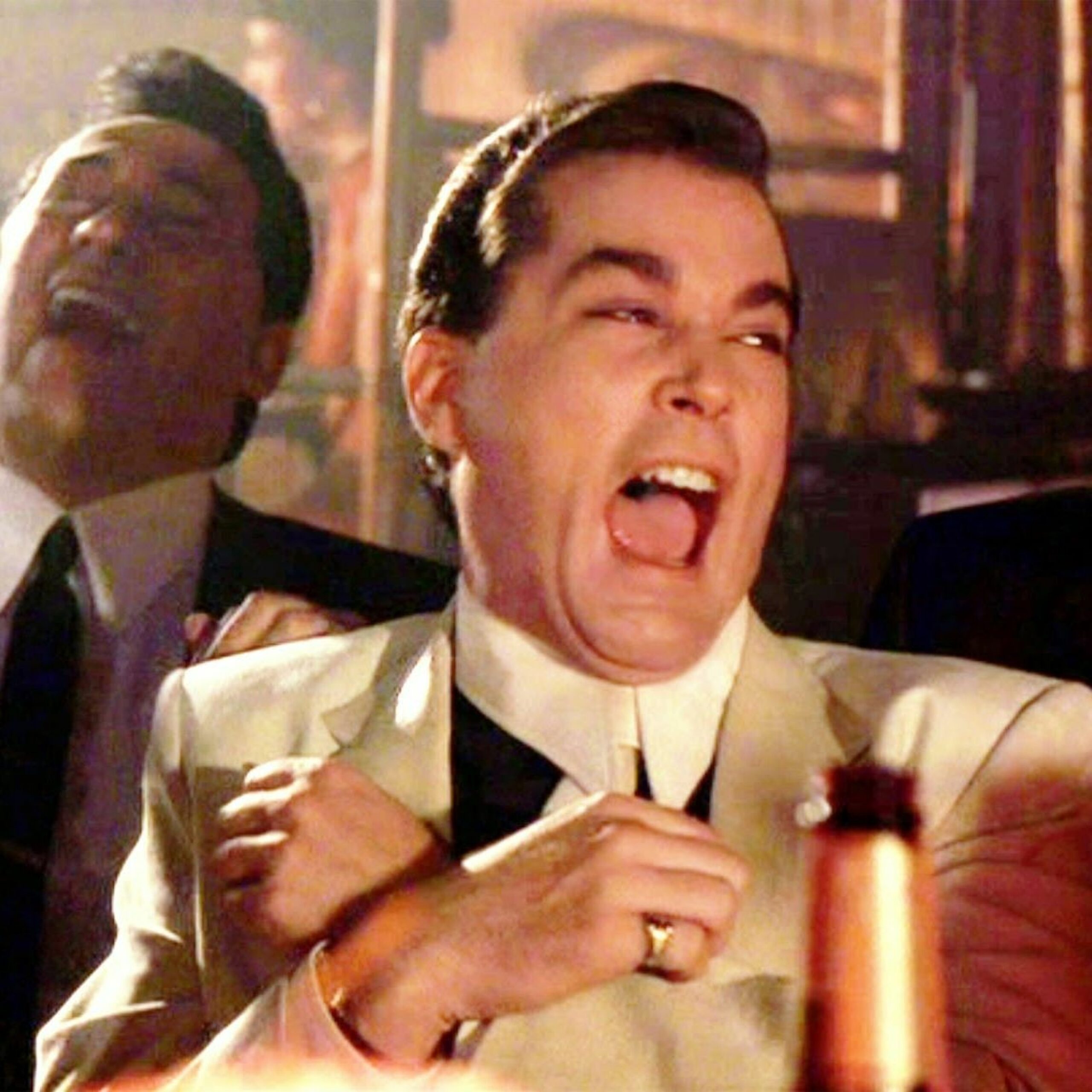
  • The meticulous casting choices for GoodFellas are a key focal point. Ray Liotta’s distinct, unsettling laugh in the film was an exact mimicry of Henry Hill’s actual laugh. Martin Scorsese’s philosophy for acting is highlighted: he deliberately kept Liotta from meeting Hill until after filming, wanting the actor to embody the character’s core motivations rather than merely imitating his mannerisms. Paul Sorvino, who played Paulie Cicero, initially felt unqualified to portray a hardened mob boss. He found his character’s essence only after a startling moment of self-reflection, seeing “the eyes of a killer” in his own reflection, realizing that darkness was an inherent part of himself.

  • Screenwriter Nicholas Pileggi, who co-wrote the script with Scorsese, offers a fascinating perspective on adaptation. He posits that a writer is the “director” of their book, crafting characters and emotions in prose. However, when transitioning to film, the director must be given the autonomy to mold the narrative for the new medium, taking inspiration from the book but ultimately serving the cinematic vision. This philosophy allowed Scorsese to transform moments like the Copacabana tracking shot—a brief mention in the book—into a pivotal, extended sequence that dramatically establishes Henry’s immersion into the mob world. This particular scene was notoriously complex, requiring eight takes to perfect.

  • The discussion Scorsese’s directorial signatures, such as his famed long takes. The “funny how” scene is cited as a prime example, where Scorsese purposefully filmed this exchange in a single, wide shot to capture the nuanced reactions of surrounding characters, amplifying tension. As an editor himself, Scorsese approaches filmmaking with a keen eye for how scenes will be cut and scored, often having specific music in mind early on. His collaborative spirit and willingness to let actors improvise contribute to the film’s raw, documentary-like feel. Cinematographer Michael Ballhaus’s deliberate choice for a “dirty,” naturalistic lighting style further reinforces the film’s gritty, non-romanticized depiction of the gangster lifestyle. The episode also touches on the transformation of characters, particularly Karen Hill, who quickly acclimates to the mob lifestyle, moving from initial revulsion to active participation.

Key Moments

  • 0:43 – First Encounters with a Classic: The hosts share their initial experiences watching GoodFellas and its surprising connection to hip-hop culture, highlighting its immediate and lasting impact.

  • 3:40 – Scorsese’s Unflinching Violence: A discussion on how Scorsese’s choice to linger on graphic violence sets his films apart, making the brutality more visceral and impactful for the audience.

  • 12:50 – From Book to Screen: A Writer’s Perspective: Screenwriter Nicholas Pileggi’s philosophy on adapting his work for cinema, emphasizing the distinct roles of author and director in bringing a story to life.

  • 16:19 – The “Funny How” Scene: Masterful Staging: An in-depth look at the famous dialogue scene between Joe Pesci and Ray Liotta, revealing Scorsese’s deliberate use of a single, uncut shot to capture genuine reactions and build dramatic tension.

Gear & Films Mentioned

  • GoodFellas (Film)
  • Casino (Film)
  • The Sopranos (TV Series)
  • Scarface (Film)
  • American Gangster (Film)
  • The Wolf of Wall Street (Film)
  • Reservoir Dogs (Film)
  • Steadicam (Filming technique)
  • “Wiseguy: Life in a Mafia Family” (Book by Nicholas Pileggi)

Listener Questions

  • How did Martin Scorsese’s unique directorial choices shape the raw portrayal of violence in GoodFellas, and what effect did this have on audiences?

  • What real-life details about Henry Hill’s story were depicted in the film, and how did the cinematic version adapt or even soften the true events?

  • How does a screenwriter approach adapting their own book for film, and what creative freedoms does a director typically take during the adaptation process?


Full Transcript

Read the full transcript

Full Episode Transcript
This episode of Filmmaker Commentary Martin Scorsese's "GoodFellas," exploring its impact, unique portrayal of violence, actor performances, real-life inspirations, and the collaborative filmmaking process.

Opening Discussion and First Impressions
Reginald Titus Jr.: Filmmaker Commentary, episode 11. Welcome to Filmmaker Commentary, where we give you insights from our favorite filmmaking commentaries. These commentaries can be heard on your DVD and Blu-rays of your favorite movies. We'll show you how you can use these commentaries and apply them to improve your video production and filmmaking techniques. All this here on Filmmaker Commentary. I'm your host, Reginald Titus Jr.
Reginald Titus Jr.: All right. Welcome to Filmmaker Commentary. I'm Reginald Titus Jr.
Casey G. Smith: I'm here with Casey G. Smith.
Reginald Titus Jr.: As you know, this time we are speaking, talking about GoodFellas directed by Martin Scorsese. They call him Marty.
Casey G. Smith.: Marty.
Reginald Titus Jr.: When was the first time you watched this movie?
Casey G. Smith: Well, Reginald, I'm kind of embarrassed to say it was, it was pretty recent. Um, I had gone most of my life without seeing GoodFellas, always heard about it, but it's one of those blind spots I had in my, on my movie radar. And finally I got to that point and I was like, man, I, I have to see this film. And I, I don't know, it's something just sparked in me and I and I went out and found a copy of it, maybe anywhere from like two to three years ago. And finally sat down and watched it and whoa, I was, I was blown away. I see why it's, it's heralded as a, as a classic. How it's so influential with so many things that have come after it, whether it's Casino or whether it's The Sopranos. GoodFellas is the, the, the launching point for, for all of those things. How about you?
Reginald Titus Jr.: I saw this movie, I believe it was 2001, 2002, around that time. Some of the guys, some of the guys I was hanging out, hanging out with a lot of hip hop people at the time. And one thing you notice like in hip hop, the guys that are involved in hip hop always have like the Scarface posters or, yep. Like GoodFella poster. And I think a reason that they do that is because there's like codes to this like culture. Uh, like man codes and there's certain codes in the gangster culture. And I think some people that are actually in that life and some of the other hip hop artists, you know, try to emulate that. And put it in and take on the Italian names and things like that. So, um, that's when I watched it, and it's I only watched it one time and and those images stuck with me. At the time, I wasn't really, uh, directing or shooting much outside of photography at that time. Um, so the way that it made me feel, now that I know more of the directing language, I see what Martin Scorsese, what he was doing, but, um, all I can go back with go off of was feelings and how this made me feel and, uh, some of those images are just seared into my head. You watch this once, you're pretty much good. You don't have to come back.
Casey G. Smith: It's interesting you say that because there's a lot of people who in listening to a commentary, you know, come back and and re rewatch it. And again, I've, I've seen a lot of violent, a lot of violent films. Now, maybe if I'd have seen this, you know, in the early 2000s, uh, may maybe maybe would have had maybe more, more of an effect. Maybe I'm just desensitized, I don't know. But, uh, but yes, when even, even re-watching for this, I, I forgot how violent some of the scenes were. I was like, woo, man, it is, it's strong. They are, they are not literally not pulling any punches or kicks or stomps or they're not pulling anything, they're just dismantling people.

Violence and Filmmaking Techniques
Reginald Titus Jr.: And one thing I notice about Martin Scorsese, how he shoots violence is, I think with some of the other violence, uh, like people shooting people and blood just splashing everywhere and things like that. You don't really see the effects of the violence so much, but I know with Martin Scorsese, he'll linger on the shot like maybe a few seconds longer than normal. And you like see the effect of somebody getting stabbed and how they react to it or they get shot in the face. The blur just squirt a little bit too long, you know.
Casey G. Smith: Definitely. And as a heads up, we will be talking spoilers for this film.
Reginald Titus Jr.: Yes. It's always spoilers in this show.
Casey G. Smith: Yes. But no, you're right. Uh, the man, there are multiple scenes, like, I mean, it's just death. Like death. I mean, I mean like Sam, Sam Jackson, you know.
Reginald Titus Jr.: Oh, yeah, that's right.
Casey G. Smith: Man. Brother was like, put on his shoes, you know, like sitting getting ready. And all of a sudden he's like, and you see the, and you see the blood just like, just just squirt. I'm really fascinated though to see how they pull that effect off. Um, because, you know, he went there, he sat down, you know, and then Pesci's behind him. And, you know, Sam's face is not to the camera. Uh, I need to go back and rewatch that scene because I'm curious where where it maybe potentially cuts somewhere and how they got the blood spatter, splatter off the head if they kind of sets them. I don't know, I'll be interested to see how they, how they, uh, got that to go.
Reginald Titus Jr.: That, that really, really stuck with me. And then one scene, 'cause it opens up with them with the guy in the trunk, right?
Casey G. Smith: What's that sound?
Reginald Titus Jr.: Just another day in the life of a gangster. Oh, man.

Character Portrayals and Real-Life Counterparts
Reginald Titus Jr.: Um, the the main, the character that Ray Liotta plays is based on a charac, a real life person named Henry Hill. Studying, you know, I wanted to really kind of get it took me down a rabbit hole trying to figure out who this guy was. And I started looking at some of there's a documentary on YouTube that was on like one of those uh court channels or whatever, Court TV type, forensic type channels. So I looked at that one and he mentioned in that scene when the guys are stabbing the guy, he said, there was no gun there.
Casey G. Smith: Oh.
Reginald Titus Jr.: In that scene, uh, it was going on when they found out the guy was still alive, they stabbed the guy like maybe another 40 times.
Casey G. Smith: Wow.
Reginald Titus Jr.: And he said it like it made you sick to your stomach. And that's why you see Ray character, he's throwing up later on when they're trying to bury the guy. And he says, in the movie, a lot of the people are toned down, turned down, they're watered down a little bit.
Casey G. Smith: Man, are you kidding me?
Reginald Titus Jr.: Nope. So like even, Pesci's character is toned down. Um, Paul's, uh, is it Paulie? The like the main guy, the bigger guy, um, the boss of everybody, when the, when the movie opens up and he he comes into the door and then everybody, they're all playing around, but when he comes around, they stop playing with each other.
Casey G. Smith: Yes. Cera, Paul Cera.
Reginald Titus Jr.: Henry says that that guy was a maniac. Like, kind of like have you saw Pesci's character, right? He said, that guy was the maniac. That's who everybody toward the end, how all this thing started, uh, basically people started turning on each other and everything like that. That guy was based calling hits on everybody.
Casey G. Smith: He was the mastermind behind it.
Reginald Titus Jr.: Yeah, he was calling hits behind everybody because there was a big heist where they stole like four or five million dollars. I forgot how much that was.
Casey G. Smith: Mm-hmm.
Reginald Titus Jr.: And the guys were flaunting, you know, these guys, you know, they got, got, you know, they're, they're not educated. They're just enjoying their life. They're just living fast. And that's how they got caught.
Casey G. Smith: It that's pretty funny that after that big heist, uh, how, you know, uh, Bob De Niro's character, James, is like, you know, they're having a little little party afterwards. People are coming to the bar and, you know, one guy shows up in a new car. The other guy shows up and his wife has a brand new mink fur. He's like, what the f is wrong with you? What the f is wrong with you? And he's like, I'm sorry, I'm sorry. What the f is wrong with you? He's like, just keeps asking the same question over and over again. Makes the other guy and his wife leave the party because they got the mink on. And then after he talks with Ray Liotta's character, after he talks with Hank, you know, him with Henry Hill, I keep wanting to call him Hank. After he talks with Henry Hill, he kind of tells him, you know, you know, do the right thing, be smart. And then you cut to him, you know, Henry Hill coming into his house and he's like, I got the most expensive tree I could find, you know, like.
Reginald Titus Jr.: That's right. And he's excited about it.
Casey G. Smith: Yeah, this huge white Christmas tree, already you know that these people are blowing money. And yeah, flaunting a little, little too much.
Reginald Titus Jr.: Henry, he talks about this in the documentary and he was just saying like, everybody in the neighborhood knew who did the big heist. Everybody knew. And it was just a matter of time before they got caught. And anybody that got that had to go into questioning, Paul's character was the one that was killing them before they got a chance to go to court or anything like that. And so.
Casey G. Smith: Protecting his, his assets, huh?
Reginald Titus Jr.: Yeah, 'cause everybody was just acting like maniacs after they got the money. And basically Henry in real life was like, you know what, I had to do the thing, rat on these people because they were going to kill me.
Casey G. Smith: Yeah, hey.
Reginald Titus Jr.: He was like, he said, I didn't they didn't get me, I was gonna get them.
Casey G. Smith: That's the, uh, the law of the jungle, I guess, you know. I mean, when you, when you live to that extremes to that extreme, um, I, it's crazy though, like because you wonder then what, you know, what what is loyalty, but I mean, that's just wild. That that's wild. At the end of the day, you're right, they, they, they, they would have iced him.
Reginald Titus Jr.: I think the coldest scene is going, you know, you're hanging out with the Pesci character.
Casey G. Smith: Yeah, when he was, he was gonna get made. Yeah, yeah.
Reginald Titus Jr.: He's going to get made. Yeah.
Casey G. Smith: I remember seeing it the first time that, I was like, oh, that one, that one got me. I was like, oh. Because you knew it like once he got in, he was like, where's everybody at? you know, he was done. You knew he was done.
Reginald Titus Jr.: It's like, wow, but he made him, he violated one of the codes, you know, you don't take out somebody that's already a made man. It was just a matter of time. First time, you know, watching that movie, watching it was just it sticks with you. It's a longer how how long is this movie? It's about two and a half hours, two hours?
Casey G. Smith: 146 minutes. So, yeah, it's over two hours, about 2:26.
Reginald Titus Jr.: Yeah, you feel it. You're, you know, you're living with these people and it's, it's just ultra violent. You're like, where, where, where are we just get dropped off with these people and you're on this vicious ride. I do like like the casting. I know with the Ray character, how whoever they cast to play the young version, um, Henry Hill's, the guy that plays Ray Liotta. You know, I'm gonna get the names mixed up, but that was like perfect casting. The way he looked, the look of 'em and like I I don't know if they had contacts in 'em, but like his eyes were kind, you know, similar. And him just being, um, an interested kid, just like curious about what's going on in life.
Casey G. Smith: Right.
Reginald Titus Jr.: And according to Henry, that's how he was in life. He couldn't fit in, you know, he want he had brothers and sisters and his mom and dad wanted him to be more of the, you know, going to school, you know, get your law degree, do whatever.
Casey G. Smith: Straight laced.
Reginald Titus Jr.: You know, maybe he had ADHD or whatever. He always had to be out doing something.
Casey G. Smith: Mm.
Reginald Titus Jr.: And so that's how he was that curious. So, um, seeing that kid being that interested in like, what's going on and seeing where power comes from and being enthralled and and attracted to that power. That was I think there was some pretty awesome uh casting. And then having Ray Liotta with that laugh, when you listen to Henry Hill in his interviews, it's the same laugh. So that annoying laugh that he has is is an actual laugh that Henry has.
Casey G. Smith: So that and that that's fascinating that he would have that because listening to some of the uh the commentary, um apparently like Martin, uh Marty, Mr. Scorsese, he didn't he didn't want Ray to to meet Henry until after because he didn't he didn't want him to do an imitation of of him. He wanted him to act from the same motivations as Henry. So if that all whole holds true and if he did meet him until after the shooting, that's pretty crazy that he would be able to embody him in such a way. Now, it doesn't mean that they didn't maybe have contact or something like that because I know that uh Bob De Niro, Henry says that he had multiple conversations that that Bob would call him like in the morning sometimes like several times, like maybe on the way to set as he got set to portray uh his character, uh James Conway. So who knows, maybe Ray had some contact, but maybe didn't meet in person, but that's wild that he would have the same laugh.

The Writer's Perspective and Production Insights
Reginald Titus Jr.: And then, um, who knows, I didn't read the book either, so, um.
Casey G. Smith: Wise Guy.
Reginald Titus Jr.: Wise Guy. And the the the writer, uh Nicholas Pileggi, hopefully I'm saying his name right. Uh, he mentioned that based on the just the story that he wrote, there could have been a thousand different films based on what he wrote.
Casey G. Smith: One thing that I I enjoyed that he said uh in the commentary is that once Marty reached out to him, initially he did he didn't believe it was, you know, really, you know, Martin Scorsese reaching out to him. But once they connected, um, he knew that Mr. Scorsese wanted to write it with him. And of course, he's he's not a a screenwriter. He's an author. But one of the things that he he mentions in the commentary is that for writers, you have to realize that you are the director of the book that you wrote. You directed the characters and the feelings and the emotions and all the scenes. You directed that in that medium. But when it comes to a film, then you have to let the director be able to direct and create a film. And he he the way he put it, he said, it has nothing to do with the with the book. It's a different medium. It may take some inspiration from it, but you have to let the director be able to mold those scenes and let the characters breathe and and and serve the story that's going to be created because there's going to be some scenes that, you know, somebody may read in the book and it's just a a quick thing. The uh Copacabana scene. Like that's a apparently a really quick thing in the book, but in the movie, that's like almost, um, almost like a rite of passage kind of moment when when they have the the the the the the tracking shot that goes in and shows, okay, this is, hey, this guy is he's he's he's a big deal. You know. Um, but I I yeah, I find it very interesting, um, when uh Pileggi mentioned that specifically that you have to let the movie be the movie and let the director direct that. You will always have your book, right? That can never change. You always have credit for the book, but now let the director make his own creative piece of of media.
Reginald Titus Jr.: It was cool that he was able to do that because just listening to other interviews in the past, uh knowing writers that, you know, they've written books and we're kind of pissed off by the version of the movie so much so that they don't even they don't even want to be associated, uh, with the project.
Casey G. Smith: Oh yeah.
Reginald Titus Jr.: So that's cool that he he, you know, kind of gets out the way. Certain writers want to be on set when things are happening.
Casey G. Smith: Ha.
Reginald Titus Jr.: And I don't know necessarily, uh, some writers are, you know, they've written screen play. They're there to help rewrite something real quick if something needs to be changed. Uh, but I I guess in this particular situation, he didn't really care much about being on set. He said, all they're doing is looking at light.
Casey G. Smith: Yeah, they're just playing with lights. Two hours, they're playing with lights just to to shoot something for, you know, two to three minutes. And then they're they're playing with lights. He goes, for some people they want to be there. He goes, for me, I'm a writer. I need to I need to be off somewhere else writing. I think it's very fascinating that, you know, this was his introduction into screenwriting. And then he, you know, him and Marty, they they they worked together for for a while to to build and flesh out this script. But then you look at this guy's filmography, he went on to work with Scorsese multiple times, um, to to be the screenwriter for not only GoodFellas, but then Casino and uh American Gangster as well. Uh in addition to other films and maybe some uh some some TV also. But what a way to get your your start, to not even be a screenwriter and and an author, and to work with Scorsese and then thinking to have it happen multiple times. That's that's not a bad career.
Reginald Titus Jr.: Not at all. I like how um Scorsese in the shot when um Ray Liotta and Joe Pesci, they're kind of going back and forth, you know, the funny like how scene, funny funny like how. How am I funny?
Casey G. Smith: Am I amusing to you?
Reginald Titus Jr.: What am I a comedian? What is this?
Casey G. Smith: Like funny hahaha.
Reginald Titus Jr.: So, uh, and I noticed it before he said it, in my brain, I'm looking at him like, you know, they're they're just set there as just one shot, just kind of just chilling. And and then he he starts saying that, um, that was on purpose to see how everybody's reacting to them. And I and I remember catching myself looking at the other people, you know, when it turns, when he when Joe, uh, Pesci, when he does that turn, you like the other guys look like, okay, it's kind of getting kind of awkward. Yeah. Seeing seeing that. So, you know, I think we've all been in a situation like that where somebody says something like, oh, here we go again.
Casey G. Smith: Oh boy.
Reginald Titus Jr.: So, um, him knowing that and then it was just two cutaway shots. It was just a master shot, uh, that showed Joe Pesci, then there is a cutaway shot, but it's still a wide shot. And he didn't he didn't use anything else. It's it's very clean. I'm like, wow, okay.
Casey G. Smith: I really enjoyed because this this is the first commentary of a Scorsese film that I've listened to. Um, I, I enjoyed and I I kind of like that this this was a a commentary that had not only Scorsese, it had other members of the cast and crew. Um, from Pileggi to his his two producers, to uh Ray Liotta, um, a little bit of De Niro, a little bit of Pesci, uh a little bit of uh Lorraine uh Bracco. Nonetheless, I enjoyed hearing their different perspectives and talking uh about the the process. But um, they they often say that uh Marty, he he shows up very prepared, right? He does preparation and the the the the cast, they would rehearse before. They would rehearse and they'd be prepped, but then with and they'd also be able to do a little improvisation during their rehearsal. Um, but then of course, as they go into it, there's still a structure. So they said Marty will, he will prepare vigorously, but then on the day of, you know, he will shoot and do what's best for that day and that and that scene. So there's just adaptability and he loves input from his actors. He's he's a I guess he what you would call a actor's director. And all the actors spoke just so highly of of of how he kind of handles that in in in in and loves the collaboration. That's why De Niro has worked with him so much because he he says that sometimes he goes, he goes, he goes like he doesn't like to work for directors that he, hey, doesn't respect. Um, and that two, don't take input uh at all. And after a while, you know, that just gets kind of monotonous and and boring. But he loves that Marty is very collaborative and again, that's it shows in the in both their filmographies.
Reginald Titus Jr.: Yeah, just to add to that, yeah, De Niro's basically saying actors need the support from the director. You know, and being open to new ideas. So that's very important if y'all are directing out there. So I just noticed that there's levels to directing. And even if the shot seems simple to us, um, watching it, oh, it's just one shot and he's doing and that's it, you know, I can do the same thing. But you have to orchestrate, he's orchestrating uh different actors to move into the scene and out of the scene, even though it's in one angle. And to do that and for them to hit their mark, they have to be experienced. And if they're not hitting their marks, a lot of times they have to do that scene again.
Casey G. Smith: Absolutely. They mentioned with the Copacabana scene and even the early bar scene that they use, they use to one introduce kind of the major players and the major characters, which was pretty brilliant, you know, it kind of quickly introduce you to everybody. But in the Copacabana scene, they shot it, uh, eight times. And a couple of times they had to do it again because the the the last guy that get up to the guy on the stage, the the comedian host, forgot his lines a few times and they had to start over. That would suck. That really would suck. But.
Reginald Titus Jr.: Oh my.
Casey G. Smith: Yeah, it is planned and you have to hit your marks.
Reginald Titus Jr.: So is that so that's the uh, when they use a steady cam shot for like four minutes, that that scene that you're talking about? The Copacabana scene.
Casey G. Smith: Uh the Copacabana scene is when he's taking his date with him and they go through the kitchen.
Reginald Titus Jr.: Right, right, right.
Casey G. Smith: Uh and then they come around and.
Reginald Titus Jr.: So to do that and you have to be experienced and confident in what you're doing because uh the DP mentions that when he's doing the shot, that's all you have. There's no cutaway shots, there's no coverage shots. So coverage meaning you're shooting other things to insert into the scene. And they're doing this all the way through and that's it. Once they get what they get, they're done. So you're stuck with that, you know, and if you find out in the editing that, you know, something was mis-lit or, you know, there's some kind of error, you you might have to consider cutting around it and not even having that scene in there in the movie.
Casey G. Smith: Especially with that many people. Um, I mean that really is, yeah, that's that's a lot of work. I think one of the things also when you mentioned cutting around that that because Scorsese was an editor first from what I understand, he often will think in terms of how something can be edited. Um, and even thinking about the kind of music already that he wants to set things to. Um, one of the things that's pretty amazing. And I've heard you do that a couple of times, like you'll have an an idea already of kind of maybe a certain sound, a certain kind of music that you want to edit to. But uh I think that's a that's a an amazing skill. But yeah, it's just it's masterfully done, some of these shots in this in this film.
Reginald Titus Jr.: And I like how he gives uh the actors room to improv and having like a a documentary style. I guess that's what he he uh he says that's kind of like the style of shooting because certain parts of the movie it feels real, like I don't know, maybe that's why it's so, you know, visceral and why it gets to you because it it feels like, you know, you're there living it with these people.
Casey G. Smith: Well, yeah, even the like the cinematographer, Michael, uh, Balhaus, he even talks about about even how they lit the the movie that they they didn't want it to, they didn't want it to look lit like like like a film. They wanted to to look natural, darker, dirty even, is the word he specifically said. He wanted it to look dirty. Um, and that that gives it a a a grittiness to it. It it this is this is not a it's not a celebration of of the the the gangster lifestyle, the mafia lifestyle. This this is a a deep dive. And like somebody even said in the commentary that you spend so much time with these people and you see their initial personalities and it's almost enough to kind of suck you in and think, oh, hey, these guys are are are kind of cool. But then you realize that, oh, no, these are horrible people. These people are terrible. So it's not romanticized.

Themes and Final Reflections
Casey G. Smith: Right? Uh, and The Godfather, it may be a little romanticized, but that's also, you know, not based on a on on a true story like like GoodFellas is. So, uh, it is, is gritty. It's nasty.
Reginald Titus Jr.: Yeah, I didn't know that, I didn't know I didn't know that, but uh the lighting is hard. It's like hard shadows, hard lighting. It almost seems like this through a light to the side of the camera and you can you can actually see the reflection on some of the people. You're like, the light's just right there. You could you could have pushed it back a little bit. But okay, so there makes a lot more sense because uh because of the style that they're going for. Uh one thing I did like is how the characters aged, um, throughout the the whole piece. And how the demeanor of these people are changing as well. Like the the relationship that Ray Liotta, um, is having, you know, with with the wife. Um, how their dynamic is changing, um, from how he was able to to get her on board, you know, beat up this guy with a pistol and she like, I like it.
Casey G. Smith: I was instantly turned on. You know, she actually said that. So, speaking of the those two actors, uh, Ray Liotta, I can't believe I can't believe he wasn't nominated for for an Oscar for his performance. Um, I don't know what else was up in in 1994 for for Oscars as far as, you know, lead male performances. Pesci I believe did get a supporting, I think he might have got an Oscar for uh supporting actor. Man, Ray Liotta and uh Lorraine Bracco, they they were kind of the the newest people into the cast. And Ray Liotta had read the book Wise Guy while he was traveling. And then he heard that Scorsese was going to be directing it and and he he really, he really wanted that role. But it was like, he said it was like an eight to nine month process. He was one of the first people that Scorsese met with. But one of the other members on the project, I can't remember if it was what one of the producers or if it was the writer, they didn't really see Ray Liotta playing that role. But then he came across that person at some kind of event and he walked up to them and made his case as to why he should play the character, why he should be Henry Hill. That this person was was so impressed uh with his with his with his his gusto and his moxy, uh but also with uh just his sensibilities that he knew he was right for the role. And then when it comes to uh Lorraine Bracco, she said that Scorsese was the only director who's ever contacted her after her after she didn't get a role. Called her to say, look, I think you're really talented. I didn't cast you for this role, but I know we'll work together again in the future. And so, of course, he brought her on. And often they her and Ray, they instantly had uh chemistry and a connection. They often would call them the kids. Go ahead and bring the the kids out. And then when they were on set, they were, you know, doing their thing as as, you know, Mr. and Mrs. Hill. Um, but she also said, once once Scorsese found out that she wasn't like a pushover, if you will, and that she would fight for things, because he was kind of treating her with kid gloves initially. But once she kind of, you know, found her voice and and once she really understood the character of Karen Hill, she would fight for certain things and she would disagree with with Scorsese. Um, to get certain things through for the character of of uh of Karen. Uh, so one instance was, you know, when she goes to the house of Ray Liotta's or of Henry Hill's girlfriend. And she's there just blowing up the intercom, you know.
Reginald Titus Jr.: Oh my God.
Casey G. Smith: Those kids that she has, those are her kids.
Reginald Titus Jr.: Right.
Casey G. Smith: And she like pushed, you know, pushed for that. And I'm like, that's yeah, that that's pretty smart. And that's also a way to, you know, voice some babysitter fees as well. But then also, you know, you know, I'm sure working acting with kids, I'm sure it could be all kinds of challenging. How much easier potentially would it be if they're your own, your your own kids. Uh, so I thought that was really fascinating. And even towards the end, he was he was adamant that Karen would not wear jeans. Would never wear jeans, like blue jeans. Uh and but she but she pushed and said, you know, at this time, you know, I think she would. So finally they compromised and and there's a scene apparently where Karen is wearing white jeans. Oh yeah, that's right. Yeah. That's in the 80s. Yeah, so there was just that that push. But um, yeah. That aspect of the casting, obviously it was huge. And and Ray Liotta said that, you know, you know, once you initially meet some of these, you know, you know, the the Robert De Niros and the Joe Pescis of the world that, okay, for a moment you might be starstruck, but then after a while, you realize, okay, these are these are people, these are actors. You watch them go through their process, you're watching them give input. And after a while, you just flow with it and you and you go to work.
Reginald Titus Jr.: Yeah, I I remember listening to that part about what's the actress's name again?
Casey G. Smith: Lorraine Bracco.
Reginald Titus Jr.: Lorraine. She mentioned the kids, you know, having kids and saying like, a lot of times you don't have time to drop off the kids for for to the babysitter. And you know, having given that character a reason like it's even that more urgent and it brings more to the scene having the kids there like, this is so urgent, like, I don't have time to do this, this, this, this, that. We need to handle this right now. Um, so I could definitely understand that.
Casey G. Smith: I'm coming to your door and blowing up your spot. Get your own effin' man!
Reginald Titus Jr.: Man. So seeing her character, how she was brought into that world, you know, brought into that mob lifestyle. And then being like, you know, when they're at the wedding where they're giving their their money, you know, I've been at weddings when everybody's giving money. I'm like, oh wow. So, but, of course, these are mob people. So, like, you know, they're going to get stacks, you know, every envelope is a stack of money. And her, you can see it in her eyes, like, oh, wow. Wow. And certainly, you can start seeing her getting used to it. At first, when she's seeing the women that are in there, she's kind of like off-put. But, um, as time goes on, you know, she becomes one of these women, you know.
Casey G. Smith: Absolutely.
Reginald Titus Jr.: Like, let me get that money, or, like, and money is very, very important, like, show, um, how Mar Martin Scorsese, how he shows the inserts of the money. When somebody putting the money inside, um, someone else's pocket, that's just part of their culture. And he always, like, does a close-up insert shot of if it's a $20 bill or if it's a hundred or if it's a stack of money. Um, and it kind of I guess it's like, uh, you can see where they are, um, on the social class, by based on how much money they're giving to you.
Casey G. Smith: That's a good point.
Reginald Titus Jr.: That's a real good point.
Casey G. Smith: Uh, you talk about again, um, Karen Hill just acquiescing to the lifestyle pretty quickly. It's amazing how people can can adjust and go from either rags to riches or just, you know, mediocrity to to balling. And and and even though you know the source that it's coming from isn't good or great or on the up and up, uh, it's amazing how you can justify certain actions or turning a a blind eye or contributing and participating. Um, and yeah, it's yeah, it's it's something else, man. It's something else to see that transformation.
Reginald Titus Jr.: The scene when it's in the '80s and they have the they're just strung out on cocaine. Oh, man. It's just sad to see, you know, 'cause that that's a very uneasy scene for me to watch. I'm just like, man, they're looking up at the sky, they're high, like, they don't have their whole wits to them. They're just gone. And they're just making like the worst decisions.
Casey G. Smith: I love how they they talked about in the commentary how, uh, that that scene or set of scenes as as they play out, just really giving you and giving the audience the viewpoint and the perspective that this guy is so strung out. That everything is everything is blurred together, right? He can't, he can't prioritize. Everything seems so urgent and so uncertain. So he's he's he's he's mixing the sauce and yet he's got guns in the car, and yet he's he's going here and going there and making stops and he's stopping and he's looking up at the sky, you know, and looking for the helicopters and he's almost crashing into the back of people and having to slam on the brakes. But just continually, just that sense of anxiety and and absolute paranoia mixed with the music that Scorsese is is is using, just continuing to just amp up the tension. It's so well done. But drugs.
Reginald Titus Jr.: And the scene where Henry Hill, his wife, uh, she's going to see Robert De Niro, that character. Was he trying to get her knocked off in that scene?
Casey G. Smith: Heck yeah.
Reginald Titus Jr.: Okay.
Casey G. Smith: Yes. That was yes.
Reginald Titus Jr.: So. Just go around the corner. Just go around.
Casey G. Smith: Yeah. Go there. Just keep going.
Reginald Titus Jr.: He's creepy.
Casey G. Smith: Oh, yeah. Bob can pull that off. And he was so nonchalant about it.
Reginald Titus Jr.: And he was like looking around.
Casey G. Smith: A little further. Little further down. And then to the right. Yeah. And once she saw those shadows, you know, those guys there, like, she knew something was up, you know, that that tension. Yeah. And, uh, she's like, I I've got to go, you know, and she got in her car and and she she took off and she, but she had yeah, that was a that was I think I think that was definitely a hit waiting to happen. Could maybe have been paranoia? Yeah, but no. I think it was at that point where it it was yeah, she would have been taken out. So, the scene where, um, he just kind of speaking to the the some of the violence in the in the film. Pesci talks about the scene where he has to kill a guy named Spider, who I guess the guy who's who's serving them. Yeah. And he talks about in that scene when, like, he actually emotionally kind of even felt bad about it because it was a scene where they were just kind of killing an innocent person. It wasn't a hit job. Right. Uh as far as, you know, in in line with the with the with the the character that Pesci played with uh Tommy. And so, even the day of, like, some people even had like had in like earplugs and stuff like that. And when when the blank, I guess when it goes off, when the gun goes off, the the the the actor playing Spider flailed back so hard that he he crashed into the bar behind him and actually like cut his hand on a pitcher. For some people on set, it almost almost felt like the guy really, you know, was killed. He had to actually be taken to the hospital to to have his hand looked at, but like they felt like bad about that. They said that intensity of of that scene. Um, but it's it's it's it's nice to to hear that, you know, these actors, they recognized how how bad these people were. Uh and then one more actor, I I really enjoyed his his comments. Um, that was Paul Sorvino. He talks about when he was, he didn't think he was qualified to play the role of uh of Paul Cicerro. Because he said, you know, he was he was an actor, he was a singer, a performer, a writer and all these different things. And that he hadn't he hadn't lived that lifestyle or or really been exposed to it. Where where as, you know, Scorsese, uh and even the the writer, um, they had while growing up on different sides of the town, they had seen and been around, you know, these kind of gangsters. And so Paul wasn't sure he could even play the role. And he was he was thinking of maybe backing out of it. Right. And he talks about, um, he expanded on this in one of the behind the scenes features that he walked by the mirror one day. And it made him jump back. He didn't he he he didn't recognize the look and the eyes of the person he saw in front of the mirror. Wow. And it was the eyes of a killer. And he had to come to grips with that was a part of him, that was inside of him. And that's where he found the the character of of uh of Paul Cicerro. And then he knew he could play the role.
Reginald Titus Jr.: I know uh Henry uh he was on the Howard Stern, uh, yeah, the Howard Stern show, drunk, like, just out of his mind drunk. And I think it was kind of they're saying, uh, the older he got in his life, he kind of felt bad for ratting on all those people and some of the things. It started just catching up with him and, you know, he just kind of fell off the wagon, drinking a lot and just hoping somebody would just come and kill him, I guess.
Casey G. Smith: Man. He he divorced with his wife too in the uh, uh, the '90s. I remember they said at the end of the film that they had for 25 years.
Reginald Titus Jr.: Yeah. And he he mentioned, uh, Paul, um, the guy that was playing the boss, um, he was just like, that guy is nothing, like, that's not, he's not portraying the guy at all. He was like, yeah, the dude he was he was a vicious person. And and that guy did not uh portray that at all. And then Howard Stern, they like they were even though he was drunk, they were trying to pull stuff out of, uh, for their so, how do you get rid of somebody? How do you kill somebody? You know, you know, you just you just do what you got to do, make him vanish, you know, get some lime. So he mentioned something about lime. I don't know what that means.
Casey G. Smith: Lime?
Reginald Titus Jr.: Yeah. And so the scene when they shot Spider, they um, Robert De Niro's like, you're you're gonna have to dig the hole for this, 'cause I don't have any lime. He says that, I'm like, what is this, this lime thing? So, what's a slang and, you know, it was confirmed, you know, uh Hill says that in Howard Stern's uh thing, you know, just get some lime. You do, like, this guy killed people.
Casey G. Smith: So, so when you mention lime, you said it it's it's you say a slang?
Reginald Titus Jr.: I don't know, yeah, I don't know if it's slang or if it's like an actual ingredient or something like that.
Casey G. Smith: So, it's interesting that you you mention that because when we were talking about, uh, Prometheus, no, when we were talking about Alien Covenant, right? And Ridley was talking about how with some of the infectious diseases that they work on on other islands, like anthrax and things like that, and that that when they experiment with it on people, they would bury them and they would try to kill the disease, then they use lime.
Reginald Titus Jr.: Limestone, I thought.
Casey G. Smith: I guess lime or limestone, something to that effect, to try to like just to suppress it. So, I don't know if maybe using lime on maybe dead bodies helps with maybe the stench, um, or the the element of of decomposition, maybe it maybe it helps kind of hide and make it difficult to find. I don't know, but you're saying that you made me think about that. So.
Reginald Titus Jr.: Yeah, so I don't know. I don't know if that's slang for like acid because I know uh with the the Mexican mafia, a lot of those guys, they would dump bodies in acid to get rid of them. They called it soup.
Casey G. Smith: Ah, yeah, yeah. There's a a video game I played, um, that I have, um, Ghost Recon Wildlands. There's a there's a character in there that they literally call the soup maker and he literally is just dissolving bodies in in uh in acid.
Reginald Titus Jr.: So, yeah, so they they're trying to get, uh, Henry to confess on Howard Stern, Howard like asking him and he keeps cussing, like, this is FCC and all that. And Henry keeps cussing, like, he's that guy, you know, he's like, eff you, forget that guy. He's like, what do you think about Joe Pesci? That guy is a, you know, started cussing, he's nothing, he's nothing.
Casey G. Smith: Really? He was.
Reginald Titus Jr.: He was talking about Joe Pesci. He was just like, he thinks he's a wise guy. That's why he thinks he's a wise guy. He ain't no wise guy.
Casey G. Smith: Wow. I know Pesci is an actor. Um, but I would not talk mess about Joe Pesci. Just because who I mean, you know, actors play these different roles and he seems like a very method actor. And and you when you take on a role at that level that that these actors do, you know, they put some of their soul into it and and they they I think they retain some of that character. And he's played a gangster quite a few times. Right. So, um, yeah, he could probably.
Reginald Titus Jr.: But that's Hill though, you know, that's he's like, bring it. You know, he's like.
Casey G. Smith: Seriously. Yeah, he he is he he's the real deal.
Reginald Titus Jr.: He's the real deal. So it's like, that's true. That attitude is like, hey, you ain't gonna kill me. I know who you are. It's it's interesting because like when you come face to face with someone like that, it's the truth is there. You know, it's like.
Casey G. Smith: Yeah, good point.
Reginald Titus Jr.: Are you the truth or not? I I know the truth. I've seen things.
Casey G. Smith: Yeah. Been to prison. Ain't going back again.
Reginald Titus Jr.: And you know the you know the energy of somebody that's, uh, been around that and you can and if you live that in a lifestyle, you can tell the difference between people. Um, so it's, yeah, if you have some time, check out some of old Hank, I think he passed away 2012 or something like that. Kind of recent. He died an old man. He lived a long life.
Casey G. Smith: Full life.
Reginald Titus Jr.: Yeah, so this commentary all together was it it was different because usually when you listen to a commentary, uh, you can hear some of the movie, but this one, the movie was just like kind of off in the background, way in the background.
Casey G. Smith: Yeah, it kind of seems weird when when they stop talking and it's just the movie. I was like, did my commentary turn off? You know, there's a couple of patches where it it gave me like a minute or two of just back to the movie. But yeah, usually there's something underneath, but you can't really hear anything when the commentary's going. So that that's a little a little jarring.
Reginald Titus Jr.: And then maybe because this was recorded so long ago, maybe. Um, that the way they did it was just patch stuff together. I noticed that one of Tarantino's commentaries, they were just patching together interviews and just putting it on top of the movie for Reservoir Dogs. Not enjoyable at all to do that. Um, so yeah, so this commentary, meh, it's all right. It wasn't too bad. Gave us some insight for sure.
Casey G. Smith: Would you want more like of just Scorsese? You want about his techniques and things of that nature?
Reginald Titus Jr.: Yes. Yeah, this one, this movie makes me want to kind of study the the craft a little bit more on how they put it together. Um, the background with the book, I have the screenplay. Uh, just I'm interested in checking out the book. You know, it's just like a class, you know, to to really study this film. So, I I really wasn't digging the the commentary too much. Uh but I would like to listen more of uh Scorsese talk because he's like one of those directors that's super passionate about movies, you know, he grew up more of like kind of like a sickly child. So, you know, he spent a lot of time inside. Some of the directors that have that they call it a recluse when they're in like that, they they tend to zone in more. Tarantino was like that too, you know, always just kind of like the oddball out. You know, their movies are like their outlet and how they express themselves. So, he comes off as a director that's passionate and he's gonna put his own personal stamp on it, you know, and and spend a whole lot of time on his film.
Casey G. Smith: They they mentioned that also in the commentary that, um, one of the producers, I believe it was, mentioned that within GoodFellas that Scorsese is actually a character, his directing style is actually a a character, uh, or or or you can almost kind of see elements of him and his personality in some of the characters like, uh, the way he handles violence, which we we kind of we talked about earlier. But even also his his uh desire for uh acceptance. And they they mentioned that and, you know, that that's it's it's kind of clear in in in Henry Hill. So, yeah, that's that's that's very, very fascinating. And one last thing that uh was mentioned by, um, one of the editors on the project, uh by Thelma School, Schoolmaker, or is it Schoonmaker? Schoonmaker. Uh but she mentioned just um again, how Scorsese shoots with editing in mind. Um, and that again, he knows what kind of songs he wants to use. But he also he sets very, very high standards for himself. You know, he's constantly looking at stuff saying, how is that? Is that good enough? Is that good enough? Um, and she's worked with him quite a few times and says that he's like also he's also he's he's a very emotional person. And and but she is very um the producer actually uh Barbara De Fina says that she's very even keel. So they've worked together also on a couple of films like she kind of helps kind of balance balance that out. Um that's why they've also worked so well together on multiple projects. He likes he likes to have a a degree of of of control uh as well. Kudos to uh to you, Mr. Scorsese for uh this classic GoodFellas.
Reginald Titus Jr.: Most definitely. I like his uh voiceovers because he also did Wolf of Wall Street, right?
Casey G. Smith: Yes.
Reginald Titus Jr.: And how he tells the stories through the voiceover. I like that part part of his style.
Casey G. Smith: Man, you know, now that you're mentioning that and I'm thinking about I'm like, man, they, yeah, style style-wise it it makes me want to revisit Wolf of Wall Street because this this has some definitely elements that, uh, yeah, kind of run parallel.
Reginald Titus Jr.: Casino as well. Cause it's almost like they're giving it's like a tutorial on how this life. They tell you about the life and show a tutorial via the voiceover and the cuts of the things and how it's done. So it's like, okay, now I know how this world works. Now let's show you the character and hang out with him.
Casey G. Smith: So it's interesting that, you know, when I want to think about Wolf of Wall Street and thinking about GoodFellas, how you got you have these scumbags. I mean, at the end of the day, these guys are scumbags. Um, and they go through this, they they they make money, they they they hurt people. Yeah. And but they at at the end they kind of, you know, I'm gonna say get away with it, but they, they get a second chance. How about that? They kind of get a a second chance. Uh, I find that fascinating that you've got both those kind of, I don't know, protagonist is even wrong. You have this kind of main characters in in in both of them. They're based on real real people.
Reginald Titus Jr.: And Wolf of Wall Street, that's even more interesting because Jordan Belfort, that guy, he's a class act. That dude is charismatic. He can sell anything.
Casey G. Smith: Sell me this pen.
Reginald Titus Jr.: Dude is the truth. Like, today he's selling courses. I have one of his courses on selling. That dude and he he just has that charisma where you just like, man, take this, here. Tell me some more crap.
Casey G. Smith: Yeah. So, yeah, but it's interesting to uh, consider those those parallels between those those two.
Reginald Titus Jr.: Thank y'all for tuning in for another episode of Filmmaker Commentary. We are now on iTunes. We're also on Google Play and we're also on Stitcher. So, please send us some feedback, give us a review.
Casey G. Smith: Share. Tell your friends.
Reginald Titus Jr.: Yes, please do. Next time we are going to take a look at Casino. Martin Scorsese, we're we're studying you. Um, it's gonna be a couple movies that we check out. So, um, y'all stay tuned as we, um, dive into that. Until next time, appreciate it. Peace.

About Filmmaker Commentary

Reginald Titus Jr.

Apple Spotify YouTube Subscribe Free
Continue Listening

FMC 012: The Movie Casino directed by Martin Scorsese

April 1, 2026

FMC 010: Alien Covenant by Ridley Scott

March 29, 2026

FMC 009: Prometheus by Ridley Scott with guest co-host Casey G. Smith

March 28, 2026

Leave a Response Cancel reply

Never Miss an Episode

New episodes every week — free.

Listen on Spotify Apple Podcasts

Recent Episodes

  • FMC 012: The Movie Casino directed by Martin Scorsese
  • FMC 010: Alien Covenant by Ridley Scott
  • FMC 009: Prometheus by Ridley Scott with guest co-host Casey G. Smith
  • FMC 008: Red State by Kevin Smith Part 2

Archives

  • April 2026
  • March 2026
  • January 2026

Categories

  • Film
  • Podcast
  • TV
© 2026 Filmmaker Commentary. All rights reserved.
  • Privacy Policy
  • Disclaimer
  • Terms of Service