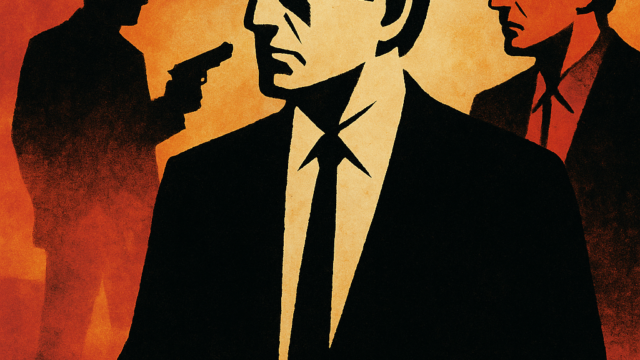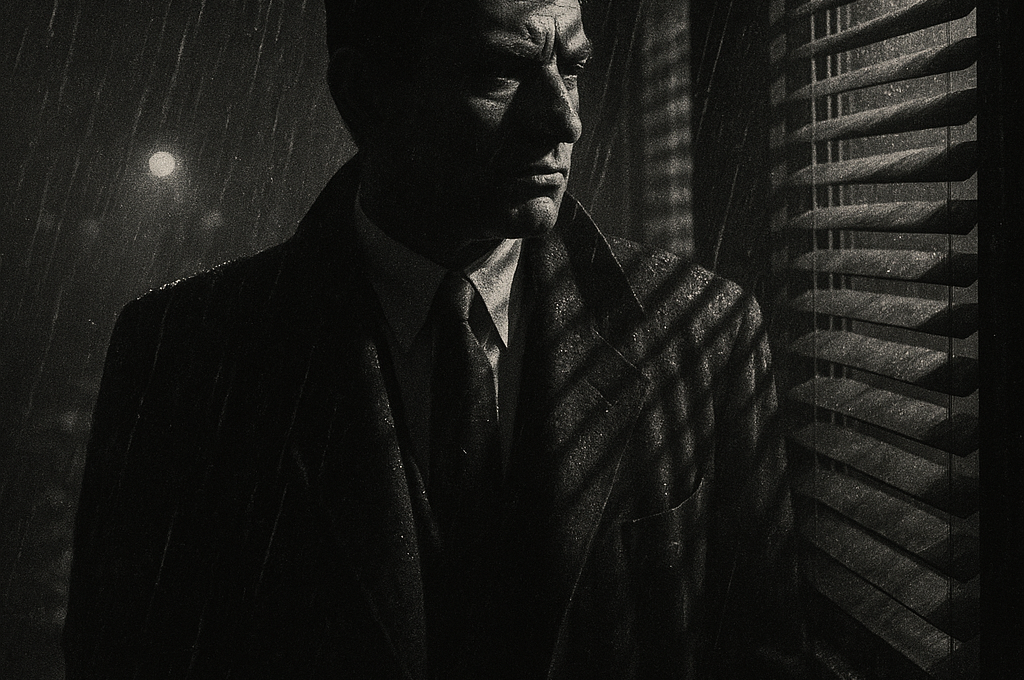
The critical reception of Martin Scorsese’s *Casino* upon its release highlighted a fascinating duality. While Siskel critiqued the film as a rehash of Scorsese’s established gangster tropes, Ebert hailed it as a breakthrough, emphasizing its unique exploration of character dynamics. This stark contrast in perspectives mirrors the film’s own dramatic opening: a seemingly composed Ace Rothstein driving to his doom, followed swiftly by the brutal reality of Nikki Santoro’s explosive violence. As explored in “FMC 012: The Movie Casino directed by Martin Scorsese,” this compelling duality is woven into the intricate craft behind Scorsese’s epic, inviting a closer look at its enduring power.
Crafting the Narrative: Visual Storytelling and Pacing
Scorsese establishes a distinct visual language from *Casino*’s opening frames, immediately differentiating it from his earlier works while still bearing his unmistakable signature. The film launches with a grandiose explosion, Ace Rothstein’s car tumbling in slow motion, suspended in air against a backdrop of Vegas lights, all set to the classical strains of Bach. This sequence isn’t just visually arresting; it’s a deliberate statement of excess and impending doom. Yet, before the audience can fully settle into this operatic imagery, Scorsese jarringly cuts to the visceral reality of Joe Pesci’s Nikki Santoro brutally stabbing a man with a pen, a stark reminder that beneath the opulent veneer lies a world of ruthless violence. This juxtaposition is key to *Casino*’s identity, promising both spectacle and grim reality.
A crucial element in managing *Casino*’s sprawling 3-hour runtime and dense informational content is Scorsese’s dynamic camera work. Rather than allowing the extensive exposition on casino operations and mob politics to become static or tedious, the camera itself becomes a restless narrator. Throughout scenes explaining the intricate systems of the Tangiers casino, for instance, Scorsese employs rapid swish pans and quick cuts, darting between pit bosses and surveillance monitors. This constant motion not only maintains visual engagement but also serves a narrative function, illustrating the pervasive paranoia and meticulous oversight inherent in the mob’s control. The seamlessness of these cuts, noted by the film’s editor Thelma Schoonmaker, speaks to Scorsese’s pre-visualization and deep understanding of how each shot will contribute to the whole, a testament to his own background as an editor.
The film’s use of dual voiceovers, with both Ace Rothstein (Robert De Niro) and Nikki Santoro (Joe Pesci) narrating, further enriches the storytelling. While traditional filmmaking often cautions against voiceovers as a narrative crutch, here they elevate the film to a “docu-film” quality, offering intimate glimpses into the characters’ inner monologues and conflicting perspectives. Ace’s voiceover explains the complex inner workings of the casino and the mob’s rationale, while Nikki’s offers a raw, unfiltered view of his volatile nature and how he perceives his place in the world. This narrative technique allows for a deeper exploration of themes like greed, control, and the illusion of paradise, depicting the characters as almost god-like figures who, having amassed everything, ultimately lose it all in a cycle of excess—a cycle visually underscored by the film’s opulent lighting, lavish musical choices, and relentless pace.
The visual narrative extends to the meticulous details of costume design, which become silent storytellers for the characters’ journeys and evolving statuses. Ace Rothstein’s wardrobe, for instance, is a testament to his meticulous, almost obsessive-compulsive personality. His impeccably tailored suits, often in pastel pinks and creams, with perfectly dimpled ties, embody his desire for order and control. These costumes visually reinforce his analytical approach to life and his role as the casino’s detached, calculating manager. In contrast, Sharon Stone’s Ginger McKenna sees her attire evolve from powerful, shoulder-padded coats that signify her early assertiveness and ambition to leather outfits that symbolize her “wild animal” nature, untamed and resistant to confinement. As her life spirals, her clothing choices reflect her increasing vulnerability and recklessness, painting a vivid picture of her decline. These deliberate aesthetic choices don’t merely adorn the characters; they enhance their psychological depths and underscore the film’s overarching themes of power, excess, and the eventual disintegration of a carefully constructed facade.
Beyond the Glamour: Performance, Authenticity, and Consequence
While *Casino* revels in its visual opulence, its true power emanates from the raw, authentic performances and the unflinching portrayal of moral consequence. Joe Pesci’s Nikki Santoro is a volcanic force, a “monster” whose casual brutality drives much of the film’s narrative. His performance is so intensely believable that, as noted in the podcast, even the film’s director chose to focus on Nikki’s actions rather than the explicit gore, allowing the audience’s imagination to fill in the horrifying details. Pesci’s ability to embody a character who kills without remorse, driven by pure ego and short-sighted aggression, grounds the film’s violence in a terrifying realism, underscoring that in this world, nobody is safe, and consequences are inevitable.
Sharon Stone’s portrayal of Ginger McKenna stands as a pivotal counterpoint to the male-dominated narrative. Her casting itself reveals Scorsese’s dedication to eliciting profound performances. Stone’s ambition to work with Scorsese and De Niro led to a casting process where she was initially hesitant to fully embrace Ginger’s volatile nature. Scorsese’s direct encouragement to “go all in” for her audition was a turning point, unleashing a performance of manic energy and raw vulnerability that earned critical acclaim. Stone’s immersive method acting, where she reportedly felt she was “coming out of her body” during intense scenes and needed Scorsese’s physical presence to stay grounded, speaks to the profound emotional toll of the role. Her post-film depression, a common experience for actors who fully inhabit complex characters, further illustrates the depth of her commitment. This dedication to authentic, often unsettling, character work is a hallmark of Scorsese’s direction, where actors are given the space to truly explore and embody their roles, resulting in performances that resonate long after the credits roll.
The film’s authenticity is further bolstered by Scorsese and screenwriter Nicholas Pileggi’s commitment to capturing genuine dialogue. Pileggi, who was writing the *Casino* book concurrently with the film’s production, meticulously recorded conversations with real-life mob associates. This invaluable resource allowed the script to reflect the true cadence and nuances of their speech, lending an unparalleled realism to the character interactions. As the podcast highlights, this meticulous research sets *Casino* apart from generic gangster movies, grounding its characters and their world in a lived reality. This dedication ensures that the violence and its far-reaching consequences are portrayed not as sensationalized events, but as integral parts of a specific, brutal lifestyle. The ending for characters like Nikki and Ace, who ultimately face brutal ends or diminished existences, serves as Scorsese’s unflinching statement: in a world of excess and unchecked ambition, violence always catches up, and the illusion of control crumbles.
The narrative is brilliantly punctuated by moments of visual and emotional tension that visually illustrate the characters’ unraveling. The tragic relationship between Ace and Ginger is frequently showcased through such moments. One particularly poignant scene sees a drunk Ginger stumbling through their luxurious home in the early morning, desperately searching for another drink while a guest is present. Ace, still in his flamboyant pink wardrobe, attempts to regain control, trying to guide her away, but Ginger fiercely pulls away, her struggle reflecting her inner turmoil and loss of self. As she descends a staircase, she visibly misses a step, a subtle yet powerful visual metaphor for her life spiraling out of control. These seemingly minor details, captured with precision, reveal the deep dysfunction of their relationship and the erosion of Ace’s once-impenetrable control. Scorsese’s direction often allows these moments to breathe, cutting on raw emotion rather than strict dialogue cues, letting the actors’ nuanced reactions convey the weight of their crumbling world. This approach, alongside the film’s commitment to authentic character portrayal and realistic consequences, solidifies *Casino*’s status as a profound examination of the darker side of the American dream.
Questions Worth Asking
- How does Scorsese manage to make a 3-hour film packed with information feel dynamic and engaging rather than overwhelming?
- Scorsese masterfully uses dynamic camera work, such as rapid swish pans and quick cuts, to keep the audience visually engaged. Combined with dual voiceovers from Ace and Nikki, he provides extensive exposition without sacrificing narrative momentum, creating a docu-film feel that pulls you into the story.
- In what ways does Sharon Stone’s performance as Ginger McKenna challenge and subvert typical female roles in gangster films, as interpreted by Siskel and Ebert?
- While Siskel saw Ginger as a rehash of familiar tropes, Ebert viewed her as a “wild card” who couldn’t be controlled, a departure from Scorsese’s usual female characters. Stone’s commitment to playing Ginger with manic intensity and raw vulnerability subverts expectations, portraying a woman whose independent spirit, however self-destructive, directly contributes to the mob’s downfall.
- How does *Casino*’s commentary, described as “thoughts” and “pieced together,” provide a unique insight into the filmmaking process compared to a traditional technical commentary?
- The commentary, a compilation of interviews and reflections, offers less technical detail about specific shots and more about the backstories, character motivations, and personal experiences of the cast and crew. This narrative style gives a broader, more humanistic understanding of the film’s context and development.
- Beyond the overt violence, how does Scorsese visually and narratively convey the breakdown of trust and control within the mob hierarchy and Ace’s personal life?
- Scorsese uses subtle visual cues, such as Ace’s increasingly unkempt appearance contrasting with his early meticulousness, or Ginger’s evolving wardrobe reflecting her loss of status and self-control. Narratively, the dual voiceovers highlight the conflicting perspectives that erode trust, while scenes of quiet desperation and betrayal underscore the inevitable crumbling of relationships and power structures.
Further Viewing & Reading
- *Goodfellas* (1990): Another Martin Scorsese masterpiece starring Robert De Niro and Joe Pesci, this film offers a fascinating parallel to *Casino*. It’s essential for understanding Scorsese’s recurring themes of mob life, ambition, and betrayal, showcasing his distinctive style in a slightly different narrative context.
- *Raging Bull* (1980): Directed by Scorsese and featuring a transformative performance by Robert De Niro, this black-and-white biopic explores themes of toxic masculinity, self-destruction, and the brutal consequences of uncontrolled rage. It shares *Casino*’s raw intensity and unflinching character study.
- *The Wolf of Wall Street* (2013): Scorsese again directs a sprawling epic of excess and moral decay. While set in the world of high finance rather than the mob, it shares *Casino*’s exploration of unchecked greed and ultimate downfall, presented with a more frenetic and contemporary pacing.
- *Wiseguy: Life in a Mafia Family* by Nicholas Pileggi (1985): The non-fiction book that served as the basis for *Goodfellas*. Reading Pileggi’s investigative work provides a deep dive into the real-life gangster culture that Scorsese so meticulously portrays in his films, offering crucial context for *Casino*’s authenticity.
- *Easy Riders, Raging Bulls: How the Sex-Drugs-and-Rock ‘N’ Roll Generation Saved Hollywood* by Peter Biskind (1998): This book offers a comprehensive and engaging look at the New Hollywood era, where directors like Scorsese rose to prominence. It provides valuable insight into the cultural and cinematic landscape that shaped his distinctive vision and influence.