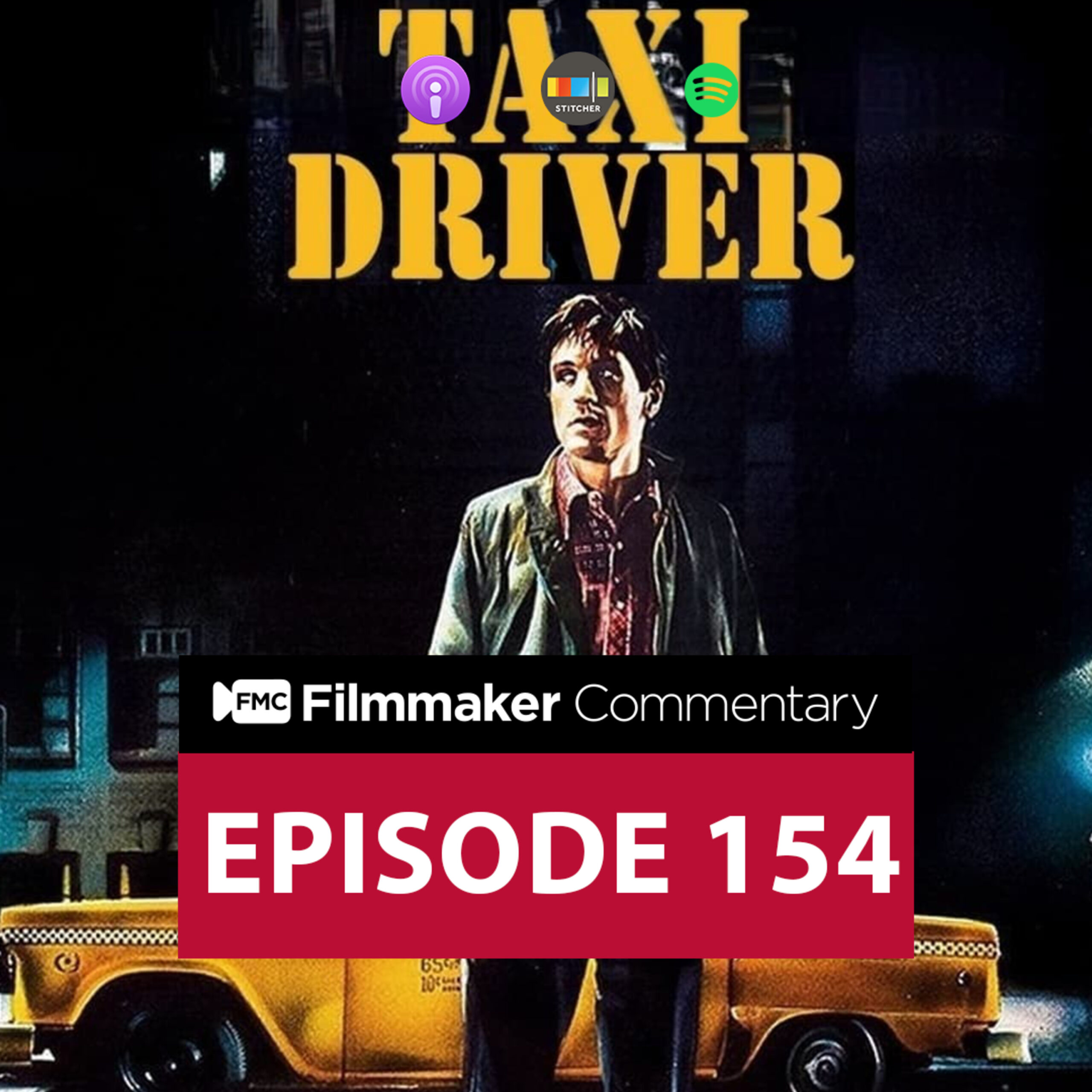
Dive deep into Martin Scorsese’s iconic 1976 film, Taxi Driver, as Reginald Titus Jr. and Casey G. Smith unpack its gritty portrayal of urban alienation and violence. This episode explores why a film Scorsese himself doubted would succeed became a cinematic touchstone, earning multiple Oscar nominations and the prestigious Palme d’Or.
Join the hosts as they dissect Taxi Driver‘s controversial themes, historical context, and enduring relevance, offering insightful commentary on its impact on film and culture. Discover the unique filmmaking choices that defined an era and continue to spark conversation today, all on Filmmaker Commentary.
What We Cover
- The film’s surprisingly modest budget and impressive box office performance, alongside its critical acclaim and numerous awards.
- The gritty, dark, and lonely tone of 1970s New York City, shaped by events like Watergate and the Vietnam War, and how it influenced the film’s narrative.
- Director Martin Scorsese’s distinct visual style, including his use of specific lenses and voice-overs, to immerse viewers in Travis Bickle’s distorted perspective.
- The controversial themes of racial prejudice, vigilantism, and social isolation, and how the film’s violence garnered significant pushback.
- Bernard Herrmann’s final, tension-building score and its evocative use of horns to underscore Travis’s unwavering resolve.
- Why the film, despite its bleak subject matter, continues to resonate with contemporary audiences and its connections to modern narratives of alienation.
Key Moments
- 0:40 The surprising budget and box office success of Taxi Driver, despite Martin Scorsese’s initial doubts.
- 2:40 Discussion of the film’s critical reception and numerous accolades, including its Palme d’Or win at Cannes.
- 4:00 An in-depth look at the socio-political climate of the 1970s that inspired the film’s dark and gritty atmosphere.
- 17:55 Casey G. Smith and Reginald Titus Jr. share their personal likes and dislikes about the film, including its unflinching portrayal of violence and racial undertones.
Gear & Films Mentioned
- Films: Taxi Driver, Re-Animator, Rocky, Joker, Falling Down, Watchmen, Inside Man, Atlanta, Kill Bill, Birth of a Nation.
- Directors: Quentin Tarantino, Spike Lee, John Singleton.
- Actors: Robert De Niro, Jodie Foster, Cybill Shepherd, Samuel L. Jackson, Robert Downey Jr.
- Composer: Bernard Herrmann.
- Equipment: 600mm lens.
Listener Questions
- How did the turbulent political and social landscape of the 1970s directly shape the themes and tone of Taxi Driver?
- What specific filmmaking techniques did Martin Scorsese employ to immerse the audience in Travis Bickle’s increasingly detached and violent reality?
- How does Taxi Driver‘s exploration of alienation and radicalization remain relevant to contemporary society, despite being set nearly 50 years ago?