Step into the unsettling, yet captivating world of Yorgos Lanthimos’s “Bugonia” as we dissect its polarizing reception and Oscar buzz. This episode of Filmmaker Commentary offers a unique perspective from filmmakers on what makes this unconventional sci-fi thriller a potential masterpiece. Prepare for a deep dive into its unique vision, compelling performances, and the bold choices that defy traditional cinema.
Episode Highlights & Timestamps
- 01:10 – The hosts debate the effectiveness of “Bugonia’s” abstract title versus more commercial, straightforward titles, highlighting the film’s art-house intent.
- 05:35 – A rundown of “Bugonia’s” impressive Oscar nominations, including Best Actress for Emma Stone, Best Picture, Adapted Screenplay, and Achievement in Music.
- 31:16 – A detailed discussion on the film’s polarizing ending, exploring how it masterfully subverts audience expectations and leaves a lasting impression.
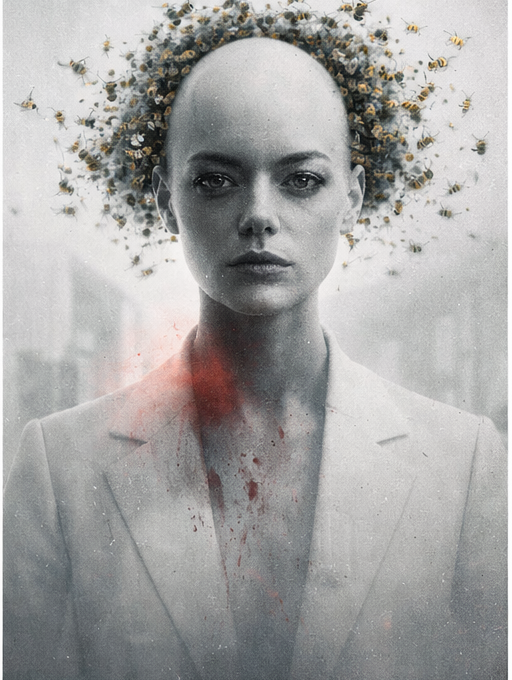
- 41:06 – Insight into the unique musical score by Jerskin Fendrix, composed without seeing the script or film, guided only by three words: “bees, basement, spaceship.”
- 47:04 – An analysis of the visual storytelling and filmmaking techniques, from the juxtaposition of characters’ worlds to the deliberate use of wide-angle shots and tracking.
The Deep Dive
Yorgos Lanthimos is a name synonymous with peculiar, often unsettling cinema, and his latest offering, “Bugonia,” appears to be no exception. The Filmmaker Commentary podcast episode dedicated to this film delves into why it’s generating so much buzz, including multiple Oscar nominations, despite its polarizing nature. From its ambiguous title to its audacious ending, “Bugonia” challenges audiences to rethink their perception of storytelling.
The Art of Ambiguity: Titles and Tone
One of the first points of contention discussed is the film’s title itself. In a world where commercial success often hinges on clear, concise movie titles, “Bugonia” stands out. The hosts ponder whether an abstract title helps or hinders a film, especially one aiming for mainstream recognition. For Lanthimos, whose partnership with Emma Stone has solidified his art-house niche, an ambiguous title like “Bugonia” or “Poor Things” seems intentional. These films prioritize artistic expression and thematic depth over immediate box office appeal, appealing to an audience more interested in the “art of the film, the meaning, the message, the experience.”
This approach extends to the film’s overall tone, a darkly humorous science-fiction narrative that embraces absurdity. The hosts note that Lanthimos excels at crafting a unique blend of genres, making “Bugonia” feel both familiar and distinctly alien. This tonal tightrope walk is crucial to the film’s identity, allowing it to explore complex themes through a visually striking and often uncomfortable lens.
A Deep Dive into Visual Storytelling and Cinematography
The podcast highlights “Bugonia’s” visual mastery. Filmed on VistaVision, the cinematography offers a rich, almost vintage aesthetic, creating a disconnect between the film’s modern themes and its timeless look. Lanthimos and his team employ wide-angle shots that reveal more of the scene than typically seen, including ceilings in interior shots, drawing the audience deeper into the environment. The use of static and tracking shots allows characters to “live” within the frame, enhancing the sense of realism despite the fantastical plot. This deliberate control over the camera’s movement ensures that every visual choice serves the narrative, contributing to the film’s distinctive style.
The hosts emphasize the powerful use of juxtaposition in the film’s visual language. Early scenes contrast Teddy and Donnie’s dilapidated world with Michelle’s opulent, privileged existence. This immediate visual divide sets the stage for the conflict and thematic exploration of class, paranoia, and perceived threat. Even subtle visual cues, like the characters’ workout routines, are meticulously crafted to underscore their differences and motivations, creating a rich tapestry of subtext.
The Auditory Landscape: Music and Sound Design
Jerskin Fendrix’s score for “Bugonia” is a standout element, earning an Oscar nomination. Remarkably, Lanthimos tasked Fendrix with composing the score using only three words – “bees, basement, spaceship” – without prior access to the script or film. This unconventional approach led to a “haunting” and “intrusive” score that perfectly complements the film’s unsettling atmosphere. The music often punctuates key moments with “sudden, intruding sweeps of horns and strings,” amplifying the emotional weight and maintaining a state of anticipation for the audience. This unique collaborative process between director and composer exemplifies Lanthimos’s commitment to pushing creative boundaries.
Themes That Sting: Paranoia, Desperation, and Social Commentary
At its core, “Bugonia” is a film steeped in paranoia and desperation. The central premise revolves around two conspiracy theorists who kidnap a CEO, convinced she’s an alien bent on destroying humanity. This premise alone sets the stage for a narrative that delves into the psychology of belief, the dangers of echo chambers, and the fine line between conviction and delusion. The podcast draws parallels between the film’s themes and contemporary societal issues, particularly how algorithms feed into existing biases, trapping individuals in “echo chambers” of their own making.
The film also explores the theme of “dichotomy” through its lead characters, Teddy and Donnie. Their contrasting personalities – Teddy as the driven, if misguided, leader and Donnie as the slow-witted follower – highlight the various facets of human nature under duress. The movie pushes these characters to extreme lengths, leading to acts of violence and desperation that challenge audience perceptions of right and wrong. The hosts praise the film for subverting expectations, particularly with its ending, which refuses to offer easy answers or conventional closure. Instead, it commits fully to its unsettling vision, leaving viewers to grapple with its implications long after the credits roll.
In conclusion, “Bugonia” is more than just a bizarre sci-fi film; it’s a meticulously crafted piece of cinema that blends dark humor, social commentary, and psychological tension into a thought-provoking experience. Lanthimos’s willingness to embrace ambiguity and challenge narrative conventions, supported by stellar performances and an unforgettable score, firmly plants “Bugonia” as a significant, albeit divisive, contender in the contemporary film landscape.
Gear & Resources Mentioned
- **Films:**
- Bugonia
- Smash Machine
- Poor Things
- Fast & Furious 10
- Marty Supreme
- Sinners
- Firefly (TV show and movie)
- Reminders of Him
- The Bride
- Black Adam
- Slanted
- The Substance
- Soul Man
- One of the Guys
- Schitt’s Creek
- **TV Shows:**
- Firefly
- Stranger Things
- Dollhouse
- Homeland
- Terminator: The Sarah Connor Chronicles
- Comedians in Cars Getting Coffee
- Schitt’s Creek
- Black Mirror
- **Platforms:**
- YouTube
- Netflix
- Peacock
- Hulu
- Tubi
- Roku
- On Demand
- Zumo
- Vizio
- HBO
- **Filming Equipment/Tech:**
- VistaVision film
- GoPros (humorous mention)
- **Organizations/Awards:**
- Academy Awards (Oscars)
- Golden Globe Awards
- Emmys
Click here to read the full episode transcript