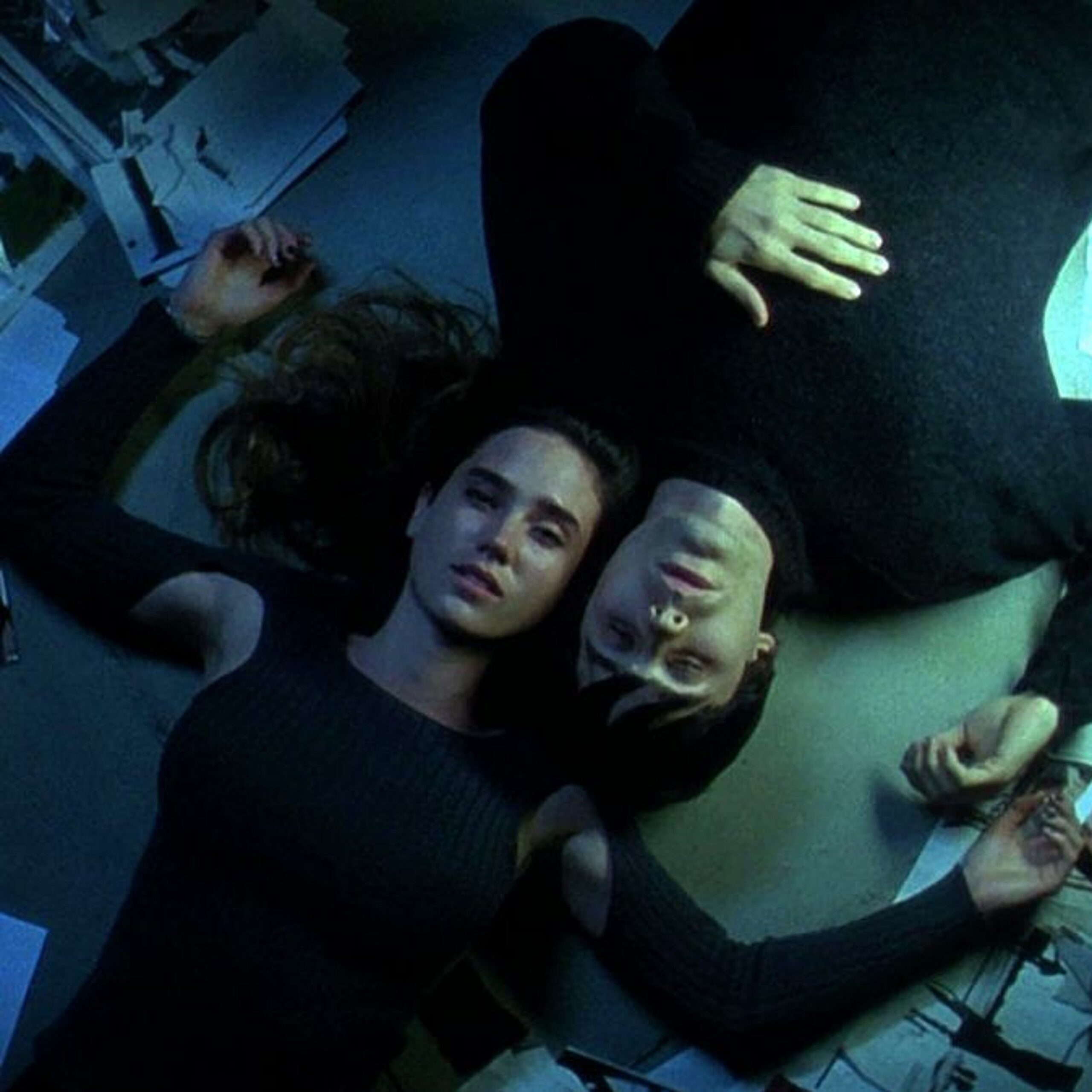
This episode of Filmmaker Commentary dives deep into Darren Aronofsky’s intense 2000 film, Requiem For A Dream. Join hosts Reginald Titus Jr. and Casey G. Smith as they dissect Aronofsky’s bold cinematic choices, from striking visual techniques to the film’s unflinching exploration of addiction, obsession, and the devastating pursuit of an unattainable dream. Discover how Aronofsky masterfully blends sound, color, and raw performance to create a truly unforgettable and impactful viewing experience.
What We Cover
- The raw and uncomfortable themes of Requiem For A Dream, including addiction, obsession, escapism, and the film’s deliberate lack of a happy ending.
- Darren Aronofsky’s ambitious directorial style, showcasing unique montages, deliberate color theory, and groundbreaking camera techniques to enhance the storytelling.
- How Aronofsky navigated filmmaking constraints, including budget limitations and an initial NC-17 rating, to bring his uncompromising vision to the screen.
- The powerful role of Clint Mansell’s haunting score and innovative sound design, including sampled Bruce Lee effects, in conveying the film’s emotional weight.
- Insights into how Aronofsky drew from personal experiences and challenged Hollywood norms to craft a deeply personal and uncompromising film.
- A discussion on the perceived “timelessness” of films and the challenges of creating it, using Requiem For A Dream‘s aesthetic as a case study.
Key Moments
- [08:55] A spoiler warning precedes a deep dive into Darren Aronofsky’s powerful quote on addiction and the visual manifestation of Harry’s deteriorating arm.
- [01:42:00] Aronofsky’s surprising optimism during his December 2000 commentary, two months after the film’s release, where he even casually mentions seeing the Twin Towers in a scene.
- [01:53:00] The hosts recount the memorable and darkly humorous scene featuring a deaf drug dealer, whose unique communication adds an unexpected layer to the film’s narrative.
- [02:29:00] Ellen Burstyn’s raw and powerful improvised monologue, where she channels her character Sarah’s desperation, is highlighted as emotional performance.
Gear & Films Mentioned
- Films: Requiem For A Dream (2000), Pi (1998), Tag (2018), Jurassic World: Fallen Kingdom (2018), Jurassic Park (1993), Schindler’s List (1993), Airplane! (1980), Napoleon Dynamite (2004), Pulp Fiction (1994), Birdman (2014), The Incredibles (2004), The Incredibles 2 (2018)
- Music/Sound: Kronos Quartet, Clint Mansell
- Companies/Institutions: Sundance Institute, Amoeba Proteus (visual effects company)
- People: Darren Aronofsky (Director), Marlon Wayans (Actor), Ellen Burstyn (Actor), Jared Leto (Actor), Jennifer Connelly (Actor), Blake Snyder (Screenwriter, Author of Save the Cat!), Matthew Libatique (Cinematographer)
Listener Questions
- How did Darren Aronofsky manage to get Requiem For A Dream made, despite it not being designed as a commercial box office success?
- What cinematic techniques did Aronofsky employ to create such an an unsettling atmosphere and sense of discomfort in Requiem For A Dream?
- What are the challenges for filmmakers aiming to create a “timeless” visual style in their movies, especially in an era of rapid technological change?