June 6, 2026
F
Filmmaker Commentary
  • Home
  • About
  • Episodes
  • Film
  • TV
  • Home
  • About
  • Episodes
  • Film
  • TV
Podcast

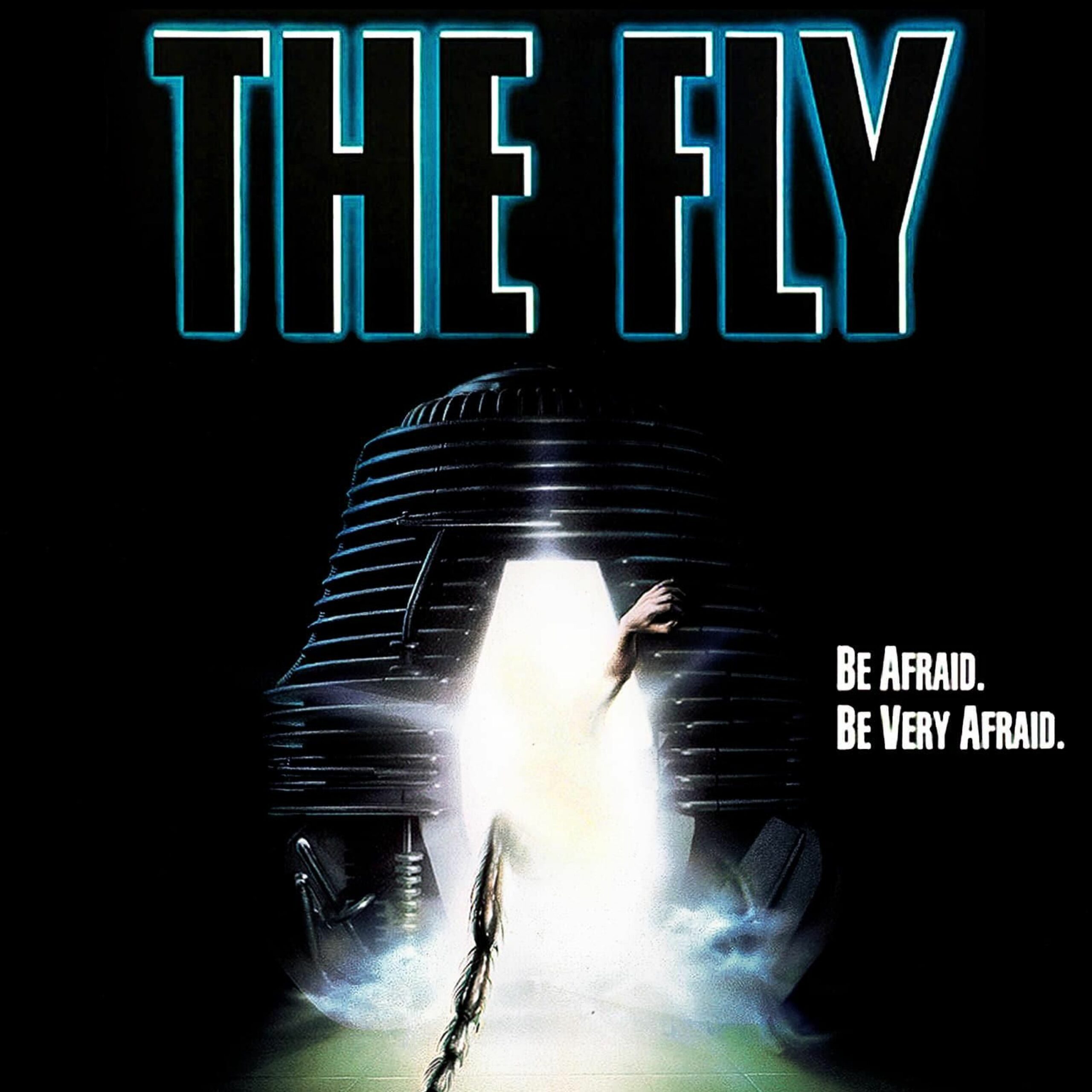
FMC 027: The Fly Directed by David Cronenberg

May 18, 2026
Listen on Apple Spotify YouTube
Listen to this episode
Your browser does not support the audio element.
Also on Apple Spotify YouTube

This episode is a fascinating deep dive into David Cronenberg’s 1986 masterpiece, The Fly, offering not only a breakdown of the film’s terrifying practical effects and complex themes but also venturing into broader industry discussions about creative integrity and navigating public perception in the digital age. You’ll gain a fresh appreciation for this horror classic and discover surprising behind-the-scenes insights.

What We Cover

  • A detailed synopsis of The Fly, exploring its blend of sci-fi horror with a deeply tragic love story.
  • The hosts’ initial, often shocking, experiences watching the film as children versus revisiting it with adult perspective.
  • The enduring quality of the film’s practical effects and Jeff Goldblum’s mesmerizing, physically demanding performance.
  • A look at the unexpected emotional depth of the narrative, highlighting its themes of transformation, isolation, helplessness, and mortality.
  • An in-depth discussion on the controversy surrounding director James Gunn’s past social media comments and its implications for creators in Hollywood.
  • A heartfelt tribute to the late film critic and director John Schnepp, acknowledging his contributions to the film community.
  • Behind-the-scenes stories from The Fly‘s production, including the dynamic between real-life couple Jeff Goldblum and Geena Davis.
  • An exploration of Cronenberg’s unique directing style, the technical challenges faced by the crew, and the extensive Blu-ray special features.

Key Moments

  • 02:46 – The hosts recount their vivid, often chilling, first encounters with The Fly as young viewers.
  • 07:24 – A breakdown of the film’s surprising turn into a poignant, tragic love story.
  • 1:03:00 – The news segment kicks off with a spirited debate about James Gunn’s firing and the evolution of social media.
  • 2:51:00 – A moving segment dedicated to remembering the life and legacy of John Schnepp.
  • 3:19:00 – The hosts revisit the film’s most visceral and famously gross practical effects.
  • 5:21:00 – Discover how Jeff Goldblum and Geena Davis’s off-screen relationship profoundly shaped their on-screen chemistry.
  • 6:03:00 – Insights into Jeff Goldblum’s meticulous character preparation and the extensive, Oscar-winning makeup process.
  • 7:33:00 – A deeper exploration of the intense emotional impact the film’s narrative has on its audience.

Gear & Films Mentioned

  • The Fly (1986)
  • Unbreakable
  • Split
  • Glass
  • Aquaman
  • Justice League
  • Batman
  • Wonder Woman
  • Superman
  • Solo: A Star Wars Story
  • Ant-Man
  • Guardians of the Galaxy (franchise)
  • Thor: Ragnarok
  • Space Ghost Coast to Coast
  • Aqua Teen Hunger Force
  • Metalocalypse
  • The Death of Superman Lives: What Happened? (documentary)
  • DVDs
  • Blu-rays
  • HBO
  • Netflix
  • IMDb
  • Twitter
  • GoFundMe
  • Troma Studios
  • Collider (Movie Talk, Heroes)

Listener Questions

  • What makes The Fly a groundbreaking horror film beyond its visual effects?
  • How did David Cronenberg’s personal experiences and directing philosophy influence the themes of transformation and mortality in the movie?
  • What can filmmakers learn about effective practical effects and character development from The Fly’s production?

Full Transcript

Read the full transcript

Full Episode Transcript
This episode of Filmmaker Commentary revisits David Cronenberg's 1986 body horror classic "The Fly," exploring its enduring impact, behind-the-scenes insights, and the tragic love story , alongside discussions on recent film industry news and a heartfelt tribute to creative community figure John Schnepp.

Opening Discussion and Film Overview
Reginald Titus Jr.: Welcome, everybody. My name is Reginald Titus Jr., and I'm here with...
Casey G. Smith: Casey G. Smith.
Reginald Titus Jr.: Welcome back, sir.
Casey G. Smith: Good to be back, sir.
Reginald Titus Jr.: Okay. So, The Fly, 1986, The Fly. Yes. That's what we're going to be talking about today. If y'all have not heard of Filmmaker Commentary before, this podcast is dedicated to filmmakers, producers of movies. We listen to Blu-rays and DVDs, we listen to those commentaries so you don't have to. We take the gems out of that, we present it in a way so you it will help you with your films.
Casey G. Smith: And we talk spoilers. So, just a heads-up.
Reginald Titus Jr.: There will be spoilers. There'll be plenty of spoilers this go around, for sure. Back to The Fly, 1986. Let me read the synopsis real quick. "When scientist Seth Brundle completes his teleportation device, he decides to test its abilities on himself. Unbeknownst to him, a housefly slips in during the process, leading to a merger of man and insect. Initially, Brundle appears to have undergone a successful teleportation, but the fly's cells begin to take over his body. As he becomes increasingly fly-like, Brundle's girlfriend is horrified as the person she once loved deteriorates into a monster." The Fly.
Casey G. Smith: That's quite accurate. Yes. I agree. I agree.
Reginald Titus Jr.: So this film was directed by David Cronenberg. It won an Academy Award for Best Makeup. Budget was about, I pulled up 9 to 15 million.
Casey G. Smith: Mm-hm.
Reginald Titus Jr.: And the box office around 60 million.
Casey G. Smith: Domestic and international, yeah, that comes about 60 mil.
Reginald Titus Jr.: Usually I try to break it down, but when I was pulling up the numbers today, the server was down.
Casey G. Smith: Really? So I got 40 million US and then 20 million worldwide. So, yeah, 60.
Reginald Titus Jr.: Okay. That's a win.
Casey G. Smith: Yes. That's a that's a that's a that's a nice win, especially for it's I guess it is big budget, but it some of the early looks of it feel indie.
Reginald Titus Jr.: Yeah. At times. This is essentially a monster in the house movie. Very few, if you go like to IMDB, it's like six or seven people have, you know, just kind of listed like as main like cast people and it I'm just like, yeah, this is independent. It feels it feels that way.

Personal Experiences with The Fly
Reginald Titus Jr.: What did you how did you watch the film? When's the first time you've seen it?
Casey G. Smith: Hm.
Reginald Titus Jr.: How'd you watch it this time?
Casey G. Smith: So I first saw The Fly as a child, as an innocent child. Um, no, I I remember the first time seeing the film, I watched it with my parents, my my sister and I. I was, man, um, we were we we watched it maybe on HBO. Came out in '86, so I maybe saw it in '87 or '88. You know, our whole family was gathered around and we watched it. And yeah, I remember like just being like just like shocked, you know, shocked. Like, thought it was cool cuz I I was into I was into monsters and horror. I mentioned this before, I I would check out the books from the library and um, I'd check out the old Universal horror films, and I I remember seeing the old black-and-white images of the original Fly with Vincent Price and the huge head and the small claw. This year's heck wasn't that. This year's heck wasn't that. But but yeah, I remember I remember after seeing the film, going up uh upstairs. We lived we lived in a two-story home, and I remember, you know, whenever I'd see something scary and then having to make the walk up upstairs cuz it was always dark. I think the light switch was at the top. Oh. And uh, and just like scared. Like, yeah, I I I may have had a nightmare after the fact. But yeah, I remember I was I was uh yeah, a couple of days, couple nights there, I was scared. Had a couple maybe a couple nightmares. But yeah, but this time around, I I I got reintroduced to The Fly, maybe about four years ago. I saw it on Netflix. And I was really excited. I was like, oh, cuz I hadn't seen it, I hadn't seen it in a long time. Maybe maybe since my childhood.
Reginald Titus Jr.: Right.
Casey G. Smith: But a lot of it still stuck with me and just watching it, it all just came back. And I was like, man, but I had a new appreciation for it. You know, seeing the the dialogue, the performances. When I found it on Blu-ray about a year ago and saw all the features, I said, no, I've got to get this. So I scooped it up and and watched it then and then watching it again a couple days ago. I I don't I don't mind. It's it's shorter, it's it's it's not a really long film. I don't feel it's long. And it seems to it seems to run pretty quick. Yeah. And uh, I enjoyed that. Yeah, I enjoyed the pacing of it.
Reginald Titus Jr.: I appreciate that.
Casey G. Smith: How about you?
Reginald Titus Jr.: Same here, I was a child when I seen it. Um, but it probably would have been closer to like maybe '89, '90, like reruns on the like the little box, the cable box that we used to just rerun movies all the time. I used to go, uh, me and my sister used to go to our grandparents' house in San Angelo, Texas and there in the summer and just watch movies because like, you know, we didn't have like the cable box at the house, but going over there, they had the cable box, free cable. Um, and I think my granddad, he had like some kind of deal worked out where you could just watch movies like free almost.
Casey G. Smith: Yeah, the scrambler.
Reginald Titus Jr. (with Casey G. Smith): Yeah, the scrambler. He had something going on there. So like, we were able to watch all kinds of movies. So, that that's the only time I've seen it when I was But this movie is so like, it it's embedded in your brain once you watch it. Like those certain certain scenes just kind of stick with you forever and just like, that one's enough.
Casey G. Smith: I'm scarred.
Reginald Titus Jr.: Yeah, for real. And just kind of being like grossed out, but the the scenes I remember were like the the arm break.
Casey G. Smith: Yeah, man. So well done.
Reginald Titus Jr.: That was perfect. That's what I remember, and then, uh, of course, like the throwing up stuff. I forgot the guy threw up on, you know, the ex-boyfriend.
Casey G. Smith: I didn't forget that. I didn't forget that.
Reginald Titus Jr.: So that you know, and I'm talking about just going back from like, you know, I was like nine, ten, or however old I was when I watched this, um, and having those images still in my brain. Like, I still remember I remember him being on like, you know, on the ceiling and stuff like that. Those are the scenes I remember: the arm break, being on the ceiling, and throwing up. That's it.
Casey G. Smith: Mm.
Reginald Titus Jr.: It's all I remember. And um, watching this again, I just watched it all the way through, and it looks good. Like,
Casey G. Smith: Right?
Reginald Titus Jr.: Aesthetically, it's it's pretty darn good. It's better than some of the stuff that's out now. Yeah, from a lighting perspective.
Casey G. Smith: Yeah, it it I think I think it holds up. Even honestly, the practical effects,
Reginald Titus Jr.: Yeah.
Casey G. Smith: I think it holds up. Yeah. I think I think they hold up pretty I think they hold up pretty well. I mean, you know the guys are on the suit, it's not CGI, but man, they're
Reginald Titus Jr.: It's effective. It it's effective because because of the acting ability.
Casey G. Smith: Jeff Goldblum, man.
Reginald Titus Jr.: And he's just like, looks like an insect, so it just like, His movements and just, yeah. But we'll get more into that. Yeah, we'll get more into that. So yeah, so revisiting this film. So I watched it and then um, and then after watching it, the next I felt weird after watching it. Kind of sitting, cuz it was like late at night, I watched it. I was like, that's a pretty sad film.
Casey G. Smith: Yeah, right? It it does it's it's a love story. , it is it is a love story. And and the way it it ends, it's it's very much so. It's it's tragic.
Reginald Titus Jr.: Yeah.
Casey G. Smith: And you're like, oh, man. Because in the beginning, the guy is so likable. He's he's likable. He's like, ah, the nerd gets to, you know, he gets the girl.
Reginald Titus Jr.: Yeah.
Casey G. Smith: Good for you, nerd. Good for you. And she seems cool. It's like, okay, this is emerging love story and the and the ex-boyfriend is a creep. You're like, oh, this tool. But in the end, the nerd becomes the monster and the creep becomes like a hero. He's he saves her.
Reginald Titus Jr.: Yeah. You're like, well,
Casey G. Smith: Well, this oh, man, this ain't right.
Reginald Titus Jr.: It's just
Casey G. Smith: Yeah, it it's a sad ending. It's a tragic ending.
Reginald Titus Jr.: So yeah, so watch that. I was like, this is it sat with me for a little while. Like, this is this is terrible. It's gross. It's terrible everything. And then the the day after that, then I went and listened to the commentary, watched the documentaries and everything, and just kind of dove into that world for a little while.
Casey G. Smith: I appreciate that when a film can sit with you. You know, that you can't like when you sometimes you watch and you're instantly like, okay, I'm on to the next thing. But I like I like when something sits with you a bit. Whether it makes you uncomfortable or it makes you contemplate. I I to me that's effective. I I want I want a little bit of that from from certain films. Not every films, but certain films. And I I like when I'm surprised at times. And something you can kind of assume will be simple. Oh, this is just sci-fi or just horror and you see, no, those are just kind of the tropings around it. It it it's maybe a little bit confined because of the the genre, but it's I mean, it could be a play almost. And Cronenberg mentions that, it could be a play because there's really only three characters.
Reginald Titus Jr.: Yeah, and just the set pieces and how they were shooting it.
Casey G. Smith: Mm.
Reginald Titus Jr.: Um, the scene when he's cutting the steak and having her test it. Like, the way that the camera's moving, just like a wide angle, and it's just kind of just following them along. Every now and then they'll chop into a close-up just to probably cut around the continuity or whatever, but for the most part, it stayed in that wide angle.
Casey G. Smith: Yeah, and if you were doing a play, you you really only need three, you really only need three sets. You need his apartment/lab, you need her apartment, you need like the the office space where she and uh, what's the guy's name?
Reginald Titus Jr.: Her ex-boyfriend.
Casey G. Smith: Yes. Stathis. Oh, that was his name in the film. Stathis. Yikes. What a douchey name. Sorry.
Reginald Titus Jr.: So sorry if you have that name.
Casey G. Smith: Yes, sorry. I'm just referring to the character, Reginald. I don't know you personally. I'm sure you're nice. To all the other Stathes out there.
Reginald Titus Jr.: Right.

News Break: Industry Discussions
Reginald Titus Jr.: We are going to jump into a news break.
[Music plays]
Reginald Titus Jr.: All right. So, so James Gunn has come under fire for some of his remarks he made on Twitter. Have you heard about this?
Casey G. Smith: Absolutely.
Reginald Titus Jr.: What are your thoughts?
Casey G. Smith: Um, he didn't just come under fire. He was fired. He was fired by Disney, fired from the Guardians of the Galaxy franchise, which cinematically he built, he created. It's it's his his his storytelling, his music selections, his character development. I mean, he is he was integral to Guardians.
Reginald Titus Jr.: Yeah.
Casey G. Smith: Which is a cash cow for the Marvel Studios and for Disney. I went through and and looked at some of the comments that he had had made and these and these were from years back. I'd be lying if I didn't say it it was complicated, and I don't have mixed feelings about it. Number one, I wholeheartedly believe that a person can change. And I believe that I believe that people make mistakes. I mean, we all make mistakes. People people make mistakes and and do and say stupid things. We've all done and said stupid things that we wish we could take back. Uh, things that we wish and hope weren't on some kind of permanent record. Unfortunately, when Gunn made these comments back in, I want to say it was like what, '09 or some somewhere around there.
Reginald Titus Jr.: Yeah, it's a while back, yeah.
Casey G. Smith: Um, but the fact that they're on Twitter and on record, that's troublesome. And he said he was trying to be a provocateur then. He was a different person, that he was angrier then and clearly more cynical. And, you know, seeing seeing and hearing things about Gunn now, like I I remember hearing a a thing on the news where when he would go to cons, like he would, even if he'd been shooting for a while, he would make a point, even he could be home with his family, he would make a point to go to these conventions to see and greet people because he was so grateful for their support of uh of the Guardians franchise and he knew the impact that it had on people.
Reginald Titus Jr.: Oh, yeah.
Casey G. Smith: And so, that's why I think some of these actors, and people came came to his side. Like Dave Bautista, he was he was very vocal and said, you know, hey, James Gunn was supportive and so on and so forth. You know, a nice and caring people that I know. And Dave is going by the James Gunn that he knows now.
Reginald Titus Jr.: Right.
Casey G. Smith: And so, again, I believe people can change. Uh, and and Gunn, the way he handled the situation, I thought was very classy. He said, you know, he he apologized for what he did. He he wishes he could take it back. He he regrets he regrets it, and I I believe he's being sincere. At the same time, he understands Disney's position in having to to to to let him go. And I know there's been loads of of, you know, like I don't know, so many 100,000 people that have signed a petition to to bring him back on to the project.
Reginald Titus Jr.: Wow.
Casey G. Smith: I don't think Disney's going to move on this. Would I think it's right? I wish there were were a way where Disney maybe could have done like some NFL teams do where, you know, you you you fine somebody or you uh, you take some kind of disciplinary action. I think that would have been appropriate. I don't I don't think that he should have been I don't think that he needed to be booted off the franchise. I think they could have found a way to discipline him to show disapproval of his prior actions. But then you you have to contrast that almost immediately with the Roseanne situation.
Reginald Titus Jr.: Right.
Casey G. Smith: With her being fired. And of course, she's coming out and in and she's pissed about people supporting James Gunn. Well, she has a history of that.
Reginald Titus Jr.: She has a history of that. James Gunn's a completely different individual. It's his track record's a little different.
Casey G. Smith: Exactly.
Reginald Titus Jr.: I was introduced to James Gunn uh, through like the Troma um, if y'all familiar with Troma Studios based out of New York, under Lloyd Kaufman. Lloyd Kaufman, I believe, made a cameo in Guardians of the Galaxy the first one. It was like a prisoner. He's like, "Ahh, yeah," something like that. But uh, uh, Lloyd Kaufman is like a uh a Stan Lee to like B-movies.
Casey G. Smith: Oh, yeah.
Reginald Titus Jr.: And gave James Gunn like his first like gig as a writer for Troma Studios. And so, uh, Lloyd Kaufman did a whole series called, "Make Make Your Own Damn Movie." And I was introduced to James Gunn cuz he was like writing for, I believe it was Scooby-Doo, the cartoon, the movie that had came out. I think he was I think he was working on that. And so, it was like a whole home video just bringing you into James Gunn. He was like, hey, yeah, this is how you write. This He was just giving a lot of great advice, you know, and this is a while ago. It was a long time ago. It seemed like even then, uh, he came off as like a genuine person that was just um a fan of the craft and a fan, a movie fan and things like that, family man, all that stuff. So, vibes kind of seem into he coming from Troma Studios. If if y'all don't know, Troma Studios like has like the crudest their crudest jokes, uh, sensibilities, it's just it's terrible.
Casey G. Smith: Right.
Reginald Titus Jr.: And that's where that's the school that he comes from. So like, some of the stuff he said is like not even surprising to me.
Casey G. Smith: So you saying that kind of also brings up a point of of the way that Twitter has changed. Early iteration of Twitter and and somebody on on uh, I think Mark Ellis said this on Movie Talk that Twitter early on in the in those, you know, the the 2008s, 2009s early on, it was a place where people tested out material. Comedians would use it to test out jokes to see if they would land, to see how people would react to certain things. Whereas now in 2018, you know, people use Twitter for, you know, political and comments and social statements and all kinds of things. And so, to view something in '08 or '09 through a 2018 lens on Twitter is may not exactly be apples and oranges. Again, not to say you're not responsible for the things that you write because, I mean, you you are and you put it out in public. So, yeah, but yeah, it's it's a sticky situation. And I I I I I I feel I do feel I feel bad for James Gunn. His comments, let me be clear. His comments were were terrible.
Reginald Titus Jr.: Right.
Casey G. Smith: I I'm not defending his comments, neither is he. But I again, I wish there'd been another another way, another avenue. But again, because of the recent Roseanne thing, I think that added extra pressure.
Reginald Titus Jr.: Yeah, we're in an environment now where you have to be ultra PC for your old self. And so it's it's super weird. But I remember back in college, like uh, the college I went to, they said, be careful what you put online because it's there. It's there forever for anybody to see. They said that repeatedly while we were trying to get jobs coming out of graduation and this is like an example of that. It's like, hey, it doesn't matter. You said it, you said it. It is what it is.
Casey G. Smith: Well, even people going back and and being able to find things that were deleted.
Reginald Titus Jr.: That's a whole next level of hater. That's like a super hater.
Casey G. Smith: See, I agree. I agree. Did you see uh today that Ryan Johnson deleted something like 2,000
Reginald Titus Jr.: I can I can load of boatload of tweets.
Casey G. Smith: There's going to be an effect. There this ripple effect is going to go down. Cuz I thought about it. I was like, you know what? Maybe we shouldn't share everything, you know? Maybe like this is an environment where like things should be shut down.
Casey G. Smith: I already thought that. I mean, I I I only try to post positive impactful things. That's just me personally. I'm not I'm not going to If I had a bad day, I'm not posting about it. If I'm if I'm pissed at somebody, I'm not going to post that. Some people use their social media as just their outlet for any emotion that they're feeling.
Reginald Titus Jr.: Nope.
Casey G. Smith: Nope, not for me.
Reginald Titus Jr.: Nope, not today.
Casey G. Smith: Not today.
Reginald Titus Jr.: So yeah, man. I think directors, I think that sends a shockwave and then like uh Roseanne, she was responsible for a lot of stuff and you know, you put your hard work into this stuff and you're putting it in front of people and then you you your work itself is being scrutinized. Now you as a person's being scrutinized. Like, man, I can't have any we can't I can't have I can't put something out there we disagree on. I didn't do anything illegal. This is, you know, we're operating on the same thing, but uh you're held to a different standard when you're a public figure. So I think uh people probably should just act accordingly and just start shutting things down and just do the work.
Casey G. Smith: Yeah, and it becomes harder as you work, especially in the entertainment field, you work so hard to get there. There are so few places there. And even though now we have these new windows that are opening up and able to create your own work. If you want to be in a studio system and you want to play with some of the big dogs, again, like Disney who again, this Fox merger, I believe, is going to go down. And that just makes less places to go to get big, big gigs.
Reginald Titus Jr.: Oh, yeah, for sure.
Casey G. Smith: You you're going to want to make sure your nose is clean and that your your past is decent because um, yeah, stuff it's it's going down. So yeah, it's it's it's an unfortunate thing. It's a loss for the franchise and for the fans. Uh one of my buddies was telling me, oh, I'm not going to get my my Guardians trilogy cuz he loves the Guardians films and uh and again, there's there's so they're so James Gunn DNA.
Reginald Titus Jr.: Ah, yeah, I don't see anybody else doing it.
Casey G. Smith: Somebody I I heard rumors that maybe Taika Waititi might be jumping in. He's the one who directed Thor: Ragnarok, which I'm okay with that.
Reginald Titus Jr.: I could see that. Cuz I liked his humor in that one.
Casey G. Smith: And he won't be alone. Disney is a system. Marvel Studios is a system, man.
Reginald Titus Jr.: True.
Casey G. Smith: You just got to yeah, he won't be alone. And there's enough and this is the third iteration. So there's enough, I believe, history established with Guardians to the point where
Reginald Titus Jr.: characters are already developed and and actors already know the voices pretty well.
Casey G. Smith: And we saw them carry over into Infinity War. And we saw them being used by the Russo Brothers. So, I have confidence in Marvel Studios as a whole that they're still going to put out a great product. And yeah, so
Reginald Titus Jr.: Are they are they do for another movie?
Casey G. Smith: Yeah, Gunn Gunn was already writing the script for Guardians 3. He maybe had already finished it. They were in pre-production on Guardians 3.
Reginald Titus Jr.: Oh, that sucks. Yeah, that sucks.
Casey G. Smith: Well, moving right along. Trailers. Did you see the Aquaman trailer?
Reginald Titus Jr.: Yes.
Casey G. Smith: Yes, I did.
Reginald Titus Jr.: What are your thoughts?
Casey G. Smith: I'm excited about it. I'm excited about Aquaman as as a whole. You know, even sitting and thinking about it now, it's not one of those things where I had to watch, you know, 5, 10 times uh in in a row. Um, yeah, I I watched it once, watched it twice and I was like, okay. I'm at this point where with some of the the the DC, I think they call it the DC Universe now. With their films that um, again, I want I want it to do well. I'm excited to see it. But I wasn't overwhelmed overwhelmed by it. They're doing a lot of new things. James Wan is a great director. Jason Momoa has embraced the role as Aquaman. Yeah, I'm looking forward to it.
Reginald Titus Jr.: What about you?
Casey G. Smith: I wasn't excited. I wasn't moved.
Reginald Titus Jr.: Hm.
Casey G. Smith: I I saw it. I was like, what a waste of money.
[Laughter]
Casey G. Smith: Oh, wow.
Reginald Titus Jr.: But um, you know, I'm not
Casey G. Smith: How do you really feel, Reginald?
Reginald Titus Jr.: I will tell you the truth.
Casey G. Smith: Ask me questions, I tell you no lies.
Reginald Titus Jr.: There you go. I I just couldn't believe it was real because the thing is, in my brain when I think Aquaman, I think about uh Vincent Chase from Entourage. Remember he was Aquaman?
Casey G. Smith: I do. And that's so funny. That's like the for like, for a lot of people, that pops up for a lot of people. Aquaman's had a bad rap.
Reginald Titus Jr.: Yeah.
Casey G. Smith: He's had a bad rap the past like 15, no, longer than that. He's had a bad rap. Ever since Super Friends, he's had a bad rap. The way they portrayed him there, that branding has stuck. The guy who talks to fish. And it made some makes him made him look weak and and Family Guy has gotten in on the joke. They've got some funny.
Reginald Titus Jr.: Oh, yeah.
Casey G. Smith: Oh, you put in Family Guy, Aquaman, you'll find some funny stuff, some funny, funny stuff. But yeah, but they've but in other iterations like in the Justice League uh cartoon, they they use Aquaman with the long hair and and oh, he was a he was a beast in that one. You're like, okay, Aquaman. And then in the comics they've been working at revamping him. And so, them also them casting Momoa uh uh, you know, someone of someone descent as Aquaman makes a lot of sense. I'm like, these are these are people who are who are close to in and the water and I'm like, oh yeah. So, we'll see. So, you were not impressed.
Reginald Titus Jr.: No. Especially with the last film, The Batman had everything in there. You had Wonder Woman, you had Flash.
Casey G. Smith: Oh, Justice League.
Reginald Titus Jr.: Yeah. And that was okay. But, you know, they kind of failed in the CGI department and making the villain convincing. So, that kind of ruined it for me.
Casey G. Smith: Yeah, for a lot of people it did.
Reginald Titus Jr.: But I did enjoy like the Flash, um, that's like one of my favorite characters. I enjoyed the Flash, I enjoyed seeing Wonder Woman again. Her movie was off the chain. Seeing Superman, you know, that sequence, you know, where he
Casey G. Smith: Oh, that was my favorite part of the film.
Reginald Titus Jr.: Just the power Superman. I'm like, dude.
Casey G. Smith: That that one was pretty cool to see that, but there were just certain sequences that were good, but like as a film, not so much. And
Casey G. Smith: Then they had a whole mess of controversy around it, you know, two two directors and
Reginald Titus Jr.: That's right. That's right. I forgot about that. Yeah, um, that's always trouble. Anytime that's happening, trouble. Ain't that the same thing with the Solo movie, the Star Wars?
Casey G. Smith: Yeah, yeah. Uh, Lord and Miller and then uh Ron Howard stepped in to to finish it off.
Reginald Titus Jr.: Yeah, anytime that's going on, that's troubles.
Casey G. Smith: First Ant-Man still worked out though because you had right uh on it.
Reginald Titus Jr.: Edgar Wright.
Casey G. Smith: Edgar Wright, yeah. Really? Yeah. Oh, yeah, he was he was he was on it, working on it. But by the time it came around for him to take it further, his vision differed with Marvel Studios because they had been they were developing their universe at that point and there were certain things that had to be in it. And so that's that's where uh Peyton Reed stepped in and um, and people thought, oh, this is not going to work, but that worked fine. And, of course, he did the sequel as well, but that's one of the few instances where it it does work out.
Reginald Titus Jr.: And maybe because they their system is so they got it together and they can just kind of like, here you go.
Casey G. Smith: It's kind of
Reginald Titus Jr.: Place your director in, place your writer with other people that they they kind of got your back, I guess, you know?
Casey G. Smith: Yeah, they do. Even though they're they're they they're really director friendly because each director kind of really does get to bring their own vision. When you see how many actually are involved in actually writing the scripts. Um, I mean, just about just about I mean, a good chunk of them. I think Avengers is kind of the exception whether the whether the directors don't really write it. Like the Russos partner with ah, I can't think the name of the two writers on Avengers, and I I apologize because you guys do a fantastic job. I know Whedon, obviously he he wrote a lot of the first Avengers and and the second one. But, you know, Infinity War, there were two other writers on there. Uh who also I think worked on Cap Civil War with the Russos. So they they just got a good working relationship with those guys. But, you know, James Gunn, Peyton Reed, um, Ryan Coogler, you know, they they they put time put time in writing, at least co-writing their their scripts.
Reginald Titus Jr.: So yeah, so I don't know what to say about Aquaman. I I will buy a ticket, how about that? I will I will buy a ticket. If I'm wrong, I'll be like, hey, I was wrong.
Casey G. Smith: Fair enough.
Reginald Titus Jr.: But um, but the just judging from the trailer, it's just too much now. It's too much, you know, CGI, too much, you know, I just I don't know.
Casey G. Smith: And that's well, here's what Aquaman has uphill battle. It's all on the good chunk of it was underwater. So they're having to create effects and do things that haven't really maybe been done before. So, it's it's going to be interesting to see how that all pans out. Cuz you got to worry about hair moving and just, I mean, just extra levels of of detail um because of that. So, we'll see. Like I said, I'm I'm looking forward to it. Uh my excitement is it's somewhat tempered because again, I I haven't been raving about it and I haven't gone back and watched the trailer again since it it debuted at the con at San Diego Comic-Con.
Reginald Titus Jr.: Another trailer that I am excited about, Glass.
Casey G. Smith: Yes.
Reginald Titus Jr.: I was like, what? And then, on top of that, Glass is a M. Night Shyamalan movie. Uh with that guy, Samuel L. Jackson. I didn't know that Split was a part of this universe.
Casey G. Smith: Did you see Split?
Reginald Titus Jr.: I did not.
Casey G. Smith: Oh. See, that was the big that was the big, okay. Spoiler alert. Spoiler alert.
Reginald Titus Jr.: Okay.
Casey G. Smith: So, when Split came out, uh in the I think it came out October, maybe something like that, maybe October of last year. At the end of the film, almost like a post-credit scene, there's a scene in a diner and and people were talking about this guy who has who has escaped and and and is, you know, wrecked and reaped some havoc in the in the city and the camera pans out to a guy who's getting coffee and then it pans up and you see Bruce Willis and he's got a little name tag on like he's going to his security job. Everybody's like, oh, what?
Reginald Titus Jr.: And yeah, that was the that was one of the best kept secrets to that that he just in that moment just created, you know, the unbreakable universe, if you will. I like it.
Casey G. Smith: Yeah. And I had no idea.
Reginald Titus Jr.: So now, have some ideas on what to watch for the next film.
Casey G. Smith: Ah, what either Unbreakable or Split.
Reginald Titus Jr.: Okay. I own Unbreakable.
Casey G. Smith: I got it in my library.
Reginald Titus Jr.: That's a long movie.
Casey G. Smith: It is a long movie. Split Split is a decent decent is a decent length as well. But man, McAvoy's performance in that film, incredible. Absolutely incredible. Then we go cuz Split means a split personality. You saw from the trailer. And he's oh, he's a tour de force. Oh, that's what I went back and saw the trailer for Split. I was like, I guess I got to go back and I'm really dive into this.
Reginald Titus Jr.: That dude is acting.
Casey G. Smith: I know that's fun for those uh actors to do. I know they have a blast when they get to do all those characters and flex flex their muscles.
Reginald Titus Jr.: And yeah, he's dude, he's oh, man. This is the physicality of how we just he changes his physicality with each each person that he's playing with. He's playing, you know, the woman and he's oh, yeah, he's believable.
Reginald Titus Jr.: Now, that's a trailer I'm excited about.
Casey G. Smith: It's a whopper, ain't it?
Reginald Titus Jr.: And yeah, man, it's about storytelling. So, it it's cool to see uh M. Night Shyamalan kind of come back around, you know, because he was in movie jail for quite some time, man.
Casey G. Smith: Yeah.
Reginald Titus Jr.: Yeah, people were like staying away from this guy. Like,
Casey G. Smith: Oh, man. Yeah, that was that was that was a rough go, but kudos to him for just putting his head down.
Reginald Titus Jr.: Yep.
Casey G. Smith: And continue to work. Just continue to work. Continue to work on your craft, continue to crank it out, be humble, you know? I think that's important. Be humble. Get along with people, have people who who like you, but also produce quality work.
Reginald Titus Jr.: Mm-hm.

Remembering John Schnepp
Reginald Titus Jr.: Moving right along, you had a special announcement.
Casey G. Smith: Yes, so the creative community, the nerd community, the comic book community, the film community, the film punditry community lost someone very, very special this this weekend. A man by the name of Jon Schnepp. He was born May 16th, 1967, and he passed away July 19th, 2018, leaving behind his his fiancée Holly Payne, his his his fiancée and partner in life, but also in in film. He is the director of the documentary The Death of Superman Lives: What Happened? Uh, he was a uh a frequent host on uh Collider, on not only on Movie Talk, but he also actually hosted uh Collider Heroes. And Jon was so knowledgeable about, I mean, anything you wanted to know about about the comic book industry, about about films, not just new films, but even like old films. He could he could he could just wax poetic on those things. He he was a metalhead and he and he was an artist himself. That's the other thing that made Jon so special. He was an artist himself, graduate of the Art Institute of Chicago. Uh, he worked on things in the in the in the '90s like Space Ghost Coast to Coast, uh Aqua Teen Hunger Force. Worked on and and helped helped create Metalocalypse, was which was a a pretty popular show on Adult Swim. He was loved by so many people. So, if you if you are unfamiliar with Jon Schnepp, I I encourage you to uh one definitely check out his documentary. Uh he put a lot of his time and effort in crowdsourced that that film. But again, you can go to Collider and you can see some of the tributes to him and you can just see the raw emotion of of of of people, uh, in their love for for Schnepp. It was his it was his personality, it was his zeal for life, it was his ability to encourage people and and just he he's had an impact on on on me more so than I realized, uh Reginald. I found myself this weekend, I mean literally like, you know, tearing up for someone that I never met in person. But for like the past five years, I've been listening to things that he's been on. He helped me expand my my interest in if he recommended a a film or something like that, I was down to check it out. If he recommended a comic book, um, I was down to check it out based on his suggestions. I respected his opinion so much.
Reginald Titus Jr.: Wow. That's what's up.
Casey G. Smith: Yeah, he turned me on to several several new series and novels and and made me look look into more of Alan Moore's stuff and and check out graphic novels like Nemesis and Irredeemable. He he will be sorely missed. Uh, guys like Kevin Smith. Kevin Smith, you know, specifically spoke about Jon at at the Comic-Con because he passed away again during the San Diego Comic-Con. Like he was in the hospital, he had had a massive heart attack and um, just lost all brain function and it's just just a just a a loss. So, uh, thank you for allowing me to take the time just to to mention uh Jon. If you are familiar with Jon's work and if in some way you want to uh help out with like he's got, you know, massive medical bills that that his fiancée will be taking care of, you can go to their GoFundMe page and uh contribute to that. But yeah, I just to uh, you know, one thing that Jon used to always do on his show Heroes, whenever somebody prolific in music or just in the creative space would pass away, he would offer up a moment of silence. So, I just want to offer up a a moment of silence for uh the late great Jon Schnepp.
[Silence]
Casey G. Smith: All right.
Reginald Titus Jr.: All right, man. Um, that was very honorable. Yeah, thank you. Yes, sir.
Casey G. Smith: Yes, sir.

Return to The Fly & Final Thoughts
Reginald Titus Jr.: So, that's the end of our news break and we're going to dive right back into the show.
[Music plays]
Reginald Titus Jr.: So, The Fly from 1986. If you're just now tuning in, this is Filmmaker Commentary and we're talking about The Fly from 1986, directed by David Cronenberg. This is probably one of the grossest films I've ever seen.
Casey G. Smith: Yes. Yes, it is. Yes, it is. Unapologetically.
Reginald Titus Jr.: It's for example, fingernails that peel off and while juice shoots out into the mirror. Was that a dog that was inside out that uh when he went through or was it a monkey or
Casey G. Smith: That was the baboon. That was that was that was the first baboon.
Reginald Titus Jr.: It was inside out, the baboon. So baboon goes into the thing and it's inside out. The vomiting in order to eat. It's just like so many gross things in this film that
Casey G. Smith: It's science, Reginald. It's science. What do you want? It's science. Oh, man.
Reginald Titus Jr.: So, I I just didn't realize like how gross this was until I revisited it.
Casey G. Smith: It's funny you you mentioned that cuz in the commentary, you know, David Cronenberg talks about he had forgotten how uh how disturbing the film was. And apparently he hadn't watched it in in in in since the '80s. And this this takes place, uh I think maybe in the early this commentary seems to take place maybe early 2000s cuz he talks about there being like a 20-year period.
Reginald Titus Jr.: Yeah, yeah, yeah, so that's '86, 2006, yeah.
Casey G. Smith: Yeah, probably 2006 when he records this commentary and he says often he has times disconnecting himself from his previous works. Often when he sees them, it's like going through a documentary again and he's not really connected to it. He said, but this while he still had that documentary experience, still the film was able to affect him. And he said he was actually quite shaken afterwards. He just forgot how how dark it was. And he's made some I mean, Cronenberg film, you know, you're going to have some some crazy stuff going down, but with this one, yeah, man. And again, his effects are are so they're gross but they're so well done. I mean, man, they're so well done and there's so many of them and they're I don't know if you got a chance to see that deleted scene that I that I mentioned to you.
Reginald Titus Jr.: Oh, I forgot to look at it.
Casey G. Smith: Oh, Reginald. Oh, man.
Reginald Titus Jr.: It's all right. I got the Blu-ray.
Casey G. Smith: Yes. Oh, dude. Um.
Reginald Titus Jr.: I got to go back in. But in the in the documentary, I think they did show like a scene of him like holding holding up.
Casey G. Smith: Yeah, man. Well, there's so there's a whole extra scene where it it kind of it plays into right before he finds her and brings her back to the to the to the lab with, you know, the pregnant version of of of of Ronnie and he has that third teleportation pod set up. So there's a scene in between where after she's come to see him the last time and before he goes and gets her where he has, uh, he has a he has that baboon, his baboon, and he has a cat and he puts them both in pod one and pod two. And he puts in a a sequence on the computer and he fuses them together into the into that new third pod. And what comes out is this crazy hybrid baboon cat that jumps out of him and he's like, yeah, and he scratches him and and he ends up throwing it throwing it down into this mess and and eventually he ends up having to to beat it to death with a with a pipe. It looks a little cheesy. I that that that it looks a little cheesy. Yeah, but it's it's fully produced, though. Like, it was fully shot and produced and everything. But just the thing kind of looks a little almost too, it looks comedic, like to a degree. Like, uh, The first baboon that went through and it was shaking, it was kind of like suspect. It's like a few frames a little too much cuz it's the way it was shaking inside of it.
Reginald Titus Jr.: Yeah, it is gross. Yeah.
Casey G. Smith: Yeah. But yeah, so they they left it out. But it's
Reginald Titus Jr.: I'm glad they did that. They did not put that in. It's gross enough. Like, it does. Yeah.
Casey G. Smith: That that that did push it and they talked about wanting to have that balance where it does disturb but it doesn't go too far. And those those two scenes in cuz they're back-to-back, consecutive are a bit too much. They're
Reginald Titus Jr.: Yeah, I think people would be like, I'm done. I'm out. I'm out.
Casey G. Smith: Yeah. There was also supposed to be another scene with like a he where he confronts a bag lady in the streets and ends up like like melting her face off with his fly spit acid stuff. So, yeah, it's good that those things were left out.
Reginald Titus Jr.: Oh, ladies in the street. That's terrible. Yeah.
Casey G. Smith: Yeah, some bag lady that he ends up attacking and devouring your face.
Reginald Titus Jr.: So, some of the themes in this film, uh, we have transformation. We have a little bit of seduction. Got isolation, the feeling of like helplessness, like when somebody is sick, a loved one. You can't do anything for them, you know. They kind of um in the documentary, I mean, in the commentary talks a little bit about how this can be like a disease or it can kind of be cancer, how you can't you can't really help that person. You can try to be there for them, but you can't like kind of take it away. So, like having that feeling of helplessness.
Casey G. Smith: Mm-hm.
Reginald Titus Jr.: Also, like um, discovery, you know, that's a theme like, you know, the discovery of I can transport myself. I can I can do these different things. And and dealing with mortality.
Casey G. Smith: Yes, he he specifically mentioned uh those things. And he he also talked about in the commentary that since it had been so many years since he had created the film and in Cronenberg he's a he's a he's a older guy. Probably when he did the commentary, uh if he did it in '06, he may he was probably in his 60s. Cuz I think he's like in his 70s or so now.
Reginald Titus Jr.: Wow.
Casey G. Smith: It's been a while.
Reginald Titus Jr.: Um, and so he would have definitely thought about uh thought about those things. And he says it it had it had even more of an effect. Yeah, cuz he's 75 now. So he said he's beginning to experience some of those things in in in terms of getting older. And so the film, I think it's maybe one of the reasons why it shook him when he revisited it. But some people even thought at the time that it it may have had had been some kind of commentary on AIDS uh and some of those effects and not being
Reginald Titus Jr.: Makes sense cuz the '80s, yeah. That was a big deal.
Casey G. Smith: Yeah, but he said, you know, it it didn't. That wasn't his intent. Um, it just merely was dealing with like you said, um, disease, deterioration, and ultimately, uh, you know, the more mortality.
Reginald Titus Jr.: The commentary, you know, he he pulls a David Fincher. He just comes in and just starts talking. Yeah, The Fly is uh But um,
Casey G. Smith: He's very clinical.
Reginald Titus Jr.: Yeah, in his he just comes right in and starts going right to it. But the commentary, it seems like refreshing, like for him to come back and watch it again. And I like the fact that he did time stamp it and be like, hey, it's been like 20 years have gone past. So But he's probably one of those directors that's keeping notes and things like that. So he's just recalling all this stuff, um, very easily.
Casey G. Smith: Yeah. And I I think he is he talks about, he likes to work with he likes to shoot in Toronto. Quite a few of his films have been shot in the same place. And he says that now for him, when he's in Toronto or going around Toronto, you know, most places look like just old sets. Yep. Yeah. Oh, I shot this there. I shot that there. Uh, but also he uses a lot of the same people in his crew from his DP to his editor to his production designer. Yeah, he uses a lot of the same He said he's a very loyal, a very loyal guy. Uh, I think, you know, and he even mentioned that uh he took a cue from what he did with Brundle who has multiple multiple, uh clothing items that are the same like Einstein.
Reginald Titus Jr.: Einstein, yeah.
Casey G. Smith: And he said he he adopted that for himself. So, he seems kind of like a creature of of habit to to a degree. So, maybe recalling some of these things would come easy for him.
Reginald Titus Jr.: The Blu-ray itself, a lot of great features on there. You have the commentary. Was it that was just that one commentary, right?
Casey G. Smith: That's the only one that I saw. Yes, with that one commentary track.
Reginald Titus Jr.: I was able to purchase this from the movie trading company for about five bucks. Well worth it. Um, the image quality is great.
Casey G. Smith: Mm-hm.
Reginald Titus Jr.: The cool thing about Blu-rays is there's so much stuff that you can fit into it now versus like DVDs back in the day, you had to have like two or three extra DVDs, but you know, they had what how many documentaries was on this thing? I've seen two of them. I don't know if there was any more than that.
Casey G. Smith: There's two documentaries. There they have the original they have the original short story by George uh Langelaan that originally uh appeared in Playboy. They have the first draft of the remake script written by Charles Pogue. And then they have the current script that David Cronenberg uh helped write. They've got two articles from magazines. No, three articles from magazines that did a write-up on The Fly. Wow. Um, just and they they've got deleted scenes. They have a couple of extended scenes. They've got scripted out versions of those scenes. Um, they've got promotional material and trailers. And again, then they they have the the the documentary. So, there is a a wealth they've got a trivia game. They have uh an enhanced mode where as you're watching these little fly icons will pop up. You can click on those and that'll give you additional information that's different from the documentary. It's it's it's all it was all recorded at the same time but there's additional tidbit. So if you want to watch kind of just a just an extended version if you will of the film, you can do that. But it's just it's loaded with features. If you're a fan of Cronenberg, if you're a fan of this film, I can't recommend this this Blu-ray enough. When I found it online a couple years back, I said, this is this is perfect. This is exactly what I want out of my Fly experience.
Reginald Titus Jr.: So, yeah, definitely a recommended Blu-ray um for your filmmakers out there. There is plenty of gold here. And, you know, we can't dive too deep into like all the different documentaries, but there's a few bullet points from the actual documentary on there. One, like you were saying just a minute ago, it's just like how, I think that was his production designer, Carol Spier.
Casey G. Smith: Carol Spier.
Reginald Titus Jr.: Carol Spier. And she just said like working with Cronenberg, it's like the calm after working on another movie. So, like another movie would be so hectic. When she comes here, it's like, it's calm. It's calm and it's like working with family. Um, also from the um the documentary, it kind of speaks to how the head of studios were different at the time. Um, now, I think when the studio says something, their way goes, no matter what. The head of the studio wasn't sold on Jeff Goldblum for for the main character, for the lead.
Casey G. Smith: Right.
Reginald Titus Jr.: But he said, I think it's a mistake, but it's your mistake to make.
Casey G. Smith: He said, I think it's a colossal mistake.
Reginald Titus Jr.: Oh, adjective.
Casey G. Smith: Colossal mistake. But yes, it is your mistake to make. And they were they were impressed that they would trust him enough to, I mean, potentially fail because, I mean, that's a big deal. And Fox was putting some money into this thing.
Reginald Titus Jr.: Um, another thing from the documentary that you find out is that uh Jeff Goldblum and Gina were dating at the time that this was going on. And they were actually just like real passionate about making it work. You know, they I'm sure like in their romance, they're passionate as well. And it just kind of and them both being actors, like that just kind of dispilling out over um onto the screen.
Casey G. Smith: What was interesting about that in the commentary, uh David Cronenberg mentions that that Gina is a she's she's a real good mimic. Mm-hm. And that there's something about the way that Jeff Goldblum speaks that at times is is is contagious. And sometimes people are around Jeff will sometimes begin to pick up his speech patterns. And her and Jeff were so tight that at times they'd be delivering lines and she'd deliver it like Jeff. And David would say, no, no, wait, you're delivering it like Jeff. I need you to to to deliver it like Veronica. She'd be like, oh, oh, yeah, that's right. And she'd have to switch things up. And so they they even tried to kind of separate them early on. So maybe if they were maybe some scenes that were separate for Jeff, maybe they did those first. And then maybe slowly they brought them back together. But those were some, you know, decisions and things that they had to to to work through for the sake of the of the film. And even uh the other gentleman uh who's in the film, John Getz, who, man, I got to give him props on his performance. The the more times I watch this, the more I appreciate his performance, uh because he is so unlikeable. Like, ah, douche. But that's, man, that's just that's how he's playing up that character. He said he he he mentioned that Goldblum seemed a little a little sometimes a little jealous at times uh when seeing him like interact with uh with with Gina, which which I guess, you know, plays into uh his character a little bit.
Reginald Titus Jr.: Yeah, that was cool. Uh, I think that was on the that was I can't remember which documentary that was because it was them that were sitting down on the couches with the black background. They were talking about that. Jeff Goldblum was just talking about how he would purposely come on set and like, what's going on here?
Casey G. Smith: What's going on? I'm the alpha male here.
Reginald Titus Jr.: Mm-hm.
Casey G. Smith: Also in the documentary, uh Gina, um, she's she speaks about how she doesn't like to spend too much time rehearsing.
Reginald Titus Jr.: Yes.
Casey G. Smith: I guess I can understand that in a way is that number one, you got to know who you're dealing with. And if you're hiring professional actors, you know, just let them do their thing, you know. Find out how they work and let them do their thing. Um because I know on this one they were saying that a lot of time was spent on the technical stuff because that that had to be right. And so because of that, you know, hey, let's not worry about the, you know, let's not worry about rehearsing as much and come in, do your thing, but we got to get this shot right. Seems like a very technical set.
Casey G. Smith: Definitely. And and and having a a smaller amount of time to prepare. But then you get guys like Goldblum who talked about the amount of preparation he would do in in looking into the character because, I mean, he was going to have to go through these, I mean, crazy changes, uh and add these different ticks in and and kind of have a character whose mind was slowly unraveling, but yet still be able to articulate what was going on, which is what Cronenberg wanted, which is a nice departure from the original version of the film. Yeah, you know, Gina is like kind of in the moment. And there there's some adlib, uh, particularly the scene where they're sitting at the coffee shop and he's putting all that sugar in his coffee.
Reginald Titus Jr.: Yeah, that's a funny scene.
Casey G. Smith: Yeah, I watched I watched there's a a an extended scene where it shows it it kind of breaks up the screen and shows the actual frame of the shot and then shows the script dialogue next to it. Yeah, I saw that one. And then it gets to a point where the script dialogue is done, and the rest is all Goldblum. It's something he kind of wrote out the night before and and shared it with David, David Greenland and then boom, boom, boom. And it's him just he's just going off, which works perfect for the scene. And someone who is becoming, you know, hyperactive like a freaking fly. Um, but yeah, I I'm very curious sometimes to see how many takes, you know, once, you know, you come away from like Fincher films, I'm curious how many takes, you know, does Cronenberg do? So, these different things. Which, you know, there are instances where they do have multiple shots, maybe like five or six takes. maybe they kind of vibe I get from from Fincher, but I mean, from Cronenberg, but the documentary is good. If you're an actor, actress out there, um, listen to how Goldblum, how he prepares for a character because being a professional actor, all the time that they spend before they come on set. As a director, you have to trust that they're going to go through their process. Nothing's worse than having an actor come unprepared. It changes the whole dynamic of everything. Now you can't play because now it's about memorizing something or trying to get to this emotional state that you can't reach to. Now we can't play because you didn't bring your toys.
Casey G. Smith: Mm-hm.
Reginald Titus Jr.: And especially for for Goldblum because he would spend hours in the makeup chair.
Casey G. Smith: Yeah.
Reginald Titus Jr.: I mean, oh, man, for him to look the way he looked. I mean, it's it was a yeah, a lot of time in that chair and then touch up in between takes and just, you know, being ready to be in the moment and creepy as all get out. Like, he's he is terrifying, man. Like, he is creepy like, some of the looks that he gives, especially towards the end when he's again, when he's literally losing his mind. Like, when he starts talking about insect politics, and he's like, oh, what I'm saying is that I'll hurt you if you stay. Like, whoa, okay, I'm out. I'm gone. No problem. I will not stay. Yes. You can hear my footsteps. Right. And see nothing but an open door. Credit to Cronenberg and his style and his directing style. Other people on his crew say that he's the kind of director that, you know, he'll tell you what he's going for and what his vision is. But then he's going to ask you, what do you need so I can make your job easier or make it more comfortable for you. And, of course, those that handle the the makeup, uh Chris Wallace, you said, okay, you know, look, we for actor-wise, we'd want an actor that uh doesn't have, you know, you know, a smaller nose and doesn't have, you know, doesn't have big ears, you know, that makes it easier to apply, you know, the makeup. And then David has to come back and say, okay, well, looking at Jeff Goldblum and I know that, uh, yeah, he has pretty big ears and he's he's got a nose as well. You know, that's the opposite of what you're looking for, but they knew from a performance standpoint what what Jeff could bring to the table and so they they they compromised. Like, okay, all right, we'll we'll we'll deal. And obviously, it it worked out. This is my this is my favorite Jeff Goldblum performance, hands down. Even though I did like him in Thor Ragnarok. Yes, he is a lot of fun in that. He's a lot of fun in that. Sparkle fingers.
Reginald Titus Jr.: So, like going right into the commentary, uh kind of hitting back on what you're saying like, you know, working with two actors that are dating, like usually that's a no-no. Like anything can happen. And they even speak about it on the documentary and in the commentary like, that's usually not a good idea. They were able to make it happen because, man, anything can happen. Like halfway through that film if there was just a bad break, that changed the emotion. You know, you would you could you would be able to tell if these people were like if they liked each other or not. It it would it would definitely show. But the thing that I did notice was they did have like before figuring out that they've been dating or whatever, they seem to have like uh a chemistry.
Casey G. Smith: Yes.
Reginald Titus Jr.: And it makes sense. They're already dating. So, it's like it's almost like a shortcut uh to what you don't have to build up the romance as much because they already have a chemistry there.
Casey G. Smith: Definitely.
Reginald Titus Jr.: And even in making the decision cuz, you know, Jeff was brought on the project first and they they said they they went through quite a few actresses before they decided, you know, to bring Gina on. And she does a bang-up job. Uh, her her range of emotion, she's got this she has a a real wonderful quality about her where she can exude confidence and she can, you know, go where she needs to go emotionally and be vulnerable. She could be funny. And they were kind of hesitant to bring her on because she had done a lot of things in relation to comedy. Um, but she's got this the range. And when you talk about, I mean, Jeff Goldblum is like 6'5, 6'6.
Reginald Titus Jr.: And you see her standing next to him, she's tall. Gina, she's tall. She's 6 foot.
Casey G. Smith: She's 6 foot.
Reginald Titus Jr.: So, she puts the the heels on, she's almost the same height.
Casey G. Smith: Yeah, and that works out well. Yeah, in their in their pairing. I don't know how tall uh John uh Getz is, but uh he must be a I'm assuming a decent height and unless they kind of changed that.
Reginald Titus Jr.: Put him on an apple box or something. Yeah, yeah, but I mean they they they look good. They look good together. Like you said that chemistry is is palpable in there. And I I I I appreciate the the opening scene. Like, they just like, boom, right. They just jump right in. It's the two of them right there at a um science kind of I don't know, kind of convention, but a gallery or whatever. It's just like zoom, right into it, those two.
Casey G. Smith: And waste no time.
Reginald Titus Jr.: I like it. Yeah, no, they didn't they didn't waste any time. And again, it's a very efficient film. But uh, but yeah, it their chemistry absolutely works.
Casey G. Smith: Like you were talking about mimicking and everything like that. It's um, you can kind of tell cuz like how he darts his eyes and she'll do the same thing sometimes when they're cutting back and forth. Like, he's looking, especially with the scene with the sugar. She's like looking, he's doing the same thing like, ah, okay. That's weird how like you can rub off on somebody else. Especially like two actors, you know, like she's got his style now.
Reginald Titus Jr.: Right. Cuz you know, it's a flattery. Actually, it's flattery.
Casey G. Smith: Yeah, cuz in acting you're supposed to be give and take. But it's like people say like when you're when you're really kind of engaged with somebody in a conversation at times you may mimic their body language. Their arms are folded, you might fold your arms. Or they or if they kind of go upon you might say, oh yeah, that's right. Okay, you know, you might Yeah, yeah, and especially two people like that that might spend a lot of time together because even when he was preparing and and sitting in the makeup chair, she would read to him uh read stories to him to
Reginald Titus Jr.: I bet they they had a blast. They had to have a blast. You know, they young, passionate love and they're just just having a good time, getting paid to make-believe.
Casey G. Smith: Yeah, absolutely, man.
Reginald Titus Jr.: Another point director talking about is like um, as he's directing, you you become one with your actor. I didn't, you know, I didn't know that um you start catching the rhythms. And I can see that. And this kind of goes throughout post. And he kind of mentioned that it's um, kind of like a trickle-down effect because usually he gains weight during while he's making a movie.
Casey G. Smith: Like 20 pounds or so.
Reginald Titus Jr.: Yeah, and Goldblum's working out, got to get swole because he's, you know, basically naked for a lot of the film or some of the some parts of the scenes that um, you know, he wanted to buff up a little bit, you know, and it was needed for what he was doing. Cronenberg started working out too, you know. You see, you know, you see him pushing weights like, okay, let me do it too.
Casey G. Smith: Going in his trailer, yeah, and lifting lifting weights.
Reginald Titus Jr.: So, it has like a interesting trickle-down effect. That's cool. That would be interesting then if the if that's true like that, you know, what about the actors with the bad habits? You know, how does that rub off, you know?
Casey G. Smith: Mm-hm.
Reginald Titus Jr.: That would be That may make for interesting irritable set, maybe if if that director is not experienced or poised enough to be able to deal with that kind of personality. And maybe it depends on uh what actors that director wants to rub off on them. Cuz you're going to have more than one. So maybe there's certain ones. But if it's if it's the lead actor, yeah, hopefully that director is strong enough to decide what they want to let permeate them. But yeah, that's a fascinating question, though.
Casey G. Smith: Work with your comfortable.
Reginald Titus Jr.: You mentioned earlier about Cronenberg uh shooting in Toronto. Let that be a tip for your filmmakers out there, just don't always be in a rush to go to New York or California if you're not already there. Where you're from, I'm pretty sure has some interesting things and you're already familiar with it. So use those surroundings and build your films around that and tell that unique story.
Casey G. Smith: And even finding people that you like you enjoy working with. Um from a professional and personal standpoint. Uh this is seems to be a hallmark for for Cronenberg and and served him served him well. I don't know if he's still working with these people now or few, but uh he had a good run with this crew. Cronenberg talks about the motion control shot. I know we talked about it on what's the comic book movie? Uh with Edgar Wright, directed by Edgar Wright.
Reginald Titus Jr.: Scott Pilgrim. Yes.
Casey G. Smith: This is the world. Yes. And they had a couple of motion control shots in there. And basically, that's a camera that you have to actually input into a computer the actual dolly shot. There's a shot where the camera's pushing into the baboon inside the pod, and then you see Goldblum um the camera goes past his face. And then the of course the baboon like teleports, he disappears. Normally this shot is it could be done simply, all you have to do is just put the camera on a tripod, it's stationary, you know, you cut, put the put the baboon in there, you know, effect shot, then you move the baboon out of the shot. It's he disappears. But because the camera is tracking towards the baboon, humans, you know, you can't do the same exact movement every single time. So, you have to input this into a computer. So, this technology's been around for a while, but that's like a perfect shot to show you how um because now it's a little bit cheaper to do some of these uh motion shots. Uh some of this motion dolly shots um with uh some of the technology that's out there right now.
Reginald Titus Jr.: And Cronenberg mentioned at the time because it was not as streamlined that the actual tracks for the dolly were like almost like train tracks. Like they were huge.
Casey G. Smith: Wow.
Reginald Titus Jr.: But of course, things now have have simplified. Working with wildlife can be dangerous.
Casey G. Smith: Mm-hm.
Reginald Titus Jr.: So, that baboon, like, I would have been afraid. I'm just keep it real. Like,
Casey G. Smith: Mm-hm.
Reginald Titus Jr.: Cuz I've seen too many like stories about like the the apes that escaped. I can't remember the name of the institute, but it was somewhere in California. You know, correct me if I'm wrong. Basically, these uh animals have gotten too big to live in the homes of the people that own them. And so they would go to this location where these apes live at and then every, you know, every year like, hey, happy birthday or whatever. But some of those uh apes escaped and basically dismembered uh the husband of this couple. Like ripped off his junk, ripped his knees and arms out, like with their bare hands, just ripping this guy to shreds. Um, also there's another case where a woman had had an ape and um as as a pit and um
Casey G. Smith: Was like a chimpanzee or something like that?
Reginald Titus Jr.: Chimpanzee, I I kind of I get them.
Casey G. Smith: Tore for her hands and and and her face.
Reginald Titus Jr.: Face. Like, dude, like knowing this and then seeing that baboon, like how strong they are and then big old fangs. But anyhow, um just as a director, I don't know if I would put my actors in that kind of situation. I don't know how I would do that.
Casey G. Smith: And they they said with baboons you cannot train them. Like you can't train them. Some you know, chimpanzees you can see them train to do tricks and that kind of stuff. But he said with baboons you cannot train them. And they said that the baboon became quite infatuated with their script supervisor and would um, um, how shall we say, walk around um, at attention whenever the script supervisor was around. So she was a shorter lady kind of similar to his height. But Jeff Goldblum was able to show to dominate uh the the baboon. And so it saw him as a as an alpha male. And it it was subservient to him. So, uh that helped out. And that actually we said he said David said he he don't know what he would have done if if if the baboon didn't see
Reginald Titus Jr.: That would have been problems.
Casey G. Smith: Yeah. Yeah, he says that it would have been problems on major problems if that hadn't have taken place.
Reginald Titus Jr.: That's horrible.
Casey G. Smith: So, so yeah. But that may make for irritable set, maybe if if that director is not experienced or poised enough to be able to deal with that kind of personality. And maybe it depends on uh what actors that director wants to rub off on them. Cuz you're going to have more than one. So maybe there's certain ones. But if it's if it's the lead actor, yeah, hopefully that director is strong enough to decide what they want to let permeate them. But yeah, that's a fascinating question, though.
Reginald Titus Jr.: Work where you're comfortable. You mentioned earlier about Cronenberg uh shooting in Toronto. Let that be a tip for your filmmakers out there, just don't always be in a rush to go to New York or California if you're not already there. Where you're from, I'm pretty sure has some interesting things and you're already familiar with it. So use those surroundings and build your films around that and tell that unique story.
Casey G. Smith: And even finding people that you like you enjoy working with, um, from a professional and personal standpoint. Uh this is seems to be a hallmark for for Cronenberg and and served him served him well. I don't know if he's still working with these people now or few, but uh he had a good run with this crew. Cronenberg talks about uh the motion control shot. I know we talked about it on what's the comic book movie? Uh with Edgar Wright, directed by Edgar Wright. Scott Pilgrim. Yes, and they had a couple of motion control shots in there. And basically, that's a camera that you have to actually input into a computer the actual dolly shot. There's a shot where the camera's pushing into the baboon inside the pod, and then you see Goldblum um the camera goes past his face. And then the of course the baboon like teleports, he disappears. Normally this shot is it could be done simply, all you have to do is just put the camera on a tripod, it's stationary, you know, you cut, put the put the baboon in there, you know, effect shot, then you move the baboon out of the shot. It's he disappears. But because the camera is tracking towards the baboon, humans, you know, you can't do the same exact movement every single time. So, you have to input this into a computer. So, this technology's been around for a while, but that's like a perfect shot to show you how um because now it's a little bit cheaper to do some of these uh motion shots. Uh some of this motion dolly shots um with uh some of the technology that's out there right now. And Cronenberg mentioned at the time because it was not as streamlined that the actual tracks for the dolly were like almost like train tracks. Like they were huge.

Closing Thoughts & Next Episode
Reginald Titus Jr.: Oh, man.
Casey G. Smith: But, of course, things now have have simplified.
Reginald Titus Jr.: Working with wildlife can be dangerous. So, that baboon, like, I would have been afraid. I'm just keep it real. Like,
Casey G. Smith: Mm-hm.
Reginald Titus Jr.: Cuz I've seen too many like stories about like the the apes that escaped. I can't remember the name of the institute, but it was somewhere in California. You know, correct me if I'm wrong. Basically, these uh animals have gotten too big to live in the homes of the people that own them. And so they would go to this location where these apes live at and then every, you know, every year like, hey, happy birthday or whatever. But some of those uh apes escaped and basically dismembered uh the husband of this couple. Like ripped off his junk, ripped his knees and arms out, like with their bare hands, just ripping this guy to shreds. Um, also there's another case where a woman had had an ape and um as as a pit and um,
Casey G. Smith: Was like a chimpanzee or something like that?
Reginald Titus Jr.: Chimpanzee, I I kind of I get them. Tore for her hands and and her face. Like, dude, like knowing this and then seeing that baboon, like how strong they are and then big old fangs. But anyhow, um just as a director, I don't know if I would put my actors in that kind of situation. I don't know how I would do that.
Casey G. Smith: And they they said with baboons you cannot train them. Like you can't train them. Some, uh, you know, chimpanzees you can see them train to do tricks and that kind of stuff. But he said with baboons you cannot train them. And they said that the baboon became quite infatuated with their script supervisor and would uh, um, how shall we say, walk around um, at attention whenever the script supervisor was around. So she was a shorter lady kind of similar to his height. But Jeff Goldblum was able to show to dominate uh the the baboon. And so it saw him as a as an alpha male. And it it was subservient to him. So, uh that helped out. And that actually we said he said David said he he don't know what he would have done if if if the baboon didn't see
Reginald Titus Jr.: That would have been problems.
Casey G. Smith: Yeah. Yeah, he says that it would have been problems on major problems if that hadn't have taken place.
Reginald Titus Jr.: That's horrible. So, so yeah, um, they had the trainer on there and basically saying, I'm the alpha male, you know, I use training them and it's real simple in that animal kingdom. It's hierarchy, it's this is what it is. Oh, you can beat me up. Okay, you win. You're you're the alpha male, you know what I'm saying? Like, Caesar, you know, you're putting your palm out.
Casey G. Smith: Mm-hm.
Reginald Titus Jr.: Yeah, I don't I don't know if I would put anybody in that that situation. Well, then he says that David Cronenberg took a picture with the baboon where it's like he's kissing the baboon or something like that. He said being fully aware that, you know, he might, you know, rip his face off. I'm like, no. Photoshop me in. Thanks.
Casey G. Smith: Yeah.
Reginald Titus Jr.: Not that serious. Yeah.
Casey G. Smith: Oh, man.
Reginald Titus Jr.: But I mean, that's one of those things that you just can't uh duplicate, you know, seeing that baboon come out of that pod and land on Goldblum's like, no special effects going to special effects are getting pretty good, but, uh, there's just something about just real life that you just can't duplicate.
Reginald Titus Jr.: So, practical effects, the practical effects on this film, A1 and still hold up in my opinion. Little stuff like the the little fly on the fishing line that they would play like the baboon is like, it's like introducing the fly to the movie. And so they did that by, you know, putting that on the baboon. He's like, like frustrated, like trying to slap this fly.
Casey G. Smith: And they said they use a special kind of fishing wire that doesn't uh reflect light or something to that effect. So, you really can't I mean, yeah. You don't you don't see it at all. Um, that's what I'm like, oh, that's that's that's brilliant.
Reginald Titus Jr.: Because nowadays, all you got to do is go into After Effects, delete those lines real quick.
Casey G. Smith: Mm-hm.
Reginald Titus Jr.: But back then, 1986, no. We're getting it in camera.
Casey G. Smith: Cuz this is all practical effects film. There is no digital. It's
Reginald Titus Jr.: There's a little bit there the electricity from the
Casey G. Smith: Oh, sure, sure. But still so yeah, okay. But this is a mostly practical effects film. Oh, man. The the makeup, the makeup is just, I mean, I see why they won the Academy Award because it's it's it's using subtle ways from when he again from the moment he goes through that pod with the fly to the hairs beginning to show on his back. Yeah, that's gross. To his face beginning to you think it's just breaking out from all the chocolate and sugar, but it's really it beginning to meta, you know, go through metamorphosis. Um, you know, fingers beginning to, you know, melt together. Ears falling off. Teeth falling out. Hair hair, you know,
Reginald Titus Jr.: He's like collecting stuff. He's like putting it in his medicine cabinet.
Casey G. Smith: Yeah, which I remember I remember that there when I saw it as a kid, I remembered a lot of scenes. I remember the the medicine cabinet and like, what the heck? What? This guy's got body his own body parts and, yeah. But man, ah, it's just amazing. Amazing visual effects.
Reginald Titus Jr.: I like the original. Um, originally in the pod, they had this this argon laser. It was like blue and lit up. Oh, that would have been a cool nice effect that probably would have stood up a little bit longer. But they were saying with the lasers that if somebody looked up, it would have messed them up or something like that. But I don't know if you saw like the practical effect of the argon laser inside the pod and it was just like floating around. It looks nice. It looks cool. I mean I saw I saw originally when I watched that part of the documentary, I didn't watch that this time around, but I remember what you're talking about is familiar. When I watched it before, I'll have to check it out again. Yeah, looking at that one, that one would have held up more than the electricity pot, but like the little fake little branches of electricity like, nah.
Casey G. Smith: Yeah. Yeah.
Reginald Titus Jr.: Just a flashing light, it's good enough. You ain't got to throw the little branch of electricity with, hey.
Casey G. Smith: And it's Just flashing light, it's good enough. You ain't got to throw the little branch of electricity, but hey. And it's Solid in '86. Solid. I didn't know a lot of this movie was a was done on a set. Yeah, with Goldblum's apartment, studio apartment, laboratory. I mean, it feels like it's a like you're in a real studio apartment.
Reginald Titus Jr.: Yeah. I hope that's a set.
Casey G. Smith: They've done a a great job. So there's a scene where Gina Davis, she's walking in the hallway towards the camera, and she's about to go inside of Jeff Goldblum's loft. And the hallway's real. But as soon as she cuts in, as soon as she opens the door, it's now on a set. But what they did is you could see behind the door that she's opening up and it's the hallway, but they built another hallway to kind of match. So, your brain doesn't even it doesn't even register. Yeah, they built just enough hallway to kind of like somebody just coming in and out of that into the place. Speaking of, you know, the scenes where we see him crawling on the ceiling. Yeah, the fact that they built a whole, I mean, room system on the aerosol with the camera that, oh, man. That just. So, yeah. That was amazing. That blew my mind. I was like, what in the world? That it's a um, so basically like a Ferris wheel, it's a cylinder, it's a Ferris wheel, it's rotating. Then they got the camera stationary some kind of way. He's got to adjust. So he has to the the performance has to be right because I don't know if you noticed like on the test footage one of the other people were doing it, they were climbing on the wall for a little bit, but they were kind of bracing for it to rotate to the next wall and you can tell. Goldblum pulled it off to where you can't you can't tell at all. No. I don't again, who knows how many takes and how much times they had to practice. But yeah, it looks it looks just yeah, you cannot tell. A better version of this. It's been upgraded is watching Inception, you know. You you watch Inception and how they were actually, not only is it rotating, but now they're sliding down the cylinder while they're doing like martial arts and all this other stuff. So, that's just taking it up a level. Another point is when you're operating the camera, sometimes you you um kind of lose focus of the performance and you'll worry more about framing and things like that. And Cronenberg was kind of concerned about that cuz he was shooting a scene when he broke into the hospital to to save his girl. And uh Cronenberg was actually operating the camera at the time, but he just kind of mentioned sometimes he doesn't like to operate his own camera for that reason. Which makes sense. I mean, cuz he's doing such a masterful job of just directing everything else. So, with so much going on, it's makes sense to him to kind of stay focused on the big picture. So, I I'd like to just touch on the the just the story, for just briefly for a moment because, you know, have you ever seen the original version of The Fly? No. So, uh, they show clips of it in the documentary. I was like, I've seen enough.
Reginald Titus Jr.: No.
Casey G. Smith: It's really well done, right? I'm like, okay, I I get the total just of the film. I don't feel like I go I need to go and watch it. They they give you like just enough, the key scenes, some key dialogue. I'm like, oh, I'm good. 1956, right? So, when it was done, I don't I don't I don't know what they did to the original. But I like how they took the original story and how they adapted the screenplay. I like the changes that they that they made because the original is a scientist who is just genuinely curious about, I don't know, I guess teleportation and things of that nature. Um, and he's married with a wife. And then Cronenberg goes in and changes it where this is a scientist who lives alone by himself. He gets motion sickness riding in vehicles. And so part of the reasons, which I never caught before. I this time I did catch I I heard him say that, even before Cronenberg mentioned the commentary, I actually caught the comment when I watched the watched it this time. I was like, oh, oh, yeah. Oh, about him being motion? Yeah. Yeah. I'm like, okay, okay, that's part of his motivation. The fact that there's going to be that discovery. I I heard him say that, but I didn't but I didn't connect it with teleportation, though. So, yeah, for me, I'm like, oh, that's why he's doing it. So, cuz cuz he doesn't even like to ride in in vehicles. And you can notice the rest of the film when they go places, they're walking, you know. Like he's usually walking wherever wherever he he wherever he's going. Um, but also I noticed that that he makes a comment. I think maybe once he decides to let her kind of film everything. He he mentioned that everything's going to end with him teleporting from one pod to another. And that'll be the end of it all. I'm like, whoa, he just kind of prophesized how you're going to die, you know. But I that that's something that stood out this go around. Uh but again, Cronenberg talking about how he basically kind of boils this thing down to almost like a almost like a play. We were kind of talking about this earlier. Almost like a play. You have just three main characters between Seth, Veronica, and Stathis. I'm sure you're a nice person. Any other Stathes out there? Yes, I'm sure you're very pleasant. But this Stathis is is a complex character. You know, all these have all these characters have their their complexities about them. And I just I I I enjoy the way that Cronenberg feels together because at at at its heart if you just wanted to make this film without the romance, cuz it is a love story. I mean, you you you feel that. And again, part of that is is a is a is a credit to to Gina Davis in her compassion. I mean, there's that there's that scene where when she comes and sees him after he's called her four weeks later, and he's like, I've got I've gotten much worse. You know, I've been doing a lot of changes. You were right. Yeah. And she shows up and he's his face is jacked. He's his he's starting to lose his hair. He's got gloves on. He's using two canes to walk. He's got juice all over him from throwing up. I'm like, man. And, you know, he's he he he he does the he does the vomit thing and he's like, oh, oh, God, that's gross. You know, just realizing how disgusting he's becoming. And the way he that scene's done so well cuz it's just like as an audience, you don't expect it. He's just like he gets a donate. He's like, okay, it's guy's going to pop a donut. He's like, And he's like, God, I'm like, oh, God, that's gross. Just realizing how disgusting he's becoming. And then he's like, oh, he's like, oh, that's just been doing this thing. And then his ear, yeah, his ear, just like he kind of touched it. It falls off. He's like, oh, oh, God, my ear. I'm like, my ear. And then I'm like, I'm scared. And then, and this is to say that we're audience. It's like that they didn't realize how how people would react to it. It would be a big deal. But when that happens, and she goes in for the hug. She goes in and hugs him. And the side of her face is on the same side where that ear fell off. And they said, you know, audiences like, just lost it. They lost their minds when that happened. All these comments like, ah, people were yelling. Some people were feigning when they saw that. That's funny. But at the same time, she was being true. to her like, that that's also what's that that also solidifies, man, she loves this dude. Like, I mean, come on, real real talk, listeners. Everybody, filmmaker commentary, listeners. I mean, if you're in this new relationship, new. And, you know, you had kind of they kind of ghosted on you. And four weeks later, they get send you a text and say, I need to see you. I've been through some changes. And you show up and they've got no fingernails. And in mid-conversation, they lose an ear. And throwing up. Yeah, and they just vomit on her donut. I mean, it's over. It's officially over. Yeah, I'm a compassionate dude, but I don't know if hugs are in order. I don't know if you're going to get a hug out of me in that in that instance. You can't get no hug. It's like, is this Ebola? What is going on with you? But all all that in spite of making light of the situation, it that you can tell she she genuinely loves loves this dude. And yeah, just the love story within the love triangle. Cuz, I mean, I I I I it is a love triangle at the end. It really is. And there's some of the smartest decisions they made. As far as the scenes that they leave out, it it man, they they could have given given a very different feel to the end of the film. Um, there was talk of like a butterfly child kind of being what? In in in in in in Gina Davis's dreams. This is some some footage they shot for that. Um, but yeah, there's some different things. But what they found at the end is that once Seth A butterfly child. Yeah. Once once Seth or Brundle Fly has his brains blown out, you know, kinda is assisted assisted death. That audiences is just done. Like, there's nothing else you can do after that. It's just credits. It's just credits. It's tragic love story. I I mean about a mad scientist who falls in love, you know, experiments on himself and then has to kill himself at the end because the experiment went wrong, which are tenements of the original but just with enough of a of a of a of a budding, growing love story to just kind of sucks you in. Um, have you ever seen the sequel, The Fly 2? Yes. Yes. Yeah, that's what the kid, right? I think yeah. It's been it's been a minute. Was that good? Was that pretty good? I can't remember if it was good or not. I remember watching it and I and I remember thinking it was it was decent. It was different enough. I I would need to watch it again cuz I was I was maybe like maybe 10 or so. I think when I watched it, maybe even in junior high when I when I watched it. We might need to check that one out. There's a commentary. Yeah, I I kinda I kinda wouldn't mind revisiting that. I I just I remember he I remember he was super smart. And that you find out I'm not gonna give a spoiler. I'll just stop there. But yeah, I do want to I do want to I do I would like to revisit the the Fly 2. We'll see who who directed it and all that good stuff. And um, yeah, that would that would be interesting. Also James uh Cameron. He was the one who said that if no matter what story you do, make sure it's a love story. Mm-hm. That's kinda he kinda holds true to that, um, keeping that love story. No matter what genre it's wrapped in, just make sure that love story's there. And without the love story in this film, I think it would just be just another gross horror film. Yeah, I mean, without the drama, without the drama and the love story there, it's like it's it's nothing. It would just be another gross B-movie. Yeah, be a be a gross, a really gross B-movie. But you yeah, you you feel for this couple. And and originally again, you're rooting for uh Seth. You really are rooting for him. But at the end, you're like, dude, I don't know. You didn't lost it, man. You're trying to fuse yourself with your lady and your baby. Yeah. Just to kind of, I don't know, become pseudo-human. You're still going to have fly in you. So, you're just messing up everybody's life. You're a mess. You are a mess. Oh, man. So, next time do we want to see if The Fly 2 has commentary in is available?
Casey G. Smith: Hmm.
Reginald Titus Jr.: Or do we want to dive right into Unbreakable?
Casey G. Smith: Ooh. Okay, let me do a quick quick check for The Fly 2. Let's see if there's commentary on that. Was there it was only two Fly movies? Was there any more outside of that? No, cuz the second one didn't I I'm I'm positive it didn't do that. Okay. Well. Hmm. Okay, it's actually it's got a decent rating here. The guy had like red hair, didn't he the kid?
Reginald Titus Jr.: Yeah. I think he I think he actually did.
Casey G. Smith: Yeah. I like how they approached turning into a fly, how it maybe might happen in real life versus getting bit by a spider, now you have powers. Mm-hm.
Reginald Titus Jr.: Yeah. Uh that's like the worst insect too to be. Yeah, nasty. I'll tell you one thing that stuck with me after the watching it and seeing like the whole vomit on stuff thing. I mean, it made me really not want flies on my food. I'm like, no. No. Don't you vomit on my food. Nasty fly. That's the way the way they rub their hands together when they're. As long as I don't see it.
Casey G. Smith: Mm-hm.
Reginald Titus Jr.: Oh, man. But even like the the whole use of the computer to like reveal things. Like when he's first going through and kind of trying to figure out what's going on and he's like, okay, you know, the Brundle is this and, you know, what happened to the fly? Did he absorb it? Nope. Genes are spliced. Yeah. You're like, what?
Casey G. Smith: You're screwed, dude. You were so screwed.
Reginald Titus Jr.: You're like, what? Yeah, yeah. Oh, man. That's just. So, it makes you wonder how that would work. And then somebody documenting like them like kind of transitioning, you know. Whether they're on, you know, they have a channel or something. Uh, yeah, that that that crossed my mind. Like, man, what would a fly in 2018 look like?
Reginald Titus Jr.: That would be gross. That would be cool. Cuz they do that with our food anyway right now, putting certain genes into the food to make the skin repellent.
Casey G. Smith: So, The Fly 2, apparently is, uh, directed by Chris Walas. He's the one who did the makeup effects on this one and won the uh Oscar. Oh. So, yeah, there's a couple of things on on here.
Reginald Titus Jr.: Oh. Well. Huh. There are some good effects in that film, uh part two. What I do remember is him like busting through windows and jumping. There were some good um stunt effects. Man. Huh. Okay. Any special features? They've got the commentary track. They've got a composer masterclass. There's a featurette.
Casey G. Smith: Oh.
Reginald Titus Jr.: So, yeah, there's a couple of things on on here. Do we want to stay in Fly World? Yes. So that wraps up Filmmaker Commentary episode 27. We appreciate you tuning in to the to Filmmaker Commentary. Again, rate us on iTunes. You can pay attention to us on Stitcher, uh, hit us up on facebook.com/filmmakercommentary. Leave your comments. Um if you have suggestions for films, uh, leave us a comment there and we will cover that film whatever suggestion you have. And with that, peace out.
[Music plays]

About Filmmaker Commentary

Reginald Titus Jr.

Apple Spotify YouTube Subscribe Free
Continue Listening

FMC 035: Running Scared Written and Directed by Wayne Kramer

May 18, 2026

FMC 034: A Scanner Darkly Written and Directed by Richard Linklater

May 18, 2026

FMC 033: Boyz N The Hood Written and Directed by John Singleton at age 24

May 18, 2026

Leave a Response Cancel reply

This site uses Akismet to reduce spam. Learn how your comment data is processed.

Never Miss an Episode

New episodes every week — free.

Listen on Spotify Apple Podcasts

Recent Episodes

  • FMC 035: Running Scared Written and Directed by Wayne Kramer
  • FMC 034: A Scanner Darkly Written and Directed by Richard Linklater
  • FMC 033: Boyz N The Hood Written and Directed by John Singleton at age 24
  • FMC 032: The Lost Boys Directed by Joel Schumacher

Archives

  • May 2026
  • April 2026
  • March 2026
  • January 2026

Categories

  • Film
  • Podcast
  • TV
© 2026 Filmmaker Commentary. All rights reserved.
  • About
  • Episodes
  • Privacy Policy
  • Disclaimer
  • Terms of Service