June 6, 2026
F
Filmmaker Commentary
  • Home
  • About
  • Episodes
  • Film
  • TV
  • Home
  • About
  • Episodes
  • Film
  • TV
Podcast

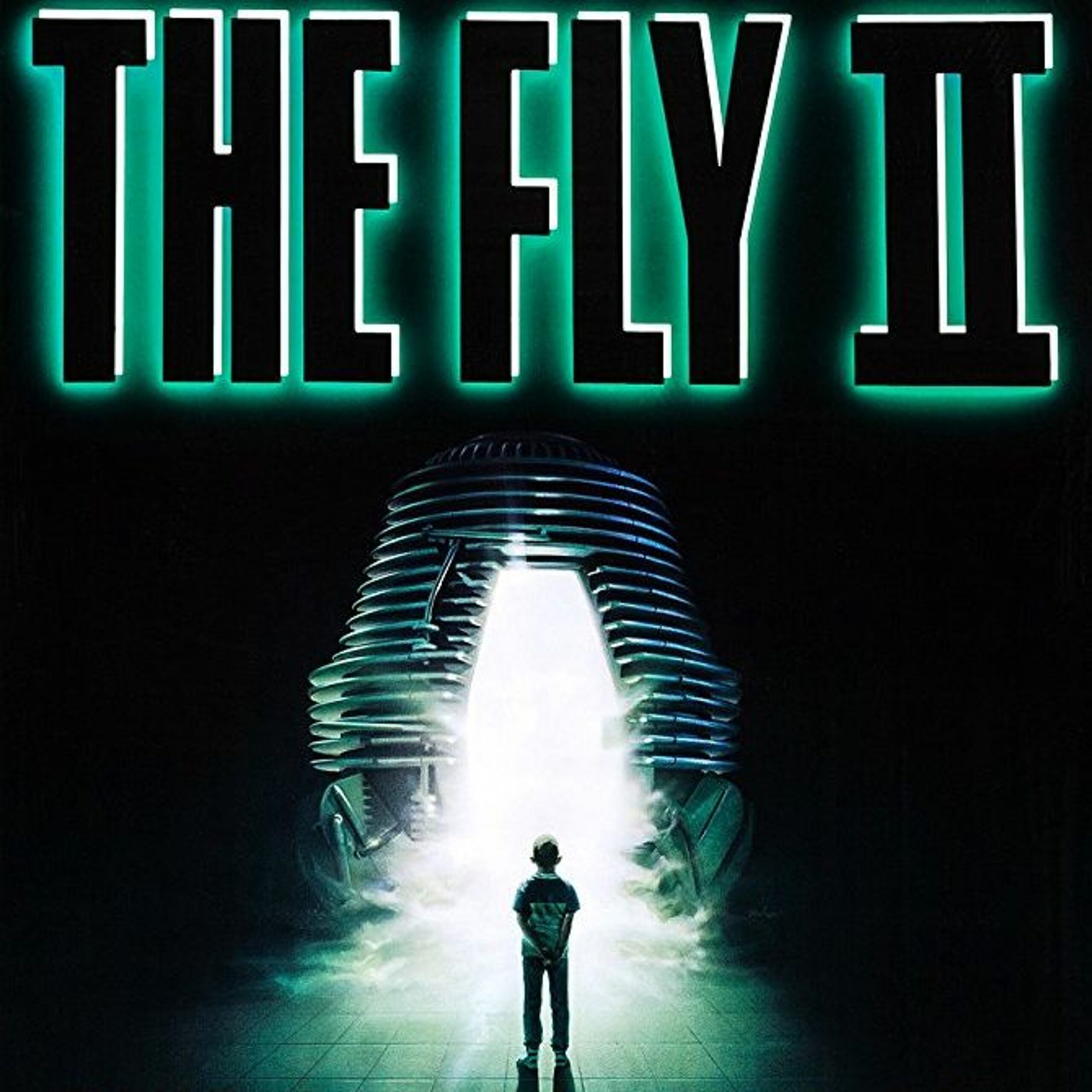
FMC 028: The Fly II Directed by Chris Walas

May 18, 2026
Listen on Apple Spotify YouTube
Listen to this episode
Your browser does not support the audio element.
Also on Apple Spotify YouTube

Step into the unexpected world of The Fly II with the Filmmaker Commentary podcast, where hosts Reginald Titus Jr. and Casey G. Smith dissect Chris Walas’s 1989 directorial debut. This episode provides a candid look into the film’s B-movie charm, its immediate continuation of the original Fly‘s gruesome narrative, and a budget that barely broke even against its worldwide box office. Listeners will get a rare opportunity to hear direct insights from Walas himself, as the hosts critically evaluate a unique commentary track that’s more spirited banter between Walas and film historian Bob Burns than a deep dive into technical filmmaking. They explore how Walas, an Academy Award-winning special effects artist for the original Fly, navigated his first feature as director, and how his expertise in practical effects undoubtedly shaped the visual identity of the sequel.

The discussion highlights how this focus on impressive (and often gory) practical effects sometimes overshadowed other elements, leading to tonal inconsistencies and some acting choices that verge on the comically over-the-top. The hosts point to specific examples, like the dramatic “eyeball scene” or a doctor’s exaggerated reaction to a dog attack, illustrating how these moments, while entertaining for a young audience, speak to the film’s campy nature. They also explore the challenges Walas faced, including managing actors like Eric Stoltz, who stayed in character methodically throughout production, and coordinating complex stunt work (like a stunt double’s parkour-style slides and leaps).

Beyond the film itself, the episode offers a meta-commentary on the nature of director commentaries, debating the value of raw, unscripted discussions versus structured technical guidance—and how the occasional snarkiness in The Fly II‘s commentary leaves much to interpretation. The hosts also touch on the film’s dated portrayals of women and minorities, a common issue in cinema from that era. Whether you’re a seasoned filmmaker seeking unconventional lessons, a fan of classic sci-fi horror, or simply curious about the behind-the-scenes struggles of a director’s first feature, this episode illuminates the highs, lows, and outright bizarre aspects of The Fly II.

What We Cover

  • Chris Walas’s Directorial Debut: An exploration of Walas’s transition from acclaimed special effects artist (winning an Academy Award for the original Fly) to directing his first feature film.
  • The Unconventional Commentary Track: A candid analysis of the film’s commentary featuring Walas and movie historian Bob Burns, known for its sarcastic tone and distracting banter rather than technical insights.
  • Budget & Box Office Insights: Discussing the film’s estimated $15 million budget (similar to the first Fly) and its modest worldwide box office of $38.9 million, hinting at a break-even financial performance.
  • Navigating B-Movie Tropes: Examining The Fly II‘s campy aesthetic, R-rated gore, and how its over-the-top acting and practical effects contribute to its unique appeal and challenges in storytelling.
  • Sequel Narrative & Tonal Struggles: How the film directly follows the original, exploring the new protagonist’s accelerated aging and mutation, while also critiquing the sequel’s tonal inconsistencies and dated character portrayals.
  • Practical Effects & Stunt Work: A deep dive into the film’s notable practical effects, including the “eyeball scene” and impressive stunts (like a parkour-style slide under a closing door), highlighting the dedication to on-screen craft despite directorial inexperience.

Key Moments

  • 1:02 – A detailed look at The Fly II‘s estimated budget and its worldwide box office performance, including speculation on its financial success.
  • 7:40 – The hosts react to the infamous “eyeball scene,” analyzing its dramatic (and somewhat comical) impact on the film and its reflection of the movie’s tone.
  • 14:33 – A breakdown of the climactic revenge sequence, focusing on the protagonist’s final, gruesome transformation and his confrontation with the corporation.
  • 33:40 – Discussion around the unique and impressive stunt work of Eric Stoltz’s double, showcasing the physical demands and creativity involved in bringing these sequences to life.

Gear & Films Mentioned

  • The Fly (1986)
  • Pulp Fiction
  • Kingsman: The Golden Circle
  • Avengers: Infinity War
  • Age of Ultron
  • Captain America: Civil War
  • Deadpool
  • Monster
  • Wonder Woman
  • The Incredibles
  • Unbreakable
  • IMDb Pro (website)

Listener Questions

  • How does The Fly II continue the story of the original film, and does it live up to its predecessor’s legacy from a filmmaking perspective?
  • What unique insights can filmmakers gain from analyzing a “B-movie” like The Fly II, especially concerning practical effects, directorial debuts, and navigating audience expectations?
  • How do the technical aspects, performances, and tone of The Fly II hold up for modern audiences, particularly concerning its R-rated content and portrayals of characters?
Full Transcript

Read the full transcript

Full Episode Transcript
This episode of Filmmaker Commentary "The Fly II," discussing the film's production, its unusual director's commentary, and a broader look at filmmaking techniques and cinematic history from other popular movies.

Opening Discussion and Commentary Review
Reginald Titus Jr.: Filmmaker Commentary, episode 28. Welcome to Filmmaker Commentary, where we give you insights from our favorite filmmaking commentaries. These commentaries can be heard on your DVD and Blu-rays of your favorite movies. We'll show you how you can use these commentaries and apply them to improve your video production and filmmaking techniques. All of this here on Filmmaker Commentary. I'm your host, Reginald Titus Jr.
Reginald Titus Jr.: Welcome to another episode of Filmmaker Commentary. I'm Reginald Titus Jr. I am here with...
Casey G. Smith: Casey G. Smith.
Reginald Titus Jr.: Welcome back, sir.
Casey G. Smith: Good to be back, sir.
Reginald Titus Jr.: So today, we are going to talk about The Fly II, made in 1989, or released in 1989. If this is your first time checking out Filmmaker Commentary, we listen to DVDs, Blu-rays, the commentaries on these DVDs and Blu-rays, and we take gems from that and help you with your filmmaking and your producing of films. Uh, we listen to these commentaries so you don't have to. The Fly II had a budget of about 15 million. And I got that, that number, because in the commentary he said the budget was about the same as Fly, the first Fly.
Casey G. Smith: Yes.
Reginald Titus Jr.: And so that's where that number comes, uh, comes from, because if you look online, you can't find the actual budget for this.
Casey G. Smith.: Right. I didn't, I didn't find it on IMDb Pro either.
Reginald Titus Jr.: But the box office, um, was about what, 38.9 at the box office?
Casey G. Smith: Worldwide.
Reginald Titus Jr.: So, if we assume this budget was about 15 million, and made that worldwide, I don't know, what would you say? They broke even maybe?
Casey G. Smith: Yeah, I'd wanna say about that. It seems like they would have, would have broke even. They probably would have liked to have seen more, but I think they also had, well, less star power.
Reginald Titus Jr.: True.
Casey G. Smith: Going, going into to this one.
Reginald Titus Jr.: This movie was directed by Chris Walas, starring Eric Stoltz. And Eric, he is part of one of the most iconic scenes in contemporary history of cinema.
Casey G. Smith: Are you speaking of Pulp Fiction?
Reginald Titus Jr.: Why yes.
Casey G. Smith: Are you speaking of the hypodermic needle?
Reginald Titus Jr.: Yes. Yes. I, I didn't recognize him at first, but it wasn't until I went through the IMDb and I was like, "Okay, that's why he looks familiar." I've seen his face, but I couldn't quite figure it out. And around that time he was wearing that long hair in a quite a few movies, um, in the '90s. Um, and that's, that hair made a big difference even though it's very red.
Casey G. Smith: It is. And it, plus he has the facial hair going on in in Pulp Fiction as well.
Reginald Titus Jr.: True, true.
Casey G. Smith: Little scraggly, kind of a scraggly look.
Reginald Titus Jr.: The actual commentary, so to me, uh, this commentary, uh, came off kind of like a little sarcastic. Um, you have Chris Walas and then he's joined by...
Casey G. Smith: Bob Burns, who is a, um, a movie historian and collector of movie memorabilia.
Reginald Titus Jr.: So sometimes it's kind of snarky, so sometimes you can't tell if they're being, um, honest about what they're saying or if they're just kind of like punching jokes or inside jokes or whatever. It's not very technical at all. You know, I would not recommend this if you're trying to get something out of it. Uh...
Casey G. Smith: Yeah, this, this one, this one is, um, it's, it, it gets to a point, there's so much banter between the two, it really detracts from what you normally would want out of a commentary. Now, if, if this was like a separate kind of interview with the two of them, okay, that could, that could be a a a nice featurette. But for a commentary, it just, it, it's really tough. It really, I don't think works that well. Because after a while they, they kind of tangent off and start talking about Bob's collection. Again, I would have rather have seen it as a as an actual visual featurette. Okay, if he's collected things from the first film, fantastic. Show me that in a featurette. I would have rather have heard Chris's, Chris do the commentary solo and and talk about again some of the technical things, which he talks about some of the production challenges here and there, but, yeah, it's, it's, it's a tougher one.
Reginald Titus Jr.: Yeah, it's, it's, it's not good. And towards the end, they start kind of arguing about like, "I like, who was it that said, "I just, I like the old stuff better." Versus the newer movies that are coming out in regards to this genre.
Casey G. Smith: Oh.
Reginald Titus Jr.: Was that Bob or was that Chris? I couldn't differentiate the voice sometimes.
Casey G. Smith: Um.
Reginald Titus Jr.: But I remember one of them...
Casey G. Smith: That was Chris, I think, actually.
Reginald Titus Jr.: That was Chris. He was like, "Yeah, I like the older stuff better, it's, um, that's, my collection is just old movies." I'm like, "Oh, nigga, they're coming off as the kind of like the old guys hating on like the newer stuff." That's not a good sign. Yeah. As, you know, as a, of course, things change. You, but you can't be stuck in, in one area. You have to evolve with everybody else. Uh, but I understand them, you know, the classics are the classics, but, you know, there's some new classics out there.
Casey G. Smith: Sure. Keeping, uh, keeping affinity, [laughing] You could definitely have a an an affinity for what came before, because we stand on the shoulders of of those that came before. And not everything new is good. And not everything old is good either. Right. Um, you'll find diamonds in the rough, uh, needles in a haystack, whatever metaphor you want to use. But, yeah, the good old days were not always good. Yeah, things, things change, new techniques come out, there are new sensibilities for new times. And sometimes only time will tell if something is going to be considered a critical darling, an all-time classic, or maybe a cult classic. You have different categories of, uh, of of quote unquote greatness and love.
Reginald Titus Jr.: It's kind of weird like going back in time and and looking at how like the men are treating the women in the movies, and then how, uh, minorities are treated. Like, usually it's just one mino- in this one, it was just one black, random, just like really had no purpose at all, but just being told what to do.
Casey G. Smith: Oh. And getting killed.
Reginald Titus Jr.: Yeah. Close-up shot, too.
Casey G. Smith: Dying by accident by the security guard, the jerk security guard. "Oh. I didn't I shot the only black guy here."
Reginald Titus Jr.: And it was like nothing. Like, you just committed murder. Like...
Casey G. Smith: Yeah, no, I didn't get the insect, but I, yeah.
Reginald Titus Jr.: So like the black people are like throwaway kills. Um, and then white women treat, uh, sleep with flies and insects. It's pretty bad what they do to women.
Casey G. Smith: Yeah. Yeah, it's, um, I'm like, okay. Let's, we can dive into the, uh, it, thinking about like the film itself, like, even like with the first Fly, I mean, I love the first Fly.
Reginald Titus Jr.: Right.
Casey G. Smith: But if you put a sister in that situation, no. I'm sorry. Once your ear falls off, seabo. I got to go. I got to go, run. That's gross. No, no guy is doing that.
Reginald Titus Jr.: That's gross.
Casey G. Smith: No. No. Oh no. If the Fly had been a woman? No. First couple of hairs popping out. Mm-mm.
Reginald Titus Jr.: I think she's a man. You know, I hate. Uh, about last night. Uh, yeah, it's a little course on your back and, uh, yeah. So yeah, it's, it's, it is something that like that, uh, these women like stand by their mutating men. Like, no.
Casey G. Smith: No.
Reginald Titus Jr.: Yeah, yeah, that's unbelievable.
Casey G. Smith: Yeah. Mm-mm. Well, okay. If if we didn't mention this earlier, this is Filmmaker Commentary, and there will be spoilers.
Reginald Titus Jr.: Oh yeah.
Casey G. Smith: There will be spoilers, so if you haven't seen the film, I do recommend seeing, uh, the film to form your own opinion. Right. But we are going to talk spoilers, so just want to give you that heads up.
Reginald Titus Jr.: There you go. There you have it.

Plot Summary and Character Insights
Casey G. Smith: So, kinda jumping towards the latter part of the film, one thing that, um, his girlfriend, Beth Logan, did for for Martin Brundle, Seth Seth Brundle's son, is that she does ultimately call the organization. She calls the corporation to come and scoop him up once he gets too far along, which I found, I found that interesting that she just knows nothing more she could, that she could do.
Reginald Titus Jr.: Yeah, she couldn't help him. Like after that, he's turning into a cocoon. I'm, I'm, I'm done.
Casey G. Smith: He's pulling his eyeball out.
Reginald Titus Jr.: Yeah. That's what it was. He pulled the eyeball out on slow motion. I'm just like, I think you lost her.
Casey G. Smith: Yeah.
Reginald Titus Jr.: I don't know, like, "Was it something I did? I'm seeing things really clearly now." Oh man. Yeah, she was done. She was fed up after that. Yeah.
Reginald Titus Jr.: The film, it feels kind of campy, it's got like a B-movie kind of feel to it. I remember the movie and nothing's wrong with B-movies. I watched them a lot as a kid because I didn't know any better. Especially like a lot of the, what's that guy that does Taebo, the...
Casey G. Smith: Billy Blanks.
Reginald Titus Jr.: Billy Blanks. He had like a lot of movies out at one point in time.
Casey G. Smith: He did.
Reginald Titus Jr.: And I, I was really into martial arts. I would watch all these movies. The acting wasn't that great, but I was, you know, you don't know. You just watch the movie for its entertainment value.
Casey G. Smith: You kind of know, but you don't really know. You kind of know. You're like, "There's something, it's good enough, it's good enough," but you kind of, you kind of know. Yeah, you know something slightly, slightly off, like, hmm. Okay.
Reginald Titus Jr.: That's hilarious. Oh, but like from an entertainment standpoint, like there are some shots in here like, uh, when I knew that the acting was off, um, one of the doctors, they, uh, transport one of the, I think it was a dog. Yeah, it was a dog into the other pot or whatever. "He's still alive! He's still alive!" And then the dog comes out and bites him in the hand and rips his hand off. Then he looks up at the sky like, "Ahh!" It was like so over the top. I'm like, "Where are we?" But when as a kid watching this, it's entertaining. Like, all of this is entertaining. As a kid watching this, it's like, this is an art, this is a movie, you know, this is a popcorn movie.
Casey G. Smith: Stimulation of the of the senses. And this, you know, this is a rated R film. So the the gore is, and it's coming off the the legacy of the Fly, and the director, Chris Walas, of course, he was the special effects director of the original Fly, which he won an Academy Award for, and his company, Walas, uh, not productions, but, um, I'm forgetting the name of it. Special effects company. But they, they handle the the effects on this film as well. So you're gonna, you know, you get the splashes of gore and and and blood and goo. And yeah, as a kid you're like, "Oh man, that's, yeah, that's pretty cool."
Reginald Titus Jr.: Mm-hm.
Casey G. Smith: But, um, you want to give him a little bit of the the premise of the of the film, or do you like me to?
Reginald Titus Jr.: Yeah, go ahead.
Casey G. Smith: Okay. So, one of the things I do appreciate about this film is that it does pick up, like, almost immediately after the first film.
Reginald Titus Jr.: Yes, I can appreciate that as well.
Casey G. Smith: We actually open up with a shot of of Veronica in a lab, not a hospital, but in a lab giving birth. We even see like this kind of rotunda view, almost like if you were at a an advanced medical facility where you kind of have the the high rise where people can stand above and look down at what's taking place in the, uh, in the laboratory itself. And she's on a table giving birth. She's writhing in agony and and and in pain. It's not actually Geena Davis, who they wanted to originally hire, but, um, she, she had, she really struggled with the birth scenes in the first film just like emotionally. And so she gracefully turned them down. They found another actress to fulfill the role, and and what, uh, Veronica's character gives birth to, doesn't look human. What comes out of her does not look human. It's like a, it's it's this weird, odd-shaped cocoon thing. Yeah. And so she like dies almost of shock, uh, very early on. Nonetheless, they cut this thing open, and there is a normal-looking human baby inside. Now we fast forward like a year maybe, I think it is. And this baby is now like an 11-year-old or something like that. Clearly what's taking place is that there are there are dormant genes inside of Martin Brundle, as well as, um, a an advanced aging of his of his genes. And they say apparently his dad had the same thing. Uh, and they actually named it, named it after him, after Seth. He goes on and he, um, he it lives in a very controlled environment. And there's always, you know, mirrors around him, so he's being watched and observed. He's being injected, uh, with with treatments, but he is hyper-intelligent. He is a genius. He is a a savant. Uh, he's a prodigy. Uh, there's one scene that I remember when I when I watched as a kid, where the one doctor is is just as fed up and doesn't want to do these tests with him, um, just as much as Martin is. And he shows Martin this this maze. And Martin casually looks at it, turns away, and then on a piece of paper, literally draws the way out of the maze, the proper angles and and all of that, and gives it to the guy. He matches it up to the, the actual maze itself, and it's a perfect fit, which I thought was, I was like, that was, that's just, that's really smart. That's so cool. Um, but he eventually goes on, uh, at his his his fifth birthday, he is now the size of a of a 20-year-old, you know, smart, somewhat mature, but probably a little, uh, a little naive. And the whole time, the, the, the, the corporation that, uh, his father used to work for is the one that has given birth to him, and they have these new versions of the telepods. And anyway, things progress, and of course, he begins to work on the same project that his father was working on, trying to figure out how to teleport flesh, which they didn't know how to do. And eventually, of course, he's the son of Seth. And and eventually something happens where his genes...
Reginald Titus Jr.: He starts turning into the Fly, just like his father.
Casey G. Smith: Exactly. Exactly. He starts turning into a Fly like his father. He escapes the facility with the the female scientist that he met, uh, Beth, who, who was his girlfriend. And he begins to deteriorate. They come across Stathis, or Stathis. He was there at the very beginning. It was hilarious seeing him like, even his overacting, but, uh, he's such a good actor that it still kind of comes off, it's entertaining, and even though he's kind of overdoing it.
Reginald Titus Jr.: Yeah.
Casey G. Smith: Yeah. I liked, I liked when they went to see him at his loft, and he's, he's, you know, playing a drunk. And said originally in the script he was supposed to play like this belligerent, like, kind of lost drunk, but he kind of took it and and made him like more of an eccentric drunk, which, which seemed to work out. And so when eventually he gets, he, he gets, he and Beth run away. He gets a little more info about about his dad. Nothing super helpful. And eventually he starts to change in such a way where he's not just getting older. Now he's starting to go through those those gross changes, right? Pulls out an eye and and is literally going to a cocoon state. Beth knows there's nothing more she can do for him. And literally has to call the corporation to come and get him. They do. He cocoons again, metamorphosizes into the true form of what Seth Brundle would have was at the end of the first Fly. Uh, it's got the legs, got an extra appendage coming out of his side, no wings, but is pissed, and is just killing everybody.
Reginald Titus Jr.: Revenge. Revenge.
Casey G. Smith: And yeah, goes on a quick murder spree, and this is the third act of the film. Eventually gets revenge on the owner of the corporation, and pulls him into a pod, gets his girlfriend to press the button. And what that does is transport him to an and this other guy to another pod, taking away the the owner's good genes and his regular human genes, putting them into into Martin's body and leaving the owner a deformed, yeah, mess.
Reginald Titus Jr.: So, so he finds out how to fix his condition. But in order to do that, he has to sacrifice somebody. And at the time, he wasn't willing to do that.
Casey G. Smith: Yeah.
Reginald Titus Jr.: Until he turned into the Fly.
Casey G. Smith: Yeah. It's all all bets are off. It's all bets are off.
Reginald Titus Jr.: Um, with that being said, we will take a quick break and we're going to talk about movies we watched this past week.

Movie Watchlist: Kingsman & Avengers: Infinity War
Reginald Titus Jr.: All right. What movies did you watch this past week?
Casey G. Smith: So this past week I had a chance to check out, uh, the sequel to the original Kingsman film, Kingsman: The Golden Circle. Uh, which of course brings back a lot of the original cast from the the first film, and, uh, adds in a couple of other people to the mix as well. Jeff Bridges makes an appearance in the film. We also get Colin Firth back as well.
Reginald Titus Jr.: Um, how was that, this one compared to the first one?
Casey G. Smith: I liked the first one a little bit better, but I, I, I enjoyed this one. Some people didn't enjoy it as much, but I enjoyed this one. I enjoyed the performances. I like, I like kind of how it expanded and where it went. I'm not going to give away any any major spoilers. But you can see from the the trailers to the film that something happens with the Kingsman proper organization, which basically they are they're they're secret servicemen. And you find out that there's also a version of that same group, but here in the states, and they call themselves the Statesmen. You have this big plot that's taking place, and they have to all figure out how to save the world together. There's some nice little twists and turns, uh, in in some espionage as, you know, most of kind of spy thriller movies have. There's some really cool action scenes and uses of gadgets that are are really well done. But you know, Taron, uh, Egerton, of course, plays the the lead role of of Eggy. We get some, uh, nice appearances, and of course the main villain is Julianne Moore, who, man, she's just in so many different things, and and she's just so talented. She can play all kinds of, there were some kind of like gory scenes in it too. A couple scenes with the meat grinder like, oh boy.
Reginald Titus Jr.: I'm kind of, I'm kind of liking the gore thing right now.
Casey G. Smith: Yeah. It's a fun action flick. Uh, yeah, I recommend checking it out. It's currently on HBO Go or on or HBO Now.
Reginald Titus Jr.: Boo-yah. Is there room for a part three?
Casey G. Smith: Oh, would that be giving away anything? I'd say yes, there's room for a part three, and that's not, I don't think really giving away anything. If it's, you know, a franchise that works, it's a franchise that works. So, yes, there's room for a a third Kingsman.
Reginald Titus Jr.: For me, I re-watched Marvel's, uh, The Avengers: Infinity War.
Casey G. Smith: Yeah!
Reginald Titus Jr.: Um, I, I liked it the second round coming back to it. I just appreciate just how much time they spent building up these different characters and following the villain throughout the thing and kind of like, he has a philosophy. Like he is disciplined, he's committed, and even though he doesn't want to do these things, he, he does it because he has a plan that he has to get done.
Casey G. Smith: He's fascinating. He has a perspective similar to kind of, um, Killmonger in Black Panther that you may not agree with the the method, but you could almost hear out his his message of trying to balance the universe.
Reginald Titus Jr.: Yeah. And, um, perfect balance.
Casey G. Smith: Yes.
Reginald Titus Jr.: Yeah, man, that, um, who did his voice? Was it?
Casey G. Smith: Josh Brolin.
Reginald Titus Jr.: Josh Brolin. Um, just perfect. Stellar performance.
Casey G. Smith: And it's super fascinating to, again, resident comic book nerd here, uh, to see just some of the liberties that they that they that they take with the character to, to to talk and address that and and how they make that happen. But they really this film spends a good amount of time with Thanos. And there's apparently, there's rumors that eventually they're going to re-release the film maybe, I don't know, a year or something like that from now. It'll be a version that'll have more of Thanos's like 30 minutes of his like backstory in there. Like we get very little of it, but it'll be a fleshed out.
Reginald Titus Jr.: I would watch that. Yeah, sure as heck would.
Casey G. Smith: Okay. So, was there anything else from, uh, Infinity War that that, uh, stood out to you, whether from the the direction or, um, or anything?
Reginald Titus Jr.: It was just a good popcorn ride. You know, it, and it's like a balance of popcorn and art. Yeah, it feels like it's art. People have put their and who everybody the team of Marvel feels like they're all on board. It's not any renegade CGI artists or anything like that. With that being said, I did notice, you know, when it came to Thanos, like, everybody's going to be scrutinized how he looks and like if it's done well, like, uh, cuz that if, if they got him wrong, that would be trouble.
Casey G. Smith: Sure.
Reginald Titus Jr.: I did notice like kind of towards the end like some of the CGI effects with the, with, uh, Bruce Banner and, uh, Don Cheadle's character.
Casey G. Smith: War Machine?
Reginald Titus Jr.: Yeah, just like the floating head thing. I was like, "Ooh, that's bad." But, but you kind of let it slide.
Casey G. Smith: So here's one thing that I, I've, I've heard, um, recently, listening to some different shows and and commentary is that there's also something that when you watch something on the screen, something you have to do again with with with with the effects, but that when you bring it down and compress it to even Blu-ray and things like that, even streaming, that there is a a a loss, that it, that some things just can't look as good as they do on the big screen. And I wonder sometimes how effects are impacted.
Reginald Titus Jr.: It looked horrible on the screen. I saw it in the theater. And then plus, I'm not even comparing it to how I remember seeing it. I'm comparing it to the other effects in the movie that I saw on the small screen.
Casey G. Smith: Gotcha.
Reginald Titus Jr.: So it was like compared to Thanos, it's like, you got these guys just floating around. You know, it's...
Casey G. Smith: Yeah, you can notice that sometimes, I think. Even with even with uh with uh Robert Downey Jr. at times, I noticed in in Captain Civil War, like kind of, yeah, the green screen effect, like you can kind of see, uh, okay, you could tell it's...
Reginald Titus Jr.: And sometimes you can get away with that stuff because a scene can kind of go, especially if you're just flying around or doing some kind of action thing, you can really get away with it. But the reason they can't get away with it is because they have dialogue and they're drawing attention to themselves like, "I'm, you're gonna pay now!" Whatever he said. And I'm just like, we could let that one go. , I just enjoyed it cohesively. Just enjoyed the action. Yeah, it was, yeah, I really liked it.
Casey G. Smith: Again, I just can't say enough about how much that is cinematic history coming together. The fact that it's a culmination of 10 years of other films, from the first Iron Man to what we got with Infinity War. From from the first Avengers when we get the first glimpse of Thanos, to bring in the Guardians of the Galaxy, like to tie all that in together. That's just, it's unheard of, man. Can't wait for part four.
Reginald Titus Jr.: I enjoyed the comedy, too. Like when you're talking about the Guardians and like when Thor like comes onto their ship or whatever and then like dude's like mocking him, trying to be, you know, trying to match his, you're trying to sound like me. Or or how, um, Thor, how he plays, he's not trying to be funny, but he comes off that way.
Casey G. Smith: That's Chris Hemsworth, man. Yeah. He's he has he has great comedic timing. And what they did in Ragnarok, they let him tap into that, and he was able to carry that over into Infinity War. And so even with the Russos, they had some collaboration with Taika Waititi to say, okay, we know how Thor's coming off in Ragnarok. We want to make sure we get some of that flavor into Avengers. Likewise, with James Gunn, you know, the Russos want to make sure that they, you know, chat with him, say, okay, look, this is how he's kind of being written by Marcus and McFeely, who are the screenwriters for Infinity War. We want to make sure we we carry in kind of the similar tones and and flavors, um, that what what you guys have established. And so, but yeah, Hemsworth, man, he's, he's got great comedic timing. And it just...
Reginald Titus Jr.: Yeah, it just works.
Casey G. Smith: Because he could play it up, you know, he could probably turn it up and it it wouldn't fit right, but the tone, they get it right. And just like little, and it's like these little punch lines like, "Need a moron, morons." Because he thinks that's their name. Right. And so, I don't know, it's it's, uh, they play that well. And this, them jumping from hanging out with that guy and the raccoon or he calls it a rabbit, "Come on, rabbit." Right, yes, yes. And so, so going from that to all of a sudden, you know, now you're hanging out with the Black Panther. You're hanging out with Iron Man, hanging out with Captain America. It's, uh, it's like taking the best parts of all those movies and just putting them into one movie, basically.
Reginald Titus Jr.: Yeah.
Casey G. Smith: Originally, I, I saw an article that Captain America actually wasn't supposed to, wasn't supposed to show up until much later on in the film, like, not until like the big Wakanda battle scene. He wasn't going to show up until then.
Reginald Titus Jr.: Yikes.
Casey G. Smith: To come in and kind of like do have a big scene, kind of like what Thor does towards the end. Spoiler alert. But if you haven't seen Avengers: Infinity War, what is wrong with you? What are you doing with your life?
Reginald Titus Jr.: What is wrong with you?
Casey G. Smith: You just don't like movies. That's what it is.
Reginald Titus Jr.: What is wrong with you?
Casey G. Smith: Highly encouraged, it's it's just a fun film. Even if you're not a a Marvel fan. Again, cinematic history, worth checking out. But there Cap was going to come in way later. But when they when the Russos showed that version, people were like pissed. They were like, "Where's Cap at? You got to have him in earlier, man!" So they had to make that adjustment, but people were were mad that Cap wasn't in earlier on. And so, uh, they had to go and make that change and pops in, you know, in the first, within the first act. So yeah. Okay. Avengers: Infinity War. And then then some of the mishaps like the, um, remember we talked about the glove, you know, they're pulling off the glove, and all of a sudden the Guardian guy's like all pissed because he killed, yeah, starts hit, I'm like, I don't know. Or, um, this, what's our guy, Doctor Strange, you know, you know, he can use his little magic to cut off a hand, and it would have been good, right? Was he even in that scene when they were doing that?
Casey G. Smith: Starlord gets mad. Right.
Casey G. Smith: He, he was. Yeah, he was. He was using his the the bands of, uh, man.
Reginald Titus Jr.: That's right. Because he'll open it up and Spider-Man was jumping through like, "pish, pish, pish."
Casey G. Smith: Through the portals. That's how powerful the gauntlet is, though. Like, this thing, once you have them all, I mean, like, that's, that is power, and you get the power one first, because, yeah, that just takes you, that puts you at another level. And again, even even Strange, his his own, you know, being able to do the time thing, that's that's one of them as well.
Reginald Titus Jr.: So, was Doctor Strange, he was in that scene? I'm I can't remember.
Casey G. Smith: He was.
Reginald Titus Jr.: He was in that scene.
Casey G. Smith: Yeah, cuz they were all in the same little...
Reginald Titus Jr.: What was he doing? Did he have like lassos on Thanos?
Casey G. Smith: Yeah, he had some bands like chains, kind of trying to holding him, kind of trying to holding him, trying to help hold him, hold him back and kind of binding Thanos.
Reginald Titus Jr.: Got it. Yeah, everybody was was.
Casey G. Smith: So while the glove is going off, I was like, why can't he just do the little portal thing, cut the hand off, we're rocking. Because he did cuz he showed earlier in the film that that's possible. If it if that thing cuts off on you, because remember that the they little gremlin thing that he sent in Antarctica, whatever, tries to jump up portal, the portal closes on his hand and comes off. So it was like, little things like, "Hold on, if it's that easy, can't you just cut that arm off for a little bit there?"
Reginald Titus Jr.: Oh, yeah.
Casey G. Smith: Yeah, but Thanos is way, what?
Reginald Titus Jr.: That's just little...
Casey G. Smith: Sure, sure. Thanos is really, really powerful. Point, point taken. First scene against the Hulk, he literally like concusses the Hulk. Like, hand to hand. Hand to hand.
Reginald Titus Jr.: Let him have his fun.
Casey G. Smith: Punks the Hulk without breaking a sweat. I'm like, okay. And they they said they had to establish Thanos as that powerful.
Reginald Titus Jr.: I'm glad they did that, because they and they established it quickly. Because even against like a Thor, you know, it's like, yeah, you because he goes toe to toe with the Hulk quite a bit. So for him to knock down Thor like that, and then beat up Hulk a little bit, it's like, wow.
Casey G. Smith: And it was going to kill him, like straight up, like going to kill him like no problem, and this, you know, Heimdall last minute saving him is is something else. But yeah.
Reginald Titus Jr.: So, yeah, by them establishing that right away, it was like, oh, this guy's brutal. But also, oh, this is also another thing I liked about him, is just how he respects other people in like war or whatever. Like, like somebody keeping their word or being committed. So like when, um, the guy, the leader, who's the leader? Star-Lord? What's his name?
Casey G. Smith: Star-Lord.
Reginald Titus Jr.: Star-Lord, was willing to kill his girlfriend because he gave his word. And then Thanos like, "I like him." Because, you know, cuz he was going to do it, you know, it was just like, that's kind of twisted, but I can understand that. You know, just like how he, I can understand how he could appreciate somebody being committed to something as dark as that.
Casey G. Smith: He has a code. He, he, he has a code. Dark as it is, he has, he has a code, he has principles. So he is a layered villain. He's a layered character. And they people often say, whether it's whatever kind of storytelling, the best villains are those that believe that they are heroes. That they believe that what they are doing is right. That's Thanos. He believes that what he is doing, he has to do. And he believes it is for the greater good. And especially when he gives a little bit of his story about how he grew up on Titan and and what happened.
Reginald Titus Jr.: Or even like, uh, like the respect that he gives to Iron Man. He's like, "You've been blessed with, I mean, been cursed with knowing everything or knowing a lot, or knowing too much or whatever." And then, you know, "They should be, you know, respecting you a lot more than they do." Kind of thing, kind of just giving him his props in a way.
Casey G. Smith: Right. The fact that he had said that he that he knew about him. That's got to freak out Tony like, whoa, this, you know, Tony has ego, but to know that this Titan alien dude knows who you are. Like, whoa. That's these whispers are going about. But it's, I don't know, it's it's fascinating. It almost makes me want to go back to the second Avengers movie when Tony first encounters Scarlet Witch and she does this thing with his brain, and he has this vision of all these bodies laying out. Uh, and that, that is a precursor, that's a precursor to to this, to what we're seeing now and what we might see in the next film.
Reginald Titus Jr.: Wow. Wow. Enjoyed Marvel movie. It was cool to revisit, but we must jump back into the Fly.

Filmmaking Techniques & Director's Insights
Reginald Titus Jr.: So, I knew I was in trouble when this movie like first came on, because there's a shot of a helicopter coming in, and this the shot isn't stable. It's like, it's almost like the operator trying to keep up with the helicopter. It's unstabilized. I'm like, oh, we're in trouble. And then I guess the only reason they kept it cuz they were able to get it, you know, like a full shot, um, coming in landing and it's probably more expensive to do that several times. Um, so that's the only thing I could come up with why they kept that shot, but it was unstable. It was, I was like, oh, we're in trouble.
Casey G. Smith: Uh-oh.
Reginald Titus Jr.: From the get, from the jump. Yeah. And, you know, I don't like to rag on, you know, filmmakers or anything like that, just, you know, out of respect for the craft. But sometimes you got to call certain things out. And I know with, um, with Chris Walas, this was his first film.
Casey G. Smith: Directorial debut, directorial debut. Yes.
Reginald Titus Jr.: And his background, of course, is in special effects. You know, with the Academy Award on the first Fly. And having that opportunity to come in and, you know, he's not like he was bidding to be a director.
Casey G. Smith: Right.
Reginald Titus Jr.: It's one of his friends from the previous project, you know, put his name into the hat. And it under the circumstances that was going on at Fox, the project fell through, they were inserted in. You know, you can kind of see just where his attention was. It wasn't necessarily so much on the, technically like telling the story with the camera, cuz that's like a, it's a huge thing for directors. Where is the camera going to be placed? Cuz that kind of determines your style. You can tell a lot of his, um, him with the special effects background was on getting the good gory shots.
Casey G. Smith: That's true. Especially throughou, you know, there are specific shots and and moments where definitely it's going to kind of zoom in close and and and get that, especially towards the end where it really kind of, it ratchets up and climaxes and just goes just, just multiple gooey, gory shots.
Reginald Titus Jr.: We'll go into like some of the shots that I liked. Uh, one, one I like to do is look at shots in the film. So maybe you as a filmmaker you can do this. Even if a movie isn't like, you know, a A-movie, as we like to say, this is kind of falling into like the B-movie realm. There are good shots in the film. And when I when I'm talking about good shots, not necessarily the look of the film, um, cuz it doesn't have a look of like artsy, um, like the first one did.
Casey G. Smith: More so composition.
Reginald Titus Jr.: Yeah, composition and how can you duplicate some of these shots. And one of those shots is, uh, there's a scene where Brundle, Martin Brundle, throws a a wine bottle at the mirror.
Casey G. Smith: Yes.
Reginald Titus Jr.: It's almost like he's throwing it at the camera, but I like I don't know how they did that shot. And I'm just kind of, I'm rewa I see myself like rewinding it, trying to say, "How did they do this?"
Casey G. Smith: You don't see the camera in the mirror.
Reginald Titus Jr.: Exactly.
Casey G. Smith: Mm, I just thought about that now. I'm like, hmm.
Reginald Titus Jr.: And it could be cuz it's a lower shot. Maybe the camera's lower on the ground and it's going up wide. I don't know. But it'd be one of the things you'll just have to test out to find out how to do that. And when would it make sense to do that. So I, I enjoy that shot. You know, maybe incorporating that one day on one film. Who knows?
Casey G. Smith: And I think, I think, um, the actor, Eric Stoltz, I think he did did that like on the first, first take.
Reginald Titus Jr.: Mm-hm.
Reginald Titus Jr.: Um, there's another shot of with him running. Um, so he's running, uh, Eric Stoltz, or it could be his stuntman. I think it was his stuntman. That was running and like the garage door's going down, and he just hits like a perfect slide right under it.
Casey G. Smith: Indiana Jones style.
Reginald Titus Jr.: Man. It was just perfect. It was like sliding in the second. But I like that shot. I was like, that's dope.
Casey G. Smith: And and where it closes where the other guards try to get through and they They just crash into it. It it it gives that it it get the effect of it, you know, like, ah, he made it. Ah, but they didn't.
Reginald Titus Jr.: Yeah. So I, I can kind of see when you see like actual people running and they are making an effort at running. Tom Cruise is well known for this effort of running throughout his film. He just has his own way of running. And whenever you see that, it's like, okay, they're putting some effort into this thing cuz getting a grown man to run...
Casey G. Smith: Hey.
Reginald Titus Jr.: That is not doing that for a living, hey, that could be some you could pull anything. I know, um, a lot of times, um, actors do have stunt people to do the running for them for that specific reason cuz they very easily could pull hamstrings, especially if they're not running at those speeds that you're expecting them to be at.
Casey G. Smith: That is very true. And just the stunt double, um, for Eric Stoltz in this film, he, he did some pretty amazing stunts when he is escaping the facility. Like, jumping off of ledges and like just straight landing on concrete and doing that several times. That's...
Reginald Titus Jr.: It's, it's, that's like that's another one of my favorite shots. The the jumping, I call him the jumping stuntman. Because he like, he jump, it's a perfect cut. He jumps over the ledge and both of his feet are out in front of him as he jumps over it. And then he cut, cut away shot, he's landing. Now I forgot what they call this, like, uh, is it like parkour or park, gymnastics?
Casey G. Smith: Parkour.
Reginald Titus Jr.: Is that what it's called? When guys are like kind of jumping from rooftop to rooftop?
Casey G. Smith: Yeah, it's called parkour.
Reginald Titus Jr.: And normally when you see them doing that, they land and then they roll right away.
Casey G. Smith: To keep them, yeah, absorb the impact.
Reginald Titus Jr.: Yeah, and you just roll it. There you go, transfer it, transfer that energy into that roll. To take it off your ankles, cuz you can break something very easily. But this guy is just jumping from a story or two, landing it. And then he didn't even run. Fast, running fast, too, man. I don't know, like, how is he, this guy's a robot. He's not real.
Casey G. Smith: Absorb all the impact. Then he didn't even run. Multiple takes.
Reginald Titus Jr.: Android. Another one of the shots that I enjoyed was like the peeling face, when the when the fly spits at the one of the security guards. He's like, "Oh!" And he starts, and he starts ripping his face off. Like, it's so gross. I'm like, "I don't know if anybody would do that in real life." Who knows? But...
Casey G. Smith: Oh, at the end. Yeah. Yeah. Well, if you got if you got, it's it's a natural reflex. If somebody throws something on your face and it's burning, you'd figure you'd try to wipe it off. But you go and you try to grab now you're you're your your whole face is just comes off with it. So it's like, wow, that's terrible.
Reginald Titus Jr.: Dude is pulling, like he's pulling his jaw off.
Casey G. Smith: Because you can feel the stuff it's seeping in that deep, and he wants to get it out. But the skin's coming with it. Yeah, that's terrible.
Reginald Titus Jr.: Terrible. But it's perfect. It looks beautiful. Yeah, it's terrible and it looks beautiful. And then there's another shot where, um, a security guard is trying to peek out the door to see where the fly is, and the fly is there with the body in his hand. Um, one of the professors. And then as soon as the security guard opens up the door, the fly throws the body at the door. I don't know how you but it was like perfect cuz it was like one scene. I don't know how they pull that off, but it was convincing. But the decision the security guard makes after that, I don't believe. Like, he has a machine gun. Fly throws the body at him. Then he goes back and checks out. I was like, "Where is he at?" And then he's just walking around like, you just seen this fly throw a body at you. Right.
Casey G. Smith: Like, you're going to fare better. Like, yeah, you ain't, you ain't paying me enough.
Reginald Titus Jr.: You ain't paying me enough.
Casey G. Smith: Who's gonna fire me at the end? Y'all gonna be dead. I'm out.
Reginald Titus Jr.: I'm out. I'm done. How much are they making an hour at in 1989?
Casey G. Smith: Not enough. Not today.
Reginald Titus Jr.: Um, another, not necessarily a shot, but just like kind of remarks. It's, um, uh, Martin Brundle is at the hotel, and he's looking at other flies go into the blue light and kind of get electrocuted.
Casey G. Smith: Oh, man.
Reginald Titus Jr.: And the little fly trap. And then he looks at it and he's like, "That light is compelling." He was just transfixed on this blue light. He's going through changes. Yeah. What'd you think about the shot where, yeah, at the very end where the security guard falls underneath the elevator shaft, and the elevator comes down on right onto his head?
Casey G. Smith: Oh, man.
Reginald Titus Jr.: Oh, man, that's messed up. They were like kind of, I think they went out of their way to make sure they had that shot. I watched the behind the scenes and saw how they did it. The second disk, there's a whole like, just documentary feature on on how they made different shots and walking of the fly's legs to that particular shot of the head exploding. They did some test screenings of it and how they'd filled it with fake blood and they'd come down on it and...
Casey G. Smith: Absolutely.
Reginald Titus Jr.: It's funny. Like to me, the the effects in this film compared to the first one feels more comical.
Casey G. Smith: Yeah, it's disgusting. At times, yeah, and I, I think they talk early in the commentary about like the lighting, how things are are lit. And they say the lighting kind of changes throughout, and they shot it on on on Fuji, a Fuji film that's supposed to make the blues pop and all that good stuff. But there are times where it does seem a little comical. And I don't know that's because it's lighting-wise, it's it's not as it literally is not as as as dark or there's not as much contrast.
Reginald Titus Jr.: It doesn't, it's not lit like a horror film. It's it's like the the lighting is like bounced up, cuz you got all these white walls and things like that. And it seems like they're just, uh, the the lights are just filling the room to make it seem like any normal corporate room you would go into. It doesn't, it's not being lit for style. The only time it kind of feels like a horror film is when they're like in the dungeon and you see the little dog, the little mutated dog coming out. That's the only time where it feels dark and and horror-like. And it's not when he's in the cocoon, like like that moment in the. Yeah. Yeah, but yeah, the rest of the time it's so, yeah, the lighting is in such a way where it does feel again, not not scary, but more like spectacle, like to a degree where it could almost be humorous. And that's another thing, like tonally, like the the the film seems to struggle almost with it with its tone, because there are times where things are done where it's like, uh, that's that's kind of like comical, which, which, you know, may make it feel kind of B level when you get those mixed tones. Just the only takes a couple of scenes to kind of pull it that way.
Casey G. Smith: True.
Reginald Titus Jr.: And sometimes just, uh, from a director, it being his first time, not necessarily knowing how to approach his actors or know about the craft, he relied heavily on his DP, um, to make sure that he was keeping things together. And if it wasn't for his DP and hired casting actors that were professional, this movie could have just fallen completely apart.
Casey G. Smith: Mm. And Robert Vision was the uh, the the cinematographer on The Fly II. As far as those relationships go, um, with the actors, definitely we talked about uh with Eric Stoltz how just he's a very serious actor. He comes to set prepared. And that he was in character the whole time. In character. And so initially that confused Chris Walas. Um, but then once he figured that out, he tried some different things in terms of directing Eric that didn't work. And he found some things that did work. That was, he said that was an important learning curve for him. But it seems like even in some of the writing, he talks about with some of the the writing that some of the actors were concerned with how some of the lines would be uh, delivered. Uh, especially with like Lee Richardson, who played Anton Bartok, you know, the, the the antagonist in the film. He had some lines that when you read them in the script were going to be really over the top. And so he found, he tried to find ways to deliver some of those lines where they were less just campy. And then sometimes he did go there because it's it was supposedly would work for the for the scene or the moment. But yeah, so there were some potential issues with the with the dialogue.
Reginald Titus Jr.: Right.
Reginald Titus Jr.: Geena Davis, they asked her to be part of it, we talked about that. Um, just her being able to bow out gracefully, you know. If, if you if somebody's asking you to be part of a project and you're not necessarily feeling it or don't want to be involved or or whatever the reason may be, but you at the end of the day you have to say no. So figuring out a way to gracefully say no without being a jerk.
Casey G. Smith: Yes. And that and that could be a very powerful thing, because to say yes to something means potentially missing out on on on something else. And and knowing that, okay, she had done her part in the first, the first Fly, and which is great. Um, and, you know, they were able to find somebody else, and her scenes feel really quick for that character. And so yeah, I thought, I think it was good that she wasn't in this one.
Reginald Titus Jr.: Yeah. And the reason she gave to me kind of was a big yes.
Casey G. Smith: Well, I mean, like, I, I think that maybe affirms it, because the reason why she said she turned down the the Fly II, because she she struggled with the birth scenes in the first Fly film.
Reginald Titus Jr.: Only because, in the documentary of the last one, she was talking about how, um, during the birth scene, "I'd rather have my director there to help deliver the baby." Cuz the director, he came in and she was like, "Well, you know, I trust him to do it." So she seemed like cool like about the whole scene and everything. But the reason she gave in this one was she had issues with it. So...
Casey G. Smith: Meaning like, struggled like, not with the performance, but just it doesn't make sense or...
Reginald Titus Jr.: Like, it was difficult for her to do.
Casey G. Smith: Emotionally difficult and challenging. And so maybe that's why she had the director there for to coach her through it, you know, because she trusted him. And of course, on camera she's gonna say, "Oh, you know, it was great, you know, him there." But maybe emotionally, maybe it was very difficult. I don't know what she's been through, you know, in life. Uh, so yeah, I, I, to me, that kind of...
Reginald Titus Jr.: Maybe I retract that. I retract. I'm just, I'm just, we are all talking about birth here. I've witnessed four. It could be traumatic for all of those involved. Well, life lessons, kids. Life lessons. Learn. The more you know.
Casey G. Smith: Reinf- reinforces. Yeah, that is next level. Oh.
Reginald Titus Jr.: Part two, working with kids and animals can be rough. So there's a shot where there's a young kid and a dog, the wide shot, he's not cutting away, but it it can be hard to keep kids engaged, in remembering lines. It can get frustrating. Mad, you get frustrated, man, they're just, they're done for the day. Done. And then on top of that, you have an animal who's like, they might as well be children as well.
Casey G. Smith: You're talking about birth here.
Casey G. Smith: Well, some, you know, animals sometimes going to be trained. Sometimes they're, sometimes they're not. I mean, obviously they worked with the baboons on the first Fly, which they couldn't train.
Reginald Titus Jr.: That's bold. That was bold.
Casey G. Smith: That was bold. Yeah, that was. But with dogs, you know, typically they can be trained. You got some dogs that are, I mean, that's what they do. Like they act. I mean, Um, but they said the flies were the hardest ones. Because you had that scene where he puts his hand up to the glass and the flies kind of swarm around the glass where the handprint was. So there...
Reginald Titus Jr.: I would have put second unit on there. Y'all figure that out. I'm going to go shoot something else.
Casey G. Smith: Yeah. Yeah. So, you know, speaking, speaking of that like second unit, there's a quote that Chris made, uh, that he said he, he heard from somebody that, uh, directing movies is like being pecked to death by sparrows.
Reginald Titus Jr.: Depends on how you looked at it. Yeah. Or it could be like being petted by angels.
Casey G. Smith: Well.
Reginald Titus Jr.: Well, he said that because, you know, going from just being the special effects guy, now being the director, so many people are coming to you asking for your input on so many things, like, what about this? What about this? You know. And you got to handle it. Yeah. Except for him, it was that first-time experience. I bet that was overwhelming for him. Yeah. And, and it seems like he built up some respect for the position because it's very easy to be like, you don't do nothing but tell people what to do. Yeah. That's a very important. Cuz you got to tell them to do the right stuff. Exactly. You got to have have a plan, have a vision. Cuz the people will do it, you know, cuz they're being paid to do this. So, okay, you want red lights, okay, we'll like they'll do it, but you got to have a vision, and that's that's big for actors. Working with a director that has a vision for what they're trying to do. They know exactly what they're doing and how they're going to execute it. Then they feel like they trust you more when when you have that vision and know where you're going with this thing.
Casey G. Smith: Have a vision. Yeah. Yeah. Yeah. Yeah. Yeah, so I think he, he found his respect and kind of like, okay, let me go back to my world. Also, he had his company, which is the special effects company, work on this project. So even though cuz I think, um, our guy, our archivist, uh, Bob said, "Hey, you were responsible for special effects, too, huh? You're leading that department." I was like, "No, I wasn't actually leading that department. I was my company helped produce the special effects." That would be impossible to do.
Reginald Titus Jr.: Rightfully so.
Casey G. Smith: Oh, yeah. Especially when you see in behind the scenes, it's how much how much time they took to create these these different effects. Even something like the the fly at the very end, because you know, in this one, we see that full-bodied fly move around quite a bit towards the end of the film. Whereas in the first Fly, we literally see, we only see the full-bodied fly momentarily. It's pretty quick. Even even like the rig they made for the walking of the legs, because cuz they have the legs where they're, um, I don't know what you call those kinds of legs, but the insect legs, where they're kind of inversed almost. And they showed the rig that they prepared for that where somebody kind of had their legs inside of something like that, walking along for a guy and for a girl. And it was, you know, it was all practical. And so it's pretty complex. And even at the end, having trying to, um, pull Lee Richardson's character into the pod, because he had had hip replacement, and apparently he couldn't walk backwards. And so they had to have him kind of partly on a lift as it kind of carried him up the steps. And then they show on the shots of the feet doing that. Yeah, they put some time into that. So yeah, there's no way Chris, uh, Walas could have done all of that. But, uh, his his brother, I believe, is also a part of his production company. So yeah, you had people he could trust to to carry those things out. And he's, you know, kind of, uh, you mentioned earlier, you know, having a a production team, um, or if you have any other any other organization you can incorporate into your film, that could be a plus. And that's similar to what Tim Miller did with, uh, movie Deadpool. He had his, uh, special effects company.
Reginald Titus Jr.: Rightfully so.
Casey G. Smith: Handled special effects on the first Deadpool.
Reginald Titus Jr.: That's a contemporary film that was a surprise. Indeed, it was. That was a happy surprise. Um, there's a scene where Daphne, who's playing the girlfriend to Eric Stoltz, Beth Logan. So they're dancing, you know, to this Katy Lang song. They're they're doing this over and over again. And so by the time they get into post-production, they can't other musicians can't replay it or play something differently. They're just so used to hearing this song. They're like, okay, we just have to get the license for this song. They're like, hey.
Reginald Titus Jr.: I guess when you have, I guess it's if it's baked in, your brain kind of gets used to hearing it, and it doesn't any other music, no matter how great will feel right with it. And I remember, um, who's our, um, lady director that did Monster? She also did Wonder Woman. Patty Jenkins. They talked about it in Monster when they were at the skating rink, and they're kind of going around and it was like a like a well-known song that was playing. They just really, really loved the song that they had to actually find the I can't remember the name. It was a very popular rock song in the '80s. Oh, don't stop believing. Yeah, by Journey. So that that was playing, just worked perfect with the scene, and so they had to figure out a way to get him to be okay with putting it on song. Cuz they didn't really have a budget to to to put into that song or buy the license for that song. So they had to...
Casey G. Smith: Yes, uh, uh, uh. That's a good film.
Reginald Titus Jr.: Became a producer on the project, too. Boo-yah. And also happens sometimes even like with the animated features, like with The Incredibles. Like some of the people who worked on the film just put in filler voices for some of the characters. But then sometimes that ends up working so well, they end up instead of hiring a professional voice actor or celebrity, end up staying with them. That's the and then you get, you know, Brad Bird playing Edna Mode, and you get Brad Bird's son playing the little kid outside of the the Incredibles' homes when when when you know, I don't know, something, "Incredible, I guess." Or awesome. They say awesome. "Something, I guess." Yeah, that was the, yeah, that was fun. That's real fun. But you you get those moments. And so you'll find in different Pixar films different people who are involved with the production that their voices just...
Casey G. Smith: Yeah. Yeah.
Reginald Titus Jr.: I can't wait to do an animated feature. Yes. Soon. Soon.
Casey G. Smith: Indeed.
Reginald Titus Jr.: Learn from your actors. That's also another thing. And you talked about it about, you know, with with, uh, with Eric Stoltz just how technical he was. He's a very technical director, uh, technical actor. So he has his own strategy how he wants to do things and Chris Walas being, you know, new to the game, you know, learning from the actor and how to how to approach him because he said they disagreed with a couple of things. But headstrong actor like, uh, Eric, you know, it it'll probably make sense to kind of lean more towards his way sometimes just because he's been living with this character literally. And could tell you more about the character than anybody in that whole building.
Casey G. Smith: Exactly. And the fact that he said he, he was in character the whole time. Just very method. I don't know, I don't know how you do that.
Reginald Titus Jr.: That's next level. Do your, one of the last points is, you you as you alluded to earlier, is like just doing your role on the film, just doing that with excellence. And when you do that, new opportunities will arise. And that's basically how Chris Walas was able to get this opportunity. Even though he didn't really was bidding for this job.
Casey G. Smith: Yeah, just being somebody who produced quality work, and, you know, people often say that luck is preparation meets opportunity. You know, he worked at his craft and and stayed prepared and yeah, opportunity came up. He was the next man up.
Reginald Titus Jr.: You know, one of the things that he mentioned as a first-time director, that there was a lot of nervousness around shooting the love scene. And you'll hear different directors talk about love scenes and how awkward they could be. And, uh, he said that Eric showed up wearing, uh, a leather outfit and had a whips. Just to kind of break the tension before the love scene. And he said, yeah, it kind of broke the tension with the with the actors, and it was a closed-set thing. But, um, but he still was was a kind of a nervous wreck about it. Still felt uncomfortable.
Casey G. Smith: Yeah.
Reginald Titus Jr.: One one homage scene. Cuz you know, often when you have a sequel to something, they they may kind of throw a callback or an homage to something else. So, you know, we see things like again the vomit, the vomit spit, melting things on people. But we also see a a callback to the to the full-bodied glass break-through. You know, in the first Fly, it's while she's in the hospital, he's still in a humanoid form. In this one, he comes through like a top floor or ceiling of the not the lobby, but that little dungeon thing they had. Yeah, and he kind of just, like a lattice. He kind of just, just breaks through and it and it's a full-body thing where he, but you know, I'm like, uh, okay, I see the, I see the callback there. But, uh, that was a nice, a nice little homage piece that they that they threw in there.
Casey G. Smith: Right.
Reginald Titus Jr.: It's almost, honestly, it's almost the same movie as part one, almost.
Casey G. Smith: Yeah, you have the the love story. You have the experimentation. You have Bartok there.
Reginald Titus Jr.: You got to show the strength, so it's got to be the scene that kind of shows how strong he is. So that's him throwing the security guard through the window. It's like, I'm stronger now, stronger than you. Has him shook for a couple of scenes. Of course, the courting, you know, how do they, how does this little kid get from to the point to like, not knowing anything about women to like, there's a sex scene. Who a girl is this? That's oblivious that this guy is, like it seemed like everybody would know this kid is living in that place. You know, they all work there.
Casey G. Smith: Yeah. But it's clearance. They talk about that all the time. Level clearance. I don't have clearance to there. I don't have clearance to there. So it's a it's a facility where they got money where they've got secrets. They've got secrets. So that part, so yeah, so you got the courting, you got the part where she shows strength, you got the vomiting, the gross part. He's going through the whole cocoon stage. Like it's it's almost the same. A lot of similar beats. It's happening all at one location for the most part. Yeah, not a whole, not a whole lot of scenes. And again, I, I, you know, the pacing of the movie, it goes by quick. Yeah, there aren't any slow scenes. Like when I watched it again, I was like, oh, yeah, this just moves. They don't, they don't waste time. They don't.
Reginald Titus Jr.: They don't. Yeah, it's entertaining.
Reginald Titus Jr.: Yeah. There are a couple, like I'm trying to. Some of the editing was off. Yeah, there was one cut. I was like, oh, that was abrupt. You know, where I'm trying to think what. The timing was off. There was one shot where he's saying bye to Daphne, um, Beth Logan. He's saying bye to her. And the security guard is like coming, kind of coming behind him, but I think the way they were introducing that security guard was like surprising. Like he just comes out of nowhere. But in one of the shots you can kind of see him coming a little bit. And then they cut to her like waving. But she doesn't react to the guy that's walking towards him. And so it almost seemed like there was like two, like a one second that was just like kind of misplaced. And then they cut like as if it was a surprise that he runs into the security guard. He's like, oh, it's saying bye to your girlfriend. And then, so it was like a weird little cut there. There were and there was a couple of those where the cutting, the editing didn't make sense. Yeah, there're, I'm trying to, I'm trying to think of there's there's one scene in particular, I remember seeing, where it was it seemed like it's a really abrupt cut. And I can't think of exactly where it was, where it was at. Um, one thing I'll mention, it's fascinating where, when you're in a location, and you have, maybe you work with local casting agents to find local talent, because the guy who played the security guard, he said he's a real nice guy in in in real life. And he's actually a comedian, a local comedian in the in the area. And just he pulled it off. Yeah, came in and and did his thing. Very believable as an unlikable douche. So, I was like, wow, kudos to you, guy. You did your, you did your thing. I would recommend this film from a good B-movie. It's a good B-movie. It's entertaining. As a as a movie, it does his job. It entertains you. From a technical standpoint, on the commentary, there's not really much there. But if you look into the special features, you can gleam a little bit from the like the special features, especially if you're into like special effects and things like that. Especially like if you're into practical special effects. Yeah, and again, it's it's decent. It's, uh, it's decent film. B-minus. C-plus. It's dropping. It's dropping. It's cold in here. It's dropping. It's steadily dropping. What would the professors call that? Just it's like a moving average. It's like, uh, whatever I feel like. Your average is falling off the ladder. He's like, ah. Free fall. It's a free-falling average. See-minus. Keep it up. You just keep it up. D-plus. I like part one better. Oh, yes. No, no disagreement here. Yeah, the the first Fly definitely is is much better. But I think it was worthwhile coming back and revisiting. Sequels are difficult. It's it's it's very difficult to top a successful first film.
Casey G. Smith: Yeah.
Reginald Titus Jr.: Yeah.
Casey G. Smith: Yeah. Yeah.
Reginald Titus Jr.: I don't think you could have topped that first one, but you could have took it, you could turn it up a level. You could, um, put more money into it and try to keep the same people involved. So if if Cronenberg would be interested in doing a part two, keeping like the same people together. And then their script had problems. Yeah, he mentions it in the commentary. So he didn't really, you know, he gets all the blame. You know, it's it's as a director, you're going to get all the blame. So you just got to accept that L. And if it's successful, you accept all that as well. You get the cred. Yeah, so you got to, hey, that's part of, it's part of the game. That's what you signed up for. As a coach.
Casey G. Smith: You get the cred.
Reginald Titus Jr.: They mentioned they cut out quite a bit of dialogue to, uh, keep the pacing. Like there's there's a lot more dialogue that's supposed to be in here. And they cut a lot out. So they could keep the pacing, which I'm glad they did because I'm like, there wasn't much to say. There's not much you can do here. Next week, we are going to talk about the movie Unbreakable by M. Night Shyamalan. Shyamalan. Yes, sorry. I totally your name up.
Casey G. Smith: Shyamalan. Yeah.
Reginald Titus Jr.: Um, but I'm sure I'm not the only one. And the reason I, um, I'm interested in that film is because, you know, I didn't, I was unaware that Shyamalan, he's dropping all these movies, but I'm just unaware that these are in the same universe. He's just not on my radar. Um, I am a fan of his, watched a lot of a majority of his movies. But just he hasn't been on my radar of lately. And so once I found that, found that out, and then of course he has a new movie that's dropping, I'm like, all right. He is like a true artist. He's one of these storytellers. He has a style, you know, he's a writer-director. He takes his time. Actors love working with him. He can draw in talent like Bruce Willis, like Samuel L. Jackson, like, uh, our guy from Split. So he's able to pull these people in that want to work with him. So it's like, when you get that that many people that are serious about their craft, like, God, man, you can really pull off some fabulous stuff.
Casey G. Smith: Bruce Willis. Yeah, Split. Yes, I, I, from the first time I saw Unbreakable, I enjoyed it. I look forward to revisiting it, and, uh, listening to his commentary on it.
Reginald Titus Jr.: Tune in next week as we dive into Unbreakable. Thank y'all for tuning in. Um, also, if you're interested in future episodes, go into SoundCloud, check us out there. Stitcher, we're there. On iTunes. And if you have some, if you have a movie that you would like us to listen to the commentary, review, get our point of view on it, um, feel free to drop us a line on our facebook.com/filmmakercommentary or on SoundCloud. We appreciate that. Leave a review on iTunes, because that helps us out as well. And we'll see you next time. Peace out.

About Filmmaker Commentary

Reginald Titus Jr.

Apple Spotify YouTube Subscribe Free
Continue Listening

FMC 035: Running Scared Written and Directed by Wayne Kramer

May 18, 2026

FMC 034: A Scanner Darkly Written and Directed by Richard Linklater

May 18, 2026

FMC 033: Boyz N The Hood Written and Directed by John Singleton at age 24

May 18, 2026

Leave a Response Cancel reply

This site uses Akismet to reduce spam. Learn how your comment data is processed.

Never Miss an Episode

New episodes every week — free.

Listen on Spotify Apple Podcasts

Recent Episodes

  • FMC 035: Running Scared Written and Directed by Wayne Kramer
  • FMC 034: A Scanner Darkly Written and Directed by Richard Linklater
  • FMC 033: Boyz N The Hood Written and Directed by John Singleton at age 24
  • FMC 032: The Lost Boys Directed by Joel Schumacher

Archives

  • May 2026
  • April 2026
  • March 2026
  • January 2026

Categories

  • Film
  • Podcast
  • TV
© 2026 Filmmaker Commentary. All rights reserved.
  • About
  • Episodes
  • Privacy Policy
  • Disclaimer
  • Terms of Service