April 16, 2026
F
Filmmaker Commentary
  • Home
  • About
  • Film
  • TV
  • Home
  • About
  • Film
  • TV
Podcast

FMC 019: Monster Directed and Written by Patty Jenkins

April 11, 2026
Listen on Apple Spotify YouTube
Listen to this episode
Your browser does not support the audio element.
Also on Apple Spotify YouTube

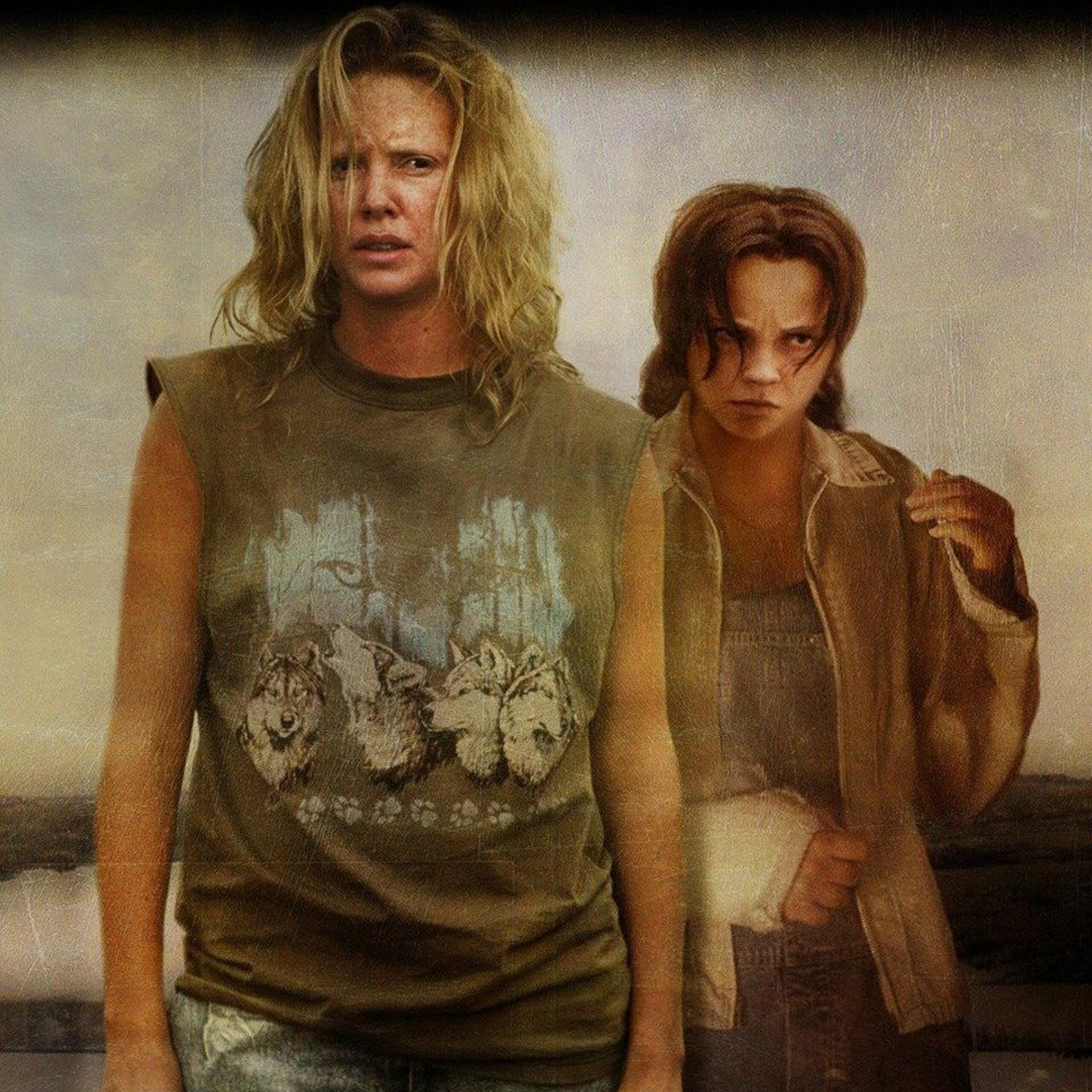
This episode of Filmmaker Commentary dives deep into Patty Jenkins’ powerful 2003 film, “Monster,” offering insights from its production to its lasting impact. It’s a must-listen for anyone interested in how a director’s early work can defy expectations and set the stage for future blockbusters, all while tackling a challenging true story with raw authenticity. The hosts pull back the curtain on the creative and technical choices that brought this Oscar-winning drama to life.

What We Cover

  • How Patty Jenkins, a woman director in 2003, navigated a tough independent film production and defied genre expectations.
  • The intentional use of makeup and casting decisions to shape audience perception of characters.
  • Insights into working with budgetary constraints, maintaining creative vision, and rolling with unexpected production mishaps.
  • The intricate balance of portraying a real-life killer with empathy, without glorifying her actions.
  • The often-overlooked humanity and complex background of Aileen Wuornos beyond her crimes.
  • How Patty Jenkins’ experience on “Monster” contrasts with her later work on “Wonder Woman,” particularly her approach to action sequences.

Key Moments

  • 0:50 The unexpected distribution journey of “Monster” and how studio expectations have changed over the years.
  • 7:01 The film’s impactful opening sequence, which uses visually dated film stock and minimal dialogue to reveal Aileen’s tragic backstory.
  • 16:01 How Steve Perry’s “Don’t Stop Believin'” became a part of the film’s soundtrack against the odds, thanks to Patty Jenkins and Charlize Theron’s persistence.
  • 18:59 A deep dive into the raw, one-shot execution of the film’s first rape scene, highlighting Patty Jenkins’ directorial approach and Charlize Theron’s commitment.

Gear & Films Mentioned

  • “Monster” (2003)
  • “Wonder Woman” (2017)
  • “Black Snake Moan” (2006)
  • “Napoleon Dynamite” (2004)
  • “Lady Bird” (2017)
  • “Looper” (2012)
  • “Cadillac Records” (2008)
  • “Batman Under the Red Hood” (2010)
  • “Carlito’s Way” (1993)
  • “Arrested Development” (TV series)
  • “Entourage” (TV series)
  • “The Sarah Silverman Program” (TV series)
  • “The Killing” (TV series)
  • “Betrayal” (TV series)
  • “Breakdown” (TV movie)
  • “Exposed” (TV movie)
  • 8mm film stock

Listener Questions

  • How did Patty Jenkins manage to direct an Academy Award-winning performance on a tight budget and short schedule for her first feature film?
  • What impact did Charlize Theron and Christina Ricci’s roles as both actresses and producers have on the film’s artistic direction and the commentary?
  • Given her initial disinterest in action, how did Patty Jenkins evolve to direct a major action blockbuster like “Wonder Woman” years after “Monster”?

Full Transcript

Read the full transcript

Full Episode Transcript
This episode of Filmmaker Commentary explores Patty Jenkins' 2003 film "Monster," delving into its production challenges, powerful performances, and complex thematic portrayals of Aileen Wuornos.

Opening Discussion & Initial Impressions
Reginald Titus Jr.: Filmmaker Commentary, episode 19. Welcome to Filmmaker Commentary, where we give you insights from our favorite filmmaking commentaries. These commentaries can be heard on your DVD and Blu-rays of your favorite movies. We'll show you how you can use these commentaries and apply them to improve your video production and filmmaking techniques. All of this here on Filmmaker Commentary. I'm your host, Reginald Titus Jr.
Reginald Titus Jr.: Welcome to Filmmaker Commentary. I'm Reginald Titus Jr. I'm joined with Casey G. Smith.
Casey G. Smith: Welcome back again.
Reginald Titus Jr.: Good to be back, sir.
Reginald Titus Jr.: So today we talk about Monster from 2003, written and directed by Patty Jenkins. It was on an $8 million budget. It made $34.4 million domestically, $25.9 million foreign, which is $60.3 worldwide. It was distributed by Newmarket theatrically. And then when it went to DVDs, like in 2005, Sony had the DVD Special Edition, and then First Look took took it over in 2009 for DVD and Blu-ray. It's kind of interesting how different companies get involved, like even with Newmarket, like they were just involved from a theatrical standpoint.
Casey G. Smith: Mhm.
Reginald Titus Jr.: Nowadays, you know, a distributing company wants everything.
Casey G. Smith.: Right.
Reginald Titus Jr.: Not just theatrically. They want it all, they want all rights, they want worldwide, they want it all. Give it up. So the movie was shot in 28 days, which is basically a pretty quick schedule.
Casey G. Smith: It is, which could be pretty brutal as we'll talk about.
Reginald Titus Jr.: What were your initial thoughts? When did you watch this film and how did you watch it this time around?
Casey G. Smith: So, I first watched Monster about anywhere from it was a couple years ago. I'll put that was a couple years ago. I think it was through Netflix. I think I actually I don't remember if I watched it streaming or if I had a physical disc. I don't I don't remember if it was a disc or or through streaming, but you know, I I remember always seeing the cover
Reginald Titus Jr.: Right.
Casey G. Smith: of the film. I think for quite a while I didn't realize that was Charlize Theron. And then of course, I obviously realized that she, you know, won an Oscar for the role and stuff. I was like, you know what? I need to check this thing out.
Reginald Titus Jr.: Right.
Casey G. Smith: And so, after I saw the first time I was like, whoa, and to know that this was based on a true story
Reginald Titus Jr.: Mhm.
Casey G. Smith: that was it it it was mind-blowing, but the way it was presented in such a way where sympathy isn't the right word that I would use, but you you maybe have some empathy for the character for for Aileen and understanding what she went through and you know, somebody just pushed to extremes and begin to make a series of terrible terrible choices and and took lives. And the film is unapologetic in how it portrays her. So I was always impressed with that and again, for those who know who Charlize Theron is, I mean, obviously, cat out of the bag, she's beautiful. And so, the fact that she went through that process and gave the performance she gave, like, okay, yeah. Yeah, that Oscar is yours. So and and Christina Ricci, like in everything she's in. She she is always so committed to every role. She is I think she's one of my favorite actresses.
Reginald Titus Jr.: Oh, that's bold. Yeah.
Casey G. Smith: I I just enjoy her. She's committed to every single role that I've seen her in and she she's going to go for it every single time. Uh, whether she's, you know, Wednesday Addams or uh, Black Snake Moan to to this role here. Uh, there was a series on Amazon she was on where she was playing um, uh, kind of a a rich a rich girl set in in in older times, like around maybe like the Civil War. She's just all in. So, uh, and again, Patty Jenkins, it was great to be introduced to to her direction and this is her breakout feature. So, um, but yeah, this time around, I just I just went straight into the commentary because the film was fairly fresh in my mind. Watched a couple of behind the scene featurettes and then I just jumped straight into the commentary. How about you?
Reginald Titus Jr.: This go round. Of course, I've seen the cover, knew about, you know, Charlize Theron, but never really just from a genre standpoint at the time, like, nah, probably not. I I probably never would have watched it, you know, it just never really was on my radar like that. But of course, you know, we're doing this and then we're also studying, you know, women directors. And then to discover that Patty Jenkins is also the director of Wonder Woman, which I did go to the theater and see, it's cool to kind of go back and see her early work. So, you know, when you when you introduced me to this and made this as a suggestion, I um, we we watch I watched the trailer, me and my wife, we watched the trailer and then we're like, whoa, this is not what I was expecting because you see the cover and you know what the kind of the story is about, but when you see the actual trailer, we were both like blown away, like, okay, we got to watch this movie now.
Casey G. Smith: Nice. Okay. Sucked in by the old marketing. Yes.
Reginald Titus Jr.: Yeah, so, when you made the suggestion, we watched the trailer and I was like, okay, yep, got to watch it, you know.
Casey G. Smith: Okay.
Reginald Titus Jr.: And so, uh, we watched it last week and um, we were just like on the edge of our seats watching this thing. Like, you know, we're rooting for her, or not rooting for her, like, what's going on? This is like crazy. And you know, of course, it being a love story, James Cameron always says like, whatever movie that you make, make it awesome but always make it a love story.
Casey G. Smith: Ha. Hard to argue with that guy's advice.
Reginald Titus Jr.: Yeah, right. It's kind of true, this is a love story. So, so did that then just recently listened to the commentary. , the commentary, I um, I I enjoyed the commentary, especially with the actress being there. Patty Jenkins being more of an aggressive director.
Casey G. Smith: Yes.
Reginald Titus Jr.: You definitely know the difference between her and like Greta, for example, you know, she's going to fight and and honestly, to in the time that this came out, you know, 2003, you know, a woman had would have to fight to to make this movie.
Casey G. Smith: Yeah. Yes. Absolutely. Given the subject matter, given given the okay, sure, the times, especially when you think about when this happened. You know, this time around just listening to how and realizing how long Aileen was on Death Row.
Reginald Titus Jr.: Yeah.
Casey G. Smith: Like, she was on Death Row for like what, 11 or 12 years, I think, before she was executed?
Reginald Titus Jr.: Right.
Casey G. Smith: So she murdered people between '89 to '90
Reginald Titus Jr.: Oh.
Casey G. Smith: and died in October 2002. She was she would have been executed
Reginald Titus Jr.: in 2002. Mhm.
Casey G. Smith: So, maybe kind of like either I don't know when they started filming this thing, it came out in '03.
Reginald Titus Jr.: Mhm.
Casey G. Smith: So, 28 days to shoot, I don't know how long it took to edit, but yeah, I know I know Patty never met her face to face, but I think they had phone conversations.

Filmmaking Challenges & Director's Vision
Reginald Titus Jr.: Crazy. Um, so yeah, I'll I'll definitely like the commentary. It's um, refreshing. And then people staying in their lane, like we talk about last time. Clark Peterson was like, okay. Where am I here? The commentary features Patty Jenkins, Charlize Theron, and Clark Peterson. Clark Peterson's one of the producers on the project.
Casey G. Smith: Yes. And and Charlize is also one of the producers, which I I enjoyed her input as in in both in both lanes. Actress as well as producer. Hence why her and Patty would have a little more kind of back and forth. I think that that dual role, um, I think would give Charlize a little bit more of that oomph.
Reginald Titus Jr.: Right. So definitely, uh, definitely recommend the commentary. Enjoyed listening to it. And one of the first sequences, when the movie opens up, they show you the young Aileen. Am I saying it? Aileen. They show the young Aileen, the the character that Charlize Theron is playing, and how she's like, you know, this beautiful little girl, innocent, and then you kind of see as she's growing up how that innocence is slowly being taken away. You know, and it and it's shown like in the style of like 8-millimeter film so that it looks dated. All the way up, you go through this whole sequence, it's like a montage. Short, short sequence, maybe a minute or so, all the way until now she's under a bridge and it's raining. You show her face, it looks like it's worn, torn. It's raining and then you see the title Monster.
Casey G. Smith: Mhm.
Reginald Titus Jr.: That's how the film opens up. I really liked the way they opened it up that way because you don't have to like hit people over the head with the history of what she went through, but you can kind of show it visually. Originally, they just wanted to show it show her opening up under the bridge.
Casey G. Smith: Right. Right. That was the original plan and they went back and forth about that quite a bit. But, you know, as Patty had obviously wrote the screenplay, she just really felt that that scene needed to stay and finally they ultimately did and it it does work. It absolutely works. It gives you a quick context, uh, and then it quickly quickly juxtaposes that, okay, whoever this person is under this bridge now, they they have they have lived some life and something or multiple things have gone terribly wrong.
Reginald Titus Jr.: As a viewer, it it would have been more, she said it would be more mysterious if you just open on with, you know, Aileen, you see her under the bridge, she's got five dollars. You're like, what's wrong with this lady and da da da. But giving you that history, it it brings more to it. It's like, okay, you come to that first shot knowing some information about her.
Casey G. Smith: Yes. And it's not necessarily even to, again, to make you feel sympathy, but just to inform you that this is a this is a real person. So, if you went in knowing about Aileen as as a murderer, that's one thing. I went in, I didn't know anything about Aileen, I didn't know anything about the case. I went in cold turkey, I just knew this was a highly acclaimed performance by Charlize. But either way, yeah, it sets the stage that this is a real person who's been through some things and now is in a very dark place. And then, you know, the title, that's like, okay, that's not ominous at all. There's some stuff's going down.
Reginald Titus Jr.: Right. And you see like how she's the actress is playing the younger version of her, like how she has these dreams, these voiceovers of dreaming of becoming somebody one day. And that voice still in a way lives in the war-torn version of Aileen. It's there but not as loud as when she was younger. One of the first points is live with the scars. So, in the opening sequence, they talk about how they had issues like the some of the film was damaged. It, uh, what were some other issues they had, like some problems with the focus, but they couldn't reshoot.
Casey G. Smith: No, they couldn't. The the very beginning of the film, it was the the first scene was it was a disaster, that that first day. Nothing was coming together. And when they when they look back at it again, film was damaged and they had to cut away and it was the first time that, you know, Charlize and Christina, man, I was blanking on her name, that that Christina Ricci had a chance to to work together. And but they they pushed through. And towards the end, one of the one of the last scenes they shot that day was the the two of them at the bar and a good chunk of that at the end when it's just the two of them is just kind of ad-libbed. It's kind of just them going going back and forth. And they just kept they kept pushing through and, you know, without them telling us that, we wouldn't have known. You know, movie making is such a an amazing thing, what you can leave out and not even be privy to unless somebody says, oh, actually, yeah, this day was a hot mess.
Reginald Titus Jr.: And it does have like an indie feel, like, you know, she's sticking to one or two angles, a little bit more wide. The light seemed a little bit more hot on the left and right side. A little closer to the actress than it probably needs to be, but, you know, that's probably why she wanted to reshoot it. You know, it's just like, technically it's not exactly how she had envisioned. It's uh, I guess when they when she watched it again, it's like, okay, we can live with it.
Casey G. Smith: Yeah, and it kind of they kind of had to because also it was also a a budgetary constraint. That was one of the big reasons. It wasn't just like a a time constraint, but from a financial standpoint, they they had to live with it and and on to the next.
Reginald Titus Jr.: I was meaning to ask, what was your favorite scene or the scene that's in your brain the most?
Casey G. Smith: Well, she gets raped that first that that first time and retaliates and kills the guy, but also the last guy that she kills.
Reginald Titus Jr.: Oh.
Casey G. Smith: The last guy that she kills who is trying to help her and then when she sees the picture of his wife in a wheelchair and then she sees the badge, her reaction of seeing that I just killed a cop. This is really bad. Like that that that stands out to me. Like because that was like the beginning of the end like, okay, you are you're screwed. You are really, really screwed. So that that that really stands out to me. How about you?
Reginald Titus Jr.: The the scene where uh, her and Christina Ricci, you know, they're outside they're basically kind of breaking up and she just loses it. You know what I mean? Like like that just tears at the heart a little bit. It's like, okay, I'm still human. Because she was putting this front on for the whole movie and then for her to like just lose it. It reminds me of the scene like we just watched in uh Lady Bird, the last scene when the mom's driving around.
Casey G. Smith: Oh, yeah.
Reginald Titus Jr.: You know, these these women have been hard their whole the whole time they just been hard. And then they show that they care or and and Charlize Theron's situation is like she's been holding all these emotions down and then they just bubble up to the surface. And it took something like this to to bring it up. This is the first thing that she really, really the person she really, really cares about that's going out, you know, it's over, like it's the end of the movie like it's a wrap.
Casey G. Smith: I love seeing performances when you when you see the slow change of emotion wash over somebody's face. Again, we we see that with Lady Bird when she's making that loop around and going back to the airport. Um, and we we see it a couple times with Charlize. There's there's one in particular, again, it's one of the Johns that she's with and when they're kind of I might be one of the first Johns that she gets with after she starts uh, dating Christina's character where as they're talking about it, she's trying to kind of be in in the role and do her do her thing and and and and do the job, but slowly she's just kind of getting more kind of repulsed and disgusted by it. Like, you know, and it's like, wow, just seeing that emotion wash over and again, when she sees the the the badge of the cop. It it's a quick reaction, but I mean just the it's just that that shock like she's she she knows it's done. And just like again, her performance, man, the constantly the the the the moving of the hair, the slicking back of the hair.
Reginald Titus Jr.: That is hilarious when she like flips the back, like she's like, yeah, I got this. Yes. Yes.
Casey G. Smith: Whatever, man, whatever, man.
Reginald Titus Jr.: That's like my favorite line when she does it, whatever, man. You got to be like a doctor to be a veterinarian. What whatever, man. Yeah, so that was my favorite scene. I was like, oh, man, pulls at the heartstrings. Like, oh, she she did it. I wonder how many times they had to do that or that was it, you know, two two cameras, that's it. That's all we got.
Casey G. Smith: But always committed. Always committed.

Creative Decisions & Standout Performances
Reginald Titus Jr.: Um, another point is like being able to view things from the eyes of others. So everybody was impressed with the with the makeup except for Patty Jenkins and Charlize Theron. They weren't really impressed. It was like, that's just that's just Charlize. That's that's how she said it. But being able to trick everybody else.
Casey G. Smith: Yeah. They even said that later on that whenever she was in makeup, that people would act differently around her. Because, you know, they Patty and Charlize had had become good friends with the people at the uh the Last Resort bar. They had traveled down to Florida before shooting commenced. And they had they had actually gotten lost and kind of came across a place I think by happenstance. But they got to know the people there and became good friends with them. But then once Charlize was in makeup, like she said she noticed that people were they acted different around her because of the way that she looks. And when you see her, I mean, gosh, she has the contacts in and the makeup and the hair and it's just like, yeah, if if if somebody didn't tell you that was her, would you know that it was Charlize Theron?
Reginald Titus Jr.: No. Especially like when she has like all the the brown, I guess they're sun, what are they the sun spots that she has on her face? Especially when they have that makeup, right? There's a couple times where it looked like, you know, Charlize a little bit. Uh, but no, I don't no, especially the teeth, man. She they did it with the teeth.
Casey G. Smith: Right. They went overboard.
Reginald Titus Jr.: I was like, oh, yeah.
Casey G. Smith: Man. So, you mentioned, you know, tricking tricking the eyes. There's something specific that Patty mentioned in the commentary that she also she made a specific decision to have Christina Ricci's character, Aileen's girlfriend, Selby. If you see images of Selby, Selby is is blonde, not short. Doesn't seem short like Christina. Looks looks very different. You kind of average. Does she doesn't look like the like she doesn't look like Christina Ricci. I'm put it that way.
Reginald Titus Jr.: I'm putting it that way.
Casey G. Smith: She doesn't look like Christina Ricci. And and Patty Patty specifically said that she made a a a decision to make Aileen's girlfriend look like she appeared in Aileen's eyes. Hence why she went with Christina Ricci. She's no, she's she's an attractive actress and she can and she can play innocent, you know, she could play
Reginald Titus Jr.: just those eyes, those big ol' eyes, man. She can do that all day. Yeah. obliviously, like just naive oblivious. Yeah, but
Casey G. Smith: She can go like either way, innocent or devious. She's not in Black Snake Moan.
Reginald Titus Jr.: That's true. That's also true. I mean, I'm talking about the character in Monster.
Casey G. Smith: Yeah. She she she embodies that and so, uh, Patty made that decision to have Selby look like how Aileen would have seen her in in her eyes. So the audience could could get that. I'm like, that's pretty smart because she thought if she if she had two kind of not not not like really attractive women then it it it may not work. Uh, it may not be as well received. And she said part of it was a little bit of a trick because people would see in the in the advertisement, hey, you got Charlize Theron and you've got Christina Ricci, you know, there might be some lesbian action happening here. She she mentioned in in in maybe it was behind the scenes stuff that that potentially would kind of be a trick and kind of a a grab a little bit to get people's attention. Um, and Charlize being ugly uglyified, uh, she said would also be a bit of a bit of a grab. So,
Reginald Titus Jr.: You got to use what you got to to sell this movie.
Casey G. Smith: So they tricked the eyes with with that casting as well.
Reginald Titus Jr.: Another point, maybe consider cutting out dream sequences. I know sometimes people can use dream sequences or flashbacks, kind of like a crutch to kind of tell the story, but there's a scene where they were considering putting in dream sequences and some voiceover. And it was the scene where um, Charlize Theron is in the home of Christina Ricci and they're just now kind of getting to know each other or, you know, hanging out, sleeping in the same bed and all that stuff. And that's
Casey G. Smith: When they first came back from the bar, that that the first night they met, right?
Reginald Titus Jr.: Right. So, instead of just kind of living with these characters and let their relationship develop, I think they were considering doing like kind of like a dream sequence kind of going back. But I believe it was probably a better choice not to, instead of kind of revisiting that dark past and just kind of letting their relationship develop.
Casey G. Smith: Mhm.
Reginald Titus Jr.: Also, another point, be open to creative options from your actors and actresses. Um, Charlize requested a mailbox to be moved.
Casey G. Smith: And that's the again, that's the next day after she had um, been at at uh Selby's house and, you know, her parents caught them together and so she's get dressed really quick and they're about to leave and yeah, Charlize asked for that mailbox to be moved closer. It was just something that she was just adamant about. In that scene, you know, she specifically, you know, she's kind of doing her her her her tough, super cool thing. And she kind of opens the mailbox and and closes it. And it all just seems so natural and she said that afterwards, you know, people some people have seen the the film and afterwards people will comment to her that, you know, when she does that, some some feel that it's almost like her saying that she wanted to live there and have her mail go into that mailbox at that place. Like she it's almost like Aileen just at the end of the day, wanted wanted a place where she belonged. I was like, oh, man, that's that's deep. But yeah, she just felt she had to fight. Charlize had to fight for for that.
Reginald Titus Jr.: And to be flexible to allow that to happen because even though she wanted to do that, she couldn't really communicate exactly why she wanted the mailbox to be moved so she can play with it. It was just like, all right, let's do it.
Casey G. Smith: And that's good that's good on Patty to to to trust Charlize's instincts on that and and just, you know, have it have it moved, have it ready to go.
Reginald Titus Jr.: Also, if you're making a choice to have a character eat in a scene, you got to be cognizant that how many times you're going to be shooting this scene. Um, because you got to make sure the continuity is right and they're chewing, you know, every time they're chewing, eating, if you want to shoot them swallowing the food. I've heard in other commentaries where people are chewing and then they spit it out.
Casey G. Smith: Man, you definitely want to make sure you have somebody on on set that is looking at where that bite left off and has and has plenty of of the same kind of food ready to go. Um I remember doing a, you know, short film and having to eat food. Luckily it was really good food. And I was man, there were some scenes where I got kind of caught up eating. I was like, where's my line? Where's my line? I got food in my mouth. Guys got caught caught in the mix. But you you learn to uh
Reginald Titus Jr.: There you go. Yeah.
Casey G. Smith: And that's not to mention you learn to uh
Reginald Titus Jr.: And you learn how to shoot around that. Doing that again.
Casey G. Smith: Mhm.
Reginald Titus Jr.: Close-ups. We're not cut away to the plate.
Casey G. Smith: Aha. No, that's actually that's actually that's a good idea. You didn't have to worry about that. Now, how much pork chop was on this plate last time? That's okay. Let's add some more of this. Yeah, it becomes man.
Reginald Titus Jr.: What movie were we watching? Was it Goodfellas or one of those or was it Casino? Somebody was eating a steak and they were talking about it. I can't remember, but it was one of those movies. Somebody was eating a steak and had to eat quite a bit. No, that was um, we haven't covered the movie yet, but it was um, where's the one with the nerd guy with the big glasses, MTV, Dolemite?
Casey G. Smith: Napoleon Dynamite?
Reginald Titus Jr.: Napoleon Dynamite. And I think it was his uncle that was eating his steak. Like oh, I think it almost got him sick.
Casey G. Smith: Oh, wow. That could be. That could be disastrous. You got to keep man, multiple takes. Multiple steak takes. All right. So licensing music, of course, can be expensive. Um, there was a a a very, very popular song by Steve Perry that they wanted to license, but of course, this movie was on a strict budget, you know, $8 million. Like, who knows, like, you know, how much was allotted to music? And I'm I'm pretty sure it wasn't that a lot because, you know, music license and music can be anywhere from free to millions of dollars depending on who you're dealing with.
Reginald Titus Jr.: Oh, wow.
Casey G. Smith: Yeah, very true. And it it was pretty amazing how it all came about because some had kind of discouraged him and said, oh, you know, Steve Perry is like this or like that. And of course, you know, being a part of, you know, the the band Journey and the song Don't Stop Believin' which, I mean, who doesn't? If you've been to a wedding, you've heard that song. If you've watched over and over again. Yes. Yes, we've been in our our fair share of weddings and it it plays quite a bit, but it's it's I don't know, there's something about it. And it is magical. Yeah. And at that time, especially when you consider, um, that time it would have been like '89. Uh, maybe '88 even, because she started murdering in '89. I sound so casual about that. She began to murder somewhere around '89. The murders began to happen around '89. Um, but so, say that got together maybe in '88 because I think they were together maybe for about a year before that stuff started. So, yeah, that that would have been prime to be able to hear a song that also hence why they're, you know, at a roller rink and doing their doing their thing. But, um, once they reached out to Steve Perry and his people and they sent him a copy of the film. He watched it and he loved it. And came on board and actually showed I think he said he showed up. And that my impression is that he physically came to set. I don't think I don't know if he was in Florida or
Reginald Titus Jr.: Over over again. It's magical. It's True. Yeah.
Casey G. Smith: That's how we roll. Yeah.
Reginald Titus Jr.: I don't know how it worked out, but eventually what became a producer and then also Charlize Theron like wrote letters to convince him.
Casey G. Smith: That's right. That's right. That was kind of the the the final touch was was her writing some letters. I'm like, that's yeah, that's genius. I mean,
Reginald Titus Jr.: George Clooney is known for writing letters as well, by the way.
Casey G. Smith: Oh, I I'd take a letter from Charlize.
Reginald Titus Jr.: Hello. Hello. Hello nurse.
Casey G. Smith: Nonetheless, but uh, it it worked and again, Steve Perry, he came on and I'm assuming he let them use the song and he came on
Reginald Titus Jr.: at the time where they didn't even have distribution. There was no distribution at the time. So, he was like, this is going to the top. What did they say? This is going all the way everybody.
Casey G. Smith: All the way. All the way.
Reginald Titus Jr.: No distribution. They're editing, there's no distribution. We know about that.
Casey G. Smith: Hey.
Reginald Titus Jr.: Living and learning.
Casey G. Smith: Living and learning. But yeah, that that made the difference. So, I mean, it's it's crazy to say, but don't stop believing. You know, they had to go for it. They literally had to just go for it. And they had this happen, I think, with a couple of other songs because, I mean, this this the film has quite the soundtrack. You know, there's some very recognizable songs and hits from throughout some of the different decades. So,
Reginald Titus Jr.: There you go. And you said he came on as a supervisor?
Casey G. Smith: Oh, he became a a music consultant for the film and he was Patty said that, you know, they they've seen this film screen like she said hundreds of of times. Lots of times. And she said every time that she's sitting next to to Steve, her and and Charlize both will when when the the credits are playing, you know, the song plays again and then they'll both like, they they sing the song to him like every time. They just get a kick out of it. They're just uh, just so happy and grateful that he came on. So, kudos to you, Mr. Perry.

Thematic Depth & Character Portrayal
Reginald Titus Jr.: Another point, roll with the mistakes. There were there's a scene where Charlize Theron is in there with another John in in the car, when they're driving. And they're doing cutaway shots. You close-up on Charlize and then cutaway on this other character. In his scene, in his shot, um there's rain coming down the window. But on when you cut away to Charlize Theron, there's no rain there. Just because like, I guess Florida weather being what it is. It'll rain one moment then the next moment it wasn't. And so there's no continuity between the two shots. But they just had to they had to roll with it. I didn't notice it on the first go around either.
Casey G. Smith: Mhm.
Casey G. Smith: You know, I well, I think also sometimes with rain, I mean, rain often falls at an angle, but it wasn't raining at all when they cut to her shot. Oh, well. I didn't notice it either. So I didn't know, you know, until they brought it up because you can see it, it's drizzling down and everything. You cut away to a shot, it's just clear.
Reginald Titus Jr.: I didn't notice it. You know what.
Casey G. Smith: Yeah.
Reginald Titus Jr.: But it's one of those things, you know, I didn't catch it. Some people can catch that stuff.
Casey G. Smith: That's true. And there yeah, there have been times I've been watching the film and just, hey, wait a minute. Her nails are a different color, you know, from I I've I've, man, I've seen that in a couple of films. Uh, actually it was an episode of Atlanta. When they're at the the house party trying to uh, trying to find trying to find Drake. And there's this um, the the one ex-girlfriend is kind of mad at the white girl because she's, you know, dating her ex or whatever. If you watch that scene again, every other time they cut back to her, her her nails are different. Different different colors. Like it's like they brought her in and shot her twice and her nails are totally different color. Anyway. Sometimes you catch it, sometimes you don't. Yeah.
Reginald Titus Jr.: Yeah, yeah. You have it. What?
Casey G. Smith: Heh. Oh, man. Don't stop. Don't you start, Reginald. Don't you start. Oh, man. Ah, good times, good times.
Reginald Titus Jr.: So, there's another shot, not a shot, but um, Charlize Theron, she's playing a hooker, you know, and since this is a woman that's directing this performance, I think it was important for her not to kind of gloss over it and kind of show like how important it is to let that person be who they are and not try to switch it up or change it up just so it's more palpable. And I think from like a just coming from a woman director, it's it's it's more empowering. And, you know, of course, the the lady was street smart. You know, she mentioned how Charlize Theron that actor uh, Aileen was a street smart person. You know, she's been doing this since she's 13, so she's got street smart. You know, she would go and not just hook on any corner, she was off the highway, which is more dangerous than because they can just beat you up, throw you off the side of the road and they talk about how um, I I listened to an interview with uh Patty Jenkins, Charlize Theron on Charlie Rose and they talk about like how much stuff that she'd been through, like just beat up, broken pelvis and just jacked up in the hospital. Like it was so much tragic crap happened in her background.
Casey G. Smith: And raped, she'd been raped multiple times while doing this kind of job.
Reginald Titus Jr.: And um, Charlize Theron said in those letters that she talked about it like it was just like eating ice cream. Like, oh, I was raped. You know, it's like a detachment to what happened. And she's been through so much crap that you couldn't put all that stuff in the movie. That's how much crap it was. For her to go through all that crap and still stay focused and do her thing. Like, they say it in here, you know, imagine if that energy was put into something else. She would be an unstoppable force.
Casey G. Smith: Right. And that's the thing that also comes out just like who Aileen was beyond, you know, before the murders and beyond the the job or beyond the profession that she had. You know, she was an animal lover. You know, one thing that they didn't have the budget to or time to put in the film was that her and and Selby had a bunch of animals when they were staying in the hotel, they had a bunch of animals that they had taken in. Uh, Aileen had friends, she had a lot of retired veterans, uh, Vietnam vets who were a friend of hers. Some some were were former Johns of of hers. Um, she uh, she sometimes would look out for people who were maybe like disabled. You know, she had like that one guy, uh, that one John in the car who had like the stuttering, uh, the speech impediment going on. And so,
Reginald Titus Jr.: He played it very well.
Casey G. Smith: Yes. And so we see these moments of just humanity. And that's the thing the film shows Aileen as a full person. It's not just one aspect, but it doesn't shy away. It doesn't shy away from who she was all the way around. She is a fully flushed out, very real person and we we get to to to peek into her world for, you know, for a little while. Um, and when she would, like you said earlier, when she would meet these different Johns, she would she would feel them out. Um, she would have conversations with them and kind of, you know, even keep them off off balance where where they at times wouldn't know fully what to expect, or they were actually going to, you know, whether she was going to turn the the trick or not. But at the at the end of the day, you know, it was a job. He it almost reminds me of, you know, when we talked about Looper, uh, the character that Piper plays, you know, where she works at at that spot at that club and she's she's a dancer, but she's also a prostitute and it's just for her. It's just on the clock. Without passing any judgment, I just find it fascinating that, you know, one could get to that point and just, you know, like just, hey, it's just work. It's not personal and you just become detached and kind of desensitized to it. But at the same time, be able to have like this intimate relationship that being the thing that keeps you going. Oh, man, that's complex, man.
Reginald Titus Jr.: So there's a scene, of course, there's a a rape scene that they shoot here and it's horrible. It's like, what is going on here? Patty Jenkins, she she approached it. It was uh one shot on uh Charlize Steameron where she's like close-up on the camera on the inside of the car. And how she approached it like she just let Charlize Steameron know where the camera was going to be. They didn't do tons of rehearsals on this at all. And then she just let it rip and they just like crushed it and it's like visceral. It's uh, it's raw.
Casey G. Smith: It is very raw. Uh, yeah. The way that it's done, you kind of can see where when you think about all the things that Aileen had been through and then that that kind of being just that that breaking point.
Reginald Titus Jr.: Right.
Casey G. Smith: And the fact that, you know, this guy was probably going to kill her. You know, the and that and that's the thing that the start of it, what she did was self-defense. You know, I got no sympathy for the dude that she took out. Like, okay, that was self-defense. This dude raped you and in all intents and purposes was probably going to kill you. Yeah, you've been a good free, get your gun and, you know, bust a cap. All right. But it goes from kind of a righteous indignation to something very different. But the scene itself being set up and both actors just, man, were able to play it beautifully. That guy, I mean, like, he does a thing where he like licks his hand, I think, for and it's like, yeah, yeah. And and just
Reginald Titus Jr.: Oh, my God.
Casey G. Smith: It's raw. Yeah. Yeah. And the fact that I mean the guy, I mean, the fact that he pours the alcohol, you know, after he's, you know, he's partially sodomized her with the an appliance and then pours alcohol.
Reginald Titus Jr.: It was the uh, the star that you open the
Casey G. Smith: Oh, the Jack. Uh, oh, yeah, yeah, okay. That's yeah, that's terrible. That is absolutely terrible. So,
Reginald Titus Jr.: And you kind of feel yourself rooting for her, like, yeah, yeah.
Casey G. Smith: You feel vindicated in that in that in that moment. And again, it's uh, you're seeing the the full 360 of that person and then she goes and she's, you know, trying to clean herself up and and it's so fascinating to see to see Aileen just continue trying to hold on to that that shred of dignity. And even with her profession, she not everybody knew what she did. She tried the one of the reasons why she worked the highways is because she didn't want to be on the boulevards and have everybody know. She kind of kept it on the low a little bit.
Reginald Titus Jr.: She didn't sign up for that. Like, she signed up to move out the house. What?
Casey G. Smith: But she knew. Once once they once she found that wallet or that piece of jewelry, she knew she could have chosen to leave like that. So she chose the deal. She took that deal and sold out Aileen. So I don't I don't I don't have much I don't respect's not the right word, but there's no law no love lost. I'm like you were you were like almost like an accomplice to all to all these murders.
Reginald Titus Jr.: I don't want to drive.
Casey G. Smith: What?

Directing Techniques & Industry Reflections
Reginald Titus Jr.: What?
Casey G. Smith: And it said at the end of the film that after that, they never spoke again. And then again, Aileen was on Death Row for like 12 years. 12 years after she committed these murders, just stuck with that. And, oh, man, I I could I could like that's a hell of a life, dude. I mean, like if you if you just you you take all this into consideration, that is one hell of a life. And then Death Row. And I'm I'm I'm assuming during that time, she would maybe was trying to, you know, get off Death Row and it just it just didn't didn't happen. It's horrible. Did you hear about that? Sorry, tangent, but um, the young woman in I don't know if it was in Pakistan or Iran or Saudi Arabia or somewhere in the Middle East, a young lady. I don't I don't remember her name, but they they've got like a whole like kind of hashtag like justice for insert her name. Um, but she was put into an arranged marriage by her parents, by her dad, but didn't want to do the arranged marriage. So she fled to fled the country and had gotten away, went to live with her aunt. I don't know if she came to the states or not, but she went to another country, was away for a while. And then her dad tricked her into coming back home. Told her that she was forgiven, whatever. So she comes back home. And then basically is is forced into uh, an apartment with this husband that she has this arranged marriage with. Husband wants to consummate the marriage and and she refuses. And so, then the husband calls over his some of his kinfolk. And they literally hold hold her down and he he rapes her. Um, no, she she no, she freaks out and she goes to her parents. Tells them what's happened. They turn her in.
Reginald Titus Jr.: Her dad?
Casey G. Smith: No, not her dad. Helps this?
Reginald Titus Jr.: Oh, his family members.
Casey G. Smith: No, his her her new husband. His family members. His family members come some cousins and stuff like that. They come and and and and then he he he rapes her. And then they actually stay around like the rest of the day after this has happened. And so she wants to escape, but the door is guarded. And then like later on after like the family leaves, he wants to have sex again. And he threatens her with a knife. And she somehow is able to get the knife away from the guy and ends up stabbing him a couple times and he ends up dying.
Reginald Titus Jr.: Whoa.
Casey G. Smith: And she flees and and and eventually she's caught and she's put in jail. Um, no, she she no, she freaks out and she goes to her parents. Tells them what's happened. They turn her in. And within the um, the law and the rule of the land, um, there one, there is no penalty for a husband raping his wife. He can have sex with her anytime that he wants. So, he wasn't in the wrong, quote unquote, in the wrong. Um, and she's charged for first, yeah, for murder. And so, initially nobody wanted to come and defend her and she had to defend herself, then eventually they did find a defense attorney for her. And so now there's groups across the the world that are trying to get her off of Death Row because she's on Death Row. And the family, the family of the of her her now deceased ex deceased husband, uh, they had a choice to either forgive or demand like a I forget what they call it, like a death something. Uh, compensation almost, um, from the other family, from her family. Um, and yeah, and they I think they chose for whatever reason, they think they chose that they wanted her to I guess to to die. I'm hoping getting all the details right. I just heard it on the again on NPR. But I'm just like, that's a hell of a life. And she didn't do she she was just doing just self-defense. Just wanting to get away, not be forced into a freaking arranged marriage. Um,
Reginald Titus Jr.: Oh, wow.
Casey G. Smith: Yeah, so, some of this culture, it's uh, Jacked up things going on, man.
Reginald Titus Jr.: it's tricky because, you know, you're trying to put our Western way of thinking into that culture, you know, and not necessarily like what makes somebody go back there, you know, she got tricked, but she fled and was able to get away. But what what was so strong to make her come back, you know?
Casey G. Smith: I think universally, from a universal standpoint, in any any culture, heritage or background, who does who nobody wants a strange relationship with their family. That's that's universal. Nobody wants that. So, you know, in an ideal world, everybody would want to get along great with their parents. Um, and regardless of the culture you come from, you're going to have times where you disagree, you know, where you may push back, where you may rebel, where you may question things, whether it happens during adolescence or during adulthood. Um, whether you go through a period where you change and come back and you you understand it or whether you uh, maybe out out and out all around just reject it. But I would assume that that's what it was because from what I remember from the story, they they had kind of painted it and presented to her like, hey, all is forgiven. Come back home. But it was all a a sham that led to a a terrible set of circumstances. Oh, man. Can we be better to our women, please? Can we lift our women up? Can we appreciate our women? Can we can we love and not abuse our women? Can we empower them and encourage them to be strong, to to live healthy lives, to direct movies, to to act, to just to be great.
Reginald Titus Jr.: Yeah, so, some of this culture, it's uh, Jacked up things going on, man.
Casey G. Smith: it's tricky because, you know, you're trying to put our Western way of thinking into that culture, you know, and not necessarily like what makes somebody go back there, you know, she got tricked, but she fled and was able to get away. But what what was so strong to make her come back, you know?
Reginald Titus Jr.: It's kind of crazy like what you what people can get away with, you know, with a little bit of power, you know, in that culture the men have the power. Of course, in our American culture, you know, we deal with rape politics and certain races can get away with things, other races cannot. So we still deal with sexism too. And then from yeah, sexism. And then in this movie, kind of talking about how the guys, these women are routinely beaten on, slapped, left for dead and nobody would care, you know, because they're just prostitutes. But yeah, pretty deep. I don't know what to say about that. I was I was going to expect you to say it was like a like a honor, like they were going to do like an honor killing. You heard about the honor killings, like whenever here in America when some some of the women from this culture break away from their family, their dad ends up killing them like to uphold the honor of the family.
Casey G. Smith: Oh, yes, yes. I I have I have read stories of such things, you know, to to um, renew the the honor of the of the family. And again, Yeah.
Reginald Titus Jr.: No, I don't want to speak out of line. I don't want to sound ignorant, but, man, again, my Western mind, that's just that's that's heavy, man. That that's heavy and that's that's uh, I just don't understand that. I just put it out there like that. I don't understand that. I think respect and honor are important.
Casey G. Smith: Yeah. I just don't understand that.
Reginald Titus Jr.: I think there's this one video. It's I can't say the actual word, but there's this Indian kid on a bike and I don't know if it was like his sister or older auntie. This guy has to be like six years old or something like that on a bike. And an older woman is in like she's probably like her late teens or early 20s or something like that. And he's trying to get by her and she's like, what are you doing? He's like, don't touch me. And he uses the B-word. Oh, wow. Yeah, you got to look it up. It's hilarious and sad at the same time. But it kind of goes like it's ingrained early on. Like to disrespect the woman and you're you're below me. Yeah. Little kid, you know. This guy had to probably been six years old, seven years old. Don't touch me. And then he dropped the B word. Yep. Yeah. She like laughed, like it's like she's laughing like and taking it back at the same time. She's like what. Anyway, well, this was a deep episode. Yes. Yes, it was. But, you know, that's hey, this is filmmaker commentary. exactly. And um, these are things it's ugly. At times it is, but again, if we can see a director who goes from making a film like this over 15 years ago and then seeing able to bounce back and be triumphant, making a woman like Wonder Woman that empowers. I mean, goes from uh again, a a from a monster of of a story to, you know, the world's first woman superhero. Hey, that that's a journey in and of itself. And so again, kudos to you, Patty Jenkins, looking forward to Wonder Woman 2 and looking forward to your future projects.
Casey G. Smith: Oh, wow.
Reginald Titus Jr.: Next week, we look at the movie Cadillac Records. Got me a Cadillac. With uh directed by Darnell Darnell Martin. She has a lot of TV experience under her belt. Um, she went and directed this movie and then went right back into the TV world. So, it'll be it's going to be very interesting to see how she was able to navigate doing her first feature film. Um, did you ever see? Did you see Cadillac Records?
Casey G. Smith: I did see it. Yes. It's been it's been a number of years, but I saw it maybe about four or five years ago.
Reginald Titus Jr.: Okay. All right, y'all tune in next week as we dive into Cadillac Records. Appreciate it and peace out.
Casey G. Smith: Peace.

About Filmmaker Commentary

Reginald Titus Jr.

Apple Spotify YouTube Subscribe Free
Continue Listening

FMC 020: Cadillac Records Directed and Written By Darnell Martin

April 11, 2026

FMC 018: Sin City Directed by Robert Rodriguez and co-directed by Frank Miller

April 11, 2026

FMC 017: Lady Bird Written and Directed by Greta Gerwig

April 11, 2026

Leave a Response Cancel reply

Never Miss an Episode

New episodes every week — free.

Listen on Spotify Apple Podcasts

Recent Episodes

  • FMC 020: Cadillac Records Directed and Written By Darnell Martin
  • FMC 018: Sin City Directed by Robert Rodriguez and co-directed by Frank Miller
  • FMC 017: Lady Bird Written and Directed by Greta Gerwig
  • FMC 016: Looper Written and Directed by Rian Johnson

Archives

  • April 2026
  • March 2026
  • January 2026

Categories

  • Film
  • Podcast
  • TV
© 2026 Filmmaker Commentary. All rights reserved.
  • Privacy Policy
  • Disclaimer
  • Terms of Service