June 29, 2026
F
Filmmaker Commentary
  • Home
  • About
  • Episodes
  • Film
  • TV
  • Home
  • About
  • Episodes
  • Film
  • TV
Podcast

FMC 037: The Howling Directed by Joe Dante

December 23, 2018
Listen on Apple Spotify YouTube
Listen to this episode
Your browser does not support the audio element.
Also on Apple Spotify YouTube

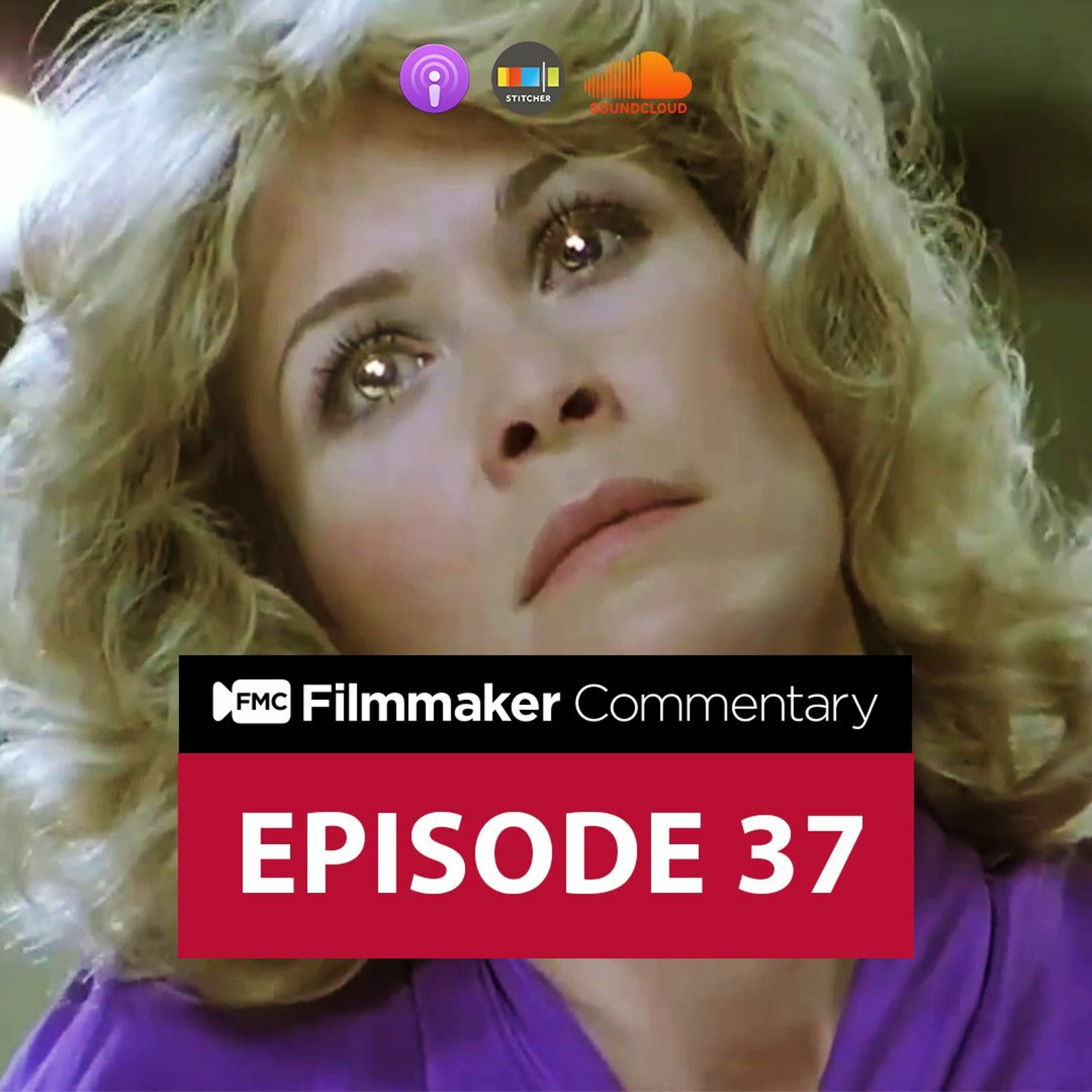
This episode of Filmmaker Commentary revisits Joe Dante’s 1981 horror classic, “The Howling.” Join Reginald Titus Jr. and Casey G. Smith as they dissect the film’s groundbreaking practical effects, its place in werewolf cinema history, and the subtle filmmaking choices that brought this independent gem to life. Discover how “The Howling,” with its modest $1.1 million budget, delivered a powerful and lasting impact on the horror genre, influencing subsequent creature features and setting a new bar for on-screen transformations.

Reginald and Casey explore the film’s compelling themes, starting with the innovative portrayal of lycanthropy. Unlike previous films, “The Howling” presents the werewolf transformation as a slow, painful metamorphosis, a cinematic first achieved with minimal cutaways. They discuss how the film uniquely reframes lycanthropy not as a curse, but as a “gift” within a secluded colony, creating a distinct culture around its residents’ bestial nature. This perspective, along with underlying themes of trauma, voyeurism, and the internal and external acts of shape-shifting, enriches the narrative. Protagonist Karen White navigates a terrifying retreat after a near-fatal encounter, only to find herself amidst a community wrestling with their own primal natures and psychological damage.

The hosts share personal connections to the film, with Casey recalling his childhood fright from the iconic transformation scenes and his renewed appreciation from the Blu-ray collector’s edition. Reginald, experiencing the full film for the first time, notes its deliberate pacing and the rich array of special features that offer deep dives into its production. They also extract valuable filmmaking insights from Dante’s work: how savvy art direction can maximize small spaces, the clever use of foreshadowing through subtle visual cues like “Wolf Chili” and character names, and the narrative power of having characters make choices the audience instinctively fears. Practical advice on shooting techniques, such as scheduling complex shots in daylight to avoid time constraints and leveraging natural light when resources are limited, highlights the ingenuity required for independent filmmaking. Listen to more such insights on Filmmaker Commentary. Finally, they contrast “The Howling’s” practical effects with other werewolf transformations in cinema, affirming its enduring legacy and discussing the techniques used to create such visceral moments, including sound design that covers up on-set challenges.

What We Cover

  • “The Howling’s” groundbreaking werewolf transformations and their impact on horror cinema.
  • How a modest budget inspired creative filmmaking solutions in art direction and location shooting.
  • The film’s unique take on lycanthropy as a “gift” versus a curse, and its deeper psychological themes.
  • Joe Dante’s directorial techniques, including clever foreshadowing and effective character blocking in limited spaces.
  • Comparing “The Howling’s” practical effects to other notable werewolf films like “An American Werewolf in London” and “Underworld.”
  • Lessons for independent filmmakers on maximizing resources and enhancing narrative through subtle details.

Key Moments

  • 0:40 — Understanding Joe Dante’s independent filmmaking approach and “The Howling’s” budget triumphs.
  • 3:50 — How “The Howling” pioneered realistic werewolf transformations, alongside “An American Werewolf in London.”
  • 7:00 — A deep dive into the film’s unique themes, including lycanthropy as a gift, psychological trauma, and voyeurism.
  • 11:24 — Practical filmmaking insights: maximizing small spaces with art direction and the power of narrative foreshadowing.

Gear & Films Mentioned

  • Blu-ray collector’s edition of “The Howling”
  • “An American Werewolf in London”
  • “Hemlock Grove”
  • Michael Jackson’s “Thriller” (music video)
  • “Underworld”
  • “The Wolfman” (2010 remake)
  • “Teen Wolf”
  • “Bram Stoker’s Dracula“
  • “Nightcrawler”
  • “Infinity War”

Listener Questions

  • How did “The Howling” manage to create such realistic and influential werewolf transformations on a limited budget?
  • What narrative themes did Joe Dante explore in “The Howling” that distinguish it from other werewolf films?
  • What practical filmmaking advice can be taken from “The Howling” regarding shooting in tight spaces, using foreshadowing, or directing actors for special effects?

Full Transcript

Read the full transcript

Full Episode Transcript
This episode of Filmmaker Commentary Joe Dante's 1981 horror classic, "The Howling," discussing its production, groundbreaking werewolf transformations, and lasting influence on the genre, alongside personal reflections and filmmaking tips.

Opening and Film Overview
Reginald Titus Jr.: Filmmaker Commentary, episode 37. Welcome to Filmmaker Commentary, where we give you insights from our favorite filmmaking commentaries. These commentaries can be heard on your DVD and Blu-rays of your favorite movies. We'll show you how you can use these commentaries and apply them to improve your video production and filmmaking techniques. All of this here on Filmmaker Commentary. I'm your host, Reginald Titus Jr.
Reginald Titus Jr.: Welcome to Filmmaker Commentary. I'm Reginald Titus Jr. I'm joined with...
Casey G. Smith: Casey G. Smith.
Reginald Titus Jr.: Welcome back, sir.
Casey G. Smith: Good to be back, sir.
Reginald Titus Jr.: So if you're here with us today, we'll be going over "The Howling," directed by Joe Dante, 1981. The reason this episode's a little bit out of order is because we're coming back to it. The episode was recorded and something happened to it and it vanished. So we're coming back to it because we promised that we would go over a few horror films during the Halloween season. There you go. And so here we are with "The Howling."
Reginald Titus Jr.: So the budget for "The Howling" is 1.1 million bucks, and domestically it made about 17.9 million dollars.
Casey G. Smith: That is a win.
Reginald Titus Jr.: Yeah, I think so. This was, uh, was it more of an indie? Like what, uh, what studio produced this film?
Casey G. Smith: So, Embassy Pictures produced "The Howling." It was distributed by AVCO Embassy Pictures. Uh, yeah, so this was definitely had a indie vibe, an indie vibe to it, from how it was shot and even, of course, how it was distributed. Spawned off many sequels. And for those of you maybe listening to Filmmaker Commentary for the first time, please know that there will be spoilers. You've been forewarned.
Reginald Titus Jr.: And here is a quick synopsis of "The Howling." Severely shaken after a near-fatal encounter with a serial killer, TV newscaster Karen White takes some much-needed time off. Hoping to conquer her inner demons, she heads for The Colony, a secluded retreat where her new neighbors are just a tad too eager to make her feel at home. Also, there seems to be a bizarre link between her would-be attacker and this supposedly safe haven. And when, after nights of being tormented by savage shrieks and unearthly cries, Karen ventures into the forest to find answers. She makes a terrifying discovery. Now she must fight not only for her life but her very soul. "The Howling."

Personal Connections and Thematic Exploration
Casey G. Smith.: I like that synopsis.
Reginald Titus Jr.: How were you introduced to this film? What were your thoughts after, you know, watching it this time around?
Casey G. Smith.: So, I was introduced to the film when I was really young, about four years old, when we were living in, uh, North Dakota, in the temporary living quarters. And, uh, I saw the last half of the film on TV, and I just distinctly remember the transformation of the, uh, of the werewolf. Uh, and the acid being thrown on him. And then the very end of the film, again, spoilers, where Dee's character is transforming into a werewolf and then they, and then they, they shoot her. That kind of stuck with me as a kid. But I've always been kind of into, uh, in my younger days, into werewolves, uh, and werewolf lore and things of that nature, and this film references it a lot. Um, I revisited the film, uh, maybe about two, yeah, maybe like two years ago, when I got the Blu-ray. Um, I found the collector's edition, and it, it was, it was, I found it a treat to be able to, to rewatch it and revisit it and kind of really see the whole story, um, of "The Howling." Um, definitely has a lower budget, it definitely is a product of the 80s, but this alongside "An American Werewolf in London," interestingly enough, both came out in 1981, both with the goal of bringing forth a werewolf transformation on screen that was, that had as few cutaways as possible. And I know the budgets were different. Uh, this came out in April of '81, "An American Werewolf in London" came out in August of '81. Uh, both have pretty amazing werewolf transformations that come towards the end of the second act, but that are both graphic and, and, and powerful. So, uh, I enjoyed being able to to revisit. And of course, for this, uh, I watched it again. That's not a problem for me. I watched it again and a lot of the special features and kind of took it all in. Yeah, I, I, I dug "The Howling" and I'm contemplating whether I want to watch any of the sequels. There's a whole feature that talks about all the sequels that have spun off and I might check out two and then maybe five. I hear, I hear five is a, is a closer adaptation of the original novel that "The Howling" comes from. They made some definite changes for this. Yeah, I bet. Wow. It's like seven or eight of them.
Reginald Titus Jr.: I'm not watching all those, I just. You're not gonna just dive into two or five?
Casey G. Smith: You're like the whole Saw series too while you're at it.
Reginald Titus Jr.: How about you, man? How were you introduced to "The Howling?"
Reginald Titus Jr.: Um, I never, I was never introduced to this whole film. I remember the transformation some kind of way. It was on TV being referenced some kind of way and it looked very horrific and it's an iconic scene as well. And, uh, but that's the only thing I remember from any childhood memory. So I was like kind of unfamiliar about this film. This time around, you know, watched the movie all the way through, felt kind of slow in, in parts. Some parts it felt like, like didn't really make sense how she got to the colony so quickly. Um, but, uh, I went along with the ride. I was like, all right, we're here. So let, let's go with this thing. I just dove right into the commentary right after that. But this thing is jam-packed with special features. If you get the Blu-ray, I mean, you got the commentary, you got the making of, and it's a multi-part documentary. Also, you have the, um, making of a monster inside "The Howling" documentary. So you have, um, quite a bit of information if you're really interested in making horror films, I would recommend it, you know, to pick up if you're interested in that kind of stuff.
Casey G. Smith.: Yeah, it definitely goes deep. It's the, uh, uh, the collector's edition, uh, that I specifically sought out and searched and reviewed and, uh, to find what I was looking for. And yeah, it is, it really is chalked full of loads of features.
Reginald Titus Jr.: And man, the guy, the director, is it Joe Dante, the guy's got his chest open, he's got his chest hair, it's like showing, because even though it just came out in '81 and like, it has a 70s vibe to it. Yeah, and it sits right on that cusp, right?
Casey G. Smith.: Yeah.
Reginald Titus Jr.: So he's got like his chest hair out, like, yeah. I'm like, this guy, he was super young too. This guy's, he's like a man-man, like, you know, you know. He had the shades on.
Casey G. Smith.: Yeah, just, just very cool-looking guys. So, um, and it, it was interesting how, how, how the behind the scenes and how advanced they, you know, came off being so young, taking a chance on this. Um, what are, uh, some of the themes from the film?
Casey G. Smith.: So some of the themes that I came away with were themes of, uh, again, returning to werewolves. Uh, there had been a kind of a, a little bit of a, of a space of not really any, like major advancements in werewolf films. Um, usually you had the transition of, you know, just kind of the, the dissolve effect of someone going from human to werewolf, but this really sought to up the ante on that. Uh, again, along with "An American Werewolf in London." Uh, I see there's definitely themes of primal and bestial nature that combine with, with sex and killing. Like, when in werewolf films, those things just seem to, to go hand in hand. Uh, and there's a lot of that in the nature of these people. There's also, um, themes of, of trauma and, and psychological damage. I mean, you know, um, Dee's character's whole reason for going to the colony is because of the, the trauma and psychological damage she experiences from, um, from her attacker. But then even the people at the colony, they're also dealing with trauma and psychological damage of, you know, again, all being, uh, werewolves and having this bestial nature that they're trying to deal with. And speaking of that, the lycanthropy, the fact that they're forming like a, a community around it and even a, a culture around it, whereas in every other werewolf movie, they always view becoming a werewolf as a curse. You've been bitten, it's a curse, not a good thing. But they actually call it, uh, the cure, or they, they, or the blessing. Um, the gift, they call it the gift. And that's a stark contrast to every other werewolf film that it's always seen as a curse. So I found that very interesting. They call it a gift, they're trying to embrace it, they're trying to kind of mainstream a little bit. Uh, there's also the theme of voyeurism and, and being hunted. Um, again, Karen, Karen's character, is that her name Karen? Uh, she's being, uh, yeah, Karen is being hunted by, you know, the, the serial killer. Her husband is being hunted by one of the members of the colony, uh, that he, you know, he's being seduced and, and, and hunted. Uh, people are always kind of constantly watching and, and, and seeking, so there's a lot of that going on. Uh, another theme is, uh, shape-shifting, uh, not just externally, but internally. People are changing and, and trans transforming. The only person that kind of, I mean, Karen's character kind of stays grounded in terms of her moral center, but we see her husband go through radical changes. What she, were they, um, now we know that they're married off, you know, in real life they're married. But in this film, were they dating or were they actually together?
Reginald Titus Jr.: They were married. Oh okay, got it. They were a married couple in the film. Yeah. Crazy. Yeah. So, um, but there are transformations. There's shape-shifting happening internally and externally. And then also I think this is irony that runs throughout the, the films, which again with Joe Dante, uh, the film continually references werewolves, uh, werewolf culture, werewolf lore, uh, shows scenes from werewolf movies, from cartoons, just constantly throughout, and it establishes the rules of what it takes to be a werewolf, what it takes to kill a werewolf. But it's, they these people live in a world where werewolves are pop culture and then now are reality. So those are some of the themes that I, I pulled out.

Filmmaking Insights and Trivia
Reginald Titus Jr.: A couple of themes I pulled out was, you know, just seduction, you know, that kind of the hunt, you know, the thrill of the hunt, like the seduction. They use this leader so she's all sexual and. She's an infomaniac. I think they actually reference her as an infomaniac. So she's doing the, the seducing. Then also like a, uh, like a theme of being like free from society. You know, they say it's a gift and being free and they in a way like become like their own gods, uh, because they can do what they want to, whenever they feel like it. Uh, that's what I was able to pull from that. Got a little bit of trivia. They use Channel 6, which is, they say it's the most unused number in, in, in. For news stations. Yeah, so that's like a common thing, kind of like 555 for phone numbers, Channel 6 is a thing for news stations in movies. And it made me think of the movie "Nightcrawler" with Jake Gyllenhaal. Um, in "Nightcrawler" they were Channel 6. I'm like, why is it Channel 6? Because that one's a little bit dark. "Nightcrawler" is very dark and, um, it makes you think about 666 and things like that. But it's cool that there's a reason behind it.
Casey G. Smith.: Nice, nice.
Reginald Titus Jr.: Here are some kind of like some tips, if you will, for your filmmakers and producers out there. Some of the art direction will allow you to get more out of a small space. In the TV station, I'm trying to remember the, the, the set part that they used as the TV station. Were they actually using a local TV set or was that an actual set that was a channel?
Casey G. Smith.: They used a local TV set. A lot of the, yeah, they were. It was a lot of practical use cause they're, they had a definite a specific budget, only only a mil, a million dollars. So yeah, they were, they were being as, as frugal as they, as they could, even with sets.
Reginald Titus Jr.: You're able to get a lot out of the small space because I forgot what scene it was, but they, um, I think it was Karen, it was walking towards the camera and they were able to hide two walls. Yeah. So like cover up some kind of way. So when somebody is walking past her and turns to the right, they're just hanging out behind the wall cause there's no, there's nowhere else to go. So when people are kind of walking off screen, they're not going anywhere cause the place is so small to kind of give the illusion that people are walking. Or people are like walking back and forth, they're just like switching and going hiding behind another wall.
Casey G. Smith.: Yeah, and Joe even mentioned that, you know, be very comfortable with your blocking. If you're, if you're limited in terms of, of space, definitely know how that shot's going to be framed and where people can go and, and what you can get away with.
Reginald Titus Jr.: It was cool to see Roger Corman, the at the phone booth, coming in, you know, she was, she's making that call out and he's the creepy guy kind of waiting to, to make a phone call. So you don't know if he's a serial killer or, or what's going on and, you know, he goes and makes a phone call. I'm like, wait a second, that's Roger Corman. And then, uh, you know, the joke is the money he puts in, he gets, he checks the little phone, the telephone booth. Change for the, because he's an independent filmmaker, you know, he's frugal, so.
Casey G. Smith.: Change for that change. Every bit counts.
Reginald Titus Jr.: Also, another tip is like, find ways to kind of foreshadow or to kind of keep a theme going. And, uh, he used Wolf Chili, you know, to kind of foreshadow the, like the chili things or, um, there was a book and it had like a wolf. I forget the name of the book that the, uh, the charact, Karen's husband was reading. Was it her husband that was reading the wolf book? There was a wolf book in there somewhere.
Casey G. Smith.: Yeah, there was also a lot of characters in the, in the film are, are named after other people who have been a part of werewolf movies in the past. That was, that was there were at least like several characters who had names from, uh, previous werewolf movies.
Reginald Titus Jr.: What was the, the deal with the happy face? I know there was like a happy face sticker, um, when the serial killer, when she went into like the porno store, there was a, that was his call, that was his call sign. It was also on the phone booth, that's how she knew which, which booth to call from. Um, during that time in the 80s, smiley faces were just kind of really popular. And so Joe Dante figured he would use that just to kind of, he thought they were kind of creepy, uh, so he just attached them to the serial killer to, to kind of be his calling card. When she, when she went away to the woods, when the wolf was breaking through, there was a happy face like right there to the right. Find a way to, uh, have a calling card to whoever the villain will be or, you know, possible danger.

Transformation and Special Effects
Casey G. Smith.: Speaking of possible danger, one of the things that they, that you have to do sometimes in filmmaking, especially in horror films, is sometimes having your characters go where the audience doesn't want them to go. We have those moments where we're yelling at the character on screen, "No, don't go in there! What are you doing? You should get out, you should run!" Those moments have to be there. That, that draws us in. That the character has to go into the danger. So when Karen's, uh, friend, uh, goes into the lab to, to, to kind of research and she encounters the, the werewolf, and the first time he transforms, uh, or shows himself, um, actually no he does, that's the first transformation. Um, you know, that has to happen. She has to, she has to go there. And we have to see that. That's just the name of the horror game.
Reginald Titus Jr.: And the transformation, it felt like it just took forever. Like this trans, like she's sitting there. Like I know we, you know, she in shock or she, uh, like I feel like she can get out of there. You know, while this guy is, wait, the camera's coming on. Let me make this transformation as long as possible. It, it was just kind of like, it was kind of awkward, you know, it was like the, the, it felt like the transformation should have been shortened so it can justify why she's, why she's hanging around there while he's transforming or I don't know. That's how it feels as a viewer looking at it this time.
Casey G. Smith.: I think it, I think it makes sense in cont, I think it makes sense for you to say that in through a 2018 lens of having seen other horror films and kind of how protagonists react now to those kinds of things because they've been built up. But again, this, this is the first on-screen kind of werewolf transformation at that level. So it had to be taken slow because the audience hadn't seen that. They hadn't seen anything like that before. So it had to be kind of relished and taken in. And they were, you know, cutting to different spots and trying to make the little latex condom balloon things work and snap and crackle. So yeah, and, and it, again, it comes like, we're already three-fourths of the way through the film. So this is like the big payoff kind of moment we've been waiting for. So does it make sense for a character to to stand there that whole time while the transformation is happening? Probably not. But at the same time, realistically speaking, if I were trapped in a room with a dude and they were transforming into a wolf, my first inclination would be, yeah, let me get the hell out of here.
Reginald Titus Jr.: She could've got out.
Casey G. Smith.: At the same at the same time, somebody literally transforming into something else, I might be like, I'm scared, but I kind of want to see what, right, I'm. What's gonna happen? What's what, what is he changing into? What's Oh, I should have left earlier. No, it's probably gonna be my, my the latter part of me. In hindsight, I should have got on. But, um, now I think the second time it happens, you know, when, when Karen's character is, is there. Well, actually she doesn't let it happen, she throws acid on them. So that's kind of the the payoff. Okay, one person is kind of frozen and sees it happen. The other person's like, the hell with this, I'm throwing acid, I'm throwing acid on you. But I think definitely the filmmakers, they wanted you to see that transformation.
Reginald Titus Jr.: Yeah, it was a good transformation. It looked very painful. You got the bones crunching and cracking, bleeding, nails ripping through, so.
Casey G. Smith.: And that's part of the technique. The, because some of the condoms and, and, and things were breaking and malfunctioning, they actually used sound design to cover up. You know what, let's put in the sound of breaking bones to enhance it. Uh, so with the popping and breaking, we'll just make that part of it.
Reginald Titus Jr.: The transformations I've seen outside of this one, uh, we talked about, um, "American Werewolf in London." And Hemlock Grove. Hemlock Grown, oh my God, that's a gross one. Yeah. After, after, yeah, I finally went and, and, and, and, and watched that. And I was like, yeah, that's disgusting. That's pretty gross. But it's all digital. You know, that's the interesting, you see the contrast of the of the digital. Uh, for me, "American Werewolf in London" still, uh, it's probably the best one. Yeah, that's still my best one. And honestly, I I you know, we can't Michael Jackson's Thriller, even though it's not a full, a full movie, that transformation which comes from the team that did "American Werewolf in London." And you got the bubbling, his hands like bubbling and all stuff. Go away. And this lays it, it do it in stages. So that was a good one. He looked like a big old cat. Yeah. Well, that that one scene where he kind of like, when they cut back to the theater and he's like, you know, that's, yeah, that as a kid, that terrified me. That I would like leave the room and then come back for the zombie dance. Are we done yet? Time to dance. Are they dancing yet? This is America. Um, uh, there's uh, there's a transformation in the franchise "Underworld." Um, and the transformation is quick. Like it's like in four stages, like bam, bam, bam. But every time it, he change as he's morphing is like crunching, you can just. And it looks horrible. But, um,
Casey G. Smith.: Are they, are they, were are they werewolves that, um, are on two legs or four?
Reginald Titus Jr.: They're on four, but they can stand up, kind of thing. Kind of like grizzly bears so they can stand up. Uh, but they're on four, but it's, uh, they're like super beasts. And, uh, but they're CGI, you know, so it's, you can tell it's CGI sometimes after, especially as the franchise went on, it became more cheesy, so it's like, uh, what are we doing here, guys? We're just getting the money, huh? We're just gonna do the money grab. Okay. But, uh, the first time I seen the transformation in "Underworld," that one, that one was cool. To see it painful and happen quickly.
Casey G. Smith.: Yeah. Any kind of transformation a character goes through. What about the, um, the one in Benicio Del Toro? Oh, in the remake of "The Wolfman." How was that transformation? I'm trying to remember. Uh, it's it's a, it, it, it looks painful. His stuff is cracking and bones. You can hear it. That one is a jacked up one. Feet, you know, everything is, is changing, the legs. Yeah, that's a. That's a painful one. Yeah.
Reginald Titus Jr.: That's a painful one.
Casey G. Smith.: It's not a fun process.
Reginald Titus Jr.: No, no. Well, even, you know, I remember, you know, even kind of, talking about like the Incredible Hulk. Um, I remember reading in a comic once where, you know, Rick Jones had become a Hulk. He had gotten hit with radiation or whatever and he transformed. And him and Bruce Banner, they fought Hulk versus Hulk. And at the end when he changed back, he was like, how do you deal with the pain? He goes, my God, it's so painful to transform because you're, I mean, you're, you're, you're bones are changing, your bone density is changing, your muscles are are, are tearing and expanding and rebuilding on the fly. Your, I mean, everything is reforming. That has to be incredibly painful. If you can imagine swelling up, but then just, I mean, but everything is, is tearing and kind of rebuilding. And then things go back, you know, contracting and, and compressing your, your, your organs and your, your, everything. He passes out every time he turns back. Yeah. So I'm like, yeah, to to shape-shift does not seem like a fun thing. So, one of the things that Joe Dante did, uh, was on, on, you know, this is again a little, considered a low-budget film. A lot of times he shot the most complicated shots in the morning. So especially the things that involve daylight that might have a more advanced kind of setup. He shot those things in the morning, uh, so they wouldn't be up against the gun and, and, and, and fighting, fighting for daylight. And then, you know, less complicated things, took care of those at night. Also, uh, I've kind of seen these themes in, in some of the more indie kind of horror films, especially in the late 70s, early 80s, to, you know, actors kind of really having buy-in to the film, uh, buy-in into the film and helping out in, in different kinds of ways. Uh, so, you know, some simple things with this one were like, Dee Baker, she sometimes, you know, used her own clothes, uh, for some of the scenes, uh, and, and would recycle and, and, and do that. Also, when they were shooting in nature, it was great to be able to cut between something that was, uh, on location versus, you know, being on a sound stage and, and having that, that coverage, uh, made for some nice cuts, uh, as well.
Reginald Titus Jr.: That was just gonna add just little details with that. Uh, the reason he said in nature, you can't tell the difference between the locations. And so just, you know, zoom in a little bit with nature, nobody would know. They don't know what forest you're in. Yeah. So it cuts together smoothly. Absolutely. And so yeah, that was definitely an advantage that, uh, Joe was able to utilize. Also, you know, when you're shooting outside, uh, you know, this particularly pertain to the, to the, to the nudity scene between two of the characters. You know, they gave him brandy to stay warm. So, um, whether you're naked or not, you know, if you're shooting outside, then, you know, maybe a little brandy. Not too much, you don't want your actors, you know, drunk or whatever. This is not called for, but a little brandy to help stay warm, um, might be a good thing. Was there any controversy there with, um, uh, Darren, uh, is that her name? Karen? Karen. Or Dee Wallace and, and her husband like shooting the nude scene? Yeah, um. What did she do?
Casey G. Smith.: She ended up leaving because she didn't want to be obviously on, on set. So she went, she said she went and actually went and got drunk. She went somewhere and just. She really got drunk for real. Yeah, went and, and kinda got drunk and and while he did the scene, uh, with the other, the other actress and kind of just stayed, stayed off set. You know, uh, while, uh, Elizabeth Brooks and Christopher Stone did their, did their thing on the, on the closed set. Also, you know, one of the things that Joe Dante did, uh, was to, uh, you know, if you're dealing with a, a movie that has different kinds of effects, that sometimes take time to build. Uh, obviously, you know, more, more so then in the 80s with practical effects versus now. Um, but even now, I mean, you have things that you have to send off and, you know, people work with a lot of green screen now and it, it still takes time to build the effects, whether it's physical or digital. Uh, but, you know, shoot what you can while you're waiting for those effects to, to, to be done. And sometimes less is more. In, in this film, they find different ways to cheat, even towards the end of the film, towards the climax, and you have all these werewolves attacking the car. They literally were just using heads and hands. Werewolf heads and werewolf hands. They only had one fully kind of functional werewolf suit that they could even use. But they were able to kind of cheat and use the camera techniques to make it seem like there were, you know, multiple full-blown werewolves coming, coming at them. And sometimes, you know, the subtle, subtle everyday violence sometimes can have a lasting effect. Uh, it's gonna be aware of that. There's a scene where, where Chris Stone has to, uh, backhand, uh, Dee Wallace. And, uh, even, you know, the commentary, I don't think we actually mentioned, so the in the commentary it consists of the director Joe Dante, the actress Dee Wallace, also the actor Chris Stone, again, both whom are married in real life. And also, um, Robert Bob Picardo, who, of course, he plays the, the serial killer, uh, slash crazy werewolf that we see transform on screen. But those four are doing the commentary. And, and Dee even mentions to Chris that, you know, when he, it wasn't so much the the backhand, but after like, afterwards, he had to grab her, grab her shoulders. I'm like, and they did the scene a couple of times. But when he grabbed and like, held her arms, like, he grabbed her like really tight. You know, he didn't think that it had bothered her because they were just shooting a scene and acting. But, you know, you could tell that it had an effect on her, how she talks about she felt afterwards. Yeah, just being, uh, aware that it can have a lasting effect.
Reginald Titus Jr.: We talked a little bit about that just like how that could be controversial now, just like, snap out of it, woman. And just slapping you, slapping your mate.
Casey G. Smith.: Yeah. Yeah.

Character Journeys and Tragic Endings
Casey G. Smith.: But again, I think contextually, you know, because he was literally going through a transform, a sudden change in his personality. Again, he goes from not eating, being a, you know, not eating meat to, you know, to eating meat. You know, to being supportive, going with his wife to this retreat, to cheating on her and.
Reginald Titus Jr.: And abusing her now.
Casey G. Smith.: Yeah, and yeah, now backhanding her. And she and to, to her credit, she leaves him. Like, she says, you can do whatever the hell you want. I'm leaving you.
Reginald Titus Jr.: I'm out.
Casey G. Smith.: You know? And I, I just, I still find it so haunting at the end that when they're, when they're literally getting away from this place, uh, she's lost her best friend already. And it, and it's her best friend's boyfriend that's helping her get away and come to the rescue and is shooting werewolves with the silver bullets. And then they've gotten all the werewolves off the, off the car. And this one werewolf gets in and literally bites her shoulder. Yeah. And she's able to get the gun and and and aim it over her shoulder and shoot this werewolf in the head. And when they look in the back seat, it's her husband. Oh. And but she's been bitten now. She's now been cursed. Yep. And.
Reginald Titus Jr.: Cursed with the gift.
Casey G. Smith.: Cursed with the gift. And then she uses that opportunity to obviously transform on live air. And has the same guy, uh, now shoot her at the end, which is just so tragic. Again, in every werewolf movie, when the protagonist gets bitten, it is a curse and they always die. Always. They always die. It's never, except for Teen Wolf. It's never a happy ending.
Reginald Titus Jr.: He plays varsity basketball. Oh, man. And the whole town's okay with that. Like, I'm like, I'd be like, uh, coach, this guy's a werewolf. Wolf, wolf, wolf. Wolf. I'm like, uh, if he can like, I mean, is that means steroids are okay now? This guy is. That was the best. Teen Wolf was fun. Teen Wolf was fun. Coaches like chewing a gum. Go in there. Yeah. But again, this I mean this you had this age, this werewolf resurgence in the, in the 80s, you know. Monster Squad would follow. It's like, yeah. But, yeah, so, um, it's, it's just so sad and tragic that, that she gets cursed at the end.
Reginald Titus Jr.: And she looks like a little puppy. She looks like a cute werewolf. Yeah. And they talk about that, it's because of her who she is. So, from, from a shape-shifting standpoint, you know, she stays true to herself. Like, she's at the end, good and wants to do good. And she's trying to warn people about this. She doesn't, she gives into her bestial nature for the sake of, I'm gonna sacrifice myself in this moment. Literally, she sacrifices herself. So she's, she's this person that's willing to put herself at risk to inform the public. Because that's what she does at the very big, at the very beginning of the film. She's putting herself at risk so that the public can know about this, this killer who's out there. Only to find that there's a whole bunch of killers out there. And she's sacrifices herself to let everybody know. And they, uh, when she's doing the transition, she's, uh, her eyes are like these golden, they give her these contacts or like these gold-plated looking contacts. And it's an awesome looking practical effect, you know. Yeah. Um, they said Ridley Scott likes the film. And we already know what Ridley does with the eyes and "Blade Runner" and, um, yeah, it's, uh, I really do like that, that scene. I like the transformation and I like the sequence when she's beginning to transform, but we see more of like her glowing eyes and what happens there. That's just a great performance. Yeah. And even the, you know, the actual what they shot, they shot that at the very end. And that, um, is a, is a, is a practical effect, the actual transformation itself. It's not her in makeup. Um, it's, you know, a little animatronic puppet that they, that they, that they made up at the end. Wow. It's not even her, it's not even her. Those are some tips that I, that I took away from.
Casey G. Smith.: And it's crazy too, because it's like, she gets shot and then they cut to a commercial. It's easy, she turned into a werewolf and they shot her or whatever they say. Yeah, and you get people's reactions from like all over who are watching the news. And people's, some of their skepticism creeping in. Oh, you know, oh, you know, the lady on the news just turned into a werewolf. You know, again, these people have grown up in a culture where werewolves are science fiction and, and in the movies. And when they see it happen on TV, they're like, oh, you know, was it real? But she not only turns into a werewolf, she was then shot and killed on screen. Yeah. This is wild. And then they cut and then all of a sudden we see old girl from earlier who was seducing, ha, he want your meat. And then what she say, rare. Rare. And they throw it on and then credits plays over the cooking meat. Yeah. Which is a fascinating way to, to, to end the film. And again, I remember seeing that as a kid and I was like, what is this? What, what just happened? I enjoyed that this film handles the werewolf lore differently. The fact that these, these werewolves don't have to wait until a full moon. They can change at any time. Um, but they have extreme regenerative abilities, which is not, I mean, that's most werewolves. I mean, the fact that this guy gets the, you know, Bob's character gets shot early on and literally after a couple of days regenerates and breaks his way out of the, uh, the morgue. Um, again, it's a product of its time. This is "The Howling," based off a novel and, uh, this film, uh, ultimately landed Joe Dante, uh, Gremlins, the script for Gremlins after Spielberg, uh, saw it.

Final Reflections and Outro
Reginald Titus Jr.: Um, I know there's another tip, they, um, they didn't charge a lot of money to license footage back in the day. So you will see footage of older films on the TV. And that's a thing that Joe Dante likes to do. But we discover later on in life that, um, what used to cost only a few hundred bucks, cost thousands and thousands of dollars.
Casey G. Smith.: People found that market and they said, hey, let's make more money. With shooting independent film, you know, sometimes your generator goes out. Uh, when that happens, they were shot by firelight. So that at the campfire on the beach or wherever they were at, they would just use, the light coming from the fire. Yeah. And shoot that way.
Reginald Titus Jr.: Now, was there a shot where they used, uh, reverse? Some reverse footage? Did it look like a reverse? I know like in some of the horror movies, like in "Bram Stoker's Dracula" they, they utilized reverse footage. Um, they, they, uh, Joe Dante mentions they use it here, but I'm trying to remember what scene did they actually use the reverse camera trick in. I can't recall it right now.
Casey G. Smith.: I remember him talking about it, but I don't remember which, uh, scene it would have been, where they would have needed to, uh. Oh, it's the, it's the scene where Elizabeth Brooks' brother, who's kinda been, kinda been hunting Dee while she's at the camp. It's, it's when he attacks her in daylight as a, as a werewolf and she, when she cuts off his hand. And they, they, they, they show it turning back into, they show it kind of deflating and then kind of rolling up. That's where they did, yeah, they did the reverse photography on that one.
Reginald Titus Jr.: Good recall, total recall.
Casey G. Smith.: Thank you. I was trying to remember. I was like, okay, there's a lot of scenes with werewolves, what's the part where they had a, a piece of a werewolf? I'm like, that's the scene. That's where it is.
Reginald Titus Jr.: Oh, yeah. Yeah. I I had one, a good director has to talk actors into things that they can't see. So again, since most of the effects weren't finished when they were shooting the actors, they really had to be able to use their imagination. Again, in in especially for a technology that wasn't fully developed, especially for a technology that wasn't fully developed, getting your actors to be able to to to visualize that. Because even with Dee, like, they, they shot her watching Bob do a performance. Um, and then they went back once they had the, the, the effects complete and then I think they cut, they had, they they cut, they cut it together. Uh, basically after after the fact. I think I remember you mentioning that you, you thought that her reaction should have been like more.
Casey G. Smith.: Yeah.
Reginald Titus Jr.: It should have been more in shock. It didn't, to me it didn't match to what was going on in the frame. And it made sense that they had, they cut it in later. That's always a thing that's difficult to do and even in today it's, um, now they have the references like, for example, I saw like Infinity War, like some behind the scenes. What's his name, who played, uh, Josh Brolin. Thanos. Had Thanos' head on top of his head and you know, with the eyeline sheets. So people can look up to him and then you can see his face so you can kind of go there. That's always a difficult thing to do, but now because the technology has caught up, you know, you can, you can, you can figure it out a little bit better. But, uh, on "The Howling," didn't work. To me it didn't work. Um, they got away with it, but it makes sense why I felt like it didn't match up when they explained reason why. Yeah, I was like, okay. That makes perfect sense. Um, so yeah, as much as you can, try your best to figure out how to get the actor to react to somebody. That's all we have. I know there were some more things, I just can't think. I just. But, um, all right y'all, y'all tune in next time as we go over "Halloween" by John Carpenter. And, um, if you want to check us out on social media, you can check us out.
Casey G. Smith.: At www.facebook.com/filmmakercommentary. You can find Reginald on Twitter at ReggieTitus, also on Instagram at ReginaldTitusJr. You can also find me on Twitter and Instagram simply at KCGSmith32. If you have any suggestions for other films you want us to check out, um, be sure to, to drop us a line and of course, make sure that film has commentary. Uh, let us know your thoughts, leave a review on iTunes.
Reginald Titus Jr.: Until next time, peace out.
Casey G. Smith.: Peace.

About Filmmaker Commentary

Reginald Titus Jr.

Apple Spotify YouTube Subscribe Free
Continue Listening

FMC 244 : The Karate Kid Directed by John G. Avildsen

June 20, 2026

What We’ve Been Watching Episode 008

June 12, 2026

FMC 243 : Love and Basketball Written and Directed by Gina Prince Bythewood

June 9, 2026

Leave a Response Cancel reply

This site uses Akismet to reduce spam. Learn how your comment data is processed.

Never Miss an Episode

New episodes every week — free.

Listen on Spotify Apple Podcasts

Recent Episodes

  • FMC 244 : The Karate Kid Directed by John G. Avildsen
  • What We’ve Been Watching Episode 008
  • FMC 243 : Love and Basketball Written and Directed by Gina Prince Bythewood
  • What We’ve Been Watching Episode 007

Archives

  • June 2026
  • May 2026
  • April 2026
  • March 2026
  • February 2026
  • January 2026
  • September 2019
  • August 2019
  • July 2019
  • June 2019
  • May 2019
  • April 2019
  • March 2019
  • February 2019
  • January 2019
  • December 2018
  • October 2018
  • September 2018
  • August 2018
  • July 2018
  • June 2018
  • May 2018
  • April 2018
  • March 2018
  • February 2018
  • January 2018
  • December 2017

Categories

  • Film
  • Podcast
  • TV
© 2026 Filmmaker Commentary. All rights reserved.
  • About
  • Episodes
  • Privacy Policy
  • Disclaimer
  • Terms of Service