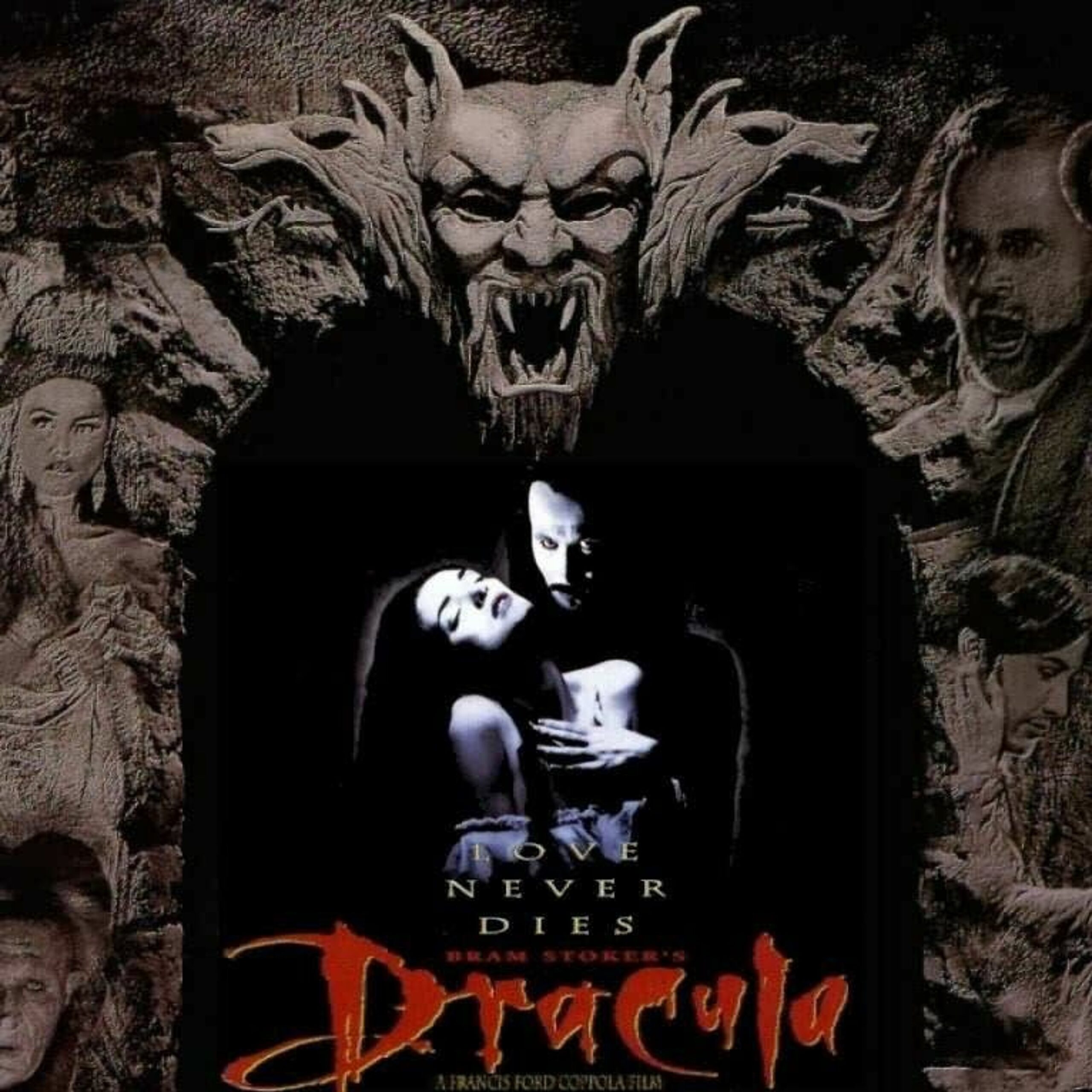
Francis Ford Coppola’s “Bram Stoker’s Dracula” is a visually stunning, theatrical masterpiece that boldly defies the CGI trends of its time. This episode dives into the film’s rich themes, Coppola’s ambitious vision, and the fascinating behind-the-scenes stories revealed in the director’s commentary, offering unique insights for filmmakers and film lovers alike.
What We Cover
- Francis Ford Coppola’s unique, theatre-influenced approach to filmmaking and his commitment to practical effects.
- How the film’s ambitious costume design and the use of older cinematic techniques created a distinct, surreal visual style.
- Key themes explored in the narrative, including eternal love, betrayal, spiritual questioning, and the fear of infection.
- Gary Oldman’s transformative performance as Dracula and the film’s recognition for its makeup and costume design.
- The challenges and creative solutions involved in shooting complex practical effects, including Coppola’s collaboration with his son, Roman Coppola.
- Why Coppola chose to differentiate his film as “Bram Stoker’s Dracula” and its historical connection to vampire lore.
Key Moments
- **0:45** The podcast’s unique approach to film commentaries and what “Filmmaker Commentary” offers listeners.
- **1:15** A look at the film’s box office success and its Academy Award wins for Best Costume Design, Best Makeup, and Best Sound Effects Editing.
- **7:05** Reflections on the film’s lasting visual impact and why its practical effects hold up better than many contemporary CGI-heavy productions.
- **11:51** A breakdown of memorable scenes, including Dracula’s eerie encounter with Jonathan Harker’s shadow and Keanu Reeves’ iconic shaving scene.
- **21:32** Insights from Francis Ford Coppola’s director commentary, revealing his dedication to historical research and the film’s theatrical essence.
- **42:30** Discussion on Coppola’s deep connection to the original “Dracula” book and his decision to portray the vampire as a complex, tragic figure rather than a simple monster.
Gear & Films Mentioned
- Films & Shows:
- Bram Stoker’s Dracula* (1992)
- Three Billboards Outside Ebbing, Missouri* (2017)
- Suits* (TV Series)
- Comedians in Cars Getting Coffee* (TV Series)
- Avengers: Age of Ultron* (2015)
- Disenchantment* (Netflix Animated Series)
- Nosferatu* (1922)
- Frankenstein* (novel)
- The Wolfman* (2010)
- Evil Dead* (Film Series)
- True Blood* (TV Series)
- American Beauty* (1999)
- The Last Dragon* (1985)
- Snow White and the Seven Dwarfs* (1937)
- The Godfather* (Film Series)
- Dr. Jekyll and Mr. Hyde* (1931)
- Edge of Tomorrow* (2014)
- Mother!* (2017)
- Penny Dreadful* (TV Series)
- Mad Men* (TV Series)
- Baby Driver* (2017)
- Other:
- VHS
- Blu-ray
- DVD
- Microscopes
- Typewriters
- Green Screen
Listener Questions
- How did Francis Ford Coppola’s theatrical background influence the unique visual style and performances in “Bram Stoker’s Dracula”?
- What specific practical effects and filmmaking techniques were used in “Bram Stoker’s Dracula,” and how do they compare to the CGI prevalent in films of the same era?
- What were the challenges of working with a major studio on a film with such a distinct artistic vision, and how did Coppola navigate those creative battles?