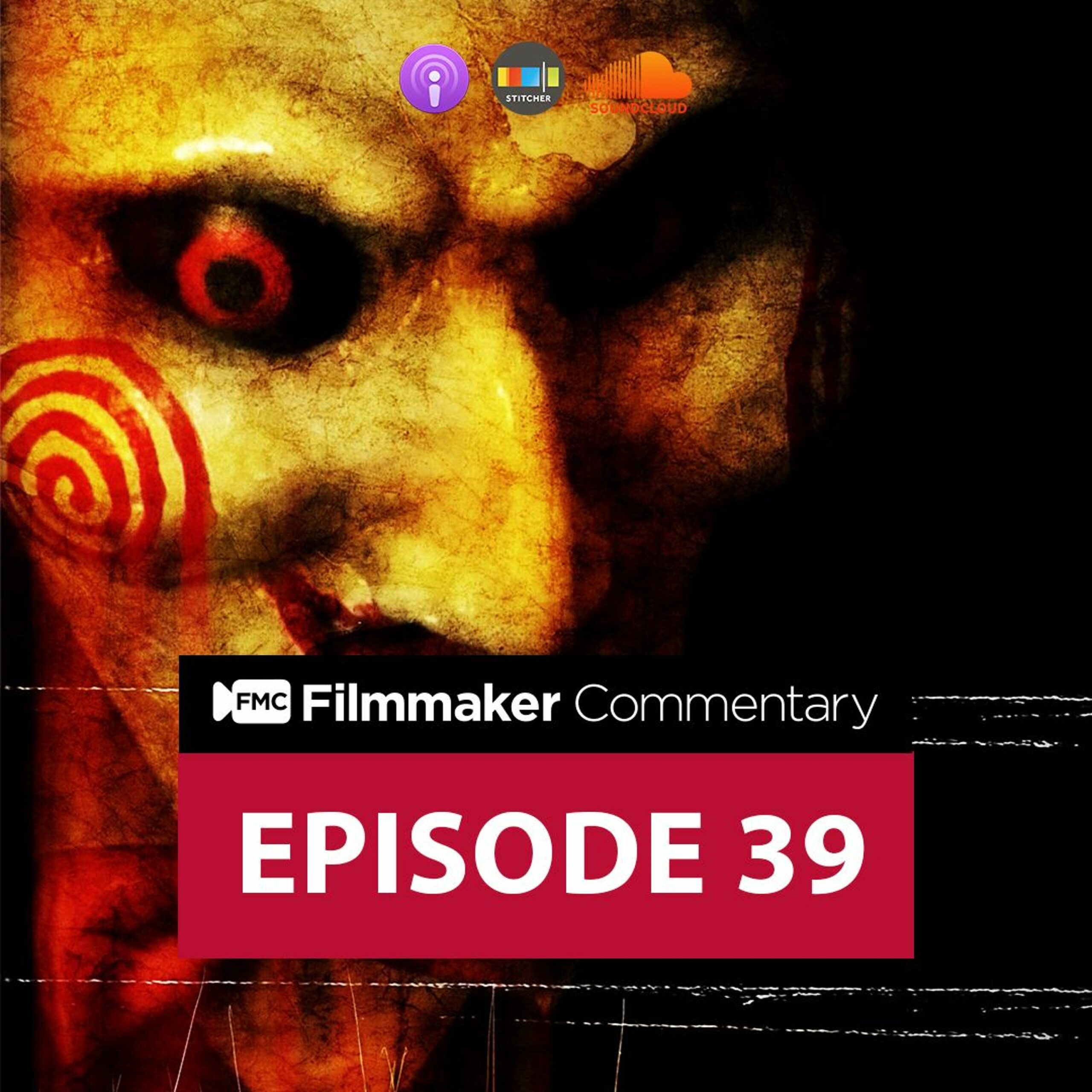
“FMC 039” on Filmmaker Commentary offers a dual-feature episode, beginning with a profound tribute to the legendary Stan Lee. Reginald Titus Jr. and Casey G. Smith reflect on Lee’s incredible life and enduring impact, from his formative years in the comic book industry, where he co-created iconic, relatable, and flawed heroes like Spider-Man and the Fantastic Four, to his role as a global ambassador for equality and creativity. The hosts share personal connections to Lee’s work and discuss his philosophy of tolerance, which shaped characters that resonated deeply with fans across generations. They even touch on how his movie cameos continue to delight audiences, with upcoming appearances still anticipated post-mortem.
The episode then shifts focus to James Wan’s 2004 horror-thriller, “Saw.” This segment breaks down how Wan, alongside co-writer and star Leigh Whannell, transformed a micro-budgeted short film into a global phenomenon that grossed over $100 million. Reginald and Casey explore the film’s surprising depth, positioning it as a psychological thriller that challenges viewers on themes of morality, responsibility, and the true value of life, rather than just relying on gore. They reveal the remarkable production story, including the intense 17-day shoot in a single, repurposed warehouse location in downtown Los Angeles, and how creative constraints pushed the team to innovate on set design and visual storytelling.
Throughout the discussion, practical filmmaking advice emerges, drawing directly from “Saw”‘s production. The hosts cover essential tips for independent filmmakers, emphasizing the critical importance of a robust script, resourceful problem-solving (like using still photographs to bridge narrative gaps), and the benefits of a collaborative, relaxed set environment. Whether dissecting the film’s thematic layers or applauding the ingenuity of its creators, this episode offers a rich blend of film history, critical analysis, and actionable insights for aspiring and seasoned filmmakers alike. The hosts also share quick takes on other recent watches, rounding out a comprehensive and engaging broadcast. Join us on Filmmaker Commentary each week for more.
What We Cover
- A tribute to the iconic Stan Lee, celebrating his life, career, and profound impact on comics and pop culture.
- The surprising box office success and enduring influence of James Wan’s “Saw” (2004), made on a minimal budget.
- The psychological depth and themes woven into “Saw,” moving beyond simple gore to explore morality and human nature.
- Behind-the-scenes challenges of making “Saw,” including its 17-day shoot, limited resources, and unique set.
- Filmmaking tips from the director and producers of “Saw” on storytelling, characterization, and maximizing limited budgets.
- Discussion of other films watched, including “Molly’s Game,” “I, Tonya,” and “Rocky IV.”
Key Moments
- 2:00 Remembering Stan Lee: His early life, journey in comics, and the creation of Marvel’s most beloved characters.
- 7:30 “Saw”‘s Shocking Success: How a $1.2 million film became a box office phenomenon.
- 10:00 The “Saw” Commentary: Insights from the cast and crew on working with limited time and resources.
- 17:00 Exploring “Saw”‘s Themes: Unpacking the film’s deeper messages on the value of life, punishment, and moral choices.
- 19:20 Practical Filmmaking Advice: Tips on set design, working with actors, and leveraging constraints for creative solutions.
Gear & Films Mentioned
- Saw (2004)
- Aquaman
- Mallrats
- Chasing Amy
- Captain Marvel
- Avengers (next film)
- Spider-Man: Far From Home
- Molly’s Game
- I, Tonya
- Rocky IV
- Gremlins (next episode’s film)
- Black Mirror, Season 3, Episode 3 (“Shut Up and Dance”)
- The Office (BBC)
- The Leftovers (HBO)
- Jigsaw doll (moved by #6 monofilament fishing line)
Listener Questions
- How did Stan Lee’s personal philosophy influence the creation of Marvel’s iconic, flawed superheroes?
- What were the biggest filmmaking challenges James Wan and his team faced while creating “Saw” on such a tight budget, and how did they overcome them?
- Beyond the gore, what deeper psychological themes does “Saw” explore, and how does the film encourage viewers to reflect on the value of life and moral choices?