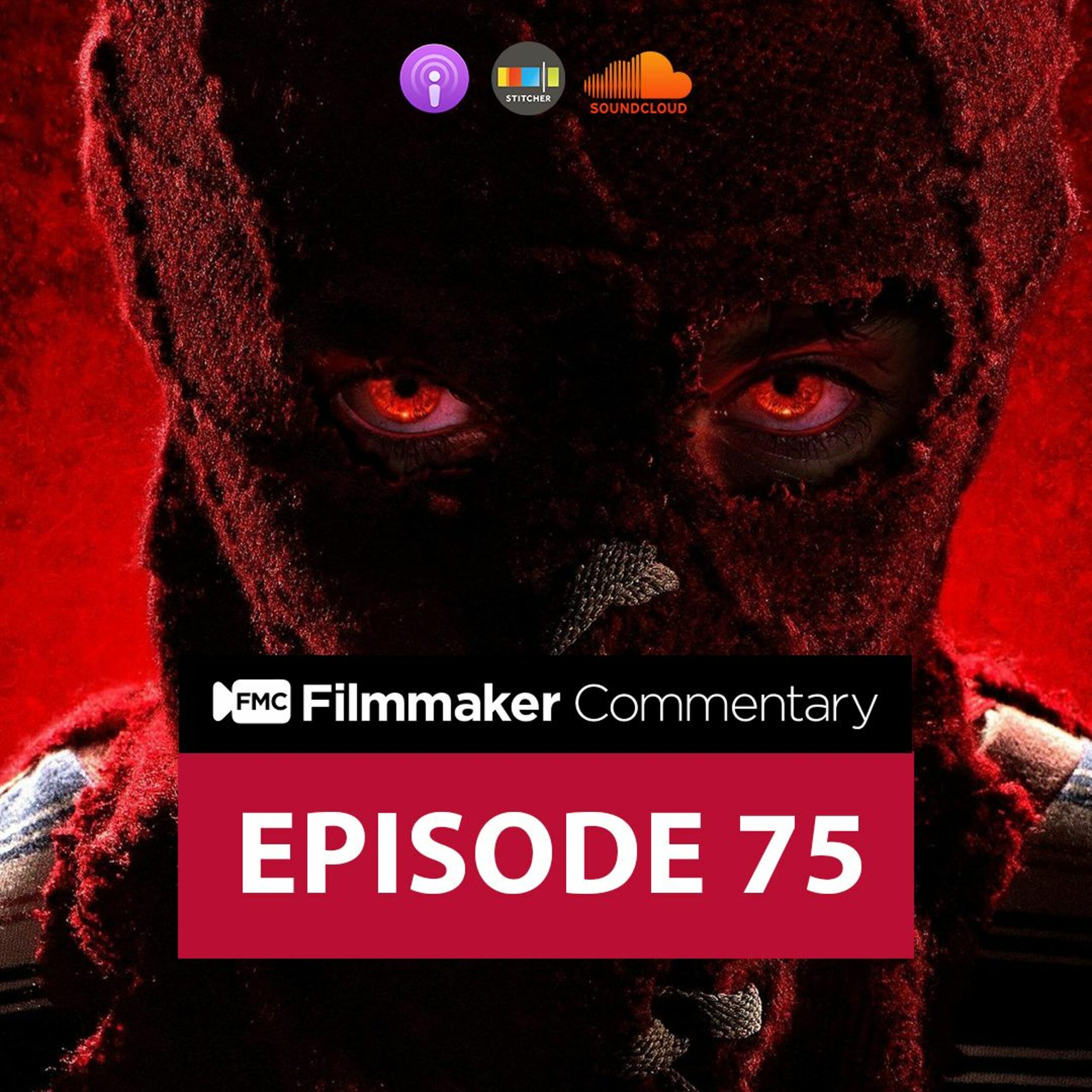
This episode takes a deep dive into “Brightburn,” David Yarovesky’s 2019 take on a terrifying superhero origin story. Hosts Reginald Titus Jr. and Casey G. Smith unpack the film’s modest $6 million budget and impressive $32.8 million box office success, discussing how quickly films now transition from theaters to streaming platforms. They explore the dynamic filmmaking landscape through “Brightburn’s” lens, especially given its production by James Gunn, who returned to the project amidst his own high-profile industry events.
The conversation touches on the nuanced business dealings in Hollywood, particularly highlighting the complex renegotiation between Sony and Disney for Spider-Man’s presence in the Marvel Cinematic Universe. Casey breaks down how Disney leveraged its track record of “pulling off the impossible” and the massive success of “Spider-Man: Far From Home” to secure a more favorable profit split and reduced financing obligations. Listeners will hear about the strategic considerations for studios and the implications of such colossal intellectual property battles on Filmmaker Commentary.
Analyzing “Brightburn” itself, Casey and Reginald share their reactions to its brutal and graphic portrayal of a malevolent superhuman. They note how the film masterfully subverts the traditional Superman mythos, presenting a “hero” who literally embodies evil, exploring themes of nature versus nurture and “alien puberty.” The hosts dissect the film’s distinctive visual style, which employed Arri Alexa cameras and Panavision anamorphic lenses to achieve a crisp, almost film-like aesthetic. Discussions include the purposeful use of color in costume design, the impact of desaturation, and the intentional avoidance of typical heroic tropes. The episode also shares several behind-the-scenes filmmaking tips, from effective use of wardrobe to sound design challenges and working with child actors on set. This provides practical advice for aspiring filmmakers, demonstrating how careful planning can overcome budget constraints.
What We Cover
- The financial success of “Brightburn” on a modest budget, and its quick transition to streaming.
- The intricate negotiations behind Spider-Man’s return to the Marvel Cinematic Universe.
- Filmmaking strategies from a business perspective, including distribution and merchandising rights.
- “Brightburn’s” subversion of the superhero origin story, exploring themes like nature vs. nurture and absolute power.
- The film’s visual style, cinematography choices, and intentional use of color in costume design.
- Challenges and best practices for indie filmmaking, including special effects, sound mixing, and working with child actors.
Key Moments
- 0:47 Discussion of “Brightburn’s” impressive box office performance relative to its budget, a “winner winner chicken dinner” for filmmakers.
- 4:33 An in-depth breakdown of the renegotiated Disney/Sony Spider-Man deal, revealing how Marvel secured better terms through strategic leverage.
- 9:20 Casey G. Smith’s friend reacts to “Brightburn” by immediately wanting to re-watch “Avengers: Endgame” to cleanse his palate.
- 10:18 The hosts discuss how “Brightburn” presents a total antithesis to the traditional savior narrative, showing a superhuman who embodies pure evil.
- 16:05 Casey describes the memorable “hand-breaking” scene, highlighting the film’s unflinching use of practical effects and horror.
Gear & Films Mentioned
- Guardians of the Galaxy (series)
- The Suicide Squad (2021)
- Spider-Man: Far From Home (2019)
- Hereditary (2018)
- Zodiac (2007)
- Man of Steel (2013)
- Once Upon a Time in Hollywood (2019)
- Suits (TV series)
- Titans (TV series)
- Doom Patrol (TV series)
- Spider-Man: Into the Spider-Verse (2018)
- A Nightmare on Elm Street (1984)
- It (2017)
- The Fly (1986)
- The Boys (TV series)
- Once Upon a Time in Mexico (2003)
- Arri Alexa
- Panavision T-series anamorphic lenses
- Showtime (The President, Justice and the FBI documentary series)
- DC Universe App
Listener Questions
- How did a horror film like “Brightburn” manage to achieve significant box office success on a low budget?
- What does the renegotiated Spider-Man deal reveal about power dynamics and intellectual property in the entertainment industry?
- How can filmmakers effectively use visual cues and costume design to tell a story without explicit dialogue?
- What ethical considerations arise when portraying a child character as a purely evil antagonist?