November 17, 2026
F
Filmmaker Commentary
  • Home
  • About
  • Episodes
  • Film
  • TV
  • Home
  • About
  • Episodes
  • Film
  • TV
Podcast

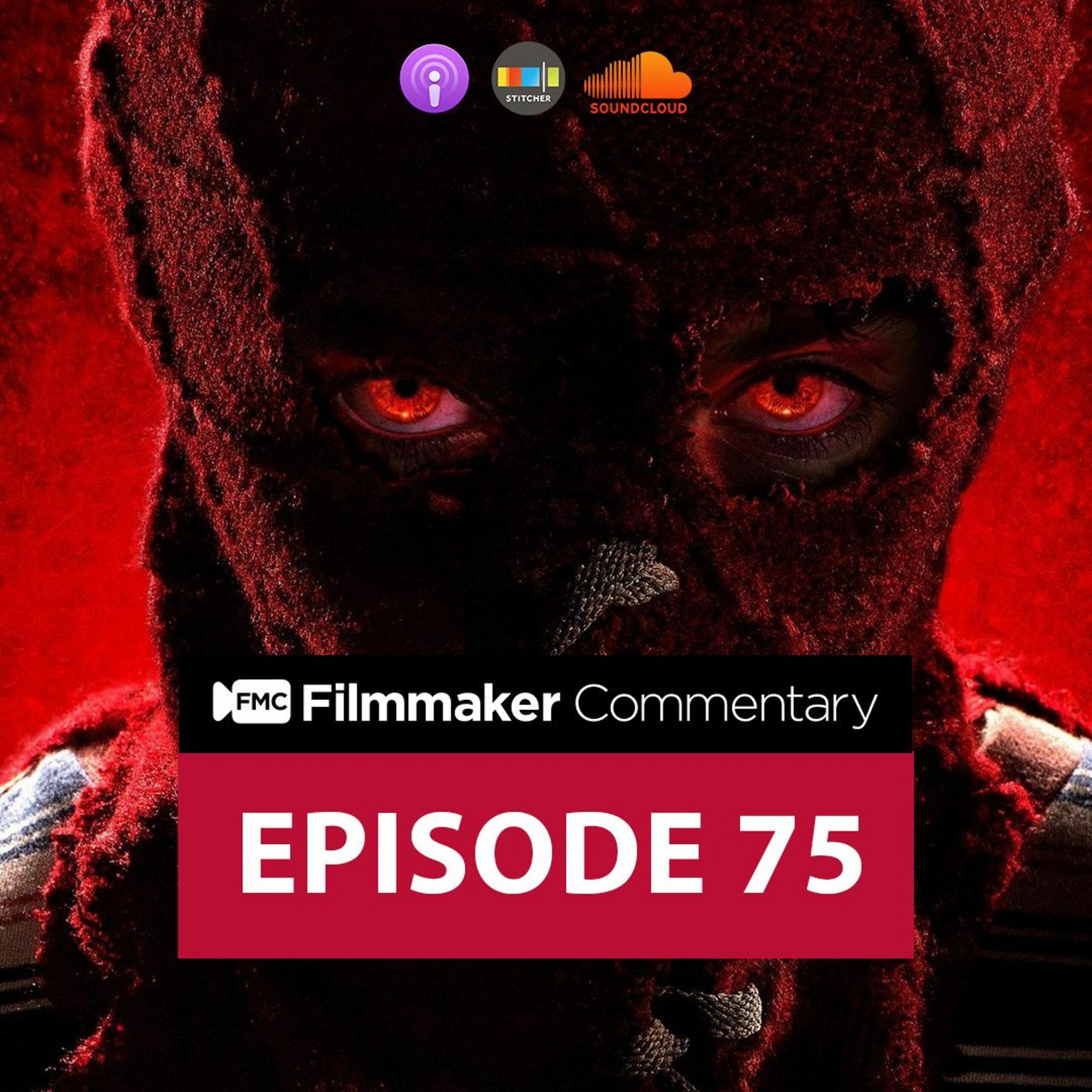
FMC 075: Brightburn directed by David Yarovesky

October 30, 2019
Listen on Apple Spotify YouTube
Listen to this episode
Your browser does not support the audio element.
Also on Apple Spotify YouTube

This episode takes a deep dive into “Brightburn,” David Yarovesky’s 2019 take on a terrifying superhero origin story. Hosts Reginald Titus Jr. and Casey G. Smith unpack the film’s modest $6 million budget and impressive $32.8 million box office success, discussing how quickly films now transition from theaters to streaming platforms. They explore the dynamic filmmaking landscape through “Brightburn’s” lens, especially given its production by James Gunn, who returned to the project amidst his own high-profile industry events.

The conversation touches on the nuanced business dealings in Hollywood, particularly highlighting the complex renegotiation between Sony and Disney for Spider-Man’s presence in the Marvel Cinematic Universe. Casey breaks down how Disney leveraged its track record of “pulling off the impossible” and the massive success of “Spider-Man: Far From Home” to secure a more favorable profit split and reduced financing obligations. Listeners will hear about the strategic considerations for studios and the implications of such colossal intellectual property battles on Filmmaker Commentary.

Analyzing “Brightburn” itself, Casey and Reginald share their reactions to its brutal and graphic portrayal of a malevolent superhuman. They note how the film masterfully subverts the traditional Superman mythos, presenting a “hero” who literally embodies evil, exploring themes of nature versus nurture and “alien puberty.” The hosts dissect the film’s distinctive visual style, which employed Arri Alexa cameras and Panavision anamorphic lenses to achieve a crisp, almost film-like aesthetic. Discussions include the purposeful use of color in costume design, the impact of desaturation, and the intentional avoidance of typical heroic tropes. The episode also shares several behind-the-scenes filmmaking tips, from effective use of wardrobe to sound design challenges and working with child actors on set. This provides practical advice for aspiring filmmakers, demonstrating how careful planning can overcome budget constraints.

What We Cover

  • The financial success of “Brightburn” on a modest budget, and its quick transition to streaming.
  • The intricate negotiations behind Spider-Man’s return to the Marvel Cinematic Universe.
  • Filmmaking strategies from a business perspective, including distribution and merchandising rights.
  • “Brightburn’s” subversion of the superhero origin story, exploring themes like nature vs. nurture and absolute power.
  • The film’s visual style, cinematography choices, and intentional use of color in costume design.
  • Challenges and best practices for indie filmmaking, including special effects, sound mixing, and working with child actors.

Key Moments

  • 0:47 Discussion of “Brightburn’s” impressive box office performance relative to its budget, a “winner winner chicken dinner” for filmmakers.
  • 4:33 An in-depth breakdown of the renegotiated Disney/Sony Spider-Man deal, revealing how Marvel secured better terms through strategic leverage.
  • 9:20 Casey G. Smith’s friend reacts to “Brightburn” by immediately wanting to re-watch “Avengers: Endgame” to cleanse his palate.
  • 10:18 The hosts discuss how “Brightburn” presents a total antithesis to the traditional savior narrative, showing a superhuman who embodies pure evil.
  • 16:05 Casey describes the memorable “hand-breaking” scene, highlighting the film’s unflinching use of practical effects and horror.

Gear & Films Mentioned

  • Guardians of the Galaxy (series)
  • The Suicide Squad (2021)
  • Spider-Man: Far From Home (2019)
  • Hereditary (2018)
  • Zodiac (2007)
  • Man of Steel (2013)
  • Once Upon a Time in Hollywood (2019)
  • Suits (TV series)
  • Titans (TV series)
  • Doom Patrol (TV series)
  • Spider-Man: Into the Spider-Verse (2018)
  • A Nightmare on Elm Street (1984)
  • It (2017)
  • The Fly (1986)
  • The Boys (TV series)
  • Once Upon a Time in Mexico (2003)
  • Arri Alexa
  • Panavision T-series anamorphic lenses
  • Showtime (The President, Justice and the FBI documentary series)
  • DC Universe App

Listener Questions

  • How did a horror film like “Brightburn” manage to achieve significant box office success on a low budget?
  • What does the renegotiated Spider-Man deal reveal about power dynamics and intellectual property in the entertainment industry?
  • How can filmmakers effectively use visual cues and costume design to tell a story without explicit dialogue?
  • What ethical considerations arise when portraying a child character as a purely evil antagonist?

Full Transcript

Read the full transcript

Full Episode Transcript

This episode of Filmmaker Commentary the dark superhero horror film *Brightburn*, exploring its production, themes, and the filmmaking choices made by director David Yarovesky, all while dissecting the business dealings behind the Marvel Cinematic Universe's Spider-Man.

Introduction and Brightburn Overview

Reginald Titus Jr.: Filmmaker Commentary episode 75. Welcome to Filmmaker Commentary, where we give you insights from our favorite filmmaking commentaries. These commentaries can be heard on your DVD and Blu-rays of your favorite movies. We'll show you how you can use these commentaries and apply them to improve your video production and filmmaking techniques. All of this here on Filmmaker Commentary. I'm your host, Reginald Titus Jr.

Reginald Titus Jr.: Welcome to Filmmaker Commentary. I'm Reginald Titus Jr. I'm joined with Casey G. Smith. Welcome back, sir.

Casey G. Smith: Good to be back, sir.

Reginald Titus Jr.: It is October.

Casey G. Smith: It is.

Reginald Titus Jr.: And today we are going to cover *Brightburn*. *Brightburn*, directed by David Yarovesky, 2019, written by Brian Gunn and Mark Gunn.

Casey G. Smith: Oh, sons of guns.

Reginald Titus Jr.: Sons of guns. Distributed by Sony/Screen Gems. From a budget standpoint, we're looking at $6 million. We had a domestic box office of $17.3 million. We had foreign $15.5 million, which equals $32.8 million on a $6 million budget.

Casey G. Smith: Winner, winner chicken dinner!

Reginald Titus Jr.: Winner, winner. How long? I wonder how long they were actually at the box office.

Casey G. Smith: So, they came out in May, May 24th. May 24th, stayed until uh, June 27th.

Reginald Titus Jr.: So, a month.

Casey G. Smith: Yeah. So, yeah, pretty much a solid, solid, uh...

Reginald Titus Jr.: That's interesting, man. Movies, $6 million.

Casey G. Smith: Day 35.

Reginald Titus Jr.: Wow. Filmmakers, take a look at what's going on in the space, in the industry. You got a film that's a $6 million budget, had some marketing behind it. You know, you know about it, maybe you watched it, maybe you didn't. But it made $32 million at the box office, but, you know, it was only in the theaters for a month, 35 days. And then drops just in time for October for us to watch it, you know, during the Halloween season. So, uh, kind of look at the product cycle of your of these movies and how quickly they're getting into streaming and all that stuff.

Casey G. Smith: Also worthwhile mentioning that this film was produced by James Gunn.

Reginald Titus Jr.: Ah, that's right. Produced by James Gunn. Uh...

Casey G. Smith: So you got you've got a good a great a great filmmaking mind behind it all as well.

Reginald Titus Jr.: Yes, indeed. Uh, James Gunn of course, *Guardians of the Galaxy*. Did when, um, when he wasn't shooting because he had the whole thing last year, right? Where...

Casey G. Smith: Yeah, pretty much a year ago.

Reginald Titus Jr.: It was about a year ago. Was he producing this while he was away?

Casey G. Smith: Yes, because they mentioned in the commentary that uh, he that he was he was working on *Suicide Squad*, so clearly Warner Brothers had already reached out to him and he had already started kind of doing some of the pre-production for that. Because they would have they would have done this commentary. They did this commentary before the movie dropped in May.

Reginald Titus Jr.: Yeah.

Casey G. Smith: So probably let's say, let's say they probably maybe or maybe even early May because it came out on the 24th and there were there was already advertisement billboards around.

Reginald Titus Jr.: There you go.

Casey G. Smith: So I think that the patching, you know what? They they may have just Disney may have just patched up things with Gunn.

Reginald Titus Jr.: Okay.

Casey G. Smith: Because I think when when was that like in January?

Reginald Titus Jr.: I forgot about the timeline. I forgot about the timeline, but it went quickly.

Casey G. Smith: Yeah. But at least it's been at least a year.

Reginald Titus Jr.: Fascinating. Okay.

Casey G. Smith: But yeah, so he was already starting.

Reginald Titus Jr.: Bounce back. That's how you bounce back. Oh yeah. We talk about it in the previous episode. I just don't remember which number that was. So yeah, yeah, pay attention to that. Uh, our fellow filmmakers. But before we talk further about *Brightburn*, let's talk about news and movies watched.

Filmmaker News & Personal Watches

Casey G. Smith: Breaking news in the world of the Marvel Cinematic Universe. Uh, fans rejoice as Spider-Man officially is returning to the Marvel Cinematic Universe. A deal was was reached uh last week with both uh Sony Pictures and with Marvel Studios uh and Disney. Prior they had an agreement that had of course had brought Spider-Man into the MCU four years ago, right? He made his appearance in *Captain America: Civil War*, and of course he had his his two films that that were obviously distributed by Sony, but produced by by Marvel, and Kevin Feige was the consulting producer on the project. This allowed Spider-Man to not only show up in *Avengers* movies in the MCU, um, but to also become a major a major player. And um, you know, I mean, who can who can forget Spidey, you know, Peter Parker being dusted at the the end of *Avengers: Infinity War*, right? And then his triumphant return. Just I mean, we we love, I mean, come on, who doesn't love Tom Holland as Spider-Man?

Reginald Titus Jr.: Yeah, he reminds me of Michael J. Fox.

Casey G. Smith: That that's a great great comparison. If they ever do a remake or reboot of *Back to the Future*.

Reginald Titus Jr.: Oh!

Casey G. Smith: Come on, Tom Holland all day.

Reginald Titus Jr.: Oh, they better hurry up because he's going to get old.

Casey G. Smith: Yeah, yeah. Uh, so here's here's some of the details of the of the deal. So, previously, there was a deal in place where Marvel was receiving 5% of the first dollar gross and they had all merchandising rights that came. So we talk about merchandising, of course, you're talking about all the clothing, all the toys, anything that would that would be sold in relation to Spider-Man movies.

Reginald Titus Jr.: Yeah, give me all the money.

Casey G. Smith: That's that's pretty good stuff. I don't know what those numbers are, but I know they're good because we hey, Spider-Man merch moves. Uh, but up until two, three weeks ago, Disney had wanted a new deal. And what they wanted, uh, Sony to finance up to like 50% of the of the films themselves. And of course, they wanted a bigger cut. Sony initially was like, nah. We're good we're good with how it is. Um, and so all the news...

Reginald Titus Jr.: You're good with how it is. I bet you guys are.

Casey G. Smith: And so they had kind of dissolved the partnership and all the news came out and all the, you know, Spider-Man and Marvel fans were were were sad, you know, oh, no more Spider-Man. Personally, I was like, you know what? There's so much time before the next Spider-Man movie. I just had a feeling they were going to work things out. Because here's the thing, Disney has the track record of pulling off the impossible. What they have done they've they've done the impossible over the past eight years of the MCU. Not only do they give us Iron Man and make him popular, they brought RDJ back to prominence. They introduce us to a cinematic universe. They gave us Asgard. They freaking put the Avengers on screen together. Now that seems like no big deal now, that was science fiction for that to happen. And made a a whole saga of films. They got they even have Spider-Man in one of their films. And you know how like crazy that that would even sound to have a character who they licensed out show up in one of their films? That was so big.

Reginald Titus Jr.: That's crazy business strategy.

Casey G. Smith: Hey, they had James Gunn, who they had this falling out with, and then they end up able to bring him back.

Reginald Titus Jr.: So, and it's just crazy just uh *Guardians of the Galaxy* in general to be a film that's made that successful.

Casey G. Smith: That works. You talk about ragtag characters.

Reginald Titus Jr.: Out of all the movies, I did not expect that one to be...

Casey G. Smith: Nope.

Reginald Titus Jr.: As good as it is.

Casey G. Smith: Nope. Again, I'm a comic book guy and I barely knew at least this iteration of the Guardians, and I'll be honest, when I saw the trailer for *Guardians*, I was like, I think it's going to be Marvel's first flop because I was not impressed with the trailer. But I watched it opening night and I remember I I took you and I was like, you guys got you got you guys got to come see this movie with me. Like the next night, like, boom, we went and and watched it. And yeah, it's freaking amazing. So, Disney continues to do they continue to defy the odds. So, here's how they defy the odds yet once again. Under the new deal that Marvel and Sony have been able to to strike. Uh, now, Marvel and Disney will roughly receive 25% of the profits. Uh, Disney still retains its merchandising rights and will put up roughly a quarter of the financing.

Reginald Titus Jr.: Mhm.

Casey G. Smith: So not only have they increased the amount of profit they're going to receive, uh, by 20%, increase increase the the profits they receive by 25%. They also reduced the their cost, uh, significantly.

Reginald Titus Jr.: Because originally they were putting up how much of the budget?

Casey G. Smith: I saw a number prior that was like 80%. Uh, and now um...

Reginald Titus Jr.: Now it's just a quarter.

Casey G. Smith: Yeah. So they they reduced so they reduced their expenses by what we're talking like 50 almost almost 50%.

Reginald Titus Jr.: This feels like a makeup deal. Like, all the money that we lost on the last joint, like, you got to help us out. You got to come on, you got to make this right because y'all made a billion dollars, we put up, assuming, you know, 80% of the production budget and y'all get what, 90% of of box office?

Casey G. Smith: Yeah. And they just and they just know that, you know...

Reginald Titus Jr.: Because if you have a flop, I'm sorry.

Casey G. Smith: No, yeah.

Reginald Titus Jr.: Uh, but if you have a flop, Marvel's the one or Disney is the one that loses on that bet. You know, God forbid there's a flop, but they're going to be ones at risk on that.

Casey G. Smith: That's true. That is true. So, yeah, and again, it's not like let's be real. It's not like Disney, you know, studios studios have flops like all the time, right?

Reginald Titus Jr.: Sure. They just go uh, they just stay in the theaters not long. They just stay in the theater for a week.

Casey G. Smith: But Marvel, the MCU, what flop have they had? The closest thing you could say that maybe was, flop might be a strong word, but maybe say not as popular. The *Incredible Hulk* came out after the first Iron Man. See, people often don't even talk about that. They often don't talk about the *Incredible Hulk*. I I'd have to look up the numbers to see what it made, but I'm sure...

Reginald Titus Jr.: I went to the movies to see that one.

Casey G. Smith: So did yeah, so did I.

Reginald Titus Jr.: But the reason is, I don't my brain doesn't associate it because there's a different whole...

Casey G. Smith: Different actor.

Reginald Titus Jr.: But it's still in but it's still canon. It's still MCU canon. It's still a part of the it's still My brain can't make it right. Yeah. They had to make...

Casey G. Smith: Like if I was the storyline for sure. Sure. They had a recast, Edward Norton and and, you know, Enter Ruffalo, who is just everybody loves Ruffalo as as Hulk. And then how the Hulk looks, looks different than...

Reginald Titus Jr.: That's true, he did change. But Iron Man changes every movie, his costume, his armor changes every movie. Totally different armor every movie. It does change. I'm not say I'm not saying no, it doesn't change. I'm saying that you're following him through the change. You know what I mean? I'm I'm just saying Iron Man has a different guy. You know what I mean?

Casey G. Smith: Terrence Howard, you know, uh, Rhodey. Yeah, they snuck that one in. They snuck that one in. Now all of a sudden, Cheeto, you know, but that was contract stuff. Uh, that's kind of messed up. But nonetheless, it's like, man, you know, as much as uh risk and financial risk that Disney had going into these Spider-Man films, even if there had been a a a flop, like again, they they still have been doing all right. But again, from a business standpoint, they they they came back and they're they're definitely uh getting theirs. Because with with *Far From Home* making over a billion dollars now and becoming literally Sony's highest grossing film of all time. Yeah. That happened on on Feige's watch. So now all the more they had ammo to say, hey, guess what?

Reginald Titus Jr.: Yeah, because without that without that right, that producer that's this committed to this whole franchise, this whole world, that doesn't happen.

Casey G. Smith: And here's the funny thing, because like Sony's at this place now where they they were they were they have all these like plans to do this different stuff with Spider-Man. They want to start like a couple of like shows, like spin-off shows. They they were trying to do some stuff with Lord and Miller to like do some spin-off shows and like they wanted them, you know, people like, well, why don't Lord and Miller maybe direct some movies? But Lord and Miller, they just signed some kind of exclusive contract with another studio. Obviously *Into the Spider-Verse*, you know, obviously did real well. The Academy Award-winning *Into the Spider-Verse*. That was all that's all Sony, you know, and that's kudos to them on that, but...

Reginald Titus Jr.: I think in that world, they can just continue to crush it.

Casey G. Smith: Oh yeah. Oh yeah. There's no need for spin-offs or anything, just that animation world, just keep doing your thing.

Reginald Titus Jr.: I think that one's going to make a billion. The next one, when that drops, that's going to make a billion.

Casey G. Smith: Because people will be lining up because I mean, the kids alone, man. Kids and adults. I mean, it was it's fantastic. Yeah, kids to go watch that one. It was a cultural just...

Reginald Titus Jr.: Where are we going?

Casey G. Smith: Amazing. But so yeah, that's the big news. Um, you know, Disney making more money.

Reginald Titus Jr.: Okay. Oh, how about that news? Marvel business, boys and girls. Yes. Show business.

Casey G. Smith: They've been in business for what, about 105 years, something like that. Yeah.

Reginald Titus Jr.: And they're going to continue to make that money, man. Disney Plus, pricing for Disney Plus, came out pre-order. I mean, hey, Disney Plus starts in November. Oh, did you already pre-order?

Casey G. Smith: Not yet because I'm debating whether or not I want to do the the year subscription. I've never done a year subscription with a service before. Yeah. But it's like $69.99 for the whole year. I really want to wait until they they show me the the the packages because I I potentially might do Disney with Hulu. Oh, I see what you mean. Yeah, because uh I want I want the Hulu content they're going to produce also. Yeah. If that if it's really good, I don't know, man. Because I still do I still do cable also, but I've got a good cable package that's exclusive. I only have a couple channels. I get to choose the channels that I want. Still get my local channels.

Reginald Titus Jr.: It's a lot of content out here, folks.

Casey G. Smith: There you go. Uh, what do we have for Movies Watched? Uh, so again, I haven't really got to the theater in a little while, but I again, still been on my documentary trip. So on Showtime, there is a a documentary series called *The President, Justice, and the FBI*. And it kind of just goes through and it shows just different presidents and the first episode deals with Nixon and kind of goes into Watergate and just shows how these presidents how their relationship with the FBI. So you got you got I'm J. Edgar Hoover and and Nixon. And how they kind of had a good partnership. Um, and eventually the time came around where Nixon basically needed to fire J. Edgar Hoover and just couldn't bring himself to do it because they were such good friends, but he was far older, but he just he couldn't do it. And then all of a sudden like Hoover disappeared, you know? And I was like, whoa, what what happened? Anyway, and then of course the whole Watergate scandal they they cover that. Next episode they're talking about Reagan, and they're diving into the to the the the uh Iran-Contra scandal and and the weapons and and Oliver North. And I remember as a kid seeing this guy on the news and in the newspaper, and I didn't understand. I saw you know, I'm a military kid. And I see this guy in a military uniform, who's he's he's very charismatic, like, when he talks on our side. Yeah. I'm like, why are they, you know, going after this guy? I didn't fully understand. It was far too complex for a third grader or fourth grader to understand. But now, like, seeing it, I'm like, oh, dang. This is this is bad. This is real bad. Um, but it's just the the basically the the documentary series really shows it's really kind of playing into presidents rising above and and and and and trying to trying to like have absolute power to do what they want. And at times in contrast and against like the FBI, like not not wanting to checks and balances. They kind of get into the stuff with some of the Clintons and stuff like that. And it's it's fascinating, man. But but then they they keep showing like the inner cut like little clips of Trump kind of in between.

Reginald Titus Jr.: There we go.

Casey G. Smith: So, but uh, but yeah, so far it's good. And uh I've also been on the new seasons of of *Titans* on the DC Universe app. This this this second season has been really enjoyable. They've really stepped things up. The the performing, the act the acting is is a little bit better.

Reginald Titus Jr.: How's the app coming along? How's is there are are they?

Casey G. Smith: Like as far as how they're doing?

Reginald Titus Jr.: Yeah. I haven't heard any news.

Casey G. Smith: Uh I'll have to look and see. Um, I'm I'm curious what the subscriber base is is is looking like. Um, a good chunk of this like *Titans* like has gotten good buzz, especially with the second season. First season was was a little rocky for some people. I was I was fine with it, but the second season's good buzz. *Swamp Thing* was a was a show they started and I remember that. Got canceled immediately, which was weird because so far the show was pretty good. And uh, but their show um, *Doom Patrol*.

Reginald Titus Jr.: I was about to say Odd Squad now.

Casey G. Smith: Odd Squad, that name could work. That guy that had great acclaim. Um, the girl who plays Crazy Jane, Diane Guerrero phenomenal, man. She's one of those characters kind of playing multiple characters, like McAvoy in *Split*, where you just you marvel because she's got multiple personalities. So she's constantly changing. Just she's a tour de force, uh, on that show. So um, I'll have to look at the numbers and maybe have something to report back next week.

Reginald Titus Jr.: DC is owned by who?

Casey G. Smith: Warner Brothers. Warner Brothers and I guess AT&T, I guess now with that with that merger.

Reginald Titus Jr.: Oh, man.

Casey G. Smith: How about you? What you been on?

Reginald Titus Jr.: Man, nothing. I've...

Casey G. Smith: Well, there you have it.

Reginald Titus Jr.: Yeah, no movies watched for me this time. Um, yeah, I just been in a bubble. So, yeah, nothing really watched. Watched one episode of *Suits*. We're about complete with that. It's going to be the last, it's the last season.

Casey G. Smith: The the the finale just played last week, last Wednesday, was the series the series finale. Because I was watching some NXT, some WWE. Yes. And they they were they were showing you, and up next, the series finales of *Suits*.

Reginald Titus Jr.: Yeah, we're like maybe three episodes behind. And we'll be done. We'll be done.

Casey G. Smith: Oh, wow. So in live in an era.

Reginald Titus Jr.: It's cool to see it kind of go away because it's still entertaining, but the, you know, the characters are getting older. You can kind of see they're probably ready for other things. You know, they're making that good money, you know, they know their characters and they now they're probably becoming their characters. But yeah, it's cool to see that uh kind of fizzle out because there's nothing when you're just a dialogue heavy driven episodic series and it's about lawyers and you're in the office space most of the day. The most dramatic thing you can do is walk out in the middle of a conversation. Happens all the time.

Reginald Titus Jr.: Or pop or pop in while somebody's talking about somebody and they just pop in out of nowhere.

Casey G. Smith: How many seasons uh has the show run for?

Reginald Titus Jr.: Uh, if I'm not mistaken, I want to say nine or 10. It's been around for a little while.

Casey G. Smith: Oh yeah, that's a good that's a good amount. Like I think about shows you don't hear about shows like *Boston Legal*, um, *LA Law*, uh, some of those shows back in the day that just ran for, you know, quite quite a while. So I'm I'm curious. You know, *Boston Legal* only ran for eight eight seasons, 04 to 08. Uh, I know *LA Law* didn't couldn't have run that long. Yeah, so that's that's actually a good it's a pretty good run for old *Suits*. *Suits*, started in 2011, and 2019 now, so...

Reginald Titus Jr.: Maybe seven or eight seasons.

Casey G. Smith: Nine seasons.

Reginald Titus Jr.: Nine seasons. Okay. Yeah. There we go. 134 episodes, nine seasons.

Casey G. Smith: Good on you, *Suits*, good on you.

Reginald Titus Jr.: Yeah. So it's we've definitely enjoyed it and um and it's smart. But it's time to go. Time for them to leave. And they got some spin-off. They got a spin-off, uh, relatively boring week for me in Movieland. I do want to watch I remember two episodes ago, I talked about uh *Once Upon a Time in Hollywood*. And so I was like, all right, is it that bad? Let me I'm going to go back. Well, I'm curious. There's only showing it one theater now in DFW. But I'm uh either rent it and just watch it again to see if I was just kind of tripping.

Casey G. Smith: In a different in a different head space.

Reginald Titus Jr.: Yeah, because it can happen.

Casey G. Smith: That that can totally happen. That can totally happen.

Reginald Titus Jr.: I bet that happened to me with uh, *Zodiac*.

Casey G. Smith: Really?

Reginald Titus Jr.: I think I would be I would be most surprised if yeah if you watch *Zodiac* again and had a had a different take. I'll be honest, when I watched it the second time, I was like, eh. First time I watched it, I was really high on it. And then watching it the second time, I was like, yeah, okay, it was cool. It's cool. But it didn't have the same shine as the the first time. And then you came in.

Reginald Titus Jr.: No. I was like, wait. I didn't expect that reaction. Yes. And I like David Fincher. But uh that film got me. So is it just me? I fell asleep like three times during this movie. So yeah, so I'm going to think, is it me? Is this a real good reaction? Or was I just tired? What's going on? You know? Sure. I was ready I was ready for something. It was like going to a fight and being like, all right, we're just going to do something else. But anyhow, yeah, so I'm going to go back and check out *Once Upon a Time in Hollywood* solo this time and see if I can appreciate it for what it is. Just come at it from a different perspective. I went I when I was going to I went to the movie trading company to rent, uh, one of the films and I asked the guy, hey, did you see the new Tarantino movie? And he's like, *Once Upon a Time in Hollywood*? He was smiling. I said, did you did you like it? He's like, oh yeah, oh yeah. So I was like, okay, all right. I'm going I said, I just thought I had to ask. He said, yeah, sometimes you got to get a second opinion. I was like, all right, he drunk the Kool-Aid. So I'm So I'm just I'm just asking random people, people that are fans because the movie trading company, you know, these are, you know, these are movie geeks. Yeah. So I'm I'm just randomly asking people.

Casey G. Smith: How you feel? How you feel?

Reginald Titus Jr.: How do you feel? Um, but that's about it. Let's jump back into this show.

Brightburn: Plot, Tone, and Production Insights

Reginald Titus Jr.: Welcome to Filmmaker Commentary. We're covering *Brightburn*, directed by David Yarovesky in 2019, written by Brian Gunn and Mark Gunn.

Casey G. Smith: Sons of guns!

Reginald Titus Jr.: Sons of a gun. I'm sure they heard that. Uh, produced, uh, by cousin brother James Gunn.

Casey G. Smith: Brother. Brother. At least one, at least brother to one.

Reginald Titus Jr.: Okay.

Casey G. Smith: Mark Gunn, James Gunn's brother. I don't know about Brian Gunn. I'm not sure what his relation is. I think uh, oof, I know David is a is a close friend of James, maybe even a cousin. Hmm.

Reginald Titus Jr.: That might be, but minimum, minimum close friend.

Casey G. Smith: Definitely a family affair in this show.

Reginald Titus Jr.: This project. Uh, let's get into the synopsis. After a difficult struggle with fertility, Tori Breyer's dreams of motherhood come true with the arrival of a mysterious baby boy, Brandon. Brandon appears to be everything Tori and her husband Kyle ever wanted, bright, talented, and curious about the world. But as Brandon nears puberty, powerful darkness manifests within him. Tori becomes consumed by terrible doubts about her son. Once Brandon begins to act on twisted urges, those closest to him find themselves in grave danger. *Brightburn*. Man, what did you think about this film? 2019, it's recent.

Casey G. Smith: Oh yeah, I saw this in the theaters. I was when I first saw the first trailer, it it was so indicative and evoked the the visuals of of Zack Snyder's *Man of Steel*. And then you saw like, whoa, this is some twisted dark mirror image of that. I was like, yes, I'm in. I've I've always enjoyed the dark take on the Superman mythos. I've read many a many a comic that have dealt with that. It's just something fascinating about that. And so when I saw they're making a movie about it, I was in. So, saw it in the theater and happened to be the same weekend when I also watched *Hereditary*, so maybe I was already a little kind of desensitized. Um, but I remember going in watching it with a buddy of mine and at the end, actually, let me back up and say this. And this is your first time watching or listening to Filmmaker Commentary. Please know that there will be spoilers. You've been forewarned.

Reginald Titus Jr.: Yes.

Casey G. Smith: So after the end credits and all the carnage that has unfolded, I was like, yo, that was dark. And my buddy of mine, who's never at a loss for words. I said, hey, man, what'd you think? He was like, wow. That was yeah, that was wow. That was really, you know, I think I'm going to go and watch *Avengers: Endgame* again just to kind of cleanse my palate. And that's literally what he did. He literally went that same day and found a showing of *Avengers: Endgame* to cleanse his palate because he was just like disturbed by *Brightburn*. I was like, yeah, that's pretty awesome. And so it was a pleasure to to uh rewatch it again. But I'll tell you this much, rewatching it again, at home, by myself, even though I know how it ends, the moment still got me. I still was like, dang! Which which uh, which moment? Just in general, just?

Reginald Titus Jr.: Multiple moments.

Casey G. Smith: Even though I know it's what's going to happen, it still hit me. And I was like, that's awesome. That is awesome that it still hit me. I knew it was coming, and I was still like, I was waiting for it. And when it happened, I was still like, oh, that's so jacked up. That doesn't always happen. So, yeah. Yeah.

Reginald Titus Jr.: Good direction by David, you know, it's uh, good suspense for sure.

Casey G. Smith: Oh yeah. How about you?

Reginald Titus Jr.: Man, this was I kind of kind of expected it to be rough based on your analysis and considering the debauchery from other films in my brain, I shouldn't be affected that much. I watched it, this is a couple days ago. It's good. It's not great. It's a good like kind of like popcorn film. You know what I mean? It's like, hey, you're not here to change the world. You're not breaking new ground really here. We're here just to have a good time, a horror, a horrific good time. So, from that perspective, I enjoy the film for what it was. And it being like pretty graphic, that that was surprising to me, you know, how graphic it was.

Casey G. Smith: That that is what kind of takes this to that next level. Again, we've we've we've seen the Superman mythos. We've seen the the early emerging of the powers and the abilities. But we've never seen it we've never seen the abilities mutilate and harm people the way they do in this. Yeah. And that and and not not not just and not just you you could, you know, have some mutilation against some monster or something like that. But this is everyday people and citizens. Right. And and even and now that I was going to say with some restraint. No, there's there's like at times like no restraint. And it ends badly for everybody. Everybody. So heads up, this one is not for kids. The R rating is is is earned.

Reginald Titus Jr.: It's a hard R. Hard R. This is this is this is um, superhero horror.

Casey G. Smith: Yeah. Um, because it has some of those tropes, but it the second half though, it it it's like a slasher film. Yeah. And they kind of talk about that in the commentary.

Reginald Titus Jr.: It's horrific. You literally have a kid killing parents.

Casey G. Smith: Yeah. I mean, this is the this again, this is the total antithesis as far away from the alien coming from to our planet and becoming a savior, literally he has become like Satan. Like he is like as evil as possible. And it's almost like a form of like they actually say in the commentary, the first half is like a possession movie. And the second half of the movie is a slasher. Yeah. And when you see kind of how Brandon, you know, goes from being this this good kid to when this this ship that he came to Earth on literally is reaching out to him and speaking a language and and downloading that language into his brain. Yeah. And he literally is kind of like becoming possessed. He's like shaking and convulsing and and and waking up and like, yeah, he he becomes a different person. His mind is altered. And he realizes he is there for a different different purpose, not to save the world, to take over the world.

Reginald Titus Jr.: To be fair, not even fair, but for the kid playing, I mean, the character's name is Brandon, right? For Brandon, the character, spoilers, you know, he kills his parents. Yes. Um, but it's after they've tried to kill him. Yes. On both occasions. It was sure he's doing all this bad stuff to people. It's like, but it's just murder. Sure, sure he's doing all this bad stuff to people. It's just murder. But he kind of warns people. Like he gives it like he I'm just trying to like I'm trying to dive into a I'm trying to dive into a sociopath's mind. But he kind of warns people, you know, like, hey, we're not going to have that. All right. We're not you won't have to worry about that. It's going to be bad for you. It's going to be like will not go well for you. Yeah, his aunt, right? Oh man. So his dad, you know, takes some freaking hunting and shoots him. But so he has to kill his dad. Then his mom tries to stab him.

Casey G. Smith: But so here's the thing. He is so powerful, he does not he could incapacitate them. He could lock them away. He could he could do whatever he wants because they can't actually hurt him. I mean, his dad literally pops off the the a rifle shot almost, not quite point blank, but we're talking like 10 feet away. Yeah. And he literally like just he he feel he feels the the impact of it. But it like bounces off and like, no, he's not scarred, not harmed, nothing. He just turns around. And that that and and both parents, in both instances, are immediately apologetic. They are scared out of their minds. And they both they're like, I'm so sorry. Or, no, don't hurt me. Don't do it. They they realize they are done. They both know it that, okay, we have Satan's child. Yeah, what I've tried to do just failed horribly. I made a horrible mistake. I made a horrible mistake by trying to kill you, son. Please don't murder me. And you're dealing with a you're dealing with a adolescent, like, you know, it's bad enough, I'm sure for just everyday parents to deal when your when your kid starts to turn. You know, we're getting into themes and all that, but yeah. Yeah, there we go. Um, what did critics think? So, uh, Simon Abrams from RogerEbert.com gave it one out of five stars. Um, on Rotten Tomatoes, the critics consensus is that although *Brightburn* doesn't fully deliver on the pitch black promise of its setup, it's still enough to offer a diverting subversion of the superhero genre. 57% Tomato Meter and 67% audience score. There you have it. That's what the critics think. Um, the actual commentary features, uh, what?

Reginald Titus Jr.: David Yarovesky, the director. His wife and also costume designer, Autumn Steed. And also his good friend and cinematographer, Mike Delatorre. Their fans of commentary, you know, they talk about it. You know, learning to be filmmakers. Uh, it's an enjoyable, uh, commentary. And of course, it takes place before it hits the box office.

Casey G. Smith: Yeah, at the time of the recording, they talk about how there are posters all over LA actually promoting the movie. And so they literally don't know how the movie will do. This is all like really kind of fresh. You know, I'm sure they probably had, you know, wrapped picture lock maybe, who knows, weeks, maybe uh beforehand. But yeah, just getting ready for the big premiere.

Reginald Titus Jr.: Um, me personally, I wish to hear more of the technical stuff because it seemed like uh David had a lot to say, but, you know, wife jumping in, hey, no, no, no, no. And then, uh, Mike.

Casey G. Smith: Mike, you know, randomly jumping in. I was like, man, I want to hear a little bit more of the technical stuff. Seemed like he had a lot to offer. Sure. I think Mike, I think Mike potentially did too because there's some times where he talks about some technical stuff. Uh, but they've also known each other for like, since like 10 years, I think they had maybe been like working together. And so there's obviously this deep friendship and obviously a husband and and wife team. And so they kind of, you know, some of the joking kind of derailed some of the opportunities to maybe explain some things in a little more depth. Um, you know, they get into the poop jokes a little bit for for a while. And they joke about the poop jokes. And so that kind of takes away a little bit from some of the some of the commentary. It's good the the the chemistry is good. But like you said, you know, there's some more kind of pearls that could be um, uh that could that could have come out of the commentary. So, who knows, maybe they'll do another one 10 years from now or something like that. Yeah. Um, and a commemorative edition or something, but...

Reginald Titus Jr.: They won't wait for it. They won't wait.

Casey G. Smith: No.

Reginald Titus Jr.: Uh, David did do a good job sometimes like while someone was talking, he was like, hey, sorry, let me jump in real quick. This is how we shot this. Yeah, I like how the director was like, he said this is like kind of a love letter to mom. Uh, because he like, you know, like the director's, um, not, uh, the director's mother kind of nurtured his weirdness. So he kind of like related to the script, you know, how the mother was like kind of nurturing. He's like, so my mom was like that. I was the weird one. And this, this and that.

Casey G. Smith: Right.

Reginald Titus Jr.: Except she was right and the person in this movie is wrong.

Casey G. Smith: Yeah. Man, so wrong.

Reginald Titus Jr.: Um, what do you think about the tone of the film?

Themes, Visual Style, and Filmmaking Lessons

Casey G. Smith: Uh, so the tone of the film is it's it's I mean, it's it's it's false hope. Yeah. You know, it like everything starts off, you know, light and airy and friendly and lovely. Yeah. Even the little whistle and hide hide and seek game that they play. Oh, yeah. Ultimately like at the end that that kind of callback is her now doing that to to try and kill him. Yeah. You know. And him ultimately when he lets her go at the end, that's him letting go of his humanity. Any any any any aspect of his humanity that was left, he literally drops lets it go. And even the look on his face, that smirk, he fully embraces the the alien aspect of him. Yeah. Smug face. Yeah. So false hope. Everybody thinks they have a chance. Nobody has a chance. What about you, man?

Reginald Titus Jr.: At the beginning, it's it's like almost like something's wrong. Like the way that they set it not something's wrong with the film, but when when they set up, you know, she's trying to get pregnant. You see all these fertility books like in the foreground. They're trying to get it on. You could tell they've been married for a while. They're just trying to kind of go through the motions a little bit. And uh and then we just see this crash, you know, well, we don't see the crash, we just hear an explosion. And then it cuts to the uh home video of the kid growing up. But it seems like there's not an attachment to them. Like I didn't care about uh the character Brandon. You know, it was like, even though it's like, oh, it's a cute kid, you know, and all that and he's running around and she's playing hide-and-go-seek with him. When she's playing hide-and-go-seek with him and I think it's 10 years later, you see that the house is kind of like kind of beat up a little bit. It's not being well kept. You know, she's the barn's messed up. So it seems like, you know, what's the backstory behind that? Why aren't things being kept up? So it seems to me, it gives a feeling like something something's wrong, you know, even though the kid's there, and it seems like mom and the kid are having fun, but like something's not right. That's the feeling I got from it, you know, from the opening five minutes or whatever.

Casey G. Smith: Kind of like a steady decline.

Reginald Titus Jr.: Yeah.

Casey G. Smith: Like this with with like he's almost like a curse.

Reginald Titus Jr.: Yeah.

Casey G. Smith: Like he himself is a curse. For maybe maybe the because I I also think there is an element of radiation coming off of this kid. I think he's radioactive. Because sometimes when he's using his powers, you know, lights flicker, things like that. Yeah, I think there's something about him that's because and even how how the messages get into him, he almost like the static kind of sound. Right. And and stuff gets messed up. I think there's some kind of like radioactivity kind of coming off things. So maybe that's darkening things, browning things and whatever. Um, because radioactivity is is is often used in a lot of comics in the earlier days and even to be able to shoot, you know, rays out of your head, that heat vision or whatever. Yeah. Yeah, that's probably somewhat also radioactive to some degree. But man, visual style.

Reginald Titus Jr.: Man.

Reginald Titus Jr.: So, they shot with the Arri Alexa. Then as y'all know, that's a digital camera that looks like film. It's one of the high high-end digital cameras that basically everybody uses in Hollywood films. Uh, but they shot it with the Pana Panavision T-series anamorphic lenses.

Casey G. Smith: Wow, wide angle.

Reginald Titus Jr.: For sure, and it looks um, looks very, very, very crisp and clear. It's super clean.

Casey G. Smith: Sure. And it it's what's fascinating to me is that again, I mentioned earlier how obviously this this is playing off the Superman trope. Uh, also again, playing off again, Zack Snyder's *Man of Steel*. Uh, at least that that trailer does. And I I feel that to some degree the the film does, but they never mentioned they never make any mention of uh of of Zack Snyder uh and and and his and his film, which I found interesting because their trailer mimics it so much. Sure. Um, but uh, but yeah, you know, there's a lot of, you know, I think it's very crisp and the blacks, like when there's scenes that are, you know, dark, the blacks seem pretty deep. Uh, in this particular film.

Reginald Titus Jr.: Along with that with the visual style, the costume designer adding to the palette of colors. Mhm. Her being purposeful and like, okay, let's have this be blue. Earlier on, yeah. Yeah. The family. Then let me start adding red to signify this. So the custom the custom designer is adding certain elements to the costumes. But it still feels like blues and browns and things like that. And then the red just automatically is going to pop because it's not being used that much.

Casey G. Smith: And as as Brandon transforms, more and more red is introduced into his into his wardrobe. Um, and they even use desaturation at different times, especially when they're in the forest hunting. And they said like, you know, because where they shot at, Georgia. In Georgia. Yeah. And so things get when it rains, things get really, really green. And so they actually bring down the green, desaturate it a whole lot so it wouldn't kind of detract.

Reginald Titus Jr.: Look too friendly. Look like Disney.

Casey G. Smith: Yeah. Themes. What kind of themes we got? Uh, nature versus nurture is one of the themes, you know, does does the, you know, is Superman Superman because of how he was raised by his parents or is Superman Superman, uh because that's who he he always was going to turn out to be. If he was raised by different parents, would he still become that hero? Uh, so in in Brandon's case, does Brandon, you know, become *Brightburn* because of his parents maybe failing in how they they raise him in some kind of way, or was he always destined, you know, to was he always going to break bad and and become evil with that with that ship's message have gotten to him or or regardless of where he was. If he had been moved somewhere else, um, I don't know. So nature versus nurture.

Reginald Titus Jr.: Same. I got that from James Gunn looking at the special features, and he had mentioned that, and I was like, oh, I didn't think about that. He had a point. Basically talking about, you know, what makes a person a person?

Casey G. Smith: Yeah. I put on the list. I put I put alien puberty. Because you know, we often talk about you know, obviously we think about how what a human would go through, but he's an alien. Yeah. Right? He has the appearance, he's anthropomorphic and all that. But what does puberty for people of his race look like? Yeah. Um, you know, uh, and he all also is hyper intelligent, right? Maybe talked about earlier on, oh, he tested in the whatever percentile. So he's all already super smart, like a, you know, some genius level intellect. That's right. Um, they illustrate that when he's talking about the wasps taking over a nest and things. He just starts reciting all these facts. Uh, and almost like a photographic memory because we see the drawings later on of the scenes of carnage that he has caused. Yeah. And he's just like drawing everything out. And so yeah, what is what is what is puberty for an alien child look like? Uh, yeah. Yucky.

Reginald Titus Jr.: Yucky.

Reginald Titus Jr.: Yeah, yeah. You have any any more themes?

Casey G. Smith: Uh, no more themes for me. Uh, a couple of the quick ones, adopted acceptance. When one is um adopted, like the the parents choosing how to accept that child in their life. Because somebody that that again, he's not of their of their blood and then make that decision of when to say when to tell them, if to tell them, hey, you know, you were um, you know, you didn't come from normal humans, you know, you came from elsewhere. And then even in the town, once once the incident happened, it happens with um the woman's daughter. And and well, no, when he breaks that girl's wrist and crushed her hand breaks her wrist and then like, do you even know who was who is real mom is? And then Elizabeth Banks, I am his real mom. Oh. So like even within the town, like there's, you know, knowing that this kid was not born of these people as he looks you look down upon or frowned upon for whatever given reason. And then the theme of absolute power, right? Absolute power corrupts absolutely. We see that. And then again, hero hero hero horror being theme, right? All the tropings and makings of what would be a hero origin story tragically wrapped in just absolute terror and horror at the end.

Reginald Titus Jr.: Um, I think about I don't know if this would necessarily be a theme, but like terrorism. Just like how um like here in America, we have we have people that terrorize other Americans, you know, where they'll just randomly go into a a school, a library, a freaking retail location, and just start shooting people. Uh what happens like that person used to be a kid. How does that kid grow up to become that? And what went wrong? And I wonder if like, you know, this movie *Brightburn* is kind of like a metaphor for, you know, what happens when maybe some bullying? Could it could be a number of things. Because this kid is, I mean, if you if you notice, he doesn't have like any friends. Yeah. You never see him hang out with any other kids. True. And even when he's in class, when he gives that answer about the wasp, like, you know, the you know, the the bigger black kid, you know. Oh yeah. There's a black people. There's a black person in this film. Yeah. Oh we got the black coach as well, you know, the black track coach. But like he like the kids tease him and laugh at him. And then even when they they do the group exercise and the girl lets him fall, you know. Yeah. Once again, he's teased and laughed at. True. You don't see him hanging out with anybody. And even for his for his birthday party, it's his parents and his aunt and uncle are the only ones there. So this kid already lives in isolation. Uh he already is a Could be right. Alien. He already I mean, he's kind of alien throughout. And so if he's been teased like throughout his whole life, um for being different. Yeah. Just for always being different. So would he have gone this route in some other kind of way, even if he didn't develop powers, something inside him just to snap is because like, oh, who who cares who cares about this this kid? Aside from his parents, you know? Uh that's a fascinating thought. Mm-hm. Have a terrorist. Oh, tropes. Do you have any tropes?

Casey G. Smith: Tropes. Um, just you know, the the the stranger from another planet trope, obviously again, playing on the whole Superman theme, the the hero origin of hey, it's like who came to this how he's developed. And then again those those small moments of, hey, I've got powers developing, but I'm not doing anything heroic. I'm testing my boundaries. So when, you know, he's supposed to mow the lawn and he pulls the cord and the whole mower, you know, goes hundreds of feet away. And then when he walks up to it, instead of, I don't know, instead of like, you know, bending a piece of metal, he literally does something masochistic almost and plunges his hand into the blade. Like that's not the normal heroic origin thing. You don't try to like just, you know, you find out by accident something doesn't can't can't hurt you. Um, but stick your hand in there. What if you're wrong? You know, but he just you have power, that doesn't mean you have an invulnerability, but he just goes for it. I'm like, no. That's that's not how the hero does it. That's not that's not how the hero just bends the metal. Yeah. Just you're testing, you know. But no, he So he's already wrecking stuff. He's so the destructive tendencies. And then again, chewing on the fork and starting to bend the metal. And then he starts just I mean, just the ego when he starts to make the brand, you know, everywhere. I'm like, what's happening? And then stabbing at the chickens. Yeah. The chickens going crazy. And that was foreshadowing because his dad, when his dad comes around the corner with the rifle, Mhm. And in the back of his head's there, the rifle's there. Fore shadowing that he was going to eventually try and shoot the kid. Yeah. Um, and then later on the chickens are just destroyed. Yeah. So yeah, um, hero origin. And then again, the wasp has the predator. When he talks about the wasp being the predator, eventually, you know, he he becomes the wasp.

Reginald Titus Jr.: No tropes for me. Um, not today. Not today. You know, I I feel you would have got those on the uh, like just superhero, you know, Superman tropes. Do you have any favorite scenes?

Memorable Scenes and Practical Effects

Casey G. Smith: Yes, sir. Uh, dark as it is, when he breaks the girl's hand because that's like the first, if I'm if I'm thinking correctly, that's like the first like person like he that he number one, that that was the person that actually showed that, you know, showed that she liked him, smiled at him and said a little nice compliment. And then when his dad gives him the advice and then he shows up in a room, which is totally creeper. Man, that's so creepy. Yeah. But his intentions his intentions were good, but damn, could you have gone any more creepy? She closed the laptop. And then turns around and it's back up. So even like those those horror those horror tropes of like kind of a go they mentioned he's got ghost-like abilities. Like he's so fast, it's like it's scary how like they're and they're not there. And again, smart budgeting where you don't even have to show him run away, just have him not there. And that works, man. Yes, it does. Um, but so yeah, him breaking that hand, that's like, oh, this guy if he'll hurt the person he had a crush on that quickly, this fool's crazy. Yeah, man. And it's like We are in trouble. a hand crush. Not not just I just broke your fingers. I didn't snap I didn't snap it. Oh dear. And then they we get a close-up of that. And it's a girl too. It was like, man, come on, bro. We are all equal now, according to politics. Well, yeah, yeah, yes, well, but it's it's I'll just say that it's in mere stature. Yeah. This is she's she's skinny. This is a skinny frail person. And like we like to say, narrow. Yes. And he just snap crackle pop. Yeah. Rice crispyed that poor child.

Reginald Titus Jr.: One of my uh, one of my uh favorite scenes, Dylan Mor with women dying. Uh or getting injured. Yeah. That's that's maybe that's a thing too, you know, you know, what these women can messed up like this. Um, the eyeball yank when the uh the waitress when she, uh, which is the girl's mom who he has a crush on. Um, but he's in his in his own way, he's fixing a problem. Yeah. So she's like, uh-huh, my the girl's like, my mom told me not to talk to you. Well, I'm going to go fix that. Yeah. So he goes and takes care of it. But in this scene, the waitress is looking up at the lights because they're flickering and then the bulb's bust and land into her eye and you see this one cut, one shard of glass in her eye. And it it's a close-up. It's like, and when she's like, you discover her discover the the glass in her eye and when she's moving, it's making this little glass. I'm like, ooh. I know everybody had to be wincing in the audience. How was the audience acting in that scene? Yeah, you you just wince. You literally went, you're like, ah, ah, they previewed it in the trailer a little bit of it. You you saw it in the eye and the red band trailer, but yeah. And then when she starts to pull it out, that's the thing. Like it's in the eye and then she goes in. No. And we have an extreme close-up where we see the whole screen is just her two eyes. She's literally pulling this glass out. You're like, is the whole eye going to come out? It reminds me of the Terminator eye sequence. Remember when Terminator, when he was messing with his eye, like creepy like that. It this is to me, it's far worse. It is worse because it's human. Yeah. Yes. And but but also someone who who's worn contacts for a long time. Like, I can handle touching and poking my own eye. But you touch the the retina, that's hypersensitive. Nobody is that calm to be able to hold that eyeball still and and just leave the eye open and pull a damn piece of glass like that out of your eye. It just that I'm like, no. No. No. No. No. No. You can't do it. You cannot do it. Like to she got it though. Like it moved a couple times. Not screaming or anything. Because because if you're closing if you got to blink, you start blinking and cutting your eyelid. So maybe. Oh, man, but you are you are recutting glass, man. Glass is just terrible. And that and then like, oh, man, I cannot. So they so she's doing that and um uh it's like a practical effect. It's a combination uh it's a a composite effect with a dummy. And so to understand how to do a shot like that, I would recommend going to a film called *Once Upon a Time in Mexico*, Robert Rodriguez, in the special features, there's a shot where uh Johnny Depp's character has a fake uh is it a fake eyeball? Or one of his eyes is out. Both of his eyes. Is both of his eyes? Yeah, spoiler alert. Yeah, there we go. He's blinded. Little girl at the end's trying to help him. Yeah. And he's laying on the ground. Maybe it's him or maybe it's not Johnny Depp. It's uh uh um Cheech from Cheech & Chong. The guy that Cheech Marin? Yeah. Bartender from the first Desperado? Yeah. It was one of those guys. And he's hol [holding] cocaine in his eye and the part where he's missing the eye. Uh, so he lays uh so Robert Rodriguez lays the real body down and that's like your composite uh plate. Then you move the real person out and put the dummy in the exact same spot. And then you just kind of cut around the dummy digitally and then when you when someone puts their hand into that crevice to pull out the cocaine, uh it looks it looks real. It looks extremely real because you just kind of cut around that. So apparently they kind of did a combination of that. So to achieve this effect, when you do it right, it looks like it's really happening. Very effective, totally disgusting. That's one of the most cringeworthy scenes of like, man. It's it's up there. And then when she pulls it out, it goes to a wide angle and you see the blood hit the floor. Yes, yeah, come out. It's like, man. My question is, what made the light bulbs burst? It wasn't Brightburn. Or I'm sure I know he did it, but like like did he I don't know. I don't know what he did. Oh, I see what you mean. Yeah, because he was kind of still outside maybe. He he's moving at super speed. So maybe he came in and just busted it or maybe he threw something or maybe he did something with vision. I don't know, but that's that's what I was thinking about that. Now, maybe maybe he pounded the top of the roof and it made just all the bulbs burst. Maybe something with the radioactivity. I don't know, but what's his actual name? Because we see *Brightburn*, but that's the county, it's Brightburn County, right? Well, as you watch the end credit scenes, they have the name of the town is *Brightburn*. Uh-huh. But as he kind of moves more throughout Kansas, again, all the more reference to Superman because he's in smallville, Kansas, made up city. Uh, it's like *Brightburn*, I'm pretty sure it's a made up city as well. But as he moves along and causes more destruction, they begin to call him *Brightburn*, especially because the two Bs that he leaves on everything. Got it. So he's not they obviously don't know who he is, so they just they start calling him *Brightburn*. Got it. So, uh, and he's burning stuff too. So, uh, I'll clean out a couple of these favorite scenes super quick. Again, when he figures out that he's an alien and he he figures out the translation of take the take take the world. Yeah. Like when he realizes that, that, wow, he has this higher purpose. That's like, oh dear. You know, this isn't this isn't, you know, Chris Reeve Superman realizing from Jor-El that, you know, you ought to, you know, protect them, show them a better way. No. Take the world, son. Take the world. And it's not some loving father figure, it's literally this this this possession download that happens where his eyes light up. I was like, oh dear. Here we go again. Scaring his uncle. Like, when he's in his aunt's and uncle's house. And and and then you know, the uncle gets in drunk, kisses kisses the wife on the forehead, goes to the bathroom, and he's brushing his teeth. He's brushing his teeth with what kind of toothpaste? It's like Colgate maybe? No, it was a made-up toothpaste. Oh, yeah, he didn't see. I was I was watching this with the wife. She had called it, um, I'm just adding this with, you know, with your stuff. Because they had these weird product placements. So the toothpaste is one of them. And then other one was sugar rice pops. Oh, yeah, the cereal he's eating when he, yeah. Um, and so when like he hears something like, oh, you know, he hears like moves real quick. That guy's I love that guy's reaction. It is it that in the theater, it was hilarious. You know, and then you know, he of course he walks into the closet. And and and you see you see Brandon there in his mask and everything. You're like, oh, man, he's going to see him. And he sees him and he realizes this is his nephew. He's like, what? Ah! And then he just grabs him mask and takes it. Just pulls it off. Like, yeah. Like a normal person kind of would do. You realize, oh, this is just my my nephew here. Yeah. Like, what are you doing here? This you know, he sees pull him along. So you get these moments of people shooting him. Oh, yeah. Like you're just a kid. Yeah. And finding out, no, you're not. And so it's like, there's there's kind of a rebellion against authority kind of theme going on as well. Because every time somebody underestimates him, he gets him. Right away. Man. And the the cost is high. Yes, your life. It's your life. I mean, there's the only person who who lives, who doesn't like physically like come out of him is his aunt. She's the she's the only survivor as far as we know. Yeah, it was crazy. Well, I'll just walk home. Bye. Yeah. That was a good one. For real. Okay. No, just like get get out of here. He is super creepy. I'm going to say this is a favorite scene, but just the uh, the way they use gore and it didn't play over into comedy because if you hold on to the scenes too much, sometimes the gore can be comedy instead of just gory. Uh, when he slams the sheriff into the thing, and he just disappears, just blood everywhere. That's gross. Oh, man. Oh. It reminds me of *The Boys*. Remember on Amazon Prime, *The Boys* when The guy runs through the spoiler alert. There we go. But actually it's in the trailer. Yeah, it opens up. Yeah, yeah, it's in the trailer. Yeah. That's what that kill reminds me. I can't stop. I can't stop. It reminds me of that one. And then, um, the uh, lady cop, you know, he just like, I don't know how he he just ragdolls her. He just slams her against the wall that she lands into the foreground. And she's just like, still alive, bleeding out, convulsing. And this is disgusting. Oh yeah. And again, it's like a kid it's like a kid playing with toys, man. Yeah. Like we literally like, again, when he when he tells his when when he has the consultation with his aunt. And he's like, you know what? I know, I'm just something, you know, superior now. Oh, yeah. When he says that, it's like he again, he realizes he is the wasp. He is the predator. Yeah. And everybody's just fodder for him. The scene with his uncle, like being again, the the the the the acting of of his uncle. When he's they're driving in the vehicle. Yeah. I know. He's not in the vehicle or he like disappears after after he's already like knocked his uncle into the garage and his uncle just gets in his vehicle and drives off. Yeah. And all of a sudden like he, you know, Brandon breaks the window while he's driving, which is just I mean incredibly fast. But it's just he's moving so quick. I love the perspective. He's moving so quick that people have no chance. And then when the vehicle when the vehicle stops and he's there and he he trying to he's trying to get the vehicle to work, bangs on it and the lights the headlights come on. Yeah. Boom. You see him there, and he's like, nope. Nope. Yep. No. Yeah. That sounds that that sounds like a Will Smith like kind of punchline the way he did it. Oh yeah. It's just it's so well done. And it's that that that whole scene. I mean, it's just again, it still makes me like, ah! But it's it's that that part of horror that gets you. Yeah. And you still like, man, that's so brutal. But it just it just works, man. I don't know why, but I'm like, god, this is so jacked up. But it still works. Yeah. And then of course, he, you know, yeah. That jaw just hanging off. Yeah. So there's a scene where *Brightburn* lifts up his his uncle in this car. Just lifts it up 20 meters in air or so and just drops it head first. No seatbelt. And then the steering wheel just rams into his jaw. I was like, oh! Like, and they cut it so quick. It's probably like three frames. Mhm. Where it makes a noise and it's like, so we you feel the impact. When he feels it, you you feel it too. And the sound design in this, you got to man, give it up for the sound design because it's huge because this film was made on a budget. Yeah. And so the sound design just emphasizes those impacts. Mhm. They reminds me of the the fly. Oh, yeah. towards the end, when like the Oh, yeah. That's gross. That is gross. Yeah. Yeah. And it almost looks practical. I think I think it's a combination of practical and digital. Yeah. Because that was just Yeah, that's rough. Man, you forget how brutal. Because we think people you think about people how they die all the, you know, time and, you know, will he be shot and this, this and that. More than likely, he's going to be in a car wreck, you know? Yeah. We talk about airplanes crashing and stuff like that. More than likely it's going to be a car wreck. Yeah. And just to to think what other what other kind of bodily injuries he would have had because you're I mean, yes, your jaw got jacked. But what about your neck? What about your your your legs from that impact? Because all the vehicles behind you and all that kind of stuff. Yeah. He was he was yeah, so I mean, him not surviving. He I mean, he probably lost so much of his blood. Literally got dropped 20 meters onto a hard object. Oh dear. God. Chin first. And then and then it fell over or whatever. So I mean, he was done. legs, yeah. He's done. Done for. Not not not any more favorite scenes? I just noticed that I put in my notes like I put in my notes like I put in "drop". Uh, so at the end when again, when he like drops his mom. It's it's the attention to detail. Like first when she tries to stab him, he catches it. Good job. Yes, there's a moment of hope. There's a moment like, oh, man, she got the thing. It's going to cut him. They even alluded to it, we saw he got cut there. She's going to cut on her hand. You're like, okay, she's thinking smart. All right. Maybe she's going to make up, you know, for you know, not seeing who he really was and and she gets to the barn and not just that, we also discover in the barn, he has the waitress that he killed earlier, cut open, like autopsy style. Yeah. What? He's he's like, it's almost like again, alien. How alien is it? You know, we always see these stories where people I got abducted by an alien and they experimented on me. He's literally got her, yeah. Like like pinned open, like examining her entrails. Like, the human body and the organs and all that kind of stuff. Like, uh. Um, yeah. Definitely going to be a part two cuz this there's so much that wasn't addressed. Like there's a lot of backstory that just is not addressed. Huge mythos. So there has to be a part two. Period. Yeah. I would and I would I would I would be first in line, man. I don't know, man. I I I dig I dig what rises up because what conflict do you give him now? You know, his conflict in this is is literally stripping his way his humanity. That's his uh antithesis is his humanity. How do I let this go? And again, at the end, him dropping his mom, that's letting it all go. She was that last bond that he had of of caring about anybody on the planet. And once she tried to stab him and he's like, up, nope, got to go. That's her go. Yeah. Human. And that's her go. But the fact that she's like from him flying through the roof of the barn, she's all cut up. Yeah. From that. Because she was unscathed pretty much up until then. Yeah. But yeah, your face goes through a barn ceiling. Neck probably broke. Yeah. Yeah. God, yeah. And she's blood. It's just all in slow motion, flying. I was like, all right, is he going to kill her because he's going to go way up and she runs out of air? And it gets cold up there. That's what I thought was going to happen. Yeah, I was thinking that too a little bit. He just gives her the drop, though. You know, you have that that that yeah. That's Inception kind of music. Yeah. You know, and and it's and it's you you like, oh, it's so dark, though. You're like, he just dropped her, man. And she's got the whole flailing arm. Kind of like Watchmen, almost like like like Watchmen. Yeah. I was like, oh dear. Goodness gracious. And then and then you see the airplane coming towards him. And he kind of looks at it. And all of a sudden, next thing you see is just the parts of the plane all on the ground. He literally causes a freaking plane crash, covers his tracks with that. That's the genius that's there. Like this guy's a he's like Lex Luthor and Superman. Haha. We in trouble, y'all. What you got for quotes, sir? Uh, so quotes, uh, again, I'll state this before. When when, uh, they asked, do you even know who his real mother is? And she replies, I'm his real mother. That's just kind of just digs to her her core belief that she is by she's going to stick by him no matter what. Mhm. Until death, you know, literally. Um, again, when his uncle, nope. Nope. Nope. Nope. Um, once once she finds his drawings, Yeah. of all the death and that that he's caused. And she calls her husband. And all of a sudden he picks up. And she's like, she's like, where's your father? He goes, he's gone. And she's like, what what what what do you mean? Gone? Oh, you know. He's like, no, I don't. You know, and he's like, it's dad. He's like, I'm home. Yeah. And then it just cuts to, you know, the hand like holding that phone and crushing it. I'm like, oh man, that's creepy. Someone's in trouble. Oh yeah. And then finally, um, he tells he tells the the the girl when the last time he sees her. He's like, you know, you're one of the few people that knows how special I am. But someday, they'll all know. Megalomaniac. Yeah. This kid was just too creepy. Yeah. Yeah. That that you know, who was this kid's performance, man? He uh, he's on point. The way he's eating that cookie at the end like, So they they mentioned that there was a potential alternate uh ending. Not alternate, but just a slightly different ending where uh after he drops her that he was going to take out a piece of that candy that his dad had given him. That's right. The blue candy. And he's going to like kind of put one of those in. People thought that was a little too too like dark and kind of like, no, not enough. So candy. Really? You're all you guys are tripping. Just murdered your mother. Yeah. They gain his humanity. This guy's sociopath for sure. Trivia. So, it was apparently they shot a huge portion this in Georgia and some of that at a water treatment facility. Yes, that smelled like poop. Reference multiple times in the commentary. And there's like the back road where uh he kills Noah's kid, the Noah character. Um, and his uncle, right? I was wondering where that back road was. Like as a filmmaker, you kind of wonder like, man, if I was to do this, where could we shoot this? Yeah. Uh, you know, you're like, you think about the farm like, okay, that'll be easy to find. School, that'll be easy. But then that back road where you dropped the truck at, where does that happen at? Oh. And so that was part of that water treatment facility. Okay. Nice, nice. The front of the house was just kind of a fake flat, um, where they would like exit out of. Yeah. Yeah. Because the inside was at a different a different house. But that front of the house was like just a a flat. The house and the barn are are digitally stitched together because they were in two separate locations. So whenever you would see the the the the barn in the in the in the foreground or background, they they would just digitally stitch together because they were in two separate locations. Wow. They mentioned that uh the writers pitched the writers pitched to the director like, hey, let's add some more power discovery moments. And that's where that lawnmower scene comes in. You know, where as we're discovering this guy's power. You mentioned earlier not really kind of caring for the character Brandon. Originally with the way that the movie was either filmed um or written, Brandon was much more ominous. Uh and it was more it was more focused on the mom. It's kind of like her perspective of things. Yeah. And then but they decided they wanted people to kind of hopefully care a little bit more about Brandon. So they that's why they added in more scenes to kind of made it more about him being a little more normal uh versus just being completely alien. Yeah. Um, so yeah, so maybe some of that just didn't didn't didn't quite connect. I didn't connect with nah. It was hard to connect with the characters in general. It was just like, I'm just watching a show. I didn't care as much. Um, even, you know, when we talk about the movie *It*, we talked about it before uh just like in that first few minutes, you connect to the character. Right away. Just a likable kid who's um wants his brother to go with him to do the whole boat thing. Right. And uh and gets injured, of course. That's my that's putting it mildly. Yeah. Boy gets dismembered. He just gets injured. Wow. Ah! That went dark quickly. It did. But see that you got you got a an innocent kid like from the jump, you kind of wonder, is Brandon never comes across as innocent. Right? Because when you think about the first time we see him, he is in the hiding in the barn and he scares his mom. But we see him, uh, via montage as a baby. Sure. Yes. So that's our first time seeing him. That's that that is like his home for him growing up when we get the voiceover of the mom. But as far as him like interacting in any interaction, he is scaring his mom inside the barn. Next time we see him, he's in a classroom talking about being the predator, you know, the wasp, the wasp predator thing. So it's like this guy there's something dark that's kind of there, you know, that I'm kind of noticing that more now. So yeah, it is it is tougher to connect with him because again, we see very little version of anything. And then at his birthday party, we see the the first bit of like, you know, pre-teen rage. Give it to me. He says that gun, you know, give it to me like, oh. What? Calm down. We are leaving right now, Brandon. Right? What what what in the world? This guy's kind of strong. Right? What are you feeding this kid? Um, so one thing that they did with the house, uh, the house had a lot of sections with like special doors built into it into the set that they could dress up different kinds of ways. So when they had the the thing at the end where Brandon is flying through the house and just kind of putting holes in the house, those those different doors opening up in different ways. They kind of shot with what they call cannonballs through them, uh, to kind of make the house look like it was like being torn apart. But it was just those doors opening up. Um, again, I mentioned not close the director was with James Gunn. James Gunn actually officiated the wedding between uh the director, uh Dave and again the uh costume designer, Autumn. Now it's time for Filmmaker Tips. Yeah. Brandon's wardrobe collects more red as it becomes more alien. There are um some nods to horror films you can you can you can sometimes do. So, when Brandon is wearing his um there's like a a a a shirt he's wearing that has horizontal stripes on it. Uh-huh. And it's got some red and maybe even some black mixed in. But it's like it's like an ode to Freddy Krueger. Yeah. Who is wearing that. And then at the very end when he's in the barn with his mom, they they call him his murder alls in the commentary. Yeah. It's kind of a yeah, it's kind of an ode to Michael Myers. That's weird. So, uh, I said that to say for a filmmaker, basically, um, which your custom designer, what I talked about earlier, just know that you're also telling a story, but you're telling it through their costume as well. Oh yeah. And so that's how you can use that. Because I said it like it was like kind of like random trivia. But uh, yeah, use your wardrobe to continue to tell the story. Mhm. And that's what they did. Again, the first part of the of this film, blue represents the family and kind of represents Brandon's humanity/being good. And again, like a old it's like you can think about Superman often, you know, wearing the the blue. But then as he progresses, he goes he goes red, you know, more and more red's introduced in the wardrobe. Obviously the *Brightburn* costume is blood red, a specific kind of red. Um, uh you can use a a LUT or uh stands for lookup table to preview your color correction. Uh, which is what they did with um different scenes of the movie because obviously color played such a huge role. Yeah. It's pretty awesome. It's um, and with those lookup tables, a lot of those have been introduced to digital filmmaking with the red and all that stuff. Like some people just create these LUTs and you can just download them into your camera. And when you're looking at the monitor, you can see how it may possibly look as a finished film if somebody color corrects it. Oh yeah. Or you can just apply the LUT to all your stuff and it just looks that way. Yep. So yeah, it's a way to pre-color correct. If you have a stunt or special effects, you are fighting the time. Time eaters. They are villains on your set. One example they use was during that hand breaking. They were trying to get the hand breaking gag to work. That took up just a big chunk of time because they want of course they wanted to get it right. But but they had a hand that was too when they had the the her the girl's hand. Yeah. They they had a model that was way too big that they had created. It was like not believable. It was like huge. And they were like, that's not going to work. We can't believe that this is this girl's hand. Yeah. Uh, so yeah, so put some extra time on your stunt special effects work to make sure you can execute it. Um, on the day of because if you're not, you're going to spend a lot of time problem solving. So because this is a hero horror movie, they had they tried to really take into account the a character's motivation. So again, I mentioned earlier with originally kind of the way they were shooting this was going to be from from Brandon's mom's perspective. And he was kind of going to seem more like kind of like a Michael Myers, kind of like just kind of just force of nature and it versus a him. But they they dialed back and try to have more scenes where we can somewhat see some some into Brandon as a as a uh character with motivations and and can ask why is he doing this, you know, why he's showing up in this girl's room, why he is um fascinated with this or that. So we get a little bit more of that. Um, there's a stunt when they drop the car from the crane. Just like I think it was actually like 40 feet in air or something like that. Um, that's why they're able to get that shot when we're in the perspective of in the car. Oh man. I think makes it cool. It's like a like a like uh what you call a roller coaster the way like it's looking. I was like, oh man. But anyhow, when you have a stunt like this and you got a car that's taking all day to pull up on a crane. You only have one shot to do it, especially on a low budget. Oh yeah. Um, so make sure you have multiple angles, you know, we had the camera on the inside of the car. We got on it looked like probably about five different angles from what, you know, wide to extremely close to just off to the side, on opposite sides. So, when you only have one chance to do something, use multiple angles. And speaking again to the um using the costumes and the wardrobe to tell a story. And looking at *Brightburn*, uh *Brightburn*'s actual uh costume. Yeah. He has the the mask, uh which is to to an extent an indicative of horror. You know, a lot of monsters wear different kinds of masks, Michael Myers, Jason, uh Leatherface. And then the cape represented the hero part of it. You know, like that that so he his little creation is is an amalgamation of of the two genres that this this uh movie is touching on. Looks weird. And in just one particular scene, it was a busy scene. You had sound effects, music, Foley, um, all going on at the same time and it took him a while to mix it correctly. You know, five days. Took him five days to mix it. Yeah. And so pay attention when you're doing certain scenes because you may or may not be able to put all those elements into one scene. And kind of like what we learned from the *Aliens* franchise is like, sometimes it's better just to take those elements out. Maybe just use sound effects, somebody breathing, take away the music, or just have just music, you know, like we learned from montage scenes. Um, but they had all these elements playing at the same time and it became very difficult to mix. So you got to have somebody that knows what they're doing. Yeah, it was the scene where he's getting called to the to the barn. When he cuz it's the the machine, the ship is calling to him. Yeah. The the kind of music going. There's sound effects whatever the ship itself pulsing. Mhm. Then there is him, uh, kind of hearing the with yeah, and reciting it too. And and I think maybe some music go cube or something. Yeah, yeah, there was music playing to the composer playing. Yeah. So, yeah, it's Yeah, so pay attention when you're doing certain scenes because you may or may not be able to put all those elements into one scene. Yeah. Yeah, but they had to work for that one for sure. Yeah, they did. Uh, when again, towards the towards the very end of the film when when Brandon is flying through the house and kind of destroying it. Um, part of that was accomplished just by um camera shakes and then the sound design and then literally having pieces of furniture on the wire that they would just kind of pull and move in different spots. Wow. And again, those doors kind of opening as they did the cannonball stuff, but there's a lot of just camera shake and and sound effects. So, and you know, pull furniture here and there. Back. Yeah, they they I like the practical stuff. Yeah. Um, learn from your peers. Uh James Gunn was giving advice to the director. Just talking about, you know, during the scene when he's taking his mom up in air that he needed more movement. Mhm. You know, so he needed more movement, more movement. And sometimes you don't want to take advice from people, you know, you're like, well, but then it's like, hey, you know, this guy knows what he's doing. Let me let me pay attention and let me glean as much as I can. Just like James Gunn's brilliant. Yeah, he says the master master director. Um, also, you know, if you're working with kids, plan on plan out your daytime shooting effectively because because Brandon was was, you know, not an adult. Yeah. Uh, you could only shoot with kids for a certain time and only during the day. Yeah. And so, uh, so that that end scene, which was look looks like it's at night. Yeah. Um, obviously it's visual effects. And even when they're inside the barn, they actually had blacked out and darkened out, you know, around the barn to make it to make it look like it was nighttime. Yeah. So just plan accordingly if you're working with kids. Perfect. Uh, they say this at the end towards the end. Right. Advice for filmmakers. Yeah. You do. Yeah. If you have to poop, the entire set shuts down. Yeah. Oh, man, you don't even think about that kind of stuff. You just like, that's kind of true though. If you're the uh director or DP, they everybody's got to wait on you. Mhm. Yeah, so they said, you know, either, you know, poop beforehand or wait till the end of the day. Oh, that's terrible. How can you wait? I don't know. But I'll just hold it. How about that? Yeah, but it's it's fitting that they would mention that uh again, there were multiple poop references throughout this this commentary. Yeah. Like big kids. Um, anything else? Nope. That's all I got. All right. Next time we're going to dive into the film, a nightmare on Elm Street, the original 1984 by Wes Craven. Yes, indeed. And it's October. So we got some scary movies lined up back to back. Oh. Um, and you can catch us where? Www.facebook.com/filmmakercommentary. You can also like, rate, and subscribe on iTunes, Stitcher Radio, and SoundCloud. If you want to follow Reginald Titus, you can do so at Twitter simply at Reggie Titus. Also on Instagram at Reginald Titus Jr. That's JR. You can follow me on both Twitter and Instagram simply at Casey G. Smith 32. And of course, feel free to follow us and comments on Instagram at Filmmaker Commentary. If there is a film you would like us to potentially review, especially as the month of October has arrived and you catch us in time, um, number one, please make sure it has commentary. Yeah, yeah, of course. And um, we'll try to see if we can fit it in. Okay. Until next time. Peace. Respect.

About Filmmaker Commentary

Reginald Titus Jr.

Apple Spotify YouTube Subscribe Free
Continue Listening

FMC 254 : Scream 7 Directed by Kevin Williamson

November 13, 2026

FMC 253 : It Follows Directed by David Robert Mitchell

November 7, 2026

FMC 252 : Talk to Me Directed by Danny Philippou and Michael Philippou

October 25, 2026

Leave a Response Cancel reply

Never Miss an Episode

New episodes every week — free.

Listen on Spotify Apple Podcasts

Recent Episodes

  • FMC 254 : Scream 7 Directed by Kevin Williamson
  • FMC 253 : It Follows Directed by David Robert Mitchell
  • FMC 252 : Talk to Me Directed by Danny Philippou and Michael Philippou
  • FMC 251 : Weapons Directed by Zachary Michael Cregger

Archives

  • November 2026
  • October 2026
  • September 2026
  • June 2026
  • May 2026
  • April 2026
  • March 2026
  • February 2026
  • January 2026
  • November 2025
  • September 2025
  • January 2024
  • December 2023
  • November 2023
  • October 2023
  • September 2023
  • August 2023
  • July 2023
  • June 2023
  • May 2023
  • April 2023
  • March 2023
  • February 2023
  • January 2023
  • December 2022
  • November 2022
  • October 2022
  • August 2022
  • July 2022
  • June 2022
  • May 2022
  • April 2022
  • September 2021
  • August 2021
  • July 2021
  • March 2021
  • November 2020
  • October 2020
  • September 2020
  • August 2020
  • July 2020
  • May 2020
  • April 2020
  • March 2020
  • February 2020
  • January 2020
  • November 2019
  • October 2019
  • September 2019
  • August 2019
  • July 2019
  • June 2019
  • May 2019
  • April 2019
  • March 2019
  • February 2019
  • January 2019
  • December 2018
  • October 2018
  • September 2018
  • August 2018
  • July 2018
  • June 2018
  • May 2018
  • April 2018
  • March 2018
  • February 2018
  • January 2018
  • December 2017

Categories

  • Film
  • Podcast
  • TV
© 2026 Filmmaker Commentary. All rights reserved.
  • About
  • Episodes
  • Privacy Policy
  • Disclaimer
  • Terms of Service