June 11, 2026
F
Filmmaker Commentary
  • Home
  • About
  • Episodes
  • Film
  • TV
  • Home
  • About
  • Episodes
  • Film
  • TV
Podcast

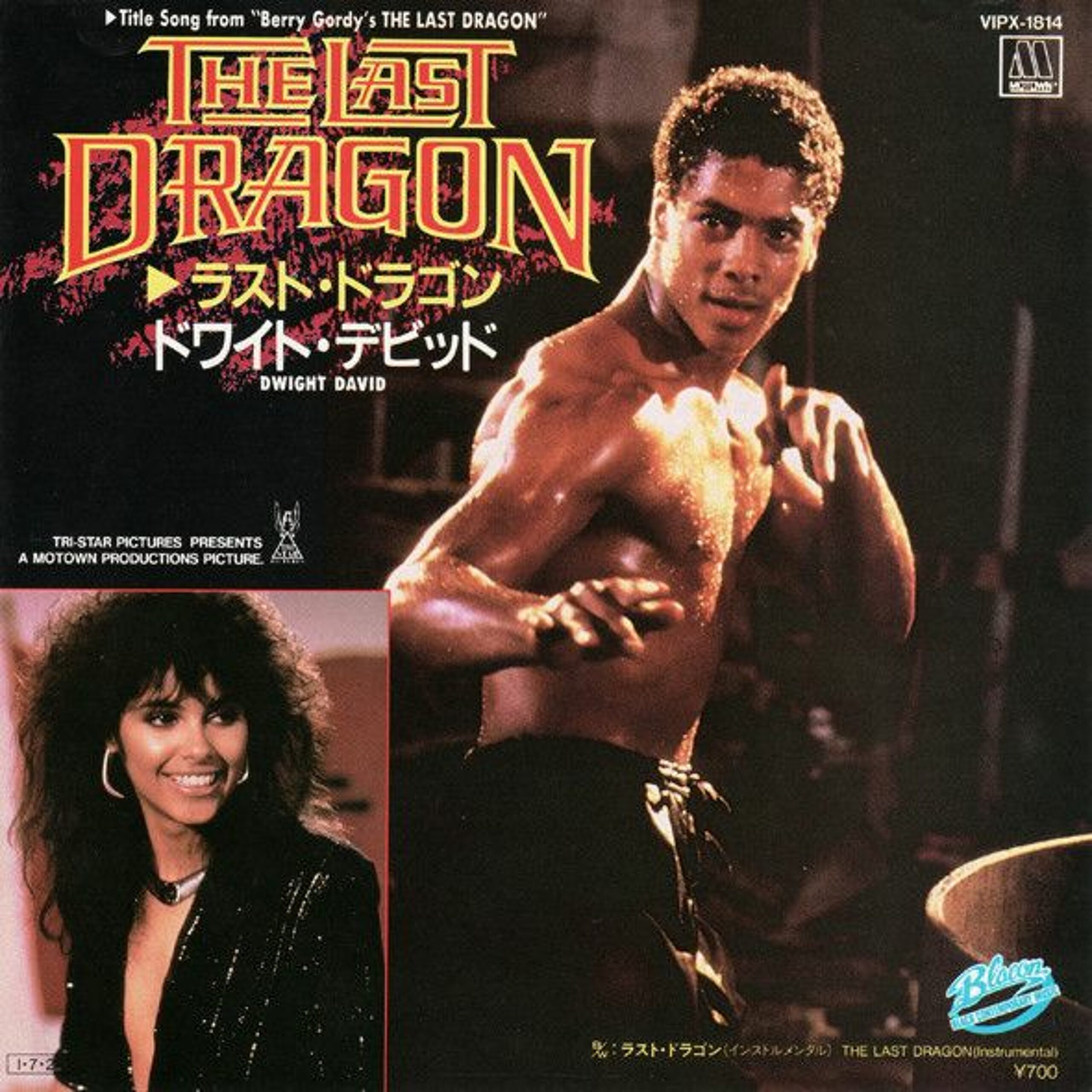
FMC 029: The Last Dragon Directed by Michael Schultz

May 18, 2026
Listen on Apple Spotify YouTube
Listen to this episode
Your browser does not support the audio element.
Also on Apple Spotify YouTube

Dive into the 1985 cult classic “The Last Dragon” with hosts Reginald Titus Jr. and Casey G. Smith, exploring its enduring charm and cultural significance. Hear how director Michael Schultz navigated 80s filmmaking and left a lasting mark on audiences, inspiring many to pursue martial arts.

What We Cover

  • Director Michael Schultz’s vision for “The Last Dragon” and his legacy in film and television.
  • Distinctive characteristics of 1980s film and music production.
  • “The Last Dragon”‘s box office performance, inflation-adjusted budget, and international market insights.
  • The classic filmmaking dilemma: training actors in martial arts versus casting martial artists to act.
  • Hosts share personal connections and childhood experiences with “The Last Dragon” and its martial arts influence.
  • Film news and reviews of recent watches, including “Adventures in Babysitting,” “Ant-Man,” and “Deadpool 2.”

Key Moments

  • 01:00 – Introduction to Michael Schultz, “The Last Dragon,” and his overlooked career.
  • 05:46 – Discussion on Hollywood’s historical reluctance to distribute Black-led films internationally, contrasted with “The Last Dragon”‘s success in Sweden.
  • 17:35 – Analysis of “Deadpool 2″‘s X-Force twist and the dual casting of Josh Brolin in Marvel films.
  • 25:50 – An appreciation for Jerry Seinfeld’s “Comedians in Cars Getting Coffee” and the nuanced craft of comedy.
  • 38:20 – Personal stories of how “The Last Dragon” sparked a lifelong interest in martial arts for the hosts.
  • 48:10 – The debate: should filmmakers hire an actor for martial arts roles or a martial artist for acting roles?

Gear & Films Mentioned

  • Films & Shows: The Last Dragon, Black-ish, The Adventures in Babysitting, Ant-Man, Civil War, Deadpool 2, Guardians of the Galaxy, Black Panther, Eternals, Fantastic Four, Kill Bill, Foxcatcher, 24 Hour Photo, Comedians in Cars Getting Coffee, Unbreakable, After Earth, Bram Stoker’s Dracula.
  • People: Michael Schultz, James Gunn, Kevin Feige, Edgar Wright, Peyton Reed, Paul Rudd, Josh Brolin, Ryan Reynolds, Jerry Seinfeld, Zach Galifianakis, Joey Diaz, Tom Segura, Marlon Wayans, Steve Carell, Robin Williams, Barry Gordy, Sho’nuff (Julius Carry), Ernie Reyes Jr., Stevie Wonder.
  • Companies: Marvel, Disney, Netflix.
  • Other: IMDb Pro, Box Office Mojo.

Listener Questions

  • What was the cultural significance of “The Last Dragon” for audiences and its director, Michael Schultz, in the 1980s?
  • How did the unique style of 80s music and filmmaking contribute to the enduring appeal of movies like “The Last Dragon”?
  • What insights can filmmakers gain from “The Last Dragon”‘s production regarding casting decisions and navigating budget constraints?

Full Transcript

Read the full transcript

Full Episode Transcript
This episode of Filmmaker Commentary the 1985 martial arts cult classic "The Last Dragon," exploring its cultural impact, filmmaking techniques, and behind-the-scenes insights from director Michael Schultz.

Opening Discussion & Film Context
Reginald Titus Jr.: Filmmaker Commentary episode 29. Welcome to Filmmaker Commentary, where we give you insights from our favorite filmmaking commentaries. These commentaries can be heard on your DVD and Blu-rays of your favorite movies. We'll show you how you can use these commentaries and apply them to improve your video production and filmmaking techniques. All of this here on Filmmaker Commentary. I'm your host, Reginald Titus Jr.
Reginald Titus Jr.: Welcome to Filmmaker Commentary. I'm Reginald Titus Jr. I'm joined with...
Casey G. Smith: The Showgun of Harlem. No, I'm sorry. Casey G. Smith. Welcome back, sir.
Reginald Titus Jr.: Good to be back, sir.
Reginald Titus Jr.: So today we visit The Last Dragon, 1985.
Casey G. Smith.: Yeah.
Reginald Titus Jr.: And if you're new to the show, this is Filmmaker Commentary where we listen to DVDs, Blu-rays, the commentaries on that, and pass them on to you so you can become a better filmmaker and producer.
Casey G. Smith.: And of course, as always, as we dive into The Last Dragon, there will be spoilers.
Reginald Titus Jr.: The Last Dragon, 1985, directed by Michael Schultz. He's an African-American man, born in 1938 and is a still, he's a still working director.
Casey G. Smith.: Still alive!
Reginald Titus Jr.: Still alive. It's like, it's like Ridley Scott, you know, he's like one of these unsung heroes, like he shoots for like TV shows like Black-ish. This guy should be celebrated, but he's like just secretly still working. I don't even know if it's a secret, but it's awesome.
Casey G. Smith.: He needs some kind of lifetime achievement award, just being just awesome, consistently.
Reginald Titus Jr.: For sure. And if y'all are not familiar with The Last Dragon, let me read... First off, you don't like movies.
Casey G. Smith.: Or people. Zing!
Reginald Titus Jr.: But here's a synopsis to get you all caught up. In New York City, a young man searches for The Master to obtain the final level of martial arts mastery, known as The Glow. Along the way, he must fight a martial arts expert corrupted with power, rescue a beautiful singer from an obsessed music promoter. That is The Last Dragon.
Casey G. Smith.: A cornerstone of the 80s in my, in my, in my humble opinion.
Reginald Titus Jr.: The 80s were a wonderful time, especially for movies. Like, people, I think when it comes to the 80s, you either love it or hate it. I don't think there's like no in-between. And that goes for like the music and, and the movies. Because the music at the time was very distinct, you know, synthesizers were coming on the scene and still developing.
Casey G. Smith.: Yeah. Other forms were developing. I mean, hip hop was developing, metal, pop, rock. Yeah, was developing.
Reginald Titus Jr.: And but, but what I mean is like, it could come off like cheesy because they, they haven't reached like the technology height yet, you know, of sounding like real instruments, especially these synthesizers. So, they had these cheesy sounds with the drum patterns all the time. Very distinct. And as, of course, as we know now, time goes on, like, now those synthesizers actually sound like real orchestras.
Casey G. Smith.: Absolutely.
Reginald Titus Jr.: Same thing with some of the tropes in, in movies, you know. Some people are like, I just don't like these movies. But I love going back to the 80s. I was a child growing up in the 80s, so for me it's very nostalgic.
Casey G. Smith.: So, speaking of nostalgic, when you think of The Last Dragon, when was the first time you saw the film?
Reginald Titus Jr.: Um, my mom and dad, they rented it. And then I think they eventually purchased it. But they rented it, and so we were just watching it on repeat, just over and over again. I don't know how old I was, but, uh, it actually got me involved in the martial arts.
Casey G. Smith.: I didn't know that. I didn't know that was a catalyst.
Reginald Titus Jr.: That was it, the last straw. I'm going.
Casey G. Smith.: You know what? I hadn't really thought about it for my, myself, but, uh, we watched it probably like '86, '87. I know I, I was still, obviously still, I'm still a kid, maybe, maybe first, second grade, somewhere around there. Saw it, and I think it, when it came on HBO. And we recorded it and just, man, yeah, on repeat all the time, watching The Last Dragon. Then years later when I would do Taekwondo for a little while, um, I'm sure, I'm positive that this film had an influence, you know, doing the little nip up, stuff like that, like, like Sho'nuff, yeah. Big influence.
Reginald Titus Jr.: Yes indeed. This movie had a budget of 10 million, which according to Michael Schultz at the time was about a medium budget. Um, I did a little calculation, well, I didn't do the actual calculation, but I typed in those numbers online for this. And um, if you were to adjust for inflation, that would have been like $28.5 million today. So I was like, yeah, about right, it's either medium, yeah. That would be awesome. So at the box office, it's made, according to um, Box Office Mojo, was uh, $25.7 million. And but according to like Michael Schultz on the commentary, he mentioned $33 million domestically. So, who knows? And I was looking online for like some of the worldwide stuff, I couldn't find anything. Did you find anything for like the international?
Casey G. Smith.: For the international, according to IMDB, IMDB Pro, um, I looked on there and apparently the film had a release in Sweden, and underneath their currency, I believe it's called the Kroner, forgive me if I've got that wrong to any of our, our, our, uh, Swedish listeners. Uh, but it made about 2.5 million Kroners, which, um, according to today's exchange rate, uh, at um, nine to one Kroner to US dollar, that would be about 20 million. So, again, I don't know when that money was made, but, um, yeah, it, it did, it, it did fairly well over in Sweden. It would have been fascinating to see how, how it would have done in other markets.
Reginald Titus Jr.: And it's interesting too, because of course this is, you know, primarily, it's uh, African-American class, uh, cast. And the myth in Hollywood, or it could just be something that they were just saying, lying to people, were that, uh, movies with color, with people of color in them didn't do well overseas. And no way to kind of keep, keep the Americans down or, whatever they were trying to do. Um, so that was going on for a very long time. And um, and Michael, um, talked about it, you know, how they didn't bring it into other markets, you know. It could, that we could probably do a whole research on that. Uh, with Melvin Bell Peoples, um, with our guy Fred, what is Fred's last name? He did a lot of blaxploitation films, ex-football player. Um, Po'boy Productions, I can't think of his last name though.
Casey G. Smith.: I, I know. Um.
Reginald Titus Jr.: He was in Dust Till Dawn.
Casey G. Smith.: Yeah, I know, I know exactly who you're talking about. It's um, we saw him at um...
Reginald Titus Jr.: I didn't get to see him that day. Uh, but I think you or Lana or somebody took a picture with him, didn't you?
Casey G. Smith.: I think Pablo did.
Reginald Titus Jr.: But he kind of proved that myth wrong, you know, he went to the American Film Market, went to the markets, uh, sold his stuff, went to Cannes, went internationally to, to prove that you can, that there is a market for people of color and people actually internationally want to see that. They want to see something diverse. That's an American thing to kind of keep people that are different down. Any rate, moving right along.
Casey G. Smith.: It was wrong. I know, right?
Reginald Titus Jr.: Uh, it's kind of sad, but of course now, you know, we've fast forward 30 odd years later, you know, you have straight up proof, you know, with Black Panther or...
Casey G. Smith.: Absolutely.
Reginald Titus Jr.: Before we dive deep into this film, let's talk about news and movies we watched.

Industry News & Recent Watches
Reginald Titus Jr.: I don't have that much for the news. The only thing updated was just like, um, heard that James Gunn, you know, that of course, him being kind of fired from the project, that the script was kind of the thing that was left over, kind of for debate, or were they going to use the script since it's already completed? Were they going to use that script for the film? But I've read that what, Kevin Feige is fighting to kind of keep that script and possibly, I don't know, if James Gunn can come back. Have you heard anything?
Casey G. Smith.: So, what I've heard is that, uh, potentially definitely, uh, Marvel probably does want to keep the script. I mean, James Gunn is the one that really was the, the lifeblood of, of the Guardians franchise, um, from a creative standpoint, but yeah, they probably do want to keep it. Now, what I've heard is that because James Gunn didn't, he didn't breach his contract, but also he doesn't have a, a, a pay-for-play contract. So, they're not really under obligation, maybe to pay him, but they might in good faith, maybe try to settle something there. And there also might be some opportunities or doors open in the future for him to work with Marvel again, maybe on a different franchise, not Guardians.
Reginald Titus Jr.: And from what I heard, it's um, you know, the reason they want to keep that script is because it's, it opens more of the universe up. Yeah, so it's going to be tying in. So if you don't use that script, like, what are you going to, you know...
Casey G. Smith.: They've got more franchise they want to launch off into like the, um, if I'm not mistaken, the Eternals, uh, which could eventually lead way to, um, explaining how you get mutants and bringing in the X-Men eventually. Uh, the Eternals could be a, a great way to do that. Even potentially maybe like the Fantastic Four because they're international space travelers so they could say they were in another pocket dimension during this whole time, and maybe they just get back. So there were, uh, there's the Nova Corps as well, they could bring in. So yeah, they really want to expand the cosmic universe and Guardians kicked that whole thing off and it was the way to do it. There's also, of course, Adam Warlock, you know, at the, at the end, spoiler alert, at the end of the second Guardians when they had that big cocoon there and they're like, what are you going to name him? I think I'll name him Adam. That's, that's Adam Warlock all the way. So, yeah, a lot more of the Marvel Cosmic Cinematic Universe, uh, was going to open up through, through Gunn's script.
Reginald Titus Jr.: We shall see. We shall see. Movies watched. So, since the last time we talked, I've had a chance to, um, watch a few movies here and there. Uh, snuck in a few. Um, I was feeling nostalgic. I actually, before watching The Last Dragon, I was like, what else can I watch from the 80s? And I pulled up The Adventures of Babysitting, 1987.
Casey G. Smith.: Good old Adventures in Babysitting. That's a good one.
Reginald Titus Jr.: Yes, I would, that was just like The Last Dragon. We would watch that movie on like repeat over and over, me and my sister, in the summertime, you know, in between, you know, school's out, so we're just watching this. We were like, know the whole beats of this whole movie.
Casey G. Smith.: Wow.
Reginald Titus Jr.: Watching again, I was like, it was well done.
Casey G. Smith.: I've, I've only seen it once.
Reginald Titus Jr.: Oh, oh. Yeah, it's ingrained in my memory, it's, yeah. You, and kind of going back and kind of seeing how black characters are used, it's kind of different now.
Casey G. Smith.: Really? You're saying some things have changed?
Reginald Titus Jr.: Oh man, it's bad. It's hilarious and sad at the same time. I was like, how did I not see this? Oh, I was a child. I thought this is how things were. I just thought that's how things, anything like a black character that was used like, because they were going, they were from the suburbs, so they go into the city. And so, the other side of the tracks. The other side of the tracks. So, their introduction to, to some black folks was, you know, a gang rival on the, on the train. Puerto Ricans and the black people about to fight on the train. Or, uh, the black folks in playing the blues at the, at the, uh, at some club that they fall into while they're getting away from some criminals that are black and a white guy. So, it's like, all right, uh.
Casey G. Smith.: Well, not necessarily winning, in that film.
Reginald Titus Jr.: Not winning. Not winning. But, you know, I think it's, uh, like, it comes off kind of from a good place, but kind of naive, but it's, uh, it's still well done.
Casey G. Smith.: Still well done. Yeah, again, I think, I think we rented that film one day or something, but I remember, or maybe I saw it at somebody's house, but I remember I saw, I was like, oh, that, that was pretty cool, but then, never had a chance to see it again.
Reginald Titus Jr.: My first time being introduced to Thor was through The Adventures of Babysitting.
Casey G. Smith.: Right, because it was, it wasn't the girl?
Reginald Titus Jr.: Yeah, the little girl. She was a fanatic. Yeah, she had the helmet the whole time, the hammer, her whole room. She was drawing the guy the whole time. That, like, so much so they, like, at the end of the credits, they had to, you know, it said Marvel, whatever they were called at the time, like, Marvel Entertainment, something incorporated, because they ended up selling to some toy company. Marvel did. Um, because they filed for bankruptcy.
Casey G. Smith.: They did.
Reginald Titus Jr.: Yeah, that was my introduction to Thor.
Casey G. Smith.: Isn't Elizabeth Shue in the film?
Reginald Titus Jr.: Oh, yeah. That, that was like a crush. She was the babysitter? Yeah. She's the babysitter. It's a crush. That was like my crush. I was like, one day, I will have a woman that looks like that. In high school, goal achieved. Got to have goals, right? But yeah, that was like one of those crushes that you have like on the TV screen or whatever. So, that was hilarious. But, um, I like how they introduced, uh, like popular music at the time. And the music that they chose in between like the composer, the music that they chose introduced the next scene. So, they would use a lot of older music from like the 70s and stuff like that. And they would do that to transition to the next scene. It's like, this is very thought out. They were thinking this out. Nowadays, that movie, because they redid this movie, Disney redid it, uh, in 2016. And it's just, it's like pop, popcorn, it's like quick. It's not that much thought put into it. It's almost like a Nickelodeon movie.
Casey G. Smith.: Huh.
Reginald Titus Jr.: And I was like, huh, I bet if they do it again instead of blues it'll be rapping. She'd be rapping and stuff like that. I'm like, okay, uh.
Casey G. Smith.: Well.
Reginald Titus Jr.: Not what I expected, but um, but yeah, it's, uh, it's very interesting. There's some, uh, some good stuff in there. Anyhow, moving right along. Um, another movie was Ant-Man. I never did watch Ant-Man. Watched it with my son and it ended up being a pretty good movie. I was surprised.
Casey G. Smith.: Nice little heist movie. Different, different flavor from the other Marvel movies, for sure. And the fam, I think that's a, it's a family film.
Reginald Titus Jr.: For sure.
Casey G. Smith.: Baskin Robbins always finds out.
Reginald Titus Jr.: Enjoyed that. So, um, watching, was it, Civil War when Ant-Man was introduced? So, kind of seeing, how did he get involved? Of course, I didn't watch the Ant-Man.
Casey G. Smith.: So, he was just a random dude. He was just a random guy.
Reginald Titus Jr.: Yeah, he was just a random dude. Right, and then so when he grows up and he's the big guy in Civil War.
Casey G. Smith.: Giant man.
Reginald Titus Jr.: Giant man. I was like, he hasn't done that before. He didn't, he didn't do it in the Ant-Man movie, so, like, yeah, okay. Cool. I like, I like. Now I'm going to go back and watch some of that.
Casey G. Smith.: Well, you do get the scene where the ant gets big. And even at the end of the film, the ant's like walking around. True. Because it got hit with the big disk, the blue disk. I think the blue disk are the ones that make things, big.
Reginald Titus Jr.: True. But we didn't see him as a giant guy.
Casey G. Smith.: No, no, we did not. Cause that's why he says in Civil War, he says, hey guys, I tried this, I tried this one time, I think he says in a lab or something like that. And then, and I, you know, passed out or something like that. Um, cause it's tremendous stress on the body to increase in size and mass so quickly.
Reginald Titus Jr.: That movie actually made me think a little bit. Just how they were talking about the science and then and just being that small and then how like you can just keep going down to infinity. Like, I never thought about that. But that would suck.
Casey G. Smith.: There was a thing on, uh, the Nerdist Network where they talked about if you were to, like, grow super tall, super big, giant size. And, I don't know how they got into decapitation, but if your head were to be cut off, like, your body, your heart would be pumping so hard to get blood to all your body, like if you were to lose your head for whatever reason, it would be like this like, Yeah, fountain of blood just like shooting out because your heart would be pumping so hard to send all that blood through your body.
Reginald Titus Jr.: Like Kill Bill.
Casey G. Smith.: Yeah, like Kill Bill, like the anime almost, because your heart would be pumping so hard to send all that blood through your body.
Reginald Titus Jr.: Huh. I thought everything would just be proportionate, like, just like it would in your regular body, it would just be bigger.
Casey G. Smith.: Well, you have to overcome gravity. There's like gravity. And there's, there's some kind of, uh, proportional, like, law or rule in place. That's why like smaller, like, so, say for example, a mouse falling from a certain height because of its smaller mass and density could survive a higher fall from a higher height and still live. Likewise, ants being able to lift X amount times their weight. It's something to do with their smaller mass and density. If they were to proportionally grow larger, they wouldn't be as, they wouldn't have the exponential strength to the same level because their, their bodies even being able to sustain and and hold its own mass wouldn't be the same. It's kind of like with a gymnast, right? Like when I did gymnastics as a kid, my arm strength proportional to my body was way, way stronger. Like get on the rings and do stuff like that, but like now to do that, I, yeah, I, I wouldn't need just different, my arms are too freaking like long now. I'd have to do something totally different.
Reginald Titus Jr.: But what if it didn't? The theory is, and your legs might, you get that, if you got that big, your legs might break. Now, the smaller you got, you probably would again get proportionate strength, kind of like an ant does. Uh, which is kind of like why he maintains his regular strength even when he's down to Ant-Man size.
Reginald Titus Jr.: Hey, man, I don't like to be thinking about all this stuff while I'm watching fantasy. It ruined it.
Casey G. Smith.: So, I'm the, I'm the nerdist. We've talked about these things and read, read these things. But it's, it's, it's, Ant-Man was a surprisingly good movie. And that was, you know, we talked about Guardians earlier, Ant-Man was the other shocker. When they announced they were going to do Ant-Man, I was like, wait, wait, Ant-Man's getting a movie? Are you kidding me? And then you know who originally was on, on tap to direct it?
Reginald Titus Jr.: Edgar Wright.
Casey G. Smith.: Edgar Wright.
Reginald Titus Jr.: Oh, because he, he was in the credits. He helped write it.
Casey G. Smith.: Well, he, he had written the script. He had the script written out, but Marvel had progressed in their cinematic universe, because Iron Man was a success and the Incredible Hulk and then Iron Man 2, and then you'd had Thor and Cap and the first Avengers. The MCU was rolling. And it's like, whoa, this is, this is big, much bigger than we expected. So by the time it came around for Ant-Man to go into production, the script that Edgar Wright had completed didn't quite mesh up and then there were creative differences. And so that's when, uh, Peyton Reed then stepped in and along with Paul Rudd, they helped tweak and adjust the script and Edgar Wright moved on.
Reginald Titus Jr.: I wonder how he got involved. How did Edgar Wright get involved?
Casey G. Smith.: He was working on it for years. No, this wasn't like a, he was working on that script for at least a year and some change. Really? Oh yeah. I mean, it was, it was, pardon me, it was ready to go. But then again, just the development of the MCU and having to now maintain this cinematic universe, which again, Marvel's first time doing this, they didn't know and they say, hey, you know, we need some changes to be made, but he didn't really want to make, I guess, make those changes. I don't know all the behind the scenes stuff, but it was, it was enough where they had to part ways. And, uh, he left the project and then, you know, people were like, I was bummed. I was like, oh, man, I was, I was actually excited because I knew, you know, Edgar Wright was going to do it. But they, um, they just had to make adjustments. And it worked out. I mean, Ant-Man was, and it's no Black Panther or Avengers or or given a Captain America, but it's a serviceable Marvel film. And again, nice, nice change of pace.
Reginald Titus Jr.: Yeah, I remember that came out. Um, I saw what baby was at when that came out. Um, I remember being in the hospital, I was like, I probably won't see, I probably won't watch that. When, when I saw the trailer, I probably won't pay money to go see that. But um, my, my son is very, he's a fan of superheroes and stuff like that. So I'm, now I know what he, his tastes are. So I'm like, hey, you want to check this out? It's cool. So he's like, it's height. So I can be excited by living through him.
Casey G. Smith.: By vicariously.
Reginald Titus Jr.: Yes. So, uh, yeah, that was surprising. That was, that was good. That was a good one. Um, the next one I watched Deadpool 2, by myself.
Casey G. Smith.: Yeah, yes. Not a movie for children.
Reginald Titus Jr.: Not at all. Um, I call that one, after watching it, I kind of forgot that I watched it. It's, um, it's like a Looper rip-off. I said it's Looper with comedy and superheroes. That's what it's saying.
Casey G. Smith.: Interesting.
Reginald Titus Jr.: That didn't get too much out of there. It was just, it was cool. It was just kind of like hanging out with the people again. It wasn't really, I didn't really get anything out of that one.
Casey G. Smith.: Yeah, it, it doesn't carry the same, you're right, cause I, cause I didn't go back and see it twice like the first, I think, I think I saw it twice in theaters. It was, the first one was, yeah, it was, it came out of nowhere. Yeah, oh yeah, different and it was, it was fresh. Whereas the second one does rehash, I, I, I, I enjoyed it enough, um, I saw it in the theater, so I was with some friends. So you get the group kind of, the group laughing kind of thing. But yeah, I wasn't like, oh, I got to go and see it again. And yeah, I mean, there are some things that they did, they, I don't want, I'm going to give any spoilers away.
Reginald Titus Jr.: Just fast forward like 30 seconds.
Casey G. Smith.: There you go. And so, like, so the whole time they're promoting X-Force, X-Force. Even the trailers on his, oh, I'm bringing X-Force together. And then like they go on their first mission and they're jumping out of the plane, skydiving and it goes bad for everybody. Like everybody dies. And it's like, except for Domino. Yeah, I'm like, you killed Shatterstar. You, I mean, I'm like, come on. So, that, that was a little bit of a, like, ah, that that kind of sucked. Like, come on, man.
Reginald Titus Jr.: But he revived him.
Casey G. Smith.: Uh, I think he only saved one guy.
Reginald Titus Jr.: He saved them all. He went back in time and saved them. That's why I said it's like Looper. He went, he went back.
Casey G. Smith.: I think, I don't know that he saved all of them. He went back to a certain point and interacted with like one person. He saved, he saved the, the, the, the guy who apparently really didn't have any powers or something like that, right? He saved him, but he's the last guy who landed. Everybody else would have still died already.
Reginald Titus Jr.: Okay, now I got to think.
Casey G. Smith.: Yeah, I think he let everybody else still die.
Reginald Titus Jr.: How did the other people die? Uh, like, uh, one of them was like Brad Pitt, wasn't it?
Casey G. Smith.: Yeah, the Vanisher or whatever. Like, and you see his face. Shatterstar got caught up in a helicopter blade, I think.
Reginald Titus Jr.: Yeah. Well, maybe you're right.
Casey G. Smith.: Yeah, somebody else fell into a woodchipper. I don't know. Yeah, I think he still let the other people die.
Reginald Titus Jr.: Really?
Casey G. Smith.: I think so. Cause the only one, I think that he saved was the, was that other dude.
Reginald Titus Jr.: I remember seeing him save the guy. I think he's the one who went to the woodchipper. Um, I kind of forgot about the other people like that quick.
Casey G. Smith.: I'll tell you what's interesting. So we have Josh Brolin, both in Avengers Infinity War as Thanos. Then in Deadpool 2 as Cable. Right? Same actor, two totally different roles. Thanos, you know, obviously he's a lot of motion capture performance. He's this huge imposing figure. And then Cable, who traditionally in the comic, Cable is a tall guy. Cable's a big dude in the comics. But, you know, they didn't really use any kind of trick angles or anything like that in, in, in Deadpool. He's shorter than, than Ryan Reynolds, which I find fascinating that they just said, oh, okay, kind of just go with that. It's, it's interesting those, those kind of decisions that are made. In comics, he's like six, 6'7" or something like that. He's a, he's a big dude.
Reginald Titus Jr.: But yeah, it's a Looper rip-off, dude. You got the little kid that, that you have to go capture before he becomes an adult and kills everybody. So I'm like, that's Looper. Come on. Just watch Looper.
Casey G. Smith.: Fascinating. I hadn't, I hadn't even thought about that. Hadn't even thought about that.
Reginald Titus Jr.: So yeah, so that one was, it was okay. It was okay.
Casey G. Smith.: Different director too. It wasn't Tim Miller behind not directing it.
Reginald Titus Jr.: Was his company behind the graphics, the, the special effects?
Casey G. Smith.: Nope, him, apparently him and Ryan Reynolds may have had a falling out. And so they brought, I don't, I don't remember who directed the, Deadpool 2, but it was a different director.
Reginald Titus Jr.: Did the, the other director, did he help write it?
Casey G. Smith.: No, I don't believe so. I, I think it was that early, early enough, he bounced out. He's been, he's been focusing on, um, trying to get his next Terminator off the ground, working with James Cameron.
Reginald Titus Jr.: Sorry, moving on to the big ins, to more billions. Yeah, so that was Deadpool. I wanted to make sense then. They still made money, so they're good. They'll be fine.
Casey G. Smith.: Oh yeah. There'll be a Deadpool 3. And, and a next, there eventually there'll be an X-Force movie. That's the, the big talk that they're doing an X-Force movie, which could go multiple ways. But yeah.
Reginald Titus Jr.: So all the other people died? I want to know what the other people look like. I'm interested now. Like, I was like, I thought he saved them all. I guess not.
Casey G. Smith.: There was a black dude with a shaved head, Terry Crews's character. Yeah. Uh, who was, ah, I forget the character's name. Uh, Blockbuster or, I don't know, I don't know. Then there were Shatterstar, he was the Asian dude with the, with the swords and the, the ponytail. I don't remember who the other ones were.
Reginald Titus Jr.: I don't either. Um, moving right along. You got me on this Seinfeld, Comedians in Cars Getting Coffee. That's like the most boring title. Most boring show, like, in theory. Like, that should be boring as hell. But it's not. Like, it's entertaining, it's insightful. You know, it could be, like, the younger me would be like, this is garbage. Just because I'm not, not really like a Seinfeld fan like that, but I'm getting to, uh, because he's the least animated of like, contemporary comedians. Like, and that's, that's part of his stick. That's his thing, you know. It's like he's, um, like cynical and he just spends time like, why are things like this?
Casey G. Smith.: Over analyze everything.
Reginald Titus Jr.: He makes it fun to complain.
Casey G. Smith.: Yeah, that's a, that's a great way to kind of summarize it. And I don't know, I don't know what it is. We, what I take from what the episodes that I've watched, there's something that's really fun about two comedians coming together, having a conversation. I don't know why, but that is so fascinating to me. I, I, I love hearing him ask questions and then hearing how these comedians see themselves, where they came from, their, their, their views on different things. And of course, it's cut and edited in whatever few kind of ways. And who's going to be more animated? Uh, have you seen the one with him and, and Zach, uh, Galifianakis?
Reginald Titus Jr.: Oh, yeah. Yeah, that was hilarious. Yeah, Zach, he's, he's such a, he's like, he's awkward, you know. And and seeing the difference between characters that some of these comedians and comedic actors portray versus who they are when they're not, when it's not turned on. A lot of comedians seem to very much so have a somber and even dark side to them. Yeah. I know a lot of them will self, you know, will, will admit that, like, yeah, there's a dark side. That's why sometimes you get these comedians sometimes playing dark roles, like a Steve Carell in a Foxcatcher, or Robin Williams in a, uh, Robin Williams was creepy as hell. Like, that dude. 24-Hour Photo, is that what it was? Yeah. So, but, you know, they, yeah, at times can, can go there and shock you like, oh, wait a minute. Uh, I, I didn't know you were going to go there, Mr. Funny Man. Yeah. But yeah, it's, um, yeah, Comedians in Cars Getting Coffee, it's, because you learn something too, because you learn something about the history with the vehicle that he's driving in. He tries to match the vehicle with the, what he thinks that comedian is like that he's picking up.
Reginald Titus Jr.: Have you watched these from the beginning and just go all the way up to now? Just this season?
Casey G. Smith.: Yeah, I was watching, I saw, um, maybe like season one or two or something like, maybe I did watch them all. I don't know. But, uh, I think I watched the first season and just, and like how Ellen, what she was saying, like, on Netflix, it's funny, they don't give you a chance anymore. It just jumps right into the next one.
Reginald Titus Jr.: Yeah, it's true. It just jumps to the next one. And that's with their specific shows, I noticed, if it's a Netflix produced show, the timer's shorter. But like, I've been watching Parenthood and it still gives you like the 15 seconds.
Casey G. Smith.: Cheaters. They're gaming the algorithm.
Reginald Titus Jr.: Oh, man. That ain't fair.
Casey G. Smith.: But I wasn't too mad at. I'm like, I didn't want to wait that long anyway. Next. Next. So I'm like, I kind of don't mind. I'm like, you know I'm here. You know I'm here, Netflix.
Reginald Titus Jr.: Um, so yeah, I actually enjoyed that one with Ellen. Didn't think I would enjoy that one, but they seem like they had a lot in common. I was like, um, and how, uh, Seinfeld was talking about like wives or whatever, how, how to let them find out. They don't want that, but they must find that out on their own. And like she just started laughing and things like that. It just, it was, it was interesting.
Casey G. Smith.: The one with Dave Chappelle was interesting.
Reginald Titus Jr.: I like that one. That was a good one. That was very, yeah, insightful.
Casey G. Smith.: It just Dave Chappelle, it's just his, his voice has changed so much.
Reginald Titus Jr.: He's a clone, that's why, it's not real. Different person.
Casey G. Smith.: Conspiracy. Conspiracy.
Reginald Titus Jr.: It's like he smoked a thousand cigarettes since the last time we've seen him. It's like, something happened. Did he get kicked in the throat or something? Yeah, things just changed, Dave Chappelle. Yeah, it's just, I like the analogy of himself though, how he says his real self is him on stage, but the, when he's off stage, he has to be somebody else lying to people and being political and things like that. So I was like, oh, I like, I like that. And that he's like really like more introvert. Did he say that? Is he's more of a, he said socially awkward. But, but the reason he's socially awkward, because he hates a lot of people.
Reginald Titus Jr.: Oh, man. So yeah, so I, for sure, watch that one. But any rate, so that's what I've, that's the movies I've watched, man, and just got away for the last few days. Just like, let me sneak in a few movies here and there. You know, I stay up like working on stuff. I probably should have been editing some other projects, but, uh, you know, that's, you know, that's...
Casey G. Smith.: And now it's out there for the world to know. There you go, and there you have it. Keeping it real.

Re-watching "The Last Dragon" & Cultural Impact
Reginald Titus Jr.: Hey. Now let's dive back into The Last Dragon. How did you watch The Last Dragon this time around?
Casey G. Smith.: So, some of you may know, listening to this, we originally were going to watch and review another film, Unbreakable by M. Night. M. Night Shyamalan's Unbreakable, yes. But, this was my mistake. I glanced at the back of the of the, the key art on the back of the, the my DVD collection that I have of it, and I saw, you know, commentary by M. Night Shyamalan. Unbeknownst to me, after watching the film again, which I love, finding out that the commentary's only on the deleted scenes. Yeah. So M. Night Shyamalan, if you're listening, go ahead and drop a commentary for Unbreakable. We, we would love that. It's a fantastic film. We'd love to hear your thoughts on it. We know you like to share. Uh, you've got there's even like a, a some, uh, footage of something you shot when you were much younger and you, and you kind of give some commentary about that. So, yeah, we'd love a commentary on Unbreakable. If you're listening, thanks.
Reginald Titus Jr.: Here's a tangent, maybe not too much of a tangent. But later on in this, uh, podcast as it evolves. Maybe once we start interviewing people and bringing people on, we can watch a movie with them and they can record their commentary and they can play it back on the podcast. So you can have your commentary. Cause I thought about that. I've been thinking about that a lot. I was like, as we go into a more digital world, you know, how are commentaries, are people going to leave those alone? How's it going to survive in the digital world? So, of course, it'll be maybe a podcast or something like that, or maybe for some of these labels, like Marvel, they have their own podcast. They can just have a whole list of just commentaries that match the film, so you can watch the film and play the podcast at the same time. I don't know. Maybe it'll work, maybe not, but.
Casey G. Smith.: I like the idea. I definitely like the idea. Um, especially for those films that don't have commentaries, some of these directors. Yeah, you know, people want to hear what you have to say.
Reginald Titus Jr.: I want to get Tarantino in on these movies. We got to get a commentary track with this cat.
Casey G. Smith.: Kill Bill Vol. 1, Kill Bill Vol. 2, Pulp Fiction. The list goes on and on.
Reginald Titus Jr.: Yeah.
Casey G. Smith.: But, uh, yeah, but this go around, since we couldn't do Unbreakable, we decided to do The Last Dragon. And I've seen The Last Dragon many a time. I remember a couple years back when I, when I just kind of had, had the fellas over and, you know, we all just watched The Last Dragon. You know, it's a good time. So many quotable lines. So anyway, I just, I just jumped right into the commentary. I was like, I know this film. Jumped into the commentary. And actually, I think when I, when I bought the Blu-ray a couple of months ago, I think I actually had listened to the commentary before. Or I had watched the behind the scenes thing. But, um, but yeah, so I, yeah, I just jumped right in, man. How about you?
Reginald Titus Jr.: Um, this time around, I've watched the, I, I have a copy, I have a DVD copy of The Last Dragon, got it years ago, but I couldn't find it this time around. So, I went to the store. I was going to buy the Blu-ray, but the Blu-ray was on sale for $17.99. I'm like, uh, I don't know. Like, that's, economics start kind of coming in. I was like, that doesn't make sense. Bang for your buck. Right. So, I saw the DVD for like four bucks. But since I was in the Blu-ray aisle, like, okay, there's like two other Blu-rays $5. So, I saw After Earth, which is an okay movie, but I was like, you know what? I'm in a black hero mood. So, in the, you know what I'm saying? So, in the urban section, I picked up After Earth. Was that the section it was called? Urban section. Yeah, in Dallas, Texas, off Camp Wisdom, there's a movie trading company. And, uh, After Earth in the urban section?
Casey G. Smith.: Yeah.
Reginald Titus Jr.: Yeah. Wow. That don't really There's a lot of movies. Cause I was in the L's looking for The Last Dragon, said, oh, let me go try the urban section. And sure enough, there it was.
Casey G. Smith.: Was it under the B for Berry Gordy's The Last Dragon, the official title?
Reginald Titus Jr.: Well, nobody find it.
Casey G. Smith.: Berry Gordy knew. You know what this is. I think even on IMDB it's The Last Dragon. It is. It totally is.
Reginald Titus Jr.: Where was I? Um, so yeah, After Earth. So, I bought that for five bucks. Anybody listening, it's like, you're wasting your money. Um, and then I saw The Last Dragon. After Earth, yeah. $3.50? No, no.
Casey G. Smith.: Oh man. I can't say, I haven't seen it yet, so.
Reginald Titus Jr.: It's worth a rewatch. Yeah, it's worth watching again, but don't expect much.
Casey G. Smith.: Managing expectations. Yeah. Another M. Night Shyamalan. I don't think he has There's a lot of behind the scenes, so that's why I, that's why I decided to get that one. Um, it had some good behind the scenes stuff that I was interested in and I'm not sure if he has commentary. Judging off Unbreakable, I'm pretty sure he probably doesn't. And then I purchased Bram Stoker's Dracula. That was on Blu-ray for five bucks as well. So I was like, you know what? $15, I got three movies instead of one movie for $17.99.
Reginald Titus Jr.: That's actually, that's good. Yeah. So that's how I, so, yeah, that makes sense.
Casey G. Smith.: Especially since you previously owned the, the other one somewhere, so yeah, that makes sense.
Reginald Titus Jr.: I had to, I had to justify it. Um, I just dove right into the commentary. This, this movie is another one that's like ingrained in my brain. So, there's no need for me to rewatch it and watch it again. I'm like, I'm along, I'm along with you. But I found myself a couple times like, what, what, trying to listen into the, uh, what they were saying in the scene.
Casey G. Smith.: Right, you want to hear the dialogue, but you know. Yeah, this. So let me ask you this. Watching the movie when you were younger, what, what did this film culturally or just from like seeing again like a a a black martial artist, good guy on screen. What did that mean to you as a kid?
Reginald Titus Jr.: It meant a lot. I didn't realize it at the time, but seeing somebody young that, you know, I was a, I admired Bruce Lee anyway. Like me and my best friend from elementary, junior high, throughout high school, we were into martial arts pretty heavy. Him way more than I was. He was like Bruce Leroy. Like, in mannerism, just like, we would wear the kung fu uniforms from our friend from, uh, what was, what was, uh, Bao? Bao was, uh, was he Vietnamese? I think Bao was Vietnamese. Sorry, brother. Uh, if I forgot, but he would get these, um, the, the uniforms from his homeland, he'd go there in the summertime. He like, just give me ten bucks and he'll go get it. And so, just having the uniforms. Nice. So, we would do, so like us walking in the streets or eating with chopsticks, like, we would do that in junior high and all that stuff. So, we were the weird black kids. You got the, the impact, you had the, the Bruce Leroy effect going on. Yeah. But it wasn't just like Bruce Lee, it was just like when you're in that world of being a martial artist, that's all you care about. Like we would watch, you know, these animation features with martial arts, just because we were heavily involved in martial arts. Slowly I went away from that, but he stuck with it and became like a pretty good martial artist. To see that, it, um, yeah, it was like, it's possible, you know, it, there's somebody on the screen, okay, I could be a martial artist too. And then when you get into the martial arts, then I start seeing the difference. You can see it on the screen. The people that really know their stuff in this film, you can see it like, yeah, you can definitely see the difference.
Casey G. Smith.: Indeed, indeed.
Reginald Titus Jr.: Yeah, it, it impacted me pretty heavily. Some power, it's powerful. This film has impacted loads of people throughout the time. When I've saw, me and my sister both, I remember twin sister, um, we did things like gymnastics when we were, were younger. Um, yeah, the power of this film, man, just seeing Bruce Leroy get the glow, it's just, it's such a feel good story. And again, you and I were talking before we started recording, thinking about, okay, man, okay, between The Last Dragon, and then going all the way up to, I don't know, what, what's the next film we mentioned that had like a a a a strong black protagonist, like a strong good, not, not morally grey, not, not anti-hero, but a strong good black protagonist from Meteor Man or, um, I don't know, strong protagonist.
Casey G. Smith.: Yeah, see we did a lot of that, where we had to stop and think and pause, which is, which I probably should have done some more research. But nothing pops in my head like quickly, you know, I think of stuff like Blade, but of course that was like before the 80s. I don't know.
Reginald Titus Jr.: Yeah. So again, this, this, I think it carries a lot of weight. And it's still, I mean, you, it's, it's, it's 80s through and through, but just the character of Bruce Leroy, I would love to see, I don't know, I would love to see something like this into today, for today, in today's time. Even though we've got, we, we talked about Karate Kid earlier. But that were, you know, I'm older now. So like my son, I remember when he watched the Karate Kid, Jaden Smith, he like loved that movie. So, kind of had the same effect, but he's forgotten about the movie since then. Cause movies used to live longer, you know, uh, at that time, you know, you can play the same movie for years and years. That's true. There's less, it was less saturated. Now, movies are not, not in your brain that long. So, yeah, I would say the Karate Kid with Jaden Smith, probably the more recent one that can kind of fall in that same category where the protagonist is a young kid, you know, but he was more like troubled, you know, before kind of being the martial artist, but it was kind of, it wasn't fantasy, it was like more in reality, you know, single mom and all that stuff. So, yeah, this, this does have tropes of, of feeling like, fantasy-wise, over the top, uh, in design and on, on purpose. Mhm. Yeah, man. So yeah, one of my favorite movies from the 80s and in my childhood, but I didn't really, at the time, I didn't look at it from, uh, like, kind of black, you know, now I do look at it that way, but I just want to like, oh, somebody, yeah, I can do this. Like, encouragement. Nice. Living in North Dakota, I was like, oh, black man. Yes. Because, you know, we're already, um, you know, of course, I was already a martial artist kind of kid, you know, um, I was into it, but I wasn't practicing it at the time. But, you know, looking at the Jim Kelly's or the, uh, Bruce Lee, like, most of those guys were minorities anyway. So, it's like, you can kind of relate to being different. Right. Very well, though, from the 80s, for sure. Some of the themes from the film, good versus evil, mentioned characters playing against their type, you know, you might expect them to play a certain way, but in actuality, it's different. Exactly. We see that with Bruce Leroy from the jump. Like, he's not just a black martial artist, you know, like, like kind of your friends. He was, he was embracing, embracing an Asian culture from his wardrobe to eating with chopsticks, to his meditation, even to the degree the way he, the way he spoke. Uh, one of the things I like that they mentioned is that Berry Gordy mentions in one of the special features is that Bruce Leroy had such a purity to him that even the way that he talked, that he wouldn't, he would not use contractions. So instead of saying wouldn't, he would say would not. Or instead of can't, he said, I cannot. I cannot stay. You know, so even in the way that he would speak was, I need to see her. I would like to see her. I would like to see her. Oh, man, so many, so many quotable lines from this film. But, but yeah, so he plays against type. Then you have the, the, the three Asian gentlemen later on singing Suki Saki, Saki, Suki, Suki to me, I Suki to you. And they're, you know, they're singing a, this pop soul song on the street with the boombox and they, they got the little dance steps down. And they're speaking jive. Yeah. I would like to meet the Master. Ain't no Master here, man. Ain't no slave here, man. Again, so, so quotable. And then of course, Leroy Green's father, Leroy Green Senior, who owns a pizza parlor. Black man on pizza parlor. He even says that. You know, when I started this pizza parlor, people thought I was crazy. Black man on pizza parlor? I said, what are you doing? Just direct your pizza to Daddy Green's pizza. Oh man, yeah. People trying to play against type and not, not seem like what the, what they potentially are. Coming of age story. That's Leroy going into himself. And then I like the music, man. How they were able to integrate this music. You felt like black hands were on this film. You know, you can feel like it, it came from from, you can tell when something's artificial. It almost like a slap in the face. But when something's coming directly from the culture, people that are from New York, people that are into whatever the, the cool music is at the time from a culture, and being able to put that into the movie, you can really feel that. Uh, like the Debarge, was that Chico or Eldebarge? Debarge. It was just, it, when it's all of them, it's, it's Debarge. When it's just the lead singer by himself, it's, uh, Eldebarge. Eldebarge, that's his little brother, or Chico Debarge. I'm tripping. He went to jail for a while and then came out. Yeah. Chico. Yeah, nice little CD back in the 90s. I remember, I remember I had that. It's called, if the love's still good. That's, that's a good, that's a good joint. So like, just seeing him like, seeing the, uh, what's the song, the Debarge song that's in this? So that, that was just playing. I'm like, man, that song's kind of hot. Oh, yeah. That was a legitimate hit off of, off of the soundtrack. So like, that, that, like, all those things give you like a, a feel good feeling. And, no, it just felt like, it felt real. It felt authentic. Yeah. And you hear like, you know, the glow. And just like, like, when they, when they play the song, like, you know, when it's him and Laura Charles and they're, in they're, you know, everybody knows the glow. Like, it's like, yeah. And then they, they come in with the, you know, the Bruce Lee scenes from different, different movies. Uh, even and then, even at the, the very, very end when they play the, the song with, uh, Smokey Robinson and, uh, I think the singer's name is Simone or I, I, I, I, I forget her name, but I think she's since passed, passed away, but, even just when that hits, just the, the piano and it's just like and, yeah, it's just, it just works. It's a beautiful song as well. And then Stevie has a song, I got an upset stomach and a broken heart, which you only hear a little bit of, but, you know, I was listening to it before you, you know, before we started recording and I was like, ah, man, it's, it's, it's catchy. Super synthesized, totally 80s, but it's catchy. I got an upset stomach and a broken heart. Tears from crying eyes. My migraine headache just won't go away. Cause, you know, your love is gone. Something like that. So, yeah, Stevie. Yeah, I had to pull up the soundtrack, um, on my title subscription. I was like, let me pull this up and see if it's available. And sure enough, there it was. Ready to rock. Um, here's some tips for you filmmakers out there that we pulled from this film. One of the top ones is, don't be afraid to beg for the project you want. And Michael talks about how he was able to read the script and kind of like, hey, I need to be part of this project. How do I need to be part of this project?

Filmmaking Insights & Final Takeaways
Casey G. Smith.: Yes. Yes, you got to, you see it, go for it, you know.
Reginald Titus Jr.: Tip number two. It's, and we kind of talked about this, but it's, it's hard to teach somebody how to act. And the big debate is, you know, do you want to hire a martial artist and teach him how to act, or get an actor and teach him martial arts? I go for getting an actor and teach them martial arts. If you have the time.
Casey G. Smith.: That's the, that, that definitely is the caveat, because this film had a, uh, 44-day shoot schedule. And so they were kind of under, under the gun a bit. And Schultz said that, you know, they met with multiple people and, and Taimak was, was one of the last people that they met. And no acting experience, but legitimate martial artist, genuine smile, and had this warmth to them. They went with him and it took work. I mean, Berry Gordy and his wife were two of his acting coaches and he may have had a third one. And when one would get worn out, then the other one would step in. And they just continually worked with him. But you're right, you know, they had been given enough time, they probably would have gone the opposite way. But then on the other end, with, uh, the gentleman that plays Sho'nuff, he is an actor, Mr. Julius Carry. Mhm. Yeah, you know, he put on the gear and he touched on a little bit later, but, yeah, he did most of his own stunts because also because he's so tall, they didn't really have anybody else to be a stunt double. Most of these actors did their own stunts, even Vanity. Yeah, they all young people doing, you know, in shape, people in different shape back then. I think nowadays you just have to, uh, you have to have a purpose with, like, you have to purposely be on shape, you know, cause there's so much out here now, you know, with fast food joints and stuff. It's easy just to get out of shape. But, you know, everybody's just young and looking healthy and ready to do whatever it took to make this movie happen. And I think the smart thing too was people that really didn't have lines or anything like that, casting the stunt people, um, in the martial art, well, not stunt people, but the martial artist to play those people. Like the guys that jumped out the limo, those are actually martial artist people, um, to do their stunts, cause they, and martial arts, they show you how to fall, so. Right, right. Yeah, that, that totally made sense and it helped just, even the choreography still, for me, works. The fight choreography still works in the, in the film. Sometimes you can see films and you'll see where somebody went for a punch or a swing, it's like, it's too far away.
Reginald Titus Jr.: Yeah, they missed it.
Casey G. Smith.: Oh, come on. But, but the joy of it still, still works for me. The coverage seems good enough still.
Reginald Titus Jr.: With, uh, with Sho'nuff, it's, um, I remember, there was only maybe like a couple of kicks that he did that I was like, oh, that's ugly. You should have said something else. Should have went for a punch on that one. But they did a good job covering, you know, the flaws in his martial artist, you know. And of course, he had a choreographer. So, kind of leaning towards his style, like a more strong style or whatever, like doing punches and throwing people on the ground or whatever. Yeah, ripping people's hair out. Yeah, biting ankles. So, yeah, so that was the debate. Me, yeah, I would, I would go for hiring actors and and making them more physical. And I think that's almost expected nowadays from, from the actors for sure. Um, and then, you know, movies like The Matrix and things like that kind of proved that. Movies like 300. If you have the time, you know, put it into like the physical performance.
Casey G. Smith.: I'll tell you what, though, what makes the difference, though, are some of the different things that, I mean, Taimak would do. Like when they talk about the, the very intro to the movie. That's like one of my favorite intros too, man. That's like. He's like doing little bicep curls. And then the shot, did they talk about how they did the shot with his feet? Like they got the feet on top of the, on top of the platform? Did they talk about it?
Reginald Titus Jr.: They don't, they don't talk about that. But it's a, it's a cool shot. Money shot right there, dude.
Casey G. Smith.: But even like the arrows, those are real arrows that are being shot. They worked out the timing of it and they and I think it took them like two hours or so. Right. But he's really chopping real arrows. What the heck? Are you kidding me? And then of course, when he grabs the, I'm like, are you kidding me, man? That's some superhero stuff. You go too early, that's an arrow through your hand or or finger or whatever. But, yeah, uh, and I think they cast right with Taimak just because that's the look that you want. You know, his natural charisma and everything, it's like, okay, we don't, we're just not going to give him that many words. We're just not going to get that many words. He got the, he got the martial arts stuff down. So, how can we make this character believable, not give him too much and don't make the range of where he has to go. Don't make that range too high. Just make it to where he can play it.
Reginald Titus Jr.: That's true, but he does have that scene after, after, um, his parents' pizza place has been attacked and he goes to check on them where they pull Richie out of the trash can, and Richie's pissed at him and he has, you know, bring, bring the waterworks, bring the tears. And his mom gives him a hug. That's emotionally powerful. I've thought about that. I was like, hey man, look at Taimak bringing the emotion and, and, and, and it wasn't a rage cry. It was a a very tender, wow, my family is being threatened. And then we go to the next scene. Yeah. We finally see him angry. The whole film, we had, he's, he's, he is controlled and poised and he's letting it loose on that bag. And then even when, when, um, Laura Charles comes in, tries to convince him to be her bodyguard and he's snooty. Yeah, he's snooty. He's kind of a jerk. He's a jerk to her, which again, two things we, we, we don't, we don't expect to see from Bruce Leroy, but we also, we also give us a hint to just, you know, how down he is. So, we'll, we'll like, you know, for a first time actor, I'm like, he gave us a little bit there. He gave us a little something, Taimak. Good on you, Taimak. Good on you. But you know what? He gave a little bit of range, but it's not too far, not. Hey, we're just going to keep it right here. Let's let it swell up. Okay, we're good. Keep it in the pocket. We go, for sure. No, we know who you are in life. That's tip number three, you know, when the studio says cut, you cut. Learn to be creative. They said they had to cut $2 million out of their budget. Yep. And so they had to go to the drawing board and like rewrite some scenes and and cut things down in order to figure out a way around this whole situation.
Casey G. Smith.: And this was being done in the, in the early days of people using computers to write scripts. And so, um, Michael Schultz and the, and the writer, Louis Venosta, or Luis Venosta, they were in a sharing a hotel room and they were they literally like stayed up. I want to say it was 24 hours, just taking turns just writing in new content for the script. And somehow Schultz accidentally hit a key that deleted about 40 pages of original content from the script and tries he may, he could not get it back. So, man, I can only imagine. And once Luis woke up, he said, I got some good news and I got some bad news for you. The bad news is, we've lost 40 pages of original content. The good news is, I think we'll be under budget now. So, apparently the, the film was planned to, to be much bigger and to have some, like, constant action, like, much more fighting. So, I don't know who could imagine what that would look like if there was even more. Yeah, with extra two million bucks and that. Yeah, even more fights. Yeah. They've been more fun. Yeah, it would have been. Yeah, it's just, oh man, his performance is so good. Then at the end when he's like kind of losing it, you know, like, he's got the one eye kind of jacked up and, you know, trying to hold it together. Hold on, Sho'nuff. Hold on. But yeah, the costume just, and each phase just, yeah. Well done, everyone. Well done. Indeed. People committing in every phase to do what they're supposed to do.
Reginald Titus Jr.: Yeah, I, I definitely recommend this film, for sure. Um, the commentary, um, Michael Schultz was very insightful on this one. It's, you know, he gave us some background, especially years, all the years that have gone by since, you know, him making this movie and still kind of being sharp about it.
Casey G. Smith.: Yeah, I, I, I agree. He was insightful. He's got a good, temperate pace to him. Didn't, didn't seem dry, just, yeah, it was just, introduced himself. Closed out. Good etiquette. Good commentary etiquette. Gave us some backstories, but then also the realities of being a director and then just like some technical stuff as well. So, something I would, I really appreciate from a director. Well, there you go. Anything else to add about the, No, I want to put a list together of my favorite movies from the 80s. Yeah, that's what I want to do. How long would that list be? Probably like 30. Ooh. Yeah. Okay. Yeah, you can pull 30 from the 80s. For sure. Like there's so much. What's the, what's our guy's name? The ET guy, Spielberg? Like, you can get a few off that alone. Spielberg, and, um, our guy that did like weird science, all those movies, he's got a couple, um, what's the director's name that did all those weird science and all that? Yeah, it's not Rob Reiner, it's um, John Hughes. Hughes. There it is. Yeah. Could not, could not. Got the first name right. Yeah, you're right. You're right. You totally got the first name right. Good old John Hughes. Yeah, plenty of, plenty of films. Yeah, from him alone, you've have quite between him and Spielberg, you'd have quite a few things you could. In my movies, I'm not, uh, in my list, these are not, when I created, it's not going to be like a pretentious list. It's not going to be like, this is what I like. It's not going to be that. Who, this is what I like, for because of the lighting. I watched Citizen Kane on repeat. It's like, yeah, right. These are just going to be movies that are entertaining, that are fun, and movies that I actually watched over and over again. So, it's not going to be a list for filmmakers in that kind of way, but just fun movies that I like from the 80s. So there. So have that. Take that. I'm going to do that for the 90s and of course the 2000s as well. Most of my, yeah. Like, I'm really into like the contemporary stuff. But, um, I want to do a, um, like a, uh, what am I, what am I saying? I want to journey off into like a different, either from another country. I just want to kind of go visit something else for a while, whether it be like kind of like the French New Wave stuff, or just something completely different from like the American film, just to have a different sensibility as a filmmaker. So, I want to, I want to try that out. I just don't know what, what, where I want to go with that. Cause there's not that much time on this earth. And so, you don't want to spend too much time because you can spend just your whole time just watching movies. Right. I think I'm past that, in that way, but I do want to keep my brain fresh with new stuff. So, you want to find something, like, just for your, just for your own just personal enrichment or do you want to find something to that has a commentary to it and do the and do the commentary talk on that or are you just talking for your own enrichment? If it does have, I try to use things that I can use for myself for studying and research for my own craft, but then we can also use it for the show. Yeah, I try to cross, do it so it can, it can serve more than one purpose. So, potentially maybe if you're going with a foreign film, a foreign film with a commentary that probably has subtitles to the commentary if it's not in English. I know, that would be different. That'll be difficult. I don't know. I like some of the Japanese stuff, man, but some of that stuff is like so weird. You know, I mean, like, just from a cultural standpoint, it's just, like, Old Boy. I haven't even seen that Old Boy, but they're, but, you know, in the way that they view sexuality, sometimes it doesn't, it's, it's totally different, you know, how they view sexuality versus how we shoot sexuality over here. And it's, it goes so against what an American mind would do. Especially when it comes to endings to movies, oh, God. Oh, man. Yeah, again, Old Boy. All right, I'm going to check it out. I may have to check it out. Like, like, original Old Boy. Okay, there we go. Not, not Spike Lee's. I haven't seen Spike Lee's, but, yeah, I've seen the original Old Boy and I was like, whoa, that's, oh, man, yeah, I may have to check it out. Maybe that'd be could be one if there's commentary. But, yeah, at one point in time, I was watching a lot of foreign films, but I want to get into going back to watching foreign films. Okay. Yeah. Yeah, there's some definite, oh, Let the Right Ones In. You talk about vampires. Yeah. You seen the original? Mhm, you mentioned it before. That The Right Ones In? That's a German film? Uh, Swedish, but I think it's, it might be German or, uh, German is my my first instinct, but, of course they did the remake of it with, uh, Chloe Marie. Chloe Moretz. Is that American? The American remake? Mhm. Why do we do that? Never mind your version, we're just going to put some more money on top of it and do it again. We were trying to do that with The Raid also, which I'm, what? Mhm. No, just let the Raid be the Raid, dude. That's one of those, that's one of those films where you have true martial artists that are coming over to act. That might be a good one to, to discuss commentary stuff on. Got it in the collection. Because of how, how, uh, those directors dove into, I can't remember what, uh, country that was where they where they're doing all that, but. Singapore. I don't get me the line. But, uh, don't get me the line. But, uh, just how they were able to ingratiate themselves with the culture, with the people there, and developed a real relationship. They wouldn't just over there to exploit the people. They were there, they live there. They actually make their films there. They do everything there. And that's what one thing I do appreciate about the directors and producers of that film. Mhm. Yeah, they, they did a great job, man. The, uh, that action, some of the camera work. Next level. Do you have The Raid 2? Probably. That's one of the, that's what in the sequel. I know, I know that's in the sequel. I don't think, I think I borrowed The Raid 2, but didn't watch it. The Raid one, the first one. I remember like the continuous shot where they're going down to different levels, they were like kind of passing the camera. Yeah, yeah, yeah, that's what the Raid one. That might be a good one to visit one day. Perfect. So, next week, we're going to go dark. So be it. Then let's go dark. Bram's Stoker, is it Stoker? Bram Stoker's Dracula. Dracula. Until next time, peace out. Peace. There's a power deep inside you. And inner strength you'll find in time of need. The glow. You are the Last Dragon. You possess the power of the glow. You are the Last Dragon. You possess the power of the glow. You are the Last Dragon. You possess the power of the glow. You are the Last Dragon. You possess the power of the glow.

About Filmmaker Commentary

Reginald Titus Jr.

Apple Spotify YouTube Subscribe Free
Continue Listening

FMC 035: Running Scared Written and Directed by Wayne Kramer

May 18, 2026

FMC 034: A Scanner Darkly Written and Directed by Richard Linklater

May 18, 2026

FMC 033: Boyz N The Hood Written and Directed by John Singleton at age 24

May 18, 2026

Leave a Response Cancel reply

This site uses Akismet to reduce spam. Learn how your comment data is processed.

Never Miss an Episode

New episodes every week — free.

Listen on Spotify Apple Podcasts

Recent Episodes

  • FMC 035: Running Scared Written and Directed by Wayne Kramer
  • FMC 034: A Scanner Darkly Written and Directed by Richard Linklater
  • FMC 033: Boyz N The Hood Written and Directed by John Singleton at age 24
  • FMC 032: The Lost Boys Directed by Joel Schumacher

Archives

  • May 2026
  • April 2026
  • March 2026
  • January 2026

Categories

  • Film
  • Podcast
  • TV
© 2026 Filmmaker Commentary. All rights reserved.
  • About
  • Episodes
  • Privacy Policy
  • Disclaimer
  • Terms of Service