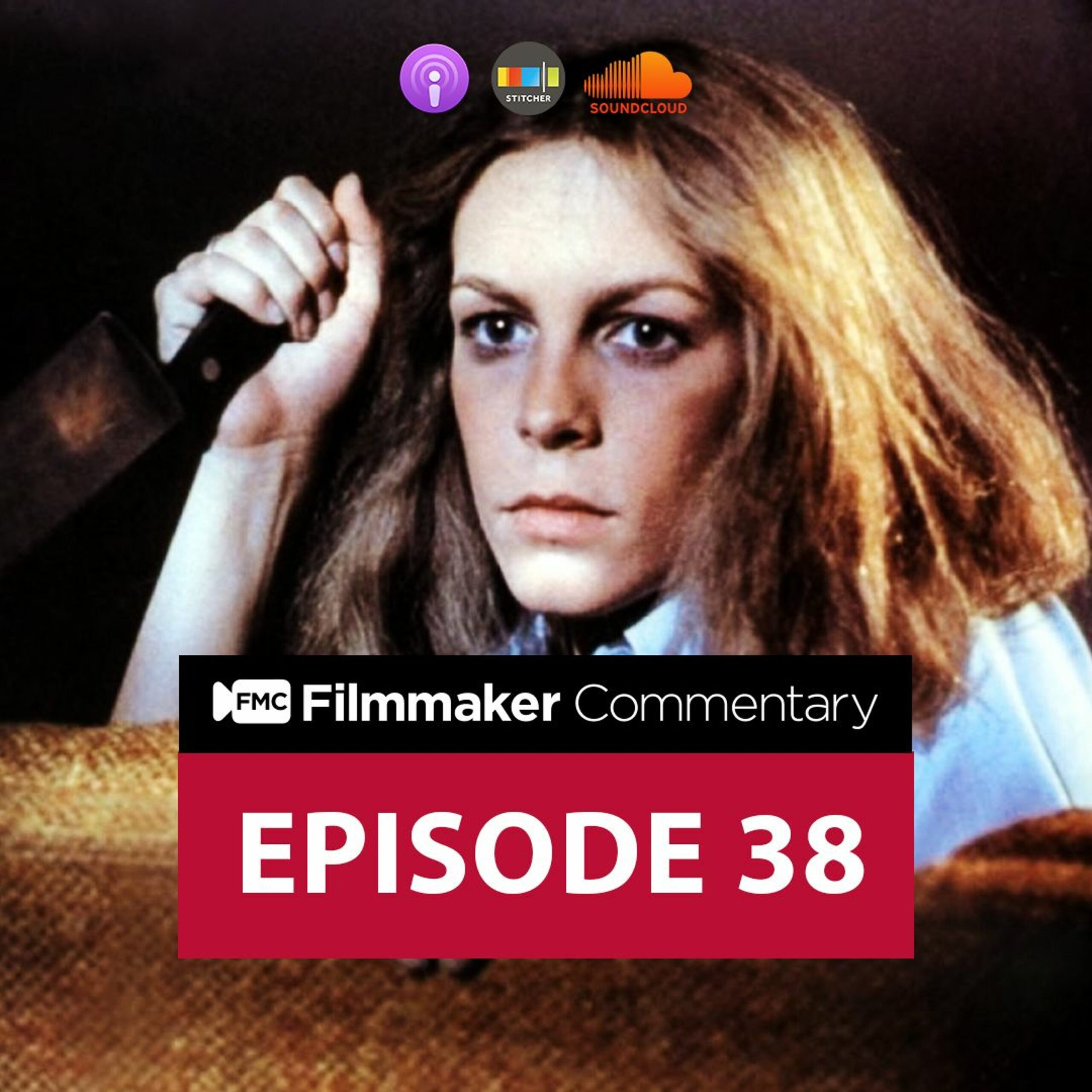
Join hosts Reginald Titus Jr. and Casey G. Smith on Filmmaker Commentary as they unravel the enduring legacy of John Carpenter’s Halloween, a film that not only redefined the slasher genre but also stands as low-budget filmmaking. This episode dives into the creative decisions that shaped the 1978 horror classic, from its lean $325,000 budget and impressive $47 million domestic box office success, to the ingenious stylistic choices that immerse viewers in its terrifying world. Discover how Carpenter’s innovative use of a voyeuristic, gliding camera perspective and anamorphic lenses crafted a pervasive sense of dread, drawing influence from cinematic touchstones like Touch of Evil.
Reginald shares his surprising first-time viewing experience, admitting he initially mistook Michael Myers for a Jason Voorhees rip-off, only to realize Halloween’s pioneering role in establishing the slasher archetype. Casey also watched the film for the first time for the podcast and provides fresh insights. The discussion explores the film’s powerful central theme: the idea that “Evil can get you even if you think you’re safe,” embodied by Michael Myers as an almost supernatural “force of nature.” Listen as the hosts reveal how a real-life encounter from John Carpenter’s college days—seeing “pure evil in a boy’s eyes” at a mental institution—directly inspired the character’s chilling genesis.
The hosts dissect the film’s clever use of Hitchcockian suspense over overt gore, noting how suggestive editing allows the audience’s imagination to fill in the most horrifying details. They examine the practicalities of making an impactful film on a shoestring budget, from the importance of strong narrative themes to maximizing every shot and even relying on friends and family to fill various production roles. The conversation also touches on the film’s original, less iconic title, “The Babysitter Murders,” and how changing it to “Halloween” cemented its timeless connection to the holiday, demonstrating savvy marketing. Finally, they reflect on Jamie Lee Curtis’s early role, her character’s unique vulnerability, and how the film subtly plays with perceptions of sexuality and exploitation within the horror genre, contrasting it with later shifts in Hollywood.
What We Cover
- How Halloween pioneered the slasher genre with its voyeuristic camera work and use of anamorphic lenses, drawing inspiration from films like Touch of Evil.
- The film’s modest $325,000 budget and impressive box office success, achieved through clever filmmaking techniques and effective marketing, including changing its original title from “The Babysitter Murders.”
- The central theme of inescapable evil, explored through Michael Myers as a “force of nature” and John Carpenter’s personal experiences, highlighting the power of a director’s instinct.
- Jamie Lee Curtis’s role and her character’s vulnerabilities, discussing how practical effects and suggestive editing (Hitchcockian techniques) created suspense without excessive gore.
- Insights into crafting low-budget films, emphasizing the importance of strong themes, maximizing coverage, and utilizing available resources like friends and family.
- Current film and TV discussions including Daredevil Season 3, Red Dead Redemption 2’s immersive production, and explorations into animation techniques.
Key Moments
- 0:33 – Hosts introduce John Carpenter’s Halloween, detailing its budget and box office success, setting the stage for its groundbreaking influence.
- 2:41 – Reginald’s candid confession about initially underestimating Halloween and Michael Myers, highlighting how the film redefined his understanding of the slasher genre.
- 2:38 – John Carpenter’s use of a voyeuristic, gliding camera perspective, and anamorphic lenses is discussed as a key stylistic element that creates a pervasive sense of dread.
- 3:05 – The significance of the film’s theme, “Evil can get you even if you think you’re safe,” and how Michael Myers embodies an unstoppable force.
Gear & Films Mentioned
- Adobe Creative Suite
- Adobe Animate (formerly Flash)
- Panaglide camera system (or similar gliding camera)
- Anamorphic lenses
- Films:
- Dark Star (1974)
- Assault on Precinct 13 (1976)
- Halloween (1978)
- It Follows
- Psycho
- Alien
- Saw
- Natural Born Killers
- Hostel
- Nightmare on Elm Street
- Scary Movie
- Training Day
- Hustle & Flow
- They Live
- Trading Places
- Black Lightning (TV series)
- Daredevil Season 3 (TV series)
- Iron Fist (TV series)
- Luke Cage (TV series)
- Touch of Evil
- Games:
- Grand Theft Auto V
- Red Dead Redemption 2
Listener Questions
- How did John Carpenter’s Halloween establish the slasher genre and its unique visual style?
- What role did budget constraints and personal experiences play in shaping the film’s iconic villain and storytelling?
- How can filmmakers utilize themes and production techniques to maximize impact, even with limited resources?