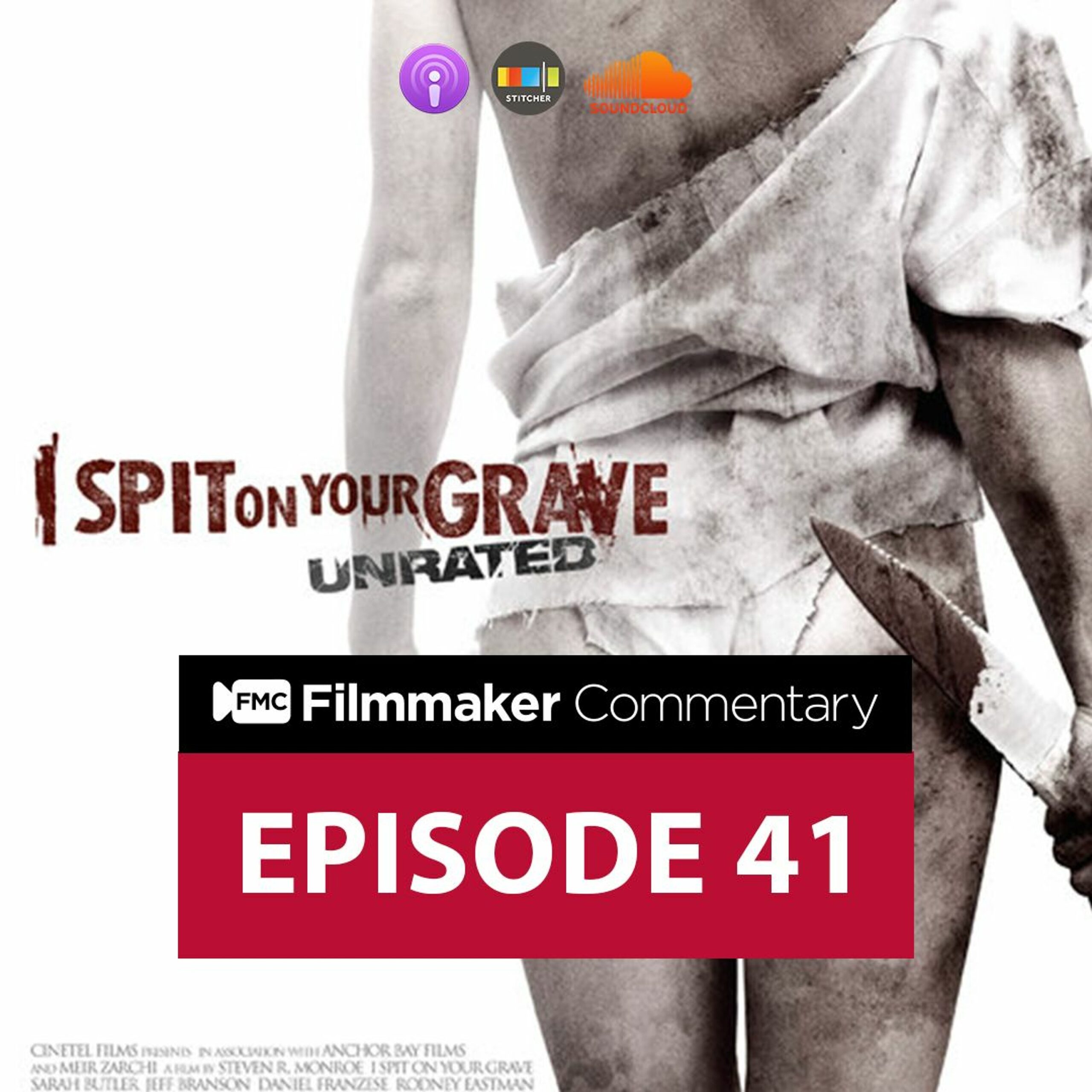
The latest Filmmaker Commentary episode dives into the controversial 2010 remake of I Spit On Your Grave, directed by Steven R. Monroe. Hosts Reginald Titus Jr. and Casey G. Smith dissect the film’s intense narrative, the crucial decision to release it unrated, and its reception in a challenging market.
Reginald and Casey explore the complex issues surrounding the film’s theatrical release, including how a lack of MPAA rating significantly impacted its box office and Anchor Bay’s bold choice to distribute it unrated, betting on the home entertainment market. They compare the 2010 remake with the 1978 original, analyzing which version delivers more graphic content and psychological torment, ultimately concluding the remake offers a more impactful “release.”
The discussion unpacks the film’s visual style, noting the deliberate desaturation that mirrors protagonist Jennifer Hills’ loss of innocence. Jennifer’s character as a writer is highlighted, revealing how she ingeniously uses her attackers’ own words and actions against them in her meticulously planned revenge. Director Steven R. Monroe and producer Lisa Hansen provide valuable insights into the production, including the tragic passing of cinematographer Neil Lisk and Monroe’s subsequent successful career in TV movies.
Listeners will gain practical filmmaking tips, from maximizing limited production time with pick-up shots to navigating tax incentives for film projects. The hosts delve into the film’s core themes: the profound loss of innocence, the unsettling nature of voyeurism, and the lasting psychological degradation experienced by both victim and perpetrators. They also examine the importance of making bold creative choices and capturing genuine reactions from actors, even in the most disturbing scenes. The episode also features an extensive “Movies Watched” segment, covering a range of films and media including The Greatest Showman, Django Unchained, various video games, and documentaries like Generation Wealth and The Queen of Versailles. Join us on Filmmaker Commentary each week for engaging discussions and expert insights from the world of film.
What We Cover
- The controversy surrounding the film’s unrated release and the impact of the MPAA.
- Comparison of the 2010 remake to the 1978 original, including their graphic nature and psychological impact.
- The film’s visual style and how it reflects the protagonist’s journey from victim to victor.
- Detailed discussion of the film’s themes, such as loss of innocence, the power of words, and psychological degradation.
- Behind-the-scenes insights from director Steven R. Monroe and producer Lisa Hansen on the production challenges and creative decisions.
- Filmmaking tips for working within the horror genre, including managing production resources and capturing authentic performances.
Key Moments
- 0:48 The crucial decision to release the film unrated and its box office implications.
- 3:07 A detailed synopsis of Jennifer Hills’ harrowing ordeal and her brutal quest for vengeance.
- 8:23 Examining how Jennifer’s background as a writer influences her calculated acts of revenge.
- 42:37 Andrew Howard’s powerful performance as Sheriff Storch and the character’s impact on the narrative.
Gear & Films Mentioned
- Red cameras
- Cinema lenses
- I Spit On Your Grave (1978 original)
- Re-Animator
- The Gifted (TV show)
- Black Lightning (TV show)
- The Greatest Showman
- Django Unchained
- Generation Wealth (documentary)
- The Queen of Versailles (documentary)
- Broforce (video game)
- Expendabros (video game)
- Red Dead Redemption 2 (video game)
- Grand Theft Auto (original, video game)
- Mafia 3 (video game)
- The Howling
- Alien
- Running Scared
- It Follows
Listener Questions
- How did the decision to release I Spit On Your Grave (2010) unrated affect its theatrical performance and reception?
- What creative techniques were used to build tension and deliver satisfying “release” in a graphic horror film?
- What advice do filmmakers have for balancing graphic content with psychological depth in the horror genre?
- How can filmmakers make the most of limited budgets and unexpected challenges during production?