July 1, 2026
F
Filmmaker Commentary
  • Home
  • About
  • Episodes
  • Film
  • TV
  • Home
  • About
  • Episodes
  • Film
  • TV
Podcast

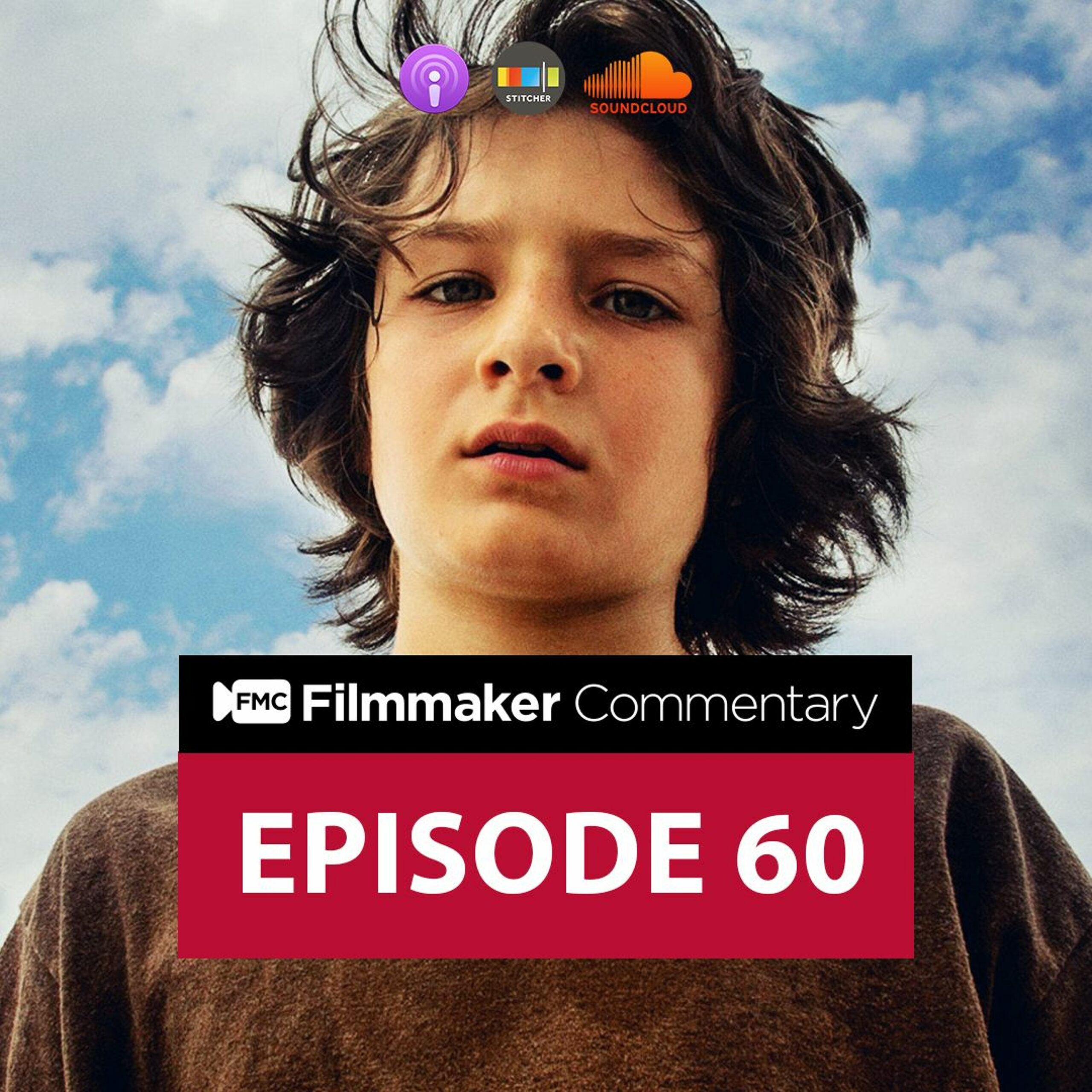
FMC 060: Mid 90s Directed and Written by Jonah Hill

June 22, 2019
Listen on Apple Spotify YouTube
Listen to this episode
Your browser does not support the audio element.
Also on Apple Spotify YouTube

Step into the authentic world of 90s skateboarding culture with the latest Filmmaker Commentary episode, “FMC 060: Mid 90s Directed and Written by Jonah Hill.” This discussion offers a deep dive into Jonah Hill’s directorial debut, exploring its unique aesthetic, powerful performances, and heartfelt themes. Join hosts Reginald Titus Jr. and Casey G. Smith as they dissect the film’s nostalgic feel, candid narrative, and the compelling insights from its commentary track.

What We Cover

  • Jonah Hill’s distinctive directorial approach, including the choice to shoot on Super 16mm film with a 4:3 aspect ratio, creating a truly authentic 90s aesthetic.
  • The film’s exploration of themes like finding belonging, the perverse closeness within teenage friendships, and the complex journey of turning abuse into currency.
  • Breakdowns of standout performances from the talented young cast, particularly Nikel Smith as Ray and Lucas Hedges as Ian, and their impactful portrayals.
  • Behind-the-scenes insights from Jonah Hill and cinematographer Christopher Blauvelt on capturing the era’s raw energy and emotional depth.
  • A look at the latest film news, including Robert Pattinson’s casting as Batman, and reviews of recent horror releases like Hereditary, Insidious, and Brightburn.
  • Practical filmmaking tips on scene treatment, maintaining a consistent visual style, and collaborating effectively with actors on sensitive topics.

Key Moments

  • 01:17 – Robert Pattinson’s casting as the new Batman sparks a lively debate on the future of the Caped Crusader.
  • 05:23 – Initial reactions to Ari Aster’s Hereditary, praised for its well-crafted and disturbing horror.
  • 2:16:00 – Discussion of Jonah Hill’s meticulous directorial style, from camera movement to shooting on film, which authentically transports viewers to the 1990s.
  • 3:51:00 – Unpacking the powerful theme of “perverse closeness” among the skate crew and its implications for Stevie’s development.

Gear & Films Mentioned

  • Super 16mm film
  • 4:3 aspect ratio
  • Mid 90s (film)
  • Kids (film)
  • Lady Bird (film)
  • Manchester by the Sea (film)
  • Hereditary (film)
  • Mandy (film)
  • Insidious (film)
  • Insidious 2 (film)
  • Brightburn (film)
  • Swamp Thing (TV series)
  • Memento (film)
  • Jonah Hill (director/writer)
  • Christopher Blauvelt (cinematographer)
  • Ari Aster (director)
  • James Wan (director/producer)
  • Robert Pattinson (actor)
  • Lucas Hedges (actor)
  • Nikel Smith (actor)
  • Hoopla (streaming service)
  • Netflix (streaming service)
  • Amazon Prime (streaming service)

Listener Questions

  • How did Jonah Hill and his crew effectively achieve the film’s authentic 90s look and feel, from its visual style to its costuming?
  • What were the most challenging and impactful acting performances in “Mid 90s,” particularly for the young, first-time actors?
  • What insights did Jonah Hill’s commentary track provide about his personal experiences and the themes woven into the film’s narrative?

Full Transcript

Read the full transcript

Full Episode Transcript
This episode of Filmmaker Commentary Jonah Hill's directorial and writing debut, "Mid 90s," alongside discussions on recent horror films, current cinematic news, and valuable filmmaking insights.

Opening Discussion & Current Cinematic News
Reginald Titus Jr.: Filmmaker Commentary, episode 60. Welcome to Filmmaker Commentary, where we give you insights from our favorite filmmaking commentaries. These commentaries can be heard on your DVD and Blu-Rays of your favorite movies. We'll show you how you can use these commentaries and apply them to improve your video production and filmmaking techniques. All this here on Filmmaker Commentary. I'm your host, Reginald Titus Jr.
Reginald Titus Jr.: Welcome to Filmmaker Commentary. I'm Reginald Titus Jr. I'm joined with...
Casey G. Smith: Casey G. Smith.
Reginald Titus Jr.: Welcome back, sir.
Casey G. Smith: Good to be back, sir.
Reginald Titus Jr.: And today we are going to cover "Mid 90s," written and directed by Jonah Hill. As far as the budget, I didn't see any budget on this film anywhere online.
Casey G. Smith: Me neither.
Reginald Titus Jr.: Me neither. Okay. They were keeping that one secret. But you got a box office of 7.3 million domestically and 1.5 million internationally, which gives it about 8.9 million worldwide, distributed by A24. Before we dive further into the film "Mid 90s," let's talk about news and movies watched. What do you have? News. Do you have some news for us?
Casey G. Smith: Yes, a pretty big piece of news. So for the upcoming Matt Reeves' Batman film, it had been rumored and apparently now it is official that Robert Pattinson will be playing the next and newest Batman.
Reginald Titus Jr.: Did they have like a predicted time when this is going to drop or...?
Casey G. Smith: They're still actually finishing up the script from what I understand.
Reginald Titus Jr.: Lord. Okay.
Casey G. Smith: So...
Reginald Titus Jr.: 2050.
Reginald Titus Jr.: Do you know who's writing? Is Matt Reeves also writing it?
Casey G. Smith: Matt Reeves has been, he's been working on the script actually for for a while. You know, originally this was what Ben Affleck was supposed to be doing. When he took the role of Batman, it was kind of with the promise that he'd be able to write and direct his own Batman film, but then he just went through so much and rehab and all kind of stuff. He stepped away and then Matt Reeves was offered, he was offered this, I mean, years ago back when he was finishing up the "War for the Planet of the Apes." And this was like his next project. And he's been working on it since then. And then ultimately, obviously Ben Affleck decided to step down and step away from Batman. So now Robert Pattinson stepped in.
Reginald Titus Jr.: I'm always... I mean, after Christopher Nolan did what he did with the whole trilogy, I'm like, what do you do?
Casey G. Smith: For me, that that trilogy is so based in reality. There's so much more Batman to explore. Because Nolan, he grounded his in realism where somebody could only be Batman for a couple of years and then physically you're going to burn out. And then you saw Ben Affleck's Batman, he was like, he was a broken kind of crazy Batman that meeting Superman helped him kind of heal. But when you saw what he was doing in "Batman v Superman," when he was doing to those criminals, he was, he was killing folk. But he was almost slightly like Captain America superhuman-esque where he was like, you know, launched line and then throwing crates at folks and slamming people against walls, he was, he was a beast.
Reginald Titus Jr.: Comic book Batman. Yeah.
Casey G. Smith: So there's there's definitely a lot of Batman left to explore. Plus he has he has the best villain's rogues gallery. So there are so many villains, even though they're probably going to go with some familiar ones. There are loads of villains from Batman that we haven't even seen that are chilling up in Arkham. Plus I think they're going to go younger with this one. They're going to go for a younger Batman and really, I think from what rumors say, really trying to focus on him being the world's greatest detective. That's an angle that hasn't fully, fully been explored in really any of the Batman films.
Reginald Titus Jr.: At least they got an angle. Because I, you know, from that, from just somebody that watches movies, I don't think I even for the Batman versus Superman, I don't think I didn't go to the theater for that one. There was a couple of them. I'm just like, no, no. Not going to do it. I was going to hear what everybody else say in the streets and then then go from there. I go from word of mouth on a lot of stuff. Certain trailers, they got me, you know, from the very beginning, but that was one where I'm just, I'm going to wait.
Casey G. Smith: That, yeah, and that, that was fair.
Reginald Titus Jr.: Yeah. That didn't...
Casey G. Smith: Yeah. It was, it was all right.
Reginald Titus Jr.: It was all right. Any other news?
Casey G. Smith: Did you see the, uh, this came out last week, the new, uh, Terminator trailer that came out last week?
Reginald Titus Jr.: Yeah, we had talked about it in the last episode, but, um, yeah, not, not sold yet. I'm not sold yet.
Casey G. Smith: Not really feeling it.
Reginald Titus Jr.: All right. All right. Not yet. Um, yeah. Just because, I don't know if I don't know who I heard was talking about it. It's like, we're just going to just pretend like the other, I didn't go watch the other ones, you know? I think the only one I did watch was the, probably, I guess the third one with the girl? Yeah. That one was decent. I didn't go to the theater to watch it, but, um, it was still decent. It was entertaining.
Casey G. Smith: It was, it was. I, I liked the ending of that one where it kind of left off.
Reginald Titus Jr.: Yeah. So that one I was like, okay, that was entertaining. But I didn't go to the theater, you know, I was just I just waited years until it dropped. But yeah, the other ones, yeah, I'm not excited about it. It's to me, I feel like it's too long. You know, I mean, the gap is just too long. I don't know. Yeah, I don't know. They missed their window. It's too way too long, man. These, you know, some of the, you know, actors age out and, it's, uh, yeah.
Casey G. Smith: Because Linda Hamilton is back, I'm, I'm excited to check it out. But like I said, we covered that last week. So, um, how about for movies watched?
Reginald Titus Jr.: Movies watched. "Hereditary!" Watched that on Amazon Prime. Uh, one of our guys, London, he saw it maybe about a month and a half or so ago and he said he text, he's like, I don't know what the heck I just watched, but he said it was like super creepy. So I was like, it's always been in the back of my mind. And I remember seeing the trailer and people had good responses in regards to the movie and things like that.
Casey G. Smith: Right.
Reginald Titus Jr.: They were saying like it's the new exorcist of this generation, blah, blah, blah. I was like, you know what? One day I'm going to watch it, you know, and then it just so happened scrolling through Prime for whatever reason. I don't know why I decided to watch it. I was like, all right, today's the day.
Casey G. Smith: Today is the day.
Reginald Titus Jr.: Watched it with the wife and, uh, we were equally horrified. But she was on the edge of her seat watching it. It's a slow burn, but, uh, pretty creepy.
Casey G. Smith: Apparently it's the gift that keeps on giving, uh, because after London told you and then you watched it and then you told me.
Reginald Titus Jr.: That's right.
Casey G. Smith: And I'd, I saw it on Amazon Prime like earlier this month. And I was like, maybe later. But I, but I also heard for the most part pretty positive reviews about it because it came out earlier earlier last year. Um, so people thought it might be in, you know, consideration for maybe Oscar runs, things like that. But, yeah, I watched it and, yeah, man. Well, you saw my text response, you know, like, what the heck? But it was, well, well done. It's a well-made film. Uh, you know, credit to, to everybody involved with it. It's well-made, it's creepy. If you are into horror, um, check it out. We won't spoil anything for you, but, yeah.
Reginald Titus Jr.: It's another film, um, "Mandy." Have you heard of anything about a film called "Mandy" starring Nicholas Cage?
Casey G. Smith: Ooh, maybe. I think I've, I think I have.
Reginald Titus Jr.: The cover has like Nicholas Cage like covered in blood or something like that and it's like purple, lavender looking, uh, cover. Uh, that's another one of like creepy films that I think it came out in 2018 that I was like, you know what, one day. But I'll figure it out, but, uh, that one's actually on Hoopla. Hoopla is a digital platform if you sure you have like a library card and you can get access to it. And so I, I saw it on there and I'm like, you know, I'm probably check that one out too.
Casey G. Smith: I, I have a library card. I'll have to check that out. Support your local libraries, ladies and gentlemen. Wonderful resources of media of all kinds. If you can't afford a, you know, paid subscription, you can check out DVDs and graphic novels and all kinds of things at your local library for free. For gratis.
Reginald Titus Jr.: Yes, and everything's going digital too. So like even like with the books going digital and everything like that, that's kind of like the, like kind of the new age library now. It's real slick and kind of like lean because they're getting rid of a lot of books and everything's going digital.
Casey G. Smith: Yeah, man. If you, man, you know, we're, we're in the, uh, the Dallas area. If you ever get a chance, man, the the Dallas library, like the Central Dallas library in downtown Dallas, eight stories of magic.
Reginald Titus Jr.: Uh, um, back to "Hereditary" though, directed by, what's his name, Ari Aster? Ari Aster? Ari?
Casey G. Smith: Yes, Ari Aster.
Reginald Titus Jr.: Yeah, he directed a short film called "Something About the Johnsons." Hopefully I'm quoting the title correctly. It came out a little while ago. And it was just buzzing all over the internet. There, it's just, check it out. It's super, it's messed up. It, but there's a little, it has a little bit of comedy, but it's like dark, dark comedy. Um, but when I figured out that this guy directed that film, I was like, okay, this is not even a surprise that he creates this type of content.
Casey G. Smith: All right. Just more, more depravity. Bring it on.
Reginald Titus Jr.: Bring it on. Uh, so it's, you know, we were talking right before we started recording and you mentioned, you know, after you watch "Hereditary," everything else has seemed just so, so light. So, um, after watching "Hereditary," uh, yesterday morning, me and a buddy of mine, we went to go see "Brightburn." Yeah.
Reginald Titus Jr.: Okay. Yes.
Casey G. Smith: Which I've been looking forward to. Um, you know, James Gunn didn't direct it, but he is a producer on the project. And I, I'd listened to an interview with the actual director of, of "Brightburn." I remiss on his name. But, uh, yeah, they are definitely taking the, the Superman archetype and and, uh, breaking bad. You know, breaking bad with it. This, this, uh, this kid not from this planet. So what do you say after watching it?
Casey G. Smith: I say if, if, man, I say it, it was good. It was, it was, it was well, it was well done. I think the, the early pacing of it, it might seem maybe a little slow at times, but, man, it's, it's everything is a build, is a, is a build-up. And, yeah, when it, when it takes off, it starts to go and it's, it's creepy. And here's the biggest thing about it that will shock a lot of people is that it does not hold back. This is a hard R. This film is a hard R. So, you imagine somebody super-powered who is not good. And and then they're not, they're not holding back. They are not. This is, this movie is gory and, so, you know, again, back to saying, you know, after you see "Hereditary," everything else is kind of like, yeah, like light. So, you know, once the movie was done, I was like, all right, you know, they start playing a little, you know, uh, a song, a song at the end, uh, by an artist who's pretty popular right now, Billy, Billie Eilish, uh, "Bad Guy" starts playing at the end. It's got a nice, you know, a nice little beat, nice little hook to it. And, uh, my buddy sitting next to me, I have never seen him speechless before. He was literally speechless. He was trying to find words. He was like, man, uh, that was, man, that was. And I'm just coming up with adjectives, disturbing, messed up. He's like, man, he's like, that was, man. He's like, I think, I think I need to go watch "Avengers: Endgame" again just to just to have some faith in humanity again and to to cleanse my palette. And literally, he went later on in the afternoon to go watch "Avengers: Endgame" to cleanse his palette. It, it disturbed him that much.
Reginald Titus Jr.: He was dirty after watching it.
Casey G. Smith: Man. I was like, wow. Cuz he's seen a lot. He's seen all kinds of stuff, you know, movie. I was like, whoa, this got. And I'm like, well, what's wrong with me? Oh, I've seen "Hereditary" the night before. I've been to hell.
Reginald Titus Jr.: I've been to hell. Exactly.
Casey G. Smith: So I'm just like, meh. I've seen worse. You have no idea.
Reginald Titus Jr.: You have no idea. No idea the depravity my eyes have partaken.
Casey G. Smith: So, uh, yeah, "Hereditary" is the ultimate primer. You'll be good for pretty much any movie.
Reginald Titus Jr.: Any movie after that, it's light. Everything's light after that.
Casey G. Titus Jr.: You say, I would recommend this for children.
Casey G. Smith: Yeah, you might be kind of skewed on recommendations afterwards. It wasn't that bad. It wasn't that bad. Just some dismemberment here and there. Yeah. Yeah, so. But again, dark, but, you know, both, both those films are it's, it's quality. And they really, they really worked the budget on on "Brightburn." When I looked at the budget, I think it was like a 6 million budget or something like that. Yeah. And I'm like,
Reginald Titus Jr.: Really? You got to get real creative like that. Especially for superheroes.
Casey G. Smith: Maybe, maybe it'll, yeah, I want to say like six, maybe it's doing six and 11 million, like, not. But you can see where they were smart. Yeah, you can see where they were smart with it. So, uh, anything else you've seen?
Reginald Titus Jr.: After watching "Hereditary," I was like, we got on Netflix and watched "Insidious." And that's our guy, uh, James Wan.
Casey G. Smith: Mm-hmm.
Reginald Titus Jr.: And, um, had Patrick Wilson in there, you know, from "Saw." You know, he's using some of the players from "Saw." And, um, it was good. After watching "Hereditary," it was, it was light.
Casey G. Smith: It's, it's that I've always remember hearing just how much acclaim that "Insidious" got when it when it came off.
Reginald Titus Jr.: And then they they killed it at the box office, man. They raked it in. Um, I could see why though. It's, it has more like jump scares compared to "Hereditary" where it's a slow burn and creepy and just gets inside of your mind slowly. This one is like straight horror film. And they they got me quite, they'll get you quite a few times with these jump scares. Don't jump at me. Don't make me jump. And the the way that he shoots, it's like you're in the, um, from the perspective of the person that the protagonist looking around. So when the person looks across the room, you're looking across the room with him. You're like scanning it out and there might be something hanging out in the quarter that you don't see. You see it and then you look around and it's like closer when you come back to it. Like, man, this, it's done well.
Casey G. Smith: Funny you mention that, so the previews that played before "Brightburn," actually there was a, "Insidious." Who's the, who's the actor you said was in it?
Reginald Titus Jr.: Uh, Patrick Wilson.
Casey G. Smith: Yeah, okay. So in "Insidious," is "The Conjuring" also tied into that as well? I know Annabelle's tied in with them because they're, because they're like based on these actual, aren't they based on these actual like real people who who would go and explore houses that that had supernatural things going on?
Reginald Titus Jr.: With the Annabelle, man. Cuz I've only seen one of those films. But the people that explore houses, they're actually they are in the "Insidious" one. So I don't know if it's in that same world. Is that what you're saying?
Casey G. Smith: Yeah. So this this trailer that played, it was, it was, it was, cuz Patrick Wilson was, Patrick Wilson was in this and it said, you know, those, you know, a part of the, I thought it said "The Conjuring" franchise, but maybe it was "Insidious." I'm going to say it was "The Conjuring" franchise. But nonetheless, it was the, the Annabelle doll was in it. It's like basically like like these people came to the house. Some girls came to babysit the the daughter of these people and they had all the supernatural stuff locked up in this special room. And this girl, of course, goes and gets the key and opens it up and goes in the room where that doll is at. Where Annabelle is at. And while she's there, all of a sudden stuff starts like happening in the room and then she and then she looks at the case and the Annabelle doll is gone. And then she comes back out and she's like, I made a mistake. I made a mistake. And they're like, what did you do? She was like, they said, they said, how much stuff did you touch in there? And she said, all of it. And then it's just creep, creepy stuff from there out. But it, I don't remember the name of what the movie is, but it, it, it looked scary.
Reginald Titus Jr.: Scary as hell. So, um, yeah, so tying it back into, into James Wan, cuz yeah, it's kind of taking all the elements of the universe and kind of like bringing it together.
Casey G. Smith: Yeah, man. Well, you got to.
Reginald Titus Jr.: James Wan, man, well done and he get, it feels like "Saw," you know, just not giving away any spoilers or anything, but he he opens things up to where it can continue. You know, and I like that he did. And you know, he did that, you know, with the first "Saw" and I was like, man, this was pretty good. And so right after that, now "Insidious" is on Netflix. We followed up, and this is like, we're watching this late at night. You know, we got the speakers turned up, kid sleep. It was like one in the morning, we're watching "Insidious," just jumping around and it was like, it was just like a good time. And then, uh, I was like, you know what, let's watch "Insidious 2." And so, man, y'all were going in. Yeah, so, uh, "Insidious 2" is on Amazon, but it's more like transactional, so you actually have to rent it. And, uh, or you can watch it free on Crackle, but Crackle, you know, their buffering speeds sucks. So, we, so we just went on and watch, you know, just rented it on Amazon. Um, but two, my wife and she was like, I like this. Like, it's just, it's entertaining, you know, and then of course, you watch "Hereditary," anything is, you can take anything on after that. So, we just, we kind of went into this little horror vibe for a little while.
Casey G. Smith: Coming back to James Wan's, what, what I also watched last night on the DC Universe app, I watched the premiere of the new "Swamp Thing" series. Which is a straight horror show. Like, what they're, what they're doing with it. I think the trailers have been running all week. And, yeah, man.
Reginald Titus Jr.: So you watched the first episode?
Casey G. Smith: Yeah, I watched the premiere, uh, the first episode last night. And, uh, actually James Wan is one of the producers on it, if I'm not mistaken.
Reginald Titus Jr.: James Wan, man. Hats off to that guy. You know, I gave him a hard time about "Aquaman" without watching it. And, uh, but he's been winning so much and been making money for so many people in Hollywood. Like he deserves, you know, cracks at anything.
Casey G. Smith: Oh yeah. And the first, the first episode was directed by, uh, Len Wein. And, yeah, it was, it was good. I'm, I'm, I'm, I'm in. It's, it's almost like, it has like, it kind of feels of of "True Blood" because, you know, set, it's set in Louisiana. Um, but there, they're building a mythos. And it's, it's the DC Universe. It's so wild because, uh, all their original content, totally not for kids. Like, like, it's all like rated R. All their, so far, all three of their original, like at least live action shows, yeah, rated straight rated R. And at least now they're putting, they're putting ratings on. not ratings, but at least like letting you know what's in it. This has this, this. I'm like,
Reginald Titus Jr.: Okay. Yeah. Petitions.
Casey G. Smith: Yeah, I'm like, I, you know, you can show whatever you want to show, but just give a heads up.
Reginald Titus Jr.: Give a heads up. Cuz I wasn't expecting, you know, to watch this with my five-year-old.
Casey G. Smith: Yeah. Swamp, man. But yeah, so far "Swamp Thing" so far, so good.
Reginald Titus Jr.: Good. Sounds like they listen to you.
Casey G. Smith: Hey.
Reginald Titus Jr.: There you have it. Uh, while this is going on, my guy, uh, Jaime, he, he's been desperately trying to get me to watch "Game of Thrones." I know like that was your thing for like, you've been following it like from the beginning. You mentioned it. Our guy AD's mentioned it. And Jaime's like, you got to watch it because. I said everybody's mad at how this thing ended. Like, why would I watch?
Casey G. Smith: I wasn't mad about the ending. I was, you know, I was like, okay. It wasn't my favorite ending, but I wasn't like, you know, butthurt like so many people. I think in time, give it a couple years, people, people will calm down and they'll recognize the series as a whole for its greatness.
Reginald Titus Jr.: I think they just, you know, when things come to a definite end, uh, you know, people don't know how to deal with those emotions.
Casey G. Smith: Yeah, and it's not easy to land a plane. But the ending, the the last, the last episode was, they were, they did some things you're like, oh, oh, really?
Reginald Titus Jr.: Really? That's what we're doing? Yeah. Thanks Hollywood.
Reginald Titus Jr.: But, um, he convinced my wife, cuz she likes that era, you know, the Zena and all that. So.
Casey G. Smith: Oh.
Reginald Titus Jr.: So she was like, I want to watch it. I'll I'll make him watch it. I'm like, oh God. So,
Casey G. Smith: You won't, you won't regret it, man. It's, it's, it's good.
Reginald Titus Jr.: I know I, it's just because it's so many seasons that I I'm I fear that I will be sucked in.
Casey G. Smith: You probably, you will be. You will be.
Reginald Titus Jr.: That's really what it's about. I know it's good. I've gotten too many good reviews from all you guys.
Casey G. Smith: The first episode alone, when you see like just how the first episode ends, you're like, what? And it's just continual, continual. Yeah.
Reginald Titus Jr.: What's funny listen to Ava DuVernay talk about it. Like it's like her guilty pleasure because there's so much things are just wrong, you know, they do to women, to kids, and she said, but I can't stop watching it. Everything that she stands for. This this series is the opposite of it. According to what she was saying, you know. And she said, but I can't stop watching it. So, I found that interesting.
Casey G. Smith: Well, so many forms of entertainment. I mean, again, the murder, death and so on and so forth. You know, we, we see these things and we recognize them as as wrong. So,
Reginald Titus Jr.: But I can't stop watching. But any rate, back to the show. Thank y'all for tuning in to Filmmaker Commentary. Today, we're talking about "Mid 90s," written and directed by Jonah Hill, 2018.

Mid 90s Film Analysis - Overview & Style
Reginald Titus Jr.: And if this is your first time listening to Filmmaker Commentary, please know that there will be spoilers. You've been forewarned. And let's jump into the synopsis.
Reginald Titus Jr.: "Mid 90s" follows Stevie, a 13-year-old in 90s era LA, who spends his summer navigating between his troubled home life and a group of new friends that he meets at a Motor Avenue skate shop. Barry Hertz says this is a straight out of the gate masterpiece. "Mid 90s." Straight to the point, right?
Casey G. Smith: Yeah, no fluff there.
Reginald Titus Jr.: No. Just get down to brass tacks here. Right. Man, what were what were your thoughts, you know, after watching this film?
Casey G. Smith: I was, I was impressed, man. It, it, it's, obviously, you know, there's going to be a lot of comparisons drawn to the, um, the movie "Kids."
Reginald Titus Jr.: Bro. Like I, I feel like this is a West Coast version of "Kids."
Casey G. Smith: Yeah. You know, it's with, yeah. I mean, yes. With heart. Yeah, cuz "Kids" was rough. Yeah, "Kids" is rough. I saw "Kids" when I was, I think, in high school, maybe. I was like, what is this? Nonetheless, but, um, but no, yeah, this does have heart and, you know, these, these, these actors, they do a great job. They, they, they, they draw you, they draw you in. And, uh, it's, you know, coming of age story. And kudos to Jonah Hill on his, his directorial debut in pulling this off.
Reginald Titus Jr.: Yeah. For me, it was a little bit more nostalgic, you know, I remember the guys were skating. I tried skating, you know, uh, I think I was like 12. Had the like, like he had the cowabunga skateboard. I had like a blue one that looked exactly the same. Skating down neighborhood, fell, busted my knee. I was like, I think I'm done. You know. I think it's a wrap here. It's a wrap here. Um, shout out to, uh, Chase Well, who we want to get on the podcast, who was telling you about in Dallas that, um, he, he covers a lot of films. He's well-known. And we went to the same high school. He remind me of, uh, Sunny a little bit.
Casey G. Smith: Really?
Reginald Titus Jr.: Yeah, just, just a little bit. Is his name Sunny in here? Sunburn? Stevie. Just a little bit because. Yeah. A little, a mixture between Sunburn and Fourth Grade because Chase would would be the guy with the camcorder. And then all his buddies would be skateboarding and he was documenting all this stuff. And I remember how excited they were when they would do a flip, you know, do an ollie or whatever. And I was like, these guys are like getting, you can see them getting better. Yeah. There was a guy in his crew that was like, that was the daredevil guy that would like risk his life and do like weird stuff. And I'm like, man, this guy's trying to kill himself. And so, so like, man, watching this film, like brought me back, you know, seeing the Jincos, you know, the big pants and all that stuff. Wu-Tang was it. Oh yeah. Man.
Casey G. Smith: Oh yeah. It takes, it takes, it takes you back to again, 90, 95. I mean, that's my freshman year of of high school. I just moved back to Texas from from up north. It was a time of a lot of, a lot of change and transition. So, they were really working hard to try and be as authentic as possible. Uh, even with the with the T-shirts that you see Stevie wearing at the beginning, um, you know, a Ren & Stimpy shirt at one point and, um, yeah, Guile Street Fighter shirt. I was like, they weren't making those in the nineties. Street Fighter was popular, but it wasn't that mainstream. I mean, even though the movie was coming out, like, when you're going to find a Street Fighter T-shirt? I was like, that was that was fascinating to me. I was like, hm.
Reginald Titus Jr.: But yeah, I, I, yeah, off top, enjoyed it right away. I was like, ah. I like it. Anyhow, then I didn't go to the theater to watch this. This was my first time viewing it. Yeah. I remember it being in the theater, but not even though I saw the trailer and I was like, oh, this is going to be cool. You know, I'll probably get around to watching it. I wasn't motivated to go out of my way to watch it because I think at that time you had BlackKkKlansman out, uh, it was a lot going on.
Casey G. Smith: I never even saw a trailer for. I remember hearing about it and, you know, seeing this key art before, but I I had no idea what it was about. I knew nothing about it.
Reginald Titus Jr.: Yeah. Except that it was probably set in the mid-nineties.
Reginald Titus Jr.: Yeah, that's it. Yes, I'm gonna get, you know, the kid's looking at you like, nah, maybe. Style. What do you think about, you know, what kind of style were they trying to achieve in this film?
Casey G. Smith: So Levi mentioned this in the commentary that they they tried to use minimal camera movement throughout. And then it's funny as the commentary progresses, they're like, ah, no, we had moved the camera quite quite a bit. Um, but they tried, you know, uh, to to make camera movement, um, organic kind of with the characters. And there were some pretty, there were some pretty cool shots, uh, within, within the film. But it has a, it has an indie, a very indie feel to it. And yeah, man. I, I, I, I enjoyed how it was shot, man. What about you?
Reginald Titus Jr.: Yeah. I like how they had it locked down, cuz what I got from it when they were saying they were trying to limit how, you know, they moved the camera, it didn't give you, they didn't have it on their shoulder with a handheld kind of vibe, you know, where it's like moving left, right. It was real structured and the, the, uh, characters will move in the frame, you know, skate in and out of frame, they'll walk in the frame and things like that. So they, they achieved the locked down. But then they'll just pan a lot. That's how they got their movement was just panning. Like, this is well done. You know, the, the man at doing all this is David Fincher, you know, keeping it locked down, keeping it steady. And if you are going to move, just keep it smooth and just move in, move out, you know. We're not doing anything too crazy here. Give it to Robert Rodriguez, he's putting it on the shoulder. We're just going to follow these kids around and give it some excitement. So I did like the locked down style. Um, they shot it super 16 mm. I listen to an interview outside of this and, you know, they shot it on film Super 16. So you feel you have that little grainy nineties feel. Like, this literally looks like a film that was from the nineties. You know, there's nothing that there's no tell. There's no way you can tell unless, you know, you look at one of the actors and say, hey, I recognize that person or whatever. But outside of that, there's no way, there's no tell.
Casey G. Smith: You're right. It, it does have that, that, that feeling to it. I was trying to put my finger on it. I was like, you know, it doesn't just capture the essence of it. But yeah, even the look of it is very much so, like it's in the, in the nineties.
Reginald Titus Jr.: Yeah. And they got the 4:3 format, which is the square format. And I remember Jonah Hill, he was saying on one of the interviews that, um, at the theaters they were like, wow, that some the projections was like, man, that's cool that they're taking movies from the nineties and just bringing them back and and all that. So he's like, got him. But, you know, they had to format it a certain way just to show it in that 4:3 format. Um, in the theater, they had to do something different, which I don't know what they had to do, but, uh, cuz they usually don't, you know, project in that format. So yeah, that's the kind of style, man, just to bring you into the era. And then also how they would cut to different scenes was in kind of a nineties style. Man, um, the, what's his name? Uh, there's an actor on here, uh, Lucas Hedges. Dude, he's the one who played the the big brother.
Casey G. Smith: Ian. The big brother.
Reginald Titus Jr.: Yeah, he played Danny in the movie "Lady Bird" and he was the guy that was coming out of the closet, you know. I was like, I would have never imagined him in a role like this. And he pulled both of those characters off and totally different from each other. Uh, just, well done. I would have never guessed, you know, that he would be able to do that. So, you know, don't judge a book by its cover because you never know the range of an actor.
Casey G. Smith: So he also is in "Manchester by the Sea."
Reginald Titus Jr.: Right.
Casey G. Smith: Cuz I was like, man, I've seen him in something in something else. And this guy is, he's, he's the truth, man. Lucas Hedges is the truth because he's, you know, they, they even said in the commentary in this film, he, he struggled with the, the violence, and having to be, uh, violent against against Sunny, the actor Sunny. Sunny was like a little firecracker. He's like, come on, man, just hit me, man. Just hit me, you know. And it was like, tough for him. And again, he's not on screen that much, but his impact is, is, is, is so strong. His performance is so authentic and and believable. Particularly, man, for me, the, we'll get into it when we get to favorite scenes, but yeah, his performance is very, very strong. Kudos to him.

Mid 90s - Performances & Commentary
Reginald Titus Jr.: Yes, indeed. What'd you think about the commentary? Because, uh, yeah, Jonah Hill with his cinematographer Christopher Blaauvelt. There we go.
Casey G. Smith: Blaauvelt. Dr. Christopher Blaauvelt.
Reginald Titus Jr.: There we go.
Casey G. Smith: Uh, yeah, I, I enjoyed the commentary. It was, uh, it was fairly insightful. It wasn't super, super. Well, no, I mean, they were going into their process and how they, how they, how they made it. And reminiscing. And you saw how kind of certain aspects of this were so, um, at times very personal to, to Jonas. Uh, and things that he had experienced in in life. So, yeah, I mean, it was, it was a good, solid commentary. There was a lot of energy there as well.
Reginald Titus Jr.: Yeah. You can tell he's still excited.
Casey G. Smith: Oh yeah. First film, and, uh, some nice little tidbits you'd hear about the different actors and, uh, and and explaining why they, you know, did certain scenes a certain way. So no, it was, it was nice, insightful. And it was like, I was surprised how quick it went by when I was finishing it.
Reginald Titus Jr.: It was a short film.
Casey G. Smith: Yeah. Even when the movie was done, I was like, man, I actually wanted to see more. I, I, I felt that way. I was like, I actually wanted to see more of this.
Reginald Titus Jr.: Wow. I enjoyed the commentary as well. I would, it cuz there was a couple times where Jonah Hill was like, he was going to say something about the scene. But then the cinematographer will, will kind of say something, they will kind of get him off of what he was about to say and they wouldn't go back. I was like, oh, I want to, that's the only difference, you know, I was like, I want more, just more, that's all. But I, uh, as a commentary, it is, it is a good, good mix between, you know, the acting standpoint, the directing, the technical, the cinematography. Uh, it's a good mix of all that.
Casey G. Smith: Oh yeah, I agree, man.

Mid 90s - Themes & Quotes
Reginald Titus Jr.: Do you have any quotes from the film?
Casey G. Smith: I do. You know, when they first christened Stevie as Sunburn. Sunburn. What's what's Black people?
Reginald Titus Jr.: Yeah.
Casey G. Smith: That that almost reminds me of, uh, uh, Avengers: Infinity War. When they were like, where is Gamora? You know? Like, who is Gamora? And Drax is like, I got one better for you. Why is Gamora? You know, when he was like, what's Black people? That made me think of that that line from Drax in "Infinity War." I'm like, he's out of context, kid.
Reginald Titus Jr.: Uh, do you have any quotes?
Reginald Titus Jr.: Quotes, dude, like, uh, it's a scene, it's just bad. So cover your ears up, people.
Casey G. Smith: Listen, but cover your ears.
Reginald Titus Jr.: If you have young listeners, you might want to avert their attention. Just fast forward. This is bad. So, I don't even know how to set this up, but they're in the shop. This is our first time like seeing these kids interact. Oh, you know what I'm talking about? I know what you're talking about. I don't even know how to say this, but, uh,
Casey G. Smith: Good luck with that. Good luck.
Reginald Titus Jr.: So, uh, was it Fourth Grade that brought this question up? I think it was Fourth Grade. Yeah, it was. He was basically he put he posed a question basically saying like, out of your parents, you had, did he say rape?
Casey G. Smith: No. That's what, that's what, uh, uh, Fuckshit. Okay. Turned turned it towards. Yeah. Yes, okay.
Reginald Titus Jr.: So, what did he say? How did he pose a question?
Casey G. Smith: Why are you going to put it back on me like that? He basically asked, would you rather, basically perform oral oral sex on your on your on your on your mother or your father?
Reginald Titus Jr.: So, this is the whole life or death. Life or death. And this is the whole like conversation. This is what they're talking about. And so, but the the sad part is, like, I remember like being in high school and just like the dumb conversations you would have about stuff. I wouldn't say this particular, not this particular, but just how raw conversations could be.
Casey G. Smith: That made it quite, quite legit. That made it quite legit. I was like, okay, as as sick as that, that, that is, thought-wise, there were very real conversations that would happen. Sometimes with people that you were just, you know, in class with, you may not be super close with, but the conversation was just there happening and
Reginald Titus Jr.: So, so while this conversation is going on, Fuckshit, it was basically like, I'm a drug, like he was saying he would drug one of his parents. He said, but he's like, I'm not going to tell you which one. And, um, and while he's explaining, uh, this and like, Fourth Grade's like, you're going to rape your parents. He said, you're going to rape one of them. And then they have a customer. While this is, while they're having this conversation, there's a customer in the store while they're having this full-fledged conversation. And then the customer turned and said, for real, I'm never coming back here again.
Casey G. Smith: Yeah.
Reginald Titus Jr.: That's my favorite quote. Yeah.
Casey G. Smith: Is so quick and it's so subtle. He just he just turns and just, yeah, tells him, I'm never coming back here again.
Reginald Titus Jr.: And they just like, carry on with their conversation just like,
Casey G. Smith: Just like some high school, you know, stoners, just like,
Reginald Titus Jr.: Oh, so what, you want to put this back on me? I, hey, man, teamwork.
Casey G. Smith: Teamwork.
Reginald Titus Jr.: Uh, another quote I had was when, uh, after Sunny comes back from the, excuse me, after Stevie comes back from the party. The actor's name is Sunny. Uh, after Stevie comes back from the party after he's, uh, gotten lucky, if you will. And he gets back to the, to the house and he's, he's, you know, he's stoned and drunk and everything else. And his brother's like, you know, you're messed up, you're messed up. And he just, he basically confronts his brother and calls him, uh, he said, calls him pathetic and tells him he has no friends and he's not getting any.
Casey G. Smith: Oh.
Reginald Titus Jr.: And, uh, yeah, that was like a, a bold moment for Stevie to say that to his brother. But then at the same time, that's when, you know, his brother like chases him around the house. And they run around the fridge and, and he gets him on the ground. And he stones him like, in the face. Yeah. And when he does that, something inside him, something inside Ian kind of like breaks where he like, you know, breaks. Yeah, like starts, you know, weeping. But yeah, that line, that was a, that was powerful.
Reginald Titus Jr.: There's another scene when they're outside and the, the security guard comes up, hey guys, what's his name? What's the actor's name?
Casey G. Smith: Jerrod Carmichael.
Reginald Titus Jr.: Jerrod Carmichael. I've never seen any of his stuff. Is he pretty good?
Casey G. Smith: He's decent, man. He's decent. He's, he's got some moments where he's really funny. I actually, I watched his his show was on Netflix for a little while, the, uh, the Carmichael show.
Reginald Titus Jr.: Got it.
Casey G. Smith: Yeah, yeah. He had about, he had two seasons of it. David Alan Grier, Tiffany Haddish, Lil Rel. They were all in it. And, uh, yeah, it was, it was pretty unique for for a for a black show, if you will. For some unique perspectives.
Reginald Titus Jr.: If you will. Okay. So yeah, so he's the security guard, they call him Narco or whatever. He's on the other side of the fence. They're like they've, you know, they've, uh, what is it, when you break the law and you, trespassing. So they're trespassing. They're at they're at. Vocabulary, everybody. Words. So they trespass and they're, you know, skating at some school or courtyard or something like that. And him and Ray, is it Ray?
Casey G. Smith: Yes.
Reginald Titus Jr.: Ray? They're they're kind of going back and forth, uh, like, hey, you know, talking about each other. Come, you jump the fence. You jump, you know, I will. And then in the middle of them like arguing, he's like, you need Jesus. That's what Ray says. After cussing them out, he cussing them out. He's like, you need Jesus. I don't know why that was funny. It's just the way it landed. It was perfect.
Casey G. Smith: Nice, nice. When Ray actually gives the board, uh, to, to, to Stevie. Stevie, yeah, I think he says, man, I for, he says, like, no, no way or no F and way or something like that. And then Ruben is like, no F and, you know, it's like the context of how they both like say say the line. Uh, but then afterwards, um, Stevie tells Ray, says, you know, I want to say thank you, but I don't I don't want to I don't want you to think I'm gay. You know, it's like, you know, because Ruben had told him, it's like told him nonsense. Yeah, told him nonsense. Yeah, you know, it's like, I want to say thank you, but I don't want you to think I'm gay. It's like, wow. The things that those who are kind of in the middle of of a power structure or social group will tell others underneath them just to kind of almost to a degree, almost going to hold them down. They kind of hold their, their mid position. Uh, is, is fascinating. Or just the things that that's, you know, kids tell kids based on their, their limited view of the world at that time.
Reginald Titus Jr.: True. Unbelievable.
Casey G. Smith: Mm-hmm.
Reginald Titus Jr.: And then what do you say? I want to say thank you. He's like, that's just common courtesy. What do you say just?
Casey G. Smith: Yeah. Just saying along those, that's just common courtesy. That's just good, you know, just decency or something like that. Yeah.
Reginald Titus Jr.: There was another scene. This is my like my last quote. The quotes are just little simple little lines. And they just stand out to me because it just reminds me of just how kids really talk, you know, and these guys being actual kids, you know, it, it just resonates well. But, um, it's when, uh, Sunburn, his mom comes in and like confronts the whole crew. He's like, hey, y'all don't give him drugs. Y'all don't do this. He's not hanging out with y'all anymore. And then Fuckshit was like, uh, what's your number though? Yeah. He's like, he's like, what's your number, ma? And then, and then Ray was like, bro, that's Sunburn's mom. And then, uh, uh, Fuckshit talks to Ray, he's like, you wouldn't take that down. You wouldn't take that down. Yeah, for real. I'm telling you. Yeah. I know that character. Yeah. You know, you got those friends like that who would just, who just, He's saying some real stuff. He's like, you do have a point though, you know, but. Right. Anyhow, that's all I have for quotes for me.
Casey G. Smith: I had just one more. It was one at the very end when, um, when Ian, when Ray's talking to to Stevie, you know, in the hospital. And he's telling him how he's like, you know, kind of like the toughest kid that he knows. He takes he takes more like bumps or whatever than anybody knows. And then he says, you know, you don't have to do that, right? Like him just saying that line is like kind of encapsulating like, man, you don't even though you've been through abuse and and and we'll get into like kind of some of the themes, but you don't have to use that to to belong with us. So, uh yeah, I thought that was powerful.
Reginald Titus Jr.: Speaking of themes, go ahead and knock it down, brother.
Casey G. Smith: All right. So I had a one theme of, uh, looking for belonging, or looking for where you belong. Uh, which is what Stevie's trying to do. At the very beginning of the film, you know, he worships his brother, you know, idolizes his brother, takes the time to go into his room, wants to be like his brother. And in essence, is, is rejected, uh, by him and, you know, looks to find his own, um, people, his own friends, his own group of big brothers. And, and does so. But he's just trying to find where, where he can belong and and feel accepted.
Reginald Titus Jr.: True. True.
Casey G. Smith: So that's one one theme that I had. What about you?
Reginald Titus Jr.: I totally, uh, didn't write themes down.
Casey G. Smith: Okay, I got a couple more.
Reginald Titus Jr.: I totally forgot. I don't know how I skipped that. It's like, I know.
Casey G. Smith: No worries, man. So also have, uh, something that that Jonah had mentioned, he mentioned, um, that throughout the movie there's a perverse closeness that these friends have. Again, from the conversations that they're having to, I mean, the fact that, again, when they when they go to that party, um, and they're hanging with those girls and, I mean, again, they're, again, they're giving Stevie, who is, you know, I'm not, I'm not 100% sure on how old he, I think is he, he's like 13, okay. 13-year-old. They're giving him, you know, drugs and, you know, alcohol and all this stuff. And it's one thing if they were like the same age and then they were discovering stuff together, but, you know, some of these guys are significantly older. It's like, wow. And then the other girl, anyway, anyway, there's, you know, a perverse closeness kind of throughout. Um, and then also, as I mentioned before, based on that quote that Ray tells Stevie at the end, Jonah talked about this in the commentary of turning abuse into currency.
Reginald Titus Jr.: Dang. Yeah.
Casey G. Smith: Yeah. Uh, where because Stevie has taken so much crap from his brother and and, you know, getting beat up and and even Stevie's his own depression slash, um, masochism against himself, you know, the fact that he he I didn't know what he was doing initially when he went to steal the money from his mom and he gets that brush. And I thought he was trying to like make it look like his brother hurt him. He's going to use that as evidence. But they explicitly say, no, he's, he just does that to himself. He tries to hurt himself. He's like a version of cutting, I guess. Yeah, exactly. And then, you know, you see him towards the end where he has the video game controller wire around his neck and he's squeezing it. There was actually a deleted scene where he, there's a deleted scene where he calls a pizza place and he basically does a one of those jerky boy, uh, prank. And as soon as he does it, he takes the phone cord and wraps it around his his hands and his finger really, really, really, really tight and like holds it there until it, you know, it hurts and. Um, but yeah, but he takes that and he uses it as a currency to kind of buy his way in, to show how tough he is, you know, from, you know, him obviously almost dying, you know, going off the, the, the roof. That was insane. But, yeah, uh, he tries to use it as a currency. And even, you know, amongst the group, they try to use sex as a bit of a of a of a currency and a status kind of thing.
Reginald Titus Jr.: Oh, that's true.
Casey G. Smith: And then, uh, lastly, theme-wise, kind of not knowing what other people are going through and if you did, not being willing to to trade in your, your ish, if you will, for somebody else's, which is, you know, what, uh, Ray talks to Stevie about. Yeah, when he starts breaking down what's going on in everybody else's life.
Reginald Titus Jr.: I'm glad they made the, uh, the black character kind of like, you know, the positive, the light. Yeah. Leading the way, you know, like, oh man, what kind of debauchery they going to get the brother doing?
Casey G. Smith: Mm-hmm.
Reginald Titus Jr.: So, I appreciate that. Shout out to Jonah Hill.
Casey G. Smith: Shout out.
Reginald Titus Jr.: With the ending, man, um, man, I thought it was going to be cliche, man. I thought somebody was going to die. I, man, I was like, come on, not again. So yeah, I was relieved then.

Mid 90s - Favorite Scenes & Filmmaking Tips
Reginald Titus Jr.: So with that, within that that scene in the car, when they're driving along, I was really impressed with the, the shot right after the accident takes place. When it's the, the camera is on Fourth Grade. And he's like, hey, man, can we just? And then it like, it, it does this cool like cut. And then it's him like, almost like seeing the, the lights kind of flashing in his eyes. And then cuts again. Yeah. And I'm like, that was pretty cool. This it, it really adds the shock and the, the immediacy and the impact of getting in an accident. How just how it disrupts. Yeah. I'm like, yo, that was effective.
Reginald Titus Jr.: That was perfect. My wife, she she jumped on that on that scene. And I did too the first time because it's, um, that's one of my favorite scenes, is when we talk about favorite shots, is one of my favorite shots because it's built up because he's like, hey, could you please stop? And I've been in that situation where you have somebody driving, you like, you just kind of go along with the bad decision. And you thank God like, we could have done. But that that's built up because you hear the, he's like, hey, could you stop? And, and then yeah. And then you hear him, you see him about to ask him again. Hey, bam. You know. Flash of light. I was like, that that startled me. And just like, dang, man. Well done. Bravo. I've never seen that.
Casey G. Smith: Neither have I. That's why it stood out so much. I'm like, that was...
Reginald Titus Jr.: Taking it. Taking that one. Yes.
Reginald Titus Jr.: Let's go to favorite shots, man. All right, let's do it. What you got?
Casey G. Smith: Um, again, when again, I keep coming back to Ray. I, I was so impressed with this actor. His name is Na-Kel Smith. Uh, and just how he, man, like the he just, you know, owns it, you know, every time he he's on screen. He, he has a, a force. There were, there was actually again, another, another deleted scene where, you know, they're guys are all sitting around talking and Fuckshit is saying that he's a calling himself that he's an eight. You know, and and and Ray's like, nah, man. He goes, look, man. You're you're a solid seven and a half. Like, he's like, what, I'm a seven and a half? And they're going back and forth. He's like, what are you? You like, man, he goes, look, man. He goes, I'm a humble, I'm a humble nine. He's like, what? But anyway, yeah, they're they're just, uh, talking it up. But anyway, what when Ray, uh, sits down and talks to Stevie, after his mother has kind of already told him, you know, that he can't hang with him anymore. And he's like, you know, it's kind of just devastated by that. But when he just sits down and talks to him, and he, you know, starts to tell him kind of what's going on. Uh, that that scene, again, Jonah talks about, he had written that scene years ago, at least four years ago. It had that scene had to be earned. And by the time you get there, you feel that it's, I felt that it was earned. So yeah, that was one of my favorite scenes. That was a good one. And then they just cut, you know, Sunburn reacting to what Ray is saying, you know, you see him looking and it's like, wow, it's like, this is his little brother, you know, that's his big brother, you know. And then we discover that he's lost, he's lost his brother. So he, uh, Sunburn's basically become his little brother, you know, and, uh, I haven't even thought about it that way. Maybe that's a theme, brothers. Did you say that? You did say that, didn't you? Uh, no, I didn't. But I should have.
Reginald Titus Jr.: For real.
Casey G. Smith: Yeah.
Reginald Titus Jr.: Yeah. There we go. So he's looking for his older brother, doesn't find his actual brother. And then he lost his little brother. So he actually found, you know, he's like, ah, full circle.
Casey G. Smith: Full circle indeed.
Reginald Titus Jr.: But, uh, one of my favorite shots, uh, you had touched on a little bit was, um, when Sunburn is about to go off the roof and he's he's going to do the ollie. Um, they're like, you're not going fast enough. He did a folly. That's what that boy did. So they're all, they're up one story and they're jump, there's a gap in the ceiling that they're jumping across, doing an ollie across. And you know, uh, Stevie, his his skill set isn't up there yet. You can tell by how he's skating that he's not there yet. He's not fast. He's little. He hasn't developed yet. But he goes for it cuz his, uh, is it Ramon, Raymond? Ruben. Uh, Ruben kind of chickens out, you know, he's he's not going to do it. He's scared to do it. And so he's like, I'm going for it. And so Stevie just does it. You're not going fast enough. And they're like, wait, wait, wait. And, um, literally falls through the gap, one story down, lands on his face on a table. And the way his arms and legs, the way it's like folded behind. It reminds me of "Family Guy." Every time they fall out like the way they're arms are like. This is this is real bad. This is so bad. Oh God. Oh God. Help me. Please. Oh man. But, you know, that he earns his cred, you know, like he's he's rising through the ranks of this crew because of the stuff that the crazy stuff he does.
Casey G. Smith: Again, you know, using that, uh, abuse is currency, man. And then, I mean, his head is bleeding and they take his shirt, put it around him. And he's like, you know, smiling and then they tell Ruben to, you know, take his shirt off and put it around. He's like, this is my favorite shirt. He's like, give us your shirt. It's like, man, you can kind of see that tension also building at the same time between him and Ruben. That was really done that, that little subplot if you will. But now that that I had that was one of my favorite scenes as well. Um, it's, it's terrifying, but kids survive, but I'm saying something, something would have been broken. But that kid's tough as nails though, man. I'll give I'll give him that. Crazy.
Reginald Titus Jr.: Crazy. Crazy. And he comes into I think the next scene after, you know, he gets washed up and stuff like that. Hey, psycho. Right before he gets the skateboard.
Casey G. Smith: Mm.
Reginald Titus Jr.: So another scene, again, I think it's my favorite scene, but I just want to talk about it. And it's, it's when, when, when Stevie's yelling at his mom in the car. Oh man. He's cursing at her, telling her to shut the F up. Wow. I was like, little boy. You know, but then you realize like he doesn't have a father figure and he's he's abused by his brother. So, character-wise, you give him some leeway. Yeah. But, uh, I don't know. Like, father figure, no, if that had been my mom, I had said that to her. I I would have been embodied. You know. I'm dead, man. Yeah, my mom would have karate chopped me in the throat and and, yeah, she would have she would have beat my butt, man. Uh, that kid needed some, I'm sorry, I will say that. That kid, that kid needed some, he needed some discipline. But you see like kind of like kind of like not my favorite shot, but kind of seeing his development because, or his downfall. Because he's like this sweet kid at the very beginning, you know, when once he first comes in and they welcome man, he's like smiling, like, hey, go get us some water. He's like, excited to give him the water. He's smiling. He's just like, man, you know, he's just happy to be there. And you can just see him kind of like falling where his demeanor is no longer the smiling kid. He's learning how to be cool, you know, through the guidance of Fuckshit, you know, he's, you know, learning to be cool and how to treat girls and, you know, how to drink and take drugs. You know, he's learning all this crap. Exactly. And what is that? Again, again, literally like drink, I mean, getting not just drink, but getting drunk and getting high at the age of 13, when again, you you still got all this development going on. And you got all these emotions, and you're in an abusive home. Like, what the heck is that dude? You so again, the mom, the mom even at one point confronted him said, you know, we used to talk all the time. Like he's he's just shutting down. said, Instead of dealing with his stuff, he's just drowning it in all these things. And so now he's just like blowing up on his, on his mom. And of course, you hit 13, and that is a time when you begin to, you naturally, you know, whatever your family structure is like. Naturally, especially for boys, you begin to pull away from your your folks a little bit and begin to attach to your friends. And what their opinions and thoughts are so important to you. I remember I was, I was similar. I wasn't a little badass like he was, but what my friends thought and said was super important to me. You have a point. You know. And but I'll be damned if I was going to. No. Tell my mom to shut. Like, my friends are not going to have that kind of influence. Like, that's cuz I was, but that's a difference, you know, when you're raised right, you know, you.
Casey G. Smith: Yeah.
Reginald Titus Jr.: What he's, you know, get a fear of your dad cuz you know, man. Yeah, no, ain't happening. Ain't happening, Jack.
Casey G. Smith: Man. It ain't happening. Jack.
Reginald Titus Jr.: Blain, yeah, I won't even think to raise my voice at my mom like that. But you know better, you do better.
Casey G. Smith: Also, yeah, when Ian, when Ian gets punked by by Fuckshit. Oh man, yeah. Yeah. And so I've got, I've got mixed feelings on on on why that scene went down that way. Because, yeah, I think part of it is, is him, is him getting punked. But, I mean, I don't know. He sees his brother there. So part of me, I don't know, part of me was wondering initially, like, okay, did he just somehow choose not to fight because he knows these are his brother's friends? And that he knows that he's, he's a crap ass a brother? And that this is, this is all that his, his little brother has. You know, he doesn't have that. So why would he get into it with, with his, his brother's friends? He feels like he's kind of almost like letting him have that. And therefore choosing not to fight? Or did he just literally just get punked?
Reginald Titus Jr.: He got punked. Like that's how I got from it. I was like, oh, you got I know that guy. You know what I'm saying? I went to school with that guy, who can be tough when it comes to certain things. But when it's time to do the do, you're not that guy. All walk. Yeah, you're you're You're all talk no walk. You have the right clothes, you listen to the right music, but you're not that guy. Yeah. The people that are that guy have different background, you know, and they probably wouldn't want to be, but they're forced to be because of their background. They're forced to be a little bit tougher and rougher around the edges. So when you listen to some of these hip-hop things, you know, these people, this is their life, whereas entertainment for other people. So, uh, yeah, when I saw that, I was like, he got punked, you know, but he's walked away. That was sad, you know. Well, cuz he kept, he kept, he was staring at his brother, you know, like he wasn't looking at that dude. He was staring at his brother. And there was like this. I think he realized that, yeah. He didn't have his brother's back. You didn't have your brother's back. He's not going to have your back. I didn't think of it that way. Yeah, that's how I saw it. It was just like, you didn't have his back. In a real situation, he ain't got your back.
Casey G. Smith: Yeah. I didn't think of it that way. That's, that's, that's fascinating inside.
Reginald Titus Jr.: It's real out here. Interesting. Yeah, you got any, uh, favorite scenes?
Reginald Titus Jr.: Um, when he was talking about, uh, running away from the cops and getting away for the first time. So, in, uh, uh, in my, in life, in high school, our thing was like the, like the "Fast & Furious" like drag racing. That was like a big thing at in the mid to late nineties. And there was a situation where we, you know, hundreds of kids on a Friday, Saturday just drag racing, just breaking the law, like, we go raw. Yeah, we go raw. Cars are just lined up. But, you know, "Fast & Furious," I forgot what year they came out, but it was it was building up to that because this was a thing, you know, California, Texas, like everywhere. People were just modding their cars out and just destroying their cars on the weekend. But I remember there was a part where I, me and my best friend, we were kind of separated from the vehicle we were in. And we just had to run. Like, the cops just came and just blocked off the street and we were just running. We jumped behind in a, uh, just a stranger's vehicle. It was a pickup truck. So like, get in, get in. We jumped in the in the bed of the truck and just kind of like ducked. Like, Friday, the movie "Friday" when they're running away from the guys that shoot him, just like that. And God pulls off and drops us off at the car. But anyhow, we didn't do anything, but it just felt like you did something. We escaped. We escaped. The thrill. They, yeah, so they, yeah. We wouldn't go to jail, but.
Casey G. Smith: Shanagans.
Reginald Titus Jr.: Shanagans. As an old person, like, what are we, we could have died. Like, there were so like, yeah, that was just dumb.
Casey G. Smith: We, you know, hindsight, right? Hindsight. Yeah, plenty of, plenty of dumb, man. Yeah. I, oh man. I'm thinking about eighth grade, seventh grade, eighth grade. I'm like, and I, I, I was fairly conservative because I knew if I, if I knew if I screwed up, my my parents would take away my privileges. So I tried to play it safe. But yeah, I remember a couple of dumb things I did in eighth grade. I remember we were, I remember, you know, we live in a place, I've had a lot of snow. And, uh, I remember one day, one of my buddies, half that day, we were hanging out at his house. Which was literally like, I don't know, a block away from the, uh, the YMCA. And so we literally, like there was snow, uh, just, I mean, the snow was really, really high, like, you know, four or five feet high. Oh wow. And so we literally, he's like, hey, man, let's, let's jump out of my window into the snow. I can understand that. I've jumped off my roof before with a garage bag, thinking it was going to be a. I feel him. I was like, oh, God save me. Dumb. Like, that's why I, you know, I supposed to watch certain things when you're a child. You think it's real. My dad died. He's like, you did that. He's like, you did. I could have broke my leg, face, like. But jump the story off, the black blew away. And I just landed. It was like, it didn't, It didn't. I could only imagine what I looked like to my neighbors because I was on the street where they could see our house. Oh man. They probably saw us die. Almost died several times. Oh man. The fact that you you jumped and you on the way down, you're like, oh no. There's no handles. It just slipped away. Oh man. Yeah, it was a bad idea. Yeah. So we jumped we actually jumped out of my my friend's window into the song. He went, he went, like, you do, you do, you go first. He's like, ah. He's like, I'm okay. It's like, we're like, cool. And we, like, me and my other buddy, we, we both, we jumped out a couple times, like, two or three times. And then the YMCA, they they saw us jumping out. And like, my, one of my friends, his sister worked there. And I had, I had spent the night at his house the night before. And so his sister saw him. And then, and then, uh, she called like the their parents. And then like they came. Like, they picked they picked us up. And we went back. And it was one of those moments where, you know, you have those times where you could say something. Or you could not. And so like, apparently like she just saw him jumping out. She didn't see me jumping out the window. Oh. And so like, we're riding back to like Jason's my buddy's house. And, um, his dad's like going in on him. And he's like, why can't you have good, good scenes like your like like your friend Casey here? And I'm just like, I was like, nope. No need for me to get involved here. I just stayed quiet. So I, so, sorry about that if you're listening. Uh, Jason. Uh, sorry I didn't say anything.
Reginald Titus Jr.: Close your.
Casey G. Smith: Close your. You know, you out there listening. That sounds like fun though. I'm not going to lie, it was hella fun. And it was it was snow, man. It's like, you know, six, I don't know, five, six feet of snow. It was totally cushioned. There was nothing underneath. There was no rocks or nothing like that. So we were good. It was yeah.
Reginald Titus Jr.: Yeah, that sounds like fun. I don't know what that's like in Texas. So, yeah. Got you. One of my last favorite shots is just them in the middle of the street, when they're in the middle, they're skating towards the camera in the middle of the street. It's like. It's like poetic, you know, the way that it's happening. The the cars are going away from the camera towards the horizon and then the kids are coming from the horizon towards the camera. So, yeah, it's uh, it's poetic.
Casey G. Smith: That was one of the shots that Jonah Hill said he had he had thought about and envisioned when he was coming up with this, uh, with this film. So, yeah. Well thought out.
Reginald Titus Jr.: Absolutely.
Casey G. Smith: Uh, the last favorite scene that I had, uh, was again, towards the end, when, um, when the mother comes in and she sees the boys at the hospital. Yeah. Sleep, you know, they're there for their their homeboy. And I, originally when he, when he fell off the roof and they are and they look down, they're like, oh, he's dead. Yeah. And then they start running. I thought they were leaving him. But then, of course, then you see them next scene, they're actually they're, they were just running downstairs. I was like, oh, okay. I initially thought they were just take it off. I was like, oh, man. But, you know, they, you know, they're not great citizens, but they're good friends. There you go. You know. And, uh, so the mom let them go and and and see him. It's like one of those things where as a, as a parent, because, you know, her, she's not a great parent. No. Um, you know, you you see, you know, again, them talking, the conversations that here, you know, their brother's had her son's had about her, you know, the things that she used to do. And she's still kind of, I don't know. She's out there. Yeah, he mentioning like, she's got men coming over in the middle of the night. You see him walking out. I'm like, dude, is that Harmony Korine? Like, I when I first saw it, I was like, that's Harmony. Like, I was like, that's got to be Harmony. Just to the smirk, just the smirk that he kind of had, you know. Zipping up his zipper, going to the restroom. I was like, that's Harmony. And then, you know, we covered him in Spring Breakers and then just knowing he was, you know, the skater guy. He would, you know, he was the writer for the film Kids. And so. Holy smokes. So they're just kind of paying homage to to him. And he was also Jonah Hill's acting, one of his acting, uh, coaches, is what he said. Oh yeah, he was like the, oh yeah, yeah, yeah. And it was a acting coach. Something like that. Some kind of he's he's some kind of mentor. I think he was mentoring him for directing. Because Jonah Hill was asking for like, you know, he had help from Martin Scorsese and some more people. I thought he mentioned something with acting too. But maybe, maybe he was, maybe I misheard. I thought to listen to that part again. But when he, when he said the name Harmony Korine, I could it didn't click. Yeah. You know, until just now when you mentioned again, I'm like, oh. Dude from Spring Breakers. The director. And then Jonah Hill was like, this is the one guy you do not want to have sex with your mom. Yeah. I can't who was the last person you would want. And then he said, you can you can look cool sometimes by not saying anything. It's like, you know, less is more. You know, just keeping it mellow. But yeah, that's that I thought it was a a great tip. Um, and then kind of going back to what I said with the scene with Ray and Stevie, sometimes you got to, you got to to sometimes earn your scenes. Uh, to earn sometimes big emotional payoffs. Uh, you got to be patient and make sure you've you've built up, um, the right kind of relationships and character arcs to, uh, earn big moments. Yes, indeed. And that's a wrap. So, next time, we're going to dive into "Memento" by Christopher Nolan. Yes. I've been wanting to check out some of Christopher Nolan's stuff for a while, you know, and just trying to figure out which one of his films have commentary. Uh, so, yeah, I'm actually excited to check this one out. Definitely. I remember when I first saw it, I was blown away. Blown away by it. So, yeah, looking forward to. I think you might have been, you may have been the one who told me to check it out. Sounds like a good suggestion. Indeed. Indeed. If you're looking to, uh, follow us, you can find us on facebook.com/filmmaker commentary. You can also listen, like and subscribe on iTunes, uh, as well as on Stitcher Radio. Yeah, we're on Stitcher, SoundCloud. SoundCloud as well. Apple Podcasts. Yes, indeed. You can also, uh, follow us on Instagram at filmmaker commentary. If you want to follow Reginald Titus, you can find him also on Instagram at Reginald Titus Jr. That's JR. Uh, you can also find him on Twitter @ReggieTitus. If you're looking to follow me, I'm simply @CaseyGSmith32 on both Twitter and Instagram. Until next time, peace. Peace.

Outro & Next Episode Preview
Reginald Titus Jr.: Until next time, peace. Peace.

About Filmmaker Commentary

Reginald Titus Jr.

Apple Spotify YouTube Subscribe Free
Continue Listening

FMC 244 : The Karate Kid Directed by John G. Avildsen

June 20, 2026

What We’ve Been Watching Episode 008

June 12, 2026

FMC 243 : Love and Basketball Written and Directed by Gina Prince Bythewood

June 9, 2026

Leave a Response Cancel reply

This site uses Akismet to reduce spam. Learn how your comment data is processed.

Never Miss an Episode

New episodes every week — free.

Listen on Spotify Apple Podcasts

Recent Episodes

  • FMC 244 : The Karate Kid Directed by John G. Avildsen
  • What We’ve Been Watching Episode 008
  • FMC 243 : Love and Basketball Written and Directed by Gina Prince Bythewood
  • What We’ve Been Watching Episode 007

Archives

  • June 2026
  • May 2026
  • April 2026
  • March 2026
  • February 2026
  • January 2026
  • September 2019
  • August 2019
  • July 2019
  • June 2019
  • May 2019
  • April 2019
  • March 2019
  • February 2019
  • January 2019
  • December 2018
  • October 2018
  • September 2018
  • August 2018
  • July 2018
  • June 2018
  • May 2018
  • April 2018
  • March 2018
  • February 2018
  • January 2018
  • December 2017

Categories

  • Film
  • Podcast
  • TV
© 2026 Filmmaker Commentary. All rights reserved.
  • About
  • Episodes
  • Privacy Policy
  • Disclaimer
  • Terms of Service