June 29, 2026
F
Filmmaker Commentary
  • Home
  • About
  • Episodes
  • Film
  • TV
  • Home
  • About
  • Episodes
  • Film
  • TV
Podcast

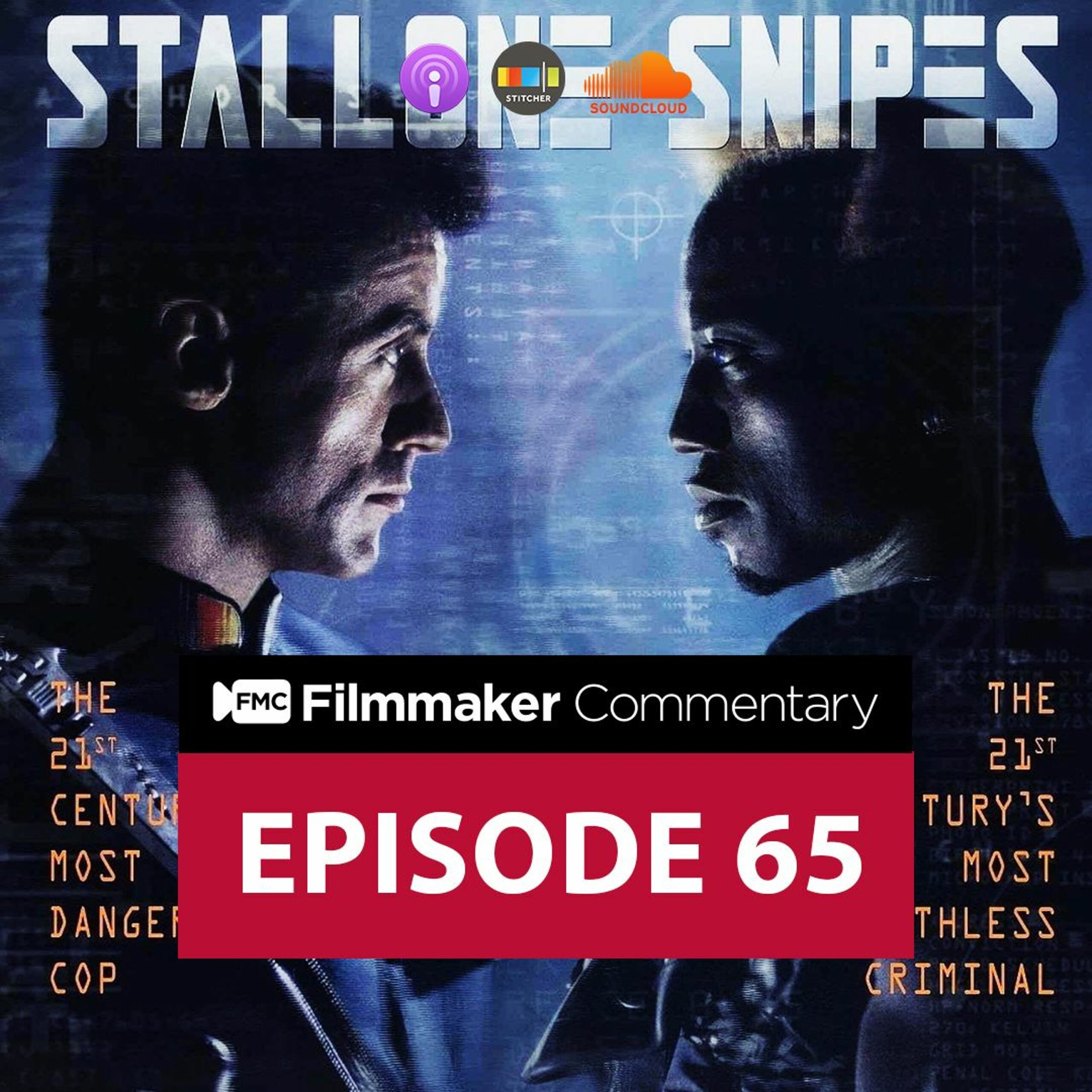
FMC 065: Demolition Man Directed by Marco Brambilla

July 19, 2019
Listen on Apple Spotify YouTube
Listen to this episode
Your browser does not support the audio element.
Also on Apple Spotify YouTube

Join Reginald Titus Jr. and Casey G. Smith as they dive into the 1993 sci-fi action classic, Demolition Man, directed by Marco Brambilla. This episode offers a deep-dive into the film’s production, thematic elements, and lasting impact, providing valuable insights for filmmakers and film enthusiasts alike. Get ready for an engaging discussion that unpacks the filmmaking choices behind this futuristic cult favorite.

What We Cover

  • An in-depth look at the production and box office performance of Demolition Man.
  • The distinct style and artistic approach of director Marco Brambilla, and how it shaped the film’s visual identity.
  • The film’s satirical take on a utopian future versus a dystopian underground, exploring themes of societal control, violence, and freedom.
  • A discussion of the over-the-top action sequences and comedic elements that define Demolition Man‘s unique tone.
  • How actors like Sylvester Stallone, Wesley Snipes, and Sandra Bullock brought their characters to life within the film’s exaggerated world.
  • Exploration of recurring tropes and filmmaking techniques evident in the movie and its commentary.

Key Moments

  • 0:31 – Hosts introduce Demolition Man, sharing its budget, box office success, and awards recognition.
  • 3:41 – A quick discussion on recent movie news and a spoiler warning for Spider-Man: Far From Home.
  • 16:15 – The hosts provide a concise synopsis of Demolition Man‘s plot, setting the stage for their detailed analysis.
  • 22:31 – Delving into the film’s core themes, including its commentary on society, technology, and human nature.

Gear & Films Mentioned

  • Jurassic Park
  • Addams Family
  • Fire in the Sky
  • Pulp Fiction
  • Philadelphia
  • Rudy
  • Mrs. Doubtfire
  • Carlito’s Way
  • Tombstone
  • Last Action Hero
  • Robin Hood: Men in Tights
  • Menace II Society
  • Free Willy
  • Spider-Man: Far From Home
  • Strangers Things (new season)
  • Spider-Man: Homecoming
  • Neon Genesis Evangelion
  • Ralph Breaks the Internet
  • Jessica Jones Season 3
  • Charlie’s Angels (original & reboot trailer)
  • Hobbs & Shaw (trailer)
  • Knives Out (trailer)
  • Queen & Slim (trailer)
  • Bird Box
  • Bonnie and Clyde
  • Natural Born Killers
  • Thelma & Louise
  • Batman (1989)
  • Batman & Robin
  • Batman Forever
  • Looper
  • Clockwork Orange
  • The Conformist
  • Speed
  • Rising Sun
  • Drop Zone
  • New Jack City
  • Blade
  • Hollywood Money Movie Making (book)

Listener Questions

  • How did the filmmakers manage to create such a visually distinct world for 2032 Los Angeles on a 1990s budget?
  • What lessons can modern directors learn from Marco Brambilla’s unique artistic vision and technical execution in Demolition Man?
  • In what ways does Demolition Man‘s commentary on social issues and technological advancement still resonate with today’s audience?

For more insights into classic filmmaker commentaries, be sure to visit Filmmaker Commentary.

Full Transcript

Read the full transcript

Full Episode Transcript
This episode of Filmmaker Commentary dives into the 1993 action-sci-fi film "Demolition Man," directed by Marco Brambilla, discussing its production, visual style, themes, and impact, alongside current movie news and trailers.

Opening Discussion and Film Overview
Reginald Titus Jr.: Filmmaker Commentary, episode 65. Welcome to Filmmaker Commentary, where we give you insights from our favorite filmmaking commentaries. These commentaries can be heard on your DVD and Blu-rays of your favorite movies. We'll show you how you can use these commentaries and apply them to improve your video production and filmmaking techniques. All of this here on Filmmaker Commentary. I'm your host, Reginald Titus Jr.
Reginald Titus Jr.: Welcome to Filmmaker Commentary. I'm Reginald Titus Jr. I'm joined with...
Casey G. Smith: Casey G. Smith.
Reginald Titus Jr.: Welcome back, sir.
Casey G. Smith: Good to be back, sir.
Reginald Titus Jr.: And today we're talking about Demolition Man, directed by Marco Brambilla, 1993. We have a budget of 57 million, domestic box office of 58 million, and international box office of 101 million, which makes a worldwide of 159 million. That's a win, huh?
Casey G. Smith: That is a win for sure.
Reginald Titus Jr.: And did this film, did it have any awards during that year?
Casey G. Smith: Actually, it was nominated for several awards, and actually, it ended up winning an ASCAP Film and Television Music Awards. It won an award in that category by the organization specifically to Elliot Goldenthal, according to IMDb Pro. And it was nominated for several other awards.
Reginald Titus Jr.: That was a rough award year because that's going into 1994. You're going against Jurassic Park, Addams Family, I think Fire in the Sky.
Casey G. Smith: When did Pulp Fiction come out?
Reginald Titus Jr.: Ooh, I want to say.
Casey G. Smith: Was that 94? 96? Was that 96?
Reginald Titus Jr.: 96? 95, 96, something around there. Definitely wasn't in this class. For science fiction, you can forget about it. I mean, Spielberg was killing everybody that year.
Casey G. Smith: He made dinosaurs come to life.
Casey G. Smith: Yeah, that's...
Reginald Titus Jr.: So yeah, that film crushed it for sci-fi that year.
Casey G. Smith: Yeah, that's man, there was some Philadelphia.
Reginald Titus Jr.: That was 94?
Casey G. Smith: Mhm, Rudy, Mrs. Doubtfire, Carlito's Way, Tombstone.
Reginald Titus Jr.: Well, this would have been 1993, but the award show was 94, right?
Casey G. Smith: Yeah, technically they're running behind a year. Last Action Hero.
Reginald Titus Jr.: Yes. Why did I like that film when I was younger?
Casey G. Smith: Robin Hood: Men in Tights, Menace II Society. Man, Free Willy, Fire in the Sky.
Reginald Titus Jr.: Michael Jackson was jamming with Free Willy.
Reginald Titus Jr.: Come on, Willy! Oh, speaking of which, Lori Petty is in Free Willy.
Casey G. Smith: Ah.
Reginald Titus Jr.: Full circle, she was one of the trainers.
Casey G. Smith: There we go. There we go.
Reginald Titus Jr.: There you have it.

News, Movies Watched and Trailers
Reginald Titus Jr.: Before we talk about Demolition Man, directed by Marco Brambilla, we are going to talk about news, movies watched and trailers.
Reginald Titus Jr.: News, movies watched. Do we have anything in the news?
Casey G. Smith: Um, well, there is some slightly sad news in the world of entertainment. A shocking bit of news. A young actor, Disney star by the name of Cameron Boyce, passed away at the young age of 20, due to an ongoing medical condition. Um, and so, just, you know, thoughts, prayers and go out to him and his family and friends. That's just too, that's just too young for for someone to to go. Of course, also, Spider-Man: Far From Home swung into theaters this weekend and launched with about 185 million domestically and internationally, it's sitting already close to around 600 million. Of course, it did enjoy the benefit. It opened up on Tuesday of of this week, of course, at the time of this recording. It's 4th of July weekend. So.
Reginald Titus Jr.: Weekend.
Casey G. Smith: Yeah, a couple of notes there. How about trailers? You seen any, any tasty trailers?
Reginald Titus Jr.: So, for trailers, I guess this can tie into like the Spider-Man thing when we talk about movies watched. But I had, you know, do you want to talk about movies watched and then go into trailers?
Casey G. Smith: Whatever you want to do. Whatever you want to do.
Reginald Titus Jr.: Okay. So, movies watched, Spider-Man. My son, he was like, "Today's the day!"
Casey G. Smith: Nice.
Reginald Titus Jr.: Oh, just just real quick, as we talk a little about Spider-Man: Far From Home. There's a lot that happens in this movie, so if you, if you want to stay totally spoiler-free, I recommend fast-forwarding, you know, maybe a minute or maybe five minutes or so, who knows how long this might go. You never know where the tangent sometimes. So maybe like, you know, anywhere from like, you know, three to five minutes. Just to stay on the safe side if you don't want any spoilers for Spider-Man: Far From Home.
Reginald Titus Jr.: There you go. Appreciate that. And there's so many spoiler reviews now. Like, you go to YouTube, it's just like, what's going on here? Is this the thing?
Casey G. Smith: It's been a thing for a while, but like the the window of time. Well, typically now, once, you know, the early reviews will come out and they'll be spoiler-free, but then like the day that something drops now, they've already recorded the spoiler-free. Some some outlets have already recorded the the spoiler review while it's still fresh in their minds and they just release it the day of that it drops. And then some will watch it that's, you know, that day or the days to come, and then they'll do their review and let you know whether it's spoilery or not.
Reginald Titus Jr.: My son, he was telling, it was on the second when it dropped, right? Did it drop on the second? Was that the second?
Casey G. Smith: Yes.
Reginald Titus Jr.: So my son was like, "Hey, today's the day." I was like, "Tomorrow." July 3rd, because I knew it was going to be like sold out and all that stuff. Even like on the following day, like, we we caught a 10 PM showing. But anyhow, though, I enjoyed it. It was entertaining.
Casey G. Smith: Okay.
Reginald Titus Jr.: My son, he loved it. He was just like, "Yes." You know, that's like his favorite character, so that's that's his thing. But he did ask me, he was like, "What what's your favorite Marvel film?" That's what he asked me. And I was like, "Infinity War." Then he said, "Oh, that that was kind of like his favorite too because he likes it when the villain can get away."
Casey G. Smith: Oh man, going deep.
Reginald Titus Jr.: Yeah. I was like, "All right."
Casey G. Smith: Young blood.
Reginald Titus Jr.: Sometimes I just like to see a villain get away.
Casey G. Smith: Son, should I be concerned? What does that mean?
Reginald Titus Jr.: He was like, "No, it just like it just changes it up, makes it different." I said, "It does make it different. That probably explains why I like it a little bit."
Casey G. Smith: I I also, number one, have seen Spider-Man: Far From Home. I saw it opening, opening night, you know, me and my buddies, we got our tickets in advance. Using the Fandango app. Fandango, if you're listening, we'd love for you to consider being a sponsor of Filmmaker Commentary. But really, I've fallen in love with the Fandango app. Use it for the, really like the first time. Get our tickets and was able to sync up a AMC account along with my my AT&T thank you app that has like, you know, like, you know, thank, something, Ticket Tuesday, where you get like $5 tickets. Anyway, so it all worked out because it dropped on a. Anyway, uh Tuesday, so anyway. But I also like to see the bad guy get away sometimes. And even when I was young, you know, certain movies where that would happen, stood out to me, like, huh? It switches it up. And it it's it and it feels at times more realistic because we know sometimes bad guys get away. Not that we want them to, but you appreciate the reality of that kind of ending. It could be jarring at times, but it happens.
Reginald Titus Jr.: So, that's all the movies watched. You know, we uh we were intending to watch like Stranger Things, the new season of that, but for whatever reason, just time kind of like kind of got away this weekend. Had to do a job and do some editing, so I didn't really have too much time to watch anything. That was just like the main film I watched this this week was the Spider-Man film.
Casey G. Smith: All right. And for those who haven't seen it, yeah, I I also I I I enjoyed it. I'm trying to think about if I if I liked Homecoming a little bit more. I think I liked Homecoming a little bit more because I I don't know that I'll that I have, I don't I don't feel the the need to go back into the theater and watch it again. Whereas with Homecoming, I think I watched it at least twice in the theaters. If I really like a movie, I'm going to go back and watch it again in the theater. I like this movie a lot. I I liked a lot of the things that they did, liked some of the twists. Definitely, if you go to watch this movie, stay for both post-credit scenes. There's two of them. And they're they're pretty big. Uh, they're pretty key and kind of give a launch point to the future of the MCU.
Reginald Titus Jr.: Right.
Reginald Titus Jr.: Yeah.
Casey G. Smith: Uh, I watched I watched quite a few things. I finished watching uh Neon Genesis Evangelion, the. Yeah. And um, this is an anime I would see in Blockbuster for years and finally decided to watch it. It's one season, it's on Netflix.
Reginald Titus Jr.: Listen to anime, right?
Reginald Titus Jr.: All the way from Blockbuster?
Casey G. Smith: Yeah, dude. I remember because it came out like 94 or so. So I remember seeing it in the anime section because that's when I started getting into anime. I would see in the anime section and I was like, "What is this?" But I never jumped into it. And for finally, 20 plus years later, finally decided to watch it and it's it gets deep, man. It it's all these different like.
Reginald Titus Jr.: That's the karaoke anime, right?
Casey G. Smith: No, it's like a pseudo, like, it's like it's a post-apocalyptic world and you have to say. Yeah, post-apocalyptic world and you've got these like pre-teens who have to pilot these these mechs they call the Evangelions. But there's all these religious overtones, and there's a lot of strong female characters, which is really cool. Like, they really strong female characters, but it's also kind of to a degree, almost feels like over-sexualized at times.
Reginald Titus Jr.: Oh, of course.
Casey G. Smith: But but part of it, but it's an interesting like dynamic because part of it feels like like these women are are characters, I should say, are so strong, like they're not kind of ashamed of their sexuality. But it still calls things out. It's fascinating. But the end sucked. I was very unhappy with the end, very unhappy with the end. So yeah, I didn't like the way that it ended. But the journey's interesting. Some of it again, some of the sexualization is a little bit too much. There's yeah, yeah. That's true. But some of the age, like these are like literally like like eighth-grade students. And it's like TV-14. And they they kind of like like showing them kind of like like naked, you know what I'm saying, at times. It was like, weird. It's like, that's. Yeah. I'm like, uh why? Why is that?
Reginald Titus Jr.: Give me the remote.
Reginald Titus Jr.: Uncharted territory for me.
Reginald Titus Jr.: I opted out.
Reginald Titus Jr.: I'm not going to get involved with that one.
Reginald Titus Jr.: I don't even want that to be. Yeah.
Casey G. Smith: It's and that's where it's like, that's weird. Again, I don't know if it's cultural or what, but it's it's it's weird. But anyway. Um.
Reginald Titus Jr.: That's messed up. That's what that is.
Casey G. Smith: Yeah, it's it's it's something else. But it's anyway, so Neon Genesis Evangelion. Watch it at your own risk.
Reginald Titus Jr.: You said post-apocalyptic, so that's all you had to say.
Casey G. Smith: Yeah. Uh, then there was also I watched on a much lighter note. Ralph Breaks the Internet. That's much lighter, very light. Yes, yes, very light. Nice sequel to the original Wreck-It Ralph. Um, enjoyable. Very, very, very enjoyable. Nice, easy watch. Uh, I enjoy the voice acting of of Sarah Silverman, uh, as well as John C. Reilly. Uh, some nice cameo voice acting, um, from uh Gal Gadot, uh, as well as, uh, who was that other one that that came in there? Nonetheless, worth checking out. Also on Netflix. And then also Jessica Jones season three. I jumped back into that and I'm really digging this season. This this may.
Reginald Titus Jr.: That's much lighter, very light.
Reginald Titus Jr.: I heard some good things about it.
Casey G. Smith: Yeah, this may go down being maybe maybe my favorite season of Jessica Jones.
Reginald Titus Jr.: What out of the uh I think I heard Kevin Smith talking about this, but um out of all the Marvel episodic things that are on Netflix, how's this ranked to you in comparison to the other ones?
Casey G. Smith: This is ranking pretty high, man. Like I I enjoy the the pacing and just where these characters have gone. But also, as we discussed earlier, how this show had the benefit of knowing it was ending when they developed the season, whereas the other shows did not. So hopefully they're leading up to a good conclusion, you know, a series conclusion, a series finale. But um, we'll see, you know, I'm kind of at that point. I think I'm on episode maybe like eight or nine, and this is kind of sometimes where Netflix shows, specifically Marvel Netflix shows can get to the get to that place where some episodes feel like filler. So hopefully we don't run into that because typically they're normally like 12 episodes, I think.
Reginald Titus Jr.: Right.
Reginald Titus Jr.: Yeah.
Reginald Titus Jr.: You can do whatever you want to, man, it seems like on Netflix.
Casey G. Smith: Yeah, but they're Marvel, the Marvel Netflix shows. Yeah, they're usually pretty consistent at at at clocking in.
Reginald Titus Jr.: Are you saying Marvel in general, they usually try to have a set amount?
Reginald Titus Jr.: Something like yeah, The Punisher, Daredevil, I don't know if those had matched up exactly. Had Luke Cage.
Casey G. Smith: Yeah, they try to be pretty consistent. So, I'm hoping that it will stay that way. This particular season is going to it goes to 13, 13 episodes. Um, so yeah, hopefully we will stay with that uh, with that motif. Um, but yeah, so far, so good. Yeah, looks like it's been 13 across the board with uh, with that particular series.
Reginald Titus Jr.: Cool.
Casey G. Smith: But yeah, that is what I've been watching.
Reginald Titus Jr.: And trailers, been watching quite a few trailers. While I was captive audience in Spider-Man, so some trailers popped up. And I try to notice like what the crowd is paying attention to whenever. I will the theater we went to was very diverse. It was late at night, so you have families, uh, from all ethnic backgrounds, you know. Get the mom, dad, usually a little boy or or his sister or something like that. That's kind of what I saw, like, kind of like the majority, um, in this theater. And one of the trailers that popped up was the Charlie's Angels. I didn't even know what Charlie's Angels was like being remade.
Casey G. Smith: That's true. Just came out that like that week too. Last week also, it just dropped.
Reginald Titus Jr.: So, while this was playing, I was like, hm. It was playing, it was playing. I was like kind of paying attention to the crowd. There wasn't like much reaction to the trailer. Me like, I saw the, you know, the how many Charlie's Angels was there with uh Cameron? Was that Cameron Diaz? Yeah, Cameron Diaz and Lucy Liu. Yeah. Was it two? Maybe it was two. Did they do two? They did two.
Casey G. Smith: I never watched any of those. I was a fan of the original TV show, but I didn't get into the movies.
Reginald Titus Jr.: I'm more so it was kind of cheesy, kind of over the top thing. And that's kind of like what I felt, you know, when I saw this trailer, but it didn't feel funny. I don't know what the what the tone they were trying to go for necessarily. It was kind of hard to gauge, and the audience kind of seemed undecided.
Casey G. Smith: Mm.
Reginald Titus Jr.: Um, did you see the Charlie's Angels trailer?
Casey G. Smith: I did. I I'd actually seen it earlier in the week, actually on YouTube. And then I saw they they played it also when I watched Spidey. Um, I I enjoyed seeing Kristen Stewart like in a role where it looked like she was having fun. Yeah, cuz she's no, she's, you know, she's she's absolutely very talented, but she also she's pretty, and so seeing her in a role where it looked like she was actually having fun. I I liked seeing that.
Reginald Titus Jr.: She did look different.
Reginald Titus Jr.: She does look miserable sometimes.
Casey G. Smith: Yeah, and she could go she can go very melancholy. And um, but yeah, I'm I'm I'm I'm interested in that alone. And then of course, Elizabeth Banks, I think she actually's directing the film. Uh, so, um, it's got my interest. I don't know how the comedy will land. I wouldn't go to it to expect, you know, really, really good laughs, but.
Reginald Titus Jr.: Right.
Reginald Titus Jr.: Would you pay money to go see this at the theater? That's the biggest.
Casey G. Smith: I don't I'd need another one more. Let me see another trailer and then I can make I I I think I at this point, I'm interested in seeing it. So, for me, that means I'd I'd probably potentially want to see it in the theater. One more trailer will help me make that decision. But I'm leaning towards yes at this point.
Reginald Titus Jr.: Yeah. The audience kind of seemed like they were not sure.
Casey G. Smith: Mhm.
Reginald Titus Jr.: So, with that being said, I was unsure either. I was just like, I watched the other ones, you know, maybe. Maybe, maybe. I don't know, maybe, but I'm like you, I'm I'm going to have to watch another one. But I'm not liking what I'm seeing so far. I'm not liking the tone because I need to know, after I see a trailer, I want to know, like, I'm watching this. I should be able to make a decision. Uh, a buying decision, cuz this is a commercial.
Casey G. Smith: Well, sometimes I I think sometimes it takes a little bit more, especially if it's a new world that we haven't been in before, then there's so much vying for our attention. And we're going to see so many trailers with so many different tones. Sometimes, yeah. I don't know, bro.
Reginald Titus Jr.: I don't know.
Reginald Titus Jr.: I I usually I I I'm I'm usually like to know. I usually after a a full trailer, not a teaser. You know, a full because it was a full trailer. it hit me over the head with this. So I was like, I want to I want to like this. You know, I want to like it, but I'm not I'm I don't know yet. With that being said, that rolled right into Fast and Furious trailer.
Casey G. Smith: You usually like to know.
Casey G. Smith: Sure.
Casey G. Smith: That was true.
Casey G. Smith: Hobbs.
Reginald Titus Jr.: Yeah.
Casey G. Smith: Hobbs and Hobbs and Shaw.
Reginald Titus Jr.: Oh.
Reginald Titus Jr.: Hobbs and Shaw.
Reginald Titus Jr.: So, I was like, oh, okay. I didn't know this was, you know, I didn't know this like part of the universal. No, I think I've seen a little bit, but I had forgotten about it. And even when I watched that trailer, I was like, yeah, another Fast and Furious. So, you know, it's the whole chase scene with uh, Elba. Yes, sliding under the freaking 18-wheelers and doing all this. I'm like, what the heck is this? And then he he pops out and the girl's like, and then you see uh The Rock and Jason Statham, fighting, kicking butt, and then the young lady that's with him. I don't know her name, but she was kicking butt too. The crowd was going wild. You know what I mean? Like, I'm comparing this, I'm gauging off the audience. So the audience, you could tell the adrenaline is like in the room because like whenever you see them fighting and stuff, you're like, and so when that ends, you could you can feel that people want to watch that film. So it was just like kind of balancing like the different of energy.
Casey G. Smith: We are in the universe of trailers.
Casey G. Smith: Okay.
Reginald Titus Jr.: Yeah.
Casey G. Smith: Statham.
Reginald Titus Jr.: Yeah.
Casey G. Smith: So again, and and with and with that same respect, you also go with the again, people know The Rock. People know Idris Elba, people know Jason Statham, people know the Fast and Furious franchise. One of the most successful franchises in the world. They have had more eyes on them than Kristen Stewart and any of the other actresses in Charlie's Angels. So you already have, you know, a familiarity that's there. So I think that already gives it leg up. But hey, the trailer was.
Reginald Titus Jr.: Mhm.
Reginald Titus Jr.: Yeah, it was exciting.
Casey G. Smith: The trailer was, the trailer was awesome. Like I I was on the fence when I first saw the first trailer. I'm like, yeah, but the more trailers I've seen, they've got me excited. I'm like, yeah. Let's let's do this.
Reginald Titus Jr.: Yeah, I was.
Reginald Titus Jr.: It was legitimate. Like, just from an excitement standpoint, cuz they're both action films. You know, they're fighting, the girls are fighting, beating butt, I don't know, cuz. But uh, like some of the other Fast and Furious movies, I didn't go out to the theater to see them. I just waited till they came out and I watched them. Uh, but this will be probably I'll consider going to the theater to watch the this one.
Casey G. Smith: I agree, like I I I haven't watched the last the last one I watched was after Paul Walker passed. And the the one yeah, they're in the process of filming when he passed away. That's the last one that I watched. And, man, I don't think I went in I think I saw that I'm trying to remember if I saw it in the theaters or not. I may have waited and saw it when it came on HBO potentially. I'm trying to remember. But after that, I was like, I didn't really. Yeah, I'm not saying I was I was I was never really a huge, huge fan of the franchise. Uh, I'm I am a big fan of The Rock and so seeing this yeah, this this movie, Hobbs and Shaw, has me has me excited, man. And there's oh, man, you got there's a there's something that the they did a little like another like trailer with a teaser, Um, where they say like they they had to change their identities and and and The Rock posted on on Twitter a reply to the trailer. Oh, man, it's it's hilarious. I won't I won't repeat what's said there, but you can get a chance to watch it. That's it's worthwhile watching that trailer.
Reginald Titus Jr.: Yeah.
Reginald Titus Jr.: Yeah, kind of faded away.
Reginald Titus Jr.: Mm.
Reginald Titus Jr.: Uh, next trailer, Knives Out. Um, seems like an ensemble cast, ensemble cast. A who did it, a who done it? A lot of just famous actors and actresses in this film, directed by Ryan Johnson. Saw the trailer. I saw this one actually on the on the internet. And um, again, not too excited about this trailer, but I am a fan of Ryan Johnson. So, I I'm going to I'm going to wait till another one comes out, another trailer. You know, cuz I'm not sure. I'm like cuz I like all his his previous work, but I think this is the first time doing comedy. Cuz it has like a comic comedic vibe to it.
Casey G. Smith: Mhm.
Casey G. Smith: It does. Like almost like a um, like Clue.
Reginald Titus Jr.: Yeah, exactly.
Casey G. Smith: Yeah, feels like maybe like an updated uh version of of Clue. Um, yeah, yeah, again, just seeing seeing some of the the names the the names in this movie alone are enough to get me into the theater.
Reginald Titus Jr.: Oh, really? Star power still counts?
Casey G. Smith: Yeah, for me, man, again, Chris Evans, you know, seeing him. Chris Evans is a heck of an actor. Seeing him.
Reginald Titus Jr.: Yeah, I always see Captain America when I see him. I'm like, what is he gonna do? Where is the shield?
Casey G. Smith: See, but I I think of him in other other things that I've seen him do before. Uh, even though he's done quite a few superhero things. But uh, yeah, I'm always excited to see him in in in other stuff and to be able to play role and, you know, he's, you know, you know, uh cursing people out in this movie, such a like a removed role from from Cap. I'm like, all right. Daniel Craig, again. I always do Daniel Craig.
Reginald Titus Jr.: Oh, Luke Evans, bro.
Casey G. Smith: Oh yeah. Michael Shannon, man. Michael Shannon is one of my favorite actors working today. He does great work. Jamie Lee Curtis in the mix, and LaKeith Stanfield. Our man LaKeith in the mix, playing playing playing. Oh, my brother.
Reginald Titus Jr.: LaKeith Stanfield.
Reginald Titus Jr.: Oh, my man. My brother.
Casey G. Smith: So I'm like.
Reginald Titus Jr.: And Meryl Streep, right?
Casey G. Smith: Uh, was that Meryl Streep? Uh, there's Toni Collette, there's Katherine Langford. Again, there is uh Jamie Lee Curtis.
Reginald Titus Jr.: Sorry, I was uh profiling.
Casey G. Smith: Well, I hope you've learned your lesson.
Reginald Titus Jr.: I have.
Casey G. Smith: But no, it's a good it's it's a good cast, man. It's a good cast and so, um, yeah, trailer was was fun.
Reginald Titus Jr.: That's what I'm saying. It's some heavy hitters. So that's why I'm more like, I'll I'll wait. You know, I can't make a decision yet on this because it's too many heavy hitters in this one too.
Casey G. Smith: Gotcha.
Reginald Titus Jr.: Um, but it could be something. It's very tricky though, you know, dealing with the comedy and dealing with the uh a director like a writer director like Ryan Johnson. Who knows?
Casey G. Smith: Again, for me, if I see Michael Shannon, he's signing on, I'm like, I know he's going to takes his stuff, you know, seriously. Same thing with Daniel Craig. Like they're not just going to do just like, really, Nelly.
Reginald Titus Jr.: You're there.
Reginald Titus Jr.: Willy, nilly.
Casey G. Smith: No. No, sir. So, I'm like, okay. They got both you guys on here? Let's see what you got. Let's see what you got.
Reginald Titus Jr.: Let's see what you got.
Reginald Titus Jr.: Um, another trailer, it's one of the last ones, Queen & Slim. Uh, written by Lena Waithe and directed by Melina Matsoukas. Matsoukas. Hopefully I'm saying your name right. I saw this right after I watched the trailer for Knives Out and was immediately drawn to it. Basically, in the trailer they're saying it's like like a Black Bonnie and Clyde. That's basically what you can say. It's a Black Bonnie and Clyde theme to it. So you can kind of just take it from there. Um, that's one that I'm actually kind of interested in seeing like just from watching the trailer and making a decision.
Casey G. Smith: Yeah.
Reginald Titus Jr.: Yeah.
Casey G. Smith: You told me about this before we started recording, had me check it out, and yeah, I'm in. Let's do this. Let's do this. Something unique, fresh take. Again, a Black Bonnie and Clyde. I don't know that we've seen a film like that ever. We've seen Bonnie and Clydes, Bonnie and Clyde's remakes, you know, uh, we've seen it done with, you know, Mickey and Mallory in Natural Born Killers. You know, we've seen it done with two women with Bonnie and, excuse me, with um, Thelma and Louise. Yeah, but as far as with, you know, a Black male and female ride or die scenario, and it's kind of shocking. I'm like, oh, we haven't even done this yet?
Reginald Titus Jr.: Yeah.
Reginald Titus Jr.: My brain's not fetching anything.
Reginald Titus Jr.: Yeah, I know, right? Yeah, and maybe we have. I don't know. I just can't pull it up right now. But, you know, comparing that to like the other trailers, it's just like, you got remakes, you got the eighth sequel, you got a who done it type thing. You know, so it's like, you've you've seen it, you kind of know how this is going to end. This one, I don't know how this is going to end.
Casey G. Smith: Spin-off.
Casey G. Smith: Probably badly.
Reginald Titus Jr.: We shall see. We shall see. But uh, anything else?
Casey G. Smith: I don't know.
Casey G. Smith: That's all I got, man.

Demolition Man: Synopsis and First Impressions
Reginald Titus Jr.: All right. Let's jump back into the show.
Reginald Titus Jr.: Welcome back to Filmmaker Commentary. We're covering Demolition Man, 1993, directed by Marco Brambilla.
Casey G. Smith: Ilala, ilala.
Reginald Titus Jr.: Ilala. A. Synopsis time! In 2032, arch-criminal Simon Phoenix awakens from a 35-year-old deep freeze in cryo-prison to find a serene, non-violent Los Angeles ready for the taking. Unable to deal with Phoenix's brutal 1990 style, officials seek an old-fashioned cop to fight old-fashioned crime. They revive Sergeant John Spartan, unjustly serving a cryo-prison sentence because of his last encounter with Phoenix. Demolition Man. Starring Wesley Snipes and Sylvester Stallone. And Sandra Bullock.
Reginald Titus Jr.: A.
Casey G. Smith: Rated R. Rated R.
Reginald Titus Jr.: And supporting actress, Sandra Bullock. Hello there. And keep in mind, this is 1993. Everybody looks different.
Casey G. Smith: Hey, hey, hey. Hello there. Hello there.
Reginald Titus Jr.: Actually, Wesley Snipes looks similar. Almost the same. Almost like he didn't age that much.
Reginald Titus Jr.: Besides his hair kind of, you know, being gone, but.
Casey G. Smith: Sure.
Reginald Titus Jr.: Stallone looks different. What about Sandra?
Casey G. Smith: Mhm. Sandra Bullock still, man. She still got it together. She's got more she's got more hair. She got her hair's kind of longer now. She still looks.
Reginald Titus Jr.: I haven't seen Sandra in a while.
Reginald Titus Jr.: Yeah, she still she still got it. That's good. That's good.
Reginald Titus Jr.: Uh, cuz she just recently had the the Bird Box on Netflix. I didn't watch it, but um, I remember everybody was talking.
Casey G. Smith: And I for I'd forgotten about Bird Box.
Reginald Titus Jr.: Everybody was that was the buzz of the town at the time.
Casey G. Smith: Yes. It was it was it was good, yeah.
Reginald Titus Jr.: Yeah. How about that?
Reginald Titus Jr.: Had some more brothers I heard in that one.
Casey G. Smith: Yes, sir.
Reginald Titus Jr.: Yes, sir. Opportunity, people.
Casey G. Smith: Yeah, it's it's worth checking out. If you have not seen Bird Box. Check it out.
Reginald Titus Jr.: Bird Box.
Reginald Titus Jr.: Oh man, what did how did you see this film? You know, this is 1993. So did you go to the theaters to watch this? How did you, how were you exposed to Demolition Man?
Casey G. Smith: So, if I'm not mistaken, I believe my family we watched Demolition Man. I think it's one of those Friday night movie night things, you know, we went to Blockbuster. Cause we would have we would have still have been in North Dakota at the time. So I think we went to CCI Video, that was our go-to spot. Um, my pops and I probably scooped up some comic books and then grabbed Demolition Man, um, and brought it home and and sat down with my my mom and my sis, and we we all watched it together. If I'm not mistaken, that's how it went down. And uh, yeah, I thought it was awesome then. It's it's always stuck with me. I haven't watched it many times, but it's always stuck with me. Again, something about Wesley in the 90s, man. Like, we've watched now, what, three?
Reginald Titus Jr.: Yeah.
Reginald Titus Jr.: Yeah, New Jack City, Blade.
Casey G. Smith: Oh snap, yeah. So, yeah, Wesley in the 90s, man. He was just.
Reginald Titus Jr.: He was on fire.
Reginald Titus Jr.: He was. But uh, he was doing his thing, man. Wesley was doing his thing. Um, and again, I I've I've been a long time Stallone fan, so, uh, seeing them in this, uh, it was it was a lot of fun. Again, Sandra Bullock is great in this. And so it was yeah, it was it was nice to to revisit it. And it's def it definitely holds it down as a as a 90s film for sure.
Casey G. Smith: Yeah.
Reginald Titus Jr.: Yes. How about you? How did we watch this? Cuz back then, movies lingered around for years and it still felt fresh. Um, even when you go back and look at some of the interviews that actors would do back then, like for ET or whoever like the ET was, you know, whether they're Entertainment Tonight. Um, whether it be international, whatever they're doing, their press junket for. They seemed generally excited. Like when now when you see kind of like the actors doing everything, they're just like, let's get this over with. Like.
Casey G. Smith: Mhm.
Casey G. Smith: Because they're dealing with far more outlets than ever before.
Reginald Titus Jr.: Yeah.
Casey G. Smith: Because now you have all these online outlets. Um, so, yeah, they're.
Reginald Titus Jr.: Yeah. It's like a job within itself just marketing the film. And you can kind of you can kind of see that the they're kind of over it, you know, like I remember when the Black Panther came out like a couple months in the people like, all right, throwing up the X slightly, like, okay, let's let's.
Casey G. Smith: So, that's the other aspect, the international aspect. Like these big international tours wasn't wasn't a thing. Like you did your your junk, a couple of people, probably it's probably a one-day thing. Yeah. And maybe you, international box office wasn't a wasn't a thing back in in 93. It was not that's not where you.
Reginald Titus Jr.: Right.
Reginald Titus Jr.: Yeah.
Reginald Titus Jr.: Except 101 million.
Casey G. Smith: Well, sure. Sure.
Reginald Titus Jr.: But you mean just like where they got to go market the film. The different outlets, is that what you mean?
Casey G. Smith: Yeah. That wasn't that wasn't something that they were really, really worried about.
Reginald Titus Jr.: Yeah. You're right. Because once you're on TV, like you're there. You're like the star. And people tuned in to television because that was the only time that they could see you. Right. And then you had your you had your, you know, your major TV stations. You had maybe a couple of your major publications. You know, you did your red carpet thing. And that was that was. And a lot of times those outlets would come to the red carpet. So you would have like a ET or whoever coming out to the red carpet to cover it, and you're kind of good. Right. Or you'd have, you know, the junk that that might be a a day of doing the doing the junket. Maybe you would fly to New York, maybe do some stuff there, maybe do some press on the on on the radio, things like that. But, you know, you you would do the talk shows, right? You do your run of the of the of the major talk shows in the evening. Uh, what am I trying to say? The the late night shows, there we go, the late night shows. You know, you appear on them. Carson. Johnny Carson, was he around 93?
Casey G. Smith: Yeah.
Casey G. Smith: He has probably it was that switch to Leno, I think, by then. I think Leno was doing his thing. I'm pretty sure, yeah, Leno had stepped in by then. But, you know, Leno, Letterman, uh, you didn't have that many back then. Yeah, man. So.
Reginald Titus Jr.: Yeah.
Reginald Titus Jr.: Leno.
Reginald Titus Jr.: Whoa, boom!
Reginald Titus Jr.: Let's get busy.
Casey G. Smith: Let's get busy.
Casey G. Smith: But yeah, you did your run and it was pretty pretty mellow compared to what they have now.
Reginald Titus Jr.: Oh, man, it looks brutal. But yeah, I was looking at one of his interviews. It was an international one. The lady had a British accent. And he was just having a good time, just talking and like joking with the lady and stuff like that. Like, man, like he's having a good time. Uh, but man, I can only now it seems like it's like, man, let's get this over with. But yeah, but but back to what we were saying. Um, movies were hanging around longer because of stuff like that. And I think we just waited until it came out on VHS and we were just watching it over and over again. So, probably maybe a year or so after it dropped, that's when we that's when I got exposed to it.
Casey G. Smith: Oh man.
Casey G. Smith: Cuz yeah, the the window of when yeah, something came out on VHS used to take used to take longer, man. We get stuff on home release now so much quicker, like three months. It's here.
Reginald Titus Jr.: Day and day, almost.
Casey G. Smith: Man, yeah, back in the day, it was seem like it would it would.
Reginald Titus Jr.: Yeah. A year.
Reginald Titus Jr.: Because if uh if that, because uh if not longer, because it'll be depending on how successful it was in the theater, like that could be almost a year. And then it then it got on cable. So hopefully you had cable or some kind of pay-per-view box or some unlocked box. And they would just show it on HBO over and over and over again. Then after that, around that time, then you had the VHS stuff. Yeah, man, it was like true windows at the time. So yeah, that's how I was exposed to it. And this is like one of my top 20, 20 to 30 movies. Top 20 films.
Casey G. Smith: Yeah, this is HBO, yeah.
Casey G. Smith: Those windows of release.
Reginald Titus Jr.: Ooh.
Casey G. Smith: Oh, wow.
Reginald Titus Jr.: Yeah. You got it up there pretty high. Okay. I might I might re-evaluate it, but um, even looking back on it, I don't know if it holds up a whole lot. Um, it looks it looks good.
Casey G. Smith: It does look good, man. It does look good. But it's just there are there are tropes that are that make it definitely a product of its time. Even though it's ironically set in the future.
Reginald Titus Jr.: Boom.
Casey G. Smith: And there are a lot of things that are happening now. That we're doing now from a from a future standpoint. And by the way, if this is your first time listening to Filmmaker Commentary, please know that there will be spoilers. You've been forewarned.
Reginald Titus Jr.: Yes, indeed.

Filmmaker Commentary and Production Insights
Reginald Titus Jr.: And we'll jump into those a little bit in just a snippet. But um, what did you think about the the commentary with uh director Marco and producer Joel Silver?
Casey G. Smith: I thought it was good. Um, you you you obviously you noticed that Silver steps out after about the first act. I'm like, I'm not hearing Joe anymore. Like, but he's a busy man. You know, big-time producer that time. But it was cool that he stepped in. I I, you know, sometimes when we have two people on and we've talked about this, sometimes it can feel watered down. But I thought when Joe was even when he was in there, he was he was he was very. Yeah, he was, you know, dropping all kinds of nuggets and all. I was like, okay, so I was like, okay, this is good. But even once he left, um, Marco knows his stuff. It it it felt like it was really fresh in his mind. Even though this was for the DVD release and I'm like, man, this guy knew his stuff. You know who he sounded like, the more and more I listen to him.
Reginald Titus Jr.: I was like, I'm not hearing Joe anymore.
Reginald Titus Jr.: He was coming with it.
Reginald Titus Jr.: True.
Reginald Titus Jr.: Give me a guess.
Reginald Titus Jr.: Robert Rodriguez.
Reginald Titus Jr.: No.
Casey G. Smith: Oh, I was going to say Francis Ford Coppola.
Reginald Titus Jr.: Oh, yes. When you listen to how he talks, he gets, you know, just very specific, and then this happened, and then this. I'm like, man, he he he he he sounds like Francis Ford Coppola.
Reginald Titus Jr.: Yeah, I see what you mean.
Casey G. Smith: Like his delivery. Yeah, he sounded a lot like Francis. Just being so technical and like knowing his stuff and knowing his background.
Reginald Titus Jr.: You're right. Yeah, yeah, yeah.
Reginald Titus Jr.: Yeah, yeah, yeah. He sounded a lot like Francis Ford Coppola to me. Yeah. And after seeing this, I was like, man, why hasn't this guy directed more stuff?
Reginald Titus Jr.: I don't know why, but he directed the music video, um, Kanye West video, Power.
Casey G. Smith: Power. Yeah, I saw that.
Reginald Titus Jr.: I was like, but you know what, uh, in the commentary before I had looked that up, I was like, this guy seems like like non-American, you know what I mean? Like, he like his approach to it is a little bit more like artsy and like super, you know, like you can kind of tell like some of the American directors, with him, he was like approaching like like serious, like this is his heart, this is like a passion, you know, he was referencing these different books, paintings and thing. I'm like, who is this guy? Because I don't see like an archive of a bunch of films, but then when I discovered like, oh, he's doing stuff like the power thing and, you know, he's bringing like all this art into it. I was like, okay, he has a passion of some I don't know what he's doing with his time, but uh, I felt that in the commentary before I knew that.
Casey G. Smith: Mm. I came away from this movie with a real appreciation for Marco. And I want to see him do more.
Reginald Titus Jr.: Me too, man. I want to see more movies and getting into some of those commentaries as well. From a style standpoint, what do you feel like the style was in this film?
Casey G. Smith: He made a he made a specific he said a specific thing in the commentary that the art direction was, he says a wrecking ball. Uh, it was a wrecking ball style of of of art direction. Um, I don't know what that means exactly. But he said it in, I was like, huh, that's worth this writing down. That sounds good. Um, he also mentioned that that at the time, there were a lot of films that were coming out that they purposely tried to give a gritty look to. But with this film, he tried to go the opposite way of that and make it non-gritty, which I thought he was very successful at. It's it's a good-looking film, things are very well lit, and part of that is, of course, when you get into the future and just how utopian or pseudo-utopian it's supposed to be. Um, the technology, the user interfaces, the uniforms, the conformity, everything just looks good, looks clean. They've eliminated anything bad. And so it it reflects that. Um, but it's it's not like, sometimes you can see things that are like, people have like a like a real soft kind of look to them. It doesn't have that, though. So I I I appreciated that. As you progress through, you get you as as more chaos kind of comes along, the the you get become become more kind of warmer tones, I think, kind of filtering in at different times, as they go for more dynamic looks. So yeah, it's it's a good-looking.
Reginald Titus Jr.: Oh, yeah.
Reginald Titus Jr.: Yeah. I agree, man. It's uh like I got the same thing from from a style standpoint. It's like a very clean, crisp look. Um, got the, of course, you got the satire, the over-the-top action, so that's kind of the style. Uh, but then you contrast the utopian part of the city with the dystopian part of the city, where where it's like grungy and dirty and a little bit more orange, I think you said, like earthy uh feel to it. Also, anamorphic lenses. Like, I knew like right away it was anamorphic lenses, like the um, the helicopter shot going over Hollywood, the Holly Hollywood's on fire. And then you see the the lens flares going across the screen. I was like, oh, yeah, this is 90s. So yeah, it was was well done. Um, what do you feel like like the mood, atmosphere, like the tone of the film?
Casey G. Smith: From fire.
Casey G. Smith: Anamorphic. Welcome.
Casey G. Smith: You know, , it's this is an action film mixed with with sci-fi elements and and just dash with com like comedy throughout. Uh, where, you know, Stallone, he's all the characters are are playing it straight, but just based upon the kind of situation they're in, it they're there are there are laughs, uh, that are that are there. I guess it's a kind of situational in nature. You've got, you know, the man out of time. The thing that's kind of going into into themes. Right. But, but yeah, I think the the the tone they set was one for over-the-top action that didn't get too violent. You know. There are there's a violence that happens, but they don't, but they don't uh, like they mentioned, like towards the end, when when when they're in the future, when when they get a hold of Dennis Leary's crew and they're underground. You know, um, Phoenix and his crew have the drop on these guys. They're standing right there. You see like, fire and they nobody gets hit. I'm like, you guys are all fired. You guys are fired.
Reginald Titus Jr.: Right.
Reginald Titus Jr.: Yeah.
Reginald Titus Jr.: Everybody's fired.
Casey G. Smith: Everybody's fired. You you can't, come on. They're standing. The only person that hit somebody and you see him get hit is Sandra Bullock when she shoots the guy that's about to stab Stallone. He gets shot in blood out his stomach and he's like, oh. Which is crazy dangerous, somebody who's never probably shot a gun before, that she would hit this dude and not accidentally shoot, you know, Stallone's character. I'm like, the one person with no experience with a firearm, made it happen. Gets the kill shot.
Reginald Titus Jr.: Yeah.
Reginald Titus Jr.: That's a cartoon.
Casey G. Smith: Yeah, that's that is the uh suspense, the belief. Yeah, suspension of disbelief.
Reginald Titus Jr.: That that yeah, that first scene was hilarious because Stallone, the way he runs, like he was just like, the way. I was like, oh, he's Rocky running. Oh, yeah. The the funniest thing to me was like when the guy uh when he when Rocky what is his name?
Reginald Titus Jr.: Yeah.
Casey G. Smith: Oh yeah.
Casey G. Smith: Spartan.
Reginald Titus Jr.: Spartan. Uh, he lands into the building, goes inside the building. A guy's running up the hallway. Stallone doesn't know, like, I guess he can feel him coming. And he just throws a punch and knocks the guy out, like, out of nowhere. Like, what?
Casey G. Smith: Oh, when you're a kid, you're like, oh, yeah. Yeah.
Reginald Titus Jr.: Oh, yeah.
Casey G. Smith: But then you're like, but yeah, as an adult you're like, hm, and did he hear him coming in, the police guy.
Reginald Titus Jr.: Yeah.
Reginald Titus Jr.: Yeah. start analyzing his police guy. But he is like a superhero. I mean, literally both these is a superhero, supervillain. These guys, this is almost like a um, a new mythology, if you will. These these are very much so even their names. Their names, yeah, Spartan, Phoenix, like this this is kind of a, these are like like gods, you know, almost like Greek or Roman gods, who's who's fight is eternal and it continues into the future. They are something about them that. Yeah, that makes them carry on. Um, yeah. Good analogy.
Casey G. Smith: Yeah.
Reginald Titus Jr.: For eternity.

Themes, Tropes and Favorite Scenes
Reginald Titus Jr.: Um, thank you. Themes. I only have one.
Casey G. Smith: All right.
Reginald Titus Jr.: And I think uh director said this, tampering with Mother Nature actually makes things worse.
Casey G. Smith: That's a that's a good theme. That's a real good theme. Um, I had a theme of um, of Big Brother. Um, you know how yeah, that's huge. Yeah, you know, it seems like there's like this continual oversight where, you know, it gets to the point where not just law enforcement, but the government itself. pardon me, with the government itself now is just, you know, there's cameras everywhere. Everything is is is is being surveillanced. Um, you know, if you say the wrong thing, you're getting fined. That was funny. Yeah, yeah, man, that's just like, wow. Um, and also the forced rehabilitation, which again, ties back into that, you know, trying to change the the the nature and and, you know, things becoming screwed up. Um, as well as I think there's the theme of of of, you know, rebelling and choosing to think for yourself, uh, which is what we see towards the towards the end, you know, once the when you find out who Dennis's Dennis Leary's group that he's leading, that's what they've been trying to do is think for themselves. And even the other officer kind of having joined up with them and and you've began to see the.
Reginald Titus Jr.: Mhm. Oh, that's huge.
Reginald Titus Jr.: Freakin A.
Casey G. Smith: Yeah, right? Begin to see this happy medium. And and then Sandra Bullock's character, she strikes this wonderful tone of us being able to connect with her from the very beginning because she very much so, though she lives in this world, she has this appreciation, this fondness for the past, and is somewhat of an independent, you know, thinker and thinking outside the box. And of course, once she meets Spartan, that kind of just gets gets enhanced. Even though she's still kind of continually reminds him of the rules of of of this current world. So, yeah, it's a couple of themes that I that I pulled out.
Reginald Titus Jr.: Yeah.
Reginald Titus Jr.: Tropes. While it's fresh, while it's fresh, cuz it's popped into my mind since you talked about that. Uh, tropes. So with uh Sandra Bullock, her character is like kind of fond of the past. And whenever you're dealing with time travel-ish. It's kind of like time travel stuff in a way. Um, going back to Ryan Johnson in Looper, Leavitt's character was just loved the 20th century as well. Do you remember like he would always wear like the old school clothes and he's like, why you always got this stuff? Or he'll have the watch, I think he had the the watch that was attached in his pocket and he was always looking at it. He like just like these old relics. So he had a fondness for the past, romanticized about it. So like when dealing with like time travel, you have somebody that loves a certain century that kind of one of the other characters can relate to, which was him, Bruce Willis. But anyway.
Casey G. Smith: Yes, sir.
Reginald Titus Jr.: Mhm. I agree.
Casey G. Smith: Nice, nice. Definitely, I think that there are, yeah, a lot of tropes within. But yeah, Sandra Bullock's character becomes instantly likable to us because we look at we can look at other people in this new time period and say, oh, these people are soft. This is say the least and but but yeah, she's a wonderful link. Um, I had a trope of uh, you know, this is, you know, this film, cops and robbers, right? Classic, classic trope. The cops and robbers. Um, this being uh, you know, even though it's rated R, you know, I almost want to say a family-friendly film, even though my family, we all watched it together. It kind of is. Yeah, yeah, you know, it's I think this could almost have been PG-13. But I think sometimes you get into a market where you kind of go, either you, and now it's it's, you know, kind of more acceptable with like the superhero films. But like, I think earlier in the days, you know, PG or you, you know, you went R. Um, and I think just, you know, some of the elements here, you know, push it to the R. But um, you know, the one-liners. Uh, there's a trope of just, you know, constant one-liners throughout. Um, again, you mentioned time travel, you know, the man, man out of time aspect. Uh, again, I kind of mentioned earlier, the gladiatorial, uh, trope between these characters and again, their names specifically. I'm like, yeah, these guys are are gladiators. Time traveling gladiators. Uh, we see the trope of the hero, you know, sitting at the table with with the villain, all his minions. Um, also, uh, the visual trope of the old chandelier falling. Shoot the gun at the chandelier, it falls, and the Batman, how many times have we seen that? We we got to give up that. We can't use that anymore. I'm tired of that trope.
Reginald Titus Jr.: Really brief.
Reginald Titus Jr.: Yeah.
Reginald Titus Jr.: Oh, all his minions.
Reginald Titus Jr.: I like the spin. I like the chandelier. I like the spin on it in this one, in the fact that when it fell through, more glass that dropped him through to that lower level. I was like, and then he shot him under it and he falls. Yeah, they brought him down. I was like, that's cool. I like, I like that. That's a nice addition to it. But I'm tired of that trope.
Casey G. Smith: Yeah, that brought him down. I was like, that's cool. I like that.
Reginald Titus Jr.: It's a little that's a nice addition to it.
Casey G. Smith: But you know what, but also, um, Marco specifically mentioned that he was trying to put in as many clichés in that scene in that fight scene alone. In that, in that just shootout, he tried to pull in as many clichés as he could because it was this, you know, the what, the Hall of Violence or history of violence. Yeah, just tried to, okay, how many of these things can I pull in? Um, I think also there's the trope of the villain thinking he is the hero. So, you know, the main bad guy, uh, he, he believes, well, he believes what he's doing is what's best for all of, um, society. He he obviously wholeheartedly believes in in in what he is what he is doing. But also, at the same time, he's at the same time he's uh, you know, a little corrupt. He wants to squash the rebellion and just have everybody conform and just do this way. And you're everybody to say. Because he's willing to kill somebody in order to make that happen. Yeah, and to bring back a mass murderer to do so. And that's I think also what makes what ultimately makes people villains is that they will say that the ends justify the means and they'll go to extremes and they're willing at times to have the collateral damage to do so. Uh, even though, oddly enough, ironically enough, the name of this movie is Demolition Man. And the main character is kind of the same way, you know. He'll try to save lives, but he's blown up buildings. They did a whole montage of him just wrecking stuff when he's saving people. Oh, man. Remember the little girl, you're like, you've like, uh, what did he say? You made like $5 million, millions of dollars worth of damage, just to save this little girl, but the ransom was only like $30,000 or something like that. She's like, screw you, man. Right. Couldn't said it better myself. Yeah, like, whoa. Yeah, it's uh, it is fascinating. But yeah, that that trope is is there. Do you have any other, any other tropes?
Reginald Titus Jr.: Yeah, was a.
Reginald Titus Jr.: Oh, yeah.
Reginald Titus Jr.: Yeah.
Reginald Titus Jr.: Yeah, yeah.
Reginald Titus Jr.: Yeah.
Reginald Titus Jr.: Oh, yeah.
Reginald Titus Jr.: Yeah.
Reginald Titus Jr.: Yes. I'm like, whoa.
Reginald Titus Jr.: That's all I got.
Casey G. Smith: So I I had one thing that as far as like what this film reminded me of. I I had this I had this thought in watching. I was like, man, this movie, you mentioned Batman before. This movie reminds me of the 89 Batman movie. I don't know, tonally, stylistically, when I see this, like instantly the 89 Batman movie. The some of the musical cues, some of the editing, it made me think of Batman multiple times. Though all the the one-liners, crashing through glass, all that kind of. I'm like, man, this bitch is think of that. And then oddly enough, ironically enough, when I watched it through again for the commentary, when they first go into, when Sandra Bullock goes into her office, and she has all the memorabilia from from, you know, the 90s. There is a uh, two little statues, like busts, I think they are, of of Michael of Batman, Michael Michael Keaton, Batman and Jack Nicholson, Joker, there in her space. Then I got to wonder, okay, wait a minute, did Warner Brothers produce this film? And sure enough, this is a Warner Brothers. Oh, yeah.
Reginald Titus Jr.: I got one more, but I'm going to wait till you're done.
Reginald Titus Jr.: Yeah, yeah.
Reginald Titus Jr.: Yeah.
Reginald Titus Jr.: Uh, so they probably you think they use some of the writers then for the tone?
Casey G. Smith: Uh, maybe potentially, but I know I mean, obviously with that first 89 Batman. Actually, no, this writer, interesting enough, he actually, if I'm not mistaken, uh, or maybe it was the composer. The composer, I think on this, actually composed for both, uh, Batman and Robin and Batman Forever. So at least that was something that was shared. Maybe some of the other people were involved in other projects of it. But that it reminded me of that. And then also the director mentioned, oh, and also Beetlejuice. There were elements of this that reminded me of Beetlejuice. Maybe maybe it was because of the actor who was uh.
Reginald Titus Jr.: Yeah.
Reginald Titus Jr.: A composer.
Reginald Titus Jr.: Yeah.
Reginald Titus Jr.: Like a cartoon character over the top.
Casey G. Smith: Like a cartoon character over the top.
Reginald Titus Jr.: Yeah. There's comedy and then there's like, uh, man, but Beetlejuice is kind of raw, man. It was it was a little rough because you had the comedy, but then it was like dark. It's super dark. Dealing with death and all that. Yeah, yeah. Yeah, but there were elements of this that kind of made me think, you know. Well, you had the guy that was in Beetlejuice, as assistant. Yes. And even the way he's dressed, is is similar. I'm like, really? It's like, too similar. They came over from the other movie. Yeah, just walked off one set, and I'm ready. Uh, and then of course, uh, you know, Clockwork Orange.
Casey G. Smith: Oh, it was dark.
Reginald Titus Jr.: Yeah, yeah, yeah.
Reginald Titus Jr.: Yeah.
Reginald Titus Jr.: Oh, yeah.
Reginald Titus Jr.: You seen Clockwork Orange before?
Reginald Titus Jr.: I haven't.
Casey G. Smith: Yeah, you got to watch that. Kubrick. Kubrick, man. Yeah, it's worthwhile. I I watched it. I finally watched it a couple of I got to say a couple of years ago. Maybe about, I don't know, 10 years ago. Finally, I finally uh watched it. Time flies, boys and girls. Yeah, dang, 10 years. Yeah, but I finally watched it and I was like, you know what? I think it's one of the first movies I watched on Netflix when they started streaming films. It popped up there. I said, you know what? It's time. I didn't know what I was getting into. I was like, whoa, this is something else. And there is a Blu-ray commentary, but it's not Kubrick. It's actually Malcolm McDowell and uh and a film historian that are doing the commentary.
Reginald Titus Jr.: Kubrick.
Reginald Titus Jr.: Time flies.
Reginald Titus Jr.: Okay.
Reginald Titus Jr.: Whoa.
Reginald Titus Jr.: Man.
Casey G. Smith: Yeah. I was like, oh, man.
Reginald Titus Jr.: Uh, okay, so this is one of the last ones. They had a lot of sets for their locations in the film. Of course, because I mean, what kind of sets look like 2032? Um, but I don't know if it was a hotel or if it was just an office space. But he said, sometimes shoot at a location that'll give you what you need and just add elements to it. So, if it's just like an office space, add some of those futuristic things like on the wall, and that way you'll save money without having to build a set. That makes sense. Makes sense. Uh, last bit of trivia I had was uh pump up your actors. So on the 95th day of shooting, that's when Stallone and Snipes were uh filming that last fight scene in the in the cryo prison. Um, it had been a long time and people were tired. So, uh on that last day, on that day, um, Marco pumped the uh soundtrack uh or or the sound or music to a certain scene of New Jack City. Oh. Uh and then he also then pumped up and played music from from Rocky, from the Rocky franchises. To kind of get Wesley and Stallone respectively, hyped up for the big fight scene. Uh, I like that. That's a good idea. That's great, man, to pump the actors up to get them ready for that big fight scene, make them kind of tap into something that was familiar. Uh, they were both playing powerful. Oh, yeah, yeah, yeah. There's a movie called uh Hollywood money moviemaking, like Hollywood. It's uh Hollywood money. Dang it, I'm messing up the title. I'm sorry. But it's an orange book and he's talking about the accounting principles of Hollywood. And they refer to those points as monkey points. Monkey points? Monkey points. Like when they're promising you something like, hey, we'll give you 20, we'll give you 20 points. I'm like, I don't want those monkey points. Just give me all my money up front. Give me 20 mil, give me 30 mil. They ain't never going to pay me. Yeah, they call them monkey points. So be aware. Be aware. Be aware of the monkey points. So, next time, where can you catch us and what are we watching?
Casey G. Smith: Man, I was like, oh, man.
Casey G. Smith: Yeah, I've seen some before when when this came when, you know, it was being made, was, you know, behind. I've seen some behind-the-scenes things before, but yeah, the Blu-ray it only has the commentary. Yeah, that's all I had. Was the commentary in the trailer. Yeah, so Warner Brothers, if you're listening, we would love to be released. Oh, man, here's some trivia. Dude, um, so Stallone, he had uh sued them because they were he was promised 15% of the profits. So in like 2017, maybe it was 2017, yeah, he had sued them because he was supposed to get 15% of the profits. And as we're looking, just from theatrical standpoint, like, bro, like, yeah, I made $150-something million. The budget was 50. I mean, we all know Hollywood does like crazy accounting to never like show a profit. But um, but when you start counting uh home video, like, dude, I just bought this movie from a location, and this movie came out in the 90s. So like that's years and years of money being made. Oh, yeah. So like, that's that that it's probably a billion-dollar title. Just from 1993 to now. Sure. A lifetime of it. So, updated in I think it was not too long ago, uh, Stallone, they settled out of court because they promised 15% of the profits. And right. You know, you had to take him to court. So they were able to settle some kind of way. Yeah. And I hope I hope he still, you know, sitting with a good percentage from Demolition Man. Yeah. Yeah, yeah. There's a movie called uh Hollywood money moviemaking. Like, Hollywood, it's a Hollywood money. Dang it. I'm messing up the title. I'm sorry. But it's an orange book and it's talking about the accounting principles of Hollywood. And they refer to those points as monkey points. Monkey points? Monkey points. Like when they're promising you something like, hey, we'll give you 20, we'll give you 20 points. I'm like, I don't want those monkey points. Just give me all my money up front. Give me 20 mil, give me 30 million. They ain't never going to pay me. Yeah, they call them monkey points. So be aware. Be aware. Be aware of the monkey points. So, next time, where can you catch us and what are we watching?
Reginald Titus Jr.: I know, I know. Um, yeah. I I know I'd seen some before when when this came when, you know, it was being made, was, you know, behind. I've seen some behind-the-scenes things before, but yeah, the Blu-ray it only has the commentary. Yeah, that's all I had. Was the commentary in the trailer. Yeah, so Warner Brothers, if you're listening, we would love to be released. Oh, man, here's some trivia. Dude, um, so Stallone, he had uh sued them because they were he was promised 15% of the profits. So in like 2017, maybe it was 2017, yeah, he had sued them because he was supposed to get 15% of the profits. And as we're looking, just from theatrical standpoint, like, bro, like, yeah, I made $150-something million. The budget was 50. I mean, we all know Hollywood does like crazy accounting to never like show a profit. But um, but when you start counting uh home video, like, dude, I just bought this movie from a location, and this movie came out in the 90s. So like that's years and years of money being made. Oh, yeah. So like, that's that that it's probably a billion-dollar title. Just from 1993 to now. Sure. A lifetime of it. So, updated in I think it was not too long ago, uh, Stallone, they settled out of court because they promised 15% of the profits. And right. You know, you had to take him to court. So they were able to settle some kind of way. Yeah. And I hope I hope he still, you know, sitting with a good percentage from Demolition Man. Yeah. Yeah, yeah. There's a movie called uh Hollywood money moviemaking. Like, Hollywood, it's a Hollywood money. Dang it. I'm messing up the title. I'm sorry. But it's an orange book and it's talking about the accounting principles of Hollywood. And they refer to those points as monkey points. Monkey points? Monkey points. Like when they're promising you something like, hey, we'll give you 20, we'll give you 20 points. I'm like, I don't want those monkey points. Just give me all my money up front. Give me 20 mil, give me 30 million. They ain't never going to pay me. Yeah, they call them monkey points. So be aware. Be aware. Be aware of the monkey points. So, next time, where can you catch us and what are we watching?

Closing Remarks
Casey G. Smith: So, next time, we will be checking out the musical classic, Little Shop of Horrors. All right, if you want to find us, you can check us out on Facebook at facebook.com/filmmakercommentary. You can also like, subscribe, and review us on iTunes. We are also on SoundCloud and Stitcher Radio. You can follow Reginald Titus Jr. at Twitter, simply at Reggie Titus. Also on Instagram @Reginald Titus Jr., that's Jr. You can also find us on Instagram @FilmmakerCommentary. If you want to follow me, you can find me simply at KCG Smith 32 on both Instagram and Twitter. If there's a film that you would like for us to review here on Filmmaker Commentary, please make sure that it has commentary and hit us up on your four-mentioned channels, and we'll be happy to check it out.
Reginald Titus Jr.: Feed me. Feed me, Seymore.
Reginald Titus Jr.: Until next time. Peace.
Casey G. Smith: Respect.

About Filmmaker Commentary

Reginald Titus Jr.

Apple Spotify YouTube Subscribe Free
Continue Listening

FMC 244 : The Karate Kid Directed by John G. Avildsen

June 20, 2026

What We’ve Been Watching Episode 008

June 12, 2026

FMC 243 : Love and Basketball Written and Directed by Gina Prince Bythewood

June 9, 2026

Leave a Response Cancel reply

This site uses Akismet to reduce spam. Learn how your comment data is processed.

Never Miss an Episode

New episodes every week — free.

Listen on Spotify Apple Podcasts

Recent Episodes

  • FMC 244 : The Karate Kid Directed by John G. Avildsen
  • What We’ve Been Watching Episode 008
  • FMC 243 : Love and Basketball Written and Directed by Gina Prince Bythewood
  • What We’ve Been Watching Episode 007

Archives

  • June 2026
  • May 2026
  • April 2026
  • March 2026
  • February 2026
  • January 2026
  • September 2019
  • August 2019
  • July 2019
  • June 2019
  • May 2019
  • April 2019
  • March 2019
  • February 2019
  • January 2019
  • December 2018
  • October 2018
  • September 2018
  • August 2018
  • July 2018
  • June 2018
  • May 2018
  • April 2018
  • March 2018
  • February 2018
  • January 2018
  • December 2017

Categories

  • Film
  • Podcast
  • TV
© 2026 Filmmaker Commentary. All rights reserved.
  • About
  • Episodes
  • Privacy Policy
  • Disclaimer
  • Terms of Service