July 2, 2026
F
Filmmaker Commentary
  • Home
  • About
  • Episodes
  • Film
  • TV
  • Home
  • About
  • Episodes
  • Film
  • TV
Podcast

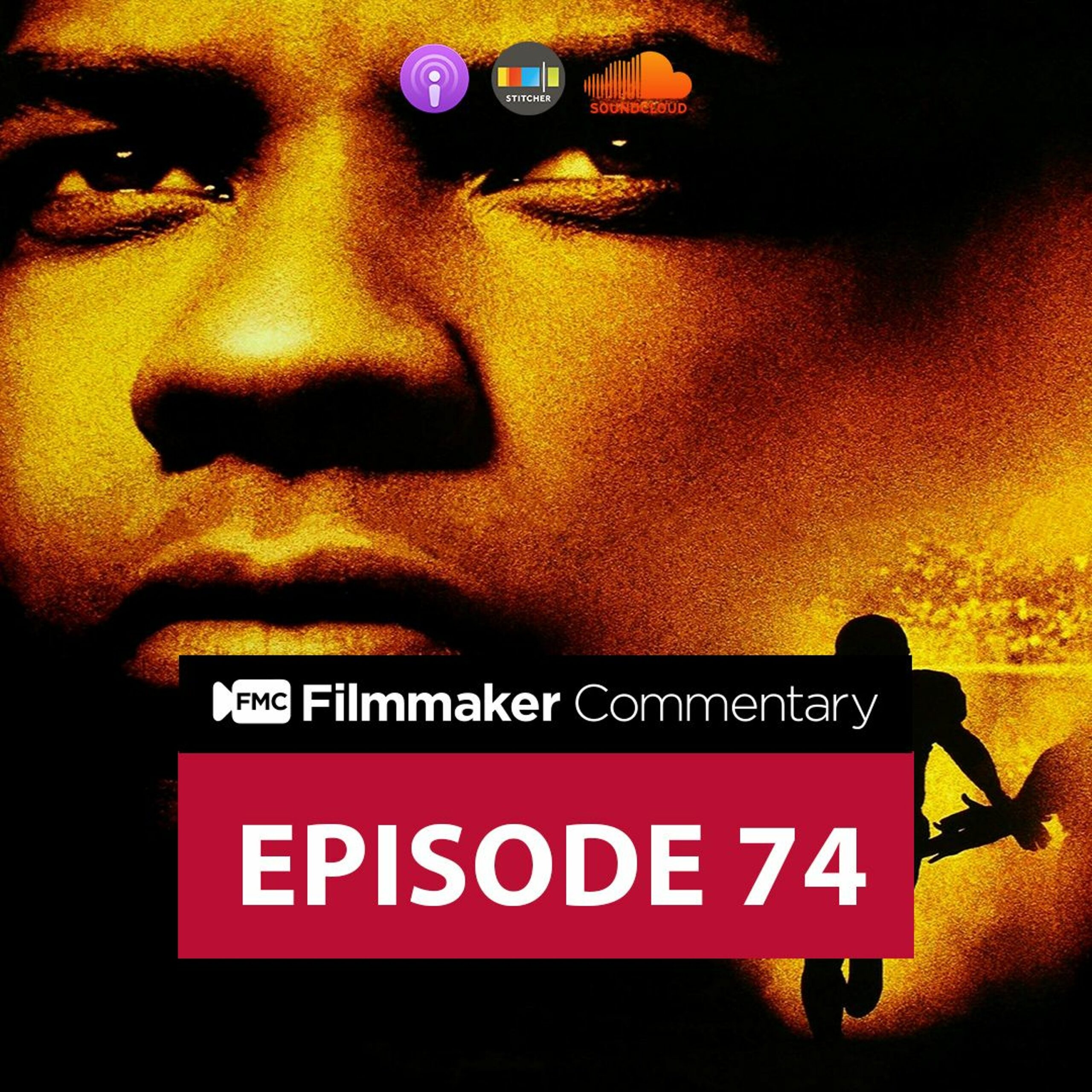
FMC 074: Remember The Titans Directed by Boaz Yakin

October 18, 2019
Listen on Apple Spotify YouTube
Listen to this episode
Your browser does not support the audio element.
Also on Apple Spotify YouTube

Get ready for an insightful breakdown of “Remember The Titans,” the 2000 football drama directed by Boaz Yakin. This episode goes beyond the field, exploring the film’s powerful themes of unity and overcoming prejudice, alongside the fascinating true story behind its production. Join hosts Reginald Titus Jr. and Casey G. Smith as they dissect the filmmaking process, explore Oscar-qualifying debates, and share valuable tips for aspiring filmmakers on Filmmaker Commentary.

What We Cover

  • The true historical events that inspired “Remember The Titans,” including surprising details about school integration.
  • The challenges and triumphs of Boaz Yakin directing a film he didn’t write, showcasing Denzel Washington’s impactful performance.
  • Discussions on film distribution in the streaming era, and the Academy’s evolving definition of a “film” for Oscar consideration, referencing “The Irishman” and “Roma.”
  • Deep dive into themes of integrity, leadership, and pushing for change, examining how the film portrays these powerful messages.
  • An exploration of the film’s visual style, comparing it to other iconic football movies and how cinematography shapes storytelling.
  • Behind-the-scenes insights from the directors’ commentary, revealing production challenges like Denzel Washington’s input on football accuracy and the deliberate tone choices.

Key Moments

  • 01:25: The hosts debate “The Irishman’s” theatrical release strategy amidst Oscar buzz, touching on Netflix’s influence and the Academy’s traditions.
  • 31:24: Discover the true stories that underpin “Remember The Titans,” including how three schools were actually integrated and the impactful student camp.
  • 46:57: A detailed comparison of “Remember The Titans'” grounded visual style against other major football films like “Any Given Sunday” and “Friday Night Lights.”
  • 79:18: Practical filmmaking tips from Boaz Yakin and the team, including Denzel Washington’s influence, creating light moments in heavy narratives, and empowering actors.

Gear & Films Mentioned

  • The Irishman (2019)
  • Roma (2018)
  • Hip Hop Evolution (Netflix series)
  • Explained (Netflix series)
  • Disenchantment (Netflix series)
  • The Wu Assassins (Netflix series)
  • Some Kind of Monster (Metallica documentary)
  • Spinal Tap (1984)
  • Hustlers (2019)
  • Gridiron Gang (2006)
  • Friday Night Lights (2004)
  • Any Given Sunday (1999)
  • Marshall (2017)
  • Hereditary (2018)
  • Moonrise Kingdom (2012)
  • The Warriors (1979)
  • Gangster Capital (Podcast)
  • “Long Cool Woman (In a Black Dress)” by The Hollies (Song)
  • “Fire and Rain” by James Taylor (Song)
  • “Ain’t No Mountain High Enough” (Song)

Listener Questions

  • How does the film industry balance theatrical releases with streaming platforms, especially concerning prestigious awards like the Oscars?
  • What lessons can we learn about integrity and leadership from characters like Coach Boone and Coach Yoast, particularly when facing systemic challenges?
  • How can filmmakers create compelling narratives that tackle serious issues like racism and prejudice while still resonating with a broad, family-friendly audience?

Full Transcript

Read the full transcript

Full Episode Transcript
This episode of Filmmaker Commentary the making of the 2000 film "Remember The Titans," directed by Boaz Yakin, exploring its themes, visual style, and the impact of its real-life story.

Introduction and News
Reginald Titus Jr.: Filmmaker Commentary episode 74. Welcome to Filmmaker Commentary, where we give you insights from our favorite filmmaking commentaries. These commentaries can be heard on your DVD and Blu-rays of your favorite movies. We'll show you how you can use these commentaries and apply them to improve your video production and filmmaking techniques. All of this here on Filmmaker Commentary. I'm your host, Reginald Titus Jr.
Reginald Titus Jr.: Welcome to Filmmaker Commentary. I'm Reginald Titus Jr. I'm here with...
Casey G. Smith: Casey G. Smith.
Reginald Titus Jr.: Welcome back, sir.
Casey G. Smith: Good to be back, sir.
Reginald Titus Jr.: And today we are covering "Remember The Titans". It was released in 2000, directed by Boaz Yakin and written by Gregory Allen Howard. We have a budget of $30 million with a domestic box office of $115 million and a foreign domestic of $21 million, which gives you like a worldwide of $136.7 million. Winning!
Casey G. Smith: That is a win.
Reginald Titus Jr.: Some of the production companies involved, Walt Disney Pictures, Jerry Bruckheimer, something called Technical Black. And it was distributed by Buena Vista. So, they all had their paws on this one. They knew this one was going to win.
Casey G. Smith: Buena Vista being a branch of Disney.
Reginald Titus Jr.: Before we dive further into "Remember The Titans", let's talk about news and movies watched.
Casey G. Smith: So, in the news as of the recording of this podcast, "The Irishman", Martin Scorsese's "The Irishman", is receiving great buzz, even Oscar buzz, after being screened at the New York Film Festival according to The Hollywood Reporter.
Reginald Titus Jr.: Okay. When is that one dropping? Are they gonna have like a theatrical release, like a limited release, or is it just gonna go straight to a streaming platform?
Casey G. Smith: They're, oh man, I'm trying to remember if they if they if they resolved that to, because it's Netflix. It's it's it's being produced by Netflix. And I think that it will...
Reginald Titus Jr.: Because if it's that, if it's perceived that well, then you have to do some kind of limited theatrical, kind of like the guy that did the one that won the Oscar, this past Oscars.
Casey G. Smith: Oh, for the Spanish language film?
Reginald Titus Jr.: Mm-hm. "Roma".
Casey G. Smith: "Roma".
Reginald Titus Jr.: Ha-ha. Yes. They had to do like a limited theatrical release because and if you think you're gonna win some kind of Oscar or something like that, you have to be...
Casey G. Smith: To be an Oscar, yeah, you have to have you have to show in L.A. and New York.
Reginald Titus Jr.: Yep. For at least a week, I believe. And not just like your screening it once. Like it has to be there the whole week.
Casey G. Smith: Well, I mean, it's it's already screened technically. I mean, technically it's already screened in New York now through the film festival, right? You talking about actual like release release.
Reginald Titus Jr.: Yeah, like box office, like any given time I can go up there and pay my money and watch the film, you know what I mean?
Casey G. Smith: That publicly can come and see it. Then I'm I'm gonna say, I'm gonna I'll get back to you on that 'cause I don't know first hand. But it is going to release according to IMDB Pro, it's set to release on November 27th, 2019. Now whether that's box office or whether that's streaming, I am not 100% sure but I'll get back to you on that. Possibly next episode.
Reginald Titus Jr.: Wow. We'll keep a pulse on that. Yeah, it's it's weird when you have to qualify for to get an award. Like, you know, everybody's gonna see it on Netflix anyway.
Casey G. Smith: Sure. It's just that brave new world where there's still that pushback back and forth between the Academy and its traditions and what they what they consider "a film" versus something that that's made and if it if it gets put on a streaming platform or it's like...
Reginald Titus Jr.: That's and that's how everybody's consuming it. Like and I understand, you know, the exhibitors, they gotta fight in order to stay in business. We're gonna be in a world where everything's gonna be day and date. Hey, however you wanna watch it, it's available on this day, it'll be available on Apple, Google, Hulu, stream and at the theater if theaters are still in existence.
Casey G. Smith: Sure. I think people still want the communal experience at times to be able to come together in a place and watch a movie.
Reginald Titus Jr.: Yeah.
Casey G. Smith: But again, I think I think especially for I again, me as as a as a single person, I'm like, I'm like, hey, I'll up and go to a movie like, all right, great. And I love the street from home as well. But when I think about like a family, and how much it costs them to go to a movie...
Reginald Titus Jr.: Yeah. It's like, yeah, I'm in that boat.
Casey G. Smith: I'm like, yo, not even counting like snacks and food. You know, you kidding me? I mean, you easily get easily get into your a hundred bucks.
Reginald Titus Jr.: Yeah. What the heck? If you, especially if you're paying retail prices, then you're getting an actual babysitter that isn't giving you the hookup.
Casey G. Smith: Right, right. Had you heard about that um, this is like maybe two years ago, there was there was talk of this box that you'd be able to, basically a box you would buy and then and and you would be able to basically get movies kinda day and date, but it's it was a whole thing or whatever. Um but I guess I haven't heard anything about it for quite a while, but it was like this special box and it would it would have like whatever like week's stuff was coming out in the theaters, you'd be able to, you know, basically pay and have it have it there.
Reginald Titus Jr.: Yeah, that's crazy. Cause it's just an internet connection. That's all you need in order to be.
Casey G. Smith: Yeah, yeah, but it was like some kind of special it was a special box.
Reginald Titus Jr.: Yeah, do you remember the year maybe?
Casey G. Smith: This is maybe two maybe three years ago now. Maybe like three years ago now. Maybe that.
Reginald Titus Jr.: A physical box to do that?
Casey G. Smith: Yeah, it would be a physical a physical box that you would purchase, but it was somehow it would be approved to have again the latest the latest films, like day and date of whatever was in the theaters, it would come through this box, but you would pay so much and it was a whole thing, but apparently it didn't come to fruition. Or it might still be in the works. They might still be trying to figure out the exact marketing, but I don't know, man. I think Netflix should open up maybe some of I don't know, maybe kind of have their own theater. And if you have a Netflix subscription and you want that communal experience, you literally can go and just show your Netflix whatever, beep, scan, you can go in, you can watch the movie there in that theater. But you're already paying for the subscription. Um and yeah, you just you just you buy concessions like you normally would, but you could still get that experience, but I mean, you're already paying for the service and just go because most theaters, the money that they make really isn't off of the films, but it's off the concessions. Right. And just kinda, you know, they could take you know, take some of the experience. The people just like show up.
Reginald Titus Jr.: Disney doesn't Disney have something sort of like that with their like frozen character, not frozen characters, but like some of their more popular films. They have like a like an actual theater. I heard about that. It's like, it's a lot of money and but they include like live events along with it. It's like a full-on like experience. I don't know the name of the theater. But that's interesting.
Casey G. Smith: El Capitan? Not the El Capitan. Sounds like an operating system. The El Capitan though is an actual, I think it is both. I think I think I think it's the El Capitan was one of the Mac operating systems. Um, but also it is a theater in in California.
Reginald Titus Jr.: The El Capitan. There we are.
Casey G. Smith: Yeah, yeah. I'm flow I'm we're way off a tangent now. But "The Irishman", coming soon. Yes.
Reginald Titus Jr.: Possibly do a theater. Most likely to a theater. And definitely to a Netflix near you.
Casey G. Smith: Yeah, it would definitely make sense.
Reginald Titus Jr.: I don't know if y'all been following the whole admission scandal, aka Varsity Blues with Lori Loughlin. I think last time on the Gridiron Gang episode we talked about Felicity Huffman.
Casey G. Smith: Yes, and 14 days and...
Reginald Titus Jr.: 14 days, uh, they decided early on to say, you know what, we're guilty. You know, they didn't go for not guilty. They just owned up to it. And same and...
Casey G. Smith: Why don't you just literally have her just come up and say, here, give me your hand. Can't and slap her on the wrist. Just a little slap on the wrist.
Reginald Titus Jr.: No, just look at her sternly and wave your finger. No. No.
Casey G. Smith: I need you to go and stand in that corner for 14 minutes.
Reginald Titus Jr.: And then we're gonna go get snacks after that.
Casey G. Smith: That's right.
Reginald Titus Jr.: Oh man. Let me say specifically. So, some more parents are getting are getting sentenced. Uh one dad is being sentenced. He's a business executive and he is being sentenced to four months in prison for $100,000 in bribes. And um I was following a little bit of the commentary on this and what the lawyers are saying, especially like some of the judge, they're not basing like the sentences based on the amount of money that they're giving it. They're basing it on how egregious and how hard they're going out of their way to get their kid in school. So if you're tampering with identification, if you're getting your kid, your own kid to lie, cause that's happening in some of the cases are getting their kid like, yeah, I'm looking forward to being on the tennis team. Like they're looking at how far these parents are going to this go through with this lie and get their kids involved and what they're willing to do in order to get their kid. That's what they're looking at instead of the amount of money. That's sad, dude. But like, what...
Casey G. Smith: But I'm like, man, but I'm like, okay, but if you have more money, you might it might just seem easier. I think both things should be taken into into account. Like if you put more into it, monetarily or, you know, from a a mastermind standpoint. I mean, I I either way, anyway, that's something. Because in I know in in within the California Penal Code, there is a code specifically for for bribery and for commercial bribery and it actually takes into account amounts. Again, like I said last episode, I don't know if this falls on commercial bribery, but four months. I mean, all it seems like just, again, I get I I guess I'm not looking for these people. I mean they haven't murdered anybody and it's but I don't know what I'm looking for. I don't I don't I don't know what amount out here I would feel. Well, I would feel justified. And maybe and maybe because I work in, I actually work in in in in the field so maybe I'm like, how dare you? But...
Reginald Titus Jr.: One podcast I I'll I'll say check out is called Gangster Capital or Gangster Capitalism. And basically it's like the backstory talking about this whole scandal, this college admission scandal. Because people have been doing this for hundr yeah, hundreds of years. And uh it's almost like baked into the system. You know, it's like, hey, donate that million dollars for a building and I got you. You know, like some people just kind of know like my dad went here and he's the president or he's the, you know, some mayor or whatever. I should be able to get in as long as I got, you know, C average or whatever. Like people know that. You know, people talk about that all the time. But what about if you don't have those connects?
Casey G. Smith: So just because we're talking about education. I came up I actually I think I forwarded you the article about uh UT back in the day. I don't know if you saw it.
Reginald Titus Jr.: Yes, yes.
Casey G. Smith: About UT's when when...
Reginald Titus Jr.: I saw the picture. I didn't read the whole thing.
Casey G. Smith: Yeah. So basically when when the University of Texas, um back in the in the in the in the 60s once once you know, when civil rights was kinda being pushed forward in integration, they used to have open admissions policy. And they specifically switched over to taking standardized tests, your SAT, your ACTs, because they had found that typically students of color, particularly Black students didn't test as well on those tests. And that's also that's also when they began to say, okay, well that, you know, a percentage of a certain amount of students in. Uh because it also helped them also not allow more in or have to find a way to justify that. And here's the thing, this is all document. These are all documents that were found within UT's um archives. Wow. Of the meetings that happened and took place to specifically try to keep out students of color. And and like and they and the article like the actual current leadership now actually, you know, you know, had to address it and you know, they're obviously they're apologizing for what was done in the past, but it's just it's it's sad and disturbing. So when you see these these standardized tests, you know, the SAT, ACT, all this kind of stuff and you realize that they adopted it all not to hold some high standard of letting in just the best students. No, it's for keeping out others. I'm like, man.
Reginald Titus Jr.: Which makes sense in in this system that we live in. It makes complete sense.
Casey G. Smith: Power is not given up easily.
Reginald Titus Jr.: Yeah. Oh yeah.
Casey G. Smith: And that's and that's what ultimately that's what these past couple years, man, that's just continually shown me that man, those who are in who have that power, that supremacy, if you will, want to remain in, you know, and and keep that power and supremacy and and they're not looking to give it up easy.
Reginald Titus Jr.: No. I mean, why would you if you've been used to having it, right? Um, were these like meetings minutes in a meeting and the treasurer was kind of keeping all of this and this is the stuff that was said in the meeting. Got it.
Casey G. Smith: Meetings, notes. Yeah, these groups coming together. I mean it's like just doc just just straight document. Okay, this is this this this is like the the the memos. Like everything. It's like just like business, like we we conducted this, this is what we discussed, this is what you know, this is...
Reginald Titus Jr.: Which makes sense. It's like, wow.
Casey G. Smith: I hope those like documents like that that get found don't get destroyed. Like, that needs to be known. You know, that's it's part of the history. Just embrace it for what it is, we were wrong, you know, historically, but you can't correct things by burning things and hiding it and pretending it never happened.
Reginald Titus Jr.: No. Yeah.
Casey G. Smith: Yeah, it it has to say, okay, yeah, this is part of our history. And we have to continually address it. So people will say, oh, you gotta get over it. No. We have to recognize it. So we don't make the mistake of doing it again. So we don't see that dynamic maybe flip flip one day and have some other people do this to another people group. You know, we have to continue to learn from the past, so we have to continue to see it there. Yeah, so admission scandals.
Reginald Titus Jr.: Oh, man. News out here. Um, what about movies? Watch any movies recently?
Casey G. Smith: Man, I've been I've been on a a little bit of a kind of like a a documentary kick, you know. I dig documentaries, I I dig things sometimes I just want to sit and kind of like learn about something.
Reginald Titus Jr.: Right.
Casey G. Smith: Uh so, Hip Hop Evolution, you know, they had a couple of new episodes. Yeah, yeah. A couple of new episodes and they they've been talking about, you know, Pac, Pac and Biggie, kind of diving into that. It trips me out when I'm in the classroom sometimes. I you know, we're in this 90s resurgence for the past six, seven years. So these students come in the classroom they got their Biggie shirts and their Pac shirts and that's always a trip to me.
Reginald Titus Jr.: Are they actually listening to it as well?
Casey G. Smith: Yeah, that's pretty good. And I hear them I hear them talk about it. Coolest moment of the week for me, man, when I where I was working at. We had one one teacher likes to play this game he calls the stump the chump where he lets the students come up, bring their bring their phones, put it on his Bluetooth speaker and play 30 seconds of a song and everybody has to try and guess. And so, so I'm looking for some kind of, you know, modern, you know, for the kids like, you know, let me let me see me find find some Billie Eilish, you know, let me you know...
Reginald Titus Jr.: Billie Eilish.
Casey G. Smith: Um, let me find some from her, you know, with uh, what's the kid's name? Um, anyway. So, I'm looking for something modern just just to play, I'm like, hey, okay, we're good. All right. But this one girl, she literally she she's got all this music on her phone. She pulls up this like this and she shows me and she's like, look at this, you know, you know, 18-year-old, small, you know, white girl. Yeah. Shows me she's got the Rude Boys.
Reginald Titus Jr.: The Rude Boys.
Casey G. Smith: The Rude Boys. Uh, it's a it's a it's a R&B group from the 90s.
Reginald Titus Jr.: Oh.
Casey G. Smith: They should sing it's written all over your face.
Reginald Titus Jr.: Yes, yes. I I remember that song, but I didn't know the Rude Boys.
Casey G. Smith: And I'm a fool for you. And it was it was a spin-off. That was a hit. Oh yeah, it was a spin-off of uh Gerald Levert. Um, my dad, we used to played it all the time. And she literally pulled it up and she had this song on her phone like downloaded. She said she was like, I love this song. I was like, I said, what you know about the Rude Boys? That is a made my freaking day. I'm like, wow, that's a deep cut. That is a deep cut. I'm like, what? I was like, I know black folks who don't know the Rude Boys. Yeah. I was I didn't know. I forgot. It was a niche. It was like, I was like, wow, I remember the song title, but I forgot their name. Yeah, man. We So yeah, I was like, holy smokes. And she put it on there and played and most kids will cheat and pull up Shazam.
Reginald Titus Jr.: Shazam.
Casey G. Smith: Rude Boys. You didn't know that. You ain't know this. Thief! Thief!
Reginald Titus Jr.: But anyway, that was that was super super fun.
Casey G. Smith: Who turned her on to that? Did you even ask? Uh, I think I think maybe it was her parents, something like that. Or, you know, we live in this age where they can just access and and and find stuff and listen and try stuff. Uh some may will just stay kinda in their own pocket in their own stuff. Some will branch out. And that's not anything new, you know, to you know, your parents can influence what you listen to. My parents, you know. But they was always playing stuff just from all across the board. So, so who knows, but I think I think it was her family, but she she loves like old like R&B. She likes all kinds of music, but she including old like miscellaneous R&B.
Reginald Titus Jr.: Which I would I would I would put the Rude Boys under miscellaneous R&B.
Casey G. Smith: Much I loved it, man. Yeah, man. So, so anyway, been watching Hip Hop Evolution, uh on Netflix been watching their their show they have called Explained, where they just take different topics and they take 30, 40 minutes to just kind of speak on whatever. They had a good one on memory a couple weeks ago. Okay. Um, Disenchantment, you know, by the creator of The Simpsons.
Reginald Titus Jr.: Animations. Yeah. Pretty good this season?
Casey G. Smith: Um, I yeah, I've just started the second season of it. Uh where they call part two. Uh and so I'm I'm like I'm an episode in. I think I just finished the first episode of that season.
Reginald Titus Jr.: So much content on Netflix. I just find myself not even watching anything, just I spend enough time just scrolling through it.
Casey G. Smith: Right? Yeah. Okay. View all. Next. Next. You got the you got the whole universe of movies here. I also started a new a season of a show, "The The Wu Assassins". Uh that has a lot of the a lot of the...
Reginald Titus Jr.: I saw the trailer to that. Yeah.
Casey G. Smith: First episode was actually was was was was decent. Yeah, yeah, it was it was decent. And it's it's just the trailer alone was got got me hooked when when when he's sitting when they're both sitting at the diner and they're talking to the waitress and that guy starts schooling the waitress on Asian-American. I was like, that's what made me I was like, yes. Beep. Yes, I learned something. Yes. Let me play.
Reginald Titus Jr.: Knowledge and kicks. Yes, please. Engage.
Casey G. Smith: So, how about you, man?
Reginald Titus Jr.: I did speaking of documentaries. Uh I watched a documentary called "Some Kind of Monster". It's a Metallica documentary.
Casey G. Smith: Ah.
Reginald Titus Jr.: Um, Metallica's been like always like in the background of me growing up. Sure. Never went in my way to get an album or anything, but I always knew who they were just because they were pop culture, like, they're everywhere.
Casey G. Smith: Of course. Absolutely.
Reginald Titus Jr.: Um and I I enjoy listening to the music like played like in the appropriate times as a scorer, like in music, like on a movie or something like that. Like when you when you got the heavy metal stuff that comes in, it's like it's perfect for certain scenes.
Casey G. Smith: They've got the Open the Enter the Sandman, you know, that's just...
Reginald Titus Jr.: I don't even know that I don't even know that. That's like their most popular one. Exit Light. Oh, okay, there you go. I don't know the names. I know riffs.
Casey G. Smith: I know riffs.
Reginald Titus Jr.: Thank you, thank you, Reginald. Yes, any time. He knows riffs, hey, I'm here all week. Name that riff.
Casey G. Smith: Ha. Oh man.
Reginald Titus Jr.: Um, how did I get to this? My thing is watching podcasts. I'll always have, you know, podcasts coming up. And uh one of the musicians from the Black Keys was talking about like how this uh "Some Kind of Monster", which was a documentary for Metallica is like one of the best documentaries for musicians just period. So I was like, all right, I'll check it out. It's it's streaming on Netflix and it's good, man. It's okay. Hella good. Cause it it deals with everything. It's not all about the music. It's dealing with grown men like transitioning because the especially that lead the lead singer. What's his name? I don't know. Uh dang it.
Casey G. Smith: Ed? Mike? No. Scott? Steve?
Reginald Titus Jr.: Uh the lead uh the lead signer talks about how you're creating this persona, you know, and basically they've created characters of themselves. So people think that they are this person. But what happens when you create this character and you become successful and you have millions of dollars and you're using your ego.
Casey G. Smith: James Hetfield?
Reginald Titus Jr.: And yeah, and, you know, what happens to you internally when you do that and you add, you know, sex. Anybody who's gonna give you sex anytime. You add beer and drugs and all this stuff. Like what happens? What happens to you?
Casey G. Smith: Rock and roll.
Reginald Titus Jr.: Yeah. It's all part of the package. What happens to you? And keep in mind, when this documentary is going down, they're purposely coming together to do an album, which they have at the time of the movie, they hadn't done an album in like five years. So their fans are like clamoring. Like, come on.
Casey G. Smith: It's like, is this like mid-2000s?
Reginald Titus Jr.: So yeah, so all that's the backdrop bleeding into this documentary. Yeah, this had to been like We had like this one up. Oh five, oh six, oh seven.
Casey G. Smith: What's the name of it?
Reginald Titus Jr.: "Some Kind of Monster".
Casey G. Smith: So I think I remember hearing about when it came out. I may have even seen the trailer years ago.
Reginald Titus Jr.: It might have been 2000, 2001. Because it's shot uh standard definition.
Casey G. Smith: 2014. Oh, wow. I was way off.
Reginald Titus Jr.: That's when it was published. Did it come out in 2014?
Casey G. Smith: It says 2014. That footage is like before 2014 though. This footage is old.
Reginald Titus Jr.: What, it's when they're working on their album. This documentary captures the iconic rock Metallica while they recorded their 2003 album. 2003. Okay. So that's when they were working on it, but that's when it didn't it maybe didn't drop until 2014. Got it. Or is that when it was published on Netflix? Because it was like...
Casey G. Smith: Well the date that they have on there is always the date when when it was actually produced. Uh or released, I should say. Uh, let me see on IMDB. 2004. That sounds about right. Um because it went to the it went to the um like the film festivals, it went to like the film festivals and stuff like that. So like it changed it changed the lives of their actual fans because they got to know who these people really were behind the facade of this big, you know, superhero heavy metal grunge guy. Like, who is he besides this icon? Who are you really? You're a dad who goes to your daughter's recitals. You know, you're dealing with your addictions. You know, and like being them being that truthful and bearing their soul, it it's it's a trip, man, to see it. To see somebody go through change. And it took like, when they started recording it, the album, there was like a break the the lead singer was like, I'm I gotta leave, I'm going to rehab and was gone. Just disappeared. While they're supposed to be recording an album. And it was gone for a year. It was supposed to be like a month, two months, three months. And he comes back as this a different dude, a different character when he comes in. Was his hair still long before he went to rehab, or he already cut it? Uh it was cut when he came back to rehab. I would I will watch this. I will watch this. Cause I've I've I have you just talked about it now I'm like, I have heard about this. Um, it was a long time ago. It was kind of, I don't know when or where, but I heard somebody talk about this and talk about how how good it was. Um I wonder if the what's listed on Netflix is just a typo if they meant to put 2004 and for whatever reason they put 2014. Or something was added to it in that in that time frame. So there's a a follow-up to it. So when you watch it on Netflix, it'll have the original documentary and it'll say like part one or season one. Oh, yeah, yeah. Then they have a follow-up. That's why when they're older talking about the documentary just like 30 minutes long. That's why that's that's why okay. That's why it says 2014. Cause it's like a re-release with the additional footage then. Okay, that makes sense. So yeah, man. I got a lot of respect for those guys after they're kind of checking that out, kind of appreciating human beings what people gotta go through and sometimes people never succeed at conquering themselves, you know, their habits and you gotta have some kind of resources to help you through trying to facilitate change. Have you ever watched the the mocumentary Spinal Tap? I've heard about Spinal Tap. Yeah, I finally had to watch it one day. They say it's like a great documentary. People talk about it so much. One of the top. It it's it's a mocumentary, you know. It's yeah, and it's based off of a fake rock band and they kind of their woes in trying to say and there's a lot of pop culture references that come directly out of that. So okay. Yeah. This is Spinal Tap. But yeah, after checking this one out, definitely. I recommend this one highly. It it and it and especially if you're a little bit older, if you're like in your 30s, mid to late 30s, early 40s and you remember like MTV, like the style that they're kind of shooting in reminds you of like early MTV or late MTV, early 2000, late 90s. Kind of like the style how they were shooting their document, not documentaries, but whenever they like do like a segment on an artist and they'll put it on MTV. The 10 spot. Do you remember that show? I know I'm on a tangent. We're we're all over the place. Yes. MTV. No, there was a show where they they they had that came on during what they called the 10 spot. It was later at night, but it would be just it would be like almost like a documentary, but it was like no actual words. It was just What? Excuse me, it was no no commentary. But they they'd be playing music from that artist and then showing just like images and then it's like captions of different parts of those people's lives. Like they had one on like Aerosmith and they were kind of showing Steven Tyler in his early life and like they would show pictures of him. It was like 30 the episode was like 30 minutes long. But it was cool how they did it. Uh but it was it was like almost like a mini documentary. You got deep insights, but just with, you know, images, the music and then just little captions explaining stuff. I wish we could just go back and like dig into those archives. I don't know if they because these uh a lot of these networks, they just have old beta tapes in the back because that's what they operate on. Like just old beta tapes that you would probably never see again. But I wonder if somebody would just go in and like digitize all this stuff, archive it and make it accessible on like these networks that, you know, everybody's like streaming and has their own platforms now. Sure. But if you archive that stuff and and put it on servers, like people will go back to it just for nostalgia. For the nostalgia and research reasons. Yeah. Old old live performances. Heck yeah. Just like a show like you were saying about that. People, heck yeah. I would love to go back and look at some of those shows. That was that was a cool show. It just like just like little mini documentary and just like your favorite artist like and just giving you that insight because we for, you know, it's easy to forget how kind of little information there was about people unless you read an article or if they did a certain interview, it was contained. Yeah, it was really contained. Any more movies or trailers?
Casey G. Smith: No, but I do want to see uh eventually I do want to see um the new film Hustlers with Jennifer Lopez.
Reginald Titus Jr.: Hustlers.
Casey G. Smith: Her good thing good things about it. Some good buzz.
Reginald Titus Jr.: When I saw the trailer, I judged it. I was like, I I judged it. And just because, you know, we're kind of living in where, you know, if you the trend now is beat up a guy, you can get your stuff greenlit. That's what I thought this was falling into. But it turns out, this is like based on a true story. Like these women that did this, it's a true story on during the recession.
Casey G. Smith: Oh, wow.
Reginald Titus Jr.: When uh like these big bankers, they were losing money and stuff like that. So they're no longer being able to spend the money and blow as much money as they can on these women earlier because recession's coming. Um, or the recession's here. However, they just wherever this time takes place. And they decided to come up with a scheme to, you know, start robbing these guys, etc. And it's based on a true story. So I was like, okay. Because it's based on a true story and you know, they can I was like, okay, I can see why people are kind of clamoring and be like, if it's done well, done appropriately, why it can kind of be like they're saying this is like Oscar buzz.
Casey G. Smith: Yeah, that's what I've I've heard the same thing. So I'm like, let's see what's up. Let's see what's up.
Reginald Titus Jr.: Yeah. So I falsely judged that. I didn't say anything publicly about it, but I was just like, okay, that's just another kind of like trendy kind of movie. Cause you can spot these trendy movies based on sometimes. What's happening around the world. Yes. And sometimes with these trailers, you can really spot them. So, I was tricked. Aha. So apparently, it's a good movie. So yeah, I'm looking forward to watching it as well. But let's dive back into the show. Thank you for tuning in. We're talking about "Remember The Titans", 2000, directed by Boaz Yakin and written by Gregory Allen Howard, starring Denzel Washington. Let's dive into the synopsis.

"Remember The Titans" Film Analysis
Reginald Titus Jr.: In 1971, high school football was everything to the people of Alexandria. But when the local school board was forced to integrate an all-black school with an all-white school, the very foundation of football's great tradition was put to the test. "Remember The Titans". What did you think about this film? How did you watch it? What is going on?
Casey G. Smith: Man, the first time I saw "Remember The Titans", I may have been may have been like a during a holiday with like the family. I think we may have rented it. And I remember watching with a group of people. And it feels like either I was in college or I was with family. I don't remember where. But I remember seeing it and I'm like and thinking like, oh wow, this is a this is a really good movie. I mean, you know, Denzel, right? If Denzel's in it, 98% chance it's going to be good. It's gonna be watchable. Yeah, at the minimum watchable. Yeah. More likely to to to good. Yeah, more than likely good. Yeah, and and usually within the pot shot of great, right? So I mean, that's just what he brings to the table. But uh and you know, it's a football movie like, okay, yeah, Denzel playing a coach. Of course. Yeah, I could I could see that. But I remember just, you know, seeing it, watching it, and it's just a it's a feel-good movie. It it hits all those right notes. Like I it's it's tough not to be like, man, yeah, after watching this film. And even I've only watched it once. So this was my second time watching it so many years later. It's been at least 10 years. And so now watching it again, I'm like, yeah. Yeah. You know, it's still the same the same feels. It's it is uh even though it's set during a certain time period, it is timeless. I think in terms of how it was created. How about you?
Reginald Titus Jr.: Same. It came out in 2000. Um I was on sci-fi Matrix mind Tarantino at that time. So my mind was shot. But I do remember watching this film and, you know, it did have the feel good, you know, it felt good. But it's kind of like, all right, watched it. That's it. You know, move on. But like coming back to watch the film, like, man, so much is going on. I'm older now. Have kids. You know how important all this stuff is. We still have a lot of race relations stuff going on. We do. Every single day in America. You know, maybe not as overt.
Casey G. Smith: More covert.
Reginald Titus Jr.: It's definitely covert. Yeah, it's one of the same things, you know, if people would just uh get to know people as people, you will see there's good people, there's bad people. It doesn't necessarily matter, you know, as long as you're a human. So like yeah, man, going back and watching this, I'm like, wow, this is a people should watch these films and learn something. You know what I mean?
Casey G. Smith: You should watch this and learn something.
Reginald Titus Jr.: Yeah, for real. Um, what do critics think? So, a lot of critics um according to the director, a lot of critics at the time, they uh they didn't keep it in mind that it was a family film because like I said earlier it was, you know, Walt Disney Disney film. Um, it's even though you're dealing with race relations and things like that, it's also a family film and trying to bring people together. That's the theme. Um, so like critics were overly critical um about that part of the film. But in general, um it's 73% on the tomato meter and on Rotten Tomatoes, it's 93% audience score.
Casey G. Smith: Yeah, that that seems reasonable. And yeah, the director does talk about how there are a couple of scenes where even though again, this is all this is all in case you didn't know, and in case this is your first time listening to Filmmaker Commentary, please know that there will be spoilers. You've been forewarned. But this is also based on a true story. Um this all happened in in in in a real town. And um these two coaches had to come together and work together. And it was actually three schools that were integrated. One primarily white, one black, and there was actually a school that was already mixed. And it was a lot of students who came from that school that kind of really helped with the whole process. But with the critics saw some of the scenes and they were they were like, oh, you know, kind of getting being like, oh that didn't seem real, but it was taken from real life. And some of the things literally happened that way, like after this the the the camp that they the two-week camp that the students were were taken to. Yeah, they really did have this big turnaround at at Coach Boon's camp. Now, personally I I can attest to the power of going to a going away. Going away. Yes. Disconnecting. When I was a a junior in high school, I went to a camp, a diversity camp that forced me to face my own prejudices and fundamentally change changed me to my core and how I see and view people. And it was from that and there's a camp I volunteered with, you know, later on, um as a senior and even in my freshman year of of high school, college I should say. But I when I watched the process, not only happened to myself, but going back as a counselor, I watched the process happen time and time again to students. Students would initially get off the bus, they're like, what are we doing here, you know, and they wanted to just have their disman in, yes, disman it was the 90s. Um and then yeah, you you you kind of you stripped those things away and then you start just you getting you get you start getting past different kind of social norms and and this the regular things you deal with on a daily basis and you made people start talking as people and as individuals and and you get the commonalities of of family and the commonalities of knowing who you are and you you get into you getting into stuff with with with with with gender and with men and women and some of the things that people that people face that things that women face daily, things that men face daily and just, man, it was so powerful, but it yeah, that changed me so much and that was just again from one week. I came back. It was one week. Yeah. From one one week camp during the summer. And I remember I came back, you know, and people are like, what happened to you, man? Like, like, what, what? And again, changed me, man. I was I I like people talk about you know, social justice warrior. I came back like straight up social justice warrior, like, hey, no, don't you shouldn't say that about that person. That's not cool. Yeah. That's not cool, man. That's not cool, man. Chill, man. Come here, son. You tripping.
Casey G. Smith: But yeah, a week a week a lot of two weeks away and as intense as these guys were training, yeah, man, walls get broken down. You know, you get...
Reginald Titus Jr.: Especially when you see the truth. You see the truth, especially with your young mind molded.
Casey G. Smith: Yes, sir. The commentary. I felt like the commentary was it was technical. It's full of information, knowledgeable, the director and the writer together. I I was like, this is great.
Reginald Titus Jr.: Yeah. It was it was a good compliment. And every now and then you had Bruckheimer, you know, chiming in, giving some of some of some of the business aspects kind of that kind of that bigger picture view. It's like, huh, okay.
Casey G. Smith: And it doesn't seem like they're in the same room. They're not bouncing off each other. They just dropped in audio, but it was well edited and it's like, oh, okay.
Reginald Titus Jr.: Yeah.
Casey G. Smith: And there's there's something to that because sometimes the sometimes the commentary can feel crowded. Yes. Right. But this was it was initially I thought maybe they were together. And then after a while, I was like, oh no, that was random. Like Bruckheimer like dropped out after a while. And then they they just kind of dropped him in where they needed him. But I love that they let primarily Gregory and and Boaz just, you know, speak, speak to it.
Reginald Titus Jr.: I like uh maybe that's the way to do it because when two when two or three people in the same room and you have somebody that's trying to overpower somebody to get their point across, while another person's trying to get a point across. Uh sometimes that that point um the one that fights to get their point across, they get it across, but then other person loses the train of thought. Like, what was he talking about? And it's hard to come back to that point. But when you're recording by yourself, um you can just be in a zone, you can say what you need to say without interruptions and then they can edit it. So it's smoother. And maybe it's something to doing a commentary like this in this fashion. But you know, I still like the camaraderie sometimes. Sometimes.
Reginald Titus Jr.: Uh so yeah, I would definitely highly recommend this for filmmakers. Cause he is showing, he is basically showing us how he directed a film that he did not write. Mm-hm. And that is yeah, he's constantly doing that. What are some themes from the film, man?
Casey G. Smith: Some themes that I pulled from "Remember The Titans" is uh coming together through differences.
Reginald Titus Jr.: Integrity, you know, and what I put in like parentheses like if you what happens if you get credit for something that you feel like you necessarily don't deserve, you know, whether, you know, through politics or whatever it is. And there was a scene with uh Coach Yoast where, you know, he wanted to get into the Hall of Fame and all this stuff. And the um Denzel Washington's character.
Casey G. Smith: Coach Boon.
Reginald Titus Jr.: Coach Boon. You know, he's the one who's helping this, you know, this team is going undefeated and things like that. But what if you end up getting the credit, you know, cause they knock out Boon and now you become the head coach. You know, and you know that how much work that Boon put in to build this team to be as powerful as it is because they had to work together as a team. You know, what happens, you know, with your integrity if you decide to take something that you feel like maybe you deserve it in a way, but you know that somebody else kind of built it up, you know. So integrity, you see that a couple times in this film with the integrity thing like, hey, don't worry, we got you.
Casey G. Smith: For sure. And even with Coach Boon, initially, he wasn't going to take the head coaching job. Right. Um, because he didn't want to take it just based upon his race. You know, he wanted to take he he wanted the job because he felt he was the best qualified. And he literally said in in the behind the scenes, uh they asked him about that and he says, well, I just gotten denied a job passed over for a job because of my race. So why would I then take a job because of my race? Yeah. He said, but then the people they they they rallied around me. So that scene where he walks out of his out of his front door and like the whole black community is there on his on his front lawn. And that was kind of like the encouragement. He said, okay, you know, he'll he'll kind of pick up the standard and and and move forward and take the job. Yeah.
Reginald Titus Jr.: You're a coach. But yeah, but that kind of goes telling about his character, like he didn't want it because he didn't want it that way. Mm-hm. But it's like, man, how do you become a coach, you know, if you're...
Casey G. Smith: Right, how do you move? How do you move? How do you how do you how do you how do you change the game unless you, you know, take that opportunity? Um and somebody has to, you know, has to has to pave the way. True. Which is not always convenient and it's definitely not not easy. But yeah, so that's one of the things I had or success one of your themes, I had another theme with just along the lines of that is just pushing for change. Because it's it's one thing to to to come together through the differences, but they were having to constantly just throw out push for change. So even even like within the team, the friendships that were forming and then seeing that spill over into the school. Yeah. Uh trying to to um to you know, the fight that that that breaks out in the in the hallway when um the the the one Donald Gleeson's character, Petey, Petey Jones. When Petey is talking with the girls, uh and they're all you know, you know, fawning over over Sunshine and then then one of the guys, you know, one of the white guys just grabs him by the shoulder and then they and then all of a sudden you got a little fight kind of breaking out, but then, you know, the other players of the team jump in and kind of separate and, you know, pushing and um and kind of, you know, calm things down. Uh even going into the, you know, Sunshine trying to take, you know, the other guys into the restaurant. Yeah. And you know, them trying to tell him, oh, it's not going to not going to work. Yeah. And yet still, you know, he tries to push for it. And then he says, oh no, this is all this change hasn't come just yet. But here's a fascinating thing. One of there's a deleted scene that takes that scene and gives a continuation, not a continuation, but a but a uh there's a follow-up to that scene later on in the movie where Sunshine and the other members of the team go back into that restaurant and Sunshine's dad is there. Mm-hm. And that bartender's all cocky and like, yeah, boy, yeah, we ain't going to serve y'all yada yada yada. And he's like, you see that old that old guy back there? He goes, that's my old man. He goes, and he works for yada yada. He called in a favor with the Justice Department. He goes, and if you don't let us, you know, sit and eat, he's gonna bring in so many people, you know, who are gonna slap you with with with, you know, civil disobedience and all kinds of stuff blah blah blah blah blah. And he's like, you can find a seat then they can eat, you know. I'm like, oh, that would have been a cool scene to to leave in, but...
Reginald Titus Jr.: Take it out. I'm I'm with him. Take it out. I don't like the I don't like how that sounds. Cause yeah.
Casey G. Smith: Yeah, yeah. Some people got up and started to leave and and and some of them, you know, the angry patrons some got to leave, but others were like, hey, wait, you know, great game Titans. And as the people got to leave, they they started singing to those people. No, no, no, no, no, no, no, no, no. Yeah, that was like, you know, there was a lot of cheese in this, but the cheese wasn't overly done. Okay. It was just just a proper amount of Kool-Aid Walt Disney. Uh just enough, it wasn't too much sugar. Not too much cheese. It's there. But again, it's a tough balance. This is based on a true story. So some of the stuff like them coming out and like that was real. Yeah, I'm not disagreeing. They they literally came out like dancing and singing like Temptation songs. That was their warm-up thing and it was it was psychological to the other teams. Right. Got so frustrated when they would see that. They would get frustrated. I'm like, wow, that's funny. Yeah, man. Yeah, so just, yeah, just in general, like they could they could have pushed the cheese meter up if they wanted to. Sure. Just especially with the music cause sometimes I was like, okay, you know, see y'all. Um, but yeah, I'm glad they they have a healthy balance of it, you know. Um, leadership. Um, you have the leadership, you know, what are you and we see that, you know, we see a lot of the the characters, the the adults are kind of dealing with leadership and seeing from other people's perspectives. Then you see the high school students on the football team, the leaders in their positions, you know, what does it take to be a leader, you know, what are you willing to see within yourself and then what are you willing to lose, you know, to sacrifice. What are you willing to sacrifice? You know, we literally see people lose friends and girlfriends. Yeah. Just for taking up for a um Julius taking up for a um mate. Roommate. Roommate or a teammate. Teammate. Your brain's not working. Yeah, that's yeah. Uh. So yeah, leadership. What are you willing to sacrifice, man? That's some real stuff right there.
Casey G. Smith: That's a good one, man. That's a good one. Last thing I had was uh have just uh having the mindset or developing the mindset of of a champion. Cause like just from the from the jump, man. Coach Boon is pushing these dudes so hard. But it's to be just so, I mean, just tough, you know, able to come together as a team and all for the sake of of winning, you know, this is about winning. You know, it means you have to get past yourself. You gotta get past your beef with your teammates. You gotta get past even maybe even hating him as as as a head coach. Yeah. Whether you're black or white, you know. Uh, again, there's another deleted scene where Doc, his his uh his you know, his black assistant coach sits with him and and and he asks and he asks Doc he goes this he goes so do they do they all, you know, he goes he goes do they hate me yet? And Doc's like, yet. He goes, you know, some of them hated you from the moment you stepped in, you know, and some of you you know, hated you, you know, definitely once they got off the bus and and it's kind of like this a whole little thing that they share. But yeah, but you know, he when he says he demanded perfection of them. And of course you get the speech later on the locker room with Julius, you know, saying, oh, you know, coach, you you demanded perfection from us and we want to be able to bring that. So, yeah, man. So just you know, having the the mindset of of of a champion. And and then again, in the behind the scenes, when you like they they actually talking with Coach Boon and they have this this this team photo and they're literally pointing out, well, like where all these different guys like different like things they went on to do. Like one guy was became like like vice president. One of the brothers became like vice president of Pfizer. Right. Somebody went on to prison. Like they're like they they've done some pretty impressive things. Kind of has a champion mindset. Almost throughout. Of course, we even know about uh, what was his name? Uh, Bert Bertier. Right? Uh, Bert Bertier, the one who gets, you know, paralyzed at the end. Uh how he goes. Yeah. Bertie or Jerry? Uh, Jerry. Jerry Bertier. How he goes on to to play um, you know, to to compete in the um wheelchair Olympics in in the shot put. So still, just the mindset of a champion. So.

Visual Style, Commentary & Trivia
Reginald Titus Jr.: Tone starting off, you they set you up with a funeral. You got white and black people holding hands heading toward a funeral, like, what is this? Uh you got Denzel Washington, everybody like, man, where are they headed to? And then you see Remember The Titans under that. But we don't know like what funeral they're going to. And then they juxtapose that with black people riding in the streets. 1971. Yep. 71. And that's that's that sets the tone for like the first minute of the film. You're like, all right, this is not this is going to be shaky ground we're coming in. It's serious and, you know, we're dealing with, you know, life and death.
Casey G. Smith: It's it's it's tone but still family-friendly. Yeah. Because while there are some hateful, there is some hate speech. Yeah. And derogatory uh words that are used, you don't hear like the the N-word. Yeah. In in the movie. And again, that's part like the family-friendly aspect of it. Right. Right. So they still kind of kept it family family-friendly, but you could still dive in and tackle these these obviously these these serious real issues of uh of the environment.
Reginald Titus Jr.: You know, I didn't even think about the N-word because they did use I didn't playing for no coon. No monkey. I was like, yeah. I was like, that that'll work. That works. Yeah. But it's it's not it's not the same. It's not the same. It's bad, but it's not the same. It's not the same. That's true. Yeah. Yeah. They they they didn't cite incite the rage. Yeah. That's true. But but yeah, so but but it still again, that's you know, finding that kind of work around of okay, you know, still offensive.
Reginald Titus Jr.: It's funny, how they like the characters think they're clever because they're using Boon and replacing with, I ain't playing, I ain't answering to no coach coon. And so it's just like, oh man, they're like telling think they're telling a joke within their community and like just being derogatory at the same time. And it's like, all right. Right. You you you definitely feel it though. You feel it. Oh, yeah. Oh, yeah. And yeah, so yeah, from a trope standpoint, yeah, that I I agree with with all of that.
Reginald Titus Jr.: Visual style. I feel like the style was um it was grounded, a little bit in reality. It wasn't like too fairy tale or anything. It felt like it like it felt real. Um they use like a lot of long lenses to like blow out the background so you can kind of focus on the character and their faces.
Casey G. Smith: They actually their second to last game specifically they say in the commentary, the second to last game they specifically used long the whole game is all long long lenses. Like you never you never see the you never see like the full field or the markers or know exactly kind of where where they're at. It's all just long lenses and it was based on the characters. Yeah. It was based on the characters uh on that that second to last game. What do you think about the and I I think I like that about this film. Um it wasn't necessarily about the football and how it how stylistic the football play is going to look and things like that. So we're not going to overshoot this. How do you feel about the style of how they shot this versus the Gridiron Gang versus Friday Night Lights versus Any Given Sunday. There we go. Different styles. Oh yeah, so if we were to rank kind of uh from kind of mild to to extreme. Okay. Um I'll say this is going to be the I think on the the mildest side as far as with the cinematography when it comes to the to to the football. It feels like it's the most grounded. And then maybe Gridiron Gang from a production value might be maybe one step up as far as with some of the some of the trick photography. They're not a lot of tricks that I feel that are used in in in this in in again "Remember The Titans". And then I'd say Friday Night Lights would be next up. And then obviously Any Given Sunday, it's, you know, highly, you know, it's sensationalized and and stylized and hyper a little bit of hyper realism. Uh within that, you know, cameras attached to the back of people, you know, as they as they play. But yeah, I would I would say this is feels the most grounded and then Gridiron Gang is a slight step up. I think also because of the the the some of the aspects of grittiness and the raw emotion of that talent. We know those guys were literally just learning how to play. Uh and then Friday Night Lights. And then um uh Any Given Sunday. Yeah. What about you? Yeah. Yeah. I'm I'm still with Any Given Sunday. I like that style. And maybe because I'm a football fan. Sure. You know, feeling the hits with the people. Like, oh, crunch and, you know, we can get injured at any given time. It it can go down. So I enjoy that part of it. But I uh but contrast, I like this style for telling a story without drawing that much attention to the football. Right. Cause now we're focusing on character. So I like both styles. Um I think when you're if you don't I don't know whose budget was bigger if it was Any Given Sunday or this one. Um they might have been relatively the same. 30 million. Any Given Sunday is Any Given Sunday is it's been about 50 or 60 million for Any Given Sunday. Sacri Oh, sorry. Gotta love the football, man. Uh 55. Wow. Okay. I take that back then. Um I understand now. Okay. Yeah. Interesting. Just from the just from the the act those are the other actors who are in it. I think they took they took um Jamie Fox was still on the on the rise. But I I remember uh Oliver Oliver Stone. Whoever was in the documentary. You're right. They still were trying to work within within within within a budget. Yeah. That's true. I can see where the money is spent on Any Given Sunday. The money's on the field. Sure. Having to come up with the teams. Filling up the stadiums and and and all that. Like the money is on the field. It's all about the football play. Um with and having to show the lifestyles too outside of that. Whereas this is I mean, they're literally in a in a in a town. You got some costume design stuff going on, but Right. You know, you can they could have used the same stadium, you know, for every game. That's true. And you wouldn't have you wouldn't have noticed, especially with that second game being all the all the long shots. Um couple of houses. So. For Miami and the other one. I like the if you were want to focus on the football and you have a budget, Friday Night Lights. That's the style you should probably go for. If it's over the top, I don't think anybody's gonna do that again in Any Given Sunday. Um or this one just character-based, I like this. Gridiron Gang, not so much. You can actually see where it's failing. Hmm. With this one also, and again, um the director says in the commentary that he he really doesn't know much about football. Okay. Like he really doesn't. And like he said he said Denzel was a big help, but at times they had a little bit of conflict. At one point they had a little bit of a little a little they kind of came to a head a little bit because you know, Denzel played played ball in high school. He played ball in college. Yeah. His son is a was going for the NFL. Well, he was Denzel was coaching. He coached his son up until like he was like 16 or so. You know. So Denzel was based, this is a documentary. Yeah, so he was so he was all he was constantly asking. He was asking, uh yeah, Keen. Is it Yakin? Mm-hm. Boaz Yakin. Okay. Uh he was like, what's what's your what's your what's your mom at? Oh, okay. Very nice. All right, all right. But who's your daddy? Man. That that whole exchange. I'm like, yo, wow. He points him out and then we go to a wide angle. And then he starts doing the clap. We got Dean Martin and Jerry Lewis. Oh, man. Just embarrass him in front of everybody. It's like, oh, man. And then makes him Like, oh, oh, who's his daddy? Like, wow, man. Just brought brought them boys down. Uh what you just said, you know, make sure they remember forever the night they played the Titans by Coach Yoast. That one he's like, all right, let's go destroy this guy. Oh, yeah. When uh when they're initially on the bus on the way to camp, and uh Blue tries to, you know, tries to get him to start singing. And Julius like gets kind of pissed. And he's like, you know, tries to, you know, tries to get him to start singing. And Julius like gets kind of pissed and he's like, go on, Blue. And he actually actually says, you know, you're singing. He even says Minstrel. Like, I was like, oh, that's rude. Damn. And then uh Jerry speaks up and he's like, yeah. And then Julius turns to him and says, you can shut up too. I was like, man, this dude's just got a chip on his shoulder. Like this is the way he sells. He's like, you know, nothing but jealousy. Well, he says something like, you know, you know, so you know, you want perfection. He kind of starts, you know, talking to his team. So you kinda have that trope of the players motivating themselves kind of during that last kind of rally, cause it happens in Gridiron Gang as well, you know. Yeah. They let the players kind of find that motivation. Yeah. I do like when Coach uh Yoast tells his defense, you know, like, remember the day they played the Titans. Yes. You know, they're going to remember. That was that was on the field though. It was. It was on the field. It was not on the field. It was not on the field. It was not on the field. It was not on the field. Yeah, yeah. I felt that one. That one was good. Yeah. So maybe, you know, out of locker room, we're saying in the locker room speeches. Maybe, maybe Billy Bob is right there. Man, see, see, you on the same vibe because that's exactly who I was thinking I was like, man, you know what, Billy Bob did the Be Perfect speech. Because we talk about perfection in this film too. That's the theme. Ding. Be perfect. They're all pretty good, ladies and gentlemen. I'm just going to submit that to you. They're all pretty good. But, yeah. Yeah. I think that was it for tips. Denzel, yeah, I'm talking about Denzel's impact and and what he brought to the to the film itself. Oh, one thing I just I just thought was interesting is that this coach, Coach Boon, had literally he has a scar that's on his on his face where he literally fought clansmen. He was in North Carolina. He got an actual fight with some clansmen and like with his fist physically fist fighting them and got like he got hit with a stick or something like that. Yeah. But uh, man, that's a that's a natural coach. Oh, yeah. Yeah, gotta respect that. Yeah. Yeah. Um, I would say this top 10, man. Not not all not all movies in the sports genre. Uh of football movies. Uh this is up there. Yeah. It I think it has a high re-watchability. Like if if if my say the holidays come around, you know, November, if my favorite, what's what's for, you know, "Remember The Titans". I'm like, all right, cool. Yeah. There's some movies that if a consensus group wants to watch something, you're like, all right, yeah. I wouldn't like give any pushback to this would be one of those films for me. All right. Hey, everybody, let's watch. What's up? That's right. That's right. It would be a bad choice. It would be a bad choice. I ain't trying to, you know, throw anybody under the bus. Um, see, I'm not listening to bad commentaries, you know. Uh, you know, like like a Moonrise Kingdom commentary. The moon but the movie is good. The movie is good, but I don't know if the commentary may have may have hurt my liking of the movie. I don't know if I can watch the movie again. I don't know if I'll feel the same way. Like, I feel like I gotta wait a little while now. That might be a year or something before I watch it again. I'm not gonna be thinking that. So why did you why did you pick me? Why did you pick me? Get out of here, Kevin. I just got I got mixed feelings on it now. Yeah. It hurt my soul. Uh hereditary would be a bad choice for a group, somebody to make a suggestion. Yes. Yeah. That's gonna be like my default for a lot of things. That is fair. That is totally fair. Hey, I just watched this crazy movie. Let's give it a watch. Let's give it a watch. We should all watch it this New Year's. You know, I did. Uh uh uh The devil is as strong as God. What, Sammy? What? That was all cocaine. I'm interested in watching the movie. I never seen Marshall. The actual movie Marshall where uh Matthew McConaughey is the coach. I haven't I don't even know what that I don't think I've heard of that. Yeah. Really? Yeah. That was like on the top 20 list of football movies to kind of watch. That, Rudy. Based on Marshall, Texas, I'm assuming. I don't I don't know. Okay. Fair enough. I don't I don't know where they were from. Like, uh, cause I think it's that's the team that uh, that the Titans played at the end. Remember they were Marshall. Oh. And one of the coaches that coach actually wrote a book. The one from Marshall. Mhm. Well, if if it's that the last game, is it the last game? Yeah. He actually wrote a book on like some kind of defense or whatever. Because he uh the coach from Marshall, remember they were like showing his credentials in the remember the Titans. They were like, won over 200 something games. Like this guy is a winner. Like the team that they were going against Marshall. See when you said the name, I instantly thought of Thurgood Marshall when you were talking about I was thinking with with um with our man from Black Panther. No. No. Damn. They're trying to find this. Yeah. I'm trying to I'm trying to find this. Yeah, Marshall, Matthew McConaughey. IMDB Pro is not making it easy to find, which is fascinating. One L or two? I don't know. Okay. Fair enough. Oh, you didn't find it. No. No. I did not. Oh, okay. Um, , I think this film was pretty good. Great suggestion, David Simmons. He had mentioned, uh, "Remember The Titans". Shout out. Shout out to David Simmons. Yes, indeed. Next time, what movie are we gonna dive into? Next time, we will be diving into "Brightburn". Um and they can catch us where? www.facebook.com/filmmakercommentary. You can also like, listen, and subscribe on iTunes, SoundCloud, and Stitcher Radio. If you want to follow Reginald Titus Jr., you can find him on Twitter at Reggie Titus. On Instagram at Reginald Titus Jr. That's JR. Uh you can also find me on both Twitter and Instagram simply at Casey G. Smith 32 and you can follow us also on Instagram at filmmaker commentary. Until next time, peace. Respect.

About Filmmaker Commentary

Reginald Titus Jr.

Apple Spotify YouTube Subscribe Free
Continue Listening

FMC 244 : The Karate Kid Directed by John G. Avildsen

June 20, 2026

What We’ve Been Watching Episode 008

June 12, 2026

FMC 243 : Love and Basketball Written and Directed by Gina Prince Bythewood

June 9, 2026

Leave a Response Cancel reply

This site uses Akismet to reduce spam. Learn how your comment data is processed.

Never Miss an Episode

New episodes every week — free.

Listen on Spotify Apple Podcasts

Recent Episodes

  • FMC 244 : The Karate Kid Directed by John G. Avildsen
  • What We’ve Been Watching Episode 008
  • FMC 243 : Love and Basketball Written and Directed by Gina Prince Bythewood
  • What We’ve Been Watching Episode 007

Archives

  • June 2026
  • May 2026
  • April 2026
  • March 2026
  • February 2026
  • January 2026
  • February 2020
  • January 2020
  • November 2019
  • October 2019
  • September 2019
  • August 2019
  • July 2019
  • June 2019
  • May 2019
  • April 2019
  • March 2019
  • February 2019
  • January 2019
  • December 2018
  • October 2018
  • September 2018
  • August 2018
  • July 2018
  • June 2018
  • May 2018
  • April 2018
  • March 2018
  • February 2018
  • January 2018
  • December 2017

Categories

  • Film
  • Podcast
  • TV
© 2026 Filmmaker Commentary. All rights reserved.
  • About
  • Episodes
  • Privacy Policy
  • Disclaimer
  • Terms of Service