July 9, 2026
F
Filmmaker Commentary
  • Home
  • About
  • Episodes
  • Film
  • TV
  • Home
  • About
  • Episodes
  • Film
  • TV
Podcast

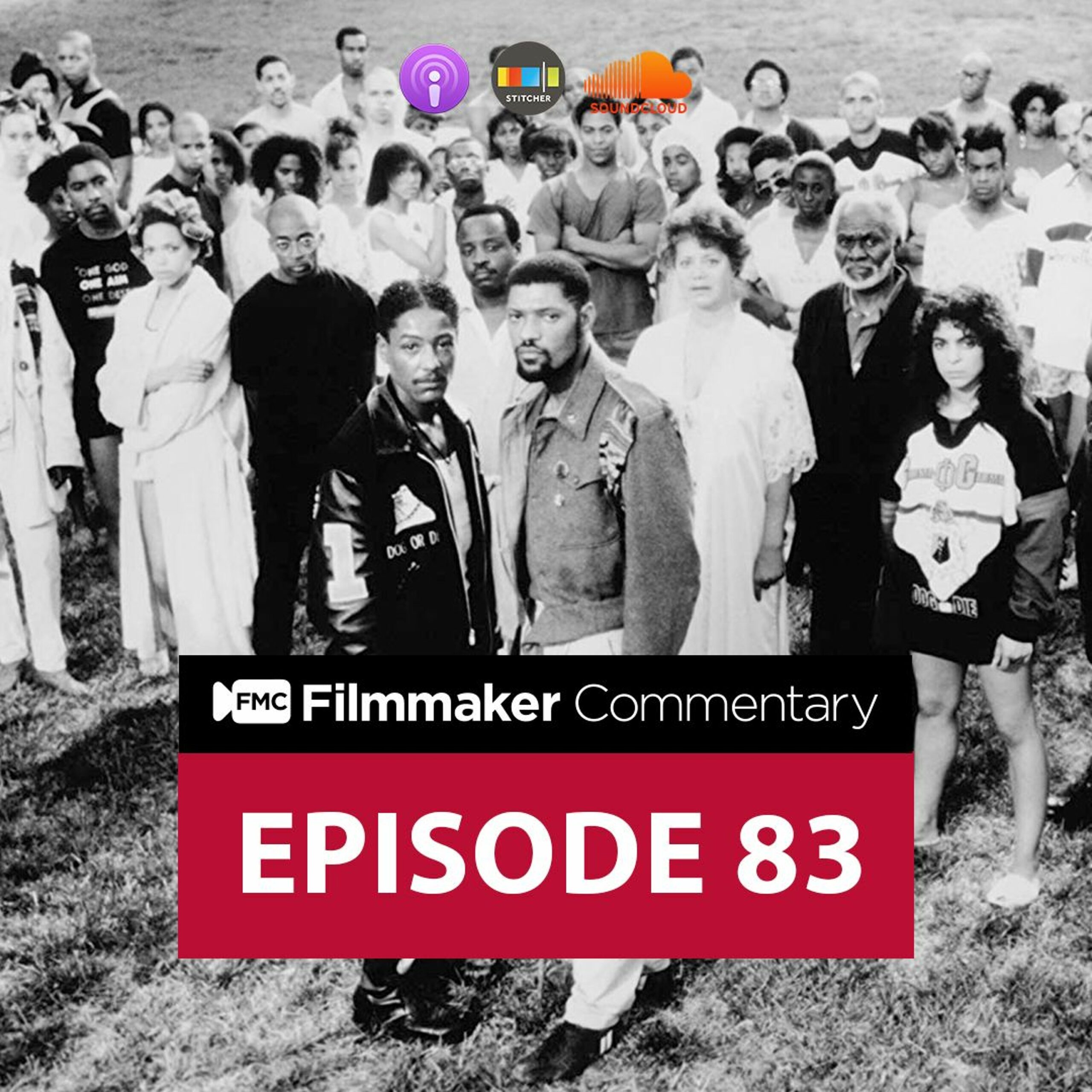
FMC: 083 School Daze Written and Directed by Spike Lee

March 16, 2020
Listen on Apple Spotify YouTube
Listen to this episode
Your browser does not support the audio element.
Also on Apple Spotify YouTube

This episode of Filmmaker Commentary dives into Spike Lee’s “School Daze,” a vibrant exploration of Black college life. Released in January 1988, this film, initially met with a modest theatrical run, overcame studio interference to become a cult classic and launched numerous careers. Join Reginald Titus Jr. and Casey G. Smith as they dissect its powerful themes, evolving legacy, and Spike Lee’s early directorial journey. They also touch on the film’s unexpected second life on home video, solidifying its place in Filmmaker Commentary history.

What We Cover

  • The surprising financial journey of “School Daze,” which thrived on home video and streaming despite a modest box office.
  • How studio politics and lack of marketing nearly “buried” the film, yet it still became one of the year’s most successful features for the studio.
  • The film’s significant role as a launchpad for the careers of many talented actors in Black Hollywood.
  • An in-depth look at key themes like colorism, class dynamics, manhood, and the complex search for identity within the Black community.
  • Spike Lee’s personal reflections on his growth as a director, admitting he wasn’t fully comfortable until “Do the Right Thing.”
  • The powerful impact of “School Daze” and “A Different World” on boosting HBCU enrollment and shaping cultural conversations.

Key Moments

  • 01:27: Discussion on “School Daze” finding massive success on home video formats after a lukewarm theatrical release.
  • 03:28: Highlighting the extensive list of now-famous actors whose careers were jump-started by their roles in this film.
  • 05:04: Spike Lee’s enthusiastic and humorous reactions during the film’s commentary track, revealing his deep personal connection to the project years later.
  • 06:09: The hosts share their personal HBCU experiences, comparing them to the film’s portrayal of college life and addressing its cultural influence.

Gear & Films Mentioned

  • A Different World
  • Bad Boys for Life
  • Birds of Prey
  • Breaking Bad
  • Briarpatch
  • Clockers
  • Dear Basketball
  • Don’t F**k This Up (Kevin Hart Special)
  • Don’t F**k With Cats (Docuseries)
  • Do the Right Thing
  • Five Heartbeats
  • Funimation
  • Just Mercy
  • Jungle Fever
  • Little Shop of Horrors
  • Malcolm X
  • Minimalism
  • Mo’ Better Blues
  • My Hero Academia (Anime)
  • My Wife and Kids
  • Never Die Alone
  • Queen & Slim
  • She’s Gotta Have It
  • Star Wars: The Rise of Skywalker
  • The Mandalorian
  • The Social Network

Listener Questions

  • How did “School Daze” overcome initial box office challenges to achieve significant long-term success through home video and streaming?
  • What role did “School Daze” play in launching the careers of many Black actors, and how did it influence HBCU enrollment?
  • What were some of the key themes explored in “School Daze,” and how did they reflect real-world issues of colorism and identity?

Full Transcript

Read the full transcript

Full Episode Transcript
This episode of Filmmaker Commentary dives into Spike Lee's 1988 film *School Daze*, exploring its production, themes of identity, colorism, and community within historically black colleges, alongside discussions on recent film news and personal reflections.

Episode Introduction: School Daze
Reginald Titus Jr.: Filmmaker Commentary, episode 83. Welcome to Filmmaker Commentary, where we give you insights from our favorite filmmaking commentaries. These commentaries can be heard on your DVD and Blu-rays of your favorite movies. We'll show you how you can use these commentaries and apply them to improve your video production and filmmaking techniques. All of this here on Filmmaker Commentary. I'm your host, Reginald Titus Jr.
Reginald Titus Jr.: Welcome to Filmmaker Commentary. I'm Reginald Titus Jr. I'm joined with...
Casey G. Smith: Casey G. Smith.
Reginald Titus Jr.: Welcome back, sir.
Casey G. Smith: Good to be back, sir.
Reginald Titus Jr.: 2020, welcome. Haha.
Casey G. Smith: We're here. We haven't gone anywhere.
Reginald Titus Jr.: We have not gone anywhere. This is our first show of the year.
Casey G. Smith: Yes. Yes, yes, yes. So, thank you for, for hanging on, sticking with us, and tuning in. We do appreciate all our listeners out there and even those who reached out to us to make sure that we were still on this thing. Yes. Yes, we are.
Reginald Titus Jr.: And we are live and well.
Reginald Titus Jr.: All right, today we have the movie *School Daze*. It came out January 19, 1988, written, produced, directed, and acted in by my main man, money, Spike Lee.
Casey G. Smith: Your main man, money?
Reginald Titus Jr.: Yeah, I took that from him. Yeah, he used to call Michael Jordan that all the time.
Reginald Titus Jr.: All right, we had a budget of 6.5 million and a box office of 14.5 million. It's kind of a win, but not really. It's kind of weird, you know, it's they made their money back, but I was looking at a little special with Spike Lee just on YouTube just kind of just looking up some interviews he did and things like that and he would just kind of saying most people, most people seen the film, they were introduced to this film not in the theaters, it was through VHS, DVD, Blu-ray, and now streaming. You know, that movie has been monetized in just all these different formats for the last 30 years, 30-plus years now.
Casey G. Smith: That's true, that's true. And just since we're mentioning things, if, if this is your first time listening to Filmmaker Commentary, upfront we want to let you know that there will be spoilers. You've been forewarned.
Reginald Titus Jr.: Yes, indeed. Just for a film, you know, those numbers aren't reported. I mean, this film right now, it's on Crackle, Vudu, Amazon VOD, YouTube VOD. So for all these years it's been making this money, but, you know, those numbers aren't shared with us, so we don't know over the lifetime.
Casey G. Smith: Right, how much this has potentially made.
Reginald Titus Jr.: Yeah.
Casey G. Smith: Plus, this was Spike mentions in the commentary that this film had been greenlit under a different regime and then at least one or two members of that regime were let go and a new regime came in and they said, typically when a new regime comes in, new management comes in into the studio system, they typically try to like bury films that the old crew, old team, old regime was working on. And so he said like they even though it still got released obviously, barely any marketing, barely any push behind the film itself. And even though he said this was arguably this, I don't know who distributed the film, but it was one of their most successful films of the year.
Reginald Titus Jr.: Columbia Pictures?
Casey G. Smith: Yeah, even though it didn't have a, it didn't have a big push behind it. So that's really interesting then to hear what this, what this thing could have done with a proper push.
Reginald Titus Jr.: Right, right. Basically, it's it what he said, like an occult, cult following, you know, kind of on the underground, word of mouth, kind of cool hits. So it's cool to have one of those under your belt where, you know, it still makes money for the studio, like, hey, it's performing well for us.
Casey G. Smith: Oh, yeah, and launched, helped springboard quite a few careers. When you look at this cast, you're like, wait, what? This is insane.
Reginald Titus Jr.: This is the who's who of Black Hollywood. Oh, it's definitely.
Reginald Titus Jr.: But before we dive further into Spike Lee's *School Daze*, let's talk about news and movies watched.

News and Movies Watched
Reginald Titus Jr.: What do we got in the news?
Casey G. Smith.: At the box office, according to Variety, the *Birds of Prey* film, which is officially titled *Birds of Prey and the Fantabulous Emancipation of One Harley Quinn*, kind of a little bit of a, of a soft, uh, rough start, if you will, this weekend, only grossing about 48 million internationally and 33 million, uh, within North America. So, kind of of a, a rough start for that film. I thought it was going to kind of come out and do, do pretty well.
Reginald Titus Jr.: The Harley Quinn one?
Casey G. Smith: Mm-hm. But just, just doing, well, not, not so well.
Reginald Titus Jr.: Not so. Cause the budget's like pretty large budget.
Casey G. Smith: Around 80 million is the budget.
Reginald Titus Jr.: Ooh, yikes, okay.
Casey G. Smith: Not including again, global marketing and production fees.
Reginald Titus Jr.: Yeah. The trailer, I think I saw the trailer, her fighting some people or something like that and I was just like, I don't know.
Casey G. Smith: From some of the early reviews that came out, a lot of people say it's a fun, fun movie, fun ride. I think, who knows, maybe because the Oscars are happening, uh, this weekend, uh, as of the recording of this podcast, it's happening right now.
Reginald Titus Jr.: Yeah. Literally, happening right now while we're recording.
Casey G. Smith: Yes, indeed. So maybe after the fact, again, I know I'll be seeing it next weekend with a buddy of mine. Yeah. So maybe it'll it'll pick up some steam after the fact. Maybe it'll have some legs, but we'll, we shall see. We shall see.
Reginald Titus Jr.: Birds of Prey, what's that?
Casey G. Smith: Birds of Prey is a so it's a comic book that was originally based upon three heroes: Batgirl, Black Canary, and the Huntress. This film adaptation has somebody who's playing Huntress, has somebody who's playing Black Canary. There's no Batgirl in it, and you have Harley Quinn in the mix. So yeah, it it's it's a it's a very loose adaptation of that team. And there's a couple of other characters in it. I think, uh, Rosie Perez is is playing Renee Montoya, which is a police officer, and somebody somebody's playing Cassandra Cain, I think Cassandra Cain, who technically does become a version of Batgirl. I might be getting the name wrong, but anyway, but yeah, it's a very loose adaptation of of that series. But it's kind of fusing, you know, Harley Quinn and then, and it's kind of obviously this is the same Harley Quinn to some degree coming off of Suicide Squad, because it's still Margot Robbie playing her. But she also was a big champion of that she's a producer on the project as well.
Reginald Titus Jr.: Interesting.
Casey G. Smith: So for that reason, I mean, I hope it does better, you know, I think it's obviously you know, it's good for.
Reginald Titus Jr.: So you're going to buy a ticket, that's what you're saying?
Casey G. Smith: Definitely. Yes, most definitely. Plus DC, they've been doing their thing these past couple of films. They've they've been making good money. I mean, Aquaman made a billion, Joker made a billion.
Reginald Titus Jr.: Yeah, off of like a nickel, you know what I mean?
Casey G. Smith: Yeah, they've been on a a bit of a a streak and again, early reviews were pretty, were pretty good for this. So like, well, all right. Okay.
Reginald Titus Jr.: Hey. Of course, um, uh, we have the kind of like tragic news that Kobe Bryant, you know, passed away along with, you know, his daughter and and several others on a tragic, um, helicopter crash. Um, in entertainment news, there's this, have you heard of Ari Shaffir? He's a comedian.
Casey G. Smith: I've heard the name before. I'm trying to place the face, but yes, I've heard the name before.
Reginald Titus Jr.: So, the thing that's been happening with this guy is like, as soon as, you know, the news was breaking that Kobe, you know, had passed away and things like that. Ari is kind of is a comedian who's known for like doing like shocking stuff. And one of the things that he does is he will make fun of a death, of somebody's death. This is like been part of his little weird act that he does, you know, just doing like racist stuff, just like a lot of like shock value stuff. And the group of people that he's kind of associated with are like the Tom Seguras or the Joe Rogans or the Joey Diaz like kind of like those group of people. Real solid comedians, but when I look at Ari, I don't really I don't I'm not I don't really dig his his comedy style. Um, so he got online. This is probably like an hour after the world found out that Kobe, you know, died. And he's like, Kobe, you know, Kobe passed away. He's just doing it like live. He's like, he passed away. And he's like kind of like smiling. He said, well, I guess you shouldn't be raping people. And he just said a bunch of stuff. I'll play like a snippet for y'all to check out.
Ari Shaffir (clip): Cause I know there's always a lot of like hate, pain in the world. And it's always a bunch of terrible stories. And every once in a while there's a good story. A good story comes out. A guy who got away with rape, got his today. Kobe Bryant is gone. I'm here in Charlotte, the home of the team that originally drafted him. Uh, maybe he wouldn't have raped that chick in Denver if he had been, he had stayed in Charlotte with the Hornets. But anyway, the point is.
Reginald Titus Jr.: So, when I saw that, I was like, man, I was like, why would anybody do this? You know what I mean? That was my first thought, like, why would anybody do this? So this guy was planning on touring. Ari Shaffir, he was planning on, he had like a, like a whole year worth of dates for for his stand-up career. I think he's based out of LA. People have threatened this guy.
Casey G. Smith: Right.
Reginald Titus Jr.: Because Kobe, if it was just some other person, I don't think they would care. If it was some other entertainer, they will they will still say it's in bad taste. Uh, but Kobe was like very, very iconic, you know, it's uh, he stands for a lot, you know, especially for these one of the few African-American, you know, entertainers where you there's just like not a lot of dirt on them, you know, he's like kind of prototypical, like this is kind of like the life you want to live if you're going to, you know, have a successful career. So, for for him to kind of talk bad about Kobe like that, people have rallied and been like, hey, you're not, Ari's not going to go to, he's not going to be in this club. His management has let him go. His management is like, hey, we can't deal with this guy. Uh, he still has a a special on Netflix, so I don't know what they're doing with that. I think they had talks of they're going to probably take that down. So he's basically canceled all of his touring dates because if he goes to, he will get killed. Like that's how bad it is. Like, he kind of picked the wrong one. Like Godfrey, you familiar with Godfrey, the comedian? He was like, he was like, he said, he texted him. He was like, Ari, what are you doing? You picked the wrong dude to to do this to. You know, you've done this before, but you can't, you picked the wrong one, bro, you're going to find out. Because people in LA don't play that stuff, you know. They don't. But it's compounded by the fact that there were several. Yes. Young lives that were also lost. And and he probably didn't know that. I mean, if this is only a few hours after the fact, maybe who knows what, I don't I don't know what he knew or or exactly when he did this, but you compound that. And he didn't. You're right. He didn't know at the time. But that's not the point. The point is, it's not right. That's in bad taste. You don't do that. It's it's it's sickening. Yeah. It is, it is, it is sickening. And he already had did a tweet like, hey, I didn't know all these people were on the helicopter and, you know, I didn't know all these people were involved in this, this and that. It's like, people with daughters, men with daughters, like they can't even cosign this stuff, you know. Usually you usually like people from certain race will kind of stick together on certain things, but even people in his camp were like, no, bro. You know what I mean? Like, hey, this is where we kind of draw the line. Like. And again, it's a double-edged sword. If you, if you are willing to take the risk and and and and say inappropriate and insensitive things and record them and have them available to to forever be either laughed at or scrutinized, then you have to also fall on that sword as well. So, especially, I'm like, dude, you saw, you know, what happened like with James Gunn. Oh. You know, shock stuff that he had said and it came back. And he was but he had changed over time. That stuff was a long time ago. And these were texts, right? On the Twitter. These were tweets. Yeah, these were tweets from a long time ago. He had, he had changed and showed he had changed. You're not learning from history at all that you would do this again. And right if somebody as iconic as Kobe Bryant. He doesn't care. Well, I bet he does now. Yeah, exactly. I bet you do now, guy. Yeah. That's why Godfrey was like, you picked the wrong one. I know this is your thing and you like make fun of death and you know, do a bunch of racist stuff. And, you know, you have a freedom of speech, but you also have a freedom to get whooped up, you know, if you, you know, if you're in the wrong. Freedom and responsibility go hand in hand. Yes, sir. You cannot separate the two. You want the freedom, then you have to own up to the responsibility. Yeah, you freely said that, so now you freely going to pay the price. Dude, it's gotten so bad like, like people are literally waiting on him. You're talking about real like real gang members are waiting. Real danger. Are waiting on him at the comedy shop. Oh my goodness. And that's that's all in LA. So in LA in LA, you got all kinds of community of people. You got rich, wealthy, you got poor, poor, under the dirt, poor, you know what I mean? You got you got everything there. You got the gang members with money. You got, you know what I mean, it's it's a circus there. Some somebody when when on on TNT last last Friday. Yeah. Yes, last Friday. When the the Lakers played the Trail Blazers and LeBron got on the mic and and said something, there was a guy who was in the the maybe he was outside maybe of of the uh Staple Center, right? With his son and the son asked him, who who was that guy? He was a real young young kid. And he asked, who who was that guy? And his dad told him, he was a guy who who who brought the city together. Yeah. And that's how he described Kobe to to his kid. It was real. And so I say that because now you you you get somebody who wants to to to rag on him, I mean, and say insincere things right after he passes, you literally have a whole city. You've got all of basketball, and you've got people literally around the world. This dude's brand, Kobe's brand was so powerful. His impact was so powerful. And in China, his he had a huge international star. Absolutely. I mean, and regardless of of how you feel from a basketball standpoint, I mean, you it's it's hard pressed to not have respect for you know. You still respect him. Even if you hate the guy, you still respect him. You know, because it that demands that kind of respect. Absolutely. I'd say, you know, he's top three all time. Yeah. Some some And he's modeled after Michael Jordan, so his whole game is modeled after Michael Jordan. Oh, wow. He emulated, he emulated Jordan to a to a T. So yeah, that's yeah. It's it's it's a tragic as a whole, it's a it it is a absolute tragic, shocking. I mean, this is what this is one of the most shocking deaths of anybody famous that that I can think of. There some people, you know, they passed away because there was either sickness or or you know, drugs. Yeah. But this, I mean, he literally had, I mean, just this time last this time last year, he had won an Oscar for a short film. Right. I was watching the Oscars and I was like, wait, what, what? He snuck that one in. Wow. This guy, I mean, he's he's crushing it already in the in the second part of his life. And his advocacy for obviously his love for his daughters and his family and his wife and his advocacy advocacy for women's basketball. I had no idea he was advocating for it the way he was. And it's just it hit, it hit hard, man. That's why I saw some videos of him like with Candace Parker and like him showing her like moves and she's doing this stuff. I was like, man, he was like, he was helping them out a lot, man. There was a story I heard on the radio with this woman, she was a doctor. She had a a patient whose name was also Kobe, young, adolescent kid, terminal disease. Got a hold of Kobe's management. Kobe immediately agreed to come and see this kid. He said, it's the only the only stipulation is, no press. They snuck him into the hospital. He played basketball with this kid for like an hour. Wow. And then as he got ready to leave, he asked the doctor, he goes, well what's what's this kid's condition? What's the situation here? What's going on? He goes, if it's a financial thing, I can take care of it. And she said, no, there's really just nothing that can be done for him. Wow. And so she said, whenever she would come across people and they were they they wanted to badmouth Kobe, she said, well, I've got a story for you. And she would share that story, but she had called into the radio and she shared that. I was like, dude, I, you know, so many people now, all these different kinds of stories that come out, because we knew Kobe as the competitor, and he was, you know, fiercely competitive. Right. We only know him from the basketball stuff. You don't know the philanthropy. Right. And they say the same thing about Shaq and like kind of the things he does off court. Real good with money too. Definitely. So it is it is a huge loss, not just for the basketball community. It is a huge loss for the black community. It's a huge loss for the world. This guy was a world citizen, spoke multiple languages. That's right. Just a fantastic ambassador. And again, it's a tragedy for all who were lost on the helicopter. We're not minimizing anybody's life, but we didn't know them. I Kobe was 42. Yeah. You know, I just turned 40 back in December. Fo, oh. You know, I I watched Kobe, you know, grow. Yeah. And I watched him when he first joined the Lakers during the Laker show, and he was coming off the bench, you know, the first basketball game I ever bought was was NBA Action with with Kobe Bryant on the cover. This just in, AD or um, just gave me a text. He said, Hair Love won Oscar. Best best short film? Yeah, yeah, best animated. Heck yeah. That is awesome. He hit everybody up. Yeah, Hair Love won the Oscar. Oh my God. It's amazing. What? Okay, sorry to cut you off.
Casey G. Smith: No worries, man. That's just fantastic. So, just condolences to his family, and to the fans of LA, to fans of basketball, just to, to the world. This is a, it's a tragic loss. It really is. For sure.
Reginald Titus Jr.: For sure.
Reginald Titus Jr.: Um, also, we were talking about awards and things like that. Uh, uh, Joaquin Phoenix just recently did a quick little speech at the Golden Globes. Um, we'll include a a little blurb there. You know, people are working on, you know, being real and like changing systemic problems that we're having. You know, when it comes to these awards shows, when it comes to, to jobs, all of that stuff. So Joaquin Phoenix kind of, he briefly talked about that on the Golden Globes. We'll drop that little excerpt right now.
Joaquin Phoenix (clip): Honored and privileged to be here tonight. The Baptists have always been very supportive of, of my career, and I'm deeply appreciative. But I have to say that I also feel, um, conflicted because so many of my fellow actors that are deserving don't have that same privilege. Uh, I think that we send a very clear message to people of color that you're not welcome here. Um, I think that's the message that we're sending to people that have contributed, uh, so much to our medium and our industry and in ways that we benefit from. Um, I don't think anybody wants a, uh, a handout or preferential treatment, although that's what we give ourselves every year. I think that people just want to be acknowledged and appreciated and respected for for their work. This is not a self-righteous condemnation because, uh, I'm ashamed to say that I'm part of the problem. Uh, I have not, uh, done everything in my power to ensure that the sets I work on are inclusive, uh, but I think that it's more than just having sets that are multicultural. I think that, um, we have to really do the the hard work to truly understand systemic racism. Um, I, uh, I think that it is the obligation of the people that have created and perpetuate and benefit from a system of oppression to be the ones that dismantle it. So, that's on us. Thank you. Thank you.
Reginald Titus Jr.: What about movies watched or TV?
Casey G. Smith: Well, since it's been a while, we have quite probably quite a few things to throw out there. Uh, I did go and see *Queen & Slim*.
Reginald Titus Jr.: Huh. Yes. What did you think?
Casey G. Smith: I enjoyed it. I enjoyed it as a whole. The ending is kind of predictable. Okay. It's one of those films you see after she's like, oh, I think I know how this ends. You know. Um, there there's one scene in the movie, I'm not going to give away any any major spoilers, but sometimes when you watch certain movies, there's certain scenes that are that are in and you're like, why why is this scene in here? Why why is this being used this way? So there's a scene in there and I'm like, I don't understand why they're using or showing what they need to show in this given scene. It doesn't really add to the to the film as a whole. But but the chemistry between the two actors is is is really good and it's it's it's pretty well, it was enjoyable. It was it was actually quite it was it was it was enjoyable. Just sometimes you get to the end of a film, you're like, I, like, man, they could have landed that one a little better. Yeah, yeah. But good performances by the by the two lead actors and.
Reginald Titus Jr.: I started reading the script, um, because you know the Oscars are going on right now. They released the scripts so that you can read them, um, you know, for your what do they say? For your consideration. And so they, you know, the different studios released the for for the best screenplay. And so they, you know, people there judging have to read the script for it.
Casey G. Smith: Was that nominated for best screenplay?
Reginald Titus Jr.: Yeah, it was I believe it was on there. Uh because I started reading it. Oh, it was opposed to I didn't even know that. Yeah, so I started reading it. I was like, I like I like how, uh, like I I've read the first couple of pages and how it opened up there in the diner. I was like, I just reminds me of Pulp Fiction a little bit. Uh, and then just how they're talking and then how the waitresses didn't do something and then he's kind of taking up for the waitress. So I was like, man, just just reading this, I'm like, man, this is pretty good. I'm like, I might go check this out.
Casey G. Smith: The dialogue, the dialogue in the film, especially in that opening scene, is is really good. It draws you in early on because it's it's one of those films that just jumps, kind of jumps right in and you you're you're there. Like, who said that? That was Fincher when he talked about the Facebook film, Social.
Reginald Titus Jr.: Social. The the the social network?
Casey G. Smith: The social network. Yes. No. The network. Yes. Was it the network? Okay.
Reginald Titus Jr.: My brain's not working. Okay.
Casey G. Smith: Little rusty with a rusty, we're doing rusty. But Fincher used that same technique right at the beginning of the The Social Network. There we go, the full name. We got it now.
Reginald Titus Jr.: See, teamwork.
Casey G. Smith: I had social. I said the social. When I say social, you say network. Social, network. But he used that that technique to kind of it kind of draws you in, forces you to pay attention. So that was enjoyable, the Queen and Slim.
Reginald Titus Jr.: Yeah, okay, okay. They were they were recently like on a junket both of them. I wish I, I don't even want to pretend to say the names of the lead actor and actress, uh, of the of the film, but, uh, one of the the other guy was British, so they were talking like British slang and stuff like that.
Casey G. Smith: Daniel Kaluuya.
Reginald Titus Jr.: Boom. And what's the young lady's?
Casey G. Smith: I have no idea. I don't know, I don't know, I don't know her. I don't know you. Her name doesn't come to mind immediately. Oh, man. I know Daniel Kaluuya.
Reginald Titus Jr.: Um, they were talking about slang and they were talking about like the sex scene. Uh, the guy was talking about the sex scene and like his grunt, was it his mom had talked to her or something like they were in some setting where his mom wasn't, she said, he said that she was acting out of line or something like that, but she was talking about the sex scene. She's like, I don't know what you're talking about, I don't know. They both pretend like they didn't know what she was talking about.
Casey G. Smith: Oh, wow. So that actually was the scene in the in the film. I'm like, I don't know why this is here.
Reginald Titus Jr.: Oh, really?
Casey G. Smith: Yeah, when I see it, I'm like, this is not even, I don't know, it doesn't seem, it's like more exploitative. Like slight I feel slightly, like this is not, I don't know, I don't feel it was necessary, I guess. That's just how I that's how I felt about it. And again, you know, sex is sex is what it is, but it's just sometimes when you know, this is a kind of fairly fast-paced movie, so there's a lot happening and, you know, maybe it's a mindset of the characters at the time, like, okay, you know, we don't know what's going to happen and this is all kind of just just passion, based on the intensity, this is release, but I don't know. It just, yeah, didn't seem necessary.
Reginald Titus Jr.: Maybe that's why they talked about it, maybe that's why they put it in there, so they can talk about it. I was going to leave, but this scene came up. Oh, I ain't going to talk about them yet. Let me see that. Let me see that. I might wait till the end, just in case. Got him. But I don't work, throw a little sex in there. Okay. Okay, how do we get on this tangent? Oh, because you said you watched that. You went to the You went to the theater.
Casey G. Smith: Queen and Slim. Queen and Slim. Yeah.
Reginald Titus Jr.: Queen and Slim, man. When that when that trailer hit, I was like, I'm in. I remember. I was like, wow. Then, uh, Matsoukas, hopefully I'm saying her name right, the director. She's dope. She did like the Beyonce Lemonade music video. She did a lot of the Issa Rae Insecure, uh, episodes.
Casey G. Smith: I can see that. I can see I can definitely see that influence. Cause the the lighting in it is really, really good. And just the the art direction and cinematography. It's it's a it's a good-looking film. Well edited.
Reginald Titus Jr.: Yeah, I'm like, I'm digging her style. I was like, she's she's on point. Just from just aesthetics. I'm like, all right.
Casey G. Smith: Yeah, I think you'll dig it, brother.
Reginald Titus Jr.: Okay. TV shows. So the only TV show that I'm currently watching, um, because I'm I got to be careful what I binge because I'll, you know, if I get the right TV show, then I'm going to want to watch it all. Of course. So I've been staying away. But there's a new show that just recently came out. It's called Briarpatch. Have you seen any of the marketing for it? So it stars
Casey G. Smith: I have not.
Reginald Titus Jr.: It's starring Rosario Dawson. Um, the marketing was great. Like, it was this was all over the internet like last week. Um, but, let me see. It's on the USA Network. Yeah, USA Network. And it comes, the show, this show, its premiere was the other day. And it comes on right after a show called Sinner.
Casey G. Smith: Okay.
Reginald Titus Jr.: So, let me see. Let me let me read what it's about. Um, it's based on the Ross Thomas novel of the same name. It follows Allegra Dill, a dogged investigator who returns to her border town home in San Bonifacio, Texas.
Casey G. Smith: Did you say a dog investigator?
Reginald Titus Jr.: Did I say dog? It says dogged. Dogged. Okay. I was like, I was like, what's a dog investigator? That's fascinating. It is. Dogged. Just had to clarify. What begins as a search for her sister's killer turns into an all-consuming fight to bring the corrupt town to its knees. Uh, Briarpatch celebrates a unique blend of crime, thriller, mystery, and pulp fiction. So it has like a, like the tone, like it it feels like kind of like, like they're talking about pulp fiction, so it has a little kind of quirky comedy to it, but it's like serious and violent too. Um, I don't know. I'm going to watch another episode to see, but you know, my only reason watching this is because I like Rosario Dawson. It's like, you know.
Casey G. Smith: I may have maybe seen the trailer. I heard you describing it. I'm like, okay, I I heard some buzz around this and some shit we are formed.
Reginald Titus Jr.: It's everywhere, dude. Like on the bulletin boards and, you know, not here, but in LA, they, uh, they're advertising and she's wearing like a red suit. So it's like her long, jet black straight hair, red suit. She's in the hallway. And the hallway's kind of slightly out of focus.
Casey G. Smith: Briarpatch. Briarpatch. Yeah, on the USA Network. Yeah, man, it it's definitely intriguing. But the movie the the show that came on before that, Sinner, that looks binge-worthy.
Reginald Titus Jr.: Really?
Casey G. Smith: Yeah. I only saw like, I'm just thrust into the middle. I was like, what is this? And I just caught myself just watching like, oh, I'm just in the middle of this thing watching. I'm like, I got to come back and watch this.
Reginald Titus Jr.: Sinner. Yeah, it's good. Other television, I was on Netflix. I watched the show, Don't F this Up with Kevin Hart. Oh, how was that? Enlightening. Oh. Very good, man. Um, the little, here's a little clip from that. The comic documents turbulence in his marriage and career while building his brand, uplifting his team and doing damage control. That is 100% true. A lot of drama is going on in here, but it makes you think about like your own life. The way this is presented, it makes you kind of, you know, looking within yourself and be like, man, what are some things I could change about my life, you know, for success, maybe some things I've said to people in the past. I'm like, I'm sorry about that, you know what I mean? Like, it makes you think about it.
Casey G. Smith: Take stock and and inventory of things.
Reginald Titus Jr.: Yeah, for sure. Awesome.
Casey G. Smith: So, uh, on on a movie front, I also saw Star Wars: The Rise of Skywalker in the theaters.
Reginald Titus Jr.: Was it good?
Casey G. Smith: Divisive film for a lot of people. I actually quite enjoyed it. It it exceeded my expectations. Not that I had high expectations.
Reginald Titus Jr.: They were low.
Casey G. Smith: Yeah, yeah, they were tempered. How about that? Tempered. Not that I and I am self-professed wild nerd. I'm not a huge Star Wars fan. I go and see all the films just so I know what's up. Speaking of what's up, Rise of Skywalker, yeah, that's fine.
Reginald Titus Jr.: Oh, okay.
Casey G. Smith: But if you're going to check out any Star Wars property, it's *The Mandalorian*.
Reginald Titus Jr.: Okay, yeah, yeah, yeah.
Casey G. Smith: The Mandalorian on Disney Plus. That show, woof.
Reginald Titus Jr.: How many episodes?
Casey G. Smith: Ten? I want to say like like 10 episodes.
Reginald Titus Jr.: About an hour, two hours?
Casey G. Smith: Sometimes even less. Like between 45 minutes to an hour. They kind of they they they fluctuate depending on just what they felt they needed at that time, which I think is great. I'm like, hey, do what you need to do to tell the story for that episode, right? Why you aren't confined. There's no commercial breaks.
Reginald Titus Jr.: No. There's no crying in baseball.
Casey G. Smith: There's no crying in baseball.
Reginald Titus Jr.: Tommy Lasorda, he's awesome. Yes, he is. But *The Mandalorian*, again, not a huge Star Wars fan, but I loved that show.
Casey G. Smith: Really?
Reginald Titus Jr.: Yes. Yes, yes, yes, yes. Y'all had so many you, some of our other friends have so many great suggestions, but it just costs me money to try these trials. It's like so much good stuff that, I mean, there needs to be like a consolidation or something, because we got like Apple Plus, we got, uh, what's that, Disney Plus, right? Right, which you have access to. No, I don't care about that. Appreciate that. Okay, okay, okay. We good. And then, what are some other, there's some other ones, but like Hulu, yeah, Hulu, it's just like, there is getting kind of like the bill is resembling what the cable bill used to be.
Reginald Titus Jr.: Understandable.
Casey G. Smith: Unbelievable.
Reginald Titus Jr.: Understandable. They're it's it's it's something, man. It is something. But *The Mandalorian*.
Casey G. Smith: Okay.
Reginald Titus Jr.: Yeah, man. That was *The Mandalorian* was awesome. Like kudos to Jon Favreau. His his his his brain child. Practical, loads of practical effects. I'm a fan. I know you are. Yes. Loads of practical effects and the one that they called The Child, aka Baby Yoda. You you can't you can't not. Yeah, you can't not have seen him. And I don't use the word cute a lot. But if he's not the the cutest thing I've ever seen, it's just yeah, it's cute. Just so cute.
Reginald Titus Jr.: I've been watching, I've been seeing the memes online of this him, this I like this is Baby Yoda and like this little coat and he's like drinking and stuff.
Casey G. Smith: Oh, man. You you he'll just he'll just he gets you, man. And the way the the editing is done so well, they cut to him at just the right times. You just like, oh, this is collective, you get collective, oh, across all the world when people watch this thing. But yeah, *The Mandalorian*.
Reginald Titus Jr.: I think the one meme that I've seen with him is he's in, I guess it's an aircraft and the pilot, he's in there with a pilot and then he like hits a button. Yeah. He hits a button and then the pilot like cuts it back off and then he hits it again and like something like rap music comes on. But this is, you know, this is for the internet. That's funny. Like they're like DJing. Yeah, it's like some rap music comes on. That's hilarious. I'll have to check that out.
Casey G. Smith: Oh man, that's hilarious. That's hilarious.
Reginald Titus Jr.: But then so that's how I've been introduced to *The Mandalorian*. I was like, dang, this is like becoming a thing. When it starts creeping over into that world and it just hit it hit so hard and so like so fast. Like you weren't you were not expecting it to be as good as it is.
Reginald Titus Jr.: That's the best.
Casey G. Smith: And it's a Western also. The the kind of the theme of it is that of a Western. But *The Mandalorian*, worth checking out.
Reginald Titus Jr.: Boom.
Reginald Titus Jr.: Um, another show on Netflix. Well, yeah, another show. Don't F with Cats.
Casey G. Smith: What's that about?
Reginald Titus Jr.: Okay. A twisted criminal's gruesome video drives a group of amateur online sleuths to launch a risky manhunt that brings them into the dark underworld. Don't F with Cats. It's good. Movie or show? It's a movie that's broken up into like three episodes.
Casey G. Smith: Okay.
Reginald Titus Jr.: Yeah. That's yeah, that's the best way to say it. Okay. Like a documentary broken up into three episodes.
Casey G. Smith: Was it a documentary?
Reginald Titus Jr.: Yeah, yeah, it's a documentary. Okay. So like a docu-series. There you go. Small docu-series. Small docu-series. It's like, got to label these things, but it's kind of hard, you know, because you can do what you want on Netflix. That's true. That's true, that's true, that's true. Okay. Don't F with Cats. It's good. It's worth a watch.
Reginald Titus Jr.: Okay.
Casey G. Smith: I also checked out *Bad Boys for Life*.
Reginald Titus Jr.: Oh, snap. Dang it. I was supposed to watch that one.
Casey G. Smith: That one's worth watching. Yes. I was I was pleasantly surprised.
Reginald Titus Jr.: I'm glad you went to see it, because I remember we were talking about part two. They did their thing. They did their thing. And and it's appropriate to the age of these characters. Martin Lawrence surprised me. I knew Will Smith would bring it. Martin Lawrence surprised me with his performance in it. I'm like, hey, Mr. Lawrence, you still you still have. You still got it. Yes, Bad Boys for Life. Okay. Yes. Very nice. Very, very nice. Very well done. I like the, um, all of their promo behind because they were everywhere. Will Smith, Martin Lawrence, they were everywhere pushing this freaking movie.
Casey G. Smith: Rightfully so.
Reginald Titus Jr.: They wanted to make sure that this was going to make some money. They waited that long, yeah. Y'all better go see this. Yeah, they were everywhere. I mean, even Will Smith was rapping. Did you see that one? An interview where he started rapping like one of his old rhymes from back in the day? Oh, no. Sway pulled pulled on the old beat and he grabbed a mic and just started going like rocking the crowd. It was like, dang. Oh, okay. I was surprised he remembered. He said, I'm surprised I remember these lyrics. I think it's kind of muscle, it's muscle memory. Yeah, man. He was he was on point with it. But, um, yeah, what they were saying in the interviews was that if they're going to come back and revisit this, we have to have something to say. That's what Will Smith was saying. Have something to say. Don't just do it for the sake of doing it. Exactly. But have something to say. So I'm glad that, you know, you enjoyed that. They had something to say. And it's the action is appropriate to the age of the characters, and it was I was I was impressed with what they were able to to pull off.
Reginald Titus Jr.: Okay. I'm in.
Casey G. Smith: Bad Boys for Life.
Reginald Titus Jr.: Uh, one of the last films I watched was also on Netflix. It's uh, um, a movie about minimalism. Uh, it's called *Minimalism*.
Casey G. Smith: Appropriate name for the subject matter. Exactly. Keep it keep it simple. Yeah, keep it real simple. The synopsis on this is just examining the many levels of minimalism by looking inside the lives of minimalists from various walks of life.
Reginald Titus Jr.: Doesn't sound exciting at all, does it?
Casey G. Smith: Simple. Keep it simple. Keep it minimal. Directed by Matt D'Avella. So, uh, he's one of these guys that, um, he's a YouTuber, he does a lot of YouTube stuff. He kind of came from the video production world and switched over into filmmaking. Kind of makes his living doing like Patreon, like videos for like filmmakers and minimalist. And then like his, you know, his supporters kind of help support his lifestyle. Definitely eye-opening, man, about minimalism. Just how people, we've been taught in school, you know, chasing the dollar, chasing these Federal Reserve notes, get the most, get the biggest houses, get the just, you know, the best car, the best everything. And you see in some of these, uh, lives of some of these people that they actually reached that pinnacle. They they got the the highest paying job in America. They reached that and they were not fulfilled. They were empty. Yeah, they were empty. So, you have one guy who literally was like, I'm done. You know, he said, if I don't leave now, I'll be trapped at this job because what they call it like the silver handcuffs or the golden handcuffs where the money's so stupid that you'll be dumb to leave, you know, you're going to retire there. Even if you're not happy, you'll still stay because the money's that great. And so he had to leave, but, uh, happiness, you know, that's what these people. Contentment. Yeah, man. Searching for the happiness that they'll find out that that money isn't going to do that. So, uh, they start getting rid of all these things, uh, in their life, you know, and just keeping what's necessary. Minimalism. Minimalism. Yeah, definitely eye-opening.
Casey G. Smith: Another movie I checked out in the theaters was *Just Mercy*.
Reginald Titus Jr.: Michael B. Jordan, Jamie Foxx. The trailer looked good on that one. Now, do they bring it?
Casey G. Smith: They did bring it. It's one of those films again, where you get angry and frustrated while watching it.
Reginald Titus Jr.: Yeah.
Casey G. Smith: But it's it's it was it's well done again. Michael B. Jordan, Jamie Foxx, you know, they they they bring it in their respective performances along with Brie Larson also. It's uh, it's yeah, it's it's a well-done film and it'll make you make you feel and make you frustrated. It's just one of those things where you you you continually kind of marvel at just how people treat other people, how people treated other people and just the lack of the lack of access to resources or even just decent legal counsel, you know, we've got this insane incarceration rate of of black men in this country and you have innocent people who are behind bars who've had things pegged on them who didn't have a real defense attorney attorney and or who are convinced to to plead guilty to things that they didn't do. And for those that might try to push against it, they get penalized even more at times. So it's just a the system can be so ugly, but yeah, it was it was a well-done film.
Reginald Titus Jr.: Yeah, does America have the most incarcerated people?
Casey G. Smith: Yes, absolutely. Yes, we have Yes. Yes. So like for us to have that that population like where it's at, doesn't even make sense.
Reginald Titus Jr.: Did you hear about California? They, I think they just passed it this week, a law that that's making it illegal for to have privately owned detention centers or prisons.
Casey G. Smith: Oh, really?
Reginald Titus Jr.: This because this was the pipeline, you know, you got the public school, like they can basically determine like based on your reading level at a certain age, if you're going to be basically going to prison, you know, it's like a pipeline. They can pretty much tell based on your education level and like, you know, geographically where you're located. Spike Lee mentioned that on on during one of the during that that same interview. He he specifically talked about that.
Casey G. Smith: The 30-year anniversary Q&A.
Reginald Titus Jr.: Mm-hm. He talk he literally was talking about how back in his day when he grew up. Yeah. You know, in in New York, he said they didn't they didn't they didn't they didn't rag on people who were making good marks and making good grades academically. Yeah. Even if you were, you know, a a gang member, you didn't you didn't crack on people who were making good grades. You know, you didn't say, oh, you know, you're this, you're that or or threaten. He said, that wasn't the case. He said, he said honestly, it wasn't until crack. Yeah. He said, you had a you had a whole group or generation being raised by people who were on crack. Like he said, that he said, that he said, that changed things so much where then you you then did begin to have that. People tearing down others who were going for their education and bullying them and whatnot. He said, he he he could specifically pinpoint that turn. And, you know, then of course, tie that into those who are, you know, having a lack of education, going into incarceration, just that that link that's there.
Reginald Titus Jr.: Yeah. Yeah, and then with the privatized, there's like an actual incentive to lock people because they're making money.
Casey G. Smith: Totally. That's their business.
Reginald Titus Jr.: Yeah. That is their that is absolutely their business. I can't think of the name of the prison, but I had recently looked it up because they're publicly traded and, um, and just kind of just listening in, pulling their 10Ks and seeing how much money they they pull in for this ridiculous amount of money from people that have nothing. Like people that are poor, have nothing, can't afford attorneys, but you can make millions off of them. How sick is that?
Casey G. Smith: I mean, when you think about the 13th, yeah, and that shift, you know, that that amendment that allows for people to be put into forced labor, pardon me, forced labor if they are committed, if they are convicted, quotations, of committing a crime. Like, how is this any different from slavery?
Reginald Titus Jr.: It's just standardized. It's still making money off of them.
Casey G. Smith: It's standardized slavery.
Reginald Titus Jr.: Um, there's a woman, I can't think her name, Queen, I can't think her name, American. Uh, but she said, it's just standardized. It's slavery still here, it's just standardized. Seriously, it's but kudos to California. Yeah. For for passing that law. Man, California's making some moves, man, over the past year. You've got the NCAA, which we of course we talked about on the previous episode, the Nightmare on Elm Street episode when we we dove into that. I don't remember. Or maybe the Brightburn episode. Brightburn. Brightburn. But we, you know, they they passed that law for that. They also passed the law with the the Crown Act. Ah, there you go. And then now they're passing this law to this law to make detention centers, like immigrant detention centers, and privatized prisons illegal. And I'm hope I'm hope I'm saying that right from I heard that on NPR. So I'm hope I'm getting that right. Yeah, I hope so too. And we can never forget that they sell weed in California. Weed. Weed. That's hilarious. Yes, they do. California, Colorado, Oregon, Washington, that whole like West Coast area. Yeah. They are they are doing their doing their thing. Yeah, man. They uh, yeah. I was I was in a classroom the other day for my my my full-time gig and I used to try to go around the room and ask students what they're interested in and I had one student say, you know, look, I'm interested in getting involved in you know, the medical marijuana field. And I was like, okay. Good for you. It's business, you know, they whatever it's it's legal act. Do your thing. Yeah. It's going to be it's going to be a thing, do your thing. One last thing that I'm watching. Recently, literally, I started this weekend. I just had a bunch of recommendations for it. It's called it's an anime series called My Hero Academia. Hot dog, I'm loving it. Loving it. And how are you watching this? I am watching it through Funimation's application. Oh, through my Roku. Oh. I guess you wanted to know. There you go. That's how we're doing it. How much is it? The Funimation streaming service itself is like 7.99 a month. They've got different tiers depending if you want some additional perks. But there's like 7.99 blah, blah, blah. There's some other options there, but you can check out their website for more options. But I'm doing the trial. I'm doing the trial right now. Okay. Which I think is a maybe up to two weeks. Okay. And I'm halfway through the second season. So, we might be getting in, getting out. But we'll see. I I definitely by the end of the week, I think I'll be because it's like four seasons. Mm-hm. And there's like 13 episodes per season. So, I'm going to be rolling I'm I'm I'm smashing this thing, son. But yeah, My Hero Academia, loving it. Okay. All right. Well, let's jump back into the show.

Diving Deeper into School Daze
Reginald Titus Jr.: Thank you for tuning in to Filmmaker Commentary. We're talking about *School Daze*, released in January 1988, written, produced, directed, and acted in by Spike Lee. Synopsis: *School Daze* is an offbeat comedy that takes an unforgettable look at black college life. At Miss Gala Coronations, football, fraternities, parades and parties, the students of Mission College find themselves caught up in romance and relationships, rituals and rivalries during one outrageous homecoming weekend. *School Daze*. How did you watch this movie?
Casey G. Smith: Well, the first time I watched this, I believe it was maybe two or three years ago. Okay. Maybe it was streaming on Netflix. What? So I watched it, I watched it streaming, got through and I was like, huh, okay. I mean, I knew about it from when I was a kid, primarily because of the song "Da Butt" by E.U. That was just. Hi. I mean that song was just so popular in the in the 80s, we had it on 45, we would just jam it out around the house. But hadn't seen the movie. Right. So a couple years ago, I finally saw it. I was like, okay, it's kind of deep. So watching it again this time, I I had even a greater, an even greater appreciation for the film. Right. And it seemed to hit more with more impact this go around. So, how about you?
Reginald Titus Jr.: Um, my first time was in the background as a child. My dad was my dad was a Spike Lee fan, had all the Spike Lee stuff, had the HBCU like caps, because in the 90s, like those caps were the Malcolm X caps, the the Tuskegee, the Florida A&M, like all of these um Black institution hats were like real popular at the time. Um, so I was inundated by like the HBCU life in a way, like I was, I kind of knew like, I'm I'm going to go to HBCU. Even though like, even though like growing up, like I was just always like kind of like the one of the only black kids in class. He was like me and my friend, that's it. Or three of us, four, if it's a crazy semester. Whoa, whoa, whoa, whoa. What's going on here? Wow. But like as a kid, watching like I I watched it and then, um, I always remember the last scene. Wake up. You know, Lawrence Fishburne, I'm like, no. Like I was not a fan. I was like, I don't get it. You know, I didn't get it. Right. But it wasn't until my first HBCU I went to was Texas Southern University in Houston. That was just like a, bam, you know. Everything in this film, everything in this film and more was at Texas Southern University. Wow. And, um, me being there, just like how Spike Lee said, he didn't know anything about fraternity life. I didn't know anything about fraternities at all, you know. My first time seeing it was on the *School Daze* stuff, but I was so young when it came out, I didn't even understand what that was. I thought it was just some fake stuff, because it's a movie. But then seeing it at Texas Southern University, I'm like, what the heck is this? And then hearing the crap that people are going through to be part of these organizations. Yeah. And my friend, she was one of kind of like schooling me on like, hey, Rich, these guys I'm going to pledge, but they beat me up last time. And I was like, why are y'all doing this? Like in my brain, like I couldn't figure it out. Like I was just like, why are y'all doing, you know, why are y'all doing this? And then I was like, what? And then anyhow, transferred to, um, after that, transferred to another HBCU, uh, because I was just that was just a party school. That, shout out to Houston and Texas Southern. But it was. Good times. Yeah, good times. Uh, but had to transfer out of there. Uh, went to Wiley College and, um, uh, in Marshall, Texas. And when I watched this film again, was literally when I decided to pledge Alpha Phi Alpha. Okay. And we're literally online. Me and my frat brother are in my, I was an RA, Resident Assistant at the time. So I had my own dorm. So he would come to my room and we were literally be like practicing our speech, you know, the things we got to learn for the fraternity stuff in my dorm room. And we watched this while online. So watching this, like just just transports me back to being like, takes you back. Yeah, like. When you say online, does that mean in the process of pledging? Yeah. Gotcha. So when you see those guys in back in like the 80s, 90s, they pledged harder. So like, meaning, you know, like they would degrade these guys and doing all that stuff in front of people. Hazing. Yeah, hazing. They they kind of went harder back in those days. Um, not to say that they don't they still don't go hard, but, you know, back then it was just kind of accepted, it was more open. One of the things that that in my experience in in college at Northwood University, yes. Is that there were group of guys that started up a fraternity called Alpha Omega. Not, you know, Northwood was not an HBCU, uh, but even the way the fraternity ran to become a member, it wasn't about going through a a hazing process. It was more about they'd observe how you act, how you carried yourself. It was like an invitation thing. I was like, cool. I thought that was cool because I had seen a lot of the things about fraternities hazing, and I was not anywhere near interested in any of that. Any pause. Yeah. Um, so, joined up with this frat. So then years later, after I I was like a senior by that by that point, and they were doing some stuff with the rush, but I was I was kind of like doing some other things. Man, they they had decided, you know, somebody decided to do a a rush thing. Like they were trying to like turn it and do more kind of traditional things. Yeah. And they were putting these dudes through hell. Yeah. And I found out about it. I'm like, what are you doing, guys? This is not how we were formed. Like they had some guys like put them out in the woods somewhere and like that and made them find them their way back. They'd like, you know, throwing cold water. I'm like, no, this is not an excuse for you to take out your frustration and anger on somebody else, because that's all I see it as. Is that you are you are taking out frustration that you have on somebody else to humiliate them. Right. There are other ways to build bonds of trust and and brotherhood. Right. Versus torture. Yeah. I mean, anyway, that that just it disappointed me so bad. And it pissed me off. I'm like, what are you doing? When you get the wrong idiot into your organization, it can it can ruin it and it can actually stop and make the organization cease to exist, which we've actually seen in Alpha fraternity in certain college chapters. Yeah, it it it yeah, it impacted ours too. But yeah, man, it's, um, so yeah, so when I watch it, man, I feel like transported. Like I'm like, what the hell? I remember being like, in my dorm room with the frat brother, we watching this over and over again. I was like, oh, yeah. We're about to cross. Yeah, it was awesome. Yeah, yeah, yeah. The goal is in sight. Yeah, yes. Finish line. Uh, that's all I got for favorite scenes. Likewise. Trivia. Oh, yeah. Yes. Spike Lee's father did the score. Bam. Uh, the script was written before, the script for *School Daze* was written before *She's Gotta Have It*. Most of this was shot in Atlanta. No, it was all shot in Atlanta. All shot in Atlanta. Giancarlo Esposito, as I mentioned earlier, was also plays the role of Gus on the TV show *Breaking Bad*, and he is pretty much 180 degrees opposite from from the character of Julian, Big Brother Almighty. Tish. Ernest Dickerson, who was a DP, also directed the film *Never Die Alone*, which you can recall from episode 67 of Filmmaker Commentary. They can hear me. Um, Spike is a third-generation Morehouse graduate. Yeah, that's that's a real thing. Um, the G5G routine that we see at the uh in the gym took them two weeks to get that together. Sam Jackson used to rob guys. Um, even though he lived and attended at at Morehouse, he would hang out with dudes who were like thugs in the area and they would rob people. Interesting. Yeah. Um, when I was, you know, when I was at, uh, at Wiley, we would hang out sometimes with the locals, you know, and like some of these some of these local guys, they're they're crazy, you know, they've been there their whole life. They know all the dirt, they know all the violent stuff that's happened in the neighborhoods. And you're hanging out with them, you're like, you realize like, I I got to get back to college. I got to get back to campus. Because where the path that they're going and where I'm going is two different paths. Let me get back to campus. You you see that dynamic. It's funny that Samuel Jackson would kind of vibe with the off-campus people. He said like when his mom dropped him off, like the first day, like his mom dropped him off and you you he when she left, he noticed that there was a basketball court right across the way, and so he went over to the basketball court and play. And so he started hanging with the block boys. And I said, they they would literally, they would they would jack and rob Morehouse students. And then one day like, your young jack this guy. And one of the students like, Sam, what are you doing? You know, we live in the same residence hall. And they were like, you go to Morehouse? And he was like, yeah. He said, it didn't affect much. He said, I he goes, I still rob the guy. I was like, dang. Sam, thug. Thug, Sam. What time is it? Um, and then when, uh, when Dapp is is is trying to get Rachel to open the window and he's outside of her her residence hall, and the other other women that open up the windows and they're all just going in on him and he says, you know, something and one of them goes says, don't get nasty. Just the two that they're throwing out here, man. It's just, uh, it's it's pretty hilarious. Those were my quotes that I had then. Okay. Um, favorite scenes. Do you got any favorite scenes up in here?
Casey G. Smith: Everything with Jasmine Guy. Okay, there you go. Love, love all all all those scenes. She's just, man. I'm like, wow. You are wonderful. Uh, but also, this is the good hair, bad hair number. Like the amount of of dancing that they're that they have put into that. I'm like, wow. And these sisters are just doing it. You could tell a lot of were classically trained. And also you're working in the singing as well. I was that was a thing took two days to capture that that whole shoot.
Reginald Titus Jr.: True. One thing you find out from Tisha Campbell. I'll say that for trivia. So yeah, that's that's one scene. What else you got? Um, um, um, like back in the library when, uh, when, um, Dapp is talking to Half-Pint, and Half-Pint is kind of telling him, Dapp didn't need a girl. I need a girl, man. I need a girl. He's like, man, don't she know any women? Like, Dapp is like, what are you doing? Right. He's like, He's trying, and Half-Pint is trying to explain, he needs a girl in order to get into the into the fraternity and things like that. Uh, but about that like the little subtle things is like, yo, he's so programmed. He keeps saying when Dapp is referring to Brother Almighty, what's his name? What's his, uh, real name that, uh, Dapp keeps referring to him? Is it Lawrence, Lance or something?
Casey G. Smith: Julian.
Reginald Titus Jr.: Julian. Larry God. So, uh, yeah, uh, Dapp is saying Julian. Then when he says Julian, Half-Pint cuts him off, no, Big Brother Almighty. The reason that scene is crazy is because when you're online, you're like programmed. They've been doing this crap for six weeks. Same thing for us, like we were online for like the same amount of time. So like, you're are brainwashed, you're toned. So anything, you're like, you just been drilling it. So like, it just comes out that way. You can't help it. And so that's funny that, you know, he keeps saying it. It's annoying but. And finally, Dapp, okay, okay. He just gives in like, okay, like I'm not going to undo your your programming within a one conversation. So I just give up. At all. At all. Okay, okay. I just found that kind of like interesting, like, I didn't understand, but now I get it. Uh-huh. Again, I already mentioned the coach's speech. I love that scene. And then, speaking tying into that, is the fact that you have a whole a football game without showing the game. I think it's brilliant. It was done out of necessity because they they had they had wanted to shoot a football scene. But again, Spike realized that he didn't have the skill set to do it yet. You know, people getting hurt, and just the time it would take to get all the coverage. And so, it works that they just kind of show reactions and the scoreboard. It works really well. It does work. Like, well, okay. And you see like a few football players in some outfits every now and then, like behind them, like, all right. Yeah, a bench and their cheerleaders and your your crowd. It's the music and a scoreboard, and just over the shoulders right over the shoulders of the people on the bench. Like you're, you know, like just nothing you can't see and have them react. Yeah. You've created the illusion that there's a game on the other side somewhere. I just, you know, the camera's not letting me see it. And sometimes some of these games, it is about the band. You know, it's about the band. You saw the one brother, he was just like dancing his heart out. Man, he was crushing it. I was like, you do your thing. Earn your scholarship, young man. Cabbage Patch, the Reebok. He's busting it all out. Yeah, he was getting it. Favorite scenes. I mean, when I was, you know, when I was pledged at the time with my brother, we were watching this over and over again, like the Ice Ice Baby, too cold to cold. That's like our fraternity. So like, we were watching this like over and over again, like, yeah, we're about to cross. That was awesome. Yeah, yeah, it's fine. It's right. The real deal. They got that. Yes, yes. We got the same jacket. So I'm like, oh, yeah. We're going to cross soon. Yeah. The goal is in sight. Yeah, yes. Finish line. Uh, that's all I got for favorite scenes. Likewise. Trivia. Oh, yeah. Yes. Spike Lee's father did the score. Bam. Uh, the script was written before, the script for *School Daze* was written before *She's Gotta Have It*. Most of this was shot in Atlanta. No, it was all shot in Atlanta. All shot in Atlanta. Giancarlo Esposito, as I mentioned earlier, was also plays the role of Gus on the TV show *Breaking Bad*, and he is pretty much 180 degrees opposite from from the character of Julian, Big Brother Almighty. Ernest Dickerson, who was a DP, also directed the film *Never Die Alone*, which you can recall from episode 67 of Filmmaker Commentary. They can hear me. Um, Spike is a third-generation Morehouse graduate. Yeah, that's that's a real thing. Um, the G5G routine that we see at the uh in the gym took them two weeks to get that together. Sam Jackson used to rob guys. Um, even though he lived and attended at at Morehouse, he would hang out with dudes who were like thugs in the area and they would rob people. Interesting. Yeah. Um, when I was, you know, when I was at, uh, at Wiley, we would hang out sometimes with the locals, you know, and like some of these some of these local guys, they're they're crazy, you know, they've been there their whole life. They know all the dirt, they know all the violent stuff that's happened in the neighborhoods. And you're hanging out with them, you're like, you realize like, I I got to get back to college. I got to get back to campus. Because where the path that they're going and where I'm going is two different paths. Let me get back to campus. You you see that dynamic. It's funny that Samuel Jackson would would kind of vibe with the off-campus people. He said like when his mom dropped him off, like the first day, like his mom dropped him off and you you he when she left, he noticed that there was a basketball court right across the way, and so he went over to the basketball court and play. And so he started hanging with the block boys. And I said, they they would literally, they would they would jack and rob Morehouse students. And then one day like, your young jack this guy. And one of the students like, Sam, what are you doing? You know, we live in the same residence hall. And they were like, you go to Morehouse? And he was like, yeah. He said, it didn't affect much. He said, I he goes, I still rob the guy. I was like, dang. Sam, thug. Thug, Sam. What time is it? Um, and then when, uh, when Dapp is is is trying to get Rachel to open the window and he's outside of her her residence hall, and the other other women that open up the windows and they're all just going in on him and he says, you know, something and one of them goes says, don't get nasty. Just the two that they're throwing out here, man. It's just, uh, it's it's pretty hilarious. Those were my quotes that I had then. Okay. Um, favorite scenes. Do you got any favorite scenes up in here?
Casey G. Smith: Everything with Jasmine Guy. Okay, there you go. Love, love all all all those scenes. She's just, man. I'm like, wow. You are wonderful. Uh, but also, this is the good hair, bad hair number. Like the amount of of dancing that they're that they have put into that. I'm like, wow. And these sisters are just doing it. You could tell a lot of were classically trained. And also you're working in the singing as well. I was that was a thing took two days to capture that that whole shoot.

Themes, Style, and Impact of School Daze
Reginald Titus Jr.: True. One thing you find out from Tisha Campbell. I'll say that for trivia. So yeah, that's that's one scene. What else you got? Um, Spike is a third-generation Morehouse graduate. Yeah, that's that's a real thing. Um, the G5G routine that we see at the uh in the gym took them two weeks to get that together. Sam Jackson used to rob guys. Um, even though he lived and attended at at Morehouse, he would hang out with dudes who were like thugs in the area and they would rob people. Interesting. Yeah. Um, when I was, you know, when I was at, uh, at Wiley, we would hang out sometimes with the locals, you know, and like some of these some of these local guys, they're they're crazy, you know, they've been there their whole life. They know all the dirt, they know all the violent stuff that's happened in the neighborhoods. And you're hanging out with them, you're like, you realize like, I I got to get back to college. I got to get back to campus. Because where the path that they're going and where I'm going is two different paths. Let me get back to campus. You you see that dynamic. It's funny that Samuel Jackson would would kind of vibe with the off-campus people. He said like when his mom dropped him off, like the first day, like his mom dropped him off and you you he when she left, he noticed that there was a basketball court right across the way, and so he went over to the basketball court and play. And so he started hanging with the block boys. And I said, they they would literally, they would they would jack and rob Morehouse students. And then one day like, your young jack this guy. And one of the students like, Sam, what are you doing? You know, we live in the same residence hall. And they were like, you go to Morehouse? And he was like, yeah. He said, it didn't affect much. He said, I he goes, I still rob the guy. I was like, dang. Sam, thug. Thug, Sam. What time is it? Um, and then when, uh, when Dapp is is is trying to get Rachel to open the window and he's outside of her her residence hall, and the other other women that open up the windows and they're all just going in on him and he says, you know, something and one of them goes says, don't get nasty. Just the two that they're throwing out here, man. It's just, uh, it's it's pretty hilarious. Those were my quotes that I had then. Okay. Um, favorite scenes. Do you got any favorite scenes up in here?
Casey G. Smith: Everything with Jasmine Guy. Okay, there you go. Love, love all all all those scenes. She's just, man. I'm like, wow. You are wonderful. Uh, but also, this is the good hair, bad hair number. Like the amount of of dancing that they're that they have put into that. I'm like, wow. And these sisters are just doing it. You could tell a lot of were classically trained. And also you're working in the singing as well. I was that was a thing took two days to capture that that whole shoot.
Reginald Titus Jr.: True. One thing you find out from Tisha Campbell. I'll say that for trivia. So yeah, that's that's one scene. What else you got? Um, Spike is a third-generation Morehouse graduate. Yeah, that's that's a real thing. Um, the G5G routine that we see at the uh in the gym took them two weeks to get that together. Sam Jackson used to rob guys. Um, even though he lived and attended at at Morehouse, he would hang out with dudes who were like thugs in the area and they would rob people. Interesting. Yeah. Um, when I was, you know, when I was at, uh, at Wiley, we would hang out sometimes with the locals, you know, and like some of these some of these local guys, they're they're crazy, you know, they've been there their whole life. They know all the dirt, they know all the violent stuff that's happened in the neighborhoods. And you're hanging out with them, you're like, you realize like, I I got to get back to college. I got to get back to campus. Because where the path that they're going and where I'm going is two different paths. Let me get back to campus. You you see that dynamic. It's funny that Samuel Jackson would would kind of vibe with the off-campus people. He said like when his mom dropped him off, like the first day, like his mom dropped him off and you you he when she left, he noticed that there was a basketball court right across the way, and so he went over to the basketball court and play. And so he started hanging with the block boys. And I said, they they would literally, they would they would jack and rob Morehouse students. And then one day like, your young jack this guy. And one of the students like, Sam, what are you doing? You know, we live in the same residence hall. And they were like, you go to Morehouse? And he was like, yeah. He said, it didn't affect much. He said, I he goes, I still rob the guy. I was like, dang. Sam, thug. Thug, Sam. What time is it? Um, and then when, uh, when Dapp is is is trying to get Rachel to open the window and he's outside of her her residence hall, and the other other women that open up the windows and they're all just going in on him and he says, you know, something and one of them goes says, don't get nasty. Just the two that they're throwing out here, man. It's just, uh, it's it's pretty hilarious. Those were my quotes that I had then. Okay. Um, favorite scenes. Do you got any favorite scenes up in here?
Casey G. Smith: Everything with Jasmine Guy. Okay, there you go. Love, love all all all those scenes. She's just, man. I'm like, wow. You are wonderful. Uh, but also, this is the good hair, bad hair number. Like the amount of of dancing that they're that they have put into that. I'm like, wow. And these sisters are just doing it. You could tell a lot of were classically trained. And also you're working in the singing as well. I was that was a thing took two days to capture that that whole shoot.
Reginald Titus Jr.: True. One thing you find out from Tisha Campbell. I'll say that for trivia. So yeah, that's that's one scene. What else you got? Um, Spike is a third-generation Morehouse graduate. Yeah, that's that's a real thing. Um, the G5G routine that we see at the uh in the gym took them two weeks to get that together. Sam Jackson used to rob guys. Um, even though he lived and attended at at Morehouse, he would hang out with dudes who were like thugs in the area and they would rob people. Interesting. Yeah. Um, when I was, you know, when I was at, uh, at Wiley, we would hang out sometimes with the locals, you know, and like some of these some of these local guys, they're they're crazy, you know, they've been there their whole life. They know all the dirt, they know all the violent stuff that's happened in the neighborhoods. And you're hanging out with them, you're like, you realize like, I I got to get back to college. I got to get back to campus. Because where the path that they're going and where I'm going is two different paths. Let me get back to campus. You you see that dynamic. It's funny that Samuel Jackson would would kind of vibe with the off-campus people. He said like when his mom dropped him off, like the first day, like his mom dropped him off and you you he when she left, he noticed that there was a basketball court right across the way, and so he went over to the basketball court and play. And so he started hanging with the block boys. And I said, they they would literally, they would they would jack and rob Morehouse students. And then one day like, your young jack this guy. And one of the students like, Sam, what are you doing? You know, we live in the same residence hall. And they were like, you go to Morehouse? And he was like, yeah. He said, it didn't affect much. He said, I he goes, I still rob the guy. I was like, dang. Sam, thug. Thug, Sam. What time is it? Um, and then when, uh, when Dapp is is is trying to get Rachel to open the window and he's outside of her her residence hall, and the other other women that open up the windows and they're all just going in on him and he says, you know, something and one of them goes says, don't get nasty. Just the two that they're throwing out here, man. It's just, uh, it's it's pretty hilarious. Those were my quotes that I had then. Okay. Um, favorite scenes. Do you got any favorite scenes up in here?
Casey G. Smith: Everything with Jasmine Guy. Okay, there you go. Love, love all all all those scenes. She's just, man. I'm like, wow. You are wonderful. Uh, but also, this is the good hair, bad hair number. Like the amount of of dancing that they're that they have put into that. I'm like, wow. And these sisters are just doing it. You could tell a lot of were classically trained. And also you're working in the singing as well. I was that was a thing took two days to capture that that whole shoot.
Reginald Titus Jr.: True. One thing you find out from Tisha Campbell. I'll say that for trivia. So yeah, that's that's one scene. What else you got? Um, Spike is a third-generation Morehouse graduate. Yeah, that's that's a real thing. Um, the G5G routine that we see at the uh in the gym took them two weeks to get that together. Sam Jackson used to rob guys. Um, even though he lived and attended at at Morehouse, he would hang out with dudes who were like thugs in the area and they would rob people. Interesting. Yeah. Um, when I was, you know, when I was at, uh, at Wiley, we would hang out sometimes with the locals, you know, and like some of these some of these local guys, they're they're crazy, you know, they've been there their whole life. They know all the dirt, they know all the violent stuff that's happened in the neighborhoods. And you're hanging out with them, you're like, you realize like, I I got to get back to college. I got to get back to campus. Because where the path that they're going and where I'm going is two different paths. Let me get back to campus. You you see that dynamic. It's funny that Samuel Jackson would would kind of vibe with the off-campus people. He said like when his mom dropped him off, like the first day, like his mom dropped him off and you you he when she left, he noticed that there was a basketball court right across the way, and so he went over to the basketball court and play. And so he started hanging with the block boys. And I said, they they would literally, they would they would jack and rob Morehouse students. And then one day like, your young jack this guy. And one of the students like, Sam, what are you doing? You know, we live in the same residence hall. And they were like, you go to Morehouse? And he was like, yeah. He said, it didn't affect much. He said, I he goes, I still rob the guy. I was like, dang. Sam, thug. Thug, Sam. What time is it? Um, and then when, uh, when Dapp is is is trying to get Rachel to open the window and he's outside of her her residence hall, and the other other women that open up the windows and they're all just going in on him and he says, you know, something and one of them goes says, don't get nasty. Just the two that they're throwing out here, man. It's just, uh, it's it's pretty hilarious. Those were my quotes that I had then. Okay. Um, favorite scenes. Do you got any favorite scenes up in here?
Casey G. Smith: Everything with Jasmine Guy. Okay, there you go. Love, love all all all those scenes. She's just, man. I'm like, wow. You are wonderful. Uh, but also, this is the good hair, bad hair number. Like the amount of of dancing that they're that they have put into that. I'm like, wow. And these sisters are just doing it. You could tell a lot of were classically trained. And also you're working in the singing as well. I was that was a thing took two days to capture that that whole shoot.
Reginald Titus Jr.: True. One thing you find out from Tisha Campbell. I'll say that for trivia. So yeah, that's that's one scene. What else you got? Um, Spike is a third-generation Morehouse graduate. Yeah, that's that's a real thing. Um, the G5G routine that we see at the uh in the gym took them two weeks to get that together. Sam Jackson used to rob guys. Um, even though he lived and attended at at Morehouse, he would hang out with dudes who were like thugs in the area and they would rob people. Interesting. Yeah. Um, when I was, you know, when I was at, uh, at Wiley, we would hang out sometimes with the locals, you know, and like some of these some of these local guys, they're they're crazy, you know, they've been there their whole life. They know all the dirt, they know all the violent stuff that's happened in the neighborhoods. And you're hanging out with them, you're like, you realize like, I I got to get back to college. I got to get back to campus. Because where the path that they're going and where I'm going is two different paths. Let me get back to campus. You you see that dynamic. It's funny that Samuel Jackson would would kind of vibe with the off-campus people. He said like when his mom dropped him off, like the first day, like his mom dropped him off and you you he when she left, he noticed that there was a basketball court right across the way, and so he went over to the basketball court and play. And so he started hanging with the block boys. And I said, they they would literally, they would they would jack and rob Morehouse students. And then one day like, your young jack this guy. And one of the students like, Sam, what are you doing? You know, we live in the same residence hall. And they were like, you go to Morehouse? And he was like, yeah. He said, it didn't affect much. He said, I he goes, I still rob the guy. I was like, dang. Sam, thug. Thug, Sam. What time is it? Um, and then when, uh, when Dapp is is is trying to get Rachel to open the window and he's outside of her her residence hall, and the other other women that open up the windows and they're all just going in on him and he says, you know, something and one of them goes says, don't get nasty. Just the two that they're throwing out here, man. It's just, uh, it's it's pretty hilarious. Those were my quotes that I had then. Okay. Um, favorite scenes. Do you got any favorite scenes up in here?
Casey G. Smith: Everything with Jasmine Guy. Okay, there you go. Love, love all all all those scenes. She's just, man. I'm like, wow. You are wonderful. Uh, but also, this is the good hair, bad hair number. Like the amount of of dancing that they're that they have put into that. I'm like, wow. And these sisters are just doing it. You could tell a lot of were classically trained. And also you're working in the singing as well. I was that was a thing took two days to capture that that whole shoot.
Reginald Titus Jr.: True. One thing you find out from Tisha Campbell. I'll say that for trivia. So yeah, that's that's one scene. What else you got? Um, Spike is a third-generation Morehouse graduate. Yeah, that's that's a real thing. Um, the G5G routine that we see at the uh in the gym took them two weeks to get that together. Sam Jackson used to rob guys. Um, even though he lived and attended at at Morehouse, he would hang out with dudes who were like thugs in the area and they would rob people. Interesting. Yeah. Um, when I was, you know, when I was at, uh, at Wiley, we would hang out sometimes with the locals, you know, and like some of these some of these local guys, they're they're crazy, you know, they've been there their whole life. They know all the dirt, they know all the violent stuff that's happened in the neighborhoods. And you're hanging out with them, you're like, you realize like, I I got to get back to college. I got to get back to campus. Because where the path that they're going and where I'm going is two different paths. Let me get back to campus. You you see that dynamic. It's funny that Samuel Jackson would would kind of vibe with the off-campus people. He said like when his mom dropped him off, like the first day, like his mom dropped him off and you you he when she left, he noticed that there was a basketball court right across the way, and so he went over to the basketball court and play. And so he started hanging with the block boys. And I said, they they would literally, they would they would jack and rob Morehouse students. And then one day like, your young jack this guy. And one of the students like, Sam, what are you doing? You know, we live in the same residence hall. And they were like, you go to Morehouse? And he was like, yeah. He said, it didn't affect much. He said, I he goes, I still rob the guy. I was like, dang. Sam, thug. Thug, Sam. What time is it? Um, and then when, uh, when Dapp is is is trying to get Rachel to open the window and he's outside of her her residence hall, and the other other women that open up the windows and they're all just going in on him and he says, you know, something and one of them goes says, don't get nasty. Just the two that they're throwing out here, man. It's just, uh, it's it's pretty hilarious. Those were my quotes that I had then. Okay. Um, favorite scenes. Do you got any favorite scenes up in here?
Casey G. Smith: Everything with Jasmine Guy. Okay, there you go. Love, love all all all those scenes. She's just, man. I'm like, wow. You are wonderful. Uh, but also, this is the good hair, bad hair number. Like the amount of of dancing that they're that they have put into that. I'm like, wow. And these sisters are just doing it. You could tell a lot of were classically trained. And also you're working in the singing as well. I was that was a thing took two days to capture that that whole shoot.
Reginald Titus Jr.: True. One thing you find out from Tisha Campbell. I'll say that for trivia. So yeah, that's that's one scene. What else you got? Um, Spike is a third-generation Morehouse graduate. Yeah, that's that's a real thing. Um, the G5G routine that we see at the uh in the gym took them two weeks to get that together. Sam Jackson used to rob guys. Um, even though he lived and attended at at Morehouse, he would hang out with dudes who were like thugs in the area and they would rob people. Interesting. Yeah. Um, when I was, you know, when I was at, uh, at Wiley, we would hang out sometimes with the locals, you know, and like some of these some of these local guys, they're they're crazy, you know, they've been there their whole life. They know all the dirt, they know all the violent stuff that's happened in the neighborhoods. And you're hanging out with them, you're like, you realize like, I I got to get back to college. I got to get back to campus. Because where the path that they're going and where I'm going is two different paths. Let me get back to campus. You you see that dynamic. It's funny that Samuel Jackson would would kind of vibe with the off-campus people. He said like when his mom dropped him off, like the first day, like his mom dropped him off and you you he when she left, he noticed that there was a basketball court right across the way, and so he went over to the basketball court and play. And so he started hanging with the block boys. And I said, they they would literally, they would they would jack and rob Morehouse students. And then one day like, your young jack this guy. And one of the students like, Sam, what are you doing? You know, we live in the same residence hall. And they were like, you go to Morehouse? And he was like, yeah. He said, it didn't affect much. He said, I he goes, I still rob the guy. I was like, dang. Sam, thug. Thug, Sam. What time is it? Um, and then when, uh, when Dapp is is is trying to get Rachel to open the window and he's outside of her her residence hall, and the other other women that open up the windows and they're all just going in on him and he says, you know, something and one of them goes says, don't get nasty. Just the two that they're throwing out here, man. It's just, uh, it's it's pretty hilarious. Those were my quotes that I had then. Okay. Um, favorite scenes. Do you got any favorite scenes up in here?
Casey G. Smith: Everything with Jasmine Guy. Okay, there you go. Love, love all all all those scenes. She's just, man. I'm like, wow. You are wonderful. Uh, but also, this is the good hair, bad hair number. Like the amount of of dancing that they're that they have put into that. I'm like, wow. And these sisters are just doing it. You could tell a lot of were classically trained. And also you're working in the singing as well. I was that was a thing took two days to capture that that whole shoot.
Reginald Titus Jr.: True. One thing you find out from Tisha Campbell. I'll say that for trivia. So yeah, that's that's one scene. What else you got? Um, Spike is a third-generation Morehouse graduate. Yeah, that's that's a real thing. Um, the G5G routine that we see at the uh in the gym took them two weeks to get that together. Sam Jackson used to rob guys. Um, even though he lived and attended at at Morehouse, he would hang out with dudes who were like thugs in the area and they would rob people. Interesting. Yeah. Um, when I was, you know, when I was at, uh, at Wiley, we would hang out sometimes with the locals, you know, and like some of these some of these local guys, they're they're crazy, you know, they've been there their whole life. They know all the dirt, they know all the violent stuff that's happened in the neighborhoods. And you're hanging out with them, you're like, you realize like, I I got to get back to college. I got to get back to campus. Because where the path that they're going and where I'm going is two different paths. Let me get back to campus. You you see that dynamic. It's funny that Samuel Jackson would would kind of vibe with the off-campus people. He said like when his mom dropped him off, like the first day, like his mom dropped him off and you you he when she left, he noticed that there was a basketball court right across the way, and so he went over to the basketball court and play. And so he started hanging with the block boys. And I said, they they would literally, they would they would jack and rob Morehouse students. And then one day like, your young jack this guy. And one of the students like, Sam, what are you doing? You know, we live in the same residence hall. And they were like, you go to Morehouse? And he was like, yeah. He said, it didn't affect much. He said, I he goes, I still rob the guy. I was like, dang. Sam, thug. Thug, Sam. What time is it? Um, and then when, uh, when Dapp is is is trying to get Rachel to open the window and he's outside of her her residence hall, and the other other women that open up the windows and they're all just going in on him and he says, you know, something and one of them goes says, don't get nasty. Just the two that they're throwing out here, man. It's just, uh, it's it's pretty hilarious. Those were my quotes that I had then. Okay. Um, favorite scenes. Do you got any favorite scenes up in here?
Casey G. Smith: Everything with Jasmine Guy. Okay, there you go. Love, love all all all those scenes. She's just, man. I'm like, wow. You are wonderful. Uh, but also, this is the good hair, bad hair number. Like the amount of of dancing that they're that they have put into that. I'm like, wow. And these sisters are just doing it. You could tell a lot of were classically trained. And also you're working in the singing as well. I was that was a thing took two days to capture that that whole shoot.
Reginald Titus Jr.: True. One thing you find out from Tisha Campbell. I'll say that for trivia. So yeah, that's that's one scene. What else you got? Um, Spike is a third-generation Morehouse graduate. Yeah, that's that's a real thing. Um, the G5G routine that we see at the uh in the gym took them two weeks to get that together. Sam Jackson used to rob guys. Um, even though he lived and attended at at Morehouse, he would hang out with dudes who were like thugs in the area and they would rob people. Interesting. Yeah. Um, when I was, you know, when I was at, uh, at Wiley, we would hang out sometimes with the locals, you know, and like some of these some of these local guys, they're they're crazy, you know, they've been there their whole life. They know all the dirt, they know all the violent stuff that's happened in the neighborhoods. And you're hanging out with them, you're like, you realize like, I I got to get back to college. I got to get back to campus. Because where the path that they're going and where I'm going is two different paths. Let me get back to campus. You you see that dynamic. It's funny that Samuel Jackson would would kind of vibe with the off-campus people. He said like when his mom dropped him off, like the first day, like his mom dropped him off and you you he when she left, he noticed that there was a basketball court right across the way, and so he went over to the basketball court and play. And so he started hanging with the block boys. And I said, they they would literally, they would they would jack and rob Morehouse students. And then one day like, your young jack this guy. And one of the students like, Sam, what are you doing? You know, we live in the same residence hall. And they were like, you go to Morehouse? And he was like, yeah. He said, it didn't affect much. He said, I he goes, I still rob the guy. I was like, dang. Sam, thug. Thug, Sam. What time is it? Um, and then when, uh, when Dapp is is is trying to get Rachel to open the window and he's outside of her her residence hall, and the other other women that open up the windows and they're all just going in on him and he says, you know, something and one of them goes says, don't get nasty. Just the two that they're throwing out here, man. It's just, uh, it's it's pretty hilarious. Those were my quotes that I had then. Okay. Um, favorite scenes. Do you got any favorite scenes up in here?
Casey G. Smith: Everything with Jasmine Guy. Okay, there you go. Love, love all all all those scenes. She's just, man. I'm like, wow. You are wonderful. Uh, but also, this is the good hair, bad hair number. Like the amount of of dancing that they're that they have put into that. I'm like, wow. And these sisters are just doing it. You could tell a lot of were classically trained. And also you're working in the singing as well. I was that was a thing took two days to capture that that whole shoot.
Reginald Titus Jr.: True. One thing you find out from Tisha Campbell. I'll say that for trivia. So yeah, that's that's one scene. What else you got? Um, Spike is a third-generation Morehouse graduate. Yeah, that's that's a real thing. Um, the G5G routine that we see at the uh in the gym took them two weeks to get that together. Sam Jackson used to rob guys. Um, even though he lived and attended at at Morehouse, he would hang out with dudes who were like thugs in the area and they would rob people. Interesting. Yeah. Um, when I was, you know, when I was at, uh, at Wiley, we would hang out sometimes with the locals, you know, and like some of these some of these local guys, they're they're crazy, you know, they've been there their whole life. They know all the dirt, they know all the violent stuff that's happened in the neighborhoods. And you're hanging out with them, you're like, you realize like, I I got to get back to college. I got to get back to campus. Because where the path that they're going and where I'm going is two different paths. Let me get back to campus. You you see that dynamic. It's funny that Samuel Jackson would would kind of vibe with the off-campus people. He said like when his mom dropped him off, like the first day, like his mom dropped him off and you you he when she left, he noticed that there was a basketball court right across the way, and so he went over to the basketball court and play. And so he started hanging with the block boys. And I said, they they would literally, they would they would jack and rob Morehouse students. And then one day like, your young jack this guy. And one of the students like, Sam, what are you doing? You know, we live in the same residence hall. And they were like, you go to Morehouse? And he was like, yeah. He said, it didn't affect much. He said, I he goes, I still rob the guy. I was like, dang. Sam, thug. Thug, Sam. What time is it? Um, and then when, uh, when Dapp is is is trying to get Rachel to open the window and he's outside of her her residence hall, and the other other women that open up the windows and they're all just going in on him and he says, you know, something and one of them goes says, don't get nasty. Just the two that they're throwing out here, man. It's just, uh, it's it's pretty hilarious. Those were my quotes that I had then. Okay. Um, favorite scenes. Do you got any favorite scenes up in here?
Casey G. Smith: Everything with Jasmine Guy. Okay, there you go. Love, love all all all those scenes. She's just, man. I'm like, wow. You are wonderful. Uh, but also, this is the good hair, bad hair number. Like the amount of of dancing that they're that they have put into that. I'm like, wow. And these sisters are just doing it. You could tell a lot of were classically trained. And also you're working in the singing as well. I was that was a thing took two days to capture that that whole shoot.
Reginald Titus Jr.: True. One thing you find out from Tisha Campbell. I'll say that for trivia. So yeah, that's that's one scene. What else you got? Um, Spike is a third-generation Morehouse graduate. Yeah, that's that's a real thing. Um, the G5G routine that we see at the uh in the gym took them two weeks to get that together. Sam Jackson used to rob guys. Um, even though he lived and attended at at Morehouse, he would hang out with dudes who were like thugs in the area and they would rob people. Interesting. Yeah. Um, when I was, you know, when I was at, uh, at Wiley, we would hang out sometimes with the locals, you know, and like some of these some of these local guys, they're they're crazy, you know, they've been there their whole life. They know all the dirt, they know all the violent stuff that's happened in the neighborhoods. And you're hanging out with them, you're like, you realize like, I I got to get back to college. I got to get back to campus. Because where the path that they're going and where I'm going is two different paths. Let me get back to campus. You you see that dynamic. It's funny that Samuel Jackson would would kind of vibe with the off-campus people. He said like when his mom dropped him off, like the first day, like his mom dropped him off and you you he when she left, he noticed that there was a basketball court right across the way, and so he went over to the basketball court and play. And so he started hanging with the block boys. And I said, they they would literally, they would they would jack and rob Morehouse students. And then one day like, your young jack this guy. And one of the students like, Sam, what are you doing? You know, we live in the same residence hall. And they were like, you go to Morehouse? And he was like, yeah. He said, it didn't affect much. He said, I he goes, I still rob the guy. I was like, dang. Sam, thug. Thug, Sam. What time is it? Um, and then when, uh, when Dapp is is is trying to get Rachel to open the window and he's outside of her her residence hall, and the other other women that open up the windows and they're all just going in on him and he says, you know, something and one of them goes says, don't get nasty. Just the two that they're throwing out here, man. It's just, uh, it's it's pretty hilarious. Those were my quotes that I had then. Okay. Um, favorite scenes. Do you got any favorite scenes up in here?
Casey G. Smith: Everything with Jasmine Guy. Okay, there you go. Love, love all all all those scenes. She's just, man. I'm like, wow. You are wonderful. Uh, but also, this is the good hair, bad hair number. Like the amount of of dancing that they're that they have put into that. I'm like, wow. And these sisters are just doing it. You could tell a lot of were classically trained. And also you're working in the singing as well. I was that was a thing took two days to capture that that whole shoot.
Reginald Titus Jr.: True. One thing you find out from Tisha Campbell. I'll say that for trivia. So yeah, that's that's one scene. What else you got? Um, Spike is a third-generation Morehouse graduate. Yeah, that's that's a real thing. Um, the G5G routine that we see at the uh in the gym took them two weeks to get that together. Sam Jackson used to rob guys. Um, even though he lived and attended at at Morehouse, he would hang out with dudes who were like thugs in the area and they would rob people. Interesting. Yeah. Um, when I was, you know, when I was at, uh, at Wiley, we would hang out sometimes with the locals, you know, and like some of these some of these local guys, they're they're crazy, you know, they've been there their whole life. They know all the dirt, they know all the violent stuff that's happened in the neighborhoods. And you're hanging out with them, you're like, you realize like, I I got to get back to college. I got to get back to campus. Because where the path that they're going and where I'm going is two different paths. Let me get back to campus. You you see that dynamic. It's funny that Samuel Jackson would would kind of vibe with the off-campus people. He said like when his mom dropped him off, like the first day, like his mom dropped him off and you you he when she left, he noticed that there was a basketball court right across the way, and so he went over to the basketball court and play. And so he started hanging with the block boys. And I said, they they would literally, they would they would jack and rob Morehouse students. And then one day like, your young jack this guy. And one of the students like, Sam, what are you doing? You know, we live in the same residence hall. And they were like, you go to Morehouse? And he was like, yeah. He said, it didn't affect much. He said, I he goes, I still rob the guy. I was like, dang. Sam, thug. Thug, Sam. What time is it? Um, and then when, uh, when Dapp is is is trying to get Rachel to open the window and he's outside of her her residence hall, and the other other women that open up the windows and they're all just going in on him and he says, know, something and one of them goes says, don't get nasty. Just the two that they're throwing out here, man. It's just, uh, it's it's pretty hilarious. Those were my quotes that I had then. Okay. Um, favorite scenes. Do you got any favorite scenes up in here?
Casey G. Smith: Everything with Jasmine Guy. Okay, there you go. Love, love all all all those scenes. She's just, man. I'm like, wow. You are wonderful. Uh, but also, this is the good hair, bad hair number. Like the amount of of dancing that they're that they have put into that. I'm like, wow. And these sisters are just doing it. You could tell a lot of were classically trained. And also you're working in the singing as well. I was that was a thing took two days to capture that that whole shoot.
Reginald Titus Jr.: True. One thing you find out from Tisha Campbell. I'll say that for trivia. So yeah, that's that's one scene. What else you got? Um, Spike is a third-generation Morehouse graduate. Yeah, that's that's a real thing. Um, the G5G routine that we see at the uh in the gym took them two weeks to get that together. Sam Jackson used to rob guys. Um, even though he lived and attended at at Morehouse, he would hang out with dudes who were like thugs in the area and they would rob people. Interesting. Yeah. Um, when I was, you know, when I was at, uh, at Wiley, we would hang out sometimes with the locals, you know, and like some of these some of these local guys, they're they're crazy, you know, they've been there their whole life. They know all the dirt, they know all the violent stuff that's happened in the neighborhoods. And you're hanging out with them, you're like, you realize like, I I got to get back to college. I got to get back to campus. Because where the path that they're going and where I'm going is two different paths. Let me get back to campus. You you see that dynamic. It's funny that Samuel Jackson would would kind of vibe with the off-campus people. He said like when his mom dropped him off, like the first day, like his mom dropped him off and you you he when she left, he noticed that there was a basketball court right across the way, and so he went over to the basketball court and play. And so he started hanging with the block boys. And I said, they they would literally, they would they would jack and rob Morehouse students. And then one day like, your young jack this guy. And one of the students like, Sam, what are you doing? You know, we live in the same residence hall. And they were like, you go to Morehouse? And he was like, yeah. He said, it didn't affect much. He said, I he goes, I still rob the guy. I was like, dang. Sam, thug. Thug, Sam. What time is it? Um, and then when, uh, when Dapp is is is trying to get Rachel to open the window and he's outside of her her residence hall, and the other other women that open up the windows and they're all just going in on him and he says, you know, something and one of them goes says, don't get nasty. Just the two that they're throwing out here, man. It's just, uh, it's it's pretty hilarious. Those were my quotes that I had then. Okay. Um, favorite scenes. Do you got any favorite scenes up in here?
Casey G. Smith: Everything with Jasmine Guy. Okay, there you go. Love, love all all all those scenes. She's just, man. I'm like, wow. You are wonderful. Uh, but also, this is the good hair, bad hair number. Like the amount of of dancing that they're that they have put into that. I'm like, wow. And these sisters are just doing it. You could tell a lot of were classically trained. And also you're working in the singing as well. I was that was a thing took two days to capture that that whole shoot.
Reginald Titus Jr.: True. One thing you find out from Tisha Campbell. I'll say that for trivia. So yeah, that's that's one scene. What else you got? Um, Spike is a third-generation Morehouse graduate. Yeah, that's that's a real thing. Um, the G5G routine that we see at the uh in the gym took them two weeks to get that together. Sam Jackson used to rob guys. Um, even though he lived and attended at at Morehouse, he would hang out with dudes who were like thugs in the area and they would rob people. Interesting. Yeah. Um, when I was, you know, when I was at, uh, at Wiley, we would hang out sometimes with the locals, you know, and like some of these some of these local guys, they're they're crazy, you know, they've been there their whole life. They know all the dirt, they know all the violent stuff that's happened in the neighborhoods. And you're hanging out with them, you're like, you realize like, I I got to get back to college. I got to get back to campus. Because where the path that they're going and where I'm going is two different paths. Let me get back to campus. You you see that dynamic. It's funny that Samuel Jackson would would kind of vibe with the off-campus people. He said like when his mom dropped him off, like the first day, like his mom dropped him off and you you he when she left, he noticed that there was a basketball court right across the way, and so he went over to the basketball court and play. And so he started hanging with the block boys. And I said, they they would literally, they would they would jack and rob Morehouse students. And then one day like, your young jack this guy. And one of the students like, Sam, what are you doing? You know, we live in the same residence hall. And they were like, you go to Morehouse? And he was like, yeah. He said, it didn't affect much. He said, I he goes, I still rob the guy. I was like, dang. Sam, thug. Thug, Sam. What time is it? Um, and then when, uh, when Dapp is is is trying to get Rachel to open the window and he's outside of her her residence hall, and the other other women that open up the windows and they're all just going in on him and he says, you know, something and one of them goes says, don't get nasty. Just the two that they're throwing out here, man. It's just, uh, it's it's pretty hilarious. Those were my quotes that I had then. Okay. Um, favorite scenes. Do you got any favorite scenes up in here?
Casey G. Smith: Everything with Jasmine Guy. Okay, there you go. Love, love all all all those scenes. She's just, man. I'm like, wow. You are wonderful. Uh, but also, this is the good hair, bad hair number. Like the amount of of dancing that they're that they have put into that. I'm like, wow. And these sisters are just doing it. You could tell a lot of were classically trained. And also you're working in the singing as well. I was that was a thing took two days to capture that that whole shoot.
Reginald Titus Jr.: True. One thing you find out from Tisha Campbell. I'll say that for trivia. So yeah, that's that's one scene. What else you got? Um, Spike is a third-generation Morehouse graduate. Yeah, that's that's a real thing. Um, the G5G routine that we see at the uh in the gym took them two weeks to get that together. Sam Jackson used to rob guys. Um, even though he lived and attended at at Morehouse, he would hang out with dudes who were like thugs in the area and they would rob people. Interesting. Yeah. Um, when I was, you know, when I was at, uh, at Wiley, we would hang out sometimes with the locals, you know, and like some of these some of these local guys, they're they're crazy, you know, they've been there their whole life. They know all the dirt, they know all the violent stuff that's happened in the neighborhoods. And you're hanging out with them, you're like, you realize like, I I got to get back to college. I got to get back to campus. Because where the path that they're going and where I'm going is two different paths. Let me get back to campus. You you see that dynamic. It's funny that Samuel Jackson would would kind of vibe with the off-campus people. He said like when his mom dropped him off, like the first day, like his mom dropped him off and you you he when she left, he noticed that there was a basketball court right across the way, and so he went over to the basketball court and play. And so he started hanging with the block boys. And I said, they they would literally, they would they would jack and rob Morehouse students. And then one day like, your young jack this guy. And one of the students like, Sam, what are you doing? You know, we live in the same residence hall. And they were like, you go to Morehouse? And he was like, yeah. He said, it didn't affect much. He said, I he goes, I still rob the guy. I was like, dang. Sam, thug. Thug, Sam. What time is it? Um, and then when, uh, when Dapp is is is trying to get Rachel to open the window and he's outside of her her residence hall, and the other other women that open up the windows and they're all just going in on him and he says, you know, something and one of them goes says, don't get nasty. Just the two that they're throwing out here, man. It's just, uh, it's it's pretty hilarious. Those were my quotes that I had then. Okay. Um, favorite scenes. Do you got any favorite scenes up in here?

Podcast Wrap-up
Casey G. Smith: Everything with Jasmine Guy. Okay, there you go. Love, love all all all those scenes. She's just, man. I'm like, wow. You are wonderful. Uh, but also, this is the good hair, bad hair number. Like the amount of of dancing that they're that they have put into that. I'm like, wow. And these sisters are just doing it. You could tell a lot of were classically trained. And also you're working in the singing as well. I was that was a thing took two days to capture that that whole shoot.
Reginald Titus Jr.: True. One thing you find out from Tisha Campbell. I'll say that for trivia. So yeah, that's that's one scene. What else you got? Um, Spike is a third-generation Morehouse graduate. Yeah, that's that's a real thing. Um, the G5G routine that we see at the uh in the gym took them two weeks to get that together. Sam Jackson used to rob guys. Um, even though he lived and attended at at Morehouse, he would hang out with dudes who were like thugs in the area and they would rob people. Interesting. Yeah. Um, when I was, you know, when I was at, uh, at Wiley, we would hang out sometimes with the locals, you know, and like some of these some of these local guys, they're they're crazy, you know, they've been there their whole life. They know all the dirt, they know all the violent stuff that's happened in the neighborhoods. And you're hanging out with them, you're like, you realize like, I I got to get back to college. I got to get back to campus. Because where the path that they're going and where I'm going is two different paths. Let me get back to campus. You you see that dynamic. It's funny that Samuel Jackson would would kind of vibe with the off-campus people. He said like when his mom dropped him off, like the first day, like his mom dropped him off and you you he when she left, he noticed that there was a basketball court right across the way, and so he went over to the basketball court and play. And so he started hanging with the block boys. And I said, they they would literally, they would they would jack and rob Morehouse students. And then one day like, your young jack this guy. And one of the students like, Sam, what are you doing? You know, we live in the same residence hall. And they were like, you go to Morehouse? And he was like, yeah. He said, it didn't affect much. He said, I he goes, I still rob the guy. I was like, dang. Sam, thug. Thug, Sam. What time is it? Um, and then when, uh, when Dapp is is is trying to get Rachel to open the window and he's outside of her her residence hall, and the other other women that open up the windows and they're all just going in on him and he says, you know, something and one of them goes says, don't get nasty. Just the two that they're throwing out here, man. It's just, uh, it's it's pretty hilarious. Those were my quotes that I had then. Okay. Um, favorite scenes. Do you got any favorite scenes up in here?
Casey G. Smith: Everything with Jasmine Guy. Okay, there you go. Love, love all all all those scenes. She's just, man. I'm like, wow. You are wonderful. Uh, but also, this is the good hair, bad hair number. Like the amount of of dancing that they're that they have put into that. I'm like, wow. And these sisters are just doing it. You could tell a lot of were classically trained. And also you're working in the singing as well. I was that was a thing took two days to capture that that whole shoot.

About Filmmaker Commentary

Reginald Titus Jr.

Apple Spotify YouTube Subscribe Free
Continue Listening

FMC 244 : The Karate Kid Directed by John G. Avildsen

June 20, 2026

What We’ve Been Watching Episode 008

June 12, 2026

FMC 243 : Love and Basketball Written and Directed by Gina Prince Bythewood

June 9, 2026

Leave a Response Cancel reply

This site uses Akismet to reduce spam. Learn how your comment data is processed.

Never Miss an Episode

New episodes every week — free.

Listen on Spotify Apple Podcasts

Recent Episodes

  • FMC 244 : The Karate Kid Directed by John G. Avildsen
  • What We’ve Been Watching Episode 008
  • FMC 243 : Love and Basketball Written and Directed by Gina Prince Bythewood
  • What We’ve Been Watching Episode 007

Archives

  • June 2026
  • May 2026
  • April 2026
  • March 2026
  • February 2026
  • January 2026
  • September 2021
  • August 2021
  • July 2021
  • March 2021
  • November 2020
  • October 2020
  • September 2020
  • August 2020
  • July 2020
  • May 2020
  • April 2020
  • March 2020
  • February 2020
  • January 2020
  • November 2019
  • October 2019
  • September 2019
  • August 2019
  • July 2019
  • June 2019
  • May 2019
  • April 2019
  • March 2019
  • February 2019
  • January 2019
  • December 2018
  • October 2018
  • September 2018
  • August 2018
  • July 2018
  • June 2018
  • May 2018
  • April 2018
  • March 2018
  • February 2018
  • January 2018
  • December 2017

Categories

  • Film
  • Podcast
  • TV
© 2026 Filmmaker Commentary. All rights reserved.
  • About
  • Episodes
  • Privacy Policy
  • Disclaimer
  • Terms of Service