July 17, 2026
F
Filmmaker Commentary
  • Home
  • About
  • Episodes
  • Film
  • TV
  • Home
  • About
  • Episodes
  • Film
  • TV
Podcast

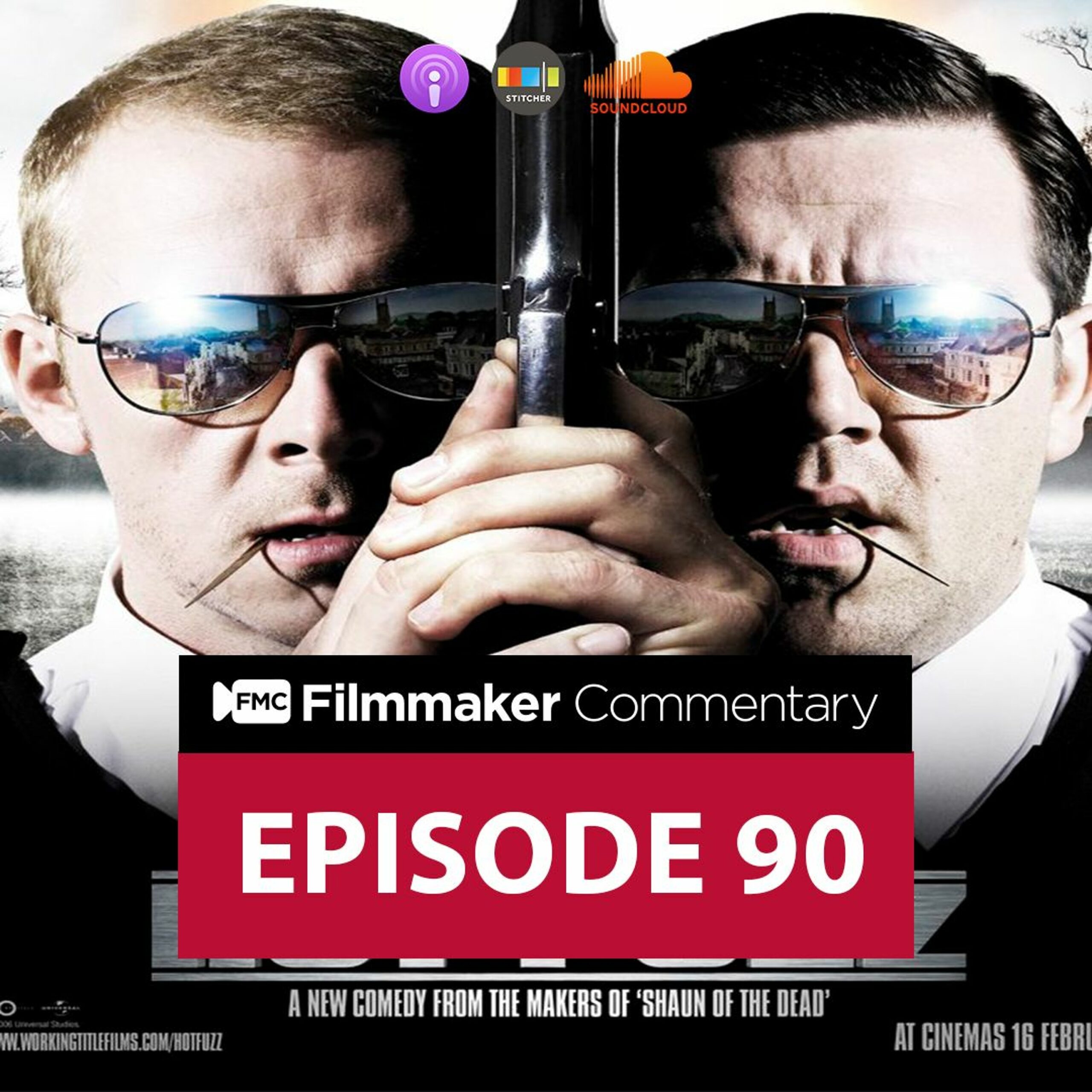
FMC 090: Hot Fuzz Directed and Written by Edgar Wright

August 17, 2020
Listen on Apple Spotify YouTube
Listen to this episode
Your browser does not support the audio element.
Also on Apple Spotify YouTube

This episode is a deep dive into Edgar Wright’s brilliant action-comedy, Hot Fuzz. Hosts Reginald Titus Jr. and Casey G. Smith unpack the film’s clever filmmaking, explore Edgar Wright’s unique style, and discuss why its success was pivotal for his career. Beyond the film, they tackle the pressing future of movie theaters and debate Michael Jordan’s complex legacy, ignited by The Last Dance documentary.

What We Cover

  • The meticulous filmmaking of Edgar Wright in Hot Fuzz, co-written with Simon Pegg.
  • Edgar Wright’s directorial style, including his work on Shaun of the Dead, Baby Driver, and his initial involvement with Ant-Man.
  • A critical look at the financial health of AMC Theatres amidst Amazon acquisition rumors and pandemic challenges.
  • Discussions on the impact of summer blockbusters and innovative ideas for the future of cinema, including Netflix-branded theaters.
  • A detailed analysis of The Last Dance documentary, examining Michael Jordan’s leadership, his off-court persona, and his legacy.
  • Insights into Michael Peña’s acting career, including his breakout roles and comedic chops.

Key Moments

  • 0:45: The surprising worldwide box office success of Hot Fuzz.
  • 2:08: Edgar Wright’s journey from Shaun of the Dead to his near-directorship of Ant-Man.
  • 12:42: Robert Burnett’s innovative idea for hybrid movie theaters featuring integrated retail experiences.
  • 22:50: The hosts delve into controversies surrounding Michael Jordan’s off-court behavior and its impact on his legacy.

Gear & Films Mentioned

  • Hot Fuzz
  • Shaun of the Dead
  • Scott Pilgrim vs. the World
  • Baby Driver
  • Ant-Man
  • American Hustle
  • Crash
  • End of Watch
  • Gone in 60 Seconds
  • Becoming (Michelle Obama documentary)
  • The Last Dance (Michael Jordan documentary)
  • Avengers: Endgame
  • Infinity War

Listener Questions

  • How might the current economic climate and Amazon’s potential interest reshape the future of movie theater chains like AMC?
  • What does The Last Dance reveal about the complex nature of greatness, specifically regarding Michael Jordan’s character and leadership?
  • Can a strong vision and innovative storytelling, like Edgar Wright’s signature style, transcend genre expectations and elevate a film?

You can find more episodes of the Filmmaker Commentary podcast and explore our archives for deep dives into other iconic films and industry insights.
Full Transcript

Read the full transcript

Full Episode Transcript
This episode of Filmmaker Commentary, "FMC 090", Edgar Wright's 2007 action-comedy "Hot Fuzz", examining its filmmaking techniques and production insights, while also discussing industry news and other films.

Introduction and Box Office Performance
Reginald Titus Jr.: Filmmaker Commentary, episode 90. Welcome to Filmmaker Commentary, where we give you insights from our favorite filmmaking commentaries. These commentaries can be heard on your DVD and Blu-rays of your favorite movies. We'll show you how you can use these commentaries and apply them to improve your video production and filmmaking techniques. All of this here on Filmmaker Commentary. I'm your host, Reginald Titus Jr.
Reginald Titus Jr.: Welcome to Filmmaker Commentary, I'm Reginald Titus Jr. I'm joined with Casey G. Smith. Welcome back, sir.
Casey G. Smith: Good to be back, sir.
Reginald Titus Jr.: And today we're talking about Hot Fuzz, directed and written by Edgar Wright, co-written by Simon Pegg, 2007. We have a budget of 9.8 million. And how about that box office?
Casey G. Smith: So, what's fascinating with this particular box office, when we think about normally we think domestic, but this was actually originally released in the UK. So domestically there, it ended up pulling in a total of about 41 million and opening on February 16th of 2007. And then, of course, here in the States, it opened on April 20th, ended up doing a total of about 23,637 dollars over its run here. So we really technically a part of the worldwide box office.
Reginald Titus Jr.: There you go.
Casey G. Smith: Which is a little different.
Reginald Titus Jr.: Yeah. Did you give that final number?
Casey G. Smith.: Worldwide?
Reginald Titus Jr.: Worldwide, I have 80 million.
Casey G. Smith: There you go.
Reginald Titus Jr.: Worldwide. That is a win.
Casey G. Smith: That is a win.
Reginald Titus Jr.: And Edgar is such a like a efficient, economical filmmaker that he, he figured out how to make this thing work.
Casey G. Smith: His takes are kind of up there.
Reginald Titus Jr.: Oh, really?
Casey G. Smith: Oh, yeah, man. If you watch outtakes of his takes, it's quite the intake, you know what I'm saying? It's, it's, it goes up there. Same thing with Scott Pilgrim vs. the World.
Reginald Titus Jr.: I didn't take, I didn't watch his outtakes. Right.
Casey G. Smith: That one, that one went over budget for sure. And that one also was a little bit of an L too, like we, we saw that.
Reginald Titus Jr.: Okay.
Casey G. Smith: But, but yeah, with this one, they, they made their money. I think that's maybe that's how he got Scott Pilgrim.
Reginald Titus Jr.: Yeah, heck yeah, had to. Had to.
Casey G. Smith: Yeah. And I'm trying to think if he directed Shaun of the Dead also.
Reginald Titus Jr.: Yeah.
Casey G. Smith: 'Cause that would be them, these two partnering again for that.
Reginald Titus Jr.: 'Cause it, 'cause they keep talking in the commentary, we'll talk about it a little bit later, but they keep referencing Shaun of the Dead.
Casey G. Smith: Yep. Yeah, he did. Shaun of the Dead. He directed World's End?
Reginald Titus Jr.: Oh, no, that's a different. That's the
Casey G. Smith: Different World's End? Yeah. Huh. And he did Baby Driver.
Reginald Titus Jr.: Oh, yeah. Baby Driver was nice. It's a nice one.
Casey G. Smith: Would have done Ant-Man, but had some disagreements with, with, uh, with Marvel. He was, I mean he was, he was there, worked on it, they worked on it for years, he was the director on it and then they couldn't, they got to a point where the MCU had developed so much where his vision for the film and where the cinematic universe was going, just didn't quite sync up and they had just, they had a amiable parting of ways and then they brought in Peyton Reed for the original Ant-Man.
Reginald Titus Jr.: That would have been good. Mhm. Yeah. Yeah, but yeah, Edgar Wright was attached to that for years.
Casey G. Smith: That would have been cool to see his take, but, uh, if they let him put his flavor on it.
Reginald Titus Jr.: I agree.
Casey G. Smith: I think they, they told him, I mean, they let every director put their flavor on it. And it, it would work. I mean, can you imagine all the quick, kind of jump cuts?
Reginald Titus Jr.: And it would have worked for Ant-Man.
Casey G. Smith: Oh, it totally would have. And with, with Paul Rudd and all that kind of stuff, and there's, there's a little bit of that when you get some of the recaps, um, with, um, what's our dude, uh, Michael Peña?
Reginald Titus Jr.: Michael, in the Marvel Universe?
Casey G. Smith: Yeah, the one who does the, does the recaps. Uh, he's like, and then this happened over here and over there. I can't think of the brother's name, man. I'm blanking on his, on his name. Um,
Reginald Titus Jr.: Does the recaps. Uh, um. It's Hispanic, Hispanic male, it's been quite a few films, real funny. But like, during the films, like, also he'll start talking about, yeah, my, my, my sister's cousin this and that, you know.
Casey G. Smith: Oh, okay. You're thinking, you're talking about Ant-Man and he does the, I don't know his name, but I know exactly who you're talking about.
Reginald Titus Jr.: Yeah. I'm like, that's bad. That's bad.
Casey G. Smith: I'm blanking on it. I gotta find it. Gotta find it.
Reginald Titus Jr.: Yeah. I don't, I, I never knew his name, actually, so.
Casey G. Smith: I know, I know this dude's name, man. I've seen him in so much. His most popular, he was popular in what film? I'm trying to dig it out of my brain. The thing he's the most famous for though. I already passed him up on this list. Michael Peña.
Reginald Titus Jr.: Michael Peña. What is he known for, like?
Casey G. Smith: What was his third? Huh, interesting. Uh, he is known for American Hustle, Crash, End of Watch. That was a, that was a pretty good one, him and Jake Gyllenhaal and Watch. Ant-Man was probably his biggest, biggest breakthrough role. Crash. It's been a long time since I've seen Crash. I'm like, I, yeah, that was breakthrough. Anybody in there had some work for a while after that. But what, uh, what kind of broke him out? Was he, did he have anything?
Reginald Titus Jr.: Chips, Collateral Beauty, he was in The Martian, he was in Fury. I never saw Fury. He says a Chavez. Okay, well, he played the lead in that. Gangster Squad, End of Watch. Gangster Squad, Tower Heist, The Lincoln Lawyer. Ah, yeah. He was typecast a lot though. He was always the Latino gangster. Yeah. He's, he's been pretty consistent, like, every year, at least being in one or two projects. He's in, he was in, the same year he was in, came out in Crash, he was also in Million Dollar Baby. Like, whoever his agent is, Gone in 60 Seconds?
Casey G. Smith: Yeah. That was breakthrough.
Reginald Titus Jr.: Yes, that's it.
Casey G. Smith: Huh. Dude's been working since, wow, since like '94.
Reginald Titus Jr.: He's the go-to Latino gangster guy.
Casey G. Smith: Wow. Yeah. And again, I mean, TV and film, dude. Peña is working, dude.
Reginald Titus Jr.: Keep him working. But I like, uh, I like the fact that he started doing more comedy. You know, 'cause he was always like in the serious, like mugging kind of stuff. But the fact that he has those, that comedy chops, I'm like, yeah, okay.
Casey G. Smith: I bet, I bet he, he kind of looked the same too and for quite some time, for the last ten years. He's kept his look. Yes, Michael Peña. I knew it was Michael. I was like, Michael, he does the recaps and like the stories on that. I forgot. It was something about those recaps that don't make sense.
Reginald Titus Jr.: Ah.
Casey G. Smith: Because it's his, whoever like, it cuts to, like in his recaps, it's like flashbacks, that person who's talking is talking with his voice still. And it's like lip-sync to him, which is pretty funny. It's actually pretty good.
Reginald Titus Jr.: Yes. Yeah. That would have worked with some Edgar Wright.
Casey G. Smith: I see, I'm curious where that came from. Like, was that Peyton Reed, or or was that even, um, Paul Rudd's idea, because Paul Rudd helped punch up the script some too. Uh, while they were kind of finalizing it. He, he did some, uh, some punching up.
Reginald Titus Jr.: Interesting.

Industry News: AMC Theatres and Michael Jordan's The Last Dance
Reginald Titus Jr.: Well, before we talk further about Hot Fuzz, let's talk about news and movies watched.
Casey G. Smith: So, according to an article from variety.com, AMC Theatres stock soars on Amazon acquisition speculation. Being the keyword there. So, uh, shares of AMC Entertainment surged Monday amid speculation that the country's largest exhibition chain could be an acquisition target for Amazon. Both companies did not immediately request or return requests for comment and the report in the Daily Mail that boosted share prices indicated that Amazon's interest may have waned. So, you know, this is still a potential work in progress, it may have already kind of passed. Um, but just from this alone, Amazon's stock rocketed, skyrocketed up from, uh, basically it went up 45% during early trading, uh, on Monday and topped out at about five dollars and 80 cents.
Reginald Titus Jr.: Boom. Uh, just a little quick side history. Uh, AMC was bought by a Chinese conglomerate, Dalian Wanda, for 2.6 billion in 2012. But it bought back 600 million worth of shares in 2018 after Beijing cracked down on overseas investments by Chinese companies. And then also Wanda, you know, they, they did, they launched an expansion in 2016 and and bought, what's it called, Odeon, uh, from the UK for 920 million from a former, from a, uh, British financier guy Hands private equity firm called Terra Firma. And US group Carmike Cinemas for 1.1 billion. So that deal turned AMC into the world's largest cinema company from 1000 outlets to 10,000 screens around the world. However, this expansion, this plan backfired on the AMC saddled with debts that are now close to 5 billion. Last month, AMC had to raise 500 million from bond investors in an effort to stay afloat during this pandemic.
Casey G. Smith: Right, I remember hearing that.
Reginald Titus Jr.: So what do you think? It's like, will AMC go bankrupt?
Casey G. Smith: Again, I think it's going to be highly dependent on what happens over the next two months. Right? We think about movie theaters, we think about, you know, the term summer blockbuster. You can only imagine how crucial the summer is. And and let's be honest, over the past, I'd say three to four years, really April has been the kickoff of, of the summer. We've had some huge movies drop in April over the past couple years. Avengers: Endgame.
Reginald Titus Jr.: Yeah. Yeah.
Casey G. Smith: Infinity War may have been, I think, it may have been May, actually, of the two years pri, was that two years, two year wait in between?
Reginald Titus Jr.: Was it two years? No, it was only a year. Yeah. This is, yeah, 'cause people were complaining.
Casey G. Smith: In Infinity War and Endgame. Yeah. Yeah, people were complaining, oh, you got to wait a whole year. I'm like, this is the quickest you ever got a sequel to any, anyway, whatever. So, um, but that, I think I think Captain Civil War may have been an April movie. Other films as well, but I mean, but those are all big movies that keep 'em, keepin' people in business. Big, big movies. So imagine that, obviously, May and June. I mean, hell, I mean, heck, we're in May right now and some theaters are opening with limited capacity. But can you imagine any theater chain, it's one thing not to have any business at all, but to not have it during the summer?
Reginald Titus Jr.: No, it was only a year. 'Cause it was a year. Yeah.
Casey G. Smith: Big money.
Reginald Titus Jr.: So, I'm sorry. I just, I had a picture when you said like the theaters open with limited capacity, like one person in the theater, like looking around with a mask on. Nobody? Okay. My favorite film. This is great. That's probably me.
Casey G. Smith: Oh, my God. That's probably me at home. That'd be me at the theater. I'm like, yo, this is lit. No distractions. Projectionist, roll 'em. Roll 'em. Watching Trolls.
Reginald Titus Jr.: It's like being at home.
Casey G. Smith: That would be fascinating. But I mean, I've gone to, like, you go to like a, a movie like during the day, like people that review films, like when they go like during the day, that I mean, it's kind of it's pretty sparse. So it's different circumstances, you know what I mean? Like, yeah. I bet those floors would be the cleanest they've been in so long. Like not, not sticky or anything like that. Yeah. I don't know. I might I've been I've been considering, well, I don't know. I don't even know around here what might be open. Now, I'd best just stick to, like, a drive-in. Yeah. I'd ask, how many people are, what's the capacity? You know, in this space. But it's just being that, that long with that many people. And I'm I'm sure the people would be spaced out, but there's still psychologically we're, you know, we're all a little bit daft. It's dark. It's dark. Hey, hey, hey, where you going? Where you going? It seems like a place where the COVID would just hang out. I'm gonna just go to the theater, guys.
Reginald Titus Jr.: It's true.
Casey G. Smith: It's very, very true.
Reginald Titus Jr.: Yeah. It's dark. Yeah.
Casey G. Smith: Be waiting for y'all. Yeah. The COVID creeper. Oh, man. Yeah, I best stick to the drive-in for now. So I'm I'm, man, see, I don't know, man. I think with the next two months, unless something like drastic happens, with all that debt and and your, your biggest time of the year, nothing happening? I mean, where is your revenue coming from if you aren't open? Yeah. And now, and again, I think we had covered an article a couple weeks back, like, they were like, hey, we're not paying rent right now. So that can only go for so long. But so here's my question for you, one, well, number one, do you think they'll go bankrupt? And then I'll follow up a question for you.
Reginald Titus Jr.: That's a lot. Yes. Yeah. Yeah. Probably. That's not a good sign if they're raising 500 million from bond investors just to stay afloat. This is not, this is not for anything, this is just to stay afloat. I wonder how that Amazon, how the Amazon news like kind of leaked. I wonder if that's like a like real news or if that's kind of like a way to kind of get the shares up a little bit.
Casey G. Smith: Sure, create some, some interest, some buzz.
Reginald Titus Jr.: I can see probably Amazon partnering up, you know, trying to combine or if it goes to bankruptcy, somebody's gonna get the, get it for cheap.
Casey G. Smith: Get it for cheap. Yeah, that's true. I think, so, again, I I first found out about this through, uh, the John Campea Show and I was listening to some of, uh, John Campea and my man, uh, Robert Meyer Burnett. Some of their insights on it. And it's funny because Campea had mentioned, he mentioned this like two months ago, like it being a good idea for someone like Amazon came in. Um, that's like, he even like, you know, played back the video when he said it, I was like, oh, that's pretty fascinating. And then, uh, Robert Meyer Burnett, you know, hey, you know, what if they were to take a theater that had, say, normally had like 16, they, they took a cineplex that had like 16 theaters in it. What if they took two of those theaters and turned them into like stores, or like buying experiences? So then it's almost like going to, to a mall, but instead, you put in movie merchandise. Can you imagine going in, all right, I'm going in and and gonna see the next Marvel movie. Now there's a, there's a whole store stocked with, with MCU, or Star Wars, or whatever, merch, toys, like right there. And they say like, with, like in California, apparently, there are like Amazon stores, where the tech is set up in such a way, when you go in, you kind of just, you scan your Prime ID, and then from there, you go in and grab, you grab your stuff and it all, yeah, and you just, you just walk out and it all just gets charged to your Prime account. It's like easy, breezy. But you can imagine something like that in a theater. I'm like, that would be kind of cool. That would be kind of cool. It would be kind of genius, actually, it's like that would make for again, like this premium experience. Yeah. Can you imagine you had Prime company back to America. Why not? Yeah. You imagine if you had toys after you watch a, you know, whatever, whatever, and then you got the toys there. That's a wrap, man. That's a wrap. Toys, posters, T-shirts. That just makes sense. That's like, it's like next level, you know? Like if you want to make this experience like go next level, you know, you bring that in. Um, and and again, Amazon specializes in selling other people's stuff. I think it does, but they'll probably have to reduce a lot of the locations. They're good business people, they'll probably have to, especially the ones that aren't performing because looking at this article, this article is from, uh, a website called this, wait, thisismoney.co.uk. All right. In 2019, AMC generated revenues of 5.5 billion, but it made a loss of 149 million. And its net debt is standing at 4.7 billion. So they got a, they got some issues that they need to. So you said they grossed 5 billion? Yep, they generated 5.5 billion revenue in 2019. Okay. But that still wasn't enough to, to, to make profit. They still were at a loss of 149 million. Is that operating, is that operating expense? This is just, this is just like, kind of like generic numbers. It's not even it's not even the financial statement. It's just the revenue 5.5 billion, made a loss of 149 million, but it still has a net debt standing at 4.7 billion. Now, see, I, I'm also wondering, because part of it is also, again, they've been, they've been investing and upgrading and they're still launching the, uh, their subscription service as well, which apparently was beginning to, to start to, to pay off some dividends for them. So, I think they would have, all things considered, I think, I think they would have potentially had a better year, 2020, possibly. Yeah. Um, but they were just in a bad position for a pandemic.
Reginald Titus Jr.: It's logical. Yeah, it makes sense.
Casey G. Smith: I don't know if anybody's in a good position for a.
Reginald Titus Jr.: Amazon is.
Casey G. Smith: Oh, well played, sir.
Reginald Titus Jr.: Well played. You're welcome. Thank you. Um, but yeah, so it, uh, man, it it sucks to be like in like brick-and-mortar stuff. Amazon's gonna have to probably make some cuts if they do purchase it. That's a lot of, that's a lot of screens.
Casey G. Smith: Yeah. It would be fascinating to like again, somebody mentioned again, someone that came to, they mentioned, you know, what if your Amazon Prime membership, you know, like you got your significant discount, or maybe one or two free movies, uh, heck yeah.
Reginald Titus Jr.: I think it will. Yeah, it would be, I think if they, they will. If they did purchase it, they will integrate. They're the best at keeping, uh, people in their ecosystem. The only reason they're in movies is to so that you can be part of Amazon Prime, 'cause that's not the biggest way they make money.
Casey G. Smith: And it worked for them. Yeah.
Reginald Titus Jr.: Right. That was it.
Casey G. Smith: Yeah. And they wouldn't really need to, like honestly, they could, from an infrastructure standpoint, they could keep most of of um, AMC's at least like their internal structure. They don't need to change that. I mean, because as a business, they're, you know, doing their thing. And again, they've been working towards upgrading, but they've been around for a long time. It's just again, pandemic's pandemic. Yeah. But um, yeah, uh, we'll see. I mean, again, maybe it's all just just speculation, but it'll be very fascinating to to, uh, to see what what happens. But I say within the next two months, without something drastic, That's gonna decide everything. Yeah, I don't know how how you can hang on. And who knows, who knows who else is going to, uh, within these next two months, what else, who else is gonna step in? Netflix could step in. Yeah, I always thought it would be kind of cool if Netflix came up, uh, with a kind of a modified version of a coffee house kind of theater vibe. Not necessarily like just a huge, maybe not necessarily a huge screen, but just, you know, a space where you go where you have couches, people can sit down and, you know, almost like a living room kind of setting, but slightly bigger. Maybe a classroom size almost, not super, super huge.
Reginald Titus Jr.: But it'll be cool if, yeah, if it was a Netflix theater, they would still carry the studio's films, but carry their own, but maybe if you're a Netflix subscriber, you can get into their films for free. Around the world. That'll be dope. That'll be smart.
Casey G. Smith: Absolutely. Yeah. 'Cause then you could have these like watch parties, you know? She can you then you get that communal experience. Now, but again, like like any theater, you know, you make your money off, you know, the, the sugar, you know, the concessions is, is where that would have to be. But again, you know, if they're smart, maybe they sell some merch, you know, I don't know, Netflix T-shirt or something like that, or.
Reginald Titus Jr.: Sweet Tent Sugar. Pretty much. Heck yeah. It'll be smart.
Casey G. Smith: You could get some merch out there.
Reginald Titus Jr.: Yeah. Especially when you own it and you can capture the people and have them, yeah, you can do a lot.
Casey G. Smith: Yeah, well, you could theme, you could theme it up, you know, like, hey, you know, it's going to be a, like a bench, you know? Like, hey, where where where hours wise, you could stay open, you know, and do a, a crazy late thing, uh, for, for something. Um, or like something with the kids. Like, you know, Netflix has a, a new Transformers series that's getting set to, to drop in, July, June, I think. Um, I don't know, just yeah, different things that you could do and just make it.
Reginald Titus Jr.: True. Yeah. That's when Kevin Smith is working on?
Casey G. Smith: No, he's working on He-Man. Masters of the Universe, which is supposed to be like a direct continuation of the old Filmation stuff. Yeah, man. Netflix, they, you know, they're they're holding it down. Trying to, they're doing that thing.
Reginald Titus Jr.: There you go. It's gonna be interesting. All right. Uh, any more, anything else for news?
Casey G. Smith: That's all I had.
Reginald Titus Jr.: All right. Movies watched.
Casey G. Smith: So, I took in the documentary Becoming with the First Lady, Michelle Obama. So I I watched that when that dropped last Thursday, I believe it was.
Reginald Titus Jr.: Oh. Michelle Obama.
Casey G. Smith: Yeah, it was good, man. I really enjoyed it. I I bought my mom a book. I want to say for Christmas.
Reginald Titus Jr.: I saw the trailer. I was like, oh, this is gonna be inspiring. She's been on the best-seller list for quite some time.
Casey G. Smith: Yeah, I purchased that for her. Um, I think it was for Christmas. Um, no, I think it was before, maybe for her birthday. Anyway, uh, but yeah, I watched it. It was very entertaining. I I've only really heard Michelle Obama speak a couple of, a couple of times. Um, it's kind of just, you know, I admired her from from a distance, but this was really cool. I heard just diving in to her life and her journey and, man, she just, she's so real, but classy at the same time, you're like, man, we have some good people. Man, just, just good, good people. But she's, she's, she strikes that, that blend. She talks about, you know, her, her journey and, yeah, and, you know, being pulled, kind of, you know, pulled into politics, but yeah, it's, it's totally worth checking out. Becoming on Netflix.
Reginald Titus Jr.: Class.
Reginald Titus Jr.: Speaking of greatness, but not necessarily class. The Last Dance, episode 7 and 8. Holy crap. Where do we start? MJ, MJ. Just in case y'all been living under a rock, there's been a documentary series called The Last Dance. It's a ten-part documentary, right?
Casey G. Smith: Hey, yo. Ten-part documentary. Next weekend will be the last two episodes.
Reginald Titus Jr.: And this has been . It's been, we've been thirsting for sports, some kind of activity, some kind of fighting. We need it all. And it's in this documentary.
Casey G. Smith: Talk about perfect timing, man.
Reginald Titus Jr.: It is.
Casey G. Smith: Perfect timing.
Reginald Titus Jr.: Perfect timing. And, uh, kind of getting a chance to revisit and, you know, a lot of young people, you know, they've heard about Michael Jordan, seen the shoes and stuff like that, but don't necessarily got a chance, didn't have a chance to witness him entertain us. Yeah, his greatness. But, man, for me, this documentary, from, it has, what has it done for me? It's let me see what it takes to be great. You know, what sacrifices you have to make in order to be the greatest. You know, when we talk about the greatest, we think about like, say, Michael Jackson, for example, you know. All the sacrifices this guy had to do to become the best at what he did. And a lot of tragedy in his life. Um, and his family's life. Same thing when, when I look at Michael Jo, uh, Michael Jordan's story, it's just, it's tragic, you know. When I look at his story, it's a, it's a tragedy, you know. And kind of seeing him go back and look through his life, he's not a good guy, you know. He just isn't, you know. I've read tons of stories about, just off the court, just how he is and didn't believe it. Or didn't want to believe it, you know. But then when you have so many people like reconfirm it, like, yeah, this dude's a jerk. This dude's done this.
Casey G. Smith: It's greatness.
Reginald Titus Jr.: Sure.
Casey G. Smith: So my question for you is, when you say he's not a good guy, what, what specifically would you say makes him not a, quote unquote, good guy?
Reginald Titus Jr.: Uh-huh. How he treats people. You know.
Casey G. Smith: What way?
Reginald Titus Jr.: Uh, so, one story that I'm, that I know about, like off the court, his wife, how he treats his wife. All these extramarital affairs, paying off women that he was, that were his mistresses. He would pay 'em off. And then I think he, like, reneged on one. He was supposed to like pay this girl like 5 million dollars, but didn't pay her. And so like, that's why, like, all this news started kind of popping up about him cheating on his wife. And so, what led to his divorce, 168 million dollars, you know, divorce settlement, all that stuff. It was like, dang. So, that for one. But one story is, uh, uh, of Chamillionaire. You, are you familiar with Chamillionaire, the rapper?
Casey G. Smith: No.
Reginald Titus Jr.: He came from Houston. He's a, uh, dang. Rapped with Paul Wall. They were part of a, uh, rap group from back in the day, Houston, early 2000s. But, uh, he had, he had probably a song called Ridin' Dirty. Can you show me Ridin' Dirty? But anyhow, now he's, uh, a tech, uh, investor. So he's in Silicon Valley, investing in tech. So he's kind of bringing a lot of, like African Americans to invest into the tech space. Um, but anyhow, every, like on the underground, everybody knows Chamillionaire. You know, he's just a popular rapper. But he had went to a party, it was a Michael Jordan party. And they, I think they were, uh, I wrote this thing down too. Uh, they were doing an auction for a Michael Jordan jersey or something like that. And, uh, Chamillionaire was like, outbid another guy, like 15,000 dollars for like a Michael Jordan, uh, jersey. And Chamillionaire was like, man, I my, his dad wouldn't really let him listen to rap and like a bunch of cut stuff when he was younger. His dad's Nigerian, his mom's African American, Christian. So when he grew up, he couldn't really listen to a lot of, like, terrible rap. So, you know, he's kind of known for like, some, when you listen to his rap music, it's not filled with a lot of, like, cussing and stuff like that. He's very clever on how he puts his raps together. Uh, and so he was bidding this one guy, they were just going up and up and up. And he was like, bro, let's just, why are you bidding up so high? You don't want this jersey. And the guy was like, man, I'm just trying to impress Kim Kardashian. Or whatever. He said, hey, let's get the jersey. We'll split it or whatever. And so, you know, he was able to get the jersey, 15,000. Something like that. Seven, actually, no, it was like 7,000. And then, Michael Jordan's there. And so he's and then Chamillionaire was like, hey, man, you know, I'd like to take a picture with you, you know what I mean? You know, the whole, he's a fan. He said, coming up, I, you know, I didn't, you were my fan. You know, I was, you, you're my idol, I mean. And you, and Michael Jackson. And then Michael Jordan was like, I don't take no pictures with no inward. I don't take pictures with inward. And then Chamillionaire was like, just like, kind of like, crushed. He was like, I don't take no pictures with no, but Chamillionaire also says, Michael Jordan was taking pictures, taking pictures the whole night with certain women. I ain't gonna say what kind, but certain women. And so he, he was just kind of like, crushed by it. He was like, dang, man. And then Paul Pierce came in and was like, hey, MJ, that's, uh, chill out. That's Chamillionaire. You know who me? Chamillionaire? He's like, I don't give a, I don't give a. I don't know rapper. Saying all this stuff. And then, Spike Lee was there. And Spike Lee was like, man, I'm sorry, you know. 'Cause Chamillionaire was like, hey, I made it out of here. Spike Lee's like, hey, I'm sorry. Uh, that's just how MJ is. Like people know how he is and how he treats certain people, especially rappers. So that was like one of the things where it was like, Chamillionaire was like, man, I wanted to fight that dude. Like, I really wanted to fight right then and there because of how he treated me. He was like, this is a guy that I looked up to and I just, I, he said, I've heard so many stories about this guy, about how he used to treat workers when he was in Chicago. They'll clean out his car, he'll be smoking weed and stuff like that. Before it was legal. You know, he was like, smoking weed out and stuff. He's like, no, not Michael Jordan. You know. There's like, you know, there were stories following this guy. And then he's like, man, never meet your heroes. So that's a story that kind of sticks out as far as like how he treats people.
Casey G. Smith: Sure.
Reginald Titus Jr.: So from this documentary, what have you gleaned to confirm those things? Uh, just how he treated his teammates. You know, berating when you hear him like cussing. Oh. What's he gonna say now? You know what I'm saying? Like. What are you gonna do now? B-word. You know, like some things he's saying is fighting words. And like, like straight up and down, fighting words. You didn't, you didn't really see him kind of go at some other, like Oakley or some of the other guys, but, like, certain people just like, demeaning.
Casey G. Smith: Oh, my God.
Reginald Titus Jr.: Well, Oakley, that was, that was still early in his career. He hadn't established himself the same way. Yeah. But yeah, fighting, punching his teammates, like, no, no, bro. You don't treat people like that.
Casey G. Smith: But when Kerr, okay, so I'd always heard about, you know, Jordan, like, you know, punching, uh, punching Steve Kerr. So, they're both giving an account, right? Of of what was taking place. He was, you know, going in on on on Kerr, this and that. And so from Jordan's perspective, Kerr punched him in the chest. And then and then. And then Jordan like just went off and, you know, like, stole him. Um, and then afterwards, of course, you know, said he, you know, felt bad, this and that, you know, and then and Kerr said, you know, after, you know, we, we talked about it. Teammates getting into a squabble in a sport, that's nothing new. So I'm like, uh, okay.
Reginald Titus Jr.: Hit him in the eye. Punched him, get him off.
Casey G. Smith: Punched him in the face.
Reginald Titus Jr.: Teammates, high, performing, competitive athletes, you can't tell me this hasn't happened with with other players in other sports. It has. So I'm like, that's, it's just amplified because it's Michael Jordan. That's not a, that's not a new thing that happens. High school, college, professional sports, like, come on. That's, that's going to happen. These guys are super competitive. He is super competitive. Kerr super competitive. Uh, probably the berating then if, you know. But even that. You going to, you going to, you going to tell me, especially during that time period, we're talking, we're talking 90s. You going to tell me that there weren't coaches, college, we had college coaches, this, that's not, that says not a new thing having a coach or players getting in, hey, we, hey, we got to fight better, hey. This is not some new, unknown thing. So I'm like, why are people like wigging out about it? I'm not saying it's right or wrong, but in, in the, the, you know, in that era, in that time, I think people were surprised at the extent that it was. Like, how he was riding his people, how he was cutting 'em out. Shut up, poke. What are you going to do now? You know, it's like. That's because the NBA product is always so clean. Right? If, if, if they go back to playing games this season and there's no crowds, and there's no crowds, they weren't they wouldn't, they would not have made it if Jordan had to have had developed that. And I, so here's, I I was fascinating, I I really wonder how much having to play against the Pistons forced him to to kind of become that. The way the Pistons played, how they would, I mean, literally, beat you up. They had to go next level. And then you had, you had Knicks. The Knicks were kind of that next kind of incarnation. So, yeah, I'm not, I'm not going to say Jordan is a, is, is, is a, is a good guy. But I'm like, but he's not the only guy. I'm looking at this time, this era, I'm like. Yeah, but we talk about MJ though. So that's the thing. Right, again, NBA gave, NBA's P, NBA gave one image of of MJ. MJ's PR gave one image of him. But the thing is that throughout this whole thing, he is not denying any of the stuff. And that's what, I guess, I guess, I guess that's what I appreciate. I'm like, all right. He's up to an extent. Yeah. He's kind of like, some of that stuff is not going to be in there at all. Well, yeah, of course. But again, anybody doing a, a documentary, who's going to air all this stuff? If you take any given NBA, you take any given great NBA player. Let's say we do the Magic Johnson The Last Dance. What is, what is his world look like? You know? Um, what does, I don't know, you pick somebody. And it'll it would be, it would be just, I don't know, it'd be fascinating. It would be fascinating to, to see. Anybody, you get documenting about you, all this stuff comes out. The tragedy comes out. Now, again, going to that, man. Yeah, when you, when, when they won that championship after beating Seattle. Uh, I remember that. I was watching that. And him, him and and and you know, wrestling the ball from Randy Brown and then him, you know, back in the locker room, on the floor, just weeping. Like that. That's real. Yeah, something that you don't forget. Yeah, but as far as him going in on his teammates, again, he apologized to Steve Kerr. Like, that, that was, that's what, that's where he felt, okay, I went too far. And you apologized for that. I'm like, okay. Was other stuff? Okay, I'm sure there, I'm sure there was. Yeah, to this day, you know, Horace Grant's like, it was funny, uh, 'cause I listen to Shannon Sharpe and all those guys, Skip Bayless. And like Horace Grant had to call Shannon Sharpe. I don't know if you heard that show. Because Shannon Sharpe was like, dude, what are y'all doing? Y'all not defending yourselves? Y'all letting this guy talk to you? He was like, Shannon Sharpe was like, I've won several, you know, I'm in the Hall of Fame, you know, Super Bowls, all that. One thing I won't let any person do is disrespect for me. And he was like, Horace Grant, you didn't stand, you didn't stand up for yourself. Like talking to all these guys, like, you can talk to me, I'm from football. You know, you, you could talk crazy. And I told all my coaches, you can talk to me, you can motivate me, but don't disrespect me. You know, there are certain ways you can talk talk to people to motivate them. You don't have to disrespect them. He said, Michael Jordan's a bully, you know, that's what's coming off in this film. And Horace Grant called Shannon Sharpe. He was like, look, bro, this is what went down. They cut the parts out because Horace Grant's in the film, you know, they're talking. He said, I looked dead in the middle of that camera, I was like, Michael, I came at Michael Jordan. And he doesn't want any parts of this. Period. They cut that out. Because it comes off like these guys aren't taking up for themselves, you know, all the stuff that he's doing to 'em. He was like, yeah, we had another, uh, Chicago Bull come in and kind of break it up because of how he was kind of talking to us, you know, it was starting, it was creating a lot of friction. But, uh, man, I don't know. It's, uh, it's definitely interesting. But like you say, you know, it's a basketball at the end of the day. It's a 90s. Yeah, it's this is 80s, 90s basketball. Uh, yeah. Different. You don't have to disrespect your teammates. Period. There's different ways to winning. You don't have to disrespect your, uh, that's why I say I think this is a tragedy because he kind of looks back on his life and seeing, you know, should I, you know, there's ways he could have led without doing certain things. Sure. But that's the way he knew how to do it, you know.

Reflecting on Jordan's Legacy and Leadership
Casey G. Smith: Yeah, yeah. That happens.
Reginald Titus Jr.: It's pulling up, putting pressure on others to pull them up to a higher standard. Again, like the best way that he knew how. Doesn't make it right. Doesn't make it wrong. Again, I'm big, big, big on respect. He was disresp, disrespec, disrespecting everybody left, right. But so it's going to be it's going to be fascinat, it would be, it would be fascinating. God rest Kobe Bryant's soul, but like if, you know, there was a documentary or something like this, when they were talking about him and how maybe he treated some of his teammates. Like, what would that look like? Or, you can take a multitude of different, different players. Um, what, what comes out, or or even different coaches. But yeah, um, but you know what, he's willing to put this out there, right? He's willing to put this out there and to and you he, he knows that there's going to be all this different kind of talk and this and that. All that's going to, all that's going to. And I already knew that about MJ, like there's been stuff on the for years that's been out there. It's just like, you know, maybe they're just kind of bitter or who knows, you know? Well, since I heard about his Hall of Fame speech, I was like, you know what? No, I'm, I don't know. None of this, none of this surprises or shocks me. I guess at the end of the day, I'm not surprised or shocked. I'm like, all right, the dude was was super, super hard on, on his teammates. Maybe to the point of of disrespect, but pushed them to pushed them to, I guess, some, some people will will, I guess, become the bad guy, you know what I'm saying, to prepare others. Like, okay, you know what? If you want to hate me, that's fine. Hate me, but be able to channel that towards what we have to overcome. Right? Um, now, again, that's not the only way to do it. But for, for, for these Bulls, for them, it for them, it worked. Uh, because if, if not. For some. It worked. It didn't work for, what's the guy that he, what's the guy that he started highlighting, um, the other ball guy that he kept cussing out? He was like, just kind of shrugging it off. He was kind of taking it, but he was like, he just, Michael Jordan's like, he's just two nice of a guy. He's trying, he's trying to give him a fight me. Yeah, such a nice guy. He's trying to just get him, get him riled up. Trying to get him to that next level. Scott Burrell. Yeah. But again, I mean, like, afterwards, it's like, oh, well, um, I mean, I don't. I hadn't even thought about Scott Burrell in 20 years until this doc, I was like, oh, yeah, Scott Burrell. What ever happened to? Yeah. There's a lot of people ain't thinking about until this thing came out. And that's the thing. Like sports are so short-lived that, uh, what you do off the court is very, very important, in my opinion. That's why we, you know, we put Muhammad Ali as the greatest, you know, what he's done for his people. And I think that's why, uh, with LeBron, they are, when people talk about the greatness, it's because of what a lot of the stuff he does off the court, 'cause this, this basketball. In the grand scheme of things, it's entertainment. Sure. You know, what's all you have is, like, your relationships and kind of what you do for people after that, you know, when you talk to people that talk about Michael Jordan, it's just, I don't know. It's, uh, we can admire how great he was, dribbling, dunking and doing all this stuff. But outside of that, then what? Because what's the residual effects of that? I don't know. Uh, but when we talk about, like, LeBron. We don't have LeBron or Kobe without Michael. Them for them to get to their platform the way that they play. Even though LeBron is, you know, he's got some magic, you know, as well, but it's Jordan's quote unquote, push and sacrifice to be whatever he was that influenced heavily LeBron and Kobe. They, they, they come off of Jordan's coattails to to elevate. Who, would they be where they are, or or as great as they are without the example that Jordan set on on the court and even from a, uh, the doors he opened from a, from a taking basketball to a, on a global scale. Um, I don't know. But I'm I'm saying just off the court, you know, 'cause you don't have that for Michael Jordan, for Michael Jordan. All you have is Nike shoe sales and how the NBA and how Nike was able to flip his image and make money out of it. But what LeBron is showing is how you can take your people that you grew up with and put 'em in positions to actually move the athlete and options forward, you know, like the NCAA stuff like now you can get kids paid without having to play for free essential for the NCAA. Uh, Rich Paul, uh, what he's doing for his city, of Cleveland or Cleveland, is it Akron? Sure. But Michael pioneered the shoe deal, like taking it to the next, like next. I'm not even disagreeing. I'm not even disagreeing. I'm just talking about him in the Space Jam. I'm not, I'm not disagreeing with that. I'm just saying, outside of just commerce, you know, just how are you, how are you able to affect, how are you affecting your community? What are people saying about you? You know what I mean? We, it's almost like the exact opposite when you look at LeBron's personal life and you look at MJ's personal life, you know, there's nothing to really take shots at, you know what I mean? It's Right now. Again, we are. While they're playing. I'm talking about while he's playing. While he's playing, he's cheating on his wife. He's, you know, he's doing all this stuff while he's playing. He's gambling while he's playing. We're talking about LeBron, 17 years in the game. The only thing they can say is you don't have enough championship. That's all we can say about LeBron.

Final Thoughts and Future Episodes
Casey G. Smith: All, all we know of.
Reginald Titus Jr.: Yes. And it'll be even easier to catch him these days 'cause there's social media. Hey, I, I hope, I hope everything is as as as it appeared. I'm just yeah, I'm just giving you an example. I'm just giving you an example on the court, off the court, you know. Michael Jordan, his quote is Republicans buy shoes too. And in, and in what he said was a was a joke. And, and, and he said, look, he gave a donation to this guy's, uh, platform, to his campaign. He said, I don't, I'm not going to speak out for him, but I gave a donation to. So that, so, so he waits all this time, right? And he could have spoke out about this, you know, a long time ago. And, and who knows, maybe it's buried in news, people articles somewhere, but he said he gave a donation. And then you're waiting outside, says, I gave a donation to. So it makes me wonder, you know, what else has he may have given donations to, maybe not even, you know, said anything about, or spoken about, or whatever, whatever. I don't know, that's, that's, that's what I'm very curious about. I remember back in college that, um, one of the programs, Entertainment Sport Promotion Management, they, they were doing a project where they, where they were, they were comparing athletes and they were saying, okay, and again, they specifically targeted Michael Jordan. And said, well, what makes him so, aside from what he's done on the court, what has he done from a community standpoint? Right? And they threw that out there. And I'm like, and I thought, I was like, didn't he do things with Ronald McDonald's House back in the day, in the, in the, in the, in the 80s? Um, like, I remember I remember saying stuff for that. Like, there's a, there's an actual commercial. He's talking about like even like, you know, if you've been through the building, you see something, you know, say something. So I don't know. I'm I'm very, I'm very curious to maybe check out some of, of Jordan's, uh, philanthropic, uh, things. And maybe he doesn't, you know, toot the horn about it the same way. But yeah, next time, yeah, I'm, I'm going to look up some of that stuff. Better. Like MJ, nah, it's just like, yeah, so that's what they're comparing, you know, off the court, on the court. I think on the court, greatest by far. Yeah. Period, you know. Sure. But when that's over, it's a lot of collateral damage. It's a lot going on. Yeah. And that's, I mean, that's why, that's why I actually like this documentary. Is it's, it's, uh, it's tragic, you know, it's, uh, it's a beautiful tragedy. You know, it's, uh, it's a lot of sacrifice, you know, I'm pretty sure, kind of looking back, you're like, dang, you know. It's probably wouldn't play baseball. You know what I mean? Like, if you're looking back at his life, you know, he doesn't look happy.
Casey G. Smith: I'm just yeah, I'm just giving you an example.
Reginald Titus Jr.: To me, he does look, he does look happy. He does? I don't see it. To me, he, he looks like, you know what? I've, he looks retired. Well, you're good. He, he, he put in his time. He's, he's sacrificed. I mean, again, at the end of the, the third championship, he was super, super tired and was ready for a break, right? Takes that, does ball, comes back and does another three. Takes a break. And, you know, comes back, does the thing with the Wizards. But, no, to me, he looks, I don't know, he looks, I don't know, he looks happy. And he, he looks, he looks contented, right? You know. He looks contented like, man, I I did my thing and I and I, I accomplished, I accomplished my goals. And I did, I, he did make his teammates better. Maybe a little bitter along the way, but, again, at the end of the, at the end of the day, do those players, does Steve Kerr become a coach? You know? Yeah. And, yeah, he still becomes a coach. A lot of people are still going to be on that trajectory. Does he, does he went, does he, without championship, championship experience, being in those hard situations and seeing how it's done, can he then manage a, a Steph Curry, a Draymond Green, a Kevin Durant without having dealt with, in person, a Michael Jordan?
Casey G. Smith: Well, you good, he good. Yeah, he looks happy.
Reginald Titus Jr.: Oh, I don't know. I neither do I.
Casey G. Smith: Nobody else.
Reginald Titus Jr.: They were all in the league, so they're going to, I think their career paths are still going to be what they are. Minus maybe if Michael Jordan isn't there, you're not getting those three-peats, you know. You're probably going to be in the playoffs, like they were when he was gone. But, um, and you're going to try to find, you're going to draft somebody, you know. Hell, Shaq could have went to the Chicago. Like, who knows? But, definitely history's different. But I think but if you're not put to the moment. Without, without positions to nail the, the big shots in the big games. Ku Coach was that dude. Just saying. Ku, hey, you know what, hey, Ku Coach was that dude. Uh, there's a, I can't remember which basketball game this was or, you know, what year, or whatever. But, Reggie Miller comes, shoots, I don't know, 'cause like a two or a three. Shoots a last-minute shot. It's like three seconds left. He shoots it, boom, 0.8 seconds. And he's like looking at the camera like, yeah. You remember that? He's like, you love to do that. He's like looking at the camera like, yeah. Goes back to the other side. They throw it to Ku Coach under three. And he, as soon as he touches it, he throws it, 'cause it's like 0.8 seconds left. Throws it up, bank, boom. Chicago wins. Ku Coach was that dude.
Casey G. Smith: That's pretty cool.
Reginald Titus Jr.: They, they brought him over from. There's a documentary. Um, I don't think it was on Netflix. Uh, 'cause I've been looking at other, like, I'm like, man, this, it sent me down rabbit holes. Yeah, man. Uh, but there's like a little documentary kind of talking about, well, maybe I, maybe I'm just getting it all mixed together, but in The Last Dance, did they talk about how Scotty Pippen and Michael Jordan like beating up on Tony Ku Coach?
Casey G. Smith: Yes. Oh, yeah. That was, that was like episode four, it was like, okay. Yeah. No. Oh, yeah.
Reginald Titus Jr.: They did? That was the last thing. Okay. I was tripping for a second. I was like, what's, I was like, what? Like, Ku Coach was that dude. Oh, there's a, I can't remember which basketball game this was, but I know, Ku Coach comes, shoots, I don't know. 'Cause like a two or a three. Shoots a last-minute shot. It's like three seconds left. He shoots it, boom, 0.8 seconds. And he's like looking at the camera like, yeah. You remember that? He's like, you love to do that. He's like looking at the camera like, yeah. Goes back to the other side. They throw it to Ku Coach under three. And he, as soon as he touches it, he throws it, 'cause it's like 0.8 seconds left. Throws it up, bank, boom. Chicago wins. Ku Coach was that dude. Hey, they, they brought him over from. There's a documentary. Um, I don't think it was on Netflix. Uh, 'cause I've been looking at other, like, I'm like, man, this, it sent me down rabbit holes. Yeah, man. Uh, but there's like a little documentary kind of talking about, well, maybe I, maybe I'm just getting it all mixed together, but in The Last Dance, did they talk about how Scotty Pippen and Michael Jordan like beating up on Tony Ku Coach? Oh, yeah. They did. That was, that was like episode four, it was like, okay. Yeah. No. Oh, yeah. It was, yeah, maybe like episode four or so, maybe three or four. Okay. I was like, was this Last Dance or is this another, 'cause it was during, it was during the Olympics when they talked about the Dream Team. And they just, they beat the crap out of him, right? Yeah, well, they, they, yeah, they made it, they, they in the, in the first game, when they, when they played against Croatia. Uh, they made it real hard for him. But in the finals, he played, he, he, he adjusted, he played much, much better. He got, he got a. Yeah. So it was Last Dance. Okay. I, I was tripping for a second. I was like, what's, I was like, what's, like, I didn't know Michael. He said, well, you know, I never date this one, like, when he turned around, he was like, I'm dating someone and so. And he talked about, you know, what about, you know, the, the extra jobs. And he's like, well, someone so does this on the side. And he talked about, you know, the, the, and someone so she's a dancer at the, whatever, whatever, and it cuts to those two, the two detectives, and they're like, yeah. And they looked at each other, and they're like, The expressions on their face, man. Those guys were, those guys were pretty funny throughout as well. It's a fun film. It is. That's all I got for favorite scenes. Yeah, me too. Trivia. I just have one. Just that, uh, the massive collection of DVDs, you know. Um, I expect that from a filmmaker. Especially a newer filmmaker that's going to be looking at DVDs for, for reference. Um, they fought very hard for all the actors and the cameos that are within this movie. So, yeah, they, they fought for them all. Uh, Cate Blanchett is the actually playing the girlfriend, um, at the beginning. But she's got all the obviously the PPE on, so, yeah, but that's Cate Blanchett. Murderer on the Orient Express had direct influence on this film. They tell why in the commentary, but I won't. Uh, 'cause it's a pretty big spoiler. I was like, dang. I've been meaning to watch the, you know, there's multiple iterations in the films they're old. I'm like, well, I never watched it. Well, it's pretty good. Well, it is. Indeed. Uh, which you got for tropes? Tropes. Um, small town with secrets. Boom. Crooked police. Non-gun user must use a gun in the end. Obvious suspect. Demolition Man. Is the suspect. Oh, yeah, yeah, yeah. That's what I thought about the tropes when you said it. Yeah. And there's quite, there's quite a few that like to do that. Like, I don't like guns. By the end, they just go into town. Uh, the rundown with the, with the rock, you know, does, does. Spoiler alert. Uh, you have to get permission to use, um, footage of actors, even in replays from their film. So whenever they showed scenes from Point Break, from Counter Eves. Bad Boys Two. Got Swayze. Will Smith. Martin Lawrence. Yeah. Yeah, they had to get permission. Even using the key art. Like, no, no, it's when they show the scene in the DVD store, Yeah. All those movies on there, had to get permission. And it's because it's copyrighted, ladies and gentlemen. There you go. And, you know what, it, and that's when you're looking at, you can kind of look at it two ways. It's like, it's the studio, it's the studio system. It's, they want to make sure they never get sued, or they, they just want to make sure that they're crossing all the tees, dotting all the eyes. And even if they don't have to do certain things, they're going to do it anyway. Uh, their legal department's going to do it. Um, but as you know, as independent filmmakers, sometimes you don't have the money to be like, hey, can I use your poster, or? We learned from fair use and certain things. Um, if things are used, like, say, a Coca-Cola can. You drink it, put it down. But we see it in the shot and you're not misusing it, or like, I forgot there's another legal term for it. And but you're using it how it would normally be used. Okay. Then you won't have to get, you know, clearance for it if you got a laptop and it has a Apple on the back, but you're using the laptop and you're using it how it's supposed to be used, which is typing on. Sure. You don't have to get clearance for it, but contextual functionality. Yeah. But if you are typing on an Apple laptop and you say, Apple computers don't work well. Then you open yourself up for some lawsuits. Uh, so yeah, that's just an example. Slander. All right. Uh, couple other quick tips. Typically when you see a close-up of a sharp object, that usually means someone is gonna die soon. Thriller cliches. Originally, Nicholas Angel was going to have a, um, another girlfriend, I guess that he meets in the town in the script. They ended up cutting that part and giving a lot of lines to, uh, Butterfield, Butterfield, Butterman. Uh, hence all the more enhancing kind of the bromance. Um, and then lastly, it kind of goes with the theme though. When she, when his ex-girlfriend was like, you're not going to, until you find somebody that you care about more than your career or whatever. Um, or and then his partner, his new partner is saying, you can you'll never, what was the thing? You'll never know when to turn it off. Turn it off. You'll never know when to turn it off. He kinda runs away.
Reginald Titus Jr.: Yeah. Yeah, I think movies that that are specifically geared towards mystery slash suspense, there's a big reveal at the end. Was it the big reveal at the end? Are are meant for you to say, oh, wait a minute. Let me go back and. Uh, connect the dots of the clues, the breadcrumbs, right, that were laid out. And that's, again, one of the powerful things as as a filmmaker, being able to know when to let your audience in on something. But then also knowing when to withhold it altogether. And then also knowing when to when to hide it. And say, oh, no, it's there. But once you understand the context, then you'll, then you'll see it. Then you'll see. Christopher Nolan, maybe? Some of his stuff. Oh, like a, uh, uh, what's the one? With the magicians. Oh, The Prestige. Yo, that one. That one. Um, but yeah, that takes a, your, you're definitely keeping the audience in mind. You you have to ask keep that in mind while you're writing it. Absolutely. Yeah. Yeah, it's like genius, but it's like, ooh. Yeah. That's kinda like the, for me it's like the, there's one called The Witch. Uh, I was telling my brother-in-law that I'd watched it and I'm like, just talking about, I'm like, no, I wouldn't watch that again. Yeah. Yeah. That one side. I was going to say, I think most mystery movies. Oh, Knives Out. What? Knives Out. Because of its mystery. Mhm. It was called, uh, The Big Book of Hollywood Cliches by Roger Ebert. So, yeah, so I kind of cut my trope short 'cause I was like, if we can do all the tropes or cliches, like that's hundreds probably. Yeah. With that in mind, uh, one I wrote was just, uh, that he actually talked about, it was a library montage looking for clues. Like every film has that. We see that in It, the movie It, they just going through the blueprints. Oh, yeah. Let me get some blueprints. Did you say this, the boss is the bad guy leading you astray. I didn't say that specifically. But you did say something about the boss. I don't remember. Um, and then the just cop the cop buddies from different point of views become best butts. Yeah. That's all I got. Um, what about quotes? Mm, okay. All right. So, one of the characters that crack, that cracked me up. Like, it's like this, this, it went in like this succession, where you had the, the female officer, you know, whatever scene was playing out. Yeah, the female officer, every time she made a comment, it would be the sexual innuendo. Her name is Dorius Thacher. And I was like, all of her quotes are quotable. Yes. And so, Dorius would say something sexual in relation to, you know, you know, her enjoying sex. And then you had the older guy, he would just simply say one word, kind of summing up what she was saying, like the, the main like sexual content of what she was saying. And he was just, it's just hilarious. So, uh, the first time, when, when when Nicholas Angel is, is just gotten a tour of the, of the, of the, of the police, uh, precinct. And she said, I could have given you a tour. I've been around the station a few times. I'm just like, whoa, whoa. But she always does it like with, uh, you know, like a, you know, like she's being like cheeky, but she's being serious at the same time. And I just, I don't know, her delivery of it is just, it cracks me up every time. It's perfect. And it's perfect that she's like the female character delivering these lines to the guys to get a laugh out of 'em. Um, and that that that type of wit and comedy, I noticed it in the office, you know, the BBC version. And I was just like, this is, like, you know, some things you know, don't watch that again. Yeah. But if I was into it, that one has some real a lot of rewatchability just because of how it was structured. It's well done, really, well done. Yeah. Yeah, it's like genius, but it's like, ooh. Yeah. That's kind of like the, for me it's like the, there's one called The Witch. Um, I was telling my brother-in-law that I'd watched it and I'm like, just talking about, I'm like, no, I wouldn't watch that again. Yeah. That would side. I was going to say, I think most mystery movie. Oh, Knives Out. Who did it? I did it. No, I did it. Yes. That's it. Now, it's time for filmmaker tips. I only have four. Let's get it. Again, uh, reading is fundamental. So, uh, they read Roger Ebert's Big Book of Cliches. So, actually, that's pretty important for whatever genre that you're going to be shooting, make sure that you understand the rules of your genre so that you can break those rules. There you go. You got to know the rules before you break 'em. Boom. Uh, this was shot in Wales. That was more trivia. Um, but it tied into, um, Edgar Wright, he actually from, he's from. Yeah, he, that's his, like, he grew up there. Yeah, he worked, he worked in a, in an actual grocery store, uh, as well. Well, for an actual tip, though, uh, mystery can give away the ending. Yeah, being how you shoot, you can use mystery and you can sometimes sometimes give away the ending, um, at the beginning if you're paying attention. Which is. Yeah, you should. You know, you know it's coming. That was really dark. Yeah, there's certain films where you just have to pray afterwards. Like, yeah, I've seen it. I was like, you know. I was going to say, I think most mystery movie. Oh, Knives Out. Who did it? I did it. No, I did it. Yes. That's it. Now, it's time for filmmaker tips. I only have four. Let's get it. Again, uh, reading is fundamental. So, uh, they read Roger Ebert's Big Book of Cliches. So, actually, that's pretty important for whatever genre that you're going to be shooting, make sure that you understand the rules of your genre so that you can break those rules. There you go. You got to know the rules before you break 'em. Boom. Uh, this was shot in Wales. That was more trivia. Um, but it tied into, um, Edgar Wright, he actually from, he's from. Yeah, he, that's his, like, he grew up there. Yeah, he worked, he worked in a, in an actual grocery store, uh, as well. Well, for an actual tip, though, uh, mystery can give away the ending. Yeah, being how you shoot, you can use mystery and you can sometimes sometimes give away the ending, um, at the beginning if you're paying attention. Which is. Yeah, you should. You know, you know it's coming. That was really dark. Yeah, there's certain films where you just have to pray afterwards. Like, yeah, I've seen it. I was like, you know. I was going to say, I think most mystery movie. Oh, Knives Out. Who did it? I did it. No, I did it. Yes. That's it. Now, it's time for filmmaker tips. I only have four. Let's get it. Again, uh, reading is fundamental. So, uh, they read Roger Ebert's Big Book of Cliches. So, actually, that's pretty important for whatever genre that you're going to be shooting, make sure that you understand the rules of your genre so that you can break those rules. There you go. You got to know the rules before you break 'em. Boom. Uh, this was shot in Wales. That was more trivia. Um, but it tied into, um, Edgar Wright, he actually from, he's from. Yeah, he, that's his, like, he grew up there. Yeah, he worked, he worked in a, in an actual grocery store, uh, as well. Well, for an actual tip, though, uh, mystery can give away the ending. Yeah, being how you shoot, you can use mystery and you can sometimes sometimes give away the ending, um, at the beginning if you're paying attention. Which is. Yeah, you should. You know, you know it's coming. That was really dark. Yeah, there's certain films where you just have to pray afterwards. Like, yeah, I've seen it. I was like, you know. I was going to say, I think most mystery movie. Oh, Knives Out. Who did it? I did it. No, I did it. Yes. That's it. Now, it's time for filmmaker tips. I only have four. Let's get it. Again, uh, reading is fundamental. So, uh, they read Roger Ebert's Big Book of Cliches. So, actually, that's pretty important for whatever genre that you're going to be shooting, make sure that you understand the rules of your genre so that you can break those rules. There you go. You got to know the rules before you break 'em. Boom. Uh, this was shot in Wales. That was more trivia. Um, but it tied into, um, Edgar Wright, he actually from, he's from. Yeah, he, that's his, like, he grew up there. Yeah, he worked, he worked in a, in an actual grocery store, uh, as well. Well, for an actual tip, though, uh, mystery can give away the ending. Yeah, being how you shoot, you can use mystery and you can sometimes sometimes give away the ending, um, at the beginning if you're paying attention. Which is. Yeah, you should. You know, you know it's coming. That was really dark. Yeah, there's certain films where you just have to pray afterwards. Like, yeah, I've seen it. I was like, you know. I was going to say, I think most mystery movie. Oh, Knives Out. Who did it? I did it. No, I did it. Yes. That's it. Now, it's time for filmmaker tips. I only have four. Let's get it. Again, uh, reading is fundamental. So, uh, they read Roger Ebert's Big Book of Cliches. So, actually, that's pretty important for whatever genre that you're going to be shooting, make sure that you understand the rules of your genre so that you can break those rules. There you go. You got to know the rules before you break 'em. Boom. Uh, this was shot in Wales. That was more trivia. Um, but it tied into, um, Edgar Wright, he actually from, he's from. Yeah, he, that's his, like, he grew up there. Yeah, he worked, he worked in a, in an actual grocery store, uh, as well. Well, for an actual tip, though, uh, mystery can give away the ending. Yeah, being how you shoot, you can use mystery and you can sometimes sometimes give away the ending, um, at the beginning if you're paying attention. Which is. Yeah, you should. You know, you know it's coming. That was really dark. Yeah, there's certain films where you just have to pray afterwards. Like, yeah, I've seen it. I was like, you know. I was going to say, I think most mystery movie. Oh, Knives Out. Who did it? I did it. No, I did it. Yes. That's it. Now, it's time for filmmaker tips. I only have four. Let's get it. Again, uh, reading is fundamental. So, uh, they read Roger Ebert's Big Book of Cliches. So, actually, that's pretty important for whatever genre that you're going to be shooting, make sure that you understand the rules of your genre so that you can break those rules. There you go. You got to know the rules before you break 'em. Boom. Uh, this was shot in Wales. That was more trivia. Um, but it tied into, um, Edgar Wright, he actually from, he's from. Yeah, he, that's his, like, he grew up there. Yeah, he worked, he worked in a, in an actual grocery store, uh, as well. Well, for an actual tip, though, uh, mystery can give away the ending. Yeah, being how you shoot, you can use mystery and you can sometimes sometimes give away the ending, um, at the beginning if you're paying attention. Which is. Yeah, you should. You know, you know it's coming. That was really dark. Yeah, there's certain films where you just have to pray afterwards. Like, yeah, I've seen it. I was like, you know. I was going to say, I think most mystery movie. Oh, Knives Out. Who did it? I did it. No, I did it. Yes. That's it. Now, it's time for filmmaker tips. I only have four. Let's get it. Again, uh, reading is fundamental. So, uh, they read Roger Ebert's Big Book of Cliches. So, actually, that's pretty important for whatever genre that you're going to be shooting, make sure that you understand the rules of your genre so that you can break those rules. There you go. You got to know the rules before you break 'em. Boom. Uh, this was shot in Wales. That was more trivia. Um, but it tied into, um, Edgar Wright, he actually from, he's from. Yeah, he, that's his, like, he grew up there. Yeah, he worked, he worked in a, in an actual grocery store, uh, as well. Well, for an actual tip, though, uh, mystery can give away the ending. Yeah, being how you shoot, you can use mystery and you can sometimes sometimes give away the ending, um, at the beginning if you're paying attention. Which is. Yeah, you should. You know, you know it's coming. That was really dark. Yeah, there's certain films where you just have to pray afterwards. Like, yeah, I've seen it. I was like, you know. I was going to say, I think most mystery movie. Oh, Knives Out. Who did it? I did it. No, I did it. Yes. That's it. Now, it's time for filmmaker tips. I only have four. Let's get it. Again, uh, reading is fundamental. So, uh, they read Roger Ebert's Big Book of Cliches. So, actually, that's pretty important for whatever genre that you're going to be shooting, make sure that you understand the rules of your genre so that you can break those rules. There you go. You got to know the rules before you break 'em. Boom. Uh, this was shot in Wales. That was more trivia. Um, but it tied into, um, Edgar Wright, he actually from, he's from. Yeah, he, that's his, like, he grew up there. Yeah, he worked, he worked in a, in an actual grocery store, uh, as well. Well, for an actual tip, though, uh, mystery can give away the ending. Yeah, being how you shoot, you can use mystery and you can sometimes sometimes give away the ending, um, at the beginning if you're paying attention. Which is. Yeah, you should. You know, you know it's coming. That was really dark. Yeah, there's certain films where you just have to pray afterwards. Like, yeah, I've seen it. I was like, you know. I was going to say, I think most mystery movie. Oh, Knives Out. Who did it? I did it. No, I did it. Yes. That's it. Now, it's time for filmmaker tips. I only have four. Let's get it. Again, uh, reading is fundamental. So, uh, they read Roger Ebert's Big Book of Cliches. So, actually, that's pretty important for whatever genre that you're going to be shooting, make sure that you understand the rules of your genre so that you can break those rules. There you go. You got to know the rules before you break 'em. Boom. Uh, this was shot in Wales. That was more trivia. Um, but it tied into, um, Edgar Wright, he actually from, he's from. Yeah, he, that's his, like, he grew up there. Yeah, he worked, he worked in a, in an actual grocery store, uh, as well. Well, for an actual tip, though, uh, mystery can give away the ending. Yeah, being how you shoot, you can use mystery and you can sometimes sometimes give away the ending, um, at the beginning if you're paying attention. Which is. Yeah, you should. You know, you know it's coming. That was really dark. Yeah, there's certain films where you just have to pray afterwards. Like, yeah, I've seen it. I was like, you know. I was going to say, I think most mystery movie. Oh, Knives Out. Who did it? I did it. No, I did it. Yes. That's it. Now, it's time for filmmaker tips. I only have four. Let's get it. Again, uh, reading is fundamental. So, uh, they read Roger Ebert's Big Book of Cliches. So, actually, that's pretty important for whatever genre that you're going to be shooting, make sure that you understand the rules of your genre so that you can break those rules. There you go. You got to know the rules before you break 'em. Boom. Uh, this was shot in Wales. That was more trivia. Um, but it tied into, um, Edgar Wright, he actually from, he's from. Yeah, he, that's his, like, he grew up there. Yeah, he worked, he worked in a, in an actual grocery store, uh, as well. Well, for an actual tip, though, uh, mystery can give away the ending. Yeah, being how you shoot, you can use mystery and you can sometimes sometimes give away the ending, um, at the beginning if you're paying attention. Which is. Yeah, you should. You know, you know it's coming. That was really dark. Yeah, there's certain films where you just have to pray afterwards. Like, yeah, I've seen it. I was like, you know. I was going to say, I think most mystery movie. Oh, Knives Out. Who did it? I did it. No, I did it. Yes. That's it. Now, it's time for filmmaker tips. I only have four. Let's get it. Again, uh, reading is fundamental. So, uh, they read Roger Ebert's Big Book of Cliches. So, actually, that's pretty important for whatever genre that you're going to be shooting, make sure that you understand the rules of your genre so that you can break those rules. There you go. You got to know the rules before you break 'em. Boom. Uh, this was shot in Wales. That was more trivia. Um, but it tied into, um, Edgar Wright, he actually from, he's from. Yeah, he, that's his, like, he grew up there. Yeah, he worked, he worked in a, in an actual grocery store, uh, as well. Well, for an actual tip, though, uh, mystery can give away the ending. Yeah, being how you shoot, you can use mystery and you can sometimes sometimes give away the ending, um, at the beginning if you're paying attention. Which is. Yeah, you should. You know, you know it's coming. That was really dark. Yeah, there's certain films where you just have to pray afterwards. Like, yeah, I've seen it. I was like, you know. I was going to say, I think most mystery movie. Oh, Knives Out. Who did it? I did it. No, I did it. Yes. That's it. Now, it's time for filmmaker tips. I only have four. Let's get it. Again, uh, reading is fundamental. So, uh, they read Roger Ebert's Big Book of Cliches. So, actually, that's pretty important for whatever genre that you're going to be shooting, make sure that you understand the rules of your genre so that you can break those rules. There you go. You got to know the rules before you break 'em. Boom. Uh, this was shot in Wales. That was more trivia. Um, but it tied into, um, Edgar Wright, he actually from, he's from. Yeah, he, that's his, like, he grew up there. Yeah, he worked, he worked in a, in an actual grocery store, uh, as well. Well, for an actual tip, though, uh, mystery can give away the ending. Yeah, being how you shoot, you can use mystery and you can sometimes sometimes give away the ending, um, at the beginning if you're paying attention. Which is. Yeah, you should. You know, you know it's coming. That was really dark. Yeah, there's certain films where you just have to pray afterwards. Like, yeah, I've seen it. I was like, you know. I was going to say, I think most mystery movie. Oh, Knives Out. Who did it? I did it. No, I did it. Yes. That's it. Now, it's time for filmmaker tips. I only have four. Let's get it. Again, uh, reading is fundamental. So, uh, they read Roger Ebert's Big Book of Cliches. So, actually, that's pretty important for whatever genre that you're going to be shooting, make sure that you understand the rules of your genre so that you can break those rules. There you go. You got to know the rules before you break 'em. Boom. Uh, this was shot in Wales. That was more trivia. Um, but it tied into, um, Edgar Wright, he actually from, he's from. Yeah, he, that's his, like, he grew up there. Yeah, he worked, he worked in a, in an actual grocery store, uh, as well. Well, for an actual tip, though, uh, mystery can give away the ending. Yeah, being how you shoot, you can use mystery and you can sometimes sometimes give away the ending, um, at the beginning if you're paying attention. Which is. Yeah, you should. You know, you know it's coming. That was really dark. Yeah, there's certain films where you just have to pray afterwards. Like, yeah, I've seen it. I was like, you know. I was going to say, I think most mystery movie. Oh, Knives Out. Who did it? I did it. No, I did it. Yes. That's it. Now, it's time for filmmaker tips. I only have four. Let's get it. Again, uh, reading is fundamental. So, uh, they read Roger Ebert's Big Book of Cliches. So, actually, that's pretty important for whatever genre that you're going to be shooting, make sure that you understand the rules of your genre so that you can break those rules. There you go. You got to know the rules before you break 'em. Boom. Uh, this was shot in Wales. That was more trivia. Um, but it tied into, um, Edgar Wright, he actually from, he's from. Yeah, he, that's his, like, he grew up there. Yeah, he worked, he worked in a, in an actual grocery store, uh, as well. Well, for an actual tip, though, uh, mystery can give away the ending. Yeah, being how you shoot, you can use mystery and you can sometimes sometimes give away the ending, um, at the beginning if you're paying attention. Which is. Yeah, you should. You know, you know it's coming. That was really dark. Yeah, there's certain films where you just have to pray afterwards. Like, yeah, I've seen it. I was like, you know. I was going to say, I think most mystery movie. Oh, Knives Out. Who did it? I did it. No, I did it. Yes. That's it. Now, it's time for filmmaker tips. I only have four. Let's get it. Again, uh, reading is fundamental. So, uh, they read Roger Ebert's Big Book of Cliches. So, actually, that's pretty important for whatever genre that you're going to be shooting, make sure that you understand the rules of your genre so that you can break those rules. There you go. You got to know the rules before you break 'em. Boom. Uh, this was shot in Wales. That was more trivia. Um, but it tied into, um, Edgar Wright, he actually from, he's from. Yeah, he, that's his, like, he grew up there. Yeah, he worked, he worked in a, in an actual grocery store, uh, as well. Well, for an actual tip, though, uh, mystery can give away the ending. Yeah, being how you shoot, you can use mystery and you can sometimes sometimes give away the ending, um, at the beginning if you're paying attention. Which is. Yeah, you should. You know, you know it's coming. That was really dark. Yeah, there's certain films where you just have to pray afterwards. Like, yeah, I've seen it. I was like, you know. I was going to say, I think most mystery movie. Oh, Knives Out. Who did it? I did it. No, I did it. Yes. That's it. Now, it's time for filmmaker tips. I only have four. Let's get it. Again, uh, reading is fundamental. So, uh, they read Roger Ebert's Big Book of Cliches. So, actually, that's pretty important for whatever genre that you're going to be shooting, make sure that you understand the rules of your genre so that you can break those rules. There you go. You got to know the rules before you break 'em. Boom. Uh, this was shot in Wales. That was more trivia. Um, but it tied into, um, Edgar Wright, he actually from, he's from. Yeah, he, that's his, like, he grew up there. Yeah, he worked, he worked in a, in an actual grocery store, uh, as well. Well, for an actual tip, though, uh, mystery can give away the ending. Yeah, being how you shoot, you can use mystery and you can sometimes sometimes give away the ending, um, at the beginning if you're paying attention. Which is. Yeah, you should. You know, you know it's coming. That was really dark. Yeah, there's certain films where you just have to pray afterwards. Like, yeah, I've seen it. I was like, you know. I was going to say, I think most mystery movie. Oh, Knives Out. Who did it? I did it. No, I did it. Yes. That's it. Now, it's time for filmmaker tips. I only have four. Let's get it. Again, uh, reading is fundamental. So, uh, they read Roger Ebert's Big Book of Cliches. So, actually, that's pretty important for whatever genre that you're going to be shooting, make sure that you understand the rules of your genre so that you can break those rules. There you go. You got to know the rules before you break 'em. Boom. Uh, this was shot in Wales. That was more trivia. Um, but it tied into, um, Edgar Wright, he actually from, he's from. Yeah, he, that's his, like, he grew up there. Yeah, he worked, he worked in a, in an actual grocery store, uh, as well. Well, for an actual tip, though, uh, mystery can give away the ending. Yeah, being how you shoot, you can use mystery and you can sometimes sometimes give away the ending, um, at the beginning if you're paying attention. Which is. Yeah, you should. You know, you know it's coming. That was really dark. Yeah, there's certain films where you just have to pray afterwards. Like, yeah, I've seen it. I was like, you know. I was going to say, I think most mystery movie. Oh, Knives Out. Who did it? I did it. No, I did it. Yes. That's it. Now, it's time for filmmaker tips. I only have four. Let's get it. Again, uh, reading is fundamental. So, uh, they read Roger Ebert's Big Book of Cliches. So, actually, that's pretty important for whatever genre that you're going to be shooting, make sure that you understand the rules of your genre so that you can break those rules. There you go. You got to know the rules before you break 'em. Boom. Uh, this was shot in Wales. That was more trivia. Um, but it tied into, um, Edgar Wright, he actually from, he's from. Yeah, he, that's his, like, he grew up there. Yeah, he worked, he worked in a, in an actual grocery store, uh, as well. Well, for an actual tip, though, uh, mystery can give away the ending. Yeah, being how you shoot, you can use mystery and you can sometimes sometimes give away the ending, um, at the beginning if you're paying attention. Which is. Yeah, you should. You know, you know it's coming. That was really dark. Yeah, there's certain films where you just have to pray afterwards. Like, yeah, I've seen it. I was like, you know. I was going to say, I think most mystery movie. Oh, Knives Out. Who did it? I did it. No, I did it. Yes. That's it. Now, it's time for filmmaker tips. I only have four. Let's get it. Again, uh, reading is fundamental. So, uh, they read Roger Ebert's Big Book of Cliches. So, actually, that's pretty important for whatever genre that you're going to be shooting, make sure that you understand the rules of your genre so that you can break those rules. There you go. You got to know the rules before you break 'em. Boom. Uh, this was shot in Wales. That was more trivia. Um, but it tied into, um, Edgar Wright, he actually from, he's from. Yeah, he, that's his, like, he grew up there. Yeah, he worked, he worked in a, in an actual grocery store, uh, as well. Well, for an actual tip, though, uh, mystery can give away the ending. Yeah, being how you shoot, you can use mystery and you can sometimes sometimes give away the ending, um, at the beginning if you're paying attention. Which is. Yeah, you should. You know, you know it's coming. That was really dark. Yeah, there's certain films where you just have to pray afterwards. Like, yeah, I've seen it. I was like, you know. I was going to say, I think most mystery movie. Oh, Knives Out. Who did it? I did it. No, I did it. Yes. That's it. Now, it's time for filmmaker tips. I only have four. Let's get it. Again, uh, reading is fundamental. So, uh, they read Roger Ebert's Big Book of Cliches. So, actually, that's pretty important for whatever genre that you're going to be shooting, make sure that you understand the rules of your genre so that you can break those rules. There you go. You got to know the rules before you break 'em. Boom. Uh, this was shot in Wales. That was more trivia. Um, but it tied into, um, Edgar Wright, he actually from, he's from. Yeah, he, that's his, like, he grew up there. Yeah, he worked, he worked in a, in an actual grocery store, uh, as well. Well, for an actual tip, though, uh, mystery can give away the ending. Yeah, being how you shoot, you can use mystery and you can sometimes sometimes give away the ending, um, at the beginning if you're paying attention. Which is. Yeah, you should. You know, you know it's coming. That was really dark. Yeah, there's certain films where you just have to pray afterwards. Like, yeah, I've seen it. I was like, you know. I was going to say, I think most mystery movie. Oh, Knives Out. Who did it? I did it. No, I did it. Yes. That's it. Now, it's time for filmmaker tips. I only have four. Let's get it. Again, uh, reading is fundamental. So, uh, they read Roger Ebert's Big Book of Cliches. So, actually, that's pretty important for whatever genre that you're going to be shooting, make sure that you understand the rules of your genre so that you can break those rules. There you go. You got to know the rules before you break 'em. Boom. Uh, this was shot in Wales. That was more trivia. Um, but it tied into, um, Edgar Wright, he actually from, he's from. Yeah, he, that's his, like, he grew up there. Yeah, he worked, he worked in a, in an actual grocery store, uh, as well. Well, for an actual tip, though, uh, mystery can give away the ending. Yeah, being how you shoot, you can use mystery and you can sometimes sometimes give away the ending, um, at the beginning if you're paying attention. Which is. Yeah, you should. You know, you know it's coming. That was really dark. Yeah, there's certain films where you just have to pray afterwards. Like, yeah, I've seen it. I was like, you know. I was going to say, I think most mystery movie. Oh, Knives Out. Who did it? I did it. No, I did it. Yes. That's it. Now, it's time for filmmaker tips. I only have four. Let's get it. Again, uh, reading is fundamental. So, uh, they read Roger Ebert's Big Book of Cliches. So, actually, that's pretty important for whatever genre that you're going to be shooting, make sure that you understand the rules of your genre so that you can break those rules. There you go. You got to know the rules before you break 'em. Boom. Uh, this was shot in Wales. That was more trivia. Um, but it tied into, um, Edgar Wright, he actually from, he's from. Yeah, he, that's his, like, he grew up there. Yeah, he worked, he worked in a, in an actual grocery store, uh, as well. Well, for an actual tip, though, uh, mystery can give away the ending. Yeah, being how you shoot, you can use mystery and you can sometimes sometimes give away the ending, um, at the beginning if you're paying attention. Which is. Yeah, you should. You know, you know it's coming. That was really dark. Yeah, there's certain films where you just have to pray afterwards. Like, yeah, I've seen it. I was like, you know. I was going to say, I think most mystery movie. Oh, Knives Out. Who did it? I did it. No, I did it. Yes. That's it. Now, it's time for filmmaker tips. I only have four. Let's get it. Again, uh, reading is fundamental. So, uh, they read Roger Ebert's Big Book of Cliches. So, actually, that's pretty important for whatever genre that you're going to be shooting, make sure that you understand the rules of your genre so that you can break those rules. There you go. You got to know the rules before you break 'em. Boom. Uh, this was shot in Wales. That was more trivia. Um, but it tied into, um, Edgar Wright, he actually from, he's from. Yeah, he, that's his, like, he grew up there. Yeah, he worked, he worked in a, in an actual grocery store, uh, as well. Well, for an actual tip, though, uh, mystery can give away the ending. Yeah, being how you shoot, you can use mystery and you can sometimes sometimes give away the ending, um, at the beginning if you're paying attention. Which is. Yeah, you should. You know, you know it's coming. That was really dark. Yeah, there's certain films where you just have to pray afterwards. Like, yeah, I've seen it. I was like, you know. I was going to say, I think most mystery movie. Oh, Knives Out. Who did it? I did it. No, I did it. Yes. That's it. Now, it's time for filmmaker tips. I only have four. Let's get it. Again, uh, reading is fundamental. So, uh, they read Roger Ebert's Big Book of Cliches. So, actually, that's pretty important for whatever genre that you're going to be shooting, make sure that you understand the rules of your genre so that you can break those rules. There you go. You got to know the rules before you break 'em. Boom. Uh, this was shot in Wales. That was more trivia. Um, but it tied into, um, Edgar Wright, he actually from, he's from. Yeah, he, that's his, like, he grew up there. Yeah, he worked, he worked in a, in an actual grocery store, uh, as well. Well, for an actual tip, though, uh, mystery can give away the ending. Yeah, being how you shoot, you can use mystery and you can sometimes sometimes give away the ending, um, at the beginning if you're paying attention. Which is. Yeah, you should. You know, you know it's coming. That was really dark. Yeah, there's certain films where you just have to pray afterwards. Like, yeah, I've seen it. I was like, you know. I was going to say, I think most mystery movie. Oh, Knives Out. Who did it? I did it. No, I did it. Yes. That's it. Now, it's time for filmmaker tips. I only have four. Let's get it. Again, uh, reading is fundamental. So, uh, they read Roger Ebert's Big Book of Cliches. So, actually, that's pretty important for whatever genre that you're going to be shooting, make sure that you understand the rules of your genre so that you can break those rules. There you go. You got to know the rules before you break 'em. Boom. Uh, this was shot in Wales. That was more trivia. Um, but it tied into, um, Edgar Wright, he actually from, he's from. Yeah, he, that's his, like, he grew up there. Yeah, he worked, he worked in a, in an actual grocery store, uh, as well. Well, for an actual tip, though, uh, mystery can give away the ending. Yeah, being how you shoot, you can use mystery and you can sometimes sometimes give away the ending, um, at the beginning if you're paying attention. Which is. Yeah, you should. You know, you know it's coming. That was really dark. Yeah, there's certain films where you just have to pray afterwards. Like, yeah, I've seen it. I was like, you know. I was going to say, I think most mystery movie. Oh, Knives Out. Who did it? I did it. No, I did it. Yes. That's it. Now, it's time for filmmaker tips. I only have four. Let's get it. Again, uh, reading is fundamental. So, uh, they read Roger Ebert's Big Book of Cliches. So, actually, that's pretty important for whatever genre that you're going to be shooting, make sure that you understand the rules of your genre so that you can break those rules. There you go. You got to know the rules before you break 'em. Boom. Uh, this was shot in Wales. That was more trivia. Um, but it tied into, um, Edgar Wright, he actually from, he's from. Yeah, he, that's his, like, he grew up there. Yeah, he worked, he worked in a, in an actual grocery store, uh, as well. Well, for an actual tip, though, uh, mystery can give away the ending. Yeah, being how you shoot, you can use mystery and you can sometimes sometimes give away the ending, um, at the beginning if you're paying attention. Which is. Yeah, you should. You know, you know it's coming. That was really dark. Yeah, there's certain films where you just have to pray afterwards. Like, yeah, I've seen it. I was like, you know. I was going to say, I think most mystery movie. Oh, Knives Out. Who did it? I did it. No, I did it. Yes. That's it. Now, it's time for filmmaker tips. I only have four. Let's get it. Again, uh, reading is fundamental. So, uh, they read Roger Ebert's Big Book of Cliches. So, actually, that's pretty important for whatever genre that you're going to be shooting, make sure that you understand the rules of your genre so that you can break those rules. There you go. You got to know the rules before you break 'em. Boom. Uh, this was shot in Wales. That was more trivia. Um, but it tied into, um, Edgar Wright, he actually from, he's from. Yeah, he, that's his, like, he grew up there. Yeah, he worked, he worked in a, in an actual grocery store, uh, as well. Well, for an actual tip, though, uh, mystery can give away the ending. Yeah, being how you shoot, you can use mystery and you can sometimes sometimes give away the ending, um, at the beginning if you're paying attention. Which is. Yeah, you should. You know, you know it's coming. That was really dark. Yeah, there's certain films where you just have to pray afterwards. Like, yeah, I've seen it. I was like, you know. I was going to say, I think most mystery movie. Oh, Knives Out. Who did it? I did it. No, I did it. Yes. That's it. Now, it's time for filmmaker tips. I only have four. Let's get it. Again, uh, reading is fundamental. So, uh, they read Roger Ebert's Big Book of Cliches. So, actually, that's pretty important for whatever genre that you're going to be shooting, make sure that you understand the rules of your genre so that you can break those rules. There you go. You got to know the rules before you break 'em. Boom. Uh, this was shot in Wales. That was more trivia. Um, but it tied into, um, Edgar Wright, he actually from, he's from. Yeah, he, that's his, like, he grew up there. Yeah, he worked, he worked in a, in an actual grocery store, uh, as well. Well, for an actual tip, though, uh, mystery can give away the ending. Yeah, being how you shoot, you can use mystery and you can sometimes sometimes give away the ending, um, at the beginning if you're paying attention. Which is. Yeah, you should. You know, you know it's coming. That was really dark. Yeah, there's certain films where you just have to pray afterwards. Like, yeah, I've seen it. I was like, you know. I was going to say, I think most mystery movie. Oh, Knives Out. Who did it? I did it. No, I did it. Yes. That's it. Now, it's time for filmmaker tips. I only have four. Let's get it. Again, uh, reading is fundamental. So, uh, they read Roger Ebert's Big Book of Cliches. So, actually, that's pretty important for whatever genre that you're going to be shooting, make sure that you understand the rules of your genre so that you can break those rules. There you go. You got to know the rules before you break 'em. Boom. Uh, this was shot in Wales. That was more trivia. Um, but it tied into, um, Edgar Wright, he actually from, he's from. Yeah, he, that's his, like, he grew up there. Yeah, he worked, he worked in a, in an actual grocery store, uh, as well. Well, for an actual tip, though, uh, mystery can give away the ending. Yeah, being how you shoot, you can use mystery and you can sometimes sometimes give away the ending, um, at the beginning if you're paying attention. Which is. Yeah, you should. You know, you know it's coming. That was really dark. Yeah, there's certain films where you just have to pray afterwards. Like, yeah, I've seen it. I was like, you know. I was going to say, I think most mystery movie. Oh, Knives Out. Who did it? I did it. No, I did it. Yes. That's it. Now, it's time for filmmaker tips. I only have four. Let's get it. Again, uh, reading is fundamental. So, uh, they read Roger Ebert's Big Book of Cliches. So, actually, that's pretty important for whatever genre that you're going to be shooting, make sure that you understand the rules of your genre so that you can break those rules. There you go. You got to know the rules before you break 'em. Boom. Uh, this was shot in Wales. That was more trivia. Um, but it tied into, um, Edgar Wright, he actually from, he's from. Yeah, he, that's his, like, he grew up there. Yeah, he worked, he worked in a, in an actual grocery store, uh, as well. Well, for an actual tip, though, uh, mystery can give away the ending. Yeah, being how you shoot, you can use mystery and you can sometimes sometimes give away the ending, um, at the beginning if you're paying attention. Which is. Yeah, you should. You know, you know it's coming. That was really dark. Yeah, there's certain films where you just have to pray afterwards. Like, yeah, I've seen it. I was like, you know. I was going to say, I think most mystery movie. Oh, Knives Out. Who did it? I did it. No, I did it. Yes. That's it. Now, it's time for filmmaker tips. I only have four. Let's get it. Again, uh, reading is fundamental. So, uh, they read Roger Ebert's Big Book of Cliches. So, actually, that's pretty important for whatever genre that you're going to be shooting, make sure that you understand the rules of your genre so that you can break those rules. There you go. You got to know the rules before you break 'em. Boom. Uh, this was shot in Wales. That was more trivia. Um, but it tied into, um, Edgar Wright, he actually from, he's from. Yeah, he, that's his, like, he grew up there. Yeah, he worked, he worked in a, in an actual grocery store, uh, as well. Well, for an actual tip, though, uh, mystery can give away the ending. Yeah, being how you shoot, you can use mystery and you can sometimes sometimes give away the ending, um, at the beginning if you're paying attention. Which is. Yeah, you should. You know, you know it's coming. That was really dark. Yeah, there's certain films where you just have to pray afterwards. Like, yeah, I've seen it. I was like, you know. I was going to say, I think most mystery movie. Oh, Knives Out. Who did it? I did it. No, I did it. Yes. That's it. Now, it's time for filmmaker tips. I only have four. Let's get it. Again, uh, reading is fundamental. So, uh, they read Roger Ebert's Big Book of Cliches. So, actually, that's pretty important for whatever genre that you're going to be shooting, make sure that you understand the rules of your genre so that you can break those rules. There you go. You got to know the rules before you break 'em. Boom. Uh, this was shot in Wales. That was more trivia. Um, but it tied into, um, Edgar Wright, he actually from, he's from. Yeah, he, that's his, like, he grew up there. Yeah, he worked, he worked in a, in an actual grocery store, uh, as well. Well, for an actual tip, though, uh, mystery can give away the ending. Yeah, being how you shoot, you can use mystery and you can sometimes sometimes give away the ending, um, at the beginning if you're paying attention. Which is. Yeah, you should. You know, you know it's coming. That was really dark. Yeah, there's certain films where you just have to pray afterwards. Like, yeah, I've seen it. I was like, you know. I was going to say, I think most mystery movie. Oh, Knives Out. Who did it? I did it. No, I did it. Yes. That's it. Now, it's time for filmmaker tips. I only have four. Let's get it. Again, uh, reading is fundamental. So, uh, they read Roger Ebert's Big Book of Cliches. So, actually, that's pretty important for whatever genre that you're going to be shooting, make sure that you understand the rules of your genre so that you can break those rules. There you go. You got to know the rules before you break 'em. Boom. Uh, this was shot in Wales. That was more trivia. Um, but it tied into, um, Edgar Wright, he actually from, he's from. Yeah, he, that's his, like, he grew up there. Yeah, he worked, he worked in a, in an actual grocery store, uh, as well. Well, for an actual tip, though, uh, mystery can give away the ending. Yeah, being how you shoot, you can use mystery and you can sometimes sometimes give away the ending, um, at the beginning if you're paying attention. Which is. Yeah, you should. You know, you know it's coming. That was really dark. Yeah, there's certain films where you just have to pray afterwards. Like, yeah, I've seen it. I was like, you know. I was going to say, I think most mystery movie. Oh, Knives Out. Who did it? I did it. No, I did it. Yes. That's it. Now, it's time for filmmaker tips. I only have four. Let's get it. Again, uh, reading is fundamental. So, uh, they read Roger Ebert's Big Book of Cliches. So, actually, that's pretty important for whatever genre that you're going to be shooting, make sure that you understand the rules of your genre so that you can break those rules. There you go. You got to know the rules before you break 'em. Boom. Uh, this was shot in Wales. That was more trivia. Um, but it tied into, um, Edgar Wright, he actually from, he's from. Yeah, he, that's his, like, he grew up there. Yeah, he worked, he worked in a, in an actual grocery store, uh, as well. Well, for an actual tip, though, uh, mystery can give away the ending. Yeah, being how you shoot, you can use mystery and you can sometimes sometimes give away the ending, um, at the beginning if you're paying attention. Which is. Yeah, you should. You know, you know it's coming. That was really dark. Yeah, there's certain films where you just have to pray afterwards. Like, yeah, I've seen it. I was like, you know. I was going to say, I think most mystery movie. Oh, Knives Out. Who did it? I did it. No, I did it. Yes. That's it. Now, it's time for filmmaker tips. I only have four. Let's get it. Again, uh, reading is fundamental. So, uh, they read Roger Ebert's Big Book of Cliches. So, actually, that's pretty important for whatever genre that you're going to be shooting, make sure that you understand the rules of your genre so that you can break those rules. There you go. You got to know the rules before you break 'em. Boom. Uh, this was shot in Wales. That was more trivia. Um, but it tied into, um, Edgar Wright, he actually from, he's from. Yeah, he, that's his, like, he grew up there. Yeah, he worked, he worked in a, in an actual grocery store, uh, as well. Well, for an actual tip, though, uh, mystery can give away the ending. Yeah, being how you shoot, you can use mystery and you can sometimes sometimes give away the ending, um, at the beginning if you're paying attention. Which is. Yeah, you should. You know, you know it's coming. That was really dark. Yeah, there's certain films where you just have to pray afterwards. Like, yeah, I've seen it. I was like, you know. I was going to say, I think most mystery movie. Oh, Knives Out. Who did it? I did it. No, I did it. Yes. That's it. Now, it's time for filmmaker tips. I only have four. Let's get it. Again, uh, reading is fundamental. So, uh, they read Roger Ebert's Big Book of Cliches. So, actually, that's pretty important for whatever genre that you're going to be shooting, make sure that you understand the rules of your genre so that you can break those rules. There you go. You got to know the rules before you break 'em. Boom. Uh, this was shot in Wales. That was more trivia. Um, but it tied into, um, Edgar Wright, he actually from, he's from. Yeah, he, that's his, like, he grew up there. Yeah, he worked, he worked in a, in an actual grocery store, uh, as well. Well, for an actual tip, though, uh, mystery can give away the ending. Yeah, being how you shoot, you can use mystery and you can sometimes sometimes give away the ending, um, at the beginning if you're paying attention. Which is. Yeah, you should. You know, you know it's coming. That was really dark. Yeah, there's certain films where you just have to pray afterwards. Like, yeah, I've seen it. I was like, you know. I was going to say, I think most mystery movie. Oh, Knives Out. Who did it? I did it. No, I did it. Yes. That's it. Now, it's time for filmmaker tips. I only have four. Let's get it. Again, uh, reading is fundamental. So, uh, they read Roger Ebert's Big Book of Cliches. So, actually, that's pretty important for whatever genre that you're going to be shooting, make sure that you understand the rules of your genre so that you can break those rules. There you go. You got to know the rules before you break 'em. Boom. Uh, this was shot in Wales. That was more trivia. Um, but it tied into, um, Edgar Wright, he actually from, he's from. Yeah, he, that's his, like, he grew up there. Yeah, he worked, he worked in a, in an actual grocery store, uh, as well. Well, for an actual tip, though, uh, mystery can give away the ending. Yeah, being how you shoot, you can use mystery and you can sometimes sometimes give away the ending, um, at the beginning if you're paying attention. Which is. Yeah, you should. You know, you know it's coming. That was really dark. Yeah, there's certain films where you just have to pray afterwards. Like, yeah, I've seen it. I was like, you know. I was going to say, I think most mystery movie. Oh, Knives Out. Who did it? I did it. No, I did it. Yes. That's it. Now, it's time for filmmaker tips. I only have four. Let's get it. Again, uh, reading is fundamental. So, uh, they read Roger Ebert's Big Book of Cliches. So, actually, that's pretty important for whatever genre that you're going to be shooting, make sure that you understand the rules of your genre so that you can break those rules. There you go. You got to know the rules before you break 'em. Boom. Uh, this was shot in Wales. That was more trivia. Um, but it tied into, um, Edgar Wright, he actually from, he's from. Yeah, he, that's his, like, he grew up there. Yeah, he worked, he worked in a, in an actual grocery store, uh, as well. Well, for an actual tip, though, uh, mystery can give away the ending. Yeah, being how you shoot, you can use mystery and you can sometimes sometimes give away the ending, um, at the beginning if you're paying attention. Which is. Yeah, you should. You know, you know it's coming. That was really dark. Yeah, there's certain films where you just have to pray afterwards. Like, yeah, I've seen it. I was like, you know. I was going to say, I think most mystery movie. Oh, Knives Out. Who did it? I did it. No, I did it. Yes. That's it. Now, it's time for filmmaker tips. I only have four. Let's get it. Again, uh, reading is fundamental. So, uh, they read Roger Ebert's Big Book of Cliches. So, actually, that's pretty important for whatever genre that you're going to be shooting, make sure that you understand the rules of your genre so that you can break those rules. There you go. You got to know the rules before you break 'em. Boom. Uh, this was shot in Wales. That was more trivia. Um, but it tied into, um, Edgar Wright, he actually from, he's from. Yeah, he, that's his, like, he grew up there. Yeah, he worked, he worked in a, in an actual grocery store, uh, as well. Well, for an actual tip, though, uh, mystery can give away the ending. Yeah, being how you shoot, you can use mystery and you can sometimes sometimes give away the ending, um, at the beginning if you're paying attention. Which is. Yeah, you should. You know, you know it's coming. That was really dark. Yeah, there's certain films where you just have to pray afterwards. Like, yeah, I've seen it. I was like, you know. I was going to say, I think most mystery movie. Oh, Knives Out. Who did it? I did it. No, I did it. Yes. That's it. Now, it's time for filmmaker tips. I only have four. Let's get it. Again, uh, reading is fundamental. So, uh, they read Roger Ebert's Big Book of Cliches. So, actually, that's pretty important for whatever genre that you're going to be shooting, make sure that you understand the rules of your genre so that you can break those rules. There you go. You got to know the rules before you break 'em. Boom. Uh, this was shot in Wales. That was more trivia. Um, but it tied into, um, Edgar Wright, he actually from, he's from. Yeah, he, that's his, like, he grew up there. Yeah, he worked, he worked in a, in an actual grocery store, uh, as well. Well, for an actual tip, though, uh, mystery can give away the ending. Yeah, being how you shoot, you can use mystery and you can sometimes sometimes give away the ending, um, at the beginning if you're paying attention. Which is. Yeah, you should. You know, you know it's coming. That was really dark. Yeah, there's certain films where you just have to pray afterwards. Like, yeah, I've seen it. I was like, you know. I was going to say, I think most mystery movie. Oh, Knives Out. Who did it? I did it. No, I did it. Yes. That's it. Now, it's time for filmmaker tips. I only have four. Let's get it. Again, uh, reading is fundamental. So, uh, they read Roger Ebert's Big Book of Cliches. So, actually, that's pretty important for whatever genre that you're going to be shooting, make sure that you understand the rules of your genre so that you can break those rules. There you go. You got to know the rules before you break 'em. Boom. Uh, this was shot in Wales. That was more trivia. Um, but it tied into, um, Edgar Wright, he actually from, he's from. Yeah, he, that's his, like, he grew up there. Yeah, he worked, he worked in a, in an actual grocery store, uh, as well. Well, for an actual tip, though, uh, mystery can give away the ending. Yeah, being how you shoot, you can use mystery and you can sometimes sometimes give away the ending, um, at the beginning if you're paying attention. Which is. Yeah, you should. You know, you know it's coming. That was really dark. Yeah, there's certain films where you just have to pray afterwards. Like, yeah, I've seen it. I was like, you know. I was going to say, I think most mystery movie. Oh, Knives Out. Who did it? I did it. No, I did it. Yes. That's it. Now, it's time for filmmaker tips. I only have four. Let's get it. Again, uh, reading is fundamental. So, uh, they read Roger Ebert's Big Book of Cliches. So, actually, that's pretty important for whatever genre that you're going to be shooting, make sure that you understand the rules of your genre so that you can break those rules. There you go. You got to know the rules before you break 'em. Boom. Uh, this was shot in Wales. That was more trivia. Um, but it tied into, um, Edgar Wright, he actually from, he's from. Yeah, he, that's his, like, he grew up there. Yeah, he worked, he worked in a, in an actual grocery store, uh, as well. Well, for an actual tip, though, uh, mystery can give away the ending. Yeah, being how you shoot, you can use mystery and you can sometimes sometimes give away the ending, um, at the beginning if you're paying attention. Which is. Yeah, you should. You know, you know it's coming. That was really dark. Yeah, there's certain films where you just have to pray afterwards. Like, yeah, I've seen it. I was like, you know. I was going to say, I think most mystery movie. Oh, Knives Out. Who did it? I did it. No, I did it. Yes. That's it. Now, it's time for filmmaker tips. I only have four. Let's get it. Again, uh, reading is fundamental. So, uh, they read Roger Ebert's Big Book of Cliches. So, actually, that's pretty important for whatever genre that you're going to be shooting, make sure that you understand the rules of your genre so that you can break those rules. There you go. You got to know the rules before you break 'em. Boom. Uh, this was shot in Wales. That was more trivia. Um, but it tied into, um, Edgar Wright, he actually from, he's from. Yeah, he, that's his, like, he grew up there. Yeah, he worked, he worked in a, in an actual grocery store, uh, as well. Well, for an actual tip, though, uh, mystery can give away the ending. Yeah, being how you shoot, you can use mystery and you can sometimes sometimes give away the ending, um, at the beginning if you're paying attention. Which is. Yeah, you should. You know, you know it's coming. That was really dark. Yeah, there's certain films where you just have to pray afterwards. Like, yeah, I've seen it. I was like, you know. I was going to say, I think most mystery movie. Oh, Knives Out. Who did it? I did it. No, I did it. Yes. That's it. Now, it's time for filmmaker tips. I only have four. Let's get it. Again, uh, reading is fundamental. So, uh, they read Roger Ebert's Big Book of Cliches. So, actually, that's pretty important for whatever genre that you're going to be shooting, make sure that you understand the rules of your genre so that you can break those rules. There you go. You got to know the rules before you break 'em. Boom. Uh, this was shot in Wales. That was more trivia. Um, but it tied into, um, Edgar Wright, he actually from, he's from. Yeah, he, that's his, like, he grew up there. Yeah, he worked, he worked in a, in an actual grocery store, uh, as well. Well, for an actual tip, though, uh, mystery can give away the ending. Yeah, being how you shoot, you can use mystery and you can sometimes sometimes give away the ending, um, at the beginning if you're paying attention. Which is. Yeah, you should. You know, you know it's coming. That was really dark. Yeah, there's certain films where you just have to pray afterwards. Like, yeah, I've seen it. I was like, you know. I was going to say, I think most mystery movie. Oh, Knives Out. Who did it? I did it. No, I did it. Yes. That's it. Now, it's time for filmmaker tips. I only have four. Let's get it. Again, uh, reading is fundamental. So, uh, they read Roger Ebert's Big Book of Cliches. So, actually, that's pretty important for whatever genre that you're going to be shooting, make sure that you understand the rules of your genre so that you can break those rules. There you go. You got to know the rules before you break 'em. Boom. Uh, this was shot in Wales. That was more trivia. Um, but it tied into, um, Edgar Wright, he actually from, he's from. Yeah, he, that's his, like, he grew up there. Yeah, he worked, he worked in a, in an actual grocery store, uh, as well. Well, for an actual tip, though, uh, mystery can give away the ending. Yeah, being how you shoot, you can use mystery and you can sometimes sometimes give away the ending, um, at the beginning if you're paying attention. Which is. Yeah, you should. You know, you know it's coming. That was really dark. Yeah, there's certain films where you just have to pray afterwards. Like, yeah, I've seen it. I was like, you know. I was going to say, I think most mystery movie. Oh, Knives Out. Who did it? I did it. No, I did it. Yes. That's it. Now, it's time for filmmaker tips. I only have four. Let's get it. Again, uh, reading is fundamental. So, uh, they read Roger Ebert's Big Book of Cliches. So, actually, that's pretty important for whatever genre that you're going to be shooting, make sure that you understand the rules of your genre so that you can break those rules. There you go. You got to know the rules before you break 'em. Boom. Uh, this was shot in Wales. That was more trivia. Um, but it tied into, um, Edgar Wright, he actually from, he's from. Yeah, he, that's his, like, he grew up there. Yeah, he worked, he worked in a, in an actual grocery store, uh, as well. Well, for an actual tip, though, uh, mystery can give away the ending. Yeah, being how you shoot, you can use mystery and you can sometimes sometimes give away the ending, um, at the beginning if you're paying attention. Which is. Yeah, you should. You know, you know it's coming. That was really dark. Yeah, there's certain films where you just have to pray afterwards. Like, yeah, I've seen it. I was like, you know. I was going to say, I think most mystery movie. Oh, Knives Out. Who did it? I did it. No, I did it. Yes. That's it. Now, it's time for filmmaker tips. I only have four. Let's get it. Again, uh, reading is fundamental. So, uh, they read Roger Ebert's Big Book of Cliches. So, actually, that's pretty important for whatever genre that you're going to be shooting, make sure that you understand the rules of your genre so that you can break those rules. There you go. You got to know the rules before you break 'em. Boom. Uh, this was shot in Wales. That was more trivia. Um, but it tied into, um, Edgar Wright, he actually from, he's from. Yeah, he, that's his, like, he grew up there. Yeah, he worked, he worked in a, in an actual grocery store, uh, as well. Well, for an actual tip, though, uh, mystery can give away the ending. Yeah, being how you shoot, you can use mystery and you can sometimes sometimes give away the ending, um, at the beginning if you're paying attention. Which is. Yeah, you should. You know, you know it's coming. That was really dark. Yeah, there's certain films where you just have to pray afterwards. Like, yeah, I've seen it. I was like, you know. I was going to say, I think most mystery movie. Oh, Knives Out. Who did it? I did it. No, I did it. Yes. That's it. Now, it's time for filmmaker tips. I only have four. Let's get it. Again, uh, reading is fundamental. So, uh, they read Roger Ebert's Big Book of Cliches. So, actually, that's pretty important for whatever genre that you're going to be shooting, make sure that you understand the rules of your genre so that you can break those rules. There you go. You got to know the rules before you break 'em. Boom. Uh, this was shot in Wales. That was more trivia. Um, but it tied into, um, Edgar Wright, he actually from, he's from. Yeah, he, that's his, like, he grew up there. Yeah, he worked, he worked in a, in an actual grocery store, uh, as well. Well, for an actual tip, though, uh, mystery can give away the ending. Yeah, being how you shoot, you can use mystery and you can sometimes sometimes give away the ending, um, at the beginning if you're paying attention. Which is. Yeah, you should. You know, you know it's coming. That was really dark. Yeah, there's certain films where you just have to pray afterwards. Like, yeah, I've seen it. I was like, you know. I was going to say, I think most mystery movie. Oh, Knives Out. Who did it? I did it. No, I did it. Yes. That's it. Now, it's time for filmmaker tips. I only have four. Let's get it. Again, uh, reading is fundamental. So, uh, they read Roger Ebert's Big Book of Cliches. So, actually, that's pretty important for whatever genre that you're going to be shooting, make sure that you understand the rules of your genre so that you can break those rules. There you go. You got to know the rules before you break 'em. Boom. Uh, this was shot in Wales. That was more trivia. Um, but it tied into, um, Edgar Wright, he actually from, he's from. Yeah, he, that's his, like, he grew up there. Yeah, he worked, he worked in a, in an actual grocery store, uh, as well. Well, for an actual tip, though, uh, mystery can give away the ending. Yeah, being how you shoot, you can use mystery and you can sometimes sometimes give away the ending, um, at the beginning if you're paying attention. Which is. Yeah, you should. You know, you know it's coming. That was really dark. Yeah, there's certain films where you just have to pray afterwards. Like, yeah, I've seen it. I was like, you know. I was going to say, I think most mystery movie. Oh, Knives Out. Who did it? I did it. No, I did it. Yes. That's it. Now, it's time for filmmaker tips. I only have four. Let's get it. Again, uh, reading is fundamental. So, uh, they read Roger Ebert's Big Book of Cliches. So, actually, that's pretty important for whatever genre that you're going to be shooting, make sure that you understand the rules of your genre so that you can break those rules. There you go. You got to know the rules before you break 'em. Boom. Uh, this was shot in Wales. That was more trivia. Um, but it tied into, um, Edgar Wright, he actually from, he's from. Yeah, he, that's his, like, he grew up there. Yeah, he worked, he worked in a, in an actual grocery store, uh, as well. Well, for an actual tip, though, uh, mystery can give away the ending. Yeah, being how you shoot, you can use mystery and you can sometimes sometimes give away the ending, um, at the beginning if you're paying attention. Which is. Yeah, you should. You know, you know it's coming. That was really dark. Yeah, there's certain films where you just have to pray afterwards. Like, yeah, I've seen it. I was like, you know. I was going to say, I think most mystery movie. Oh, Knives Out. Who did it? I did it. No, I did it. Yes. That's it. Now, it's time for filmmaker tips. I only have four. Let's get it. Again, uh, reading is fundamental. So, uh, they read Roger Ebert's Big Book of Cliches. So, actually, that's pretty important for whatever genre that you're going to be shooting, make sure that you understand the rules of your genre so that you can break those rules. There you go. You got to know the rules before you break 'em. Boom. Uh, this was shot in Wales. That was more trivia. Um, but it tied into, um, Edgar Wright, he actually from, he's from. Yeah, he, that's his, like, he grew up there. Yeah, he worked, he worked in a, in an actual grocery store, uh, as well. Well, for an actual tip, though, uh, mystery can give away the ending. Yeah, being how you shoot, you can use mystery and you can sometimes sometimes give away the ending, um, at the beginning if you're paying attention. Which is. Yeah, you should. You know, you know it's coming. That was really dark. Yeah, there's certain films where you just have to pray afterwards. Like, yeah, I've seen it. I was like, you know. I was going to say, I think most mystery movie. Oh, Knives Out. Who did it? I did it. No, I did it. Yes. That's it. Now, it's time for filmmaker tips. I only have four. Let's get it. Again, uh, reading is fundamental. So, uh, they read Roger Ebert's Big Book of Cliches. So, actually, that's pretty important for whatever genre that you're going to be shooting, make sure that you understand the rules of your genre so that you can break those rules. There you go. You got to know the rules before you break 'em. Boom. Uh, this was shot in Wales. That was more trivia. Um, but it tied into, um, Edgar Wright, he actually from, he's from. Yeah, he, that's his, like, he grew up there. Yeah, he worked, he worked in a, in an actual grocery store, uh, as well. Well, for an actual tip, though, uh, mystery can give away the ending. Yeah, being how you shoot, you can use mystery and you can sometimes sometimes give away the ending, um, at the beginning if you're paying attention. Which is. Yeah, you should. You know, you know it's coming. That was really dark. Yeah, there's certain films where you just have to pray afterwards. Like, yeah, I've seen it. I was like, you know. I was going to say, I think most mystery movie. Oh, Knives Out. Who did it? I did it. No, I did it. Yes. That's it. Now, it's time for filmmaker tips. I only have four. Let's get it. Again, uh, reading is fundamental. So, uh, they read Roger Ebert's Big Book of Cliches. So, actually, that's pretty important for whatever genre that you're going to be shooting, make sure that you understand the rules of your genre so that you can break those rules. There you go. You got to know the rules before you break 'em. Boom. Uh, this was shot in Wales. That was more trivia. Um, but it tied into, um, Edgar Wright, he actually from, he's from. Yeah, he, that's his, like, he grew up there. Yeah, he worked, he worked in a, in an actual grocery store, uh, as well. Well, for an actual tip, though, uh, mystery can give away the ending. Yeah, being how you shoot, you can use mystery and you can sometimes sometimes give away the ending, um, at the beginning if you're paying attention. Which is. Yeah, you should. You know, you know it's coming. That was really dark. Yeah, there's certain films where you just have to pray afterwards. Like, yeah, I've seen it. I was like, you know. I was going to say, I think most mystery movie. Oh, Knives Out. Who did it? I did it. No, I did it. Yes. That's it. Now, it's time for filmmaker tips. I only have four. Let's get it. Again, uh, reading is fundamental. So, uh, they read Roger Ebert's Big Book of Cliches. So, actually, that's pretty important for whatever genre that you're going to be shooting, make sure that you understand the rules of your genre so that you can break those rules. There you go. You got to know the rules before you break 'em. Boom. Uh, this was shot in Wales. That was more trivia. Um, but it tied into, um, Edgar Wright, he actually from, he's from. Yeah, he, that's his, like, he grew up there. Yeah, he worked, he worked in a, in an actual grocery store, uh, as well. Well, for an actual tip, though, uh, mystery can give away the ending. Yeah, being how you shoot, you can use mystery and you can sometimes sometimes give away the ending, um, at the beginning if you're paying attention. Which is. Yeah, you should. You know, you know it's coming. That was really dark. Yeah, there's certain films where you just have to pray afterwards. Like, yeah, I've seen it. I was like, you know. I was going to say, I think most mystery movie. Oh, Knives Out. Who did it? I did it. No, I did it. Yes. That's it. Now, it's time for filmmaker tips. I only have four. Let's get it. Again, uh, reading is fundamental. So, uh, they read Roger Ebert's Big Book of Cliches. So, actually, that's pretty important for whatever genre that you're going to be shooting, make sure that you understand the rules of your genre so that you can break those rules. There you go. You got to know the rules before you break 'em. Boom. Uh, this was shot in Wales. That was more trivia. Um, but it tied into, um, Edgar Wright, he actually from, he's from. Yeah, he, that's his, like, he grew up there. Yeah, he worked, he worked in a, in an actual grocery store, uh, as well. Well, for an actual tip, though, uh, mystery can give away the ending. Yeah, being how you shoot, you can use mystery and you can sometimes sometimes give away the ending, um, at the beginning if you're paying attention. Which is. Yeah, you should. You know, you know it's coming. That was really dark. Yeah, there's certain films where you just have to pray afterwards. Like, yeah, I've seen it. I was like, you know. I was going to say, I think most mystery movie. Oh, Knives Out. Who did it? I did it. No, I did it. Yes. That's it. Now, it's time for filmmaker tips. I only have four. Let's get it. Again, uh, reading is fundamental. So, uh, they read Roger Ebert's Big Book of Cliches. So, actually, that's pretty important for whatever genre that you're going to be shooting, make sure that you understand the rules of your genre so that you can break those rules. There you go. You got to know the rules before you break 'em. Boom. Uh, this was shot in Wales. That was more trivia. Um, but it tied into, um, Edgar Wright, he actually from, he's from. Yeah, he, that's his, like, he grew up there. Yeah, he worked, he worked in a, in an actual grocery store, uh, as well. Well, for an actual tip, though, uh, mystery can give away the ending. Yeah, being how you shoot, you can use mystery and you can sometimes sometimes give away the ending, um, at the beginning if you're paying attention. Which is. Yeah, you should. You know, you know it's coming. That was really dark. Yeah, there's certain films where you just have to pray afterwards. Like, yeah, I've seen it. I was like, you know. I was going to say, I think most mystery movie. Oh, Knives Out. Who did it? I did it. No, I did it. Yes. That's it. Now, it's time for filmmaker tips. I only have four. Let's get it. Again, uh, reading is fundamental. So, uh, they read Roger Ebert's Big Book of Cliches. So, actually, that's pretty important for whatever genre that you're going to be shooting, make sure that you understand the rules of your genre so that you can break those rules. There you go. You got to know the rules before you break 'em. Boom. Uh, this was shot in Wales. That was more trivia. Um, but it tied into, um, Edgar Wright, he actually from, he's from. Yeah, he, that's his, like, he grew up there. Yeah, he worked, he worked in a, in an actual grocery store, uh, as well. Well, for an actual tip, though, uh, mystery can give away the ending. Yeah, being how you shoot, you can use mystery and you can sometimes sometimes give away the ending, um, at the beginning if you're paying attention. Which is. Yeah, you should. You know, you know it's coming. That was really dark. Yeah, there's certain films where you just have to pray afterwards. Like, yeah, I've seen it. I was like, you know. I was going to say, I think most mystery movie. Oh, Knives Out. Who did it? I did it. No, I did it. Yes. That's it. Now, it's time for filmmaker tips. I only have four. Let's get it. Again, uh, reading is fundamental. So, uh, they read Roger Ebert's Big Book of Cliches. So, actually, that's pretty important for whatever genre that you're going to be shooting, make sure that you understand the rules of your genre so that you can break those rules. There you go. You got to know the rules before you break 'em. Boom. Uh, this was shot in Wales. That was more trivia. Um, but it tied into, um, Edgar Wright, he actually from, he's from. Yeah, he, that's his, like, he grew up there. Yeah, he worked, he worked in a, in an actual grocery store, uh, as well. Well, for an actual tip, though, uh, mystery can give away the ending. Yeah, being how you shoot, you can use mystery and you can sometimes sometimes give away the ending, um, at the beginning if you're paying attention. Which is. Yeah, you should. You know, you know it's coming. That was really dark. Yeah, there's certain films where you just have to pray afterwards. Like, yeah, I've seen it. I was like, you know. I was going to say, I think most mystery movie. Oh, Knives Out. Who did it? I did it. No, I did it. Yes. That's it. Now, it's time for filmmaker tips. I only have four. Let's get it. Again, uh, reading is fundamental. So, uh, they read Roger Ebert's Big Book of Cliches. So, actually, that's pretty important for whatever genre that you're going to be shooting, make sure that you understand the rules of your genre so that you can break those rules. There you go. You got to know the rules before you break 'em. Boom. Uh, this was shot in Wales. That was more trivia. Um, but it tied into, um, Edgar Wright, he actually from, he's from. Yeah, he, that's his, like, he grew up there. Yeah, he worked, he worked in a, in an actual grocery store, uh, as well. Well, for an actual tip, though, uh, mystery can give away the ending. Yeah, being how you shoot, you can use mystery and you can sometimes sometimes give away the ending, um, at the beginning if you're paying attention. Which is. Yeah, you should. You know, you know it's coming. That was really dark. Yeah, there's certain films where you just have to pray afterwards. Like, yeah, I've seen it. I was like, you know. I was going to say, I think most mystery movie. Oh, Knives Out. Who did it? I did it. No, I did it. Yes. That's it. Now, it's time for filmmaker tips. I only have four. Let's get it. Again, uh, reading is fundamental. So, uh, they read Roger Ebert's Big Book of Cliches. So, actually, that's pretty important for whatever genre that you're going to be shooting, make sure that you understand the rules of your genre so that you can break those rules. There you go. You got to know the rules before you break 'em. Boom. Uh, this was shot in Wales. That was more trivia. Um, but it tied into, um, Edgar Wright, he actually from, he's from. Yeah, he, that's his, like, he grew up there. Yeah, he worked, he worked in a, in an actual grocery store, uh, as well. Well, for an actual tip, though, uh, mystery can give away the ending. Yeah, being how you shoot, you can use mystery and you can sometimes sometimes give away the ending, um, at the beginning if you're paying attention. Which is. Yeah, you should. You know, you know it's coming. That was really dark. Yeah, there's certain films where you just have to pray afterwards. Like, yeah, I've seen it. I was like, you know. I was going to say, I think most mystery movie. Oh, Knives Out. Who did it? I did it. No, I did it. Yes. That's it. Now, it's time for filmmaker tips. I only have four. Let's get it. Again, uh, reading is fundamental. So, uh, they read Roger Ebert's Big Book of Cliches. So, actually, that's pretty important for whatever genre that you're going to be shooting, make sure that you understand the rules of your genre so that you can break those rules. There you go. You got to know the rules before you break 'em. Boom. Uh, this was shot in Wales. That was more trivia. Um, but it tied into, um, Edgar Wright, he actually from, he's from. Yeah, he, that's his, like, he grew up there. Yeah, he worked, he worked in a, in an actual grocery store, uh, as well. Well, for an actual tip, though, uh, mystery can give away the ending. Yeah, being how you shoot, you can use mystery and you can sometimes sometimes give away the ending, um, at the beginning if you're paying attention. Which is. Yeah, you should. You know, you know it's coming. That was really dark. Yeah, there's certain films where you just have to pray afterwards. Like, yeah, I've seen it. I was like, you know. I was going to say, I think most mystery movie. Oh, Knives Out. Who did it? I did it. No, I did it. Yes. That's it. Now, it's time for filmmaker tips. I only have four. Let's get it. Again, uh, reading is fundamental. So, uh, they read Roger Ebert's Big Book of Cliches. So, actually, that's pretty important for whatever genre that you're going to be shooting, make sure that you understand the rules of your genre so that you can break those rules. There you go. You got to know the rules before you break 'em. Boom. Uh, this was shot in Wales. That was more trivia. Um, but it tied into, um, Edgar Wright, he actually from, he's from. Yeah, he, that's his, like, he grew up there. Yeah, he worked, he worked in a, in an actual grocery store, uh, as well. Well, for an actual tip, though, uh, mystery can give away the ending. Yeah, being how you shoot, you can use mystery and you can sometimes sometimes give away the ending, um, at the beginning if you're paying attention. Which is. Yeah, you should. You know, you know it's coming. That was really dark. Yeah, there's certain films where you just have to pray afterwards. Like, yeah, I've seen it. I was like, you know. I was going to say, I think most mystery movie. Oh, Knives Out. Who did it? I did it. No, I did it. Yes. That's it. Now, it's time for filmmaker tips. I only have four. Let's get it. Again, uh, reading is fundamental. So, uh, they read Roger Ebert's Big Book of Cliches. So, actually, that's pretty important for whatever genre that you're going to be shooting, make sure that you understand the rules of your genre so that you can break those rules. There you go. You got to know the rules before you break 'em. Boom. Uh, this was shot in Wales. That was more trivia. Um, but it tied into, um, Edgar Wright, he actually from, he's from. Yeah, he, that's his, like, he grew up there. Yeah, he worked, he worked in a, in an actual grocery store, uh, as well. Well, for an actual tip, though, uh, mystery can give away the ending. Yeah, being how you shoot, you can use mystery and you can sometimes sometimes give away the ending, um, at the beginning if you're paying attention. Which is. Yeah, you should. You know, you know it's coming. That was really dark. Yeah, there's certain films where you just have to pray afterwards. Like, yeah, I've seen it. I was like, you know. I was going to say, I think most mystery movie. Oh, Knives Out. Who did it? I did it. No, I did it. Yes. That's it. Now, it's time for filmmaker tips. I only have four. Let's get it. Again, uh, reading is fundamental. So, uh, they read Roger Ebert's Big Book of Cliches. So, actually, that's pretty important for whatever genre that you're going to be shooting, make sure that you understand the rules of your genre so that you can break those rules. There you go. You got to know the rules before you break 'em. Boom. Uh, this was shot in Wales. That was more trivia. Um, but it tied into, um, Edgar Wright, he actually from, he's from. Yeah, he, that's his, like, he grew up there. Yeah, he worked, he worked in a, in an actual grocery store, uh, as well. Well, for an actual tip, though, uh, mystery can give away the ending. Yeah, being how you shoot, you can use mystery and you can sometimes sometimes give away the ending, um, at the beginning if you're paying attention. Which is. Yeah, you should. You know, you know it's coming. That was really dark. Yeah, there's certain films where you just have to pray afterwards. Like, yeah, I've seen it. I was like, you know. I was going to say, I think most mystery movie. Oh, Knives Out. Who did it? I did it. No, I did it. Yes. That's it. Now, it's time for filmmaker tips. I only have four. Let's get it. Again, uh, reading is fundamental. So, uh, they read Roger Ebert's Big Book of Cliches. So, actually, that's pretty important for whatever genre that you're going to be shooting, make sure that you understand the rules of your genre so that you can break those rules. There you go. You got to know the rules before you break 'em. Boom. Uh, this was shot in Wales. That was more trivia. Um, but it tied into, um, Edgar Wright, he actually from, he's from. Yeah, he, that's his, like, he grew up there. Yeah, he worked, he worked in a, in an actual grocery store, uh, as well. Well, for an actual tip, though, uh, mystery can give away the ending. Yeah, being how you shoot, you can use mystery and you can sometimes sometimes give away the ending, um, at the beginning if you're paying attention. Which is. Yeah, you should. You know, you know it's coming. That was really dark. Yeah, there's certain films where you just have to pray afterwards. Like, yeah, I've seen it. I was like, you know. I was going to say, I think most mystery movie. Oh, Knives Out. Who did it? I did it. No, I did it. Yes. That's it. Now, it's time for filmmaker tips. I only have four. Let's get it. Again, uh, reading is fundamental. So, uh, they read Roger Ebert's Big Book of Cliches. So, actually, that's pretty important for whatever genre that you're going to be shooting, make sure that you understand the rules of your genre so that you can break those rules. There you go. You got to know the rules before you break 'em. Boom. Uh, this was shot in Wales. That was more trivia. Um, but it tied into, um, Edgar Wright, he actually from, he's from. Yeah, he, that's his, like, he grew up there. Yeah, he worked, he worked in a, in an actual grocery store, uh, as well. Well, for an actual tip, though, uh, mystery can give away the ending. Yeah, being how you shoot, you can use mystery and you can sometimes sometimes give away the ending, um, at the beginning if you're paying attention. Which is. Yeah, you should. You know, you know it's coming. That was really dark. Yeah, there's certain films where you just have to pray afterwards. Like, yeah, I've seen it. I was like, you know. I was going to say, I think most mystery movie. Oh, Knives Out. Who did it? I did it. No, I did it. Yes. That's it. Now, it's time for filmmaker tips. I only have four. Let's get it. Again, uh, reading is fundamental. So, uh, they read Roger Ebert's Big Book of Cliches. So, actually, that's pretty important for whatever genre that you're going to be shooting, make sure that you understand the rules of your genre so that you can break those rules. There you go. You got to know the rules before you break 'em. Boom. Uh, this was shot in Wales. That was more trivia. Um, but it tied into, um, Edgar Wright, he actually from, he's from. Yeah, he, that's his, like, he grew up there. Yeah, he worked, he worked in a, in an actual grocery store, uh, as well. Well, for an actual tip, though, uh, mystery can give away the ending. Yeah, being how you shoot, you can use mystery and you can sometimes sometimes give away the ending, um, at the beginning if you're paying attention. Which is. Yeah, you should. You know, you know it's coming. That was really dark. Yeah, there's certain films where you just have to pray afterwards. Like, yeah, I've seen it. I was like, you know. I was going to say, I think most mystery movie. Oh, Knives Out. Who did it? I did it. No, I did it. Yes. That's it. Now, it's time for filmmaker tips. I only have four. Let's get it. Again, uh, reading is fundamental. So, uh, they read Roger Ebert's Big Book of Cliches. So, actually, that's pretty important for whatever genre that you're going to be shooting, make sure that you understand the rules of your genre so that you can break those rules. There you go. You got to know the rules before you break 'em. Boom. Uh, this was shot in Wales. That was more trivia. Um, but it tied into, um, Edgar Wright, he actually from, he's from. Yeah, he, that's his, like, he grew up there. Yeah, he worked, he worked in a, in an actual grocery store, uh, as well. Well, for an actual tip, though, uh, mystery can give away the ending. Yeah, being how you shoot, you can use mystery and you can sometimes sometimes give away the ending, um, at the beginning if you're paying attention. Which is. Yeah, you should. You know, you know it's coming. That was really dark. Yeah, there's certain films where you just have to pray afterwards. Like, yeah, I've seen it. I was like, you know. I was going to say, I think most mystery movie. Oh, Knives Out. Who did it? I did it. No, I did it. Yes. That's it. Now, it's time for filmmaker tips. I only have four. Let's get it. Again, uh, reading is fundamental. So, uh, they read Roger Ebert's Big Book of Cliches. So, actually, that's pretty important for whatever genre that you're going to be shooting, make sure that you understand the rules of your genre so that you can break those rules. There you go. You got to know the rules before you break 'em. Boom. Uh, this was shot in Wales. That was more trivia. Um, but it tied into, um, Edgar Wright, he actually from, he's from. Yeah, he, that's his, like, he grew up there. Yeah, he worked, he worked in a, in an actual grocery store, uh, as well. Well, for an actual tip, though, uh, mystery can give away the ending. Yeah, being how you shoot, you can use mystery and you can sometimes sometimes give away the ending, um, at the beginning if you're paying attention. Which is. Yeah, you should. You know, you know it's coming. That was really dark. Yeah, there's certain films where you just have to pray afterwards. Like, yeah, I've seen it. I was like, you know. I was going to say, I think most mystery movie. Oh, Knives Out. Who did it? I did it. No, I did it. Yes. That's it. Now, it's time for filmmaker tips. I only have four. Let's get it. Again, uh, reading is fundamental. So, uh, they read Roger Ebert's Big Book of Cliches. So, actually, that's pretty important for whatever genre that you're going to be shooting, make sure that you understand the rules of your genre so that you can break those rules. There you go. You got to know the rules before you break 'em. Boom. Uh, this was shot in Wales. That was more trivia. Um, but it tied into, um, Edgar Wright, he actually from, he's from. Yeah, he, that's his, like, he grew up there. Yeah, he worked, he worked in a, in an actual grocery store, uh, as well. Well, for an actual tip, though, uh, mystery can give away the ending. Yeah, being how you shoot, you can use mystery and you can sometimes sometimes give away the ending, um, at the beginning if you're paying attention. Which is. Yeah, you should. You know, you know it's coming. That was really dark. Yeah, there's certain films where you just have to pray afterwards. Like, yeah, I've seen it. I was like, you know. I was going to say, I think most mystery movie. Oh, Knives Out. Who did it? I did it. No, I did it. Yes. That's it. Now, it's time for filmmaker tips. I only have four. Let's get it. Again, uh, reading is fundamental. So, uh, they read Roger Ebert's Big Book of Cliches. So, actually, that's pretty important for whatever genre that you're going to be shooting, make sure that you understand the rules of your genre so that you can break those rules. There you go. You got to know the rules before you break 'em. Boom. Uh, this was shot in Wales. That was more trivia. Um, but it tied into, um, Edgar Wright, he actually from, he's from. Yeah, he, that's his, like, he grew up there. Yeah, he worked, he worked in a, in an actual grocery store, uh, as well. Well, for an actual tip, though, uh, mystery can give away the ending. Yeah, being how you shoot, you can use mystery and you can sometimes sometimes give away the ending, um, at the beginning if you're paying attention. Which is. Yeah, you should. You know, you know it's coming. That was really dark. Yeah, there's certain films where you just have to pray afterwards. Like, yeah, I've seen it. I was like, you know. I was going to say, I think most mystery movie. Oh, Knives Out. Who did it? I did it. No, I did it. Yes. That's it. Now, it's time for filmmaker tips. I only have four. Let's get it. Again, uh, reading is fundamental. So, uh, they read Roger Ebert's Big Book of Cliches. So, actually, that's pretty important for whatever genre that you're going to be shooting, make sure that you understand the rules of your genre so that you can break those rules. There you go. You got to know the rules before you break 'em. Boom. Uh, this was shot in Wales. That was more trivia. Um, but it tied into, um, Edgar Wright, he actually from, he's from. Yeah, he, that's his, like, he grew up there. Yeah, he worked, he worked in a, in an actual grocery store, uh, as well. Well, for an actual tip, though, uh, mystery can give away the ending. Yeah, being how you shoot, you can use mystery and you can sometimes sometimes give away the ending, um, at the beginning if you're paying attention. Which is. Yeah, you should. You know, you know it's coming. That was really dark. Yeah, there's certain films where you just have to pray afterwards. Like, yeah, I've seen it. I was like, you know. I was going to say, I think most mystery movie. Oh, Knives Out. Who did it? I did it. No, I did it. Yes. That's it. Now, it's time for filmmaker tips. I only have four. Let's get it. Again, uh, reading is fundamental. So, uh, they read Roger Ebert's Big Book of Cliches. So, actually, that's pretty important for whatever genre that you're going to be shooting, make sure that you understand the rules of your genre so that you can break those rules. There you go. You got to know the rules before you break 'em. Boom. Uh, this was shot in Wales. That was more trivia. Um, but it tied into, um, Edgar Wright, he actually from, he's from. Yeah, he, that's his, like, he grew up there. Yeah, he worked, he worked in a, in an actual grocery store, uh, as well. Well, for an actual tip, though, uh, mystery can give away the ending. Yeah, being how you shoot, you can use mystery and you can sometimes sometimes give away the ending, um, at the beginning if you're paying attention. Which is. Yeah, you should. You know, you know it's coming. That was really dark. Yeah, there's certain films where you just have to pray afterwards. Like, yeah, I've seen it. I was like, you know. I was going to say, I think most mystery movie. Oh, Knives Out. Who did it? I did it. No, I did it. Yes. That's it. Now, it's time for filmmaker tips. I only have four. Let's get it. Again, uh, reading is fundamental. So, uh, they read Roger Ebert's Big Book of Cliches. So, actually, that's pretty important for whatever genre that you're going to be shooting, make sure that you understand the rules of your genre so that you can break those rules. There you go. You got to know the rules before you break 'em. Boom. Uh, this was shot in Wales. That was more trivia. Um, but it tied into, um, Edgar Wright, he actually from, he's from. Yeah, he, that's his, like, he grew up there. Yeah, he worked, he worked in a, in an actual grocery store, uh, as well. Well, for an actual tip, though, uh, mystery can give away the ending. Yeah, being how you shoot, you can use mystery and you can sometimes sometimes give away the ending, um, at the beginning if you're paying attention. Which is. Yeah, you should. You know, you know it's coming. That was really dark. Yeah, there's certain films where you just have to pray afterwards. Like, yeah, I've seen it. I was like, you know. I was going to say, I think most mystery movie. Oh, Knives Out. Who did it? I did it. No, I did it. Yes. That's it. Now, it's time for filmmaker tips. I only have four. Let's get it. Again, uh, reading is fundamental. So, uh, they read Roger Ebert's Big Book of Cliches. So, actually, that's pretty important for whatever genre that you're going to be shooting, make sure that you understand the rules of your genre so that you can break those rules. There you go. You got to know the rules before you break 'em. Boom. Uh, this was shot in Wales. That was more trivia. Um, but it tied into, um, Edgar Wright, he actually from, he's from. Yeah, he, that's his, like, he grew up there. Yeah, he worked, he worked in a, in an actual grocery store, uh, as well. Well, for an actual tip, though, uh, mystery can give away the ending. Yeah, being how you shoot, you can use mystery and you can sometimes sometimes give away the ending, um, at the beginning if you're paying attention. Which is. Yeah, you should. You know, you know it's coming. That was really dark. Yeah, there's certain films where you just have to pray afterwards. Like, yeah, I've seen it. I was like, you know. I was going to say, I think most mystery movie. Oh, Knives Out. Who did it? I did it. No, I did it. Yes. That's it. Now, it's time for filmmaker tips. I only have four. Let's get it. Again, uh, reading is fundamental. So, uh, they read Roger Ebert's Big Book of Cliches. So, actually, that's pretty important for whatever genre that you're going to be shooting, make sure that you understand the rules of your genre so that you can break those rules. There you go. You got to know the rules before you break 'em. Boom. Uh, this was shot in Wales. That was more trivia. Um, but it tied into, um, Edgar Wright, he actually from, he's from. Yeah, he, that's his, like, he grew up there. Yeah, he worked, he worked in a, in an actual grocery store, uh, as well. Well, for an actual tip, though, uh, mystery can give away the ending. Yeah, being how you shoot, you can use mystery and you can sometimes sometimes give away the ending, um, at the beginning if you're paying attention. Which is. Yeah, you should. You know, you know it's coming. That was really dark. Yeah, there's certain films where you just have to pray afterwards. Like, yeah, I've seen it. I was like, you know. I was going to say, I think most mystery movie. Oh, Knives Out. Who did it? I did it. No, I did it. Yes. That's it. Now, it's time for filmmaker tips. I only have four. Let's get it. Again, uh, reading is fundamental. So, uh, they read Roger Ebert's Big Book of Cliches. So, actually, that's pretty important for whatever genre that you're going to be shooting, make sure that you understand the rules of your genre so that you can break those rules. There you go. You got to know the rules before you break 'em. Boom. Uh, this was shot in Wales. That was more trivia. Um, but it tied into, um, Edgar Wright, he actually from, he's from. Yeah, he, that's his, like, he grew up there. Yeah, he worked, he worked in a, in an actual grocery store, uh, as well. Well, for an actual tip, though, uh, mystery can give away the ending. Yeah, being how you shoot, you can use mystery and you can sometimes sometimes give away the ending, um, at the beginning if you're paying attention. Which is. Yeah, you should. You know, you know it's coming. That was really dark. Yeah, there's certain films where you just have to pray afterwards. Like, yeah, I've seen it. I was like, you know. I was going to say, I think most mystery movie. Oh, Knives Out. Who did it? I did it. No, I did it. Yes. That's it. Now, it's time for filmmaker tips. I only have four. Let's get it. Again, uh, reading is fundamental. So, uh, they read Roger Ebert's Big Book of Cliches. So, actually, that's pretty important for whatever genre that you're going to be shooting, make sure that you understand the rules of your genre so that you can break those rules. There you go. You got to know the rules before you break 'em. Boom. Uh, this was shot in Wales. That was more trivia. Um, but it tied into, um, Edgar Wright, he actually from, he's from. Yeah, he, that's his, like, he grew up there. Yeah, he worked, he worked in a, in an actual grocery store, uh, as well. Well, for an actual tip, though, uh, mystery can give away the ending. Yeah, being how you shoot, you can use mystery and you can sometimes sometimes give away the ending, um, at the beginning if you're paying attention. Which is. Yeah, you should. You know, you know it's coming. That was really dark. Yeah, there's certain films where you just have to pray afterwards. Like, yeah, I've seen it. I was like, you know. I was going to say, I think most mystery movie. Oh, Knives Out. Who did it? I did it. No, I did it. Yes. That's it. Now, it's time for filmmaker tips. I only have four. Let's get it. Again, uh, reading is fundamental. So, uh, they read Roger Ebert's Big Book of Cliches. So, actually, that's pretty important for whatever genre that you're going to be shooting, make sure that you understand the rules of your genre so that you can break those rules. There you go. You got to know the rules before you break 'em. Boom. Uh, this was shot in Wales. That was more trivia. Um, but it tied into, um, Edgar Wright, he actually from, he's from. Yeah, he, that's his, like, he grew up there. Yeah, he worked, he worked in a, in an actual grocery store, uh, as well. Well, for an actual tip, though, uh, mystery can give away the ending. Yeah, being how you shoot, you can use mystery and you can sometimes sometimes give away the ending, um, at the beginning if you're paying attention. Which is. Yeah, you should. You know, you know it's coming. That was really dark. Yeah, there's certain films where you just have to pray afterwards. Like, yeah, I've seen it. I was like, you know. I was going to say, I think most mystery movie. Oh, Knives Out. Who did it? I did it. No, I did it. Yes. That's it. Now, it's time for filmmaker tips. I only have four. Let's get it. Again, uh, reading is fundamental. So, uh, they read Roger Ebert's Big Book of Cliches. So, actually, that's pretty important for whatever genre that you're going to be shooting, make sure that you understand the rules of your genre so that you can break those rules. There you go. You got to know the rules before you break 'em. Boom. Uh, this was shot in Wales. That was more trivia. Um, but it tied into, um, Edgar Wright, he actually from, he's from. Yeah, he, that's his, like, he grew up there. Yeah, he worked, he worked in a, in an actual grocery store, uh, as well. Well, for an actual tip, though, uh, mystery can give away the ending. Yeah, being how you shoot, you can use mystery and you can sometimes sometimes give away the ending, um, at the beginning if you're paying attention. Which is. Yeah, you should. You know, you know it's coming. That was really dark. Yeah, there's certain films where you just have to pray afterwards. Like, yeah, I've seen it. I was like, you know. I was going to say, I think most mystery movie. Oh, Knives Out. Who did it? I did it. No, I did it. Yes. That's it. Now, it's time for filmmaker tips. I only have four. Let's get it. Again, uh, reading is fundamental. So, uh, they read Roger Ebert's Big Book of Cliches. So, actually, that's pretty important for whatever genre that you're going to be shooting, make sure that you understand the rules of your genre so that you can break those rules. There you go. You got to know the rules before you break 'em. Boom. Uh, this was shot in Wales. That was more trivia. Um, but it tied into, um, Edgar Wright, he actually from, he's from. Yeah, he, that's his, like, he grew up there. Yeah, he worked, he worked in a, in an actual grocery store, uh, as well. Well, for an actual tip, though, uh, mystery can give away the ending. Yeah, being how you shoot, you can use mystery and you can sometimes sometimes give away the ending, um, at the beginning if you're paying attention. Which is. Yeah, you should. You know, you know it's coming. That was really dark. Yeah, there's certain films where you just have to pray afterwards. Like, yeah, I've seen it. I was like, you know. I was going to say, I think most mystery movie. Oh, Knives Out. Who did it? I did it. No, I did it. Yes. That's it. Now, it's time for filmmaker tips. I only have four. Let's get it. Again, uh, reading is fundamental. So, uh, they read Roger Ebert's Big Book of Cliches. So, actually, that's pretty important for whatever genre that you're going to be shooting, make sure that you understand the rules of your genre so that you can break those rules. There you go. You got to know the rules before you break 'em. Boom. Uh, this was shot in Wales. That was more trivia. Um, but it tied into, um, Edgar Wright, he actually from, he's from. Yeah, he, that's his, like, he grew up there. Yeah, he worked, he worked in a, in an actual grocery store, uh, as well. Well, for an actual tip, though, uh, mystery can give away the ending. Yeah, being how you shoot, you can use mystery and you can sometimes sometimes give away the ending, um, at the beginning if you're paying attention. Which is. Yeah, you should. You know, you know it's coming. That was really dark. Yeah, there's certain films where you just have to pray afterwards. Like, yeah, I've seen it. I was like, you know. I was going to say, I think most mystery movie. Oh, Knives Out. Who did it? I did it. No, I did it. Yes. That's it. Now, it's time for filmmaker tips. I only have four. Let's get it. Again, uh, reading is fundamental. So, uh, they read Roger Ebert's Big Book of Cliches. So, actually, that's pretty important for whatever genre that you're going to be shooting, make sure that you understand the rules of your genre so that you can break those rules. There you go. You got to know the rules before you break 'em. Boom. Uh, this was shot in Wales. That was more trivia. Um, but it tied into, um, Edgar Wright, he actually from, he's from. Yeah, he, that's his, like, he grew up there. Yeah, he worked, he worked in a, in an actual grocery store, uh, as well. Well, for an actual tip, though, uh, mystery can give away the ending. Yeah, being how you shoot, you can use mystery and you can sometimes sometimes give away the ending, um, at the beginning if you're paying attention. Which is. Yeah, you should. You know, you know it's coming. That was really dark. Yeah, there's certain films where you just have to pray afterwards. Like, yeah, I've seen it. I was like, you know. I was going to say, I think most mystery movie. Oh, Knives Out. Who did it? I did it. No, I did it. Yes. That's it. Now, it's time for filmmaker tips. I only have four. Let's get it. Again, uh, reading is fundamental. So, uh, they read Roger Ebert's Big Book of Cliches. So, actually, that's pretty important for whatever genre that you're going to be shooting, make sure that you understand the rules of your genre so that you can break those rules. There you go. You got to know the rules before you break 'em. Boom. Uh, this was shot in Wales. That was more trivia. Um, but it tied into, um, Edgar Wright, he actually from, he's from. Yeah, he, that's his, like, he grew up there. Yeah, he worked, he worked in a, in an actual grocery store, uh, as well. Well, for an actual tip, though, uh, mystery can give away the ending. Yeah, being how you shoot, you can use mystery and you can sometimes sometimes give away the ending, um, at the beginning if you're paying attention. Which is. Yeah, you should. You know, you know it's coming. That was really dark. Yeah, there's certain films where you just have to pray afterwards. Like, yeah, I've seen it. I was like, you know. I was going to say, I think most mystery movie. Oh, Knives Out. Who did it? I did it. No, I did it. Yes. That's it. Now, it's time for filmmaker tips. I only have four. Let's get it. Again, uh, reading is fundamental. So, uh, they read Roger Ebert's Big Book of Cliches. So, actually, that's pretty important for whatever genre that you're going to be shooting, make sure that you understand the rules of your genre so that you can break those rules. There you go. You got to know the rules before you break 'em. Boom. Uh, this was shot in Wales. That was more trivia. Um, but it tied into, um, Edgar Wright, he actually from, he's from. Yeah, he, that's his, like, he grew up there. Yeah, he worked, he worked in a, in an actual grocery store, uh, as well. Well, for an actual tip, though, uh, mystery can give away the ending. Yeah, being how you shoot, you can use mystery and you can sometimes sometimes give away the ending, um, at the beginning if you're paying attention. Which is. Yeah, you should. You know, you know it's coming. That was really dark. Yeah, there's certain films where you just have to pray afterwards. Like, yeah, I've seen it. I was like, you know. I was going to say, I think most mystery movie. Oh, Knives Out. Who did it? I did it. No, I did it. Yes. That's it. Now, it's time for filmmaker tips. I only have four. Let's get it. Again, uh, reading is fundamental. So, uh, they read Roger Ebert's Big Book of Cliches. So, actually, that's pretty important for whatever genre that you're going to be shooting, make sure that you understand the rules of your genre so that you can break those rules. There you go. You got to know the rules before you break 'em. Boom. Uh, this was shot in Wales. That was more trivia. Um, but it tied into, um, Edgar Wright, he actually from, he's from. Yeah, he, that's his, like, he grew up there. Yeah, he worked, he worked in a, in an actual grocery store, uh, as well. Well, for an actual tip, though, uh, mystery can give away the ending. Yeah, being how you shoot, you can use mystery and you can sometimes sometimes give away the ending, um, at the beginning if you're paying attention. Which is. Yeah, you should. You know, you know it's coming. That was really dark. Yeah, there's certain films where you just have to pray afterwards. Like, yeah, I've seen it. I was like, you know. I was going to say, I think most mystery movie. Oh, Knives Out. Who did it? I did it. No, I did it. Yes. That's it. Now, it's time for filmmaker tips. I only have four. Let's get it. Again, uh, reading is fundamental. So, uh, they read Roger Ebert's Big Book of Cliches. So, actually, that's pretty important for whatever genre that you're going to be shooting, make sure that you understand the rules of your genre so that you can break those rules. There you go. You got to know the rules before you break 'em. Boom. Uh, this was shot in Wales. That was more trivia. Um, but it tied into, um, Edgar Wright, he actually from, he's from. Yeah, he, that's his, like, he grew up there. Yeah, he worked, he worked in a, in an actual grocery store, uh, as well. Well, for an actual tip, though, uh, mystery can give away the ending. Yeah, being how you shoot, you can use mystery and you can sometimes sometimes give away the ending, um, at the beginning if you're paying attention. Which is. Yeah, you should. You know, you know it's coming. That was really dark. Yeah, there's certain films where you just have to pray afterwards. Like, yeah, I've seen it. I was like, you know. I was going to say, I think most mystery movie. Oh, Knives Out. Who did it? I did it. No, I did it. Yes. That's it. Now, it's time for filmmaker tips. I only have four. Let's get it. Again, uh, reading is fundamental. So, uh, they read Roger Ebert's Big Book of Cliches. So, actually, that's pretty important for whatever genre that you're going to be shooting, make sure that you understand the rules of your genre so that you can break those rules. There you go. You got to know the rules before you break 'em. Boom. Uh, this was shot in Wales. That was more trivia. Um, but it tied into, um, Edgar Wright, he actually from, he's from. Yeah, he, that's his, like, he grew up there. Yeah, he worked, he worked in a, in an actual grocery store, uh, as well. Well, for an actual tip, though, uh, mystery can give away the ending. Yeah, being how you shoot, you can use mystery and you can sometimes sometimes give away the ending, um, at the beginning if you're paying attention. Which is. Yeah, you should. You know, you know it's coming. That was really dark. Yeah, there's certain films where you just have to pray afterwards. Like, yeah, I've seen it. I was like, you know. I was going to say, I think most mystery movie. Oh, Knives Out. Who did it? I did it. No, I did it. Yes. That's it. Now, it's time for filmmaker tips. I only have four. Let's get it. Again, uh, reading is fundamental. So, uh, they read Roger Ebert's Big Book of Cliches. So, actually, that's pretty important for whatever genre that you're going to be shooting, make sure that you understand the rules of your genre so that you can break those rules. There you go. You got to know the rules before you break 'em. Boom. Uh, this was shot in Wales. That was more trivia. Um, but it tied into, um, Edgar Wright, he actually from, he's from. Yeah, he, that's his, like, he grew up there. Yeah, he worked, he worked in a, in an actual grocery store, uh, as well. Well, for an actual tip, though, uh, mystery can give away the ending. Yeah, being how you shoot, you can use mystery and you can sometimes sometimes give away the ending, um, at the beginning if you're paying attention. Which is. Yeah, you should. You know, you know it's coming. That was really dark. Yeah, there's certain films where you just have to pray afterwards. Like, yeah, I've seen it. I was like, you know. I was going to say, I think most mystery movie. Oh, Knives Out. Who did it? I did it. No, I did it. Yes. That's it. Now, it's time for filmmaker tips. I only have four. Let's get it. Again, uh, reading is fundamental. So, uh, they read Roger Ebert's Big Book of Cliches. So, actually, that's pretty important for whatever genre that you're going to be shooting, make sure that you understand the rules of your genre so that you can break those rules. There you go. You got to know the rules before you break 'em. Boom. Uh, this was shot in Wales. That was more trivia. Um, but it tied into, um, Edgar Wright, he actually from, he's from. Yeah, he, that's his, like, he grew up there. Yeah, he worked, he worked in a, in an actual grocery store, uh, as well. Well, for an actual tip, though, uh, mystery can give away the ending. Yeah, being how you shoot, you can use mystery and you can sometimes sometimes give away the ending, um, at the beginning if you're paying attention. Which is. Yeah, you should. You know, you know it's coming. That was really dark. Yeah, there's certain films where you just have to pray afterwards. Like, yeah, I've seen it. I was like, you know. I was going to say, I think most mystery movie. Oh, Knives Out. Who did it? I did it. No, I did it. Yes. That's it. Now, it's time for filmmaker tips. I only have four. Let's get it. Again, uh, reading is fundamental. So, uh, they read Roger Ebert's Big Book of Cliches. So, actually, that's pretty important for whatever genre that you're going to be shooting, make sure that you understand the rules of your genre so that you can break those rules. There you go. You got to know the rules before you break 'em. Boom. Uh, this was shot in Wales. That was more trivia. Um, but it tied into, um, Edgar Wright, he actually from, he's from. Yeah, he, that's his, like, he grew up there. Yeah, he worked, he worked in a, in an actual grocery store, uh, as well. Well, for an actual tip, though, uh, mystery can give away the ending. Yeah, being how you shoot, you can use mystery and you can sometimes sometimes give away the ending, um, at the beginning if you're paying attention. Which is. Yeah, you should. You know, you know it's coming. That was really dark. Yeah, there's certain films where you just have to pray afterwards. Like, yeah, I've seen it. I was like, you know. I was going to say, I think most mystery movie. Oh, Knives Out. Who did it? I did it. No, I did it. Yes. That's it. Now, it's time for filmmaker tips. I only have four. Let's get it. Again, uh, reading is fundamental. So, uh, they read Roger Ebert's Big Book of Cliches. So, actually, that's pretty important for whatever genre that you're going to be shooting, make sure that you understand the rules of your genre so that you can break those rules. There you go. You got to know the rules before you break 'em. Boom. Uh, this was shot in Wales. That was more trivia. Um, but it tied into, um, Edgar Wright, he actually from, he's from. Yeah, he, that's his, like, he grew up there. Yeah, he worked, he worked in a, in an actual grocery store, uh, as well. Well, for an actual tip, though, uh, mystery can give away the ending. Yeah, being how you shoot, you can use mystery and you can sometimes sometimes give away the ending, um, at the beginning if you're paying attention. Which is. Yeah, you should. You know, you know it's coming. That was really dark. Yeah, there's certain films where you just have to pray afterwards. Like, yeah, I've seen it. I was like, you know. I was going to say, I think most mystery movie. Oh, Knives Out. Who did it? I did it. No, I did it. Yes. That's it. Now, it's time for filmmaker tips. I only have four. Let's get it. Again, uh, reading is fundamental. So, uh, they read Roger Ebert's Big Book of Cliches. So, actually, that's pretty important for whatever genre that you're going to be shooting, make sure that you understand the rules of your genre so that you can break those rules. There you go. You got to know the rules before you break 'em. Boom. Uh, this was shot in Wales. That was more trivia. Um, but it tied into, um, Edgar Wright, he actually from, he's from. Yeah, he, that's his, like, he grew up there. Yeah, he worked, he worked in a, in an actual grocery store, uh, as well. Well, for an actual tip, though, uh, mystery can give away the ending. Yeah, being how you shoot, you can use mystery and you can sometimes sometimes give away the ending, um, at the beginning if you're paying attention. Which is. Yeah, you should. You know, you know it's coming. That was really dark. Yeah, there's certain films where you just have to pray afterwards. Like, yeah, I've seen it. I was like, you know. I was going to say, I think most mystery movie. Oh, Knives Out. Who did it? I did it. No, I did it. Yes. That's it. Now, it's time for filmmaker tips. I only have four. Let's get it. Again, uh, reading is fundamental. So, uh, they read Roger Ebert's Big Book of Cliches. So, actually, that's pretty important for whatever genre that you're going to be shooting, make sure that you understand the rules of your genre so that you can break those rules. There you go. You got to know the rules before you break 'em. Boom. Uh, this was shot in Wales. That was more trivia. Um, but it tied into, um, Edgar Wright, he actually from, he's from. Yeah, he, that's his, like, he grew up there. Yeah, he worked, he worked in a, in an actual grocery store, uh, as well. Well, for an actual tip, though, uh, mystery can give away the ending. Yeah, being how you shoot, you can use mystery and you can sometimes sometimes give away the ending, um, at the beginning if you're paying attention. Which is. Yeah, you should. You know, you know it's coming. That was really dark. Yeah, there's certain films where you just have to pray afterwards. Like, yeah, I've seen it. I was like, you know. I was going to say, I think most mystery movie. Oh, Knives Out. Who did it? I did it. No, I did it. Yes. That's it. Now, it's time for filmmaker tips. I only have four. Let's get it. Again, uh, reading is fundamental. So, uh, they read Roger Ebert's Big Book of Cliches. So, actually, that's pretty important for whatever genre that you're going to be shooting, make sure that you understand the rules of your genre so that you can break those rules. There you go. You got to know the rules before you break 'em. Boom. Uh, this was shot in Wales. That was more trivia. Um, but it tied into, um, Edgar Wright, he actually from, he's from. Yeah, he, that's his, like, he grew up there. Yeah, he worked, he worked in a, in an actual grocery store, uh, as well. Well, for an actual tip, though, uh, mystery can give away the ending. Yeah, being how you shoot, you can use mystery and you can sometimes sometimes give away the ending, um, at the beginning if you're paying attention. Which is. Yeah, you should. You know, you know it's coming. That was really dark. Yeah, there's certain films where you just have to pray afterwards. Like, yeah, I've seen it. I was like, you know. I was going to say, I think most mystery movie. Oh, Knives Out. Who did it? I did it. No, I did it. Yes. That's it. Now, it's time for filmmaker tips. I only have four. Let's get it. Again, uh, reading is fundamental. So, uh, they read Roger Ebert's Big Book of Cliches. So, actually, that's pretty important for whatever genre that you're going to be shooting, make sure that you understand the rules of your genre so that you can break those rules. There you go. You got to know the rules before you break 'em. Boom. Uh, this was shot in Wales. That was more trivia. Um, but it tied into, um, Edgar Wright, he actually from, he's from. Yeah, he, that's his, like, he grew up there. Yeah, he worked, he worked in a, in an actual grocery store, uh, as well. Well, for an actual tip, though, uh, mystery can give away the ending. Yeah, being how you shoot, you can use mystery and you can sometimes sometimes give away the ending, um, at the beginning if you're paying attention. Which is. Yeah, you should. You know, you know it's coming. That was really dark. Yeah, there's certain films where you just have to pray afterwards. Like, yeah, I've seen it. I was like, you know. I was going to say, I think most mystery movie. Oh, Knives Out. Who did it? I did it. No, I did it. Yes. That's it. Now, it's time for filmmaker tips. I only have four. Let's get it. Again, uh, reading is fundamental. So, uh, they read Roger Ebert's Big Book of Cliches. So, actually, that's pretty important for whatever genre that you're going to be shooting, make sure that you understand the rules of your genre so that you can break those rules. There you go. You got to know the rules before you break 'em. Boom. Uh, this was shot in Wales. That was more trivia. Um, but it tied into, um, Edgar Wright, he actually from, he's from. Yeah, he, that's his, like, he grew up there. Yeah, he worked, he worked in a, in an actual grocery store, uh, as well. Well, for an actual tip, though, uh, mystery can give away the ending. Yeah, being how you shoot, you can use mystery and you can sometimes sometimes give away the ending, um, at the beginning if you're paying attention. Which is. Yeah, you should. You know, you know it's coming. That was really dark. Yeah, there's certain films where you just have to pray afterwards. Like, yeah, I've seen it. I was like, you know. I was going to say, I think most mystery movie. Oh, Knives Out. Who did it? I did it. No, I did it. Yes. That's it. Now, it's time for filmmaker tips. I only have four. Let's get it. Again, uh, reading is fundamental. So, uh, they read Roger Ebert's Big Book of Cliches. So, actually, that's pretty important for whatever genre that you're going to be shooting, make sure that you understand the rules of your genre so that you can break those rules. There you go. You got to know the rules before you break 'em. Boom. Uh, this was shot in Wales. That was more trivia. Um, but it tied into, um, Edgar Wright, he actually from, he's from. Yeah, he, that's his, like, he grew up there. Yeah, he worked, he worked in a, in an actual grocery store, uh, as well. Well, for an actual tip, though, uh, mystery can give away the ending. Yeah, being how you shoot, you can use mystery and you can sometimes sometimes give away the ending, um, at the beginning if you're paying attention. Which is. Yeah, you should. You know, you know it's coming. That was really dark. Yeah, there's certain films where you just have to pray afterwards. Like, yeah, I've seen it. I was like, you know. I was going to say, I think most mystery movie. Oh, Knives Out. Who did it? I did it. No, I did it. Yes. That's it. Now, it's time for filmmaker tips. I only have four. Let's get it. Again, uh, reading is fundamental. So, uh, they read Roger Ebert's Big Book of Cliches. So, actually, that's pretty important for whatever genre that you're going to be shooting, make sure that you understand the rules of your genre so that you can break those rules. There you go. You got to know the rules before you break 'em. Boom. Uh, this was shot in Wales. That was more trivia. Um, but it tied into, um, Edgar Wright, he actually from, he's from. Yeah, he, that's his, like, he grew up there. Yeah, he worked, he worked in a, in an actual grocery store, uh, as well. Well, for an actual tip, though, uh, mystery can give away the ending. Yeah, being how you shoot, you can use mystery and you can sometimes sometimes give away the ending, um, at the beginning if you're paying attention. Which is. Yeah, you should. You know, you know it's coming. That was really dark. Yeah, there's certain films where you just have to pray afterwards. Like, yeah, I've seen it. I was like, you know. I was going to say, I think most mystery movie. Oh, Knives Out. Who did it? I did it. No, I did it. Yes. That's it. Now, it's time for filmmaker tips. I only have four. Let's get it. Again, uh, reading is fundamental. So, uh, they read Roger Ebert's Big Book of Cliches. So, actually, that's pretty important for whatever genre that you're going to be shooting, make sure that you understand the rules of your genre so that you can break those rules. There you go. You got to know the rules before you break 'em. Boom. Uh, this was shot in Wales. That was more trivia. Um, but it tied into, um, Edgar Wright, he actually from, he's from. Yeah, he, that's his, like, he grew up there. Yeah, he worked, he worked in a, in an actual grocery store, uh, as well. Well, for an actual tip, though, uh, mystery can give away the ending. Yeah, being how you shoot, you can use mystery and you can sometimes sometimes give away the ending, um, at the beginning if you're paying attention. Which is. Yeah, you should. You know, you know it's coming. That was really dark. Yeah, there's certain films where you just have to pray afterwards. Like, yeah, I've seen it. I was like, you know. I was going to say, I think most mystery movie. Oh, Knives Out. Who did it? I did it. No, I did it. Yes. That's it. Now, it's time for filmmaker tips. I only have four. Let's get it. Again, uh, reading is fundamental. So, uh, they read Roger Ebert's Big Book of Cliches. So, actually, that's pretty important for whatever genre that you're going to be shooting, make sure that you understand the rules of your genre so that you can break those rules. There you go. You got to know the rules before you break 'em. Boom. Uh, this was shot in Wales. That was more trivia. Um, but it tied into, um, Edgar Wright, he actually from, he's from. Yeah, he, that's his, like, he grew up there. Yeah, he worked, he worked in a, in an actual grocery store, uh, as well. Well, for an actual tip, though, uh, mystery can give away the ending. Yeah, being how you shoot, you can use mystery and you can sometimes sometimes give away the ending, um, at the beginning if you're paying attention. Which is. Yeah, you should. You know, you know it's coming. That was really dark. Yeah, there's certain films where you just have to pray afterwards. Like, yeah, I've seen it. I was like, you know. I was going to say, I think most mystery movie. Oh, Knives Out. Who did it? I did it. No, I did it. Yes. That's it. Now, it's time for filmmaker tips. I only have four. Let's get it. Again, uh, reading is fundamental. So, uh, they read Roger Ebert's Big Book of Cliches. So, actually, that's pretty important for whatever genre that you're going to be shooting, make sure that you understand the rules of your genre so that you can break those rules. There you go. You got to know the rules before you break 'em. Boom. Uh, this was shot in Wales. That was more trivia. Um, but it tied into, um, Edgar Wright, he actually from, he's from. Yeah, he, that's his, like, he grew up there. Yeah, he worked, he worked in a, in an actual grocery store, uh, as well. Well, for an actual tip, though, uh, mystery can give away the ending. Yeah, being how you shoot, you can use mystery and you can sometimes sometimes give away the ending, um, at the beginning if you're paying attention. Which is. Yeah, you should. You know, you know it's coming. That was really dark. Yeah, there's certain films where you just have to pray afterwards. Like, yeah, I've seen it. I was like, you know. I was going to say, I think most mystery movie. Oh, Knives Out. Who did it? I did it. No, I did it. Yes. That's it. Now, it's time for filmmaker tips. I only have four. Let's get it. Again, uh, reading is fundamental. So, uh, they read Roger Ebert's Big Book of Cliches. So, actually, that's pretty important for whatever genre that you're going to be shooting, make sure that you understand the rules of your genre so that you can break those rules. There you go. You got to know the rules before you break 'em. Boom. Uh, this was shot in Wales. That was more trivia. Um, but it tied into, um, Edgar Wright, he actually from, he's from. Yeah, he, that's his, like, he grew up there. Yeah, he worked, he worked in a, in an actual grocery store, uh, as well. Well, for an actual tip, though, uh, mystery can give away the ending. Yeah, being how you shoot, you can use mystery and you can sometimes sometimes give away the ending, um, at the beginning if you're paying attention. Which is. Yeah, you should. You know, you know it's coming. That was really dark. Yeah, there's certain films where you just have to pray afterwards. Like, yeah, I've seen it. I was like, you know. I was going to say, I think most mystery movie. Oh, Knives Out. Who did it? I did it. No, I did it. Yes. That's it. Now, it's time for filmmaker tips. I only have four. Let's get it. Again, uh, reading is fundamental. So, uh, they read Roger Ebert's Big Book of Cliches. So, actually, that's pretty important for whatever genre that you're going to be shooting, make sure that you understand the rules of your genre so that you can break those rules. There you go. You got to know the rules before you break 'em. Boom. Uh, this was shot in Wales. That was more trivia. Um, but it tied into, um, Edgar Wright, he actually from, he's from. Yeah, he, that's his, like, he grew up there. Yeah, he worked, he worked in a, in an actual grocery store, uh, as well. Well, for an actual tip, though, uh, mystery can give away the ending. Yeah, being how you shoot, you can use mystery and you can sometimes sometimes give away the ending, um, at the beginning if you're paying attention. Which is. Yeah, you should. You know, you know it's coming. That was really dark. Yeah, there's certain films where you just have to pray afterwards. Like, yeah, I've seen it. I was like, you know. I was going to say, I think most mystery movie. Oh, Knives Out. Who did it? I did it. No, I did it. Yes. That's it. Now, it's time for filmmaker tips. I only have four. Let's get it. Again, uh, reading is fundamental. So, uh, they read Roger Ebert's Big Book of Cliches. So, actually, that's pretty important for whatever genre that you're going to be shooting, make sure that you understand the rules of your genre so that you can break those rules. There you go. You got to know the rules before you break 'em. Boom. Uh, this was shot in Wales. That was more trivia. Um, but it tied into, um, Edgar Wright, he actually from, he's from. Yeah, he, that's his, like, he grew up there. Yeah, he worked, he worked in a, in an actual grocery store, uh, as well. Well, for an actual tip, though, uh, mystery can give away the ending. Yeah, being how you shoot, you can use mystery and you can sometimes sometimes give away the ending, um, at the beginning if you're paying attention. Which is. Yeah, you should. You know, you know it's coming. That was really dark. Yeah, there's certain films where you just have to pray afterwards. Like, yeah, I've seen it. I was like, you know. I was going to say, I think most mystery movie. Oh, Knives Out. Who did it? I did it. No, I did it. Yes. That's it. Now, it's time for filmmaker tips. I only have four. Let's get it. Again, uh, reading is fundamental. So, uh, they read Roger Ebert's Big Book of Cliches. So, actually, that's pretty important for whatever genre that you're going to be shooting, make sure that you understand the rules of your genre so that you can break those rules. There you go. You got to know the rules before you break 'em. Boom. Uh, this was shot in Wales. That was more trivia. Um, but it tied into, um, Edgar Wright, he actually from, he's from. Yeah, he, that's his, like, he grew up there. Yeah, he worked, he worked in a, in an actual grocery store, uh, as well. Well, for an actual tip, though, uh, mystery can give away the ending. Yeah, being how you shoot, you can use mystery and you can sometimes sometimes give away the ending, um, at the beginning if you're paying attention. Which is. Yeah, you should. You know, you know it's coming. That was really dark. Yeah, there's certain films where you just have to pray afterwards. Like, yeah, I've seen it. I was like, you know. I was going to say, I think most mystery movie. Oh, Knives Out. Who did it? I did it. No, I did it. Yes. That's it. Now, it's time for filmmaker tips. I only have four. Let's get it. Again, uh, reading is fundamental. So, uh, they read Roger Ebert's Big Book of Cliches. So, actually, that's pretty important for whatever genre that you're going to be shooting, make sure that you understand the rules of your genre so that you can break those rules. There you go. You got to know the rules before you break 'em. Boom. Uh, this was shot in Wales. That was more trivia. Um, but it tied into, um, Edgar Wright, he actually from, he's from. Yeah, he, that's his, like, he grew up there. Yeah, he worked, he worked in a, in an actual grocery store, uh, as well. Well, for an actual tip, though, uh, mystery can give away the ending. Yeah, being how you shoot, you can use mystery and you can sometimes sometimes give away the ending, um, at the beginning if you're paying attention. Which is. Yeah, you should. You know, you know it's coming. That was really dark. Yeah, there's certain films where you just have to pray afterwards. Like, yeah, I've seen it. I was like, you know. I was going to say, I think most mystery movie. Oh, Knives Out. Who did it? I did it. No, I did it. Yes. That's it. Now, it's time for filmmaker tips. I only have four. Let's get it. Again, uh, reading is fundamental. So, uh, they read Roger Ebert's Big Book of Cliches. So, actually, that's pretty important for whatever genre that you're going to be shooting, make sure that you understand the rules of your genre so that you can break those rules. There you go. You got to know the rules before you break 'em. Boom. Uh, this was shot in Wales. That was more trivia. Um, but it tied into, um, Edgar Wright, he actually from, he's from. Yeah, he, that's his, like, he grew up there. Yeah, he worked, he worked in a, in an actual grocery store, uh, as well. Well, for an actual tip, though, uh, mystery can give away the ending. Yeah, being how you shoot, you can use mystery and you can sometimes sometimes give away the ending, um, at the beginning if you're paying attention. Which is. Yeah, you should. You know, you know it's coming. That was really dark. Yeah, there's certain films where you just have to pray afterwards. Like, yeah, I've seen it. I was like, you know. I was going to say, I think most mystery movie. Oh, Knives Out. Who did it? I did it. No, I did it. Yes. That's it. Now, it's time for filmmaker tips. I only have four. Let's get it. Again, uh, reading is fundamental. So, uh, they read Roger Ebert's Big Book of Cliches. So, actually, that's pretty important for whatever genre that you're going to be shooting, make sure that you understand the rules of your genre so that you can break those rules. There you go. You got to know the rules before you break 'em. Boom. Uh, this was shot in Wales. That was more trivia. Um, but it tied into, um, Edgar Wright, he actually from, he's from. Yeah, he, that's his, like, he grew up there. Yeah, he worked, he worked in a, in an actual grocery store, uh, as well. Well, for an actual tip, though, uh, mystery can give away the ending. Yeah, being how you shoot, you can use mystery and you can sometimes sometimes give away the ending, um, at the beginning if you're paying attention. Which is. Yeah, you should. You know, you know it's coming. That was really dark. Yeah, there's certain films where you just have to pray afterwards. Like, yeah, I've seen it. I was like, you know. I was going to say, I think most mystery movie. Oh, Knives Out. Who did it? I did it. No, I did it. Yes. That's it. Now, it's time for filmmaker tips. I only have four. Let's get it. Again, uh, reading is fundamental. So, uh, they read Roger Ebert's Big Book of Cliches. So, actually, that's pretty important for whatever genre that you're going to be shooting, make sure that you understand the rules of your genre so that you can break those rules. There you go. You got to know the rules before you break 'em. Boom. Uh, this was shot in Wales. That was more trivia. Um, but it tied into, um, Edgar Wright, he actually from, he's from. Yeah, he, that's his, like, he grew up there. Yeah, he worked, he worked in a, in an actual grocery store, uh, as well. Well, for an actual tip, though, uh, mystery can give away the ending. Yeah, being how you shoot, you can use mystery and you can sometimes sometimes give away the ending, um, at the beginning if you're paying attention. Which is. Yeah, you should. You know, you know it's coming. That was really dark. Yeah, there's certain films where you just have to pray afterwards. Like, yeah, I've seen it. I was like, you know. I was going to say, I think most mystery movie. Oh, Knives Out. Who did it? I did it. No, I did it. Yes. That's it. Now, it's time for filmmaker tips. I only have four. Let's get it. Again, uh, reading is fundamental. So, uh, they read Roger Ebert's Big Book of Cliches. So, actually, that's pretty important for whatever genre that you're going to be shooting, make sure that you understand the rules of your genre so that you can break those rules. There you go. You got to know the rules before you break 'em. Boom. Uh, this was shot in Wales. That was more trivia. Um, but it tied into, um, Edgar Wright, he actually from, he's from. Yeah, he, that's his, like, he grew up there. Yeah, he worked, he worked in a, in an actual grocery store, uh, as well. Well, for an actual tip, though, uh, mystery can give away the ending. Yeah, being how you shoot, you can use mystery and you can sometimes sometimes give away the ending, um, at the beginning if you're paying attention. Which is. Yeah, you should. You know, you know it's coming. That was really dark. Yeah, there's certain films where you just have to pray afterwards. Like, yeah, I've seen it. I was like, you know. I was going to say, I think most mystery movie. Oh, Knives Out. Who did it? I did it. No, I did it. Yes. That's it. Now, it's time for filmmaker tips. I only have four. Let's get it. Again, uh, reading is fundamental. So, uh, they read Roger Ebert's Big Book of Cliches. So, actually, that's pretty important for whatever genre that you're going to be shooting, make sure that you understand the rules of your genre so that you can break those rules. There you go. You got to know the rules before you break 'em. Boom. Uh, this was shot in Wales. That was more trivia. Um, but it tied into, um, Edgar Wright, he actually from, he's from. Yeah, he, that's his, like, he grew up there. Yeah, he worked, he worked in a, in an actual grocery store, uh, as well. Well, for an actual tip, though, uh, mystery can give away the ending. Yeah, being how you shoot, you can use mystery and you can sometimes sometimes give away the ending, um, at the beginning if you're paying attention. Which is. Yeah, you should. You know, you know it's coming. That was really dark. Yeah, there's certain films where you just have to pray afterwards. Like, yeah, I've seen it. I was like, you know. I was going to say, I think most mystery movie. Oh, Knives Out. Who did it? I did it. No, I did it. Yes. That's it. Now, it's time for filmmaker tips. I only have four. Let's get it. Again, uh, reading is fundamental. So, uh, they read Roger Ebert's Big Book of Cliches. So, actually, that's pretty important for whatever genre that you're going to be shooting, make sure that you understand the rules of your genre so that you can break those rules. There you go. You got to know the rules before you break 'em. Boom. Uh, this was shot in Wales. That was more trivia. Um, but it tied into, um, Edgar Wright, he actually from, he's from. Yeah, he, that's his, like, he grew up there. Yeah, he worked, he worked in a, in an actual grocery store, uh, as well. Well, for an actual tip, though, uh, mystery can give away the ending. Yeah, being how you shoot, you can use mystery and you can sometimes sometimes give away the ending, um, at the beginning if you're paying attention. Which is. Yeah, you should. You know, you know it's coming. That was really dark. Yeah, there's certain films where you just have to pray afterwards. Like, yeah, I've seen it. I was like, you know. I was going to say, I think most mystery movie. Oh, Knives Out. Who did it? I did it. No, I did it. Yes. That's it. Now, it's time for filmmaker tips. I only have four. Let's get it. Again, uh, reading is fundamental. So, uh, they read Roger Ebert's Big Book of Cliches. So, actually, that's pretty important for whatever genre that you're going to be shooting, make sure that you understand the rules of your genre so that you can break those rules. There you go. You got to know the rules before you break 'em. Boom. Uh, this was shot in Wales. That was more trivia. Um, but it tied into, um, Edgar Wright, he actually from, he's from. Yeah, he, that's his, like, he grew up there. Yeah, he worked, he worked in a, in an actual grocery store, uh, as well. Well, for an actual tip, though, uh, mystery can give away the ending. Yeah, being how you shoot, you can use mystery and you can sometimes sometimes give away the ending, um, at the beginning if you're paying attention. Which is. Yeah, you should. You know, you know it's coming. That was really dark. Yeah, there's certain films where you just have to pray afterwards. Like, yeah, I've seen it. I was like, you know. I was going to say, I think most mystery movie. Oh, Knives Out. Who did it? I did it. No, I did it. Yes. That's it. Now, it's time for filmmaker tips. I only have four. Let's get it. Again, uh, reading is fundamental. So, uh, they read Roger Ebert's Big Book of Cliches. So, actually, that's pretty important for whatever genre that you're going to be shooting, make sure that you understand the rules of your genre so that you can break those rules. There you go. You got to know the rules before you break 'em. Boom. Uh, this was shot in Wales. That was more trivia. Um, but it tied into, um, Edgar Wright, he actually from, he's from. Yeah, he, that's his, like, he grew up there. Yeah, he worked, he worked in a, in an actual grocery store, uh, as well. Well, for an actual tip, though, uh, mystery can give away the ending. Yeah, being how you shoot, you can use mystery and you can sometimes sometimes give away the ending, um, at the beginning if you're paying attention. Which is. Yeah, you should. You know, you know it's coming. That was really dark. Yeah, there's certain films where you just have to pray afterwards. Like, yeah, I've seen it. I was like, you know. I was going to say, I think most mystery movie. Oh, Knives Out. Who did it? I did it. No, I did it. Yes. That's it. Now, it's time for filmmaker tips. I only have four. Let's get it. Again, uh, reading is fundamental. So, uh, they read Roger Ebert's Big Book of Cliches. So, actually, that's pretty important for whatever genre that you're going to be shooting, make sure that you understand the rules of your genre so that you can break those rules. There you go. You got to know the rules before you break 'em. Boom. Uh, this was shot in Wales. That was more trivia. Um, but it tied into, um, Edgar Wright, he actually from, he's from. Yeah, he, that's his, like, he grew up there. Yeah, he worked, he worked in a, in an actual grocery store, uh, as well. Well, for an actual tip, though, uh, mystery can give away the ending. Yeah, being how you shoot, you can use mystery and you can sometimes sometimes give away the ending, um, at the beginning if you're paying attention. Which is. Yeah, you should. You know, you know it's coming. That was really dark. Yeah, there's certain films where you just have to pray afterwards. Like, yeah, I've seen it. I was like, you know. I was going to say, I think most mystery movie. Oh, Knives Out. Who did it? I did it. No, I did it. Yes. That's it. Now, it's time for filmmaker tips. I only have four. Let's get it. Again, uh, reading is fundamental. So, uh, they read Roger Ebert's Big Book of Cliches. So, actually, that's pretty important for whatever genre that you're going to be shooting, make sure that you understand the rules of your genre so that you can break those rules. There you go. You got to know the rules before you break 'em. Boom. Uh, this was shot in Wales. That was more trivia. Um, but it tied into, um, Edgar Wright, he actually from, he's from. Yeah, he, that's his, like, he grew up there. Yeah, he worked, he worked in a, in an actual grocery store, uh, as well. Well, for an actual tip, though, uh, mystery can give away the ending. Yeah, being how you shoot, you can use mystery and you can sometimes sometimes give away the ending, um, at the beginning if you're paying attention. Which is. Yeah, you should. You know, you know it's coming. That was really dark. Yeah, there's certain films where you just have to pray afterwards. Like, yeah, I've seen it. I was like, you know. I was going to say, I think most mystery movie. Oh, Knives Out. Who did it? I did it. No, I did it. Yes. That's it. Now, it's time for filmmaker tips. I only have four. Let's get it. Again, uh, reading is fundamental. So, uh, they read Roger Ebert's Big Book of Cliches. So, actually, that's pretty important for whatever genre that you're going to be shooting, make sure that you understand the rules of your genre so that you can break those rules. There you go. You got to know the rules before you break 'em. Boom. Uh, this was shot in Wales. That was more trivia. Um, but it tied into, um, Edgar Wright, he actually from, he's from. Yeah, he, that's his, like, he grew up there. Yeah, he worked, he worked in a, in an actual grocery store, uh, as well. Well, for an actual tip, though, uh, mystery can give away the ending. Yeah, being how you shoot, you can use mystery and you can sometimes sometimes give away the ending, um, at the beginning if you're paying attention. Which is. Yeah, you should. You know, you know it's coming. That was really dark. Yeah, there's certain films where you just have to pray afterwards. Like, yeah, I've seen it. I was like, you know. I was going to say, I think most mystery movie. Oh, Knives Out. Who did it? I did it. No, I did it. Yes. That's it. Now, it's time for filmmaker tips. I only have four. Let's get it. Again, uh, reading is fundamental. So, uh, they read Roger Ebert's Big Book of Cliches. So, actually, that's pretty important for whatever genre that you're going to be shooting, make sure that you understand the rules of your genre so that you can break those rules. There you go. You got to know the rules before you break 'em. Boom. Uh, this was shot in Wales. That was more trivia. Um, but it tied into, um, Edgar Wright, he actually from, he's from. Yeah, he, that's his, like, he grew up there. Yeah, he worked, he worked in a, in an actual grocery store, uh, as well. Well, for an actual tip, though, uh, mystery can give away the ending. Yeah, being how you shoot, you can use mystery and you can sometimes sometimes give away the ending, um, at the beginning if you're paying attention. Which is. Yeah, you should. You know, you know it's coming. That was really dark. Yeah, there's certain films where you just have to pray afterwards. Like, yeah, I've seen it. I was like, you know. I was going to say, I think most mystery movie. Oh, Knives Out. Who did it? I did it. No, I did it. Yes. That's it. Now, it's time for filmmaker tips. I only have four. Let's get it. Again, uh, reading is fundamental. So, uh, they read Roger Ebert's Big Book of Cliches. So, actually, that's pretty important for whatever genre that you're going to be shooting, make sure that you understand the rules of your genre so that you can break those rules. There you go. You got to know the rules before you break 'em. Boom. Uh, this was shot in Wales. That was more trivia. Um, but it tied into, um, Edgar Wright, he actually from, he's from. Yeah, he, that's his, like, he grew up there. Yeah, he worked, he worked in a, in an actual grocery store, uh, as well. Well, for an actual tip, though, uh, mystery can give away the ending. Yeah, being how you shoot, you can use mystery and you can sometimes sometimes give away the ending, um, at the beginning if you're paying attention. Which is. Yeah, you should. You know, you know it's coming. That was really dark. Yeah, there's certain films where you just have to pray afterwards. Like, yeah, I've seen it. I was like, you know. I was going to say, I think most mystery movie. Oh, Knives Out. Who did it? I did it. No, I did it. Yes. That's it. Now, it's time for filmmaker tips. I only have four. Let's get it. Again, uh, reading is fundamental. So, uh, they read Roger Ebert's Big Book of Cliches. So, actually, that's pretty important for whatever genre that you're going to be shooting, make sure that you understand the rules of your genre so that you can break those rules. There you go. You got to know the rules before you break 'em. Boom. Uh, this was shot in Wales. That was more trivia. Um, but it tied into, um, Edgar Wright, he actually from, he's from. Yeah, he, that's his, like, he grew up there. Yeah, he worked, he worked in a, in an actual grocery store, uh, as well. Well, for an actual tip, though, uh, mystery can give away the ending. Yeah, being how you shoot, you can use mystery and you can sometimes sometimes give away the ending, um, at the beginning if you're paying attention. Which is. Yeah, you should. You know, you know it's coming. That was really dark. Yeah, there's certain films where you just have to pray afterwards. Like, yeah, I've seen it. I was like, you know. I was going to say, I think most mystery movie. Oh, Knives Out. Who did it? I did it. No, I did it. Yes. That's it. Now, it's time for filmmaker tips. I only have four. Let's get it. Again, uh, reading is fundamental. So, uh, they read Roger Ebert's Big Book of Cliches. So, actually, that's pretty important for whatever genre that you're going to be shooting, make sure that you understand the rules of your genre so that you can break those rules. There you go. You got to know the rules before you break 'em. Boom. Uh, this was shot in Wales. That was more trivia. Um, but it tied into, um, Edgar Wright, he actually from, he's from. Yeah, he, that's his, like, he grew up there. Yeah, he worked, he worked in a, in an actual grocery store, uh, as well. Well, for an actual tip, though, uh, mystery can give away the ending. Yeah, being how you shoot, you can use mystery and you can sometimes sometimes give away the ending, um, at the beginning if you're paying attention. Which is. Yeah, you should. You know, you know it's coming. That was really dark. Yeah, there's certain films where you just have to pray afterwards. Like, yeah, I've seen it. I was like, you know. I was going to say, I think most mystery movie. Oh, Knives Out. Who did it? I did it. No, I did it. Yes. That's it. Now, it's time for filmmaker tips. I only have four. Let's get it. Again, uh, reading is fundamental. So, uh, they read Roger Ebert's Big Book of Cliches. So, actually, that's pretty important for whatever genre that you're going to be shooting, make sure that you understand the rules of your genre so that you can break those rules. There you go. You got to know the rules before you break 'em. Boom. Uh, this was shot in Wales. That was more trivia. Um, but it tied into, um, Edgar Wright, he actually from, he's from. Yeah, he, that's his, like, he grew up there. Yeah, he worked, he worked in a, in an actual grocery store, uh, as well. Well, for an actual tip, though, uh, mystery can give away the ending. Yeah, being how you shoot, you can use mystery and you can sometimes sometimes give away the ending, um, at the beginning if you're paying attention. Which is. Yeah, you should. You know, you know it's coming. That was really dark. Yeah, there's certain films where you just have to pray afterwards. Like, yeah, I've seen it. I was like, you know. I was going to say, I think most mystery movie. Oh, Knives Out. Who did it? I did it. No, I did it. Yes. That's it. Now, it's time for filmmaker tips. I only have four. Let's get it. Again, uh, reading is fundamental. So, uh, they read Roger Ebert's Big Book of Cliches. So, actually, that's pretty important for whatever genre that you're going to be shooting, make sure that you understand the rules of your genre so that you can break those rules. There you go. You got to know the rules before you break 'em. Boom. Uh, this was shot in Wales. That was more trivia. Um, but it tied into, um, Edgar Wright, he actually from, he's from. Yeah, he, that's his, like, he grew up there. Yeah, he worked, he worked in a, in an actual grocery store, uh, as well. Well, for an actual tip, though, uh, mystery can give away the ending. Yeah, being how you shoot, you can use mystery and you can sometimes sometimes give away the ending, um, at the beginning if you're paying attention. Which is. Yeah, you should. You know, you know it's coming. That was really dark. Yeah, there's certain films where you just have to pray afterwards. Like, yeah, I've seen it. I was like, you know. I was going to say, I think most mystery movie. Oh, Knives Out. Who did it? I did it. No, I did it. Yes. That's it. Now, it's time for filmmaker tips. I only have four. Let's get it. Again, uh, reading is fundamental. So, uh, they read Roger Ebert's Big Book of Cliches. So, actually, that's pretty important for whatever genre that you're going to be shooting, make sure that you understand the rules of your genre so that you can break those rules. There you go. You got to know the rules before you break 'em. Boom. Uh, this was shot in Wales. That was more trivia. Um, but it tied into, um, Edgar Wright, he actually from, he's from. Yeah, he, that's his, like, he grew up there. Yeah, he worked, he worked in a, in an actual grocery store, uh, as well. Well, for an actual tip, though, uh, mystery can give away the ending. Yeah, being how you shoot, you can use mystery and you can sometimes sometimes give away the ending, um, at the beginning if you're paying attention. Which is. Yeah, you should. You know, you know it's coming. That was really dark. Yeah, there's certain films where you just have to pray afterwards. Like, yeah, I've seen it. I was like, you know. I was going to say, I think most mystery movie. Oh, Knives Out. Who did it? I did it. No, I did it. Yes. That's it. Now, it's time for filmmaker tips. I only have four. Let's get it. Again, uh, reading is fundamental. So, uh, they read Roger Ebert's Big Book of Cliches. So, actually, that's pretty important for whatever genre that you're going to be shooting, make sure that you understand the rules of your genre so that you can break those rules. There you go. You got to know the rules before you break 'em. Boom. Uh, this was shot in Wales. That was more trivia. Um, but it tied into, um, Edgar Wright, he actually from, he's from. Yeah, he, that's his, like, he grew up there. Yeah, he worked, he worked in a, in an actual grocery store, uh, as well. Well, for an actual tip, though, uh, mystery can give away the ending. Yeah, being how you shoot, you can use mystery and you can sometimes sometimes give away the ending, um, at the beginning if you're paying attention. Which is. Yeah, you should. You know, you know it's coming. That was really dark. Yeah, there's certain films where you just have to pray afterwards. Like, yeah, I've seen it. I was like, you know. I was going to say, I think most mystery movie. Oh, Knives Out. Who did it? I did it. No, I did it. Yes. That's it. Now, it's time for filmmaker tips. I only have four. Let's get it. Again, uh, reading is fundamental. So, uh, they read Roger Ebert's Big Book of Cliches. So, actually, that's pretty important for whatever genre that you're going to be shooting, make sure that you understand the rules of your genre so that you can break those rules. There you go. You got to know the rules before you break 'em. Boom. Uh, this was shot in Wales. That was more trivia. Um, but it tied into, um, Edgar Wright, he actually from, he's from. Yeah, he, that's his, like, he grew up there. Yeah, he worked, he worked in a, in an actual grocery store, uh, as well. Well, for an actual tip, though, uh, mystery can give away the ending. Yeah, being how you shoot, you can use mystery and you can sometimes sometimes give away the ending, um, at the beginning if you're paying attention. Which is. Yeah, you should. You know, you know it's coming. That was really dark. Yeah, there's certain films where you just have to pray afterwards. Like, yeah, I've seen it. I was like, you know. I was going to say, I think most mystery movie. Oh, Knives Out. Who did it? I did it. No, I did it. Yes. That's it. Now, it's time for filmmaker tips. I only have four. Let's get it. Again, uh, reading is fundamental. So, uh, they read Roger Ebert's Big Book of Cliches. So, actually, that's pretty important for whatever genre that you're going to be shooting, make sure that you understand the rules of your genre so that you can break those rules. There you go. You got to know the rules before you break 'em. Boom. Uh, this was shot in Wales. That was more trivia. Um, but it tied into, um, Edgar Wright, he actually from, he's from. Yeah, he, that's his, like, he grew up there. Yeah, he worked, he worked in a, in an actual grocery store, uh, as well. Well, for an actual tip, though, uh, mystery can give away the ending. Yeah, being how you shoot, you can use mystery and you can sometimes sometimes give away the ending, um, at the beginning if you're paying attention. Which is. Yeah, you should. You know, you know it's coming. That was really dark. Yeah, there's certain films where you just have to pray afterwards. Like, yeah, I've seen it. I was like, you know. I was going to say, I think most mystery movie. Oh, Knives Out. Who did it? I did it. No, I did it. Yes. That's it. Now, it's time for filmmaker tips. I only have four. Let's get it. Again, uh, reading is fundamental. So, uh, they read Roger Ebert's Big Book of Cliches. So, actually, that's pretty important for whatever genre that you're going to be shooting, make sure that you understand the rules of your genre so that you can break those rules. There you go. You got to know the rules before you break 'em. Boom. Uh, this was shot in Wales. That was more trivia. Um, but it tied into, um, Edgar Wright, he actually from, he's from. Yeah, he, that's his, like, he grew up there. Yeah, he worked, he worked in a, in an actual grocery store, uh, as well. Well, for an actual tip, though, uh, mystery can give away the ending. Yeah, being how you shoot, you can use mystery and you can sometimes sometimes give away the ending, um, at the beginning if you're paying attention. Which is. Yeah, you should. You know, you know it's coming. That was really dark. Yeah, there's certain films where you just have to pray afterwards. Like, yeah, I've seen it. I was like, you know. I was going to say, I think most mystery movie. Oh, Knives Out. Who did it? I did it. No, I did it. Yes. That's it. Now, it's time for filmmaker tips. I only have four. Let's get it. Again, uh, reading is fundamental. So, uh, they read Roger Ebert's Big Book of Cliches. So, actually, that's pretty important for whatever genre that you're going to be shooting, make sure that you understand the rules of your genre so that you can break those rules. There you go. You got to know the rules before you break 'em. Boom. Uh, this was shot in Wales. That was more trivia. Um, but it tied into, um, Edgar Wright, he actually from, he's from. Yeah, he, that's his, like, he grew up there. Yeah, he worked, he worked in a, in an actual grocery store, uh, as well. Well, for an actual tip, though, uh, mystery can give away the ending. Yeah, being how you shoot, you can use mystery and you can sometimes sometimes give away the ending, um, at the beginning if you're paying attention. Which is. Yeah, you should. You know, you know it's coming. That was really dark. Yeah, there's certain films where you just have to pray afterwards. Like, yeah, I've seen it. I was like, you know. I was going to say, I think most mystery movie. Oh, Knives Out. Who did it? I did it. No, I did it. Yes. That's it. Now, it's time for filmmaker tips. I only have four. Let's get it. Again, uh, reading is fundamental. So, uh, they read Roger Ebert's Big Book of Cliches. So, actually, that's pretty important for whatever genre that you're going to be shooting, make sure that you understand the rules of your genre so that you can break those rules. There you go. You got to know the rules before you break 'em. Boom. Uh, this was shot in Wales. That was more trivia. Um, but it tied into, um, Edgar Wright, he actually from, he's from. Yeah, he, that's his, like, he grew up there. Yeah, he worked, he worked in a, in an actual grocery store, uh, as well. Well, for an actual tip, though, uh, mystery can give away the ending. Yeah, being how you shoot, you can use mystery and you can sometimes sometimes give away the ending, um, at the beginning if you're paying attention. Which is. Yeah, you should. You know, you know it's coming. That was really dark. Yeah, there's certain films where you just have to pray afterwards. Like, yeah, I've seen it. I was like, you know. I was going to say, I think most mystery movie. Oh, Knives Out. Who did it? I did it. No, I did it. Yes. That's it. Now, it's time for filmmaker tips. I only have four. Let's get it. Again, uh, reading is fundamental. So, uh, they read Roger Ebert's Big Book of Cliches. So, actually, that's pretty important for whatever genre that you're going to be shooting, make sure that you understand the rules of your genre so that you can break those rules. There you go. You got to know the rules before you break 'em. Boom. Uh, this was shot in Wales. That was more trivia. Um, but it tied into, um, Edgar Wright, he actually from, he's from. Yeah, he, that's his, like, he grew up there. Yeah, he worked, he worked in a, in an actual grocery store, uh, as well. Well, for an actual tip, though, uh, mystery can give away the ending. Yeah, being how you shoot, you can use mystery and you can sometimes sometimes give away the ending, um, at the beginning if you're paying attention. Which is. Yeah, you should. You know, you know it's coming. That was really dark. Yeah, there's certain films where you just have to pray afterwards. Like, yeah, I've seen it. I was like, you know. I was going to say, I think most mystery movie. Oh, Knives Out. Who did it? I did it. No, I did it. Yes. That's it. Now, it's time for filmmaker tips. I only have four. Let's get it. Again, uh, reading is fundamental. So, uh, they read Roger Ebert's Big Book of Cliches. So, actually, that's pretty important for whatever genre that you're going to be shooting, make sure that you understand the rules of your genre so that you can break those rules. There you go. You got to know the rules before you break 'em. Boom. Uh, this was shot in Wales. That was more trivia. Um, but it tied into, um, Edgar Wright, he actually from, he's from. Yeah, he, that's his, like, he grew up there. Yeah, he worked, he worked in a, in an actual grocery store, uh, as well. Well, for an actual tip, though, uh, mystery can give away the ending. Yeah, being how you shoot, you can use mystery and you can sometimes sometimes give away the ending, um, at the beginning if you're paying attention. Which is. Yeah, you should. You know, you know it's coming. That was really dark. Yeah, there's certain films where you just have to pray afterwards. Like, yeah, I've seen it. I was like, you know. I was going to say, I think most mystery movie. Oh, Knives Out. Who did it? I did it. No, I did it. Yes. That's it. Now, it's time for filmmaker tips. I only have four. Let's get it. Again, uh, reading is fundamental. So, uh, they read Roger Ebert's Big Book of Cliches. So, actually, that's pretty important for whatever genre that you're going to be shooting, make sure that you understand the rules of your genre so that you can break those rules. There you go. You got to know the rules before you break 'em. Boom. Uh, this was shot in Wales. That was more trivia. Um, but it tied into, um, Edgar Wright, he actually from, he's from. Yeah, he, that's his, like, he grew up there. Yeah, he worked, he worked in a, in an actual grocery store, uh, as well. Well, for an actual tip, though, uh, mystery can give away the ending. Yeah, being how you shoot, you can use mystery and you can sometimes sometimes give away the ending, um, at the beginning if you're paying attention. Which is. Yeah, you should. You know, you know it's coming. That was really dark. Yeah, there's certain films where you just have to pray afterwards. Like, yeah, I've seen it. I was like, you know. I was going to say, I think most mystery movie. Oh, Knives Out. Who did it? I did it. No, I did it. Yes. That's it. Now, it's time for filmmaker tips. I only have four. Let's get it. Again, uh, reading is fundamental. So, uh, they read Roger Ebert's Big Book of Cliches. So, actually, that's pretty important for whatever genre that you're going to be shooting, make sure that you understand the rules of your genre so that you can break those rules. There you go. You got to know the rules before you break 'em. Boom. Uh, this was shot in Wales. That was more trivia. Um, but it tied into, um, Edgar Wright, he actually from, he's from. Yeah, he, that's his, like, he grew up there. Yeah, he worked, he worked in a, in an actual grocery store, uh, as well. Well, for an actual tip, though, uh, mystery can give away the ending. Yeah, being how you shoot, you can use mystery and you can sometimes sometimes give away the ending, um, at the beginning if you're paying attention. Which is. Yeah, you should. You know, you know it's coming. That was really dark. Yeah, there's certain films where you just have to pray afterwards. Like, yeah, I've seen it. I was like, you know. I was going to say, I think most mystery movie. Oh, Knives Out. Who did it? I did it. No, I did it. Yes. That's it. Now, it's time for filmmaker tips. I only have four. Let's get it. Again, uh, reading is fundamental. So, uh, they read Roger Ebert's Big Book of Cliches. So, actually, that's pretty important for whatever genre that you're going to be shooting, make sure that you understand the rules of your genre so that you can break those rules. There you go. You got to know the rules before you break 'em. Boom. Uh, this was shot in Wales. That was more trivia. Um, but it tied into, um, Edgar Wright, he actually from, he's from. Yeah, he, that's his, like, he grew up there. Yeah, he worked, he worked in a, in an actual grocery store, uh, as well. Well, for an actual tip, though, uh, mystery can give away the ending. Yeah, being how you shoot, you can use mystery and you can sometimes sometimes give away the ending, um, at the beginning if you're paying attention. Which is. Yeah, you should. You know, you know it's coming. That was really dark. Yeah, there's certain films where you just have to pray afterwards. Like, yeah, I've seen it. I was like, you know. I was going to say, I think most mystery movie. Oh, Knives Out. Who did it? I did it. No, I did it. Yes. That's it. Now, it's time for filmmaker tips. I only have four. Let's get it. Again, uh, reading is fundamental. So, uh, they read Roger Ebert's Big Book of Cliches. So, actually, that's pretty important for whatever genre that you're going to be shooting, make sure that you understand the rules of your genre so that you can break those rules. There you go. You got to know the rules before you break 'em. Boom. Uh, this was shot in Wales. That was more trivia. Um, but it tied into, um, Edgar Wright, he actually from, he's from. Yeah, he, that's his, like, he grew up there. Yeah, he worked, he worked in a, in an actual grocery store, uh, as well. Well, for an actual tip, though, uh, mystery can give away the ending. Yeah, being how you shoot, you can use mystery and you can sometimes sometimes give away the ending, um, at the beginning if you're paying attention. Which is. Yeah, you should. You know, you know it's coming. That was really dark. Yeah, there's certain films where you just have to pray afterwards. Like, yeah, I've seen it. I was like, you know. I was going to say, I think most mystery movie. Oh, Knives Out. Who did it? I did it. No, I did it. Yes. That's it. Now, it's time for filmmaker tips. I only have four. Let's get it. Again, uh, reading is fundamental. So, uh, they read Roger Ebert's Big Book of Cliches. So, actually, that's pretty important for whatever genre that you're going to be shooting, make sure that you understand the rules of your genre so that you can break those rules. There you go. You got to know the rules before you break 'em. Boom. Uh, this was shot in Wales. That was more trivia. Um, but it tied into, um, Edgar Wright, he actually from, he's from. Yeah, he, that's his, like, he grew up there. Yeah, he worked, he worked in a, in an actual grocery store, uh, as well. Well, for an actual tip, though, uh, mystery can give away the ending. Yeah, being how you shoot, you can use mystery and you can sometimes sometimes give away the ending, um, at the beginning if you're paying attention. Which is. Yeah, you should. You know, you know it's coming. That was really dark. Yeah, there's certain films where you just have to pray afterwards. Like, yeah, I've seen it. I was like, you know. I was going to say, I think most mystery movie. Oh, Knives Out. Who did it? I did it. No, I did it. Yes. That's it. Now, it's time for filmmaker tips. I only have four. Let's get it. Again, uh, reading is fundamental. So, uh, they read Roger Ebert's Big Book of Cliches. So, actually, that's pretty important for whatever genre that you're going to be shooting, make sure that you understand the rules of your genre so that you can break those rules. There you go. You got to know the rules before you break 'em. Boom. Uh, this was shot in Wales. That was more trivia. Um, but it tied into, um, Edgar Wright, he actually from, he's from. Yeah, he, that's his, like, he grew up there. Yeah, he worked, he worked in a, in an actual grocery store, uh, as well. Well, for an actual tip, though, uh, mystery can give away the ending. Yeah, being how you shoot, you can use mystery and you can sometimes sometimes give away the ending, um, at the beginning if you're paying attention. Which is. Yeah, you should. You know, you know it's coming. That was really dark. Yeah, there's certain films where you just have to pray afterwards. Like, yeah, I've seen it. I was like, you know. I was going to say, I think most mystery movie. Oh, Knives Out. Who did it? I did it. No, I did it. Yes. That's it. Now, it's time for filmmaker tips. I only have four. Let's get it. Again, uh, reading is fundamental. So, uh, they read Roger Ebert's Big Book of Cliches. So, actually, that's pretty important for whatever genre that you're going to be shooting, make sure that you understand the rules of your genre so that you can break those rules. There you go. You got to know the rules before you break 'em. Boom. Uh, this was shot in Wales. That was more trivia. Um, but it tied into, um, Edgar Wright, he actually from, he's from. Yeah, he, that's his, like, he grew up there. Yeah, he worked, he worked in a, in an actual grocery store, uh, as well. Well, for an actual tip, though, uh, mystery can give away the ending. Yeah, being how you shoot, you can use mystery and you can sometimes sometimes give away the ending, um, at the beginning if you're paying attention. Which is. Yeah, you should. You know, you know it's coming. That was really dark. Yeah, there's certain films where you just have to pray afterwards. Like, yeah, I've seen it. I was like, you know. I was going to say, I think most mystery movie. Oh, Knives Out. Who did it? I did it. No, I did it. Yes. That's it. Now, it's time for filmmaker tips. I only have four. Let's get it. Again, uh, reading is fundamental. So, uh, they read Roger Ebert's Big Book of Cliches. So, actually, that's pretty important for whatever genre that you're going to be shooting, make sure that you understand the rules of your genre so that you can break those rules. There you go. You got to know the rules before you break 'em. Boom. Uh, this was shot in Wales. That was more trivia. Um, but it tied into, um, Edgar Wright, he actually from, he's from. Yeah, he, that's his, like, he grew up there. Yeah, he worked, he worked in a, in an actual grocery store, uh, as well. Well, for an actual tip, though, uh, mystery can give away the ending. Yeah, being how you shoot, you can use mystery and you can sometimes sometimes give away the ending, um, at the beginning if you're paying attention. Which is. Yeah, you should. You know, you know it's coming. That was really dark. Yeah, there's certain films where you just have to pray afterwards. Like, yeah, I've seen it. I was like, you know. I was going to say, I think most mystery movie. Oh, Knives Out. Who did it? I did it. No, I did it. Yes. That's it. Now, it's time for filmmaker tips. I only have four. Let's get it. Again, uh, reading is fundamental. So, uh, they read Roger Ebert's Big Book of Cliches. So, actually, that's pretty important for whatever genre that you're going to be shooting, make sure that you understand the rules of your genre so that you can break those rules. There you go. You got to know the rules before you break 'em. Boom. Uh, this was shot in Wales. That was more trivia. Um, but it tied into, um, Edgar Wright, he actually from, he's from. Yeah, he, that's his, like, he grew up there. Yeah, he worked, he worked in a, in an actual grocery store, uh, as well. Well, for an actual tip, though, uh, mystery can give away the ending. Yeah, being how you shoot, you can use mystery and you can sometimes sometimes give away the ending, um, at the beginning if you're paying attention. Which is. Yeah, you should. You know, you know it's coming. That was really dark. Yeah, there's certain films where you just have to pray afterwards. Like, yeah, I've seen it. I was like, you know. I was going to say, I think most mystery movie. Oh, Knives Out. Who did it? I did it. No, I did it. Yes. That's it. Now, it's time for filmmaker tips. I only have four. Let's get it. Again, uh, reading is fundamental. So, uh, they read Roger Ebert's Big Book of Cliches. So, actually, that's pretty important for whatever genre that you're going to be shooting, make sure that you understand the rules of your genre so that you can break those rules. There you go. You got to know the rules before you break 'em. Boom. Uh, this was shot in Wales. That was more trivia. Um, but it tied into, um, Edgar Wright, he actually from, he's from. Yeah, he, that's his, like, he grew up there. Yeah, he worked, he worked in a, in an actual grocery store, uh, as well. Well, for an actual tip, though, uh, mystery can give away the ending. Yeah, being how you shoot, you can use mystery and you can sometimes sometimes give away the ending, um, at the beginning if you're paying attention. Which is. Yeah, you should. You know, you know it's coming. That was really dark. Yeah, there's certain films where you just have to pray afterwards. Like, yeah, I've seen it. I was like, you know. I was going to say, I think most mystery movie. Oh, Knives Out. Who did it? I did it. No, I did it. Yes. That's it. Now, it's time for filmmaker tips. I only have four. Let's get it. Again, uh, reading is fundamental. So, uh, they read Roger Ebert's Big Book of Cliches. So, actually, that's pretty important for whatever genre that you're going to be shooting, make sure that you understand the rules of your genre so that you can break those rules. There you go. You got to know the rules before you break 'em. Boom. Uh, this was shot in Wales. That was more trivia. Um, but it tied into, um, Edgar Wright, he actually from, he's from. Yeah, he, that's his, like, he grew up there. Yeah, he worked, he worked in a, in an actual grocery store, uh, as well. Well, for an actual tip, though, uh, mystery can give away the ending. Yeah, being how you shoot, you can use mystery and you can sometimes sometimes give away the ending, um, at the beginning if you're paying attention. Which is. Yeah, you should. You know, you know it's coming. That was really dark. Yeah, there's certain films where you just have to pray afterwards. Like, yeah, I've seen it. I was like, you know. I was going to say, I think most mystery movie. Oh, Knives Out. Who did it? I did it. No, I did it. Yes. That's it. Now, it's time for filmmaker tips. I only have four. Let's get it. Again, uh, reading is fundamental. So, uh, they read Roger Ebert's Big Book of Cliches. So, actually, that's pretty important for whatever genre that you're going to be shooting, make sure that you understand the rules of your genre so that you can break those rules. There you go. You got to know the rules before you break 'em. Boom. Uh, this was shot in Wales. That was more trivia. Um, but it tied into, um, Edgar Wright, he actually from, he's from. Yeah, he, that's his, like, he grew up there. Yeah, he worked, he worked in a, in an actual grocery store, uh, as well. Well, for an actual tip, though, uh, mystery can give away the ending. Yeah, being how you shoot, you can use mystery and you can sometimes sometimes give away the ending, um, at the beginning if you're paying attention. Which is. Yeah, you should. You know, you know it's coming. That was really dark. Yeah, there's certain films where you just have to pray afterwards. Like, yeah, I've seen it. I was like, you know. I was going to say, I think most mystery movie. Oh, Knives Out. Who did it? I did it. No, I did it. Yes. That's it. Now, it's time for filmmaker tips. I only have four. Let's get it. Again, uh, reading is fundamental. So, uh, they read Roger Ebert's Big Book of Cliches. So, actually, that's pretty important for whatever genre that you're going to be shooting, make sure that you understand the rules of your genre so that you can break those rules. There you go. You got to know the rules before you break 'em. Boom. Uh, this was shot in Wales. That was more trivia. Um, but it tied into, um, Edgar Wright, he actually from, he's from. Yeah, he, that's his, like, he grew up there. Yeah, he worked, he worked in a, in an actual grocery store, uh, as well. Well, for an actual tip, though, uh, mystery can give away the ending. Yeah, being how you shoot, you can use mystery and you can sometimes sometimes give away the ending, um, at the beginning if you're paying attention. Which is. Yeah, you should. You know, you know it's coming. That was really dark. Yeah, there's certain films where you just have to pray afterwards. Like, yeah, I've seen it. I was like, you know. I was going to say, I think most mystery movie. Oh, Knives Out. Who did it? I did it. No, I did it. Yes. That's it. Now, it's time for filmmaker tips. I only have four. Let's get it. Again, uh, reading is fundamental. So, uh, they read Roger Ebert's Big Book of Cliches. So, actually, that's pretty important for whatever genre that you're going to be shooting, make sure that you understand the rules of your genre so that you can break those rules. There you go. You got to know the rules before you break 'em. Boom. Uh, this was shot in Wales. That was more trivia. Um, but it tied into, um, Edgar Wright, he actually from, he's from. Yeah, he, that's his, like, he grew up there. Yeah, he worked, he worked in a, in an actual grocery store, uh, as well. Well, for an actual tip, though, uh, mystery can give away the ending. Yeah, being how you shoot, you can use mystery and you can sometimes sometimes give away the ending, um, at the beginning if you're paying attention. Which is. Yeah, you should. You know, you know it's coming. That was really dark. Yeah, there's certain films where you just have to pray afterwards. Like, yeah, I've seen it. I was like, you know. I was going to say, I think most mystery movie. Oh, Knives Out. Who did it? I did it. No, I did it. Yes. That's it. Now, it's time for filmmaker tips. I only have four. Let's get it. Again, uh, reading is fundamental. So, uh, they read Roger Ebert's Big Book of Cliches. So, actually, that's pretty important for whatever genre that you're going to be shooting, make sure that you understand the rules of your genre so that you can break those rules. There you go. You got to know the rules before you break 'em. Boom. Uh, this was shot in Wales. That was more trivia. Um, but it tied into, um, Edgar Wright, he actually from, he's from. Yeah, he, that's his, like, he grew up there. Yeah, he worked, he worked in a, in an actual grocery store, uh, as well. Well, for an actual tip, though, uh, mystery can give away the ending. Yeah, being how you shoot, you can use mystery and you can sometimes sometimes give away the ending, um, at the beginning if you're paying attention. Which is. Yeah, you should. You know, you know it's coming. That was really dark. Yeah, there's certain films where you just have to pray afterwards. Like, yeah, I've seen it. I was like, you know. I was going to say, I think most mystery movie. Oh, Knives Out. Who did it? I did it. No, I did it. Yes. That's it. Now, it's time for filmmaker tips. I only have four. Let's get it. Again, uh, reading is fundamental. So, uh, they read Roger Ebert's Big Book of Cliches. So, actually, that's pretty important for whatever genre that you're going to be shooting, make sure that you understand the rules of your genre so that you can break those rules. There you go. You got to know the rules before you

About Filmmaker Commentary

Reginald Titus Jr.

Apple Spotify YouTube Subscribe Free
Continue Listening

FMC 244 : The Karate Kid Directed by John G. Avildsen

June 20, 2026

What We’ve Been Watching Episode 008

June 12, 2026

FMC 243 : Love and Basketball Written and Directed by Gina Prince Bythewood

June 9, 2026

Leave a Response Cancel reply

This site uses Akismet to reduce spam. Learn how your comment data is processed.

Never Miss an Episode

New episodes every week — free.

Listen on Spotify Apple Podcasts

Recent Episodes

  • FMC 244 : The Karate Kid Directed by John G. Avildsen
  • What We’ve Been Watching Episode 008
  • FMC 243 : Love and Basketball Written and Directed by Gina Prince Bythewood
  • What We’ve Been Watching Episode 007

Archives

  • June 2026
  • May 2026
  • April 2026
  • March 2026
  • February 2026
  • January 2026
  • October 2022
  • August 2022
  • July 2022
  • June 2022
  • May 2022
  • April 2022
  • September 2021
  • August 2021
  • July 2021
  • March 2021
  • November 2020
  • October 2020
  • September 2020
  • August 2020
  • July 2020
  • May 2020
  • April 2020
  • March 2020
  • February 2020
  • January 2020
  • November 2019
  • October 2019
  • September 2019
  • August 2019
  • July 2019
  • June 2019
  • May 2019
  • April 2019
  • March 2019
  • February 2019
  • January 2019
  • December 2018
  • October 2018
  • September 2018
  • August 2018
  • July 2018
  • June 2018
  • May 2018
  • April 2018
  • March 2018
  • February 2018
  • January 2018
  • December 2017

Categories

  • Film
  • Podcast
  • TV
© 2026 Filmmaker Commentary. All rights reserved.
  • About
  • Episodes
  • Privacy Policy
  • Disclaimer
  • Terms of Service