July 16, 2026
F
Filmmaker Commentary
  • Home
  • About
  • Episodes
  • Film
  • TV
  • Home
  • About
  • Episodes
  • Film
  • TV
Podcast

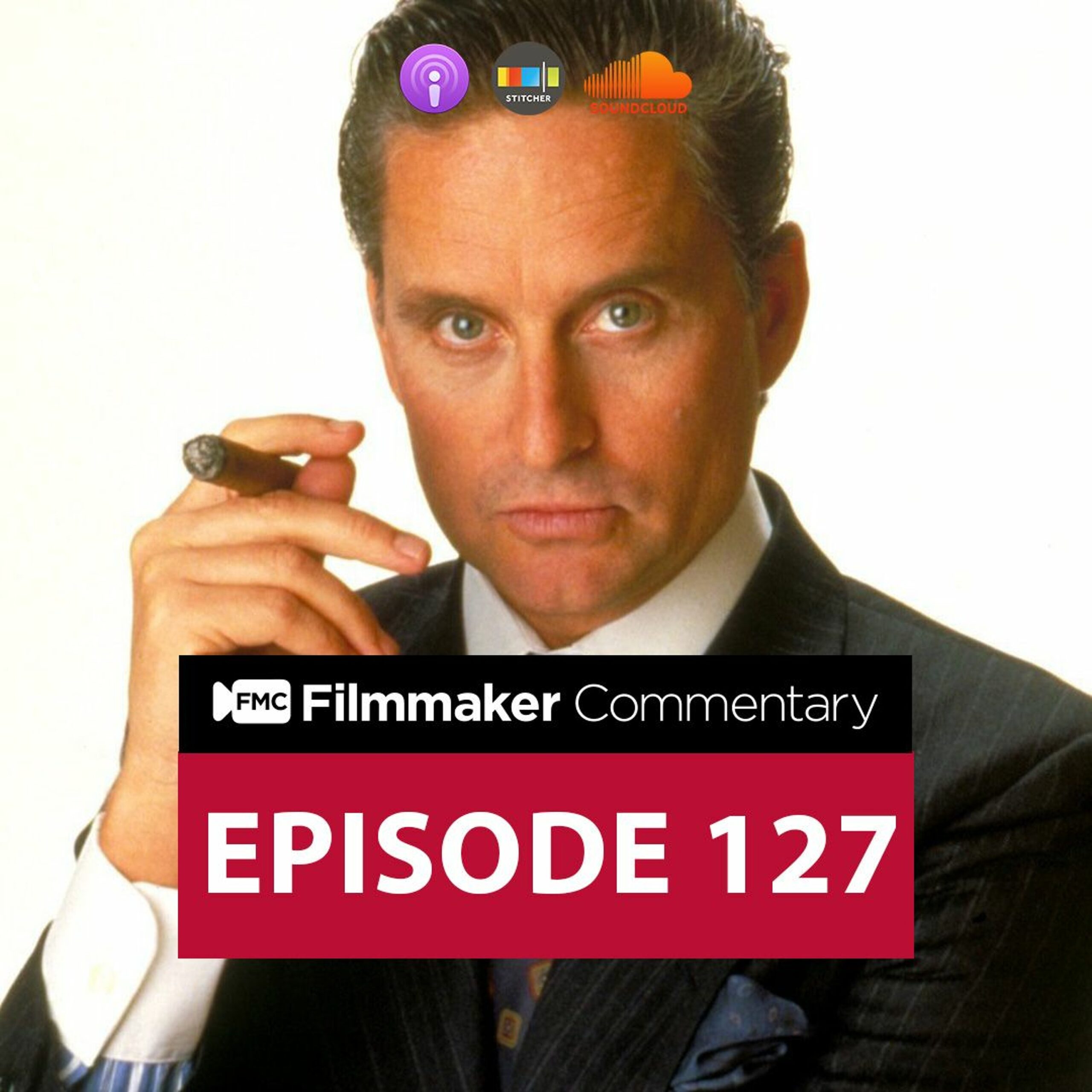
FMC 127: Wall Street Written and Directed by Oliver Stone

May 7, 2022
Listen on Apple Spotify YouTube
Listen to this episode
Your browser does not support the audio element.
Also on Apple Spotify YouTube

Step into the fast-paced, high-stakes world of Wall Street with this insightful episode. Reginald Titus Jr. and Casey G. Smith dive deep into Oliver Stone’s iconic 1987 film, dissecting its enduring cultural impact, unforgettable characters, and the timeless themes of ambition and excess that still resonate today.

The hosts explore Stone’s meticulous directorial style and the powerhouse performances that bring the cutthroat world of finance to life. They also discuss how “Wall Street” cemented its place as a cinematic classic, influencing countless films and becoming a cultural touchstone for generations.

What We Cover

  • The lasting cultural impact of “Wall Street” and its influence on other films and quotable dialogue.
  • Oliver Stone’s signature directorial style, commitment to research, and its effect on the film’s realism and dramatic weight.
  • Michael Douglas’s Academy Award-winning portrayal of Gordon Gekko and the powerful ensemble cast.
  • An in-depth analysis of the film’s central themes, including greed, the illusion of value, and the pursuit of overnight riches.
  • A look at the film’s gritty cinematography, evocative tones, and memorable, weighty dialogue.
  • Insights into the real-life experiences of financial trading and how the film reflects corporate ambition.

Key Moments

  • 01:03: Discussion of the film’s accolades, highlighting Michael Douglas’s Academy Award win for Best Actor.
  • 26:45: The hosts reflect on how “Wall Street” became a seminal cultural touchstone, influencing other films and contributing to pop culture.
  • 34:34: A detailed breakdown of Oliver Stone’s distinct visual style, including his use of backlighting for Gordon Gekko and innovative camera techniques.
  • 46:27: An in-depth analysis of the film’s core themes, particularly the pervasive presence of greed and the illusion of value in the financial world.

Gear & Films Mentioned

  • Films: Wall Street (1987), Wall Street: Money Never Sleeps, Boiler Room, The Godfather, JFK, Any Given Sunday, Blow, The Final Countdown, Fatal Attraction, Basic Instinct, Splash, Kill Bill.
  • TV Shows: Atlanta, The Knick, JoJo’s Bizarre Adventure, This Is Us, The Proud Family.

Listener Questions

  • How did “Wall Street” become such a cultural phenomenon, and what elements contributed to its lasting impact on cinema?
  • What specific directorial choices by Oliver Stone shape the film’s atmosphere and effectively convey its powerful themes?
  • How does the film explore the ethical implications of the “greed is good” philosophy, and what does it reveal about the characters’ moral compasses?

Join us on Filmmaker Commentary each week for more in-depth film discussions.

Full Transcript

Read the full transcript

Full Episode Transcript
This episode of Filmmaker Commentary Oliver Stone's 1987 financial thriller "Wall Street," exploring its themes, performances, and lasting cultural impact on cinema and the hosts themselves.

Opening Discussion
Reginald Titus Jr.: Filmmaker Commentary episode 127.
Casey G. Smith: Welcome to Filmmaker Commentary, where we give you insights from our favorite filmmaking commentaries. These commentaries can be heard on your DVD and Blu-rays of your favorite movies. We'll show you how you can use these commentaries and apply them to improve your video production and filmmaking techniques. All of this here on Filmmaker Commentary. I'm your host, Reginald Titus Jr.
Reginald Titus Jr.: Yes, welcome to another episode of Filmmaker Commentary. I'm Reginald Titus Jr. and I'm joined with...
Casey G. Smith: Casey G. Smith.
Reginald Titus Jr.: Welcome back, sir.
Casey G. Smith.: Good to be back, sir.
Reginald Titus Jr.: And today we are going over Wall Street. The first one. Yes, 1987, written and directed by Oliver Stone, rated R, starring Michael Douglas, Charlie Sheen. And this is our second Charlie film, Charlie Sheen film in the '80s. Double up, you know what I'm saying? Um, what were some awards from Wall Street?
Casey G. Smith: So, Wall Street did win a few, well, a few awards. In particular, uh Michael Douglas won the Academy Award for Best Actor in a Leading Role. Also, he won the Golden Globe for Best Performance by an Actor in a Motion Picture or Drama.
Reginald Titus Jr.: Awesome, 1988, y'all.
Casey G. Smith: And unfortunately, uh Daryl Hannah won a Razzie Award for Worst Supporting Actress.
Reginald Titus Jr.: Oh, snap! Ouch.
Casey G. Smith: Her performance was weird.
Reginald Titus Jr.: Yeah, as we, as we get into it, you'll, you'll, you'll learn a little bit more.
Casey G. Smith: She felt a little conflicted about, about the role itself.
Reginald Titus Jr.: Yeah, we'll dive into that. Yikes. Um, how did it perform at the box office though?
Casey G. Smith: At the box office on a $15 million estimated budget. Opening weekend was 4.1 million. It went on to gross in the US and Canada and technically worldwide, 44 million dollars.
Reginald Titus Jr.: Not too bad.
Casey G. Smith: Not too bad at all.
Reginald Titus Jr.: Okay. So we'll say, it made some money.
Casey G. Smith: Yes, sir.
Reginald Titus Jr.: Hey, and when you win, when you're winning, when your people are winning Oscars, I mean, what more can you ask for, right?
Casey G. Smith: And to to good luck.
Reginald Titus Jr.: Uh, yes, most definitely. But before we talk about further Wall Street, let's talk about news and movies watched.
Casey G. Smith: In the news, according to Deadline, Netflix, Disney Plus, and Amazon will soon be regulated like normal channels within the UK.
Reginald Titus Jr.: Whoa. What does it mean?
Casey G. Smith: It means there's a body that's being tasked with making sure that the content is properly labeled and safe so people don't get accidentally exposed to something they weren't expecting. So...
Reginald Titus Jr.: So what that mean, like they'll have to go with the ratings, like MPAA ratings or will they be a board for that or how's this thing work, I wonder?
Casey G. Smith: That I don't know, but I think it is definitely, pardon me, worth diving into a little bit deeper to see, you know, will these have ramifications for uh the US eventually? But yeah, this is a group within the UK that has been tasked to to do this. So...
Reginald Titus Jr.: That's interesting.
Casey G. Smith: Yeah. So it'll be interesting to see if there's a domino effect. Uh, additionally in the news, according to Deadline, Jon Watts of Spider-Man: No Way Home fame and Spider-Man: Far From Home and Spider-Man: Homecoming, the Sony/Disney trilogy of Tom Holland Spider-Man films. He is officially out of filming the Fantastic Four for Marvel. Nothing malicious or vicious, both parties uh parted ways amicably. And it's uh quoted basically that Jon Watts, basically, he's like ready for a break. He did these three films within, I think a seven-year period or whatever the timeframe was. And these are pretty big films.
Reginald Titus Jr.: Yeah.
Casey G. Smith: Elaborate films. And so I think he's just ready for a break. Right?
Reginald Titus Jr.: What was his role again?
Casey G. Smith: Director.
Reginald Titus Jr.: Oh. Exactly. The head guy. Hey, guys, I'm gonna take a break.
Casey G. Smith: He's a PA, you know. He's a gaffer. Those guys are like, I'm busting my butt every day. I don't take a break.
Reginald Titus Jr.: On to the next one.
Casey G. Smith: Yes, sir. So yeah, Jon Watts, you know, wish you well, take some time off and uh hope you rest up and uh you know, if the the bite, the itch gets back on you, I hope you jump back into the the the MCU. Cause you've done a serviceable job.
Reginald Titus Jr.: True. Which ones did he do again?
Casey G. Smith: No worries. All the Tom Holland Spider-Man films.
Reginald Titus Jr.: Okay. I'm sorry to have you repeat yourself. No worries. All the Tom Holland Spider-Man films.
Casey G. Smith: Homecoming, Far From Home and the most recently blockbuster No Way Home.
Reginald Titus Jr.: In retrospect, I don't need him to take a break. I need him to come back and do the next one.
Casey G. Smith: Well you want him to be fresh. You know the uh the you know the Russo Brothers, same thing, you know, they took a break after doing Winter Soldier and Civil War. Yeah. And then shooting Infinity War and Endgame at the same time. So uh and they're, each film has got progressively bigger and bigger and more and more actors. I mean, Far From Home, all those actors you had from those previous films, Alfred Molina and Jamie Fox, um and uh our man played the Green Goblin. Uh, yeah. That's a that's a lot. And in addition to Tobey Maguire and Andrew Garfield. Yeah. That's a...
Reginald Titus Jr.: So when is the next one with Tom Holland? Like they're expecting...
Casey G. Smith: No dates.
Reginald Titus Jr.: No dates just yet. Okay. Cause the guy took a break. That's why there's no date.
Casey G. Smith: Well, he was going to be doing Fantastic Four anyway, he was slated for that, which is cause that's a that's a big deal for Marvel, like to do Fantastic Four. Yeah. Right.
Reginald Titus Jr.: Okay.
Casey G. Smith: So we'll we'll see what happens with that. But I, I man, I I think Peyton, maybe Peyton uh Reed of uh the Ant-Man films might be maybe tapped for it. I wouldn't mind um Adam McKay. He's a big Fantastic Four guy. Uh, he's a big fan of the Fantastic Four. He's he's got little Easter eggs in some of his films. So I wouldn't mind him taking the reins. But anyway, I mean the Marvel machine will keep moving forward. For sure. They'll they'll get it done.
Reginald Titus Jr.: These films seem like they're more they're by committee, you know, these studio films are by committee and, you know, you can you just the director's more of a role to who's going to be on this every day besides Feige. You know what I mean, like?
Casey G. Smith: Yeah. Feige is heavily, heavily involved in, in every film.
Reginald Titus Jr.: Right. So it's like, who's going to be that guy that's like him, but every every single day on set? Mm-hmm. That's what the director's basically just making sure we're not going over budget and things are going according to plan. But all this stuff is storyboarded out, especially with all the the CGI and all the stuff they have to do. I mean, it's green screens for most of this stuff, so...
Casey G. Smith: Quite a bit. I think that the director's still able to bring a vision, but it just has to fit in into the the ultimate Marvel Master Plan. But but nonetheless, uh good luck to you, Jon Watts, hope you rest up and get refreshed and on to your next endeavors. Uh, on a, on a side note, kind of comic book related, uh, one Neil Adams, famed Batman artist, passed away at the age of 80. Neil Adams' work is seminal and critical to the the the classic look of Batman and his blue and gray garb that that we've that you and I grew up with seeing. Like that's Neil Adams, his art. He's considered one of the, one of the best and inspired a whole slew of artists. So, rest in peace, Neil Adams. Thank you for your contribution to pop culture, comics and and even to cinema as those things carried forward. All right. P. That's all I have for news.
Reginald Titus Jr.: What have you been watching? Anything new?
Casey G. Smith: Anything new? Uh, some new things that I added, I've I've been catching up a little bit on some '90s uh Spider-Man. Okay. So my my goal is to finish the the fifth season, which I never did as a as a kid. I don't know if I got burned out or what when I was watching it when I was younger, but yeah, I'm going to uh finish this this last season of of that. Also, I started re-watching recently The Knick, which you, you know, I originally watched on Cinemax. I absolutely loved The Knick. So, diving back into that. Uh Soderbergh's work, uh based on a a hospital in the early 1900s in America with uh Clive Owen and Andre Ward, um yeah.
Reginald Titus Jr.: Clive Owen. I haven't heard that name in a minute. He still talks like, he's kind of like he's got like a little mumble thing going on when he talks.
Casey G. Smith: He's quite clear in this.
Reginald Titus Jr.: Oh. Maybe that was that one film, was it Shoot 'Em Up? Remember Shoot 'Em Up, the film that he was in? He's like basically like a character, like a Bugs Bunny character just murdering everybody the whole film.
Casey G. Smith: Really?
Reginald Titus Jr.: Yeah. Shoot 'Em Up, it's called Shoot 'Em Up. It's pretty good. Yeah. Literally has a carrot and just snapping and just shooting everybody. It's ridiculous, but it'll be great to cover. We covered that, I thought. Anyhow.
Casey G. Smith: Okay. I'll I'll look into that. No, we never heard of that before. Okay. Maybe not.
Reginald Titus Jr.: It was like around that Death Proof, Planet Terror, around you know, that around that stuff. Maybe that's why my brain's going there.
Casey G. Smith: He is he is a refined surgeon at the Knickerbocker Hospital. He's quite clear. No no mumbling. But yeah, so revisiting that show, I'm a few episodes in. I'm uh I'm excited to go through it again, cause now I've seen some of these actors go on to other things and seeing them start there. Like one guy in particular, he's on This Is Us. Um, he's a he's a heavier-set guy and he's kinda lost weight. But when I saw him show up on This Is Us on The Knick he plays like a he has like a Scottish, well, Scottish or or Irish accent. And I'm like, wait a minute, he's is he American? Or he might be, I don't know which one's real. I don't know if I haven't, I've got to watch him in an interview to see how he really talks. Yeah. But I was like, wait a minute, he's not Scottish Irish, which he may be. And maybe he's just doing an accent for This Is Us.
Reginald Titus Jr.: He's got that training though. I thought he was British.
Casey G. Smith: No. I don't know. I haven't heard him in an interview. So I am, I am uncertain.
Reginald Titus Jr.: Yeah, cause on uh when we were Sin City, remember he was in Sin City and what's it the detective uh in one of the um um dang, I can't remember what what what um what story in Sin City.
Casey G. Smith: Oh, I'm not talking about Clive Owen. This is a different, a different guy on the show.
Reginald Titus Jr.: Oh. How about that? I'm about out now.
Casey G. Smith: He's an ambulance guy. So I wasn't clear. There's a guy on the show who's who he handles the ambulance. Yeah. And he's he's a bigger guy. Oh, the heavy guy. Yeah. Brain's not here today. I'm sorry, uh audience. Unbelievable.
Reginald Titus Jr.: Brain's not here today. Unbelievable.
Casey G. Smith: Paging paging Reginald Titus. Your your brain is here. Ready for pickup. Aisle 6.
Reginald Titus Jr.: I'm here. I promise.
Casey G. Smith: But yeah, but I'm not sure what his origin of country of origin is, but he he does a convincing accent regardless of what it is. Very impressive. So anyway, I've been on that. And also an anime called JoJo's Bizarre Adventures. I'd watched a few episodes maybe back in January. I recently jumped back in. I like to see the artwork a lot. And it's a couple of seasons, but I kind of fast-forwarded I watched maybe like several episodes of the first season. I was like, ah, you know what, let me, I'm going to go further in, cause it's kind of a lineage of of people under this guy, Joe, or JoJo, and they inherit these abilities. So I jumped like to the third season, cause there was a girl in there with green hair and I've seen her in all the other. I'm like, let me let me see what this is about. So I'm following that story. She's kind of in prison and all this other stuff. But it's just anime.
Reginald Titus Jr.: What platform?
Casey G. Smith: Netflix.
Reginald Titus Jr.: Okay. Netflix. Speaking Netflix, they needed to have their stock plummet this past week.
Casey G. Smith: There's been some plummeting in stocks. I think Amazon uh took a hit Yeah. the other day as well. Earnings not as expected.
Reginald Titus Jr.: Taking a bath. But they they said quite a few people like unsubscribed from Netflix, so, mhm. Uh, I wish they would update their content. Excuse me.
Casey G. Smith: Pardon me.
Reginald Titus Jr.: Yeah. I wish yeah. And they used to be, you know, bigger supporters with independent um films. I mean, that's how they started, you know, the company on streaming was a lot of independent stuff because Hollywood wouldn't just license their stuff like that to them. It's crazy how things change.
Casey G. Smith: Well, they've lost so much content because of the other streaming services, of the Disney Pluses and the Paramount Pluses and all the other Pluses that are out there. You know, and Amazon, you know, really, you know, making their own content and licensing still quite a bit of content. So the competition has swelled. I mean, HBO Max, doing what they do. I mean, HBO Max is, I think they're doing pretty well for for themselves, cause they were kind of floundering early on, but they seem to be going fairly strong.
Reginald Titus Jr.: I I think the difference is, uh, when I go onto, like an HBO or who, not even Hulu, but like HBO or like a Disney, it's more curated. And so like the experience is different. You're going there for a specific feeling or experience. When I go to Netflix, it's like it's like Walmart or something, you know, it's like, what do I start? What do I do?
Casey G. Smith: True. I'm sure you have stuff on our, on our my list, it's been there for decades. Just I'm just clicking through it like, all right, maybe something interesting will pop up. And they have tons of great stuff, but it's just hard to sift through when you have hundreds of thousands of titles. Just like, surprise me. Is there a button? I wonder if there's a button on there.
Reginald Titus Jr.: Yeah.
Casey G. Smith: There there literally is. If you scroll down far enough, you're like, you're in the abyss. And there there is an option that says, surprise me. Randomly it'll just select something for you. It is there. I have scrolled to the to the end of the Netflix universe. That's beautiful. Where am I?
Reginald Titus Jr.: I'm waiting. You're in the abyss. Where am I?
Casey G. Smith: You're at the U-turn, son. They're going to send you back to go. And not collect $200.
Reginald Titus Jr.: That's wild. Oh man. Um, what did I watch? The only thing I watched this week was uh Atlanta, of course. Um, keeping up on that. The episode's called Trini to the Bone. Man, what'd you think? That was brilliant. That was brilliant. Yes. Uh I don't even know where to start, but uh go ahead.
Casey G. Smith: Yeah. Atlanta does a great job, especially when they incorporate people outside of the given culture or moment. And they do a good job of of you witnessing them experiencing these things for the first time. So if you haven't seen the latest episode of Atlanta, spoiler warning, in case we go a little deep. But it's about a uh upper middle-class Caucasian family of three, a mother, a father and a and a young boy, maybe who's in first, second grade potentially. And the episode starts with the dad running through you know, running on a jog. And he's blasting some hip-hop. He's just doing his thing.
Reginald Titus Jr.: Yeah.
Casey G. Smith: Yeah.
Reginald Titus Jr.: Yeah. The music is jamming. And at first, when the music is playing, you think it's just music that's playing part of the title sequence. But when he takes off his headphones, you're like, oh, he was actually listening to that.
Casey G. Smith: Mm-hmm. Yeah. I had a feeling he was really listening to it. I'm like, okay, this is a...
Reginald Titus Jr.: So slightly woke. How about that?
Casey G. Smith: Sure. Yes.
Reginald Titus Jr.: Open to wokeness. Oh, yeah, he's open. And and we're discovering um, you know, he's just back at home and they're waiting on their nanny.
Casey G. Smith: Nanny.
Reginald Titus Jr.: And everybody's like, have you seen her? You know, but we but you can see kind of what's going on. You see that his kid is watching a cartoon that has, it's, you know, it's ethnic people on the cartoon.
Casey G. Smith: That's The Proud Family. He's watching.
Reginald Titus Jr.: Ah. See, I saw it kinda quick. I was like, what's that?
Casey G. Smith: That's cuz that's been advertised on Disney Plus a lot and I've just noticed the I'm like, this kid's watching The Proud Family.
Reginald Titus Jr.: Ha. Deep divers. Yes, sir. So he's watching that and then because they're waiting on the nanny, um the father's asking the wife like, hey, did you get something for the kid? You know, so she kinda doesn't know what he wants to eat. So she just buys something that's according to the kid, bland. And then he asked for like some curry, some hot curry sauce or something like that to put on it, cause it was like no seasoning. And that kinda opens like, what what's going on here?
Casey G. Smith: Cause that they they seem, the parents seem very out of sync in the moment, very almost lost. You wonder, why why do they seem so like uncertain about these things like how to approach their kid and and and it seems like they're making a mountain out of a molehill. Like we we couldn't figure out what to give him to eat. It's like, give him something to to eat. Why is he making these decisions? But that's from what I've seen in different shows, kind of a a trope if you will of giving the child these child all these decisions that that they that they get to make. I understand hey, do you want Frosted Flakes or or Fruit Loops. But just like like give them all these this empowerment and like really, really catering, which is okay, you know, whatever, but that's kind of their their style or maybe they shouldn't know because the nanny's normally handling this. The nanny would know exactly what this kid wants. Mhm. And that is kind of giving you a clue like these parents aren't really dialed into what their child is into. They're clueless.
Reginald Titus Jr.: Yes, sir.
Casey G. Smith: To say the least.
Reginald Titus Jr.: To say the least.
Casey G. Smith: They they really they seem lost and they're they're trying to figure out uh wait no, well not well not yet. They're trying to figure out how they're going to get him to school, who's going to take him. While they're trying to figure that out, there's a phone call. Dad answers it. And he's he starts snapping like at his at his wife. She comes over and at the same time one of those things where somebody's on the phone getting information, and somebody else is asking that person questions while they're still getting information. He's like, you know, wait, wait, wait. And long story short, the nanny has died. Yes, suddenly. Passed away. And so which makes sense as we, you know, follow along with him, it's like, okay, that's why they have no clue. The nanny's been taking care of everything. Everything. And so like simple stuff is mom or dad dropping off their kid to school. Like this is something that just this is a normal day-to-day situation that should you should just know. It's either your turn, it's my turn, or the boy is going on the bus or like, this is already situated. But of course, it's already been situated because the nanny handles it. They they pay money to have those things taken care of. There you go. And then so they're doing they're this family, again, they're up like I say, upper middle class family. They're doing well for themselves. Like even the way that they talk and handle things, they're a little bougie. Uh and then and uh the wife in particular seems very uptight and and conservative in in her ways, which is all good. That's just a just a what I noticed about how she carries herself. But it seems like certain things are more important. Like yoga seemed to be more important than what's going on with her kid for that morning. Yes, cuz he seemed, cuz even as they got, she she decides to take him to school. They get to the school. And they she they go so far or whatever and and the the the mother's very careful about even how to break the news. Like there's even a discussion on whether or not they should even tell him. And so she's kind of struggling with that. And she walks him into the school. And it's almost like she'd never even been there before. Yeah. She she seemed like uncertain. And he the boy, the boy even tells her, um, you know, what's what's that's Silvia. He says, Mom, Silvia walks me to class. Cause he'd walked in into the school, the doorway. He's like, Silvia walks me to class. He's like, oh, okay. And then he he looks at her and he's like, you seem upset. He's like, do you need an ocean breath? He says, he asked, are you upset about not going to yoga? He says, do you need an ocean breath? And they both, you know, together. Yeah. Take a a big breath and exhale. So this this kid is he seems shy and introverted. Initially when I first saw him, he was so quiet. I was like, I wonder if there was some kind of like learning style difference. Yeah. But he's just kind of introverted, but at the same time he's he's got he's got an awareness to him. Yeah. He notices things and he seems to have even a sensitivity, he's kind of very empathetic to to others, which is very fascinating. Though though he's quiet and and reserved, he's uh very observant.
Reginald Titus Jr.: Oh, yeah, for sure.
Casey G. Smith: So, but we could we could go on about this. But it's it...
Reginald Titus Jr.: Yeah, we'll go on about that. But it's it...
Casey G. Smith: It was great. So apparently grandma or the nanny has been with him this whole time. Yeah. Yeah. And that's why he's just like so calm about everything. Man, yeah, but Trini to the Bone. Trini to the Bone. Yeah, it's yeah. Wait till you get to the the funeral scene. It just it just gets better. There's a wonderful build up and the the feeling of being the outsider and experiencing Silvia's world as someone from Trinidad, you you you get to you feel the awkwardness that the parents feel and the trying to be polite about different things. And and then seeing the just how connected she was to their to the son to the little the little boy. And and some of his reactions are precious and hilarious and just some wonderful, wonderful TV. Atlanta. Just knocking it out. These For sure. These in-between episodes, cause the season has has vacillated back and forth between these stand-alone episodes that that kind of are speaking to different Afro-Surrealist surrealistic topics. Mhm. And then, you know, back to the adventures of Paper Boi, Earl, and the rest of the crew on this European tour. And then the next episode, boom, back to some, you know, Afro-Surrealism. It's it's lovely. Yeah, it is lovely. It's like one of the, honestly, it's one of the few shows that speak to me as a Black American. It's like, they're very, very few. This is maybe one other one. Like maybe from um some of Issa Rae's stuff, you know, and that's more from a female standpoint. And so this is one of like, wow, this is 100% spot-on. And it's just done so so well. And it and it it it's pointing these things out, but it it I feel at least as I feel it's being respectful. Right. But also like pushing, but also kind of pushing. But I'd be very curious to to hear the writer room. Well, even even a Caucasian person's perspective, like watching some of these episodes and kind of what what they feel. Like, are they are they like what they what they relate to? Somebody um uh in the comments on YouTube in response to the one episode with the reparations, they said they were genuinely horrified. Woo! In the comment section. I could only imagine. Yes. If I were a Caucasian person and and potentially I had relatives that had owned slaves, it was like, wait, no, let's back it up. If I were just someone and in my history there was someone in my family that owned slaves, and all of a sudden a program a reparations program was dropped and anybody could just come at me and say, hey, your your family own this. I think you owe me, and they could just come up with a number. I think you owe me about 4 million. Yeah, that would be pretty terrifying. That is terrifying. That would be pretty terrifying. Anybody could being able to come up and say because of something your your family did in the past that you may or may not have anything to do with. You weren't even born yet. Yeah. And to be honest, they know their history, so it's not a secret a lot of the times it's not. That's but that's something though to be have to to have to pay for sins of the father. Oh, hey, man. That's a woo. Somebody got to pay. That's something. That is that's something. But yeah, rightfully so. Terrifying. Terrifying. Anything else? Uh, that's that's that's all I got for now. And back to the show.

Film Analysis: Wall Street Synopsis & Initial Reactions
Reginald Titus Jr.: Thank you for tuning in to Filmmaker Commentary. We're talking about Wall Street, 1987. Starring Michael Douglas, Charlie Sheen. Uh, let's jump into the synopsis. In this riveting behind-the-scenes look at big business in the 1980s, an ambitious young broker is lured into the illegal, lucrative world of corporate espionage when he is seduced by the power, status, and financial wizardry of Wall Street legend Gordon Gekko. But he soon discovers that the pursuit of overnight riches comes at a price too high to pay. Wall Street, Rated R. Rated R. And if this is your first time listening to Filmmaker Commentary, please know that there will be spoilers. You've been forewarned. Yes, indeed. Um, how did you watch this film? Was this the first time you watched this film or how did you do it this time?
Casey G. Smith: Initially when I picked up the the DVD, I thought I hadn't seen it before. But once I sat down and queued it up and started hearing Frank Sinatra's "Fly Me To The Moon," Yeah. memory started flooding back. I was like, yo, I've seen this before. I I watched this maybe about 10 years ago. Okay. And I was going through a lot of Netflix's catalog of DVDs and Blu-rays, just kind of ordering them. Send the next one. Send the next one. Trying to catch up catch up on just different holes that I had in my uh library of film knowledge. Yes. And uh this this was one of them. And I even even before, once I saw Charlie Sheen, I'm like, oh yeah, he's going to go and see his dad who lives in the more rural area. So, I had seen this before. I don't know why it slipped my mind, but it just had.
Reginald Titus Jr.: I thought I watched this film. I literally thought I watched. I was like, yeah, I've seen that. It's an old film. But no, I didn't watch this film. What I did watch was Boiler Room. I don't know if you remember Boiler Room. In Boiler Room, they're quoting Wall Street. And so, I feel like I've seen this film before.
Casey G. Smith: Mm-hmm.
Reginald Titus Jr.: Oh.
Casey G. Smith: That's how much of a cultural touchstone this film is. It's it's one it's one of those things like God like The Godfather, where it's so seminal, it inspires other films and gets quoted and and mentioned and clips here and clips there where yeah, you feel like you've you've seen it. Yeah. So, with me I had the opposite though. I was like, I forgot I saw it. Yeah. And like for me like the reason, like this I thought I had seen this was because I watched Boiler Room, you know, watched like any of the like the hustle films. And this is about 2007. Yeah, 2000 summer '07, when the when we were going into a recession, right? I'm graduating college. I'm going into commercial real estate, and I have to call CFOs every single day for leads. Like that's my job. And like I literally like I'm cold calling.
Reginald Titus Jr.: Yeah.
Casey G. Smith: Smile and Dial.
Reginald Titus Jr.: And like just like them in the cubicle and what we would do is we would watch Boiler Room and on repeat and quote it to each other while we make these calls. So like pretty much felt like part of the sales culture. And some of these characters in this film remind me of some of the characters at my first job. For sure.
Casey G. Smith: There you go. Again, it's a powerful powerful film, powerful culture. You know, Wolf of Wall Street, Yeah. kind of has that vibe. I think if you've seen that, that might also give you those feels as well. Mhm. Yeah. But it's not too many. It's not too many that like are true that feel like that you would get amped up to watch and like, let's make some sales calls. Like Glengarry Glen Ross, you know, films like that. You know, certain scenes, like, yeah. But anyhow, yeah, I didn't watch it, but yeah, it was interesting to watch it for the first time. All right.

Thematic & Technical Aspects
Reginald Titus Jr.: What did you like or not like about the film?
Casey G. Smith: What I liked about the film is how quickly they dive into the story. They quickly establish you know, who Bud's character is. It's not too much further in until he we we know he's chasing after this big lead. We know what he does for a living. So I like that he kind of quickly jumps into things and it just moves and doesn't it doesn't really slow down. So I appreciated that about the film. Uh, the performances for the most part. I mean, obviously, Michael Douglas, we mentioned earlier that he got an Academy Award for Best Actor. I think that the director's direction is is very good and is there's there's some powerhouses in in this film and some future stars as as well. A lot of great cameos. Yeah. I um liked Oliver Stone. Solid, man. Legendary director, you know, from the pack of legendary directors like Francis Ford Coppola and Steven Spielberg and all these other different guys that were like sharing notes with each other. Oh yeah. Like they're all great. Um, I think the only thing for me is the the I didn't really like, and that's probably just me being an American person, is the ambiguous ending. Like, give me some closure. Like, tell me how many, you know what I mean? Like the same thing that I didn't like. I didn't like the the ending. I mean, him going up the the steps into the court, court room. I didn't get that you have to draw it out, but it does, it feels like okay, he's going to go and and pay his debt for what he did. He did he did dirt. So I mean he did he deserves that. Cooperated. Gekko is going to lose some money, maybe get uh, you know, some fines, maybe slap slap on the wrist. But he he's got enough money. He'll he'll be all right. He'll he'll he'll go on. So when Wall Street, uh, two, I'm going to watch that tonight because I've seen it before, but I just kinda forgot the storyline. So apparently he's done a lot of time in prison. The Gekko character. So he comes back. And so, when he's coming back, he's trying to get into his daughter's life and kinda be part of her life because he missed a whole lot. Yeah, all of that. So, he's trying to get into her good graces, but she's in a relationship with Shia LaBeouf's character, who's on who's basically the Charlie Sheen of this era. Uh-huh. And um, but nothing changes. He's still the manipulator and plot twist and things happen. Greed. Yes. Greed is good. Greed is good. Um, also I like the dialogue in this film. It's very, it's very it has weight to it. Like after going through, like I keep catching more and more things just from from re-watching. Like, man, there's a lot of lot of lines, lot of lot of quotable lines within this film. For sure. And little nuggets of of wisdom. And that's the thing about Oliver Stone's films. I feel that they have they carry a a weight to them. Um, they have a message within the within at the minimum they make you think. Yes. And what I admire about Oliver Stone is the amount of research, you know, and that that can be part of like a filmmaker tip or whatever, but like he puts a lot of research into everything that he's doing. We noticed that from Any Given Sunday. Yeah. It's like he has his bible of stuff. JFK. Yeah. Dude. Have you ever seen JFK? I haven't. That might be one we might need to. Yes. When I when I when that pops up, I'm like, that looked like it's going to be a long movie. Dude, I watched that. I was maybe like 10. Yeah, me and my dad, we watched that in the theater with my dad. Oh. Kevin Costner. Wow. Joe Pesci. Wow. Yeah. And then like they're yeah. What's the line to the right or? Back to the left. Back to the left. Yeah. Yes. JFK. Oliver Stone. Yeah, so I I admire the research that he puts into into his films. So I agree with you, man. On a side note, Oliver Stone has one heck of a memory. He's he's someone that I wouldn't want to cross because when he's giving commentary, he he remembers like people who have spurned him. Yeah. Oh, rightfully so. People who have who have done dirt. He he remembers. And he's not afraid to to say it. He's like, oh, Wall Street Journal, they were, you know, talking shit about my films, you know, So there's a little dig at them. Like, man, he he yeah. Oliver remembers. Yeah. Long memory. And I respect him because he's uh he's a guy who was trying to get into the industry, you know, working a cab and had a family, like a relate. Um, trying to make stuff happen and like still trying to. So he kind of came in a little bit later than anticipated. A lot of guys get in a little bit earlier, but I think when you come in a little bit later, you have a little bit more experience. Sure. And he was writing, you know, steady writing, writing, writing, writing and finally wrote Platoon. And then several years later, finally was able to make it. Oliver Stone. What kind of um tone did you see in this film? Uh, it's a tone that is uh, it's a drama. I call it a financial thriller. Okay. And it's it's serious. Like there's there are clips here and there, but there is this is a high-stakes kind of film and it's there are there are highs and lows and ups and downs, but financial thriller. Financial thriller. Which I think it it kind of then sparks some other similar ones. Like I think about, you know, Tom Cruise in The Firm, Okay. that would come out later on and that kind of Margin Call. Did you ever watch that one? Oh, yeah. Smaller budget, but uh man, they were coming with it with the acting. Yeah, but I think this is one of those films that kind of uh helps spark those things of the we're doing big business and there are big stakes involved. And it can get dangerous. This was kind of just touching on the tip of that. And uh yeah. With the the opening uh title sequence, you got Frank Sinatra playing in the background. What what's the lyrics? What is he saying in the back? Fly me to the moon. Yeah. So you got that playing in the background, but then you have like kind of like the somber, amber-looking tones of the city. It doesn't look inviting. Like it looks kind of terrible. Like this is depressing. Gloomy. Yeah. A lot of overcast. Yeah. And you see, um I don't know if this was on purpose or not or if these were real people, but you would see like homeless people in the shots that he was in amongst the people that are going to make money, then the other ones are kind of begging for money. So, you know, it's kind of brilliant either way. Yeah. You know, but it's kind of brilliant because it's like showing like, just right here, all this money is right here, but this person's choosing to do this. This person's choosing to do that. They're all kind of going around their life to chase this money anyway. Feast and famine. Dude. Yeah. All all together. Living in the concrete jungle. Yeah. I think even Michael Douglas's character points it out from the limo like, you know, talking about there was a homeless guy and then a guy with a briefcase and it was interesting they you know, pointed that out. Uh, but it doesn't feel welcoming. And I think in that special feature and the documentary, um, Oliver Stone talks about how, um, there were like these long shadows, like casting shadows. Like, it was dark for a period of time at that time in New York. Do you think there was a a style with the film? Or did you notice anything that like kind of gave it its own style? Whether visually or dialogue or did you notice anything from like Oliver Stone that was like, okay, this Stone thing. I noticed early on as Bud, Charlie Sheen's character, is is garnering the favor of of Gordon Gekko that they they will put Gekko in like his his face will be, everything else will be dark but his face will be will be lit up. It's like there's a scene like that in the in the limo and also when they're in the country club, kinda right as he's kind of trying to close, you know, trying to close Bud. But there's like it's like he's almost in the shadows, but his face is still illuminated. And at times even the camera angle is is up at him and then sometimes down towards Charlie Sheen, kinda showing the difference of the power dynamic. And I noticed a lot of red hues on their faces. I know you know, I'm like they look really flush. Now that could be from tanning, from, you know, being in Hollywood. Right. But it really seemed to like stand out, particularly early early on in the film, and maybe in the early shooting and maybe over time, over the months or however long it took. You know remember some of the tans went away, they were in New York. But early on, like they're pretty, pretty flush, pretty red. Interesting. Yeah, uh the the the shot you're talking about, like I noticed those. I was like, bravo. Like when I first saw it, when I first noticed it was in the country club. And then he's closing Charlie Sheen, and then he's talking, but what they do is a backlight, and they turn the black light off, the backlight off. And so it's just Michael Douglas and he's like lit to the right. And you're like, whoa, it's like it's the devil. Like. And then it happens again, but instead of Michael Douglas being lit up, it's when Charlie Sheen is working the deal against uh Gordon Gekko. And then he finds out that he's losing that money. And then his his face goes, the front, the key light turns off. So it's just Gekko is like a shadow now. Yeah, yeah, yeah, yeah. I was like, dang, that was that was good. That was well done. That's filmmaking. There's some nice use of uh lighting. Like even when when when Charlie Sheen and Daryl Hannah's character, when they have their their love-making scene, and it's just more like just like like silhouette and like a like a bluish like light lining right behind them. I'm like, okay, that's that's well done. Like, okay, well, it makes sense that you know, that they're that they they've become intertwined. Intertwined. Entanglement. If you will. Yes. Entangled. And again, but it's also, I think part of the thing that Michael Douglas is doing to hook Bud, yeah. is, I mean, everything he can, you know, it's, you know, sex, it's drugs. Like all these different ways to kind of hook him, you know, even you even kind of learn towards the end that Daryl Hannah's character is kind of part of that thing. And he he's even manipulating that to get that to work to have her keep him, you know, keep him hooked. Yeah, that um I was watching this with my wife, and then when that montage came on with Charlie Sheen and Daryl, uh, uh, Danna, what's her name? Daryl Hannah. What was her what was her what's her name in the movie? Her character name was it was like a it was like a male name. In the movie, she goes by the name of Darian. Darian. I knew it. She had a brother name. Hi, I'm Darian. It's like, what's up? Nice to meet you. Never mind. I'll get going. The guy selling these contracts. Charlie Sheen was trying to close her in the movie. Or what was his name? Bud? Bud Fox. Um, uh, one of another style that I that I noticed was that, um, sometimes they'll just hang on a face. Like, uh Oliver Stone would just stick with the character's face. And he'll let the actor express to us what's going on without any dialogue. So we see that on uh Charlie Sheen's face when he realizes what's going on with Blue Star, uh the the airline that's being sold out under under his nose. And when he does it, the the the camera just goes to him. We hang on like maybe like five or six seconds and it's just staying. Or when he comes outside, um, puts his back against the tree, and then we see the it's a dolly shot. Mm-hmm. And so I think is they're either moving back and zooming. Yes. Push, yeah, yeah, yeah. Pushing in. Yeah. So they're either pushing in and zooming out or zooming in and pushing back. Or doing both at the same time. I forget. I think they're doing both at the same time. He even said in the commentary. So dolly forward and zooming in. I think so. Or I don't know the terminology for which one they're doing, but I know they're doing two things. I don't know the terminology for which one they're doing, but I don't know, man. I because the background, like the you can you can see that getting bigger around them. It's like he's almost being enclosed by the land, by the um skyscrapers. They're like kind of coming in and closing in on him. But we're also moving. Yeah. So and but we're moving in at the same time. So we've seen this shot, Michael Jackson, what was it? Thriller? Thriller. Yeah. Yeah. When he becomes the monster and then we go to the girlfriend. Sure. True. Yeah. And this is a spike lee shot a lot of the times. Another another thing. No, no, you go. Go ahead. Another thing that Stone does is that when there's two people having an argument, camera whips back and forth. He made a point to mention that people complained about that. Oliver remembers. He remembers. But it's something that he does, he'll whip back and forth when there's those arguments. Like, boom, boom. Oh. Yeah, that's a good catch. I don't think I caught that. I just went along for the ride. I don't mind it. I'm like, okay, it keeps it keeps it keeps things moving, right. I feel like this feeling of it, it feels like you just tagged along with Bud Fox. He's in like every shot. I think Michael Douglas mentioned that, like, like Bud's in like almost every everything like every scene of the film. Wow. Hmm. Um, also with dealing with style, which is probably uh Oliver Stone is, you know, he's a good screenwriter as well. The opening when we see Bud going to his world of Wall Street. He's walking in, starked along, walk, hey everybody. And doing all that. Towards the end, we get the same shot, but it's him being getting the perp walk, you know, escorted. It's a little different. You lose. But I mean, it's brilliant to see how he comes into the place versus how he leaves the place at the end of the film. And here's what's fascinating about that as I was going through and really listening to some of the quotes, you know, when he walks in every time he sees the the black receptionist, And he's like, she asked him how he's doing. He's like, I'm doing great. Or if I, you know, doing any better, it would be a crime. Or it would be a sin. And now he gets to the point where he's doing so good, so great, it is a crime, it is a sin, and his butt's being hauled out. You knew something was up. Like soon as he talks to the that lady, she doesn't say anything today. Like, oh yeah, it's tense. Everybody's looking like, oh, you going. You're gone. You're gone. Yes, somebody died. Yes. He's queer. Hello, my integrity. Man. Or trying to resuscitate him. Oh, man. Uh, did you get any themes uh from this film? Yeah, I know they had one that they're just beating over the head. But uh obviously, greed. Yeah, greed is good. I I put uh greed uh illusion. Because they kind of talk about constantly those who work in these fields of buying and selling stock that they're not actually creating anything. Like they're not building something, which of course Bud's father does working on the airline, things like that. And also Gordon Gekko's father did as well. And he made mention of it, how he worked so hard building things and it left him nothing but, you know, a heart attack and and uh tax debt. Wow. And so this this this illusion of value. Even when they talk about the paintings that he owns and, you know, buy it for X amount and then just the perceived value of things. How things go up and it's all speculation, right? The whole thing. Like what goes up, how you can inflate the value of something. And that's how they kind of get Gordon at the end. So there's an illusion to things. And then of course, illusion. That's cool. Yeah, that's real. Absolutely. That's a theme in uh what movie was that? Uh Johnny Depp when he was selling drugs, uh Blow. And his dad kept telling him, money isn't real. Money isn't real. When are you going to understand that? Cause he kept trying to find this cocaine, weed and kept chasing this dollar. And his dad just kept telling him money isn't real. Anyhow, I'm sorry. It is it is fascinating. So and then I I I even said a theme of character. Like like having character. And the guy that constantly keeps talking to almost like you got like two angels on on Bud's shoulders. You know, the guy in the office who constantly gives you little morality checks to Bud. You know, and just gives him these tips. And he's trying to like he's literally trying to steer in the right way. No, something is fast money and, you know. These little these little small, these little PSAs he's giving them. Those things if he had listened could have saved him a lot of grief. He's an older guy too. Cause I mean there's older men in the office that are running, kind of running the show, make sure the kids don't go crazy. He had one that's just fake. He'll say whatever. I knew from the first time I met you, he was filling, you know, filling the blank, whatever, whatever the situation. Fake. And then you got the other one who's giving him advice, but he's not all about, it doesn't seem like he's all about the dollar. He's just there to do what he got to do. But he's done well enough to still be there. That's true. You got a point. He's he's he's that long haul guy. He's like, slow but steady. He's not about the fast money. He's like, no, we we we we did this honest and earnest. And Oliver Stone even said that guy is is a basically kind of a a image of his father who actually worked on Wall Street for for his, I guess, a good chunk of his life, which was what partially inspired him to make the film. And so this guy represents Oliver's Oliver's dad. In the kind of way he he worked, trying to be a, you know, an honest man. And not not just chase that fast dollar. That guy's hilarious. You're just like, I don't know how you're getting these tips, but I don't like it. I don't I don't like it. He's he's, you know, he's he's he's cautious. Yeah. He knows. He's like, you see a young guy come up that fast. He knows that that doesn't happen just by luck. Yeah. This that there's something going on for real. But uh, so yeah, character is important. We see it come around at the end. And then uh information as a commodity. And then lastly, the theme of war. War. Yeah. Um, they they quote the book, The Art of War, Sun Tzu, which is also what the 48 Laws of Power derived from that book by Robert Green. Uh, some of the themes I got, every dream has a price. Very good. And that was the I think that was actually the log line. Um, and then uh Oliver Stone talks about this, life comes down to moments. Mm-hmm. And he actually Sheen literally says that. Mm-hmm. And that's the moment he meets Gekko for the first time. Absolutely. This is Bud's moment. So, yeah. That's a couple of themes that I had there. Did you have any favorite scenes? Favorite scene. Uh, that that initial meeting with with Gordon Gekko. Right. Because he's been trying to charm the secretary. We we we see that he's he's established a relationship with her where, you know, he jokes about her marrying him. To the point of, you know, when he sees that it's Gordon's birthday, he gets these Cubans and he rolls in there. And he's willing to to sit and wait. You know, he begs and pleads and she you know, gives him the green light for the 10 minutes. And he finally gets in there and he again, if you've if you've worked in sales, and you get a big opportunity, sometimes, and especially if you're new, you can feel those nerves. And and Sheen plays it brilliantly. Yeah. He shows the nerves and the and the will. I'm saying what I what I've been trained to say. Yes, sir. Yes, sir. I 100%, sir. Exactly. He's showing the the deference and the and the respect he's he's going by the book. Yeah. And then just Gekko as the the grizzled veteran. You know, he sees this young this young pup, and he's he's constantly testing him. Yeah. Yeah, you know, he he he blows off the stuff that he mentioned like that's nothing, that's that's crap. Mm-hmm. And then and then we see that him that first temptation where Bud then mentions the airlines after he had learned about the potential, you know, changing the outcome of the lawsuit or whatever. Yeah, he was just like, what else you got for me? These are what do he say? Dogs. That's a dog, that's a dog. That's a dog with fleas. Yeah. What else you got for me? It's my birthday. And he gets and he gets that that moment of cracking his character. Yeah. I mean, he said nothing. Straight up insider trading. He has nothing. Charlie Sheen's character has nothing. Like, he got in by happenstance, you know. He's got hustle. Yeah. 59, he's he's Yeah. 59 days being consistent. But what do you have to offer the person that you're trying to get in contact with? He thought he he thought he had something. Yeah. And that was quickly like, this ain't this ain't nothing. Yeah. And now what are you going to do? You you you you you've got in front of the big dog. Yeah. The guy. Yeah. And and that's where he compromised. Mm-hmm. And that's that's tough. That's tough. Yeah. You know, when you when you wait for that big break, what do you got? And you don't rise. What will you do with your your character? About the steward in the house. Hey. So that was one of my favorite scenes. How about you? Um, um, I talked about the one earlier with with the Gordon Gekko, feel like the devil, like the way they lit him up and like, you know, like dang, and then the they slowly, yeah, and they slowly start taking him, turning him down. Um, but I did so when Bud Fox, he buys that cleaning company, and he uses that cleaning company to basically scan. Like, he's taking it another step further than just corporate espionage. Dude. He took it another step. It's one thing just to be, you know, I here's some information I heard. Or I just so happened to know some insider information. But you took it the next step, which I mean, in today's current climate, it's it's about hacking computer, you know, hacking client servers and, I mean, corporations' servers and getting that same information. Nothing's changed. But for him to purchase a cleaning company, and then pretend like he's a cleaner and going there just scanning documents. At first it was unclear. I thought he got hired. I thought he was like, he hired himself or yeah, convinced the guy, the owner to hire him on part-time. I didn't realize he had purchased it either, until you just said it now. I'm like, oh, really? I I missed that. Yeah. So I was like, that's how he was able to kind of come and go as he pleased. If it was his job, then. Makes sense. Like that's going to be a little bit more difficult. So he's putting this time at night after working your full day. Yeah. Again, the dude has work ethic. Yeah. He have a lack of ethics, but he has work ethic. There you go. Because and every time Gordon again, is a master manipulator. Because he lets he lets he lets him get a couple of wins. Yeah. He then introduces the hooker. You know, a little bit of sex, a little bit of drugs. All right. Get a win, then get a loss. And then Gordon's ready to cut him out, makes makes him desperate. Yeah. And then says, okay, now now he's got him by the balls. Like, okay, here's what I need information from you. I don't care where you get it from. That's that's what I need. Cause once he got him to compromise once, okay. You know, now that I now that I know what kind of person you are, that you're willing to to compromise, you're willing to break the law for me. I can get you to do whatever whatever I whatever I need you to. Cause you know, Bud making money is no thing to Gordon because Gordon's going to make money. If if Bud's making money, Gordon's making that much more. Oh yeah. And Bud's assuming the majority of the risk. So it's like he's got him. Yikes. Uh, yeah, rough. Uh, another favorite scene is the just the call from the beach. When he when he calls Bud in the morning and he's like, because it's it's a moment where you see a little bit of Gekko's character. That's the thing about Gordon Gekko. He's he's likable. Oh yeah. He's so likable, man. It's like, this guy is the He's like, um, I don't know if what's her name, uh, Michael B. Jordan's character in and uh, the Black Panther. I don't know if he was as likable, but he was just like swaggering through. He's like, who's this dude? You know, going, he's a villain. But uh, you kind of riding with him. Right. Same thing. He's got he's got his swagger. Like, this guy has all the swag. He's got all the smoke. Yeah. And it's like, you see him, it's like, he's got hip-hop. He's like hip-hop. Yeah. You know, he is he is he's living the life. True. He's bigger than life. He's got the money, he's got he's got whatever he wants. Whatever you need. And like so so many people see them like, yeah, I want that. This guy's living a hip-hop lifestyle. Boom. And so yeah, people see that, they want that. And and and he's not uh ashamed of it. And he's even, he's preaching it. So, but that call from the beach, when he's watching that sunset, he's like, Jesus, I wish you could see this. Yeah. You know, I've never seen a painting able to capture the beauty of the ocean. And so you also see these moments how he is with his kid. Yeah. Like he genuinely loves his kid. And, you know, seemingly do anything for him. So you see those tender moments that that kind of endear you to him and you're like, maybe he's not that bad. He's not too bad. He's the devil. Man, for sure. It was funny seeing that the little frumpy kid, cause I'm like, that kid looks nothing like Michael Douglas. It turns out it was Oliver Stone's kid. And I was like, dude, it looks just like Oliver Stone. Yeah, once he said it, I'm like, oh. He's familiar. Wow. Yeah. That makes way more sense. Yeah. The kid was uh, he was husky. Yeah, he was husky. Any other favorite scenes? Um, um, I like the father, like the father and son, uh, just their scenes together. Like, you know, father and son talking about just regular business and, hey, let me borrow a few dollars, daddy. You know, I got you. And then, um, uh, later on when they're like, I mean, cause that's his dad for real. You know, in real life, this is Charlie Sheen, this is Martin Sheen. Uh, brilliant. Like, what, like, how much of that is like some real stuff? You know, cause I don't know like too much of their history, you know, but, you know, I know their brother goes by a different name, right? Emilio Estevez. Yeah. Like, what's that about? You know what I mean? Yeah, that's a very curious thing. I I don't, I don't know. I don't know if that was like just to differentiate himself to kinda stand out to not. Well, I thought they were all Estevez and they all went to Sheen's. For what? Yeah, cause like the thing was, if you have an immigrant name, you change it to a more American name to get more roles. Um, that was the thing. See, now I want to know. I want to find a bio pic on, yeah, curious. All right. Dropping the comments if y'all know y'all. Yes, yes. Um, but yeah, I think that's it for my favorite scenes. So I I piggyback to that when when when Bud is paying his dad back the money. Mm-hmm. that he borrowed earlier on. Like that I don't think it's just it's a beauty in that. Being able to, you know, cause as you come up and you're you're young or or even in these times, right? You hit hard times, and somebody got to, you know, you hit up a parent and like they help you out. But being able to, boom, to put that money back in their hands, like that's a good feeling. Very good feeling. Um, uh, the house negotiation scene between Gekko and uh, his kind of arch rival. I just love the way that that's played out. You know, that this dude is so pissed. He knows it was Gekko. Comes to his house like, man. It's kinda gangster. Shows up at his house. They go up, have it out. And the way that they negotiate and and Gekko like, boom, kinda hard balls him, brings him down. And, oh, because he brought my mother into this. How about, you know, it's going to be, you know, 725 or whatever the number is. Wow. That that's I don't know that that was a cool scene. Uh, then both both of them in the hospital. Bud and his dad in the hospital. That's a touching moment. And then again, like he was saying, at at the end when when Gekko confronts Bud over the phone, Yeah. about the stock. He's like, what what are you going to do, Gordon? You know, that's your decision. Dump it. And then that's when he goes when when he goes, I'm like, yo. Yeah, I I I enjoyed that. Yeah, good stuff. Uh, tropes. I do have one. Uh, cause you just mentioned it. And it's the uh paying back the father. That's a trope, dude. Anytime you come up, we've seen this in all, like a lot of the films. Once you get that fast money, you got to pay mom. You got to buy mom's a house. You got a car, you know, pay back your loans. Like we have to see it. The pay. Yeah, the payback. Yeah, that is a trope. We've seen it I think the most recent one was the the Denzel Washington film. Uh, American Gangster. I have the uh the the Titan lures in the rookie to fatten him up and devour him. Whoa. Um, the new girlfriend montage. Like, how many times have we seen that? You know, new love. Oh, we're decorating together. Look at our house. Oh. That's a good one. That's a good good love scene. Oh. Flying too close to the sun. The the the protagonist gets fast success, shoots up, rises up, rises above his station and status and gets a little greedy. And then ultimately takes a fall. Yeah. Man. Um, I don't know if it's necessarily a trope, but, you know, plot point we've seen before in the like just turning on the the mentor, the relationship where the person being mentored actually teaches the coach a lesson. The student now has become the teacher. Yes, at least for one lesson. Uh, I have the the protagonist kicks his girlfriend out when things get tough. Get out. Yeah. That's rough. I don't need you. Leave you know, whatever it is. It's the the the the break say the breakup. Yeah. Yeah. When things get hard and it's the the breakup. I don't have any more tropes. I had one more said the the I put the protagonist uh you know, has one good deed, but it doesn't undo all the bad stuff that he has done throughout the film. Mm. Yeah, because like if it wasn't his father, like he probably just go along with it. Hey, sorry guys, you know, you know. That's what Gekko wants. My door is always open to you, guys. Don't forget it. No. Yeah. No. I don't know. Oh, that's what I have to say. Yeah, that's right. What you know. And and typically, you don't write what you don't know unless somebody's there to to give you insight to those things. Or yeah. So, that's that's understandable. And it's just respective. So, you know, if it was a African-American perspective, they'll be what do you see in the world? Oh, there's more black people. It's like, oh, your movie's black. Well, that's what I see every day. How about that? And they're very, they're different. They're not all the same. Uh, yeah, we're not monolith. Yep. How about that? How about that? But yeah, yeah, I I find it interesting. But I I did kind of agree a little bit like some of the women did feel like just they're just secretaries. They're prostitutes, secretaries or they're just someone else's whore, you know what I mean, kind of thing. And that's all I saw from the women characters. Or a wife, a mistress, prostitute, secretary. Yeah, that's they're they're the wife. I think the wife could have had more dimension to her because that's she's actually like playing the role along with Gekko. So, that could have been more dimension there to kinda But to me the story's not not about them. They they are ancillary characters. Just like the other people who were trading alongside Bud. You know, the other guy who sits across from him. He's somewhat successful. And he occasionally comes in to joke around with Bud until he pisses Bud off. And even those characters seem more developed. just going to be real. I think we saw we saw them a little bit. Yeah, we saw we saw them a little bit more. We we only see Gordon's wife what twice. We see her at the party. She's smoozing, doing her thing. He even mentioned uh Gekko's he even mentioned uh his wife, yeah, my wife told me about Darian. Or something like that. But it doesn't really hold that much weight if we're not really attached to that character. You're like, but yeah, Well, then you wonder how much he could have got out of them especially with with one of those characters with one of those actresses wanting to play the role of another character. Oh, she and yeah. And one of those and then the other and that actress playing that character wasn't really feeling playing that character. So, but he had he's got some some challenges there. Yeah. I'm pretty sure some stuff just got left out. You know what, guys? I'm just going to leave it out. But like, you know, that's and that's only one criticism. You know, it's uh at the end of the day, got an Oscar. I mean, what do you want me to do? I was like, So. So speaking of Oscar's, one more thing. Stone mentioned that Fox made a decision to uh, you know, cause when it comes to the Oscars, there's a lot of campaigning that has to take place. For sure. And Fox chose to campaign another film over Wall Street. Really? Yeah. And that's why it only got nominated for one Oscar award. This other film that Fox touted and kind of promoted was nominated for several Academy Awards, didn't win any. How about that? And then Michael Douglas wins best uh male actor for Wall Street. So who knows if they had to push more if it had to, you know, maybe been maybe won some more things. Hm. What would you what would you nominate it for? Maybe editing. That's there's a cinematographer award, isn't it? Yeah. Uh, cinematographer, some of the lighting on Douglas. Um, maybe original original screenplay. I mean the story is, I mean, it's true. Yeah. Yeah, screenplay. It's it's Yeah. It it it spawned so many things after it and spoke. Yeah, one too much. Fairly true to. Like they were saying it wasn't and still not that many business movies that are interesting. Yeah, yeah, I I wonder what it would have been nominated for. Yeah, one too much. Best supporting actor. Charlie Sheen. See, you know, he's like the star. I'm like, So what did what did Douglas get? What was his uh? He got he got lead. But that's what I mean. Like, but Douglas stole it. He's he stole it. But Charlie Sheen is the lead. But he's not. He's he's overshadowed. But he's the lead. So they would be both leading men. He's he's the protagonist. He's in almost every. This is bad. That's bad. That's pretty bad. Was every scene that's up in That's pretty bad. Douglas came out with a powerhouse. And again, this is his first major well, villainous role anyway. I think he had done Fatal Attraction, he had done some movie stuff. He had done Romancing the Stone. Cause we did Fatal Attraction. I just don't remember the year. Um, and which was solid. You know, I haven't actually seen Fatal Attraction. Yeah, we did. Did we cover it? No. That was Basic Instinct. Sorry. No worries. I know it was Death and Love. Death and Love. So like the um the look of the film, it would just jog my memory. So the transfer from when we covered The Wraith, the the transfer was brilliant. It looks great. But on this one on Blu-ray, nah. It feels dated. It's the sound. The when the um the title, like the Blu-ray menu pops up, the audio is just loud. The music is annoying and loud. But then when you play the movie, it the music's like the audio seems like it's cut down in half. I'm like, what is going on here? So it was just a bad bad transfer. Yeah, I don't know how the DVD was, but uh that's how my experience was with the Blu-ray. I watched it streaming. Uh-huh. And I I do feel the sound is a little bit low. Yeah. Mm-hmm. I had to bring up the volume. Bump up the volume. Bump up the volume. He should have remastered that one, then. Jam. Dang. Do we have anything left on this one? No, but going on to the next one. Our next film we are covering. Big Trouble in Little China. Yeah. Man. Uh, '80s. Yeah, I want to hang out in the '80s for a little while. Let's do it. Uh, going to the movie trading company looking around, just taking pictures like, oh, man. I wanted something that that stood out that I remember in my brain. I was like, okay, that was good. That was good. I just wanted to have that nostalgia. Oh yeah, man. That's again, there's some we all have films we saw as as kids in the '80s or whenever your your your decade of childhood was. Yeah. That stand out to you. Mm-hmm. Big Trouble in Little China is one of those one of those films. It's fun. It's fantastical. Yeah. We'll see, we'll see, we'll see if it holds up. Yeah. We will. And uh, you can catch us where? Facebook.com/filmmakercommentary. You can also like and leave a review on iTunes, Soundcloud, Stitcher Radio, any other platforms. We'd love to hear from you. You can find us on Twitter, he is at Reggie Titus. I am at Casey G Smith 32. Also, find us on Instagram at Filmmaker Commentary. He's also on Instagram at Reginald Titus Jr., that's Jr. And I'm once again at Casey G Smith 32. Until next time, peace. Respect.

About Filmmaker Commentary

Reginald Titus Jr.

Apple Spotify YouTube Subscribe Free
Continue Listening

FMC 244 : The Karate Kid Directed by John G. Avildsen

June 20, 2026

What We’ve Been Watching Episode 008

June 12, 2026

FMC 243 : Love and Basketball Written and Directed by Gina Prince Bythewood

June 9, 2026

Leave a Response Cancel reply

This site uses Akismet to reduce spam. Learn how your comment data is processed.

Never Miss an Episode

New episodes every week — free.

Listen on Spotify Apple Podcasts

Recent Episodes

  • FMC 244 : The Karate Kid Directed by John G. Avildsen
  • What We’ve Been Watching Episode 008
  • FMC 243 : Love and Basketball Written and Directed by Gina Prince Bythewood
  • What We’ve Been Watching Episode 007

Archives

  • June 2026
  • May 2026
  • April 2026
  • March 2026
  • February 2026
  • January 2026
  • October 2022
  • August 2022
  • July 2022
  • June 2022
  • May 2022
  • April 2022
  • September 2021
  • August 2021
  • July 2021
  • March 2021
  • November 2020
  • October 2020
  • September 2020
  • August 2020
  • July 2020
  • May 2020
  • April 2020
  • March 2020
  • February 2020
  • January 2020
  • November 2019
  • October 2019
  • September 2019
  • August 2019
  • July 2019
  • June 2019
  • May 2019
  • April 2019
  • March 2019
  • February 2019
  • January 2019
  • December 2018
  • October 2018
  • September 2018
  • August 2018
  • July 2018
  • June 2018
  • May 2018
  • April 2018
  • March 2018
  • February 2018
  • January 2018
  • December 2017

Categories

  • Film
  • Podcast
  • TV
© 2026 Filmmaker Commentary. All rights reserved.
  • About
  • Episodes
  • Privacy Policy
  • Disclaimer
  • Terms of Service