July 16, 2026
F
Filmmaker Commentary
  • Home
  • About
  • Episodes
  • Film
  • TV
  • Home
  • About
  • Episodes
  • Film
  • TV
Podcast

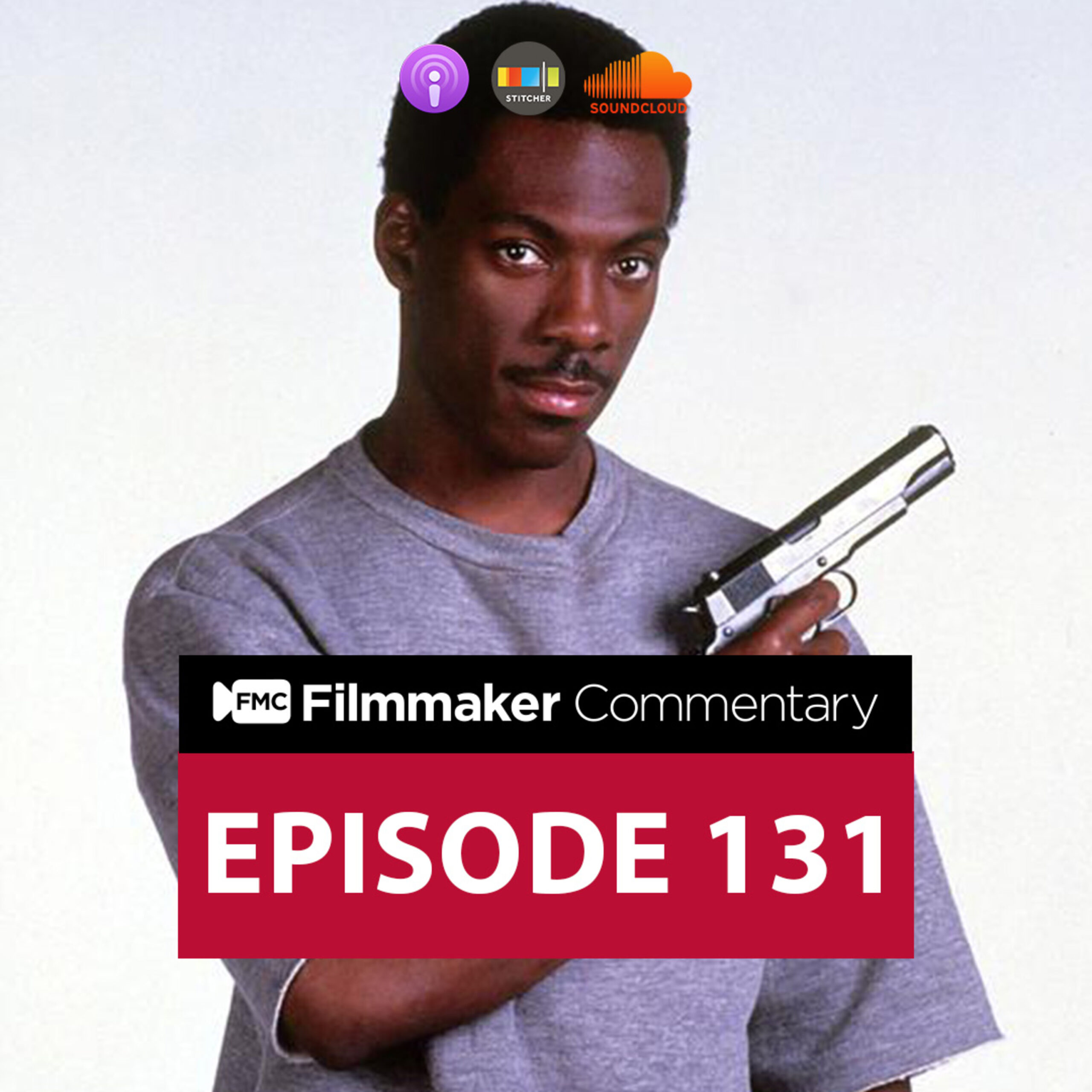
FMC 131: Beverly Hills Cop directed by Martin Brest

May 30, 2022
Listen on Apple Spotify YouTube
Listen to this episode
Your browser does not support the audio element.
Also on Apple Spotify YouTube

Join Reginald Titus Jr. and Casey G. Smith on Filmmaker Commentary as they dive into the 1984 blockbuster Beverly Hills Cop, directed by Martin Brest. This episode unpacks the film’s incredible box office success, its lasting impact on Eddie Murphy’s career, and the fascinating behind-the-scenes stories from the director’s commentary.

Discover how this action-comedy powerhouse defied expectations, solidifying Eddie Murphy’s status as a superstar and influencing countless films in its wake. The hosts explore the movie’s unique blend of gritty Detroit realism and sun-drenched Beverly Hills glamour, revealing why it remains a beloved classic decades later.

What We Cover

  • The staggering financial performance of Beverly Hills Cop and its pivotal role in transforming Eddie Murphy’s career into a certified blockbuster phenomenon.
  • A detailed look at Eddie Murphy’s impressive run of hits throughout the 1980s, including popular titles like 48 Hours, Trading Places, and Coming to America, highlighting his comedic genius and box office appeal.
  • Insights from director Martin Brest on the film’s production, including multiple script rewrites, casting decisions, and the surprising evolution of its tone from a more serious action thriller to a comedic hit.
  • An exploration of the film’s innovative fusion of action and comedy, demonstrating how it broke new ground and set benchmarks for the buddy-cop genre, even without a traditional “buddy” structure.
  • The iconic soundtrack and score, featuring chart-topping hits like “The Heat Is On” and the instantly recognizable “Axel F” theme, which significantly contributed to the film’s cultural impact.
  • Discussion of memorable scenes, character tropes (like the “fish out of water” and the “angry black captain”), and technical details uncovered through the director’s commentary and special features on the 4K Ultra HD Blu-ray.

Key Moments

  • [0:59] Hear about Beverly Hills Cop‘s astounding box office gross of $316 million worldwide against a modest $13 million budget, making it a monumental success.
  • [1:40] A comprehensive overview of Eddie Murphy’s remarkable career trajectory, detailing his consecutive film successes in the 80s leading up to and following Beverly Hills Cop.
  • [25:27] The hosts break down the film’s extensive special features, including a fascinating segment on the casting process, deleted scenes, and the powerful impact of the film’s legendary soundtrack.
  • [3:10] Discover director Martin Brest’s approach to the film, his initial hesitancy to take on the project, and how the production evolved, including the spontaneous improvisations that became some of the movie’s most iconic lines and scenes.

Gear & Films Mentioned

  • 48 Hours
  • Trading Places
  • The Golden Child
  • Beverly Hills Cop 2
  • Coming to America
  • Harlem Nights
  • Another 48 Hours
  • The Nutty Professor (1996)
  • Shrek franchise
  • Delirious (Eddie Murphy stand-up)
  • Raw (Eddie Murphy stand-up)
  • Old (2021)
  • Starman
  • Goodfellas
  • Triangle of Sadness
  • Star Trek (Original Series)
  • Star Trek: The Next Generation
  • Obi-Wan Kenobi (Disney+ series)
  • Top Gun (1986)
  • Stranger Things Season 4
  • Natural Hair the Movie
  • Cobra (1986)
  • Loaded Weapon 1
  • RoboCop (1987)
  • Pretty Woman
  • How did the unique blend of action and comedy in Beverly Hills Cop influence subsequent films in the genre?
  • What unexpected challenges and creative decisions did director Martin Brest navigate during the film’s production, as revealed in his commentary?
  • Beyond its box office success, what lasting cultural impact did Beverly Hills Cop and Eddie Murphy’s performance have on Hollywood and popular culture?

Full Transcript

Read the full transcript

Full Episode Transcript
This episode of Filmmaker Commentary dives into the 1984 hit "Beverly Hills Cop," exploring its box office success, Eddie Murphy's career, the film's production details, memorable scenes, and its lasting cultural impact.

Introduction and Episode Overview
Reginald Titus Jr.: Filmmaker Commentary episode 131. Welcome to Filmmaker Commentary, where we give you insights from our favorite filmmaking commentaries. These commentaries can be heard on your DVD and Blu-rays of your favorite movies. We'll show you how you can use these commentaries and apply them to improve your video production and filmmaking techniques. All of this here on Filmmaker Commentary. I'm your host, Reginald Titus Jr.
Reginald Titus Jr.: Hey, welcome to another episode of Filmmaker Commentary. I'm Reginald Titus Jr. I'm joined with
Casey G. Smith: Casey G. Smith. Welcome back, sir.
Reginald Titus Jr.: Good to be back, sir.
Casey G. Smith: And today is a happy Memorial Day weekend, sir.
Reginald Titus Jr.: Um for everybody out there, we are now on Spotify, so please tune in, share that link and follow.
Casey G. Smith: Today's episode, we are going over Beverly Hills Cop, 1984.
Reginald Titus Jr.: It was a very good year.
Casey G. Smith: Directed by Martin Brest. And what was the box office on this film?
Reginald Titus Jr.: So Beverly Hills Cop in 1984 scored a gross of $235 million and that's with a budget of right around, I want to say, $30 million budget-wise. Um let me just double check that.
Casey G. Smith: And to add to that, excuse me, $13 million budget. And did $316 million worldwide.
Reginald Titus Jr.: That, that is a crushing success.
Casey G. Smith: That's a blockbuster. I mean, that's basically a billion dollar film these days. And to do it off of $13 million is outrageous.
Reginald Titus Jr.: Absolutely. Absolutely outrageous.

Eddie Murphy's Box Office Powerhouse
Reginald Titus Jr.: Um and Eddie Murphy, you know, during this time of the the 80s, as he really jumpstarted his solo career, had just a string of a string of hits and I'm pulling some of these numbers off of IMDb. But let's look at when he started. His first breakout really as a co-starring role, but in 48 Hours with with Nick Nolte.
Casey G. Smith: That film came out and that was in 1982. Oh, okay. And uh we look at 48 Hours, $12 million budget, made $79 million worldwide. Then in '83 he did Trading Places with Dan Aykroyd.
Reginald Titus Jr.: That was good.
Casey G. Smith: Yeah, that was, that is a good one. That came out on a $15 million budget, made $90 million.
Reginald Titus Jr.: Okay. All right, you know, staying kind of consistent, right? Grossing, you know, about uh, you know, 75, 85 mil. And then once again, once we got into Beverly Hills Cop, again, that that that jump is incredible. $13 million and then going up to $316 million worldwide. Uh, is fantastic. Of course, then we had The Golden Child, uh, which
Reginald Titus Jr.: Ah, yeah, I remember that as a child. Yes, sir.
Casey G. Smith: Golden Child, $25 million budget, and again, around $80 million, uh, was what it made worldwide. Then we had Beverly Hills Cop 2, which is uh on a $27 million budget, made $300 million worldwide.
Reginald Titus Jr.: Okay. So
Casey G. Smith: Franchise always makes money.
Reginald Titus Jr.: Yes, sir. Yes, sir. Then we had the evergreen classic. And and Beverly Hills Cop 2 was '87, Coming to America. Oh, come on. Come on now. 1988. I mean, one of his most beloved films, $30 million budget, $289 million worldwide. So fascinating that Coming to America still didn't make as much as uh either Beverly Hills Cops first two films.
Casey G. Smith: Hey, that's what they say though.
Reginald Titus Jr.: That's what they say as far as, yeah, worldwide, but who knows what that thing did from from a a video standpoint or just, man, just think about what it made from just selling its rights to cable, because that, I mean, that is always on, seemingly always on. So, um, those were some obviously big hits. Then you got, you know, you know, films like Harlem Nights, Another 48 Hours, which I'm not going to jump into, but I I am curious because, you know, 1996, you had The Nutty Professor.
Casey G. Smith: Oh, yeah.
Reginald Titus Jr.: So that bad boy drops and that was, I felt like a kind of a resurgence, I won't say resurgence, but that was that was definitely a big hit. So that one on a $54 million budget, $274 million worldwide gross.
Casey G. Smith: That was a good one.
Reginald Titus Jr.: So, uh, yeah.
Casey G. Smith: Well done. I mean, he's a superstar.
Reginald Titus Jr.: He is. And there's some other smaller films in there, but the the Shrek the Shrek franchise, him, you know, voicing Donkey, that that those those made real good money, because now you you've got obviously kids going back to see it again and again. So, Shrek, $60 million budget, $488 million box office-wise. So, man, Eddie Eddie Eddie has made some money. He's uh done it, you know, with acting, at times directing. And that's not including any of his stand-ups like Delirious or or Raw, which I remember that played in the theaters and yeah. So

The Business of Film and Early Successes
Reginald Titus Jr.: And from a business standpoint, um, remember the producers, you have Don Simpson and Jerry Bruckheimer, you know, who put those packages together all the time. And also Eddie Murphy Productions is credited as uh production companies on this film.
Casey G. Smith: I saw that too and I was like, hmm, it makes me very curious. We're going to, you know, dive into this more details, but I'm very curious as to um, you know, what that what that money looked like.
Reginald Titus Jr.: What is that backend money looking like?
Casey G. Smith: Very true. Man, cuz if he had some backend on this
Reginald Titus Jr.: That's and that's the key, you know, and we try to uh, when I talk to different people, it's like, keep in mind that this is still a business. Every one of these projects is like a startup, you know, whatever the amount of money is going to be, all right, the budget's 50 million, all right, the budget's 5 million, whatever, it's a startup. We have no idea if this thing's going to be successful. But please trust us, you know?
Casey G. Smith.: And Eddie was, I mean, he was I mean, how many people get to do kind of the reverse, like he he did Saturday Night Live in 1980. Just one season of Saturday Night Live, and it's still considered like iconic. Just off doing that one season. He's got a whole video, The Best of Eddie Murphy on Saturday Night Live.
Reginald Titus Jr.: True.
Casey G. Smith: When that came out, I thought, okay, he I thought he was on the show for years. No.
Reginald Titus Jr.: I did too.
Casey G. Smith: One damn season and it's like, you get a best of like, who is this guy? And then from there, from TV to go to movies. That was not a common thing in in the 70s and 80s, but Eddie did it and just blew up out of it.
Reginald Titus Jr.: Yeah, it's so getting that backend money, you know, when we talk about like the Blumhouse Production company and how they their model is, you know, 5 million bucks. Hopefully we can see that on the backend. They share their backend with their directors for and some of the actors for taking the lower rates and to get that backend money. You know, $5 million, but if you get a Get Out blockbuster, then everybody is eating well. So
Casey G. Smith: Exactly. You you um sacrifice upfront to potentially reap dividends on that backend.
Reginald Titus Jr.: You see, you know, and everybody still makes their their wage. Yeah. You But I mean, you don't cap you you're not capping yourself.
Casey G. Smith: Right.
Reginald Titus Jr.: You get that win though. You can basically retire if you wanted to.
Casey G. Smith: True, true. Um this film was nominated for Best Writing Screenplay, written directly for the screen at the Academy Awards. And it actually was a winner for a Grammy. Best Album of Original Score Written for a Motion Picture or Television Special. Composers. Wow. Grammy. I had no idea.
Reginald Titus Jr.: Neither did I. Huh.
Casey G. Smith: I didn't know it was nominated for an Oscar. That's pretty cool.
Reginald Titus Jr.: Yeah.
Casey G. Smith: Because as we'll discover later, this this had quite a few uh rewrites uh along along the way.
Reginald Titus Jr.: Right. But before we talk further about Beverly Hills Cop, let's talk about news and movies watched.

News and Our Latest Watches
Casey G. Smith: So in the news, according to Deadline, unfortunately, we would start on a a bit of a dour note. Uh the the great Ray Liotta of Goodfellas fame, passed away in his sleep at the age of of the young age of 67 while filming in the Dominican Republic.
Reginald Titus Jr.: Oh. He leaves behind a child and our condolences uh to Ray's family and and and friends and and fans. That's that that was a that was a shock when when I saw that in the headlines. I'm like, wait a minute. Ray Liotta?
Casey G. Smith: Yeah, gotta make sure it's right. Yeah, and again, he was actively working, he passed away in his sleep. And they the details haven't come out yet uh as to uh what the cause of his his his death was. But condolences and much respect to uh one Ray Liotta, who had a lot of projects like upcoming, he was like kind of in the middle of a of a resurgence.
Reginald Titus Jr.: Yeah, he stayed busy. We covered him in Goodfellas.
Casey G. Smith: Incredible. Like one of our earlier episodes. Yes, sir. Just uh yeah. Great performer, Ray Liotta. Rest in peace, sir.
Reginald Titus Jr.: And then on on a bit of a lighter note, a little bit of a celebratory note, the the Cannes International Film Festival took place also this weekend and the the the Cannes uh Palme d'Or, one of the top awards went to Ruben Ostlund for his film Triangle of Sadness. And that is Ruben Ostlund's second Palme d'Or win at Cannes. So, this guy's a hot foreign director and this film apparently is got's got I think Woody Harrelson in it. But uh, even though it was from a foreign director, it's an English film and apparently hit some pretty good tones. So, something potentially look out for in the future. Triangle of Sadness by Ruben Ostlund.
Casey G. Smith: Man, um, did you watch any movies, TV, anything?
Reginald Titus Jr.: Yeah, I've been I've been on some things.
Casey G. Smith: Okay.
Reginald Titus Jr.: There's a lot of yeah, been on some things. Uh, briefly, again, still rocking through my normal shows, but a couple of highlights, um, I've been I've been on the original Star Trek. At first, I was doing Next Generation. I said, no, let me go back to the beginning.
Casey G. Smith: Wow.
Reginald Titus Jr.: So been watching the original Star Trek. One thing I'll say about that, in contrast to Next Generation, Next Generation is is is is sci-fi and it it's played kind of straight. It it's it's and it's it's it's the the colors are it's less saturated. But old school Star Trek, the colors are more saturated, it's it's warmer, and whenever they put the light on on Captain Kirk's face, it's always like he's got like this real nice lighting on him, a little bit of gloss, like it's it's it's it's it's cool to see, but it's it's far more dramatic in the original Star Trek. But so far, I'm I'm I'm enjoying it. There's a lot of telepathy and and telekinesis, you know, kind of in these first couple episodes, but I I am I'm I'm enjoying it. So, uh, that, uh, I did watch the new Obi-Wan Kenobi.
Casey G. Smith: Okay.
Reginald Titus Jr.: Series on Disney Plus. I watched the first two episodes of that.
Casey G. Smith: Was it okay?
Reginald Titus Jr.: So far, yeah, so far not not bad. And it's it's interesting. There's a there's a a little girl playing I don't know, anyway. So far, I'm I'm enjoying it. But it it it's set like kind of right after not right after, but uh certain number of years after uh Return of the Sith.
Casey G. Smith: I don't even know. I don't
Reginald Titus Jr.: So after the after after the third prequel movie, after after Anakin just becomes Vader, it's set maybe like 10 years after that or so where Kenobi's been in hiding and things kind of draw him out.
Casey G. Smith: Okay.
Reginald Titus Jr.: So, there's that. Uh then I watched John Carpenter's Starman. What did you Nice little film, man. Jeff Bridges, Kristy Alley. Nice little film. And as I, you know, it's one of those things where I hadn't seen it in, I mean, since I was a kid. And even then, I don't know, I don't know I didn't watch the whole I don't think I watched the whole thing. But just when I turned it on, all of a sudden, the memories started flooding back. Like that's that's a cool feeling, right? When you watch something you haven't seen in a while, memories start flooding back. But now able to understand context, who needs it?
Casey G. Smith: Everybody.
Reginald Titus Jr.: Yeah. It was it was very cool. I watched that on Tubi.
Casey G. Smith: Okay.
Reginald Titus Jr.: And I had no idea Tubi had that much freaking content on it.
Casey G. Smith: Yeah.
Reginald Titus Jr.: Like it's
Casey G. Smith: Including Natural Hair the Movie.
Reginald Titus Jr.: That's right. Natural Hair the Movie by Grind of Matter Films. On Tubi. But, I mean, G.I. Joe, Transformer cartoons, cuz y'all know you know your boy loves him animation and old school animation. Like, it's all there. Mask. I'm like, what? Mobile Assault Something's Command? Mobile Assault Strike Force Command, something like that. Command spelled with a K. Anyway, but yeah, Tubi great. Fantastic. Uh I also watched the first couple episodes of the second season of that damn Michael Che. And The first episode, man, is is worth checking out. There's a there's a a scene where they they talk about podcasting. It's it's pretty it's pretty funny like the way the way it's weaved in is pretty
Casey G. Smith: What platform?
Reginald Titus Jr.: HBO Max. Okay. Yeah, it's pretty pretty funny how they worked that first episode. But yeah, Michael Che's doing his thing. Uh and then also I watched Top Gun. Oh. The original Top Gun. I had never watched the whole thing. Maverick. And when I came came to it on on Netflix, I I was about maybe a quarter of the way in. I was like, I restart it from the beginning. Watched all of Top Gun. Top Gun not not bad. Solid performances, great direction by one Tony Scott. And uh, yeah, I see why it has so much acclaim and and love for it. Still looks looks great. Uh and then, of course, also starting the new season of Stranger Things. Oh, did they already came out?
Casey G. Smith: Well, I was I got my my TV on in the background, it's just muted, but Netflix is there, and it's just it's gone into promotional mode, where it's showing stuff. But yeah, it's just like
Reginald Titus Jr.: Oh, there's Stranger Stranger Things is different. Just starting the second. Just starting the second episode of the of season what is it season four?
Casey G. Smith: Yeah.
Reginald Titus Jr.: So, I've I've been looking forward to it. So, it's um, I've been looking forward to something to dive into, but I got to be very selective. And since that's something that we've already committed to, we've already seen all the other seasons, so it'll be great to come back and I'm out here just not caring. Like, what we got? What we got? Y'all do. Let me get a. Let me let me let me get my bec-o-lite. Just let me get my bec-o-lite. But yeah, so I've been watching some things. How about you, man?
Casey G. Smith: The only thing I watched this past week was following up with with, you know, when you said he watched Old and I based on your recommendation, recommendation, M. Night Shyamalan's Old.
Reginald Titus Jr.: Yes. Yeah. I mean, the wife checked it out and we dug it.
Casey G. Smith: It was solid, man. It was solid. I'm glad glad you had a chance to check it out. When I watched it, I was like, this is pretty brilliant. Like just the execution, the concept. That's that's a powerful thing to take a common concept, but then to be able to put this spin on it and make it supernatural and just the consequences of how that gets applied in a woof, in different ways.
Reginald Titus Jr.: Yeah, so the backstory is basically you got these you got a group of people, they go to an island and they begin to age at an accelerated rate.
Casey G. Smith: Very accelerated rate.
Reginald Titus Jr.: And then things happen. Yeah, so just ask yourself, if your age were accelerated. Let's say for every hour, you aged 5 to 10 years.
Casey G. Smith: That would suck.
Reginald Titus Jr.: Now, think about going with your family and the different ages, you know, your 2-year-old child within an hour would go from being 2 to being either 5 or 12.
Casey G. Smith: Yeah.
Reginald Titus Jr.: Within the hour. Or maybe maybe it's like every 3 hours they would go from 5 to 10 years, but that kind of or if your your, you know, middle-aged, you know, people, they don't see this much initially, but by the end of a afternoon, it's a rap. They might be in, you know, you might go go in in your 30s and all of a sudden by nighttime, you're in your late 60s, early 70s.
Casey G. Smith: Yeah.
Reginald Titus Jr.: Hold up, partner.
Casey G. Smith: Man.
Reginald Titus Jr.: Yeah, and what happens with like sickness, what happens with injuries? Like cuz if if your cells are moving at a much accelerated rate, how does anything any living tissue is affected very differently in Old. But yeah, you haven't seen it, it's Holy worth checking out, man.
Casey G. Smith: For sure. And I dig M. Night Shyamalan's work. Um, you know, for a while he was kind of cast out of what is it called? He was in the director director jail from Hollywood, you know, was like, no more. But what I what I like about him is that he puts his money where his mouth is and started producing his own films, putting his money up and making it happen. And also I like the fact that he can he can close the film now, you know, there was a few movies there, was like, very ambiguous and Americans don't like that and uh, yeah, it got around town.
Reginald Titus Jr.: This one has a very again I said it before, it's very satisfying ending. Yeah. So that's your one of your hang-ups with his films, this is not going to do you like that.
Casey G. Smith: Yeah. Yeah. No, definitely appreciate that. So yeah, um M. Night Shyamalan's Old. And I plan on watching Stranger Things this week.
Reginald Titus Jr.: You know, we're on this 80s trip, so it's perfect time for Stranger Things to come back, just 80s goodness. Like we just yeah, in in the 80s field, it's a it's a vibe.
Casey G. Smith: It is a vibe. It is a vibe.
Reginald Titus Jr.: Um, today's show was sponsored by
Casey G. Smith: Of course, Natural Hair the Movie by Grind of Matter Films, available on All Black TV, on Amazon Video and uh as they also on the aforementioned Tubi. Please check us out, leave a review. We'd love to hear from you.
Reginald Titus Jr.: And let's get back to the show.

Analyzing Beverly Hills Cop: Performance, Direction, and Soundtrack
Reginald Titus Jr.: Thank you for tuning in to Filmmaker Commentary. We were talking about Beverly Hills Cop, 1984, starring Eddie Murphy. It's a blockbuster.
Casey G. Smith: Yes, sir. Here's a synopsis: A free-willing Detroit cop pursuing a murder investigation finds himself dealing with the very different culture of Beverly Hills. Beverly Hills Cop, rated R.
Reginald Titus Jr.: Rated R. So, what did you like about this film and how did you watch it? Did you see it before?
Casey G. Smith: Yes. Again, this this this was in my uh my my block in the 2000s where I was just again.
Reginald Titus Jr.: It's on Netflix. Send the DVD. Send it through. Send another one.
Casey G. Smith: Yeah, like like he said, like, hurry up. Faster. And I was just getting stuff like just different gaps I had. So I watched this in my 30s. Finally watched the whole thing. And you know, enjoyed it. I mean, Eddie Eddie is absolutely electric and even watching it again now, same feels like, man, this dude is just like you can't take your eyes off him. He's just he's just killing it. He's just so smart, so sharp. And obviously just super funny. And combining the action with the comedy, like just seamlessly blended and it's kind of like one of those kind of like breakthroughs. Now you saw kind of the the glimpse of it in 48 Hours. But then this is like the
Reginald Titus Jr.: Him him as a character breaking through, him as actor, I mean?
Casey G. Smith: Yeah. Yeah, that's where starts cuz you know, 48 Hours, I mean, he's helping a cop, but he's he's a straight he's a he's a criminal who gets let out to help a cop. But he's kind of playing a little bit of he's a you know, he's a kind of a a he's a bit of a rascal. He's a hustler. And he's kind of, you know, playing like he's helping the cop, but but this, he's full on incop mode and can just like and bringing that his uh street style of Detroit to Beverly Hills. How about you? When did you uh first see this?
Reginald Titus Jr.: I think I only know this movie in parts. I remember the banana scene. Um there's very few like I don't I don't have any recollection of this film. I just remember in in certain parts. But Beverly Hills Cop 2 is definitely something that I've seen. Uh, but again, just in passing, you know, didn't like sit down to watch it. So, this was actually a good surprise to to sit down and and watch this with with the wife and we enjoyed it. Nice. I didn't think I didn't think we would, but it was a surprise. Surprising, it was, yeah. Surprisingly entertaining still.
Casey G. Smith: Yes. It it it works. Even like on the like replay, watching the commentary, I'm still like chuckling at different stuff like this. And even the director, like it's this is a this is a bit of a classic, I would say. This is For sure. This is a classic. And I see why it made all this money and why it was why it was one of Eddie's most successful films. And launched, you know, several other sequels. It's uh it works and it's this this this set in motion um other films to follow suit with doing the whole, you know, cop, but being able to bring in the levity as well, not just totally straight-laced. So, yeah.
Reginald Titus Jr.: Anything that you didn't like or about it?
Casey G. Smith: We would say no.
Reginald Titus Jr.: No. Okay.
Casey G. Smith: I got, I got, yeah. Lost for words.
Reginald Titus Jr.: And one other like is the soundtrack. Like this soundtrack is iconic. Like the music is just definitely of its time. And I remember my dad, I know my dad had this soundtrack because I remember him just playing playing songs from it, especially like The Heat Is On, man with Glenn Frey from the Eagles. Like that song was just especially the how the intro sounds like a roller coaster like taking off. And then you know, the that 80s saxophone just yeah, man, it's yeah, and then uh, you know, Patti LaBelle has two tracks on here, you know, the Pointer Sisters killing it with the Neutron Dance. Yeah, this soundtrack just bops. And then even uh, you know, Vanity with Vanity 6 with Nasty Girl.
Casey G. Smith: What Nasty Girl?
Reginald Titus Jr.: But that that one is that song is not on the sound not on the soundtrack. It may be on maybe certain versions, but when I had looked up and tried to find it
Casey G. Smith: They didn't allow it.
Reginald Titus Jr.: Well, it was there was there was it was last minute onset to decide which what between that and another song. That's right. But the performer said, this is what I come out to. And they're like, you got to keep it real with the women that's going to be dancing. Like, okay, they'll be dancing this and it make Have you seen the music video Nasty Girl?
Casey G. Smith: Back in the day. Yo, yeah. I I knew I was like, oh, this is this is not Michael Jackson. This is this ain't Thriller. It's just three women that's coming out that are just scantily dressed. I was just hearing some of the lyrics when it was playing. I was like, I did I wasn't listening that closely when I was a kid. Clearly. I was like, whoa, like
Reginald Titus Jr.: They were about it.
Casey G. Smith: Uh yeah, back in the day, man, was uh
Reginald Titus Jr.: Tonight.
Casey G. Smith: But the soundtrack is is is fantastic. And yeah, this is just a really enjoyable movie.
Reginald Titus Jr.: Yeah, um the commentary about the director. What what did you think about that ? I feel like he was like enthusiastic to just be there and like was just soaking it in with us watching it.
Casey G. Smith: Yeah, he was happy to come back to this film. Right. And he had even though it was I mean, making movies is not easy. But as a whole, it sounded like he had a good time doing it. He had good stories and he he was watching, yeah, he was watching it with us and he he gave, you know, gave us breathing room, but he still gave he still gave good tips. It was a solid commentary. Sometimes
Reginald Titus Jr.: Well done.
Casey G. Smith: Yeah. Sometimes there's there's a maybe a lack of enthusiasm or whatever, but he he hit he hit a nice blend of letting it letting it breathe sometimes and just having some bits and pieces that I didn't get from other areas of the of the um this is we watched the 4K Ultra HD version with Blu-ray. And this this is loaded with features. Like this has a lot of features on it. If you're a collector, uh I can't recommend it enough the 4K uh UHD of Beverly Hills Cop. The Blu-ray itself is packed with features.
Reginald Titus Jr.: Dude, I was trying to look for this film, like I saw it, um just the Blu-ray by itself. I was like, hey, you know, I went to Movie Trading Company like, do you have it? But they were selling it as a three-pack with part one, two and three for like $29 bucks or something like that. But it didn't tell you if I had special features or anything like that. And I was like, I don't know if I want to risk that. Um, but went to Movie Trading Company in the Arlington area, called them, they had the last one there. And so that's how I got the 4K version because it tells you on that one what's available. So, I went on and purchased it.
Casey G. Smith: Likewise. Likewise.
Reginald Titus Jr.: It was definitely a good purchase.
Casey G. Smith: We're investing for the cause, investing for you all. Yes. But if you're a collector, again, I I I highly recommend the the 4K version of of Beverly Hills Cop. Paramount, put the check in the mail.
Reginald Titus Jr.: Yes, please. Thank you. We know you have it.
Casey G. Smith: Yes, sir. Yes, sir.
Reginald Titus Jr.: Did you go did you go through any of the featurettes or did you just do the All right, everything?
Casey G. Smith: Briefly you talked about.
Reginald Titus Jr.: The blackest thing you have, make it a triple.
Casey G. Smith: Yes. Ah yeah. I took I took in all the content, man. The um let's see here. The the the commentary, of course, by Martin Brest, the director. Behind the scenes of 1984, you know, interviews. Yes. A glimpse inside the casting process. Yes. The location map. Okay. That's the only one I I kind of skimped on. Yeah, okay. That's that's a little interactive map you select and then you when you click on the different locations, there's about six or seven locations, you click on it and then the uh the like the production manager is giving some additional information about how they set that up. And each one's about like a minute and a half. But I was like, ah, I I wasn't that interested. So, sorry, guys, that one I kind of skimped on. Skip. Deleted scenes. Yes. Beverly Hills Cop, The Phenomenon Begins. I did I watched that one too. That was good. Yeah, that was that was good. And that's like one of those, you know, often you want to have that making of Pardon me. This is like kind of the closest thing to to that.
Reginald Titus Jr.: Yeah, and then people like interviewed and kind of talking like
Casey G. Smith: Reflecting back on it. I was happy to see Eddie show up cuz like, man, okay. Is Eddie going to show up somewhere? It was like, it seemed like it was maybe like 10 years later or something like that. It seemed like it wasn't too, I mean, it was removed but not like too far. So, I'd say anywhere between yeah, I'd say anywhere between like 6 to 10 years later is where these interviews kind of took place. But everybody seemed like just like they had had a good time and really enjoyed it. Uh and there's also the music of Beverly Hills Cop, which was important to to highlight and hearing how they went about that. And even the again, that that that doo doo doo doo doo doo doo doo that we all know, that's literally called like Axel F. Yeah, is the name of the is the name of that jam, in case you're wondering. Axel F, for Axel Foley, the main character in the film. And then they have just what they call the Epic Mix Tape 84, which is just the isolated songs. So you could just really play them.
Reginald Titus Jr.: Yeah.
Casey G. Smith: So I don't know why I need to even look for. I could just play it off this. Cuz I own it. There you go. Yeah. So if you want to just jam out, it's all there. Oh, and then there there was a feature called the the Isolated Score Track. Which I guess you could kind of play the movie and just have the score. I was curious to try that out and I forgot to do that, but
Reginald Titus Jr.: Oh, I didn't know that.
Casey G. Smith: Yeah, it's on there. And then they have the theatrical trailer, which I did. I did I I like to go back and watch the original trailer for it. I usually wait till the end, but sometimes I might watch it at the beginning before I start the film. But the trailer was, you know, was fine.
Reginald Titus Jr.: Was it the style of the guy talking?
Casey G. Smith: Oh, yeah. Beverly Hills Cop. Eddie Murphy is a Detroit cop. But now he's in Beverly Hills. What kind of antics will take place? Beverly Hills Cop. You know, the kind you know, classic kind of voiceover. And it was always it seemed like always a little different when you had you know, a black a black lead, you you would get this voice that was non-threatening, but had a little bit of Yeah, a little bit of summon, a little bit of soul in there. Eddie Murphy, a Detroit cop, on vacation in Beverly Hills.
Reginald Titus Jr.: That's wonderful.
Casey G. Smith: It's the nuances.
Reginald Titus Jr.: Always. Always the nuances.

Themes, Memorable Moments, and Production Insights
Reginald Titus Jr.: I feel like this tone, this film had a tone of a little bit of real world. Um because when it opens up, I mean, I was like, what movie is this? I don't remember, you know, seeing this part of the movie. It's like you just see like it looks like stock footage of Detroit from the 80s or the late 70s. That's what it feels like. Um and then you have a dash of fantasy, which is, you know, a lot of that stuff is just heightened reality. So, I just said fantasy with a little bit of comedy. All mixed in.
Casey G. Smith: I just put down like just this is a this is an action comedy. Yeah. Like just because from the from the beginning, I mean, you after they show that footage and then once you get into, oh, let me add before we get get into it. I should have said this before. If this is your first time listening to Filmmaker Commentary, please know that there will be spoilers. You've been mid warned. Yeah. But as you get into the film, and you already see Eddie kind of working a hustle as an undercover cop, kind of like work this deal or whatever. And all of a sudden, you get the big chase scene in this truck and him Oh, yeah, they flying around back there and and vehicles getting destroyed. That was incredible. That was a Like, that truck. Boom. I was like, is awesome. So there's this 18 wheeler that is just going down regular streets, knocking cars out of the way. These are not, this is not computer graphics. That's how it would be done today. They are really getting this thing done and it looks dangerous.
Reginald Titus Jr.: Yes. This truck is like there's there's a a station wagon that gets hit and kind of gets stuck on the truck, but the stunt driver was like good enough to swerve the truck to get the station wagon to kind of wiggle it off basically. But there's an I-beam. You can't see it, but behind the main bumper of the truck, there's an I-beam, like you would use to build buildings. That's behind it. So when this truck hits stuff, it is destroying these cars. It is so awesome. It's one of the best like I don't know, chase scenes. Yeah, chase scenes, car wrecking scenes I've I've ever seen. It's just it's it's very satisfying. But yes, it looks extremely dangerous. But these cars are getting destroyed. Yeah, man. It looks like real street. I mean, it is real streets, right? But
Casey G. Smith: And then again, you got Axel in the back of the back of this truck kind of flailing around on the chain and everything. So again, I instance like, okay, this is action. Yeah. But it's also comedy because then after that, then you switch over. He's in the police station and him and Paul Reiser, another another comedian. True. Brought on. So it's yeah, it's just
Reginald Titus Jr.: Cuz when cuz when it opens up it it has like the real people of Detroit gives it that vibe. And then you hear the then it goes to Eddie, yeah, man, you know, he just like start doing the fast talk, the jab talk. Yeah. You know, so that's how we're introduced to this character. Then it goes into the chase sequence. So we get all of that in once. And it's great.
Casey G. Smith: Yeah, it hooks you. It kind of kind of hooks you from the get-go. It's like you it it it does have that grittiness. And then it's juxtaposed once you then get into Beverly Hills and and him riding down the street and just showing all the people, you know, Mardell driving and all that kind of stuff. Yeah, just a a nice juxtaposition. But yeah, this is a action comedy and I'll say like kind of the buddy cop. Even though he's he doesn't have any partners there, but he kind of is partnering with the two detectives uh informally. But it's kind of got a buddy cop vibe going as well.
Reginald Titus Jr.: True. True. Um, what kind of themes did you pull uh from this film?
Casey G. Smith: Uh, the fish out of water. Oh, yeah. Save the cat. Yes, sir. And then a theme of of taking initiative. At the at the end of the day, I mean, he kind of shows these other cops who are so by the book, shows them how to take just taking initiative. Right. And kind of follow your your gut and and and hunches.
Reginald Titus Jr.: I got sometimes it takes an outsider to see what's wrong.
Casey G. Smith: Hey, hey. Uh, do you have any favorite scenes or memorable scenes?
Reginald Titus Jr.: Yes. When Axel first meets the the he's he's not the chief, but he's like an inspector, I think, is is his official title. Uh that particular actor, let me His last name's Hill. One more time? His last name's Hill. Nah. That gentleman is was a real cop. That's a little bit of trivia. But when he shows up and he's I think he might be the start of the angry kind of the angry police boss, like yelling at the other cop. Axel, you know, he's he's just, you know, kind of ripping Axel a new one and then he talks about, you know, you know, language, it's a rated R movie. So when he talks about his ass being chewed out and he's like, I ain't got nothing left. You know, he chewed me. You know, and Eddie's like, you got a little left, you know, but it's um, I can't take this from you no more. Yeah. Gilbert R. Hill, who again was a real real police officer. And when the director saw him, he just saw something about how he carried himself and he wanted to bring him to the film. And he practiced, practiced, practiced and he does come as a character. He does come off as a real person. Sometimes you see people and they're like, oh, they're superstars. That's Johnny Depp, that's so and so. But this person just feels like a real person that you would meet anywhere. Or if you're going to the, you know, getting arrested, this is the guy you might meet. And he just felt like a real character. And he was a real character, of course.
Casey G. Smith: Yeah. Bring it from experience. So, that's definitely a uh a favorite scene. How about you?
Reginald Titus Jr.: I like the title sequence. Um where we talk about the heat is on with that song. It just the song hooks you, brings you into this world. Uh definitely memorable.
Casey G. Smith: Yes, sir. Uh when Axel first goes into the art gallery and and he comes across uh the other gentleman uh played by Bronson Pinchot, who would go on to television fame as Balki Bartokomous in the in the famous 80s sitcom Perfect Strangers.
Reginald Titus Jr.: Yeah. That was one of my favorites.
Casey G. Smith: Yeah, he's he's hilarious in uh in that role and just uh his interaction with Eddie and said director said very few people can crack Eddie up, but Eddie was like like fighting back laughing again during the takes, which is that's a credit to uh Bronson.
Reginald Titus Jr.: I like the one of the scenes I remember, cuz I only see this thing in like bits and pieces. But him getting thrown through the glass. I don't know why, how how it was done. It's like that stunt sticks out. It's a very simple stunt. Yeah. But it just sticks out. The way the glass shatters and he just hits the ground. Cuz cuz they the way they cut to it, I mean, he's being held and all of a sudden it's like, I mean, we've seen Westerns where the cowboy gets thrown through the saloon window. But it's just, I mean, the man, they're like, this dude, you know, this brother gets thrown through this glass at at this like professional building. Like it's one thing to them to escort him out and, you know, open the doors and throw him out on his butt. But they just chunked him through a window. Yeah. And then the police car just like, boom, is right there.
Casey G. Smith: This is like so remember and it's probably because it's a it's a real stunt where you can see the landing. You know, they don't just cut to something else. It's it's the stunt man landing on his shoulder. Like, dude, look like he got got hurt pretty badly.
Reginald Titus Jr.: I always look, I always look like at the hair to see
Casey G. Smith: Dude, had a perm. Did you see that?
Reginald Titus Jr.: Yeah, straight up. I did. I noticed that. I was like, that brother had him straight. Big Red, is that you?
Casey G. Smith: You ever a problem with my books and your royalties?
Reginald Titus Jr.: But yeah, the the stunt double uh is fried, died and laid to the side.
Casey G. Smith: Man. Um another uh window shattering scene like uh Watchmen. That comes to mind, you know, just memorable. The comedian out. Yeah. Memorable scenes like Broken glass everywhere.
Reginald Titus Jr.: Facts. Um, when actual is in in in the Beverly Hills jail and they're they're trying to like get him. He's like, why I just ordered a pizza, you know, I kind of stay and get it where it's like, just he's just so chill about nonchalant, like just joking through everything. He's such a fast talker, like just always ready to to to get over and get around. And then, of course, then him going to the police station, Beverly Hills police station for the first time. All those interactions, and he when he pisses off the other detective and and he's like, man, after you, like, you know, don't push me. And then that guy just ba, nails him in the stomach.
Casey G. Smith: The bread basket. Yeah. And it's just that whole interaction is it's very entertaining. Cuz like this dude is the fish out of water and these these cops do things very differently.
Reginald Titus Jr.: Oh, yeah, they're by the book, by default. Yeah, perceived to be.
Casey G. Smith: But even when he had when the when the sergeant asks him if he wants to file charges against the lieutenant, like, do you want to file charges against this man? I was like, whoa, that kind of took took me off like off guard. Like, oh, wow, he's given him a chance to to do that. And and then Axel tells us, well, where I'm from cops don't file charges against other cops, kind of like that blue, the blue shield. Um, but in this case, it's it's kind of like a respectable thing. Like, he's like, okay, we just things got heated. You know, we got off on the wrong foot. So, yeah, that that was memorable because it shows it shows a different side of actually he's not just he's not shallow, right? There's there's there's you see you see his heart. Like there's a a loyalty that's in him, cuz he's there for his his friend being killed in the first place, but he's also you know, even though he's an officer, he's he's loyal to to the badge and the fraternal order of police officers.
Reginald Titus Jr.: True. Do you see did you oh, are any other memorable scenes?
Casey G. Smith: Uh, two other two other real quick. When he's in the strip club and he's casing casing it and kind of breaking it down because he's like, he's sees him. He's a really good cop. That's kind of established, but he's just because he's so such a smart ass and and unorthodox. But he he's got the eye. He he sees these guys come in. He breaks it down. He gives he gives the game plan to the other two. And they end up, you know, preventing a robbery. Um, and then towards the end, when uh the towards the very end, when when the actual chief is there and they've made the big bust and the bad guys are are done. Right. And the the lieutenant gives this elaborate story about what happened to the chief. And he go, well, Tagget, will tell me what really happened. Tagget, is that how it happened? Tagget is like, that that's exactly how it happens. Like kind of redeeming himself from blowing the big lie that Axel had told earlier on. So that that was a that was fun to see that come to fruition and that see that that bit pay off.
Reginald Titus Jr.: True. Oh, yeah, memorable scene, banana and a tailpipe. I mean, that's just a classic scene that everybody knows about. Uh, but Damon Wayans being in that scene, giving him the bananas and like, How flamboyant he's being when he's just take the bananas. Like, just
Casey G. Smith: What's what's funny about that? Uh-huh. Cuz I saw a thing where a thing on like like Saturday Night Live, like uh auditions people did. And Damon Wayans had auditioned for Saturday Night Live. Okay. And it was for like a police sketch. And when he went in to do it, he all of a sudden switched up and did this really flamboyant character. Yeah. And probably like think like and it and it threw off the other actors. And then think that that's why he he did he didn't get it. But then he uses that that same flamboyant character that he has in this role. And then of course, years later on Living Color with Men on Film. That same that same character. So, didn't pay off at one point, but then paid off paid off, you know, like a couple of times later on, so
Reginald Titus Jr.: It that Men on Film, that is a hilarious skit and it's funny to watch him and David Alan Grier play those guys because you can see them cracking each other up and trying their best not to laugh. Right. Well, in Living Color, they were just having a having a good time and just breaking all the rules, doing whatever they they could. So, Tropes. Tropes. This movie is filled and created tropes.
Casey G. Smith: Well said, well said. Raise a glass to you, sir. Okay, thank you. Appreciate that.
Reginald Titus Jr.: You said this earlier, The black angry captain.
Casey G. Smith: Yeah.
Reginald Titus Jr.: And so the film, uh 48 Hours, you had the black the black angry captain.
Casey G. Smith: Played by Frank McRae. Yeah, heavy set guy. Yeah. That's who I see that's who I see in my mind. Yeah. He's okay. Yeah. Yeah, I said it. He called him the N-word. Yeah, I said it. No, keep going in on him.
Reginald Titus Jr.: It did. Uh he plays himself later on in other movies. So, like playing it up. So, there was a movie called Loaded Weapon.
Casey G. Smith: Is that is that a spoof of Lethal Weapon?
Reginald Titus Jr.: Yes. And it has uh Samuel L. Jackson in it and I believe Charlie Sheen's brother. Martin Sheen? His brother. Oh, Emilio. Emilio, yes. Is Emilio and Samuel L. Jackson in Loaded Weapon. Yeah. And the captain is he comes in the middle of the room and everybody in the precinct is just running like scared cuz he's just yelling at everybody. Yeah, where's the coffee? And this this and that. What do you want? I think I've actually seen some of that film somewhere one day. And it's it's like one of those almost like like airplane, like Naked Gun kind of straight Exactly. It's exactly that. Spoof, ridiculous, like the like a the directors, the the Zukerman brothers or something like that. From from National Lampoon, not National Lampoon, from which film? From like Airplane something like that. I think this like the Zukerman's brother. Yeah, I can't remember their names. But their style, yeah, for sure. Yeah, I think it's a Zukerman. I'd almost put money in the Zukerman. Like that style. Even in Last Action Hero, uh the the captain that's yelling at Arnold Schwarzenegger is the same guy. He's playing the same character. Yes. Typecast. Yeah, but it it's played up because it's a parody.
Casey G. Smith: Sure. I wonder, I'm trying to remember now in Lethal Weapon if if the police chief there is is black.
Reginald Titus Jr.: Yeah, that's kind of like a trope, you know, even for the serious, you know, for the serious uh captains. Oh, yeah.
Casey G. Smith: Hmm. What you got for tropes?
Reginald Titus Jr.: Uh, again, my first one is the one you already mentioned. Uh, then I got I got the the the renegade cop, you know, the cop that that breaks the rules. He's on the edge, you know. Uh, that's that's Axel Foley all the way. Wise, yeah, to add to that, wise-cracking, jive talking, hip to the game, police officer. And we know that like from Rush Hour and all these other films. True. Very true.
Casey G. Smith: Uh, I've got just that the that black and white juxtaposition. Cuz even though the director tried to really work this to not be about race. Yeah. It's more about class. Right. But there there are still these contrasts that we that that that at least me as a black man that I just I look and see and I I think I think race, you know, like when when when Axel's thrown through the window and that cop car pulls up immediately. Like they were like waiting there. Wow. They saw him go in. And they said they got a report that he was acting up in there.
Reginald Titus Jr.: And he threw himself through the window or something like that.
Casey G. Smith: Uh, yeah, and like that they're right there or when he when he goes into the, you know, the uh, the gentleman's club or not gentleman's club, but the the the special club or whatever. Uh, you know, the cops, boom, they're they're right there. Even though he's, even though he's he's attacked and throws the guy off of himself to defend, but he's the one that gets escorted out. Uh, so and then towards the end when with the big shootout at the mansion or whatever. You know, he's, you know, running through, scurrying and and, you know, even when they jump over the bushes, he does the the the dive roll and they kind of just scatter over the bushes. And then they're trying to get up the wall and like, it's just like the the athleticism like this juxtaposition is like, he's pretty quick. He's nimble. That one's life. Uh, so that there's a oh, here's one. The the foreign sounding European villain.
Reginald Titus Jr.: Oh, man. Right, right. That I mean, by him doing that, that created something there. I can't think of any movie off top right now, but
Casey G. Smith: Die Hard. Hans Gruber. Yes.
Reginald Titus Jr.: Um, when the like when Eddie Murphy is in the hotel and he's not getting his cooperation. So you act a fool, get louder, you know, to get cooperation. Right. Make it make make the scene. Yeah. We've seen that plenty of times when just getting louder, you'll get what you want.
Casey G. Smith: Oh, yeah. Oh, yeah. Um, one cop duo being jerks to the other cop duo.
Reginald Titus Jr.: Ah, yeah, yeah, yeah. We see it also in Bad Boys as well.
Casey G. Smith: Mm-hmm. It's a cop competition.
Reginald Titus Jr.: Yes, sir. Cop breaks the law to save the day.
Casey G. Smith: Aha. And then kind of take him for what I just said, those those cop duos working against each other, but at the end, they they end up working together. Yeah. For the greater good.
Reginald Titus Jr.: For the greater good. We've seen um, anytime somebody gets caught by the villains, they hold you up and take body shots to you. You know. Like that is just a staple in films. That's a good one.
Casey G. Smith: Um, the the second in command gets licked in on the on the hero, but at the end, the the hero beats, you know, get gets their revenge. That second in command almost always dies first. Yeah. For sure. And then the and then the bad the bad guy boss holds the holds the woman hold holds the the woman hostage. Yeah. But then eventually, you know, she gets away and then he gets he gets taken out. His shirt gets wet. Ah. Yeah. Even director said this. Why are villains always in a warehouse?
Reginald Titus Jr.: Hmm.
Casey G. Smith: Warehouses are I mean, that's that's that's the trope. It's something about warehouses. I mean, that's in fiction. Like in in comic books, in video games, warehouse give a lot of space, a lot of opportunities. Right. Economical. True. And you could say you could you could you could hypothesize and theorize whatever is is in the the crates and the cases without actually having to show it. All you need is one that you open up and show the stuff and you can say, oh, all of it's the same thing here. Yeah. And it's and it's not obvious um what business is in the warehouse unless they have, hey, this is supplies, this is oil supplies. Like, uh you can hide a lot of that. And they cost less than retail.
Reginald Titus Jr.: True, true. For the space. Uh one of my last ones is the freeze frame at the end of the film. Like, you see Good one.
Casey G. Smith: Yeah, when he does the the bucking eyes. Oh, yeah. Bucking eyes. I was like, even the director was like, I hate it. Yeah, he did. I hate it. But that was a compromise. Man. Uh, do you have any quotes from this film?
Reginald Titus Jr.: Oh, come on now. There's plenty. I only have like five four five. Yeah, it's about what I got. Again, I allude to this earlier with the with uh with uh the the inspector Eddie's boss. Yeah. He said, he chewed my ass out. You see, I got no more ass left.
Casey G. Smith: I like um Eddie Murphy uh at the beginning um, we don't know if he's, well, actually we do know, cuz the name of the movie is called Beverly Hills Cop. How about that? But, um, we we're not sure how he becomes this cop. So at the beginning, he's negotiating in the streets of Detroit with some villains. And he said, he's looking at these uh uh he's selling cigarettes, like it's a it's a truck full of cigarettes. Full of them. And he's selling these for like five grand or something like that. And he's doing his sale thing. You see, that's a federal stamp. You can't beat that. You can't get no cleaner than that. Then he keeps, talk to me. Talk to me, man. Tell me something. I'm a businessman. What I do. Lot of doing business. This is my thing. And so, I just felt that funny.
Reginald Titus Jr.: Oh, yeah. Oh, yeah. Um, when he gets into the warehouse after he sneaks in the first time into the warehouse in Beverly Hills, and he's there and he sees a security guard come up to him and he's like, hey, you know, gets all friendly and then and then he then he acts like he's an inspector. Yeah, that was good. And he he starts going in on these guys. And we we eventually cut back to him and he's got he's got the main manager there, got them making copies of files. It's it's pretty ingenious. Like his improvisation, not only to acting, but also as as Axel Foley is really to improv and just BS his way through the situation. But but one one one guy is like, do you have a warrant? He's like, you know, sir, you got a very big mouth, sir. And then and then he goes into a tirade. And then at the end, they all they all like, oh, no, we'll we'll comply. And then he's like, and then he goes, hurry up, quicker. I don't know why every time I hear it, it just it just makes me laugh cuz that's when Eddie does he's like, authoritative. Hurried up, quicker. Like just pushing these guys, like just pushing his luck. It's just that cracks me up, man.
Casey G. Smith: When uh Axel Foley and his friend, I can't remember his friend name, the lady. Um, they're in the warehouse discovering the drugs and she's like, they opened up this box and she's like, coffee grounds. And then he's like, coffee on top, but that ain't sugar. Discovering the cocaine. Oh, that's true. Yeah. Tastes it, which is also a trope. Oh, yeah. Another trope, right? They put the thing in the this is this is illegal.
Reginald Titus Jr.: Yes. Just hilarious, man. It's uh yeah, a lot of fun this film. A lot of fun. Agreed, man. Trivia. Trivia. Okay, so
Casey G. Smith: I only got a couple.
Reginald Titus Jr.: This was not originally imagined as a comedy. It was it wasn't originally a comedy initially.
Casey G. Smith: Yeah, um, to add to that, so there's like a whole story in one of the featurettes on on how this screenplay was developed. Even the screenwriter was like, yeah, we know like in Hollywood when when you're assigned a script, you write it, but then you're once it's written, there's another writer that writes your material. It can change dramatically. And with that being said, Sylvester Stallone was supposed to play and was attached to the script. Oh, yeah. But they had, you know, Eddie Murphy in mind, you know, in passing for whatever reasons. Um, but I mean, that's that's a huge commitment because Sylvester Stallone has been time writing, rewriting, doing the action sequences, even changed the name of the character. Uh so it's more of a Italian last name. Like like Cobretti or something like that. Yeah, so it could be Cobra. And so that actually led to him later creating a film called Cobra, Sylvester Stallone, two years later, which ended up being developed. And a lot of those scenes that were originally in Beverly Hills Cop, uh, had to be taken out because they were just like these large action sequences that Yeah, it balloon it ballooned up the budget. The way that Stallone rewrote the script, not only changing the dialogue, character's name, but added a bunch of, bunch more action scenes. Cuz Stallone is an established writer, right? Wrote the Rocky films, like this this dude was on he was on fire. Yeah. So for sure. Superstar. Yeah. So this guy had invested time to do that. But they said he was, you know, because it it bloomed the budget, they and they were and even the producers, they were they were scared to see who was going to like let Stallone know that they're going to go with Eddie instead. Yeah. Um, but he said Stallone was super gracious about the whole thing. Mm-hmm. And of course, then they had to go and and re, you know, re rewrite it and change it up. And then now, you know, been it more towards comedy. And kudos to Eddie. He came on like less than two weeks. All the other cast was was already in place. He came on and with less than two weeks, jumped right in and, you know, came in to to be to be Axel. And it all worked out. Other actors considered for the role included Mickey Rourke, Al Pacino, James Caan of Godfather fame. Ah. So. Very different films if that would have been made. Uh but I'm now interested in watching Cobra. Never seen Cobra. Yeah, I think it's worth worth checking out. Uh, 26, it took 26 weeks from start to finish.
Reginald Titus Jr.: Hmm. This movie being produced to being distributed. That's wild.
Casey G. Smith: That's a fast pace.
Reginald Titus Jr.: Marty Brest was approached by doing the film multiple times. And one of the producers just kept like, I mean, literally like hassling him. Like, uh, like annoying him. And and he on a coin flip is how he how he ended up doing the film. Like, heads he would do it, tails he wouldn't. He flipped it, it landed on heads and that's how he ended up doing the film.
Casey G. Smith: He said he like they framed it or whatever. And when it landed on him, he's like, ah, guess I'll do your movie.
Reginald Titus Jr.: Uh, you have any more uh trivia?
Casey G. Smith: Um, yes. Inspiration for Eddie's car came from a car that the director saw while they were out eating somewhere. They saw somebody pull up in Beverly Hills with a beat-up car. And they a family and they tried to buy the car off him. They wouldn't sell it. And so they just end up finding more cars that were beat up like that and used in the film. Uh, Jonathan Banks, who played the second in command, uh later would go on to play Mike on Breaking Bad, kind of the the enforcer guy on Breaking Bad. Like I was like, ah, that's him. When I saw his face, I'm like, hey, it's the dude from Breaking Bad.
Reginald Titus Jr.: You're making me think a little bit. He also said that um Axel Foley's introduction into Beverly Hills is like a homage to Beverly Hills Billies.
Casey G. Smith: Yeah. Yeah. And even the two detectives uh Rose Rosemont and Tagget are a little bit of homage to Laurel and Hardy. Kind of said they're they're opposites. Almost like an old married couple. You see that that scene where they're in the car and and and Rose was like, well, you you eat a lot of red meat, you know, and all that kind of stuff. That was that was that was well played. Uh but Ronnie Cox, who is the lieutenant, also played the main bad in Robocop.
Reginald Titus Jr.: Dude, that's where I remember him from. Yeah. It took me a while. I was like, hey, it's a good villain. He's That's interesting. Cuz you remember they said like nice guys or whatever can play like just demented villains. He's a perfect example. I totally forgot he played that crazy guy. That was him, man. It yeah, man. People make him moves, man. Make him moves. Um and lastly, uh, when the police chief initially comes in, the paper he's he's got he's got a roll of paper in his hand. That's his lines. He had just literally been given his lines when he got on set that day. He had just looked at him. So he was literally holding his lines in his hand.
Casey G. Smith: If B's like that. Don't come to the set like that, guys. But sometimes they be like that.
Reginald Titus Jr.: Yeah, special situations, special circumstance. And and and even one of the big speeches that Ronnie Cox had, he had just gotten that morning. Yeah, like that. Well, honestly, the speech at the end of the end of the film that he gave the big lie that he told, he had learned that that morning. And part of his unshurity of some of the lines helped to make it sound like he was making it up. So it all worked out, but constant consummate professionals on this film. Indeed. Well, that's all the trivia that I have.
Casey G. Smith: Now it's time for filmmaker tips.
Reginald Titus Jr.: What you got?

Quotes, Trivia, Filmmaker Tips, and Wrap-up
Casey G. Smith: All right. If you have any excuse me, that should be Eddie. Sorry, sometimes I I do my voice thing for my phone. And then auto corrects. So, it should have says, if you have Eddie, you have comedic gold. That's true. Not any, but Eddie. Yes.
Reginald Titus Jr.: So, with a filmmaker tip, uh take chances on people. Uh as we talked about earlier, um with the casting of Gil Hill. Uh he was just um he was in a he was in a NYU film, a student film. And that's how the director discovered him. Because he wanted to introduce people that we haven't seen before.
Casey G. Smith: Uh-huh. Uh, shooting through the van. So those opening shots that you mentioned in Detroit that looked like stock footage, they actually that's like something they shot at the very end. It's some of the last stuff they shot. They went to Detroit and just they were in a van with a police escort. And just capturing people through kind of like creeper, like creeper style. And it's creepy. Just kind of shooting through the van. Inconspicuous. But then afterwards they would go up to people and they'd get their release to be able to uh shoot them. But that made for that opening sequence. And it's very natural, right? It's just people just in their elements. True. Like just doing their thing. Like said, you can't act that. Yeah. Yeah. Just people being real. Like, you know, that one brother's coming out of the club, like in my mind, I can imagine the dialogue. He's looking back at that lady like, you know, like, say, man, you know, what's going on. Where you going? She's like, just she just keeps on walking. But you just kind of imagine the dialogue in your mind. My producer mind was going. I was like, how are they getting these shots? Like, um, are they are these real people? Are these actors? I was thinking about that. I was like, how they getting no release for this? But sure enough, he talked about it. They did get a release. I mean, cuz that was real life. He was talking. That was that was these people just being real. These kids out front playing being surveilled. Surveilled. I wonder if they got a little something for it. Just for their for their for their problems. Yeah. Right. But it was one neighborhood the police escort wouldn't go into the house with him. They's like, nope, y'all go in. I ain't going in.
Reginald Titus Jr.: That's pretty sad when when the police don't want to go in. How terrible is that? That's pretty bad. But kudos to Brest, he was like, I got I got it. I got it. Let me do this. He may he may have sent an assistant or something like that. PA. Go ahead and get that get that release. Go ahead. Um, coverage is important. So there's a the scene I was talking about, uh Axel Foley's friend getting shot. Eddie Murphy Axel Foley gets hit in the head prior to that. It happens so fast. Like I was like, where'd Eddie go? Like, in my brain, I'm thinking that. But I just ride with the film. Sure. And then um the direct you know, we see him later, he's holding his head up. Obviously, being hit in the head. Um but in the sequence, he kind of like he's nowhere. You don't see you don't see a cutaway of him like knocked out on the floor. Like that would probably be a good insert shot. Sure. Uh but you don't see that at all. And the director talks about, you know, getting coverage because people were like, okay, where did Eddie, you know, where Eddie go?
Casey G. Smith: See, I thought maybe they just dragged the guy out further away, but if you look, you can see slightly like a little figure in the in the backdrop, but yeah, they could have put it an insert shot there to show him knocked out. Yeah. It happened real fast. Yeah. It happened real fast. Um, film for class instead of race. That was the director's intense, I mentioned before, but Eddie snuck in a few, a few, like there's like two instances where he snuck in like kinda like a a racial play on it. When they were funny enough where he didn't the director just had to he just went with it. Like when again, when he was in the lobby, like you said, that trope with him being in the lobby, it's like, you know, with Rolling Stony, cuz y'all don't serve you. And he drops the N-word or whatever. Yeah. And director said, okay, well, we'll let that we'll let that we'll let that slide. But yeah, you make those um adjustments. And uh and you you you didn't got no shit. So, so apparently, they had a they could like Beverly Hills is notorious for not allowing you to shoot um in certain places. So, um and, you know, people with lots of money want their privacy. Goons. So, there's a shot and the director knew that he needed this shot. And which is a shot of Axel Foley walking toward walking in Beverly Hills, walking in Beverly Hills to the art museum. Was it art, was it art dealership? Art gallery. Um they needed that shot. So, they couldn't shoot in Beverly Hills, so they found a he said it's actually a sketchy a sketchy part of the town. And they had two of Eddie's friends like kinda dressed up in like the Thriller, like the Thriller Michael Jackson stuff. And then in the far background, you have like a Mercedes or a BMW to let you know subconsciously that this is a good part of town. High class. Yeah. And so that's how they were able to pull that off and make it believe make you believe that it was Beverly Hills. Hollywood magic. It was magic. And movie magic. Um, repaint and repurpose. So the the prison that Eddie was in was uh repurposed had been repurposed from a scene earlier where they were that they I think used in one of the like surveillance areas. Yes. When they broke into the mansion when yeah. Yeah. That that that area was repainted and then became the prison later on that uh that Eddie was picked up in in Beverly Hills. Repurpose. Um, so this is kind of dealing more with composition of music. So, of course, Eddie has the I mean, Axel Foley has his own theme music. But, um, that feature is very important talking about the audio and composing music because with that theme, they can anytime that Axel Foley, the character is about to do something mischievous, they can play, you know, a rendition or they can play that actual theme and it kinda puts you in a good mood. Like, okay, something's happening. So, his presence can be there without actually being there. Oh, yeah, absolutely. It's uh given those musical cues, right? I mean, Spielberg is a master of like kind of pulling on your heartstrings. Uh just you kinda you kinda you know, something's going on. This yeah, this is the little playful. This is our time. Down here, it's our time. Never say die. Um convinced to dive by the director. So, uh again, towards the end of the film, the climax there's a there the big gunfight and the shootout. And there's a dive roll that Axel Foley does. And initially, Eddie didn't want to do it. He didn't think it was safe. And the director was like, if I can do it, you can do it. And so the director did it. And so then Eddie proceeded to do it. And it's it's mixed partially with with the uh with the stunt. Stunt double. So they may may have been a maybe a little Texas switch happening. Who knows? Dude, I saw. So you see Eddie do it. And it's like, okay, he's still he's athletic, you know, he did it, hit that roll. But then it cuts and it's and it it's just the face of the stunt man. It's like this is clearly a different person. Who that? This is big and everything. Cuz I mean, Eddie Murphy's like narrow, you know, a skinny guy. Right. Um he's got get the swoll stunt guy. I was like, he's black, so only one we had. Hey, you gotta work with it. So, lead by example, everyone. Uh lastly, uh keep the squeaks. So, some early scenes when Eddie was running around in his Adidas, like the shoe squeaked and initially it was picked up on the audio and they were kind of the audio guys were like, you know, should we keep it? But afterwards, they were like, you know what, it kind of adds to the character. And so they they then actually added more squeaks throughout the film. Interesting. That's good. Um one of my last ones, so in the last scene, they were running out of time. Um so whenever you're running out of time and you have to have a lot of coverage, meaning you got a lot of people to shoot. Um he I don't know if he said how many cameras he had, but he said it was a group of cameras and it was just pointed at every all the different actors in that scene. Oh, yeah. Um also with that, they can't cheat, you know, they can't just like kind of, you know, ship it in. Uh Melody and whatever. Um because the camera's always on them. So you kind of get you're getting genuine reactions, but the reason they had to do that is because they were running out of time. So you had to get as much coverage as possible in the shortest amount of time. Oh, yeah. Yeah, man. This film just master masterfully done. Excellent. Like no no dead spots from beginning to end. Yes, you're on you're on a ride. You're you're going. And Eddie Murphy is a true a true star in every scene. He's just killing it, crushing it. And yeah, you know, it it is a product of its time. True. As well. But man, Beverly Hills Cop. Yeah, still entertaining. Yes. And y'all can catch us where? And what are we watching? What wait, first, what are we watching next time?
Reginald Titus Jr.: Next time we are going to take the film that spun out of this, that Sylvester Stallone went on to make, Cobra.
Casey G. Smith: Sorry about that.
Reginald Titus Jr.: No worries. And and as we prepare for that, you can reach out to us. Let us know. We want to hear from you. Yes. You can do so at facebook.com/filmmakercommentary. You can also like and subscribe on iTunes, SoundCloud, Stitcher Radio, Spotify. We definitely love to hear from you there. You know, subscribe, leave a review. Again, we'd love to hear your your thoughts. Uh is there something you want to see, films you want to see, do they have commentary? Find it, let us know. We have a great back catalog of of content. Definitely worth checking out. Yes. You can reach us on Twitter. He is at Reggie Titus. I am at KCG Smith 32. And then lastly, we are on the Gram at Filmmaker Commentary as well as him at Reginald Titus Jr. That's Jr. And once again, I'm at KCG Smith 32.
Casey G. Smith: Until next time. Peace. Respect.

About Filmmaker Commentary

Reginald Titus Jr.

Apple Spotify YouTube Subscribe Free
Continue Listening

FMC 244 : The Karate Kid Directed by John G. Avildsen

June 20, 2026

What We’ve Been Watching Episode 008

June 12, 2026

FMC 243 : Love and Basketball Written and Directed by Gina Prince Bythewood

June 9, 2026

Leave a Response Cancel reply

This site uses Akismet to reduce spam. Learn how your comment data is processed.

Never Miss an Episode

New episodes every week — free.

Listen on Spotify Apple Podcasts

Recent Episodes

  • FMC 244 : The Karate Kid Directed by John G. Avildsen
  • What We’ve Been Watching Episode 008
  • FMC 243 : Love and Basketball Written and Directed by Gina Prince Bythewood
  • What We’ve Been Watching Episode 007

Archives

  • June 2026
  • May 2026
  • April 2026
  • March 2026
  • February 2026
  • January 2026
  • October 2022
  • August 2022
  • July 2022
  • June 2022
  • May 2022
  • April 2022
  • September 2021
  • August 2021
  • July 2021
  • March 2021
  • November 2020
  • October 2020
  • September 2020
  • August 2020
  • July 2020
  • May 2020
  • April 2020
  • March 2020
  • February 2020
  • January 2020
  • November 2019
  • October 2019
  • September 2019
  • August 2019
  • July 2019
  • June 2019
  • May 2019
  • April 2019
  • March 2019
  • February 2019
  • January 2019
  • December 2018
  • October 2018
  • September 2018
  • August 2018
  • July 2018
  • June 2018
  • May 2018
  • April 2018
  • March 2018
  • February 2018
  • January 2018
  • December 2017

Categories

  • Film
  • Podcast
  • TV
© 2026 Filmmaker Commentary. All rights reserved.
  • About
  • Episodes
  • Privacy Policy
  • Disclaimer
  • Terms of Service