November 12, 2026
F
Filmmaker Commentary
  • Home
  • About
  • Episodes
  • Film
  • TV
  • Home
  • About
  • Episodes
  • Film
  • TV
Podcast

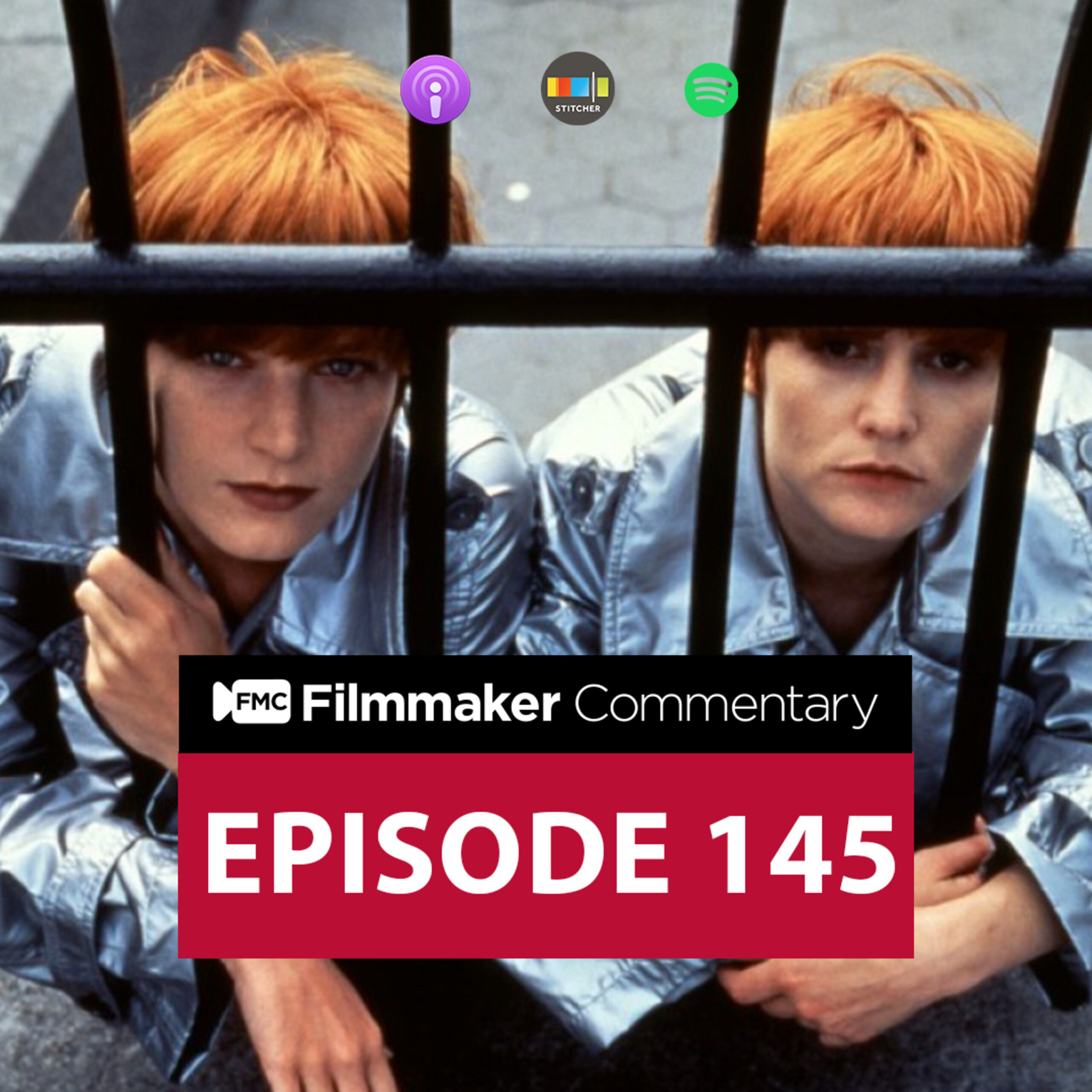
FMC 145: Single White Female Directed by Barbet Schroeder

October 8, 2022
Listen on Apple Spotify YouTube
Listen to this episode
Your browser does not support the audio element.
Also on Apple Spotify YouTube

This episode of Filmmaker Commentary offers an insightful deep dive into Barbet Schroeder’s 1992 psychological thriller “Single White Female.” Join Reginald Titus Jr. and Casey G. Smith as they dissect a film that masterfully explores themes of obsession, identity theft, and the terrifying fragility of personal boundaries. They highlight the standout performances from Bridget Fonda, whose subtle facial expressions are expertly captured in close-ups, and Jennifer Jason Leigh, whose disturbing physical ticks create a truly chilling portrayal of Hedra. The hosts emphasize how these performances, coupled with the film’s precise stylistic choices, elevate the movie beyond a typical genre piece.

The discussion explores the film’s unique production, drawing heavily from the director’s commentary to reveal behind-the-scenes challenges, including considerations for depicting nudity and violence, and how the crew intentionally made the spacious New York apartment feel like a character itself. Learn about the film’s surprising budget and impressive box office performance, which far exceeded expectations for its genre, and its lone award for Jennifer Jason Leigh’s villainous turn at the MTV Movie Awards. The hosts also examine how the film’s use of warm and cool lighting tones and strategic shadows contribute to its dark, suspenseful atmosphere.

Beyond “Single White Female,” Reginald and Casey touch on relevant industry news and recent watches. They discuss the dramatic increase in ‘The Crown’ viewership following Queen Elizabeth II’s passing and delve into the controversy surrounding Hulu’s ‘Mike’ series, where Mike Tyson was not consulted in its creation—a point of contention regarding the authenticity of biographical narratives. The conversation also covers current television series like ‘She-Hulk,’ praising Benedict Wong’s consistent comedic timing, and the gripping psychological thriller ‘The Patient.’ The hosts share personal anecdotes about their first encounters with “Single White Female” and reflect on how 90s thrillers, particularly those exploring manipulative relationships, continue to resonate with audiences. This episode provides a comprehensive look at a classic thriller while keeping listeners updated on the latest in entertainment.

What We Cover

  • A detailed analysis of “Single White Female,” examining its psychological depth and themes of female relationships and identity.
  • Insights into the standout performances by Bridget Fonda and Jennifer Jason Leigh, including their unique acting choices.
  • Behind-the-scenes stories from the director’s commentary, covering deleted scenes, filming challenges, and the apartment’s role as a character.
  • An overview of the film’s budget, box office success, and awards.
  • Discussion of lighting, cinematography, and other filmmaking techniques used to build suspense and develop characters.
  • Updates on recent entertainment news, including ‘The Crown’s’ viewing surge and the controversy surrounding Hulu’s ‘Mike’ series.

Key Moments

  • 01:35: Jennifer Jason Leigh wins an MTV Movie Award for Best Villain.
  • 02:03: The hosts transition to discussing ‘The Crown’s’ Netflix success and the Mike Tyson Hulu series controversy.
  • 22:50: The pivotal hair salon scene where Hedra completes her transformation into Allie.
  • 41:40: The climactic confrontation and resolution of the film.

Gear & Films Mentioned

  • Single White Female
  • Pam & Tommy
  • Mike (Hulu series)
  • The Crown (Netflix series)
  • She-Hulk
  • The Patient (Hulu series)
  • The Hand That Rocks the Cradle
  • Roommate
  • Jackie Brown
  • The Hateful Eight
  • Love Jones
  • Hot Fuzz
  • Point Break
  • Blu-ray, DVDs, VHS

Listener Questions

  • How does “Single White Female” explore themes of identity, obsession, and toxic relationships?
  • What insights can filmmakers gain from the commentary about building psychological suspense and crafting compelling female characters?
  • How do current pop culture events, such as the surge in ‘The Crown’ viewership or controversies around biographical series like Hulu’s ‘Mike,’ reflect broader societal interests and ethical considerations in filmmaking?
Full Transcript

Read the full transcript

Full Episode Transcript
This episode of Filmmaker Commentary Barbet Schroeder's 1992 psychological thriller "Single White Female," exploring its performances, visual style, and enduring themes of obsession and identity, alongside current entertainment news.

Opening Discussion
Reginald Titus Jr.: Filmmaker Commentary episode 145. Welcome to Filmmaker Commentary where we cover movies with commentaries from directors who take the time to record them on Blu-ray and DVDs. We also give our detailed insights, so look out for spoilers. We discuss the latest in showbiz news along with movies and TV shows that we've been watching. So join Reginald Titus Jr., that's me, and Casey G. Smith, that's me, every week here on Filmmaker Commentary. Welcome, welcome to another episode of Filmmaker Commentary. I'm Reginald Titus Jr., I'm joined with Casey G. Smith. Welcome back, sir.
Casey G. Smith: Good to be back, sir.
Reginald Titus Jr.: And today we're talking about Single White Female, directed by Barbet Schroeder, 1992. Uh, what did the, what was the budget and box office for Single White Female?
Casey G. Smith: So, SWF came in with a $16 million budget and at the box office it scored 48 million worldwide.
Reginald Titus Jr.: That's a win. I think that is a win. Definitely given the the the genre and the the nature of the film.
Casey G. Smith: I thought it would have been a a bigger budget. Kind of give the the vibe, it felt like, but it wasn't, I didn't know what the Bridget and, uh, Jennifer Jason Leigh.
Reginald Titus Jr.: Yeah, I didn't know if they were hot commodities at the time but They were still fairly new in the game.
Casey G. Smith: Hmm.
Reginald Titus Jr.: So, yeah, I didn't, yeah, that was well done.
Casey G. Smith: It was. It really was like nice to revisit like, oh, wow, this is, it's got a nice quality to it, beautifully shot. We'll dive into more of that of course.
Reginald Titus Jr.: Yes, indeed. Uh, what kind of awards did this movie garner?
Casey G. Smith: So, SWF, Single White Female did receive one award, two nominations, one award. It was nominated by the Chicago Film Critics Association Awards for Best Actress by Jennifer Jason Leigh. And then it won at the MTV Movie Awards for Best Villain, Jennifer Jason Leigh.
Reginald Titus Jr.: Okay. I missed those awards back in the day. Yeah, I agree.
Casey G. Smith: MTV. Yeah, those were fun.

Entertainment News and What We're Watching
Casey G. Smith: But before we dive further into Single White Female, let's talk about TV, news and movies watched. In the news, according to Variety, The Crown viewing on Netflix surges after Queen Elizabeth II's death. Not surprisingly, the death of Queen Elizabeth II on September the 8th ended a historic 70-year reign, spurred renewed interest in The Crown. The popular Netflix series that follows the monarch's life and events during her lifetime on the throne over multiple decades. The Crown, which began in the late '40s, prior to Elizabeth becoming the Queen of England, will end with season 6, taking the show into early, into the early 2000s. Between Friday and Sunday from September 9th through 11th, the show's viewership in the UK increased more than 800% compared with the previous Friday through Sunday period. According to data analytics firm Whip Media, in the US, viewership of The Crown more than quadrupled from Friday through Sunday compared with the previous week. And in France, viewing jumped threefold per Whip Media.
Reginald Titus Jr.: Wow. So I guess that's nothing new, you know, someone, someone famous passes away, if they have something to consume, people are going to consume it.
Casey G. Smith: It's fascinating though that that that that series was ongoing about her life. Uh and it was, I mean it's gotten rave reviews. I I remember the the lead actress in that, the first year it came out, won, I think she got Emmy for Best Best Actress. I don't think we actually covered that in one of our one of our episodes. Uh, so yeah, but God God rest the the queen. I mean, Queen Elizabeth she's, I mean throughout our whole childhood.
Reginald Titus Jr.: Yeah.
Casey G. Smith: You know, she's she's been the only one that we've known. So it's very and you know, hearing Prince Charles all this time, obviously, so now to, you know, to hear King Charles, that's, I mean, again, 70 years, it's it's it's been the queen. So, very, very interesting that uh that that change over.
Reginald Titus Jr.: For sure.
Casey G. Smith: But he's but, you know, Prince Charles is no spring chicken himself.
Reginald Titus Jr.: Hey, you know.
Casey G. Smith: Nonetheless, but if you haven't seen The Crown, it is on Netflix.
Reginald Titus Jr.: Um, I did have a little piece of news. Uh, did you know Mike Tyson was upset with Hulu for uh the new show Mike? Or is it Tyson?
Casey G. Smith: Mike.
Reginald Titus Jr.: It's Mike. He's been upset, he was upset about it because they didn't talk to him or anything. Like
Casey G. Smith: Really?
Reginald Titus Jr.: He was not involved.
Casey G. Smith: Huh.
Reginald Titus Jr.: So, I was like, man, it's always interesting, you know, when somebody makes a a picture about somebody that's a public figure that's still alive and they didn't get the approval and then, yeah, I mean,
Casey G. Smith: It's ludicrous.
Reginald Titus Jr.: Ludicrous. You know, they pulled it off, but it's like, man, it it kind of like taints the authenticity authenticity a little bit because it's like, man, the insights you could have got from the person that was lived the life, you know. And I know Jamie Fox, you know, was talking to Mike Tyson about certain things for the movie they're developing.
Casey G. Smith: Sure.
Reginald Titus Jr.: So I'm like, wow, beat him beat him to the punch.
Casey G. Smith: You know, it's it's it's dramatized, it feels like Hulu is almost developing a style because after watching Pam & Tommy, you know, it it is it is it's like hyperrealism. Yeah, at these different points. Yeah. And fourth wall breaking at times. And that happens, that, I mean, Tyson is all about like fourth wall breaking. He's constantly talking to you. It's but it's it's as a show, it is very well done. In particular, the the last two episodes that dropped, one specifically deals with the with a young lady that that he got convicted of of raping. And the whole episode is told from her perspective. Whereas the rest of the show is all is all Mike, like, you know, narrating and everything and stopping and looking at you on the camera. The only time he addresses the camera is kind of after the fact, he kind of looks at the camera, he's like, what, you don't love me anymore? But the rest of it is her telling it's, man, I was like, damn, that's powerful. Very powerful. Uh, but it's I mean it's hitting on these different points and, you know, what's real, what's what's what's what's dramatized, it means hitting the major points of of his life, but the inner workings, yeah, we'll see. But again, the the main actor playing him is phenomenal. Also, he's an EP on the project as well.
Reginald Titus Jr.: Boom.
Casey G. Smith: But yeah, I'm I'm I am surprised to hear that Tyson
Reginald Titus Jr.: I was too. Dude, I was like, no way. Like how? How do we sneak this past? He's in Hollywood, you know what I mean? Like
Casey G. Smith: But here's the thing. How much, I mean, he's been in the he's been in the spotlight since he was, you know, 16, 17 years old. His life has been lived in the public. So, I don't I don't think these details are are hard to find at all. He probably, I'm sure he has a book out as well.
Reginald Titus Jr.: Yeah, I don't think it's even that. It's just the courtesy of, hey, we're doing a movie. Would you like to be involved? We would love to have you involved, Mike Tyson.
Casey G. Smith: We're doing a whole show. It's just
Reginald Titus Jr.: Not just a movie.
Casey G. Smith: Thanks, guys. Like like we understand money and all this stuff, but like come on. Like
Casey G. Smith: I'd be I now I'm I want to look at the credentials and see kind of what what's what. But that it that is an interesting move to not even approach him.
Reginald Titus Jr.: And it's not like he's not available. He's doing voiceover, he is knee-deep in podcasting, he is available. He's out there.
Casey G. Smith: Mike's out there. But you can't call me, what's wrong? What's the prep? Can't get Facebook messengers something.
Reginald Titus Jr.: DM. We love you, Mike.
Casey G. Smith: Yes.
Reginald Titus Jr.: Reginald Titus, has approved this message. Uh, any more news?
Casey G. Smith: Uh no, that was it for for the news.
Reginald Titus Jr.: What have you been watching in TV and movie world?
Casey G. Smith: In the world, aside from from Tyson, of course, still been on the the She-Hulk grind. Uh enjoyed this this previous week's episode with uh with uh the classic kind of LA party girl.
Reginald Titus Jr.: Oh, yeah, that was great. That was a great episode.
Casey G. Smith: That was that was that was. Episode three, right?
Reginald Titus Jr.: Yeah, four. I think it was. Yeah, that was four. Where here.
Casey G. Smith: She was like, wangin'. Like she has this tone, it's like somewhat drunk and
Reginald Titus Jr.: And Valley Girl. Yeah, yeah, like Valley Party Girl. Yeah, for sure. Like yeah, all those those stereotypes, like she's like living absolutely living it and and living it, living it. Yes, that's right. Bringing her into the courtroom and
Casey G. Smith: It was good. Yeah, it was it was it was very entertaining. That that's what the writing really shined in this previous episode. And I can't say enough about Benedict Wong. Yeah, who plays Wong. Boom. There is there is something about his performance where he's he does so much with so little. He's he's always so serious, but then he has these moments of humor that he interjects. That's been consistent throughout the his whole run in the MCU.
Reginald Titus Jr.: It's like a friend that you remember.
Casey G. Smith: Yeah. He's just he's so serious about about his craft and what he does. But yet then he has these very human side. This very human side of him. Like he wants to just sit and watch the Sopranos. Yeah, and she spoils it. That's great. I mean, even when he's taking her out of the courtroom, he's like, don't spoil anymore. And she just instantly spoils some more. I was like, oh man. Ah, yeah. So, She-Hulk and uh, yeah, still still rolling. Really been enjoying the the Laker Dynasty documentary also on Hulu. Man, that just
Reginald Titus Jr.: Is it the Dynasty or the the narrative, the scripted one?
Casey G. Smith: No, this is the docu, this is this is a docu series. The scripted one is on HBO Max. Yeah, and they they that season ended months ago. And I'm sure it'll have a second one. That's one that Jerry West was really pissed about, because they made him look like a maniac. who, man, he was hot. But uh but but it's but it's nice to see their I guess the real calm Jerry on this, because they they they interview everybody on this show. And as as they go through the decades, they're I mean, they bring everybody in. And you're like, oh man, okay, there's all right, now now we're we're in the era where we're in the '90s. And so we're talking to Shaq, and we're we're still talking to Van Exel, we're still talking to Eddie Jones. Now we're talking to Here's these names in a minute, Van Exel. For real, wow, okay. We're seeing, you know, Phil Jackson, we're talking with him, we talk with Phil Jackson and his relationship with with Jeanie Buss. Like how they, you know, started dating when that happened. Uh, it's it's it's really good, man. Very, very good. There's so much behind the scenes footage from practices and all kinds of stuff. Yeah, very much so enjoying. If you are a Lakers fan, or just a fan of documentaries or basketball or any of these particular stars who have been with the Lakers over the past 30 years, yeah, this is for you.
Reginald Titus Jr.: Boom. Uh, one of the things I've recently watched, probably like the other week, I was like, man, when's the new Rick & Morty season coming? And sure enough, it dropped. Just dropped, yeah. I was like, okay, let me go ahead and, you know, watch these two episodes and got my fix. Yeah, I did. Yeah, that's my that's my vice. Uh-huh. So yeah, so it was cool to see that back in. Episode 2 was decent. First one was great. Um, but yeah, but episode 2, I'm like, I don't know, I don't know how to feel about that. I just watched that one today.
Casey G. Smith: Uh-huh, gotcha, gotcha. I also watched my my brother-in-law, maybe my actually my niece may have mentioned this to me, it was a show also on Hulu. I've been on Hulu a lot. Yeah. Show called a Hulu a show called The Patient with Steve Carell. Oh, really? He plays a psychiatrist and he is treating patients out of his home. They're coming to his home in his living room, he's he's talking with them. And he he wakes up one day and he's in a bed he doesn't recognize. And as he gathers his bearings, he goes to get out of it, and he's got a chain around his leg.
Reginald Titus Jr.: Oh, what did he do? He's nuts and bolted to the ground.
Casey G. Smith: He's in somebody's house, and it's turns out it's it's one of his patients who really wouldn't like open up to him initially, but now has taken him and and put him as a prisoner in his house and it's like kind of forcing him to
Reginald Titus Jr.: Yeah. Yeah. Now that you're here, now that you're here. I can open up now. Sounds like Misery. The movie Misery, remember that one?
Casey G. Smith: Oh, yeah. Yeah, it's hard to forget. Oh man.
Reginald Titus Jr.: Anything anything else?
Casey G. Smith: Uh aside from that, I've been I've been I've been watching some episodes of of Black-ish and really really enjoying that. Cuz when it was when it was airing, I didn't I didn't watch it. But now I'm going back to watching, I'm like, this is pretty good.
Reginald Titus Jr.: Yeah, my kids love that show. I haven't my oldest specifically, but yeah.
Casey G. Smith: I bet it speaks to it it I bet it speaks to them the way like The Cosby Show spoke to us when we
Reginald Titus Jr.: It does. Cause he wants to go to Howard University.
Casey G. Smith: Ah. Now is he watching Grown-ish?
Reginald Titus Jr.: Not yet. Ah. Yeah, so he wants to go to Howard.
Casey G. Smith: Nice. Like
Reginald Titus Jr.: We'll make that happen, coach. Hey.
Reginald Titus Jr.: Uh, we'll Do you good?
Casey G. Smith: I'm good. Okay.
Reginald Titus Jr.: And today's show is sponsored by Natural Hair the movie by Grind Never Matter Films. Available on all black TV as well as on Tubi for free. Please check it out and leave a review. Let's jump back into the show. Thank you for tuning in to Filmmaker Commentary. We're talking about Single White Female, starring Bridget Fonda and Jennifer Jason Leigh. Spell with a E I G H. That's right. Uh, let's jump into the uh synopsis. After an unfaithful fiance leaves her suddenly single, Allison Jones advertises for a roommate to share her spacious apartment. But when the introverted Hedy moves in, she doesn't just take over Allie's spare bedroom. She takes over her clothes, her boyfriend, and her identity. Single White Female. And if this is your first time listening to Filmmaker Commentary, please note that there will be spoilers. You've been forewarned.

Film Synopsis and Initial Reactions
Reginald Titus Jr.: How did you watch this film?
Casey G. Smith: Man, I I watched it when not in the theaters, but when it was either available on VHS or maybe it was playing on HBO. I think I think my dad was watching it and I, you know, sat down and and and watched it then. But I know I know I'd seen the whole movie, cuz while on on, you know, this replay, I was like, okay, yeah, I've seen all of this. I'd forgotten a lot of it. I was like, oh, this is this is more uh, this is more this is more graphic than I remember. But uh but it's it's it's still just as like, ooh, like creepy and and suspenseful as I remember. Very well done. How about you?
Reginald Titus Jr.: I never seen this film. I remember the marketing of it at the time, you know, because this genre, the creepy person that you invite into your life. And at the time it was just like suburban, suburban white folks, you know, they would do like, I think about The Hand That Rocks the Cradle. Um, more recent film is a movie called The Roommate, you know, where's a young lady going off to college and her her roommate's nuts, you know. So, like this genre has been there, but it, yeah, so I remember The Hand That Rocks the Cradle, and that's what this movie reminds me of. I don't know which one came first. Uh, but we would watch that one like over and over again. It was fantastic. But it was dealing with an older population though. Older demographic. Um, so I never watched it. So this is my first time watching this film and uh watched it with the wife and we were blown away. She enjoyed it, I enjoyed it. It was uh I thought it would have been more, I know it's a genre piece, but I thought it would have been more uh B-movie-ish.
Casey G. Smith: Ah, really?
Reginald Titus Jr.: But it was but it wasn't.
Casey G. Smith: It's finely crafted.
Reginald Titus Jr.: Yeah. You can tell that they spent time writing it. Uh they spent a lot of time with the style and I felt before, I thought the director was a a woman at first.
Casey G. Smith: Just by seeing the name. Gave me two initially.
Reginald Titus Jr.: Yeah, I thought I thought it was a a woman. And then when I saw the like uh sexuality, I was like, this can't be an American, because Americans usually weird about nudity. And nudity is usually used in a like real graphic way sometimes in in American film, where it's like exploitative, whereas sometimes with European films, like
Casey G. Smith: Matter of fact.
Reginald Titus Jr.: Yeah, I'm going to use the restroom and I I'm naked, which is normal for adults in your own living space. True. So, uh, the whole viewpoint is of nudity and sex is different from the nationality. So, cultural difference. Uh so, and sure enough, he's not.
Casey G. Smith: And it was actually supposed to be even more more there was more sex like graphic sex and violence apparently within within the film and they the studio pulled those things out, but the director said that he wants to be able to he wants to he hopes he can find those and then do probably a, you know, unrated release of the film sometime.
Reginald Titus Jr.: We'll be waiting. Um, uh, that's messed up. But, you know, it's actually kind of smart though, because it's like how uh Quentin Tarantino what he does with his with the blood, you know, let's do a whole lot. We know that we're going to have to cut something. But let's go ahead and just go crazy so it won't be as obvious what we want to keep.
Casey G. Smith: Yeah, because you when you now nowadays when you have that that release for either streaming, that home release, you can you can do whatever on your on your home release. For sure. Because you're not worried about how many people are going to view it within the confines of a theater. It's okay. It's going here, it's sold, you know, for whatever the the rights, whatever the deal is. It doesn't matter if there's five or 30 or how many people watching, the money flows and spins the same.
Reginald Titus Jr.: How did uh, what did you like or not like about the movie?
Casey G. Smith: So, I like, man, I I like the performances from both Jennifer Jason Leigh and from from Bridget Fonda. In particular Bridget's her facial expressions at different times, because the camera, you know, will get in real close. And you know, I've mentioned since we've been doing our '90s run of films, multiple times just the the makeup. Yeah. And I don't know if this is because of the the cinematographer and how she was lit, but in this one it's not as apparent. Like you don't see it like the you know, I think also she's kind of maybe naturally pale. Which one? Bridget Fonda. Oh, Bridget, okay. Yeah, I think she's more naturally pale, but it doesn't seem like she has too much makeup on and it's not it's not super prevalent where you can see where the where the makeup ends on the face and where the skin starts. Like I don't I you don't see that in this. So I think I think maybe she has a more natural look, or maybe not as heavy uh makeup. And then Jennifer Jason Leigh, just especially as I watched it through the second time, I look I looked for her her ticks when she's kind of really bothered. She has these little ticks that she does where she'll like she'll kind of wipe like under her eye almost, or she'll she'll do she'll like kind of tilt her head to her neck like like a tick almost like like like or you know, the the kind of tugging on the hair that kind of stuff, but she's she's masterful. She is absolutely amazing in this.
Reginald Titus Jr.: I um when before I like read the credits and just kind of looking, I was like, man, they look familiar. And then uh soon as the movie pops on, I was like, I know who that lady is. And then wife is like, who? I said, uh, Quentin it's a Quentin Tarantino movie. And then she was like, what? I said, uh, I didn't know her name, you know, I said she was she was The Blonde in uh Jackie Brown. And then she said, you saw that? Cause she like, we see it all the time. Even in uh She-Hulk. Remember in She-Hulk when uh the most recent episode with the magician. I said, you know who that is? She's like, no, that's our boy from Entourage. You know, he'd come around like, you suites. I said, that's him playing the magician.
Casey G. Smith: Oh, the director? Yeah, who is directing Madea? Yes. And ran off with the cut. No. Oh. I didn't I didn't recognize him. That's that's a good that's a good catch.
Reginald Titus Jr.: Yeah, so I said, that's our girl from uh Jackie Brown. She was the one all up in Robert De Niro's face like, where is it, Louis? Where's the car, Louis? Then he shoots, you remember that?
Casey G. Smith: It's been a while since I've seen Jackie Brown.
Reginald Titus Jr.: He shoots him and he's like, found it. And then
Casey G. Smith: I I find it fascinating that both of them are in Tarantino films. Right, because yeah, because Jennifer Jason Leigh, she's she's like the mute prisoner in in The Hateful Eight. Oh yeah, that that um She was rough, man, in that movie. Did you watch that film? That was that was his transform.
Reginald Titus Jr.: Oh yeah, I saw that in the theaters. She was rough in that one, wasn't she? They punched all up in the face and everything. She was rough.
Casey G. Smith: That film, that film, that film is brutal. I I haven't gone back to that one yet. Cause man, that was that was like, this one, they had come. This one is really brutal. There was stuff that I I didn't I did not expect. I'm usually cool with violence, but that one I was like, oh, this is a this might be a little might be a little much. But hey, but yeah, as I find that very interesting that they both share that in common.
Reginald Titus Jr.: Played another crazy woman in that film. But um, yeah, I I um I like how um they they say like it's a classic story, but like the story of breaking up with somebody, you know, that's um, that's a real classic story. Or the story of the slightly crazy person you meet, you know, it's, you know, it could it could play in any decade. That's true.
Casey G. Smith: Or the story of somebody being enamored with you, or you being enamored with somebody and wanting to emulate them. Yeah. Or just like, you know, and almost become them and almost losing yourself within that. Yeah. And that I think people at a younger age, that can definitely happen when you can see and emulate and then you then you finally as you realize more for you are, you kind of pull back.
Reginald Titus Jr.: Yeah. Yeah, you definitely do. I mean, you got to discover who you are. I did that quite a bit with my clothing style. I did as a kid, you know, I did that. Trying to figure it out. It's like, hey, I like jeans. Why not? Um, kind of going back to the what you're saying about the acting, you know, the acting from Bridget Bridget Fonda, like her character, like whenever um Hedy, uh, they call her Hedy, right? Yeah. Whenever she would like get naked in front of her, like Bridget Fonda, she was like move her head to the side like, I was like, okay, that reveals something about our character, you know, just kind of giving somebody that respect. But the other person don't care. They're just like, hey, I'm just free. So I just found it like like you were saying, just the different nuances that they play with the character.
Casey G. Smith: Very very nuanced. Even the heels, like how uh Allison would walk in heels versus how Hedy walks in heels. She's not, uh, in that class of people. So, when she's walking around, she's like, clunk, clunk. Yeah. driver, you know, walking in these heels. Trying to hold that balance.
Reginald Titus Jr.: Yeah. Yeah, so I felt I yeah, I I uh appreciated the acting more in this film.
Casey G. Smith: I tell you what, it really both the it the film like takes this this really hard turn at the hair salon when when she comes down the steps and you and you see literally Ali say, you got to be kidding me. Oh yeah. Yeah. And then it pans over to her coming down and and Hedy is just feeling great. Slow motion going down the stairs floating. Same same hairstyle and color from from from a a fairly long-haired brunette to to the uh trimmed cut. I don't know what the name of that hairstyle is, but kind of the short short-haired red head. Yeah, that that transformation is pretty powerful. She just smiling into the camera. She's like, I'm nuts. I love myself like this.
Reginald Titus Jr.: Oh, yeah, that was creepy, dude.
Reginald Titus Jr.: Um, what did you think about the commentary ? Cause that's with the director, the producer, what's it the director, the producer?
Casey G. Smith: And the editor.
Reginald Titus Jr.: And it was the editor? Okay. Um, there was like some like blank spots in between.
Casey G. Smith: They were just watching the movie.
Reginald Titus Jr.: Which was kind of surprising. I was like, oh, there's all these people no one's really talking, they're just watching it.
Casey G. Smith: I was like, okay, well guys, I was all there for some breathers. I'm like, okay, let it breathe. This is how you do it. This is how you do it. No. Uh the comment because I watched all the other interviews, I had a a pretty good amount of notes from those. Yeah. So the commentary I I got a a couple of tidbits out of the commentary.
Reginald Titus Jr.: Yeah, I didn't get that much out of it. I just felt like the the point of view of how they were watching it with us. I was like, uh and then he the director was like, I don't want to give it away. I'm like, we've watched it. Yeah.
Casey G. Smith: Nobody is going to go into commentary without watching the movie first, especially if it's a like home release. Like come on. Like like yeah, that was weird that he didn't quite grasp that.
Reginald Titus Jr.: And literally said, I I don't want to give it away. Yeah, I don't want to give it away.
Casey G. Smith: But some other to to be fair, some other directors have done that. And then others people have been like, they've already watched it. They're like, oh, okay. Right. And they and they go in.
Reginald Titus Jr.: Which could be, yeah, when they recorded it. You're right, you know, did they record it around that time? I don't know.
Casey G. Smith: Or I mean, but it was going to go to the home release. Nobody's going to specifically go in, enter the audio, find commentary, turn it on and let that be the first time they watch it.
Reginald Titus Jr.: So, I think about the mindset of the person that's done this that's doing that's just finished a film, hasn't released yet and they don't want to like say too much because they're preparing for press or something. But I don't know. I'm pretty sure this was way after the film.
Casey G. Smith: Yeah, but then it has to do the the the release in the theaters, then come out. Like you're you're safe, bro. You're You're good, bro.
Reginald Titus Jr.: So, anyhow, I would I for filmmakers out there, I would just say definitely probably skip the commentary. But there's a lot of information from the interviews. There is. The special features from the I watched the one with the director. Um and there was just a lot of information. There was. That was like 24 minutes or so long. Hmm. Yeah. Yeah, that that was good.
Casey G. Smith: I I would say the commentary has value just from I think the editor and the producer on there, some of their their small takes. But yeah, it was it wasn't a great commentary. It was it was okay.
Reginald Titus Jr.: Yeah, I'm yeah, I wouldn't recommend it. Like if you're looking for filmmaking tips, how you how'd you put this together? I probably you probably get more out of the interviews. Right. But if you don't watch the interviews, then you can take in the commentary. Yeah. Yeah. That gets that not great. Yeah. Um, tone. How you feel they were they were setting the tone up in this film?

Performance, Style and Commentary
Casey G. Smith: It's a dark thriller with suspense.
Reginald Titus Jr.: Hmm. One of the ladies um, she said dangerous sadness. Yeah, I heard that too.
Casey G. Smith: I was like, that's really That is. Good. Dangerous sadness. Yes.
Reginald Titus Jr.: Cause like the sadness, it comes in like pretty early because you see this couple, they're laying in the bed and they're nudes and they're talking about getting married, you know, all the details and stuff like that. Then they're interrupted by this call from this dude's ex-wife who's like, you can't just be coming over sleeping with me. And that's how she discovers that he's he's cheating on her.
Casey G. Smith: That's that was a really unique way to have that come out where it's projected over the answering machine. And that is a product of its time. That's like time that that's that's a very specific window of time. Right where, you know, through I don't know mid '80s or so, the answering machine is is prominent and popular. It may have been around in the '70s, I'm not sure, but answering machine, about a 25-year run potentially 15, 25-year run. And then, you know, now it's everything just goes mobile. Yeah. Where you could, you know, take it out speaker. That is great. I used to have my in my first year in college, I had my little answering machine, the little small tape. rewind it back, whatever. Um, yeah, I mean, we saw it in Love Jones with the with the answering machine that or just someone calling in the middle of the night with that means. You know what I mean? Because you just didn't give anybody your phone number, you know. True. Back now it's like whatever. But you really didn't give just anybody, you know, because they could interrupt your life. True. You know, with that phone, because and haller at you, literally haller at you. Pick up the phone. I know you're there. Pick up the phone. It's instant instant speakerphone. Embarrassing. So many people probably been called just from that answering machine situation. For real. Or just, you know, you'd be a player or whatever and you just laying up and the phone rings in the middle of the night. Come on. Probably some telecom exact got caught up. I'm like, we need new technology. Call call notes. Man. Make it digital. Well you got to you got to dial in, hear your messages that way. Yeah. Change the game. It did. Delete it. Delete it. But yeah, man. Um, yeah. So yeah, so that kind of set the tone for like, oh man, it's like we thought it was a cool little couple that was getting together and now she's all sad. Very much so. I I like the way that when she comes back from work and she goes to the bed, you know, the the bed where they had just laid the night before and she just starts taking the sheets off and then just falls on the bed, just starts weeping. Yeah. She's like, oh man. It's so hard. It's not a lot of those shots in here, breaking down crying. Hmm. Um, the style. I felt like it was it was sensual and sexy. Ooh. Yeah, it it really it really was. There again, the the director is not afraid of of of nudity and and and sex. Like, you know, she's uh Annie. No, Allison, Allie. Yeah. Allie is, you know, has an active sex life with her with her boyfriend. But apparently so does Hedy? Hedy? Because, you know, you we find her later on at like a S&M. Dude, she is deep in the game. Like sadomasochism. Yeah. And using using Allie's like name. That's messed up. And literally sitting next to a guy and tells him, you remind me of my You say roommate's boyfriend or something like that. Oh, I didn't catch that. Yeah, I caught it the second time around. I was like, wait a minute. Wow. She's even like dating guys that look like Allie's boyfriend. And she's using Allie's name at the bar. Like they actually referred to her as Allie while she's there. And then there's some guy like on the ground, like massaging her feet. Like I didn't catch it the first time around. I was like, this is this this is wild. This is wild. I was why Tarantino like hired both of these actresses. You're down for it. Let's go. Louis. You know, you keep smoking and stuff, it's going to rob you of your ambition. Not if your ambition is to get high. Yeah. You have a fan of Jackie Brown in the house? Yes. But yeah, it's uh yeah, the the tone is set and and it is they they they hold to it. There are these moments there are these moments that are it's that that are nice. Initially when when she's going through and trying to find the right roommate and you have the different people that that are kind of walking through and you're seeing, you know, Allie's expressions. Hmm. Then the way that she meets Hedy, it's almost like Hedy comes in like to the rescue. For sure. Because Allie's still just so broken and and afraid of being alone. That's a common theme as as well. And all of a sudden like the the sink breaks and like the water spraying on them and they're laughing and, you know, she lets her borrow some clothes. And it's just like, it's a Rolls-Royce. It's good writing. It's like a sign of good writing because she's she looks at the picture of her ex, calls him, hangs up on him. He doesn't know, who is this? He hangs up on him. Falls crying and then that's the introduction to Hedy, to the rescue. Exactly. So it's just good writing. And then you see this like friendship form, like, okay, good for her. She she has a good roommate. And she just needs somebody to be nice to her for once. There you go. She's kind of kind of kind of maybe a little introverted, but but it's very interesting the question that she asked. There's all these little small hints and the the build up in this film, which is to her craziness. Woo. It all builds. So, you and Toto aren't going to get back together anytime soon cuz I would be kind of awkward for me. I was like, wow, who that's a very specific question to ask. What are you You got a point. Planning. Yeah, if you move in, then you want to move back. Yeah. But yeah, she's been planning something. Uh, takeover. I like the stylized lighting, uh good use of shadows. You know, having like somebody in the foreground that's dark or someone in the background that's dark. That was that was well done. Even it seemed like the uh the apartment is like its own character. Yeah. That's what the director says like in the that's one thing in the commentary, I got it. He's like, you know, the building is like the sixth or seventh character in the film. I like the use of of both warm and cool tones, like the the the but the way that especially like like the cooler tones at night. True. There were some really awesome shots from that. True. Just uh uh how the the the warmth of the daylight, how they pull that off. They use quite a few mirrors to to handle that that lighting. Um, the the shot when the movie is opening up, you know, it's the title sequence. Like they're just lit up this big old building in New York. And that's the intro shot. So it is like establishing where everything is going to happen at. Oh, yeah. And it's yeah, but it's it's building on the outside, it's it's beautiful, it looks like luxury, but on the inside, it's it's kind of janky. It is. It's kind of kind of kind of damaged. Right. You got to do special tricks to get the elevator door to close. And right. Still high. Oh, yeah. Uh, the music was done by Howard Shore. Um, I feel like the music was like kind of had this majestic feel to it. Yeah. the opening part of it. Yeah. Um, but it wasn't overbearing. It didn't like, you know, wasn't super recognizable in that way. It was just like at the appropriate time seemed like the music came in. Exactly. Especially when when Hedy does something naughty. Then you get you get you get the right you get the right kind of cue. Then you like, oh, suspense. Watch Hedy doing now. Right. What what type of things did you have?

Themes and Tropes
Casey G. Smith: I had themes of appropriation. Oh. I got that from the producer actually. Oh, okay. I was like, yes.
Reginald Titus Jr.: I have a theme of mirrors, reflection. Um, the movie literally opens up with two girls, that's a twin. I mean, these are twins looking at each other. You're like, you know, you're looking at a mirror, what's going on here? It's like you got the copy. And then throughout the film, we would see both of the characters look at each other through a mirror. Yep. I was like, yeah, they keep bringing it back. Yep, absolutely. I have a theme of being afraid of being alone, uh obsession, possessiveness, identity, manipulation, and fighting back. All men are pigs. You know, uh Hedy sticks with that. That's her situation. Yeah. That's like her thesis, you know what I mean? And she is down to prove that. No matter, you know, if she got to manipulate the situation to make it true, she makes it true. It's like, that's pretty you literally disguise yourself as Allie. You you you cut her hair like her. You wear her makeup, you wear her heels. You sneak in, you sneak into her boyfriend's bedroom. You know, while he's asleep and and proceed to do fellatio, where, you know, all you can see initially is the top of your head.
Reginald Titus Jr.: By hook or crook. You know. What uh, do you have any favorite scenes or just memorable scenes? That's definitely a memorable scene.
Casey G. Smith: That most definitely is a memorable scene.
Reginald Titus Jr.: That ends in death. Um, when Initially when Allie is snooping in Hedy's room. Yeah. Like that's the first like, wait a minute, why she Is she cuz you always instantly wonder when somebody is is snooping around somebody else's stuff, you always wonder, are they going to get caught? Yeah. And the the film's really good about Hedy kind of showing up. Like sometimes you know she's coming, you can hear it coming, but other times she's like, boom, she's there, she's like, oh, she's like a ghost or something. Yeah. But that that's that just lends that that creepy. It's kind of like that Jason Friday the 13th thing. And then they show up like, she's there. Ah. But yeah, Allie snooping around in her stuff, trying, you know, smelling her perfume, and just kind of going through some things, but that kind of foreshadows to what what she needs to do. Like she needs to snoop more later on to really get the truth. To save your life. Like she's like, this girl's hiding something. Hmm. But that's interesting that that that's uh happens early on. And then it sets a trend for, you know, Allie borrowing stuff and then Hedy really like borrowing and then copying things. Yeah, it's rough. Um, one of my scenes is uh when Allie is being me-tooed by her client, and, you know, he's like harassing her, he's all up on her, groping her and stuff like that. He's like, hey, before you get married, you know, one last time, could be naughty or whatever he was saying. Yeah. And then she just like, all right, just turn around and, you know, he's unzipping his pants and then she just does the volleyball jab. Like volleyball. Set. Dude. Like that's exactly what I was thinking. I was like, oh, okay. I can't even know. I mean, out of all this stuff's going on, we can't do a rape scene, you know. I couldn't take it. Yeah, that's just but it it was good to see her her fight back. Fight back. And the way she she handled it, she just kind of like fooled him like, let me turn around. But that was that was that was, man, like this guy, piece of shit, man, because he already he already had like slow mo him, yeah, low balled her with that. And then make it seems like, I'm just going to keep you all to myself like, not then not refer her like business-wise. Like, you're you're you're a pig, you're a piece of trash. Yeah. Uh, I I also had a memorable scene, the mirror explanation scene, when they're both in her room and they're standing in front of that mirror. And Hedy's kind of breaking down the analogy, like, I know I'm not, you know, I was like, you're in a different league. You're in a different league. Yeah, that's great personality. running her own business. But that's that, you know, some people have that over like self-deprecating kind of personality where they're always kind of putting themselves down. Kevin Smith does it all the time. Like he's made a career out of that. Right, but he's a comedian. And No, he's a director. Oh, I'm sorry, I thought you were Kevin Hart. My bad. Don't worry. But, Like every time they talk about his films, he'll like just take a crap on his own film, like, yeah, yeah, you know, if I can be a director, anybody can be a director, or like, every time, never fails. But I'm telling people that do it who are not successful. Oh. And they, but they want to, they want to garnish, they want to, they specifically want to garnish sympathy for themselves. Kevin, Kevin Smith's doing all right. He's doing all right. He's doing all right. Yeah. He'll be fine. But he's also he's also a bit of a comedian too. He likes to joke around and things like that. But he's yeah, he's very, he's very, he's very self-effacing. That's why that's part of his thing. That's why I listen to his stuff. His podcast a lot cuz he's like one of the pioneers in podcasting. Uh along with Joe Rogan and uh I forgot the other guy. Uh, but he's been doing it for so long. It's like, okay, dude, you got to find another hook. Like, this is it. Like you've made quite a few films. You know. Yeah, he's he's kind of just Yeah, some people say that. But like some people do it. They they want that that sympathy. And with with Hedy, I'm not quite sure. I'm not quite sure. I mean, I think she partially believes it that she's I think she does. And then she's just so manipulative that she she'll she'll do what she needs to do. Yeah. She's she's good at this. She's going to get her get her hooks in. Yeah. She's good. You good. Uh, any other scenes? Um, I like the one like we see kind of how crazy she is. It's like, uh after Allie's gotten back with her boyfriend, they've made up and stuff like that. Hasn't talked to Hedy. Uh comes back later and then Hedy's in her room with the dog like, where the hell have you been? Like like it's her girlfriend or something. Yeah. That's that's that's creepy. That's that's that's the first penalty. Roommate one. 10-yard penalty. And for that reason, I'm out. That's a Mark Cuban Shark Tank quote. Yeah. I'll tell you what again, another memorable scene is the the scene the dog dead. Oh, yeah. That's rough. That was that was like, ooh, cuz nobody nobody likes to see the dead dead animals. Especially like this little pup, like he was he was a cute little pup, he was coming along, and all of a sudden, boom. And they said they said when they when they initially screened the test audiences were flipping out. Yeah. Over it cuz like it was it was more a more graphic version of the dead dog. Oh, you know. Then they changed it and they put another one out. People still, another screen, still flipping out over it. So then they did this other one and then they panned way far out. Yeah. And that's the one that they were able to to eventually use. Good for them testing that out cuz it was still kind of rough seeing that dog like that. And then they point up at the camera like, there they are. But it does make you wonder, okay, cuz you saw you saw at one point Hedy kind of kicked kicked the dog. Yeah. you could tell she's going through a mood swing. Like, hold on. Cause they often say well like the sociopath sociopaths like they you know, they hurt animals and stuff like that. Yes. Yes. And so, Hedy true. But then it makes you wonder like, okay, is the dog flat? Is the dog fallen through or did Hedy? Come on, now. But you see her, you know, weeping and crying so much and then the boyfriend comes along. crazy. That's why she is disturbed. She's nuts. Uh, speaking of dead dogs, did you get any tropes? I still have some more scenes. Oh, yeah, my bad. I'm sorry. Uh so I'll say when once again Allie is snooping around and she finds Hedy's box. Oh, yeah. finds out that she's a a twin and that a twin, you know, lived longer than than she explained it. And also, she finds the letter from her boyfriend. Oh, that she never got. And the keys. Yeah, that that would change the game, you know. Boyfriend all of a sudden's like, hey, I'm ready to be serious. You get the keys to my place. Like, you know, got him. For sure. Um, when Allie is is kidnapped by Hedy and she's in her friend's apartment, having to write this this help no, no, when when she writes the note for help. Yeah. Like kind of that early use of the internet where she's supposed to be booking a flight, but she's trying to boom boom boom. That's smart. She boom boom boom. Trying to get a message out to get help. Like, very very smart. And last two. When they're in the in the elevator fighting. And when Hedy chokes out Allie, just the look on Bridget Fonda's face, like the expression she makes, like her eyes are bulging out. I'm like, that's pretty convincing. Yeah. She probably get choked out. For real. I was like, that's good acting. I remember from one of the interviews, I think about it, uh Graham, the guy that played Graham said he actually hit the He smashed her girl's head against the wall. Yeah. He said he felt bad, he wanted to cry. He felt so bad cuz he had to stop. Like she got hurt for real. Dang. Concussed. Hmm. Uh, lastly, Jennifer Jason Leigh and Bridget Fonda, I already mentioned this, but they're both in Tarantino films. Fonda, of course, in Jackie Brown and Jennifer Jason Leigh in The Hateful Eight. They were both great in it. Yeah. Solid solid actresses. They both died. Spoiler. Oh, sorry about that. If you're a fan of the show, you've watched them. How about that? Well, um, you've been trooped. One trivia, I kind of forgot about, um, Fonda comes from uh an acting family. So her aunt is Jane Fonda. And her father, I assume her father's Henry Fonda. Yeah. Peter and Henry. So, grandfather and father, so one of those orders. Yeah. There's a there's a pedigree of uh of acting. I mean, amazing. For sure. I don't know Peter's work, but I mean, Henry Fonda, I always think of 12 Angry Men. Oh. Yeah. So, remember in that film, they the dude was really into movies and so they they kind of recreated some of the favorite scenes from his movie. This being one of them. I think I think Pulp Fiction's going to be a good good uh some good action. Can't wait. Um, and everybody, y'all can catch us where? facebook.com/filmmakercommentary. You can also like, subscribe, rate, check us out on iTunes, SoundCloud, Stitcher Radio, and Spotify. On Twitter, he is @ReggieTitus. I am @KCGSmith32. We're also on the gram @FilmmakerCommentary. He is on the gram @ReginaldTitusJr, that's JR. I am @KCGSmith32. Until next time. Peace. Respect.

About Filmmaker Commentary

Reginald Titus Jr.

Apple Spotify YouTube Subscribe Free
Continue Listening

FMC 253 : It Follows Directed by David Robert Mitchell

November 7, 2026

FMC 252 : Talk to Me Directed by Danny Philippou and Michael Philippou

October 25, 2026

FMC 251 : Weapons Directed by Zachary Michael Cregger

October 24, 2026

Leave a Response Cancel reply

Never Miss an Episode

New episodes every week — free.

Listen on Spotify Apple Podcasts

Recent Episodes

  • FMC 253 : It Follows Directed by David Robert Mitchell
  • FMC 252 : Talk to Me Directed by Danny Philippou and Michael Philippou
  • FMC 251 : Weapons Directed by Zachary Michael Cregger
  • FMC 250 : Obsession Written and Directed by Curry Barker

Archives

  • November 2026
  • October 2026
  • September 2026
  • June 2026
  • May 2026
  • April 2026
  • March 2026
  • February 2026
  • January 2026
  • November 2025
  • September 2025
  • October 2023
  • September 2023
  • August 2023
  • July 2023
  • June 2023
  • May 2023
  • April 2023
  • March 2023
  • February 2023
  • January 2023
  • December 2022
  • November 2022
  • October 2022
  • August 2022
  • July 2022
  • June 2022
  • May 2022
  • April 2022
  • September 2021
  • August 2021
  • July 2021
  • March 2021
  • November 2020
  • October 2020
  • September 2020
  • August 2020
  • July 2020
  • May 2020
  • April 2020
  • March 2020
  • February 2020
  • January 2020
  • November 2019
  • October 2019
  • September 2019
  • August 2019
  • July 2019
  • June 2019
  • May 2019
  • April 2019
  • March 2019
  • February 2019
  • January 2019
  • December 2018
  • October 2018
  • September 2018
  • August 2018
  • July 2018
  • June 2018
  • May 2018
  • April 2018
  • March 2018
  • February 2018
  • January 2018
  • December 2017

Categories

  • Film
  • Podcast
  • TV
© 2026 Filmmaker Commentary. All rights reserved.
  • About
  • Episodes
  • Privacy Policy
  • Disclaimer
  • Terms of Service