November 12, 2026
F
Filmmaker Commentary
  • Home
  • About
  • Episodes
  • Film
  • TV
  • Home
  • About
  • Episodes
  • Film
  • TV
Podcast

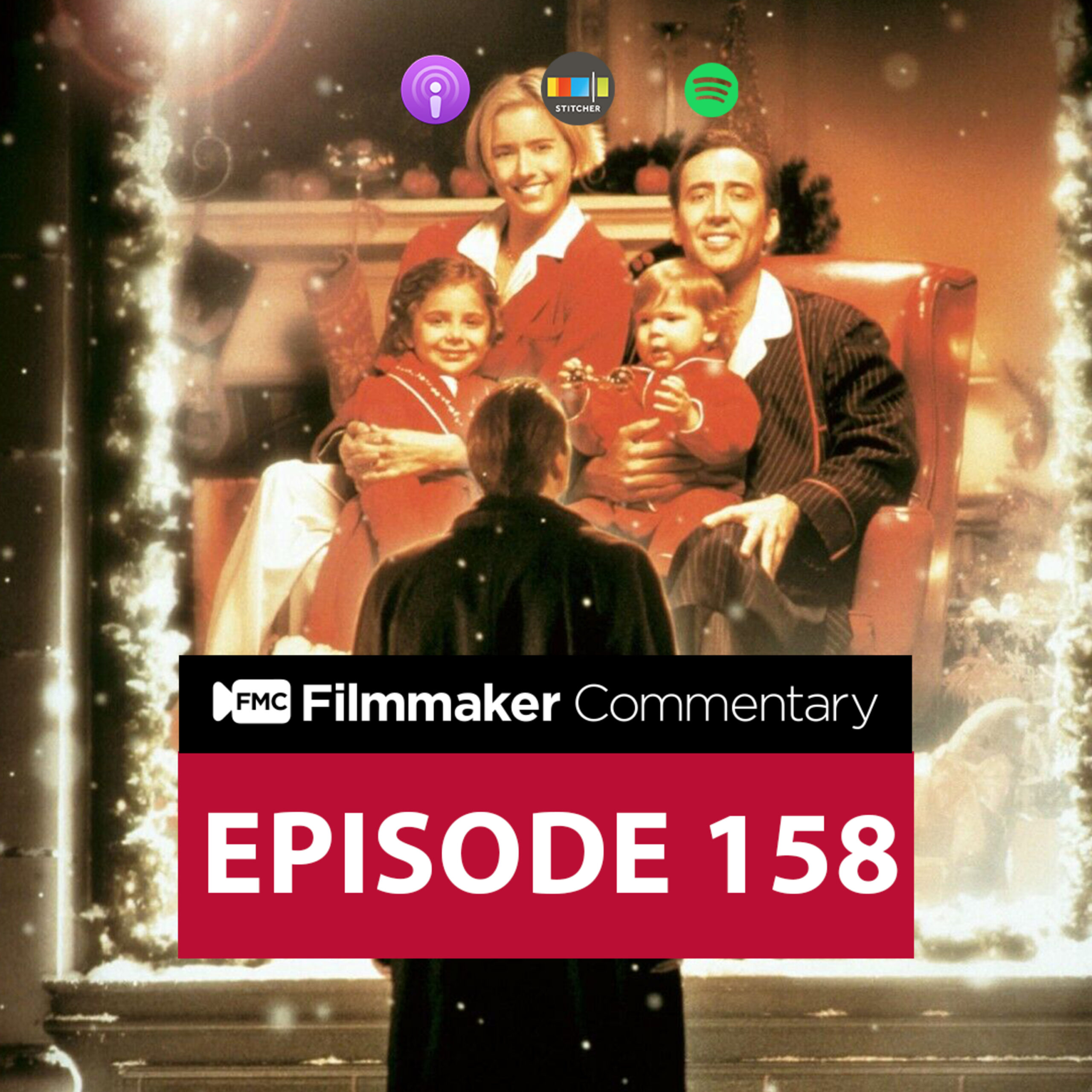
FMC 158: The Family Man Directed by Brett Ratner – Merry Christmas!

December 24, 2022
Listen on Apple Spotify YouTube
Listen to this episode
Your browser does not support the audio element.
Also on Apple Spotify YouTube

Get ready for a heartwarming holiday classic with a twist! In “FMC 158,” Reginald Titus Jr. and Casey G. Smith dive deep into Brett Ratner’s “The Family Man,” a festive film that will have you reconsidering your life choices. This episode explores what happens when a high-flying Wall Street bachelor is suddenly thrust into a suburban family life he never knew he wanted, offering insightful commentary and behind-the-scenes details that make this a must-listen.

What We Cover

  • The surprising box office performance and initial reception of “The Family Man.”
  • Why Brett Ratner almost didn’t direct the film and how his passion secured the job.
  • The memorable performances from Nicholas Cage, Téa Leoni, Don Cheadle, and Mackenzie Vega.
  • The use of “magical Negro” tropes in Hollywood and the interesting casting change for Don Cheadle’s character.
  • How the film visually uses warmth and coolness to define Jack’s two contrasting lives.
  • The delicate balance of career versus family, and the compromises we make for our choices.

Key Moments

  • [03:20] The hosts discuss the film’s surprising surge in popularity despite being largely forgotten, and the hunt for physical copies.

  • [04:54] A segment on recent movie news, including the massive global opening of Avatar: The Way of Water and James Cameron’s controversial comments about Marvel films.

  • [42:23] An examination of the film’s core themes: family, identity, selfish vs. selfless love, and the sacrifices made for a “fulfilled life.”

  • [55:55] A breakdown of particularly memorable scenes, including the humorous bell interaction, Jack’s initial discomfort with children, and the powerful emotional weight of Kate’s final decision.

Gear & Films Mentioned

  • Avatar: The Way of Water
  • Avengers: Endgame
  • Gone in 60 Seconds
  • Harry & Meghan (Netflix)
  • A Christmas Story Christmas
  • Ingrid Goes West
  • Agents of S.H.I.E.L.D. (Disney+)
  • Bullet Train
  • Free Guy
  • Dances with Wolves
  • Ferngully: The Last Rainforest
  • Money Talks
  • Remember the Titans
  • Scream
  • Heroes
  • Prince of Egypt
  • The Family Man (Blu-ray, DVD)
  • Christopher Isaak’s “Wicked Game”
  • Michael Jackson songs

Listener Questions

  • What makes “The Family Man” a holiday favorite for some, despite its serious themes?
  • How does the film’s visual style subtly guide the audience’s perception of Jack Campbell’s two realities?
  • What does “The Family Man” teach us about sacrifice, compromise, and what truly defines success in life?

For more deep dives into director commentaries and film discussions, be sure to join us on Filmmaker Commentary each week!
Full Transcript

Read the full transcript

Full Episode Transcript
This episode of Filmmaker Commentary "The Family Man," directed by Brett Ratner, discussing its box office performance, critical reception, and memorable scenes, alongside current film news and personal viewing experiences.

Introduction and Film Overview
Reginald Titus Jr.: Filmmaker Commentary, episode 158. Welcome to Filmmaker Commentary, where we cover movies with commentaries from directors who take the time to record them on Blu-ray and DVDs. We also give our detailed insights, so look out for spoilers. We discuss the latest in show business news along with movies and TV shows that we've been watching. So join Reginald Titus Jr., that's me, and Casey G. Smith, that's me, every week here on Filmmaker Commentary.
Reginald Titus Jr.: Yo, yo, yo. Welcome to Filmmaker Commentary. I'm Reginald Titus Jr. I'm joined with Casey G. Smith. Welcome back, sir. Good to be back, sir. Yes. And today we are covering The Family Man in 2000, rated PG-13 for sensuality and some language. What was the budget and box office on this film?
Casey G. Smith.: So, The Family Man, on a $60 million estimated budget, raked in a worldwide gross of $125 million.
Reginald Titus Jr.: That's a win. That is a win.
Casey G. Smith.: That's not bad. 60 million.
Reginald Titus Jr.: Yeah, but Nicholas Cage, you know.
Casey G. Smith.: Yeah, he was still, he had just done Gone in 60 Seconds the previous year or so. So he was, yeah, he was kind of on his trajectory of kind of riding high during that time, late '90s, early 2000s.
Reginald Titus Jr.: That was a great film. Gone in 60 Seconds was pretty exciting.
Casey G. Smith.: Yeah.
Reginald Titus Jr.: Um, what, what, uh, did it win any awards or anything like that?
Casey G. Smith.: So, The Family Man, when it comes to awards, didn't win anything big. It did win an Academy of Science Fiction and Fantasy & Horror Films award for Best Fantasy Film. Well, really, well, it won actually for Best Actress by Téa Leoni. It also won a BMI Award for Best Music with one Danny Elfman. Blockbuster Entertainment Awards, it won Best Actor or Favorite Actor, I should say, by Nicholas Cage in a Comedy or Romance, and then Young Artist Awards. So, the young actress, uh, Mackenzie Vega. For the actress, uh, age 10 or under.
Reginald Titus Jr.: Oh, yeah, she did good. Mackenzie. She's still, she's still going. She's still, still acting now.
Casey G. Smith.: Reminds me of, uh, the, was it Friday? What movie did we watch? Was it Friday Night Lights? With, um, that was about the, the team from Texas. Mm-hmm. Yeah. Friday Night Lights. It was Friday Night Lights. Remember the girl on there that was just so, like, she was like the coach's daughter. No, Remember the Titans. Remember the. That was Remember the Titans. Sure it was. Remember the Titans.
Reginald Titus Jr.: Oh, man. I can't lie, coach, this one really gets me. I really wanted it bad. I really wanted it bad.
Casey G. Smith.: She was fantastic. And you, I think you said she's still working. That was Hayden. I think that was Hayden Panettiere. Really? I think so. And now that I think about it. See, now you're gonna have me looking early. Okay, let me double check that. That may have been her.
Reginald Titus Jr.: Wow. But yeah, that was like, finding a kid actor that can that just, it just feels real, like they know more than they're supposed to. They seem like adults, like re-embodied. And they're just like kind of carrying the film a little bit. Oh, yeah. Oh, man, these those kids are magical.
Casey G. Smith.: Yep, that was Hayden Panettiere. Really? Mm-hmm, of Heroes and Scream fame. Ha. Ha ha ha. Uh, what were the signs of the times? Like, what was the sentiment? What did people think about this film in 2000? In 2000, I wasn't even this yeah. Yeah, I again, I remember, I remember seeing a trailer for this, but I didn't watch it in theaters. I I I had forgotten about this film. But, uh, it when I mentioned to one of my buddies that I was I I asked if he had a copy of it, and he was like, no, but I've been meaning to get one. And then when I went to find a copy at Movie Trading Company, my local one in Arlington, they didn't have any, not DVD, nor Blu-ray. I had to go all the way out to Hurst, and they only had one copy there. So, I think when that happens, that speaks to the popular, I think it speaks to the popularity of a film.
Reginald Titus Jr.: And the season too, because I mean, like on every movie trading company I went to, they have all of these films out. And the same ones, like The White Christmas and, you know, um, The Home Alones, the Chevy Chase movie, Chevy. And, uh, all of those are like on the front lip of, they got them out there ready to go. I was like, oh, let me grab that. Let me grab that. But again, I had I had thought of this film in again, aside from when I saw the trailer in the theater back when I was in college. But, uh, it's I don't know, the sentiment that I get now that it's pretty beloved, and I can see why. It's, uh, I was I was impressed. All right, all right.

TV & Movie News
Reginald Titus Jr.: Um, but before we talk further about The Family Man, that's directed by Brett Ratner, uh, let's talk about TV News and Movies. So in the news, according to Deadline, Avatar: The Way of Water splashes out with a $435 million global opening in the international box office. Holy smokes. The highly anticipated sequel to James Cameron's Avatar, Avatar: The Way of Water, has finished its first weekend with a $435 million global bow. Of that, 300.5 million of that comes from the international box office. Wow. What? I was I was meaning to watch that. My son had told me that, hey, oh, yeah, remember Avatar is out. I'm like, oh. Because we went to we went out to watch me and my wife went out to watch the first one when it came out. Yes, it is time. Yeah, I've always got mixed feelings with with Avatar, because I'm you guys all know, I'm a pretty hardcore Marvel guy. And when some of these directors start mouthing off about some of the, the comic book films, I'm right if you don't like a film, but when you lump the whole genre, like if you haven't watched it all, I'm like, nah, you're, you're a director. Like, I understand James Cameron is a busy guy, he's work, he's been working on these films for over like a decade. Uh-huh. It makes me not want to support their stuff. But, James Cameron So he's been doing that for a while? Like, James Cameron? So when Avatar came out, he was talking noise about the, like, the Marvel stuff? As this stuff got ready to come out. Yeah. Oh, this time. I thought you said the first, the first one. Yeah, he's been talking, he's been talking, he's been talking. Same, same with the, He's not the guys you wanna make mad, James. Same, same with, uh, Scorsese, like, these guys are just talking, but but they do it right as they have something ready to drop. Scorsese did it before The Irishman came out. Yeah. Now he's doing it because it gets eyes on him. So he's kind of gaslighting. He's just gaslighting us. But, uh, plus, And he probably could have used some of Marvel's, uh, CGI people. Just saying. Well, you know, I mean, Like, like, Endgame, Avengers: Endgame had passed Avatar to become like, the highest-grossing film of all time, but then they put Avatar back in the theaters, and then it passed up Endgame. I'm like, ah, damn it. Yeah. So. Just so y'all know. But, but this movie needs to make, Avatar: Way of the Water needs to make a lot of money to be profitable. Like, it's they spent a lot of money on this film. So. So what, did they say the estimated budget? Uh, let's see if it's in the article. It seems like it's one of those films. It's got a, it's got a huge budget. Because because Cameron was actually, he was on a, he was doing an interview and saying how it needed to, it needed to make quite a, it has to, it has to hit a billion just to be profitable. That's rough. At that rate, it seems like that's gonna happen, because 300 million just from the international audience. And I haven't really heard anybody talk about it from an our audience, the American local folk. Well, again, I mean, after Avatar came and did its lightning in a bottle thing, nobody talked about it. Like, it was like, okay. You'd see it places, but it didn't stay in the zeitgeist. True. Because I I know when we watched the film, I was like, uh, what I liked about it was the, uh, the graphics and the through the 3D glasses and in that. But from a story standpoint, it it felt like a rehashed, like, a rehashed story. A lot of people say it's like, it's like Dances with Wolves. FernGully. Yeah, and FernGully as well. Yeah, so it was like, I've seen this before. It's safe, especially when you're spending that amount of money to create it. So I was like, you know, go with the safe story with it, like, you're not gonna, you know, get by on us with this. Then also the attaching your your parts to another animal was interesting. Yo. Yeah, so I've only I I watched the movie once in the theaters. Never watched it again. I I I thought I thought it was okay. But I thought the visuals were were cool, but Avatar never like just stuck with me. That's that's before all the other talk. That's just how I what I thought about it. I was like, I was never super impressed with it. But I hope, hey, I hope I hope it goes I hope it goes well for Cameron and and and and his crew, 'cause I know they've put a lot of work into it. Uh, but I've heard I've heard one review that it was that it was really good. Like a masterpiece. Oh. Yeah. Especially they developed a lot of software for the water and things like that. So I'm interested in seeing the technology. Well, they they basically did two and three like back-to-back. That's why he's been he's been working on this for, because Avatar was 2008. Same year as Iron Man. Ooh. Yeah, they've been working on this for a long time. Okay, it's time.

What We've Been Watching
Casey G. Smith.: Yeah, that's all I had for the news. Noticias.
Reginald Titus Jr.: What you been watching, man? You any new movies or TV?
Casey G. Smith.: So, uh, yeah, I've been watching some, uh, some TV and a couple of movies in between. So I I finished out the other half of Harry and Meghan on Netflix. Very enjoyable. Again, I'm not a big reality TV guy, but there's something about listening to them tell their story, but also how they they documented things on what they what they went through. So you have all this like their own video footage from their cameras of their their their journey, which makes it very interesting. So, um, yeah.
Reginald Titus Jr.: That's pretty cool. It reminds me of, uh, like kind of like Obama and his wife, uh, when they got out of the out of the White House, they basically had their own production company, and they produce, you know, um, books and and media. Kind of seems the same thing with with, uh, Rachel and Harry. Not Rachel, what's her name? Meghan. Lord. Meghan Markle. Sorry, Rachel was a character she played. Um, but, uh, seeing them together, it reminds me of that, because they're so they're such these enormous figures. They can't go and just work at, you know, some random corporation, you know, it's like, uh, we need to, you know, we're let's take advantage of our brand. They and they really what what what I found most fascinating, they they dive heavily into the relationship between the Royal Family and the British media. And how that whole system works, and almost this this, that's not almost, like, there's there's this entitlement that because the Royal Family is supported by taxpayer's dollars, then the public has access to them. Yeah. Like, it's a given, like, no, we we pay for you to, you know, enjoy your lifestyle, so to represent like their nation. No, it's just we have access to you, like, your your life is not totally private. Like, that's so all these these these tabloids, it's like, it's like six, but they're a part of some kind of thing where the the stories get rotated to them. So it doesn't matter how egregious they may be, or whatever they say, they're they're protected, they can they can report whatever they want, in essence. Wow. And their stories, the news will still the scoops will still come to them. It's it's it's wildly fascinating. But yeah, this is a, it's a good docu-series, but yeah, um, Harry and Harry and Meghan. Okay. I almost I almost called him Ryan for some reason. You see, we don't know these people. H and M. Harry and Meghan. What else you been watching?
Casey G. Smith.: So, a buddy of mine, he he wanted me to to see the the new Christmas movie.
Reginald Titus Jr.: Yeah. Finally saw that trailer. I think did we, uh, when you had mentioned it on the last episode or so. Did we watch it then or did I watch it later? I don't remember, but. It it would have been it would have been later, I'm sure. Later on. Okay. I yeah, I watched the trailer. Um, what did you think, brother?
Casey G. Smith.: Okay, so it was it the it's a it's not as good as the first. Yeah. This being honest, it's not. In my in my opinion. It's not as good as the first, and it's got a different vibe because this is him now, he he's an adult. Yeah. And he's trying to do stuff for his family, and I'm not going to give away all the plot, but the for me the there's a couple of funny moments, because it's still a family film, a holiday film. Yeah. But the end was the best part in how how it connects to the to the first film. Damn. That's. I didn't mean it how it came out. Why do you have to say it like that? I know how it sounded. I didn't mean it how it came out. But you still said it that way. I did not say it like that. I I heard you. I saw you. I said, I said, damn. All right, Reggie. All right. But, um, but yeah, the end the ending is is good. Does that does it make the whole film worthwhile? It's it's not it's not bad, but again, in light of the first film, the first film is so beloved. I think it's that the first film is probably my favorite Christmas film. The what was? The The first a Christmas movie. Oh, okay. That's top top ten. Yeah, that's number one. That's number one. It's the one I've seen the most. Wow. Yeah, I can see that. Yeah, other ones I've, But that one I've I've watched a couple times. Fudge. Yeah. But but it it there are some cool kind of call there's a lot of callbacks to to the to the original. But yeah, so I did check that out. I also I finished a film called Ingrid Goes West with, uh, Aubrey Plaza. Like I said, I've been on a on a kick of watching kind of more of her films. Yeah. That one also had, um, uh, Ice Cube's son, uh, O'Shea. Not O'Shea. Yeah, yeah. It is O'Shea Jackson. Yeah. O'Shea Jackson in it, and also had, um, the Scarlet Witch herself. Oh, okay. Uh, Elizabeth Olsen in it as well. And also Wyatt Russell also. So, uh, Okay, okay. Mr. John Walker, aka, uh, US Agent. I was in it. I've been I've been I've also been catching up on Agents of S.H.I.E.L.D. on Disney Plus. Again, I'm I've been watching the fourth season of that. It's actually been really good. Okay. Like, really, I'm like, man, this is I remember somebody else had seen it before, one of my buddies, but I had fallen off the show, but. I think we've done like two two seasons or something like that, and then we fell off. But Season 4's been really good. I'm like, dang, I Next episode, please. Next episode. Um, Yeah, and that's that's been it. I finally got a chance to watch Bullet Train. Ha ha. Bullet Train with our boy, uh, what's that guy? Paper Boi. I can't think of the brother's name. Brian Tyree Henry. Yeah, man, he was there hilarious. I think, uh, Bullet Train, watching it on Netflix, um, recommended by you. Mm-hmm. Entertaining. Definitely entertaining. Um, what can I say? Uh, it is, what can I say? I'll give it like seven, maybe six and a half, some around there. It's kind of like one of those you kind of turn your brain off like just boom, just like let it go. It yeah. It's kind of like when I watched The King Kong movie when it was during the pandemic, and King Kong came out, and it was the biggest movie in the world. Uh, but we've seen this before, you know, we've seen John Wick, we've seen, you know, we've seen this setup before. Um, Uh, the secret agent. Yeah. Or whatever. And it kind of walks that line of humor and action. Just but everything's kind of over the top. But yeah, but it's it's a it's a it's a fun ride. Maybe it could have been maybe about 30 minutes shorter. Absolutely. Spoiler spoiler alert. Fast forward 15 seconds. Um, I think the last part with, um, what's her name? Gravity. Um, Speed. Sandra Bullock. That could have been cut out. Mm. Yeah, they yeah, I was like, it didn't fit. It didn't it didn't fit the the the the tone and vibe. I was like, this doesn't work. Like, the the dialogue it it didn't hit. I I agree with that. I agree. It was like, I would have been fine with it just being an over-the-top action film, but they were just really trying to be super meta. What I did like is how, um, what's our guy, the dude that does the dancing and stuff, uh, white white guy. He's, uh, well, you had Ryan Reynolds making an appearance. But then you had He's he's good about that, like, just popping up and stuff randomly. like, that's so random. What's the other guy that does the dancing stuff? Uh, he was in the strip movie. Oh, um. He was Tatum. Channing Tatum. Channing Tatum. So, he was like talking to Brad, is this is this a sex thing? Is this a sex thing? And But if you go back to Free Guy, you saw Free Guy, right? I did. Channing Tatum was in there making another like weird appearance. And he was doing sex something sex to, uh, the other guy, Ryan Reynolds. Huh. Do you remember that part? He was being controlled by this this kid that was living in the basement with his mom or whatever. Maybe I didn't see Free Guy. Oh. I saw, wait, which is No, wait, I mean I'm getting films confused. Because he's because Ryan Reynolds is in a couple of things. Mm-hmm. Free Guy is that's the one that's that was on Disney for a while? Is that the one he was in the in the video game world? Yeah. Is that Free Guy? Mm-hmm. Okay, yeah, I did see that. Yeah. Ryan, yeah. Channing Tatum was he made this little weird appearance in there. He was a he was like the number one character. So, he was like, uh, top player of the world, and then that's when Ryan Reynolds' character, you know, topped him, the Free Guy or Extra Guy, whatever they called it. Ah. But anyhow, I just put those two together 'cause they both made this weird appearance in this movie, and it's like kind of like a thing. Huh. Um, I thought it was funny. But, um, yeah. Outside of that, you know, six and a half, seven. It's all right. Fair enough. Anything else? That's all I've been watching. That's it. That's only thing that's new, uh, for me. Ha ha. And that is it, right?

The Family Man - Deep Dive
Casey G. Smith.: That is it. And this episode of Filmmaker Commentary is brought to you by Grind Over Matter Films, Natural Hair The Movie. By Grind Over Matter Films, to be exact. Which is available to stream on All Black TV and now for free on Tubi, as well as on Roku. All on demand. Check it out. Give us a review. Let us know what you think here on the show.
Reginald Titus Jr.: And now let's jump back into the show. Thank you for tuning in to Filmmaker Commentary. We're talking about The Family Man, 2000s when it came out, directed by Brett Ratner. And let's jump into the synopsis. Jack Campbell is a single, wealthy Wall Street trader living the high life in New York City. All that magically changes one winter morning when he wakes up in suburban New Jersey next to Kate, the girlfriend he left 13 years ago. He's now got two kids. He's traded in his Ferrari for a minivan, and he's trying not to lose his mind. Find out what it takes for a single-minded businessman to become The Family Man. And if this is your first time listening to Filmmaker Commentary, please know, that there will be spoilers. You've been forewarned. Yes, indeed. Before we jump in, I'd love to just give a quick overview of the cast. Okay. Of The Family Man. Okay. First off, we have the main attraction, Mr. Nicholas Cage himself, playing the role of Jack Campbell. At the height at the height of his career. We also have the lovely Téa Leoni as his love interest, Kate Reynolds. Téa Leoni from Bad Boys fame. Okay. As well as the the great Don Cheadle. Boom. In the role of Cash. Who is not in any of the marketing, which is a surprise, which is, I mean, I think it's it's on purpose. Agreed. Agreed. We also have one Jeremy Piven of Entourage fame, playing Arnie. Yeah. Of course, we're used to him him being called Ari. Yes. Um, uh, other notable actors and of course, the the the the young standout, the one Mackenzie Vega, playing the role of little Annie Campbell. Yeah, this is a yeah. So that's a couple of the cast members that I just wanted to point out in the film. Yes, indeed. So, how did you watch this film? Did you ever watch this film? And I think we talked about that earlier, didn't we? Yeah, I knew I knew nothing about this. Again, I think I remember vaguely seeing a trailer. Yeah. For this. Uh, since it dropped in 2000, the trailer would have dropped in '99. I was still in college, so I was probably in the theaters watching, maybe, I don't know, a Money Talks film, maybe, I don't know, something, and this trailer, you know, popped up, and I was like, nah, not for me. Yeah. But that's it. I have I haven't thought about this until you mentioned watching it. But I must say, I I watched it on Blu-ray. I was pleasantly surprised. Woo hoo. This is a a a lovely family film. Yeah. That has a nice little bit of nice, uh, emotional gravitas to it. How about you? Um, same. I didn't watch it in 2000, same as you, you know, I was on a different path. This was not on my list of movies to watch. Uh, right. At all. Um, but I this is I watched it a little more recently. This is probably I I watched it probably like in within the last six or seven years. I I don't even remember how, you know, but I'm like, dang, how did I miss this? Like, how was this not on my at least, uh, Christmas movie queue, you know what I mean? Like, I was like, how did I miss this one? Um, but it it's always fun to have to find a film that's not too violent, too crazy, you know, and you can it's just good kind of wholesome film. Sure. And this is kind of where I feel like this one comes into play. Um, so it's always good to to find a film like that. So this is one of those films I feel are in that kind of database. Safe films. A-ha. And good. Um, this time around is I never I never owned a copy, so I I was hoping to get a Blu-ray, but only found a DVD, uh, from the movie trading company. Um, but, uh, looks like DVD wasn't that crisp. Was yours crisp on Blu-ray?
Reginald Titus Jr.: Was it good transfer? Was it okay?
Casey G. Smith.: Yeah, good enough. Crisp enough. Again, no real, uh, nothing to compare to. I thought I thought it was fine.
Reginald Titus Jr.: Mm-hmm.
Casey G. Smith.: What did you like or not like? You said you liked it, so what did you like or not like?
Reginald Titus Jr.: I like the performance of one Téa Leoni. Okay. 'Cause she 'cause she really she's got a way of just like connecting with whoever her her partner is, especially like when she, you know, whether she's being emotional, whether she's being sexy, whether she's being funny, like, she hits these different beats and does it effortlessly and just, you know, kind of just slides in in and out of these emotions. Um, yeah, but I I enjoy her her performance. Um, Nick Cage is is good, but he has he has after a while he kind of you know, seeing him now having seen him so much, he kind of become became kind of a parody of himself. So, when I see the things that he does was doing back then, they weren't so much, but they still seem like Nick Cagisms. Yeah. But, um, but he's still obviously a solid a solid performer, a solid actor. Um, but yeah, that's what I enjoy was mainly the performances. Yeah. And the young young girl too. It made me appreciate just actors in general, uh, especially when it comes to something like to the drama stuff, because when I looked at T Téa, Téa, how do you what's her name? Téa Leoni. Téa. Or may might be Téa, actually, 'cause it's got an accent over the E. Maybe it's maybe it's Téa. Oh. Uh, when I look at her performance, you know, I'm like, man, is she, uh, her character, is she coming off kind of clueless at times, you know, I was like, you know, trying to trying to figure out like, you know, if you look at her life from the perspective that, uh, Nicholas Cage's character is is looking at life like, man, you're not, you know, do you see what's going on or, you know, do you not care about your career and, you know, all this stuff and you're like, does she care about this stuff? And she's been able to play it in a way to make it like, no, she's a happy person, you know, she she's content. Yeah. And she sees herself as successful, you know, versus not settling. Like, some people are could be could come off as like, I'm I settled, and so that's a loss. Like, you lost. You know what I mean? But if you see yourself as, no, I'm successful, so I'm not settling. You know, I'm not So, it's all about how you define success. And and it's there's there's I like that the film doesn't necessarily state that it's a there's a right or a wrong to it because you know, the main character Jack, he's not a bad guy, even in his other life, he's not a bad guy. He's he's just highly successful, and he enjoys the fruits of his labor. occasional prostitute. I don't know, I don't know if that girl was a prostitute. Yes, she was. Initially I thought, but I didn't see I didn't see him make any transaction. So I don't know. Yeah. I thought maybe, but I was like, oh, he didn't pay. Oh, I would go back to the dialogue, but it's not even worth it. I was watching. I was looking. I was like, okay, does does does he say you know, his money's on the nightstand? She doesn't She doesn't make she doesn't grab any kind of money. So I'm like, no, I don't I don't think so. And then she's just anyway, that's a tangent. But yeah. Uh, what did she say? 'Cause he was he was asking about Christmas, 'cause he knows nothing like about what she's doing for Christmas or anything like that. Uh, she was gonna be doing something. Like, he's so clueless about what's going on in his personal life. This is definitely not his girlfriend. No, but, you know, he's got acquaintances. He's living he's got a playboy lifestyle. Yeah. But I I I I did not I did not. You didn't get the uh, prostitute vibes from this? Initially, yes, but I didn't see I didn't see any transaction. But it just wasn't confirmed for you. Yeah, I didn't see her take any money or So, you got to see the money in order to confirm it. Yeah, in 2000, I'm thinking there's still cash cash transactions happening. Big time, there's there's cash transactions happening. It wasn't, you know, people weren't working with digital currency like that in 2000. I'm working I'm working on a project. Tangent. Kind of dealing with this subject matter, so, you know, there are retainer accounts. Fair enough, but I I I I I still I didn't get that I didn't get that vibe 'cause Yeah, no, I just I just I didn't quite get that vibe. Yeah, there was too many, uh, clues leaning I thought I thought they had a casual relationship, for sure. But I initially was, okay, now, again, if that had been exchanged, I'm like, oh, yeah, definitely she's a prostitute. But I was like, I didn't see that. Yeah, I think the money makes it too. Plus the sec when she just shows up at his place at the end. Yeah. I'm like, okay, he would have had to schedule that. You know? But she's just there. Mm-hmm. So, yeah, that's also when I think, nah, she's just like, I got to research this now. Yeah, this is this is the thing now. Yes, I have to research it now. But that was my my my my my thoughts in regards to her. So, let's say, um, because you said he's not a bad guy. Um, let's say it is a prostitute. Okay. Does that change how we think of him? Does it make him a a bad guy? No, it just saying, does it change how we think of his character? I don't think so. I don't I mean, I may not agree with that. I may not agree with him, but I I still I don't I wouldn't still categorize him as a as a bad person. He's for him, it's just a transaction. But if but if it's his girlfriend, then what does it change to his character? These are important. If he doesn't have a girlfriend, and he's I don't know what his belief system is. His what his morals are, but he's, uh, he's he's he's he's living a certain kind of of lifestyle where he's, uh, you know, he's he's he's doing his thing. Um, yeah. It I I I think it does affect the character as you know, as a person that writes characters, it's like, um, that changes what the audience thinks of him, too. Is because if we see that money change hands, we're gonna automatically put him into a in a certain boat. So it I think it's safer because it's a holiday film to not show that. Oh, I thought. And then also, the fact that he's willing to consider hooking up with an old flame, that also makes me think, yeah, that's not his girlfriend he's that he's committed to, that he's willing to to go see this lady. I think this is a casual relationship that he has. I think he I think he has a Rolodex of his women that he sees that he's got he's got this guy's balling. True. So I think yeah, I think I think he's a playboy. Yeah. That's why I think he's living a playboy lifestyle. In a in a in the movies, because they you have to cut to the point so quickly, you know, to make these decisions for for your characters, versus like, you know, in a series, you can have time to figure, you know, to figure out what's really going on, they can flesh it out. But in the movies, you have to make these certain decisions right away. Yeah. Um, but yeah, it it would I just think it would be a bad look if we knew without a shadow of a doubt that she was a prostitute. Yeah, maybe. I don't know. But it it's a good balance that he doesn't that we don't that it's kind of unclear. Mm-hmm. And at the end of the day, it's like, okay, we still rooting for him. Yeah. Huh. That was that was a tangent. Okay. Yeah, it was a tangent. But we're watching these movies closely. That's true. Come on now. We're paying attention. How did we get there? I don't know. I don't know. 'Cause I said he was a good guy. Maybe he's an okay guy. You got to keep his keep our eyes out on the skies. He's uh, decent. He's successful. By his own definition, he he's he's he's successful. He's enjoying his life. Yeah, definitely, um, you know, there's hints that money is more important than relationships, for sure. In this guy's life, in that version of himself. Yeah. Initially, yeah, but he's he's enjoying the life that he's living. And he again, I from from what I've viewed, I didn't view him doing anything wrong. He may not, uh, do Christmas like everybody else does, but he's he's a hard-working guy, and he's he's he's he's dedicated to his career. Nothing wrong with that. Dedicated. And, uh, yeah, you know, he's he's he's he's paying his bills on time. He even tries to help a guy that he ran into a random black guy he sees in the store, who pulls out a gun. It's just a business deal. Yeah, makes a transaction. But then he tries to say, well, you know, hey, there are programs. Like, he actually tries to Oh, god. Yeah. You trying to save me? That was wonderful. That was, yeah. That was that was well written because I mean, just clueless. Like, it's great. Yeah. I mean, what, you know, what else can you say? He doesn't know nothing about these. He doesn't. He's kind of folks. Yeah. There's programs. I'm sure there's something. He doesn't know. Yeah, I'm sure. But he did he could have called the cops on the guy, could have gone multiple routes. That's the yeah, it could have could have gone much, much worse. He made made a gesture. It may not have been received, but he made a gesture. I'm not mad at him for that. Yeah. But But yeah, Cheadle's Cash's reaction, you trying to save me? Yeah, that was great. But I think I think but I think that kind of speaks to speaks to the guy. Even though he may be a little clueless, but he his intentions were good. Because he could have just said, you know, I got all this money. Why do I care about this guy? Screw this guy. You know, I made my transaction. I'm And he took my damn eggnog, too. Like. Yeah, that would be if he was like that, he would be the Scrooge, right? He'll be the it'll be a different film if it was still a holiday film if he was acting like that. If he's paying the prostitute, if he's talking crazy to people, he's, okay, this is the Scrooge. This is the guy that needs to be humbled. Boom, brought down to his knees. Like, uh, Bill Murray's character in Scrooged. Yeah. Uh, but speaking of Don Cheadle, one thing I did not like is, you know, which could be a trope, the Magic Negro. I had that trope. I was like, oh, this is the Magical Negro. We've been here. We've been such a trope that is like, oh, when you when you see it, you don't realize it until you know what what this is. Well, it's interesting in the commentary that that character in the script was originally written as like an Irish dude. Mm-hmm. But they changed it for Cheadle specifically. That's good. Did they say why? They just liked him. They liked Cheadle, and and Cheadle made some different decisions within it and got got really into the character. So they wanted to kind of up updated. And Yeah, so. And the intro was made, you can bring that up, you know, it was part of that trope. Um, also another I did like Nicholas Cage's performance. Um, you know, he has his own style in how he does things. But then but like, how somebody is out of like, how did I get here? You know, and trying their best to get the heck out of there. And how his character plays it off, you know. We know, we're privy to all the information as the audience, so we kind of know what's going on, but this guy has no idea this was going to happen. Man, it's what's interesting is that I don't think we do know all the answers because when he wakes up, we're like, okay, is this a dream? Is he is he been warped to a different reality? Like, what how did he get here? And what is this this new existence? They don't give us all the rules. But, uh, what things could have been basically, a glimpse, you know, Sure. So, but we don't know the rules in that way, but we know what's happening. Yeah. You are here, dude, you're whole you're in an alternate reality. Yeah, this is you if you stayed on if you stayed in your relationship, type thing. It almost feels like Quantum Leap. Yeah. But within his own body. Mm-hmm. Yeah. Yeah. I like that. And then another thing is just, uh, did not like is this, um, our people of color, our brothers, the only the only characters are helping with just help characters. I got your keys, sir. I got your keys. I can call the cops for you. Yeah. You know, it's like, uh, thanks. But at least Don at least I like that Don gets to like, drive his car. Like, when he goes in his like Don Don is driving his car, and, uh, playing his music. Yeah. And lets me go, okay, let's get out and we'll both walk around a little bit. Yeah. Pulls off on him. Pulls off. He got he got things going on, man. Got things to do. Yes, sir. Um, what do you think about the commentary? Because the commentary has Brett Ratner, was it like a couple of other producers or the writer? Yeah, it was it was Brett Ratner, and also a filmmaker. So, yeah, one of them has I'm positive is, uh, one of the producers. Possibly maybe even a a writer. It doesn't say clearly on the back of the of the Blu-ray, but I was trying to kind of figure that out. I was like, okay, no, Brett Ratner is on there, but who else is on here? Brett Ratner is such a a talkative director. He is. Has that energy, that young energy. It's it's enjoyable to listen to. Um, some tidbits here and there, but I didn't feel like I got a whole whole lot out of it as far as like just big things. But it's got a little little details here and there that are being shared. Yeah, I feel like I got more out of Brett out of the Rush Hour, you know, keeping in mind, you know, the same guy that did all the Rush Hour stuff, and was like the go-to guy for a lot of commercial stuff around that time. Um, uh, you definitely feel his energy. Reminds me like a Eli Roth or somebody like that, just like how into it and how they're selling it. They're passionate. This is their film. Um, that definitely comes through on the commentary, but he just kind of like bullguards his way on this commentary. He's like, hey, no one gets to talk with me. Passion is is his thing. He's he's a he's a passionate guy. That's how he got the film, even. Yeah. Absolutely. So I like I like that about the commentary, but outside of that, I didn't I didn't really get any too much not as many, uh, helpful tips in how they produced this thing, like he did with with the Rush Hour. Yeah, I agree. Yeah. Agreed. The, um, did you did you watch any of the special features on the Blu-ray? I know they had like another commentary with the composer, uh, Danny Elfman. Um, what I watched, I watched a few of the like the the blooper outtakes. Mm-hmm. Was it pretty good? It it was okay. There was one like when him and Jeremy Piven are are talking about Piven's trying to is is mentioning to him, you know, when you when when when I had that thing going on with that speech, my daughter's speech teacher. And then you told me this like they were trying to nail that scene. This is a pretty important line. Yeah. But they is like the camera's like over the shoulder of Piven, we could see Cage's face. And he he Nicholas Cage just starts laughing. Every single thing he's trying to look look at Jeremy in his eyes and be serious. Yeah. And then just breaks out laughing. That's got to be the worst. Every single yeah, they just had the giggles 'cause it happens about six or seven takes in a row. Just again, again, again. He just break keeps breaking. So that was interesting. Then there was one called On Location. That's almost a little bit a little bit of a behind-the-scenes. Yeah. But it wasn't I didn't it wasn't super important. It's about 20 minutes, but I didn't I didn't gleam a whole lot from that. I played that when I just had that kind of like playing in the background, but I I was like, yeah, that's kind of dated. I wasn't really into it into it that way. Uh, when you were talking about how they had like the on the bloopers how they were like laughing all the time. Reminds me of Pleasantville when Tobey Maguire was talking to his father, um, in that and then he was talking about his his sister acting weird. And he said, now, you know, I got to you know, we're gonna have to talk about boys and girls. So like when he like delivered the line, I'm paraphrasing the line, but when he delivered that line to Tobey Maguire, they had the case of the giggles for every time he would try to hit that line, they would just dying laughing. So much so that you can actually see Tobey Maguire smirking, because that's the only usable, uh, film for that. Yeah. Sometimes it happens, man. That sometimes you just and that in the, uh, that line hits it's a comedic line, and it just the way that I can't think of the actor's name that played his father, but he hits it so well, deadpan, that it's like, oh, man, this is great. This is fantastic. This is good acting, and it's funny. Yeah. Nice. tone.

Tone & Memorable Scenes
Casey G. Smith.: Warm romantic comedy, but grounded and emotional.
Reginald Titus Jr.: Absolutely. Um, starting out, you see we're in, uh, what's Nicholas Cage? Yeah, it was the airport. Um, but when it's 13 years later, and we're in Jack's Jack. Why do I not yeah, I forgot the character's name. There's literally a montage of people saying Jack. Hi, Jack. Hey, Jack. Jack. Hey, Jack. Jack. Hey, Jack. That was what you're right. They every time he entered the room, they somebody some character said that, hey, Jack. Yeah, I totally forgot. Um, but anyhow, going past 13 years later, and seeing Jack in his luxurious loft apartment or whatever. Um, and seeing just how rich he is. He's got one of those walk-in closets. Looks like a store, and he has it like organized just perfectly. All those suits, thousand dollar suits, you know, you know, it's yeah, he's He is balling out of control. You know, and he's just having a good time, playing his opera music, jamming. I'm like, wow. And you you kind of use that juxtaposition with that versus suburban life, where they're not poor, but it's just a different class of people, you know, how he interacts with, you know, his neighbors and his neighborhood versus the neighbors in his luxurious life. It's just different. And how they view other people that are not from their world. Yeah. Very, very different. Yeah, so it's just kind of seeing that tone kind of ring through. A little bit. Um, what do you think like from a style standpoint that Brett Ratner and his DP were trying to get across?
Casey G. Smith.: It's interesting that when we we're in Jack's early world of of of money and fortune, it's actually warmer. Like, the the the film looks warmer in that in that reality. But then when we get to the the dream or fantasy, the alternate life scenes, it's actually a little the the film's a little bit cooler.
Reginald Titus Jr.: I didn't realize but Brett Brett actually does have a style, and it's kind of more of like a like a Hollywood, like higher-end production style. I saw especially in like in the in the Rush Hour, probably part two. But he's very aware of filmmaking. Like, you have some directors, I mean, everybody's a filmmaker, right? But from a technical standpoint, they're hitting on all cylinders, you know, you might think of like the Spielbergs and things like that. Uh, Scorsese. Um, but Brett Ratner is right there as far as with the language of filmmaking. And I think his style is kind of more, it's anamorphic. Um, and it just seems like his style is more suitable for like the higher-end productions. Yeah, he's he's he's he's very complimentary of his, uh, his DP and how things were lit. And there are some scenes where there's a lot of camera movement, and some some takes that were done like all in one take. Yeah. It's, uh, yeah, so there there's some good some good camera movement within this. Some, uh, some very some nice some some nice action that takes place here and there. Mm-hmm. Absolutely. And you could kind of see how he used some of his same people from previous films. Like, he used the Asian guy from Rush Hour to be the clerk and, um, played the villain. Still kind of playing the villain in a way. Um, but yeah, I like how he's using he's keep bringing these people along. There you go. What are some themes that you came away with this film?
Casey G. Smith.: Holiday film. Those themes gonna definitely ring through. Oh, yeah, definitely the the Christmas and the holidays. Family. Identity. A fulfilled life. Mm-hmm. And then, uh, selfish versus selfless love. Absolutely. Um, I had a theme of like true love. Um, with the holidays, it feels like, okay, it's about, it's about the love. Um, but also too, like from a serious side, it's just like, okay, whatever, uh, choices you make in life, you're gonna have to sacrifice. What are you sacrificing to get that outcome? And are you okay with that? You know, sacrificing for your career. My wife, we talk about it all the time about like, like career stuff. It's just like, okay, what are you willing? Um, from a career standpoint, are you willing to put that ahead of your family? Are you willing to put your family first? It's like, we, you know, we have those conversations. We have to, you know. Um, and some things are not seem like it's not worth it. You know what I mean? You know, it's, yeah, so when being able to be willing to compromise, and when you're in a relationship, you have to compromise, you know, it's like, okay, that you win that that, and you can kind of see that with our character, Jack is, his wife negotiates with him. It's like, okay, Kate, I'll I'll support you in this. Yeah, especially towards the end. That's that it really comes to it really comes to light when he's when he's trying to you when you think that he's, okay, settling into living this suburban life and working at his father-in-law's tire shop. Mm-hmm. And and watching the kids and taking them to daycare and all that, you think and taking his daughter to school, you're like, okay, he's he's got this thing down. He knows the routine. He's taking the dog out to use the restroom and all that. He's He's settling down. But then once his old boss shows up to get that tire fixed, Yeah. And then he starts dropping his knowledge, and next thing you know, he's getting a chance to, you know, work for this company again. Yeah. And then use his knowledge. And trying to then tell his wife that, you know, they can live in this luxurious space. And and just that that's why I really appreciate, uh, Téa's performance in and her like, well, well, no, I'm like, I'm like, how we live is I've got everything. Yeah. Like she's good, but then when she comes back and says, you know what, We'll we'll relocate for for you. Yeah. I was like, wow, that's that's powerful. Again, that's that compromise that selfless love that she's because she loves him so much, you know, before she'd asked him to to not pursue it and stay, and then and in this reality he did. He sacrificed. And now she's willing to sacrifice. Yeah. Yeah, man, it's something.

Memorable Scenes
Reginald Titus Jr.: It could work. See? It's got to figure it out. Uh, yeah, but yeah, she came through on that one. But yeah, that felt real. I felt like from a real place, like, holy smokes. But she did lay it out there, you know, it was like, hey, I will take it's kind of a petty line. I will take our kid out of the school that she loves. And move this whole family away from. You know, just to kind of feel like, you know, away. Yeah. It's a wait. Yeah. It's a big decision that this is not just you're looking at the upside monetarily. Yeah. But there's an emotional impact that this will have on, um, on our family, on our kids. But. And it seems like he was really thinking about it too. He was like, these are in this version of Jack has different ideals than the other version of Jack. You know, like, oh, okay, you know, this this character, you know, was willing to put his career aside to help his father-in-law. Yeah. You know, who had a health issue. And it's like, okay, that builds up the story of why he has made these decisions. Yeah. Yeah. And that's where the sacrifice comes in. Family. Yeah, so I think it was, uh, themes they were able to they kind of hit on all the family stuff that most Christmas movies do. Yeah. It's very, very solid. And even I like how at the end it's it's not necessarily him or them necessarily together. They're just having coffee. Yeah. It's a new it's a new beginning. New beginning. It's leaving the possibilities. But they don't kiss, you know, it's not a will you marry me? No, they're they're both, right? They're both They're still strangers. I mean, not strangers, but like this is 13 years, yeah. And she's lived her life. She's, you know, already to move to Paris. And he's, you know, in in New York. So there's no guarantee of anything, but Yeah. It, uh, I do like how the ending is basically how the movie started. So, the movie's like, I'm going away. Mm-hmm. Um, who's gonna fight for this? Yeah. Uh, he was probably the one. She was willing to she was fighting for it. And it was like, hey, I think but he wasn't willing to fight like that. Uh, I think at the end, it was like, she's going away. Are you gonna fight this time? Are you gonna fight for her? Mm-hmm. There's an interesting thing they mentioned in the commentary that, you know, because, you know, when she called at the beginning, when he had that missed call from her, and he doesn't call her, he's like, oh, she's probably just feeling nostalgic or whatever. Yeah. But she's got a box of his stuff. And they mentioned, okay, if you've broken up with someone, 13 years have gone by, and you still have a box of their stuff that you have kept. She could have thrown that out at any given time. It's over a decade. Like, why why just because you're moving to Paris, why now are you reaching out to him? Yeah. I mean, 13 years. You could have just thrown it away. They aren't they aren't concerned about any of that stuff. Why why are you still holding on to it? I don't know. It's, uh, that's an interesting one. It's, uh, I think there's something still there on her end. 'Cause she could have just tossed it. Even when she found it, she could have just tossed it. Why did she have to track down his number and call him? 'Cause he, they haven't had contact in what seems like a very, very long time. Yeah. You're killing our plot device again. We have no movie without this box. My God. Nevertheless, but it's All I'm saying is that she's got feelings. Okay. I'm not saying it shouldn't be there, but I'm saying you hold on to somebody's stuff that long after you after your relationship has been long over, over a decade. 13 years. She's still single, though. That's true. Well, we'll see. You know, there's there's something there. And again, all she had to do, that saw that box, I'm like, I'm going to throw this out. Yeah. But instead, has somebody reach out to him. Why I said he has to come Yeah. Get it. He has to come there to get it. That's an old that's an old trick. Yeah. Right, you break up break up with somebody, they they they keep an article of your clothing or a favorite sweatshirt, and you're like 13 years, though. Hey, can I, uh, get my old sweatshirt? Yeah. You gotta come get it. I yeah. I don't know. That's a that's a rough one. She look, she's got money. She could have had that shipped to his office. But see, the thing is, um, he waited, you know, um, he was, right? Is it a day after? It's a day after he got initial contact from her. Mm-hmm. Um, that could have been, uh, what do they use the in New York, the little meter, the bicycle boys, the messengers, uh, the carrier service. Sure. To to drop it off. There's a lot of people business do that. Using the carrier service. But this is the next day. So what because he didn't call when he was supposed to. Mm-hmm. He's getting information late. Like, hey, I'm out of town. Like, you could have you know, he could have not even had this conversation. You just been talking to my assistant. Yeah. I don't know. It's it's convenient. Yeah. She's there's there's something there for the plot. Yeah. She I'm saying she's still got some feelings. Oh, for sure. She's got a a sliver of hope. I mean, this was he was supposed to marry this lady. Yeah. There's a sliver hope that he would that he would maybe reach out and Yeah. Yeah. Cat it. The proverbial cat it. I'm going to Paris. France. Huh. That's the one. Yeah. Uh, there is a Paris, Texas. Yeah, I know, right. I'm going to Paris. France. No, Texas. Dang. Reminds me of the Lauren, uh, Loren Tate film. The, um, Love Jones. Yeah. When when they were kind of pulling all that stuff. He kept missing her at the Oh, man. That's true. That's that's a good point. That's a good point. '90s. Yeah, absolutely. Um, do you have like any favorite scenes from this film or anything like memorable that stuck with you? I got a couple of 'em. So, when he's gotten this little bell from Cash. He's like, what is I'll ring this and you'll you'll come. But then he once he gets back to his his new house. Yeah. And he's he's standing there talking to to Kate. And he starts like ringing the bell. And all of a sudden little Annie walks up and she just grabs the bell, and she. Thanks, Dad. And just walks off, and he's like, Right. She took she took my bell. She took my bell. That was just it was just cute. He's like, give that back. She's she's gone already. She just. It's funny looking at how he views his views kids in general. Mm-hmm. At the very beginning. You're obviously a single man that's like doesn't he's like, unaware. He's holding his kid away from him. Like, it's like, what is this? You know, what do I do with this? Totally foreign. He just to like to get to now he's actually hugging this girl. And they're having a great time, you know, that's like a that's a changing character. He he he's fallen in love with these kids. And even when he talks about him later on how how little boy like he's super smart, you know, because he's always aware and looking around and and and Annie is she seems precocious, but that's because she's just always speaks what's on her mind. Yeah. He's gotten to know them so well. And it's very, very endearing how that that journey that takes place. Absolutely, man. Um, I like the the singing. Like, uh, uh, what's his name? Uh, Brett Ratner. He he brought up that having somebody sing, sing with her, you know, they're having that character sing in whatever music they're listening to tells more about the character. And we have an example of like I was talking about earlier with Jack, you know, the jux position of him singing a soul song to his to his, uh, wife in front of everybody. Tells a lot about his character versus him singing the opera by himself, you know. Um, but we see, uh, in Brett Ratner movies, we see in Rush Hour, we see Chris Tucker singing Michael Jackson. We've seen him, uh, Paul Walker. Yeah, the war. And then like, yeah, and both the characters are really into that song and they kind of brought them together. Or Money Talks, we see him singing, it was a Barry it was a Barry White song. Yeah. Uh, and that uh, song. Or in Rush It was, yeah, he was doing he was doing karaoke at the beginning, right? Yeah, with the Michael Jackson. I've I've forgotten what's on it. I think it's Don't Stop 'Til You Get Enough. It was, yeah. It was. 'Cause 'cause there was an Asian guy singing it, and he was like, man, like Chris Tucker was like, man, this guy is he's not really he ain't got it. He ain't doing it all wrong. So he goes and showing how it's supposed to be done. Um, and then in in Rush Hour 3, it was him singing a Prince song with with the with the earpiece on, directing traffic and jacking it up. Um, but then we also see the other girl in the first, uh, Rush Hour. She was singing Mariah Carey. Man, okay, that's a Brett Ratner thing. It's a trope. Yes. Having your character sing. But it makes me, I was like, wow, that's that's actually kind of clever because you can do so much with that. Agreed. Agreed. Um, another tip is to make script changes as needed. So once again, uh, Don Cheadle's Cash character was originally like an Irish bartender or something of that effect. Mm-hmm. But, uh, obviously it changed. Which right. Changed quite a bit to a a modern almost like, I don't know, I wouldn't say genie, but it's just on the magical Negro. Of, uh, of many of many, uh, helpful professions. helping troll. You know. It's one of those things, like, hey, you know, I'm sure if you talk to a lot of the, um, uh, African-American actors that's been in Hollywood for a while and always had consistent work. They have their stories of all that fun stuff. Sure, for sure. Uh, then lastly, uh, simple effects can be used for powerful transitions. So, Brett didn't want to have effects look cheesy. So, again, even as I was mentioning earlier, when they when Nicholas Cage lays down on Christmas Eve in his nice high-rise apartment and the camera pans in on him, and then it pans out off of his face on his pillow. Now he's in a a different bed. Yeah. Um, but even like when they used the the snow to kind of show that things are about to change of him him going, you know, back to his his his previous life. But, uh, yeah, but they kept the effects simple. Yeah. And that, uh, gave it a kept it grounded. Yeah. In in light of the kind of fantasy aspects of the film. Yeah, I can definitely appreciate it. There's probably only two thing parts that I remember where there might have been like some CGI possibly, but he didn't talk about it in the commentary. But it's when the minivan is driving into New York, the the minivan is right in front of us, but New York is way off in the distance, and you're shooting. I was like, is that a matte painting? What is going on? It looks weird. You see the Twin Towers in the background, too. Oh. Yeah. It was 2000, it was Yeah, it was still 2000. So that would have been probably shot in '99. So, yeah. And then also there's, uh, at nighttime, we see the New York offices that they're supposedly in, and that one looks like it's a a matte painting as well. So, like, those two shots, they were like, I would have liked some more information on them why they look like that. Interesting. Um, that's all the tips that I have, my friend. Same here. , good film. Yes. Yes. Very good film. Great recommendation. This is a wonderful holiday film. You can watch it with your whole family. Yeah. You can watch it by yourself. You can watch it with a date. Uh, I think you can't go wrong with The Family Man. Absolutely. Yeah, I'm glad you you dug it. And, uh, what are we jumping into next time?

Filmmaker Tips & Conclusion
Casey G. Smith.: Next time, as we ring in the New Year, it will be an episode that will drop at the beginning of 2023. So, we're gonna be off these next couple of days, but we hope you all enjoy the holidays with family and loved ones. But the next episode will be our FMC 2023 Top 10 Films between 1998 and 2008. Yes. And we would love to hear from you. So, if you have some favorite films between that time period of 1998 and 2008, uh, let us know. Either at facebook.com/filmmakercommentary. Uh, you can of course always listen to us on iTunes, SoundCloud, Stitcher Radio, and of course Spotify. You can also let us know about your your favorite films between '98 and 2008 on Twitter. Yeah. We here's at Reggie Titus. I'm at KCGC Smith 32. Feel free to message us. But we're also most active typically on Instagram, on the gram, either at Filmmaker Commentary. He is at Reginald Titus Jr., that's JR, on Instagram. And I'm at KCGC Smith 32 on the gram. Yes, indeed. Until next time. Peace. Respect. [Outro music fades in]

About Filmmaker Commentary

Reginald Titus Jr.

Apple Spotify YouTube Subscribe Free
Continue Listening

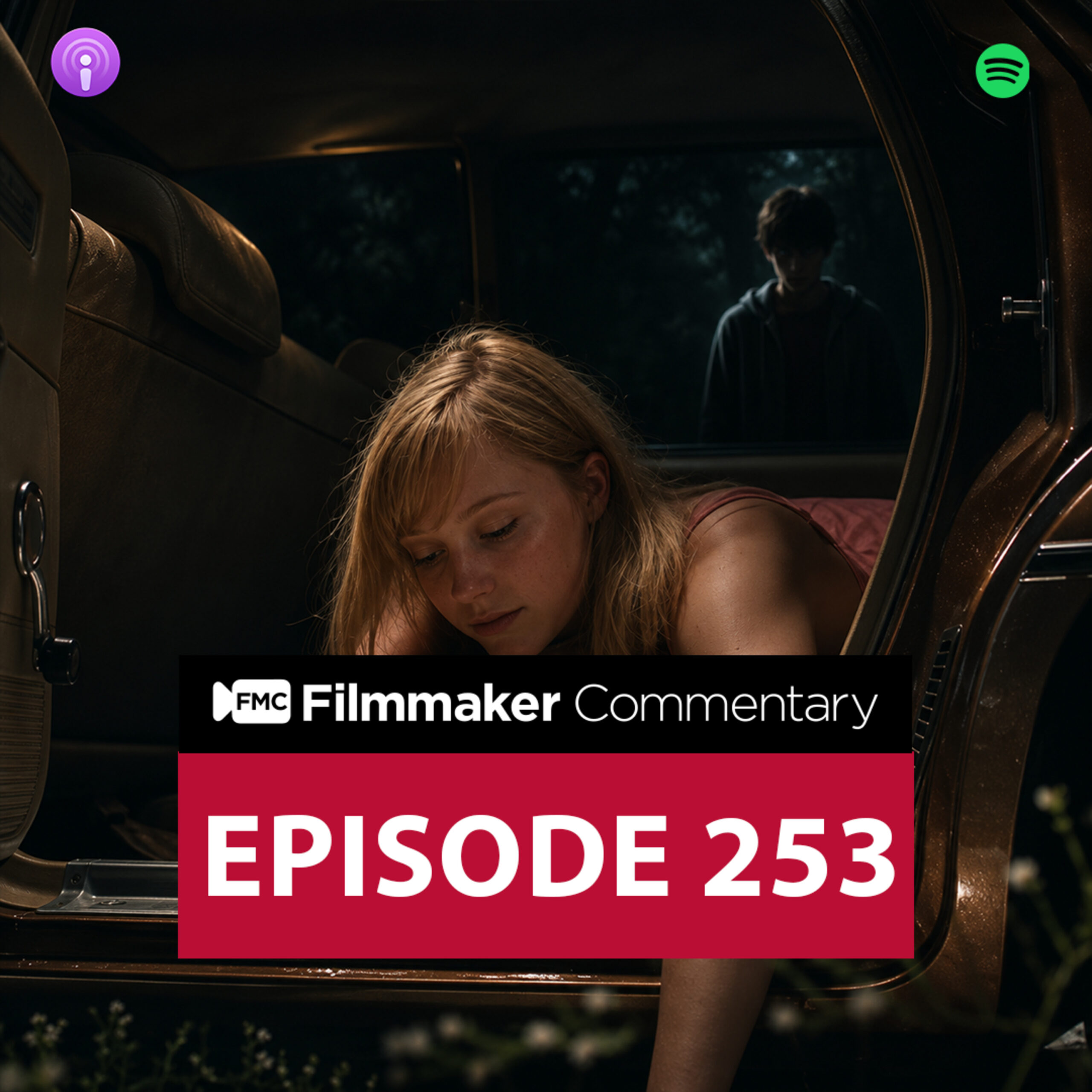
FMC 253 : It Follows Directed by David Robert Mitchell

November 7, 2026

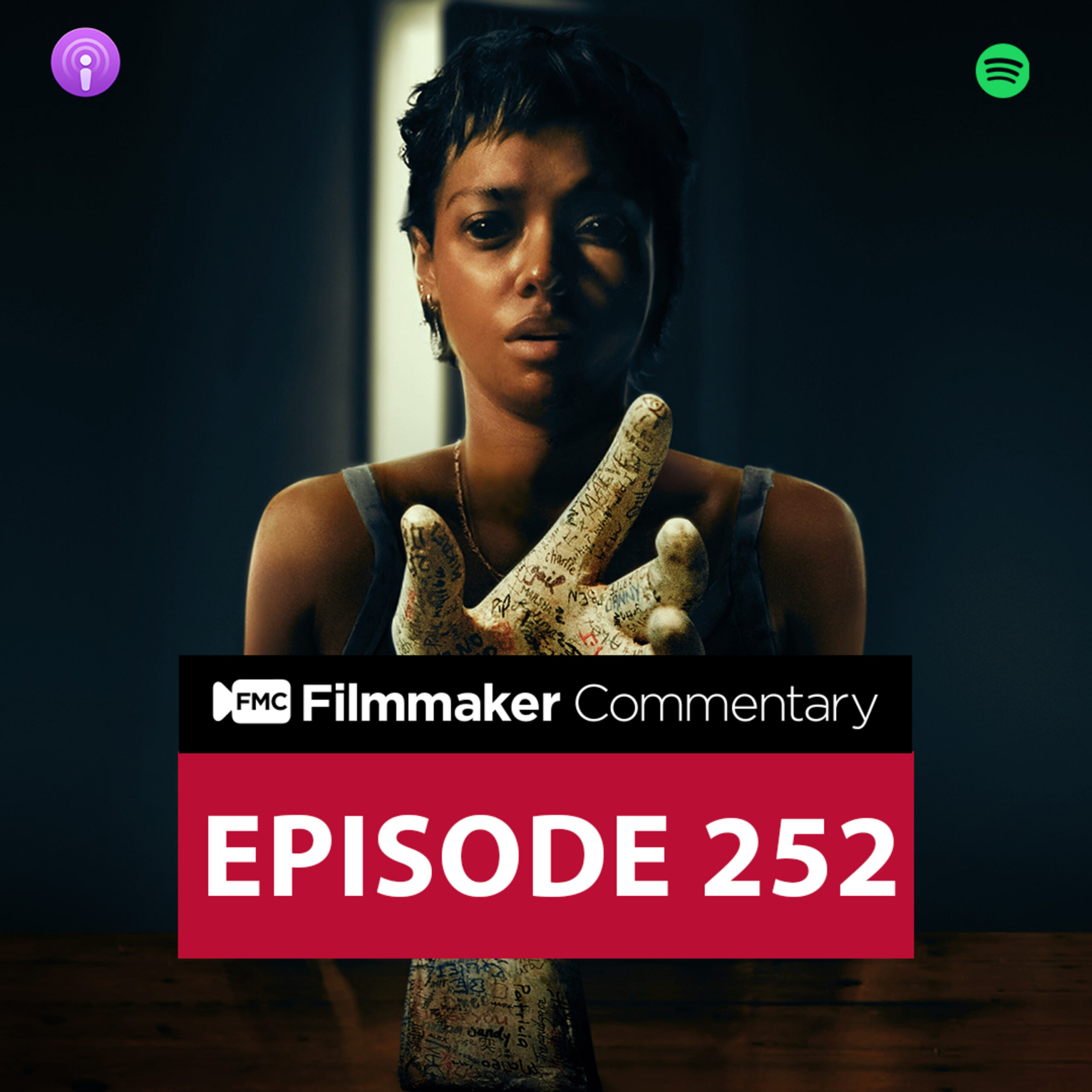
FMC 252 : Talk to Me Directed by Danny Philippou and Michael Philippou

October 25, 2026

FMC 251 : Weapons Directed by Zachary Michael Cregger

October 24, 2026

Leave a Response Cancel reply

Never Miss an Episode

New episodes every week — free.

Listen on Spotify Apple Podcasts

Recent Episodes

  • FMC 253 : It Follows Directed by David Robert Mitchell
  • FMC 252 : Talk to Me Directed by Danny Philippou and Michael Philippou
  • FMC 251 : Weapons Directed by Zachary Michael Cregger
  • FMC 250 : Obsession Written and Directed by Curry Barker

Archives

  • November 2026
  • October 2026
  • September 2026
  • June 2026
  • May 2026
  • April 2026
  • March 2026
  • February 2026
  • January 2026
  • November 2025
  • September 2025
  • October 2023
  • September 2023
  • August 2023
  • July 2023
  • June 2023
  • May 2023
  • April 2023
  • March 2023
  • February 2023
  • January 2023
  • December 2022
  • November 2022
  • October 2022
  • August 2022
  • July 2022
  • June 2022
  • May 2022
  • April 2022
  • September 2021
  • August 2021
  • July 2021
  • March 2021
  • November 2020
  • October 2020
  • September 2020
  • August 2020
  • July 2020
  • May 2020
  • April 2020
  • March 2020
  • February 2020
  • January 2020
  • November 2019
  • October 2019
  • September 2019
  • August 2019
  • July 2019
  • June 2019
  • May 2019
  • April 2019
  • March 2019
  • February 2019
  • January 2019
  • December 2018
  • October 2018
  • September 2018
  • August 2018
  • July 2018
  • June 2018
  • May 2018
  • April 2018
  • March 2018
  • February 2018
  • January 2018
  • December 2017

Categories

  • Film
  • Podcast
  • TV
© 2026 Filmmaker Commentary. All rights reserved.
  • About
  • Episodes
  • Privacy Policy
  • Disclaimer
  • Terms of Service