November 13, 2026
F
Filmmaker Commentary
  • Home
  • About
  • Episodes
  • Film
  • TV
  • Home
  • About
  • Episodes
  • Film
  • TV
Podcast

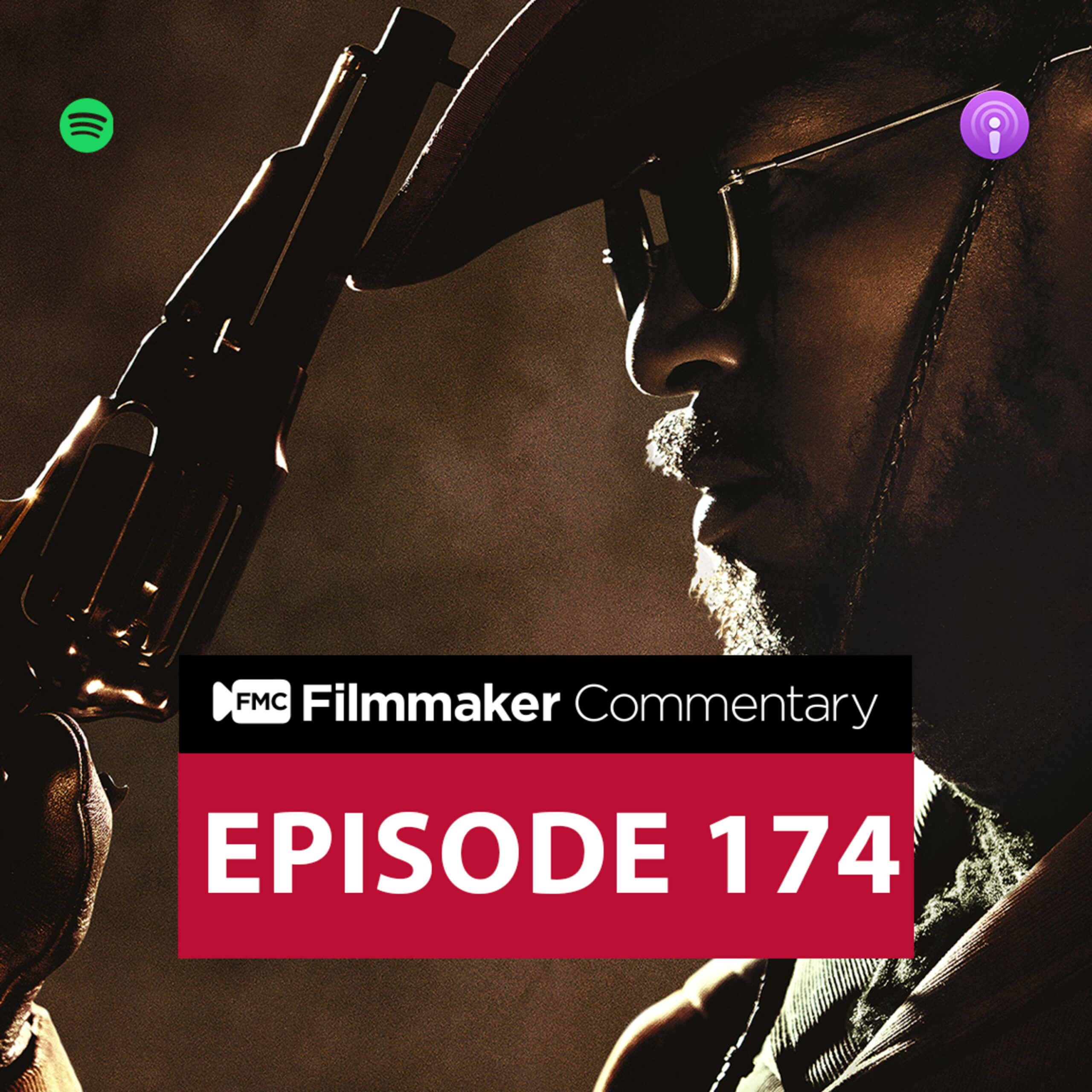
FMC 174: Django Written and Directed by Quentin Tarantino

July 23, 2023
Listen on Apple Spotify YouTube
Listen to this episode
Your browser does not support the audio element.
Also on Apple Spotify YouTube

This episode unpacks Quentin Tarantino’s “Django Unchained,” a film that boldly reimagines the slave narrative through a unique lens. Join Reginald Titus Jr. and Casey G. Smith as they dissect its powerful performances, Tarantino’s distinctive style, and the surprising historical inspirations woven into its fabric. Discover how the film challenged traditional portrayals of slavery and sparked conversations about representation in cinema.

Dive into “FMC 174: Django Written and Directed by Quentin Tarantino,” a deep exploration of the 2012 Western-drama. Reginald Titus Jr. and Casey G. Smith take listeners on a journey through the film’s ambitious production, its impactful performances, and the broader cultural conversations it ignited. We kick things off by looking at the film’s significant financial footprint: a reported $100 million budget that yielded an impressive $426 million worldwide at the box office. This substantial investment is reflected not only in its A-list cast but also in the meticulous recreation of its period setting.

The hosts delve into the critical reception and initial audience sentiment for “Django Unchained.” The film landed with a strong impact, offering a unique “emancipation” and “revenge fantasy” narrative that set it apart from typical slavery portrayals. While slavery remains a deeply sensitive and challenging subject, Tarantino’s distinctive approach allowed for a different kind of engagement with the historical trauma. We also examine the film’s Academy Award success, with Quentin Tarantino earning an Oscar for Best Original Screenplay and Christoph Waltz winning Best Supporting Actor. Despite these accolades, a significant part of our discussion centers on the powerful performances by actors like Samuel L. Jackson, Jamie Foxx, and Kerry Washington, and the questions raised about their lack of individual Oscar recognition.

Casey G. Smith highlights the immense costs associated with bringing a period piece to life, from elaborate costumes to extensive use of horses and intricate stunt work. The conversation also touches on Quentin Tarantino’s specific filmmaking choices, including his deliberate use of the “N-word” within the film’s historical context, prompting necessary discussions about artistic license and historical accuracy. We explore fascinating trivia, such as Tarantino’s inspiration from the abolitionist John Brown, and how elements of Brown’s story subtly influenced Django’s character arc. The episode also touches on broader entertainment news, including Tarantino’s announcement about the fictional death of Rick Dalton, and box office updates on “Fast X.” Reginald and Casey G. Smith round out the discussion with what they’ve been watching, including “Silo” and various HBO Max offerings, and their personal favorite scenes from “Django Unchained,” underscoring its enduring impact. Join us on Filmmaker Commentary each week for more in-depth movie discussions.

What We Cover

  • The significant budget required for Tarantino’s vision and A-list cast in a period piece.
  • Audience reception to “Django Unchained” and its unconventional approach to the sensitive topic of slavery.
  • The film’s Oscar wins for Quentin Tarantino and Christoph Waltz, alongside discussions on notable omissions in acting categories.
  • Tarantino’s creative influences, including the historical figure John Brown, and how these shaped Django’s heroic journey.
  • An analysis of the film’s tone, pacing, and visual storytelling, including iconic slow-motion sequences.
  • Observations on the use of the “N-word” and the film’s portrayal of exploitation and violence within the context of slavery.

Key Moments

  • 0:45: Discussion on Django Unchained’s $100 million budget and $426 million worldwide box office success.
  • 2:23: Hosts analyze the star power on the Blu-ray cover, noting Jamie Foxx, Christoph Waltz, and Leonardo DiCaprio’s collective awards history.
  • 3:07: Exploration of production costs for a period piece, including horses, specialized costumes, and location work.
  • 4:05: Initial audience reactions are discussed, highlighting the film’s unique “emancipation” and “revenge fantasy” take on slavery.
  • 5:27: A detailed look into the film’s Academy Award wins (Quentin Tarantino for Best Original Screenplay, Christoph Waltz for Best Supporting Actor).
  • 9:41: Critiques regarding the lack of Oscar nominations for Black actors like Samuel L. Jackson, Jamie Foxx, and Kerry Washington, despite their impactful performances in a slavery narrative.

Gear & Films Mentioned

  • Silo (Apple TV+)
  • Love & Death (HBO Max)
  • Dallas (TV series)
  • Night Court (TV series)
  • The White House Plumbers (HBO Max)
  • Revenge of the Nerds
  • Love to Love You, Donna Summer (documentary)
  • Fast X
  • Super Mario Bros. Movie
  • Aquaman
  • Looper
  • Once Upon a Time in Hollywood
  • Inglourious Basterds
  • Pulp Fiction
  • Titanic
  • The Creator

Listener Questions

  • What were the key financial details, including budget and box office, for “Django Unchained”?
  • How did “Django Unchained” navigate the sensitive subject of slavery, and what was the initial public and critical reception?
  • Which actors received Academy Award recognition for their roles, and which powerful performances went unacknowledged?
Full Transcript

Read the full transcript

Full Episode Transcript
This episode of Filmmaker Commentary Quentin Tarantino's "Django Unchained," discussing its box office success, critical reception, controversial themes, and the stellar performances that garnered Oscar attention, alongside broader conversations about film production and industry trends.

Opening Discussion
Reginald Titus Jr.: Filmmaker Commentary, episode 174. Welcome to Filmmaker Commentary, where we cover movies with commentaries from directors who take the time to record them on Blu-ray and DVDs. We also give our detailed insights, so look out for spoilers. We discuss the latest in show biz news along with movies and TV shows that we've been watching. So join Reginald Titus Jr., that's me. And Casey G. Smith. That's me. Every week here on Filmmaker Commentary.
Reginald Titus Jr.: Welcome to another episode of Filmmaker Commentary. I'm Reginald Titus Jr., I'm joined with
Casey G. Smith: Casey G. Smith.
Reginald Titus Jr.: Welcome back, sir.
Casey G. Smith: Good to be back, sir.
Reginald Titus Jr.: And today we're talking about Django Unchained, written and directed by Quentin Tarantino, 2012. What was the box office and budget for this film?
Casey G. Smith: So Django Unchained, on a estimated $100 million dollar budget. Period piece. Gross worldwide $426 million dollar bills.
Reginald Titus Jr.: Whoa. They got a few stars in there.
Casey G. Smith: Yes, sir.
Reginald Titus Jr.: Not too bad. Not too bad. Yeah, man, $100 million. Yeah, to pull this off though, that makes sense. I mean, you got three people that have been nominated for, has Leo been nominated for an Oscar?
Casey G. Smith: And won.
Reginald Titus Jr.: For this one?
Casey G. Smith: No, he won for, I think it was Wolf of Wall Street is when he finally won his Oscar. He had been nominated quite a few times.
Reginald Titus Jr.: But at the time, was he nominated or did he, because Wolf of Wall Street came afterwards, right? After this came out. This was 2012, I believe Wolf of Wall Street was like probably 2019 or 18 or something.
Casey G. Smith: Maybe like, yeah, somewhere around there.
Reginald Titus Jr.: Or 17.
Casey G. Smith: He wasn't nominated for for this one. The only actor who was nominated, as we talk about awards, was one Christoph Waltz.
Reginald Titus Jr.: But Leonardo has been nominated in the past before Django came out, right?
Casey G. Smith: Multiple, I mean, he's, he's, he's been nominated quite a few times.
Reginald Titus Jr.: Okay. So probably from Titanic or something. But Yeah, he's, it was like kind of a joke like he's like has all these nominations, but like, when does he win though? Who hates him in Hollywood that's not allowing him to get his trophy? But as I look at the cover of Django, you see Christoph Waltz on there, Oscar, like before, right? Before Django came out.
Casey G. Smith: He just got one for Inglourious Basterds.
Reginald Titus Jr.: And then we got Jamie, best supporting from Ray. And then we got, right?
Casey G. Smith: Lead. He got Jamie got the, he won it for lead. But he got nominated for, um, the Michael Mann film, uh, where he's driving the taxi.
Reginald Titus Jr.: Oh, that's right. Collateral. Yeah. Collateral.
Casey G. Smith: He got, he got nominated yeah, the same year for, uh, for taxi, or not taxi, Collateral.
Reginald Titus Jr.: And then you got Leonardo who's been nominated numerous times, right? And all three of these guys are on the front of this cover. That's money on the cover of this Blu-ray. I was like, okay, I can, I can understand why that budget is a little bit higher.
Casey G. Smith: But it's also, I mean, again, when you see the behind the scenes, all of the the you're working with horses and ammo and again, all the specific costumes they had to design as a period piece.
Reginald Titus Jr.: Yeah. Absolutely. You just, you just feel the budget going up when you see this, these, these artists, these performances. You're like, oh, okay. You know what I mean? But his rate went up after the Oscar, you know, it was like,
Casey G. Smith: The money is on the screen. Yeah, it was 20. Yeah. Especially Christoph.
Reginald Titus Jr.: 15, 20.
Casey G. Smith: Oh, yeah, and I'm sure Christoph did too because he got, yeah, he's fresh off the Oscar, you know, when Django comes out.
Reginald Titus Jr.: That's what I mean.
Casey G. Smith: I would like to discuss my fees.
Reginald Titus Jr.: Quentin, just a friendly conversation. Um, so what was the sentiment at the time when this, when this dropped? It's 2012. Uh, what's the sentiment?
Casey G. Smith: Uh, this one, I mean, it came in hot. I mean, everybody I knew who, who, who saw it, enjoyed it. It's again, obviously slavery is never an easy topic to to deal with and handle, but this from the again, we'll we'll dive into it more later, but from the very jump of how this starts, you see, you see these ideas, kind of of emancipation, kind of worked in early on like, oh, this is this is not, you know, going to be the typical slave movie. There's going to be some, some sadness and sorrow, but okay, this guy is kind of getting a chance to rise up against against it. And so we're going to kind of get some of that kind of revenge fantasy kind of worked in within this, within this universe that they're trying to build.
Reginald Titus Jr.: Or is it? Go ahead.
Casey G. Smith: But yeah, so again, different vibes. Again, I we actually, we actually saw this in the theater, uh, together, uh, me, you, your wife, and also, uh, Nicole.
Reginald Titus Jr.: Yeah. Yeah, we all saw this, uh, all saw this together in the theater, on the screen.
Casey G. Smith: Enjoying every bit of it. Well, there's a few parts I didn't like so much. But 95%. 95% y'all.
Reginald Titus Jr.: Feeling like Christoph at the end, or Dr. King at the end, or Dr. Is it Dr. King Schultz or Dr. Schultz?
Casey G. Smith: No, yeah, Dr. King Schultz.
Reginald Titus Jr.: Yeah, feeling like him towards the end. I got the little PTSD going on. I don't know.
Casey G. Smith: I don't take kindly to sweets. I don't take to sweets, thank you.
Reginald Titus Jr.: He was bothered. He was ready to kill. Anyhow, um, that was it for sentiment. But before we talk, did, did, um, okay, so let's talk about awards a little bit more.

Awards and Performance Analysis
Casey G. Smith: Let us.
Reginald Titus Jr.: Um, who officially won awards, who was nominated and who was snubbed?
Casey G. Smith: So according to the Academy Awards, uh, this film was nominated for best achievement in cinematography for Robert Richardson. It was nominated and won for best writing original screenplay for one Quentin Tarantino, which is not, uh, this may be like his second or third win at this point for screenplay. I think he got one for Pulp Fiction. Um, I don't know if Inglourious Basterds if he won, I don't remember if he won for that one or not.
Reginald Titus Jr.: I thought he did at least nominated.
Casey G. Smith: Yeah, but, um, then also, of course, uh, Christoph Waltz, who was nominated for best performance by an actor in a supporting role, and he, he won. Uh, it also was nominated for best achievement in sound editing and best motion picture of the year as well with producers Reginald Hudlin, Pilar Savone, and Stacy Sher. But again, won two Oscars for screenplay and then Christoph Waltz. But one thing that that we we were talking offline before this, before we started recording, was this in looking at some of the Tarantino films, we see some amazing performances. Uh, we just happened to notice that there some of the black actors either don't get nominated or or or don't win. I mean, in particular, Samuel L. Jackson, his performance won in Pulp Fiction, come on, like he, when people think about Pulp Fiction, they obviously think of, they think about of course John Travolta. And they think about Samuel L. Jackson. Likewise in this film, both you know, Jamie Foxx as Django, even though Jamie's more understated in his performance, and then of course with uh, Samuel L. Jackson, the role of Steven, like, man, he is he is pretty, pretty incredible. And so, again, I didn't look to see, I mean, according to IMDb, it doesn't show me whether or not, uh, Samuel was nominated, but, uh, I'm just saying it's a, I mean, if he was, only, only, if if he was, only one of them could win, but, uh, if I had to choose, I'd I'd like Christoph Waltz's performance, great, but I would choose Sam. Yeah. Choose Sam over over Christoph's performance because he transforms himself.
Reginald Titus Jr.: Absolutely. Or even DeCaprio, was that DeCaprio nominated? I don't know. I'm going to have to, I mean, have to give a look here. Let me check a little Google action here to see, uh, So, uh, Tarantino, he won for best screenplay 1995 for Pulp Fiction, and then best original screenplay for Django. So he's got the two Oscars. And the rest were just nominations.
Casey G. Smith: Okay.
Reginald Titus Jr.: At the time of this recording. And that's Academy, got a bunch of awards in general. Um, okay. Yeah, but I agree, man, like, come on, you, none of the black actors get a get a nod, at least a nomination. What's happening? What's up with that? I mean, the even just from even Carey Washington's part is crucial to us feeling something towards her because she doesn't get that much screen time. You know, but when she does, she just like tears at your heart, you know, just how she's acting or how she's screaming. She's just being tortured every time we see her.
Casey G. Smith: Especially when she's whipped. The way she lets that scream out is is is blood curdling.
Reginald Titus Jr.: Yeah, that's like that's, uh, real, feels like a, what it would feel like or sound like to be tortured during slavery times.
Casey G. Smith: Good lord. Yeah, it's uh,
Reginald Titus Jr.: Razor blades going across her back and like I was like, oh, that is wow, to go there.
Casey G. Smith: And then have people like look at it like as sport like again, when we're getting into, you know, but uh,
Reginald Titus Jr.: Ah, spoilers.
Casey G. Smith: Yeah, there's some there's some amazing performances by all the cast, but it's just, uh, at this time in the history of the Oscars, you know, we know there've been some, some recent changes, but it's, it's the the the omission is is glaring. In in a film about slavery to, uh, only have, uh, a white actor, you know, get get nominated and win and win an Academy Award is again, it's no, no shade against Christoph Waltz, he's a fantastic performer. He he won, he won best supporting actor for Inglourious Basterds. That's also a film that's, that's set with almost all white cast, um, set, you know, in in places like Germany and and and France. So it's like, uh, okay, you know, cool. But,
Reginald Titus Jr.: Still playing the German in this one. It works. Yeah. And, uh, yeah. So, yeah, I found that interesting. Uh, did Gregory listen to some of the stuff he's talking about? One, one, uh, guy asked him, he was like, what did you think about people, you know, the black folks kind of getting snubbed in this one. He was like, it's America. What do you mean?
Casey G. Smith: If it works.
Reginald Titus Jr.: Oh.
Casey G. Smith: Yeah, it's a,
Reginald Titus Jr.: I'm more used to Americans than other people. Any rate, uh, were we waiting on something else?
Casey G. Smith: I'm just trying to look to see just nomination-wise if it showed who else was nominated for that year at the Academy Awards, but, but I guess the other ones that had been nominated, they they would show up here. So that's something I'll have to research later.
Reginald Titus Jr.: Uh, and a disclaimer for people that are listening to Django Unchained, this episode, the N-word will probably be thrown around a little bit here and there just because the movie is filled up with it. And it's just a historical fact. Get over it. Uh,
Casey G. Smith: And it's also it's so, it's a Tarantino movie and it's involving slavery.
Reginald Titus Jr.: Oh, man. That just opens the page for the N-word.
Casey G. Smith: Oh, boy.
Reginald Titus Jr.: I can say it infinitely. Infinity, infinity.
Casey G. Smith: Yeah, it's uh, used with uh, yeah, very liberally throughout the film.
Reginald Titus Jr.: Absolutely. I mean, I would expect no other way. Um, revisiting slavery and all. But before we talk further about Quentin Tarantino's Django, let's talk about TV news and movies.

Pop Culture & Media Consumption
Casey G. Smith: All right. Well, speaking of Quentin Tarantino, I thought this story was a little was very appropriate for, uh, uh, our Tarantino run. So according to Variety, Quentin Tarantino announces the death of once upon a time character, Rick Dalton. Rick Dalton, the fictional star of Quentin Tarantino's Once Upon a Time in Hollywood, has died at the age of 90. Played by Leonardo DiCaprio, Dalton starred as the lead in Bounty Law before pivoting to several smaller Western films and series, including Nebraska Jim and Tanner. Tarantino announced the character's death via, uh, tweet through the video archives, a podcast co-hosted by the director and his Pulp Fiction co-writer, Roger Avary. We are saddened by the news of the passing of actor Rick Dalton, best known for his role in the hit series Bounty Law and The Fireman Trilogy. The tweet also offered additional information about the history of Dalton, stating that Rick passed away peacefully in his home in Hawaii, and is survived by his wife, Francesca. RIP Rick Dalton, 1933 to 2023. We are saddened by the news of the passing of actor Rick Dalton, yada yada yada. So, that's just a interesting piece. I don't know if that was just a gag they were doing on that on that podcast, but, uh, it made made some news, some headlines, so I thought that was appropriate since we've been covering, uh, Tarantino films.
Reginald Titus Jr.: Interesting. I've been I've listened to a couple episodes of VCR archives. It's, um, it's interesting because they don't really cover like, uh, contemporary movies, but they'll go back and like dig down deep in some VHS stuff that's not even like in distribution anywhere and like kind of just review these older movies that obscure movies that some people may not know about it helps up for the cinema files. So it's been interesting to see and listen to what they do.
Casey G. Smith: It's right up Tarantino's alley for sure. For sure. Also, always like to give a little box office update. So, at the box office, according to Variety, Fast 10 or Fast X, opens to a soft $67.5 million domestically, but revs to $319 million globally. Holy smokes. Doesn't it rev up? This writing. So Fast Fast X, the tenth installment in Universal's High Octane franchise powered with $320 million worldwide, including an uninspired $67.5 million. It should have said throttled $67.5 million in its domestic debut. It secured the second biggest global opening weekend of the year following another Universal title, The Super Mario Brothers Movie. Um, yeah, so, a little bit about that. Fast Fast X doing doing its thing. What was the last, uh, Fast and Furious film that you saw, Reginald?
Reginald Titus Jr.: Right. Shoot me. I don't know. The last one in I lost count. And the last thing I remember is a Ferrari flying from one Dubai building to the next. I like, what else can you do? No, no, uh, that one, that's the image I remember is, uh, I think it was a Lamborghini flying from one building to the next and no one dies. Um, and then, uh, The Rock, uh, when they had the one in Hawaii, uh, I remember that one. I was like, I actually like the
Casey G. Smith: That was Hobbs and Shaw. That was a spin-off, right? That was him and, uh,
Reginald Titus Jr.: That wasn't even Fast and Furious.
Casey G. Smith: Well, it's a spin-off, it's a Fast and Furious spin-off. Hobbs and Shaw.
Reginald Titus Jr.: Lord, help us. Um, so I don't remember, but, um, I can say, when I saw this trailer, I was like, why? Money. Oh, that's right. I forgot. Where's my $500? Where's my $500?
Casey G. Smith: But yeah, so, you know, it's, uh,
Reginald Titus Jr.: When you saw the trailer, did you, were you excited to go? Like, hey, I'm gonna go watch this?
Casey G. Smith: I ain't watched Fast and Furious in years. Uh, the last one I saw may have been, uh, the last one with Paul Walker in it, uh, before he passed. Um, I was never big in the Fast and Furious. I only, I think, I think the first one I saw was maybe the fourth installment. I was like, oh, okay, I was kind of interested. I was kind of cool. And then, of course, when the Rock came in, I'm like, all right, it's the Rock. It's my guy. So, I watched a couple of them. Then I was like, okay, I'm, I'm, I'm good on this. I, I kind of, I see the formula. All right. And it became very, very much so more superhero-esque. Uh, the the seats were more outlandish. I was like, what are we doing? The cars are like flying and floating. So I was like,
Reginald Titus Jr.: I don't know. I see it, yeah.
Casey G. Smith: I think, yeah, I think in the ninth one they were in space at some point. But you know what? They, they continue to attract, uh, gosh, it's, it's, it's, it's a, it's a, it's smart because they attract actors who are in other superhero-like roles. Again, you you, you, you brought in, uh, Charlize Theron, then you bring in John Cena, you're already brought in the Rock. Then you, uh, then you, you've brought in in this one, Jason Momoa is like, it's like the main bad guy. That's smart. They bring in big names. So it's like, I'm not, I'm not mad at them, but it's just not my, not my cup of tea.
Reginald Titus Jr.: The franchise makes money now, you know.
Casey G. Smith: I ain't angry.
Reginald Titus Jr.: No, I'm not angry. But for those who enjoy it, you know, hey, you know, rock on. I mean, there's always going to be car enthusiasts out there. And there those who have been with this franchise for, a minute, that's just your life. It's like over 20 years. I remember the, yeah, I was in college when the first one came out. And that's, that was in the nineties still. So it's been rocking for a while. Again, I'm not mad at a, a franchise I can keep going and be successful.
Casey G. Smith: That's true. That's true. They'll be successful. Yeah.
Reginald Titus Jr.: Two fast, too furious. I you know what? Tokyo Drift actually was the first Fast and Furious movie I saw. That was a Bow Wow joint. People forget about that one.
Casey G. Smith: Tokyo Drift. I actually, I enjoyed that buddy show. I was like, yeah, it wasn't, this wasn't bad. I was like, you been, you been out here drifting. Don't don't don't be out there trying to drift.
Reginald Titus Jr.: Oh, man.
Casey G. Smith: Yeah. Wow. Fun times.
Reginald Titus Jr.: Um, probably won't be going to the theater to see that. With that being said, um, if I was doing a, you know, high budget directing, you know, currently, I would accept the job, kind of like what's his name. Didn't, uh, who who did, uh, Aquaman?
Casey G. Smith: Oh, that's uh, James Wan.
Reginald Titus Jr.: Didn't he direct the Fast and Furious?
Casey G. Smith: Yes, sir.
Reginald Titus Jr.: Yeah, like I'll I'll I'll accept that. Let's try that. You know what I mean? So it's like, it's like one of those weird things. Like it's a job I'll take it on, but as a consumer, like, I'm not, it's not in my queue list.
Casey G. Smith: It's one of those things that, yeah. I mean, I think those that work within the Hollywood system, sometimes they'll do films that they may not be, I'm sure there's there's plenty of actors who are are in some of the superhero genre films where they may not care about the, you know, they, they care about doing the work. They want to do good work, but they may not, again, like a prime example is, um, uh, Gwyneth Paltrow. Like she, you know, I guess so much green screen happens in editing and and kind of Frankenstein together these films. Like she wasn't even aware that that she had been in a movie I think with, with Tom Holland from from like the Spider-Man Iron and Iron Man stuff. She was like, we we've worked together. I was like,
Reginald Titus Jr.: Yeah. Absolutely. I mean, oh, man. It's a imaginary world.
Casey G. Smith: Your imagination.
Reginald Titus Jr.: So what have you been watching, Reginald?
Reginald Titus Jr.: Man, so my schedule has been crazy. Um, I've been working on a film. It's a budget under like, it's under a million, a little under a million. Um, but it's taken up a lot of my life over the last two weeks. Uh, so like 12 hour days, sometimes 15 hour days. I've had very little time. Uh, today is Sunday, and, um, I had a gig earlier today, and then Saturday had another gig, and then this is Monday through Friday. But I was able to squeeze in on Saturday. No, Friday morning? Yes, Friday morning. Uh, new episode of Silo on Apple Plus. I think it was going well. Yeah, it was solid, dude. Episode three. I would recommend it. But it's sci-fi. So people that are into sci-fi. So that's all I had time for was Silo, um, on Apple Plus. I highly recommend it. Comes out every Friday. Uh, that's one thing that we can catch, but it has to be scheduled and if I miss that time slide, I'd just have to wait another week.
Casey G. Smith: All right. Now, if you could double up. Yeah.
Reginald Titus Jr.: So, I've, I've, I've taken in a couple of things this week. So, still on my my regular, my regular diet of, uh, Love and Death on HBO Max. That's still been, that's still been really good. Uh, also, I've, I'm still on my Dallas grind. So, I've been saying I was in season two, or season one, but technically, I was actually, I was, I was actually in season two. Season one of Dallas is only like four episodes. Okay. So, I'm, I'm in season three of Dallas right now. Still rocking, still rolling. JR is still like one of the, man, one of the worst TV villains. I was like, this guy is so, like, steeped to, just the lowest of depths. Um, but still charming as all heck. So, yeah, uh, also, I have, still, and still on my my Night Court grind as well. Again, I'm on the third, or fourth season of that. But also, I, I, I, also the White House Plumbers on HBO Max. That, that one's still been entertaining. Woody Harrelson, right? Yeah. Just the, the sheer idiocy of these guys trying to breaking through the, uh, the, the, the, the Democratic National Convention and trying to plant bugs and just how incompetent these guys were. It's, it's, it's insane. But, some new stuff that I watched. So, I watched Revenge of the Nerds. Oh. Talk about dated material. Holy smokes. Yeah. Revenge of the Nerds. The very, the, which The first one? The first one, which I'd only seen bits and pieces of when I was younger. I think I saw the last. I don't even care. Laugh. I say, I think I saw the very end the very end of the first one. I was real small. I saw the very end of the first one. That's some distasteful content in there. But I, but I, but I had seen Revenge of the Nerds Part Two multiple times. I actually love that as a, as a kid. I used to love watching Revenge of the Nerds Part Two with, uh, with, uh, our girl Courtney, oh, man, what's her name? Courtney. She was in Melrose Place. Sorry. Oh, man, what's her. Anyway, but yeah, I used to, uh, really enjoy those. So, watching the first one. Holy smokes. Yeah. That's when they're getting dropped off. They're dropping them off at college, right? For the first time. Exactly. Yeah, exactly. They're getting, getting, uh, Lewis and, uh, his, his best friend. Anyway. But yeah, so, Revenge of the Nerds and yeah, it is it is all kinds of What made you, what made you get in like, I'm gonna watch the Nerds today. I saw, I was I was scrolling through Hulu and I saw it pop up. I was like, Revenge of the Nerds. I was like, I've never seen the whole, the first one all the way through. The second one I've seen multiple times. I was like, what's going on here? I want to see what, like, differences in cast, all kind of stuff. Oh, yeah, original story. But yeah, it was it, I mean, it gets 1980s and, but you know, it's got all the all those the the negative tropes and stereotypes and insults. Yeah, and it but it's still at the same time trying to to combat those things. It's it's interesting seeing some of these things now in in light of of where culture is today, and seeing that, yeah, they're unapologetic to some degree about, you know, these people being bashed. And again, the the term nerds is being applied to multiple groups of people, whether whether it's based upon their their ethnicity, their race, their intelligence, their sexual orientation, like all these people are being lumped together. And they're they're they're basically being bullied by these these these jocks. Yeah. And one person who's in the first one, I didn't know is John Goodman. He's the coach of the college football team. And they basically kick all these students, which again, this is where it's not realistic, like there's no way that these students would be kicked out of the dorms by the football team and their parents not just raise hell with the with the dean. Like that's, that's not, that's not, no, it doesn't happen that way. No. But, um, but yeah, but it's, it's, uh, it was, it was entertaining. It was, it was entertaining. Again, it's got some, you know, just some of those classic eighties tropes. But, uh, but at the end, I there's a riveting speech at the end. Spoiler alert. Uh, oh, still, yeah. Where they say, you know, if you, you know, if you've ever been, if you've ever been, you know, felt like you were singled out or whatever this or that, you know, if you, you know, come and stand with us and it's, uh, it's, it's interesting. And even the fraternity that they joined, Lambda Lambda Lambda. Oh, that's right. That's actually a, a black fraternity. Because like, they're trying, they're trying to start a fraternity on campus and it's they, they get brought into a, a black fraternity and they get it. So, yeah, that was, that was, it was, it was better than I expected. I'll say that much. I was like, wow, I enjoyed it. I didn't expect to enjoy it as much. I was like, wow, this is Had a message and everything. It has some redeeming values, but it's, but yeah, if you're, if you're, you, you will, you would probably, if you're Gen Z, you, you're gonna probably highly offended. If you're, if you're a baby boomer. This, this film was made to be offensive to a certain degree. But at the end, it has, it has a message.
Reginald Titus Jr.: Oh, man. Oh man. Oh, man. Oh man. Oh man. Tropes like a mug. Oh, okay. If you were from the new school, you'd be highly offended. Yeah, it's got, it's got a message at the end. So, but they're trying to kind of, you know, address those things even then. So, I watched that. I also watched, um, on HBO Max, just today I watched, uh, Love to Love You, Donna Summers. So, it's a docu-series, similar to what I watched with, uh, David Bowie a couple weeks ago, the Moon Age Daydream. This was a documentary on, on the life of Donna Summers. And what platform again? HBO Max, which on May 23rd becomes Max. I don't know what they're doing in the legal department. That's that's a dumb marketing move. Sorry, sorry, Max. I'm not sorry. No, that's a dumb marketing move. HBO's been a pinnacle brand for decades. It has to be legal because they've changed like three times. It was HBO Go. Sure, but I mean, getting rid of HBO though. I'm like, come on. Like, Home Box Office. Have they talked about the reason? Like, we need to look into this because it doesn't make sense. Yeah, I'm sure there's some articles somewhere, but I'm just like, this is Legal IP, all that stuff. What are you doing? Yeah, maybe they'll split it up later or something. No, who knows, maybe. But they've had their the their issues Warner Brothers Content has bounced around. Anyway, but so, I watched Love to Love You, Donna Summers. Quite fascinating, quite interesting. I, it's easy to forget, excuse me. How many hit songs she has. And some songs that are by her that I didn't, I didn't quite know were were by her because they've been remade by others, things like that. But she's got a she's got a heck of a catalog. Donna Summers. And, uh, she actually grew up like in the, in the church. Of course. I mean, come on, that's like, so many, so many, yeah, that's the truth. So many, yeah. So many, yeah, that's the truth. So many. Yeah. And that, that was her and she was, she was inspired by Mahalia Jackson early on and she left, she went to when she left home, she, she went to Germany. Yeah, she went to Germany and kind of she was in Hair. Uh, uh, yeah, production of Hair in in in Germany and The stage play or the movie? Uh, stage play. Okay. Yeah. Or a musical, probably. Musical. Uh, so, but they, yeah, so she did that and then she started doing some pop stuff there and then when she came over and she did that love to love you song, which I had heard the name of before, but not really heard the whole song. Whoa, that's a, that's a quite a sensual song. And, uh, it's resonated with multiple people in different communities. But yeah, she just, you know, ended up just, I mean, blowing up in the seventies. You know, they often called her the Queen of Disco and, uh, you know, she had had a, a kid young. She and her voice, she could change it where she sounds very different. With different kinds of songs where she can come in a little, sound a little more, uh, kind of breathy, earthy, but then she can come in a little more sultry. So it's kind of impressive what she can do with her voice. And she kind of prided herself on that. But it was a, uh, it was, it was a nice documentary. Uh, very educational on one Donna Summers. I think, yeah, she's again, quite a, quite impressive and kind of gives context to just how big she was in the seventies and the early eighties. She was also the first black female artist to have her video on MTV. Played on MTV. Interesting. It was the, uh, She works hard for the money. But yeah, so one Donna Summers. So, uh, that's what I've been watching. I did check out one trailer. Um, starring our guy, is it John David Washington? Or David John Washington?
<pCasey G. Smith: True. Had to have a sultry voice. Yeah. That's funny.

About Filmmaker Commentary

Reginald Titus Jr.

Apple Spotify YouTube Subscribe Free
Continue Listening

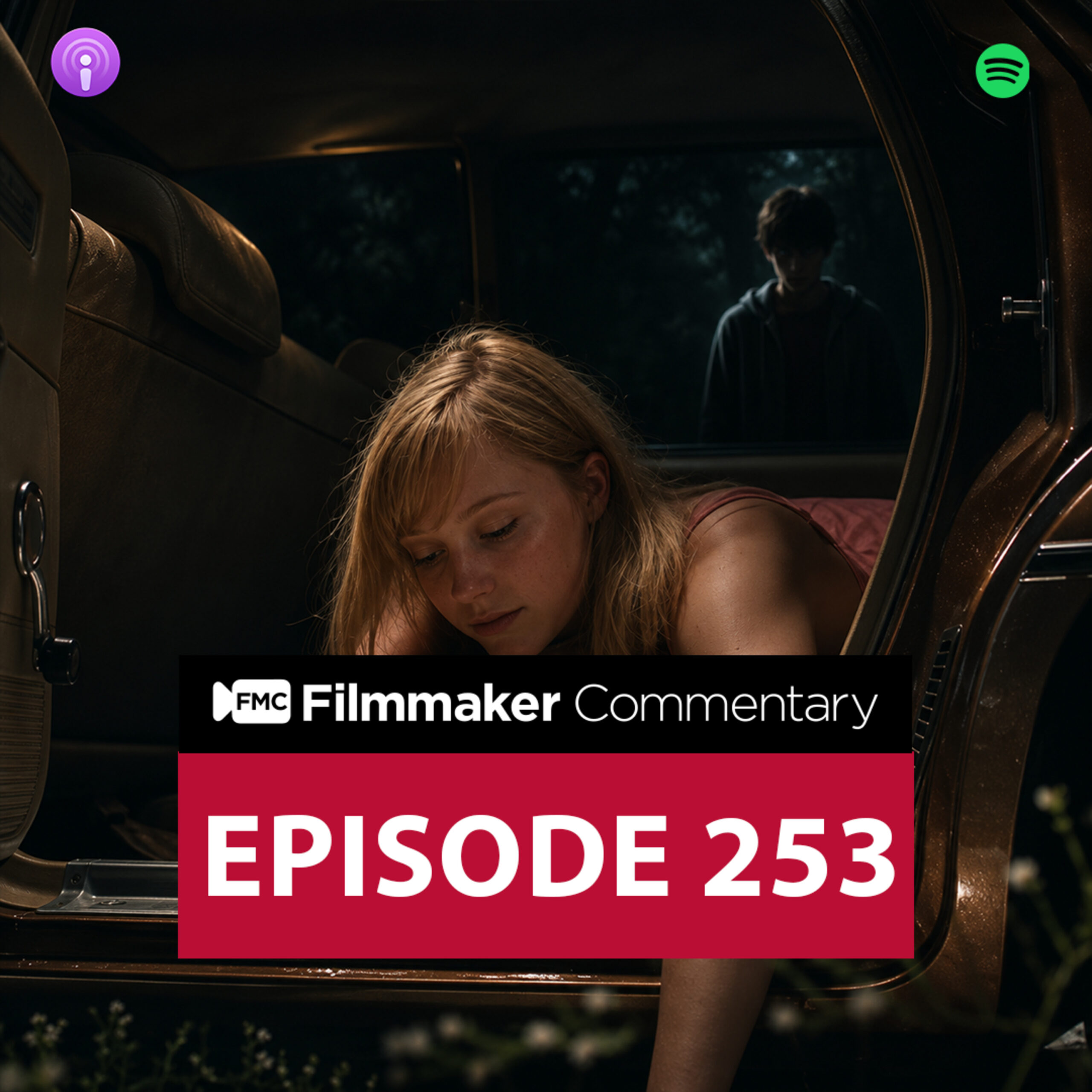
FMC 253 : It Follows Directed by David Robert Mitchell

November 7, 2026

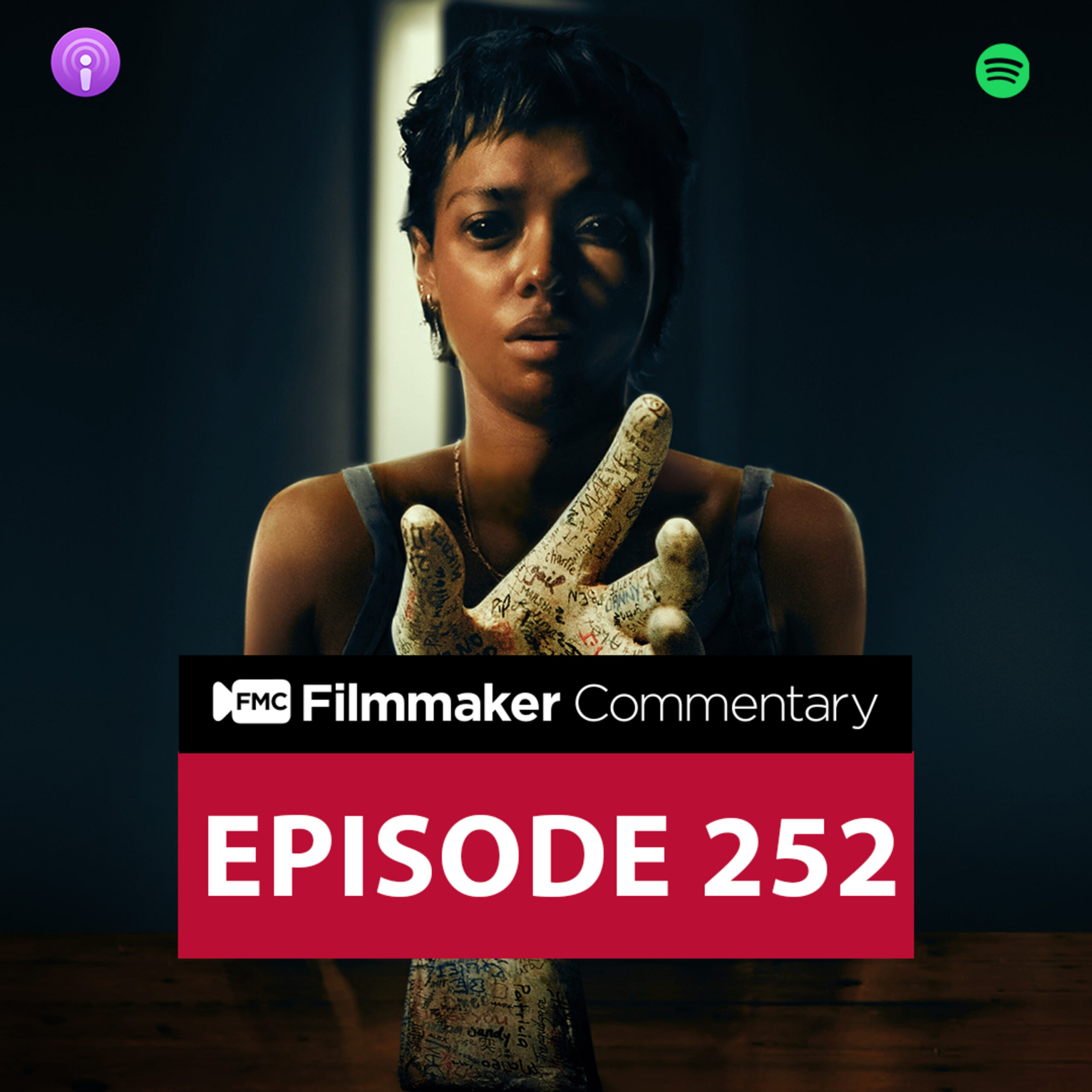
FMC 252 : Talk to Me Directed by Danny Philippou and Michael Philippou

October 25, 2026

FMC 251 : Weapons Directed by Zachary Michael Cregger

October 24, 2026

Leave a Response Cancel reply

Never Miss an Episode

New episodes every week — free.

Listen on Spotify Apple Podcasts

Recent Episodes

  • FMC 253 : It Follows Directed by David Robert Mitchell
  • FMC 252 : Talk to Me Directed by Danny Philippou and Michael Philippou
  • FMC 251 : Weapons Directed by Zachary Michael Cregger
  • FMC 250 : Obsession Written and Directed by Curry Barker

Archives

  • November 2026
  • October 2026
  • September 2026
  • June 2026
  • May 2026
  • April 2026
  • March 2026
  • February 2026
  • January 2026
  • November 2025
  • September 2025
  • January 2024
  • December 2023
  • November 2023
  • October 2023
  • September 2023
  • August 2023
  • July 2023
  • June 2023
  • May 2023
  • April 2023
  • March 2023
  • February 2023
  • January 2023
  • December 2022
  • November 2022
  • October 2022
  • August 2022
  • July 2022
  • June 2022
  • May 2022
  • April 2022
  • September 2021
  • August 2021
  • July 2021
  • March 2021
  • November 2020
  • October 2020
  • September 2020
  • August 2020
  • July 2020
  • May 2020
  • April 2020
  • March 2020
  • February 2020
  • January 2020
  • November 2019
  • October 2019
  • September 2019
  • August 2019
  • July 2019
  • June 2019
  • May 2019
  • April 2019
  • March 2019
  • February 2019
  • January 2019
  • December 2018
  • October 2018
  • September 2018
  • August 2018
  • July 2018
  • June 2018
  • May 2018
  • April 2018
  • March 2018
  • February 2018
  • January 2018
  • December 2017

Categories

  • Film
  • Podcast
  • TV
© 2026 Filmmaker Commentary. All rights reserved.
  • About
  • Episodes
  • Privacy Policy
  • Disclaimer
  • Terms of Service