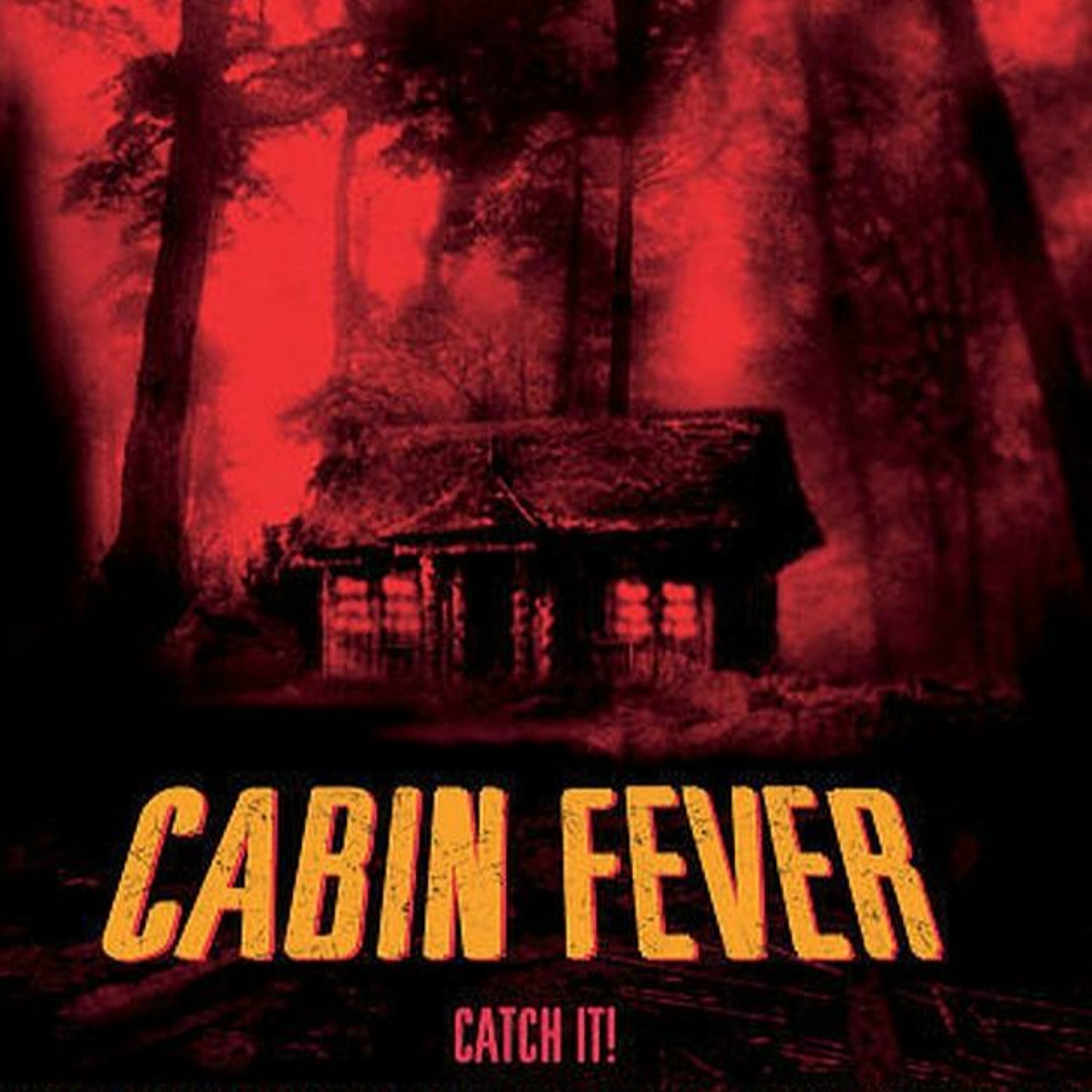
This episode offers a fascinating dissection of Eli Roth’s directorial debut, “Cabin Fever,” providing invaluable insights into indie filmmaking and the horror genre. Host Reginald Titus Jr. and guest Casey G. Smith critically analyze Roth’s approach, drawing from multiple commentary tracks to explore the film’s gritty aesthetic, its struggles in Hollywood, and Roth’s unconventional journey as a filmmaker. Listeners gain a unique perspective on the intersection of artistic vision, industry pragmatism, and the sheer perseverance required to bring a horror film to fruition.
Delving into the production of “Cabin Fever,” the discussion highlights Eli Roth’s deliberate return to the visceral horror of 1970s and 80s cinema, with visual inspirations ranging from Francis Bacon paintings to classics like “The Evil Dead” and “The Texas Chainsaw Massacre.” The podcast reveals how Roth’s personal experience with a skin disease became the horrifying genesis for the film’s plot, demonstrating the intimate connection between a filmmaker’s life and their craft. The hosts emphasize Roth’s philosophy of making a film you genuinely want to watch, given the immense time commitment involved, and his practical advice on slowly building character development before inevitable on-screen demises—a crucial element for audience emotional investment.
The episode further unpacks Roth’s early career, detailing his film school background at NYU and his advocacy for such institutions as “safe places to fail.” Working as a production assistant and stand-in on various sets, including Howard Stern’s “Private Parts,” proved instrumental in his learning process, offering firsthand exposure to industry practices and emergency management. The hosts discuss the challenges Roth faced pitching “Cabin Fever” in a period when studios declared horror “dead,” forcing him to meticulously refine his script over years. This extended development period, Roth attests, was ultimately beneficial, sharpening the film’s narrative and ensuring its distinct vision. The conversation also touches on clever technical details, such as the film’s evolving color palette that transitions from lighter tones to a progressively darker, more ominous look, achieved by adjusting film stock and contrast. Lastly, the hosts explore Roth’s resourceful use of tools like IMDb for marketing and securing distributor interest, alongside his conviction that a strong score, much like in “Psycho” or “Jaws,” is paramount to intensifying a horror film’s impact.
What We Cover
- Eli Roth’s directorial approach to “Cabin Fever” and its influences from 70s/80s horror.
- The unique insights gleaned from multiple “Cabin Fever” commentary tracks and Eli Roth’s filmmaking philosophy.
- The journey of independent filmmaking, from pitching ideas to navigating studio demands.
- The role of film school, production assistant work, and the importance of perseverance in a director’s career.
- The strategic use of film elements like score, character development, and evolving visual aesthetics.
- Hollywood’s changing perceptions of the horror genre and the challenges faced by new filmmakers.
Key Moments
- 0:11:00 – Eli Roth’s personal skin disease revelation, the “genesis” of Cabin Fever.
- 0:24:45 – Eli Roth’s advice: “If you have a vision and a script, it is amazing what people will do for you.”
- 1:17:00 – Discussion of the film’s evolving visual tone, from lighter to darker, through unique film stock and contrast adjustments.
- 1:42:00 – Revelation about Jordan Ladd’s financial contribution to keep “Cabin Fever” in production.
Gear & Films Mentioned
- Films: Cabin Fever, Green Inferno, Inglourious Basterds, Death Proof, The Toxic Avenger, Roger Corman’s Fantastic Four (90s), Super, Slither, Flatliners (new), Little Shop of Horrors, The Evil Dead, The Texas Chainsaw Massacre, John Carpenter’s The Thing, Last House on the Left, Private Parts, The Sixth Sense, Psycho, Jaws, Watchmen, 300, Dawn of the Dead, Red State (upcoming episode).
- Cameras: Super 8 Camera, Mini DV Camcorder
- Software/Tools: IMDb
Listener Questions
- How can aspiring filmmakers navigate the challenges of pitching a horror film to resistant studios?
- What role does perseverance play in a director’s career, and what practical steps can be taken to gain experience in the film industry?
- How can filmmakers strategically use elements like score, character development, and visual techniques to enhance the impact of their stories?