May 16, 2026
F
Filmmaker Commentary
  • Home
  • About
  • Film
  • TV
  • Home
  • About
  • Film
  • TV
Podcast

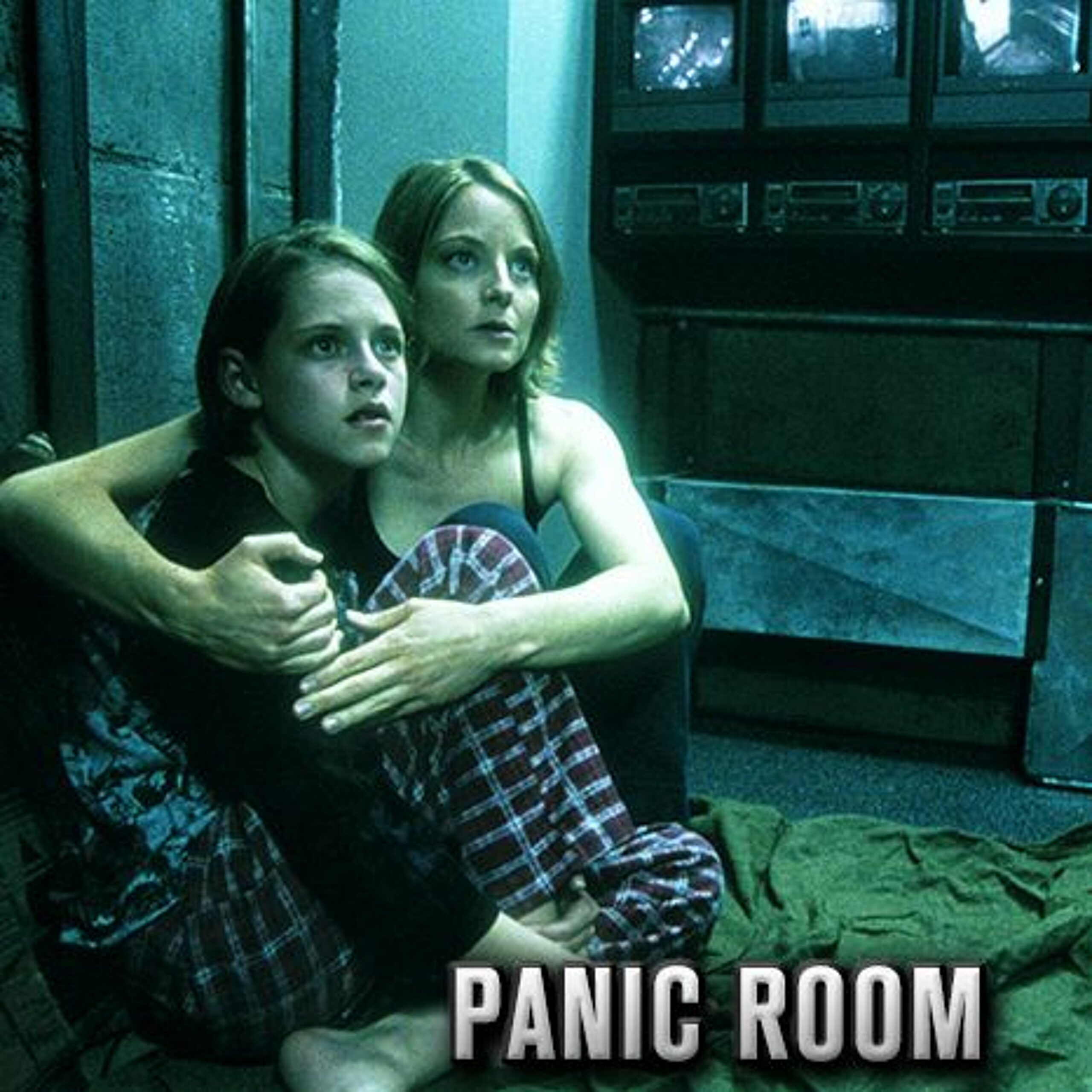
FMC 022: Panic Room Directed by David Fincher

April 22, 2026
Listen on Apple Spotify YouTube
Listen to this episode
Your browser does not support the audio element.
Also on Apple Spotify YouTube

Tune into this insightful episode as we dissect David Fincher’s “Panic Room,” a testament to controlled suspense and meticulous filmmaking. Discover how Fincher’s transparency in his commentary reveals the arduous yet rewarding journey of bringing a complex vision to the screen, offering invaluable lessons for every aspiring filmmaker. We dive deep into the film’s technical innovations, the creative process behind its engaging narrative, and the surprising insights from its accomplished cast.

What We Cover

  • The unique style of David Fincher’s director’s commentary, emphasizing his candidness about the challenges and motivations behind “Panic Room.”
  • In-depth analysis of Fincher’s meticulous pre-visualization process and the significant costs involved in planning complex shots.
  • Valuable insights gleaned from the actors’ commentary, highlighting how Jodie Foster, Forest Whitaker, and Dwight Yoakam, as experienced directors themselves, contributed to the film’s nuanced performances.
  • An exploration of the film’s technical ambition, including its groundbreaking visual effects and innovative camera movements.
  • Discussion about “Panic Room’s” enduring relevance as a thriller and the unique qualities that make certain “B-movies” particularly memorable.
  • A look into the extensive special features of the DVD release, detailing the multi-disc commentary tracks and behind-the-scenes documentaries.

Key Moments

  • [0:50] Podcast hosts Reginald and Casey explain the show’s mission: to extract practical filmmaking insights from director commentaries, making advanced techniques accessible.
  • [2:49] Reginald shares his deep appreciation for David Fincher’s filmography, detailing how studying Fincher’s work, particularly his comprehensive commentaries, transformed his understanding of filmmaking.
  • [4:25] Casey praises Fincher’s unusual transparency in the commentary, noting how the director candidly discusses the good, the bad, and the ugly of the production process, including major challenges.
  • [9:50] The hosts highlight the extraordinary value of the actors’ commentary, pointing out that Jodie Foster, Forest Whitaker, and Dwight Yoakam are all experienced directors themselves, offering unique perspectives on the set experience.

Gear & Films Mentioned

Films:

  • Panic Room
  • Fight Club
  • Zodiac
  • The Social Network
  • The Girl with the Dragon Tattoo
  • Max Payne
  • Others
  • The Last Dragon
  • Weird Science
  • The Toxic Avenger
  • Mad Max
  • Gandhi
  • The King’s Speech
  • Selma
  • Cadillac Records
  • Black Panther
  • The Curious Case of Benjamin Button

Gear/Formats:

  • DVD
  • Blu-ray
  • Superbit (DVD format)
  • Three-perf (3-perf) film shooting
  • Digital Intermediate (DI)
  • Anamorphic extraction
  • Viper (digital camera)
  • Microphones (for commentary recording)

Listener Questions

  • What makes David Fincher’s approach to director’s commentary so unique and valuable for filmmakers, and how does he navigate discussing production challenges?
  • How did the extensive pre-visualization process for “Panic Room” impact both the crew’s technical execution and the actors’ performances?
  • What specific insights can be gained from the film’s cast, including Jodie Foster, Forest Whitaker, and Dwight Yoakam, given their own directorial experience?
  • How does “Panic Room’s” DVD special edition exemplify comprehensive behind-the-scenes content, and what lessons does it offer for understanding a film’s production journey?

Full Transcript

Read the full transcript

Full Episode Transcript
This episode dives into David Fincher's 2002 thriller *Panic Room*, exploring the hosts' initial reactions, the director's meticulous commentary, and the film's intricate technical and performance aspects, all while highlighting the extensive work behind its production.

Opening and Initial Reactions to Panic Room
Reginald Titus Jr.: Filmmaker Commentary episode 22. Welcome to Filmmaker Commentary, where we give you insights from our favorite filmmaking commentaries. These commentaries can be heard on your DVD and Blu-rays of your favorite movies. We'll show you how you can use these commentaries and apply them to improve your video production and filmmaking techniques. All of this here on Filmmaker Commentary. I'm your host, Reginald Titus Jr.
Reginald Titus Jr.: Welcome back to another episode of Filmmaker Commentary. I'm Reginald Titus Jr. I'm here with Casey G. Smith. Welcome back, sir.
Casey G. Smith.: Good to be back, sir.
Reginald Titus Jr.: So you know, we took a week off, you know, the wife had a baby last week, so.
Casey G. Smith.: Kind of important. Congratulations.
Reginald Titus Jr.: Thank you, sir. The purpose of Filmmaker Commentary is to help filmmakers, producers, people that are interested in movie production, and to we watch Blu-rays, DVDs, we glean the little gems that the filmmakers have on their commentaries, and then we tell you about it, so you don't have to watch it. So today we revisited *Panic Room* by David Fincher from 2002. It was a budget of $48 million and it made $196 million at the box office. So, this film, what were your thoughts, you know, did you watch it back in the day in 2002 or how were you introduced to this film?
Casey G. Smith.: Reginald, you had mentioned the film to me back in 2012, I want to say. And I I didn't see it when it was originally in the theaters, and this was actually my first time watching it. So I watched it watched it at home on DVD. And I was I was pretty impressed with it. And having watched it through once and then listened to the commentary and getting through part of the actors' commentary, the more I went through it, the more I appreciated the film, and it definitely is a a it's a David Fincher film, but you know, he's going for some things that are that are different from what he had done up until this point in some of his previous movies. And appreciated the actors, their performances. And when you see especially with like Kristen Stewart, kind of what she's gone on to, it's very fascinating. And some of the the technical things that are going on here. I enjoyed the film, it moves at a a pretty good pace, and has some nice some nice twists as far as how it ends and so yeah. How about you?
Reginald Titus Jr.: I I think it was about 2007, 2008. I didn't go to the theater either. Um and David Fincher is probably like my second or third director that I really started studying, that's how I found out about this film. Of course, I've always been a fan of *Fight Club*, like that's top ten, top 20 film, period. So, fan of the film, same thing like with Tarantino, just being a fan of the film, but then after really starting to study filmmaking, starting to become a fan of the filmmakers. And David Fincher, I'm trying to remember his first film that I studied, it was *Fight Club*. Purchased *Fight Club*, you know, did see it when it came out, but then around 2007, 2008, I start going through his whole catalog, kind of seeing the development of when he first started to looking at his commercials, music videos, and then seeing him dive into into movies. Only thing I didn't watch was *Alien 3*, but I watched all the other films. When I started listening to his commentaries, I realized how much he gives back and how much
Casey G. Smith.: Yes.
Reginald Titus Jr.: And how much he puts into his projects, you know, from the design of even, you know, with this design, you know, it's got the like feels like a horror. You know, it's got the black and red, gives a a different feel to it than when you put the DVD in, you know, just the graphics is going on.
Casey G. Smith.: The menus, yeah.
Reginald Titus Jr.: The menu.
Casey G. Smith.: Quality.
Reginald Titus Jr.: And that's just that's like a staple of his. So I've been a fan of his work for quite some time and really appreciate how much he puts into the behind-the-scenes work, to telling people how he they were able to achieve these things because when you're spending so much money on, you know, the production design, and then you've just got to tear all this stuff down, it's like it's almost like it's lost, you know, there's no record of how this came to be. You just build this thing and just knock it down.
Casey G. Smith.: Yeah, when you hear about what happened with the set, you know, after after the fact, it's uh, you know, luckily they were able to make a movie out of it.
Reginald Titus Jr.: Right.

Deconstructing David Fincher's Commentary Style and Insights
Reginald Titus Jr.: commentary, how did you feel about the commentary?
Casey G. Smith.: So, with with Fincher's commentary with this one, I felt that when you when you hear about how how long uh this whole process was, pre-production, production, and post, we'll get into that a little bit later. But I felt that he was just very he was very transparent uh with the process. He wants you to know the good, the bad, and the ugly of of making this film. And it had its share of of challenges and he's he's honest about his motivations and why he wanted to make it. This was his fourth or fifth film at the time. So, uh I I I appreciate what what he had to share and you could just see, he has this such a a vast knowledge of not just filmmaking, but even analogies that he used. At one point he uses a sports analogy. And I think he may have done that when we uh listened to *Zodiac*. So, I'm like, okay, I think, you know, maybe he's a sports fan, maybe I don't know, maybe he played sports or some sports at some point. So, I appreciate that that that range of of of knowledge in a director. But I I enjoyed it. And it's interesting when it starts off, most commentary start off and the director introduces themselves. He doesn't do that. He just jumps right in.
Reginald Titus Jr.: Right.
Casey G. Smith.: Oh, I was kind of I like this this sequence of what we did here. And he's just he's just boom, off to the races. And I don't I don't know if he even officially did he sign off at the end? Like, thanks for listening?
Reginald Titus Jr.: No, it just cuts off. He just jumps in.
Casey G. Smith.: And I think I think there are even like two different microphones. He may have like recorded this thing.
Reginald Titus Jr.: Yes, it's like it'll cut off every now and then and come back right now.
Casey G. Smith.: And the the the warmth of one mic is warmer than the other. Like it's a little bit deeper and warmer than the other, then not so much.
Reginald Titus Jr.: He woke up in the morning and recorded one.
Casey G. Smith.: That's what it seems to be. Every now and then the the the quality of the of the sound, the warmth of the mic would would change a bit. So. What did you think of the commentary?
Reginald Titus Jr.: Same with David Fincher. Not a very exciting voice at all. It's, you know, he can put you to sleep, but he has tons and tons of data, information, and it and it it's based on his mood and what how he wants to deliver his commentary. Sometimes it's just drawn out and he's talking about, what was it on *Zodiac*? He was kind of talking about the the actors and the different takes he was doing, just like it was just what are we doing here? But it was it felt like a job to listen to him, but for the most part on a lot of his commentaries, he's very insightful, he's willing to share information. And this is definitely one of those commentaries where he's sharing information, telling you everything that happened. And it also makes me want to think uh when did he record this? Because you know, was it successful? You know, it's a successful film, so are you in a different mood when the you know, when the movie's successful versus like, this didn't do too well, but I still have to do this commentary?
Casey G. Smith.: And I I I wondered that same thing. That's why I wonder if if maybe he recorded some commentary before or a commentary before and is this a a hodgepodge of maybe two commentaries fused together?
Reginald Titus Jr.: Right.
Casey G. Smith.: But yeah, I'd be very curious to know that because it's yeah, there's there's a lot of info that that he's sharing. And I can only imagine with that, as long as the shoot was, I'd imagine that you he might have wanted a little bit of space before, you know what? I don't know, because he makes some comments about Kristen Stewart at the time, about how mature she was as an actress and he makes a comment about you you'd never see her, you know, she's just so focused and and down-to-earth, uh yeah, I don't think she's she's not going to be one of these uh Hollywood Hollywood actors that that comes across you're not going to see her on E! or anything like that. Little would he know that, you know, some six, seven years later, she, you know, be in the *Twilight* you know, series of films and become a huge, I mean, pop popular icon. You know, her, Robert Pattinson, yeah, she would appear on E! and all kinds of places. So, it makes me think that this was
Reginald Titus Jr.: It just had a lot of drama too.
Casey G. Smith.: Yeah, it makes me think this was done well at least within a couple of years of the of the release.
Reginald Titus Jr.: Probably so. Um the DVD set, it's a three-disc special edition, and there's no Blu-ray for this. Went out trying to ask, there's got to be a Blu-ray. Come on. But apparently there's not. There's just thing called Superbit. The the DVD there
Casey G. Smith.: Hmm.
Reginald Titus Jr.: Was it Superbit? Like it's a it's like a better bit rate for your DVD. So they were it's a better bit rate, so it's the closest to a Blu-ray, but it's still a DVD.
Casey G. Smith.: Why would I want to do that? I'll just Does it cost more?
Reginald Titus Jr.: Probably.
Casey G. Smith.: It was the same. It was like $7.99, just like the regular special edition.
Reginald Titus Jr.: But it didn't have the special No special features or anything.
Casey G. Smith.: Meh, less quality. That's less quality alone because this is you get this for all the all the extra information, pre-production, production, post and this commentary, these commentaries.
Reginald Titus Jr.: Yes, so on disc one you have, of course, the movie, then you have a commentary with the actors. You have a commentary with a separate commentary with David Fincher, and then you have another uh commentary with the writer and it says special guest. I can't remember who the special guest was.
Casey G. Smith.: Maybe they're not that special.
Reginald Titus Jr.: And then on disc two, it's it's broken down like pre-production and production. So there's a whole featurette just kind of talking about the pre-visualization, there's interactive pre- So there's a part in in the disc where you can compare the the visual storyboards with the movie going on at the same time.
Casey G. Smith.: Nice.
Reginald Titus Jr.: So you got the pre-production and production on disc two. Then on disc three, you have production, which is like sequence breakdowns and then the actual post-production, which is like 21 documentaries.
Casey G. Smith.: Yeah, 21 documentaries.

Behind the Scenes: Technical Craft and Production Hurdles
Casey G. Smith.: So, also on the note on the actors' commentary, I think it's worthwhile checking that out because when you look at some of this cast, Jodie Foster, Forest Whitaker, Dwight Yoakam, all of them respectively are directors. They have they have directed. And so hearing their their insights on what they experienced on set, and even how their previous experience in directing helped out. I mean, Jodie, Fincher says this in his commentary that she, he, she was a big help when it was just her and Kristen Stewart in it wasn't just them in the room, but when it was just the two of them and he couldn't get in because you had, you know, 17 people in an eight-by-eight box. So he could always get in there, but he could hear her, you know, walking her through and coaching her. So that was helpful. And she understood his perspective because she's been there before. You know, Forest likewise and even even Dwight. So that was um their their insights I I believe are definitely worth checking out.
Reginald Titus Jr.: For sure. Especially her being an actor, an actor, director, a director, an actor's director? Am I saying that right? Kind of like Tarantino, you know, he studied, thought he was going to be an actor, but, you know, flipped that around and he can talk the language of an actor, whereas we know David Fincher is highly technical, and just like, just stand there. It seems like what's so difficult about that? Just cry.
Reginald Titus Jr.: Oh, but anyway, right?
Casey G. Smith.: I think Forest would also, you know, Forest is he's he's very empathetic.
Reginald Titus Jr.: Actor director, yep.
Casey G. Smith.: Yeah. So his I I could see him just really working with people and saying, okay, I just going to need you to just go over here, you you're going to feel this way. I could see him being very understanding in in just helping guide people to where they need to be. And then Dwight Yoakam, I I I had heard the name Dwight Yoakam from you know, he's a country singer.
Reginald Titus Jr.: I didn't know that.
Casey G. Smith.: Yeah, that's his his start. He was he was a in the '80s, '90s, he was he always had a hat on. He's always wearing a hat. That's why when I saw him in the film, once his mask came off, I was like, well, I this guy's face is familiar. And then finally, when I got the commentary, I'm like, Dwight Yoakam. He's a country singer. What what's going on? I had I had no idea he was at at the level he's at. And he's been in quite a few things. And nor did I know that he was actively directing. So he has some he had some some nice insight. And he had a strong acting background coming out of high school and things like things of that nature. But I I I've been enjoying his insights.
Reginald Titus Jr.: The arts.
Casey G. Smith.: The arts.
Reginald Titus Jr.: So I would definitely say this is a set worth picking up. There's a lot to ingest. When I first started studying these, I would I would watch the movie, listen to the This is before I was married and all that stuff. So I had plenty of time. Those were the days. So so I would watch the movie, watch the commentary, and then I would listen to the actors' commentary and then the writer's commentary and then digest all of those these special featurettes. Like for a whole year, it was like film school for me.
Casey G. Smith.: Definitely. And with this level of content, it really makes you appreciate because not every, you know, not every film does this. Uh but when you get this level of of of content, and again, with this this set in particular, because the quality of of of the cast, really makes some some fascinating inputs. And then and of course, Fincher is just so technical. That's why I'm I'm looking forward to diving into some of the the other special features. And I I wonder how working with a with somebody like Fincher, how that influences others? Because with the other two main cast members, Jared Leto and also Kristen Stewart, they both go on to to direct projects of their own. So I'm very curious if they were impacted by one, not only being around him, but also around Forest, Dwight Yoakam, and Jodie Foster, if all that just created a directive synergy, you know, was that one of the things that rubbed off on them uh in addition to other projects.
Reginald Titus Jr.: And speaking of projects, on this particular project and episode of Filmmaker Commentary, there will be spoilers. So we hope you
Casey G. Smith.: Always.
Reginald Titus Jr.: Yes, so we hope you watched the film.
Casey G. Smith.: Spoilers.
Reginald Titus Jr.: And if you haven't watched this movie, well, that's just tough. That's
Casey G. Smith.: There you have it.
Reginald Titus Jr.: 2002, brother. Come on. I I just watched it. So It's not too late, guys. It's never too late.
Casey G. Smith.: I'm an example, it's not too late.
Reginald Titus Jr.: And it still holds up, right?
Casey G. Smith.: Yes, it it does. It does hold up. This could this could happen in 2018.
Reginald Titus Jr.: And I think he mentions that too, where this could he didn't use the term evergreen, but it was something sort of like that where it's a classic where it could happen in the now.
Casey G. Smith.: Yes, because even with the I mean, obviously the phone did a little more modern.
Reginald Titus Jr.: That's what I was about to say. The only thing that dates it is the phone, big time.
Reginald Titus Jr.: And uh I think that might be it.
Casey G. Smith.: Actually, you know what? And some of the graphics, once you once it makes it to Blu-ray, I think it's going to be a lot more noticeable.
Reginald Titus Jr.: Mm, yeah.
Casey G. Smith.: Yeah, sometimes that extra definition can make some of the CGI really stand out, but sometimes not in the best way. I think I think it would be it would stand out as being older, not only because of the the cellphone, but even now, if someone were going to have a panic room, it would be controlled by a phone or a tablet. If you have that kind of money to set up that kind of room, you would be using Alexa or something like that. And you would do use voice commands to turn this on, turn that off. And Fincher even said at the end that, you know, a modern day panic room now would have an antenna that would go up to the roof. So you could have cell phone reception from inside and something else like maybe an alternate power source or something like that. So but that's always a challenge in every film, you know, how do you deal with phones? You know, we've seen this in in other films where you
Reginald Titus Jr.: Peer God.
Casey G. Smith.: You got to you got to deal with those pesky phones, you know, somehow it was a it wasn't charged or you you left it somewhere. And that's that's that's how they do it.
Reginald Titus Jr.: One thing I do like about uh David Fincher is his title sequences. He always has especially whatever's hot at the time. At the time, these the title sequence does look dated. At the time, it was hot. There was another movie that came out close to this time. It was um Mark Max Payne.
Casey G. Smith.: Ah, I didn't see that in the theater.
Reginald Titus Jr.: And the title sequences in *Max Payne* looked just like kind of like these um title sequences, and the same person that did it actually created the title sequences. Was it *Max Payne*? Is that the one where you just like an angel and like they take a drug and you can like see into the other like into another like uh dimension?
Casey G. Smith.: Dimension? *Max Payne* had Mark Wahlberg in it. His family gets murdered. He's a detective. His family gets murdered, based off a video game, the *Max Payne* series. I think there are there are some drugs involved, but when he takes the drugs, it makes him like hyper like amped up to kill. The kind of like the bullet, they do the bullet time kind of stuff in there, slow motion. But yeah, he's a detective that's I think he might even be framed for the death of his family.
Reginald Titus Jr.: Yeah, I want to say like the drugs they were taking, it was like they were like looking into another dimension kind of thing. Like I think there's like even a sequence where somebody's jumping out of a window and they got like these wings. Back to title sequences, I've always enjoyed um David Fincher title sequences and the way he puts time into that. I actually incorporated that into some of the work that I do, just always having a title sequence and finding a cool way to introduce the titles. My favorite David Fincher title sequence I can think of off top, probably right now will be *Girl with the Dragon Tattoo*.
Casey G. Smith.: *Dragon Tattoo*. Yeah. Yep.
Reginald Titus Jr.: Yeah, I think and this title sequence in this movie reminds me of *The Social Network* um title sequence where he's just using the architecture, kind of showing off the environment.
Casey G. Smith.: Mmm.
Reginald Titus Jr.: And and and it works, you know, he shows the environment, but then we're enclosed for the rest of the movie.
Casey G. Smith.: That that's yeah, that's a really good point. And even once you get to see the brownstone itself during day the daylight, that's the last time you'll see it during the day for the rest of the film. So it's uh it's it's fascinating juxtaposition that's about to take place from outside in daylight to kind of the claustrophobic inside at night.
Reginald Titus Jr.: He made a mention that B-movies are the most memorable. I started thinking about that a little bit. I'm like, what movies do I really like? Or that I remember. I don't know what he means by like B-movies are is he saying like maybe the more commercially commercial movies? Is he saying not the not-so-arty movies?
Casey G. Smith.: So he he gave an example. He said that, you know, he said I'll I'll he goes I'll I can remember and connect more with *Mad Max* than say, you know, watching *Gandhi*. You know, I may be able to look at *Gandhi* uh or look at uh a movie with a with a you just, you know, I want to say an Oscar-grab film, but, you know, some some some of those films that are at that level, that caliber, and the story may be deep and beautiful and and all these different things. But that B-movie with that everyday character who is a a shlub or whatever, going through life and flips out and decides to take vengeance into his own hands and has either, you know, maybe a bit of a male revenge fantasy or something like that. You know, maybe being able to connect with that. And when he says that, I'm like, what I started thinking about, I'm like, you know what? Can't really really argue against that. Again, we, you know, we joke a lot and we reference, you know, *The Last Dragon*.
Reginald Titus Jr.: Yeah.
Casey G. Smith.: I still I still love that movie. I watched it as a kid and I still, you know, love, you know, I love to reference it. And it's and it's a B-movie. I'm I'm fully aware. I'm aware. Let's face the facts, it's it's it's a B-movie. And there's quite a few
Reginald Titus Jr.: It's a classic.
Casey G. Smith.: It's an American classic. It is, you know. Um, Leroy! But it's it's one of those things I'm like, okay, I'll I I would I would concede to that. I think typically the movies that are B-movies have maybe characters that are immediately maybe more accessible, relatable to them maybe on a day-to-day basis versus these great figureheads like we were to watch *The King's Speech* or *Selma*.
Reginald Titus Jr.: You got a point.
Casey G. Smith.: Then it's often, you know, maybe, you know, semi uh biographical or autobiographical films, you know, might be a little little bit removed, but we can appreciate the quality of the filmmaking.
Reginald Titus Jr.: Yeah, my most memorable ones when growing up were like *Weird Science* or
Casey G. Smith.: *Weird Science*.
Reginald Titus Jr.: He ain't even got a license, Lisa. I'm sorry.
Casey G. Smith.: Ah, it's a good film, man.
Reginald Titus Jr.: *The Toxic Avenger* of all movies.
Casey G. Smith.: Man, I used to watch that cartoon. I don't, you know, I've I've never actually watched the the full film, *The Toxic Avenger*.
Reginald Titus Jr.: Oh, yeah. Like we talk about Lloyd Kaufman, but dude. It's bad, but it's good. But I was a little kid watching that, like, what is this?
Casey G. Smith.: Wow. 'Cause there's some pretty violent scenes. I remember I saw one scene where a guy was working out at a gym and somehow *The Toxic Avenger* took the the weights like where, you know, you move the the lever to the different slots to determine how much weight you want to lift and like somehow got that whole with the whole spike thing came up and got his like, you know, and they cut, you know, while they cut, you know, you can cut like a melon or whatever that's being destroyed, but it's, you know, this dude's head gets crushed. I was like, whoa, it's just
Reginald Titus Jr.: There's another shot where they like those um commercial washer and dryers, they threw I don't know if it was a lady or an old lady or somebody threw her in one of these dryers and turned it on.
Casey G. Smith.: Oh, wow.
Reginald Titus Jr.: I was like, this is bad, but hey, most memorable. You know, it was a B-movie.
Casey G. Smith.: It stuck with you. Fond memories of Reginald's childhood.
Reginald Titus Jr.: *Toxic Avenger*.
Reginald Titus Jr.: Dig deep. So David Fincher mentioned that he was looking for something simple to shoot after shooting *Fight Club*.
Casey G. Smith.: Mhm.
Reginald Titus Jr.: And this came I guess, came across his desk. Even though he said it was simple, it really wasn't simple, you know, all the amount of time that it took in preparation, and pre- pre-vis work, it's uh I think that's an understatement to say simple.
Casey G. Smith.: This thing took a long time to make.
Reginald Titus Jr.: Yeah.
Casey G. Smith.: I mean, really, we're talking what, maybe two years?
Reginald Titus Jr.: And it really didn't have to, but that's just David Fincher, you know, just bringing things up a notch. It's one location shoot, you know, it's the monster trying to get in the house.
Casey G. Smith.: Yes, and it's all it's also with him it's the details. Jodie Foster in the in the actors' commentary mentioned that, you know, when you work with Fincher, you you see that while he does make things more difficult for himself, it's and he has these these perfectionist expectations that also pushes everybody else to step up their game. And they said that's why people are are willing to to to work with him.
Reginald Titus Jr.: Take the abuse.
Casey G. Smith.: Yeah, to take the abuse. And he sometimes when you hear him share stories about different actors, sometimes he almost seems to be like relishing in the fact. He talked about with, you know, with Jared Leto, you know, that yeah, we actually did we had him do most of his own stunts. We actually did set him on fire. We did yank yank his feet out from underneath him. Maybe that's when maybe that's the scene where he gets maybe that's when he gets shot when the way he kind of twirls around. But yeah, that he went through those things and he said, he's my kind of masochist. I'm like, that's, well, that's that's saying a that's saying a whole lot. But Jodie Foster mentioned how David Fincher wanted the floors of the brownstone to look like they were that they were classically designed and but yet uneven. Like, I guess that that place had like settled, and so like the boards would be uneven. And they do look classically designed and they do look uneven, but she says, but because of that, that also then makes things like tracking shots and things like that difficult or keeping the cameras level difficult. And, you know, he's not going to have a shot where it's not level at all.
Reginald Titus Jr.: Jodie knows what's up.
Casey G. Smith.: So she gave that insight and like, man, she goes, but, you know, he's able to get everybody to buy in and to make all of it happen. Production team will get that together, you know, and then those handling the cinematography will will do their thing and, yeah, and able to get it both. Best of both worlds. The whole a lot of work in between.
Reginald Titus Jr.: Uh he talks about like pre-visualization. We've talked about this before, but he's he's a stickler on this. And pre-vis work, it can get he threw some numbers out there. Like he said that he wouldn't maybe do $600,000 on pre-vis work, but he would do like $250,000 for certain shots. Like what? But if you look at his pre-vis these pre-vis shots, they're almost like unfinished CGIs, what they look like. Like gray, they're not colored in or anything. The actors you can actually see the millimeter of the lens. You can actually sculpt like the area that they're in. You can sculpt um the actual sets, and um you can get very detailed with it. But it's a it's a good way to like block your actors, like get the actors blocked out, meaning, you know, where they're going to be positioned when it's time for you to shoot. He mentioned sometimes this can um frustrate some of the actors because they want to be part of the process as far as like when you're blocking a scene and things like that.
Casey G. Smith.: Yes.
Reginald Titus Jr.: And it feels like you're, you know, they want to be, you know, put more into their character when it seems like you're kind of doing that for them.
Casey G. Smith.: And he says sometimes he'll will play it by ear, uh depending on, you know, on on the character and the scene and what it may call for. Uh you may try some things once you get on set and find that it doesn't work. But he also mentioned um later on in the commentary that after a while, especially with a shoot like this, that pre-visualization can really help the actor if they have a day of shooting and they realize that oh, you just you're just being shot from the ankles down, you know, might be a close-up shot of, you know, of of a foot or you're running across the floor. And so that helps the actor not only prepare, but also to pace themselves if they can they can see throughout the course of the shoot, okay, I've got this day where I'm just doing this, I'm just being shot from here down. So I don't have to maybe think so much about my facial expressions or whatever the case may be. So it's kind of like what we talked about a little bit in terms of when we when we went over *Cadillac Records*, just knowing where that camera's going to be, is it going to be is it going to be, you know, a close-up shot or a medium shot and, you know, how much do I need to be prepared? So he said the pre-vis can help with that.
Reginald Titus Jr.: True. And he he mentioned there's a scene, that's the wake-up scene. It's basically when the um when the guys are breaking into the house. And she's sleeping in the bed and she's about to wake up, but the camera pulls back.
Casey G. Smith.: The big shot.
Reginald Titus Jr.: The big shot. Pulls out, goes downstairs and then you start seeing everything that's happening, like a fishbowl looking at the cats the cat's outside. And it it's it's well done. And the pre-vis work, he said, was invaluable before actually shooting it. And we I think this is going to be a movie where commentary we will have to do a part two on on this panic room because definitely want to dive into like the actors' commentary, the writer's commentary and look at all those special features to kind of explain this a little bit more because there is a lot here.
Casey G. Smith.: A lot of gems.

Character Performances and Fincher's Directorial Vision
Reginald Titus Jr.: He also mentioned like a having a visual theme. Um with a with the visual theme, you can kind of let the audience know that the camera can go anywhere it wants to go.
Casey G. Smith.: Yes. And one thing that that's interesting that's mentioned, uh Jodie Foster mentioned this uh earlier on um in that when you again that that daytime scene, the way that the camera is placed, its perspective is is is very objective initially. Like you don't know whose story it is. From the first couple of of of scenes and shots, you don't know. And it kind of has that feeling for it. Even like kind of throughout the film that the camera has different objective spaces that it shows up at. And yeah, so it kind of makes it interesting to know, okay, who's who's story it is or um like these things are almost meant to happen uh because of the the camera placement.
Reginald Titus Jr.: I love it. Yeah, I'm trying to remember what scene was the first time where you noticed like the the camera going through the wall or something like that. The one that comes to my brain off top is like the camera goes through like the coffee the little the coffee holder and goes to the back window. But I I don't know if what the other shots was before that. That actually kind of let you know, it was like, okay, this is the kind of movie we're in.
Casey G. Smith.: There's one shot that that she's in her bed and the camera kind of pans from I don't know, maybe the steps to it passes by one of the walls to her in her in her bedroom. We kind of can see the inside of the of the wall. And they talk they talk about just how that set as a whole, you know, it's four floors, $6 million set and it was when he talked to his production production designer, said, we need a set that can in any given time, I need to be able to get a camera into any place, any space. And so it would take about 45 minutes for them to break through a wall or take a wall down so they could get those shots from whatever angle they needed. So they they they worked to be able to pull off those those shots and angles.
Reginald Titus Jr.: Also, I noticed like objects the camera will be like on the floor or something like that and the object will be pushed towards the camera, whether it be like a cell phone, whether it be the gun later on in the film. I think there was another device, but that's the two that I can recall off top.
Casey G. Smith.: The needle kit?
Reginald Titus Jr.: Needle kit. Did that one slide to the It did some
Casey G. Smith.: No, there's a shot where it gets kind of isolated that they took multiple takes of, but I don't think it it didn't actually come towards the camera, though.
Reginald Titus Jr.: He also mentions like physicality can kind of come into play. Uh and it will depend on how your it will plan how you shoot somebody. Because originally they were shooting with what, Nicole Kidman?
Casey G. Smith.: Yes.
Reginald Titus Jr.: And she got injured. Was she break her shin? What did she what end up happening with Nicole?
Casey G. Smith.: She broke her leg. It was a I want to say almost a a hairline fracture. Yeah, hairline fracture in her leg and initially she tried to kind of power through, but then, you know, when when Fincher talked with the doctor, said she was going to be out for six months. Now, they had they had originally uh considered Jodie for the role. And and even before, you know, when they they had another actress um that they had cast before they even cast Kristen Stewart. But the actress kind of annoyed Fincher. And so he he ended up casting Kristen Stewart because she had this uh kind of more androgynous kind of look, kind of tomboy kind of look. And also that's he said he reminded her of a young Jodie Foster. So then it's very kismet that uh Jodie Foster would then be brought on to the film after Nicole's injury. And and he talks about the difference between the two, the difference in their in their physicality and even them as actors. And he talked about with specifically with Jodie that she tells a lot through her eyes. She tells a lot through her eyes, whether it's the burden that she's carrying or different kinds of emotions. She tells a lot through her eyes. And he said this was this was his first time working with an actress where the like like it just like you just wanted to do close-ups. Like there's a lot often you will see her in close-ups of her face, just because of because of her her acting and her eyes. Whereas with Nicole, let's also back up, actually with with Jodie, a lot of times you're going to see Jodie in shots that go from the collarbone up to the, you know, the top of her hairline. Um whereas with Nicole, when he was shooting her the first couple of weeks, you'll see her in a lot of medium shots. Uh and even emotionally, her character also acted differently from Nicole's take, excuse me, from Jodie's take on the character. Jodie's character even in being older than Nicole would handle things differently. Like she had had a life before being married. And in her version of the backstory. And and it was all about kind of control and kind of trying to keep it together. Whereas with Nicole's character, she was younger and would have maybe been prone to more outbursts and maybe have, you know, maybe have lost it a little bit uh during the whole situation. Um but yeah, Fincher approached even with the two actresses, how he would shoot them.
Reginald Titus Jr.: That would be interesting to see the Nicole Kidman's version. I think I've seen kind of seen that movie before. I don't Have you seen the movie called *The Others*?
Casey G. Smith.: No, I have not.
Reginald Titus Jr.: *The Others* with Nicole Kidman. That movie kind of makes me think of how she would act in this movie. I would probably prefer Jodie in this particular movie.
Casey G. Smith.: Sure. I've seen a couple of films where there's one film with her on where she was on a boat and she's just kind of there's multiple scenes with her on a boat and it's but it's a it's a thriller. Yeah, I think it came out in the late '80s, early '90s. But um she's been quite a few different ones where she's in different thrillers. And even on um *Big Little Lies* on HBO, there's some dramatic scenes that she's in and the situation that she's in. I mean, she I I I think she's a good dramatic actress. She does really well on that show. But
Reginald Titus Jr.: Yeah, she's she's top notch.
Casey G. Smith.: But it's hard to picture her in this film now after seeing
Reginald Titus Jr.: Yeah, especially Jodie, after Jodie takes it over, it's like, okay, well, this is it was meant to be.
Casey G. Smith.: Especially her seen seeing her juxtaposed with Kristen Kristen Stewart. Because when you put Jodie and Kristen together, they again, she also looks like she looks very believable as her daughter.
Reginald Titus Jr.: Yeah, they have that kind of tomboyish look. The uh there's a shot uh with Jodie when um actually it's um yeah, when she's laying down did I talk about this on cam on
Casey G. Smith.: No, not really. Okay, okay.
Reginald Titus Jr.: So you we the camera's like positioned on her. She's laying down and in the background, uh Forest Whitaker, they're already in the house. Kind of scoping things out. I was like, man, what's going on here? There's people that are living here. And then the camera, she's facing us, she's not asleep, she basically woke up, I guess. And the camera just starts rotating to the right. It's just like it reminded me of the Killmonger scene in *Black Panther*. It just starts rotating. And you're like, okay, we're on we're all right, the it's starting, the ride is starting right now. Uh I enjoy like that little visual cue. I got to use it in the film in the future because it's just so striking. But anyhow, I did notice that shot and I'm starting to notice that shot a lot more in these movies.
Casey G. Smith.: There there's some pretty cool shots as a whole. And just technical standpoint, when when he talks about the, you know, obviously when they're in the panic room, all the different screens.
Reginald Titus Jr.: Yeah.
Casey G. Smith.: Like that in of itself, like that was such a headache for them to have to come in, shoot shoot it one way on the weekend, then go back and shoot it again on different cameras. And then stuff to edit it and get it to match up with the masters and it was just like, whoa, like you you you you you wouldn't think it would take that much work. Oh, they just set up a security camera and, you know, capture them while they shot them, you know, another scene. No, they they did those scenes so many times. And Fincher is already known for being a high-take high-take director. So these man, these actors, and this whole team, all all the production team, they uh God bless them. God bless them. Fincher even said towards the end of the shoot that there were a couple times where some people were at their wit's end, where they said there were about five people at one point that had to be escorted to the parking lot by security because they just kind of lost it. They lost it. I can't tell you. I will I will not like this next scene. I won't do it. I won't do it.
Reginald Titus Jr.: I can see that dealing with that guy. And one inch to your right. One more inch to you.
Casey G. Smith.: No! I'm done.

Lasting Impressions and Thematic Deep Dive
Reginald Titus Jr.: Point of view shots can be tricky. So there's a scene when Jared Leto, when his character is just coming into the house, Forest Whitaker is let him in. And he's looking around and he's noticing that there's stuff in the house. It's being lived in. There's boxes. People are not supposed to be here. And we see those boxes from Jared's point of view. And it's real quick. It's it's it's panning by almost like sliding almost like on a dolly shot. It's like sliding by. Uh but it's quick. But um David Fincher mentions that that shot had to be shot at Jared Leto's like his belt buckle level.
Casey G. Smith.: Waist level, mhm.
Reginald Titus Jr.: Yeah. Because it just looked weird if you shoot it from his real perspective. It looked off and like something wasn't right about it.
Casey G. Smith.: About just about three feet off the ground.
Reginald Titus Jr.: So just put that in your tips. Maybe that's something that you pre-vis whenever you're doing cutaway shots, try the different angles to see if and also, I I would want to know like if it was more of a wide angle or what kind of kind of lens was he shooting with to to get that. Also, another thing, I like the discovery of like how how Jodie Foster, how her character discovered the bad guys. This is like kind of showing like it's well-paced, well-written. So she when she wakes up, she goes into the panic room for whatever reason and turns on the light. It's like super bright, so we know it's super bright. I think she goes to use the restroom, right?
Casey G. Smith.: Oh, she definitely goes to use the restroom because Fincher mentioned in the commentary that that scene during the early screenings with test audiences, said they got a lot of feedback that people just felt uncomfortable seeing seeing seeing her use the restroom. Like people got they started to get uncomfortable. Really? Anyway, but yes, she definitely used the restroom during that scene.
Reginald Titus Jr.: That's funny.
Reginald Titus Jr.: It's like, oh, it's almost like voyeuristic at that point when and I think that's like an American thing, you know, like
Casey G. Smith.: I guess I guess so. I'm like, it's not it's not showing any I mean she's just sitting on it.
Reginald Titus Jr.: Yeah, it's an American thing. And then, you know, she goes back, she's about to go back to sleep, but then she noticed, oh yeah, I left the light on this bright green light fluorescent panic room light on. And then she goes to cut it back off and then she knows in the screen there's people there. I was like, oh, this is well done.
Casey G. Smith.: That is. That sense of of tension. When when the when the audience knows but the character doesn't know yet and you've been let in and you are there waiting for them to discover what you already know. And and even being left to wonder, will she catch it? You know? Will she see it? Because, you know, you get up middle of the night to go and take a whiz, you're not all your faculties aren't firing on all cylinders. It's going to be easy just to, you know, dismiss it. And she's not a doesn't seem to be a huge fan of of all that tech anyway. So the fact that she catches it, it's like, oh, okay, we got we got trouble. What are you going to do? And how are you not going to get caught doing it next?
Reginald Titus Jr.: When inspiration hits, just let it go. So he talks about how Jared Leto got his cornrows going to getting his hair braided by Candy.
Casey G. Smith.: Inspiration struck. And he went with it.
Reginald Titus Jr.: And so yeah, hey, let me know what you think about my hairstyle, but let me know if you don't want me to do it.
Casey G. Smith.: And Fincher initially, you know, during the conversation he was like, I don't, you know, like thinking to himself, I don't care what you do with your hair. Why are we having this conversation? You know, people are like, why are we having this conversation? He's like, but Jared was like, no, I got to show you. And um yeah, he's like, okay, I'm I'm giving you I'm giving you the chance to talk me out of it. Once they got face-to-face, Leto told him that. And Fincher was like, oh, he he respected that that inspiration had had struck. And they seem to have a really good working relationship. Like they they're like buddies. But also they talked about, you know, with with with Jared Leto's character of Junior, that he kind of represented that, uh what he called a uh like the the trust fund kid that for whatever reason or another, had this just undying urge or need to prove their street cred. Like, I'm not of the streets, but I just I desperately want to be affiliated and respected as a member of the streets.
Reginald Titus Jr.: Right. David Fincher said, what's your Latrell Sprewell cornrows? Like, what what did Fincher? Right. See, so I think I think Fincher is a sports fan, man, because he's that's a that's a deep cut to drop Latrell Sprewell.
Casey G. Smith.: Yes.
Reginald Titus Jr.: Too many people know about that. Coach choke. Don't get no, yeah, don't get no gangsta more gangster than that. Going to coach you choke out your coach.
Casey G. Smith.: And then drive away on some on some spinners.
Reginald Titus Jr.: They spinning, they spinning, they spinning.
Casey G. Smith.: Oh man.
Reginald Titus Jr.: Oh man. Fincher talks about the things that get you excited the most is the first thing that is lost in the two-year process. So, you know, he was doing this for what, nine months of pre-production, six months to shoot and eight months of post-production. And the thing that you were excited to get started sometimes, you got to you got to figure out how to hold on to that.
Casey G. Smith.: Mhm.
Reginald Titus Jr.: Whatever that is, remind yourself of that because it can get lost after two years of working on a project.
Casey G. Smith.: Yes, because there were again, multiple things they had to face and work through. Uh he said, you know, there there are different scenes he talked about that were deceptively complicated. Uh for example, when uh Raoul's character, Dwight Yoakam, is holding the sledgehammer, you know, trying to break through the the through the through the ceiling. You got pieces of of that ceiling falling down, but again, high-take Fincher, they're going to shoot that multiple times, which means resetting that ceiling and people hitting their marks, being in place, re-lighting each time. Why does he like doing this? And then on top of that, you have dialogue going on. So Forest is talking to Jared Leto while the dude's banging on the ceiling, they have dialogue going on. They're moving around.
Reginald Titus Jr.: He could have just shot a medium shot uh up close to Dwyane and somebody could have sprinkled that ceiling there. They don't smell they don't smell here. Right. Because yeah, but that hey, that's that's Fincher. And the thing about it is, they had to do every time they did that scene, they had to repaint it, they had to re-put they had to put all that stuff on there. So I don't know, man. I wonder if they just do this stuff so they can kind of get some breaks in between.
Casey G. Smith.: I don't know, because that's a I mean, that's that's a lot. That's it's a lot. But again, you know, the proof is in the fact that everything in this film feels so believable.
Reginald Titus Jr.: It does. It's very grounded.
Casey G. Smith.: Yeah, everything feels believable. And the fact that you can have that conversation going on, while that guy's doing that, all the more it makes it keeps you it keeps you in the moment. And things feel things feel practical. Um and, you know, you you constantly have to suspend belief, especially when you deal with with thrillers. You know, thing things have to align for things to go oh so bad. Oh, you had to have called and set up your main phone line, but not the security phone line in the panic room. Right? You happen to have to have a, you know, a propane grill out on the courtyard and and a know-how to be able to sync that up. And so there there are moments of of disbelief, but you you're able to buy in because of the smaller moments that that seem plausible enough, but that are again, as as he said, deceptively complicated.
Reginald Titus Jr.: That was funny. I like the dialogue in that one. It was just like, when when other people get good ideas, we're going to break through the wall. We're going to break. And then Forest is a guy that, you know, knows what's going on. So it's like that steel, it's not going to happen.
Casey G. Smith.: Right. Even once you get through, it's like, I'm three feet of of steel.
Reginald Titus Jr.: Yeah.
Casey G. Smith.: Well, we got to try. Like, you know, Jared Leto's character, Junior, gets more and more desperate. And he he just he is losing losing control by the moment. You know, he that's that's it's funny to watch him unravel. You know, it's funny to watch him unravel. Oh, man, that was great. And then once they figure out that's not going to work, and then Forest Whitaker just strolling along like, get this, get that. I'm going to figure I'm going to do this. And they're like, they start looking at him, then they start following him, like, what are you doing? What you got? What you got going on?
Reginald Titus Jr.: And visually you can see that because I didn't watch the movie again. I just watched the commentary this time. So like watching it visually, you know what's going on just from like the visual cues on what's going on. I'm like, ah, I like it. I like it. Sometimes I would click over the audio to listen to some of the dialogue, but I main I mainly just listen to the commentary. But every now and then I'll click over to hear the actual dialogue. But yeah, visually you can tell exactly what's going on for the most part.
Reginald Titus Jr.: Uh Fincher mentions um he'd rather be prepared and bored than excited and hemorrhaging cash and looking like a moron.
Casey G. Smith.: Mhm.
Reginald Titus Jr.: And that kind of just goes back to pre-vis work, you know, doing a lot of pre-vis work. And they can be costly, you know, doing pre-visualization. Uh but, you know, putting that time, putting that money in and then he said he felt like he shot this movie like three times already. Yeah. He did mention that. And again, when you think about the injury to Nicole Kidman, being what, six weeks in, and you got to stop and go back. And then once you did that, the movie took a different turn. The it said it became a little bit darker. The movie became darker once he brought in in Jodie, just that's kind of what they felt with her take on the character and her look.
Casey G. Smith.: Where they had where they had to go and and make those adjustments. Plus they had to work, you know, dealing with Kristen Stewart, she was only she was 11 and turned 12 during the time of the shooting. And she actually grew three and a half inches during the filming. And like she was an in shorter than Jodie at the beginning and then she was like a I don't know, an inch or so taller by the by the end. Um but they had child labor laws. So she could only work six hours uh a day. And so they tried to kind of get her parts in early. So, then they had cameras that were malfunctioning and they had uh there was some rolling blackouts uh that happened within the city. Then they had uh you know, feathers when they when when when Forest used the the pillow as he was kind of breaking into the wall. Those feathers that that flew out, those were all over the set. And they tried to, you know, suck them up with the vacuum cleaner, but they were just continually they they find more and more feathers after the multiple takes of that. And so just one thing after another after another.
Reginald Titus Jr.: So here are some technical stuff for y'all techies out there. This this was again, this was shot in 2002. So things are a little bit different, but so, the movie was shot three-perf. So David could have a digital intermediate. Um at the time, uh I believe the digital intermediate was about $250,000. And the reason he wanted to shoot it in Super 35, so that he could do an anamorphic extraction. And he kind of convinced people that he could offset the amount of money spent on the digital intermediate uh by um by the film saving of losing that extra perf. So by shooting three-perf, that little frame that that's coming out, that's missing, um he would be able to save that money . Um, so he was shooting about he predicted he would be shooting 800,000 feet of film. But he actually ended up shooting 1.2 million feet of film. And I was trying to do a quick calculation. So so for new Kodak 35 mm film costs about $863 per 1,000 ft roll. So it's about 11 minutes. So basically if my calculations are right, that's about $1,30,000 for film. Yeah. He mentioned I think he also mentioned how much he ended up saving.
Casey G. Smith.: I didn't write that down, but he mentioned he he ended up saving even
Reginald Titus Jr.: So he He ended up saving even So based on how much he shot, he basically saved about $300,000. That's what I think I heard. Yeah, that sounds about right. It's about $300,000 he saved.
Casey G. Smith.: Yeah. Hey.
Reginald Titus Jr.: Work in the economics of it all. Yeah, that's all sales. Or you could have just shot with the Viper and that wouldn't even be the cost, but hey.
Reginald Titus Jr.: Okay, so he says the expectations on the first day is different than when you're on the 100th day.
Casey G. Smith.: Mhm.
Reginald Titus Jr.: When you're on the 100th day, you're just not trying to shoot yourself and everybody else.
Casey G. Smith.: Right. Yeah. he mentioned that. That's that's I think it's also where he mentioned the people being escorted uh by security.
Reginald Titus Jr.: Security.
Casey G. Smith.: Security. And he also mentioned that, you know, you do all this pre-planning and you get excited and you you're ready to go and shoot a movie. And this is going to be different. And then you get there on that first day and you got things that happen, right? Murphy's Law's in effect. There's going to be some things that don't quite line up. And then you realize like, oh, this is going to be a movie like every other movie. It's going to be a lot of hard work. It's going to be things that days that go great, days that don't go, you know, not so great, but it's going to be it's going to be a a grind to get through the finish line and to get this product out. And All right, you come right back into it and you push on through.
Reginald Titus Jr.: Jodie during this time, she was pregnant. And she was getting close to the tri the third trimester. I say that right?
Casey G. Smith.: Mhm.
Reginald Titus Jr.: Yep. Trimester. I should know better.
Casey G. Smith.: Yeah. Fresh off. Fresh off.
Reginald Titus Jr.: Um, so she they had to find a way to get her into a sweater because she's got this tank top, you know, thing she's sleeping in that she's running around the house in in some sweats. And they got to figure out a way to get her into this sweater. So when the cops finally come to the door and it's raining outside and she jumps to the sweater, I think that was like a clever way to get her into that sweater. Once you have a rough cut, you pretty much have the movie, according to David Fincher. After that, it's only refinement. Um he kind of uses an example, you can't make *Leprechaun* and turn it into *Chicago* with a few more weeks of editing. Even if an audience goes, hey, it'll be great if they could sing and dance.
Reginald Titus Jr.: And he was kind of talking about, you know, uh in the movie system, the studios, that, you know, you're showing this movie to, you know, these audiences that can you that you're they're grading you to see if you need to change some things or if you need to take some gore out or or things like that. And sometimes you give the audience a little bit too much leeway in telling you what to do with your movie.
Casey G. Smith.: Right, a little too much power because you've already sat down and had this studio agree during your pre-production. They agreed to the vision. No, no, to the vision and the direction of your film. Now they may bring revision when they bring on some of these, you know, these test screenings. I, you know, they're they're a lot of money's on the line and they want to try to sure up their their investments. But, you know, we live in a time where everybody has a voice, everybody has an opinion. It's it's a mixed thing. But I mean, I guess this is what reviews are for. But you got to sometimes you got to just you got to just go for it. Or you ask them in advance before while, you know, like during pre-production, you can ask some questions. But once you've gone through the process and spent that money, um as long as it's I guess the I don't know. I don't know, 'cause some some films have gone through and some of the testings from the Q&A actually have made a difference. Like one like, you know, one, you know, showing more of a character or less of a character. Yeah. So, they can have they can have certain degrees of of value. And when we talk and we talk in certain films that get up into the billion-dollar mark, that can be huge. Now something like this, you know, this is a this is a medium medium budget. So, $46 million. Yeah. Yeah. And they were able to they were able to double it. So, I'd be fascinated what changes did they make based upon what was shared from the test screening. Because, you know, he's talking about it, but I'm like, okay, did you guys make any significant changes? He seemed he seemed to at the same time he seemed to kind of enjoy the screens. We talked about sitting at the very back and watching people's, you know, heads nod, seeing when people are engaged, seeing when they're getting lost. Maybe he enjoys watching the screen, seeing the audience's reaction, but maybe not necessarily the the maybe what they have to write down and submit or or that being something that influences changing the film. Maybe he just likes seeing people watch the film versus having them have a say and being changed. And he mentioned a couple of things that were may might have been a hit or miss. Like um with uh Jodie Foster, the ex-husband, it comes by comes back to help. He will be back. Then, you know, him getting beat up and all that stuff. That dude went through it, man. Him and his stunt double. They said they got got roughed up for real.
Reginald Titus Jr.: I don't know. Whatever, I can't think of the transition he was talking about, but that was one scene that was kind of like problematic in a way. And then the reveal of uh uh Dwayne when he takes off the ski mask. 'Cause he had the ski mask the whole time and then when he when he was taking off and he looks at the camera, it's like, it's supposed to be like, dun, dun, dun, but it doesn't do that at all.
Casey G. Smith.: It has the same effect. No.
Reginald Titus Jr.: No. He would have better just keeping the ski mask on. It was like it was still no point. Outside of making sure that, hey, I was actually in that movie.
Casey G. Smith.: Right. You know, helping your actor out.
Reginald Titus Jr.: I really I I like that twist. I I like the the trick, I should say, that they that they pulled. I'm like, that that's smart. You know, get her to open up the the door to have them switch out there the clothing. I'm like, oh that's pretty smart. Um But yeah, he he he could have kept that that on. But, you know, then yeah, he could have he could have He had had to have it off for him to be dropped on the bed and have some kind of I guess hair or whatever present. So, yeah. But I like the I like that move. Now I guess, you know, Forest's character had to get creative quickly with that guy waving the gun around in his face. What do you think about the the ending? 'Cause Fincher talks about, you know, sometimes the audience wants a they want vengeance. You know, like a blood vengeance. And some of them some of them wanted Jodie to be the one that killed uh Raoul's character at the end. He should have been dead. Dude got hit with a sledgehammer, fell off the side of the rail down, was like one level, two levels. Yeah, his leg was broken and maybe his back too. He already had his hand smooshed. And then he's going to military crawl up the stairs. No, he was walking, wasn't he? Yeah. He kind of got up there quick for a guy who should have a broken leg. If not broken, at least an ACL tear, probably MCL, PCL, and maybe some meniscus damage. Like this dude just this dude just dislocated his elbow or something. Yeah, and this dude got up the steps quick. He did. Has the strength to of Chucky. You know, Yeah. And I mean this dude got up the steps quick. Has the strength to like knock knock the dude down. Yeah, he used the sledgehammer. Yeah. I'm like, dude, your your hand is jacked. Like you're missing you were missing fingers. So you have the physical strength to grip a hammer. Sigh, bruh. No, and your back. Your back is out of whack. You fell on the floor. Your head probably hit. You're probably concussed as well. So your equilibrium, he yeah. But we, you know, it's going to be a big climax in the end. The guy's raging. And we want to we kind of want to see him die. We want to see him get his his his comeuppance. Because it gives Kristen Stewart like a strong right to the face. He knocked the highlights out of her hair. Yeah, that was I mean he He got That was bad. That was terrible. Yes, she got That was terrible. Yeah, beaten children now. You know. But so what so what did you think of the instead of Jodie Whitaker to leave with the money. You want to leave with the money? He got out. He was home free. He was home free. He turns around like, oh I have a heart. Like, no, but she hit the dude with the sledgehammer. Your job's done. You're good. He can hear the struggle. That's how the movie's supposed to end. Hit him with the sledgehammer. Forest Whitaker jumps the fence. Credits. That's how it's supposed to end. You know what? That that wouldn't have been bad. That wouldn't have been bad at all. That guy just laying down on the ground. Yeah. You want to see the brother get away with the money. And see Fincher Fincher said that that would seem like a cop out. A cop out because he he did decide to go along with this heist. Now, again, it wasn't his intent initially for anybody to to be hurt. Um, he could have he could have walked away, but he chose to be in in the mix. He chose to be in the mix and communicate and everything that unfolded, he was a part of. He was he he initially started, you know, sending the gas through. Um, it was his plan to even, you know, pull the switch, you know, the switcheroo and I don't know that he actually physically beat on the on the husband, but yeah, he he he went through it. Yeah, he's guilty, just like everybody else. It was sad to see though, those bonds. He said we want to see your hands and he had to open up his hands. I'm like, oh, man. The money. We see it just swirling around, I was like, oh, man. That sucks. That really sucks. I'm like, man. And is anybody going to just like find find one of those later on or? Yeah. Yeah, I wanted to see him get away, but I think that was probably the most the more appropriate ending, was him getting caught. He sounds more appropriate. Oh, bruh. Yeah. Yeah, I was just I was just curious what your take was. You know, when you see when you see because he
Casey G. Smith.: Yeah. Yeah.
Reginald Titus Jr.: Run.
Casey G. Smith.: Because it's kind of complicated, right? Because he he does he gives her this shot, you know, he does some good he does some good things. Right? He's got he's got he generally he has a heart. He does have a heart. You're like, oh man, you know, maybe he could, you know, get get a break. But he's also the business dude. Like he designed those things and I don't know.
Reginald Titus Jr.: No. Criminal offense.
Casey G. Smith.: Run. He had the money, he had millions. Man. Millions. Oh, well.
Reginald Titus Jr.: Yeah. But yeah, that's called very dramatic, you know, seeing the the rain, the wind blowing and all that.
Casey G. Smith.: A lot of that being um effects. Yeah. So I'm like, man, like there's a like I think Fincher said there's like maybe like 70 to 80 like CG effects in this film.
Reginald Titus Jr.: He likes doing that stuff. He that's his thing. ILM. ILM. Like even when the flashlight when they zoom into the flashlight and you can see the, you know, working with the with the filter, no the filament. , solid film. Very solid.
Casey G. Smith.: Mhm. Mhm. Wow.
Reginald Titus Jr.: Yes. Watching going back to watch it just feels like a like a old memory, like going back to it. It's like, oh yeah, I remember this. Pop that in.
Reginald Titus Jr.: It's a good one. Um, next film. Thinking about staying in Fincherland since we're here.
Casey G. Smith.: You know, that thought had crossed my mind also. And the man has an amazing catalog. So we've done what, three? No, this is the second Fincher movie, right?
Reginald Titus Jr.: Right. Yeah. Cause we did um obviously *Zodiac*. Uh, what what were you thinking?
Reginald Titus Jr.: David Fincher's films are a little bit long on the long side. Yes. Everything he does is is long and meticulous. But it's excellence. I'll give him that.
Casey G. Smith.: Mhm.
Reginald Titus Jr.: Some are longer than others. This one was what, 112 minutes? This one didn't feel long. This one just it the pacing was perfect on this one. I felt it I felt it a little bit in the middle. I'm like, how much more time is I have in this?
Casey G. Smith.: Oh.
Reginald Titus Jr.: How much more dialogue are we going to talk about the plot? How are we going to get in? How are we going to get into the safe? Do you have an idea? I don't know. I'm going to get in. I'm going to go in, I'm going to kill him. That's it. You're not going to kill him. I'm not going to let you. Yeah, it was too much.
Casey G. Smith.: Mhm. Hmm.
Reginald Titus Jr.: Um, so are you looking for like Fincher's shortest film or something? No, I'm not. This is probably it. This is the shortest. I tell you what movie not to watch, *Zodiac*.
Casey G. Smith.: Oh, yeah. No.
Reginald Titus Jr.: *Zodiac*, I'm going to kill you.
Casey G. Smith.: Yeah. *Zodiac*.
Reginald Titus Jr.: And maybe *Benjamin Button*.
Casey G. Smith.: Oh, that's a long one. *The Curious Case of Benjamin Button*.
Reginald Titus Jr.: You're literally watching someone get old. He's actually getting young, technically. Technically he's getting young. See what I'm talking about? It just felt it just felt like he was getting old. That's bad. 'Cause the whole point is him getting young. You know, you're getting younger, it's getting really old. Yeah, man. That's another one.
Casey G. Smith.: What? That's bad. Ah, you know, getting younger, getting really old.
Reginald Titus Jr.: Oh, man. Um, I wouldn't mind. I like it. I wouldn't mind *Fight Club*. I wouldn't mind *Girl with the Dragon Tattoo*. Let's go *Fight Club*. I haven't seen that one in a while. Yeah, I you know, since you let me borrow it years back, I hadn't watched it since then. And I was I didn't I had no idea that twist was coming.
Casey G. Smith.: Yeah.
Reginald Titus Jr.: Oh, yeah. Spoilers. You know it. All day, every day.
Casey G. Smith.: Yes.
Reginald Titus Jr.: Yeah, I'll see *Fight Club* then. All right, everybody. Next week we are going to check out another David Fincher film, *Fight Club*, an American classic.
Casey G. Smith.: First rule of *Fight Club*.
Reginald Titus Jr.: Don't talk about *Fight Club*. And um I don't know when, but we definitely soon we got to come back to *Panic Room* sooner than later and go through disc two and three. Thank y'all for tuning in. Until next time. Peace.
Casey G. Smith.: Peace.

About Filmmaker Commentary

Reginald Titus Jr.

Apple Spotify YouTube Subscribe Free
Continue Listening

FMC 025: Requiem For A Dream Directed by Darren Aronofsky

April 24, 2026

FMC 024: The Girl With The Dragon Tattoo directed by David Fincher

April 22, 2026

FMC 023: Filmmaker David Fincher’s Fight Club

April 22, 2026

Leave a Response Cancel reply

Never Miss an Episode

New episodes every week — free.

Listen on Spotify Apple Podcasts

Recent Episodes

  • FMC 025: Requiem For A Dream Directed by Darren Aronofsky
  • FMC 024: The Girl With The Dragon Tattoo directed by David Fincher
  • FMC 023: Filmmaker David Fincher’s Fight Club
  • FMC 021: Black Panther Written and Directed by Ryan Coogler

Archives

  • May 2026
  • April 2026
  • March 2026
  • January 2026

Categories

  • Film
  • Podcast
  • TV
© 2026 Filmmaker Commentary. All rights reserved.
  • Privacy Policy
  • Disclaimer
  • Terms of Service