This episode offers a precise, analytical deep dive into Ridley Scott’s seminal sci-fi horror film, Alien, featuring guest film scholar Casey G. Smith. Listeners will gain a heightened appreciation for Scott’s formidable craft, from his meticulous adherence to practical effects and immersive set design to his insightful casting choices that profoundly influenced cinematic history. The hosts meticulously examine the film’s enduring impact, tracing the genesis of its claustrophobic atmosphere and the ingenious, often budget-driven, techniques employed during its groundbreaking production. This discussion illuminates how Scott’s commercial background and artistic sensibility converged to create a work of unparalleled tension and visual texture, solidifying his status as a visionary director.
The conversation explores Scott’s extensive pre-production process, noting his illustrator’s eye for storyboarding that allowed for a clear, structured visual narrative. The hosts delve into the film’s masterful build-up of suspense, comparing its methodical pacing and “less-is-more” approach to the dread cultivated by directors like Alfred Hitchcock and the film Jaws. A significant segment is dedicated to the strategic casting, particularly the decision-making behind Sigourney Weaver’s pivotal role as Ripley, a performance that defied genre conventions and was shaped partly by her background in Broadway. The discussion also highlights the remarkable resourcefulness demonstrated by the production team, utilizing repurposed aircraft junk for the spacecraft’s corridors and employing innovative scale tricks, such as placing children in miniature suits, to achieve convincing visual fidelity. Further analysis is given to Jerry Goldsmith’s evocative musical score, whose nuanced compositions contribute to the film’s thematic depth, particularly in the iconic cryo-sleep awakening sequence. The episode underscores Alien‘s lasting legacy, not merely as a horror triumph but as a testament to strategic filmmaking that leverages craft, character, and calculated visual design.
What We Cover
- Ridley Scott’s meticulous pre-production and visual artistry, including his use of storyboarding and practical effects.
- The film’s groundbreaking approach to suspense and atmosphere, drawing parallels to Hitchcockian and “Jaws” techniques.
- Insights into the casting process, particularly Sigourney Weaver’s initial reluctance and eventual iconic portrayal of Ripley.
- The ingenious resourcefulness in creating the film’s claustrophobic sets and believable extraterrestrial environments under budget constraints.
- A critical examination of Alien‘s influence on genre filmmaking and its lasting cultural legacy, including the hosts’ personal re-evaluations.
- Discussion of the film’s musical score by Jerry Goldsmith and its contribution to the narrative’s themes of birth and rebirth.
Key Moments
- 08:02 – The hosts discuss Ridley Scott’s dedication to practical sets and miniatures, highlighting how these physical elements contribute to the film’s enduring realism.
- 09:07 – Ridley Scott’s strategic casting methods are explored, emphasizing his belief that strong actors minimize production issues, exemplified by Sigourney Weaver’s powerful performance.
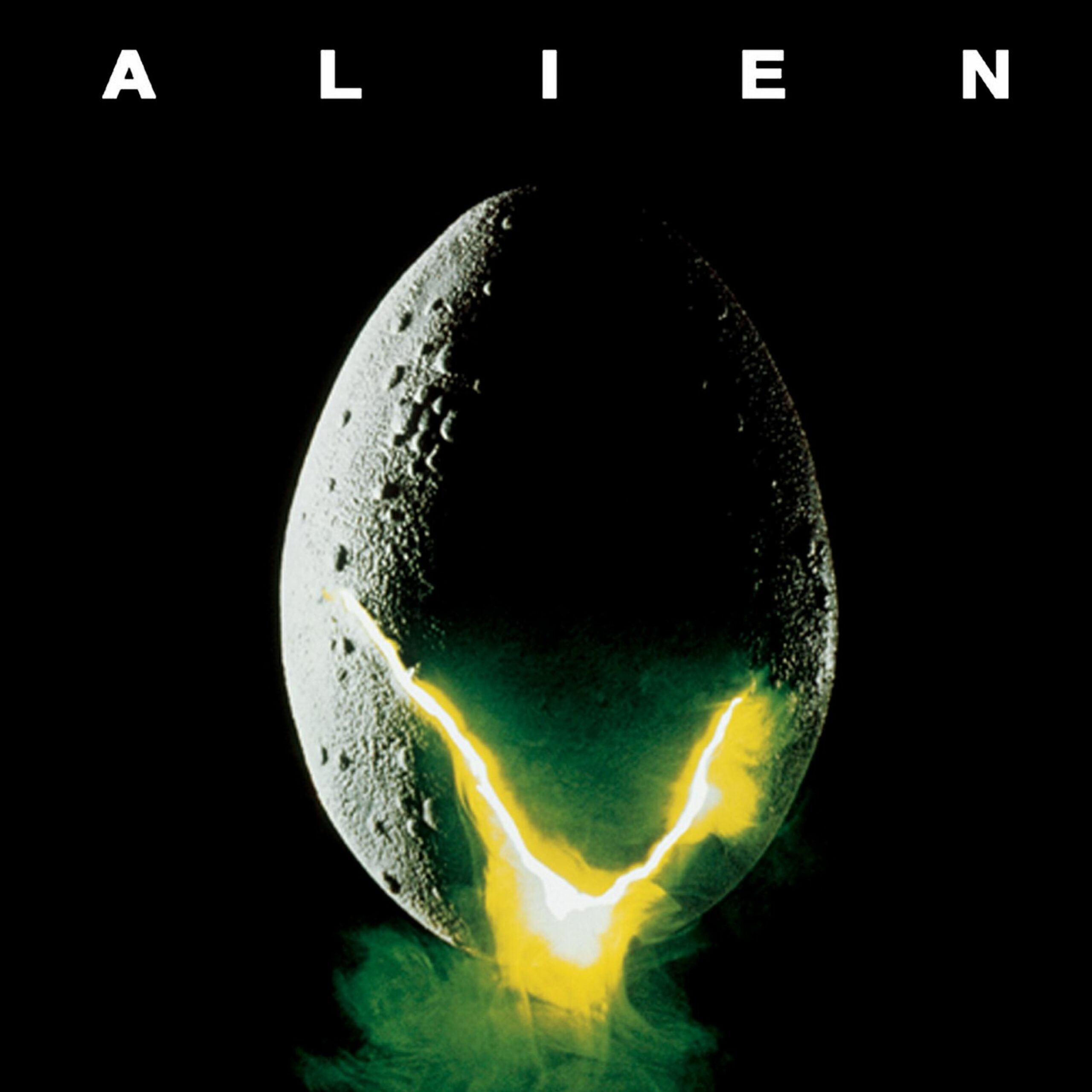
- 10:11 – Insights into Ridley Scott’s marketing savvy and the intentional design choices, such as the Alien logo and Egyptian motifs, that influenced the film’s aesthetic.
- 22:48 – The conversation turns to Ridley Scott’s unyielding resolve in realizing his artistic vision, including his battles with executives over production schedules and his early experimentation with “shaky cam” techniques.
Gear & Films Mentioned
- Cameras: Camcorder (for specific practical effects)
- Films:
- Alien (1979)
- Aliens (1986)
- All the Money in the World (2017)
- American Gangster (2007)
- Blade Runner (1982)
- Blade Runner 2049 (2017)
- Black Hawk Down (2001)
- Gladiator (2000)
- Jaws (1975)
- Prometheus (2012)
- Psycho (1960)
- Raging Bull (1980)
- Star Wars: Episode IV – A New Hope (1977)
- Texas Chainsaw Massacre (1974)
- The Duellists (1977)
- The Matrix (1999)
- The Princess Bride (1987)
- Thelma & Louise (1991)
- 2001: A Space Odyssey (1968)
Listener Questions
- How did Ridley Scott’s background as an illustrator influence the visual style and meticulous planning of Alien?
- What specific production challenges did the filmmakers overcome, and how did these constraints lead to innovative solutions in set design and visual effects?
- In what ways did Alien break conventions in sci-fi and horror filmmaking, particularly concerning character development and narrative structure, and how has its legacy impacted subsequent films?