April 1, 2026
F
Filmmaker Commentary
  • Home
  • Film
  • TV
Podcast

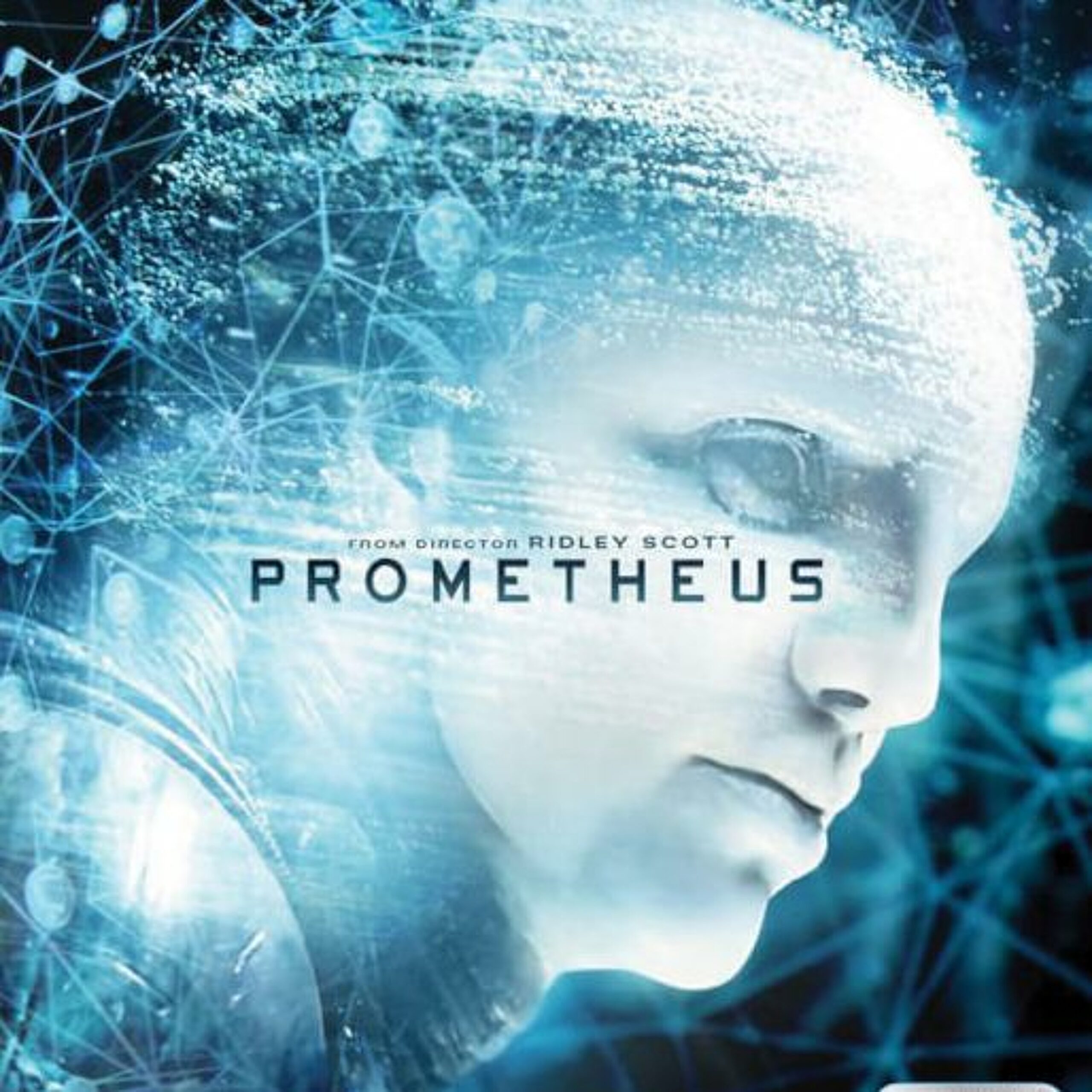
FMC 009: Prometheus by Ridley Scott with guest co-host Casey G. Smith

March 28, 2026
Listen on Apple Spotify YouTube
Listen to this episode
Your browser does not support the audio element.
Also on Apple Spotify YouTube

This episode offers a fascinating journey into Ridley Scott’s Prometheus, a film that provokes as much as it visually stuns. Hosts Reggie and Casey G. Smith meticulously unpack its layered narrative, breathtaking cinematography, and the challenging questions it dares to ask about creation and humanity’s place in the cosmos. Far beyond a simple prequel, it’s an immersive exploration of world-building and existential dread that demands a second look.

Ridley Scott, a master artisan of cinematic landscapes, constructs a universe both terrifying and awe-inspiring. The discussion highlights how Prometheus transcends mere genre, weaving biological horror with profound philosophical inquiry into our origins. The visuals are not merely spectacle; they are integral to the storytelling, establishing an atmosphere of alien grandeur and unsettling discovery. From the vast, desolate expanses of LV-223, meticulously rendered to convey both majesty and menace, to the claustrophobic corridors within, every frame is crafted to pull the viewer into an unsettling quest for answers. The film’s meticulous design, whether in the colossal Engineer architecture or the unsettling biomechanical textures, creates a tangible sense of an ancient, dangerous world.

The hosts dissect the film’s core themes: the audacious human desire to meet their makers, the perilous consequences of that ambition, and the disturbing possibility that creation is not always born of benevolence. They consider how the film, with its ancient gods and primordial goo, reflects the myth of Prometheus himself – a demigod punished for bringing knowledge to humanity. The debate over Prometheus’s place in the Alien saga is explored, contrasting its thematic depth with the action-oriented nature of its predecessors and successors. Its connections to Alien: Covenant are also examined, revealing a broader, interconnected mythology.

Through careful analysis, the hosts reveal how character motivations are subtly conveyed, from the chilling stoicism of Vickers to the unsettling, almost human-like curiosity of David, whose emulation of classic cinema offers a meta-commentary on art itself. Practical effects, particularly the infamous C-section scene, are lauded for their visceral impact, grounding the fantastical elements in a palpable, squirm-inducing reality. The interplay of subtle cues and explicit actions allows for a rich understanding of the crew’s escalating terror. This episode doesn’t just review Prometheus; it invites you to re-experience its unsettling beauty and contemplate its enduring mysteries through a filmmaker’s discerning eye.

What We Cover

  • The film’s visual grandeur and atmospheric design, creating a sense of both majesty and menace.
  • Ridley Scott’s meticulous world-building and uncompromising directorial vision.
  • The philosophical undertones of creation, origins, and humanity’s audacious quest to challenge its creators.
  • Character motivations subtly revealed through symbolic imagery, understated actions, and nuanced performances.
  • The visceral impact of practical versus digital effects, especially in moments of biological horror.
  • Prometheus‘s contentious position within the Alien franchise and its complex thematic ties to Alien: Covenant.

Key Moments

  • 01:00:00 – Diving into Ridley Scott’s unparalleled ability to immerse viewers in expansive, alien worlds through breathtaking visuals and deliberate pacing.
  • 02:00:00 – An exploration of how Prometheus probes profound questions about humanity’s creators and the very nature of existence.
  • 02:45:00 – A breakdown of the film’s use of visual storytelling, including hidden “seeds” and subtle cues that develop characters and foreshadow unfolding events.
  • 03:55:00 – A deep dive into the practical effects, highlighting the visceral impact of scenes like the infamous C-section, and how they enhance the film’s horror.

Gear & Films Mentioned

  • Films: Prometheus, Alien, Aliens, Alien: Covenant, Black Panther, Creed, Fruitvale Station, The Last Dragon, Mudbound, Lawrence of Arabia, Gladiator, Blade Runner, Southpaw, Raging Bull, Ali, The Hurricane, Memento, Star Wars (Prequel Trilogy), The Girl with the Dragon Tattoo, Schindler’s List, Jurassic Park, Batman, Watchmen, 300, Man of Steel.
  • Directors: Ridley Scott, Ryan Coogler, James Cameron, Quentin Tarantino, David Fincher, Steven Spielberg, Christopher Nolan, Martin Scorsese, Robert Rodriguez, Ava DuVernay, Zack Snyder.
  • Other: Blu-ray, DVD, GQ Magazine, SoundCloud.

Listener Questions

  • How does Prometheus skillfully balance its grand scientific quest with its terrifying horror elements?
  • What are the profound philosophical questions raised by the Engineers and humanity’s relentless search for its origins?
  • How do the film’s subtle visual cues and character actions contribute to its deeper, more unsettling meanings?

Full Transcript

Read the full transcript

Full Episode Transcript
This episode of Filmmaker Commentary features host Reginald Titus Jr. and guest co-host Casey G. Smith discussing Ridley Scott's sci-fi epic "Prometheus", delving into its themes, visual style, and connections to the broader "Alien" universe, alongside their shared appreciation for Ryan Coogler's work.

Opening Discussion and Ryan Coogler's Impact
Reginald Titus Jr.: Filmmaker Commentary episode nine. Welcome to Filmmaker Commentary, where we give you insights from our favorite filmmaking commentaries. These commentaries can be heard on your DVD and Blu-rays of your favorite movies. We'll show you how you can use these commentaries and apply them to improve your video production and filmmaking techniques. All of this here on Filmmaker Commentary. I'm your host, Reginald Titus Jr.
Reginald Titus Jr.: All right, everybody. Welcome to another episode of Filmmaker Commentary. I'm here again with special guest Casey G. Smith. Welcome back.
Casey G. Smith: Hello, hello. Good to be back, Reginald.
Reginald Titus Jr.: So, fresh off, you know, a weekend of watching Black Panther. I know, I know before, uh, you know, we've been away from the show for a while. You know, it's been like a couple weeks. We had a movie that we're working on and that has since released and we're also working on, um, releasing in other markets, so we have been busy with that and we will fill you in on that on another podcast called "Natural Hair The Movie", so stay tuned for that. Uh, but you know, we're back to this, and I think in the last episode I talked about, I'm gonna be watching Black Panther and now we have watched it. Real quickly, what'd you think about it, uh, Smith?
Casey G. Smith: Man, Reginald, so as you know, I've been waiting for Black Panther for over 20 years. Um, I'd even posted on Facebook an image of a Batman figure that I had changed into a Black Panther figure when I was in sixth grade back in the 90s. So, uh, this film, without giving away any any spoilers, even though, you know, a lot of people have seen it at this point, uh, it's just Wakanda is a place I love to to hang out at. Um, I've seen the movie three times, I plan on seeing it a a a fourth and, you know, hats off to Ryan Coogler, Chadwick Boseman, Michael B. Jordan, Lupita Nyong'o, Danai Gurira, Daniel Kaluuya, Angela Bassett, Forest Whitaker.
Reginald Titus Jr.: You hung out with these people for real.
Casey G. Smith: No, what? I've been watching so many interviews, man. I I I love this cast. Yeah. Um, not only for their talent, but their poise and just being just wonderful ambassadors of of goodwill, um, of people of color, of actors and actresses and professionals. Um, I just, I just love just listening to their interviews. I listened to an interview with Michael B. Jordan today, uh, with GQ Magazine, and I highly recommend. It was with the the British version of of GQ Magazine.
Reginald Titus Jr.: Okay.
Casey G. Smith: It's about an hour long, and you just really get a sense of, you know.
Reginald Titus Jr.: He was on the cover, wasn't he?
Casey G. Smith: Um, I think so. I mean that particular issue, but he went in deep into his mindset and his his thought process as as a leader and things that he wants to do to reverse engineer the Hollywood system and and ultimately provide more opportunities for people of color and and diversity and women. It was just top-notch. But yes, love Black Panther. What about you, Reginald?
Reginald Titus Jr.: Uh, I feel the same. You know, of course, we went to see it the first night. That was on, that was a Thursday, right?
Casey G. Smith: Oh, yeah.
Reginald Titus Jr.: And then, um, going, yeah, brought my son with me and he, it was cool just to see the film through his eyes. Uh, what this film is for him is basically what Last Dragon was for me growing up. You know, and being able to like have something and see yourself on the screen. So he he he was very, very, um, I don't know, he said it's his top, you know, on his top list of films.
Casey G. Smith: That's beautiful, man. That's beautiful.
Reginald Titus Jr.: And then, uh, took the wife out to see it, so, and she enjoyed it as well. And yeah, it's definitely up there. And it's got me thinking about, I was like, man, uh, I wanna look at, uh, I wanna look at Ryan Coogler, you know, he's, he got two films before this one, right? He has Creed and Fruitvale Station. I haven't checked out Fruitvale Station 'cause at the time I wasn't watching films like that.
Casey G. Smith: Sure.
Reginald Titus Jr.: Um, but I did check out Creed. And Creed is like, have you seen Creed?
Casey G. Smith: Oh, yeah.
Reginald Titus Jr.: Okay.
Casey G. Smith: Yes, sir.
Reginald Titus Jr.: Me and my wife were in the in the theater watching that and we both looking at each other like, ah, who's gonna cry first?
Casey G. Smith: You go, no you go, no you go.
Reginald Titus Jr.: Right? So it, uh, he he definitely knows how to weave in a real human story and Creed felt very black. You know, it just, it did, you know, you can tell when it's coming from from either, when someone's writing their a woman or if they're a black man, you can tell it's weaved in the story, even though it's one of those franchises that that kind of got started getting cheesy. He was able to flip it and make it and and bring it back down to reality. And so.
Casey G. Smith: Coogler, and I think in all of his films, they they they have a personal thread within them. And they have, um, yeah, just something personal that he latches on to. I think he may have said in an interview that with with Creed, that's even it's even hard for him sometimes to go back and watch Creed because he partially it partially I think uh deals with him and maybe his relationship with his with his father or something to to to that end. So there's a lot of, uh, personal connectivity with him in that and that film. Um, and the fact that he pitched it to Stallone a couple of times.
Reginald Titus Jr.: Oh, yeah.
Casey G. Smith: Before they'd even, I didn't know this but Michael B. Jordan was mentioning in that interview that before they'd even, um, I think shot Fruitvale. Right. Like they had pitched it to Stallone and you know, Stallone was like, you know, wasn't that sure. And then they they finally went and and did Fruitvale and obviously got the accolades from that. And and that that that warmed up Stallone to to the idea of revisiting the franchise. And, um, I mean, you know, earned earned him an Oscar nod. So, best supporting actor.
Reginald Titus Jr.: Wow. Yeah. I hope they don't destroy that film.
Casey G. Smith: Oh, the sequel?
Reginald Titus Jr.: Yeah.
Casey G. Smith: Yeah, I'm a little a little nervous about it, but at least at least Coogler will be a, um, a producer on the project. So hopefully he'll help steer it. I think that, um, I think that with Michael B., you know, Jordan involved and and him him knowing the character of Adonis, um, I think, I think they'll I think they'll I think they'll do all right. Because it was a risk to even bring back, you know, okay, this is Apollo's son. And now with this sequel, they're they're kind of bringing back, you know, you know, Drago and and and Drago's son. I'm like, oh, okay. I guess that maybe tie in. So we'll, you know, we'll see.
Reginald Titus Jr.: Yeah, I don't know. I don't know. They might need to leave it alone. I don't know.
Casey G. Smith: Creed was a risk, though. When when I first heard about it, I was like, really, Apollo's son? You know, initially when I heard about it, I was like, I don't know about this. Right. And I saw the trailer and I was like, I'm in. I'm in. I see it. I see what he's doing. Oh, yeah. But definitely, man, you get a chance to check out Fruitvale. You know, let me know what you think 'cause that's a, yeah, that's that's that's that's powerful. Yeah. Yeah. And it's, um, and Coogler definitely inspired me, you know, looking at my own work. I was like, okay, where do, you know, I draw my inspiration from? I know, uh, for the last project, it's uh been for the African American woman, and I have a lot of ideas with that as well because, you know, you gotta make sure the women are right, and you know, they get the men in line. Um, so yeah, it's really got me thinking like, okay, how I'm gonna put my own personal perspective on whatever story it is because if you're gonna hang out with a project for a year or two years, you know, there's gotta be something that's gonna keep you there.
Casey G. Smith: Oh, yeah.
Reginald Titus Jr.: 'Cause I know without the project we're working on, without that, I probably would've quit, you know, or something. I mean, it'll be easier to quit, you know, it'll be like, you know, let's try something else. Um, but yeah, having a personal attachment to it, I can see how important that is.
Casey G. Smith: Agreed. Absolutely agreed.
Reginald Titus Jr.: So, yeah, so I, you know, thinking about checking out Creed after we get done with Ridley, uh, going through, um, Coogler's portfolio, his body of work so far and breaking some of this stuff down.
Casey G. Smith: Only three films, man, and dude has just been knocking it out of the park, man. I mean, just his his progression is is is is so nice. Like, he didn't go from one major, one, you know, indie film to all of a sudden the huge Marvel movie. He had time to do Creed in between, which was a nice stepping stone. And then, bam, Black Panther. It's like, yeah, that's a nice progression.
Reginald Titus Jr.: And the action. Yeah. But I ain't gonna even get into Creed, but uh, just the presentation of that one was just dope, you know, cutting from when he's about to box and then you see the actual real boxers, like in real life, and you see their statue like, wait a second. This boxing thing is a little more difficult than you're think, you know, I guess some of the other Rocky stuff, it kind of looks kind of like cheesy or like anybody can box or something like that, just work out hard or whatever, but it's like, no, wait a second. It ain't that easy. And I like the way that they presented that.
Casey G. Smith.: Yeah, when you just see the shape that any actor, when they do a boxing movie, the shape that they get in, whether whether it was Stallone, you know, when you see him in Rocky 3 and 4, it's like just like just ripped up. You know, same with Michael B. Jordan, same with Robert De Niro. Um, same with, um, Miles Teller. He did a boxing movie. Jake Gyllenhaal when he did Southpaw. Like they like the conditioning they go through. Yeah, uh, and in Hurricane, like they just get in just just ridiculous shape. Will Smith, you know, with with Ali. I mean, they just get in ridiculous shape. Um, but I think, you know, we also have to give a shout-out to to Coogler's, um, his cinematographer, uh, that he's worked with. Uh, and that young lady, she's, uh, she worked with him on Creed and also on Black Panther. I don't I don't know if she was with him on on Fruitvale Station or not. But, um, I mean, she's obviously up for...
Reginald Titus Jr.: They met at Sundance, right?
Casey G. Smith.: Is that where they mean?
Reginald Titus Jr.: I think that's where their connection started at Sundance.
Casey G. Smith.: Okay. 'Cause I know she's up obviously for, uh, um, she's the first female cinematographer to be up for a, uh, an Academy Award for her work on on Mudbound on Netflix, uh, which is crazy.
Reginald Titus Jr.: You seen it? Have you seen it? Is it good?
Casey G. Smith.: Uh, yeah. I I initially started watching it, uh, maybe a month or so and it was just wasn't the right time. Uh, and then I I watched it about three weeks ago and, yeah, yeah, it was it was good. It was it was it was very enjoyable.
Reginald Titus Jr.: She was on, uh, what was it? KCRW and she was just talking about just how, you know, how how raw it was to shoot, you know, in an environment like that. Um, but there was a personal connection with the material. So that allowed everybody to like just stick it out.
Casey G. Smith.: I think, uh, if if I'm saying her name right, Marice Alberti, does that sound right?
Reginald Titus Jr.: I don't know.
Casey G. Smith.: I'm looking on IMDb, cinematographer, so I'm assuming.
Reginald Titus Jr.: I don't know.
Casey G. Smith.: Assuming I have the right person. Uh.
Reginald Titus Jr.: It's been a while since I watched, uh, went to the theater and watched a movie more than once. Even Get Out, I only saw it one time. So that, that that's really saying something. I wanna go back again and then going, gonna go back a third time.
Casey G. Smith.: I mean, obviously Black Panther's doing amazing things. My mom went and saw Black Panther, uh, this past Monday. My mom rarely goes to the movies, rarely. And I told her, you gotta let me know what you think. And as soon as she's done, she gave me a call and said, it was amazing. I was like, whoa. My mom said Black Panther was amazing. That just, that blew my mind. Uh, I thought, I thought maybe she'd say, oh, it was pretty good. Or it was okay. No, she said it was amazing. I'm like, wow, this this is this is something special. This is truly something special. Oh, and it's it's Rachel Morrison. That's the cinematographer. Well, she's, you know, on on Black Panther. So, yeah, it may have been a different cinematographer on on Creed. So sorry if I got that mixed up.

Prometheus: Initial Reactions and Themes
Reginald Titus Jr.: So, we're gonna dive right into Prometheus. Prometheus, budget, 103 million bucks. Made 403 million at the box office. Of course, they've they've done a sequel because of that, which is Alien Covenant. What was your initial response when you saw Prometheus for the first time? 'Cause I believe you told me about Prometheus. You saw it first and then and then I later on saw it.
Casey G. Smith.: Yeah, so I saw Prometheus in the theater. I remember seeing the previous four and I think I I had just really started to, uh, get into Alien and and had watched, you know, going back and watch the original and and and Aliens. And so, when I heard about, you know, they're getting a prequel, excuse me, you can see some of the the callbacks that they were making. So when I when I saw that theater, I I I enjoyed it, man. I really did enjoy it. For some, it's it's a little, uh, divisive. Okay, that's that's fine. Again, it's on you, not not on me. Um, but I I I enjoyed it. Um, and again, it has some similar beats to the first Alien and and Aliens. It's different because, whereas Alien are a group of totally unqualified people going to check out a distress call. And Aliens is a a group of, like, the best of the best, these space marines going out to investigate. Now we have a group of highly qualified explorers, archaeologists, and scientists going out to explore. But, you know, in result, it never ends well. Uh, at the end of the day, it never ends well. Um, and and the themes of of of of origins and and and and and Genesis and and who are our creators? Like going back and exploring those those themes and and the the why, why would these engineers create us? And, um, would would they approve of their creation? Are they happy with their creation? Are they angry with their creation? And just that that curiosity, uh, to to to explore your your your your your origins, kind of harkening back maybe a little bit to Black Panther, but just, uh, I I love that theme and and seeing where the the Aliens/the Xenomorphs, where they may have come from, and and harkening all the way back to the, you know, the Space Jockey, uh, in in the very first one, to go back to that ship. I loved it. Uh, when I when I saw it in the theater, I was like, this is fantastic. So, how about you, Reginald? What'd you think when you saw it? First impressions?
Reginald Titus Jr.: I wish I could've seen it in the theater. Um, knowing that he shot this one in 3D, right?
Casey G. Smith.: He did.
Reginald Titus Jr.: And I just remember when I watched it 'cause I think at I was watching a lot of stuff in DVD standard definition. So this was the first Blu-ray that you let me, uh, watch, uh, of it. And I was just like, what? Seeing like just the high definition and how pretty it looked. It just, it just looks awesome. That's what, that's the thing that I take away from it. Now, now I'm looking more into the story because, you know, going back to Alien, then watching Alien Covenant, now I'm following the story more, but I just remember just being, looking at the visuals, I'm like, taking it back by those, seeing the engineers and how they look, I'm like, what, what is this? Dude's drinking some stuff at the beginning and he throws himself in the pool. Like, what is this? Because I don't have the background, at the time didn't have the background of Alien and what what they're trying to do with the story, so I'm just like, being taken along for the ride.
Casey G. Smith.: I think everybody said that at the beginning, that first opening scene like, what the heck? You know, because that that was all that was all new. Like, what? Why is this dude sacrificing himself? And, I don't know, turning into a bunch of blackheads. Like, what, what is what is going on?
Reginald Titus Jr.: Yeah, I was like, this is weird. But yeah, that's what I the the color palette that he used throughout, I was just like, this is like, just beautiful, the way it looked. Even after watching that, I didn't wanna go watch Alien or any other films, but, um, but after, um, watching it again recently, that was the first time I watched it, after uh, watching it again and studying more about Ridley.

Ridley Scott's Craft and Storytelling
Reginald Titus Jr.: He is he is just a master director. You know, he he knows what he's doing. Um, he uses, he establishes the world with these big flying landscape images coming in. He's really, he's really putting you in that place. And I guess Prometheus, he said, is like a metaphor for challenging God.
Casey G. Smith.: He did. Uh, and it actually goes back to, uh, some of the the the Greek mythology, Greek or Roman mythology, that Prometheus was a, uh, he was a demigod who defied the gods, and they they punished him by, I guess, Zeus punished him, um, by I think he was maybe strung up on on on a tree or something like that, where his uh organs, his entrails were were eaten by ravens every day, but then they would regenerate back the night that that night, only to be eaten again, um, the next day. And again, there are themes of again, questioning your creators throughout.
Reginald Titus Jr.: Ridley, he said this isn't a sequel or a prequel, but the DNA of the Alien movie is in it. What do you think about that statement?
Casey G. Smith.: I I can see what he means by that because it it is, well, I I say it's a prequel. I'm sorry. I I I I believe wholeheartedly it is a a prequel, uh, just set further back. Just like the, you know, in Star Wars, you had your prequels, um, they tie in. Even though, uh, what I found interesting is that it's a different planet that these things are happening on. In this movie, the planet is called, uh, LV-223. And then in Alien, uh, there that planet is called, uh, LV-426. So that's super nerdy that I that I that I jotted that down, but that that's it's two different planets. Um, and I I I found that, um, I found that interesting. Uh, that it's, you know, separate separate planets, but, uh, but yeah, this is definitely a a prequel. Uh, they tried to say that it's it's it's two pieces of the universe that run parallel. But I'm like, uh, I mean, you got the Space Jockey. So,
Reginald Titus Jr.: Right.
Casey G. Smith.: that's that's prequel. What about you? What do you think?
Reginald Titus Jr.: I was torn. I and then too, I didn't see, haven't seen Alien 2 or Alien 3. Uh, so I don't know. But after seeing, you know, Alien Covenant, it's like,
Casey G. Smith.: I didn't know you saw Alien Covenant.
Reginald Titus Jr.: Yeah.
Casey G. Smith.: Oh, okay. Okay.
Reginald Titus Jr.: So after watching Alien Covenant, I was like, uh, it kind of is a prequel. Yeah. I think he was just talking. So Ridley he mentioned at the beginning that it took, you know, at the time that he was, um, doing the commentary for this movie, it was like two and a half years ago, he didn't have a story, he didn't have a script. But it's pretty fast considering he didn't have all that two and a half years ago. And after us, you know, finishing up a project that took about three years, um, that is a feat considering the scale of the production.
Casey G. Smith.: That's true. I think, uh, they may have spent maybe, um, maybe six months or so working on the story. Um, and they they had a a young man, uh, John Splates or Spates, John Spates, I think originally worked on the first couple of drafts. And again, they had, you know, kind of this writer's room they would come together. They would meet pretty much daily and they they'd spitballing ideas and Ridley was highly involved with that and he was constantly giving Spates notes and recommendations and and Spates would go back and change and and really again, he's a he's a he's an artist. You know, he went to art school and so he's constantly sketching things out and he's very clear in his vision. And as it got closer to the time of, uh, having something to pitch, that's when they they brought on another another writer because Spates was was, you know, in essence uncredited. And they and they told him from the beginning that, uh, we're probably gonna bring on another writer towards the end just who has, you know, a movie to his credit, um, to to help with with selling it to make the studio feel more comfortable. And that's and that's what they did. They brought in, um, uh, Damon Lindelof, who I think he really helped, I think he really he really helped form and push the idea of the of of questioning the creators. That that aspect, um, in addition to exploring the origins of the Alien itself. And that's where it kind of began to shift from being just an an Alien origins kind of film to the origin of human species so that there could be kind of this more relatability factor.

Filmmaking Techniques & Character Deep Dive
Reginald Titus Jr.: I like how, um, and I see other filmmakers doing this where they'll throw in like, find a way to kind of throw in like some of their favorite films or whatever. And I haven't seen Lawrence of Arabia. Have you seen that film?
Casey G. Smith.: A lot of filmmakers talk about it.
Reginald Titus Jr.: I got about halfway through.
Casey G. Smith.: Yeah. It was like, I was like, I need to revisit it. I'm just gonna be honest, I need to revisit Lawrence of Arabia. It just wasn't the right time. Sometimes, sometimes it's not the right time. I wasn't I wasn't in the right head space. So,
Reginald Titus Jr.: I know what you mean. There's plenty of like older filmmakers and they'll they'll they'll reference some of these films. I'm just like, nah. It's a long one, that's why. It's like almost like a three-hour, it's a long, it's a long film. Yeah. But people, man, people swear by it. So I yeah, I need to give it another go.
Reginald Titus Jr.: Yeah, it's one of those, you know, I feel bad as a filmmaker not not watching it. I'm like, okay, I'm gonna have to take time out and purposely just like, okay, let me let me go ahead and take the time out and do this thing. But I like how he put, uh, that film in there and seeing the replicant or Android or whatever David is, uh, watching the film and emulating some of the things from the film.
Casey G. Smith.: And I liked his explanation behind it that as the world would progress and if you would have this this vast amount of time while you're in hyperspace and and and and humans are, uh, in cryo, um, that you'd want you, you know, his his brain being able to to access, you know, just countless amounts of information, but still would be able to to sit and enjoy what would be what would be considered some of the best of art, uh, and and cinema and Lawrence of Arabia apparently being one of those things. So,
Reginald Titus Jr.: Yeah, when I remember first watching this film, uh, just having, like, this guy just hanging out and doing, you know, and then he find out, of course, later that he's not a human, but that was some of the thoughts that were going through my head and that was intentional.
Casey G. Smith.: Absolutely.
Reginald Titus Jr.: One of the bullet points I have is, um, to help you guys out as filmmakers is, um, in a in a film you have certain seeds that you plant in a film that end up growing later on to help you fully realize an idea. And one of those is the living quarters of not the captain, but his, um, what's the old man, uh, Wayland? Was it Wayland?
Casey G. Smith.: Wayland.
Reginald Titus Jr.: Wayland Industries, the CEO. Um, at the beginning, of course, he, you think he's dead or you think he's just somewhere else, definitely not on the ship. Uh, but when, um, you see the living quarters that,
Casey G. Smith.: Vickers.
Reginald Titus Jr.: Vickers is living in, uh, you notice that there's like books, there it's real elaborate, there's a piano there. But if you remember, and I think that was Alien, was it Alien Covenant when it opens up and there is a piano that David's playing on and,
Casey G. Smith.: Yes.
Reginald Titus Jr.: And so you you see that piano is there, you see the books around and you and, of course, the, uh, one of the astronauts, uh, the astrologer, astrologist, um, she talks about why is that, uh, the the medical device there? You know, she mentions that. Uh, so she's starting to ask questions. Um, about that. But the seed is like, there's a reason why it looks so lived in, and we discover that later on in the film.
Casey G. Smith.: Exactly. Yeah. And and Ridley said that the some of the best seeds are ones that you you plant early on and that the people forget about. Yes. And then when it comes back, you're like, oh, yeah. Ah. Another point I have is, uh, uh, you can use images to tell more about a character without saying it directly. So when they're in that living quarter and they're talking to Vickers and you see behind her, you see the snow falling in the background on the little, uh, image in the back. Um, and he says she's like a chilling character. Or, um, later the image switches to, uh, wheat blowing in the back. So it's like kind of reaping what you sow.
Reginald Titus Jr.: Oh, wow.
Reginald Titus Jr.: He's throwing and I didn't catch that. But I did kind of when the winter, when it was coming down, I did catch that, you know, like, okay, she is kind of a cold-blooded kind of person. But when he switched over to the wheat, I didn't catch that one.
Casey G. Smith.: Uh, I think, you know, even, you know, from the imagery, but also and even some of the the the subtle actions, the fact that when you first see Vickers, everybody else is puking their guts out from coming out of cryo. And she's doing push-ups. You're like, wait, what? Who is this person? You know, there's just something just even in in their in in in her wants, desires, and and and needs. Like this this this need to be like almost better than everybody else or or to at least come across tougher than everybody else. Like, what is this character's motivation? Like, what what do they have to, you know, to prove that they would be like that disciplined, you know, and not not trying to connect with the rest of the crew just but like do my regimen and then get dressed and go forward. So, yeah, that was telling about her from the get-go.
Reginald Titus Jr.: Um, another point is, um, how Ridley uses the walking transmitters. So, you have like these characters that are in the boat, you have the captain, you have Vickers, um, I forgot the Asian guy's name. Um, what his role was in the film, but they're in the actual ship while the astrologist and the geologist, while they're out exploring this land. And so, he uses, uh, technology, those transmitters to kind of give the captive characters something to react to. And that's a way to keep them in the story, um, and to illustrate that to the audience. Also, uh, Ridley again, he he said in his previous one, but, um, you have to have a vision, of course, and you have to say exactly, I want this. And you have to be kind of like stubborn about it.
Casey G. Smith.: Uh, one of the one of the things that I jotted down that that Ridley said, um, in addition to having vision, is that, uh, at times you have to say shut the F up. Um, and you know, I mean, Ridley's he's up there in in years and I think he's kind of at that that point where, you know, he's not gonna have much of a filter. Even in the behind the scenes stuff when he's when he's giving direction, he's just, you know, just just being forward, blunt, you know, cursing and just saying, all right, this is what I want. No, no, you're going too high, bring it down. You know, he's just like, just, you know, focused in on on that direction. Uh, and he also mentioned that, uh, he still gets questioned, right? He says, you know, though I have movies in the Library of Congress, usually I'm I'm still questioned either by people who are inexperienced or who, you know, are just stupid. So, um, but he works through it, right? He he works through it all.
Reginald Titus Jr.: I like, um, and in the story how he gives reason 'cause when I'm writing like, you know, in my script and writing some things and you gotta figure out how to put somebody in a certain situation. And how he he has to get these people to take their helmet off to show that it's safe, you know, the atmosphere is fine for them to take their helmet off 'cause later on in that helps out in the story, why why are these people still alive? You know, the atmosphere should have killed them. Um, but I don't know if it if it was a good reason or not. You had the one astrologist that just just takes the risk and takes his helmet off and then all the other people like, oh, it's safe now. Let me take my helmet off. I don't see everybody doing that, but,
Casey G. Smith.: Heck no. Heck no. We are on a alien planet. And you can't tell me they didn't have horror movies where they came from. You know, you can have instruments, you can have all the technology in the world, but this brother here, my helmet is not coming off. Like, you don't know what kind of diseases or or whatever might just be out there. No, no, no.
Reginald Titus Jr.: Just doesn't make sense. Maybe he should have thought about that a little bit more, you know, especially, uh, when you see the holograms of the people, uh, the engineers running. I bet they were wondering like, where's that helmet at? Um, um, I do like the practical effects that they have in the the film. The, uh, uh, there's like the part with the little snake thing, what is that called? The the snake that wraps around the dude's arm and like breaks it. What?
Casey G. Smith.: And so it's like a reptilian kind of creature. And again, it's a pre it's a precursor to the facehugger. And watching the behind the scenes, Reginald, of how they, um, of how they created it. And you know, you know, when it when it it it wraps around the guy's arm and then and breaks his, you know, he's like, oh, it's tightening, it's tightening. And then it snaps his arm. Uh, they put a, um, they made a they made a mold of the guy's shoulder and they made a a totally mechanical arm. And then they, um, they put the the reptilian creature, you know, that had it wrap around and they used wires and they had it constrict. And then, you know, the the joint of the mechanical arm could, you know, hyperextend and they just they would just, you know, run through, you know, different scenarios, break it, break it just again and again. Uh, and then it would switch to CGI where it would, no, so then, um, Fifield, what's the, uh, what's his the dude's name? Fifield then tries to cut it off. And then the acid, you know, comes out of it and it gets on his helmet. And then but then it goes into, uh, the other guy's, it goes into his suit, you know, and then and it was helmet and then it was mouth. Oh, man. Oh.
Reginald Titus Jr.: But I like the writing though, because that gave them a reason to wander off by themselves. Like, hey, I'm I'm outta here. Once they find the dead engineer or whatever. Uh, but they don't find their way back to the ship. So they kind of gives us that drama there. How did the guy later on in the film, how did he become like super strong all of a sudden?
Casey G. Smith.: So, uh, Fifield, the the red-headed guy?
Reginald Titus Jr.: Yeah.
Casey G. Smith.: So, when he, um, when the when the acid from the reptilian creature, when it when it sprays onto his his helmet, it it it, you know, melts the front of it and it starts to melt onto his face. He falls down into this black goo, which is like, you know, it's it's more just kind of biological, uh, bacteria infestation and that begins to infect him. And he he he begins to transition. That's why his head is all deformed, uh, because he's he's partially becoming an an a mutated alien, if you will. Uh, and they went through a lot of iterations of trying to figure out the right look for for Fifield. Both CGI and and practical effect-wise. They they worked on that for actually quite a quite a bit. Um, and they had various versions where he looked more more, even more alien, almost goblin-esque. And then Ridley finally decided, well, no, let's let's we've got the actor Sean Harris. Um, let's let's try to keep his features and then they just used the prosthetics and and, uh, continued to to mutate him. And obviously he became otherworldly. And that's where that that strength and agility because he almost becomes more feral, uh, and and less definitely less less human and more animalistic.
Reginald Titus Jr.: What did the character David, uh, what did, did he take some of that goo and put it in the guy's drink?
Casey G. Smith.: He did. And and and just in in relation to David in general, you know, Ridley says that that David literally he poisons, not only I literally poisons, you know, actual members of the crew, but he literally poisons the movie. You know, it kind of every step of the way, he is because he can understand, you know, phonics and and all kinds of languages. He's the one that even allows the chamber to open up to to get to the Space Jockey. And he's constantly, you know, pressing things and figuring things out. And yeah, he takes a little bit of that bacteria and he puts it in puts it in the glass of Holloway. Puts it in Holloway's glass and and and literally infects him, which then in turn, Holloway impregnates, uh, Shaw, who previously, you know, can't have kids, but all of a sudden is preggers in a day. You know, that that crazy mutated alien DNA. But, but yeah, um, he is he literally poisons the film, you know, throughout.
Reginald Titus Jr.: That's terrible. So, uh, so he poisoned Holloway with the same black gunk, but Holloway's reacts to it is different, right? Then the other guy. He just looks more sick and he's about to die. Holloway, get set on fire.
Casey G. Smith.: Yeah. That's right. Yeah. And and I think because I think it was the sheer quantity, right? He's like, you know, when Fassbender puts into his drink is literally like a like almost the the pinhead of a needle. Whereas Fifield's character falls face face first, um, into just a a a puddle of of that bacteria. Um, in addition to having the the reptilian thing's acid on his face. So it's like a maybe a multiple layered genetic reaction. Um, and yeah, so it it yeah, it it it it goes very differently for both of them. Not not ending well either way.

Ridley's Legacy, Future Directors & Conclusion
Reginald Titus Jr.: I like how Ridley he recycles sets. Again, we we've talked about this in some of the previous podcast with, um, Ridley and Blade Runner, especially the first one. How he recycles sets. So there was there was a scene where, um, it was like a little hallway where they're looking for the two missing astronauts and they just remove just he just removed the door and just shoots a reverse shot of it. And it's a whole different scene. The next scene, I'm like, there's a scene with, um, who was the lady that plays, uh, the other astrologist that Holloway's partner?
Casey G. Smith.: Uh, that is Noomi Rapace, who plays Shaw.
Reginald Titus Jr.: Shaw. Um, the scene and she's super like in shape. When, um, she's got to cut that baby out of her. She's got to put herself through surgery. Oh my gosh, just her physical, the way that she's acting, just her her physical. She really sells it.
Casey G. Smith.: She does. So, uh, Ridley said that when he first when he first met Noomi, that he was blown away by her. Uh, he had enjoyed her performance in The Girl with the Dragon Tattoo. Uh, and that she's she's both she's physically and classically trained as an actress. Uh, and so she she even said in some of the, um, behind the scenes footage that I watched, that before scene she does her physical homework and she does her mental homework. So that when she she gets onto set, that she can just let the the acting, if you will, take over. And and early on in that scene when she's when she's sitting there, she's literally just working her stomach muscles. That's that's all her, like, just flexing and and convulsing and getting her stomach to expand and contract like like something is inside. Like that's that's her. Uh, and, of course, then they took about a week to to complete that the the the whole scene. But they used a a not a body double, but a a cast and mold of her body that they painted and and, you know, she was kind of strapped in from the shoulders up, you know, during certain scenes so they could replicate the the the Caesarean, which is just, yeah, pretty pretty grotesque.
Reginald Titus Jr.: But practical. Man, all practical and amazing.
Casey G. Smith.: I think I think the one part that was CGI was when the when the machine is, obviously the laser, and then the stapling. The Like, that's that's the CGI part. But yeah, they worked that scene.
Reginald Titus Jr.: The cutaway shots, when when they do the incision and then the little claw, the clamps come in and separate her stomach. They cut away to her face and she's like, ah, she just sells it. It's like, you feel like she's in pain for real. And I hate movies when the actor, say they got their arm broken or something's like jacked up on them and the next scene they're just like, everything's fine. It's like, no, she keeps it even like minutes later when she's putting on the suit, she's still selling that she's jacked up, that she just got stapled together.
Casey G. Smith.: It's like pro wrestling, you know? What makes what makes any match work between any wrestlers is the sell. If someone's working on that left leg throughout the match, you you you need to limp. Even if you win or lose at the end, on the way back to the to the ramp, you still gotta limp. You know, you sell it all the way. And, yeah, Noomi does, uh, just a a masterful job of of of selling and showing that pain. You're right. When she's trying to get in her suit, just wincing all the way, you you believe it.
Reginald Titus Jr.: I like how Ridley he talks about the films that he works on. He said he likes working on the films and he makes them semi-serious. Even though it's in the, even though it's fantasy, it's fantastical, that 'cause you do have like science fiction that's just way out there where it's like, okay, this is like La La Land, you know, or whatever. Uh, but I like how he can still ground it in some seriousness.
Casey G. Smith.: And he says sometimes that sometimes when people use like say too much humor, maybe in in sci-fi, it's maybe because they're they're scared. You know, scared of of of of getting the audience maybe to to to buy in, uh, or scared that they're going to, uh, you know, believe, uh, and maybe that it's it's it's not maybe grounded enough. But yeah, I think he does a he does a a a fantastic job of world-building where, you know, and they they do enough research where it's like, yeah, okay, that that seems feasible. And he goes so so far in on the details of the technology that's used and the the feasibility of it all, when you're like, okay, yeah, that that makes sense that this technology would exist to do this or to do that. Yeah, that makes sense. And for the most part, even the decisions that the characters make, like early on, when, um, I forget who who when when they when they first come back to the ship and Vickers doesn't want to let them in. Who's the who's the one that's that's that's hurt and or sick that she won't let in?
Reginald Titus Jr.: That's Holloway.
Casey G. Smith.: It is Holloway. Gotcha. Okay. So,
Reginald Titus Jr.: Because they're going back on the trip, I think, to find the guys, but then he's he gets too sick that they gotta bring him back.
Casey G. Smith.: That's right. That's right. Thank you for reminding me. And she doesn't wanna let them in, which is a call-back to Ripley. Yeah. Not wanting to, you know, let the others in. And it's like, okay, yeah, you would have people who would legitimately say, uh, no, we got a protocol to follow. You potentially infected. We can't let you in. That's just not gonna happen. Um, yeah, so I I I appreciate when you have those kind of small details because, hey, I'm sorry, you're you might be infected. We got a protocol here. So,
Reginald Titus Jr.: Set you on fire. That's terrible.
Casey G. Smith.: I might be. Yeah. Yeah. Yeah.
Reginald Titus Jr.: Yeah, I remember, yeah, Ripley didn't She was like, infected with what?
Casey G. Smith.: Hm. What?
Reginald Titus Jr.: Sick with what? I think that's what she said, but it wasn't a concerned question.
Casey G. Smith.: No. Oh, no. No, again, she's cold. Cold.
Reginald Titus Jr.: Cold-blooded. Um, speaking of which, uh, pre-visualization is important. Ripley, not Ripley, I'm tripping. Uh, Ridley,
Casey G. Smith.: I do that all the time, man. I got a note here. I said Ripley, I was like, oh, no, that's...
Reginald Titus Jr.: That's Ridley. Ridley. Uh, Ridley and Giger were so far ahead in development that it it made everything easier. Because they had development money. And so when you have development money, all you you get this money and you got time to to just daydream and think about the movie and pre-visualize it out. What would they say in the behind the scenes footage about their pre-visualization work?
Casey G. Smith.: Man, so, um, the scene earlier that we had talked about with, um, the Caesarean, uh, with with with Noomi Rapace, they had they had pre-visualized that whole scene. And they had actually done two versions. They had done a a rated R version and a, uh, PG-13 version. The only difference was really the the blood splatter that they kind of went all over. But they had totally kind of pre-visualized that scene. And for some, that's one of the earlier things that they saw. But, uh, he actually bought he he brought Giger in, you know, actually this is, you know, not too far away from, you know, Giger passing, but he he brought him in to be able to look at some things and and he I think he may have done a couple of of of sketches. And again, they were just trying to figure out how to reverse engineer, reverse engineer what he had done. But they they did so much so much pre-visualization and images and sketches. And again, on the on the disc, which I highly recommend if you decide to scoop up Prometheus, if you can find the collector's edition Blu-ray, uh, 3D Blu-ray. It is phenomenal. It is packed with just so much material and you wanna see all of the, uh, pre-production work and the concept art, so much of it. Something that'll really make you appreciate Ridley Scott as an artist. Because he did everything from just, you know, quick hand-drawn sketches to like like matte paintings of of of backdrops. And, you know, like, wow. But they just they had that time and that money to just dream and continually create and storyboards upon storyboards. So yeah, they had the they had the time, the budget.
Reginald Titus Jr.: One of the last points that Ridley had talked about is like story being the hardest thing to do. Um, he really enjoys creating the rooms, the universe, and and visualizing that. And then to me, it makes sense why he, you know, he hires writers. He's not necessarily the writer/director, uh, that we see. Him being able to hire writers and to get these things complete makes it easier for him to do his job. It's kind of like on the the same path as like a David Fincher where he's not necessarily the writer, but he can just crank out projects quickly. And, um, yeah, I'm interested in checking out some more stuff from Ridley. I like kind of diving in and kind of seeing the difference between these different filmmakers and what makes them tick and and all that. So, I don't know, might wanna check out Alien Covenant and I've already seen it, but listening to the commentary and seeing how he was able to come up with that creation.
Casey G. Smith.: Yeah, I man, I I don't what do you think about Alien Covenant? Without like maybe going like into spoilers, you know, but what do you think about Alien Covenant?
Reginald Titus Jr.: This is a spoiler show. We have, you know, we go from beginning to end. there you go. If you're listening to this, yeah, you're trying to make it. You're trying to figure it out. Trying to remember my initial response. I actually did like it. I I did like it. Um, I like the continuation. Um, I did, like one of my thoughts, I was like, what happened to Shaw? Where is she at? And then they answer that question. I was like, oh man, that's David is the the devil.
Casey G. Smith.: It's it's interesting that you mentioned that because, you know, by the end of Prometheus, you know, Ridley says that, you know, that David and, uh, Shaw, that they've reached kind of an understanding, that they kind of needed each other. And they're trying to they're trying to go further in and find out about these origins. But yeah, man, in Covenant, David is a monster. Man, he is a he is a monster, man. Even like the kind of little, you know, there's a nice little twist like towards the end, which I I there was a little bit of inconsistency with with with that because I wondered, like, you know, there's something that should have shown on his body, um, that anyway. But yeah, um,
Reginald Titus Jr.: Yeah, I didn't I didn't catch that one. I was like, I was like,
Casey G. Smith.: Yeah, I was like, where where is this thing that happened to him that should have been, um, on him? But they really dive deep into the the Alien, the slash, the Xenomorph, being a biological weapon. Yeah. You know, like a a WMD. You know, literally these are are are weapons of mass destruction. So we're being able to wipe out a city or or or or a civilization, being able to overtake that. Um, and then you've got, you know, David who's like this just ever-curious, almost Brainiac-esque kind of entity now, growing in curiosity and starting to experiment, uh, on different kinds of living tissue. I did enjoy it, you know, some people didn't, but I thought I thought it was a I thought it was a a a proper, uh, sequel to to Prometheus. Um, but it it didn't do that well at the box office. So I don't know if we're gonna get a third movie. I I hope that we do. I I'll I'll go and and watch it. I'd like to see, uh, Ridley complete the this trilogy. But we'll see.
Reginald Titus Jr.: I did like the creation, you know, how he was trying to, you could see the different generations of the Xenomorph that he was making.
Casey G. Smith.: Mm-hm. Like, man.
Reginald Titus Jr.: He was operating on these people and doing all this stuff. Like, this guy's just evil. Yeah. And I I'm trying to remember how he, um, got a body again, even. Because Noomi wasn't a,
Casey G. Smith.: You know, I'm trying to remember how he, uh, got a body again, even. Because Noomi wasn't a, she wasn't an engineer, you know, or I'm like, how did he, because he was just a head at the end of Prometheus.
Reginald Titus Jr.: So, unless he instructed her on how to do,
Casey G. Smith.: So, was he so, I it's,
Reginald Titus Jr.: Prometheus, fresh in my head, so I can't, uh, go back that far in my memory. My memory is jacked. So, was David the one that dropped like all the the black gunk on everybody, uh, all the engineers that are on that planet?
Casey G. Smith.: When Prometheus?
Reginald Titus Jr.: No, no, no, in Alien Covenant. 'Cause everybody's running. 'Cause everybody's running, like, uh,
Casey G. Smith.: I think that was already done when they got there. I think that was already done when they got to that planet. I think the engineers did that. Because the the ship in Prometheus, that's a battleship. And those those containers are bombs to to drop on society. Um, or either either either it was either it was specifically dropped or it accidentally got out, but I think that was already done. I'm gonna have to go back and watch, clearly. I'm gonna have to go back and watch.
Reginald Titus Jr.: Right. Right.
Casey G. Smith.: 'Cause I watched it last year. But I'm I'm just wondering again, how he got a body again? Because at the end of Prometheus, he's just a head.
Reginald Titus Jr.: Oh, I see what you're saying.
Casey G. Smith.: I'm like, how did he get a body again? I I'm gonna have to go back and watch it. But but I enjoyed it. Uh, I did enjoy it. I'm gonna I'm watching it, I'm gonna I'm gonna check it out again.
Reginald Titus Jr.: Yeah, after watching Alien, it sent me down this path. watching Alien, and then we had already watched Prometheus. But then, so I had to watch Alien Covenant, but then I had to go back and watch Prometheus so that could be fresh for this commentary. But, um,
Casey G. Smith.: You you'll have to check out Aliens also.
Reginald Titus Jr.: Yeah, that's the that's the second, that's James Cameron.
Casey G. Smith.: Yes, James Cameron. It's it's again, very different from Alien. It is a it is an action.
Reginald Titus Jr.: It's an action. Any other directors that you might be interested in seeing some of their work? 'Cause I'm thinking about after listening, looking at Alien Covenant, making changing up.
Casey G. Smith.: Okay. Okay. Um, you know, you always mention Fincher, obviously. Uh, wouldn't mind exploring some of his work. You know, you can go into some of the obviously some of the some of the some of the greats. Whether you're talking about Scorsese, uh, or, you know, Spielberg. You know, I watched a fantastic documentary on Spielberg.
Reginald Titus Jr.: Oh, yeah. Yeah, it was a good one. Yeah.
Casey G. Smith.: And that was that was like, I was I was really, um, surprised with that. And then listening to and watching his his journey. The fact that he made Schindler's List and Jurassic Park in the same year. Wow. That's those you talk about polar opposite, man. Like that's that's pretty that's pretty incredible. Uh, but those are those are one some that come immediately to mind. Uh, you know, obviously you got you got Nolan. He's he's got some some pretty incredible films.
Reginald Titus Jr.: That guy is on another level. Yeah.
Casey G. Smith.: He's up there. He's up there with there. He's up there with, you know, Spielberg and all them.
Reginald Titus Jr.: Yeah, he is.
Casey G. Smith.: Yeah, he is. Have you seen Memento?
Reginald Titus Jr.: Yeah, I saw that years ago.
Casey G. Smith.: Blew my mind, man. That that movie freaking blew my mind. Like, what? How do you How do you even write How do you even write something like that? That's like, wow. Mm-hm.
Reginald Titus Jr.: What about you?
Reginald Titus Jr.: Um, let me see, who who do I wanna study? You know, of course, you know, going through the Robert Rodriguez stuff, seen kinda like the Spike Lee, you know, okay. Um, of course, David Fincher. I I definitely wanted to check out Coogler stuff. Um, and just kind of listening to his thought process. If I've never listened to one of his commentaries. So I don't know, you know, how talkative you, you know, he is. But I know with David Fincher, he likes to give you like visuals and does like the behind the scenes and the documents, a lot of his a lot of his work. So I appreciate those filmmakers that purposely give back like that. 'Cause they don't have to do that. They can just go direct their thing and go on to the next project.
Casey G. Smith.: I can see. Ma, Zack Snyder's like that. And I that's why I I love buying his his Blu-rays because he he just doesn't do a commentary. He does like just these whole special features. Sometimes he brings in the other actors and they'll sometimes get up and explain. He did it in Man of Steel. He did it with, I mean, Watchmen. My guy, again, you know, I love Watchmen. But like the behind the scenes for that is just so robust. Um, 300. Like, he just he's he's generous that way as well. Just to give you just loads and loads of this is how we set up this shot and why we did this this way. Um, yeah, again, you got me, you got me into, you know, listening to the commentaries and, um, but yeah, I I love them major behind the scenes stuff too.
Reginald Titus Jr.: I think it's time for me to switch up and try to find, you know, somebody else, you know, I like the I like the real talkative directors. Uh, you know, like the Kevin Smiths and the Eli Roth, uh, those guys. I just enjoy enjoying listening to them to talk. Oh, yeah. Um, so anyway, I wanted I wanted to see if there's some more talkative directors out there. And so probably time to just switch completely up. I wanna look into some of Ava DuVernay stuff to see it, uh, especially some of her early works. I know her first movie, she didn't do a commentary track for, it was called I Will Follow. And that's the one that she distributed herself. I wanna look into some of her stuff to see if she does any commentaries or not.
Casey G. Smith.: You know, I, um, recently, uh, I listened to the commentary for The Last Dragon. Oh, yeah. $2 million budget. And the director, Michael Schultz. Oh, he's old school. That guy, that dude's, he's still putting in work.
Reginald Titus Jr.: Yeah. Yes he is. Yes he is. Uh, and I didn't realize. I'll be honest, I I didn't realize his filmography until I was like, you know, let me, you know, I listened to the commentary and he started talking about Car Wash. I was like, oh, he did Car Wash. And then Cooley High, Crush Groove. He's like, oh, I like this. He's like one of those unsung heroes. Um, I forget about him too. That's the thing. You know, 'cause I think he does a lot of television now.
Casey G. Smith.: Yeah. He's done episodes of Black Lightning, Black-ish, Once Upon a Time.
Reginald Titus Jr.: He's like one of those, he's just one of those guys. Like, historical. Like, without him, you don't have a Spike Lee. 'Cause Spike Lee had to have somebody to look up to. And Spike Lee mentions him. Yeah, he's just one of those gems that people kind of forget about. He got me interested in finding Car Wash. Because apparently like there were like there were like scenes they shot in Car Wash with like, uh, maybe like Pacino or What?
Casey G. Smith.: Yeah. Like, like, there were some scenes that were shot that they had to edit out for for time sake, something like that. So that's me interested in going back and finding that. And and even revisiting Car Wash. I haven't watched Car Wash in in years. I think you've seen it as a kid. I used to think it was, you know, funny because, you know, the style. But, um, but yeah, I wanna have to go back and revisit that and hear what he, uh, what he has to say.
Reginald Titus Jr.: All right. We're gonna wrap this up. Thank you for listening to Filmmaker Commentary. Appreciate you, Casey, for getting in on this conversation. Uh, next time we're going to look at Alien Covenant by Ridley again. After that, if y'all have any suggestions, drop them inside the SoundCloud. I think we got two more followers. Uh, so,
Casey G. Smith.: All right.
Reginald Titus Jr.: one at a time. Build the show. All right, thank you, everybody. Um, this is Reginald signing off. Take care.

About Filmmaker Commentary

Reginald Titus Jr.

Apple Spotify YouTube Subscribe Free
Continue Listening

FMC 012: The Movie Casino directed by Martin Scorsese

April 1, 2026

FMC 011: GoodFellas Directed by Martin Scorsese

March 30, 2026

FMC 010: Alien Covenant by Ridley Scott

March 29, 2026

Leave a Response Cancel reply

Never Miss an Episode

New episodes every week — free.

Listen on Spotify Apple Podcasts

Recent Episodes

  • FMC 012: The Movie Casino directed by Martin Scorsese
  • FMC 011: GoodFellas Directed by Martin Scorsese
  • FMC 010: Alien Covenant by Ridley Scott
  • FMC 008: Red State by Kevin Smith Part 2

Archives

  • April 2026
  • March 2026
  • January 2026

Categories

  • Film
  • Podcast
  • TV
© 2026 Filmmaker Commentary. All rights reserved.
  • Privacy Policy
  • Disclaimer
  • Terms of Service