April 1, 2026
F
Filmmaker Commentary
  • Home
  • Film
  • TV
Podcast

FMC 010: Alien Covenant by Ridley Scott

March 29, 2026
Listen on Apple Spotify YouTube
Listen to this episode
Your browser does not support the audio element.
Also on Apple Spotify YouTube

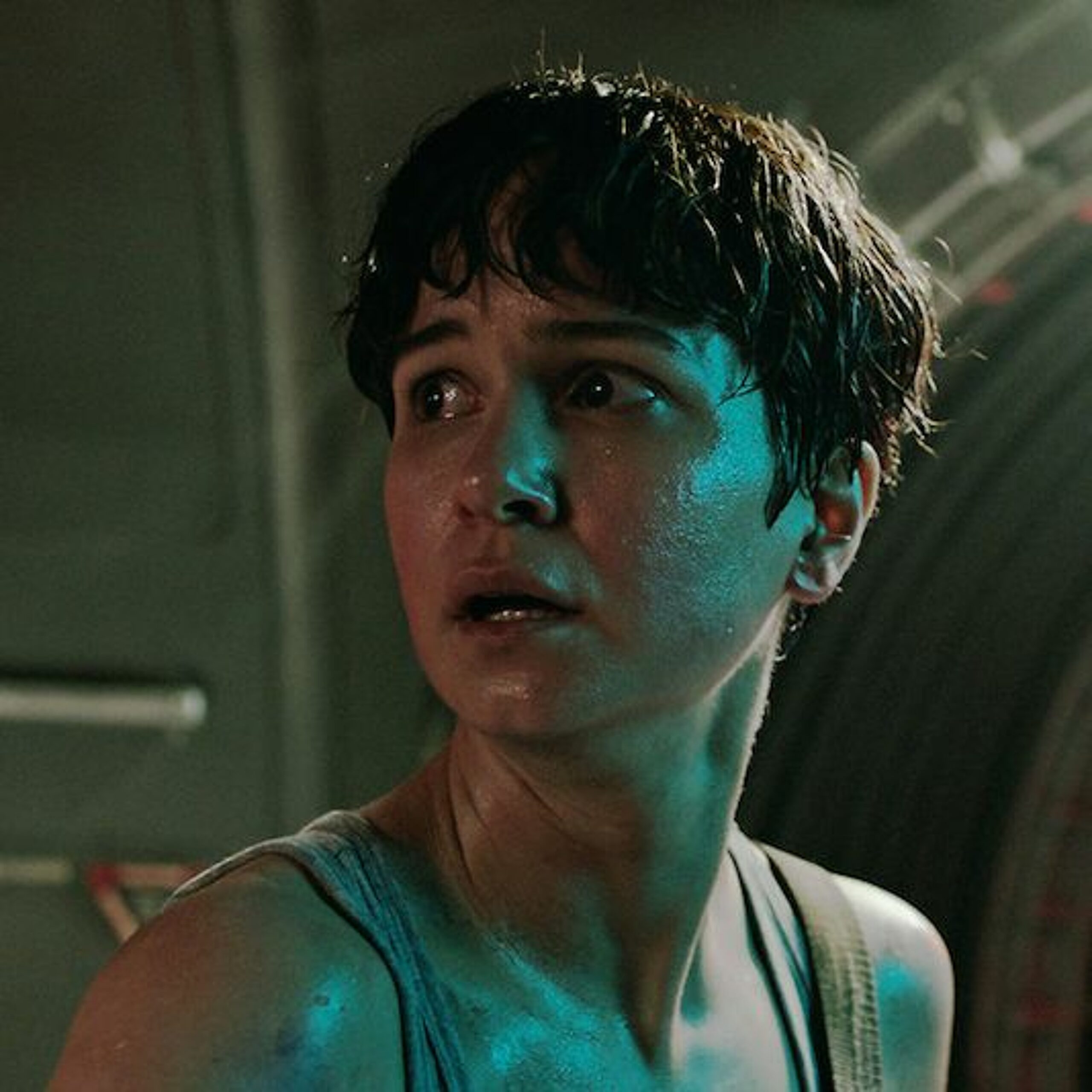
Filmmaker Commentary dives into Ridley Scott’s return to his iconic sci-fi universe with Alien Covenant, offering a deep look into the director’s unique vision and meticulous craft. This episode illuminates how Scott orchestrates a symphony of unsettling visuals, philosophical inquiry, and visceral horror, making it essential listening for anyone passionate about cinematic world-building.

The hosts dissect Scott’s directorial prowess, immediately drawing attention to his signature visual trademarks, such as the recurring “eye motif” that subtly links Alien Covenant to past works like Blade Runner. They explore the film’s rich thematic discussion, especially the profound struggle between creation and creator, personified through the complex androids David and Walter. Listeners gain insight into how Scott uses these characters not merely as plot devices, but as conduits for deeper questions about intelligence, arrogance, and sentience, juxtaposing David’s burgeoning narcissism with Walter’s subdued obedience.

Beyond the narrative, the discussion unpacks Scott’s practical filmmaking philosophy. The episode reveals his dedication to providing actors with thorough character backstories, ensuring authentic performances even in the face of abstract threats. This attention to detail extends to his crew management, highlighting the long-standing relationships with key personnel, like the engineer behind the spaceship’s dynamic shocks, showcasing the importance of trust and collaborative synergy in a high-stakes production environment.

The conversation further navigates the film’s strategic pacing, demonstrating how Scott modulates tension and information delivery. From moments of existential dread to bursts of frenetic action, the episode breaks down how each beat contributes to the immersive experience. A fascinating segment explores Scott’s grounding of speculative fiction in scientific reality, drawing parallels between the Xenomorph’s rapid evolution and real-world phenomena like Ebola and Anthrax. This scientific rigor amplifies the horror, making the alien threat feel disturbingly plausible.

Finally, the hosts touch upon the business acumen required to sustain a beloved franchise, noting Scott’s knack for operating within budget constraints while consistently delivering profitable ventures. They also debate the unique demands of film versus theater as mediums, emphasizing the director’s enduring influence across all stages of cinematic production. This commentary provides not just an analysis of Alien Covenant, but a broader lesson in the art and science of impactful filmmaking.

What We Cover

  • Ridley Scott’s distinctive visual style and thematic recurring motifs (e.g., the eye motif in Alien Covenant and Blade Runner).
  • The philosophical themes of creation versus creator, intelligence, and arrogance embodied by the androids David and Walter.
  • Practical filmmaking approaches, including actor motivation, crew management, and the importance of multidisciplinary skills (math, science, art).
  • The film’s pacing, narrative structure (especially the prologue and its relation to Prometheus), and the terrifying evolution of the Xenomorph.
  • Ridley Scott’s preference for practical effects and his unique approach to visual storytelling in sci-fi horror.
  • The business side of filmmaking, including budget management and marketing strategies for a major franchise.

Key Moments

  • 0:24: Initial reactions to Alien Covenant and how it builds on Prometheus.
  • 6:01: Discussion of Ridley Scott’s character exposition, contrasting the androids David and Walter.
  • 10:55: Insights into providing actors with detailed character backstories for deeper performances.
  • 19:06: Exploring how real-world biology, like Ebola and Anthrax, informs the terrifying realism of the Xenomorph’s design.

Gear & Films Mentioned

  • Alien Covenant
  • Prometheus
  • Alien
  • Blade Runner
  • Goodfellas
  • Collateral
  • Sin City
  • Justice League
  • Guardians of the Galaxy
  • Gladiator

Listener Questions

  • What recurring visual motifs does Ridley Scott use to connect his films, and how do they function in Alien Covenant?
  • How does Alien Covenant explore the complex relationship between creator and creation, particularly through its android characters?
  • What practical filmmaking lessons can be learned from Ridley Scott’s approach to pacing and blending genres in Alien Covenant?

Full Transcript

Read the full transcript

Full Episode Transcript
This episode of Filmmaker Commentary Ridley Scott's *Alien Covenant*, exploring its connection to *Prometheus*, the director's unique style, character development, and the intricate themes of creation and survival within the franchise.

Opening Discussion and Initial Impressions
Reginald Titus Jr.: Filmmaker Commentary episode 10. Welcome to Filmmaker Commentary, where we give you insights from our favorite filmmaking commentaries. These commentaries can be heard on your DVD and Blu-rays of your favorite movies. We'll show you how you can use these commentaries and apply them to improve your video production and filmmaking techniques. All of this here on Filmmaker Commentary. I'm your host, Reginald Titus Jr. All right, welcome to another episode of Filmmaker Commentary. I'm Reginald Titus. I'm joined with...
Casey G. Smith: Casey G. Smith.
Reginald Titus Jr.: Welcome back, man.
Casey G. Smith: Thank you, sir. Good to be back.
Reginald Titus Jr.: So, today we're going to be talking about *Alien Covenant*, directed by Ridley Scott. This was a budget of what, 97 million?
Casey G. Smith: Yep.
Reginald Titus Jr.: It made at the box office, it made 250 million bucks. What did you think about *Alien Covenant* after coming back, visiting it, rewatching it?
Casey G. Smith: So I was really looking forward to *Alien Covenant*, especially coming off *Prometheus*, which I really, really enjoyed. We talked about this, you know, last, last podcast. And I enjoyed *Alien Covenant*. It's, it hearkens a lot back to the original. And of course, heads up. If you're listening to this podcast, we go all in, so there will be spoilers. So if you haven't seen *Alien Covenant*, we encourage you to watch that first because yeah, we we go all in and there will be spoilers. So with that being said, just knowing more about the origins of of David, the themes of of creation versus creator, you know, Ridley Scott, I again, I enjoy his direction. I I enjoy the the visuals, and just even how it, you know, ends. You know, it's got a little bit of a sinister ending to it. And even some of the some of the action and some of the taking some of the the similar Alien tropes and kind of doing slight variations on some of those things. , I I I enjoyed it. It it it's a I think a a good a good time at the movies, if you will. I saw it, you know, in the in theaters with a date, and I was like, oh, and it was fun. We had good conversation afterwards, and, you know, a little more fear of uh AIs. So yeah, good time. How about you, man?

Ridley Scott's Vision and Character Analysis
Reginald Titus Jr.: I enjoy just the style of Ridley Scott. Just the way it looks, it's just awesome to look at in general. To me, it felt just like a straight-up horror movie.
Casey G. Smith.: Right.
Reginald Titus Jr.: Out of this one versus *Prometheus*, I think I like *Prometheus* better.
Casey G. Smith: I can agree with that.
Reginald Titus Jr.: I also like how Ridley, like he opened it up with an eye. Did you notice when the movie started? Like he zeroed in on an eyeball. He did the same thing in *Blade Runner*.
Casey G. Smith: Oh.
Reginald Titus Jr.: And so he he is interesting how he puts these things in his movies to kind of symbolize certain things.
Casey G. Smith: Yes.
Reginald Titus Jr.: Um, so it's kind of cool how he ties in these things in all his movies. Um, so I enjoy that about Ridley, how he kind of plugs things in. Um, when I first saw it, I I really didn't understand the pro the whole prologue part because I was kind of confused because I saw *Prometheus* and what's the CEO of the the major company?
Casey G. Smith: Uh, that is Peter Weyland.
Reginald Titus Jr.: So, seeing him as a younger guy, I was like, okay, what what's going on here, you know? Watching it again, I'm like, okay, it made more sense to me. Okay, this is a prologue.
Casey G. Smith: Yeah.
Reginald Titus Jr.: And then we go into, you know, what's currently happening in *Alien Covenant*.
Casey G. Smith: Yeah, it's like like 400 years, I think Ridley said in the commentary, like 400 years prior, you know, when when this iteration, possibly the first iteration of David, is is is created. And even again, those those themes of, you know, creation versus creator and and and David's intelligence and even arrogance are quickly on display, but I'm sure we're going to dive into some more of that.
Reginald Titus Jr.: Right. And seeing the piano in the prologue, and then if you go back to *Prometheus*, you remember seeing the piano in the CEO's room where he's living in in those quarters. So I was like, okay, he's kind of he's grounding this thing. You know, everything is intentional. Um, but I like how this franchise always seems to turn a profit. Even if it doesn't like do big things at the uh at the box office, he still works within his budget. And it always seems to be like right under 100 million or or whatever. He he I don't know, man, he's real resourceful. Whatever he's doing, he he figures out to not go so far into budget land that he can't make the sequel because if they would have made this for 200 million bucks and it only made 240 million in the box office, they would not be doing another sequel to this. And so I'm I'm very curious for you because, uh, what because I think sometimes when we look at the budget, you know, obviously, you know, the production cost, but I don't know if that's including the the P&A costs.
Casey G. Smith: I I wrote that exactly. I
Reginald Titus Jr.: Yeah.
Casey G. Smith: like the cost to promote this thing because, you know, I think it what came out in what was it October? But when it when it dropped, um, oh no, I'm way off. It was May. May uh May 19th, 2017. So yeah, I mean, almost almost a whole year, almost a whole year ago, but they were doing pretty substantial marketing even I want to say even like leading into like the the playoffs and things like that, they had their, you know, their campaign going. So, and with a a property like Alien that's that's known worldwide and even making corrections because, you know, some people complained about *Prometheus*, and some people didn't potentially go and see it because it didn't have the Alien name on on attached to it. They didn't know that it was a prequel. So then they actually changed it. They didn't say *Prometheus 2*, they call it *Alien Covenant*. They wanted to really tie it back into the franchise. So, I I'm I'm I'm curious how much uh it actually turned once you uh calculate the that that P&A budget.
Reginald Titus Jr.: I thought about that too, as far as like, uh, you know, we're here, Black Panther's still in theaters, and their budget being 200 million. I wonder if that includes P&A because maybe 100 million goes into production and another 100 million goes towards P&A because, oh my God, that movie they were advertising it everywhere.
Casey G. Smith: Yes, yes, they were. They had the they had the the Mouse was behind behind the Panther.
Reginald Titus Jr.: Um, I really enjoy like the exposition of how uh Ridley introduced us us to the characters. So like when Walter, um, is walking around the ship and he's he's showing us how things work. And he's going to come back to those things later, like the embryos and the little Petri dishes or whatever those are. Um, he introduces us to like the protagonist, uh James Franco's character, and our main protagonist. He introduces us to them in the exposition, but, you know, we'll come back to those people later, and we kind of see how everything is working from the little sun flare energy thing that get solar panels.
Casey G. Smith: That get damaged.
Reginald Titus Jr.: Yeah. Well, he he shows how it works before it gets damaged. You know, so it's
Casey G. Smith: Oh, yes, yes. And talking about the materials out there that they're using, how it's almost like a a metallic how do you describe it? Like a metal a metal fabric almost that that could be used and and reinforced to really be able to absorb the solar radiation. But kind of also going back to the introduction of not David, but
Reginald Titus Jr.: Walter.
Casey G. Smith: Walter. Man, I just blanked out. Coming back to the introduction of Walter, when you kind of contrast that with *Prometheus*, uh when we get introduced to David, you know, David's going around, he's looking at the dreams, uh that that Noomi's character is is having, and then he's watching *Lawrence of Arabia*, and he's dyeing his hair. So there's there's just a little bit of like almost like vanity that you can see in David kind of off the bat in *Prometheus*. Juxopposing that with with Walter, who is he seems more toned down, uh he's like kind of just like doing what he's supposed to do. When he looks up when he looks upon the cast and the or the crew, I should say, he doesn't kind of seem to have any kind of it's more like, okay, I'm I'm I'm I'm checking on them. Okay, they seem to be okay. Let me go about, okay, I'm checking on the on the embryos and all the life we have on the ship. He he he seems more toned down. He he seems just very different already from from David's model.
Reginald Titus Jr.: I like uh Michael Fassbender. Am I saying his name right?
Casey G. Smith: Fassbender. Fassbender.
Reginald Titus Jr.: Fassbender. Um, great actor, man. Um, how he plays creepy in when while things are going on while things are going on, chaos is happening, he's still emotionless. He's, you know, there's fire going on in the main ship and he's just, just another day at the office.
Casey G. Smith: Yeah, and that's that I think that's that contrast of of that new model. Less, you know, he mentions this to David later on, uh that you you frightened them. Your your your new model frightened them. And so they they made modifications to make this Walter's model less emotional, to have less emotions. Uh and honestly be kind of more subservient. You know, I guess those were maybe those robotic laws being put back into effect. But yeah, he's, you know, extinguish this. Sure, move moving on. Next task.
Reginald Titus Jr.: And I also like how Ridley talks about how um the arts, graphics, and science all go hand in hand. And when you have problems, you actually have to think be think them out. Think it through like a scientist.
Casey G. Smith: Absolutely. Um, in my uh daytime job, um often when I'm when I'm talking with students about the commercial arts, one of my favorite things to do is to tie in just how they're used in so many different places. And depending on what kind of class I'm in, being able to relate, and we have specific materials, we have quizzes that if you're, you know, in a math class, okay, look, this is where they're using math in game art and design or in interior design, or in culinary, or in, I mean, whatever field you think of, you're you're utilizing mathematics, you're also utilizing English. You're continually problem-solving, um working separately, working in groups. And definitely when you get into a, you know, a film or production-related situation, all those skills are being utilized. Math, communication, problem-solving, teamwork. Yeah, it's it I love how he how he stated that. Math, science are all they're forms of art. Especially when you look at great artists in the past, you know, Da Vinci, maybe like the the prime one to to point out. An artist, an inventor, um just wearing so so many hats.

Filmmaking Craft and Production Insights
Reginald Titus Jr.: I was able to pull a few points from um watching this commentary. Uh this commentary, it it seems like um Ridley didn't really focus so much on the technical stuff. And I know the the Blu-ray has a lot of special features. So if you do uh get a chance to get um hold of the Blu-ray with the special features, check those out because they're chalked full of those. Uh this commentary kind of felt like he was just winging it more.
Casey G. Smith: I agree. I got that that same kind of uh feeling from from Ridley. That he kind of came in, just kind of wanted to just talk about it, just just just be relaxed. Mention some of the processes. Yeah, it doesn't get as technically deep as some of his other commentaries. Uh again, from *Prometheus* to *Alien* and others.
Reginald Titus Jr.: One of the first points is actors need background on their characters and need a little bit of direction for their motivation. Uh do you remember what he said about giving them direction?
Casey G. Smith: Right, so some of the, you know, initially he was telling the director, like, look, your your direction is is is is being scared out of your minds and your your insecurity and trying to survive, you know, from what's trying to kill you. Uh but then they kind of complained, said that they wanted, you know, a little bit more for their characters. And so he sat down and wrote like a a one-page backstory for uh each of the characters and for for the actors and their characters. And and the actors really really appreciated that. And he kind of talks about, you know, on the ship the roles that these these these couples play, which I thought was a pretty fascinating take that you if you're going to go and colonize a planet, like you're trying to get the, I mean, maximize value. Okay, we don't just want the best of the best. We also want compatible mates to start families, to start civilization, to give a template of kind of how how to start a society even. Uh but coupled with that, you know, we talked about a character's backdrop, I thought that uh Billy Crudup's character was interesting, uh when Ridley said that, you know, after Franco's character dies, and by default, uh Crudup's character is is the next up to be captain. And he mentioned how because he was, yeah, he had a belief that he because he had a belief system and he was a man of faith, that he was that's why he was passed up for the the position of captain, and even now that some might look at him like as a as a fundamentalist and have doubts about his ability or his or his decision-making. And so it's fascinating, it's very, you know, science-driven environment that you'd have this person kind of being persecuted for their for their faith. But also, you know, the fact that Ridley would have written that potentially that written that backstory for for this guy, maybe to flesh him out a little bit more.
Reginald Titus Jr.: It's kind of ironic that um um was it it was David's character when when that guy, when the captain, the new captain, you know, he's sick and has the new Alien in his stomach, and he's like, what do you believe in? And then then David's like, creation. Creation. Then it busts out of his stomach. Oh, man.
Casey G. Smith: Yeah. That Fassbender just like that stoic just delivery. The the the my I don't have a soul delivery. Creation.
Reginald Titus Jr.: Um, on, well, to add to that a little bit, I think Sid Field in his book, um talking about screenwriting, he does tell people to have like a backstory for your characters to help your um actors out. And some it depends on what kind of actor you have. Like, I've heard that Tom Cruise, who directed uh I forgot who directed *Collateral*. I forgot the name of the director.
Casey G. Smith: Oh, man. Um,
Reginald Titus Jr.: Was it with him and Jamie Foxx?
Casey G. Smith: Yeah. Michael Mann.
Reginald Titus Jr.: Michael Mann. So, Michael Mann was more um I think he had like the backstory, but um Tom Cruise, he likes to write his own backstory for all his characters and come prepared and he's like, you know, this is my job as an actor to come up with the backstory and this this and that. So like that's debatable, you know, who's going to do all that extra work. But you kind of me, I would expect, you know, an actor that's on that level to kind of bring it. But at the same time, if I wrote the piece, then I would have more insight on that as well.
Casey G. Smith: So I I would think it comes down to communication, that once, you know, somebody's auditioning for the role and or they get the role, then I would assume it's the it's the actor's responsibility to find out from the director, hey, how do you want to approach this? Because each director is different, each actor is different, but I think it would ultimately be on the onus of the actor to to find out, okay, you want me to flesh out the backstory? Or do you have something in mind? Uh or do you have some just specific things you want me to make sure that are in there? And then and then go from there. Um, yeah, just, you know, keeping those lines of communication open. But it is it is fun to to write a to write a backstory uh for for a character and kind of just seeing where they go. And again, that puts you in touch with again at the end of the day, what are the motivations of this character? What drives them to want what they what they want? And how does that play out in like everything that they do? What's the driving desire?
Reginald Titus Jr.: Number two, you find somebody that you like, and you keep them. Uh Ridley talks about uh his engineer that created the the shocks. So there's parts in the movie when the spaceship is shaking, and I guess his engineer created shocks for it to move while the actor's like moving around real quick. He's been working with this guy since *Gladiator*.
Casey G. Smith: Yes.
Reginald Titus Jr.: And so when you find somebody that you you trust, um that can kind of predict you, y'all work well together, you try to hold on to these people.
Casey G. Smith: Totally agreed. Um, again, you you there's I'm sure with someone like Ridley, there there's so much to do, especially in the productions he's involved in. So much to do, so much to execute. And you want to know that you can rely on that person. So you've seen them come through before. You know they can solve problems. You know that they can that they they can use math and science like art. Uh and that and this guy did. I mean, with the when you see the ship kind of going in for landing, that was a set they built. It's set on six hydraulic legs. Um and it oh man, he was talking about how many tons kind of like each part weighed. I was like, wow. Um but yeah, you need a legit engineer. But most importantly, Ridley said the guy was safe. And above all that he was safe because, you know, that's the last thing you would want is to have anybody get injured or have a lawsuit on your hands. So, uh, you know, they can check off all the boxes and continue to work together.
Reginald Titus Jr.: Point number three. And I don't know if this, you know, would help you, but he he mentions that film is a uh a director's medium versus theater being more of an actor's medium. And I guess an example is when the, you know, an actor's going out to do their performance, they're adjusting to the crowd. You know, you're done, your hands are off as the director of the theater. You know, you just let your actor do it do their thing. Uh but when you're directing a film in that medium, you're affecting it from pre-production, when you're in production, to sound design, it's like uh these different people, like the actors, they'll come in, do their thing, and they're onto their next project. And when they come back, then they'll be like, oh, that's what you're that's what your vision was for this thing. Okay.
Casey G. Smith: Exactly, especially, you know, on that actor side in the theater, again, like you said, night to night, they can make these changes, as well as based on the crowd reaction. You know, there's this uh symbiotic relationship that that actor can have with their ensemble, but also with the crowd, night to night, even to how they might be feeling. They might have a little more energy or feel like the character should go this direction that night. And that might impact how it plays out in future uh screenings, not screenings, but shows. Versus again, with the director director's medium of film, like you said, Reginald, again, from pre-production, obviously to production, to post. Uh I've heard it often said before that you can literally have three different films: what's written, what's shot, and then what what happens in the editing room. You know, we we we we hear and see, you know, the director's cut of a film, which could have a drastic a drastic change. Uh you have films that are cut to fit to fit the standards and runtimes for theaters to be able to have enough showings for making money versus then you bring it into the home, you can make adjustments and changes and have an extended version uh because you're not worrying about, okay, this has to fit this to have more, you know, butts in the seat. Uh and again, a lot of times, again, the actor will come, they'll come, shoot. They leave and they they may not they won't see how it all connects until they go to the premiere. Uh or they've been on set and they're fighting a green screen monster or villain. And they may have no idea what it looks like until it's all put together. So, uh yeah, definitely, uh film is a is a director's medium.

Realism, Themes, and Creature Design
Reginald Titus Jr.: Point number four. Study biology, uh to ground your world in reality. And um he he went on to mention like the study of Ebola.
Casey G. Smith: Yeah, creepy.
Reginald Titus Jr.: Scary.
Casey G. Smith: Right, so he he mentioned with Ebola just the quickness uh in how it can spread because obviously, you know, in in in *Alien*, I mean, these are these are biomechanical weapons. Um that's that's what the Alien is. It's a biomechanical weapon. And, you know, but it's also it's it's an intelligent agent. Uh when that guy first steps, you know, we always have when people walk away. If you're ever on an Alien planet, ladies and gentlemen, please wear protection from head to toe. Don't take your mask off. I mean, anyway. So, that guy steps and those spores come out, that dust, that organic smart dust forms and then Ridley said there's there's nothing quite as scary as something invading the human body. When that thing goes into his ear canal and just, you know, you're like But with these diseases, you know, I I love how technical Ridley is and how he he relates things back to He's he's technical and but he's practical. You know, he relates things back to real-world stuff. You can clearly tell that he he does a lot of studying, he watches a lot of documentaries, because he mentions that multiple times. Uh and that practicality. But, um with Ebola, the ability for it to spread so quickly, um and he said the only way you can stop, you know, these kind of infectious diseases is through quarantine. But you have to but you first have to know somebody has it. Uh otherwise, somebody catches something, they go out and they, you know, by midday, maybe they've had contact with 30 people. And then maybe by, you know, the end of the day, maybe they've had contact with 200 people. And now you got all these people who are infected. But then on top of that, he mentioned with uh anthrax. How, you know, in the first Alien, that wasn't that planet that the ship was on was an outpost. Like if you're developing, you know, major deadly chemical weapons, you don't do that in your backyard, you don't do that in your home or on your home planet even. Like that's how bad this was. Like they said, hey, you take that to another planet. And so, that was an outpost. With anthrax, like there's Ridley mentioned there's a place called Anthrax Island, where they they work on and develop anthrax. And it's so bad that even when they test it in like bodies or or animals that will die from it, they they try to bury it, but they like put lime on it because they can't actually kill the disease. And they can only kind of hope to contain it with lime. That's terrifying. Absolutely terrifying. What do you think, Reginald?
Reginald Titus Jr.: I like the um when he talks about the growth rate of the xenomorph, and like can something possibly like grow this fast? And he uses an example of like the forest, how nothing will be there, but then it'll rain and then like literally overnight, like there's plants just blooming everywhere.
Casey G. Smith: I think I think uh I think it was the Sahara Desert. Was that who he was talking about? The Sahara Desert. Yeah. How like just yeah, overnight, blooming. It's like, well, you know, why couldn't potentially fungus do that? Which is like, again, that practicality that he he brings, like, oh, he poses a good thought. So speaking of that like that first Alien we see uh on the ship, I like how he did a different spin on the chestburster. Where with this first one, we saw we know the initial kind of spikes or claws coming out of the guy's back, out of his spine. And how the thing just it ripped through and came out of his back.
Reginald Titus Jr.: So gross.
Casey G. Smith: And once it severed his spine, you know, no spine, you you cannot support yourself. And how he just kind of the guy just flops flops back like, I'm dead, you know. I was like, oh, okay, that's pretty unique. But man, the growth rate of that thing was, you know, we've we've seen it at times, in previous movies, we would see it it it would appear, and then it would disappear, and we would come back to it and all of a sudden it's like, holy smokes, this thing has grown. Like we saw in *Prometheus*, you know, once she uh did the C-section, took that thing out. We didn't see it until she came back into that room. All of a sudden, we saw this big tentacle on the window. You're like, oh, man. But this thing, we actually saw it go from come out coming out of the embryonic sack and, you know, first kind of moves and sounds and motions, and literally this thing grows within a five-minute period and it's just a a vicious predator, but it's it's literally growing while it's attacking. And I don't think we had really previously seen that in uh some of the other Alien films. So that was unique to see the growth in action.
Reginald Titus Jr.: Uh, having children, um, there
Casey G. Smith: Segue.
Reginald Titus Jr.: Segue. Um, there are times where I feel like one of the kids grown overnight.
Casey G. Smith: Mmm.
Reginald Titus Jr.: And they'll sleep, like when they're going through a growth spurt, they'll sleep like almost the whole day.
Casey G. Smith: Wow.
Reginald Titus Jr.: Like 15, 16 hours. They'll sleep, like, are they alive? And then you gotta go and check. And then it feels like they grew like half an inch or something like that overnight. And this is like periodically this will happen.
Casey G. Smith: That's fascinating. Again, you know, I mentioned metamorphosis, but like, you know, when we think about when we think about uh the caterpillar, right? Going into the cocoon. And it's during this state of rest. It's it's often when like growth, you know, that's when our muscles repair, you know, things like that. So that would kind of make sense that the body is is like putting you in a state so it can stretch and grow and expand. Uh it it watching growth is a pretty amazing thing. And it's it's also fascinating, Reginald, the difference in in speeds of growth between humans versus other animals, right? Other animals, their cubs go from being cubs to to grown in such a faster period of time. Like their growth is so accelerated. Like, you know, something like like dogs, right? We talk about dog years and, you know, when a, you know, what is it like seven years, I guess, for every one human year. Um or something like say fruit flies, which their lifespan is what, like a couple of days, something like that.
Reginald Titus Jr.: I didn't know that.
Casey G. Smith: Yeah, like super quick. You got a couple of days, make your mark on this world, fruit fly. And you're out. You got a week, if you're lucky.
Reginald Titus Jr.: I don't want to stay here anyway. You know.
Casey G. Smith: But yeah, it's fascinating and kind of tying that back into Ridley's point of just the the speed of of of growth. So, hmm.

Narrative Pacing and Thematic Conclusions
Reginald Titus Jr.: Point number five. Keep the movie moving. He talked about pacing. Um, and in switching tone. So like you're there's like anxiety and then you switch to um a pace where we're getting information. Um, I'm trying to remember the scene where um we're finding out things through Walter and David. David's showing Walter that he can kind of improvise and play the flute and learn these different things. And then you, and that's after we basically went through a horror show. So just kind of noticing the difference of pace.
Casey G. Smith: Yes, and again, Ridley as a a master filmmaker who has worked in multiple and various genres, you know, knows how to take that, knows how to take a script and and pace it correctly, where you can go from having exposition, making sure that it's pertinent or making sure that the reveal of the information is is such that it's like, oh, wow, you know, where that keeps you engaged and then being able to cut to something dramatic. And it's it's also kind of ties back to him talking about film being the director's medium because he can take he can take you from a dramatic scene because obviously there's a lot of death and loss in this film, traumatic loss, like people's life mates and partners, their husbands and wives. And seeing them also in very vulnerable states, like with Tennessee's wife, when she is trying to communicate back to the main ship that something is going on when she's normally calm, cool, and collective. Uh the captain, uh David uh Billy Crudup's character, you know, then you know, losing his wife. And, you know, dramatic, broken, but then being able to, okay, now we got to switch, we got to switch over to this. Okay, David being introduced and him revealing himself. And yeah, just, you know, the pacing and the timing. Uh it's it's, you know, when I think about it, I'm like, you know, it's it's it's a well-paced film and not really any like dead spots in it. It moves pretty quickly.
Reginald Titus Jr.: Point number six. Ridley, he talks about how being in a union, being part of like the Director's Guild. He prefers to operate his camera, but because he's inside of a union, uh for directors and once you get to Hollywood and all these studios, everybody is in a union, these unions basically protect your job. The union rules that a director can't operate his own camera because that's a totally different person that does that. And so he likes to have a camera person that he can really trust. And they can basically shoot like he like he envisioned as if he was operating it himself. And I remember with um a movie called *Sin City* with Robert Rodriguez and Frank Miller. Was it Frank Miller?
Casey G. Smith: Yes.
Reginald Titus Jr.: They had uh Robert Rodriguez had to denounce his Director's Guild in order to be in a co-director with Frank Miller on that movie because they wouldn't allow them to direct together because they aren't considered a bonafide team like the Wachowskis or the Coen Brothers.
Casey G. Smith: Right. They kind of ran into the same thing with with *Justice League*. Though Joss Whedon finished out *Justice League* and some would say maybe he reshot half the film. The Director's Guild will only give credit to to one director. And that's why Zack Snyder's name, you know, is still still on on the credits as as director.
Reginald Titus Jr.: Dodged a bullet.
Casey G. Smith: Yeah. I find it fascinating when you mentioned that that with the whole the the Director's Guild and being able to work the camera because again, Zack Snyder also is a director that likes to use the camera and and and I think shoot some of his shots as well. So I'm I'm I'm curious like can it not touch it at all? Is there a limitation on the number of scenes they can do or
Reginald Titus Jr.: I think they just probably wouldn't even get credit for the operating the camera, basically.
Reginald Titus Jr.: One of the last points is um oh, he he likes to shoot practically. So there um as he doesn't really like actors looking into space at these imaginary objects. And so there's a scene where uh Walter is face-to-face with the I guess it's not a xenomorph at that time. What is it? The the Alien, the little one without the exoskeleton. It's like all white, pale, I don't know the name. Is it still considered a xenomorph?
Casey G. Smith: Yeah, it still is. Yeah.
Reginald Titus Jr.: It is. Okay. Okay.
Casey G. Smith: Alien.
Reginald Titus Jr.: The xenomorph without the uh exoskeleton. Um, but who was uh Michael Fassbender? Who was he reacting to? You know, so he likes to have another actor put on like some makeup so that he can play off somebody.
Casey G. Smith: Ah.
Reginald Titus Jr.: And then later the graphics people can put in the graphics over that.
Casey G. Smith: That makes sense because even uh James Gunn does that in *Guardians of the Galaxy*. His his brother uh for for his basically his brother plays Rocket Raccoon. Um in the *Guardians of the Galaxy* movies. He's he's there he's he's literally scrunched down and he's the fill-in for Rocket for all the different scenes. And even some of the he even improv improvised some of the different lines like in the first one when he says, you know, we're all standing around here in a circle. Bunch of jackasses. Like that was I want to say that was his line that he he might have improvised for then Bradley Cooper to to record, you know, later on in in the VO booth. But yeah, he's I'm I'm for give me for uh for for getting um James Gunn's brother's name. But he also also plays a role in Guardians. He's he's one of the one of the Reavers. He's a kind of like that second-in-command. Um, yeah, he's the second-in-command of the of the Reavers. But yeah, he fills in for Rocket. So that makes that makes sense to have that person for people to to play off of. It does make a difference.
Reginald Titus Jr.: And that wraps up *Alien Covenant*. Covenant means an agreement.
Casey G. Smith: So how do you think that with the film, how do you think that name ties in? What what is what is that what does that mean? Like who was the covenant with?
Reginald Titus Jr.: So, um I think the Covenant was the name of the ship, right? Because they name it. But I think the agreement was between David and Shaw.
Casey G. Smith: Hmm. What agreement did they have?
Reginald Titus Jr.: That he was and he was going to operate on her and create this new uh Alien thing.
Casey G. Smith: So you so you willingly gave herself, gave her body up to to science to David?
Reginald Titus Jr.: I don't know.
Casey G. Smith: That's fascinating. That's something to wrestle with. Because yeah, I don't I don't know what I'm I'm very curious how early Shaw died. Because when the flashback, we have David showing up and him dropping the bombs.
Reginald Titus Jr.: Mhm.
Casey G. Smith: Was Shaw already dead? Also even backing up before that, like, how did I'm always curious how she rebuilt him because all she had was a bloody head. I don't mean the head was dripping with blood, but all she had was a head when she left in *Prometheus*. So I'm assuming there were maybe things on the ship to rebuild rebuild him, but I I don't know how they would have things to rebuild a an Android. I know they're more advanced civilization, but I'm I'm very curious how she rebuilt him. I'm sure he could have given her instructions and things of that nature. But I'm curious how she rebuilt him. Uh, and then for him to I think he just double crossed her and and killed her. And the Covenant itself,
Reginald Titus Jr.: Just because he has this connection with her, you know, he has his pictures up. He he's crying at her grave. You know, it's that connection's weird.
Casey G. Smith: Yeah, maybe there's a certain degree of gratitude because they they did find an understanding at the at the end and their their goal was to reach the planet. And they did that together. She did get him a new body again. So, and maybe she was the first because this you know, they talked about this in the in the original *Prometheus* how he was kind of looked down upon. And even her even her husband, you know, looked looked down upon uh upon David, uh because he was an AI. Where she kinda reached an understanding and maybe maybe there was this mutual respect. You know, maybe maybe there was some kind of affection, you know, having gone through something so traumatic, all that all that loss, all that death. Who knows? Again, we do have David trying to, you know, kiss folk.
Reginald Titus Jr.: Kissing everybody in this one.
Casey G. Smith: smooching David over there. But I'm man, I'm trying to think was the Covenant. Maybe maybe maybe it is this like constant covenant between creation and creator. You have the covenant between to a degree at the very beginning of the prologue between Weyland and and David, you know, creator and creation. But then also trying to make sure you stays kind of subservient and there's that awkward pause between them at the beginning. Then you have the covenant between, I mean, you always want to say there'd be some kind of covenant between the engineers and and technically us, you know, the ones that created. But then there's like this covenant between the engineers and maybe it's the breaking of the covenant with with what they made, the destructive force they made. But then David's kind of circling back around and turning the covenant-breaking disease weapon upon the creators. So maybe trying to form a new covenant, but yet also by kind of destroying destroying all the all the creators in
Reginald Titus Jr.: Yeah, because the missing ingredient to make an xenomorph is you need a human being. That's the only way you can get to the final creation of the xenomorph, is you need a human being.
Casey G. Smith: Yeah. Because even because yeah, even when the when the engineers, when those spores wipe out the city, like again, it only takes a small amount, just a small amount in a human to create a xenomorph. But when it comes upon the engineers, you didn't see a bunch of xenomorphs coming out. And it was and there was, I mean, just billions, if not trillions of of dust and and in in biological infection happening, those to to the engineers and it just like kind of breaks them down. Yeah, that's fascinating because even in *Prometheus*, you had the thing that she gave that um Shaw gave birth to, and then once it impregnates the engineer, it's something else, a xenomorph that comes out of that.
Reginald Titus Jr.: It's deep, Ridley.
Casey G. Smith: Ridley.
Reginald Titus Jr.: Tune in next week. We will dive into *Goodfellas* with Marty, Martin Scorsese. Definitely a classic director in American cinema. And uh thanks for tuning in everybody, and we'll holler at you next time. Peace.

About Filmmaker Commentary

Reginald Titus Jr.

Apple Spotify YouTube Subscribe Free
Continue Listening

FMC 012: The Movie Casino directed by Martin Scorsese

April 1, 2026

FMC 011: GoodFellas Directed by Martin Scorsese

March 30, 2026

FMC 009: Prometheus by Ridley Scott with guest co-host Casey G. Smith

March 28, 2026

Leave a Response Cancel reply

Never Miss an Episode

New episodes every week — free.

Listen on Spotify Apple Podcasts

Recent Episodes

  • FMC 012: The Movie Casino directed by Martin Scorsese
  • FMC 011: GoodFellas Directed by Martin Scorsese
  • FMC 009: Prometheus by Ridley Scott with guest co-host Casey G. Smith
  • FMC 008: Red State by Kevin Smith Part 2

Archives

  • April 2026
  • March 2026
  • January 2026

Categories

  • Film
  • Podcast
  • TV
© 2026 Filmmaker Commentary. All rights reserved.
  • Privacy Policy
  • Disclaimer
  • Terms of Service