This episode dives deep into Martin Scorsese’s crime epic, GoodFellas, exploring its lasting impact on cinema and the true stories that inspired its gritty realism. Hosts Reginald Titus Jr. and Casey G Smith offer unique perspectives on the film’s influential style, intense violence, and unforgettable performances, revealing how filmmaking techniques bring this dark narrative to life.
What We Cover
-
We begin by reflecting on the enduring influence of GoodFellas, a film that captivated audiences and left an indelible mark on popular culture, inspiring subsequent crime dramas such as Casino and The Sopranos. Hosts Reginald Titus Jr. and Casey G Smith share their initial experiences with the film; Casey, a recent first-time viewer, was struck by its raw power, while Reginald recalls its prominent presence in hip-hop culture as a symbol of aspiration and coded living. This foundational discussion sets the stage for understanding the film’s deep-rooted impact beyond the screen.
-
The conversation turns to Martin Scorsese’s distinctive portrayal of violence, a recurring theme in his work. Reginald highlights Scorsese’s unique technique of lingering on violent acts—a brutal stabbing, a point-blank shot to the face—rather than quickly cutting away. This extended focus, he argues, amplifies the visceral impact and separates Scorsese’s depiction from more conventional action sequences. The hosts muse over specific, grisly moments, such as the gruesome death of Samuel L. Jackson’s character, and ponder the technical skill required to achieve such shocking effects.
-
A significant portion of the discussion centers on the film’s real-life roots. GoodFellas is based on the experiences of Henry Hill, portrayed by Ray Liotta, from Nicholas Pileggi’s non-fiction book “Wiseguy.” Reginald shares insights from a documentary featuring the real Henry Hill, who revealed that the film actually toned down the true events. According to Hill, the real figures, including Paul Sorvino’s and Joe Pesci’s characters, were far more maniacal than their on-screen counterparts. Hill’s eventual decision to betray his crew was a stark act of self-preservation, a chilling example of the “law of the jungle” when faced with inevitable retribution.
-
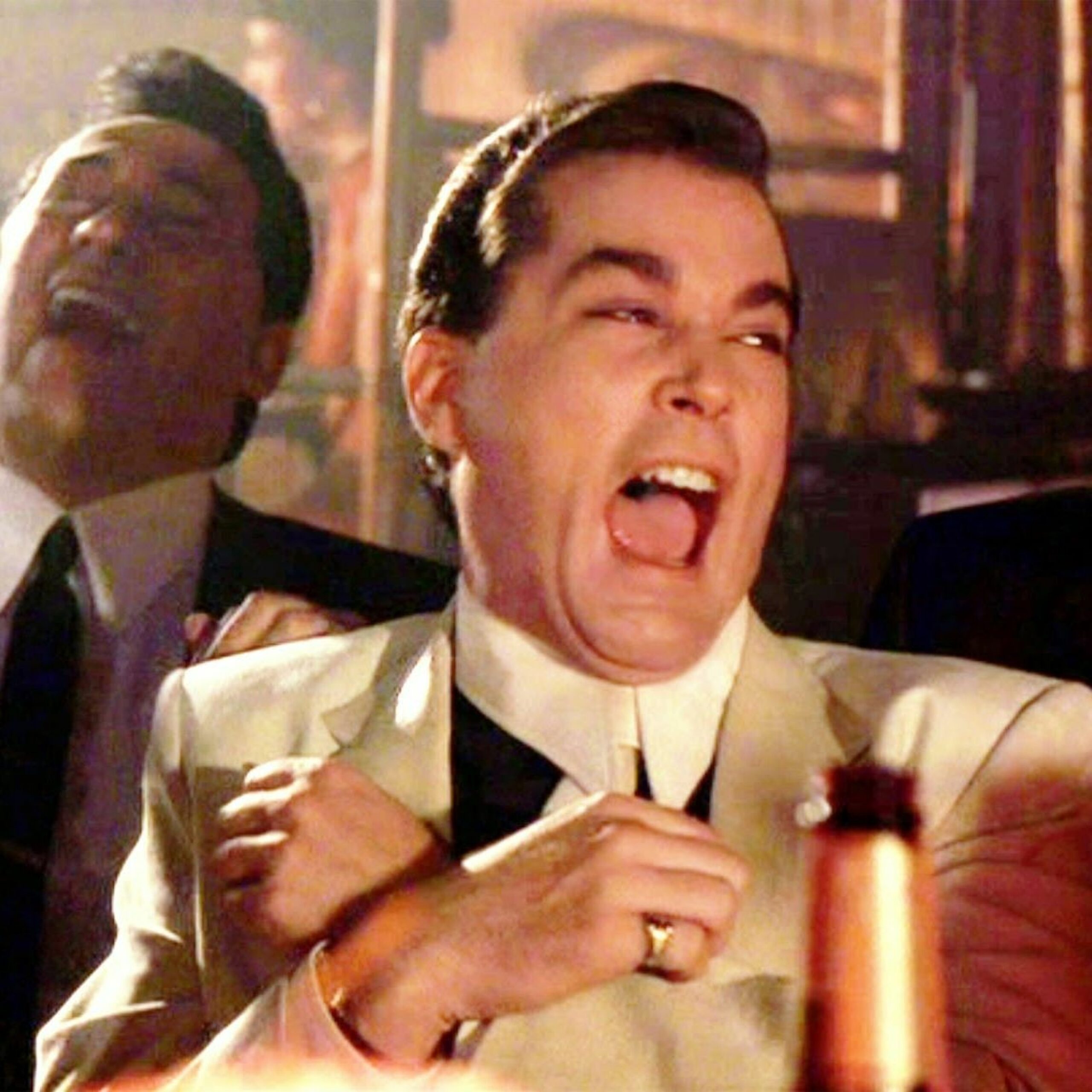
The meticulous casting choices for GoodFellas are a key focal point. Ray Liotta’s distinct, unsettling laugh in the film was an exact mimicry of Henry Hill’s actual laugh. Martin Scorsese’s philosophy for acting is highlighted: he deliberately kept Liotta from meeting Hill until after filming, wanting the actor to embody the character’s core motivations rather than merely imitating his mannerisms. Paul Sorvino, who played Paulie Cicero, initially felt unqualified to portray a hardened mob boss. He found his character’s essence only after a startling moment of self-reflection, seeing “the eyes of a killer” in his own reflection, realizing that darkness was an inherent part of himself.
-
Screenwriter Nicholas Pileggi, who co-wrote the script with Scorsese, offers a fascinating perspective on adaptation. He posits that a writer is the “director” of their book, crafting characters and emotions in prose. However, when transitioning to film, the director must be given the autonomy to mold the narrative for the new medium, taking inspiration from the book but ultimately serving the cinematic vision. This philosophy allowed Scorsese to transform moments like the Copacabana tracking shot—a brief mention in the book—into a pivotal, extended sequence that dramatically establishes Henry’s immersion into the mob world. This particular scene was notoriously complex, requiring eight takes to perfect.
-
The discussion Scorsese’s directorial signatures, such as his famed long takes. The “funny how” scene is cited as a prime example, where Scorsese purposefully filmed this exchange in a single, wide shot to capture the nuanced reactions of surrounding characters, amplifying tension. As an editor himself, Scorsese approaches filmmaking with a keen eye for how scenes will be cut and scored, often having specific music in mind early on. His collaborative spirit and willingness to let actors improvise contribute to the film’s raw, documentary-like feel. Cinematographer Michael Ballhaus’s deliberate choice for a “dirty,” naturalistic lighting style further reinforces the film’s gritty, non-romanticized depiction of the gangster lifestyle. The episode also touches on the transformation of characters, particularly Karen Hill, who quickly acclimates to the mob lifestyle, moving from initial revulsion to active participation.
Key Moments
-
0:43 – First Encounters with a Classic: The hosts share their initial experiences watching GoodFellas and its surprising connection to hip-hop culture, highlighting its immediate and lasting impact.
-
3:40 – Scorsese’s Unflinching Violence: A discussion on how Scorsese’s choice to linger on graphic violence sets his films apart, making the brutality more visceral and impactful for the audience.
-
12:50 – From Book to Screen: A Writer’s Perspective: Screenwriter Nicholas Pileggi’s philosophy on adapting his work for cinema, emphasizing the distinct roles of author and director in bringing a story to life.
-
16:19 – The “Funny How” Scene: Masterful Staging: An in-depth look at the famous dialogue scene between Joe Pesci and Ray Liotta, revealing Scorsese’s deliberate use of a single, uncut shot to capture genuine reactions and build dramatic tension.
Gear & Films Mentioned
- GoodFellas (Film)
- Casino (Film)
- The Sopranos (TV Series)
- Scarface (Film)
- American Gangster (Film)
- The Wolf of Wall Street (Film)
- Reservoir Dogs (Film)
- Steadicam (Filming technique)
- “Wiseguy: Life in a Mafia Family” (Book by Nicholas Pileggi)
Listener Questions
-
How did Martin Scorsese’s unique directorial choices shape the raw portrayal of violence in GoodFellas, and what effect did this have on audiences?
-
What real-life details about Henry Hill’s story were depicted in the film, and how did the cinematic version adapt or even soften the true events?
-
How does a screenwriter approach adapting their own book for film, and what creative freedoms does a director typically take during the adaptation process?